PIMPLE JAGTAP
TYPE : GADHI
DISTRICT : PUNE
HEIGHT : 0
As Pune city expands rapidly, the surrounding villages are gradually merging into its urban sprawl. Many of these villages, rich in historical significance, are now undergoing transformation, leading to the erosion of their original identity. In the process, numerous privately-owned historic forts and mansions (wada and gadhis) are disappearing. Before these monuments vanish completely, it is essential to document and preserve their history.
As a humble contribution to this cause, I have visited many such structures and am documenting their history on my website.
One such historic village is Pimple Jagtap in Shirur Taluka of Pune district. The majority of the village population bears the surname Jagtap, hence the village is known as Pimple Jagtap. Located along the Chakan–Shikrapur road, it lies 33 km from Pune city.
...
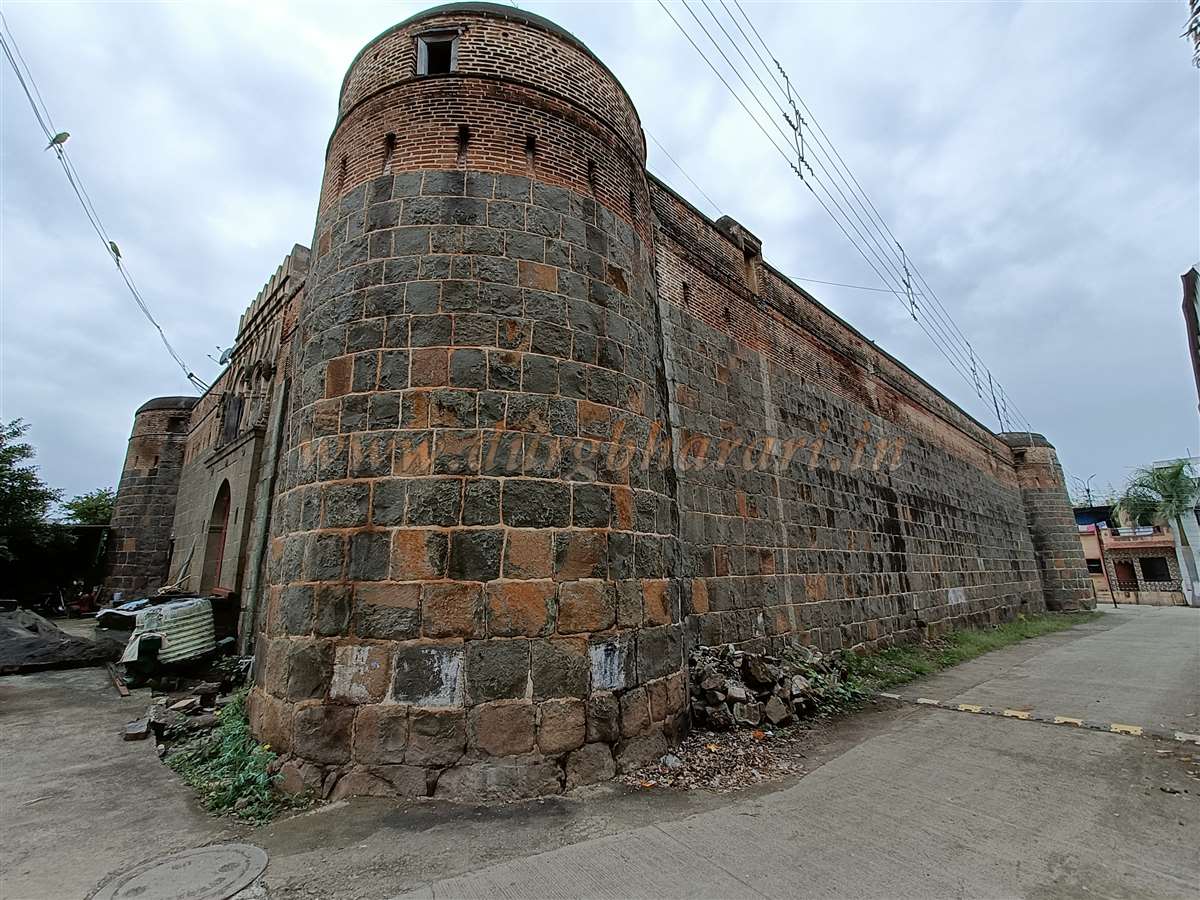
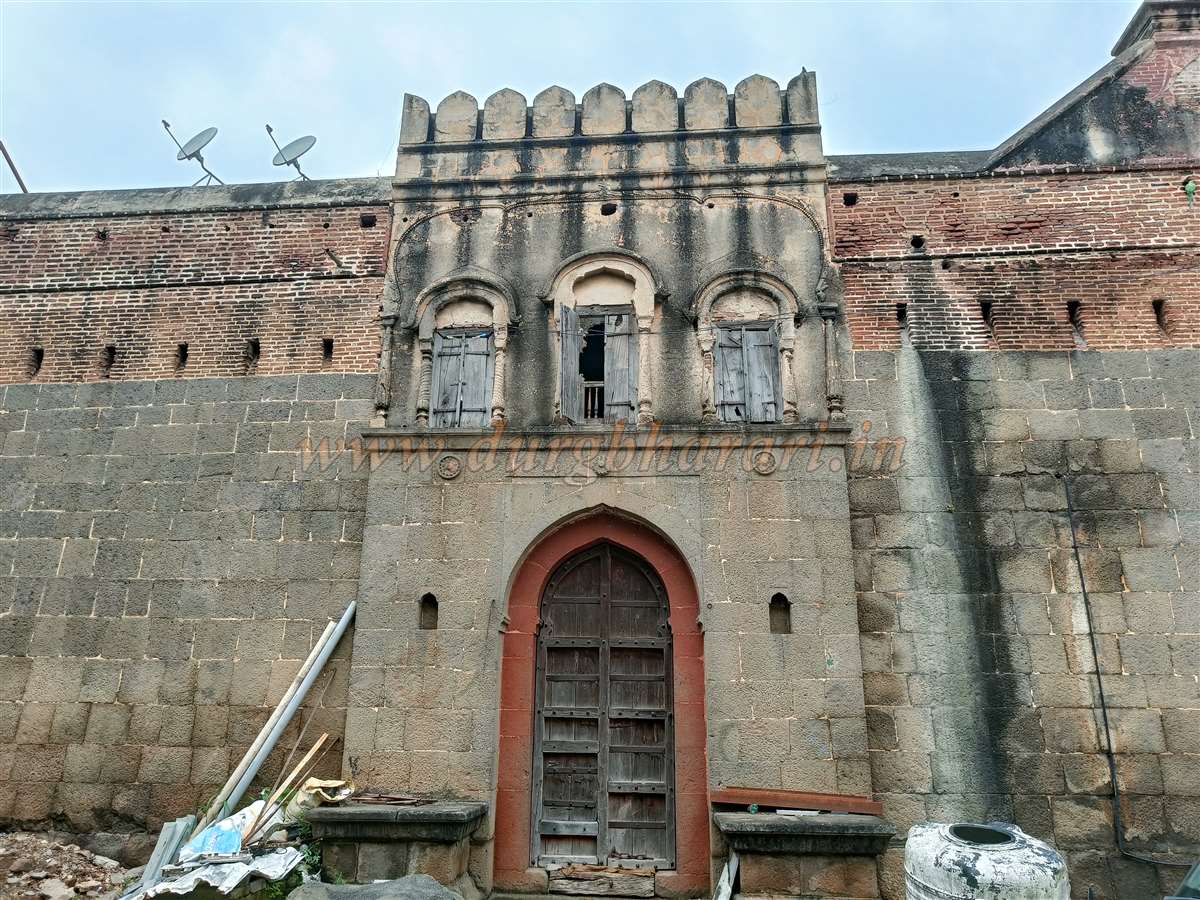
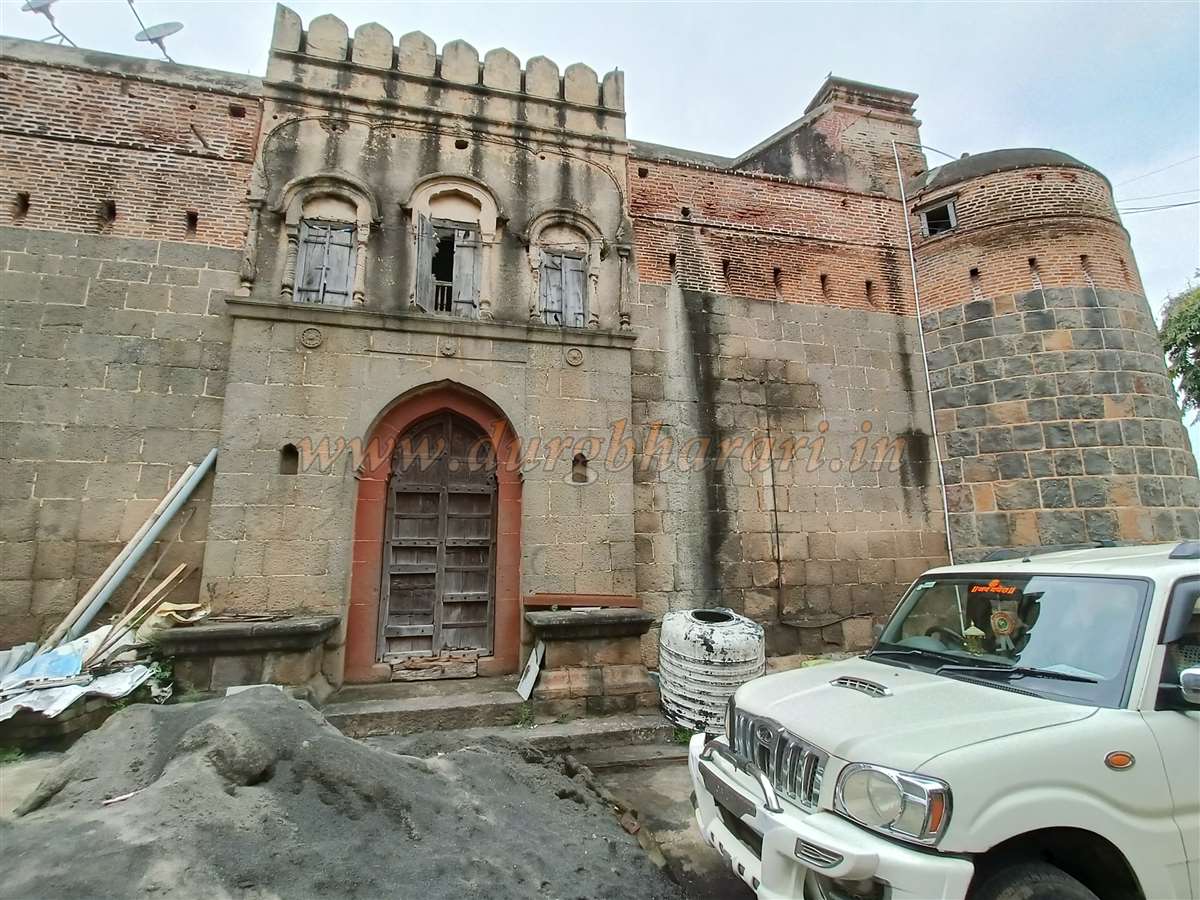
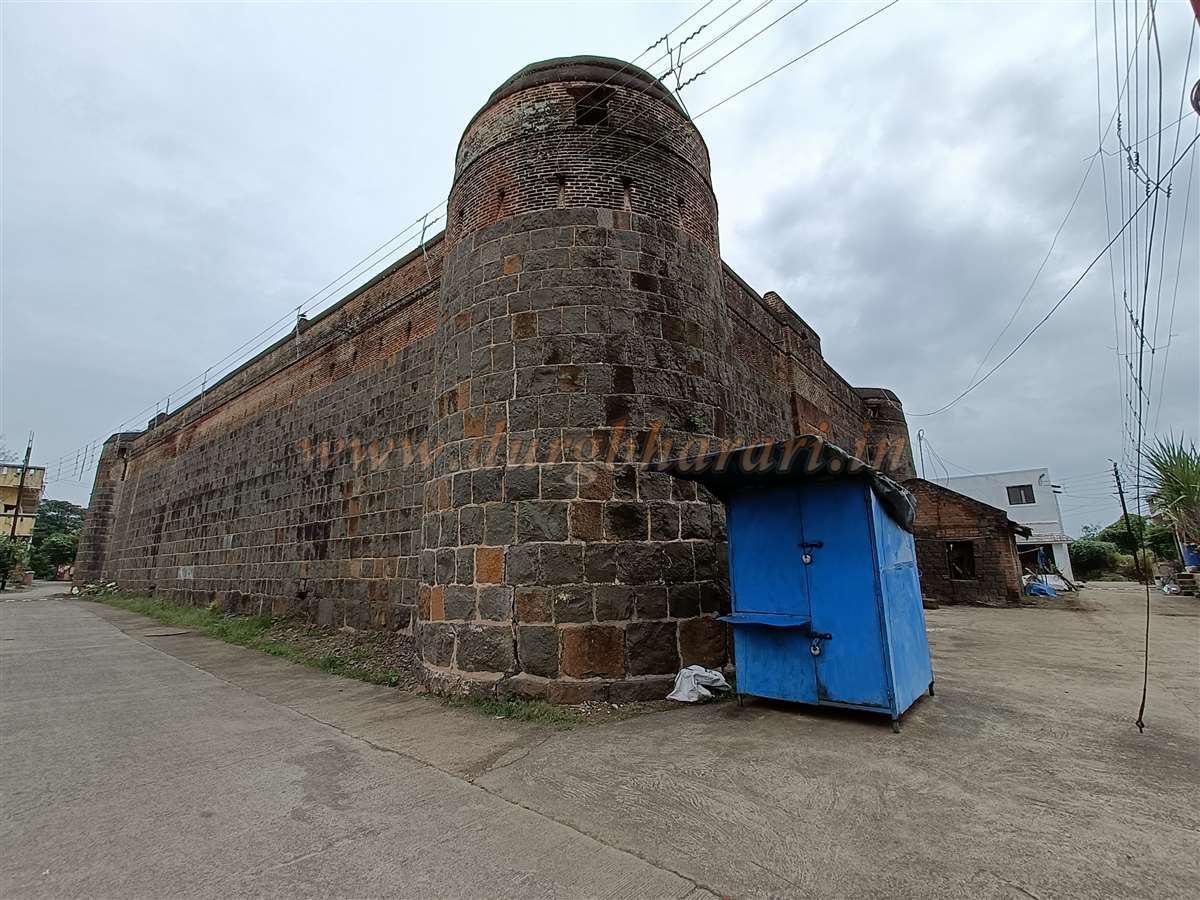
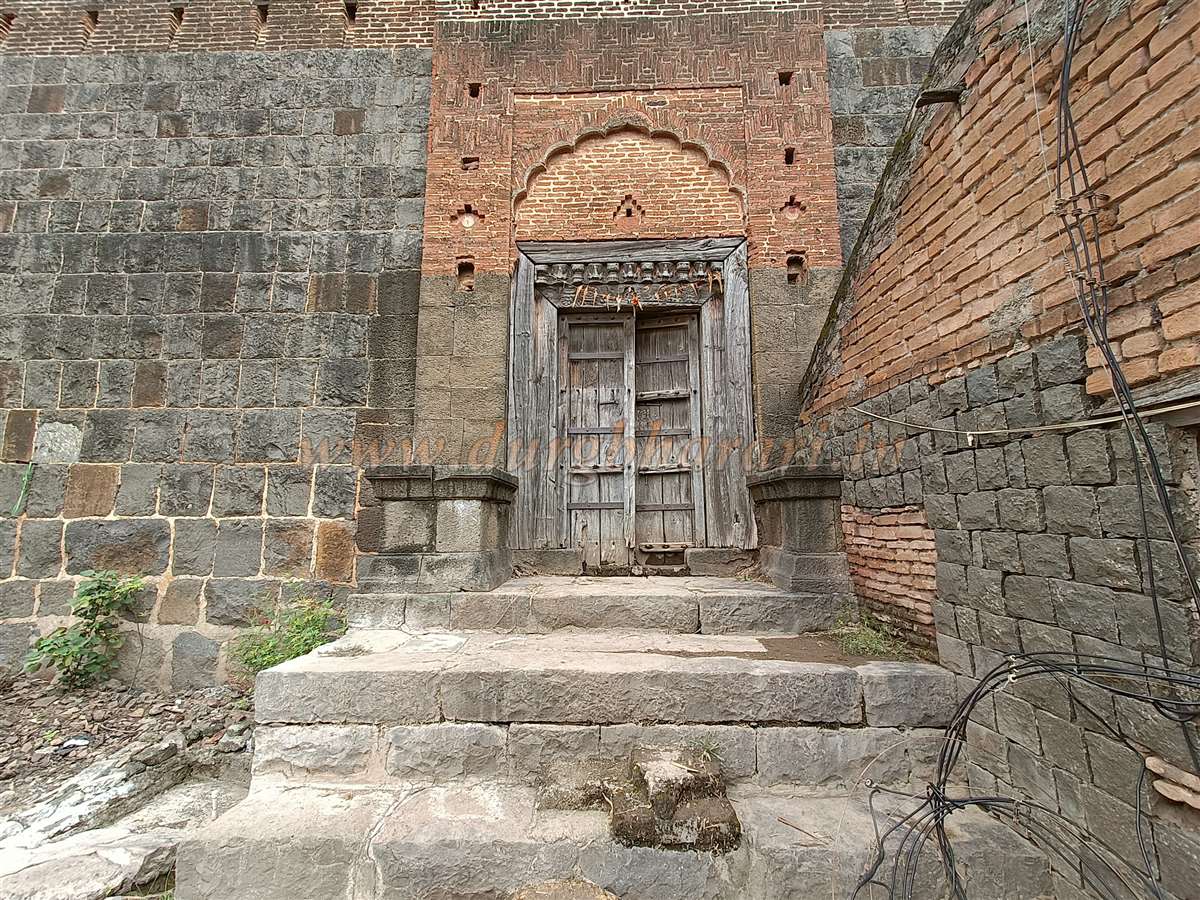
At the heart of the village stands an imposing Peshwa-era fortified mansion (gadhi), known as the Sardar Jagtap Gadhi, which still bears bastions and defensive walls. The rectangular gadhi covers about a quarter of an acre, with four rounded corner bastions.
The fortification is constructed from finely dressed stone up to the frieze level (approx. 20 feet), with the top five feet built using bricks. The overall height of the walls is about 20 feet.
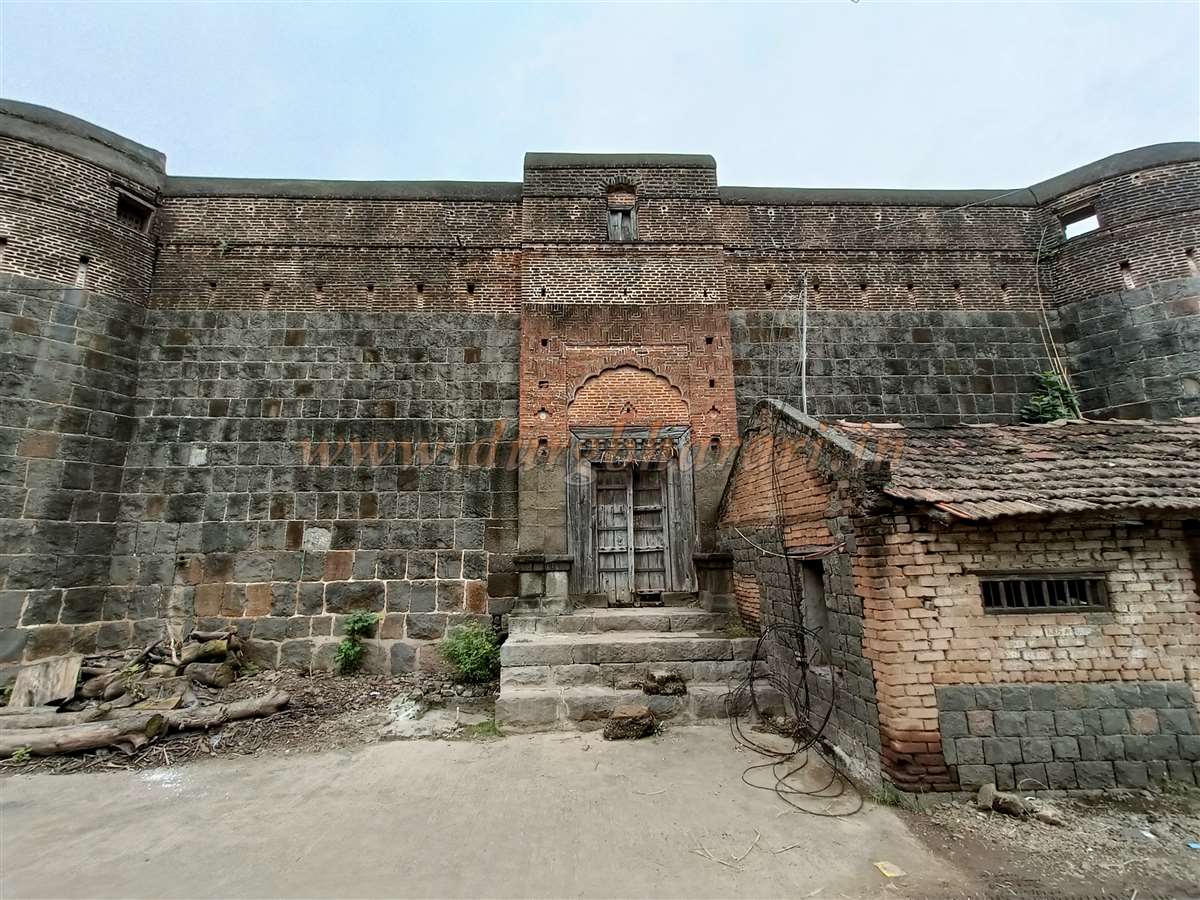
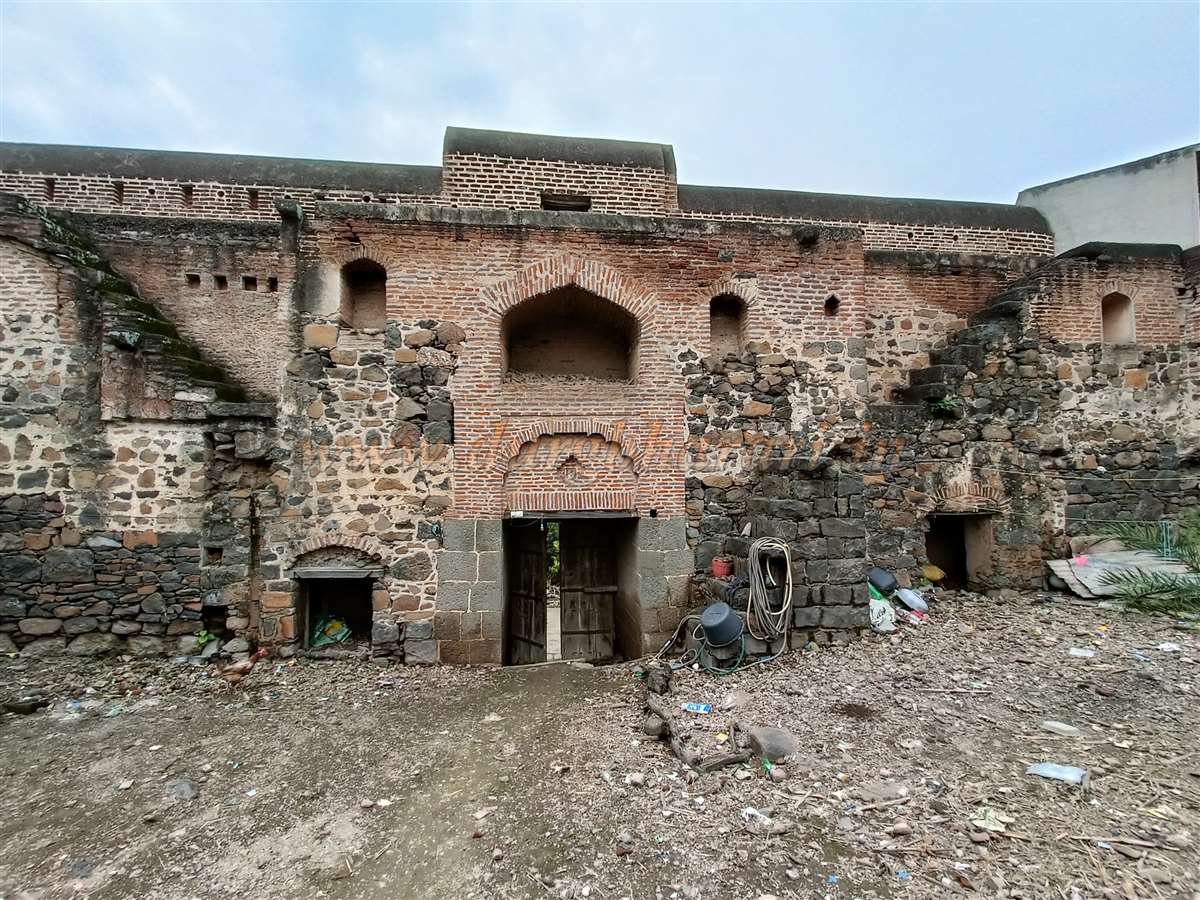
One unusual and rare feature of this gadhi is that it has two main entrances — one facing south and another facing north — likely due to the fact that the structure was built in two phases.
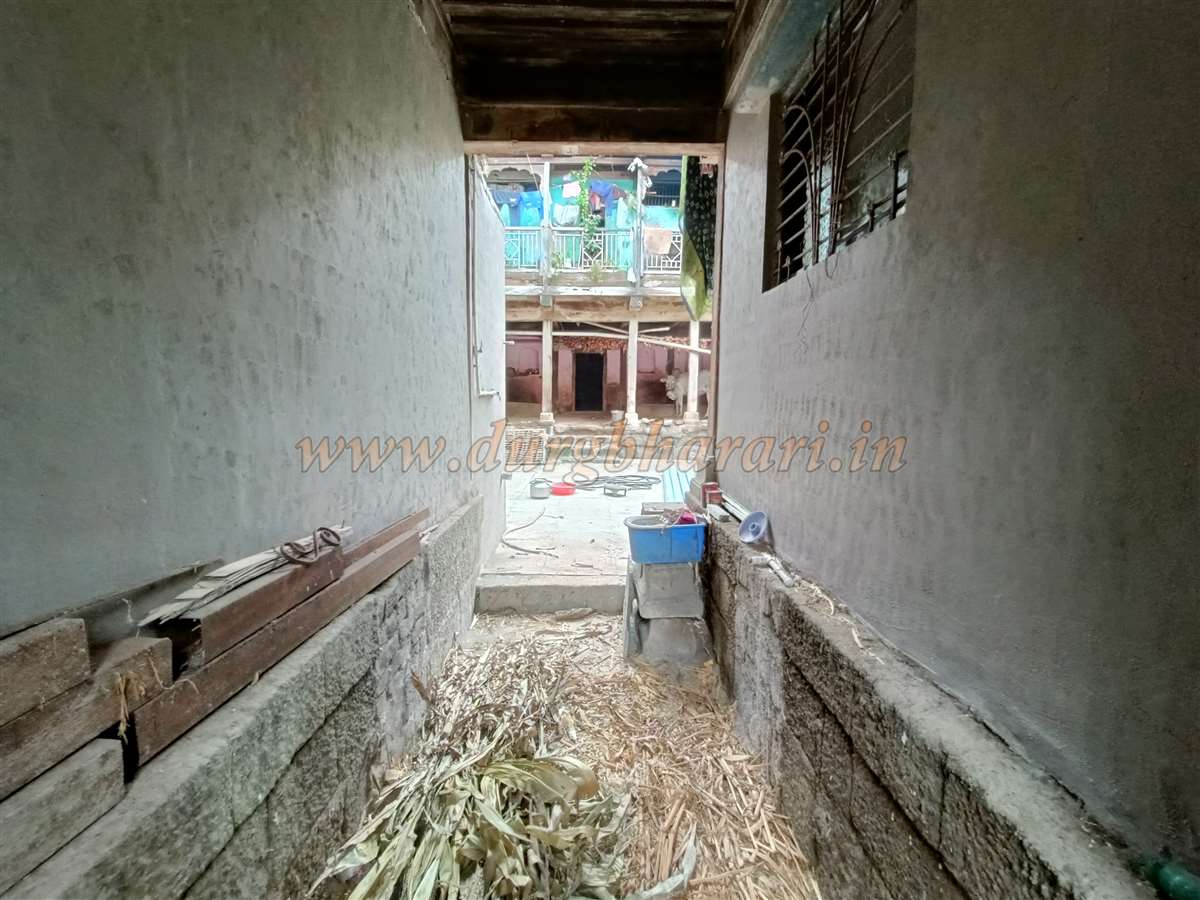
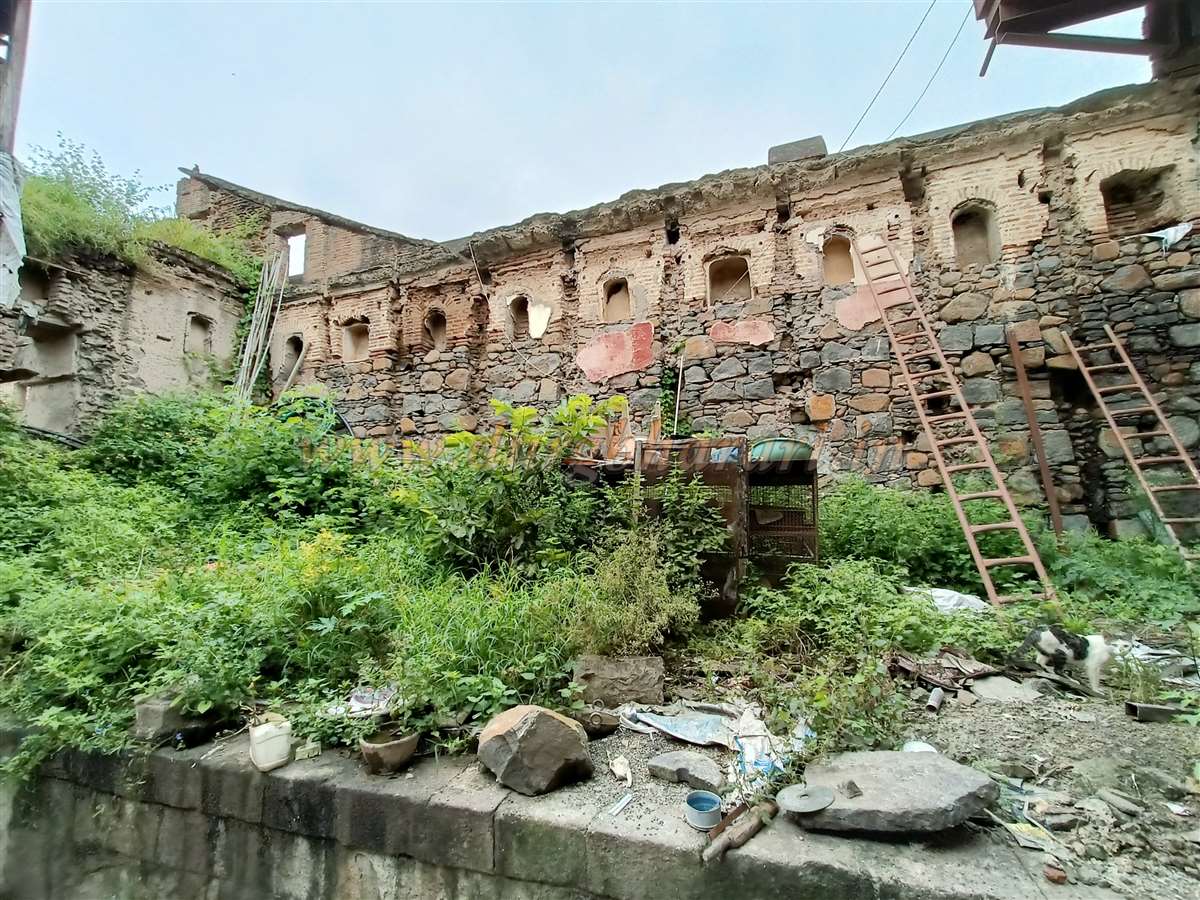
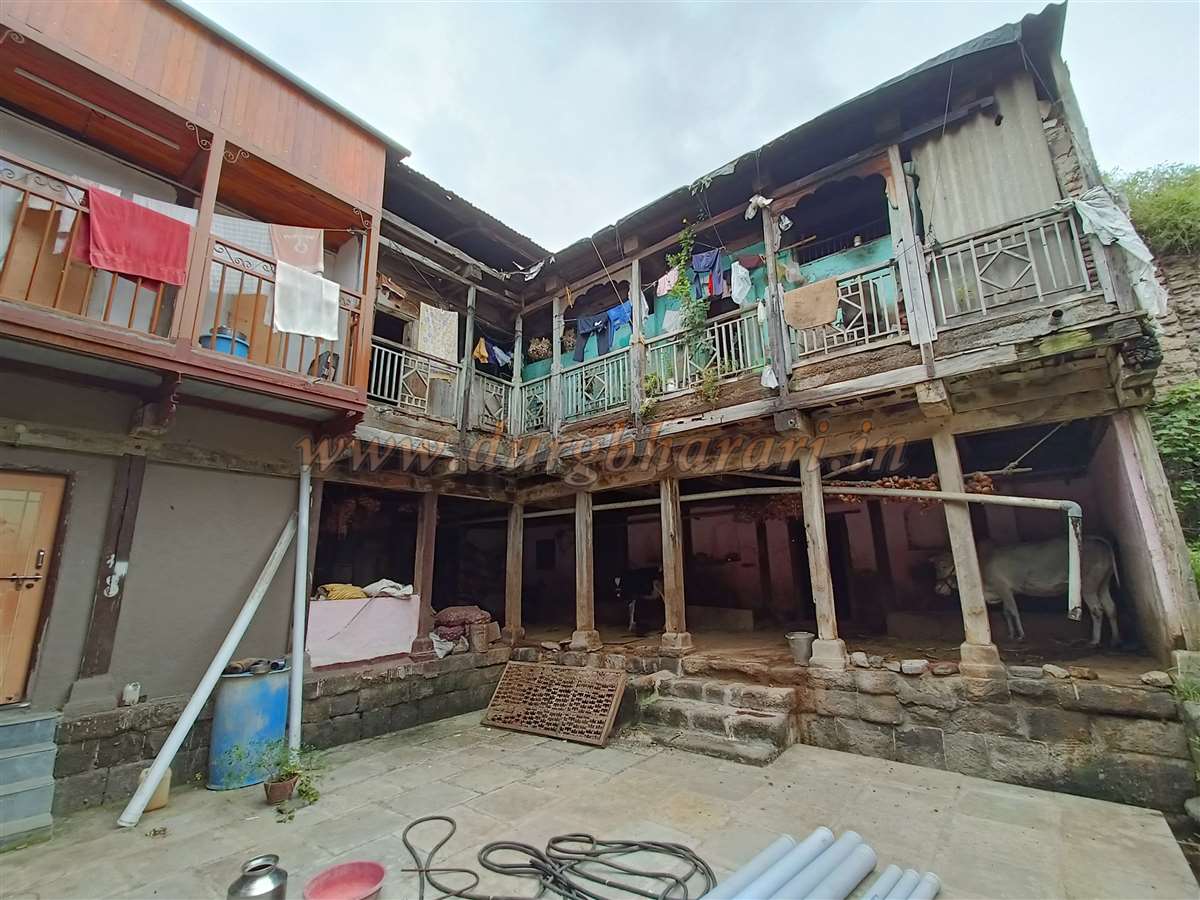
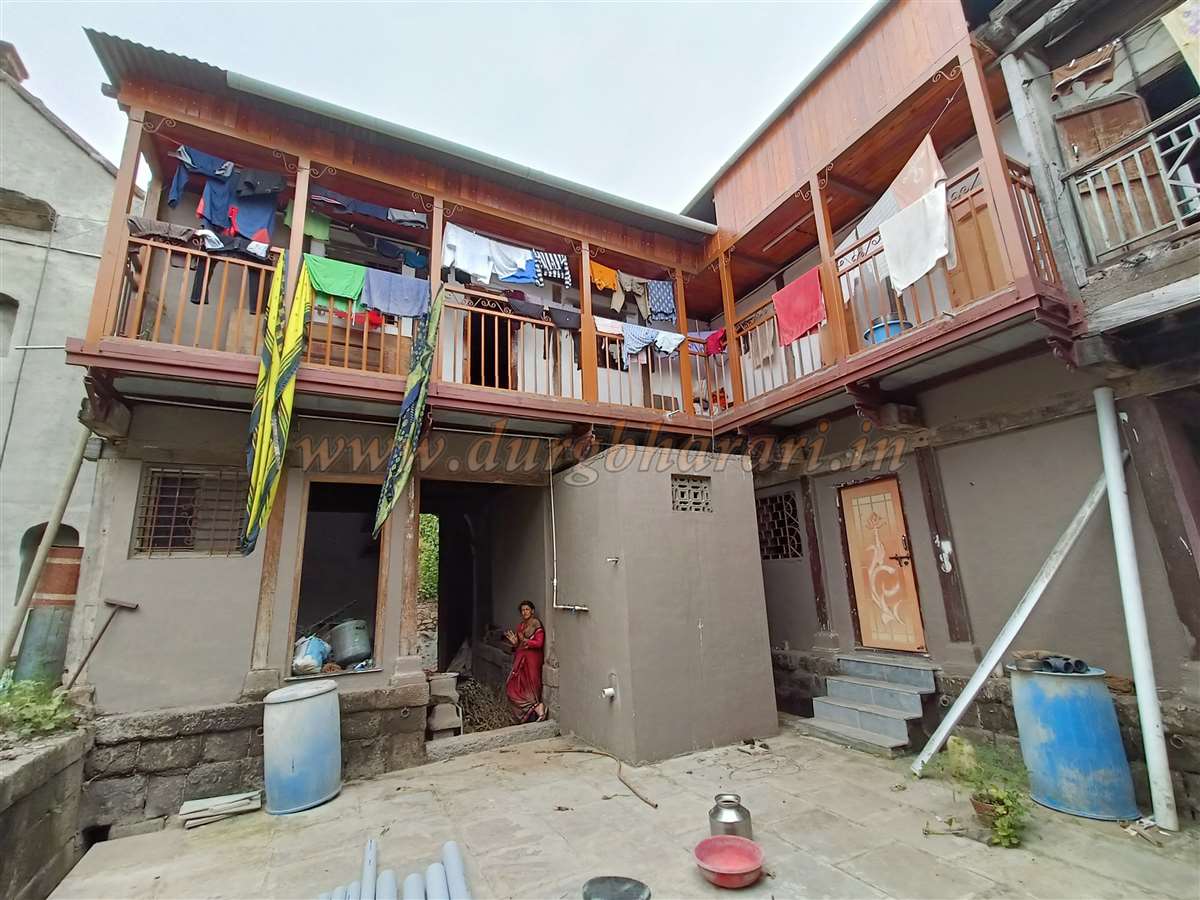
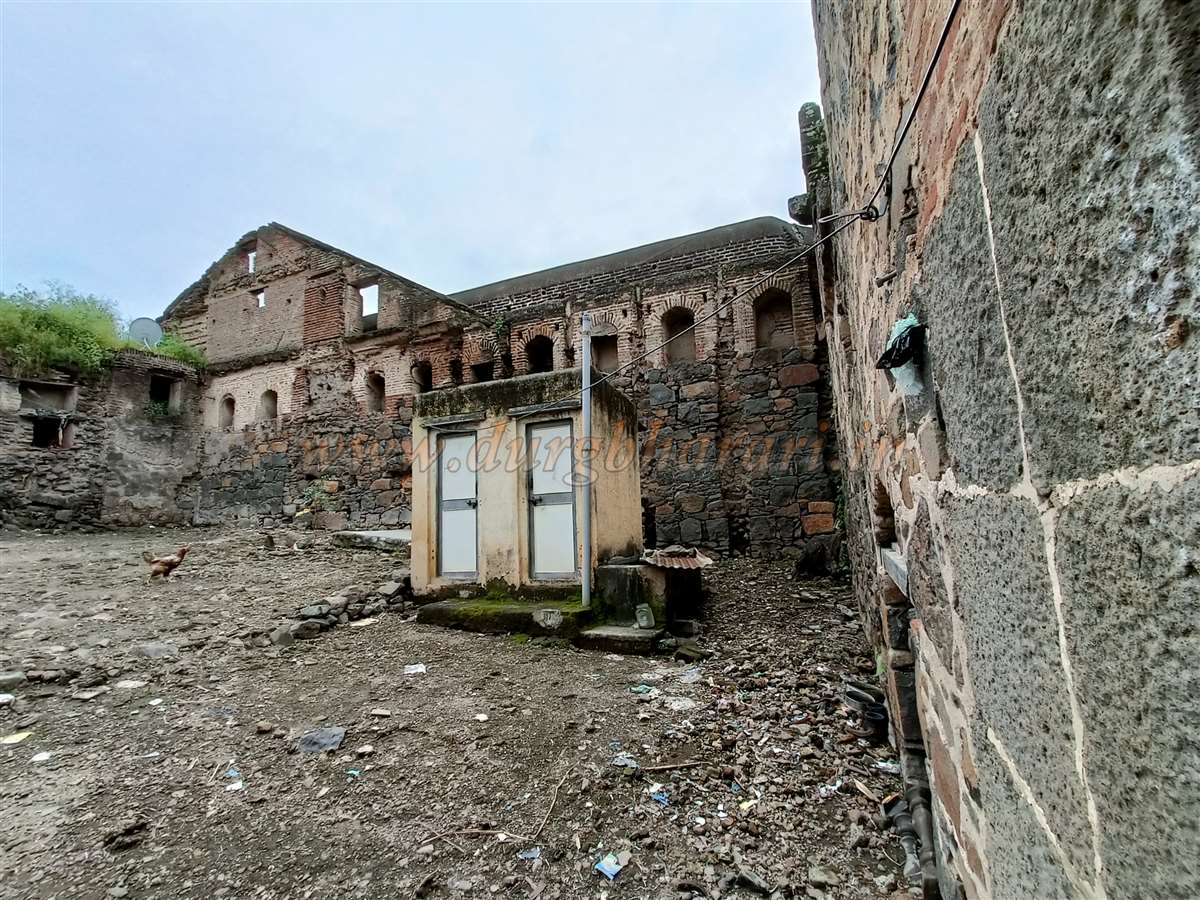
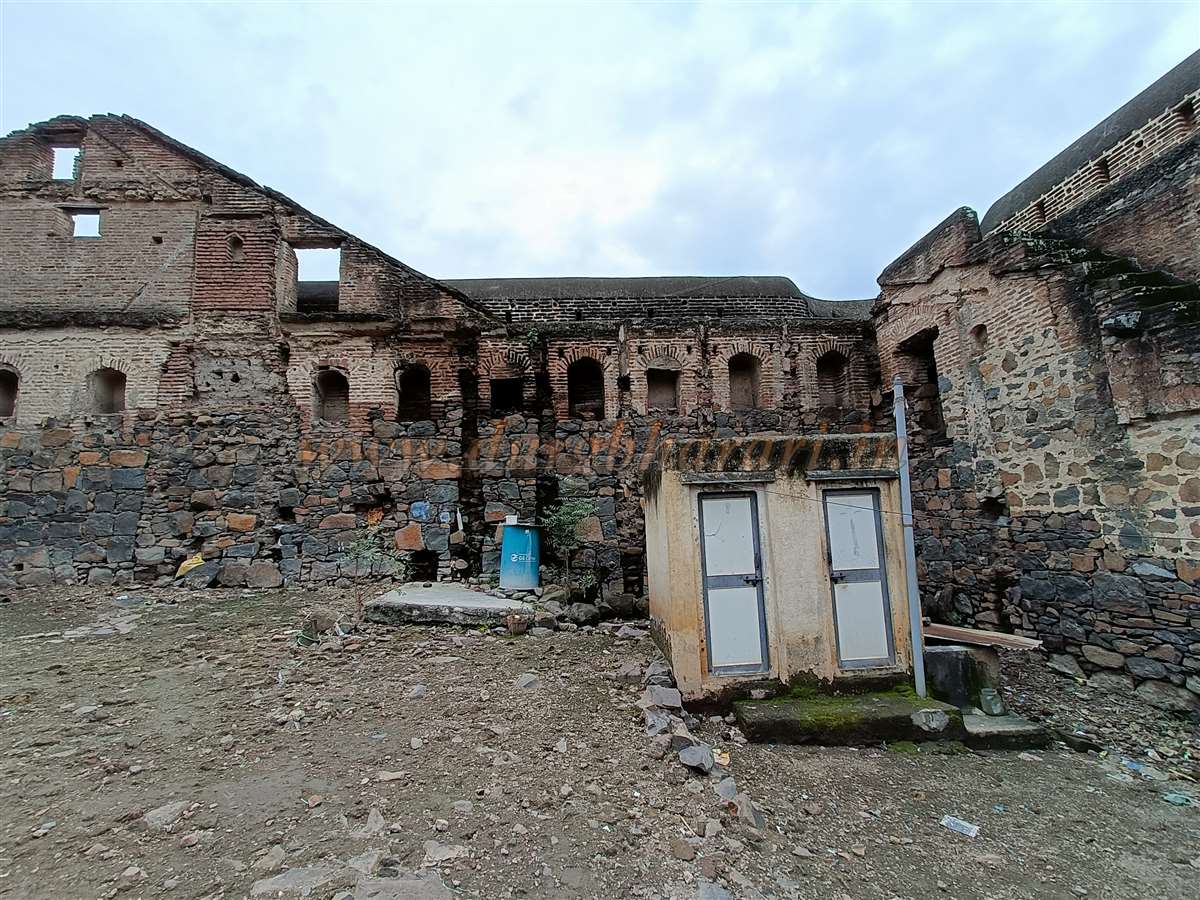
The southern part once housed a mansion, now completely destroyed. However, the northern section still preserves a two-storeyed mansion. The facade of the northern entrance features three carved lotus motifs above which a projecting balcony (Sajja) is built. A staircase inside the wall leads up to this Sajja. The interior of this balcony has been renovated recently.
The entire fort wall has loopholes (jangya) for firing guns, and there are two stairways leading up to the ramparts. However, due to their deteriorating condition, walking along the ramparts is unsafe.
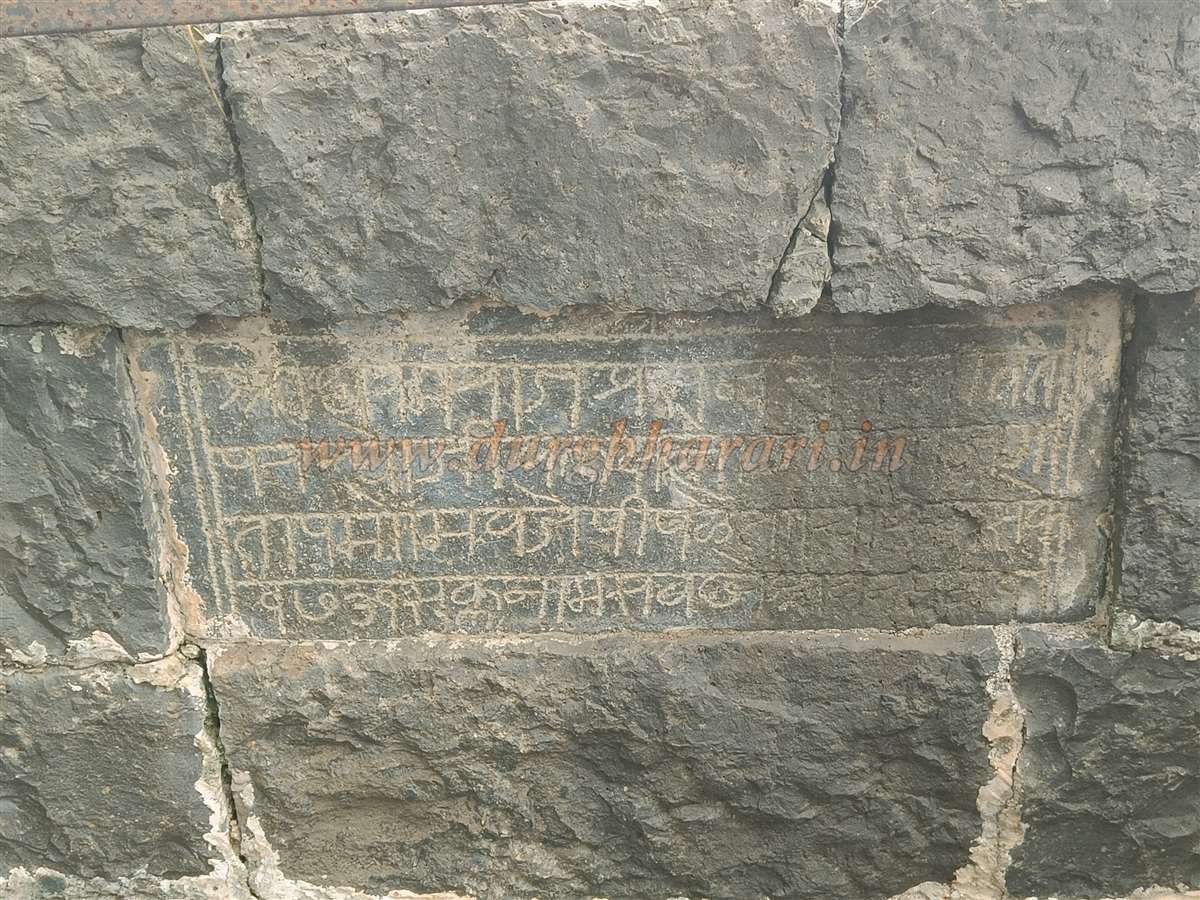
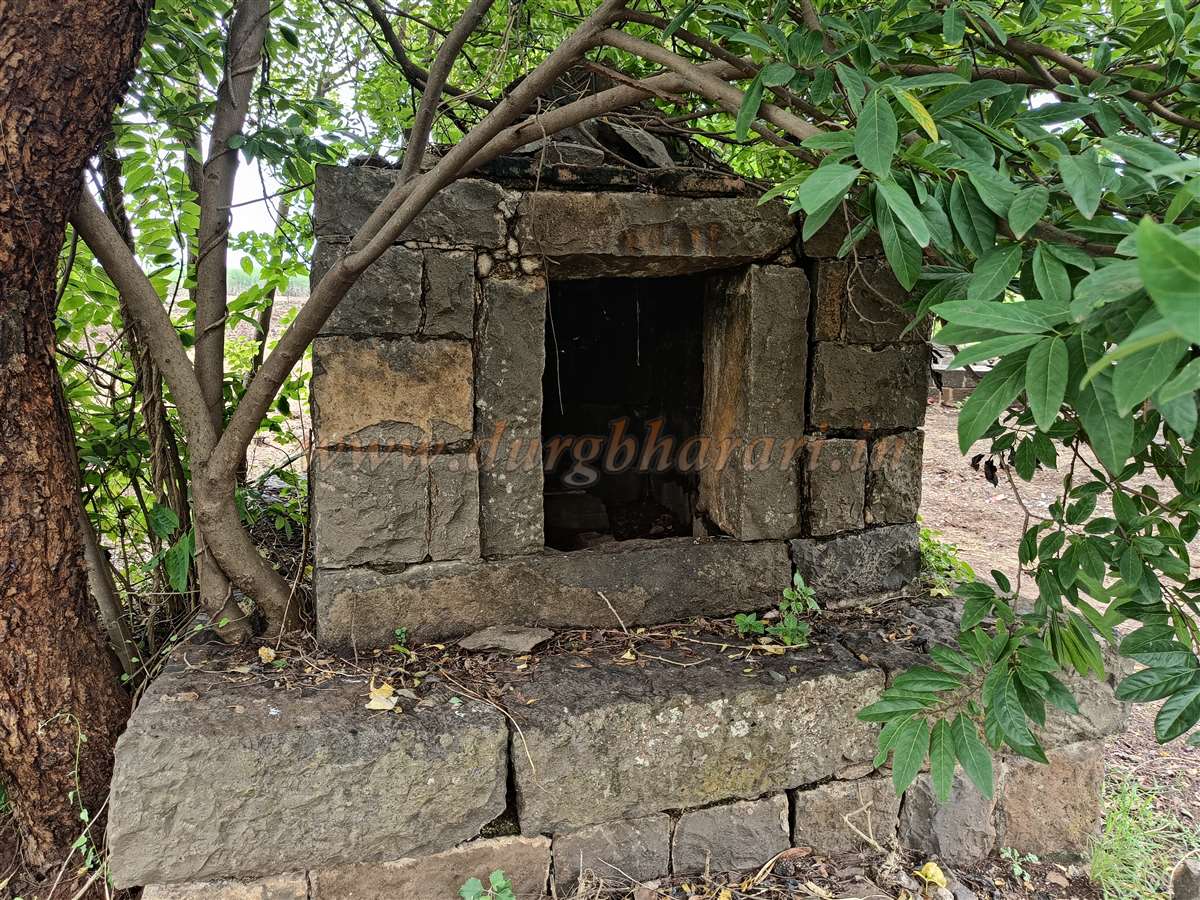
Adjacent to the gadhi is a temple of Dharmnath, and on its wall is an inscription mentioning Raghoji Ratnoji Patil Mukadam Jagtap and Sayajirao Govindrao Gaikwad, dated Shaka 1706 (approx. 1784 CE).
It takes about 30 minutes to tour the entire gadhi and temple premises.
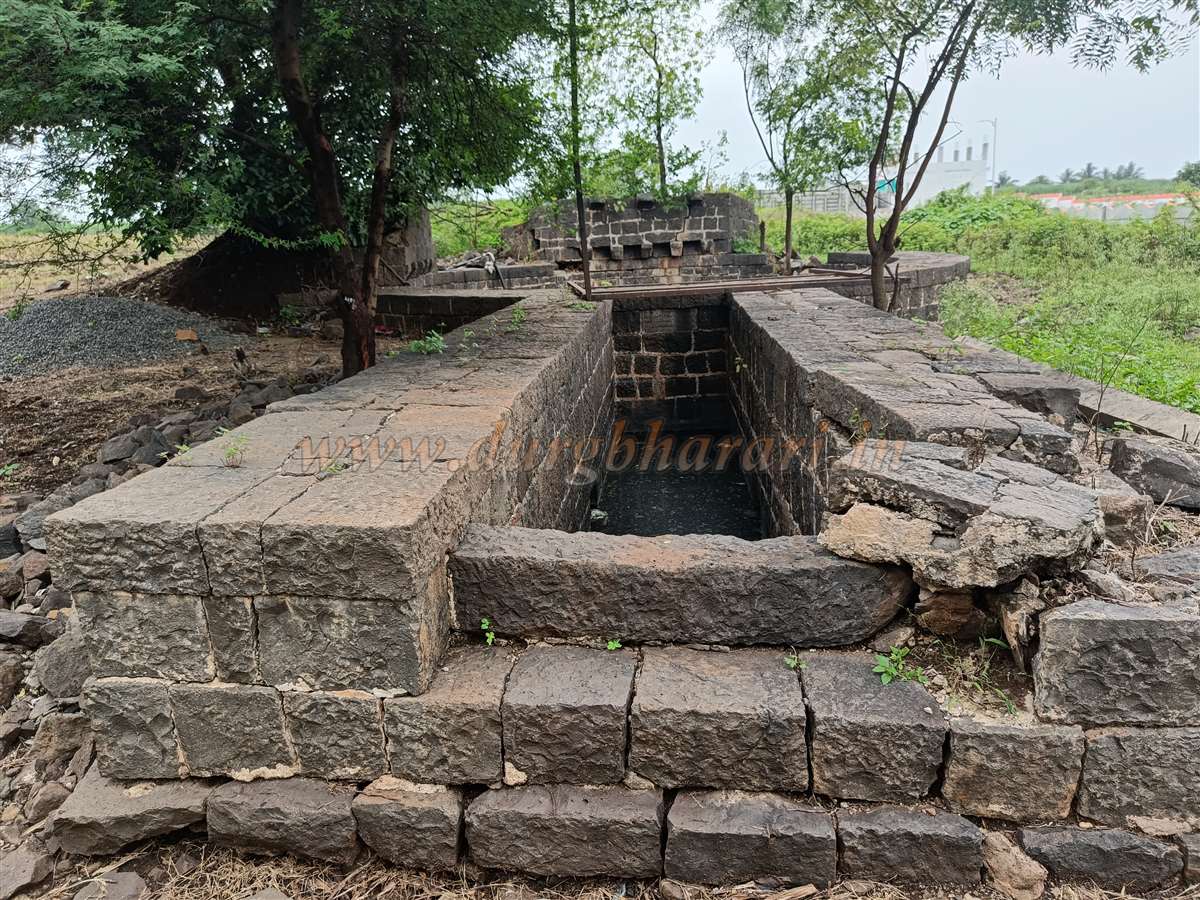
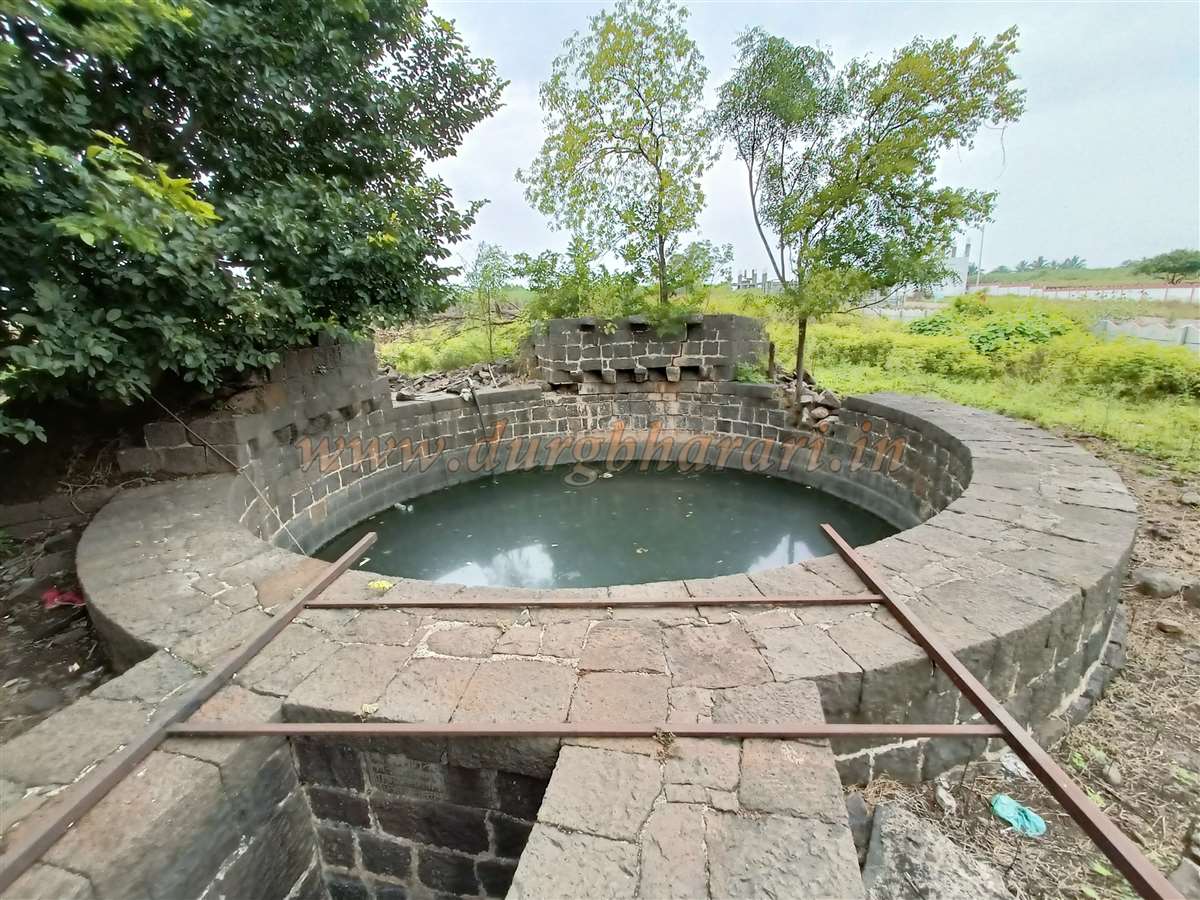
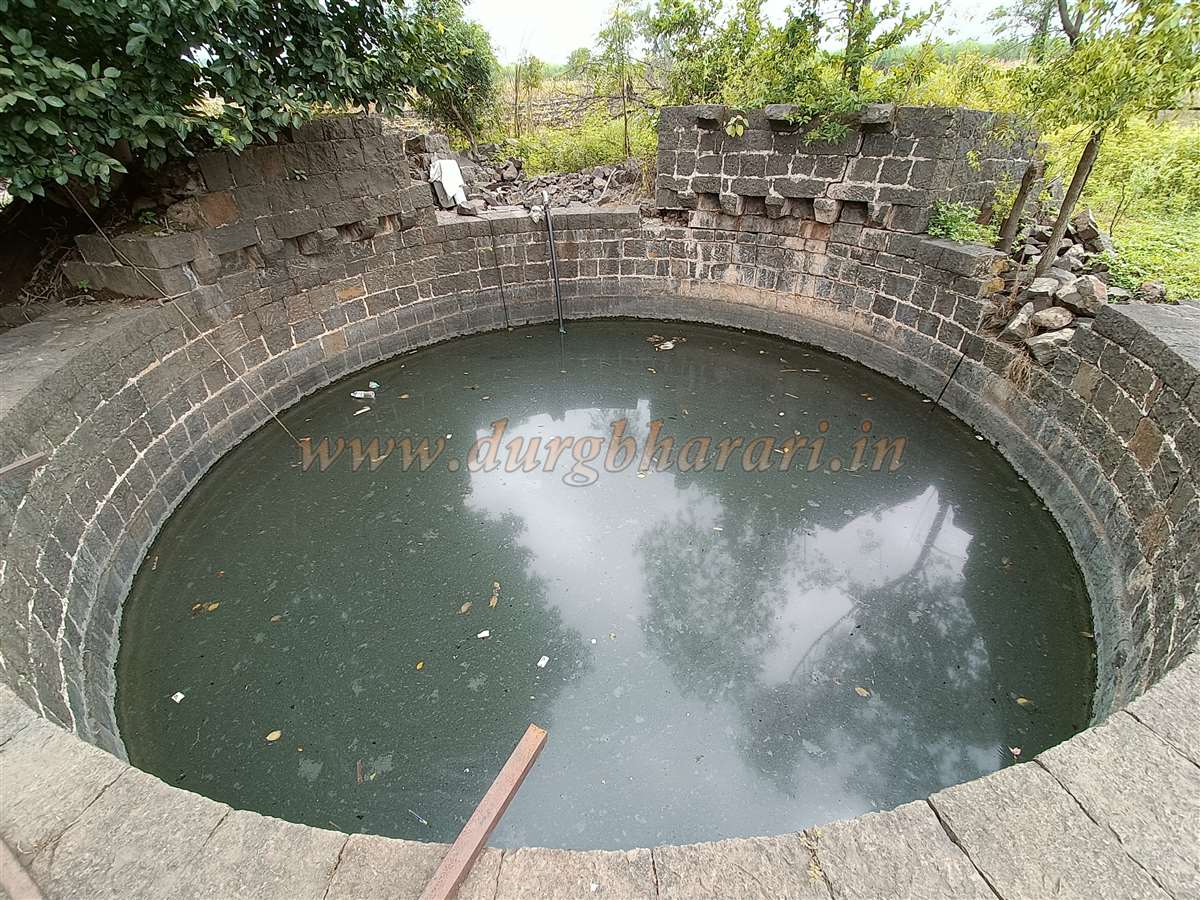
Outside the village of Pimple Jagtap, there is a round stepwell (barav) with descending steps, which can still be seen.
The Jagtap Patil were granted the village of Pimple as a hereditary estate (vatan) by the Gaikwad of Baroda. The grain collected as revenue for Sayajirao Gaikwad was stored here, indicating that this settlement once served as a granary or supply depot for the Gaikwad administration.
To this day, the hereditary Patil position of the village remains with the Jagtap family. In earlier times, revenue collection, judicial matters, and administrative decisions all took place within the Jagtap Wada.
The nearby village of Dhamari was also granted as inam (a gift land grant) to the Jagtap family. Over the generations, this family has maintained close ties with both the Gaikwad of Baroda and the Chhatrapati of Kolhapur.
© Suresh Nimbalkar
GALLERY