पिंपळास
TYPE : COASTAL FORT
DISTRICT : THANE
HEIGHT : 100 FEET
GRADE : EASY
The Ulhas River, originating from Rajmachi, flows through Karjat–Kalyan–Thane before meeting the Vasai Creek. Since the sea tide reaches as far inland as Kalyan, the river is referred to as the Ulhas River from Karjat to Kalyan and as Vasai Creek thereafter.
In ancient times, due to heavy maritime traffic through the Ulhas waterway, Kalyan emerged as an important port. To protect this waterway and its ports, several forts were constructed. On the southern side of Ulhas Creek stood Ghodbunder, Gaimukh, Owle Fort, Naglabandar, and Durgadi Fort, while on the northern bank, Nagale, Kharbav, and Pimplas were built as smaller outposts.
Observing the increasing Maratha naval activity at Kalyan port, the Portuguese constructed a small fortification atop a hill at Pimplas village, located at a bend of the Ulhas Creek.
...
This watch post–style fort, known as Pimplas Fort, was likely part of the Portuguese strategy to block Maratha naval expansion, along with Kambe, Kharbav, and Firangkot forts.
Located in Bhiwandi Taluka, Pimplas Fort is just 14 km from Thane towards Kalyan, and 12 km from Thane on the Mumbai–Nashik highway, where a turn leads to Pimplas village.
The fort sits atop a small, 100-foot-high forested hill. While locals may not know much about the fort itself, they are familiar with the “Kapri Dev” shrine, located on the hill. So when seeking directions, ask for Kapri Dev rather than calling it a fort.
There are two paths to the hill — one from the village, and another from the cremation ground at the base of the hill. The climb takes only about 10 minutes. Upon reaching the top, ruins of the Portuguese-built structure are visible.
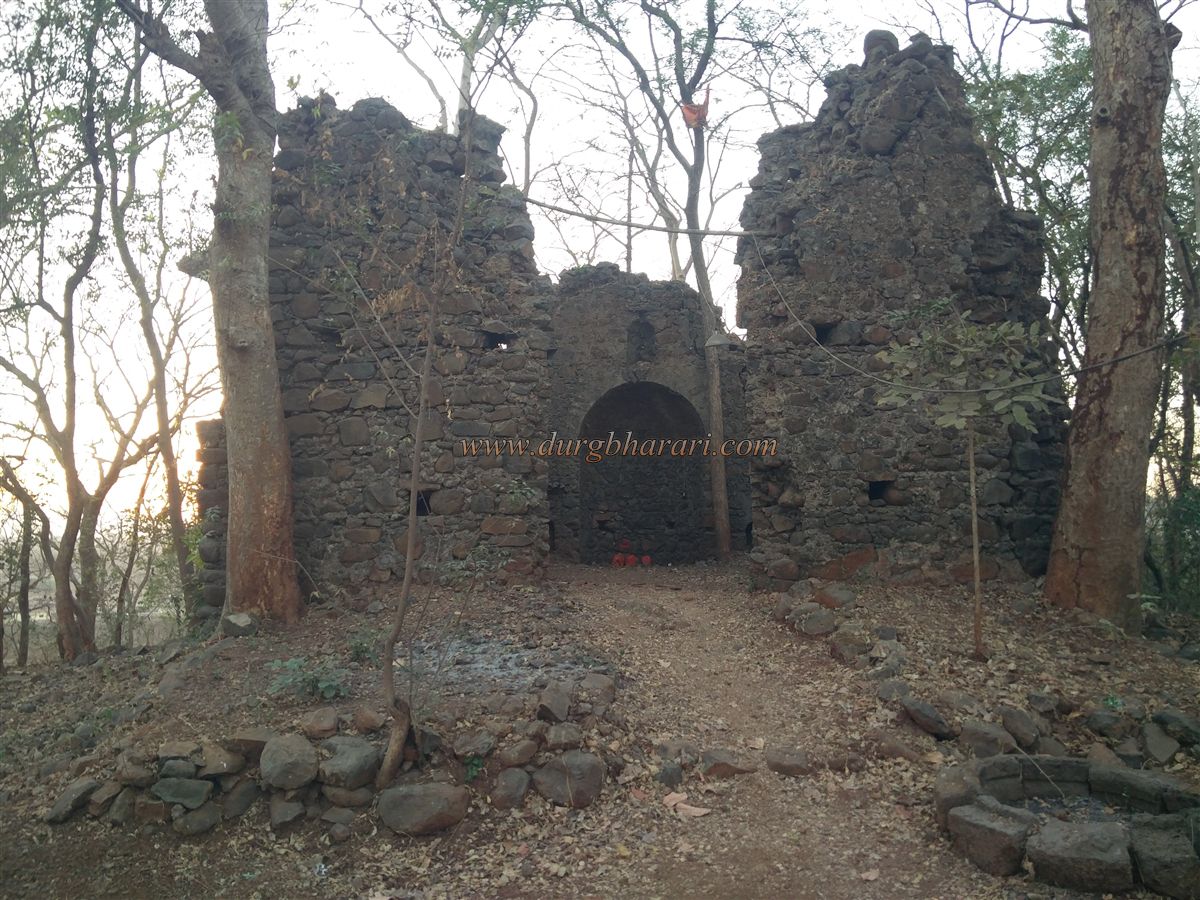
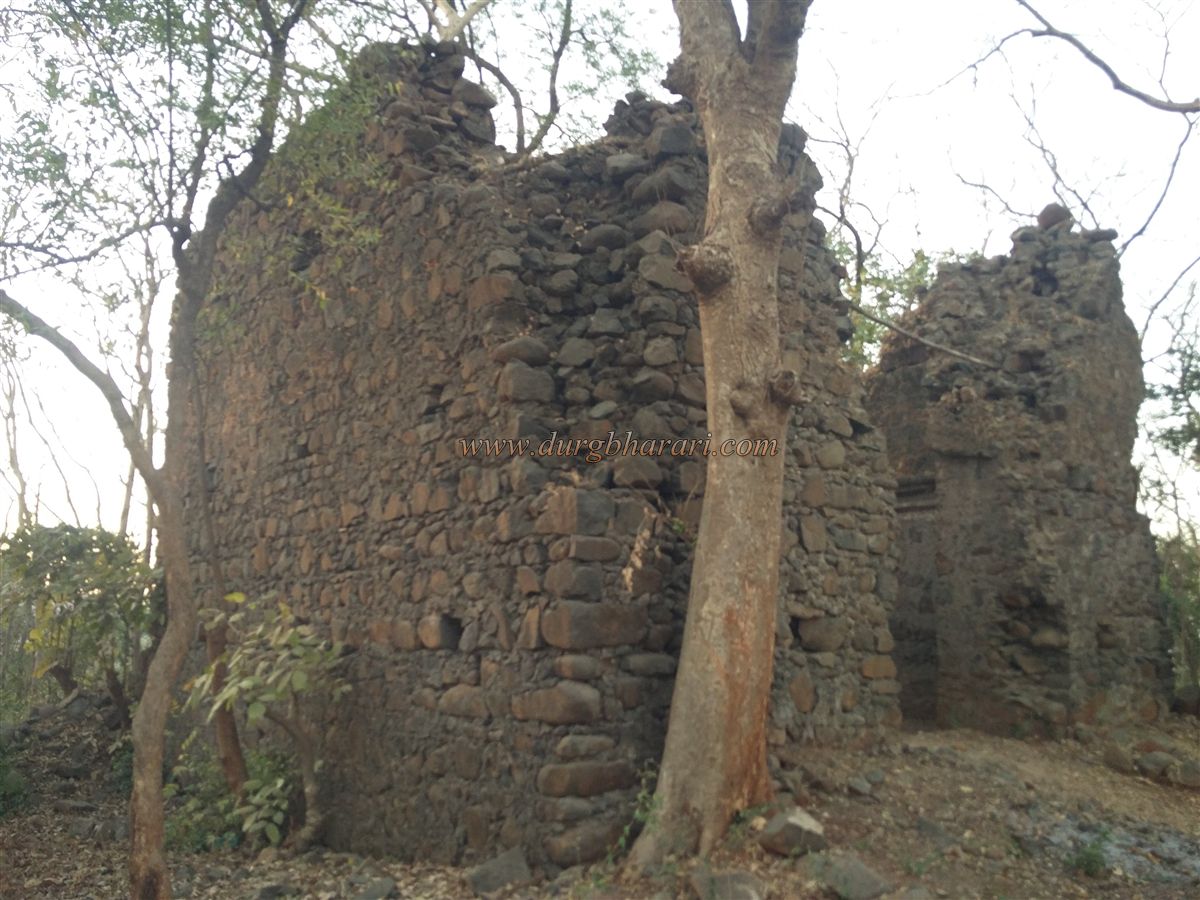
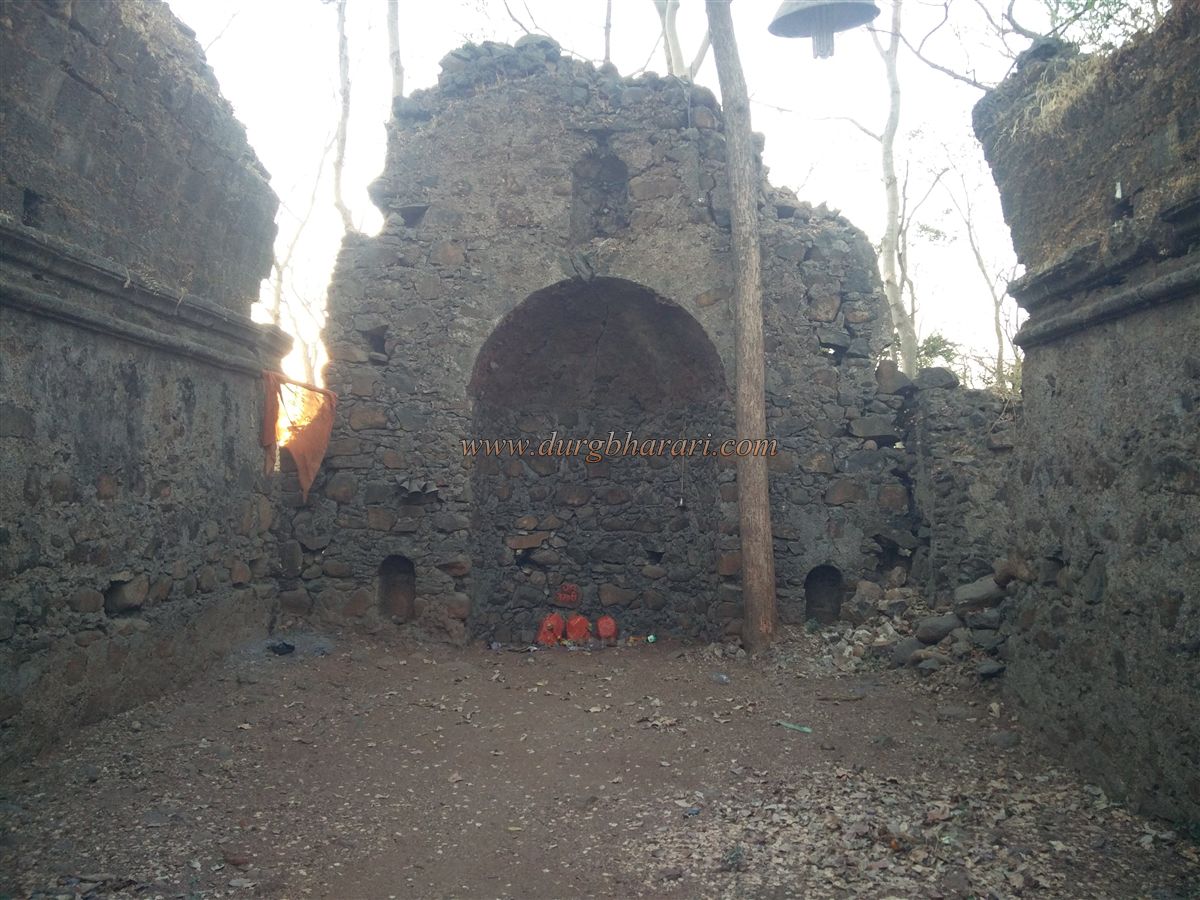
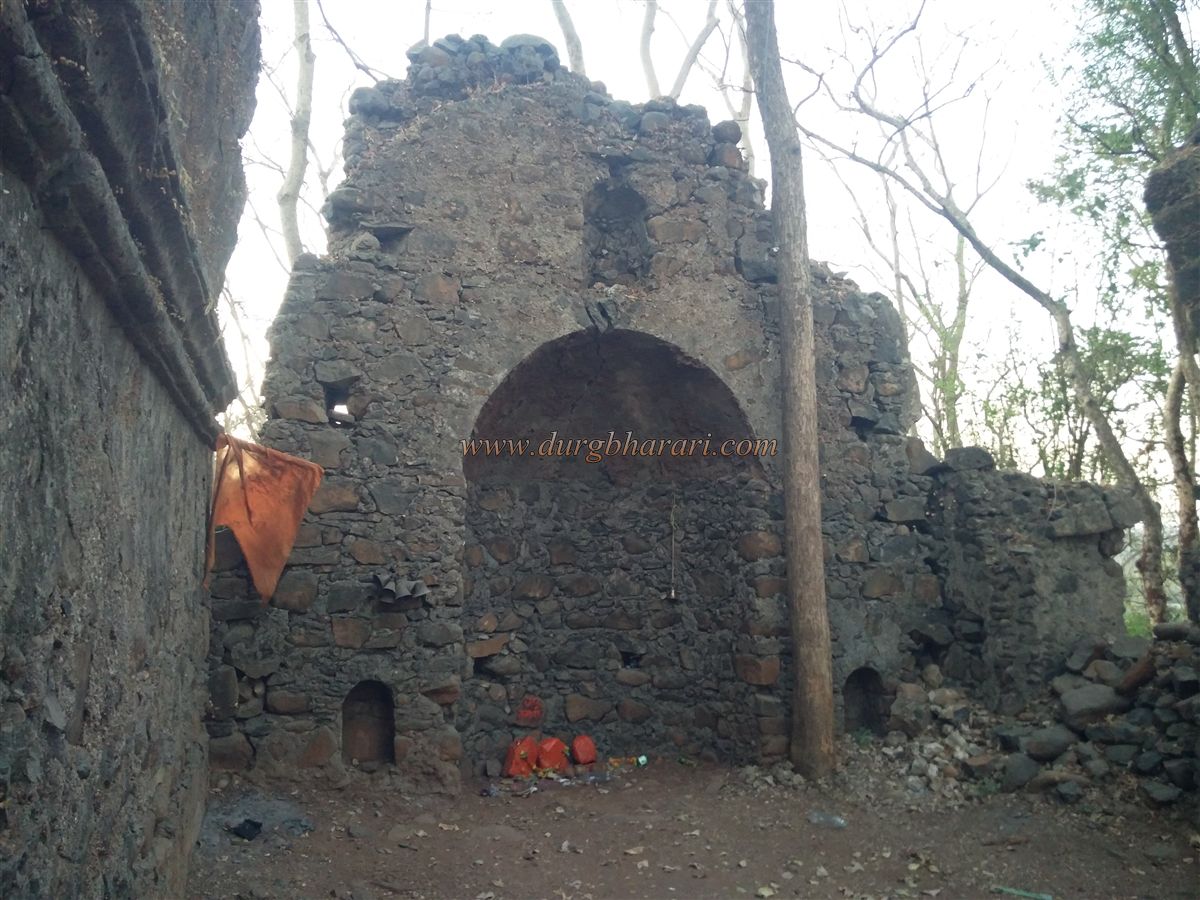
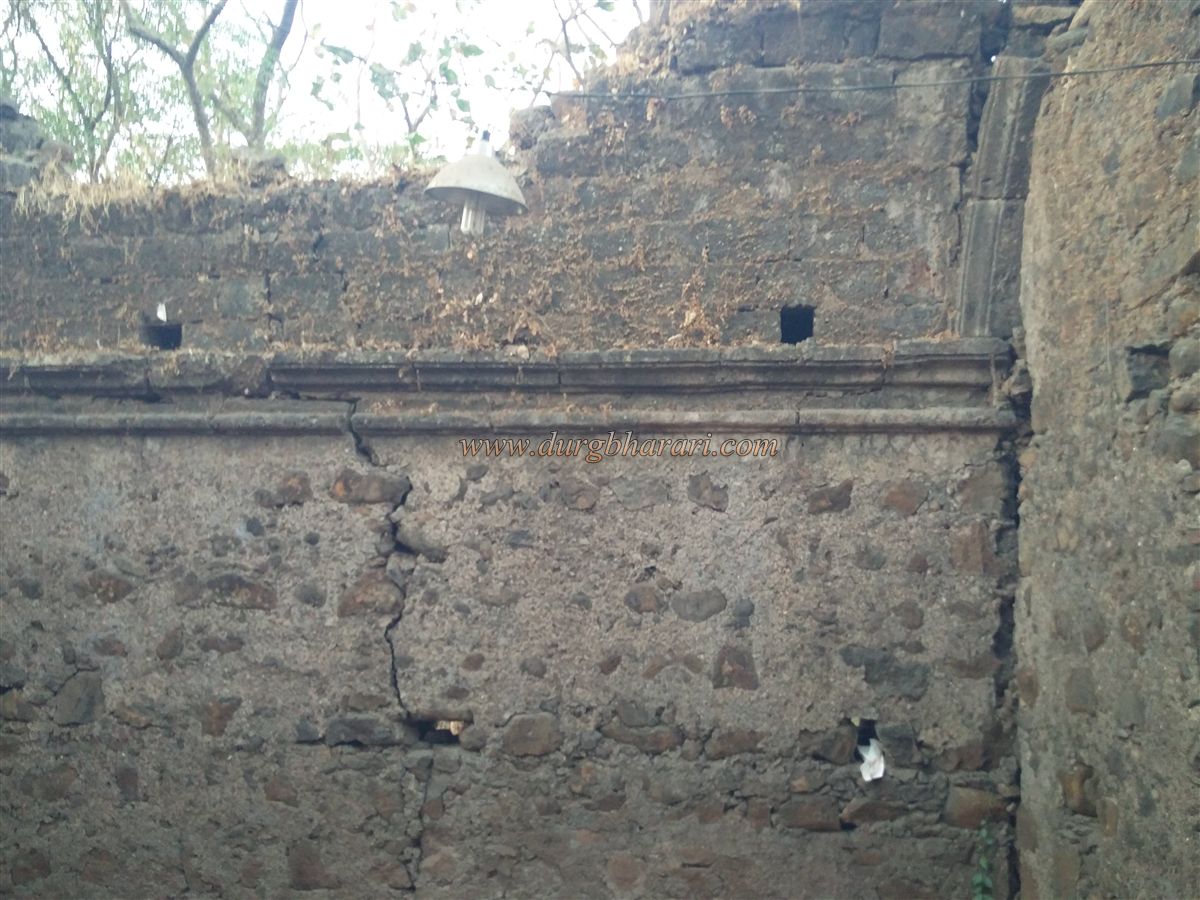
This structure was likely a watch house or barracks, with an arched ceiling, and stood around 20 feet tall. Although the roof has completely collapsed, the wall niches for shelves or lamps can still be seen. The front wall and inner arch are still intact. Inside, in a semi-circular niche, are stones smeared with vermillion, worshipped locally as Kapri Dev.
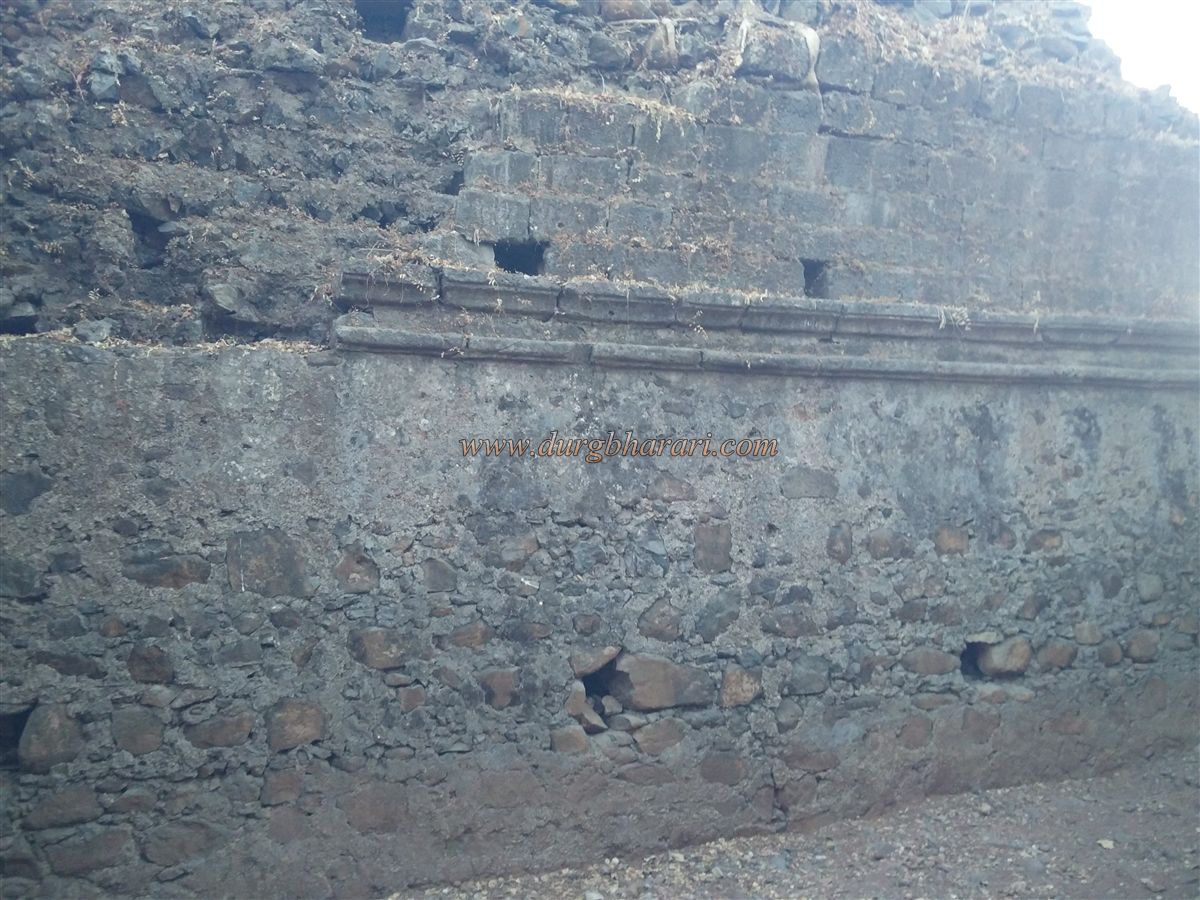
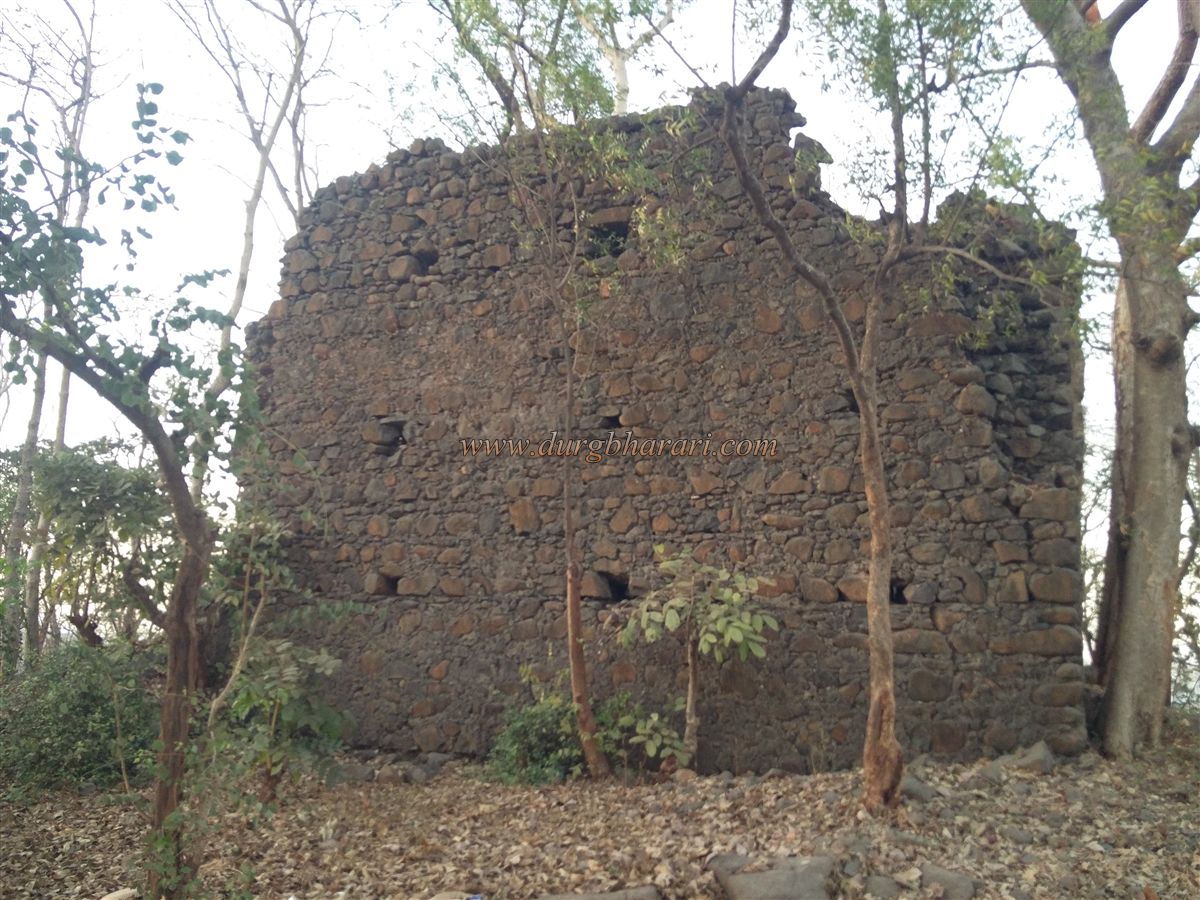
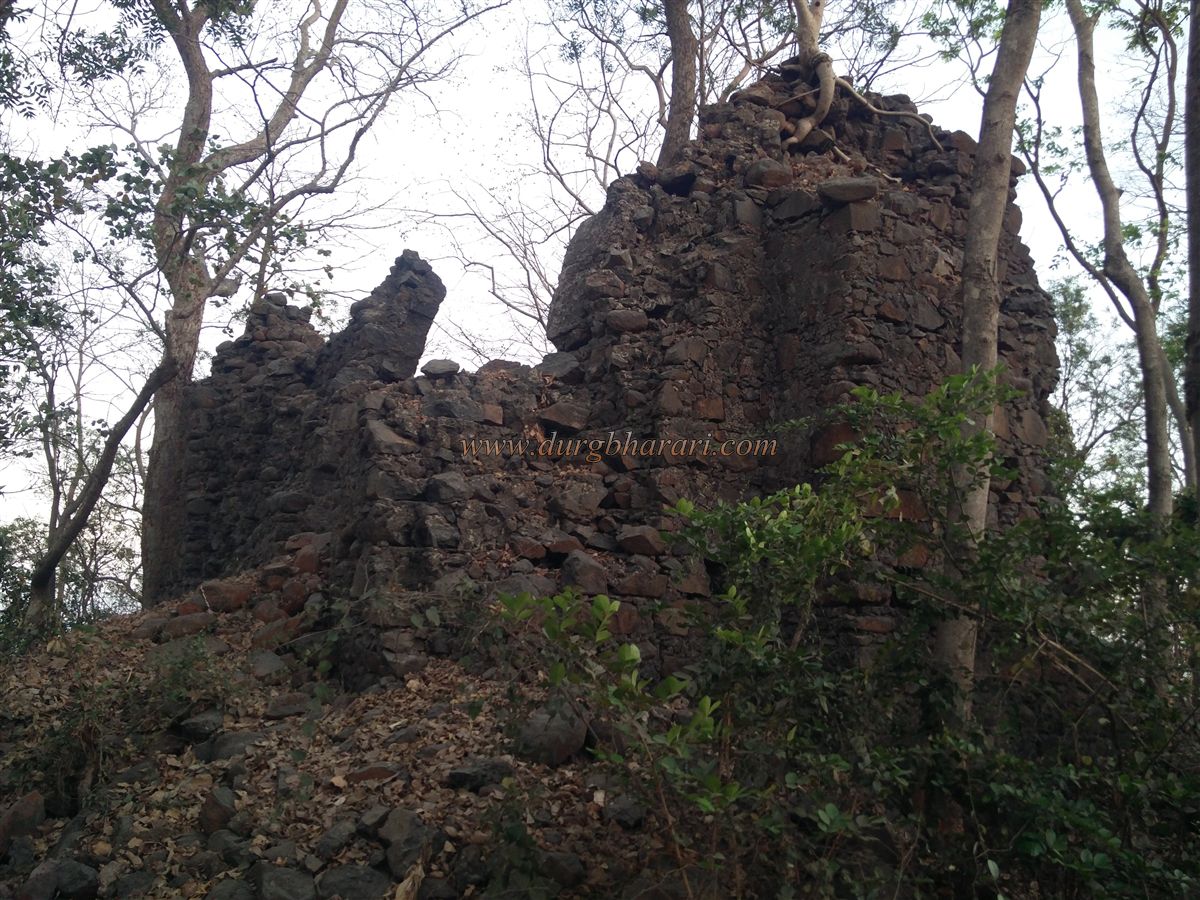
Due to the ruinous state of the fort, it's hard to confirm whether it had any defensive features. However, based on surviving remnants, the construction materials include uncut stone, sticky clay, and lime mortar.
There is no visible water source in the fort.
Based on historical references, architectural style, and modest size, the fort likely served as a Portuguese-era watch post rather than a full-fledged defensive fort. From the hilltop, one gets a clear view of Ulhas Creek, reinforcing its strategic location.
Though small in size, the site can be fully explored within 15 minutes. While it may disappoint those expecting a large fort, its geographical significance and the Portuguese naval surveillance strategy make it historically important.
The Portuguese employed small forts, watchtowers, and long-range cannons to maintain their dominance over Kankan’s maritime trade routes. Forts like Pimplas, built in the 16th century, played a role in guarding waterways and supplying nearby outposts.
During the Maratha campaign to capture Vasai in 1737, this region fell into Maratha hands, effectively ending Portuguese control in the area.
Although Pimplas Fort no longer stands in its former glory, its location, historical significance, and purpose as a coastal surveillance post make it a site worth visiting for history enthusiasts.
© Suresh Nimbalkar
GALLERY