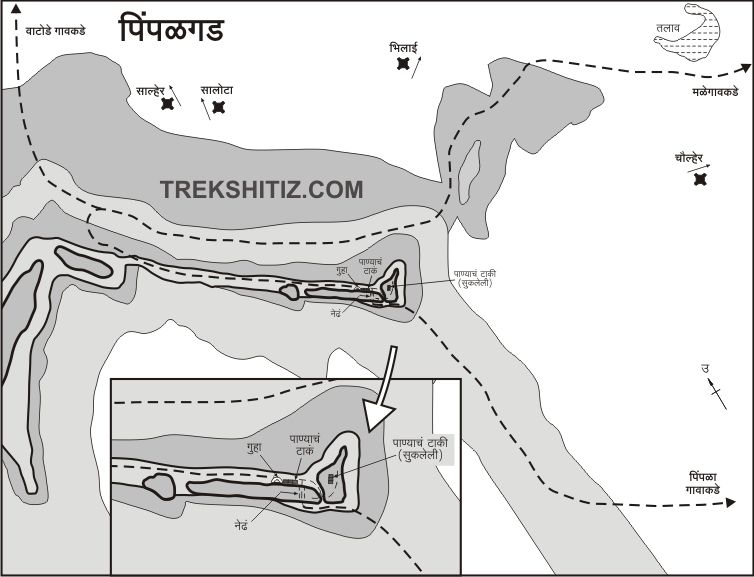
PIMPLADURG
TYPE : HILL FORT
DISTRICT : NASHIK
HEIGHT : 3566 FEET
GRADE : MEDIUM
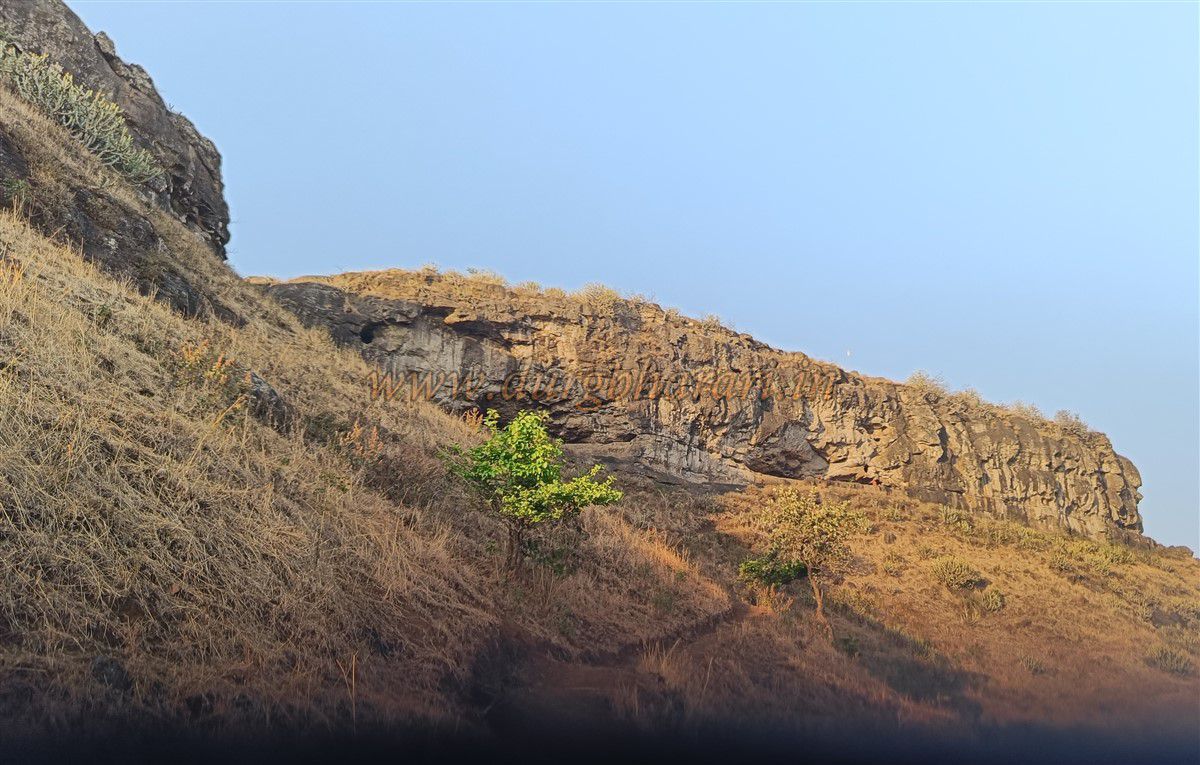
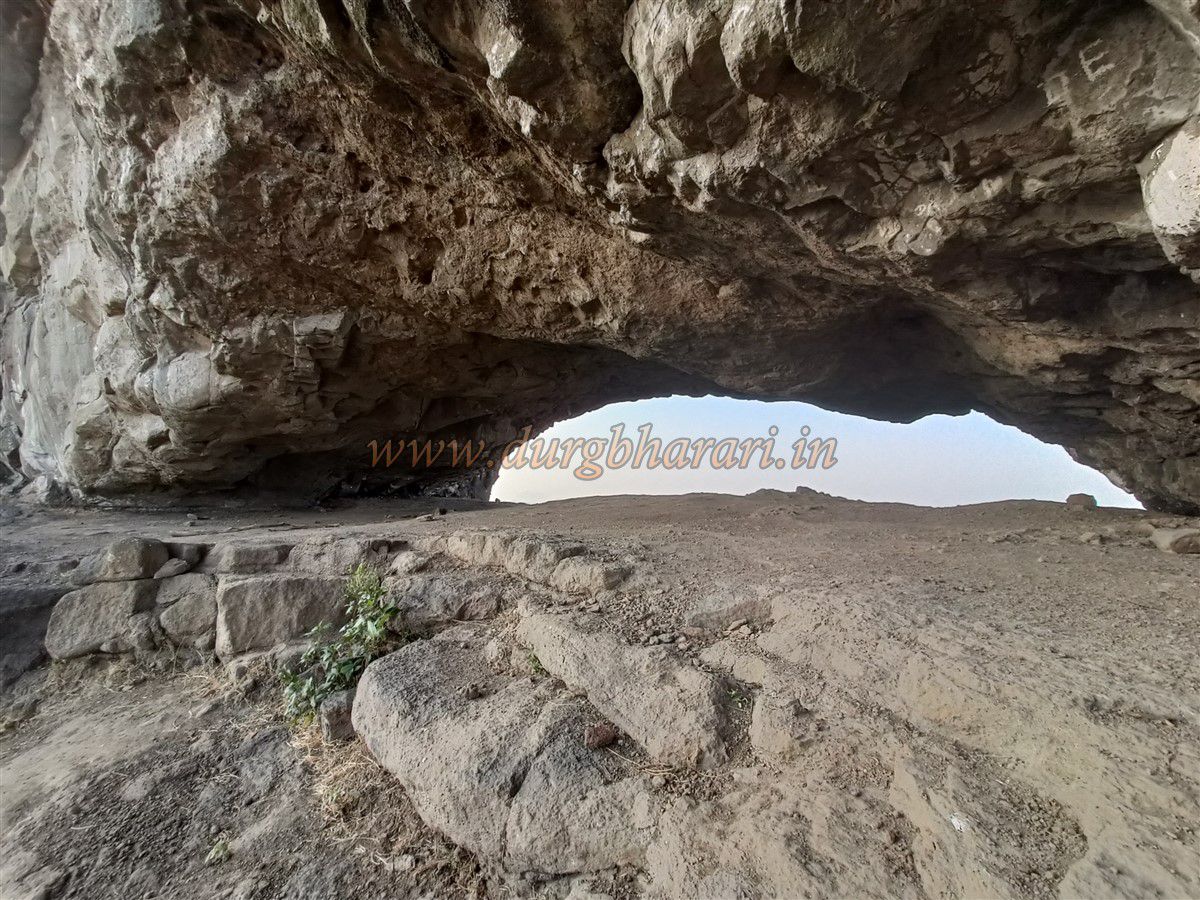
Many forts in Maharashtra are known for their unique characteristics, while some stand out due to their natural wonders. One such marvel often found in forts is the nedhe – a natural rock arch. While many forts feature such formations, the fort that is believed to have the largest nedhe in Maharashtra is Pimpala Fort, also known locally as Kandala or Kandana Fort.
This small outpost-style fort is renowned among fort lovers primarily because of its 70-foot-wide and 7-foot-tall natural rock arch. Located in Kalwan Taluka of Nashik district, the fort is about 25 km from Kalwan and around 85 km from Nashik city via Dindori.
Despite its name, Pimpala Fort is not near Pimple village. Instead, its base village is Malgaon Budruk, located further ahead.
...
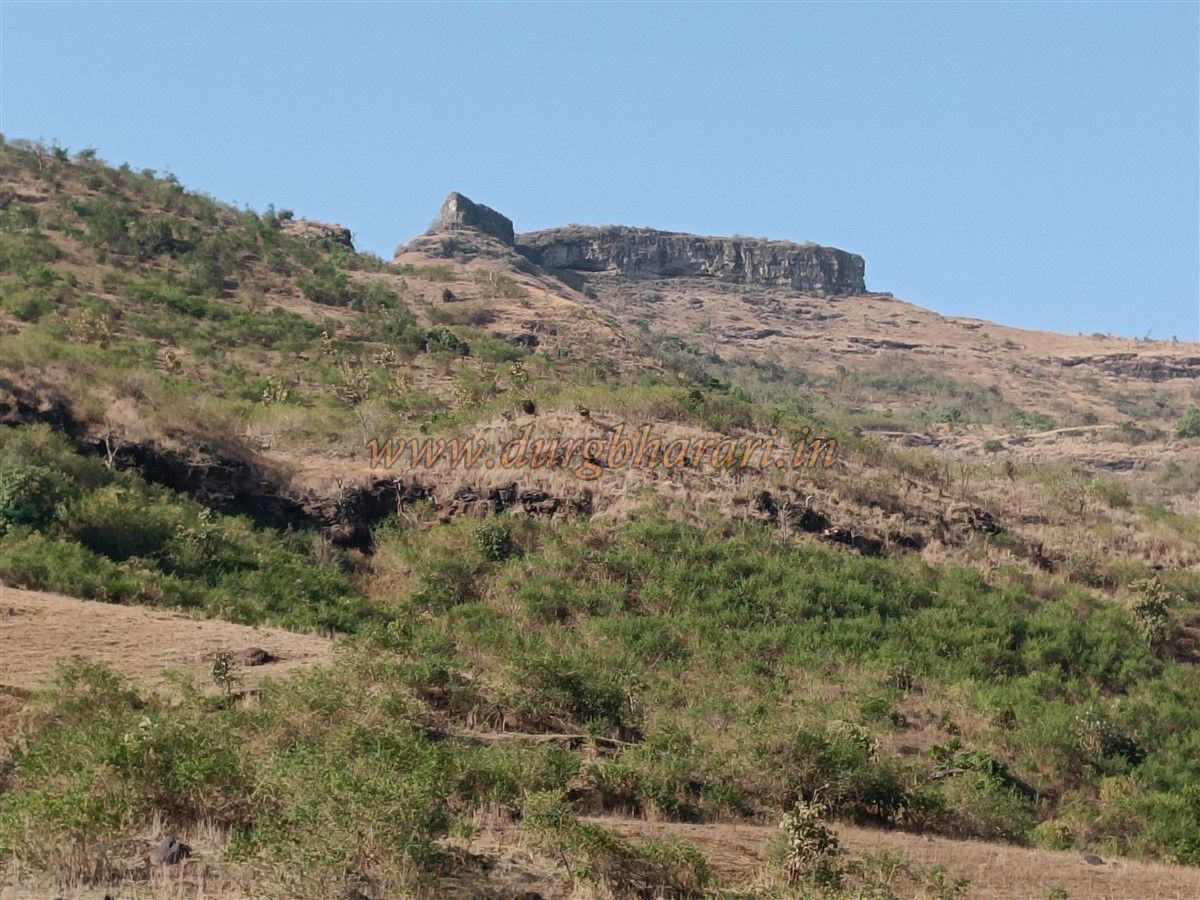
Interestingly, while the fort is visible from a distance, it cannot be seen from the base village. Locals in Malgaon refer to it as Kandala or Kandana Fort.
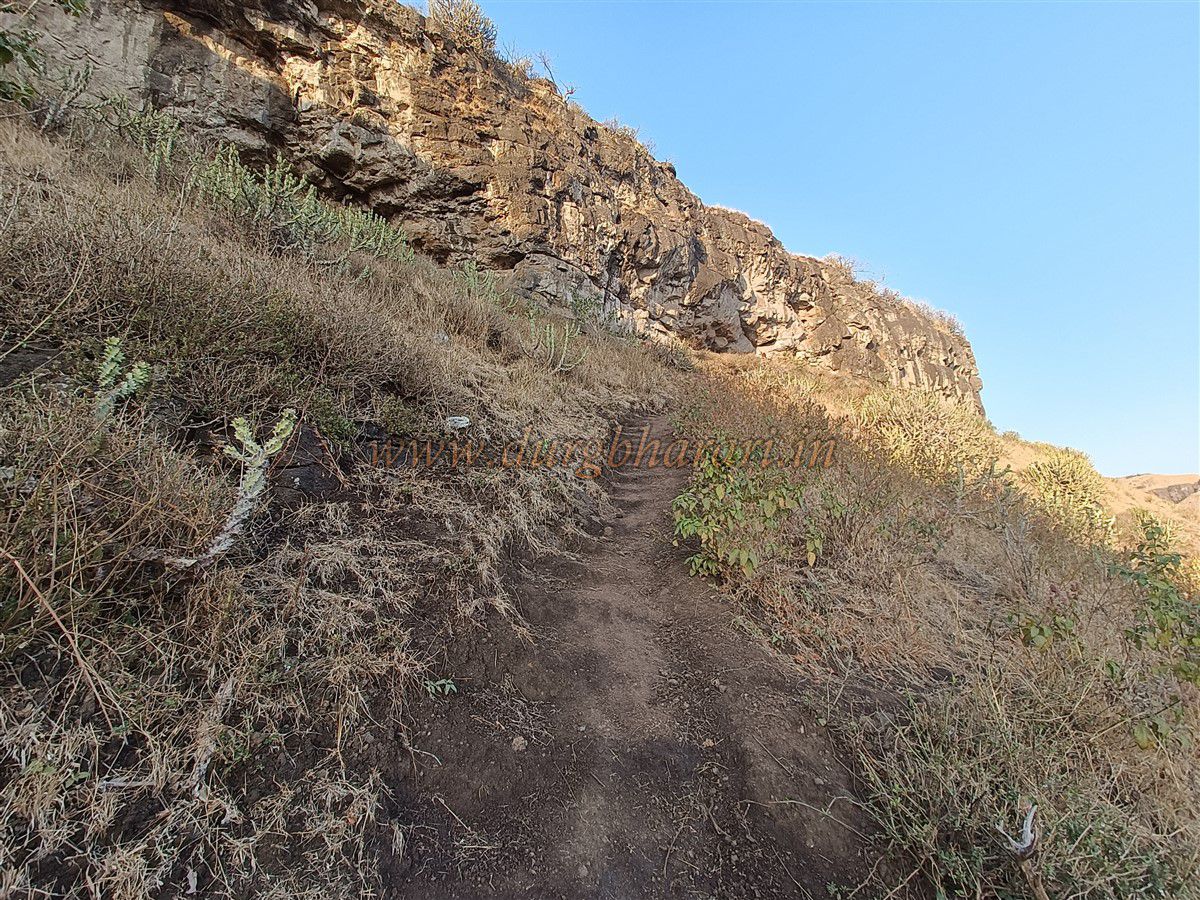
From just outside the village, a small check dam marks the start of a clearly defined trail (locally known as dhorwata) to the fort, eliminating the need for a guide. In fact, a couple of homes exist on the fort’s plateau, so the route is well-trodden.
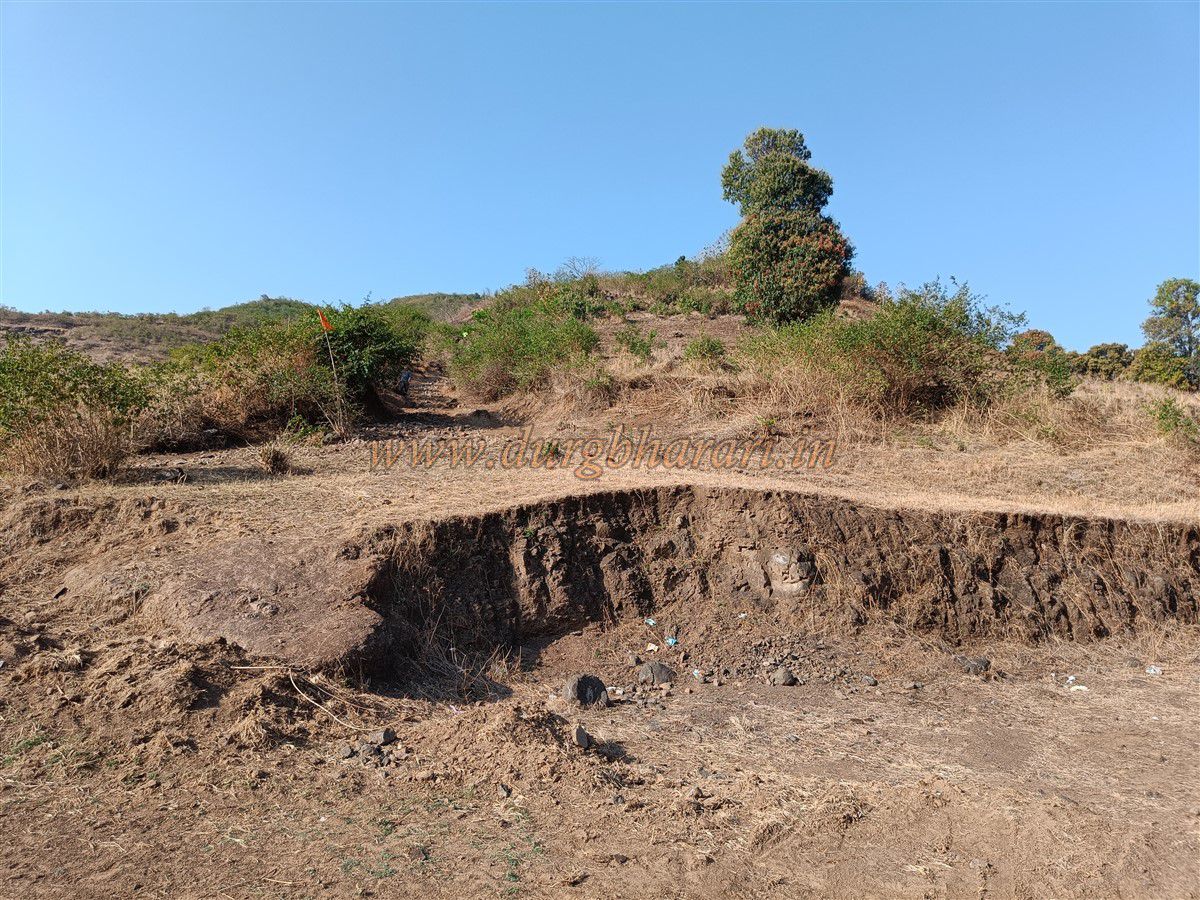
From the check dam, a prominent ridge slopes down toward the road. A wide footpath ascends this ridge, taking about 20 minutes to reach a plateau from where Pimpala Fort becomes visible for the first time.
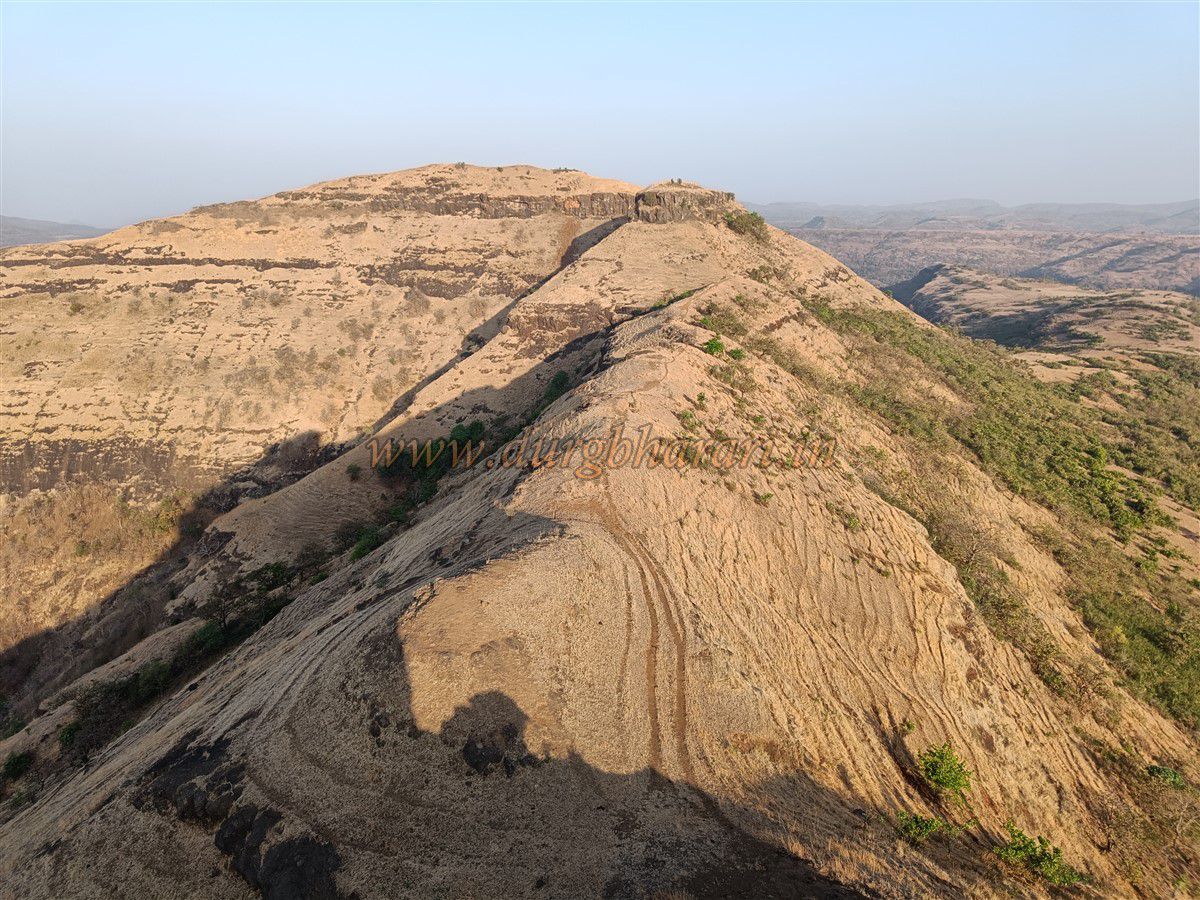
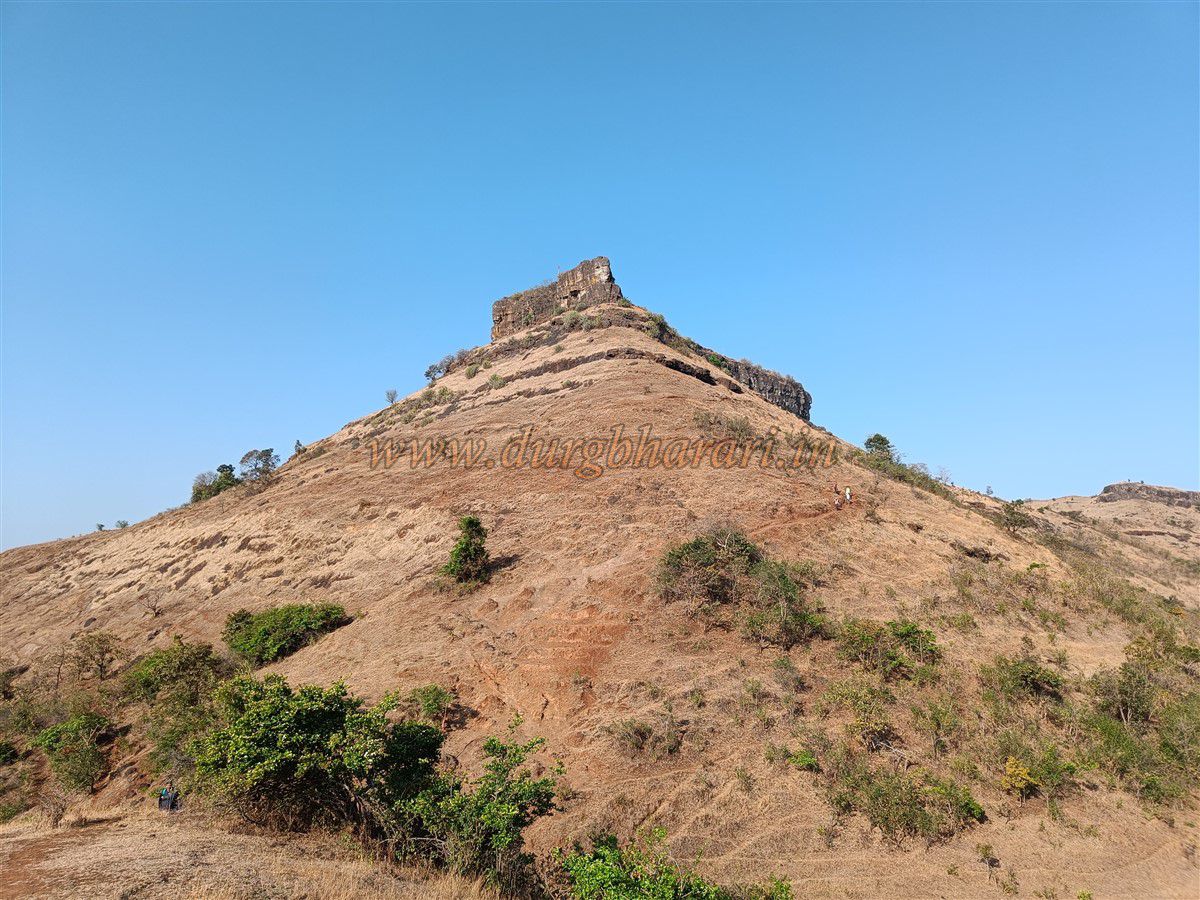
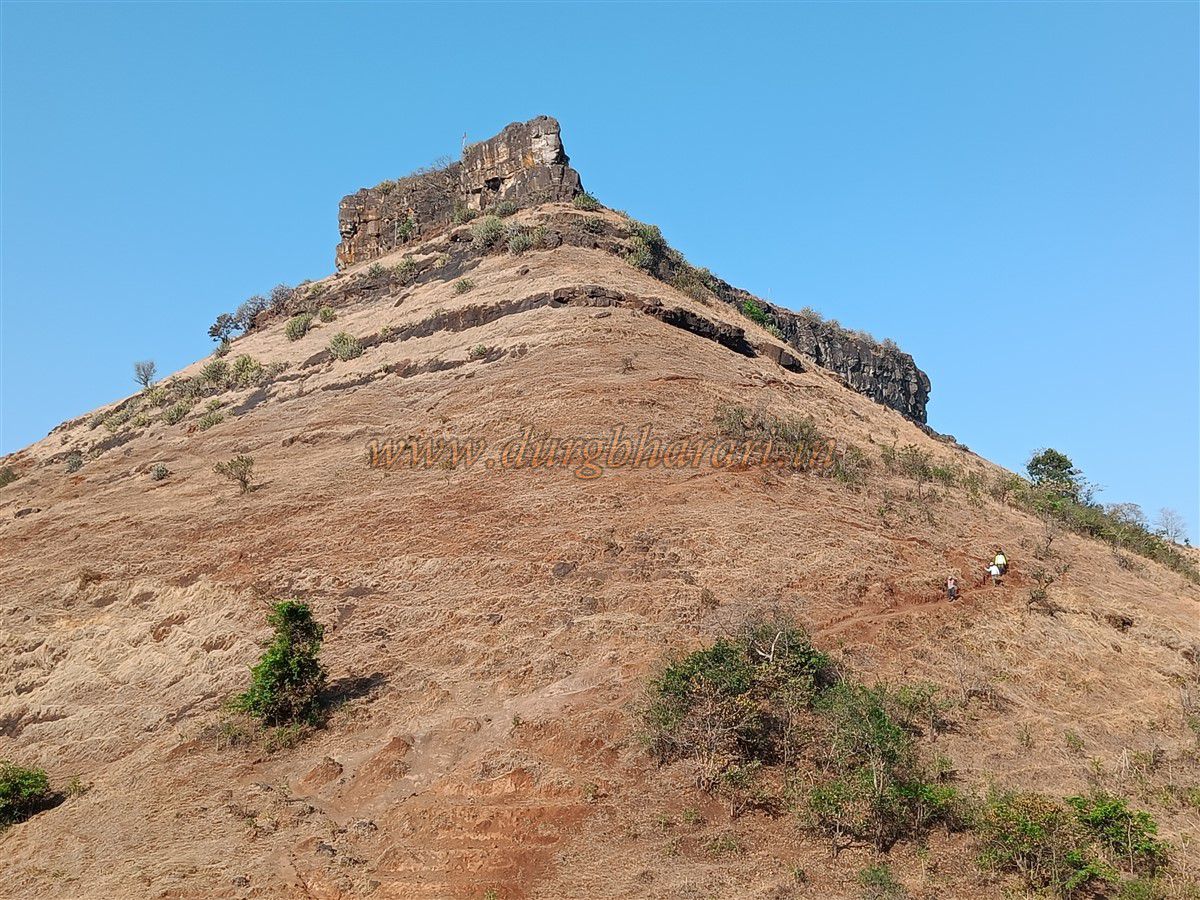
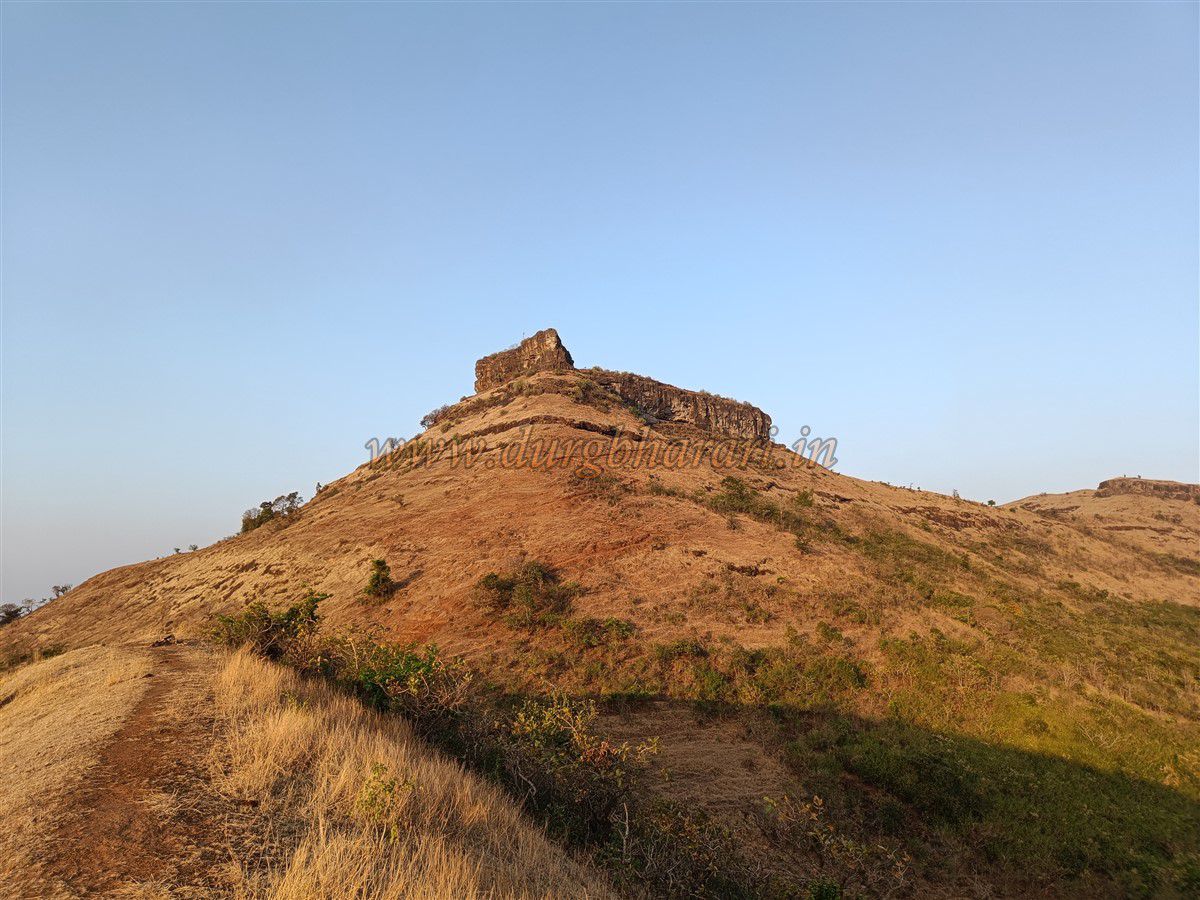
At the top of this plateau is a small hut, and just beyond it begins the trail to the fort. From here, the entire structure of Pimpala Fort is visible. The fort's top stretches east-west and north-south in a cross-like shape.
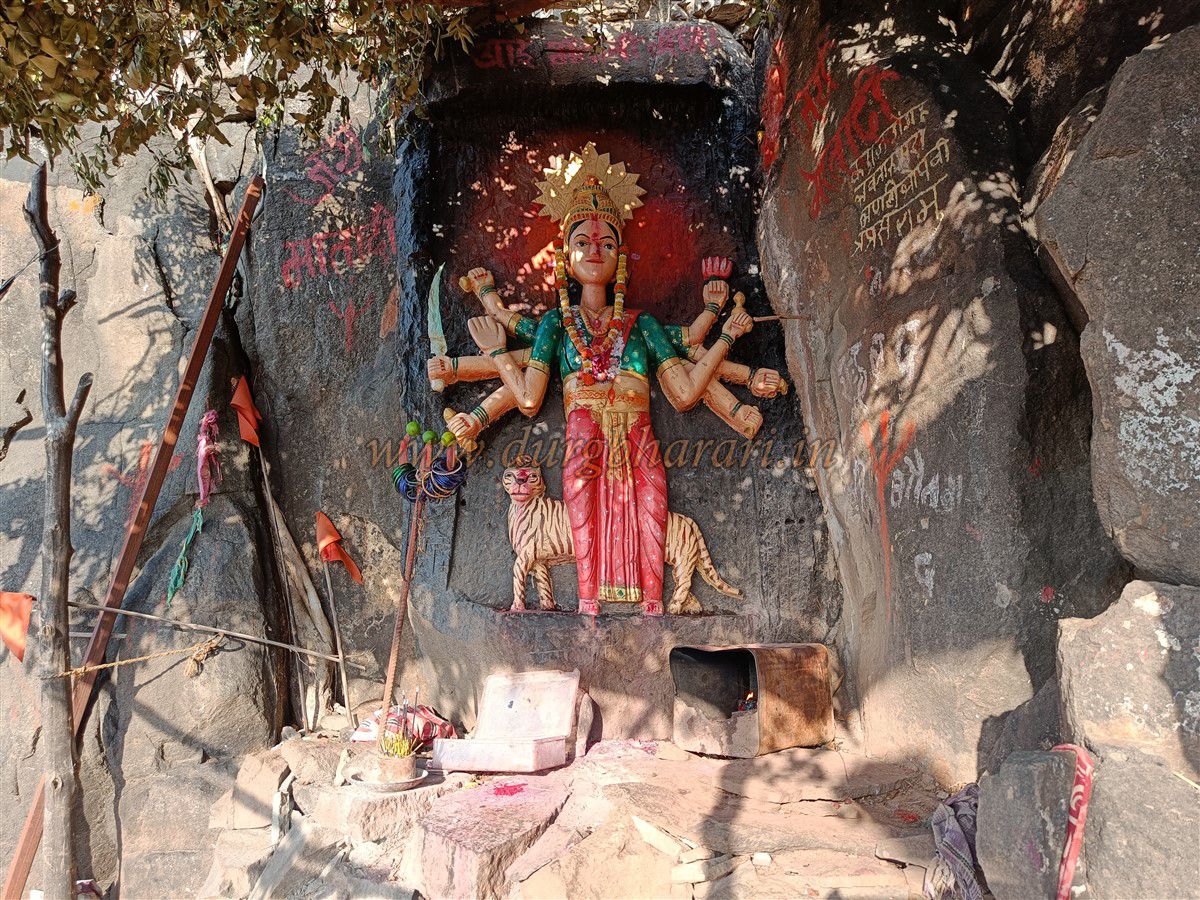
Beneath the fort’s cliff edge, there is a rock-cut shrine of a goddess embedded into the mountain, finished with plaster. This deity is regularly worshipped by locals, which has helped preserve a clear trail to the fort.
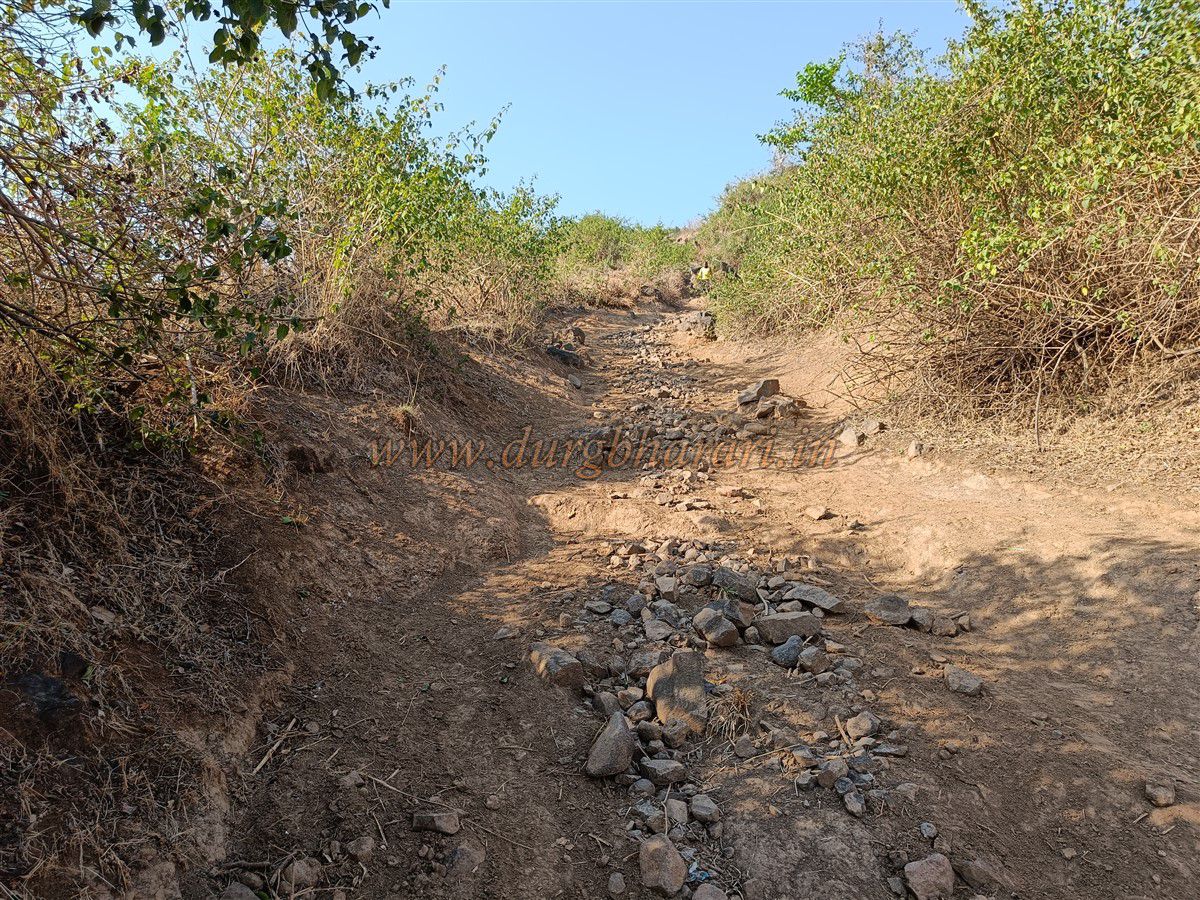
A small pass separates the plateau from the main hill of the fort. In this pass is a shrine to Vaghdev (tiger god), marked with vermillion. A sloping mud and gravel path leads from here up to the fort’s massive rock arch (nedhe).
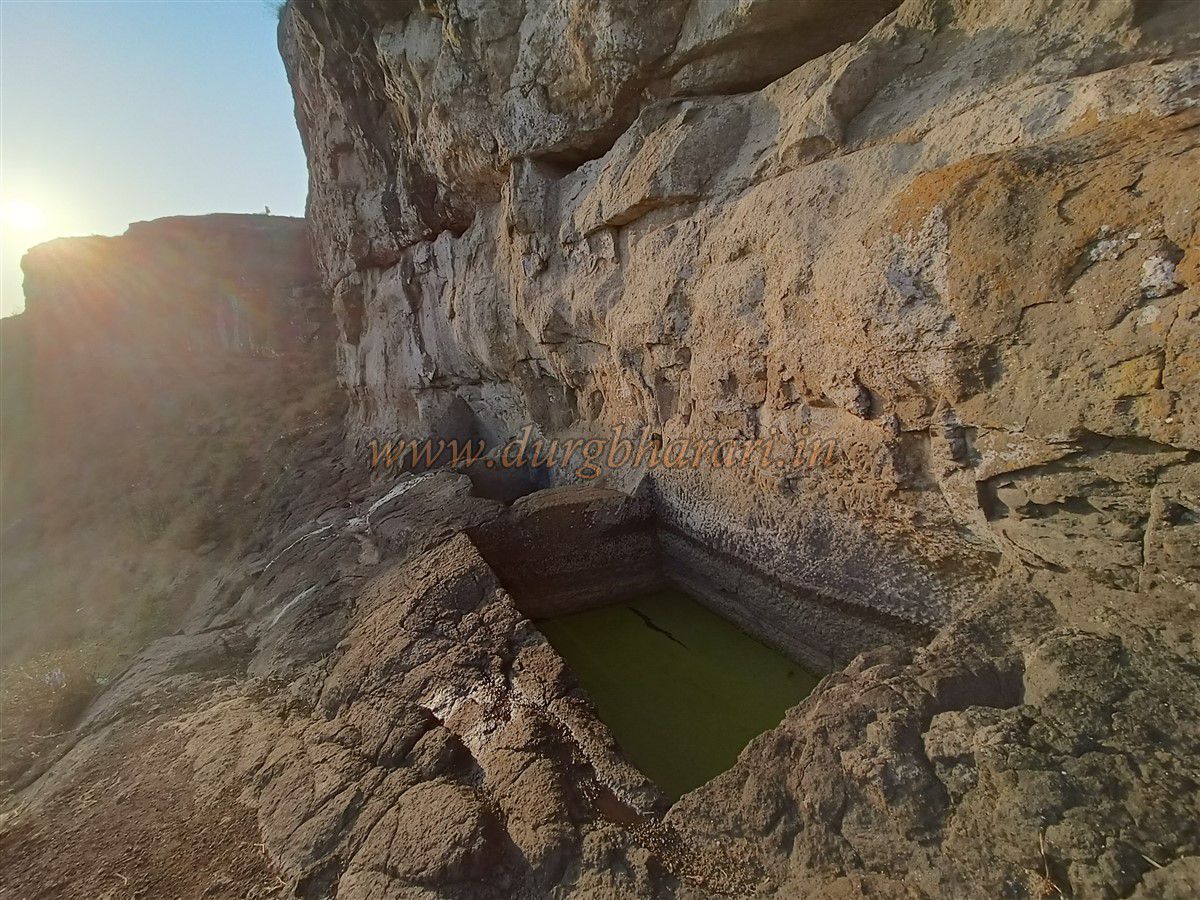
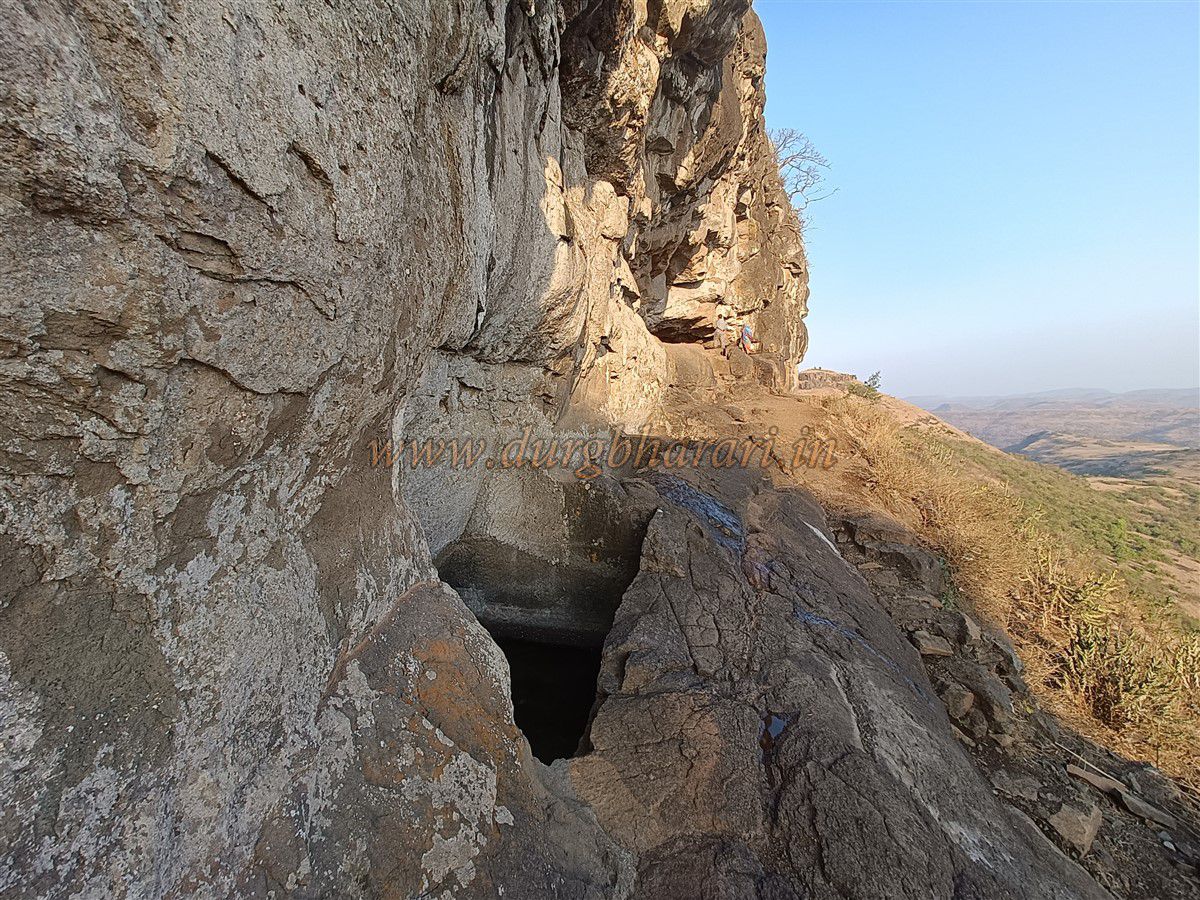
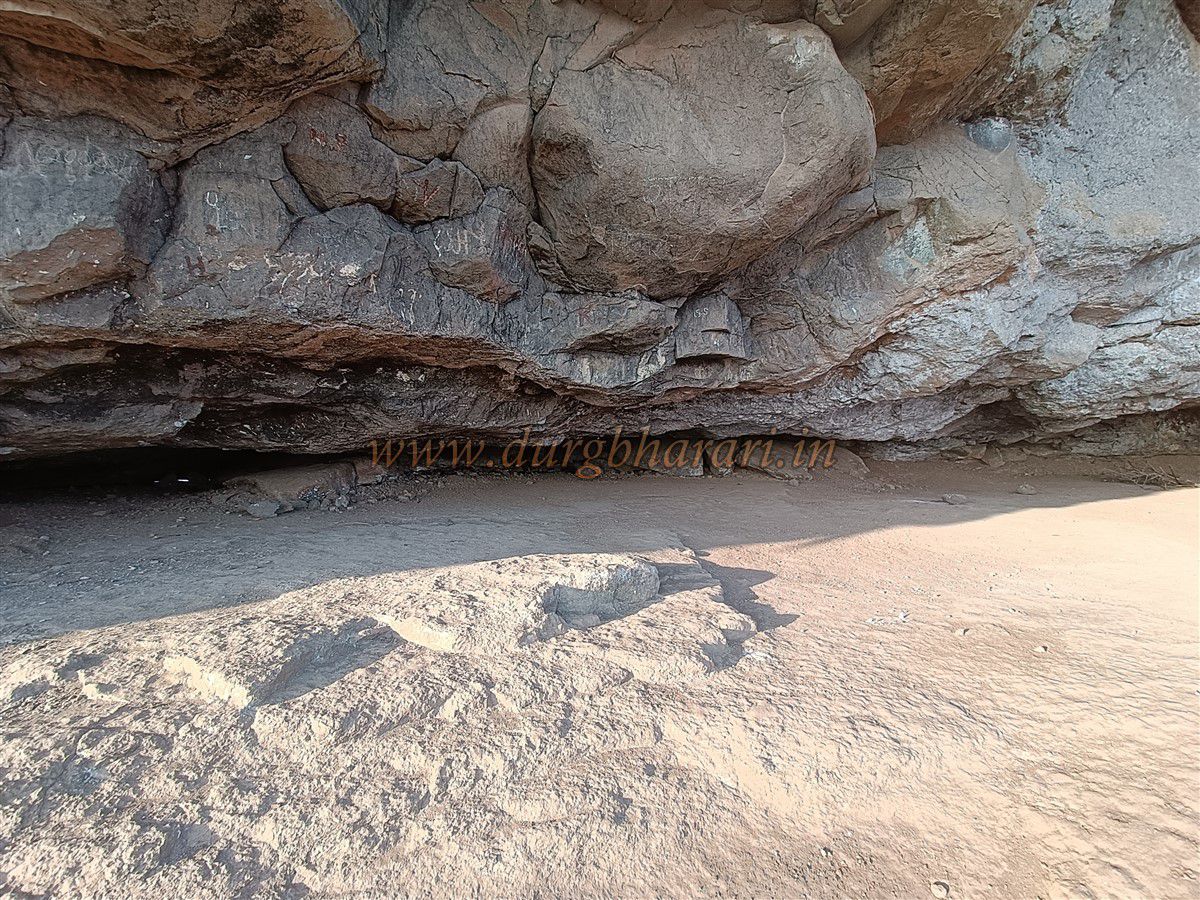
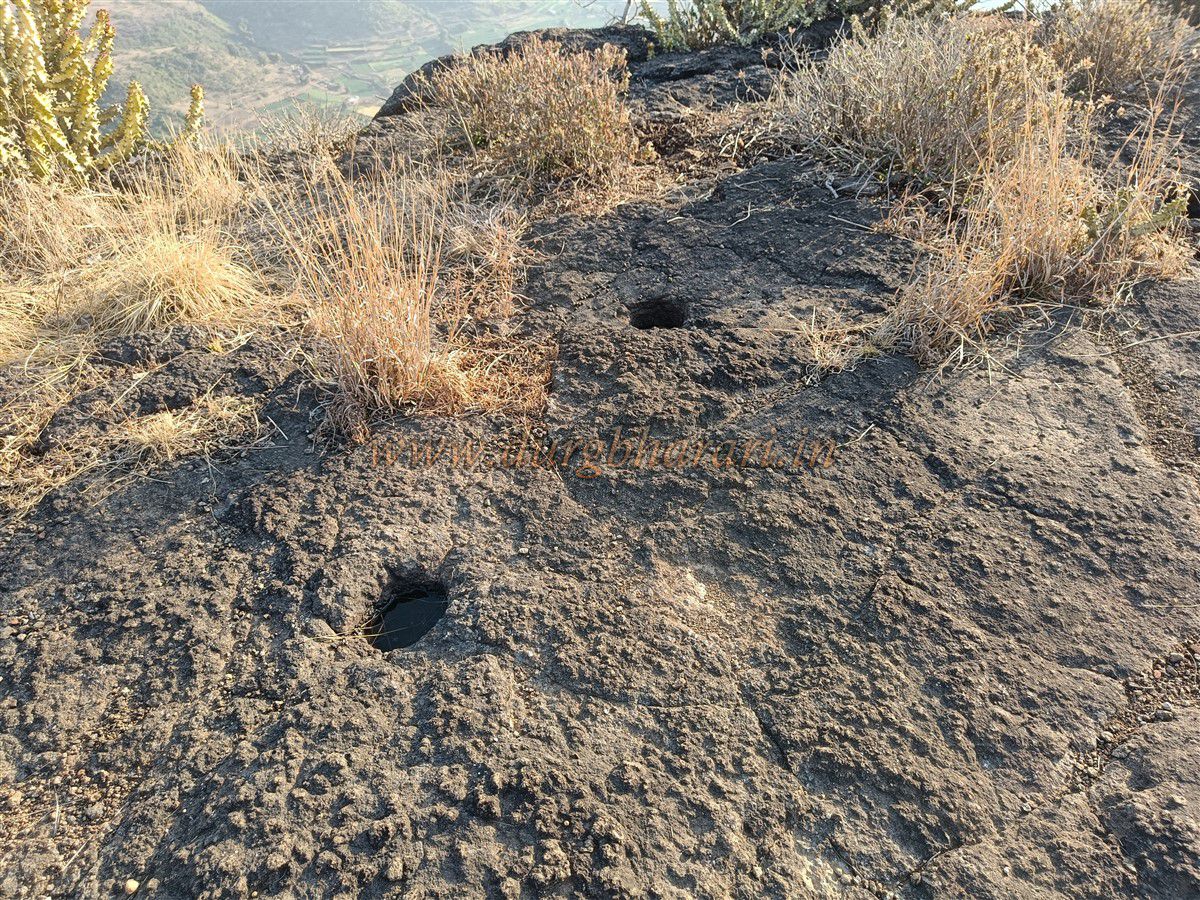
Just before reaching the arch, there are three rock-cut water cisterns. Locals have cleaned one of them and currently use it as a source of drinking water, although a rope and container are needed to draw it. To the right and slightly above the cisterns is a natural cave, accessible via a few rock-cut steps. This cave is gradually turning into another nedhe, and its rear opening has been sealed with stones and soil to block wind flow.
Reaching the arch from the base takes about an hour to an hour and fifteen minutes. A strong breeze constantly blows through the arch, quickly driving away any fatigue from the climb. The spot is so serene and mesmerizing that visitors often find it hard to leave.
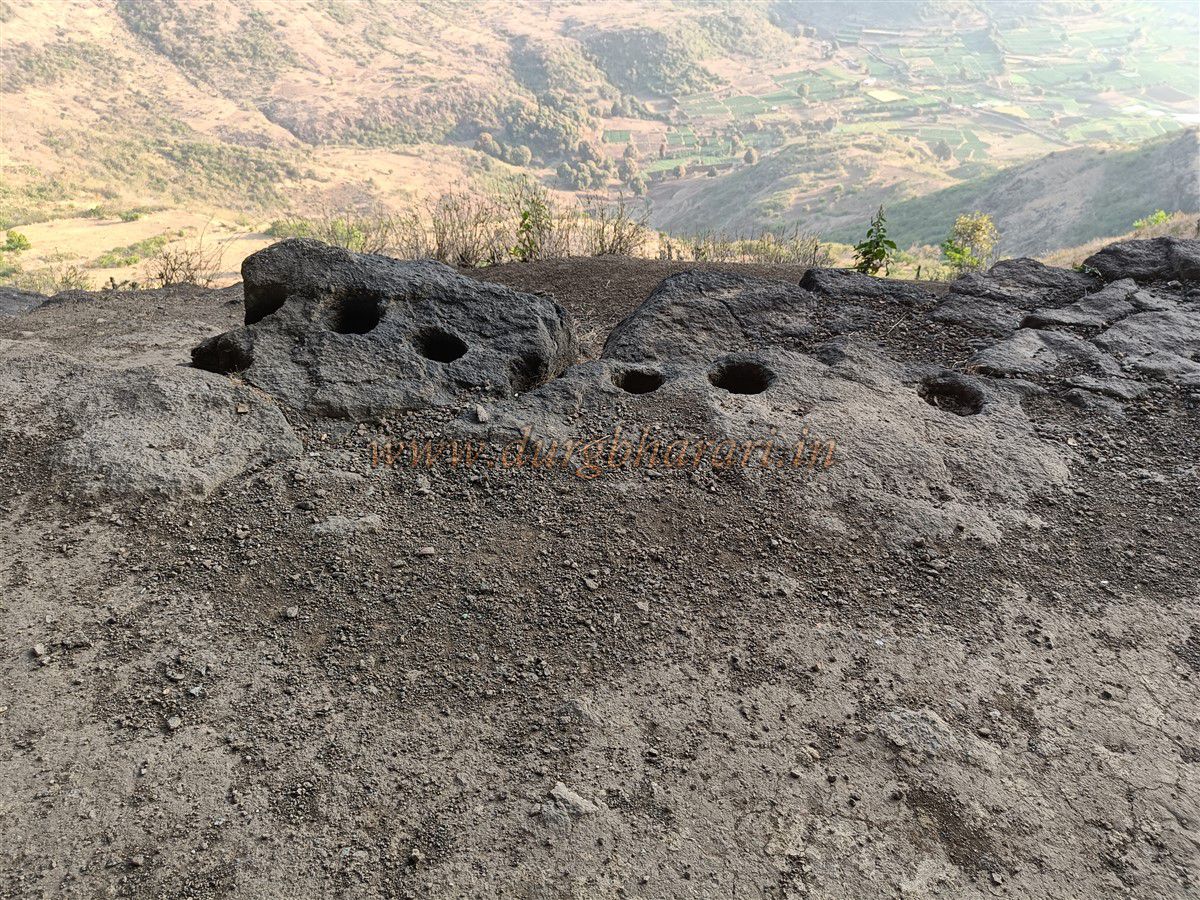
At the arch’s front face, numerous holes are carved into the rock, likely from quarrying attempts. Due to its varying height, caution is advised while walking near the edge. Excluding the monsoon, this site can comfortably accommodate 10–12 people overnight.
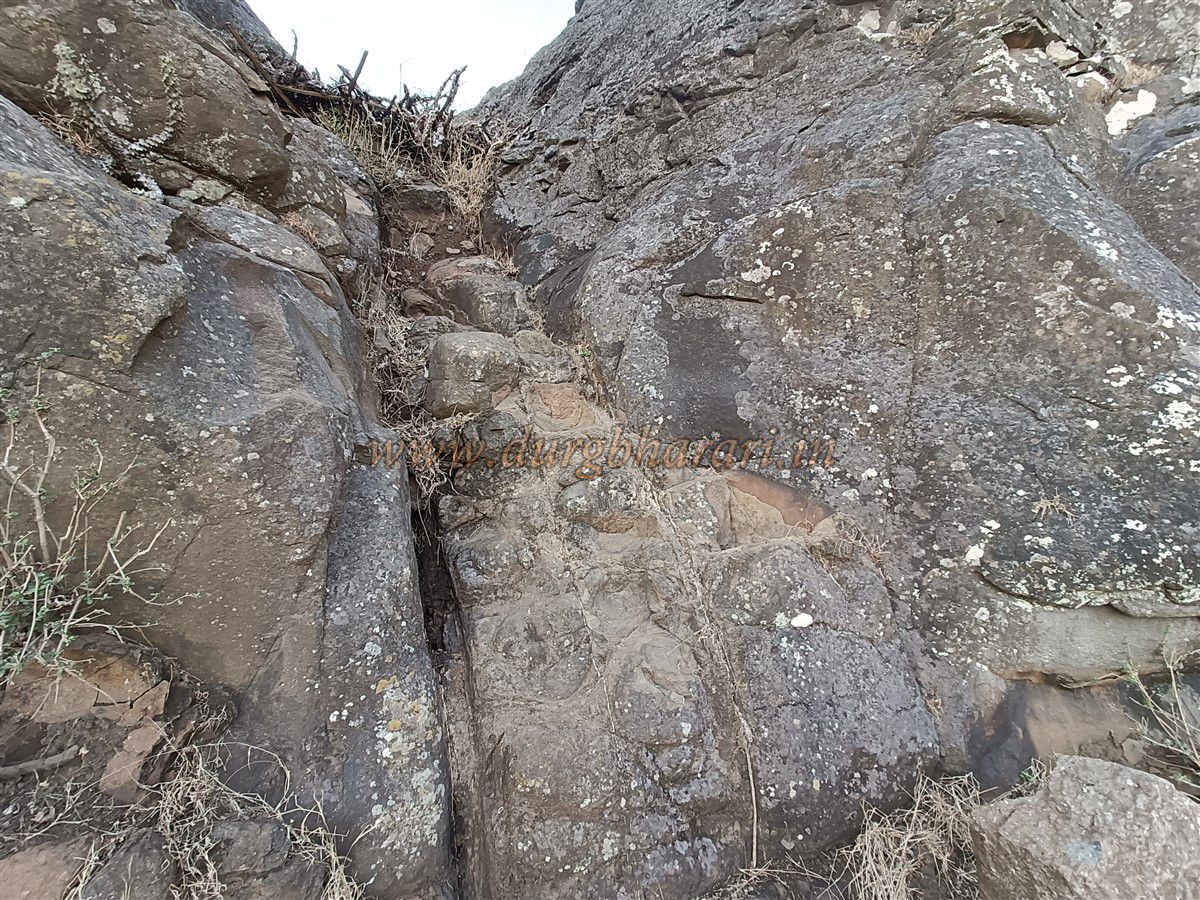
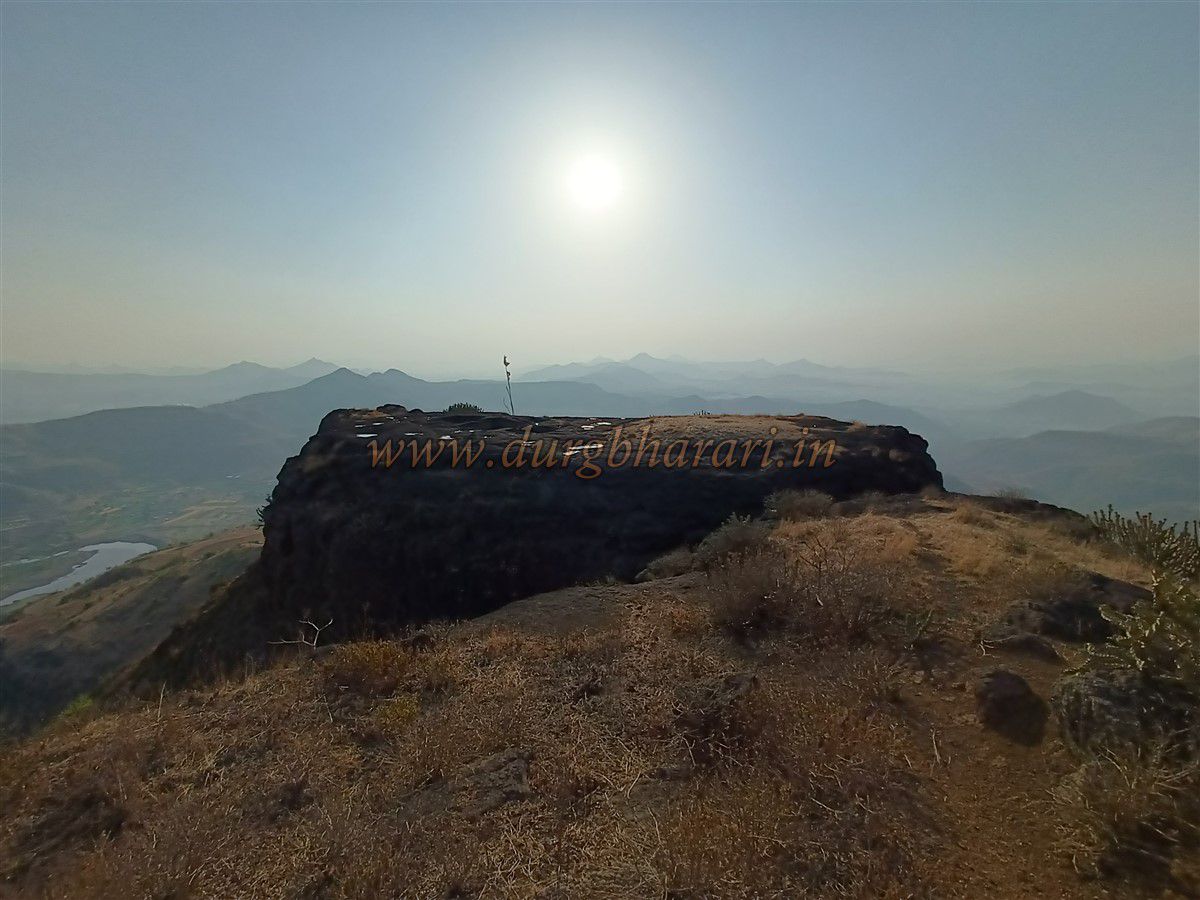
To the left of the nedhe, the eastern and northern ridgelines of the fort meet. A path ascends from this junction to the summit. A short 5-minute rock scramble leads to the top of the fort, which stands at 3,566 feet above sea level.
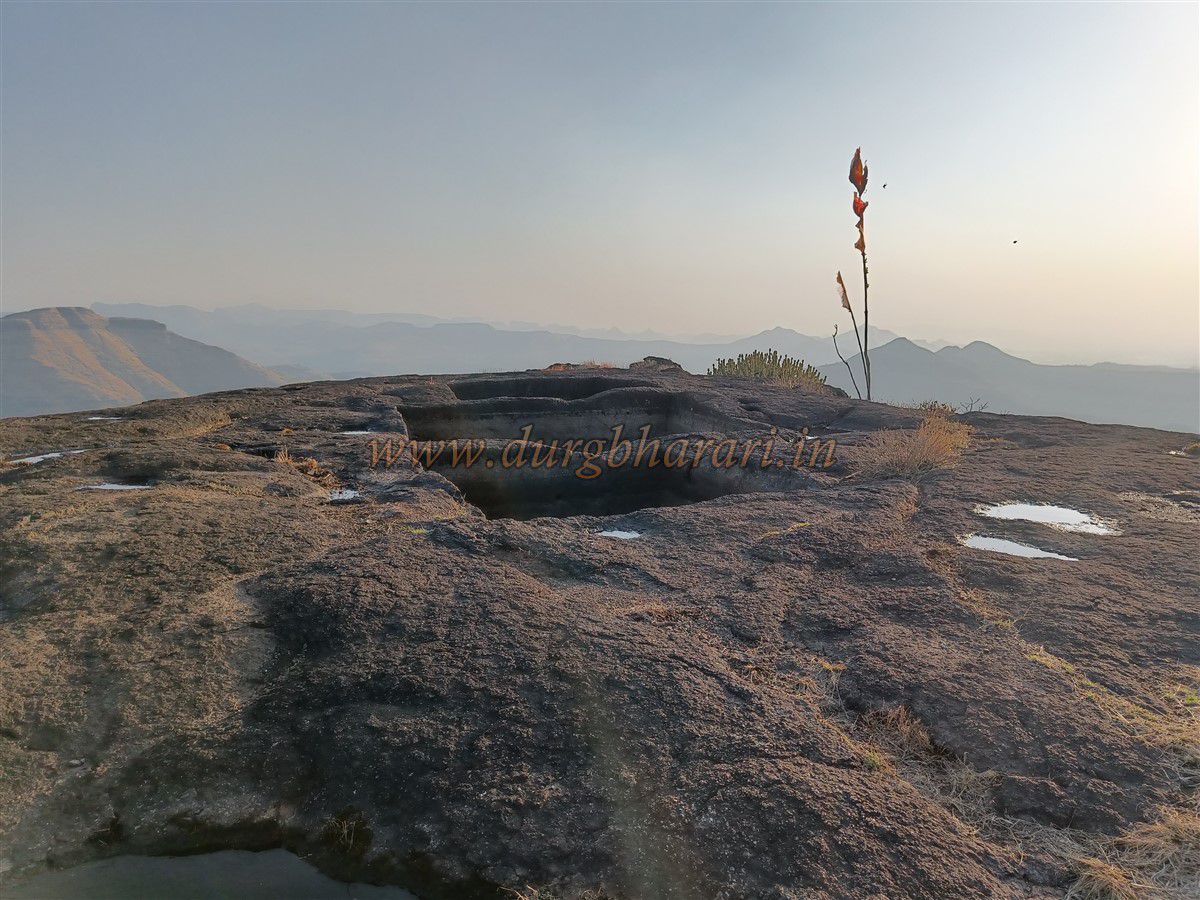
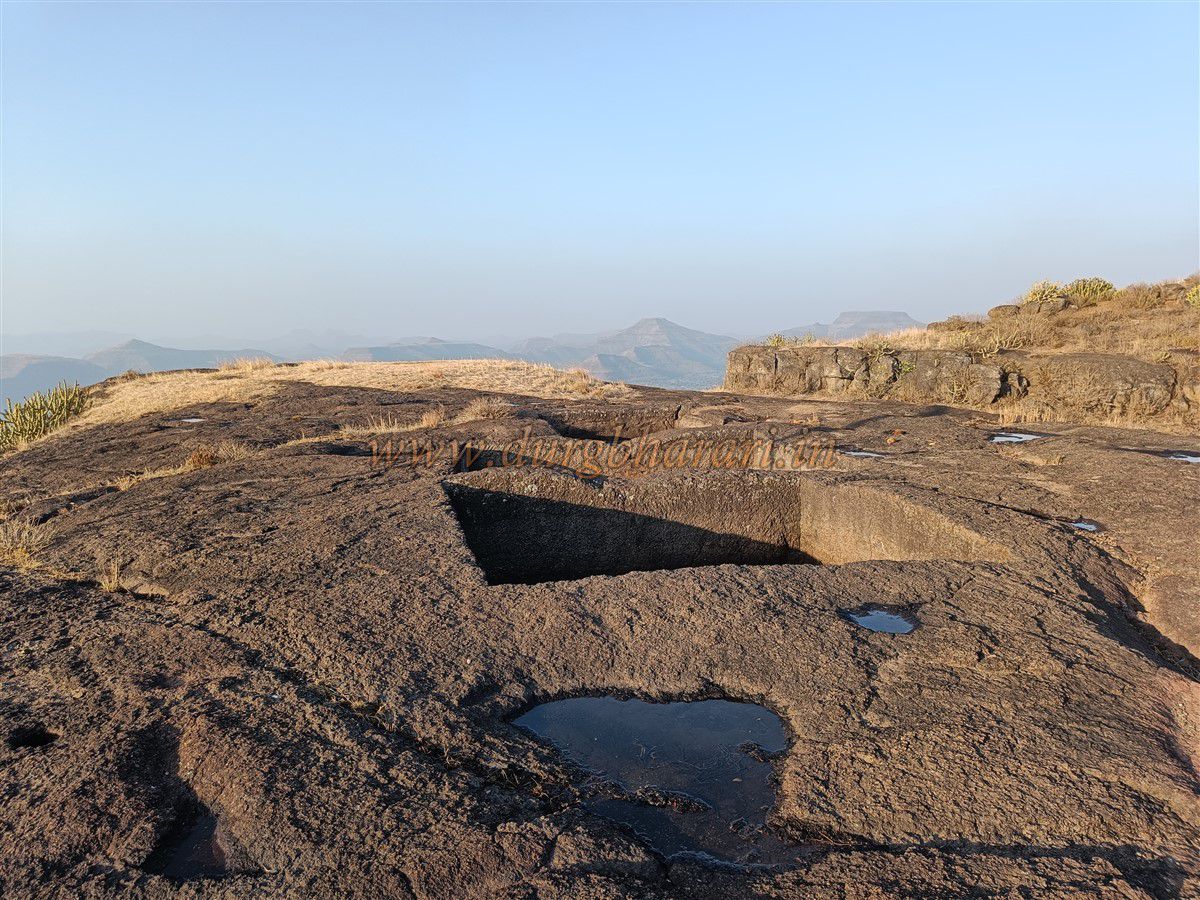
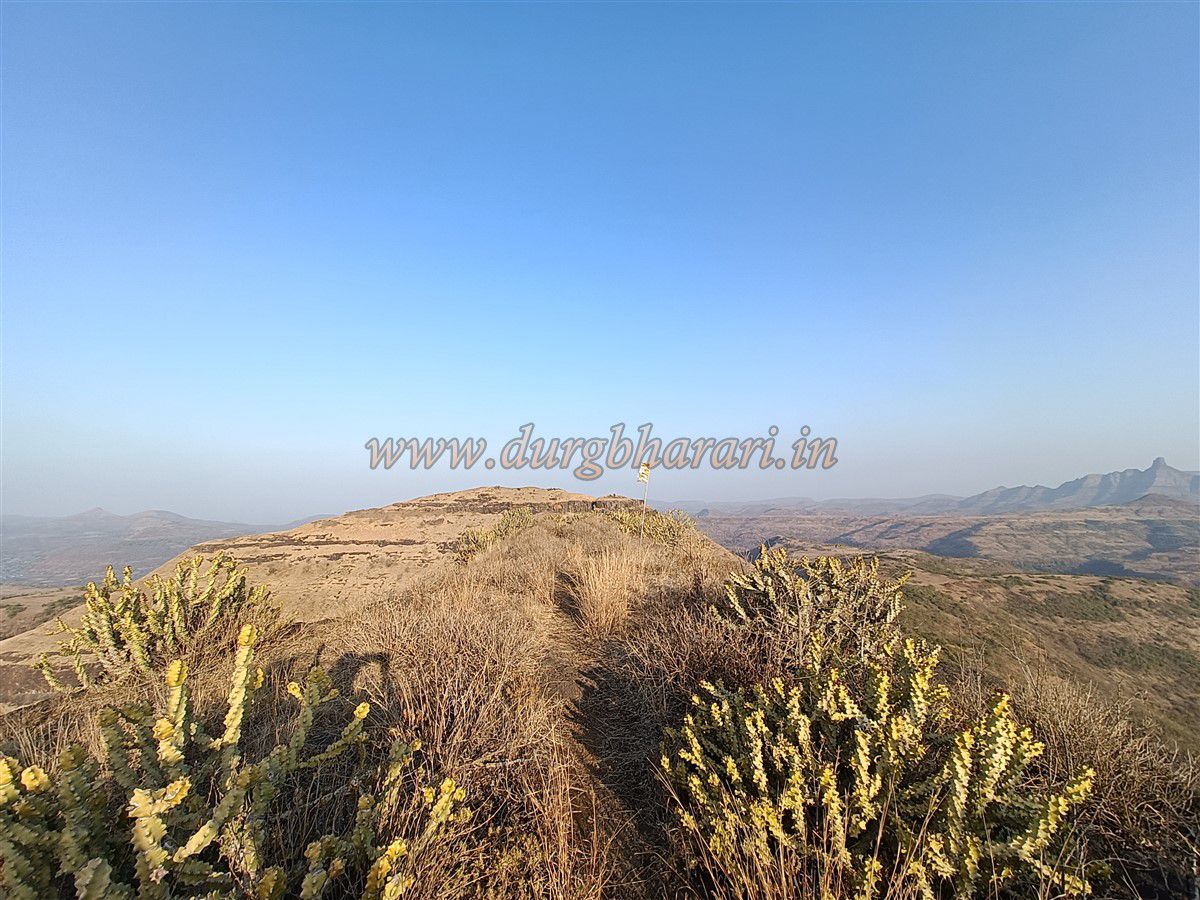
The left (western) side of the fort features three dry, square rock-cut cisterns, all currently without water. The right (eastern) side is a narrow ridge with only a couple of holes visible — no other remnants remain here. Exploring the summit takes about 15 minutes.
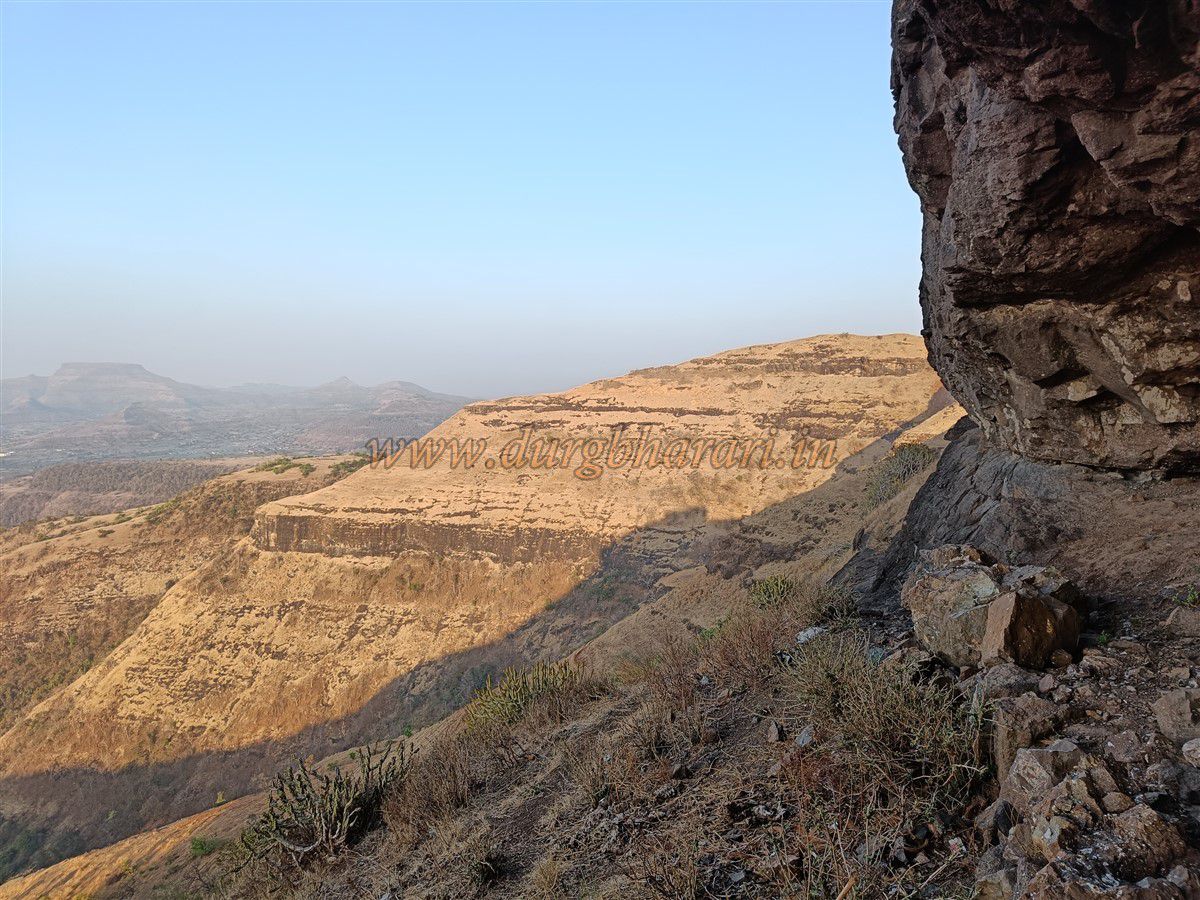
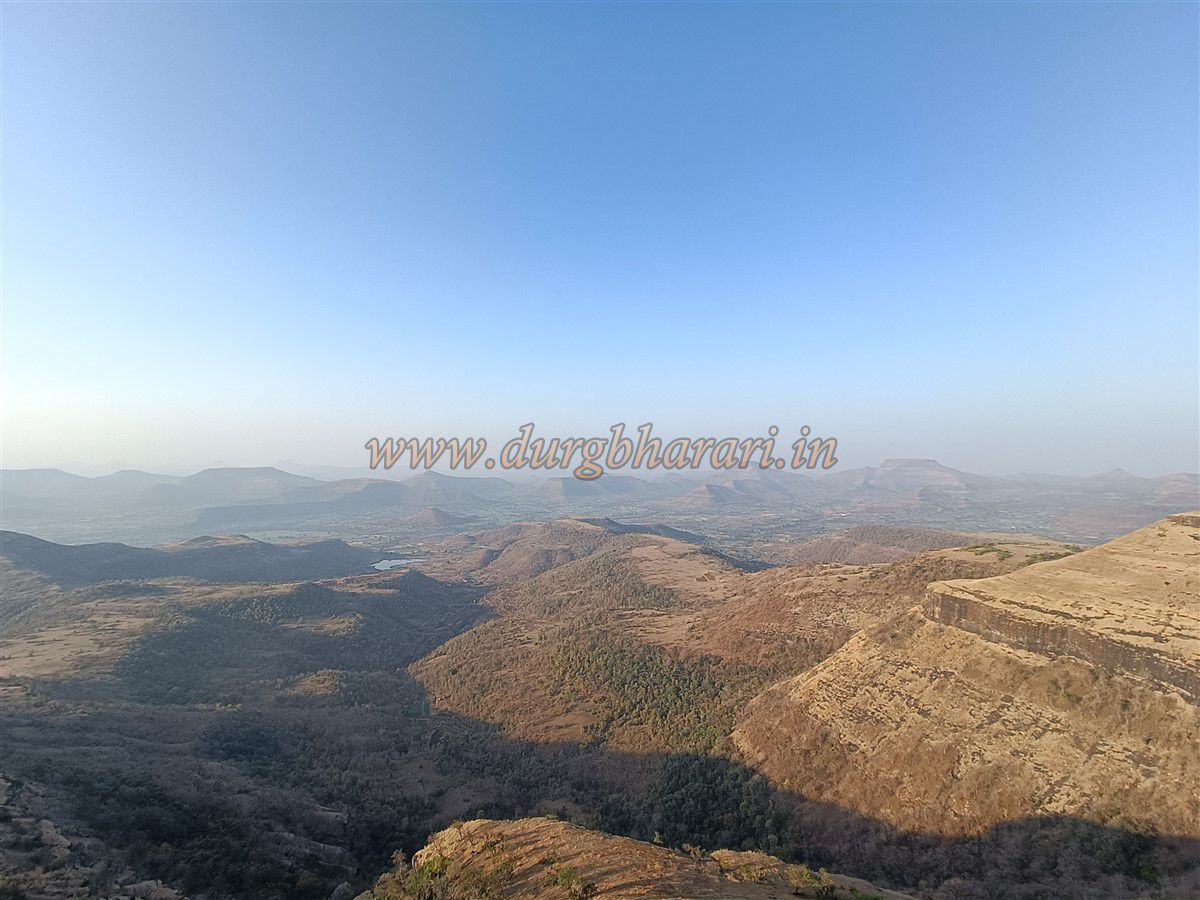
From the top, one can enjoy panoramic views of the Dolbari mountain range, including forts like Premgiri, Salher–Salota, Mulher, Mora, and Hargad.
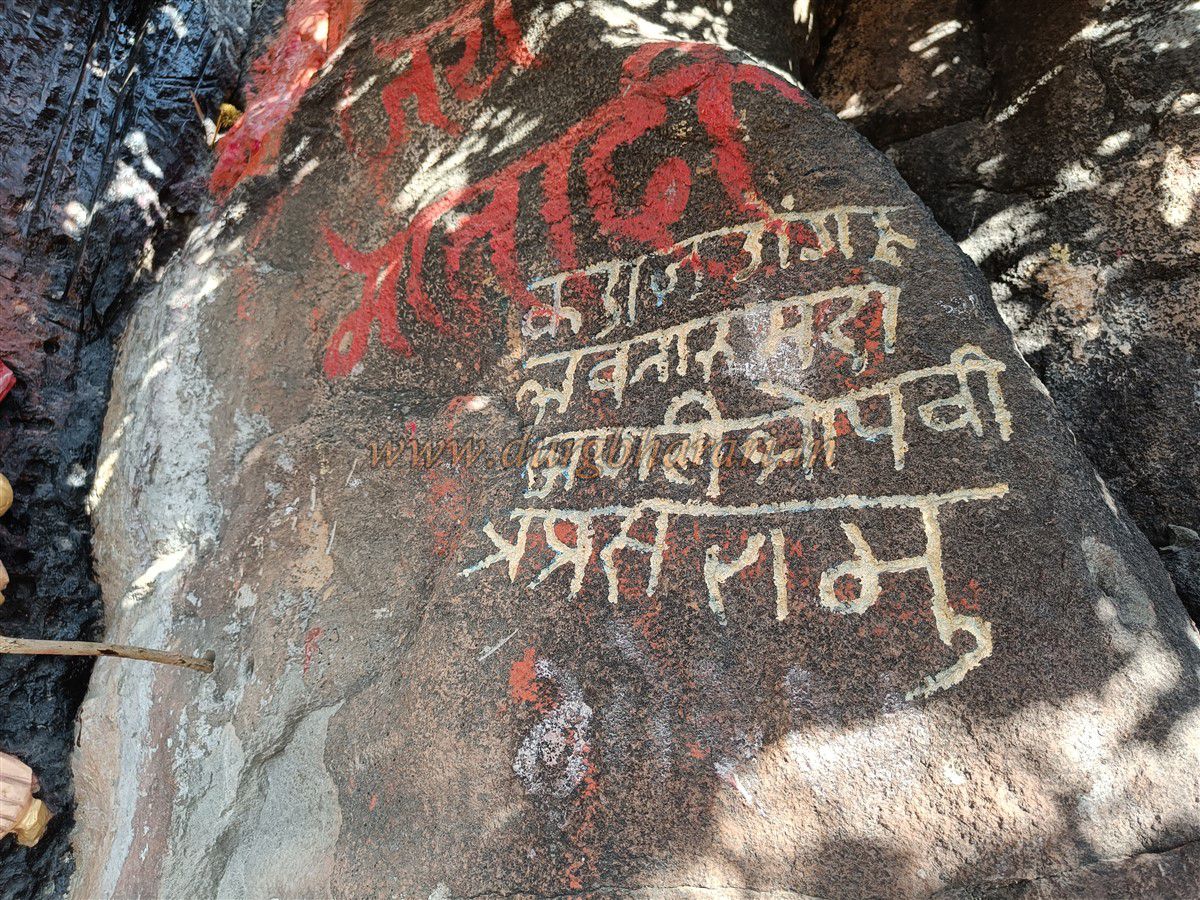
After descending from the summit and circling around to the left, one arrives at the rock-cut shrine of the goddess, mentioned earlier. To the right of this idol, a rock inscription (shilalekh) can be seen — although painted over — mentioning the hill as Kadāj or Kandala.
Without retracing your steps, a straight walk from here brings you back to the nedhe, completing the circuit of the fort.
© Suresh Nimbalkar
GALLERY