PILIV KOT
TYPE : GADHI
DISTRICT : SOLAPUR
HEIGHT : 0
GRADE : EASY
On the Satara-Pandharpur highway, about 32 km from Akluj and 60 km from Indapur on the Solapur highway lies a small village named Piliv. Situated on a small hill behind the village is the well-preserved Piliv Fort. Remarkably, the descendants of the original fort commandants still reside within the fort premises.
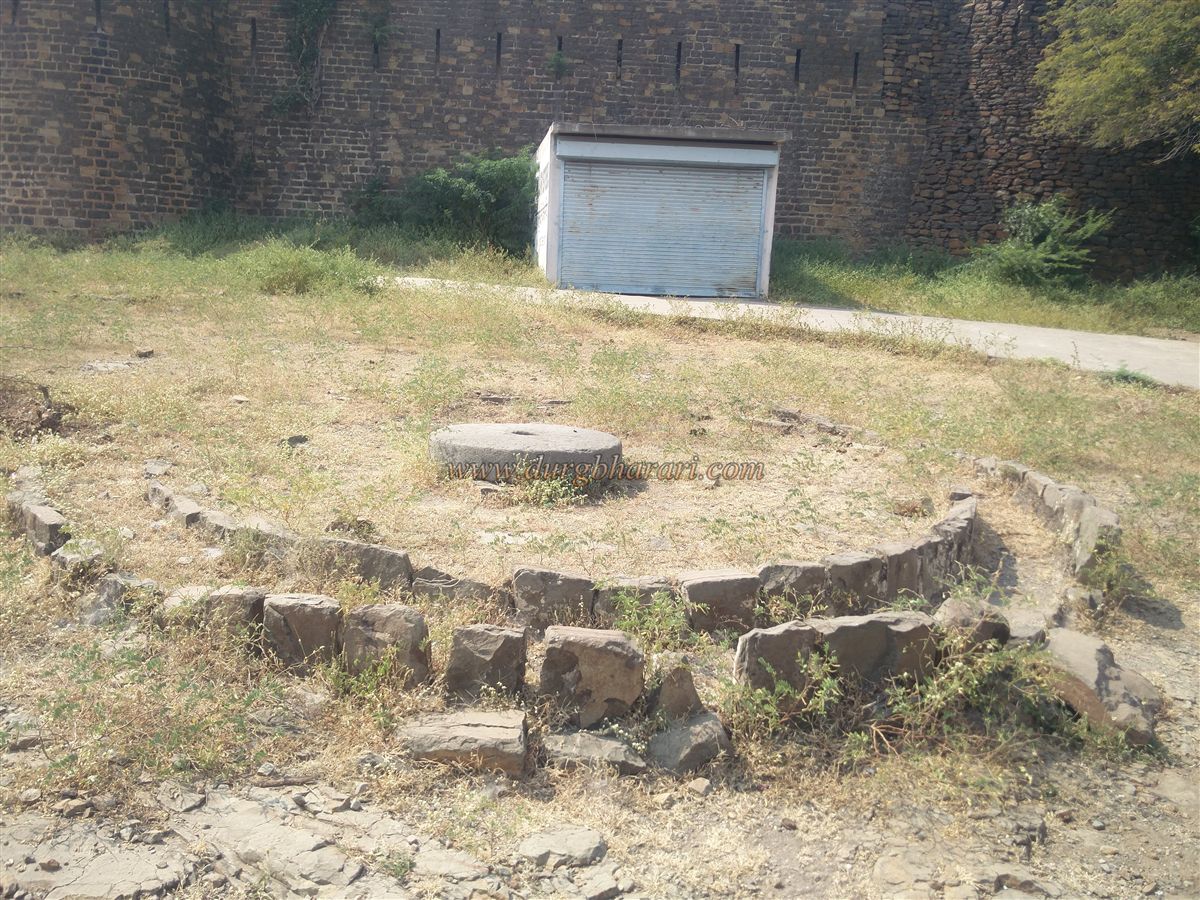
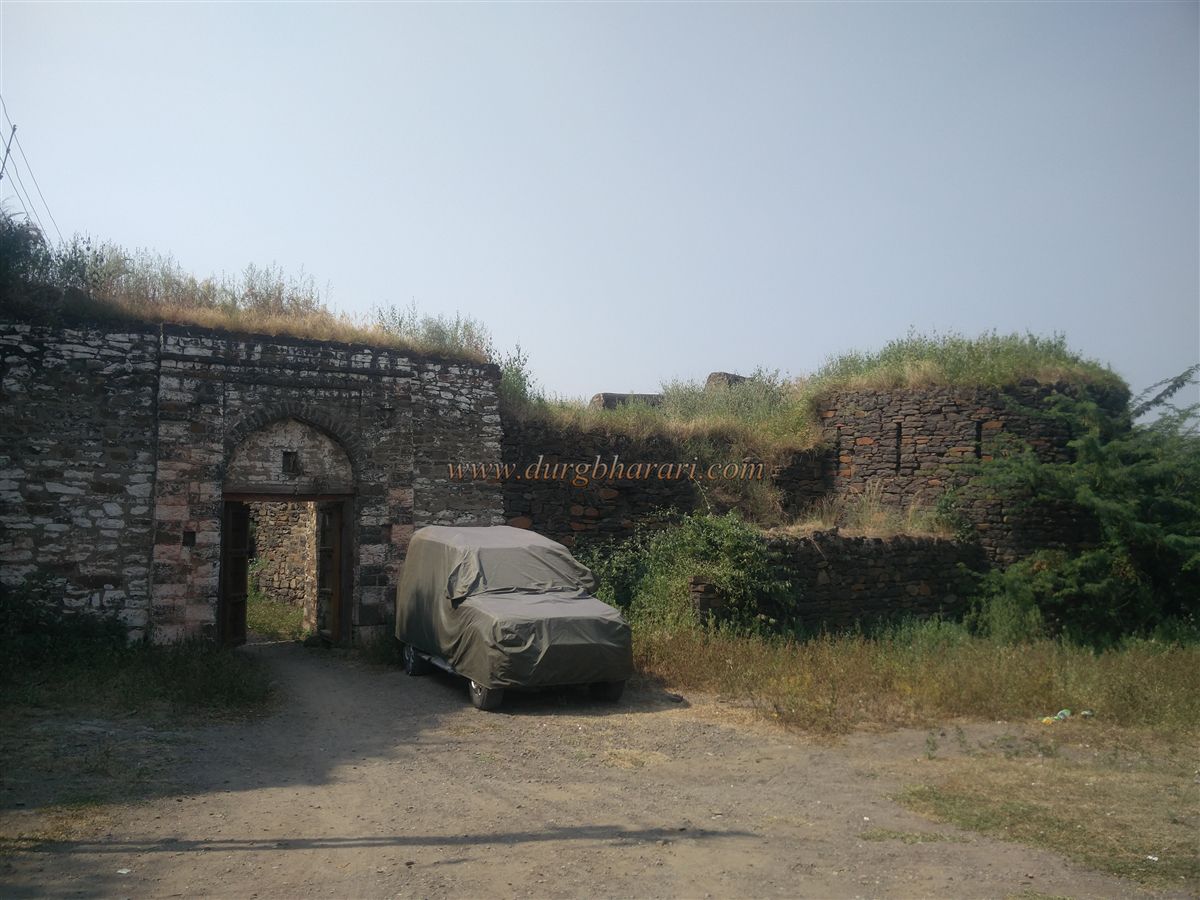
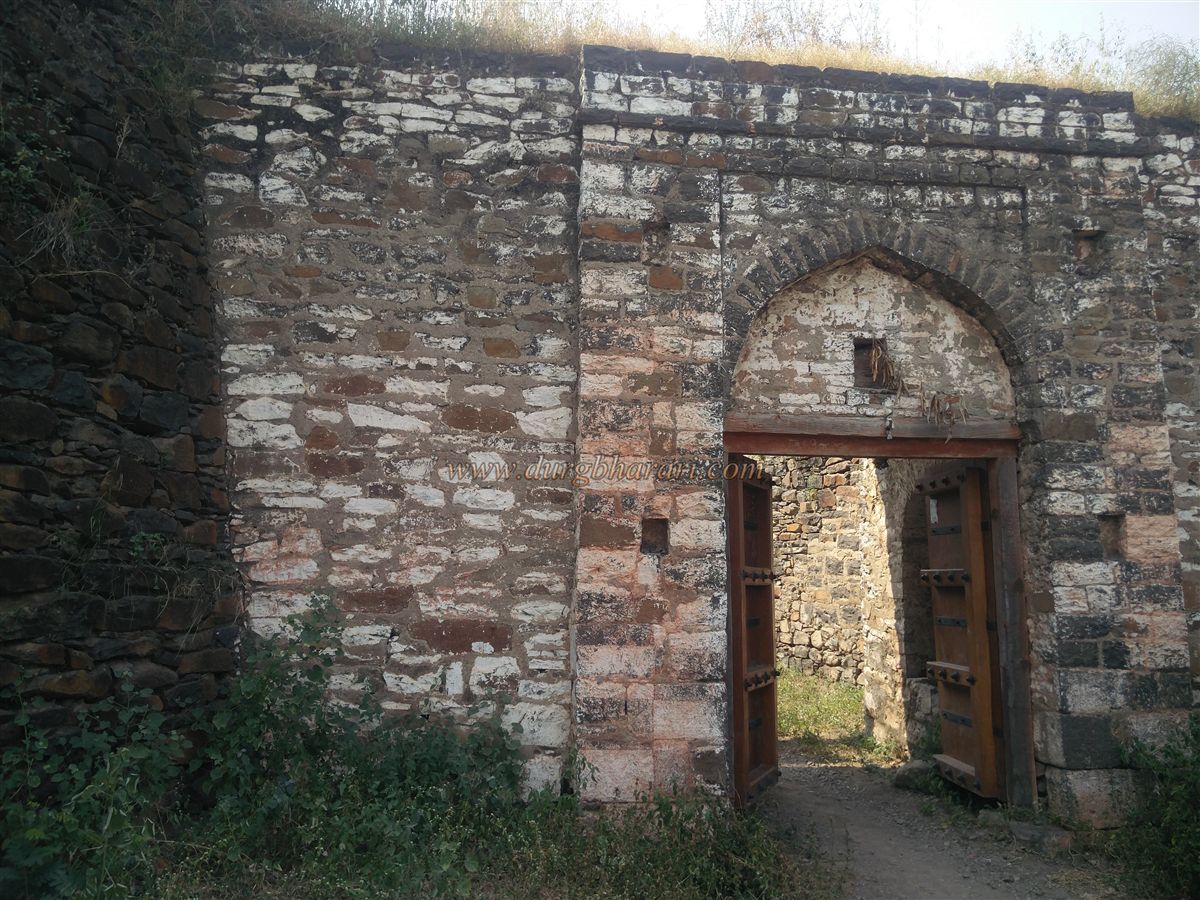
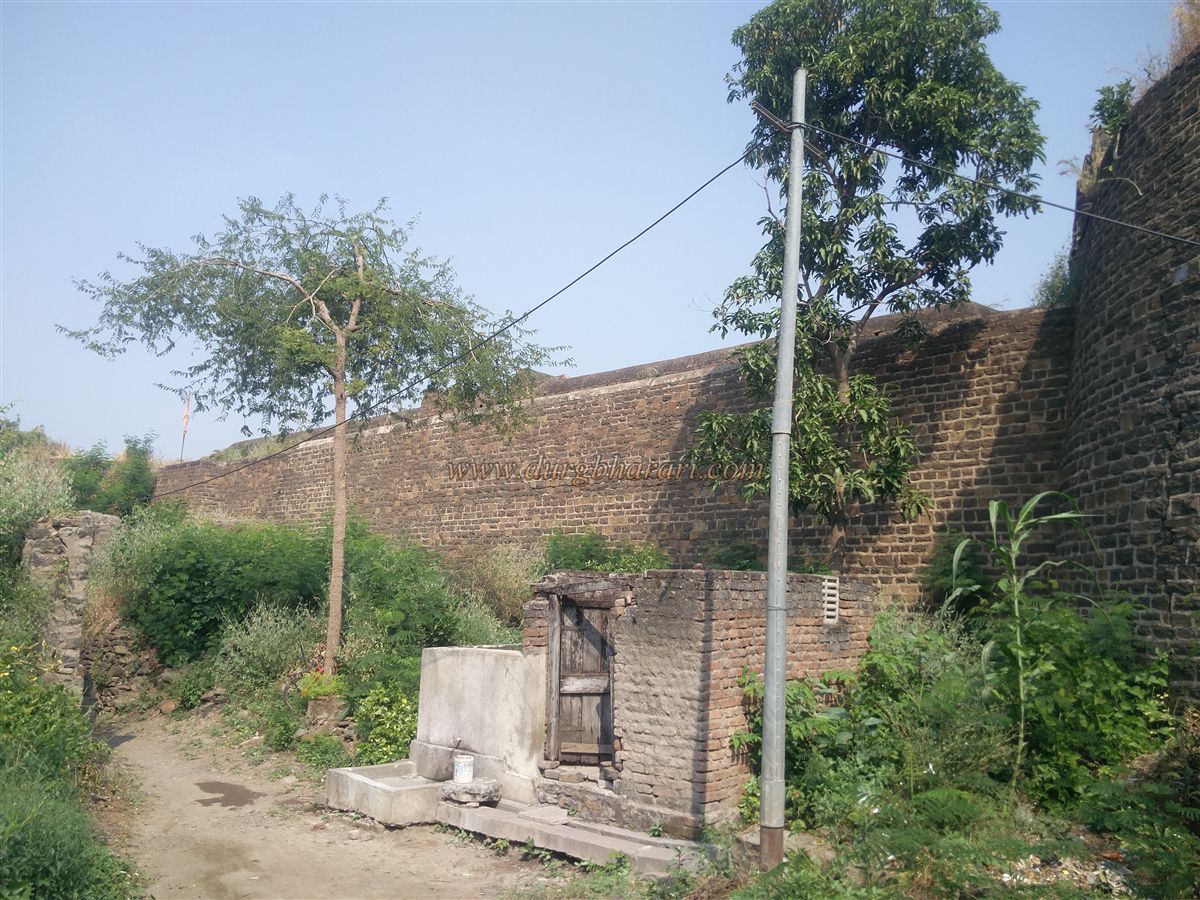
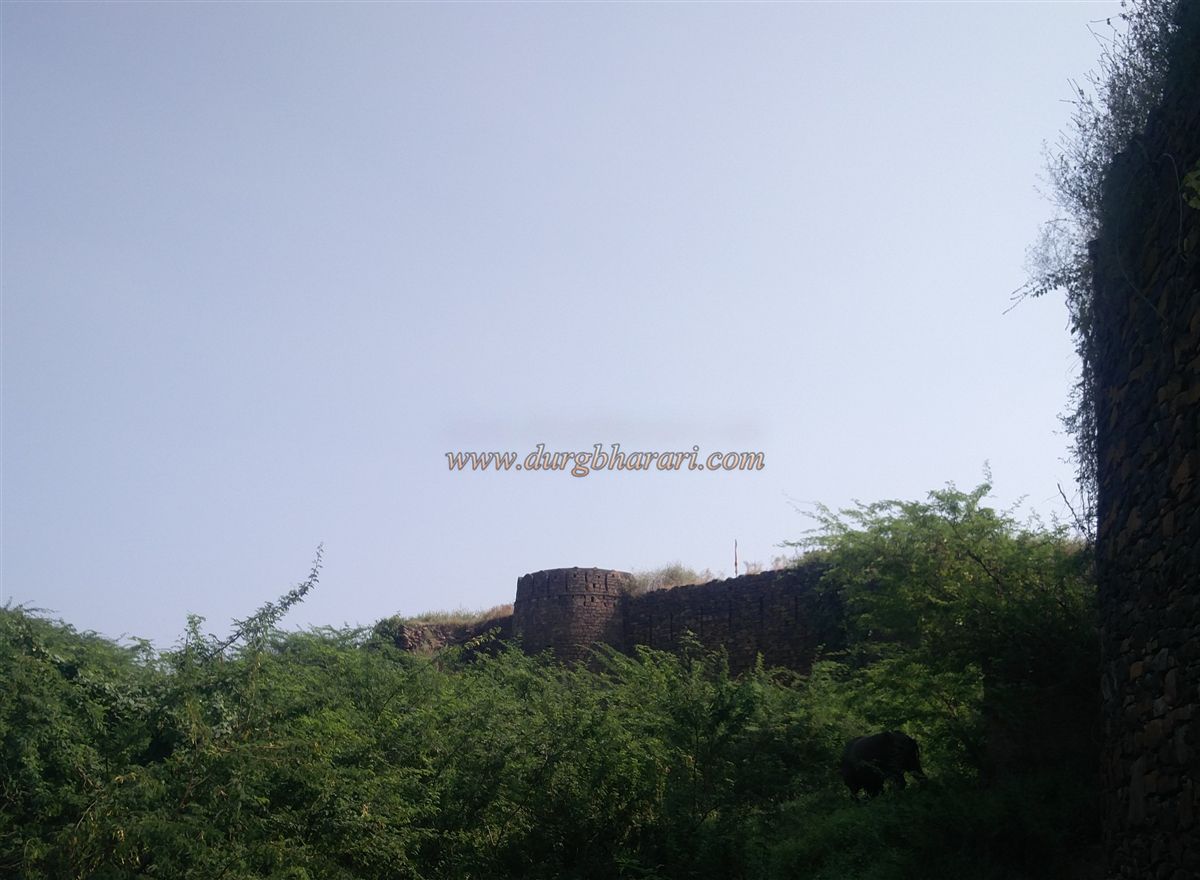
Spread across approximately 1.5 acres, the fort is divided into two sections and is rectangular in shape. The main entrance faces west. Before entering the fort, one notices two traditional lime-mixing pits to the left of the gate and a projecting bastion-like platform built outside the fort wall near the left-side bastion. This feature has ornamental jharokhas (balconies) at the base and is constructed using black, reddish, and yellowish stones, making it stand out from the rest of the fortification.
...
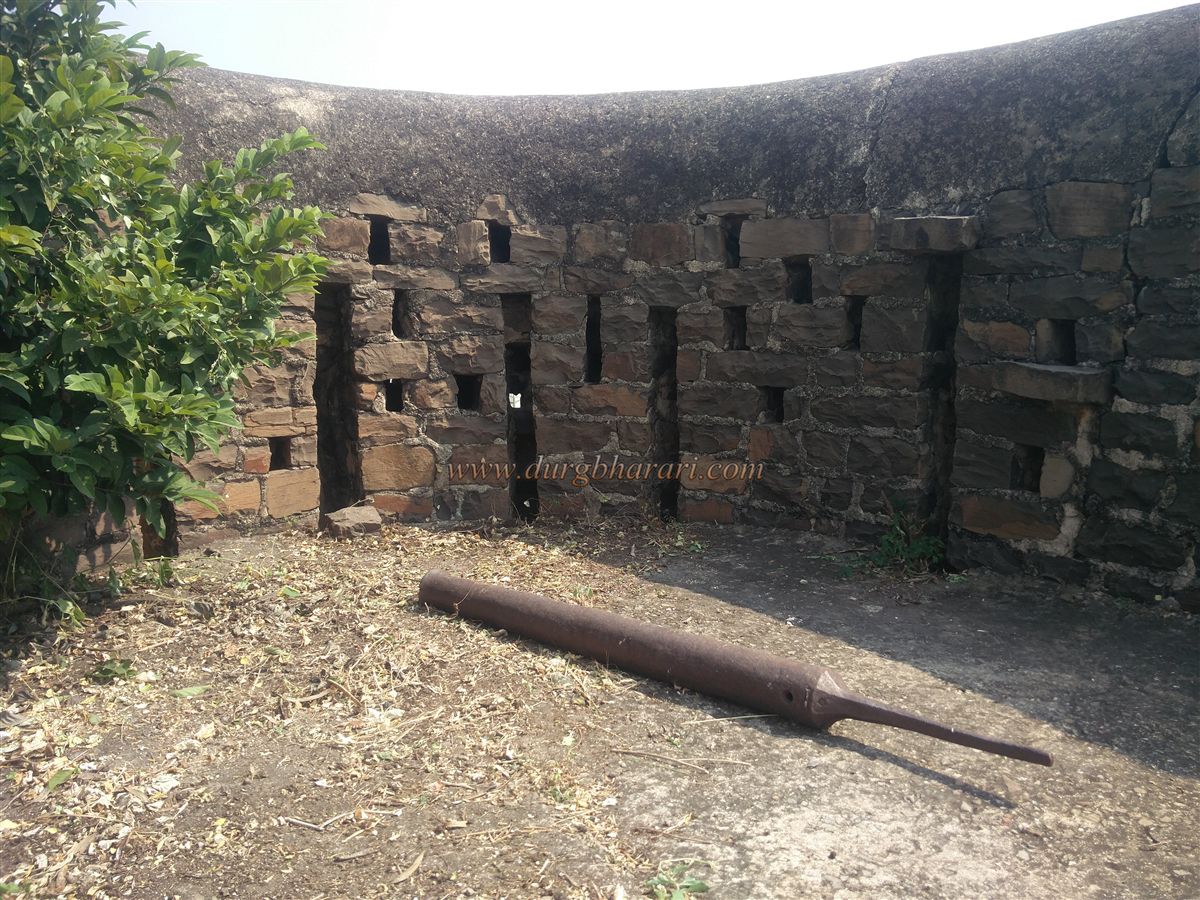
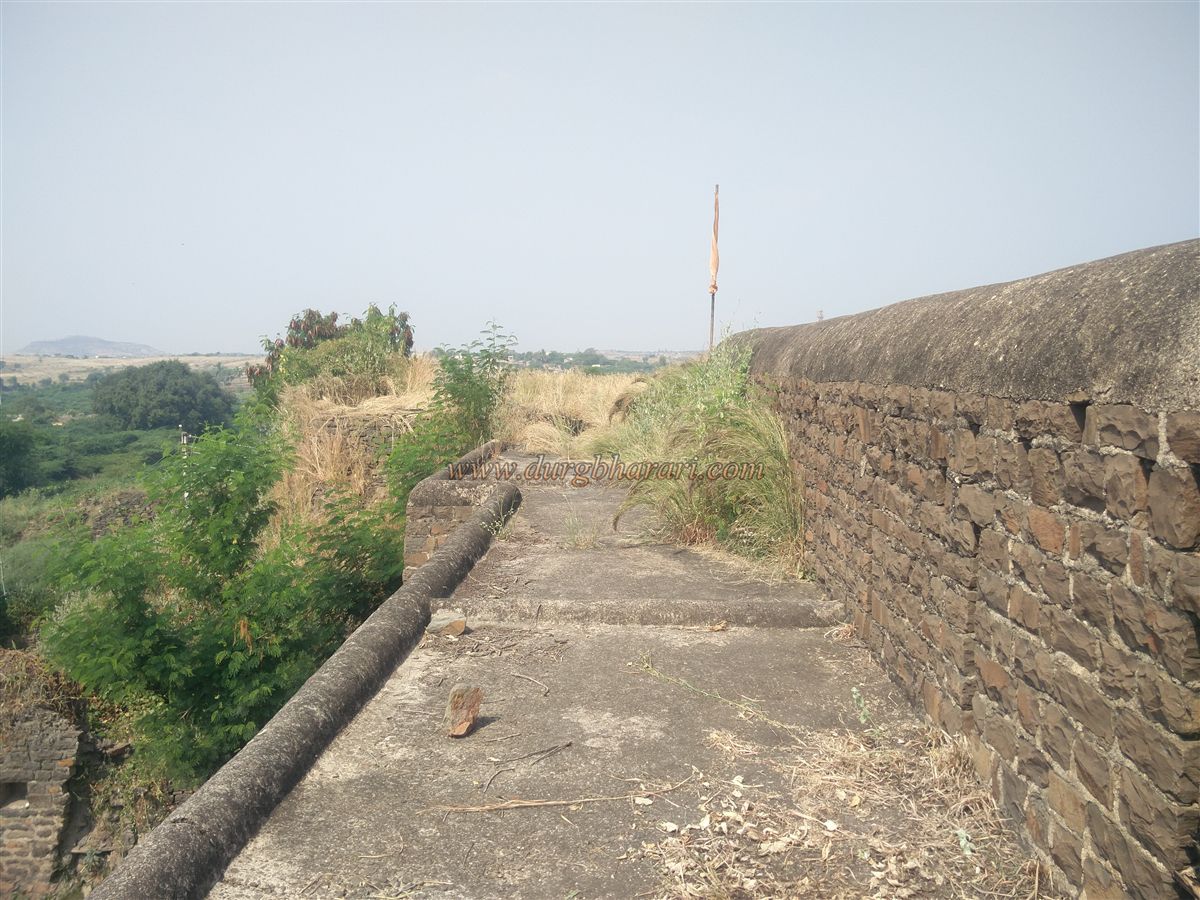
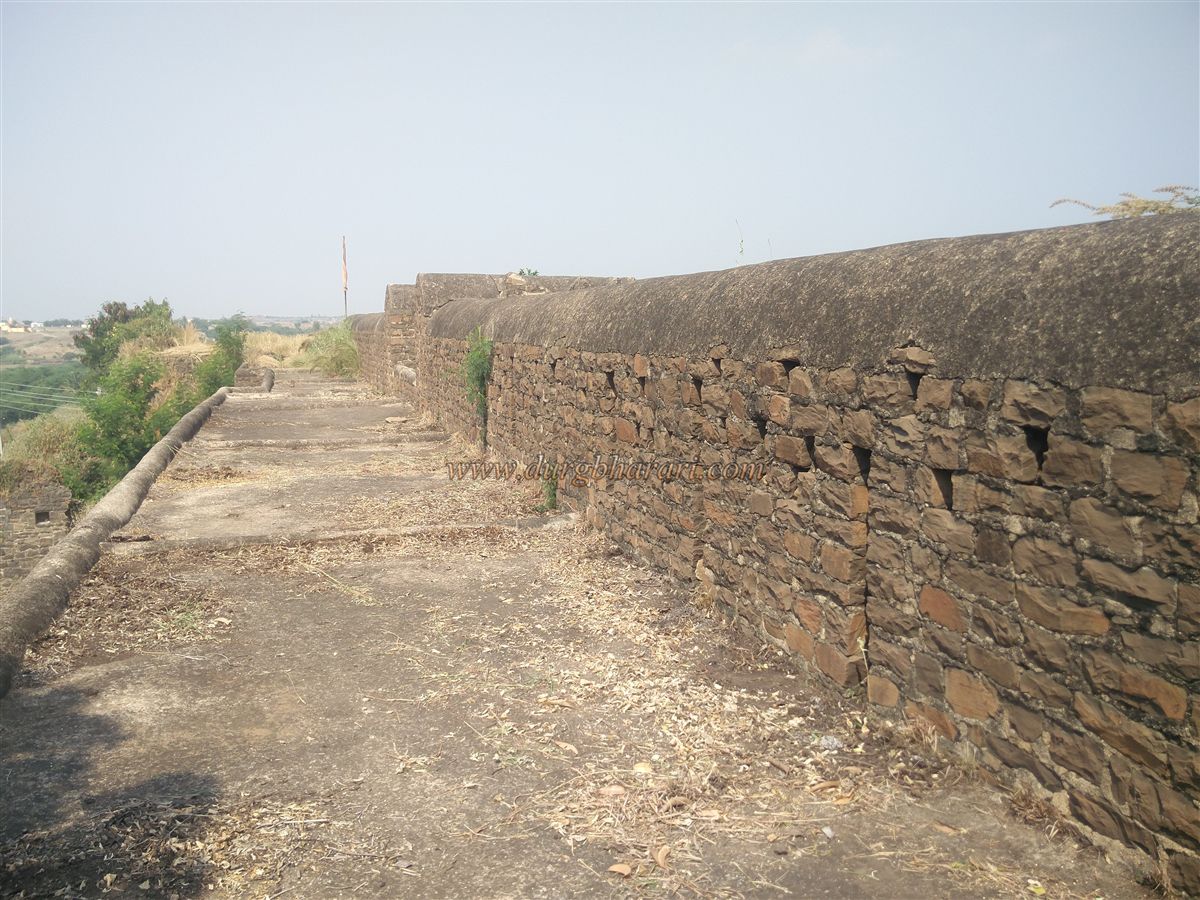
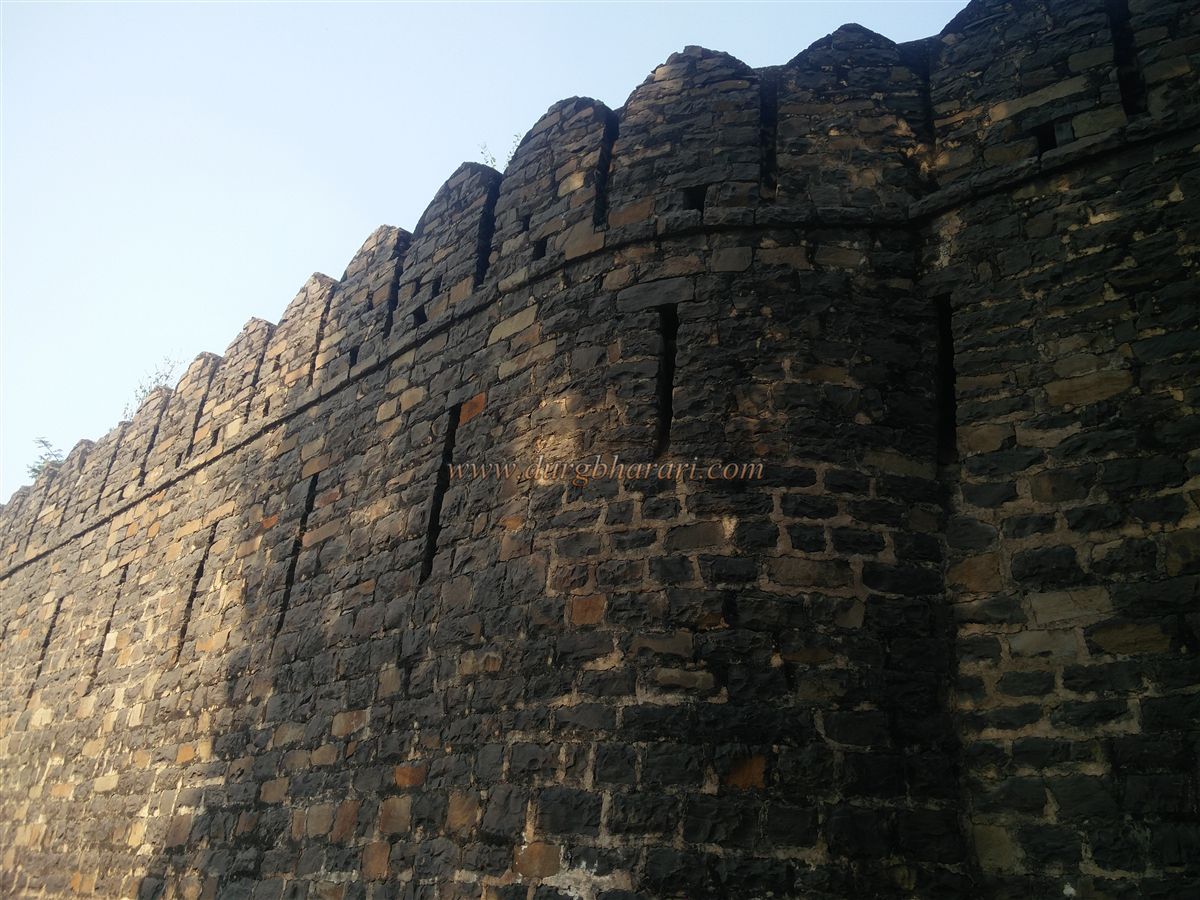
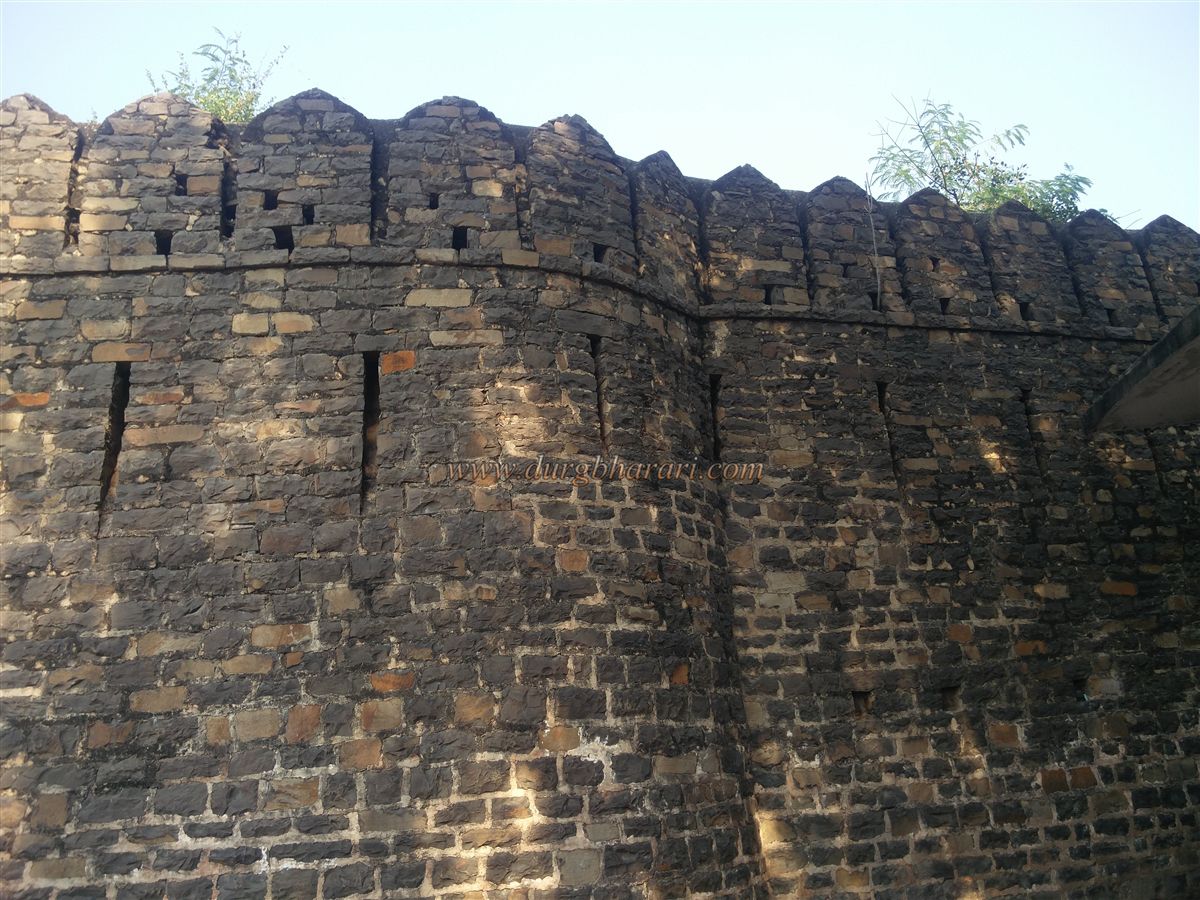
Throughout the fort walls and bastions, loopholes for firing are found at intervals. In front of the right wall near the main gate, there’s a small waist-high wall, which might have once enclosed a room. The fort has ten bastions in total — four large corner bastions and six medium-sized bastions along the walls.
The structure suggests that the fort was never fully completed. The main gateway seems disproportionate to the overall scale, and the right bastion near the gate appears unfinished, with lime plastering work left incomplete.
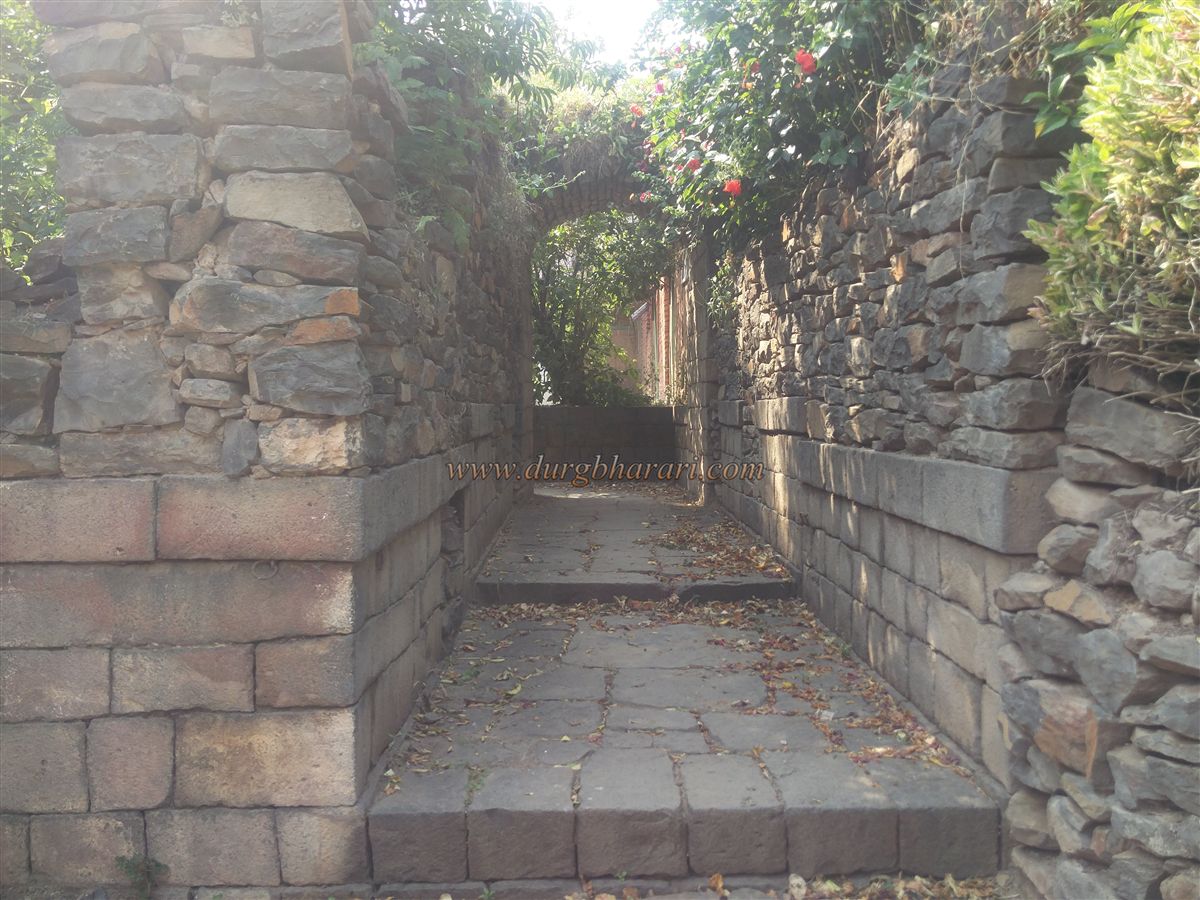
Upon entering the fort, there are guard chambers (devdis) on either side. Right ahead is a ruined structure, and entering it and turning right leads you to the second section of the fort. Below one of the bastions here is a chamber (granary or guard room) with two small ventilator windows allowing light and air — possibly used for surveillance.
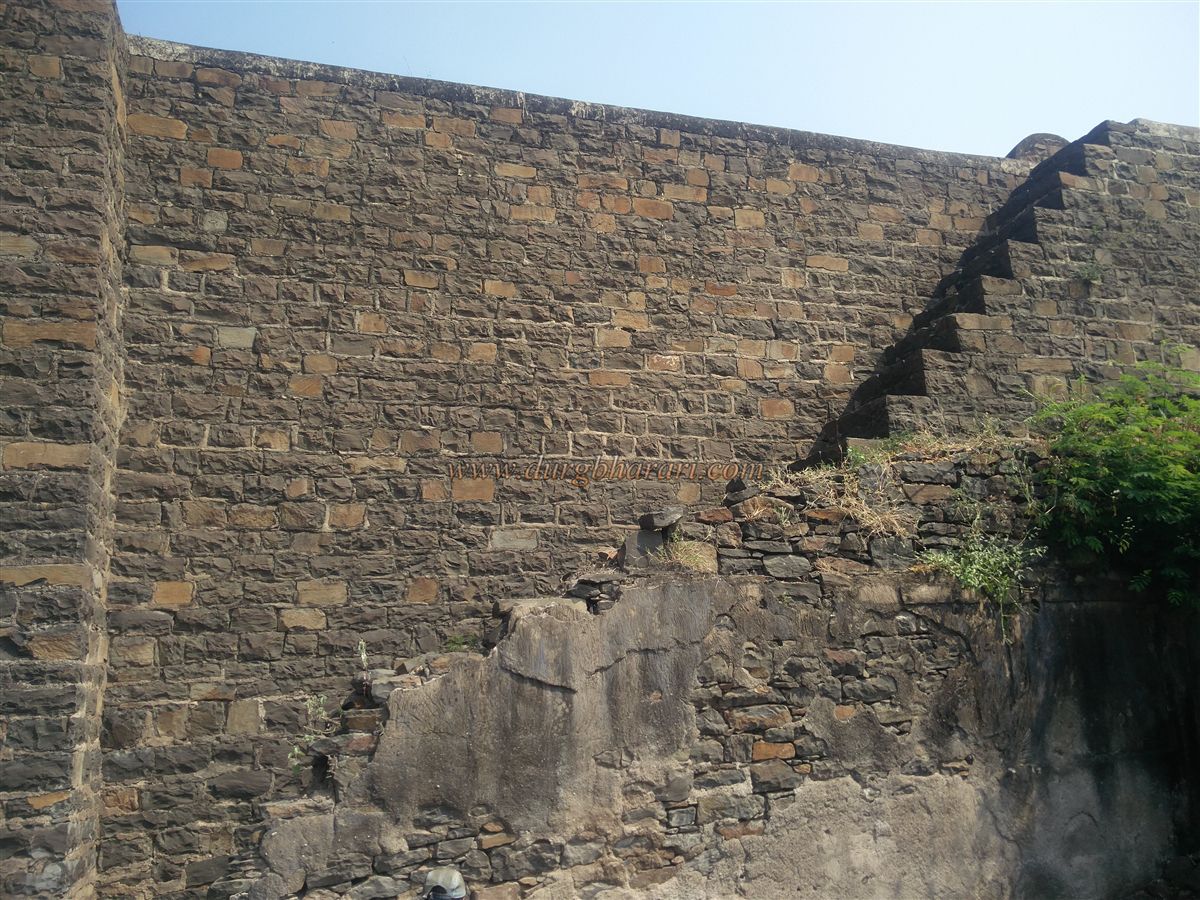
Returning to the entrance area and moving left, you find stairs leading up to the ramparts. From here, all three adjacent bastions are accessible. One of the middle bastions has a small cannon about 4 feet long. At the very end, a narrow entrance leads to a larger corner bastion, which has to be accessed while bending down through a small door.
This bastion is about 36 feet in diameter, and its 5-foot-high parapet has several loopholes and cannon holes. The wall ahead of this bastion has collapsed, making it impassable.
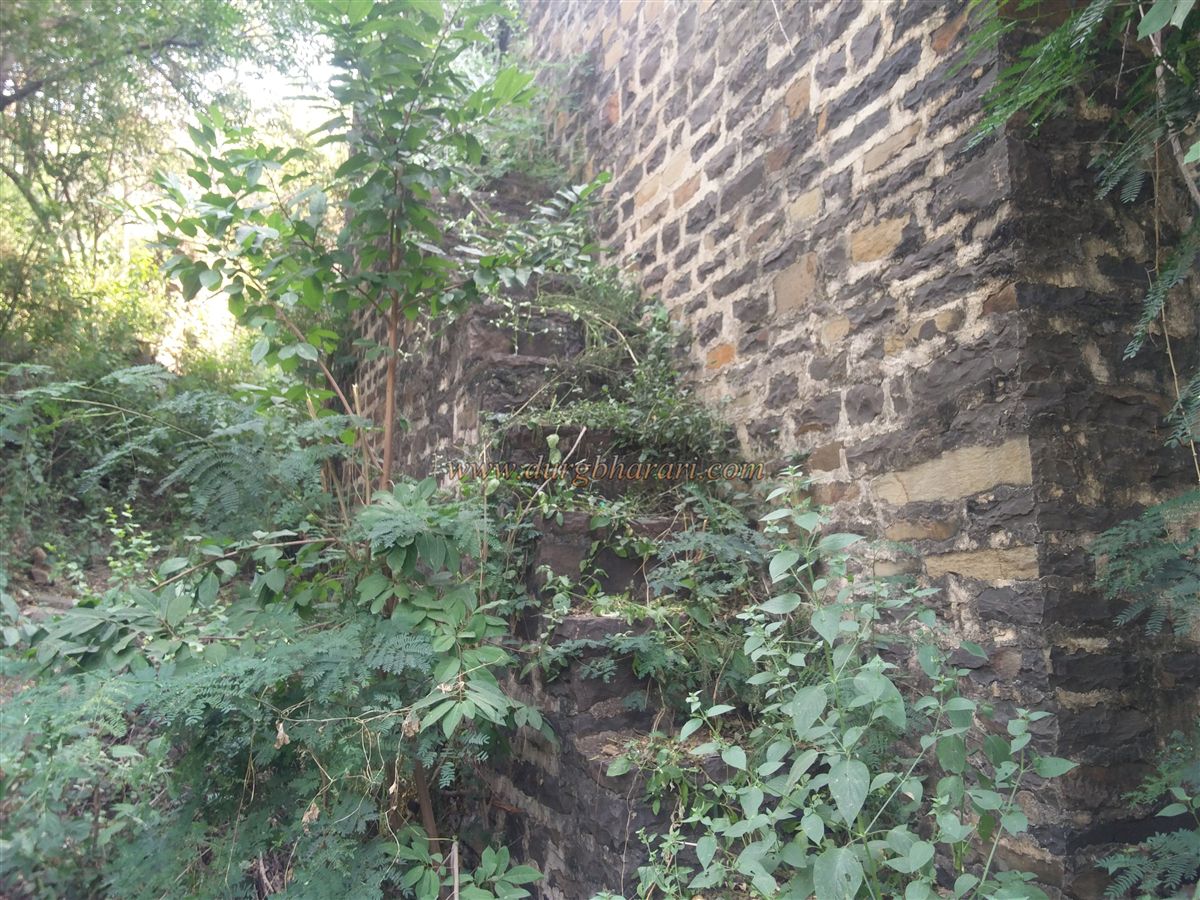
The other three major bastions are also accessible via narrow gateways, but the stairs to them have collapsed, making access difficult. From the top of these bastions, the entire surrounding area of the fort is clearly visible.
In the centre of the fort, remains of a large mansion are visible in the form of stone platforms. Due to private ownership and habitation within some sections of the fort, certain areas are inaccessible. It’s likely that some original parts of the fort were destroyed during later constructions.
Continuing on the main trail, you soon reach a small gate on the left, near a staircase that leads down along the fort wall. This passage brings you to the second, detached section of the fort, which is fully enclosed by its own fort walls and structurally independent of the main fort.
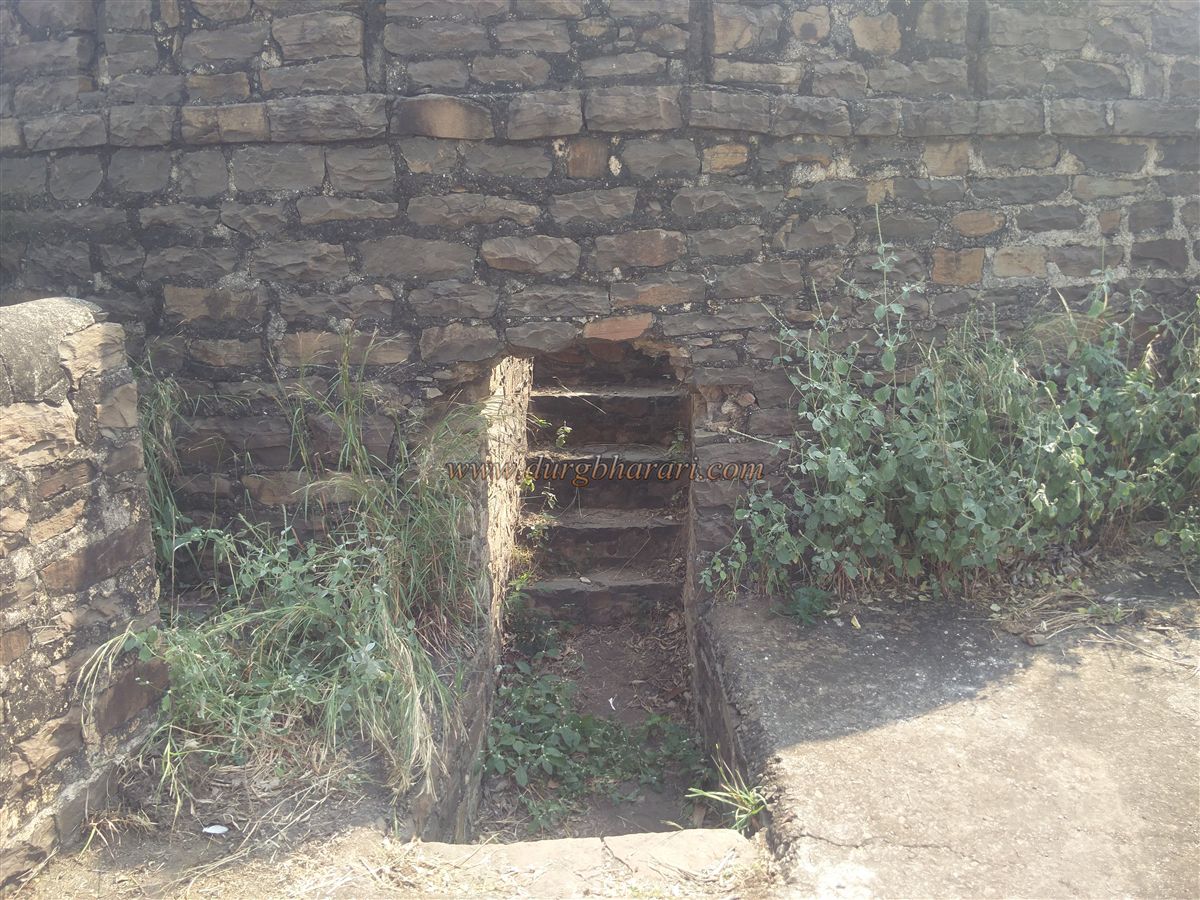
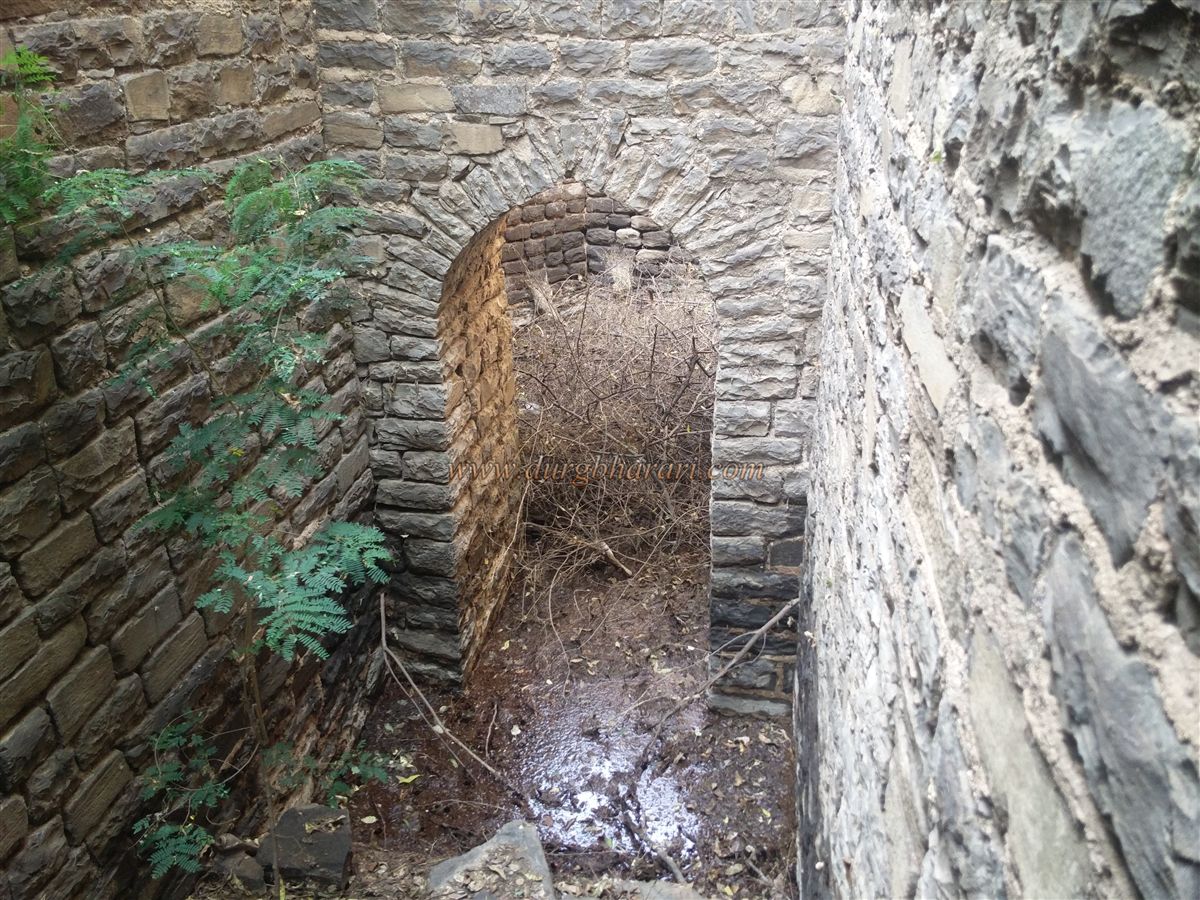
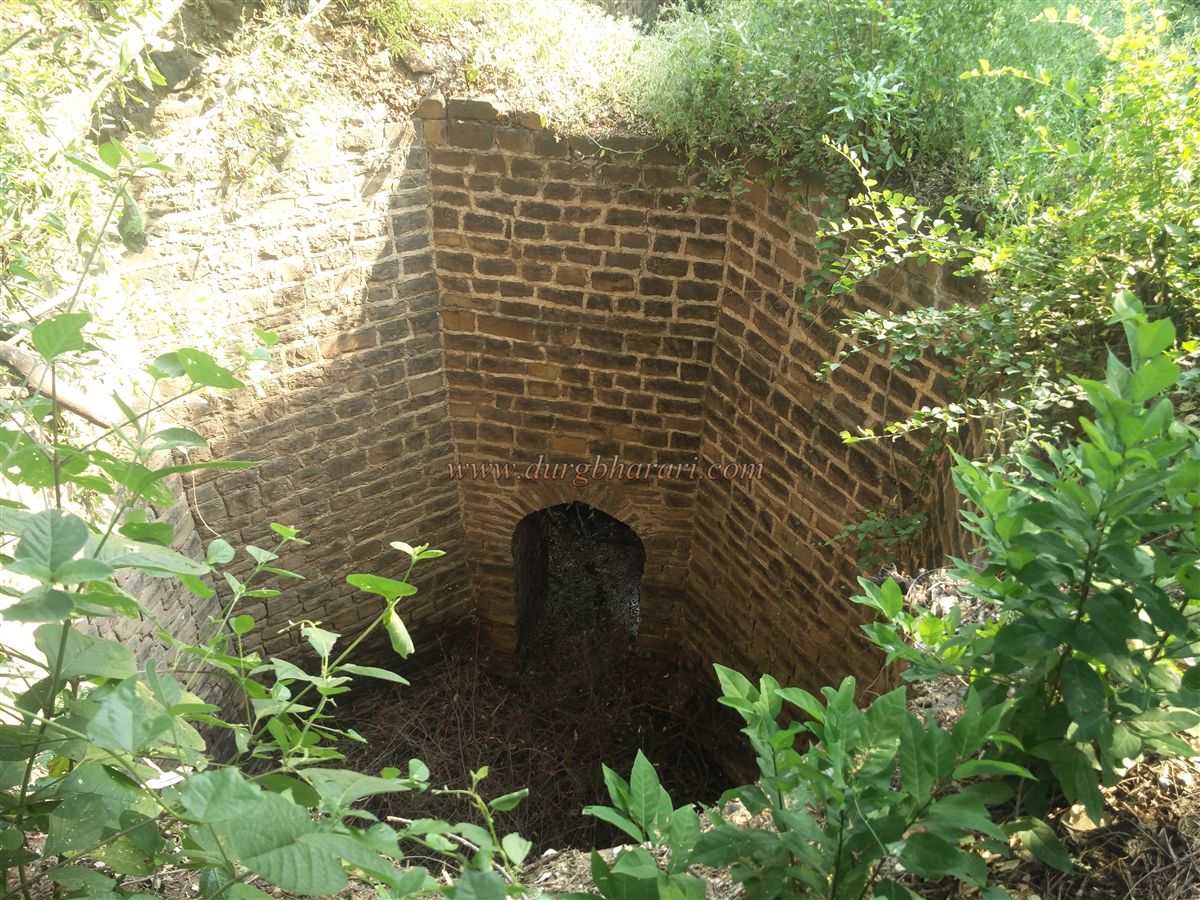
In this section, stairs lead to the ramparts, and in the centre is a beautifully constructed octagonal stepwell (barav) made of stone, with steps leading to the water. At the base of the steps is a beautiful archway. From one of the corner bastions in this section, there is an exit from the fort.
Outside, between two bastions is a small shrine dedicated to Mhasoba, the guardian deity of the fort. This marks the conclusion of the fort exploration. A full tour of the fort takes about an hour.
During our visit, we met Shri Persing Jaysinghrao Jagirdar, the descendant of the original fort owners and Jagirdar. He graciously showed us a collection of Maratha-era weapons, including swords, spears, and the dandpatta (pata sword). He even offered us refreshments and personally guided us around the fort.
Shri Jahagirdar’s family surname is Bhosale, and they are directly linked to the Bhosale royal family of Akkalkot. According to his account, the fort was constructed during the reign of Chhatrapati Rajaram Maharaj by an ancestor from their family.
This is not merely a fortified mansion but a strong land fort (Bhuikot Killa) built to guard the Satara-Kolhapur region from Mughal invasions via the Bijapur–Solapur route.
The fort remains under the custodianship of the Jagirdar family. Unfortunately, just as the fort's construction was nearing completion, the family’s founding ancestor achieved remarkable valour in a battle fought during Diwali and attained martyrdom. Due to his death during the festival, Diwali has not been celebrated in the family residence since, and no lights are lit during the occasion.
Beyond this, little documented history of the fort survives today.
© Suresh Nimbalkar
GALLERY