PETHVADGAON
TYPE : HILL FORT
DISTRICT : HINGOLI
HEIGHT : 1620 FEET
GRADE : EASY
In the Hingoli district of Marathwada, the number of forts or fortified mansions (gadhi) is so limited that they can be counted on one hand. Among these, the only well-preserved and substantial fort is Pethwadgaon Fort. Since this region was under the rule of the Nizam before independence, these forts and gadhis remained in use until relatively recent times, which helped preserve their condition.
In Hingoli district, one can find two medium-sized forts and two gadhis. One among them is the fort at Pethwadgaon, located on a small hill just outside the village. The fort lies about 40 kilometres from both Hingoli and Aundha Nagnath. Given the limited public transport in this area, it is advisable to visit using a private vehicle.
...
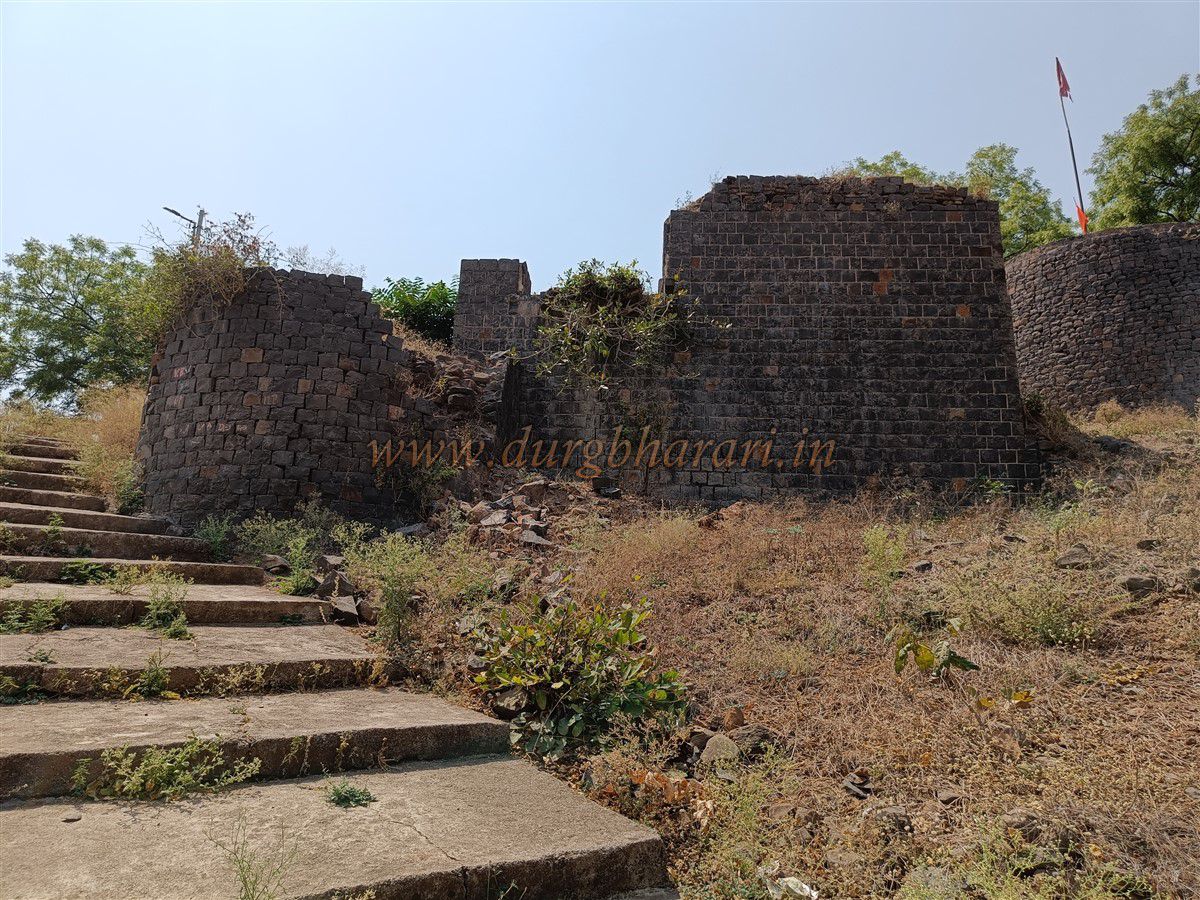
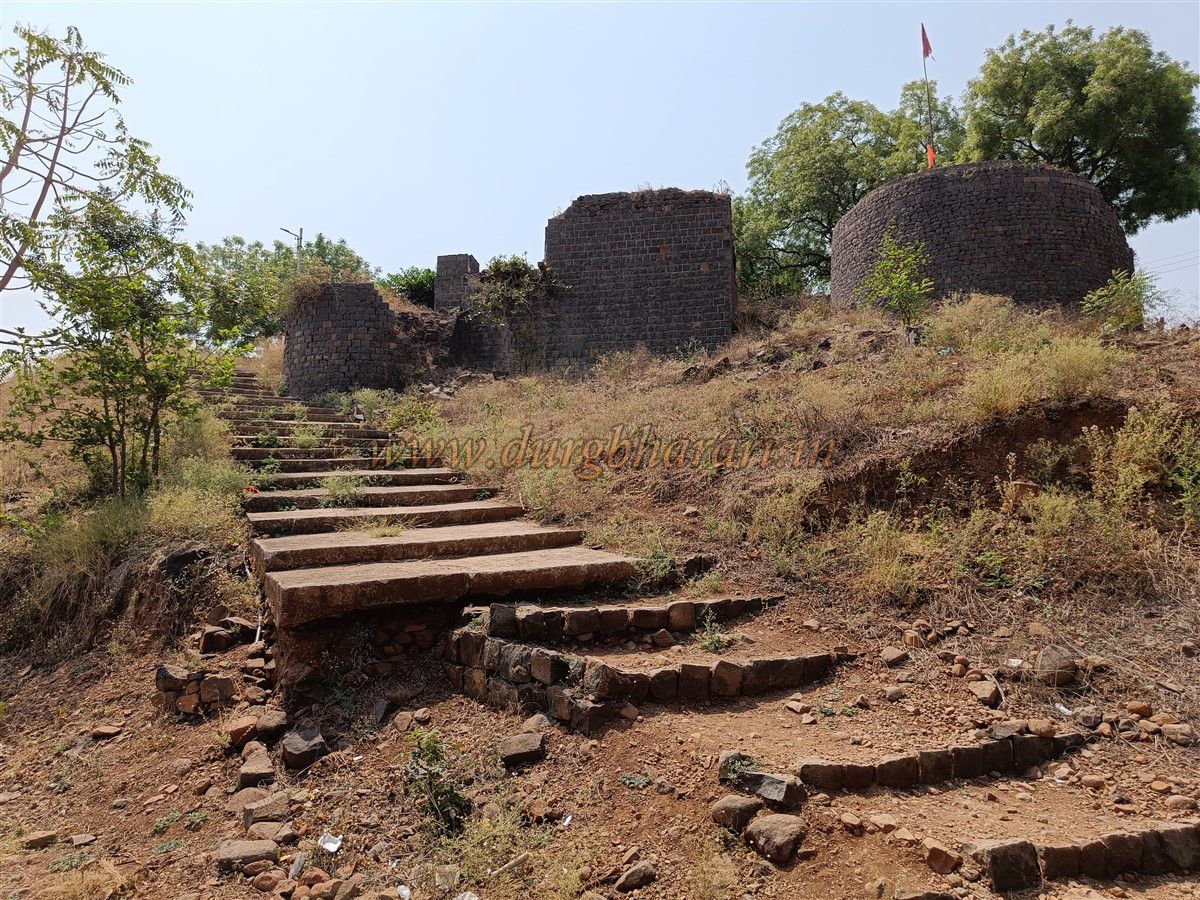
As you approach Pethwadgaon village, the hill and its bastions are visible from a distance. Steps leading up to the fort are built near the village water tank situated outside the village. The hill rises to a height of around 200 feet from the base. After climbing halfway, the fort's bastions start to appear. A little further, a structure located outside the fort boundary becomes visible — it seems to be a 'sadar' or civil court building, possibly used for local administrative affairs. Beneath this structure is a basement chamber.
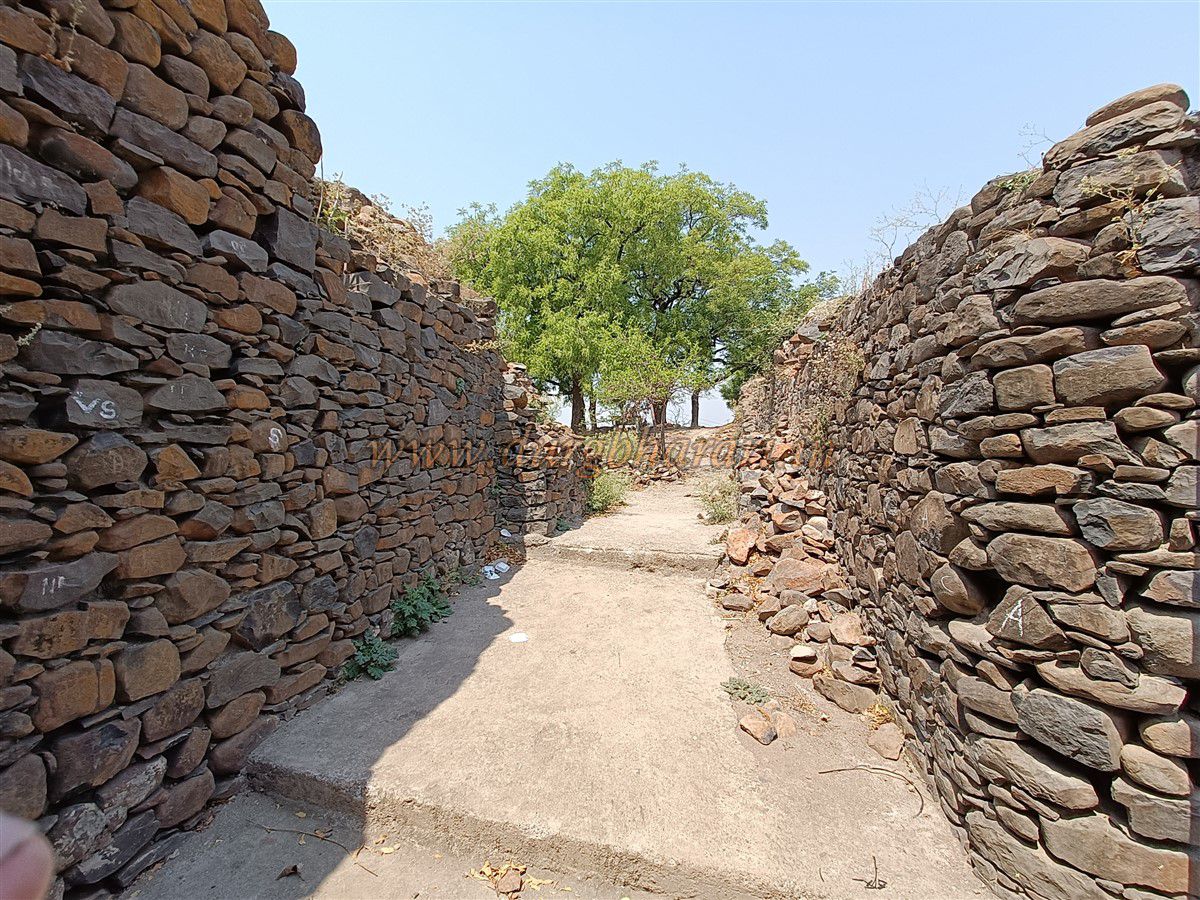
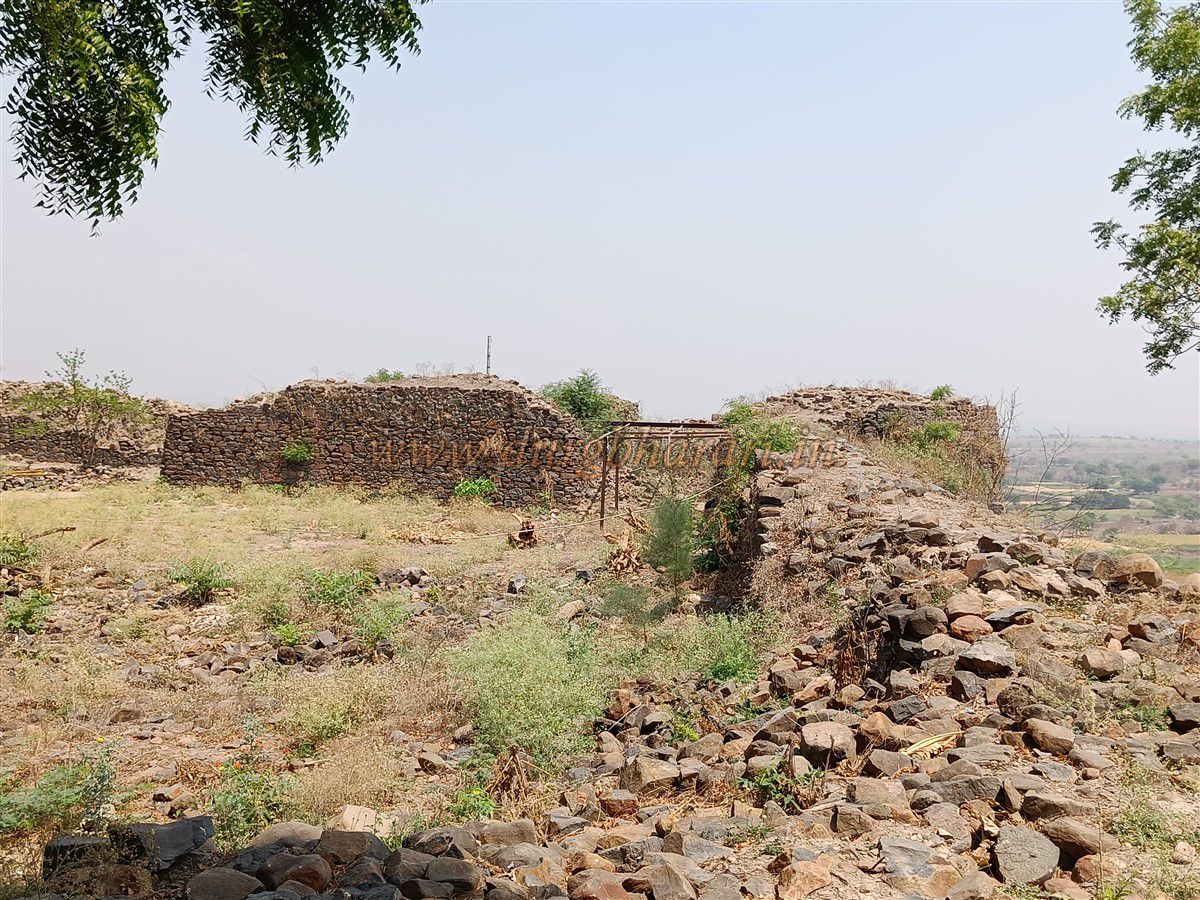
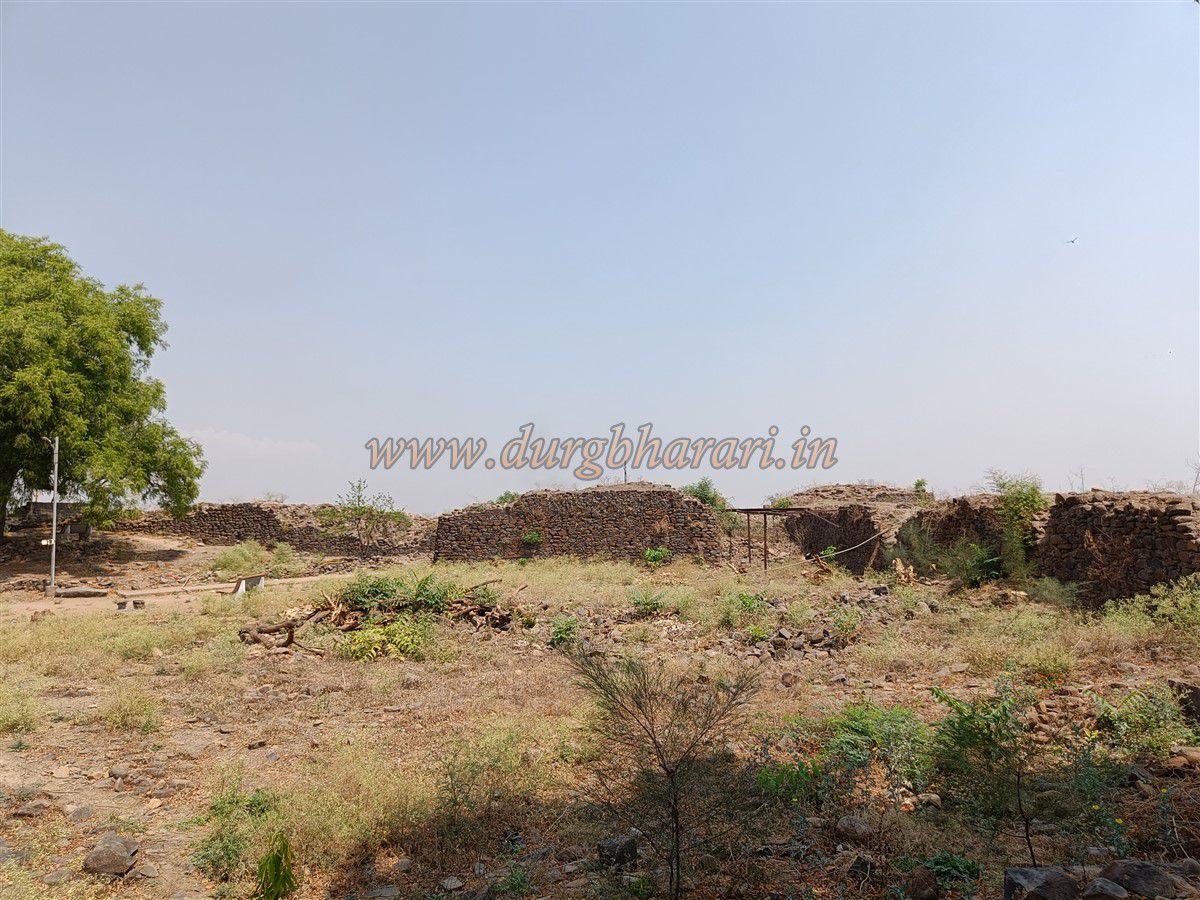
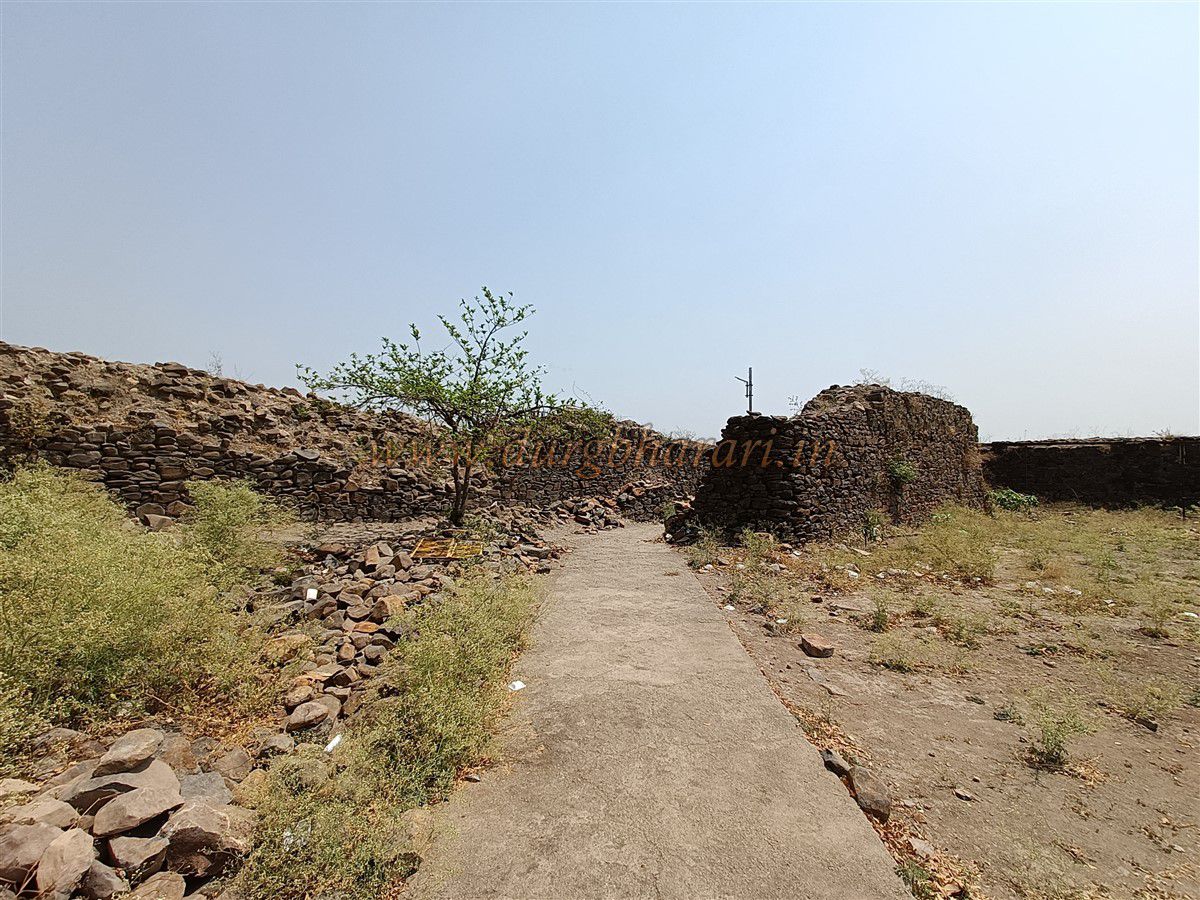
Proceeding ahead, one reaches the west-facing entrance of the fort. The entrance path winds through the fortification walls, but the gateway itself is now completely destroyed. The fort is rectangular in shape, spread over about 1.5 acres from east to west.
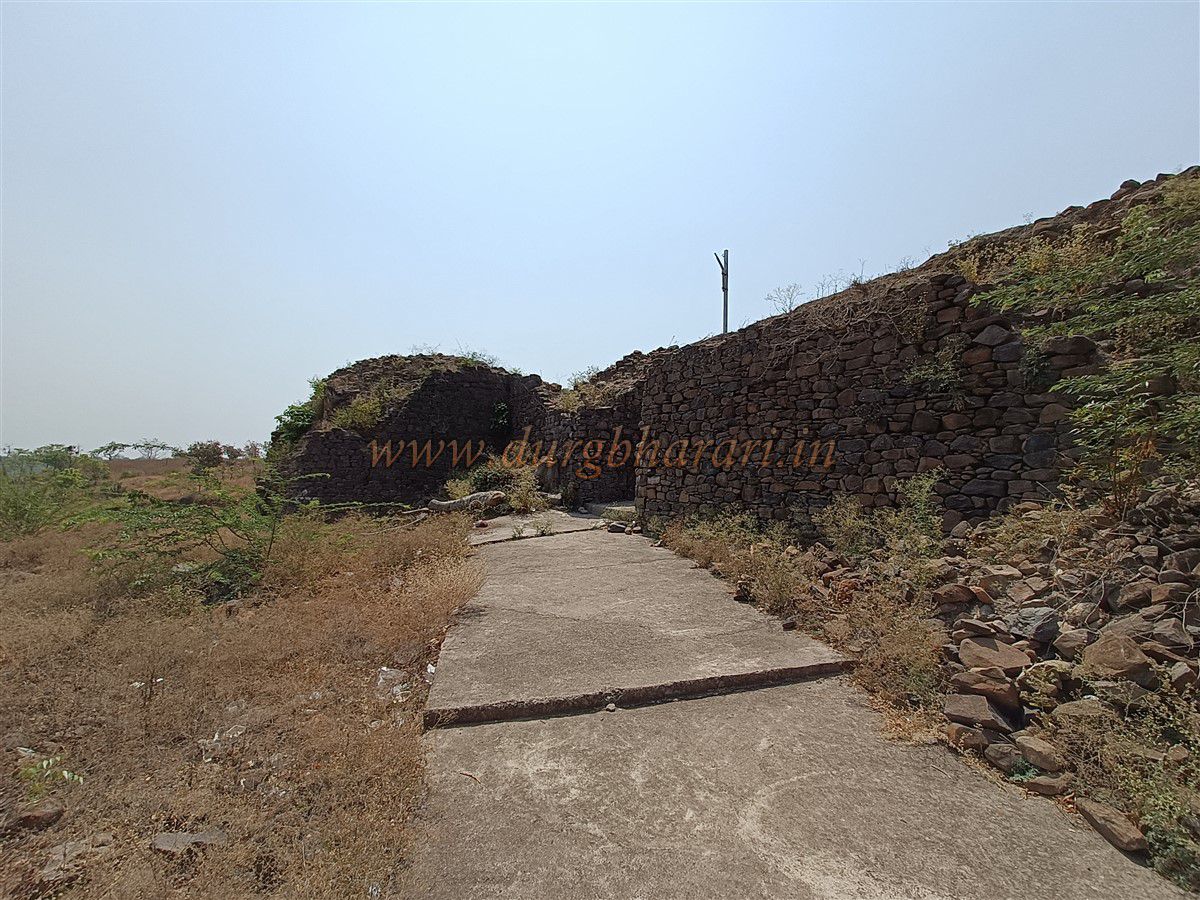
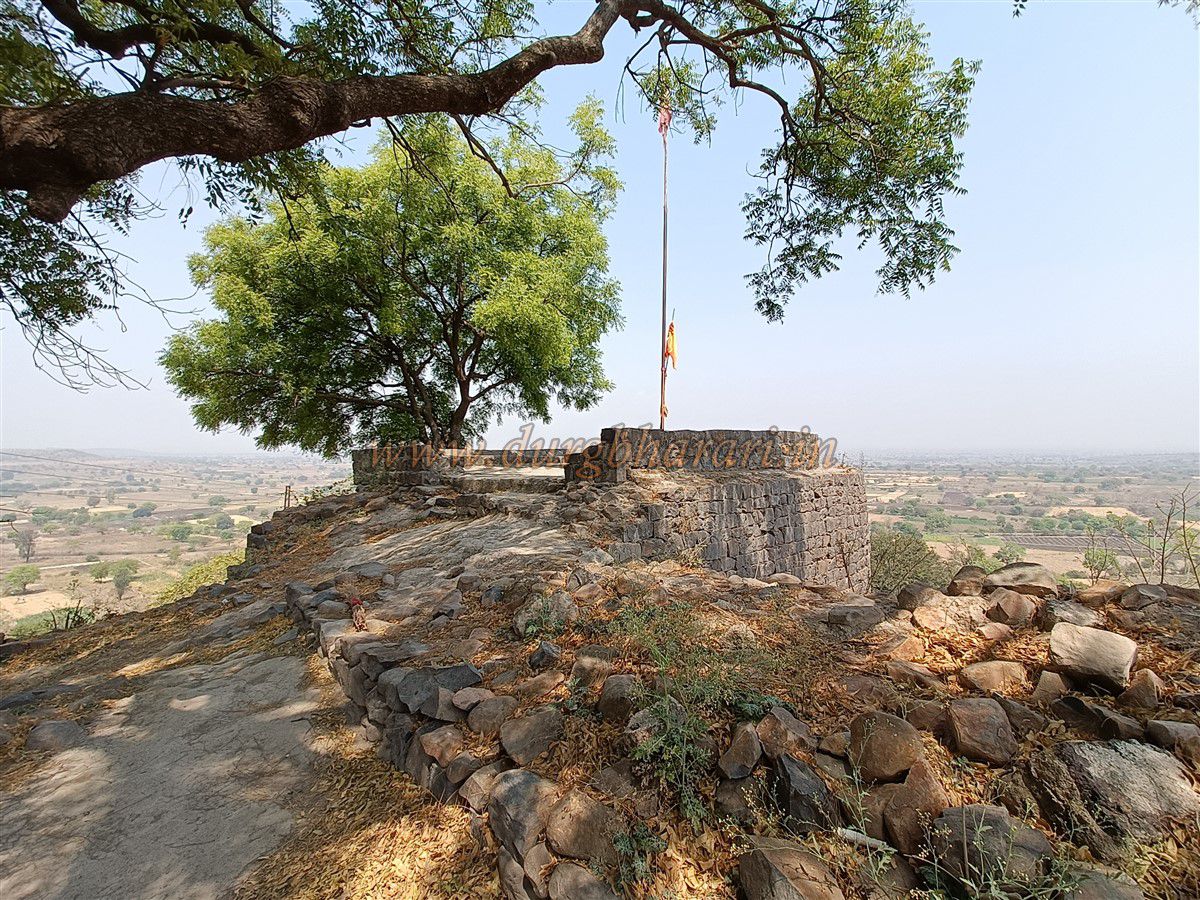
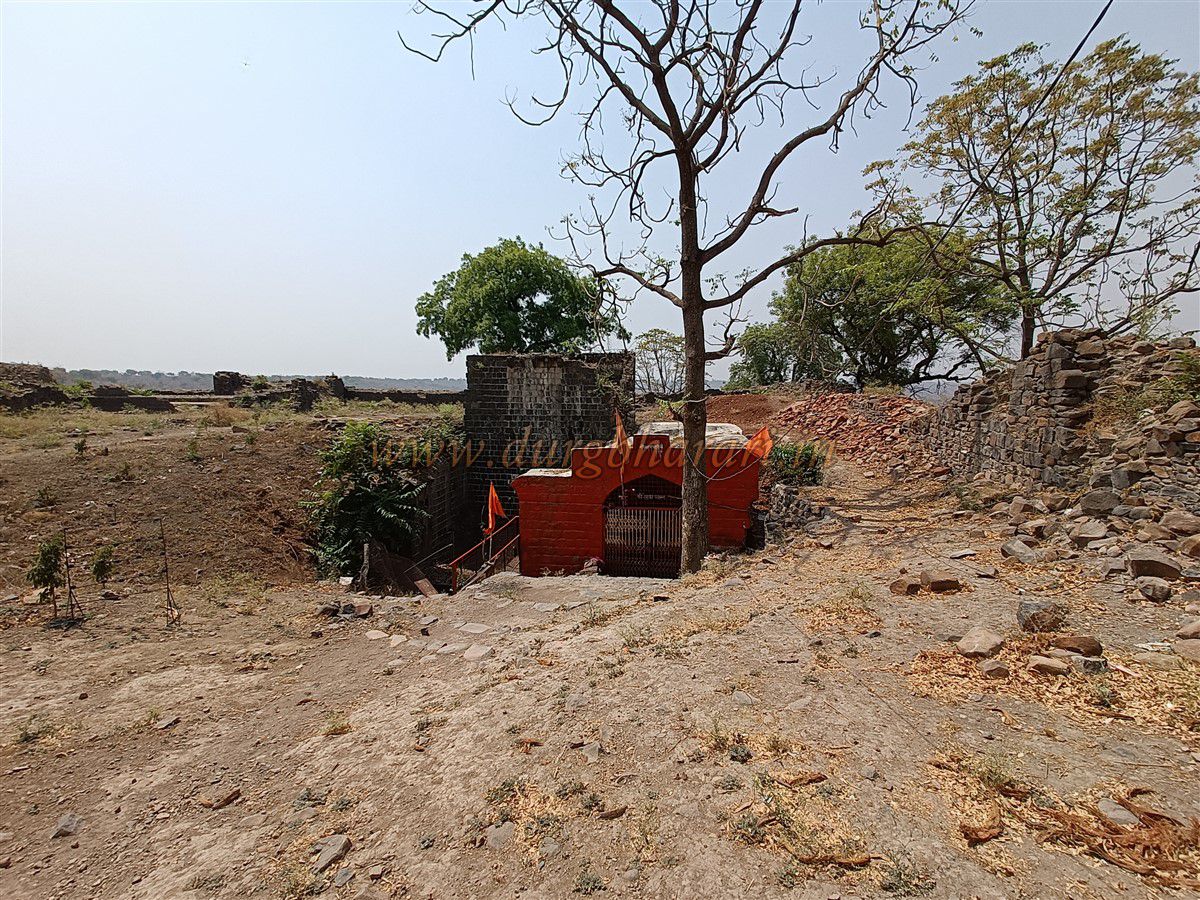
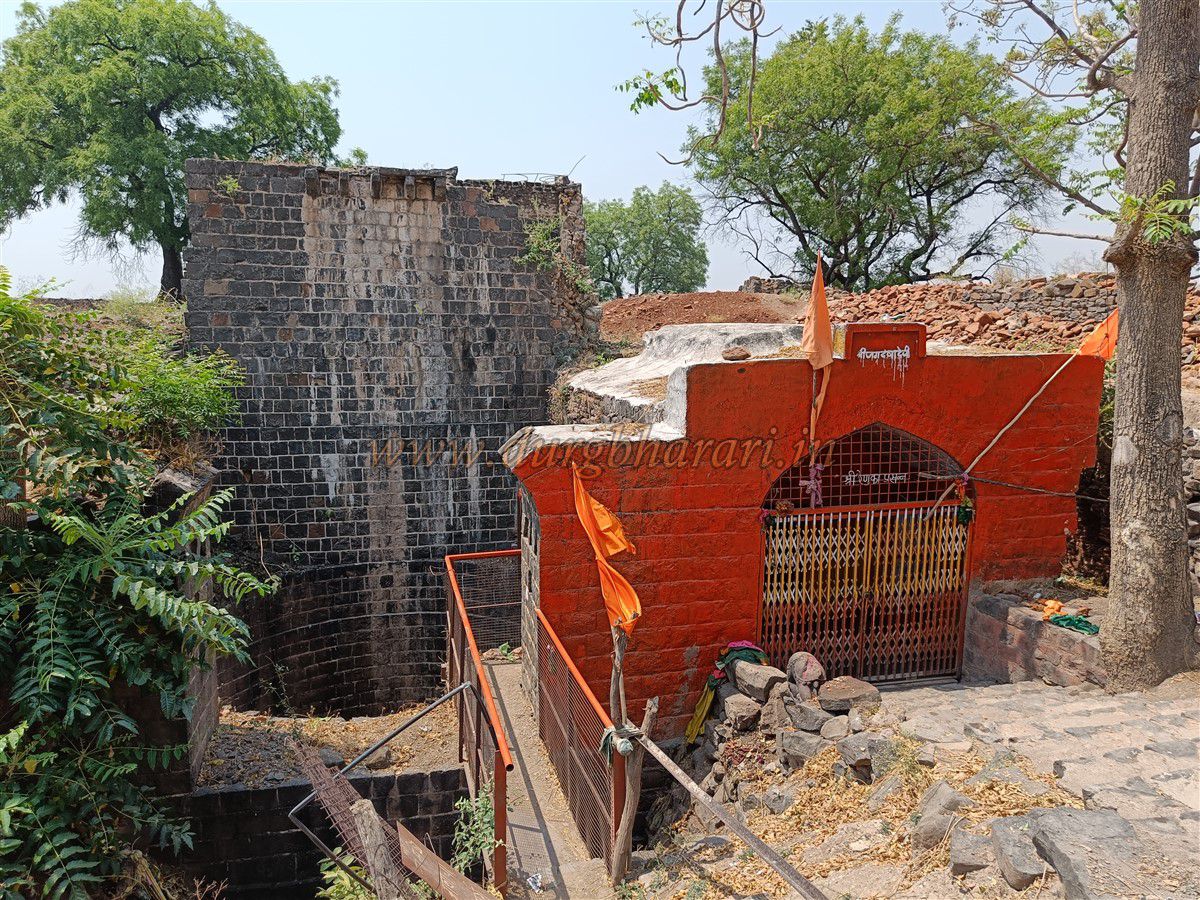
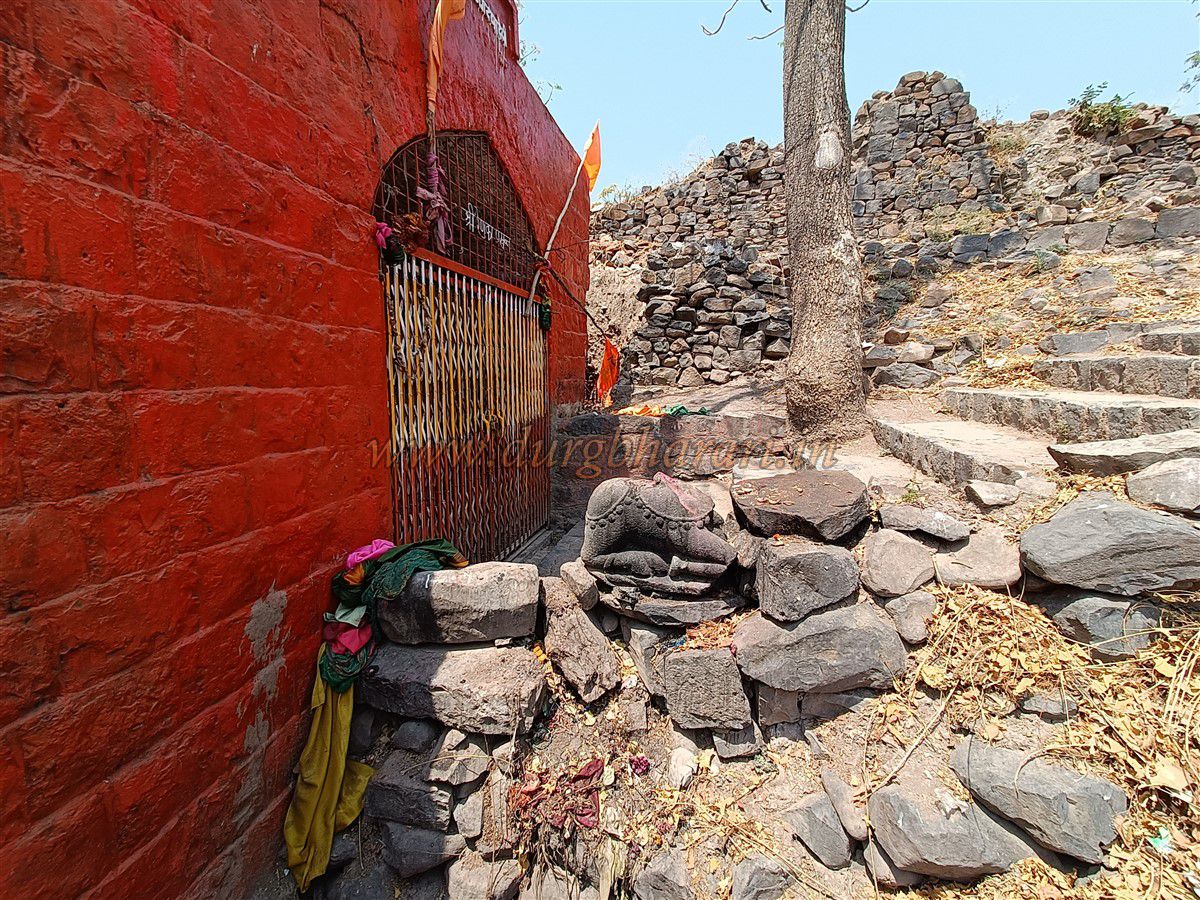
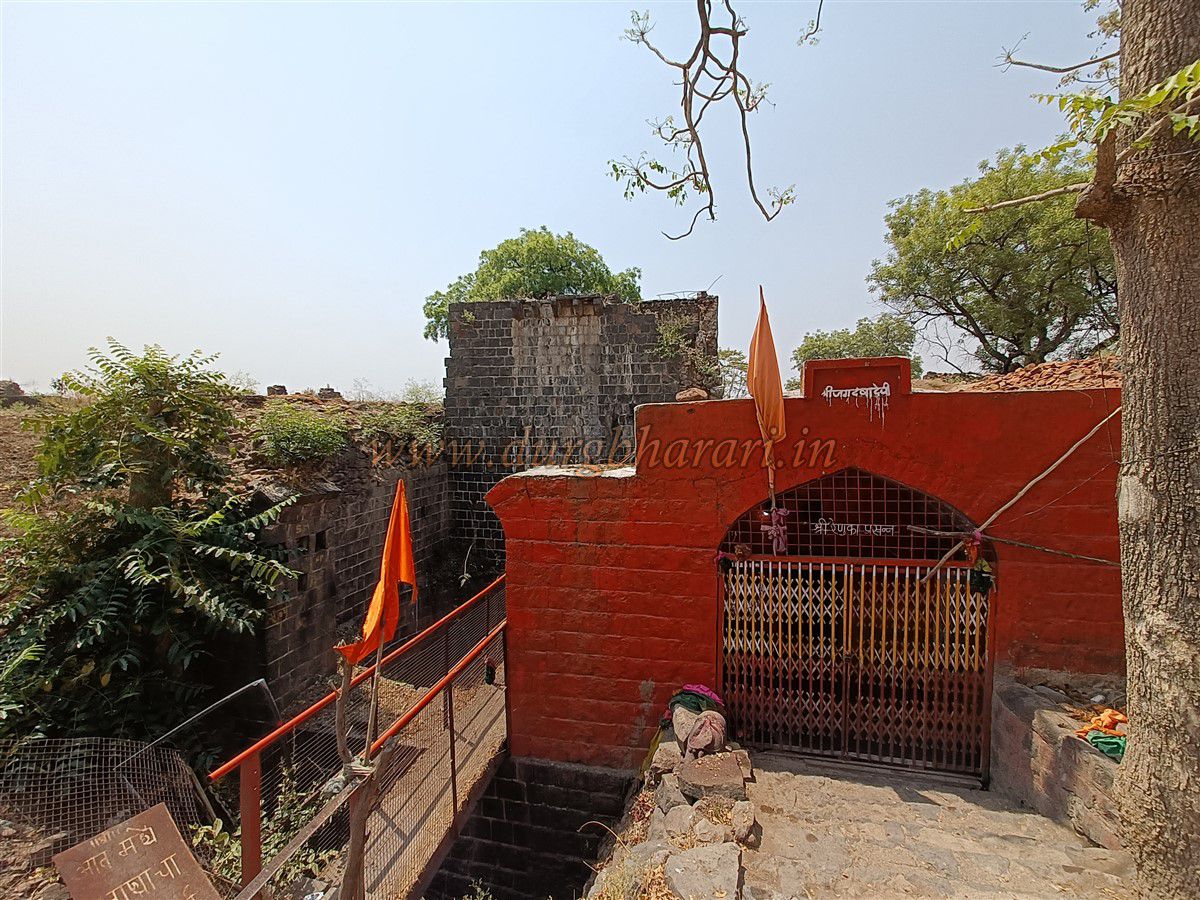
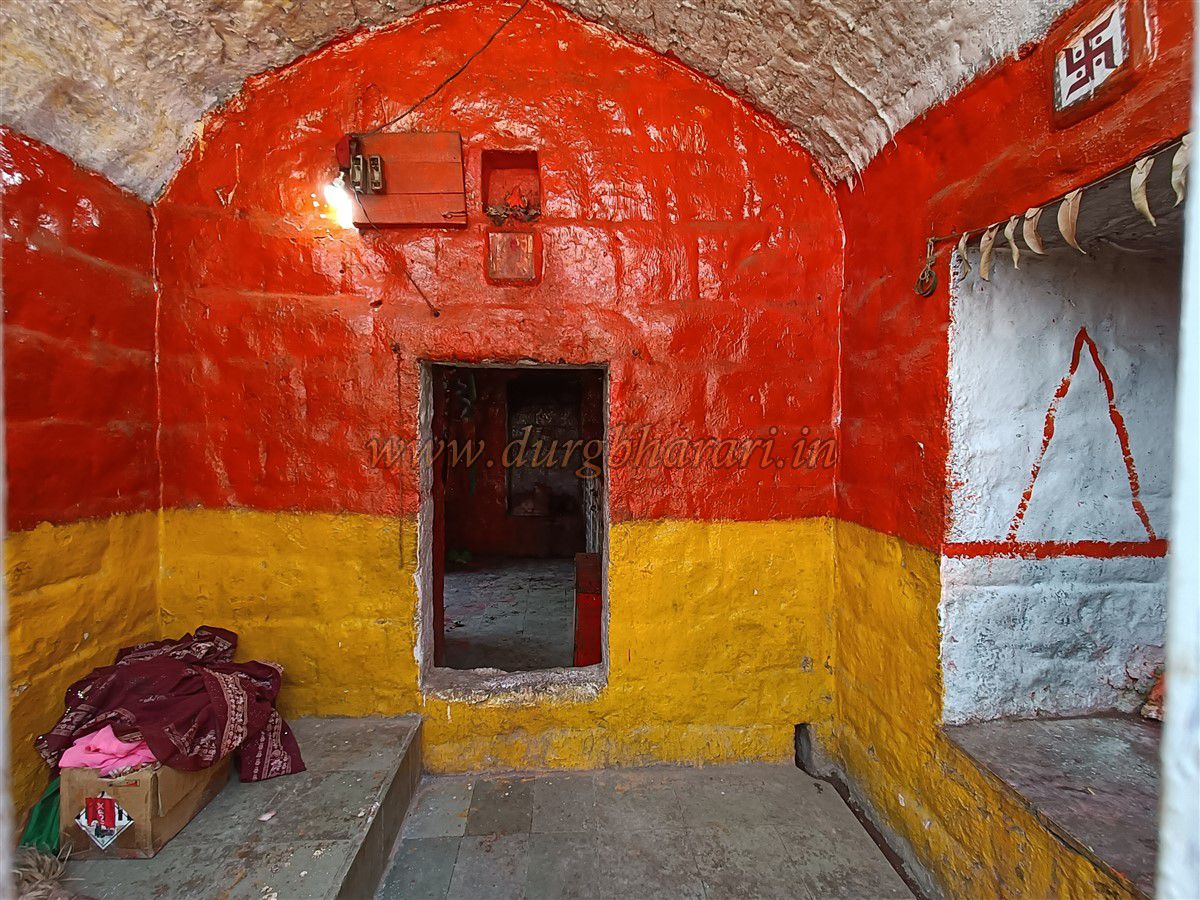
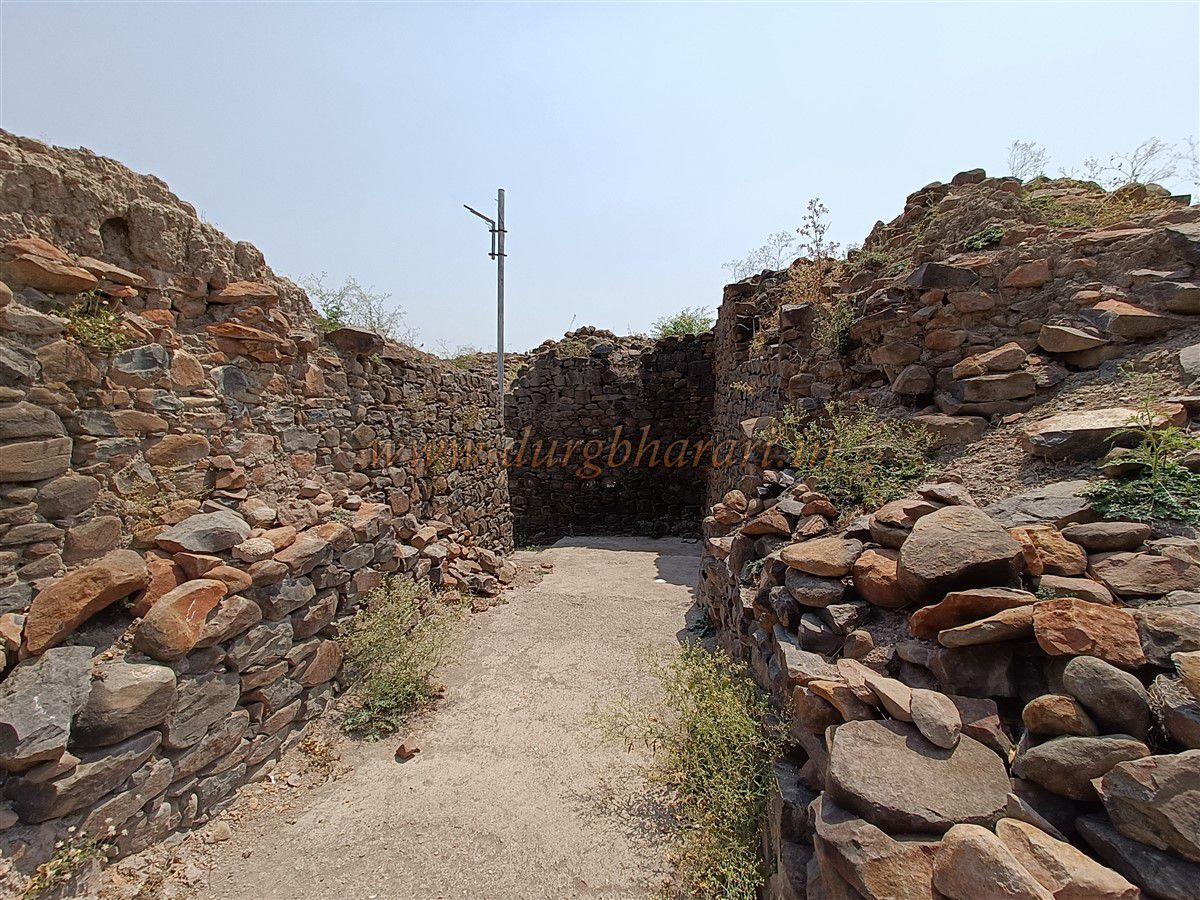
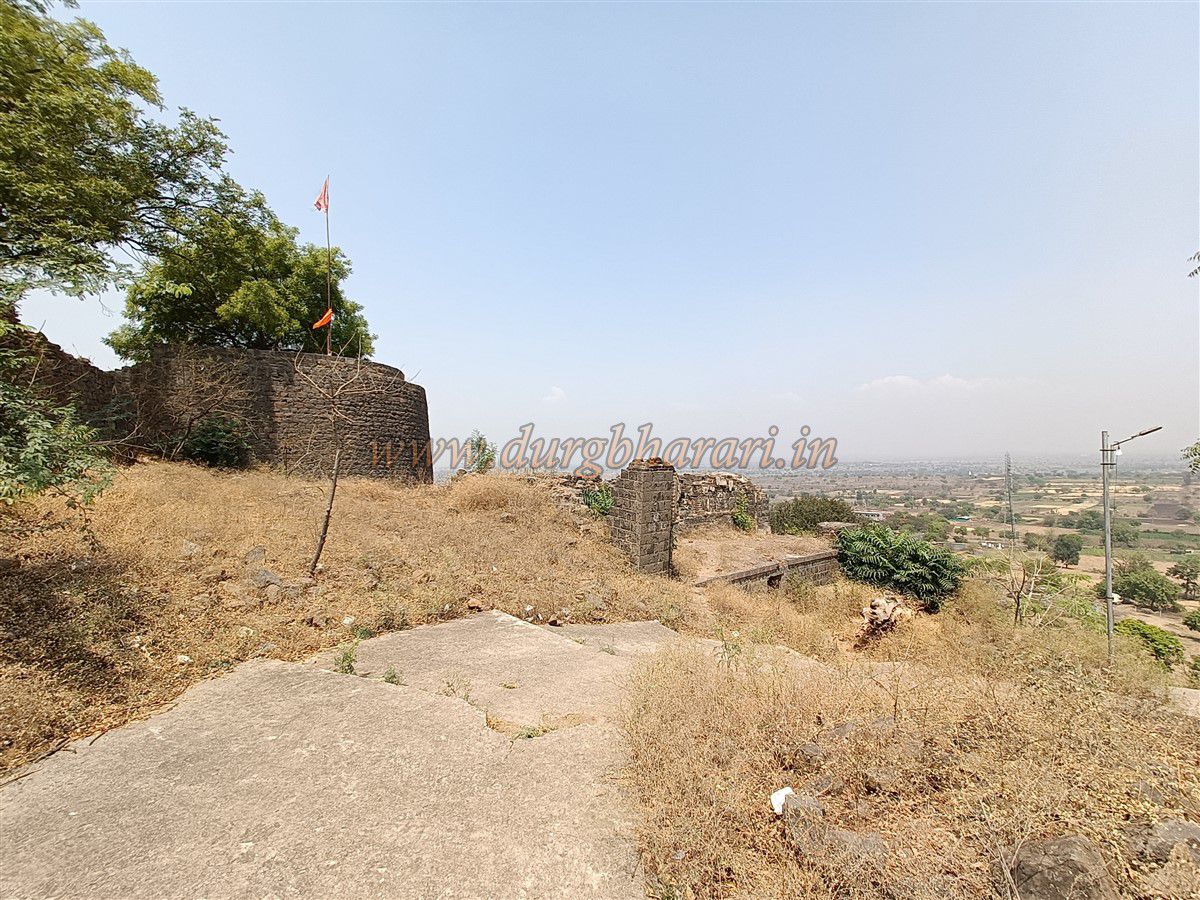
Upon entering the fort, one immediately sees a large circular well and adjacent to it, a temple dedicated to a goddess. The fort walls are constructed from dressed stone, and although much of the fortification has crumbled, it is still possible to walk along the entire wall. During this circuit, six bastions can be observed in total.
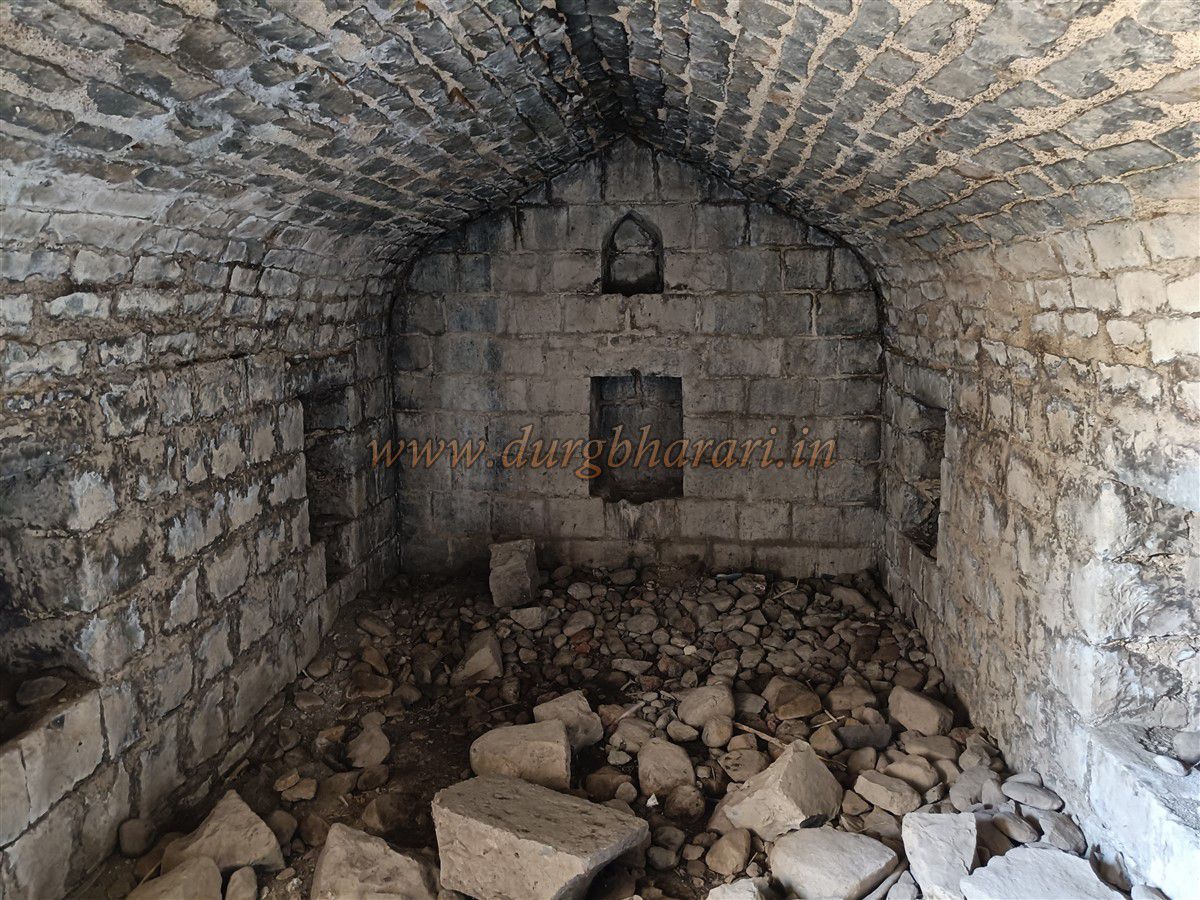
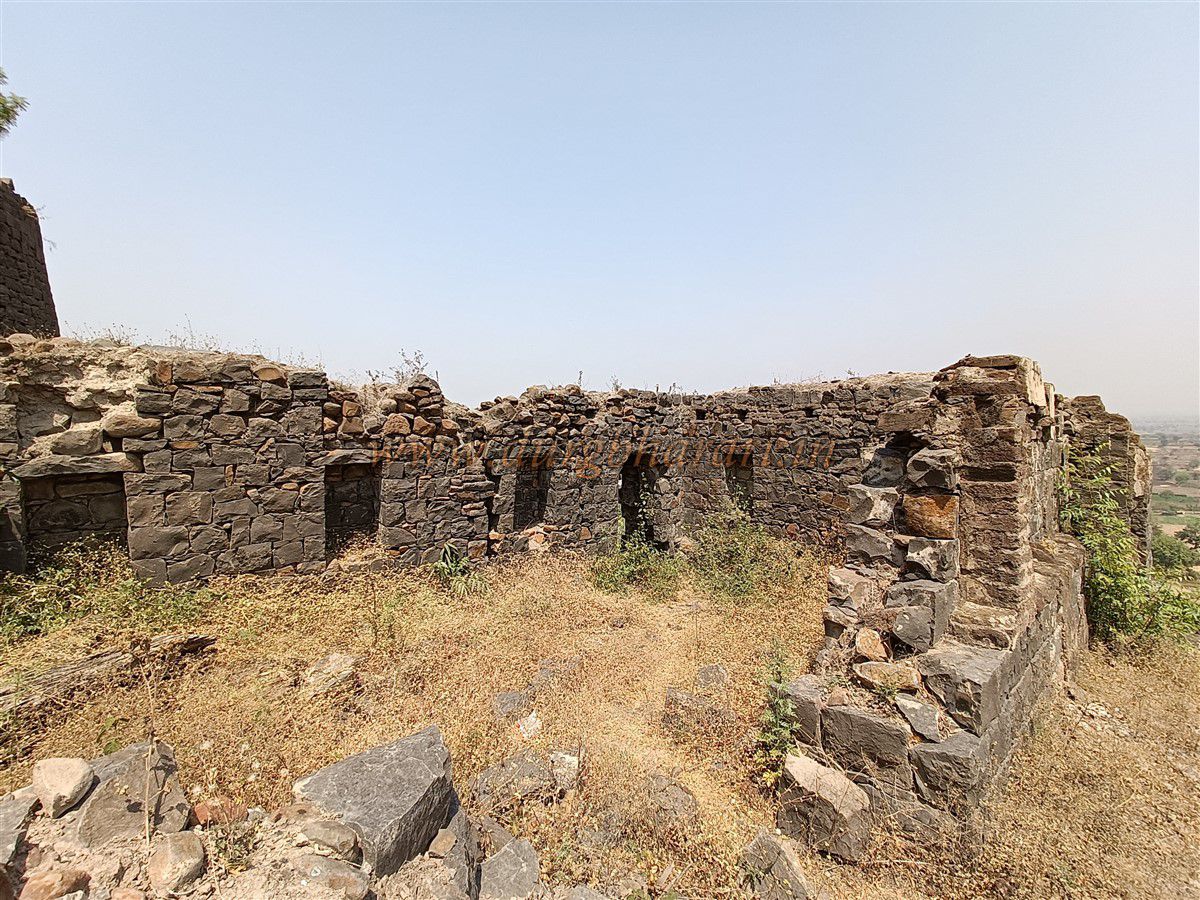
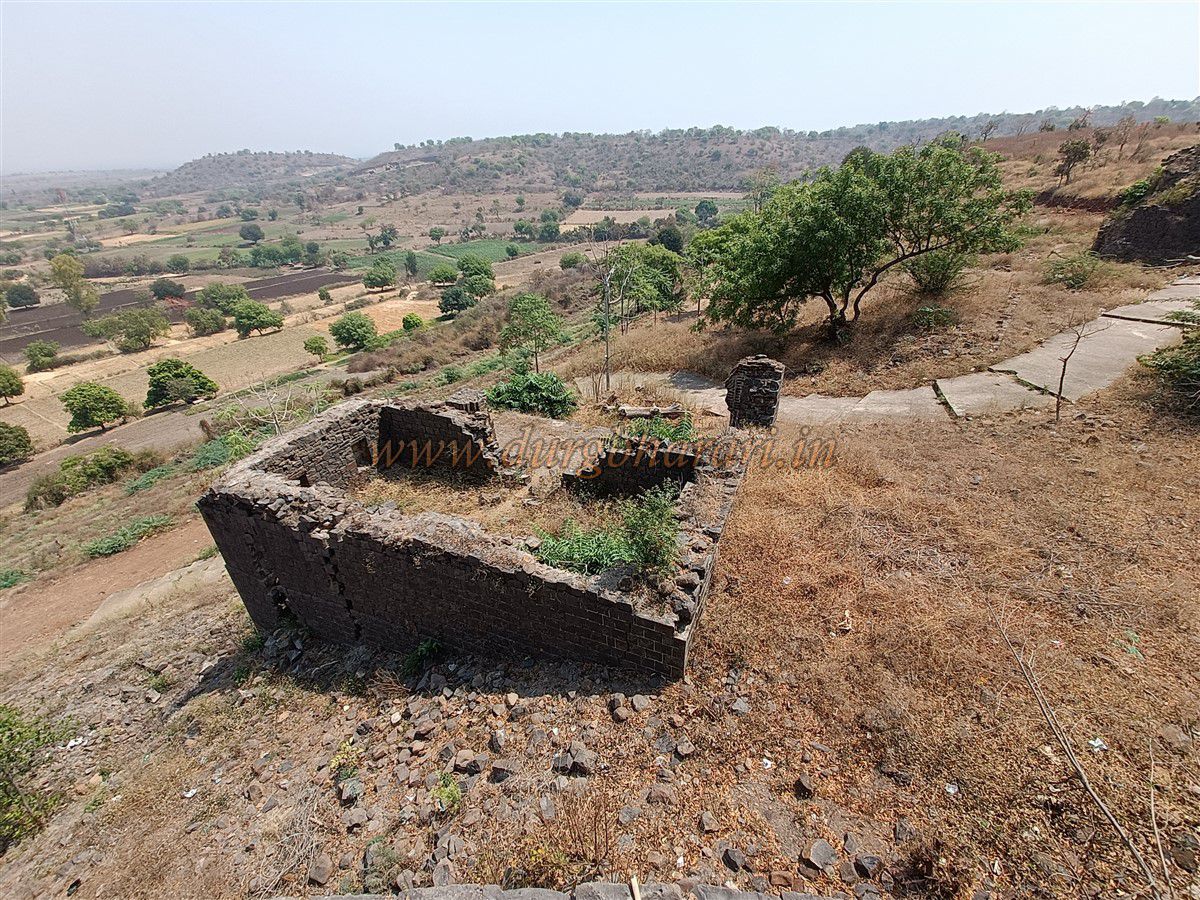
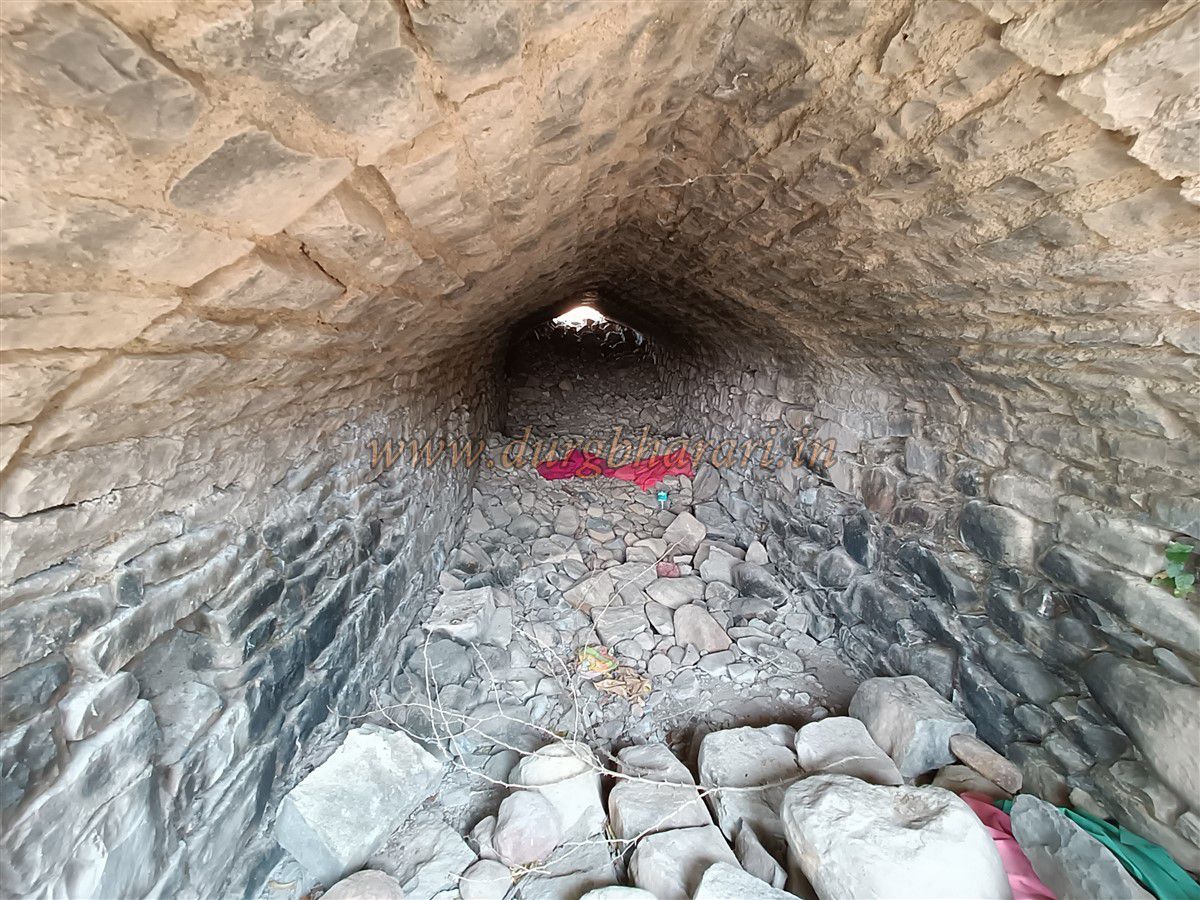
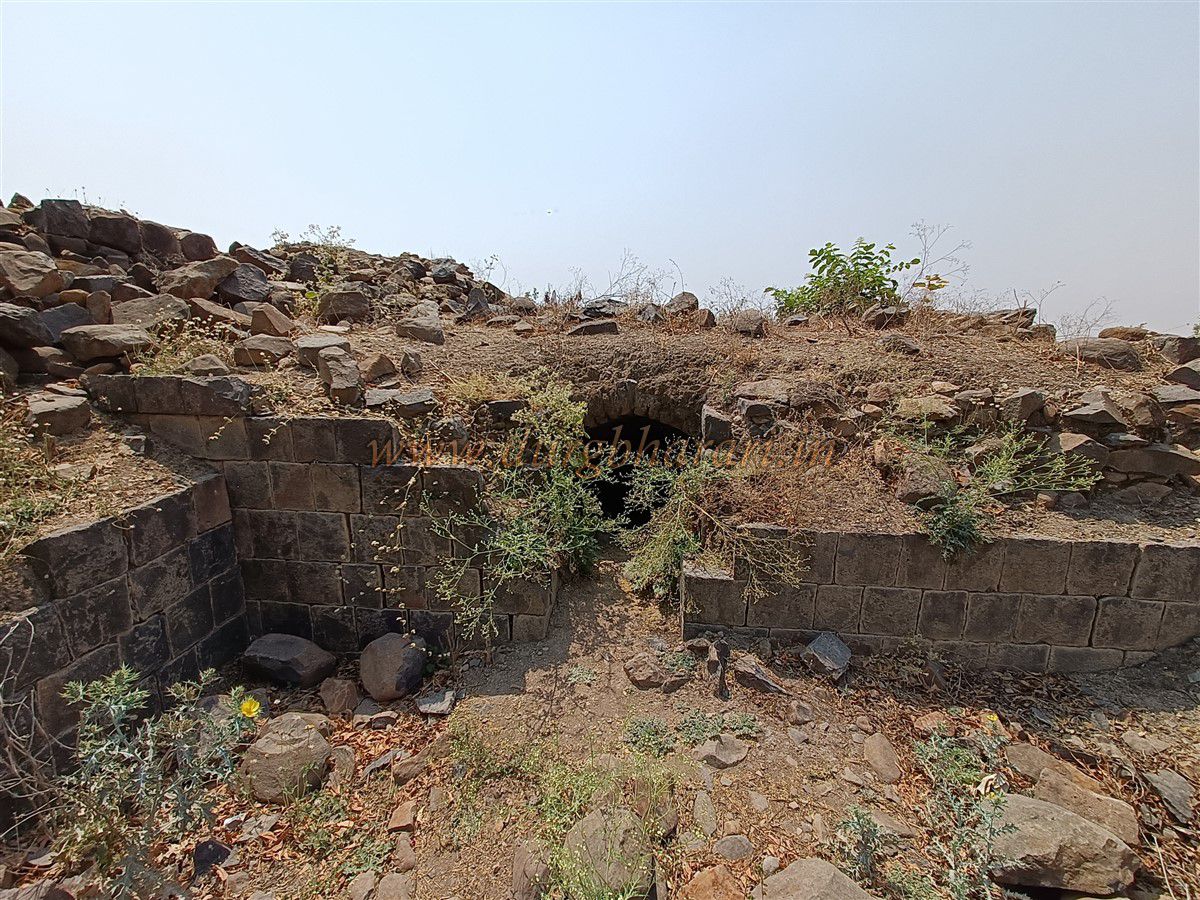
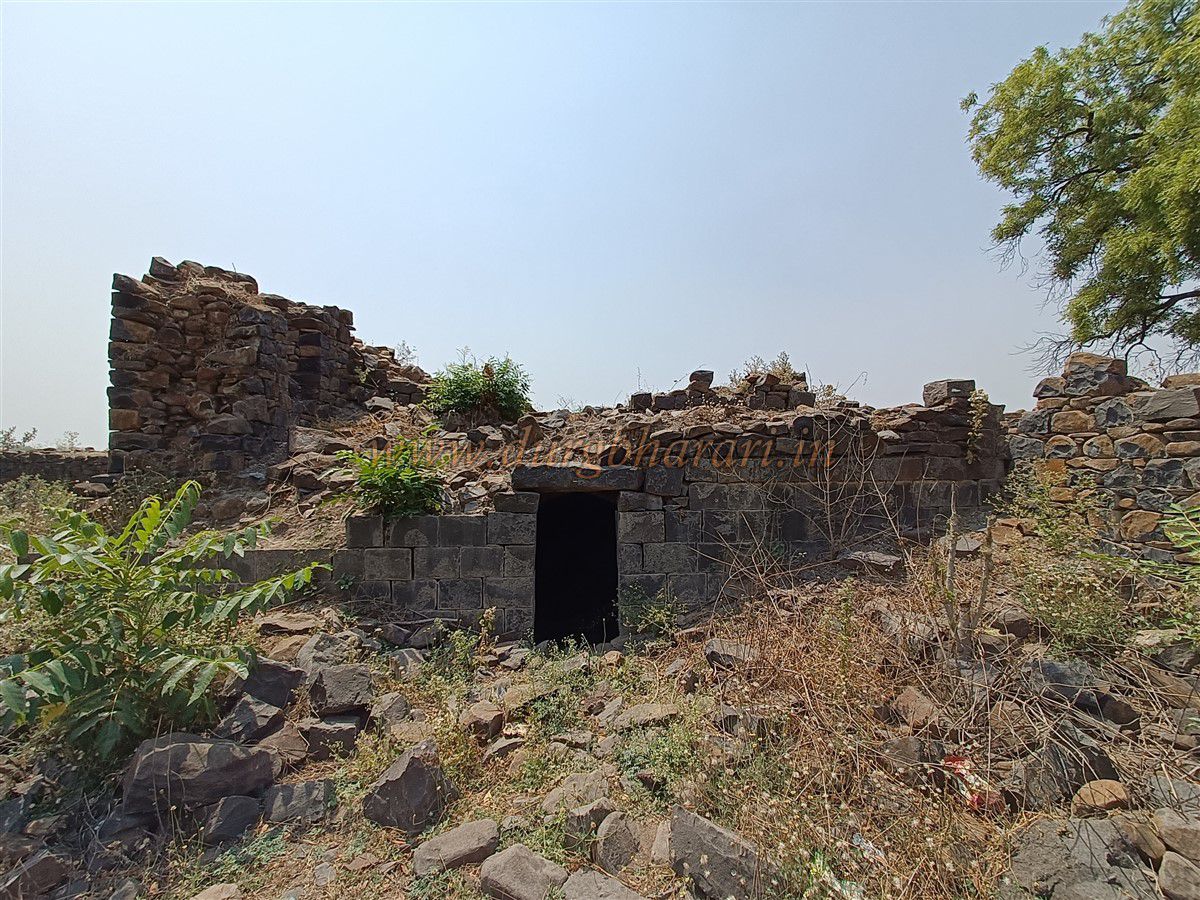
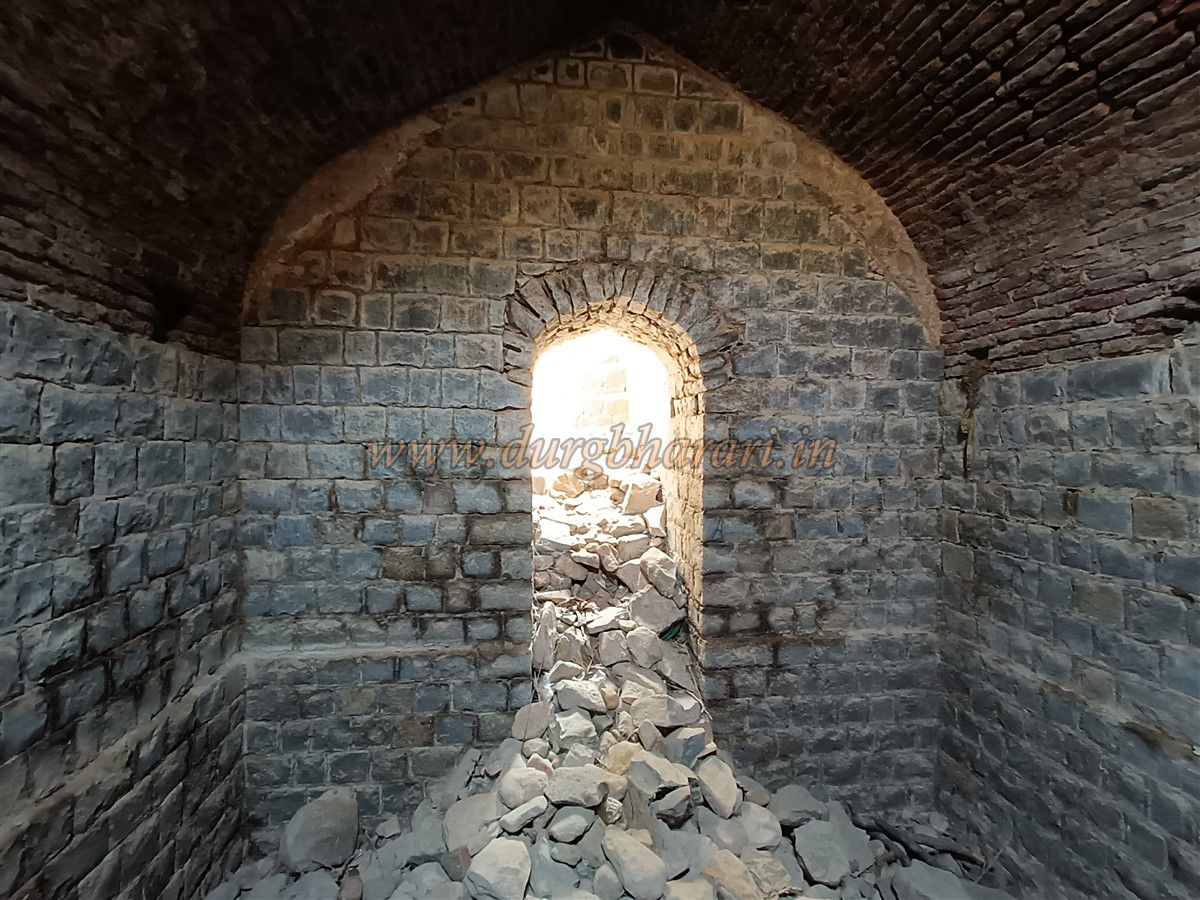
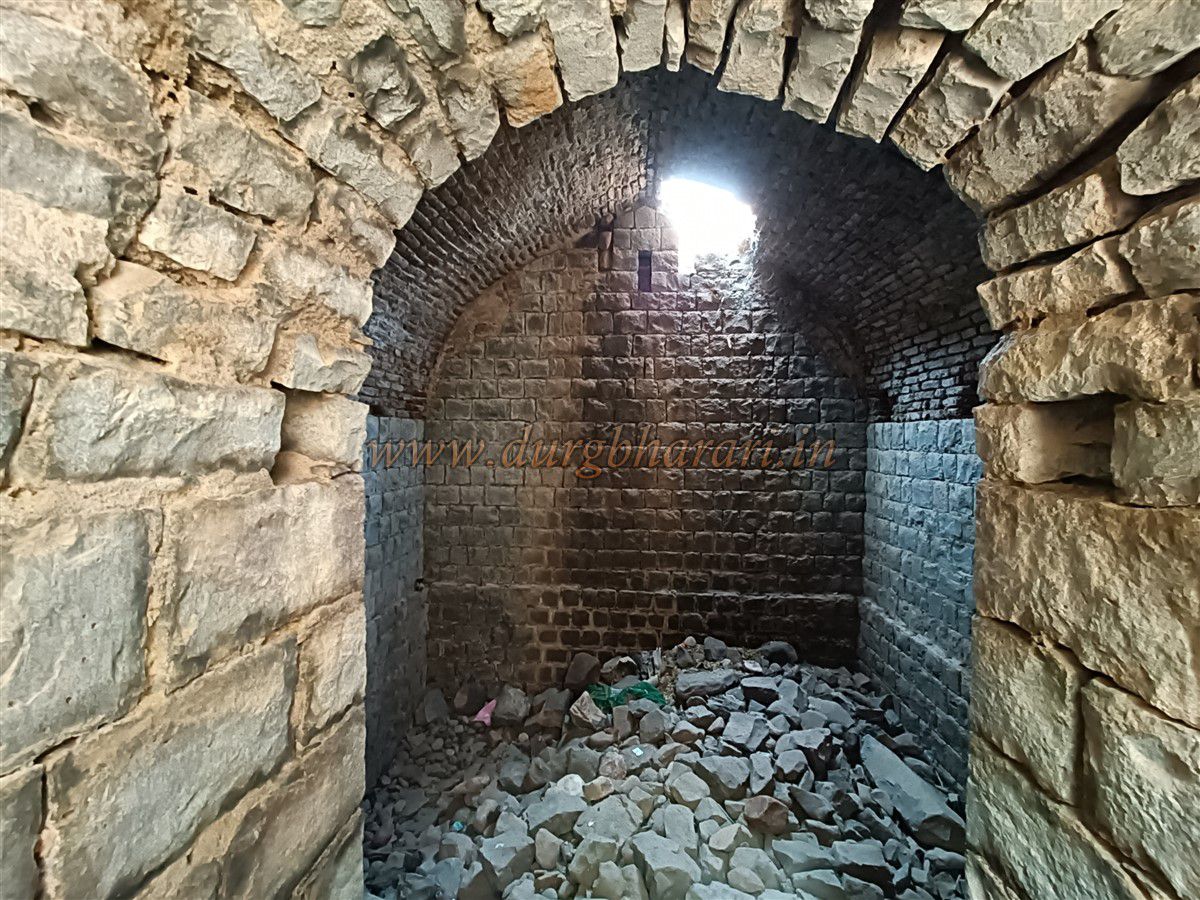
Most of the internal structures have collapsed, but two underground chambers can still be seen. In addition, two storehouses are located adjoining the fort wall. One of the most important surviving structures is the 'Hamamkhana' (royal bathhouse). In later periods, this bathhouse was converted into a covered water tank, as can be inferred from the remaining structure.
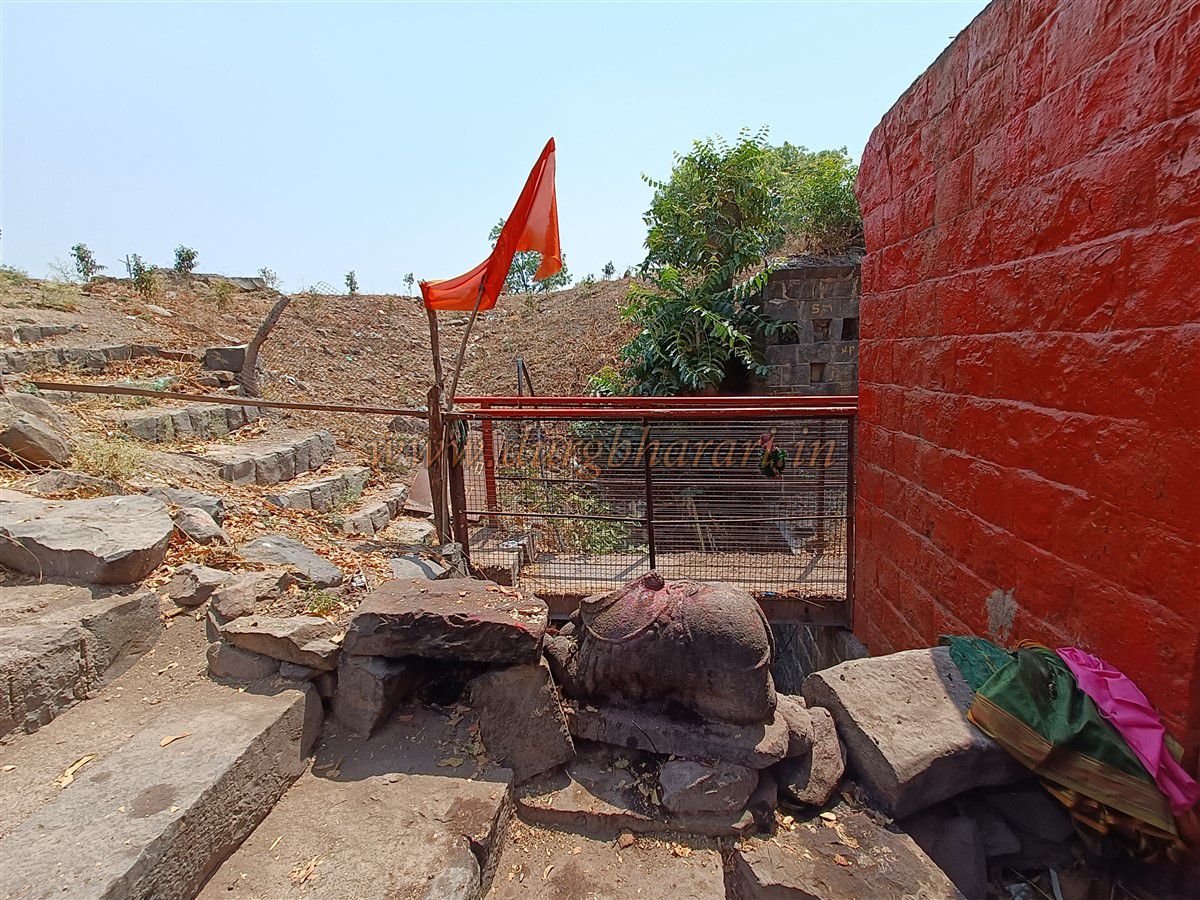
Both the well and the temple are located in a depression within the fort. The well originally had steps descending into it, but these have now deteriorated, and the well itself is filled with debris and garbage. The water from the well-used to be drawn using a Persian wheel (rahata) installed atop a high stone platform, and was then distributed via terracotta pipes throughout the fort, including to the Hamamkhana.
Although the present temple is of a goddess, the ruined Nandi statue within the temple compound suggests that there was once a Shiva temple on the fort as well.
It takes about 45 minutes to explore the entire fort. During the 1857 uprising, Navsaji Naik, who posed a strong challenge to both the Nizam and the British, is believed to have stayed at this fort for a few days. Beyond this, no further historical information is currently available about the fort.
© Suresh Nimbalkar
GALLERY