PENDRIPADA
TYPE : HILL FORT
DISTRICT : THANE
HEIGHT : 180 FEET
GRADE : EASY
During the medieval period, Kalyan and Bhiwandi were major port towns, directly connected to the sea at Vasai through the Ulhas Creek. For a long time, this region remained under Portuguese control, and to protect this vital waterway—from Vasai to Bhiwandi and Kalyan—they built several small forts along the banks of the creek and on nearby hillocks. Today, most of these forts are heavily ruined, with only a few surviving in fragmentary condition.
One such small and lesser-known fort built by the Portuguese is the Pendripada Fort, situated on a small hillock along the Vasai–Bhiwandi Highway. Located about 16 km from Chinchoti and 26 km from Vasai Railway Station, the fort can be accessed by taking a bus from Vasai toward Bhiwandi and alighting at Paigaon. From there, the Pendripada hamlet is around 4 km inland. If you have a private vehicle, reaching the site is easy; otherwise, one must cover the distance on foot.
...
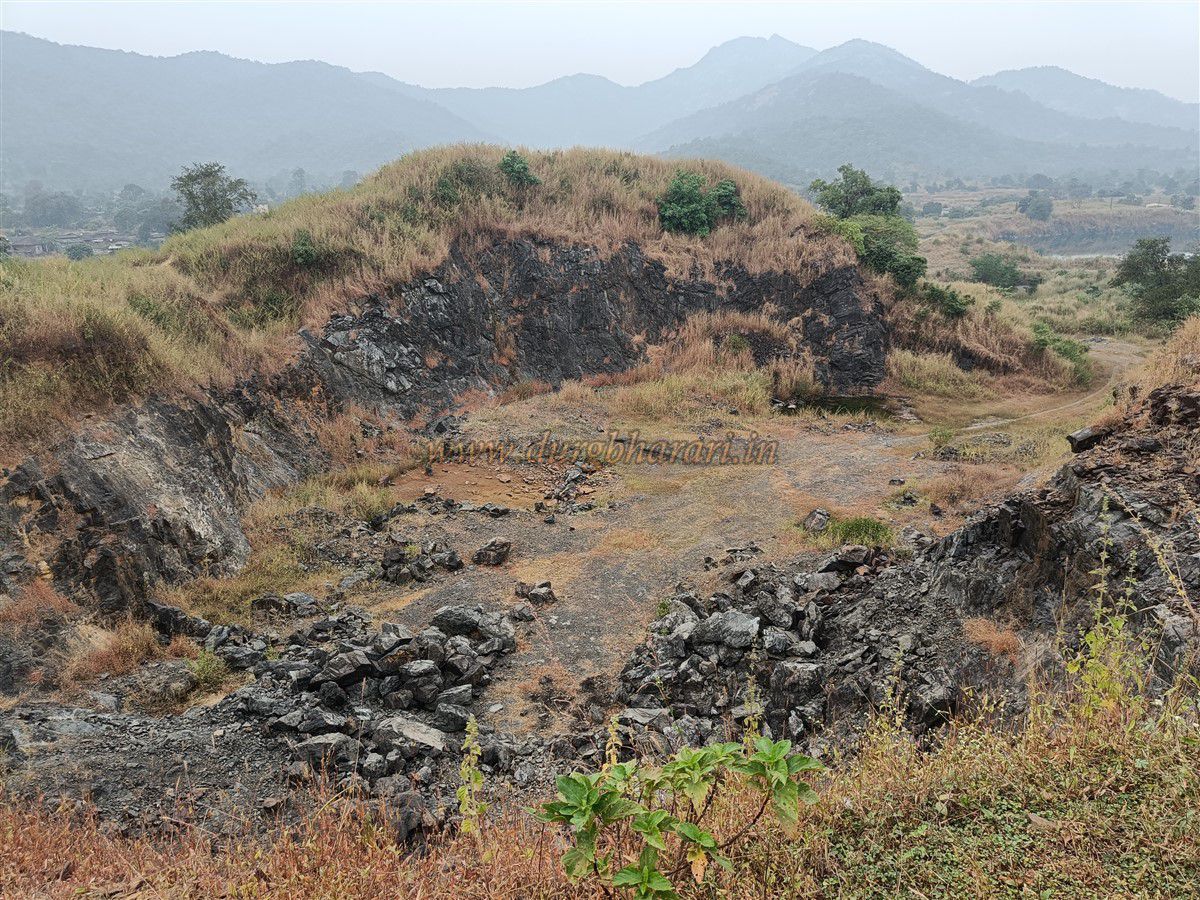
The fort is built on a hill about 150 feet high and is clearly visible while entering the village. Unfortunately, due to ongoing stone quarrying in the area, the surroundings have become degraded and desolate. There are two paths leading to the fort — one that passes through the settlement and another that goes around it. Since the fort is in plain sight, there’s little risk of losing your way. A 15-minute uphill climb brings you to the fort.
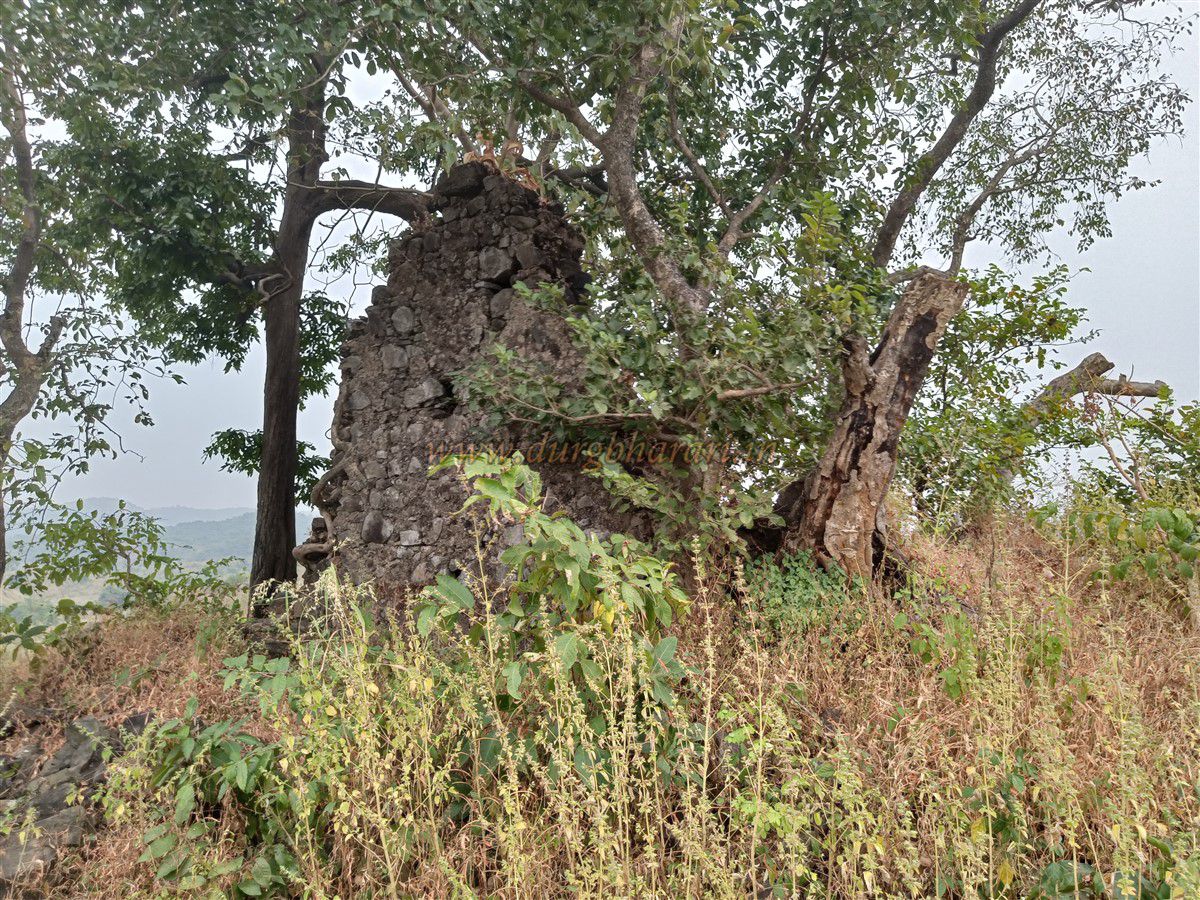
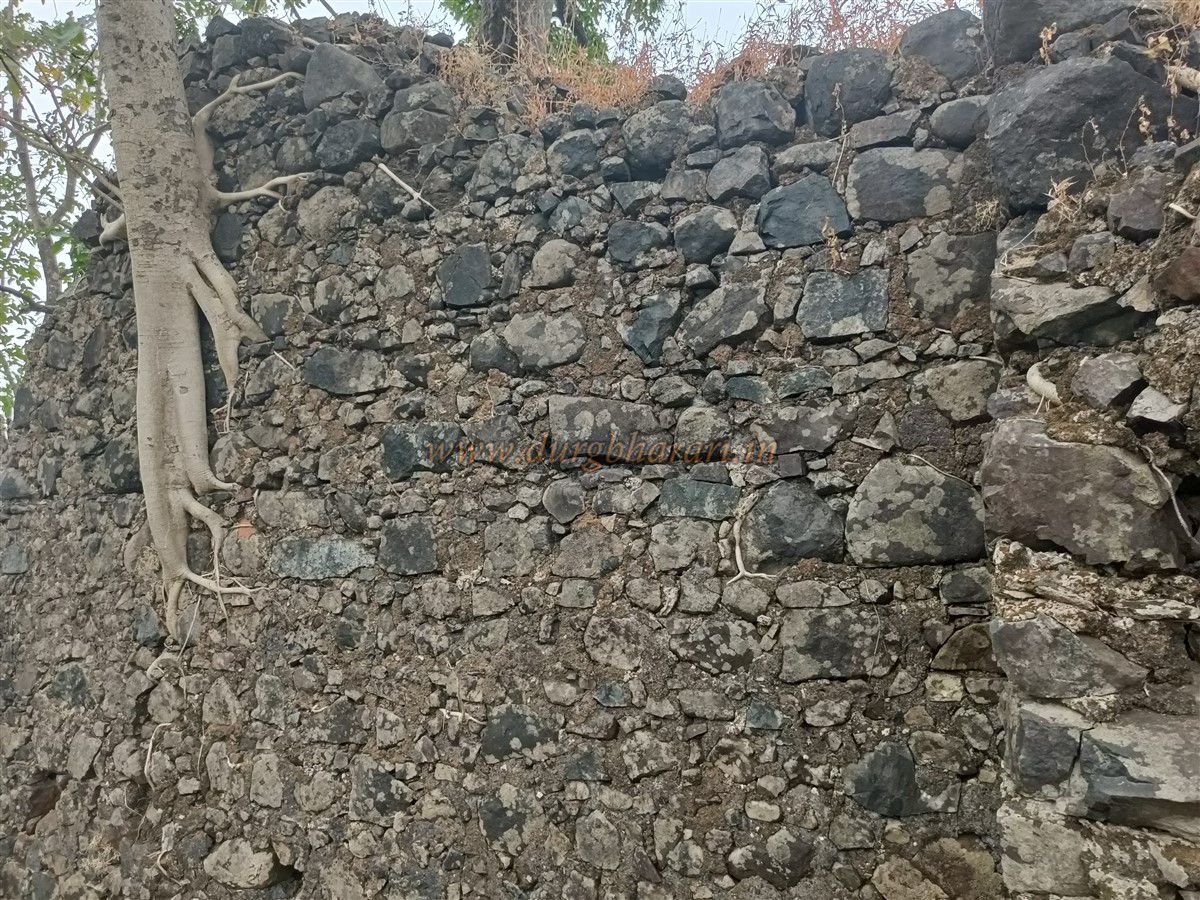
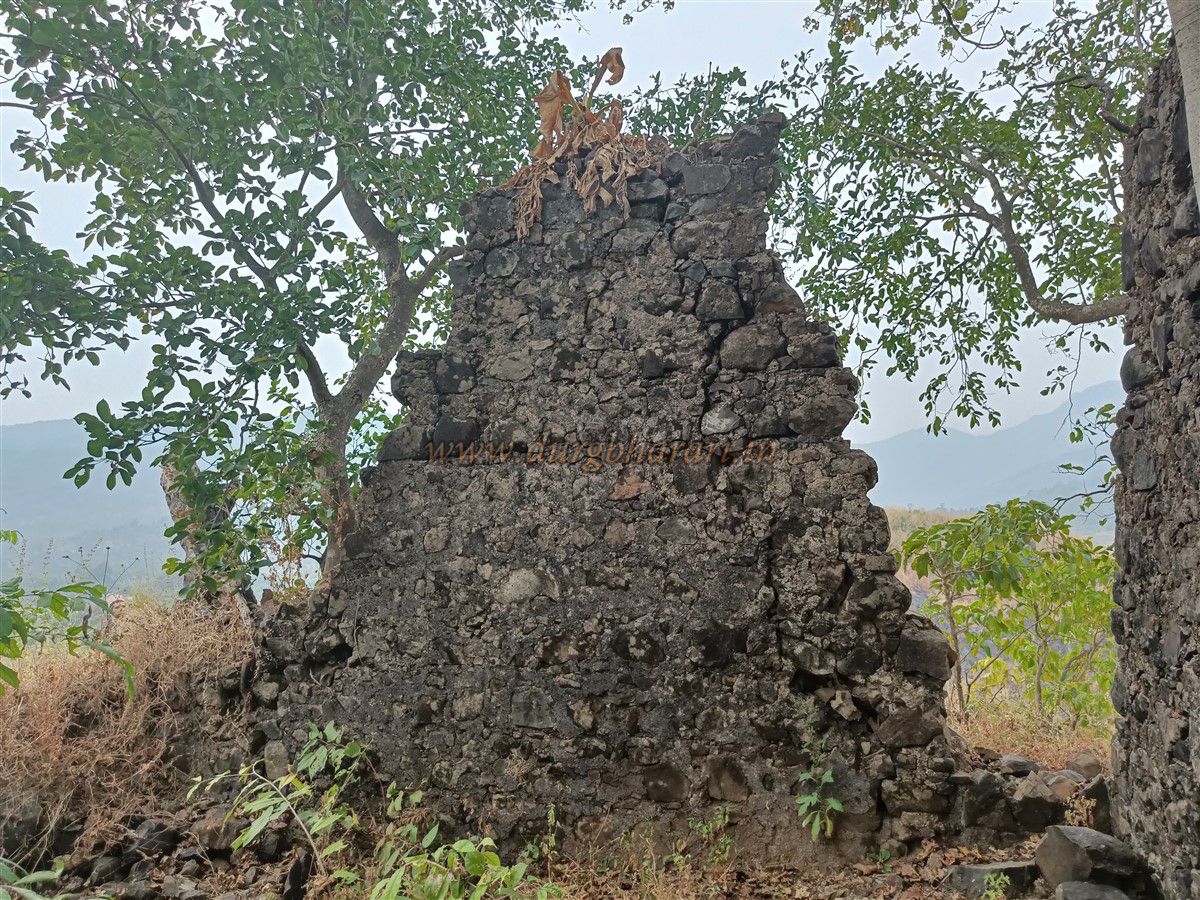
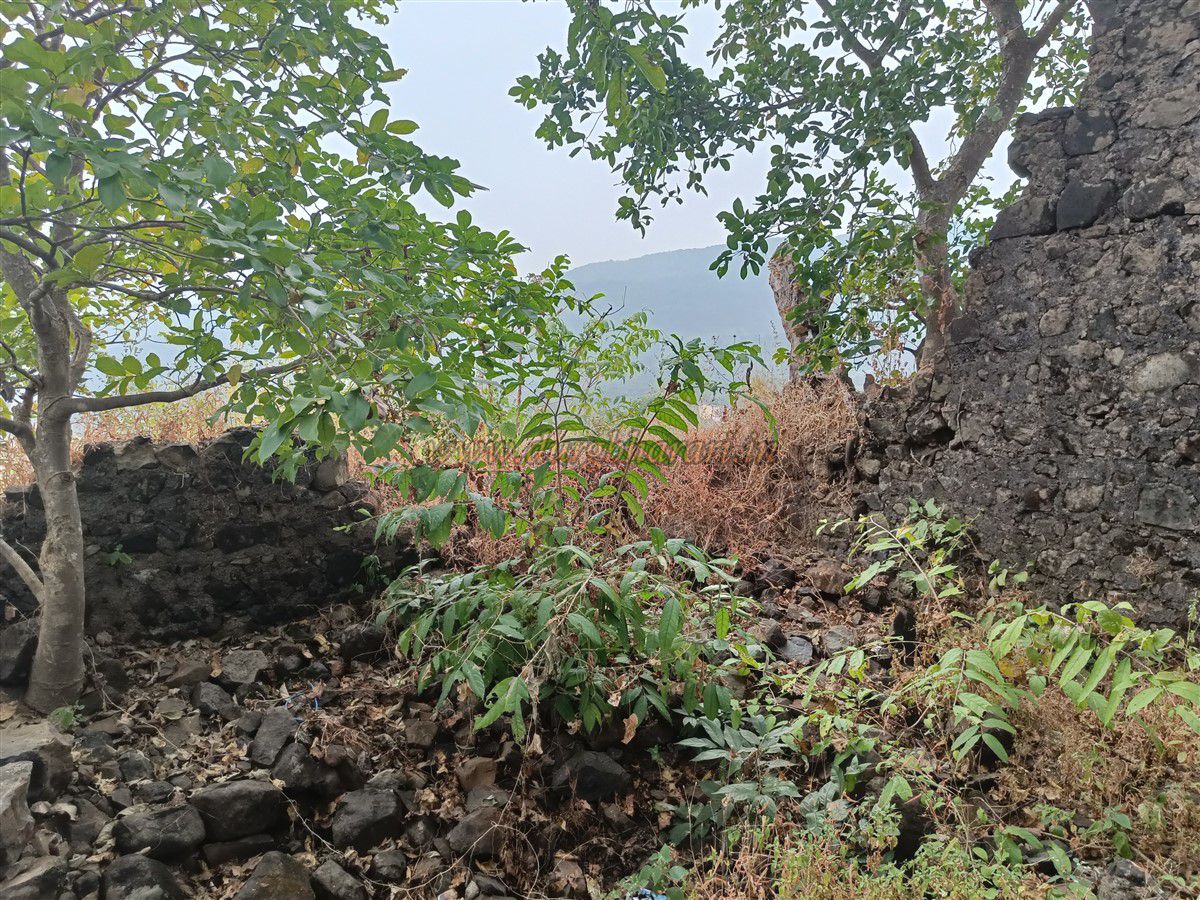
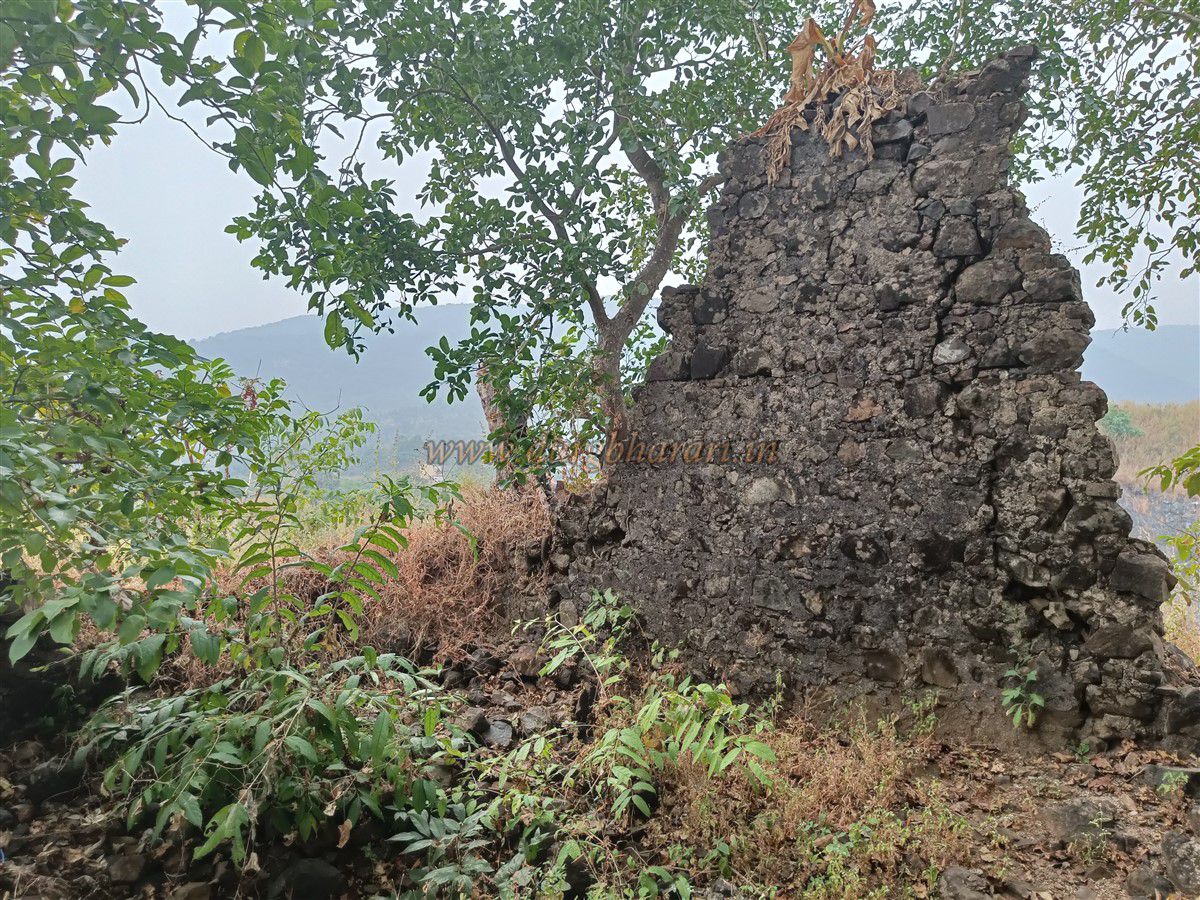
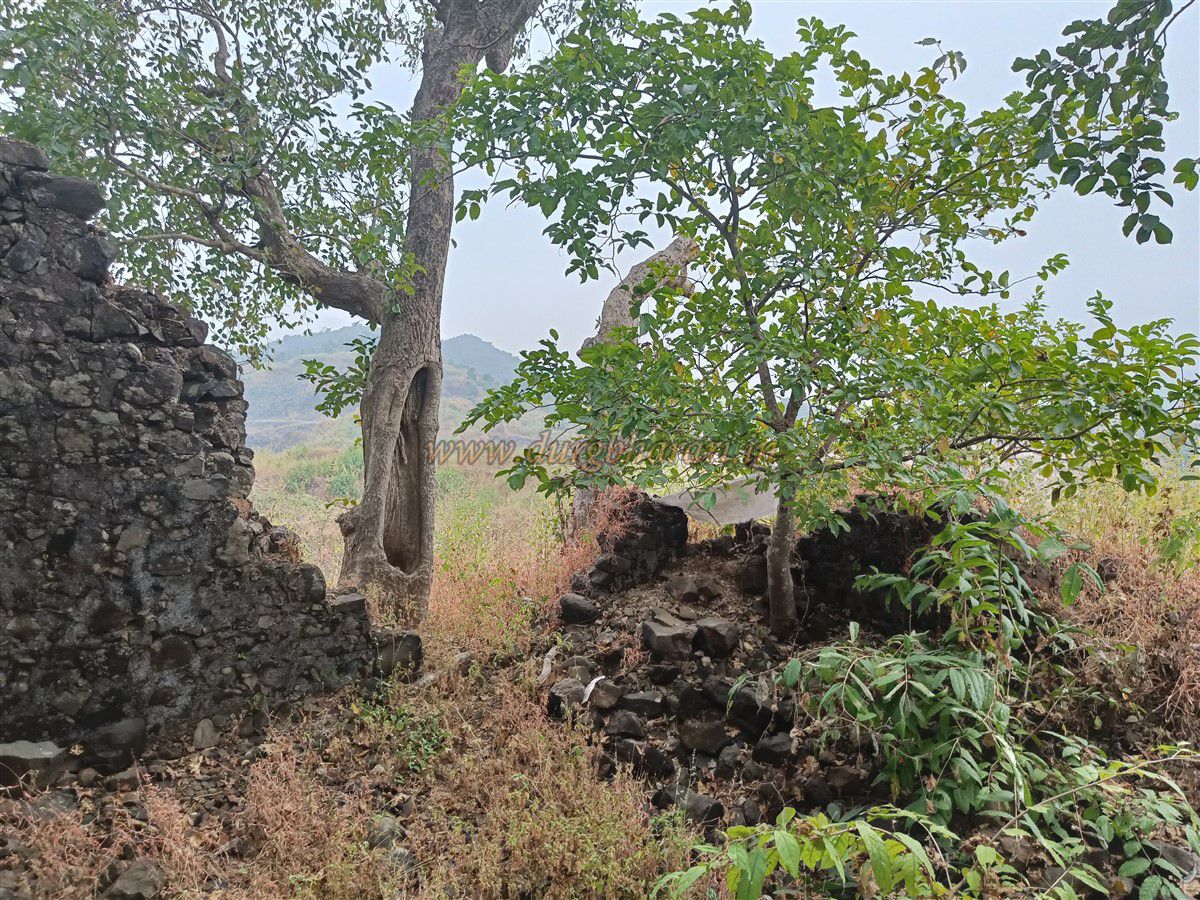
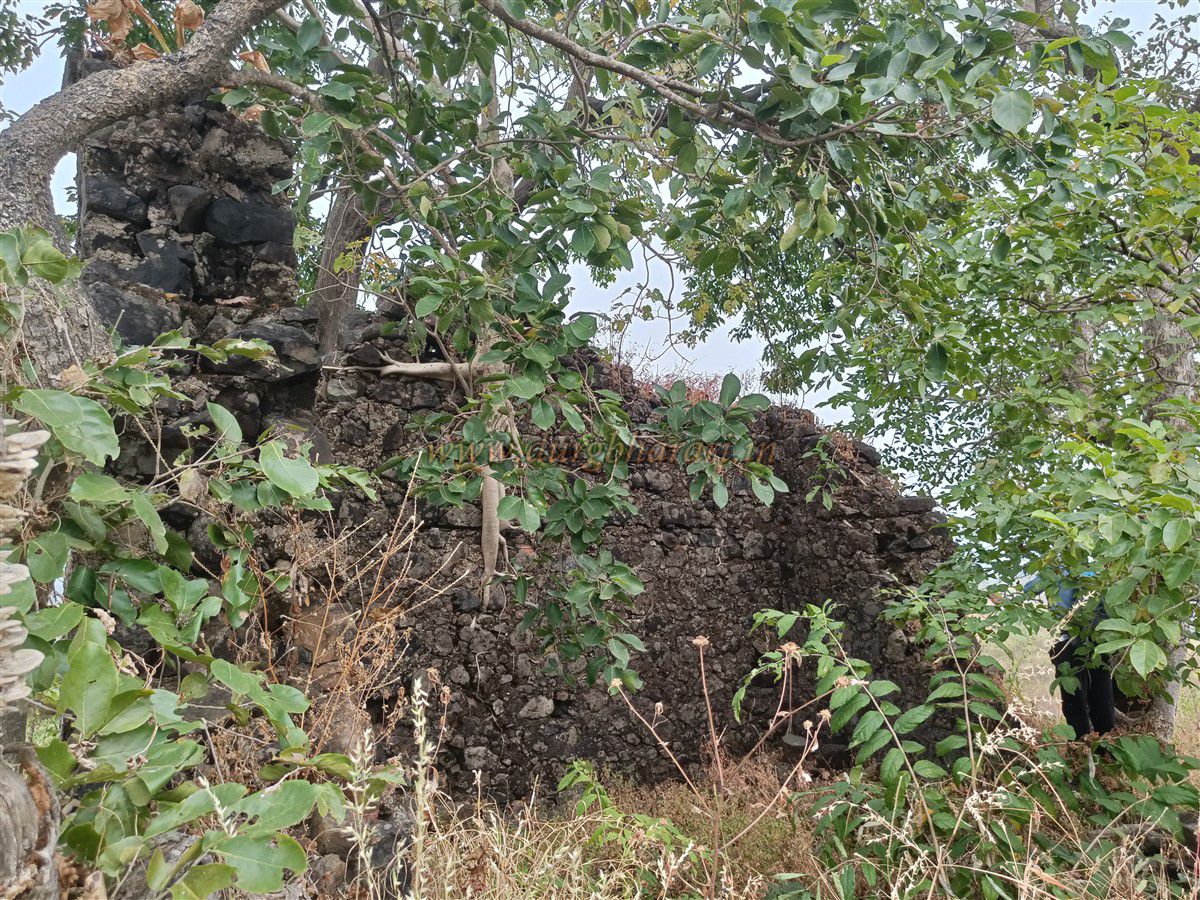
Most of the Portuguese-built watch structures follow a similar and uniform architectural pattern. The Pendripada Fort is a small, two-storied structure of approximately 20 x 20 feet in size. However, the upper level is now completely destroyed. The fort is built using roughly cut stone and lime mortar. The walls contain niches for wooden beams that would have supported the upper floor, as well as embrasures for firing guns. Though presently standing at around 15 feet high, the structure may originally have been taller.
Given its size and location, it is evident that this fort served primarily as a watchtower. Visiting and exploring the entire fort takes only about 10 minutes.
The Portuguese built such watch forts in the 16th century, mainly for guarding sea routes and supplying provisions to other nearby forts and military posts. These small forts, along with watchtowers and long-range cannons, formed an effective network through which the Portuguese established control over the northern Konkan coastline.
In 1739, during the Vasai Campaign, the area came under the control of the Marathas, marking the end of Portuguese dominance in this region.
Anyone interested in exploring the Portuguese maritime surveillance network and its strategic geographical locations must pay a visit to Pendripada Fort.
© Suresh Nimbalkar
GALLERY