PEMGIRI
TYPE : HILL FORT
DISTRICT : NAGAR
HEIGHT : 2650 FEET
GRADE : EASY
Before Chhatrapati Shivaji Maharaj established Swaraj, his father Shahaji Raje had also made an attempt to establish an independent state. Although his attempt was unsuccessful, it laid the foundation for the coming Hindavi Swaraj. A witness to this attempt is the fort situated in the Baleshwar mountain range—known as Pemgiri Fort, also called Bhimgad or Shahagad.
Located in Sangamner taluka of Ahmednagar district, this fort is relatively unknown due to its remote location. On the Sangamner–Akole road lies a village named Kals. From this village, a road leads leftward, directly to the village of Pemgiri, about 10 km away.
One of the unique features of Pemgiri Fort is that there are two or three hills around it that resemble the fort itself, making it difficult to identify the actual fort at first glance.
...
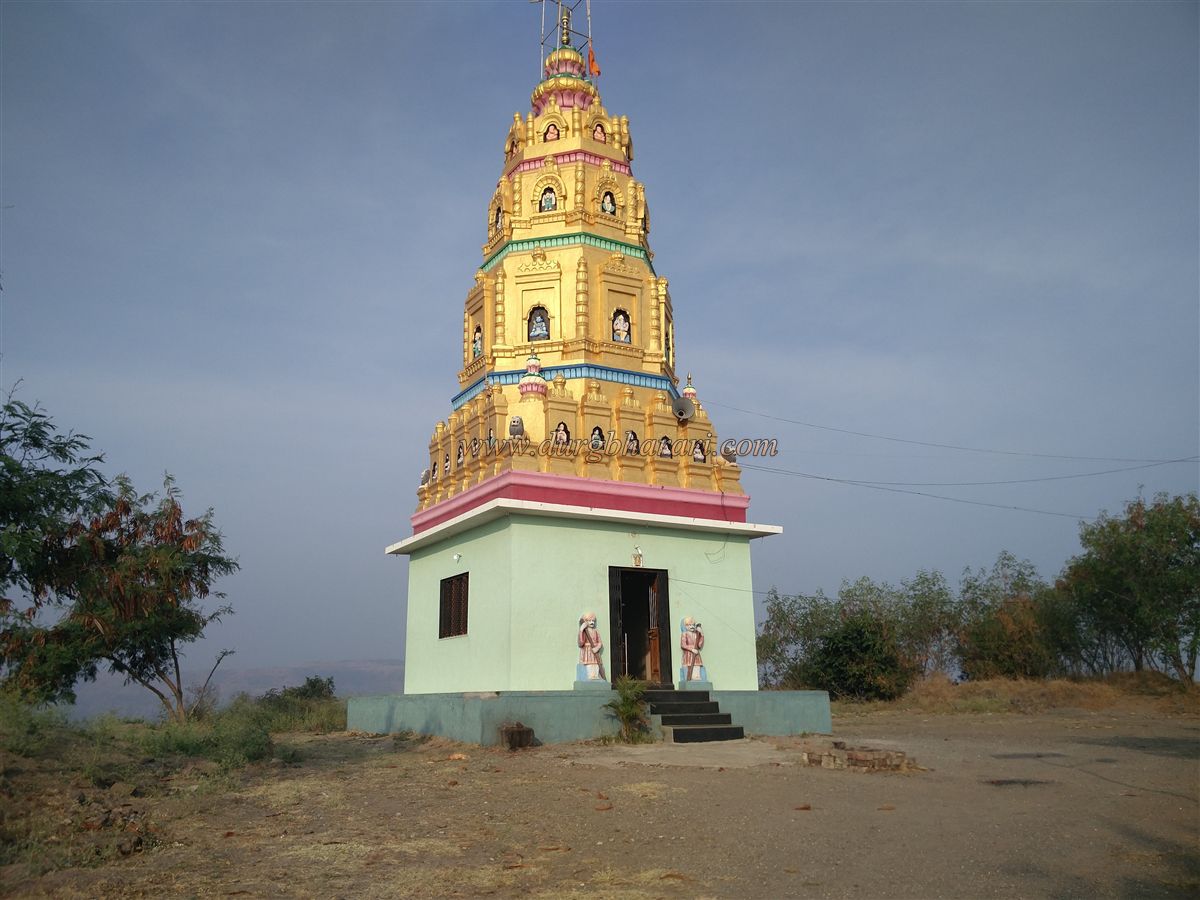
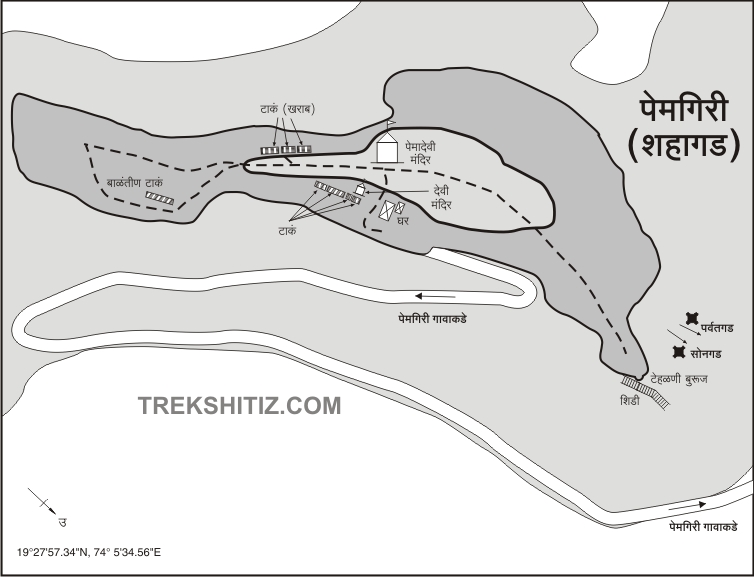
Atop the fort is a temple of the local deity Pemadevi, who is revered as the guardian goddess (gaddevata) of the surrounding region. The Forest Department has built a motorable road to the top of the fort, and steep sections of the trail have ladders installed.
There are two temples dedicated to Pemadevi on the fort. Standing at 2,772 feet above sea level, Pemgiri Fort is spread from south to north and covers less than 5 acres in area. At the base of the fort lies a temple of the village deity, from where the trail to the top begins. Seen from below, the fort appears round and vertically cut on all sides. It takes less than half an hour to reach the top via the trail. Near the final rock section, 25 steps have been carved out, with ladders placed above them.
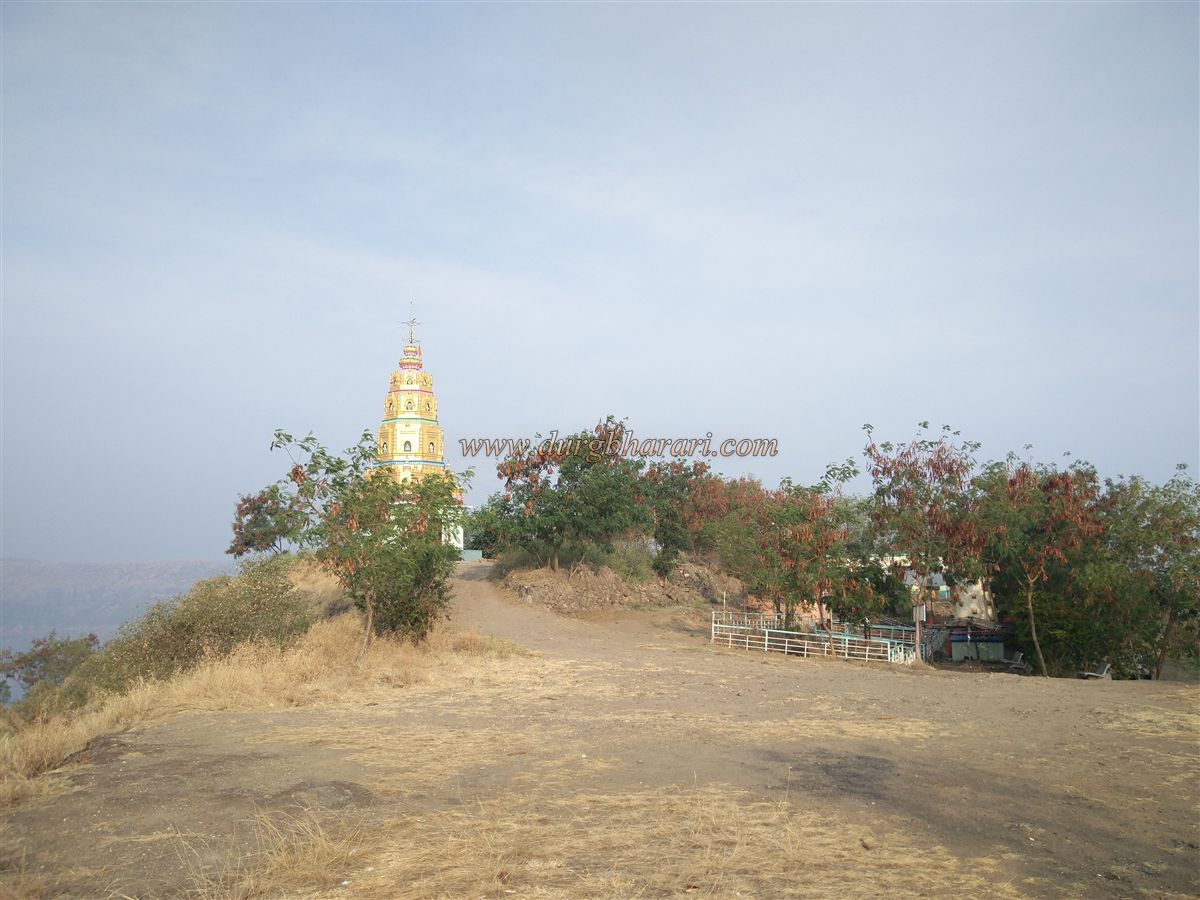
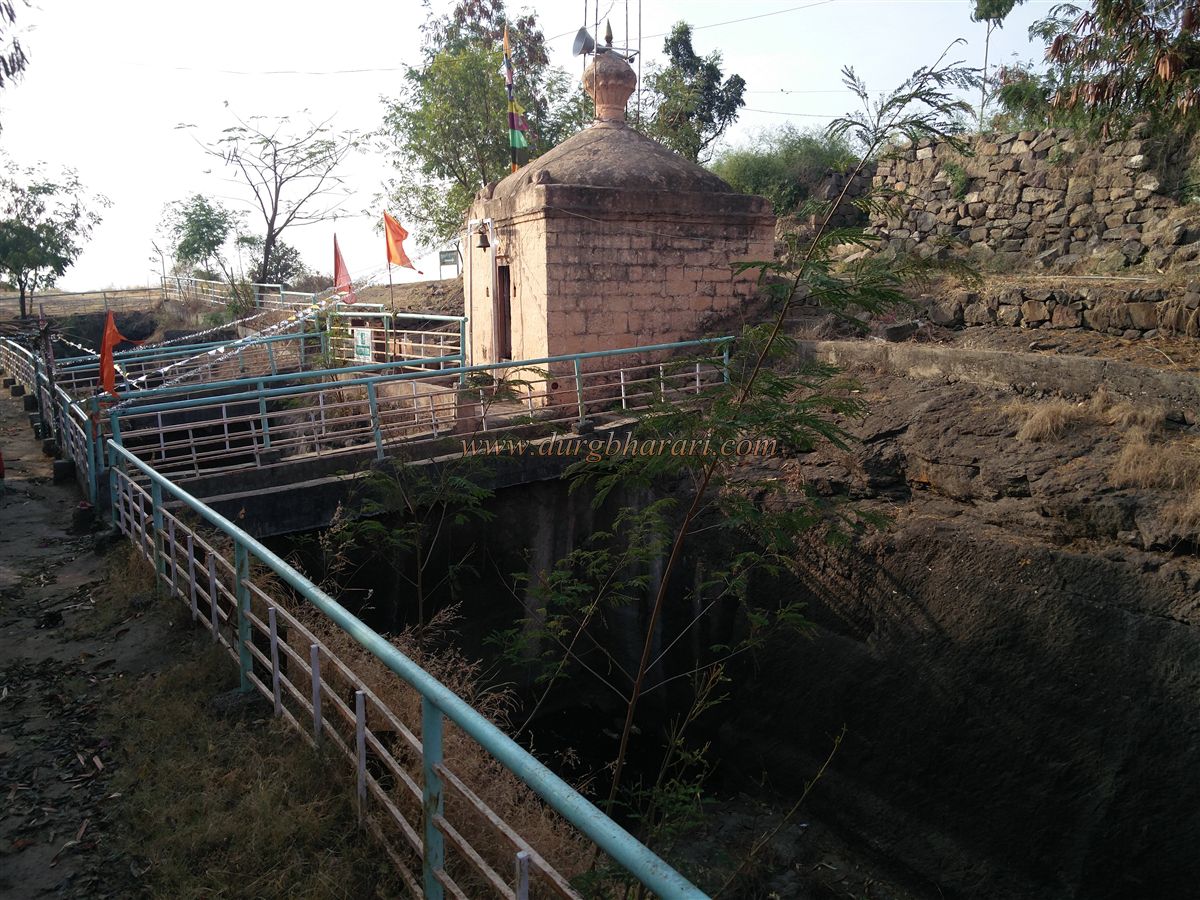
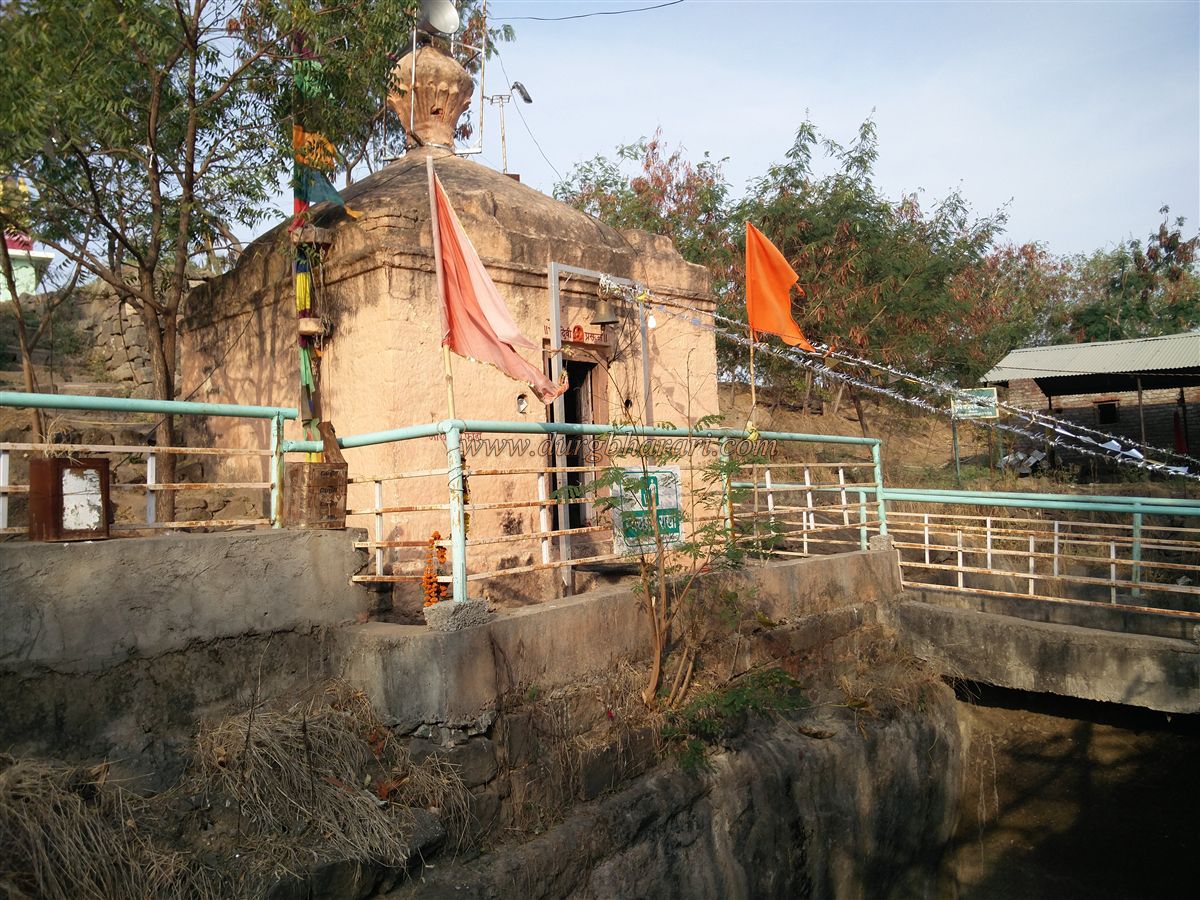
An alternative motorable path leads to the opposite end of the fort. From either route, one arrives at the dome-shaped, ancient temple of the goddess Pemai. In this small shrine, the deity is represented by a vermillion-covered mound (shendri tandal), and a painted oil painting is placed behind it.
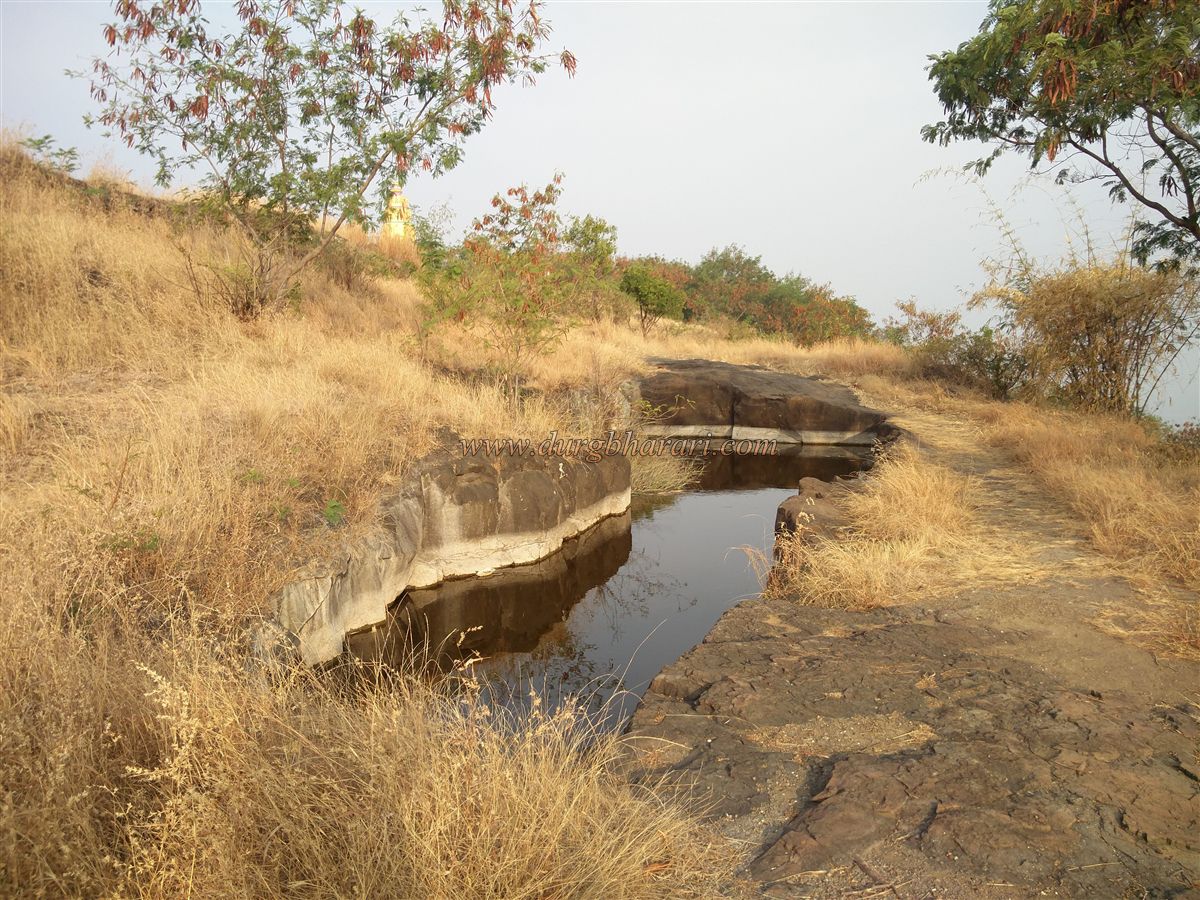
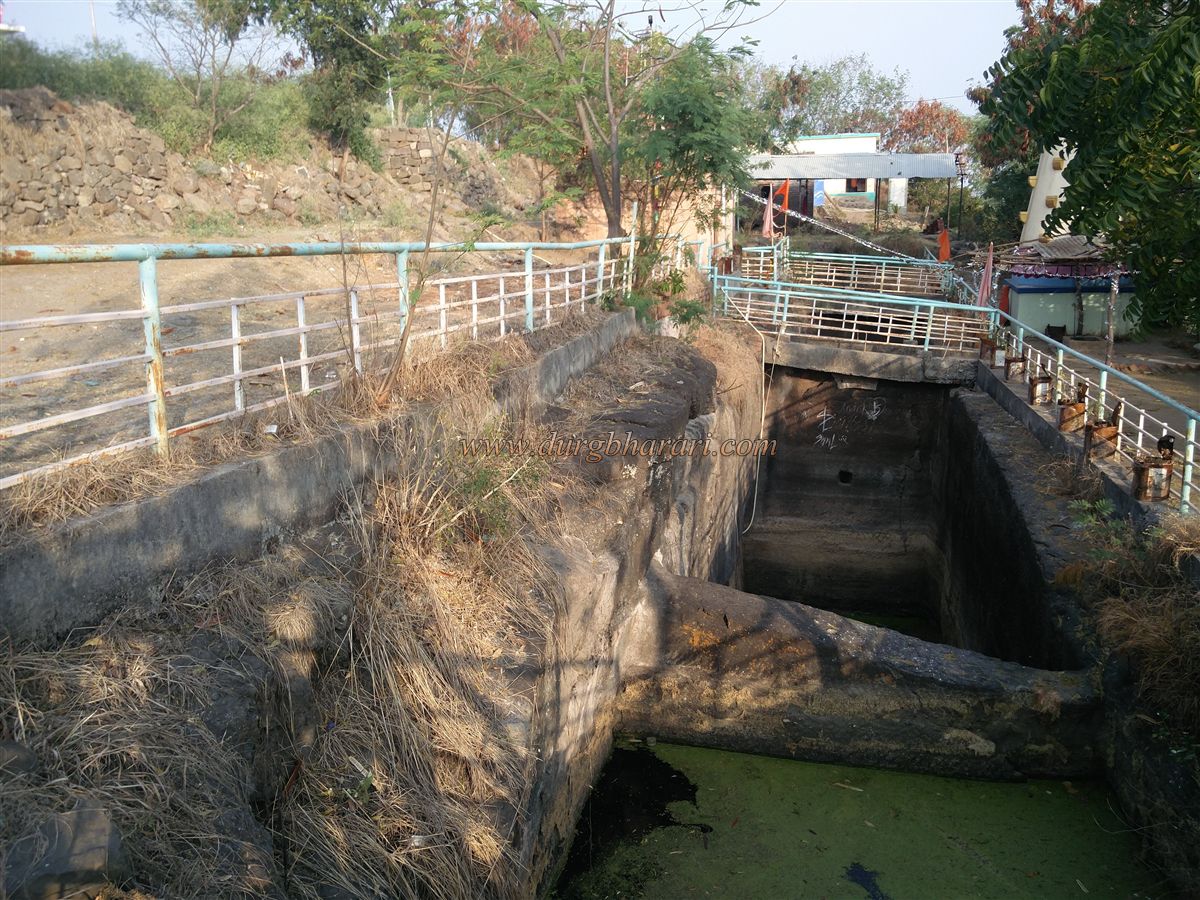
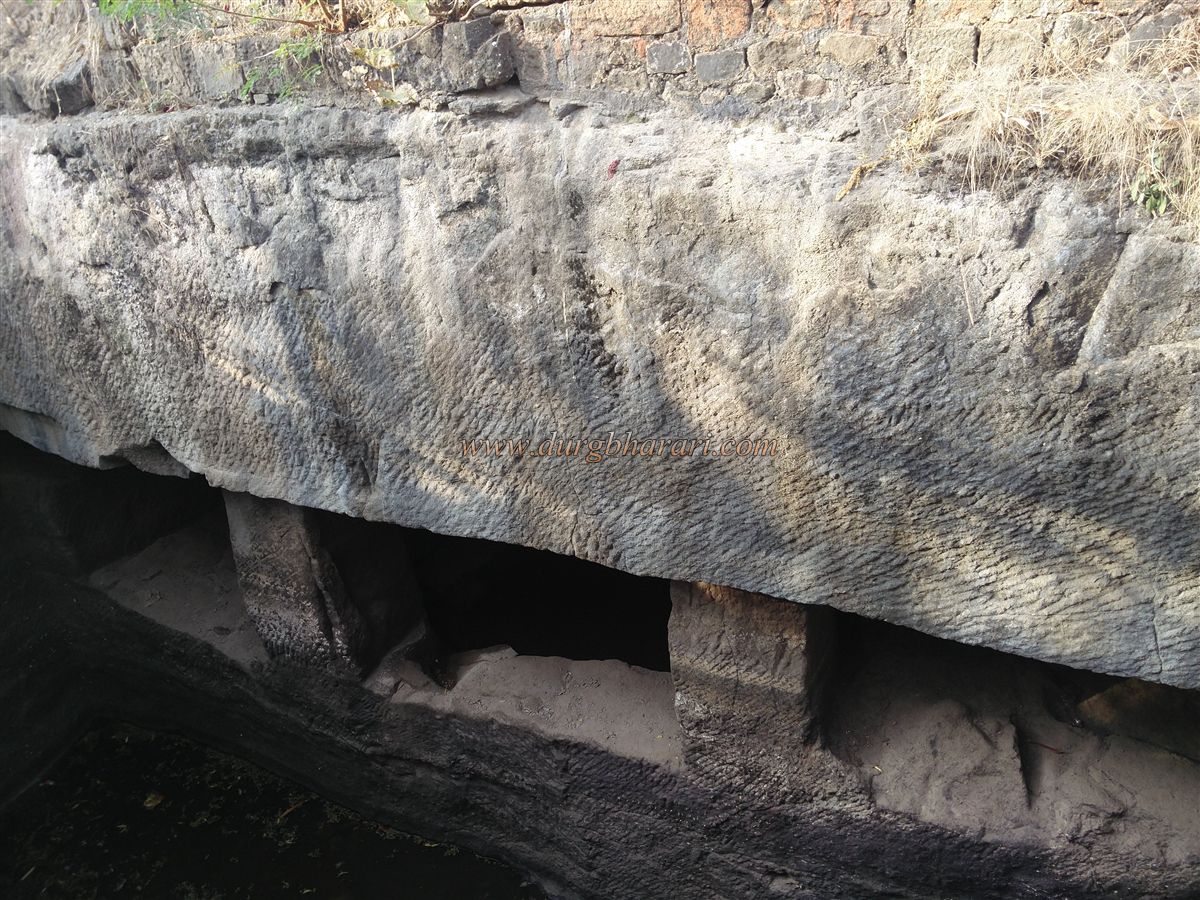
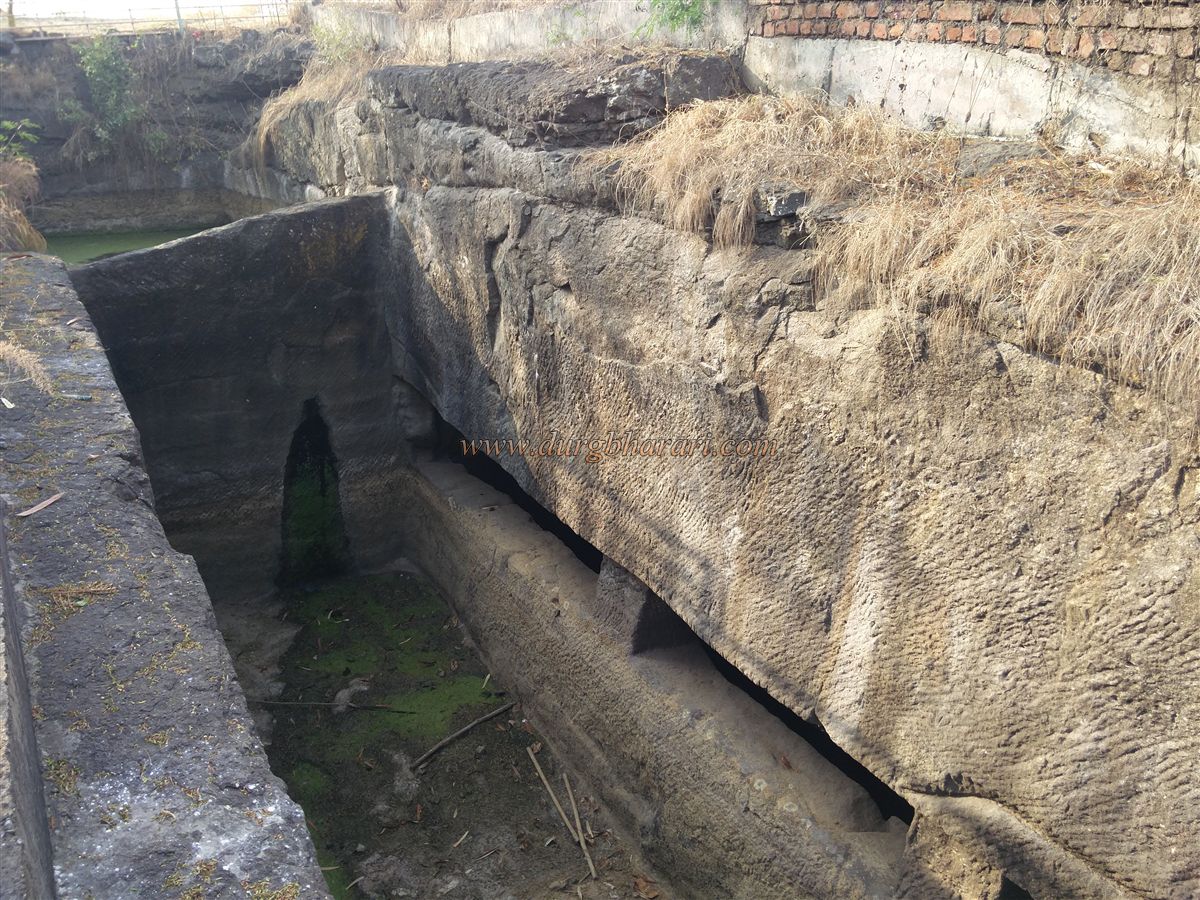
In front of the Pemai temple are four rectangular water tanks carved from rock, believed to be from the Satavahana period. Two of these are "pillar tanks" (khaambtaki), and the water here is potable. Further ahead, there is another rock-cut tank, but its water is not drinkable. Taking the left path past these tanks, one reaches a long tank known as "Balantinichi Taki" (Maternity Tank), indicated by a signboard. From here, one can walk up to the southern end of the fort.
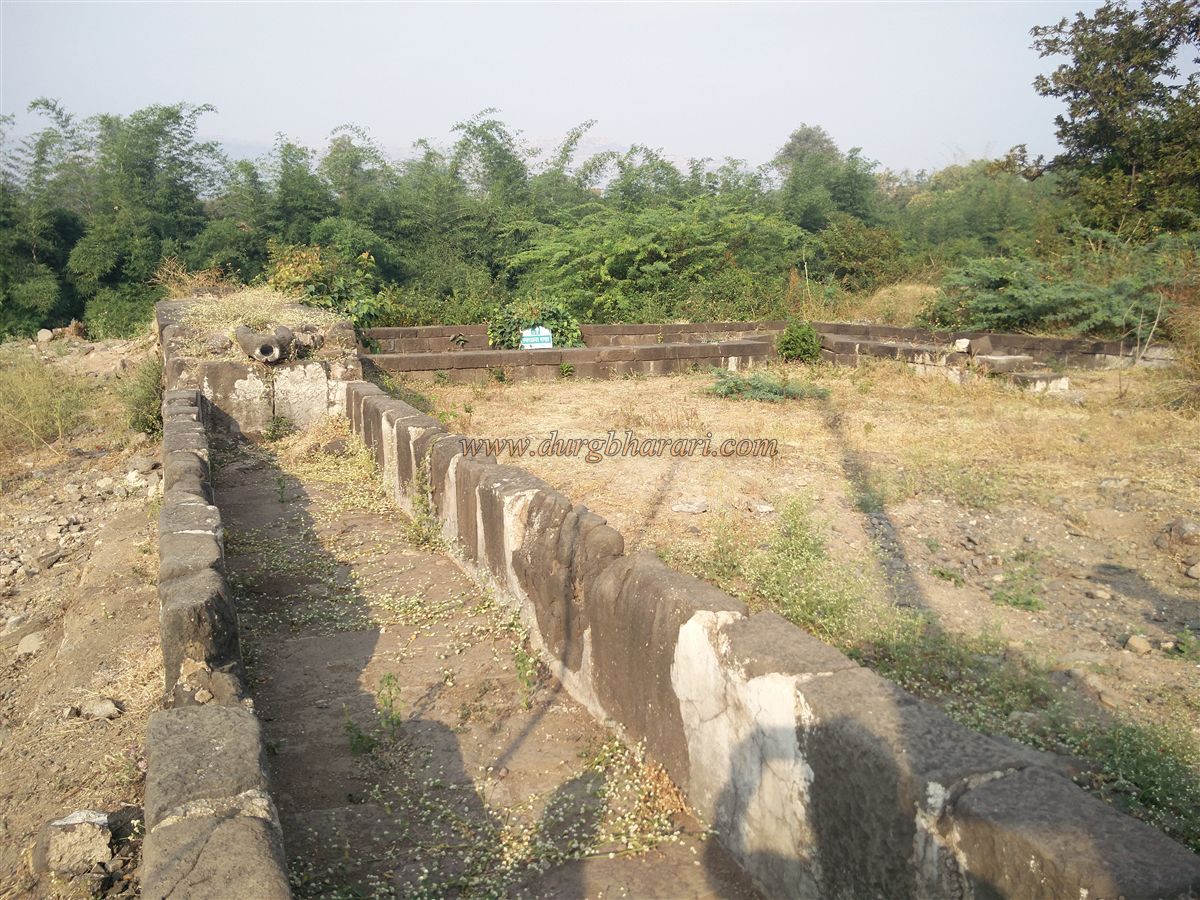
At the southern tip of the fort, only the ruined platform of a single structure remains. Though no other remnants are visible, one can still see the natural fortification provided by the Baleshwar range. The fort's small plateau area suggests that not many structures would have existed here in the past. The main Pemadevi temple houses a marble idol of the goddess, and its spire is visible from afar.
Moving from the temple towards the northern watchtower, one encounters the remnants of house foundations in two places, indicating that a large mansion (wada) may have once stood here. Though the watchtower is no longer intact, one can still enjoy a panoramic view of the surroundings. The Forest Department has installed an iron ladder here. This is also the route used by trekkers coming on foot from the base.
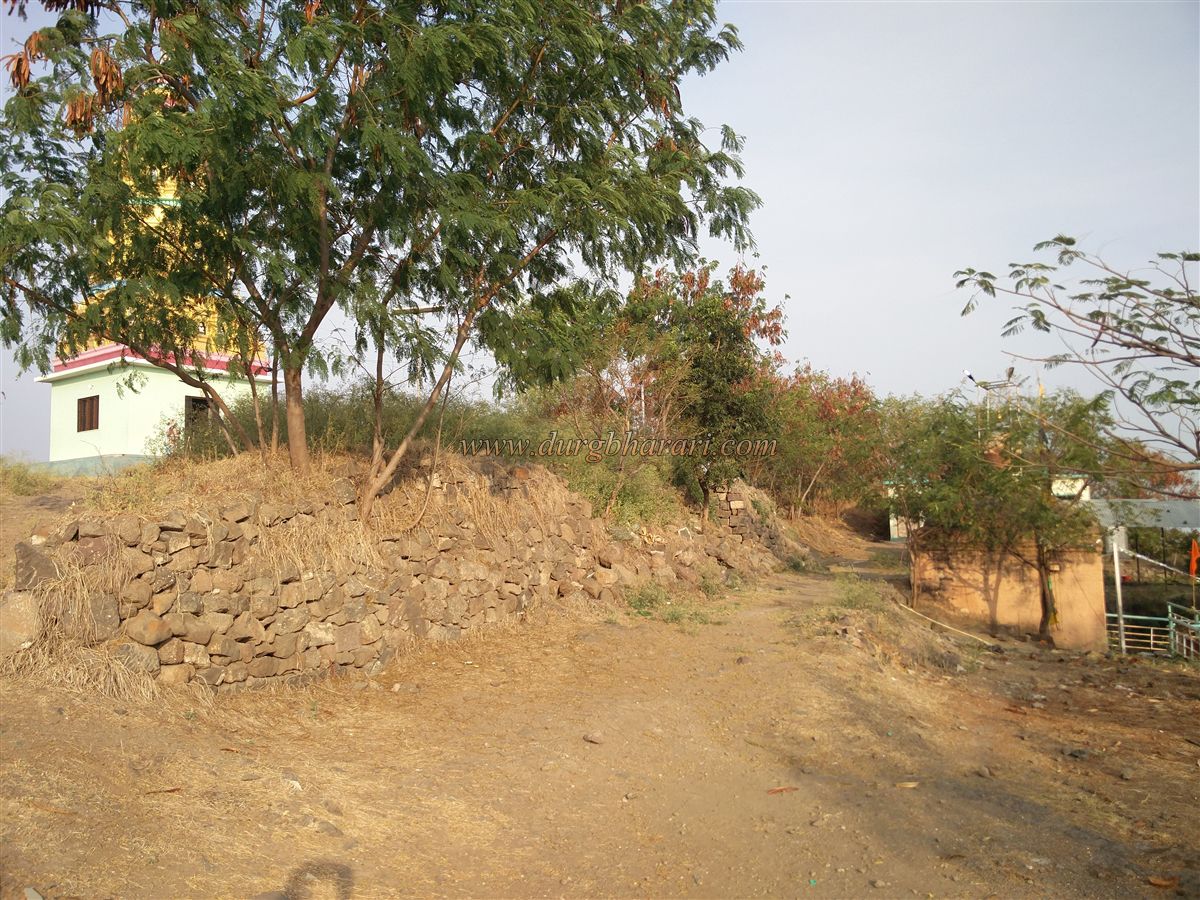
After visiting the watchtower, the exploration of the fort is complete. There are no other signs of fortifications such as bastions, ramparts, or gates, typically associated with hill forts. Looking at the fort’s modest size and scale, one wonders if this was truly the same place where Shahaji Raje managed the affairs of state for three years.
The Forest Department has constructed two shelters on the fort for visitors. In front of the old temple, villagers have built two rooms, one of which is currently occupied by a Hindi-speaking ascetic (baba). The new temple and the adjacent shed can accommodate about 10 people for overnight stays. However, the baba strongly opposes people staying overnight without reason, although one can still stay by ignoring his objections.
Pemgiri Fort, also called Bhimgad or Shahagad, was built in the 12th century by the Yadav kings. Since the Nizamshahi Sultan Murtaza Nizam Shah once stayed here, the fort came to be known as Shahagad. In historical records, however, it is also referred to as Bhimgad. The fort gained historical prominence due to Shahaji Raje’s exploits.
To crush the Nizamshahi kingdom, the Mughal emperor Shahjahan’s himself marched south. His generals Mahabat Khan and his son Khanjaman besieged Daulatabad Fort. Meanwhile, Shahjehan had to divert to Burhanpur due to the death of his wife Mumtaz Mahal. On March 1, 1633, Mahabat Khan laid siege to the Nizamshahi capital, Daulatabad, and captured it on June 17, 1633. Both Nizam Hussain Shah and his minister FatehKhan were taken prisoner.
At that time, Shahaji Raje was a commander under the Nizamshahi. Though Shahaji and other commanders fought valiantly, they were defeated. Seizing this opportunity to establish Maratha rule, Shahaji Raje, with help from Adilshahi commander Murar Jagdev, freed the three-year-old Nizamshahi heir Murtaza Nizam from captivity at Jivdhan Fort near Junnar and brought him to Pemgiri Fort. Here, Shahaji crowned the child king and became his minister.
Shahaji Raje ruled in Murtaza Nizam’s name from Pemgiri Fort for three years, harbouring the dream of an independent Maratha state. However, the Mughals later allied with the Adilshahi and attacked Nizamshahi. Shahaji eventually made peace with the Mughals on May 6, 1636, leading to the end of the Nizamshahi kingdom. Thus, Shahaji Raje’s attempt at Swaraj ultimately failed.
Between 1738 and 1740, Peshwa Bajirao I and Mastani are believed to have stayed on this fort for a short time. It takes about two hours to explore the entire fort on foot, or just half an hour if one drives up.
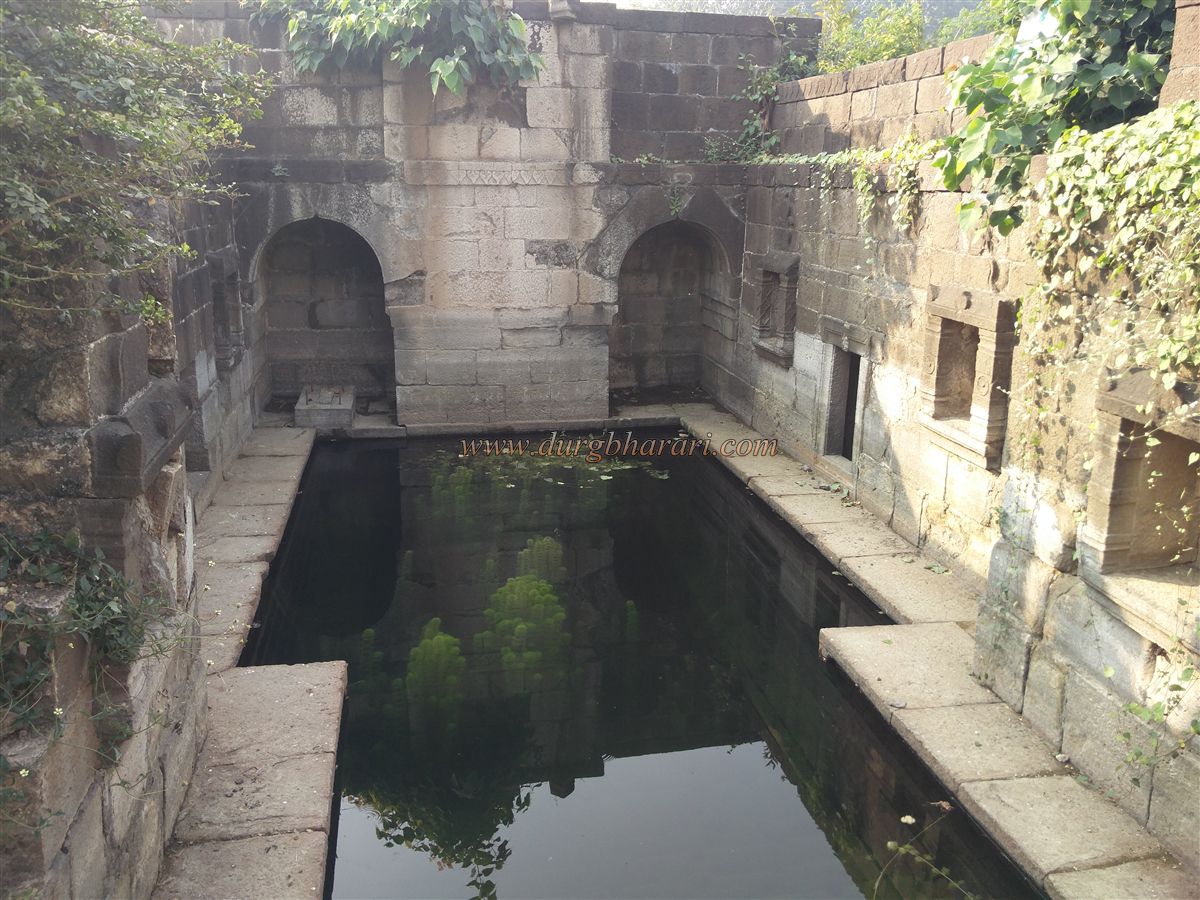
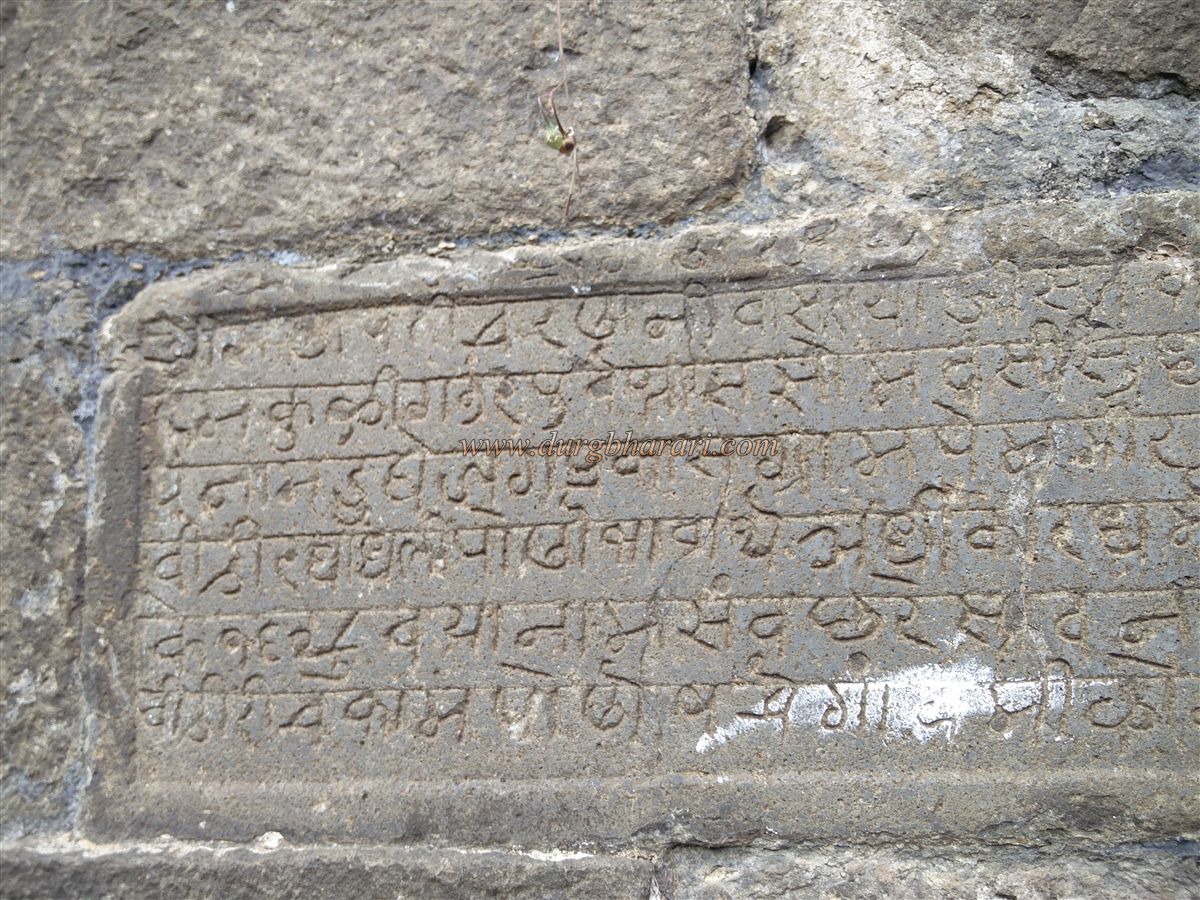
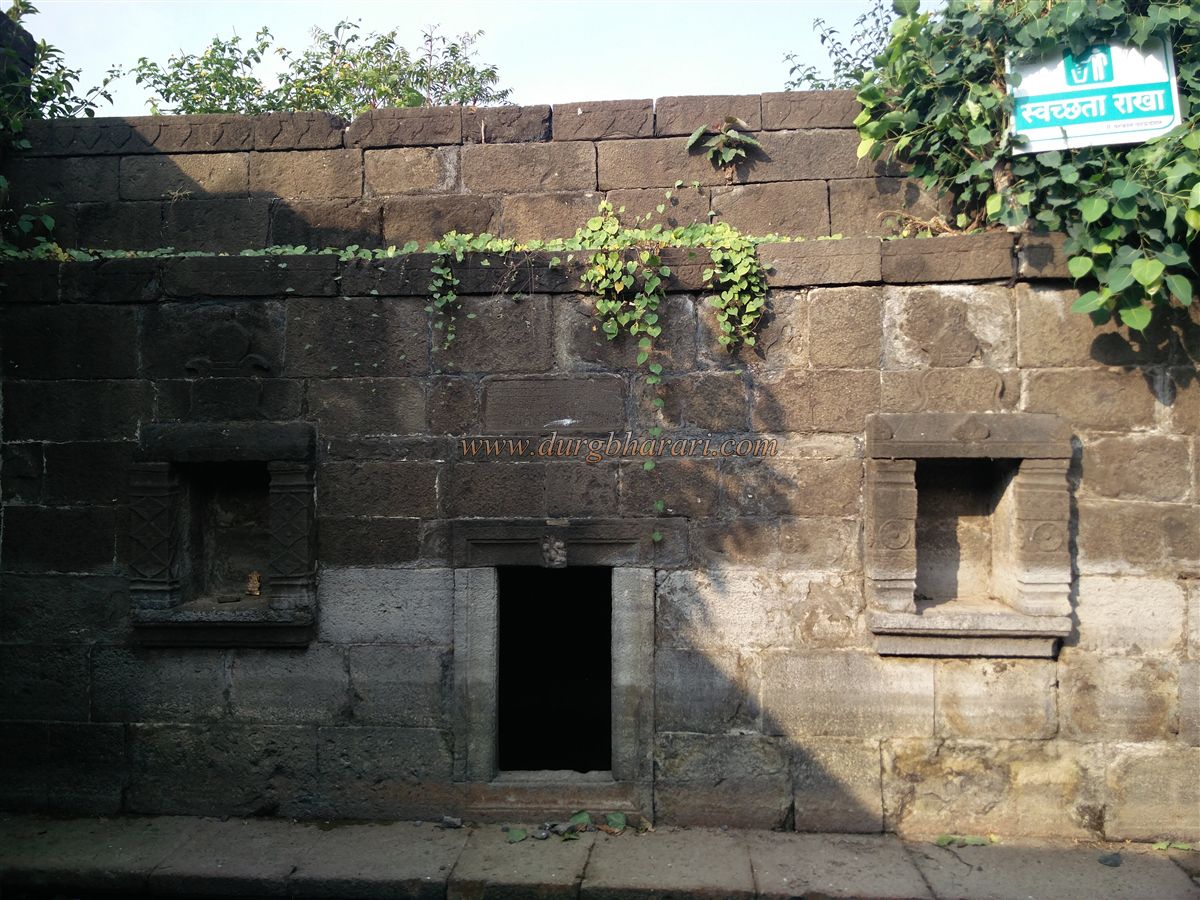
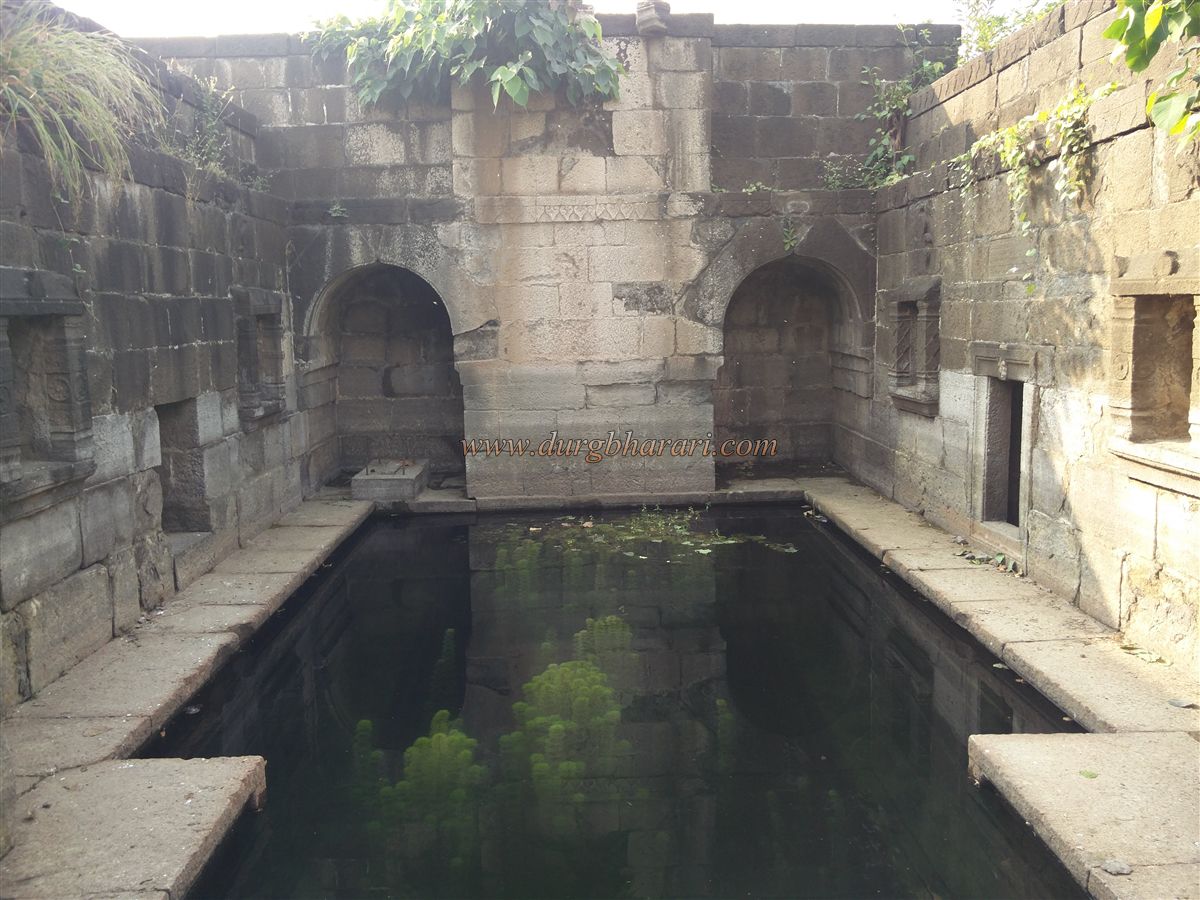
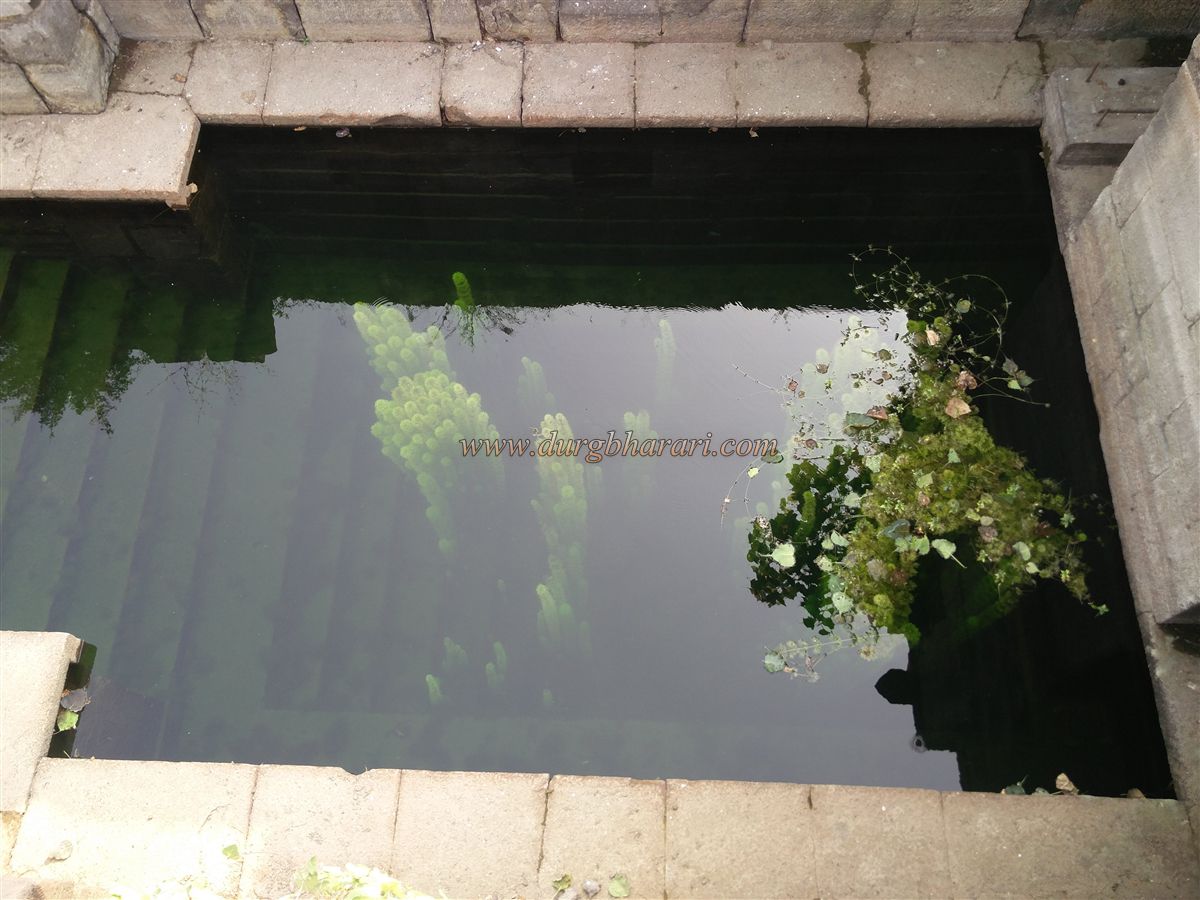
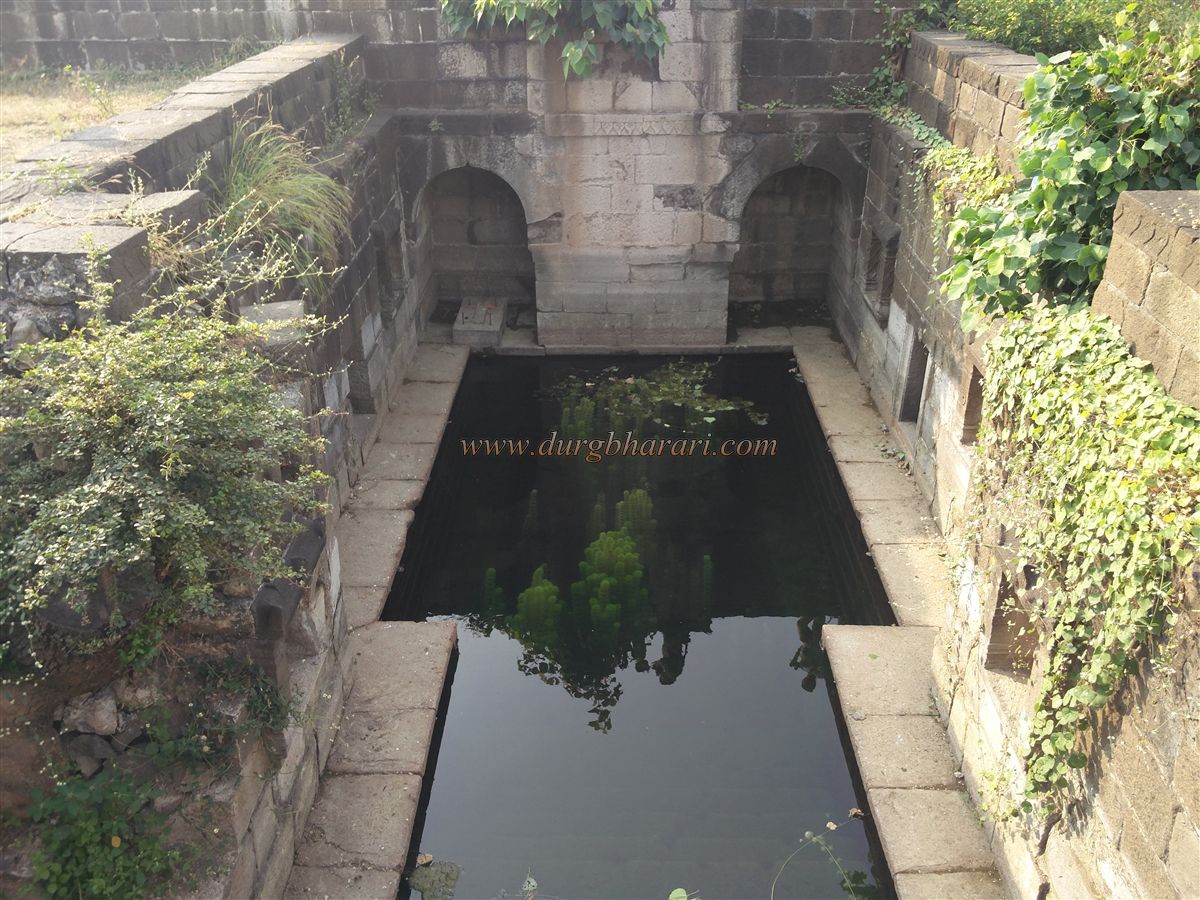
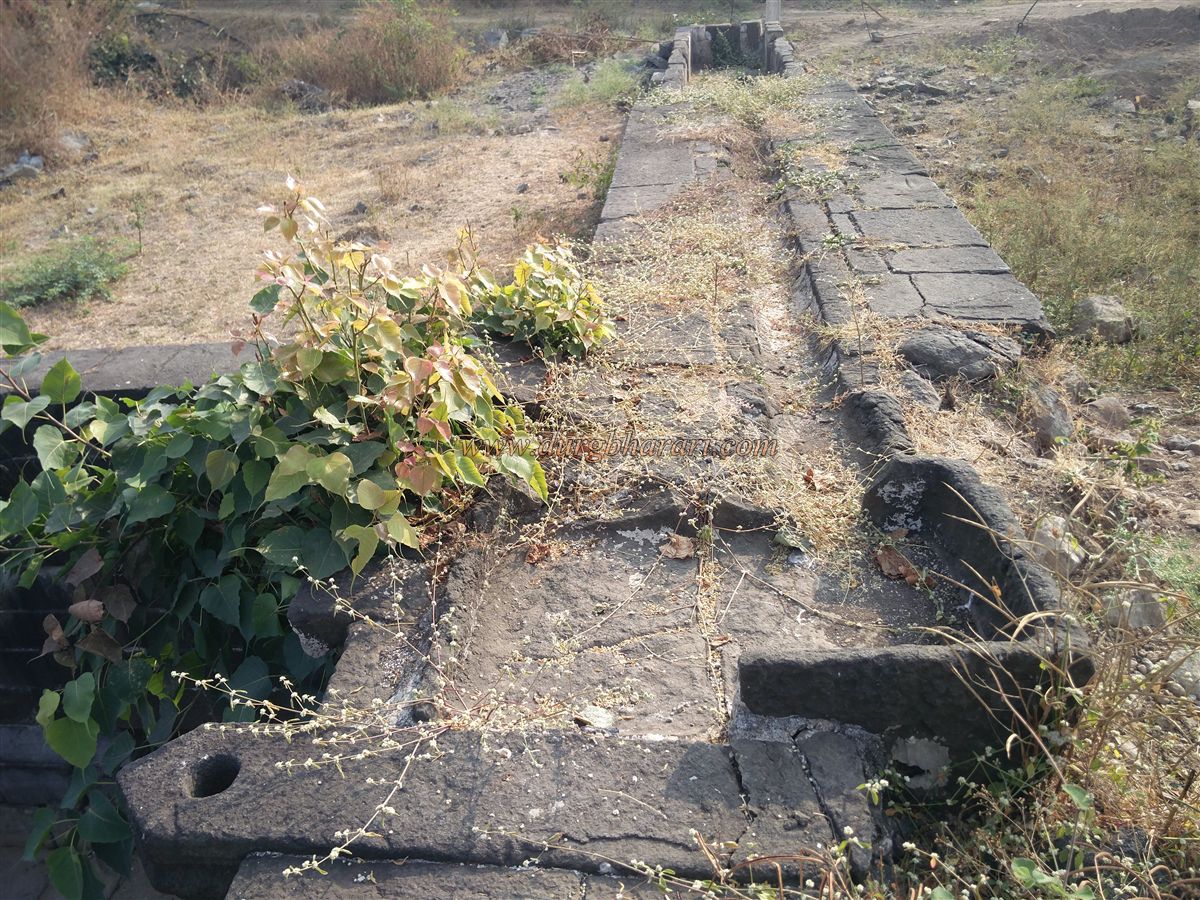
At the base of the fort in Pemgiri village lies a beautiful, square, stone-built stepwell with an inscription dated Shaka 1628 (1706 CE). Steps lead down to the base of the well, where there are two stone chambers, two niches, and six deity alcoves, though no idols remain. At the top of the well is a stone structure once used to draw water using a traditional pulley system, and stone drains were built to channel water into a tank.
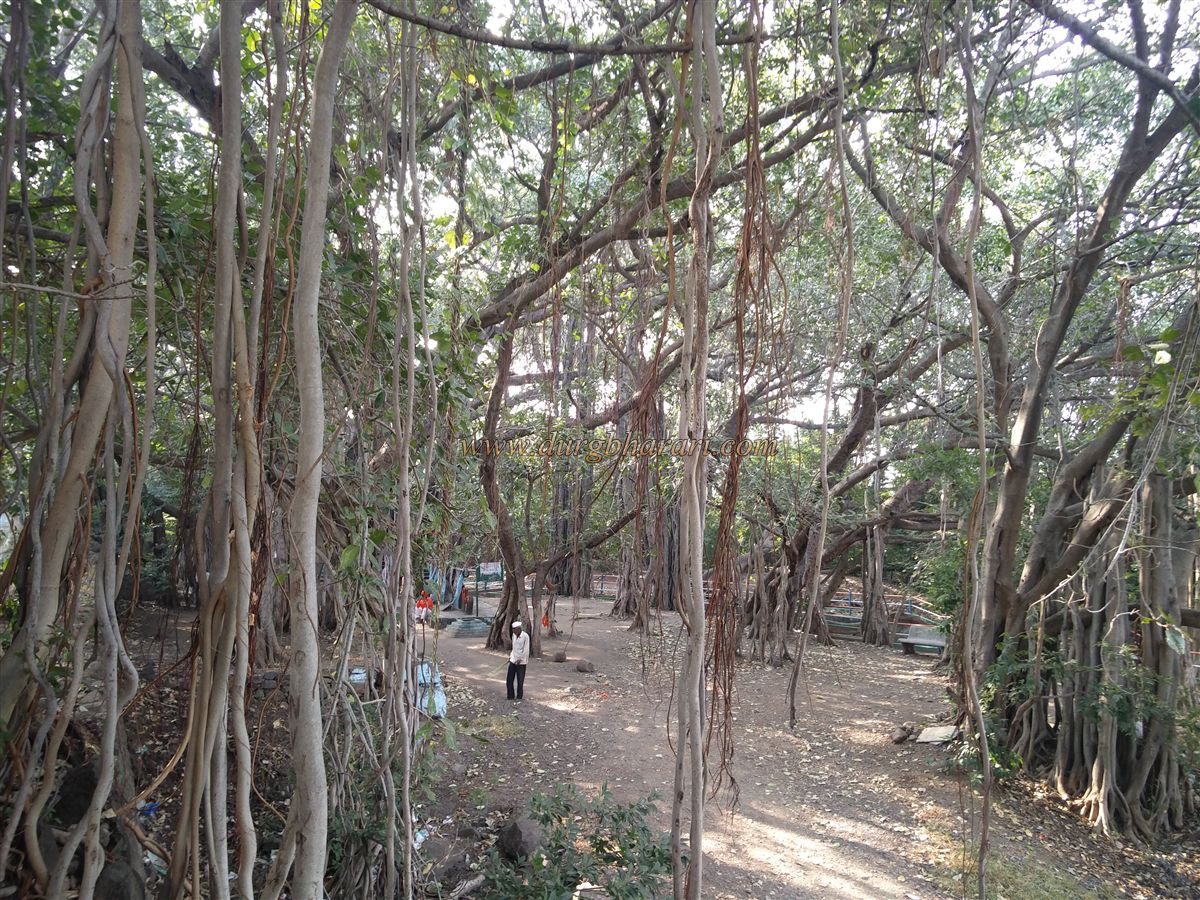
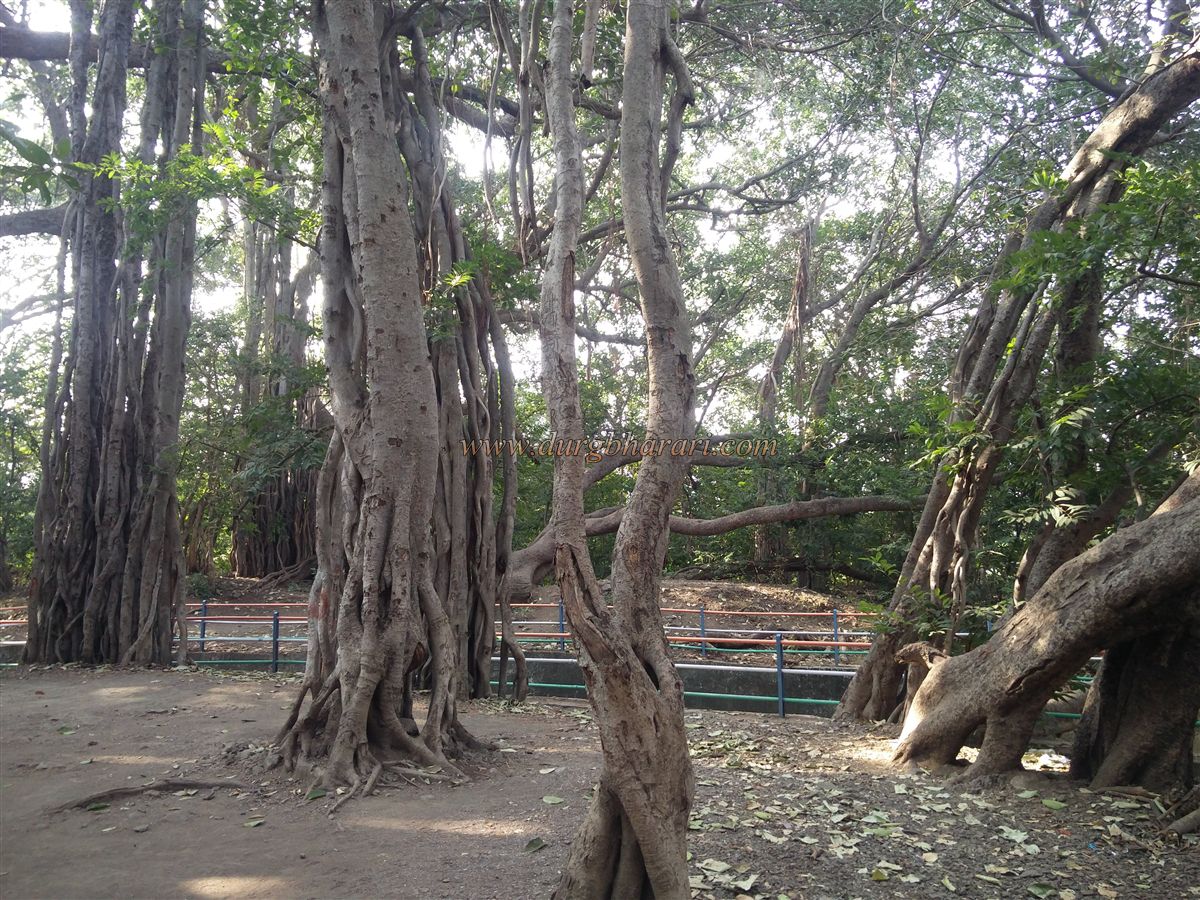
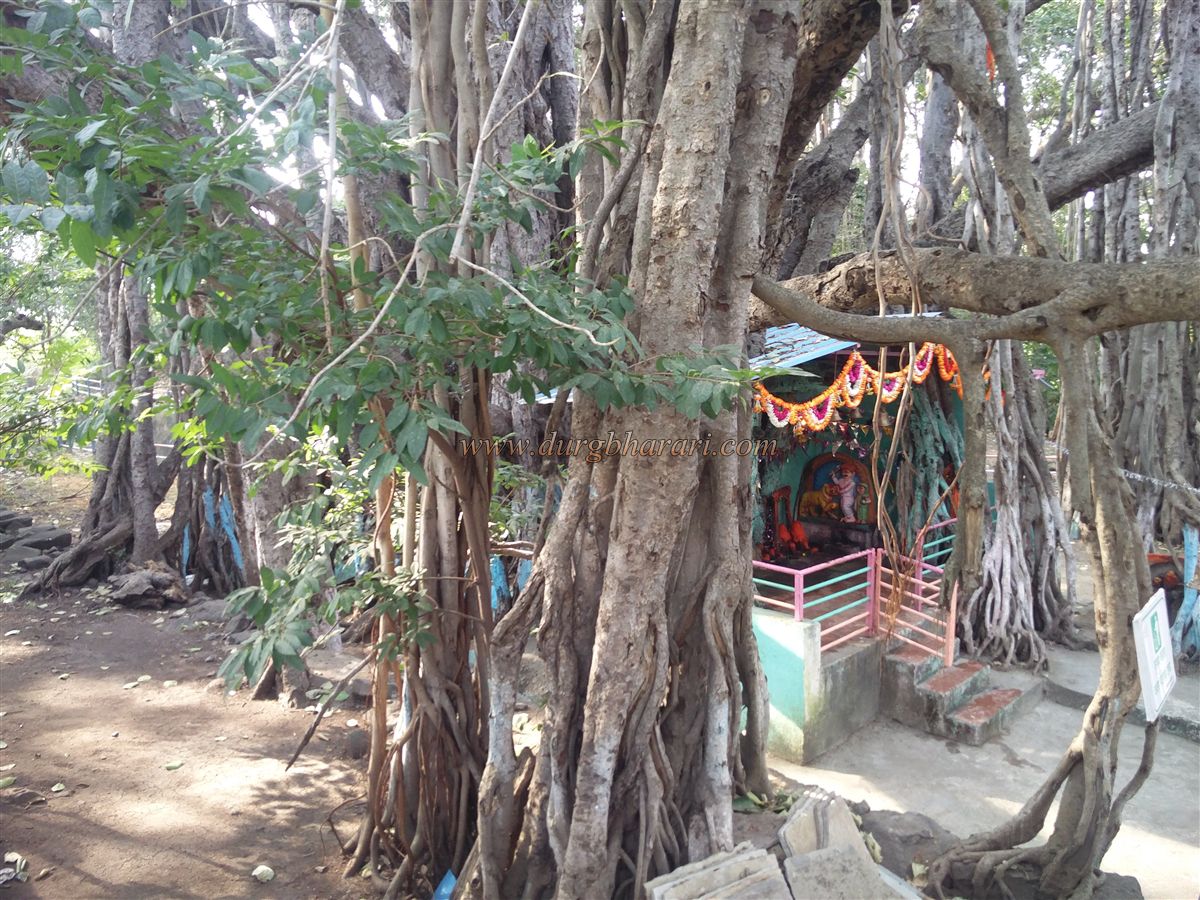
About 2.5 km from the fort is a site called Mordara, where a giant ancient banyan tree stands. Spread over more than 1.5 acres, this tree has a trunk with a circumference of 58 feet and more than 90 aerial roots. Its north-south diameter is about 300 feet, and east-west diameter about 280 feet. One can walk under its thick canopy and into its central area.
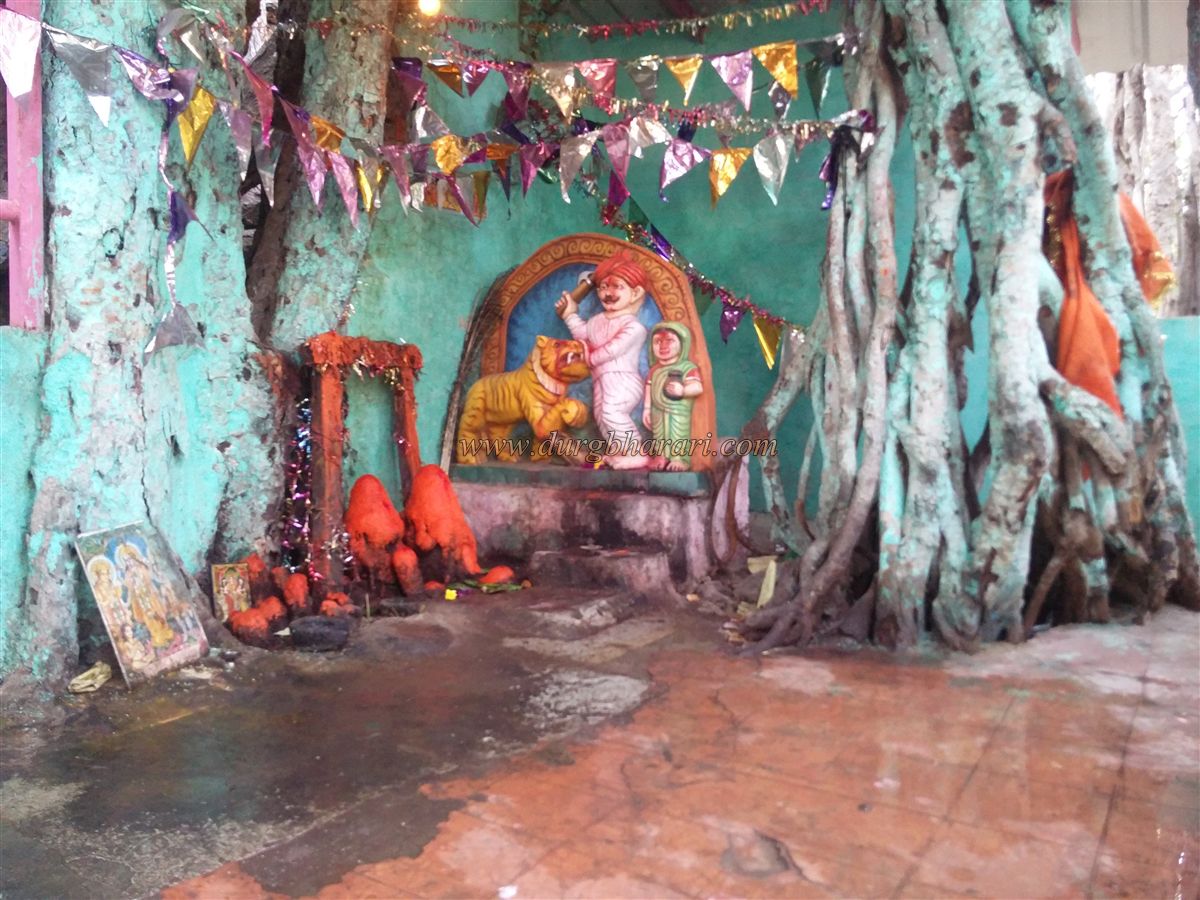
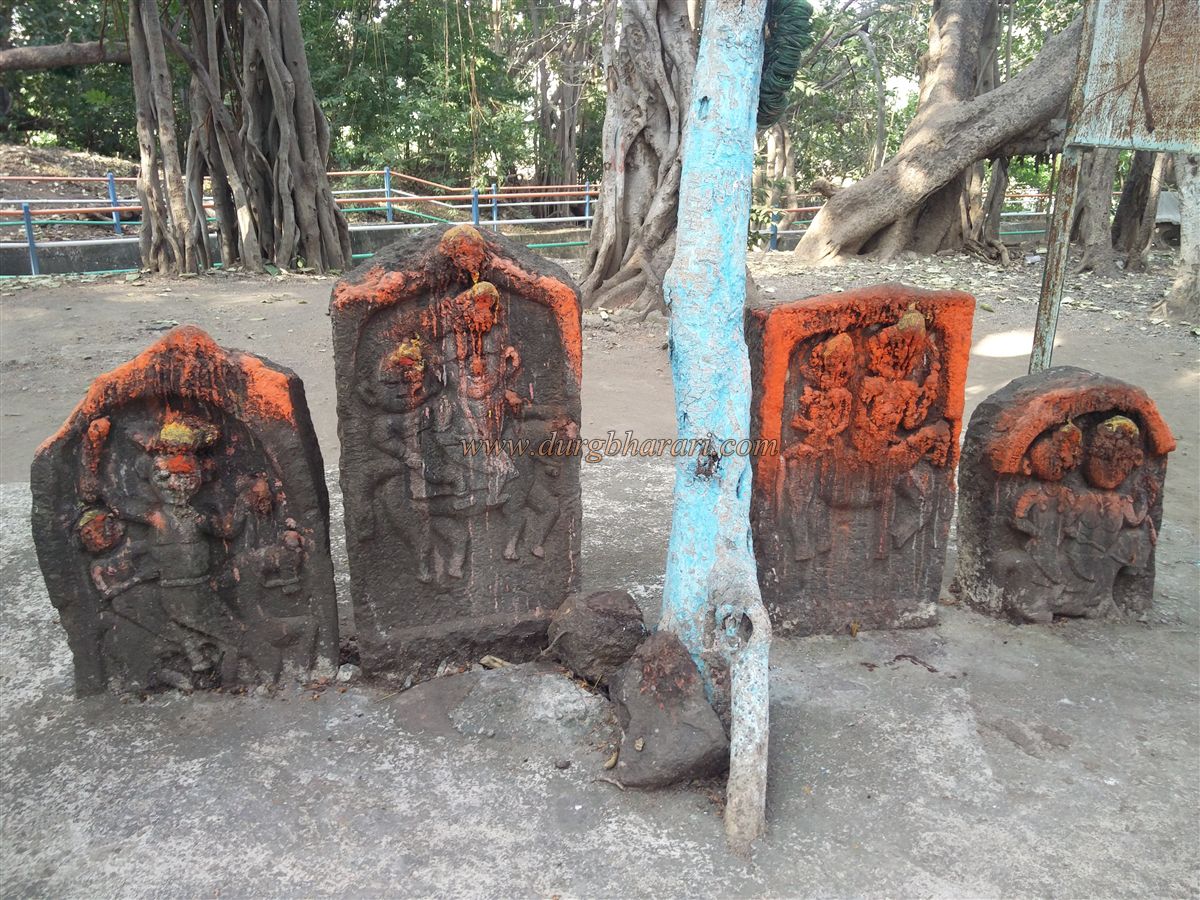
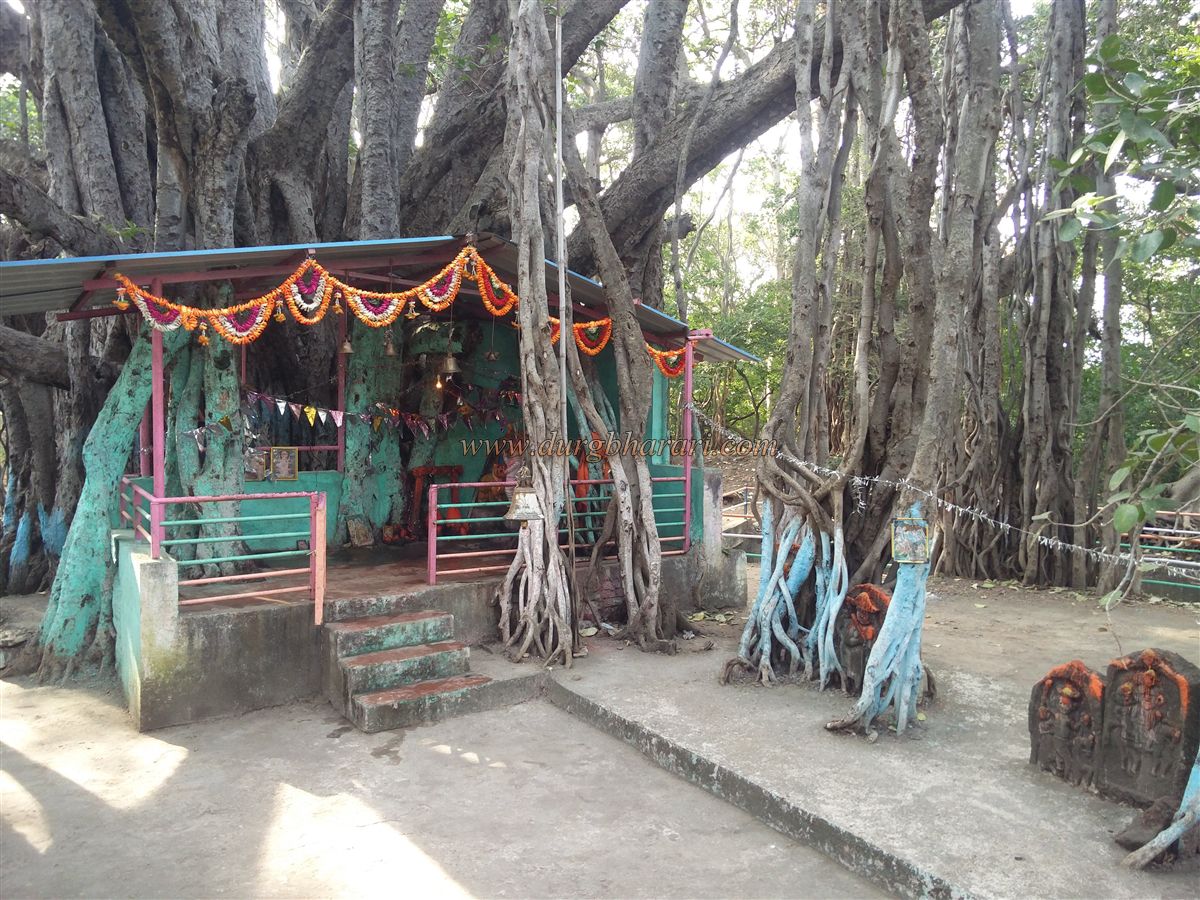
Under the banyan tree are the local deities Jakai and Jakmat Baba, revered by the Bhil and Ramoshi tribes. A local legend says that when Jakmat Baba brought his goats to graze here, a tiger attacked them. To save his goats, Jakmat Baba fought the tiger. Hearing his cries, his sister Jakai rushed to help. All three—Jakmat Baba, Jakai, and the tiger—died in the struggle. The locals later installed idols of Jakmat Baba and Jakai under the banyan tree, which then became a sacred symbol. It is believed that anyone who deliberately harms the tree is punished by Jakmat Baba himself, and thus no one dares to damage it. As a result, the banyan tree has grown to enormous proportions.
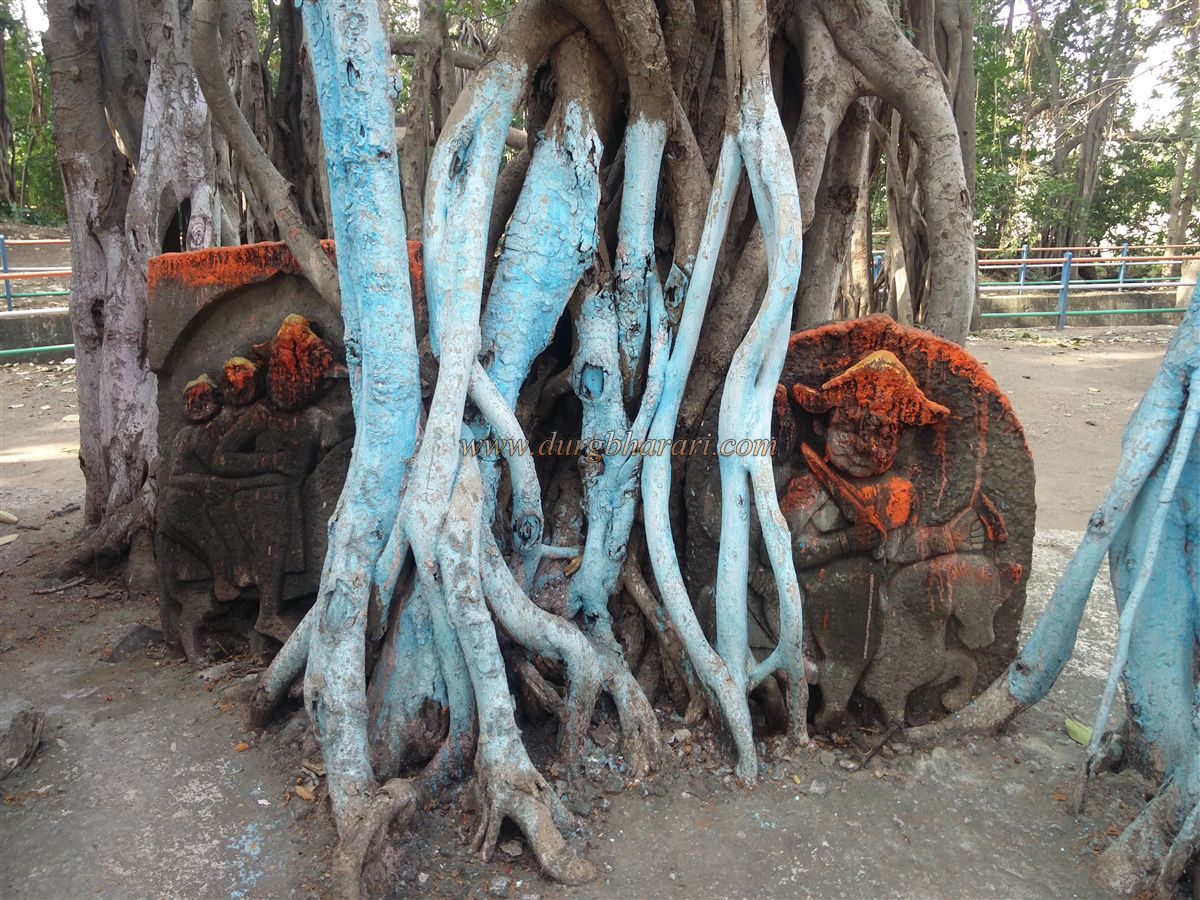
Today, stones smeared with vermillion and a few virgal (hero stones) are placed under the tree, along with idols of Jakmat Baba and Jakai. The villagers hold great faith in this mighty banyan tree.
© Suresh Nimbalkar
GALLERY