PAVNI
TYPE : GROUND FORT
DISTRICT : BHANDARA
HEIGHT : 0
GRADE : EASY
Pawani town is located 42 km from Bhandara and 84 km from Nagpur. This town is naturally protected by the Wainganga River on one side and hills on the remaining three sides. The fort known as Pawani Fort, identified with King Pawan, is located here. This fort is essentially a continuous fortification wall built on a hill to protect one side of the town. Within this fortified area lies the historical town of Pawani.
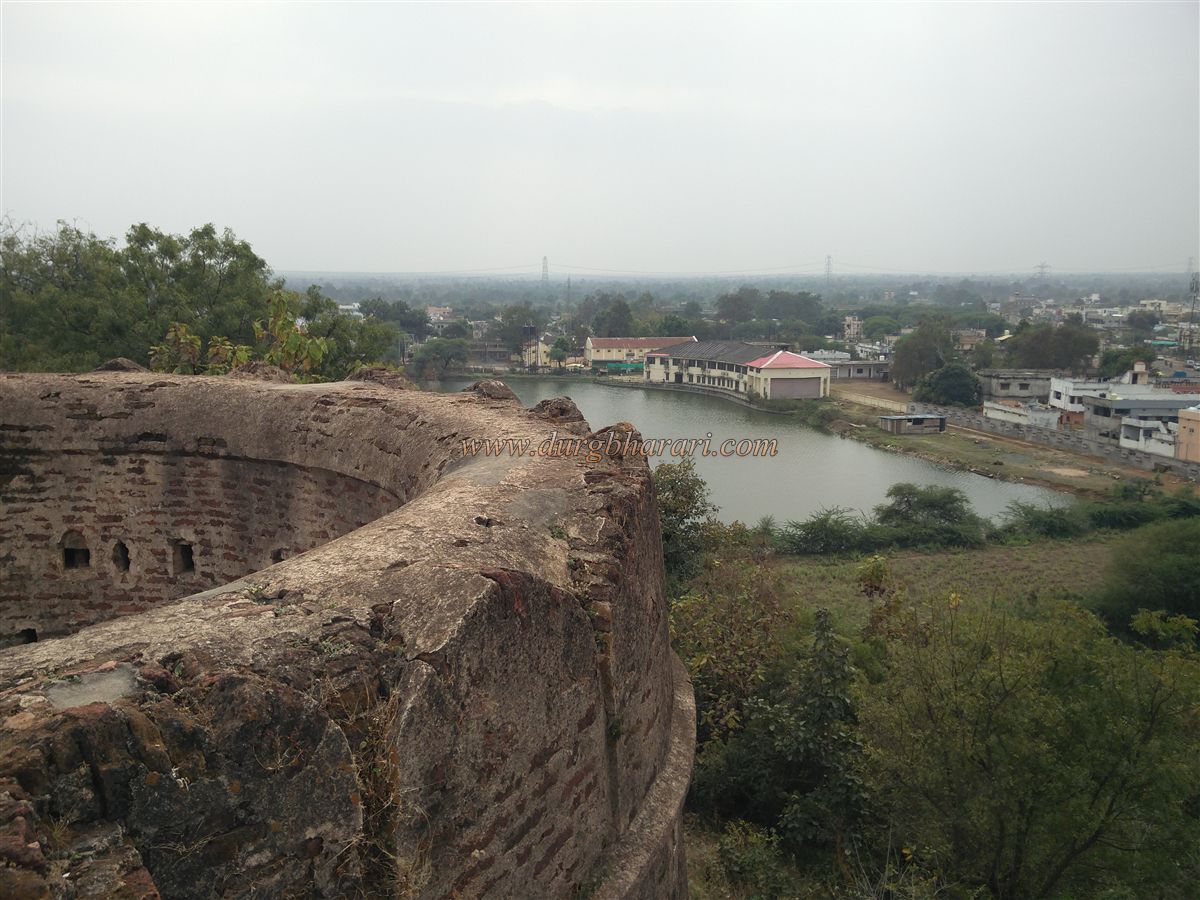
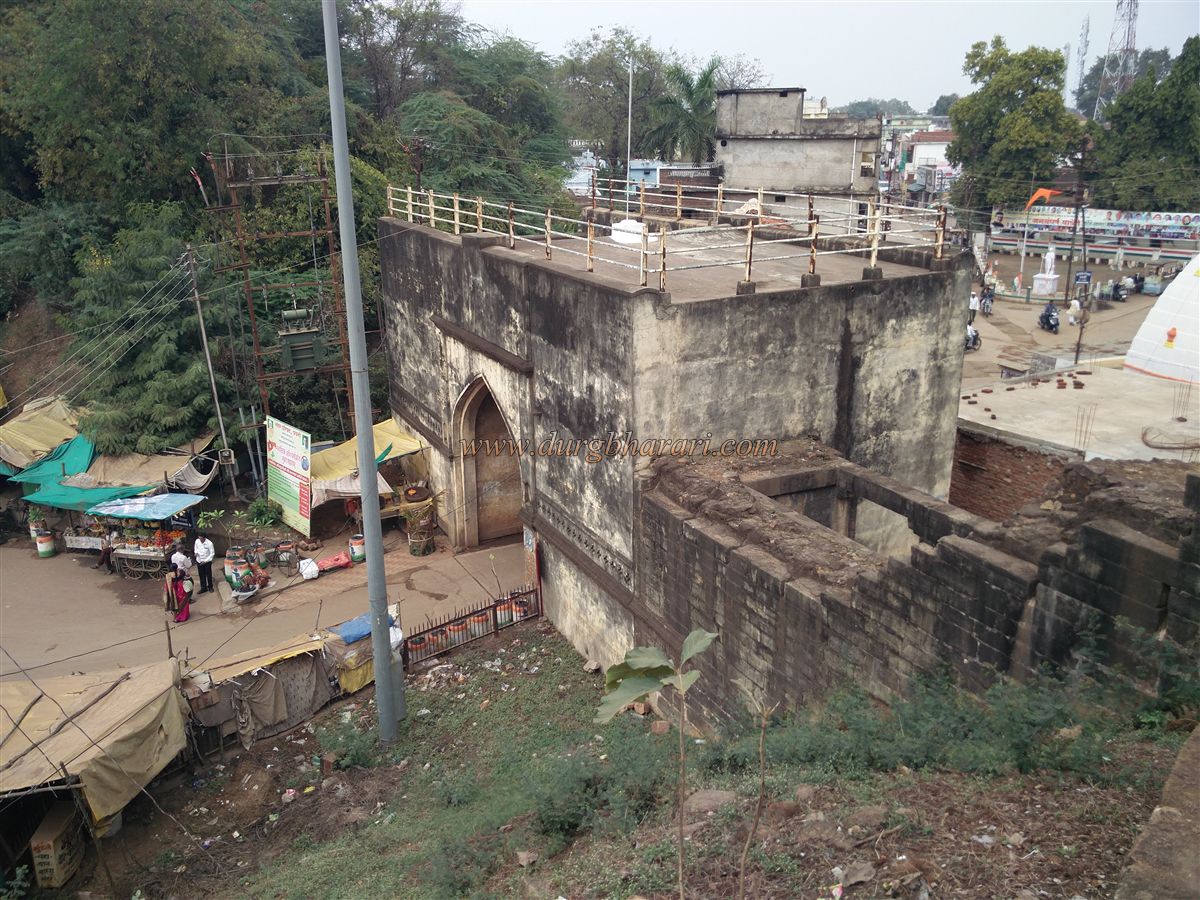
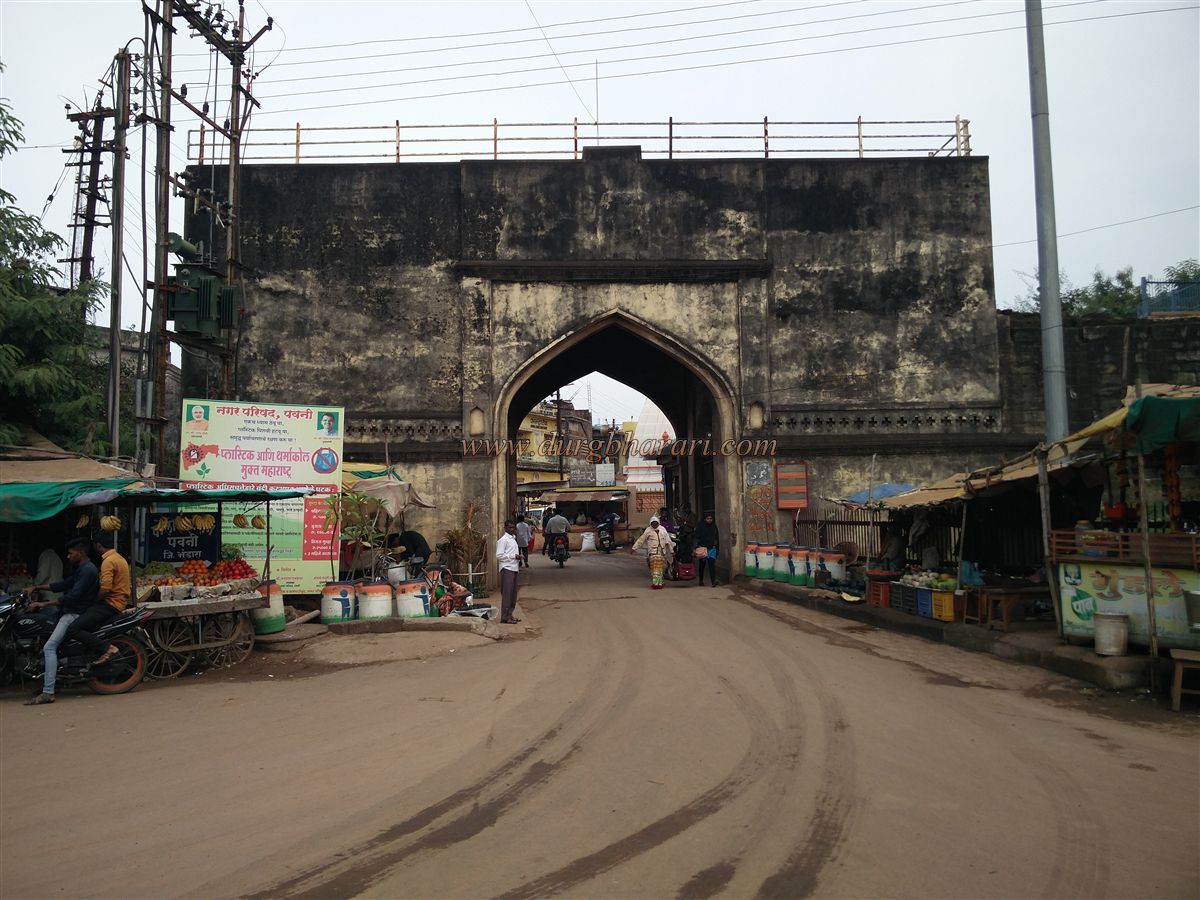
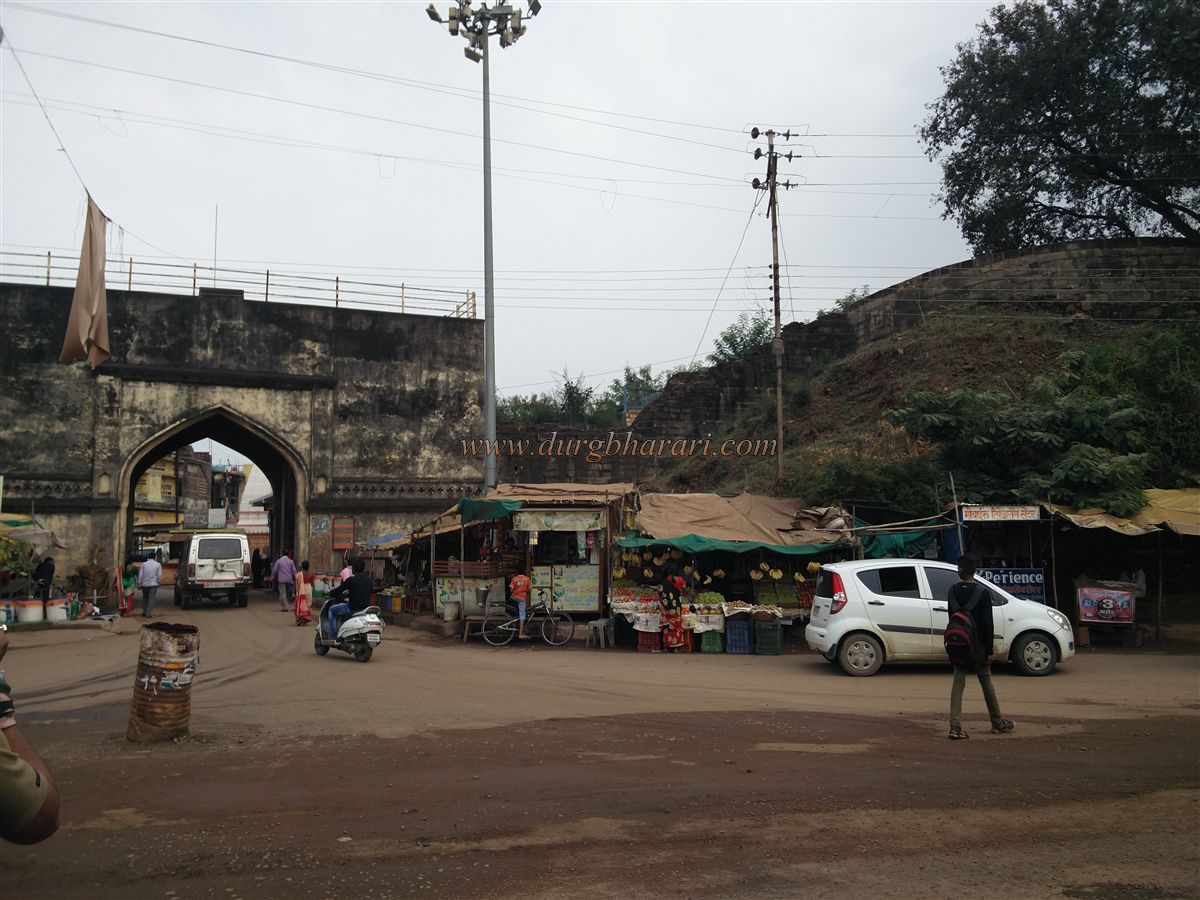
As one approaches Pawani, the hilltop fort walls and the lake at its base become visible from afar. This fort, under the custody of the Archaeological Department, remains well-preserved under their supervision. The main road entering the town passes directly through one of the fort’s gateways, so there's no need to search for the fort separately.
...
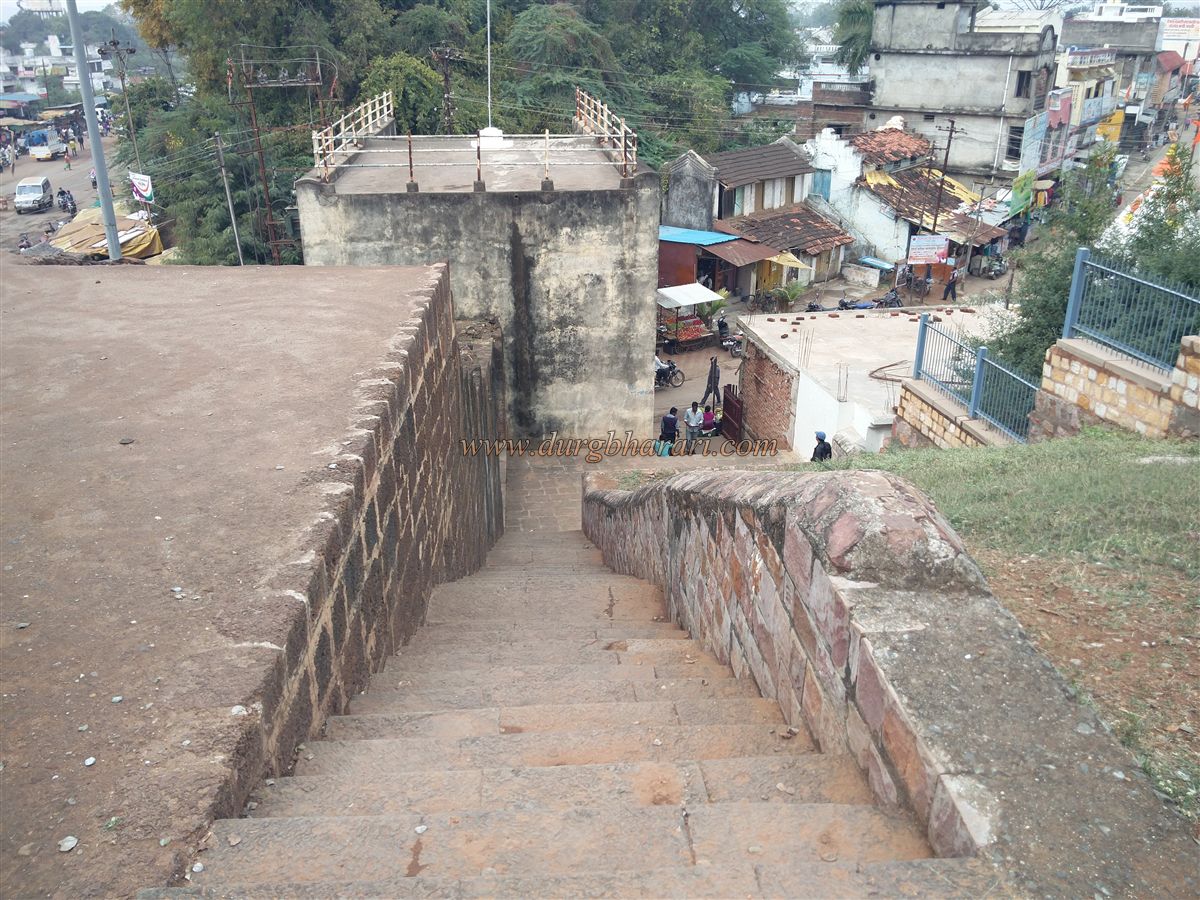
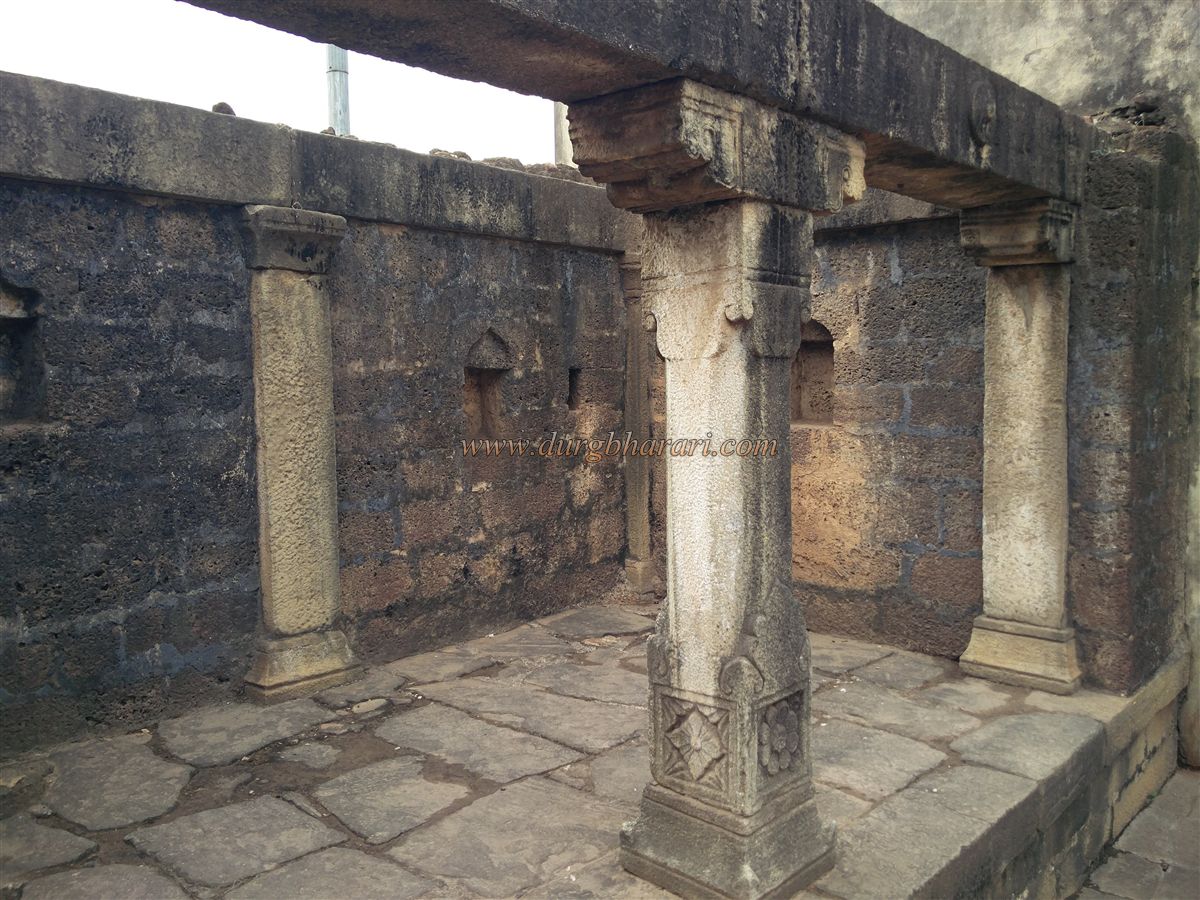
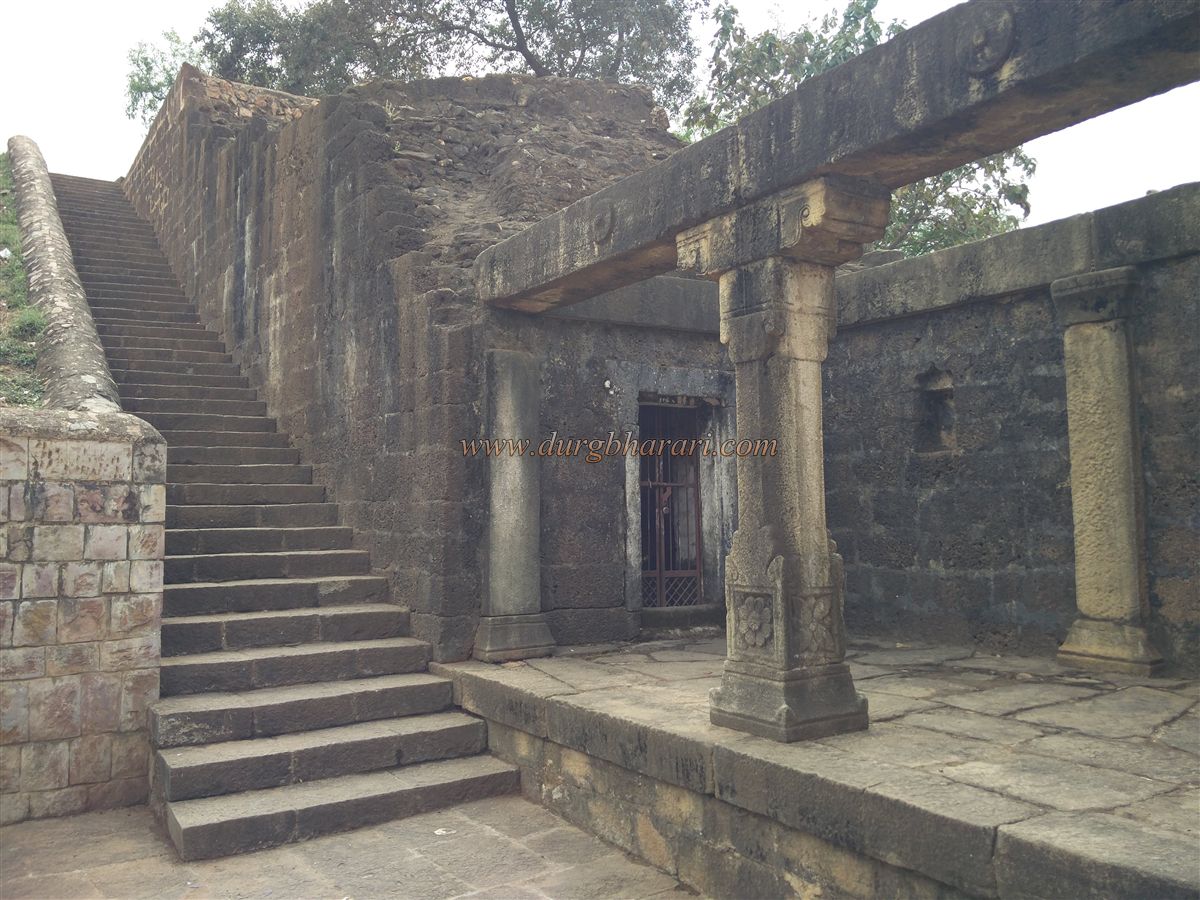
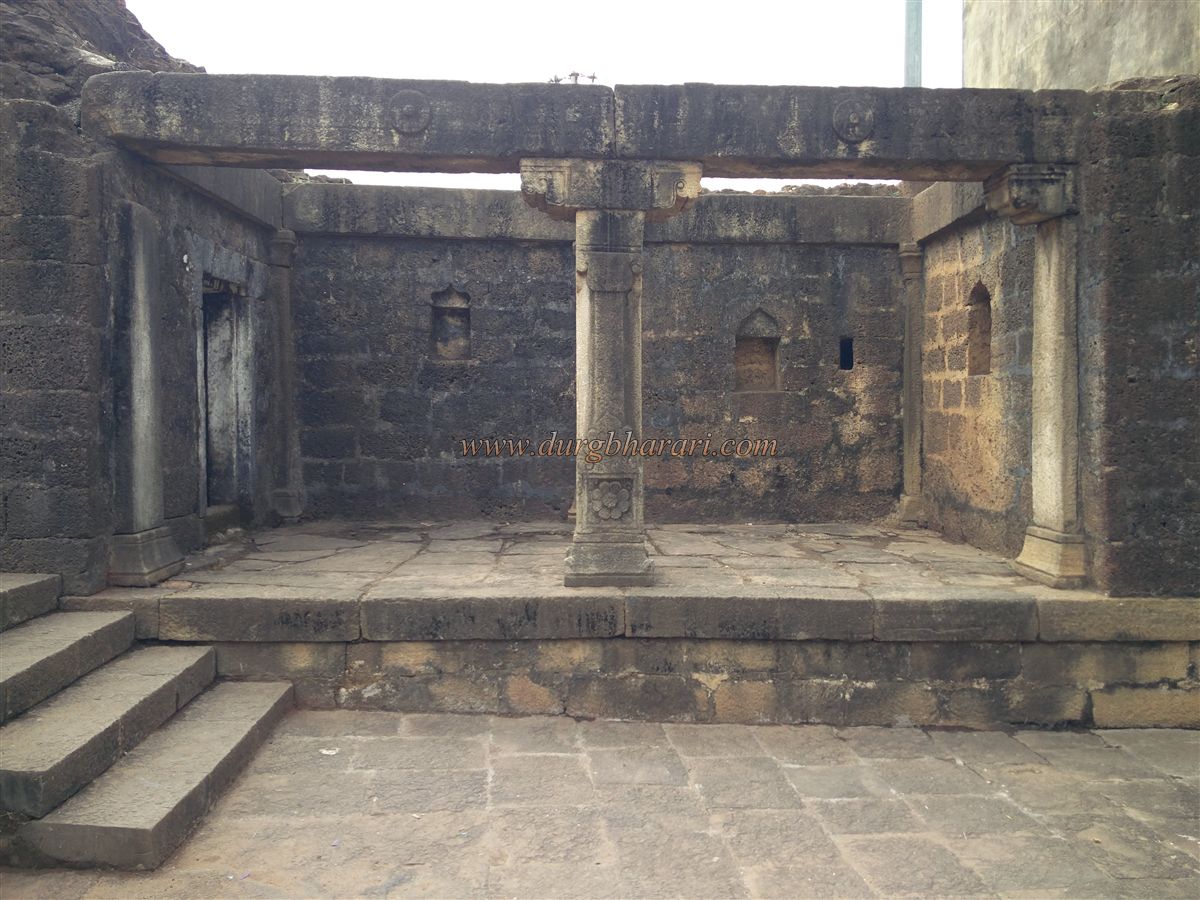
The gateway is still in good condition and strong enough to allow the passage of large vehicles. On either side of the inner entrance are guard chambers, and a set of solidly constructed steps leads up to the fort wall. While ascending the steps, on the right side, intricately carved stone pillars can be seen resting on a stone base. Inside the fort walls, a granary has been built.
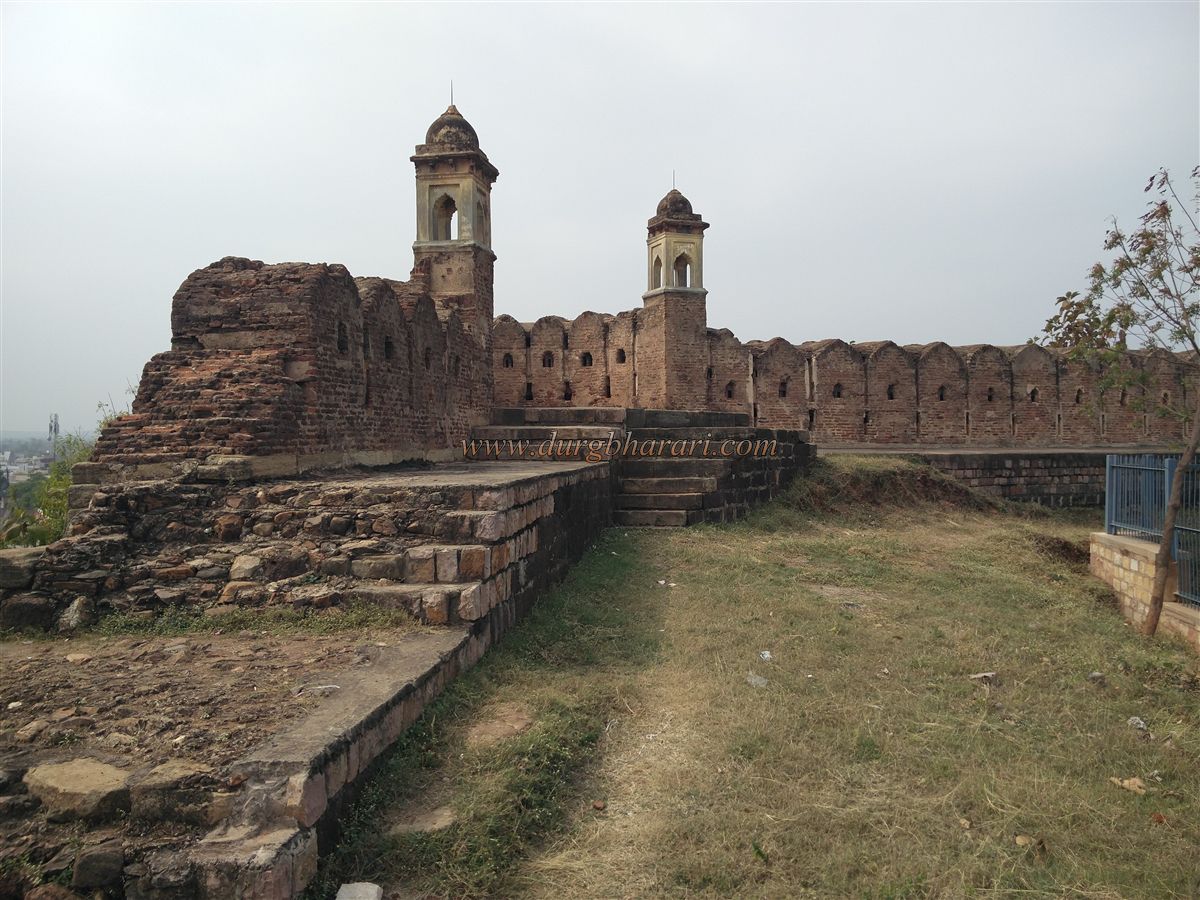
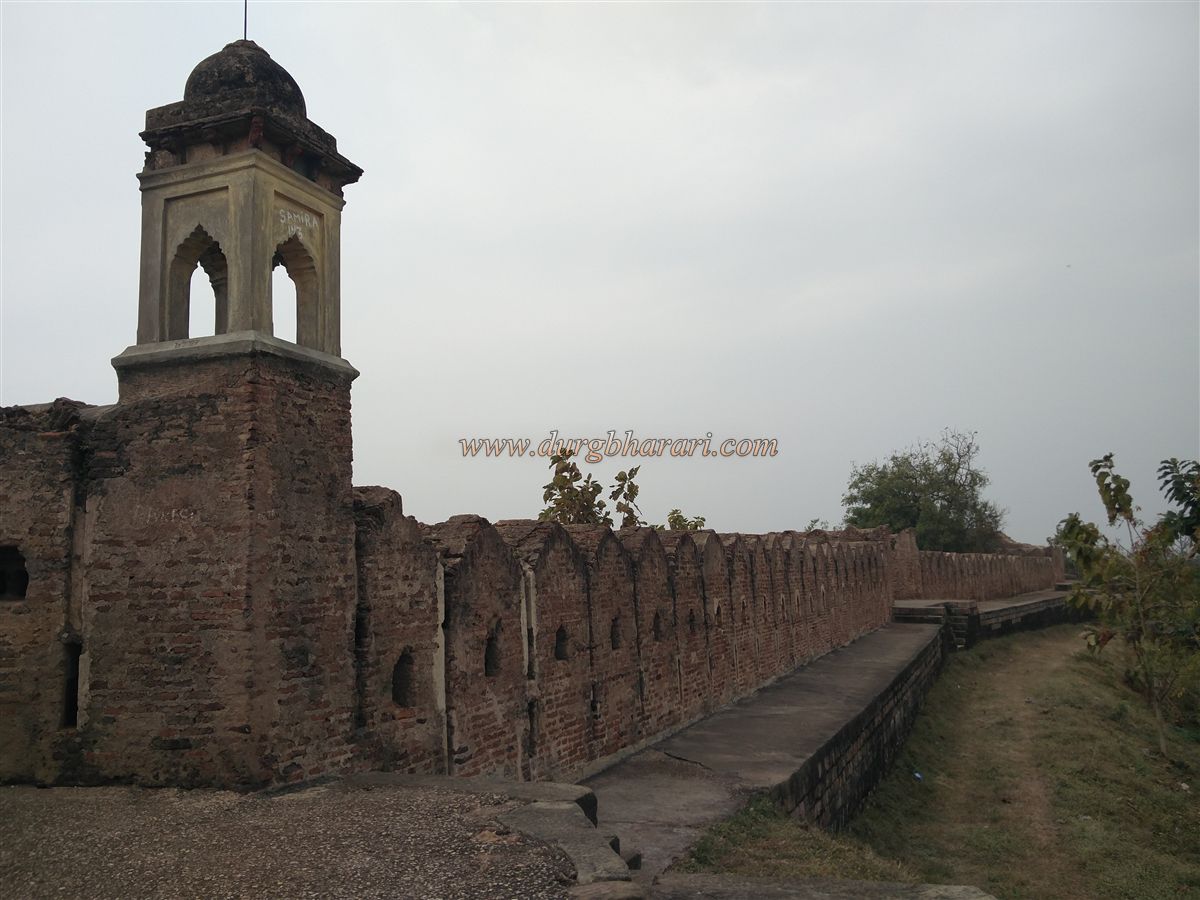
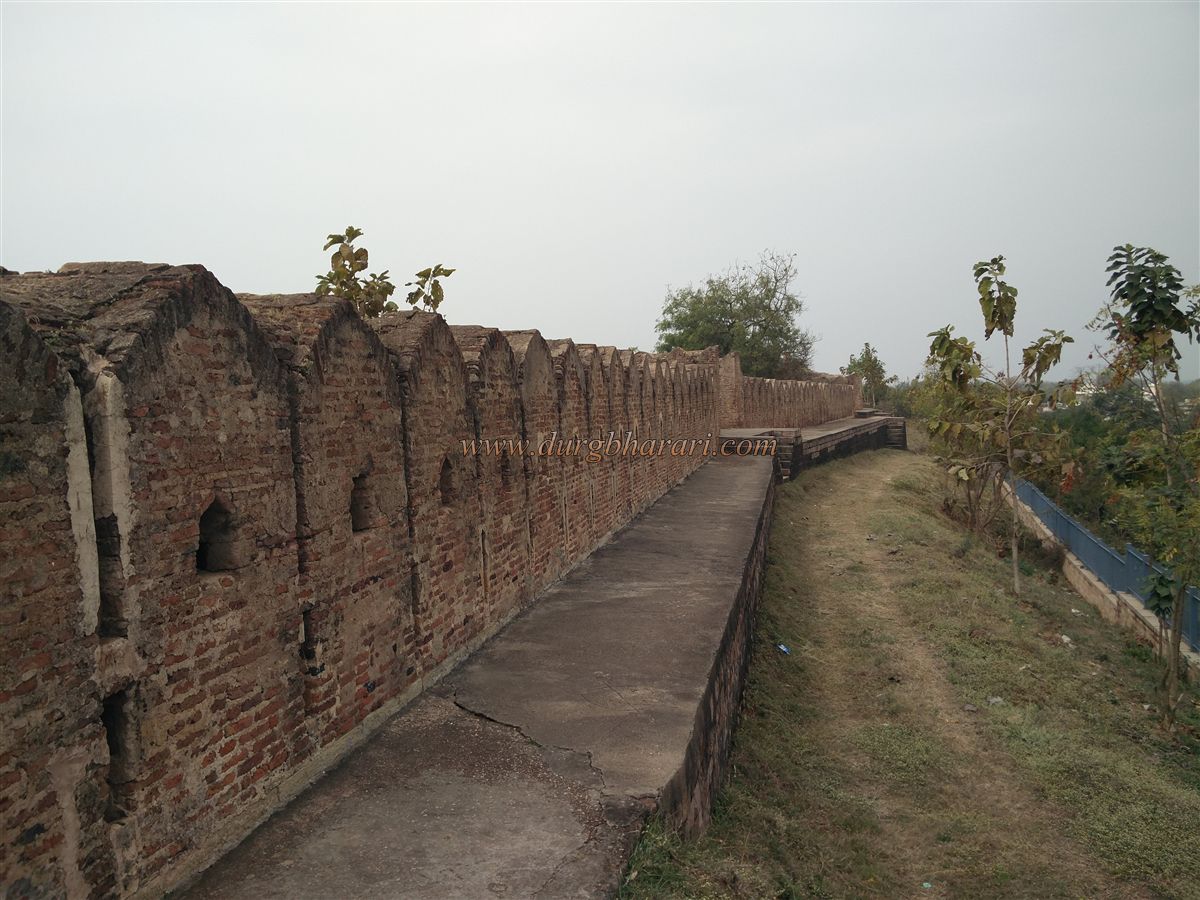
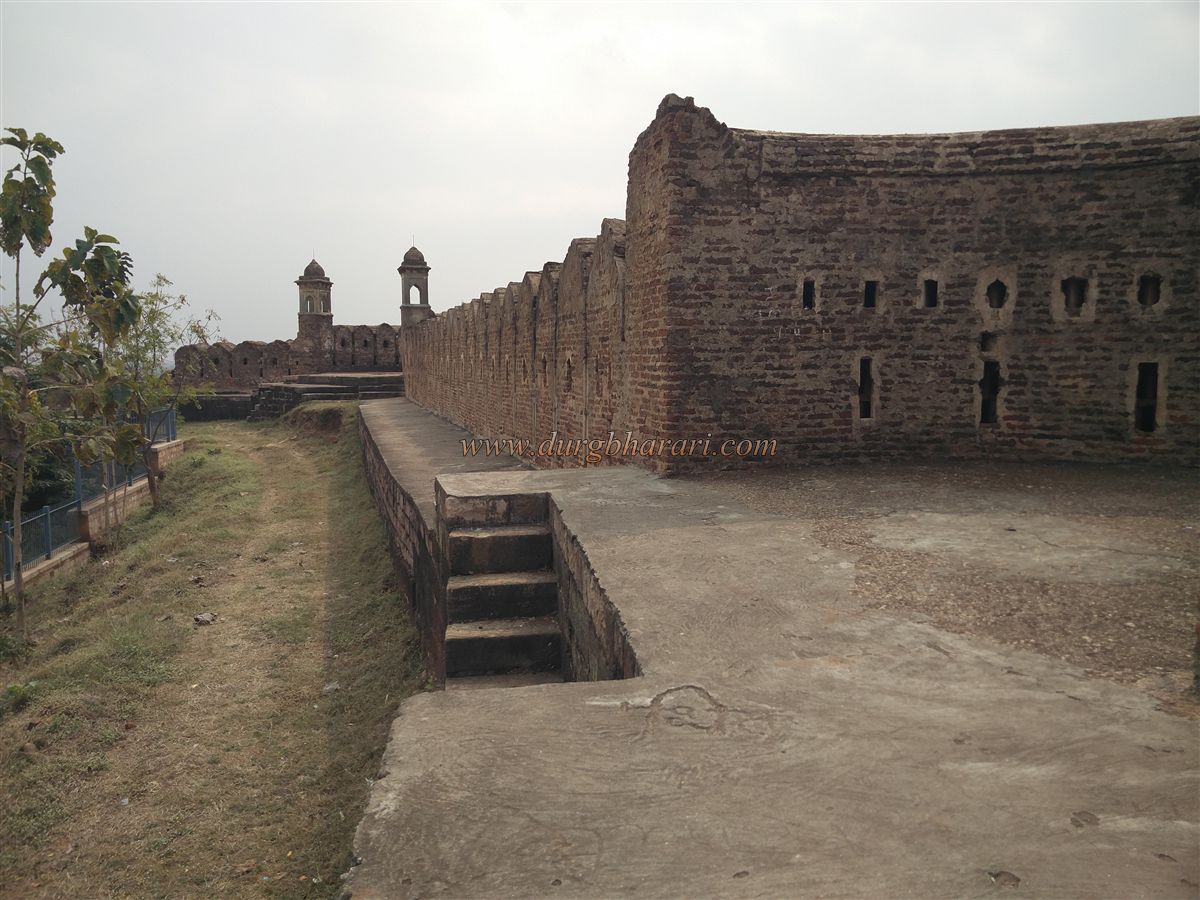
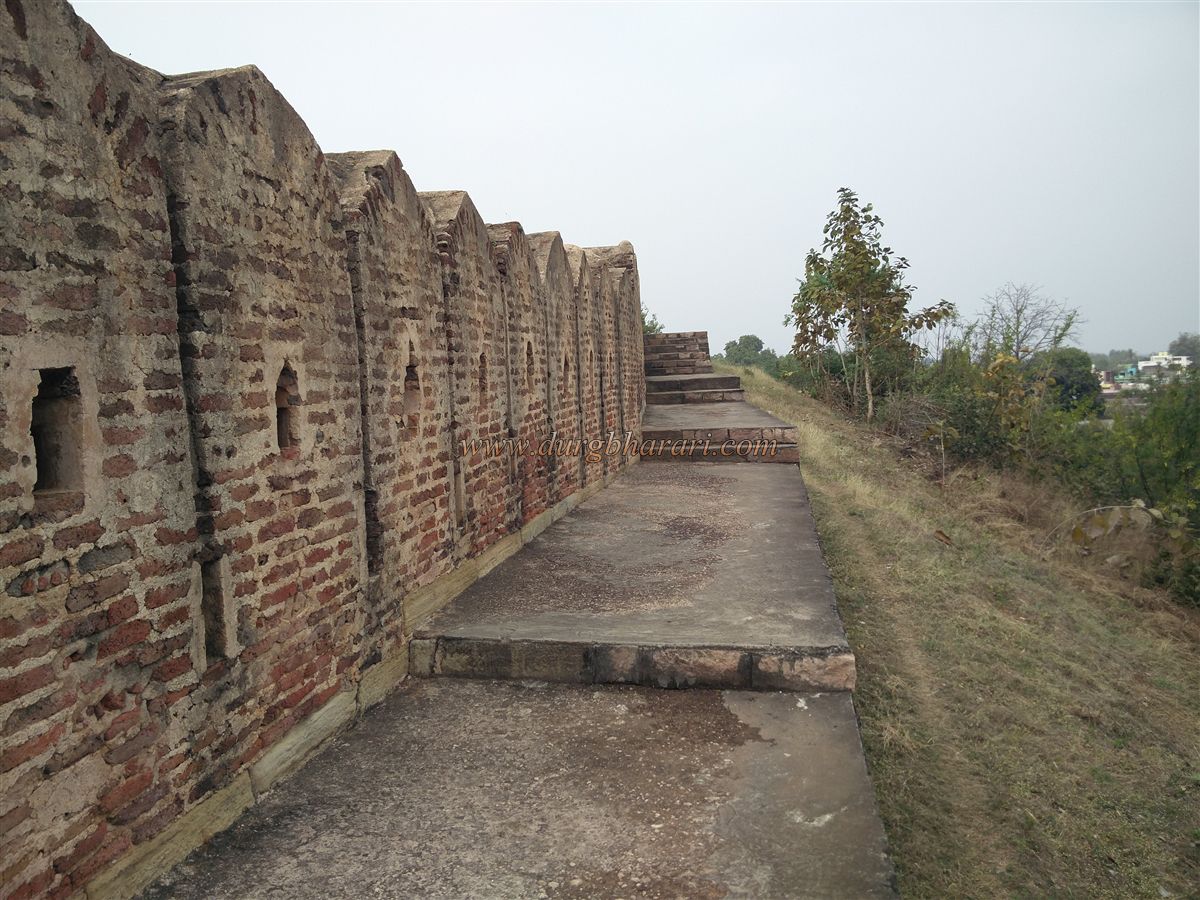
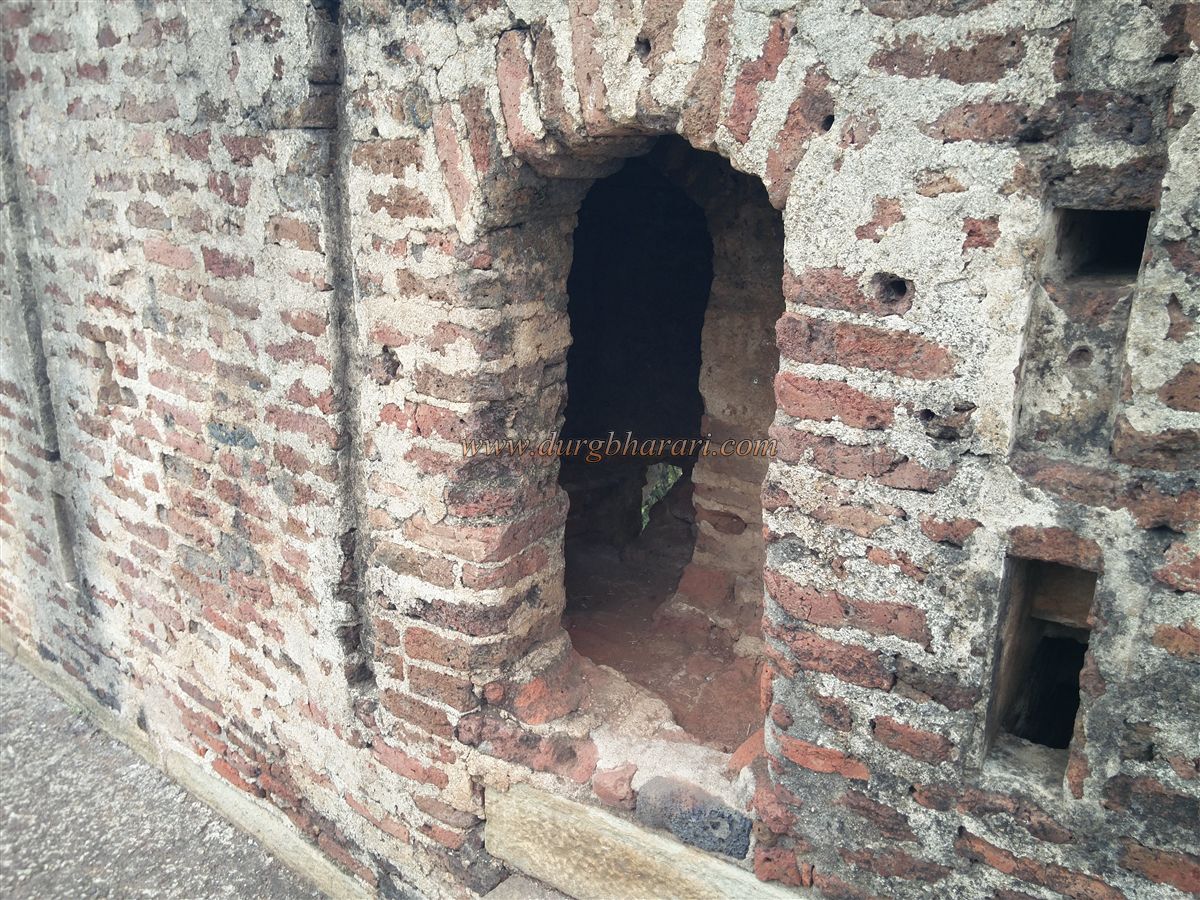
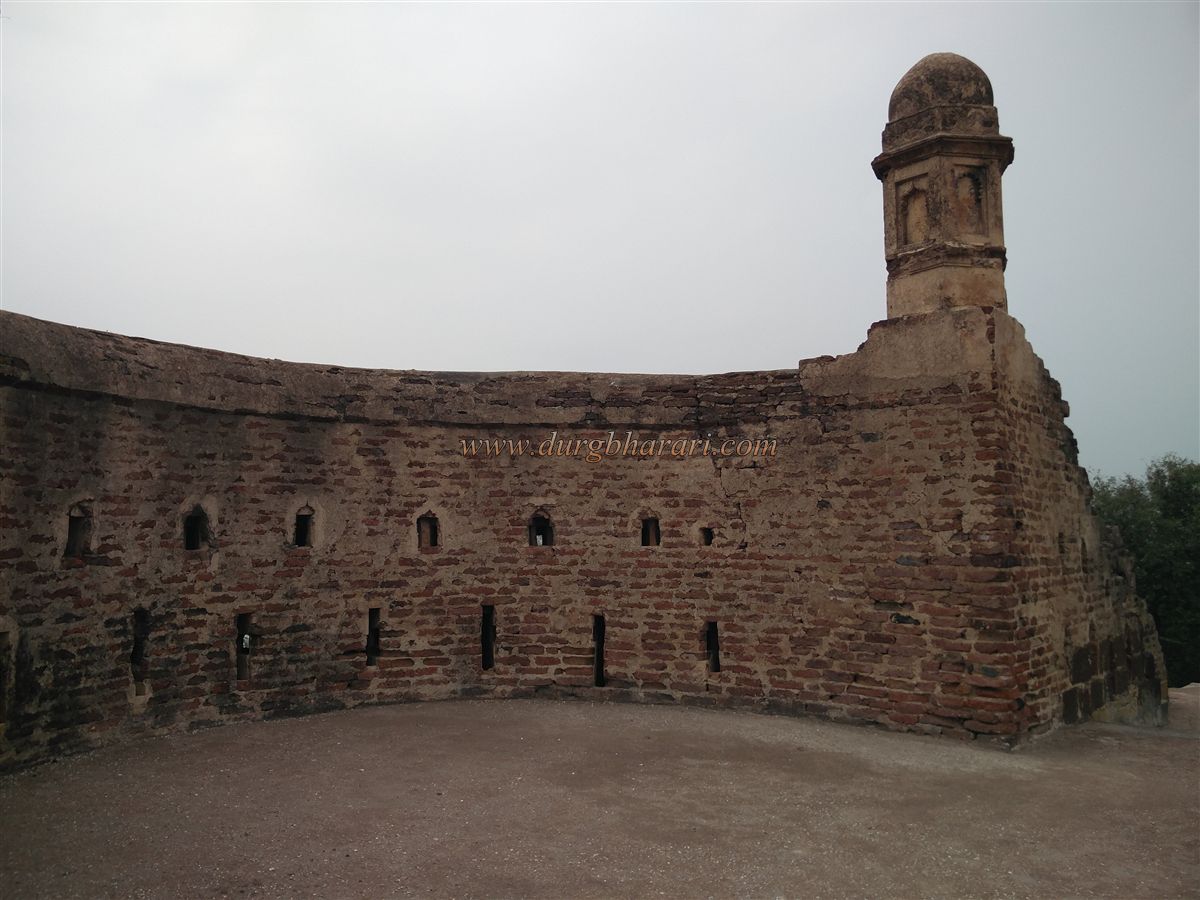
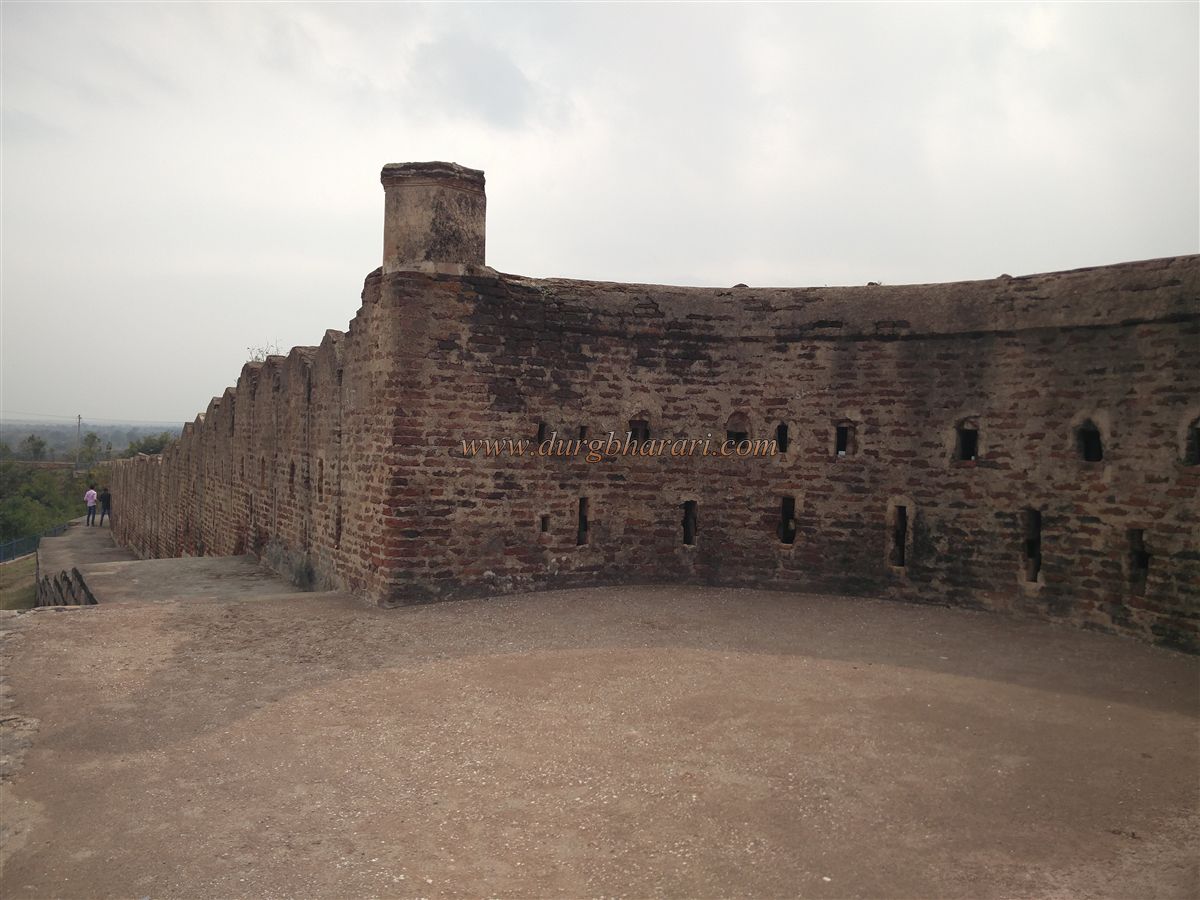
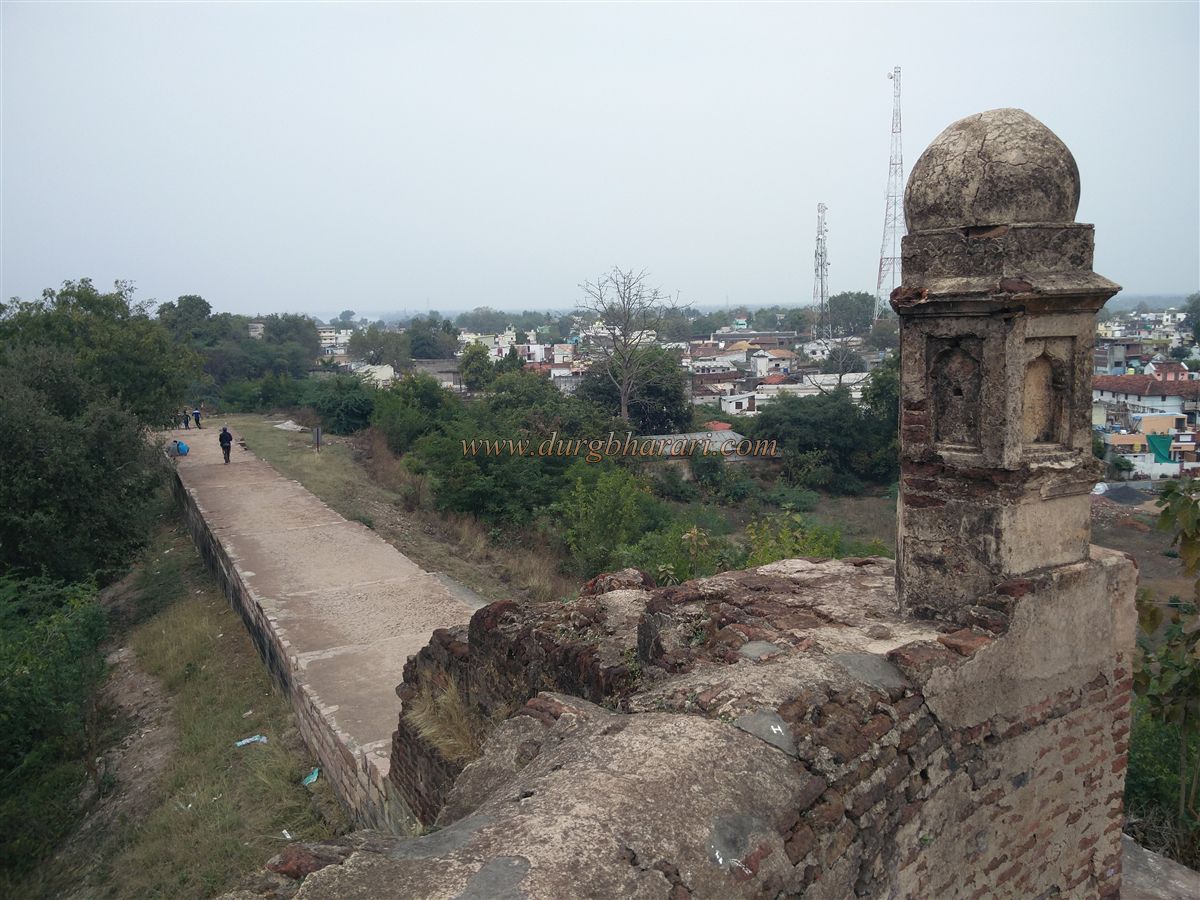
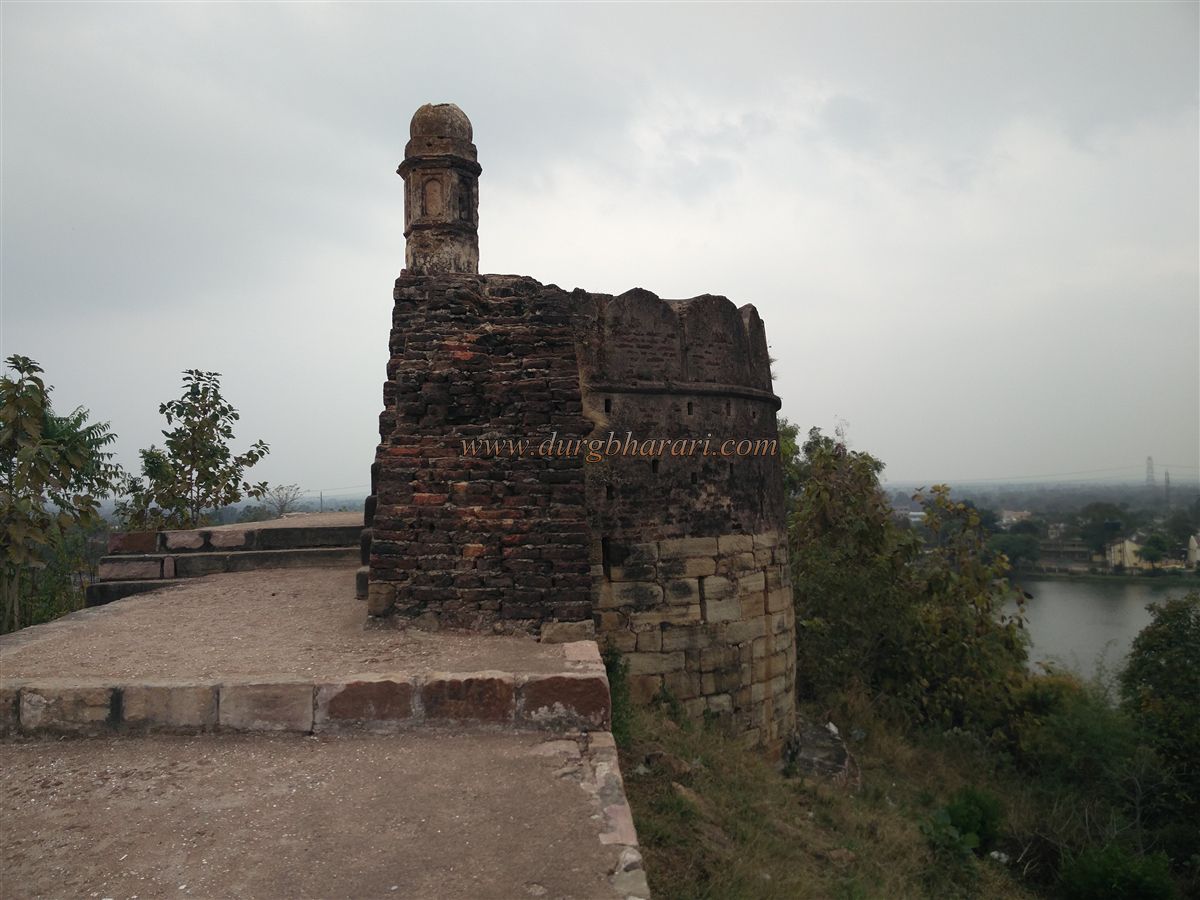
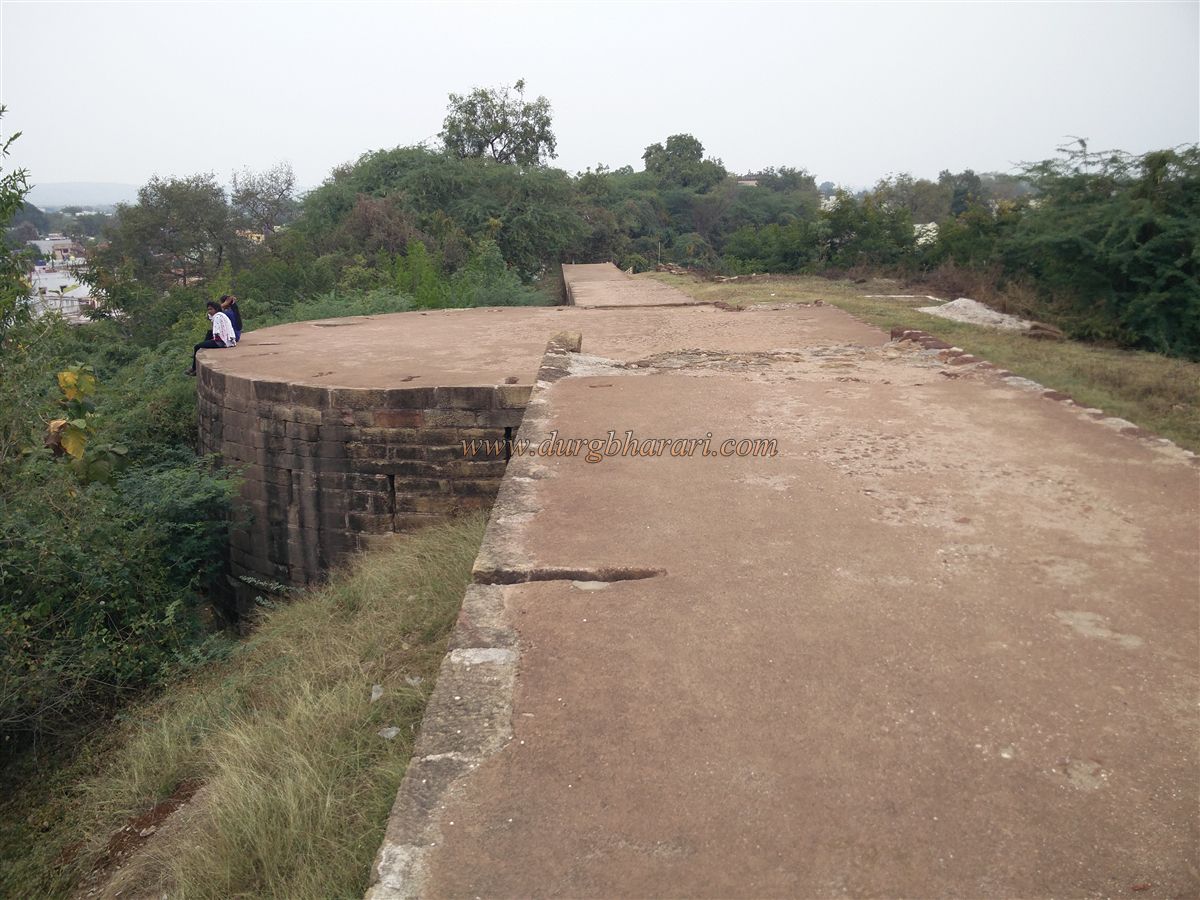
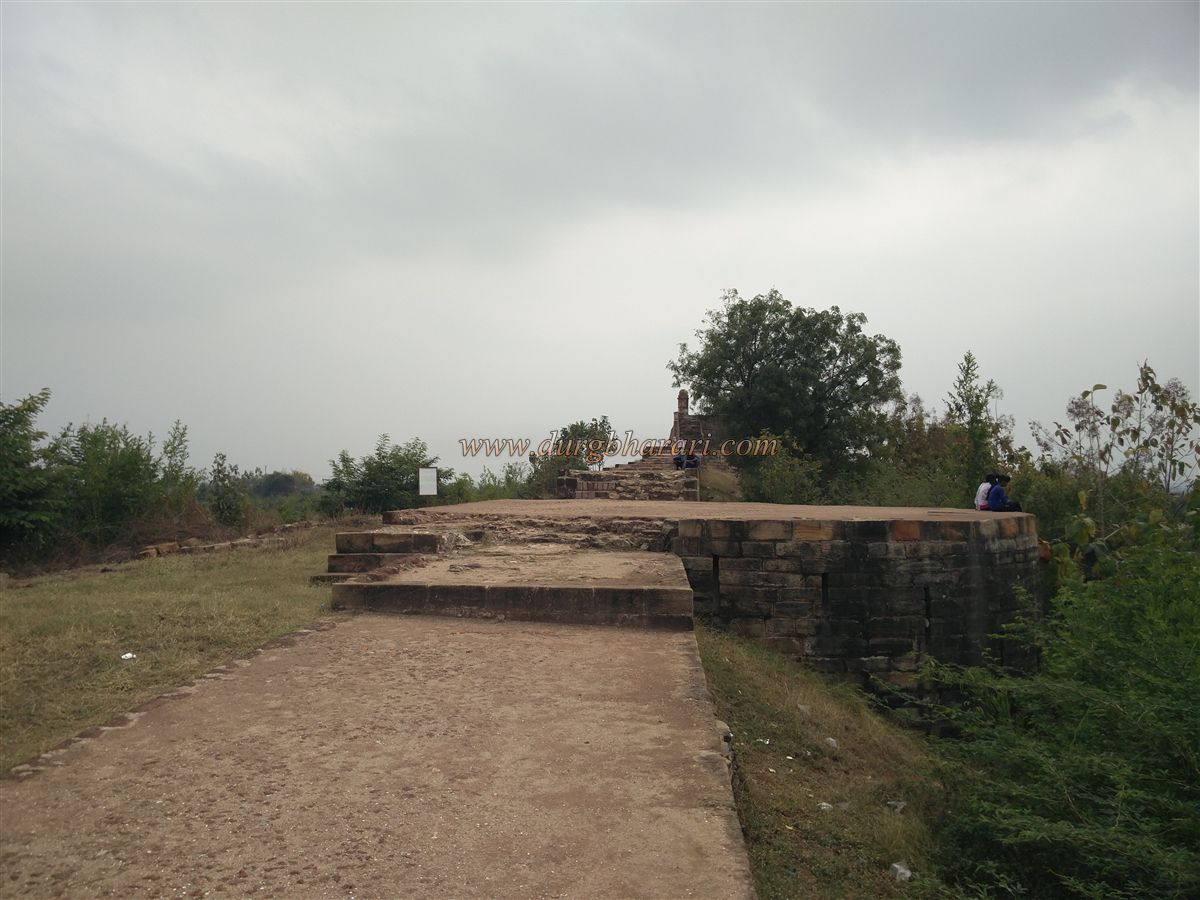
The lower part of the fort wall and bastions is made of stone, while the upper portion (parapet) is made of brick. The parapet includes beautifully constructed merlons, with loopholes for shooting guns. There are a total of six bastions on the fort wall, the upper parts of the first two are completely destroyed, while the remaining four are in good condition. Two of these have towers on top, and one has a space for a flagpole. Each bastion has staircases for climbing up and down to the parapet. Along the parapet, there is also a watchtower and a small latrine structure.
To the west of the fort, the former moat has now been converted into a lake, known as Balsamudra. If you walk to the opposite end of the hill, you’ll come across a dargah (Islamic shrine). Viewing the entire fortification and gate takes about half an hour.
The town of Pawani, located on the banks of the Wainganga River, has existed since ancient times. In earlier times, the region along the river was known as Venakat. In the Bhandara District Gazetteer, Pawani is referred to as Padmavati Nagar. During excavations conducted by the Archaeological Survey of India, an inscription from the 1st century BCE was discovered here, belonging to the Kushana-Kshatrapa ruler Rupiamma. He was defeated by the Satavahana emperor Gautamiputra Satakarni. After this victory, the Satavahana kings referred to themselves as "Lords of Venakat" in an inscription found in a cave at Nashik.
After the defeat of the Yadav’s of Devgiri in 1318 CE, the region came under the rule of the Gavli (herdsmen) kings of Devgad for a short time. Later, the Gond kings, vassals of the Mughals, took control of the area. In 1739 CE, Raghoji Bhosale of Nagpur defeated the Gond king Wali Shah and established his rule. He appointed his officer Tuljorampant to maintain order in Pawani.
On 25th September 1818, under the leadership of Major Wilson, British forces defeated the Bhosale and took control of Pawani town.
© Suresh Nimbalkar
GALLERY