PATODA BORADE
TYPE : FORTRESS
DISTRICT : JALNA
HEIGHT : 0
GRADE : EASY
While exploring the forts of Marathwada, one will notice that except for an occasional ground fort or rare hill fort, the region features very few large-scale forts. Marathwada lies far from the main Sahyadri mountain range and consists mostly of plains and small hillocks. Unlike the rugged terrain of the Sahyadri, this area saw the development of fortified mansions or “gadhi” on its smaller hills. These structures, especially in the princely states under the rule of the Nizam before independence, remained functional until relatively recent times and are thus still in decent condition. For this reason, one tends to encounter more gadhis than forts while travelling through Marathwada.
Considering the limited public transport in the region, it is advisable to travel using a private vehicle.
...
In Jalna district too, apart from the forts of Rohilgad and Mastagad, the region is primarily dotted with gadhis. In fact, it would not be an exaggeration to say there is one gadhi every 20 kilometres.
Located 15 km from the taluka headquarters of Mantha in Jalna district lies the village of Patoda Khurd. Since there are several villages named Patoda across Maharashtra, this particular one is known as Patoda Borade, after the Borade family associated with it. From the village entrance, one can clearly see the fortified wall of the gadhi and the inner gateway on the elevated land. The Borade family hails from this village, and a former minister from their lineage gave his name to the place.
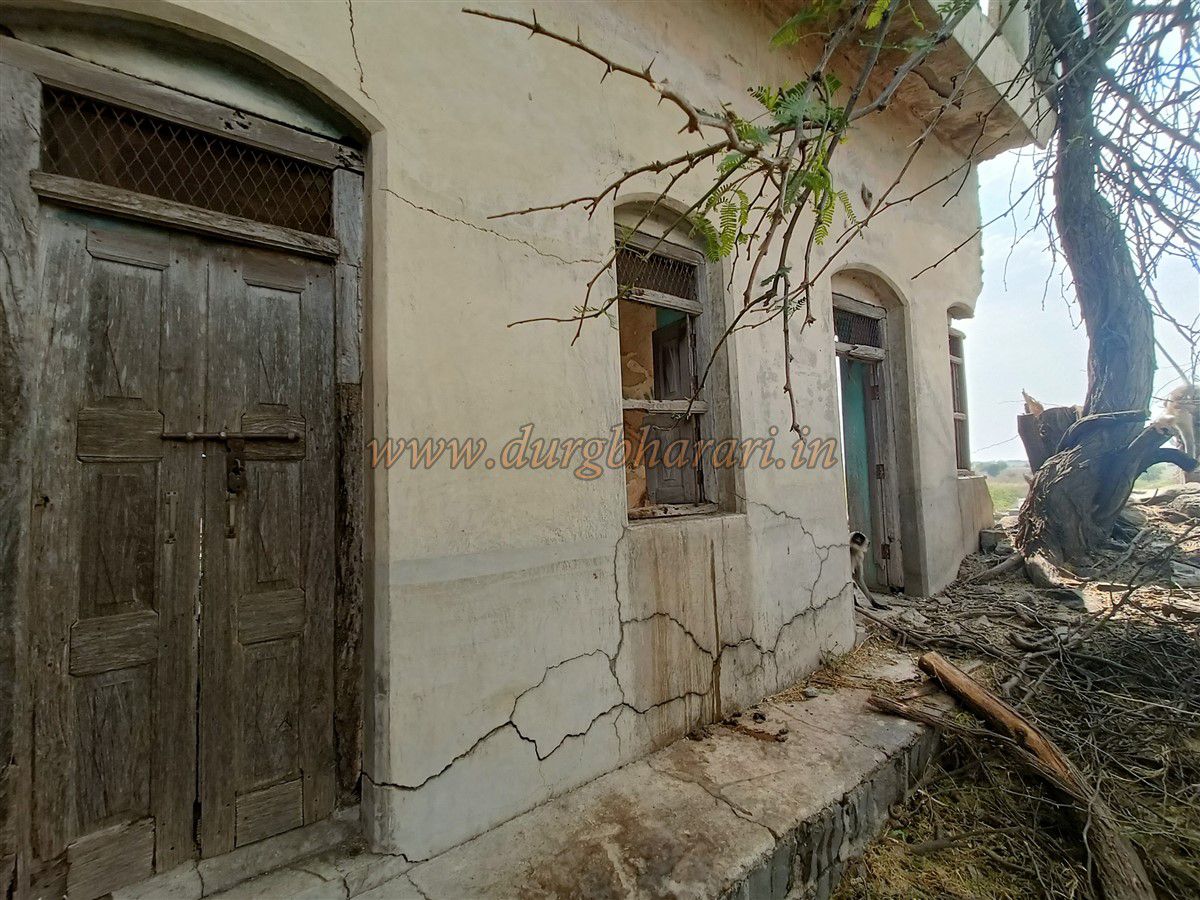
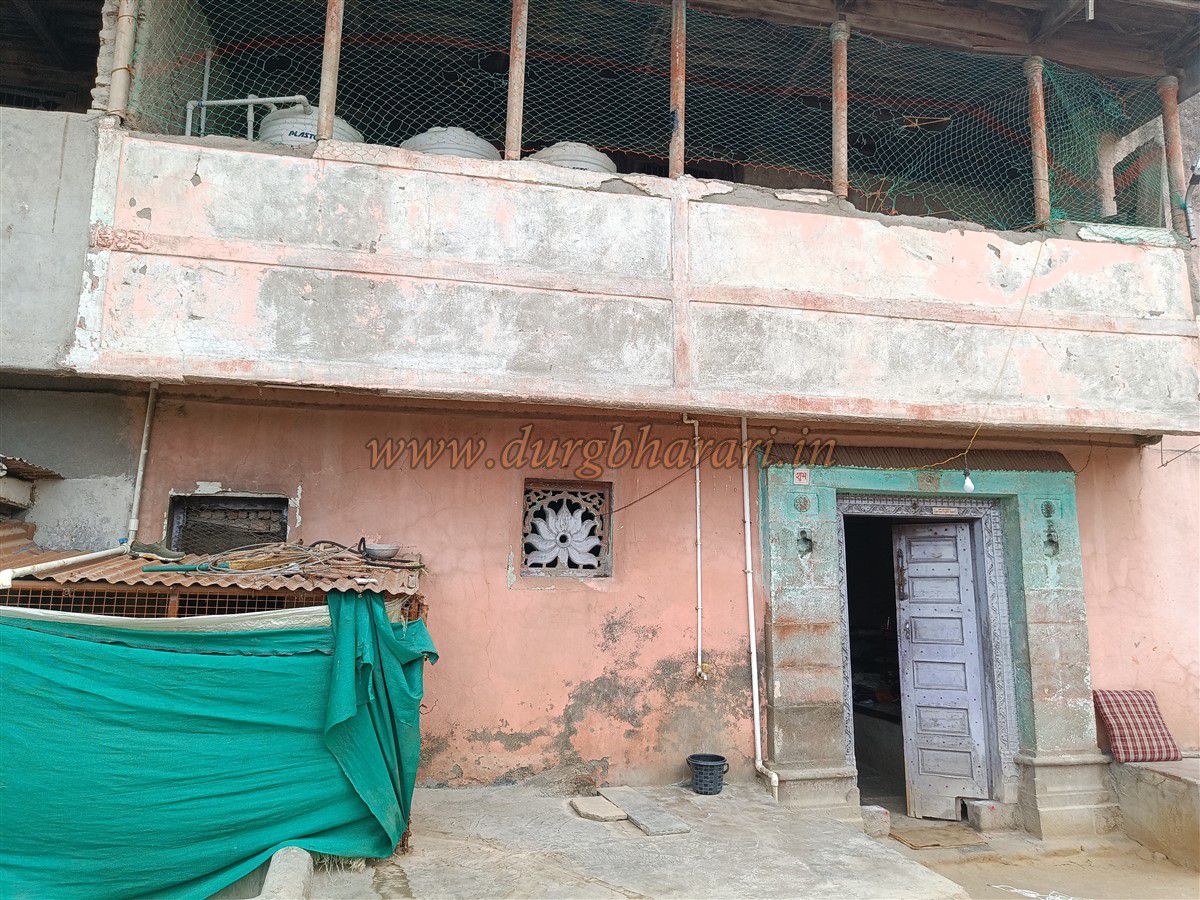
After the abolition of the hereditary jagir, the gadhi became private property. Maintenance became difficult for the owners, and many such structures are now in ruins—though Patoda Borade Gadhi is a notable exception. Thanks to the efforts of the former minister from the Borade family, this gadhi is still well maintained. However, the original layout has undergone significant changes due to modern construction inside the premises.
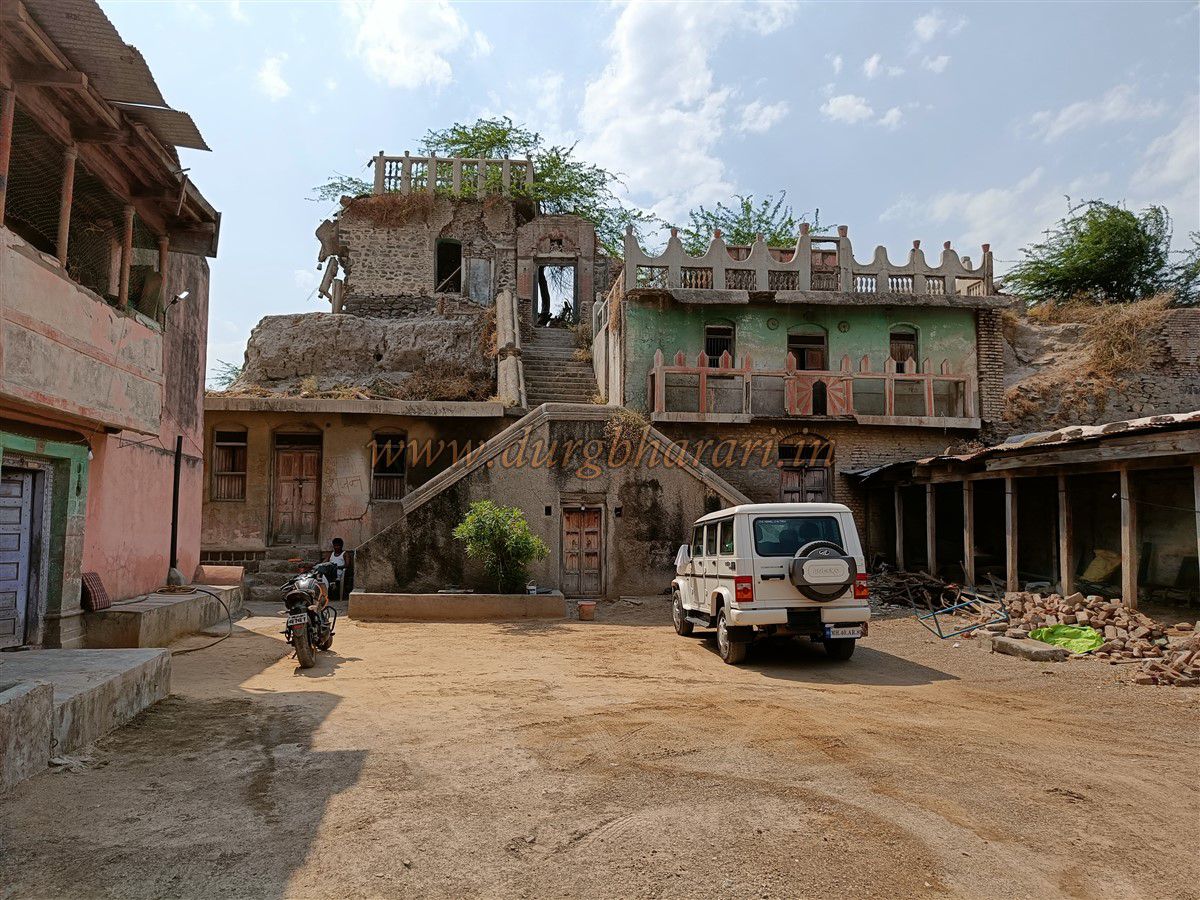
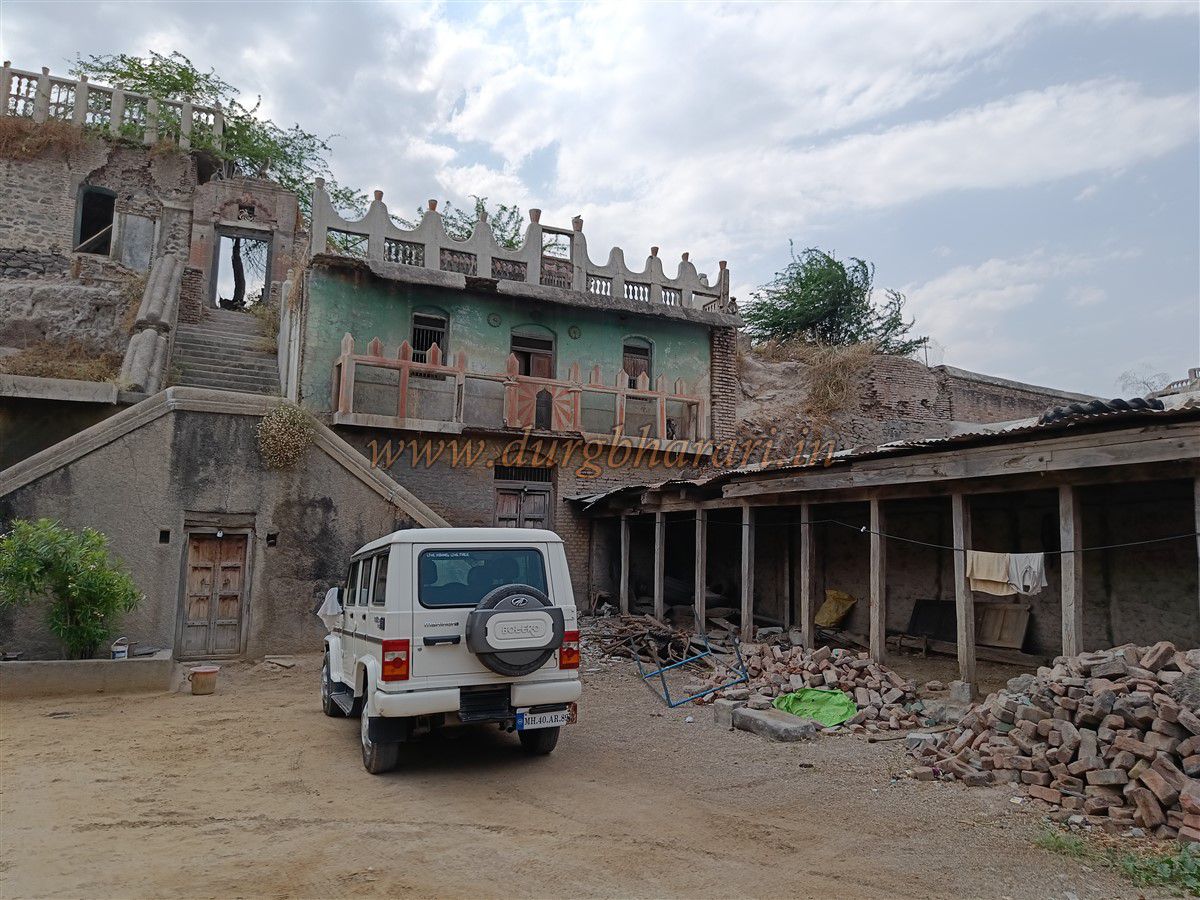
The total area of the gadhi is about half an acre. Of the four bastions originally located at each corner, only the western one remains. The main entrance faces east, and in the past, visitors had to climb 60 steps to enter, though this path has now been levelled for vehicle access. The gateway stands about 12 feet high, and its arch is built with bricks. A window has been constructed on the arch. The surrounding fort wall, once 35 feet high, is now mostly crumbled and has been patched in parts with brickwork.
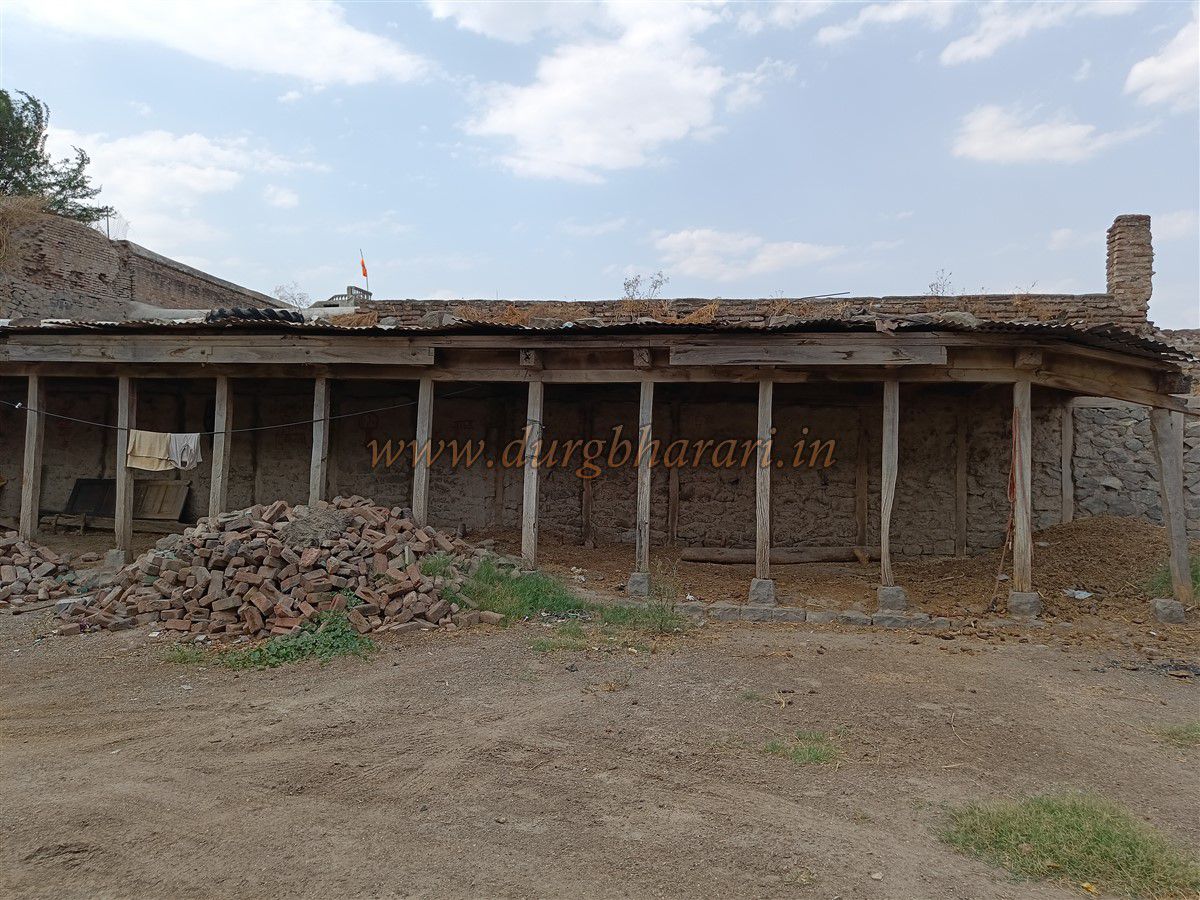
The guardrooms on either side of the entrance have vanished, leaving behind only their platforms. Upon entering, a spacious courtyard opens up. On the left side stands a newly constructed building on the site of the old administrative hall (Sadar), while the area on the right, formerly used as stables for horses, is now a cowshed.
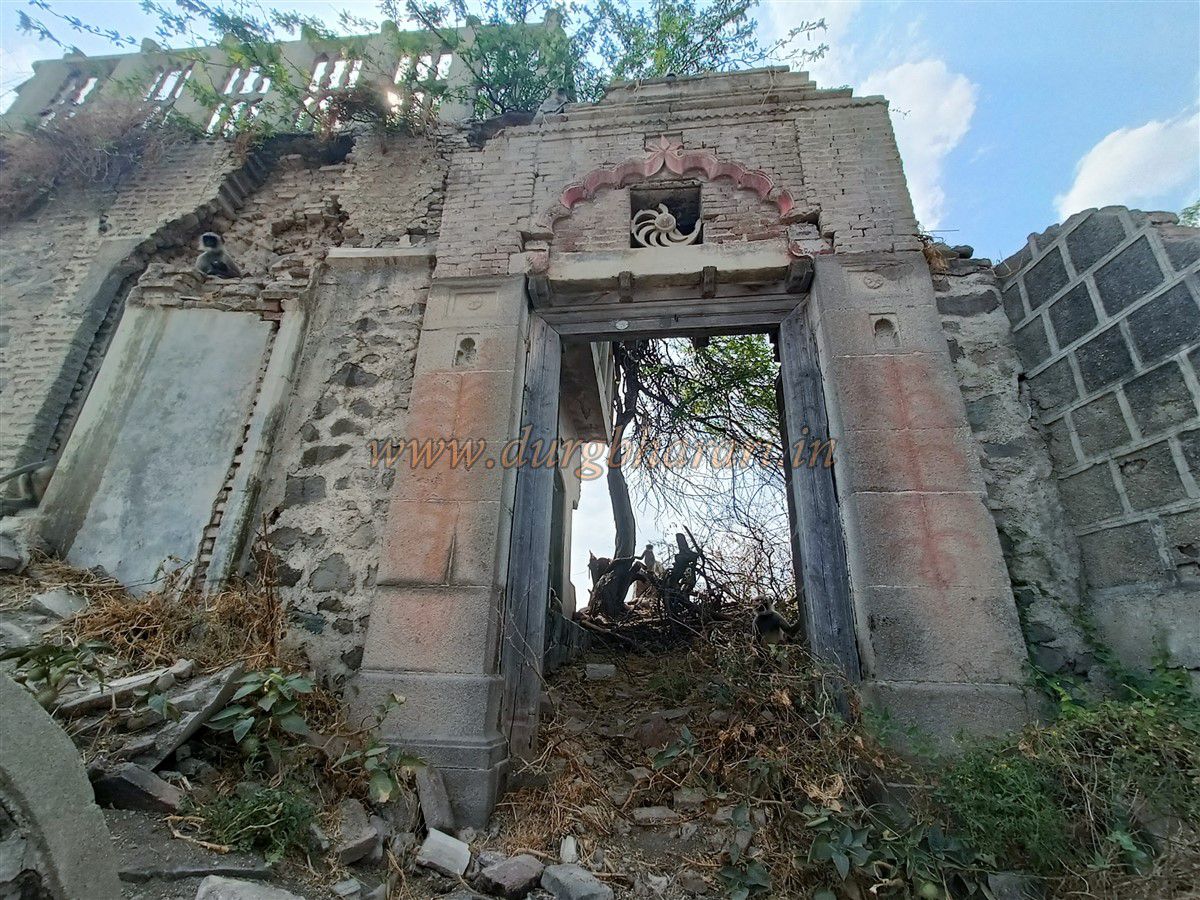
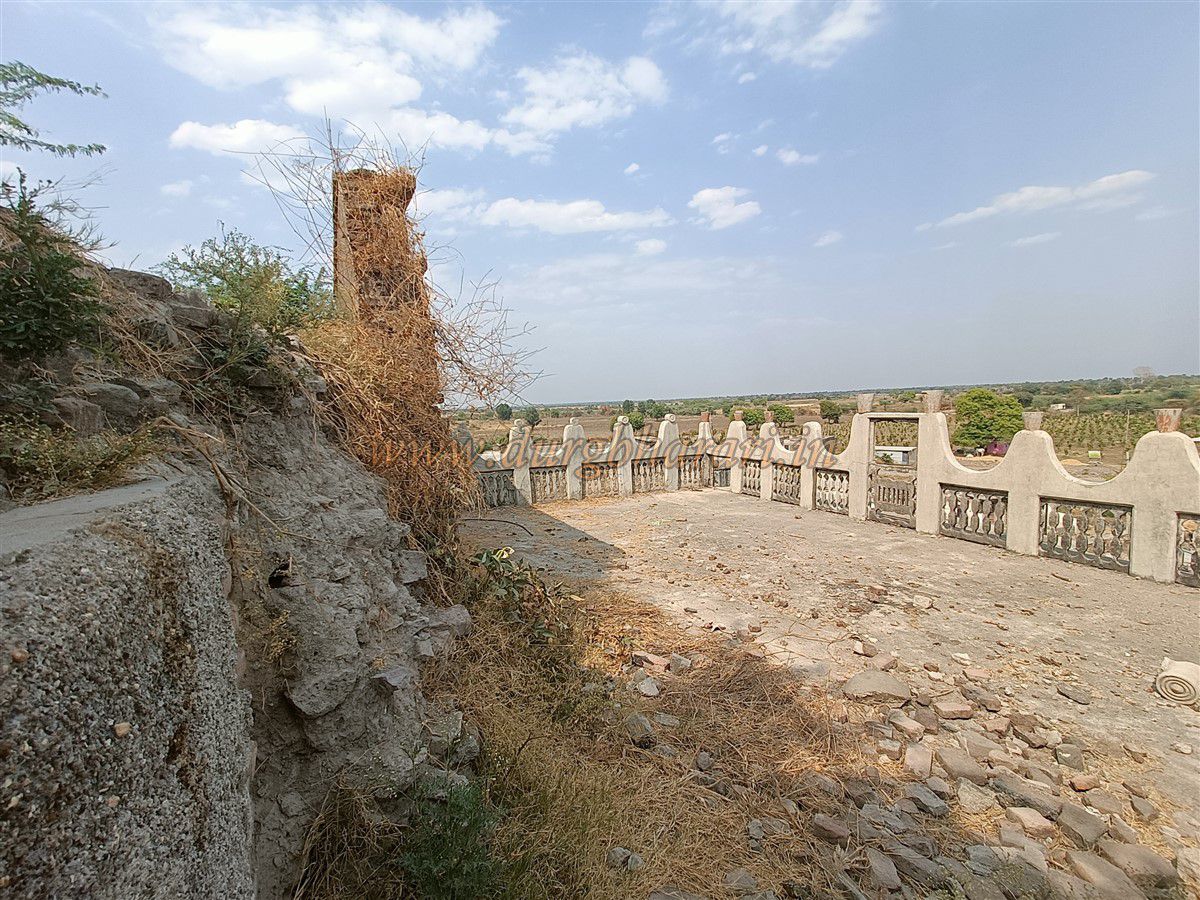
The second gate of the gadhi also faces east and is reached by climbing 25 steps. Its façade features later-period construction, which is now partially collapsed. This gate is built with dressed stone and has an ornate brick arch. Due to dense thorny vegetation inside the second gate, entry is difficult.
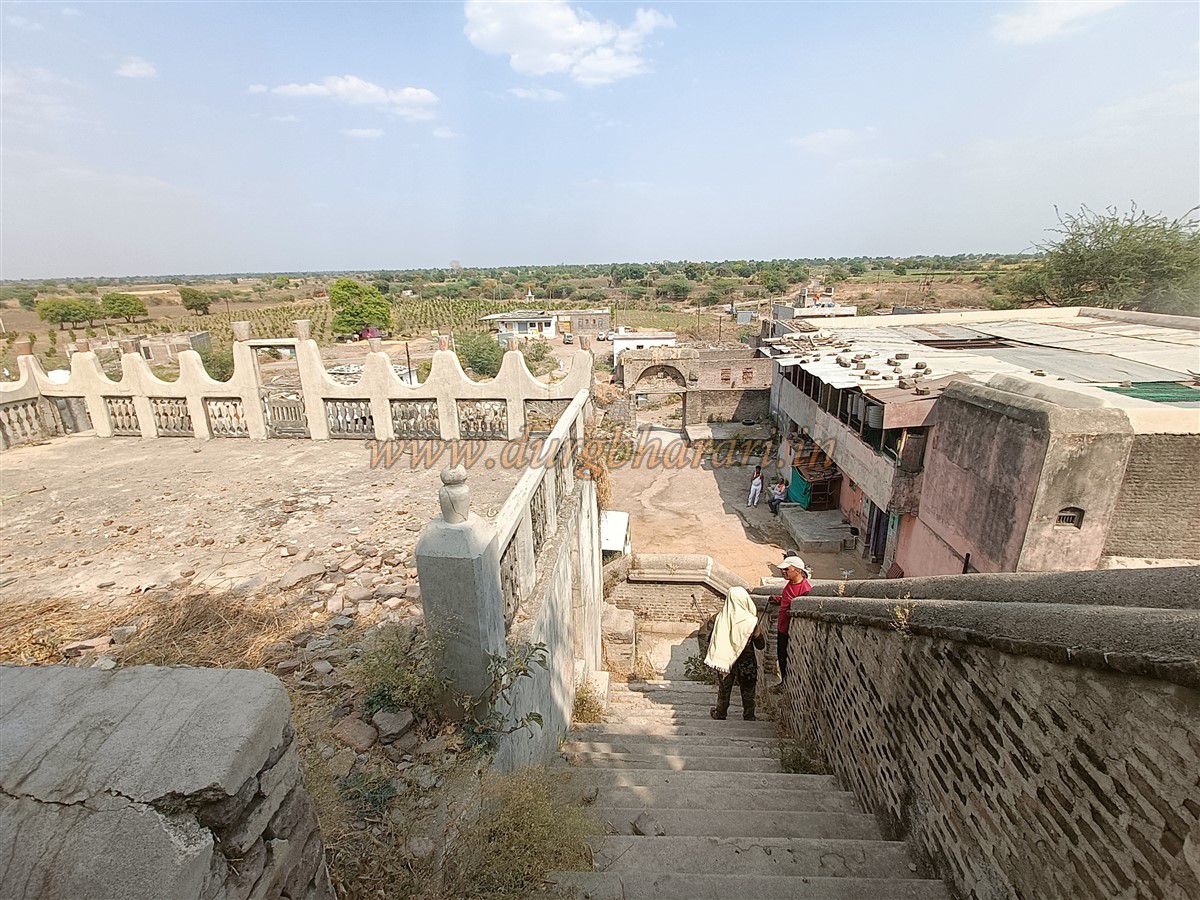
The area in front of this second gate is the highest point within the gadi, providing a panoramic view of the main gate and the surrounding village. According to the Borade family, the gadi once had a 60-foot-deep well inside that supplied water, which has since been filled in.
The gadhi belongs to the Borade family, whose original surname is Kadam. While the identity of the original owners is uncertain, it was eventually inherited by Smt. Kashibai Appasaheb Borade, and the fifth generation of her descendants currently resides there.
It takes about half an hour to explore the entire premises. As the property is privately owned and still inhabited, it is necessary to seek the family's permission before visiting.
© Suresh Nimbalkar
GALLERY