PATHARDI
TYPE : NAGARKOT
DISTRICT : AHMEDNAGAR
HEIGHT : 0
Pathardi is well known as a taluka in Ahmednagar district. This town, which is today the taluka headquarters, has been an important settlement not only since the Nizamshahi period but even earlier. There are several structures in Pathardi today that bear testimony to this fact. As the Ahmednagar–Beed road passes through Pathardi, it is easy to visit while traveling along this route. Pathardi is located about 50 km from Ahmednagar city and about 170 km from Pune via Shirur.
The old village was situated by the riverbank in the area now known as Kasba Peth. Today, this river has largely turned into a seasonal stream. Since Pathardi was once a marketplace, the entire town was surrounded by fortification walls. Though it is not possible to determine the exact number of gates today, three of them still survive in a ruined condition. All three gates are situated by the river along the Ahmednagar–Beed road.
...
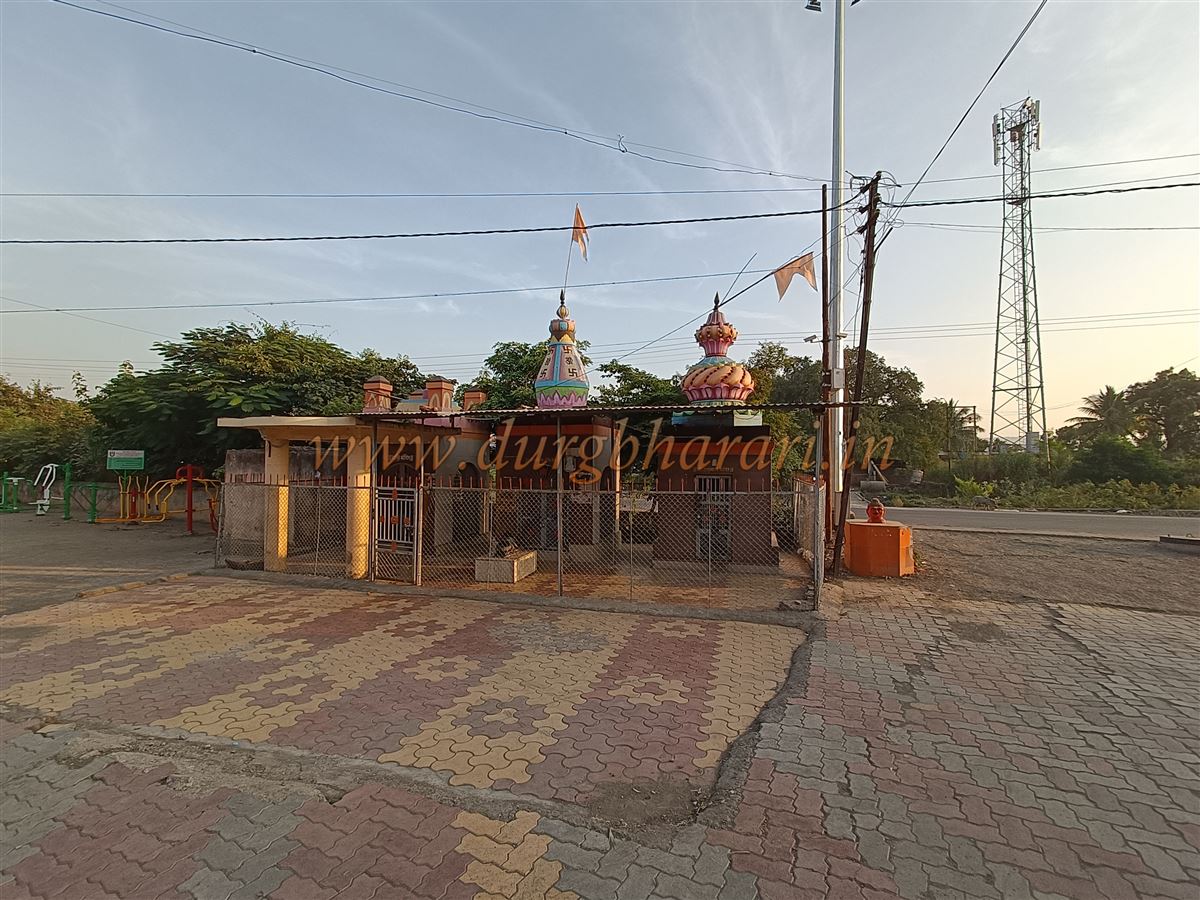
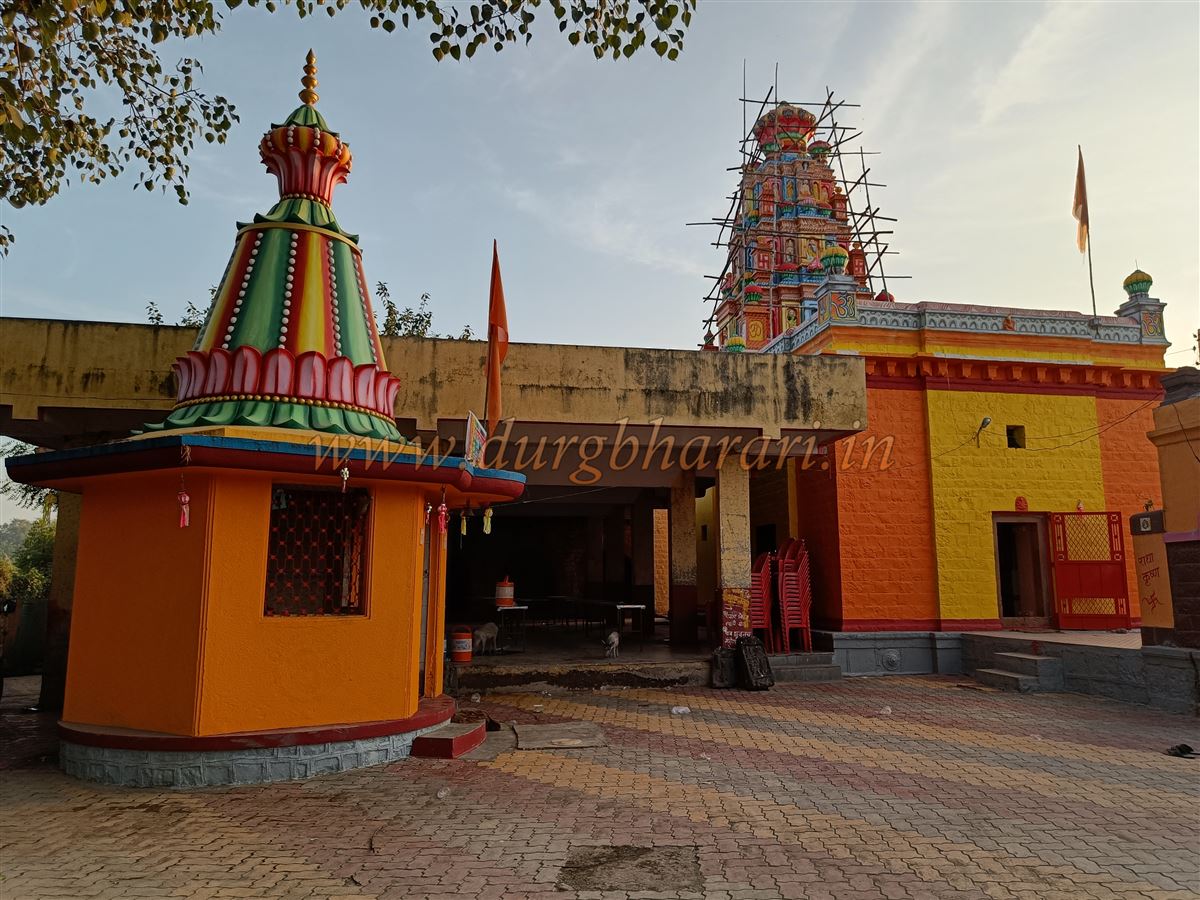
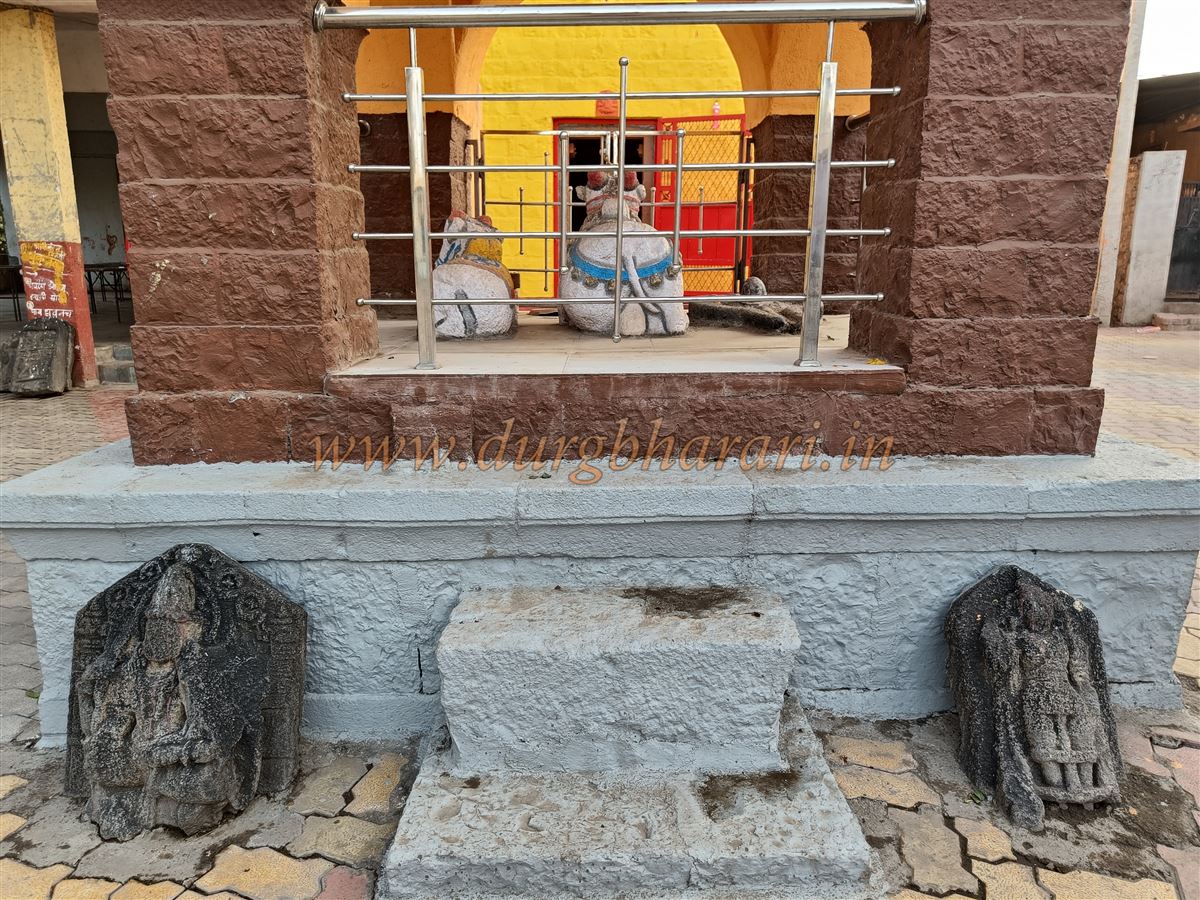
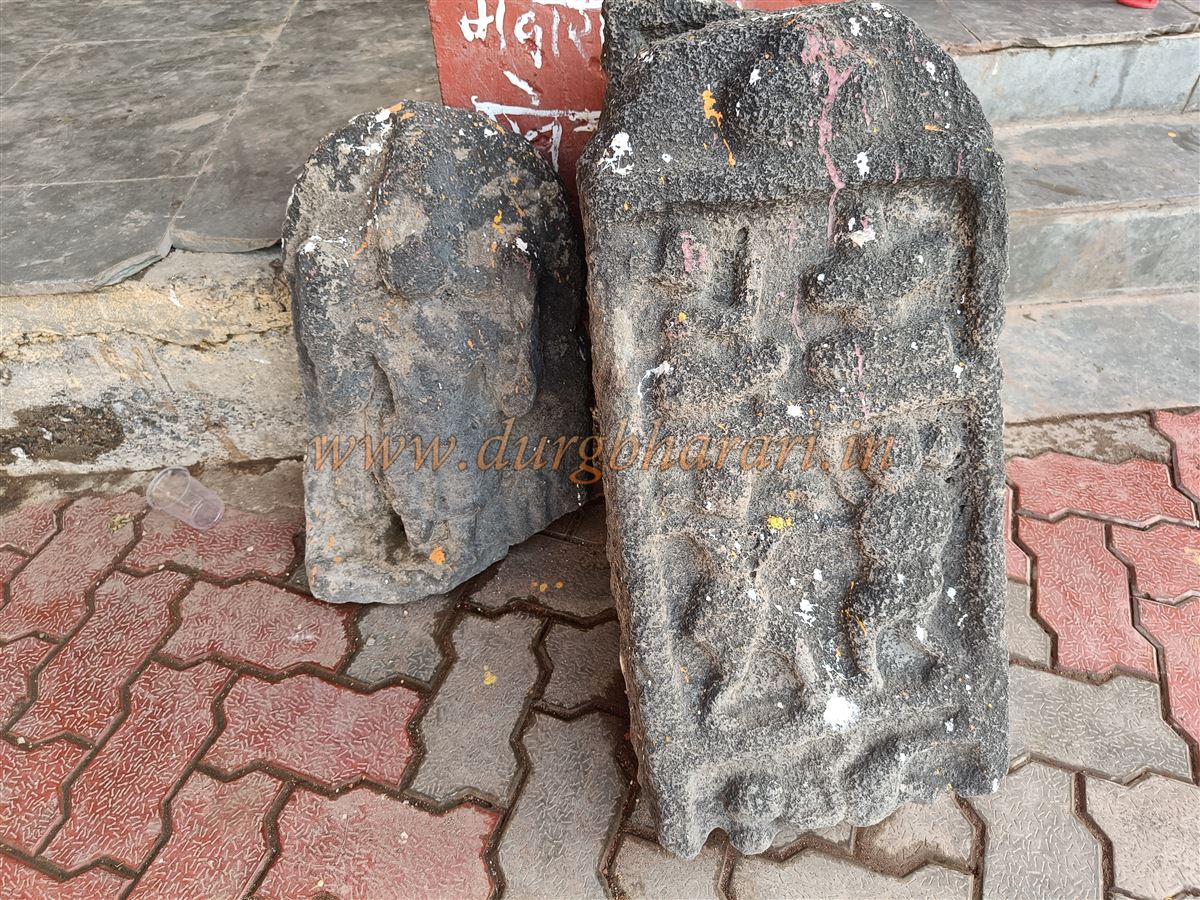
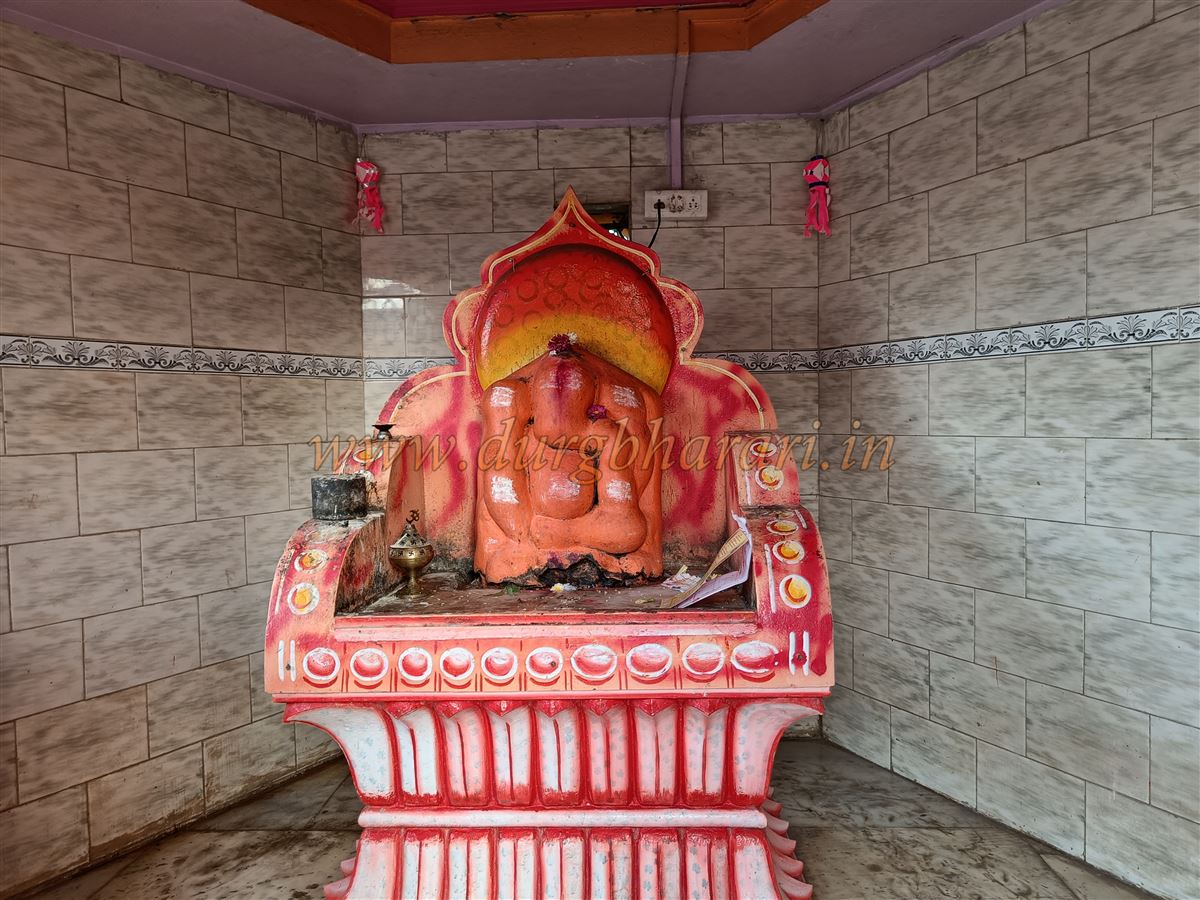
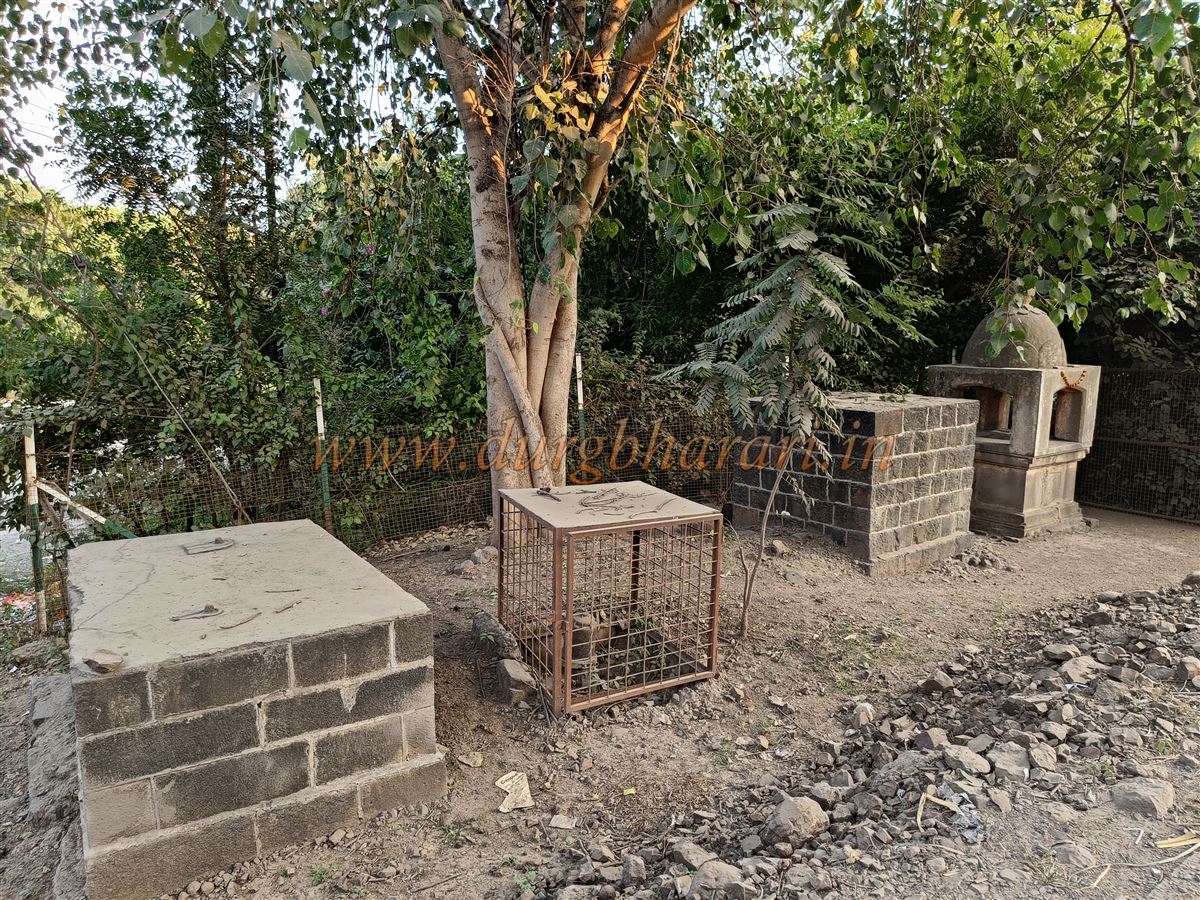
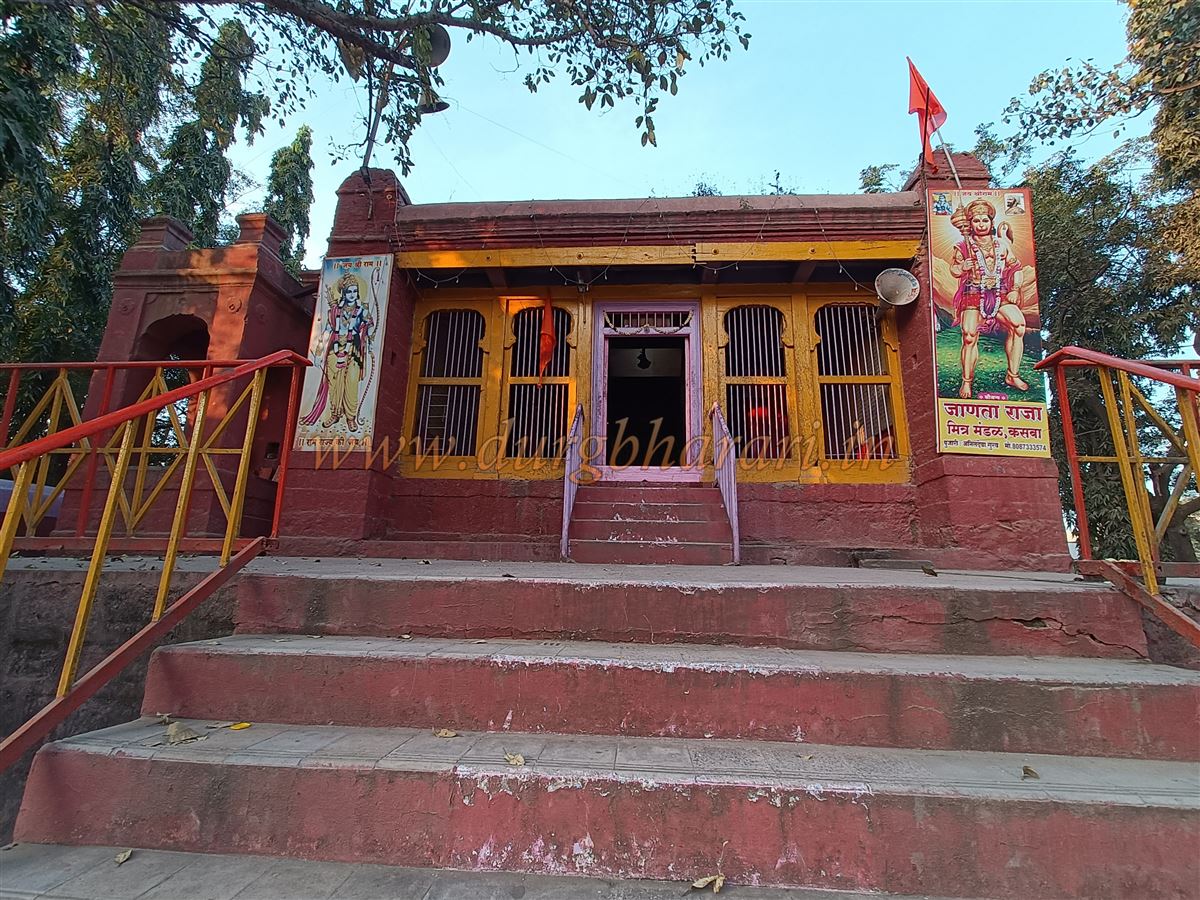
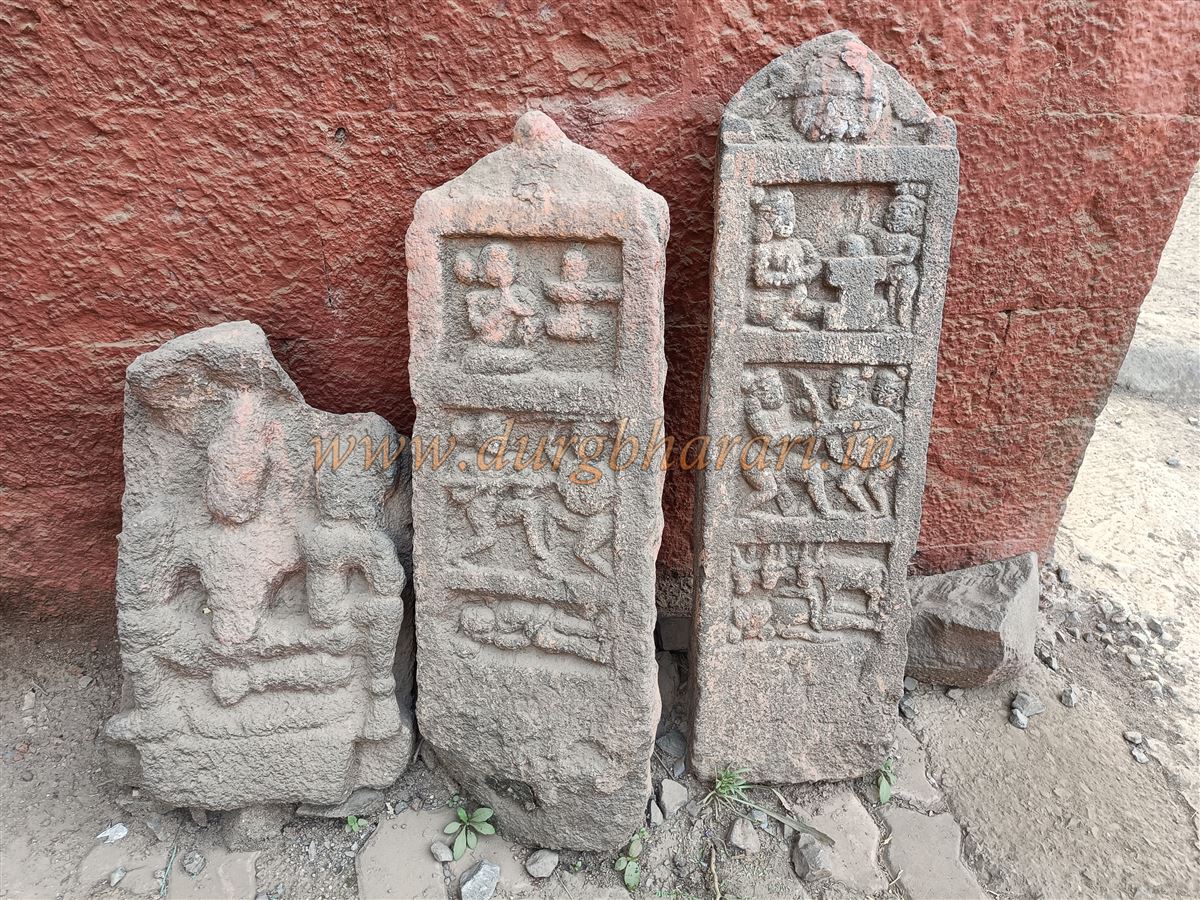
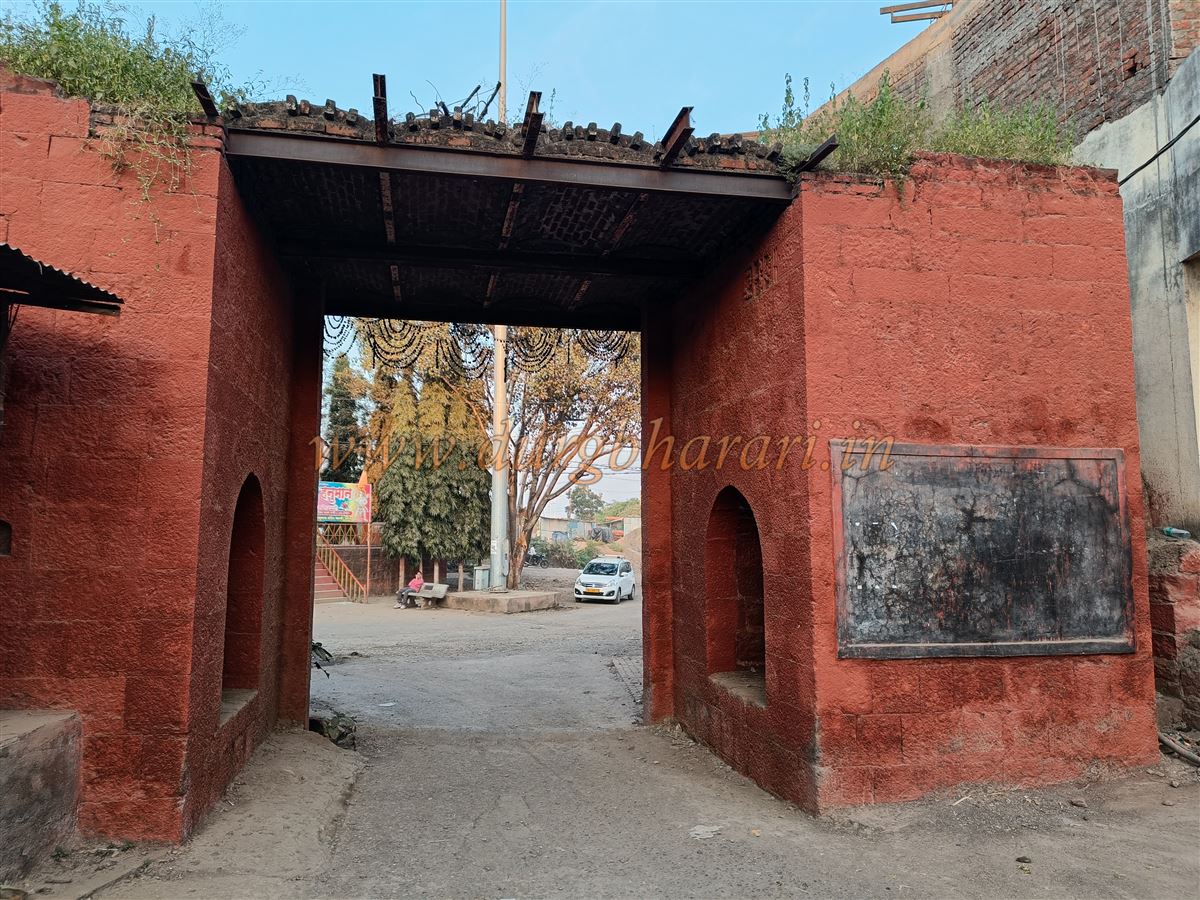
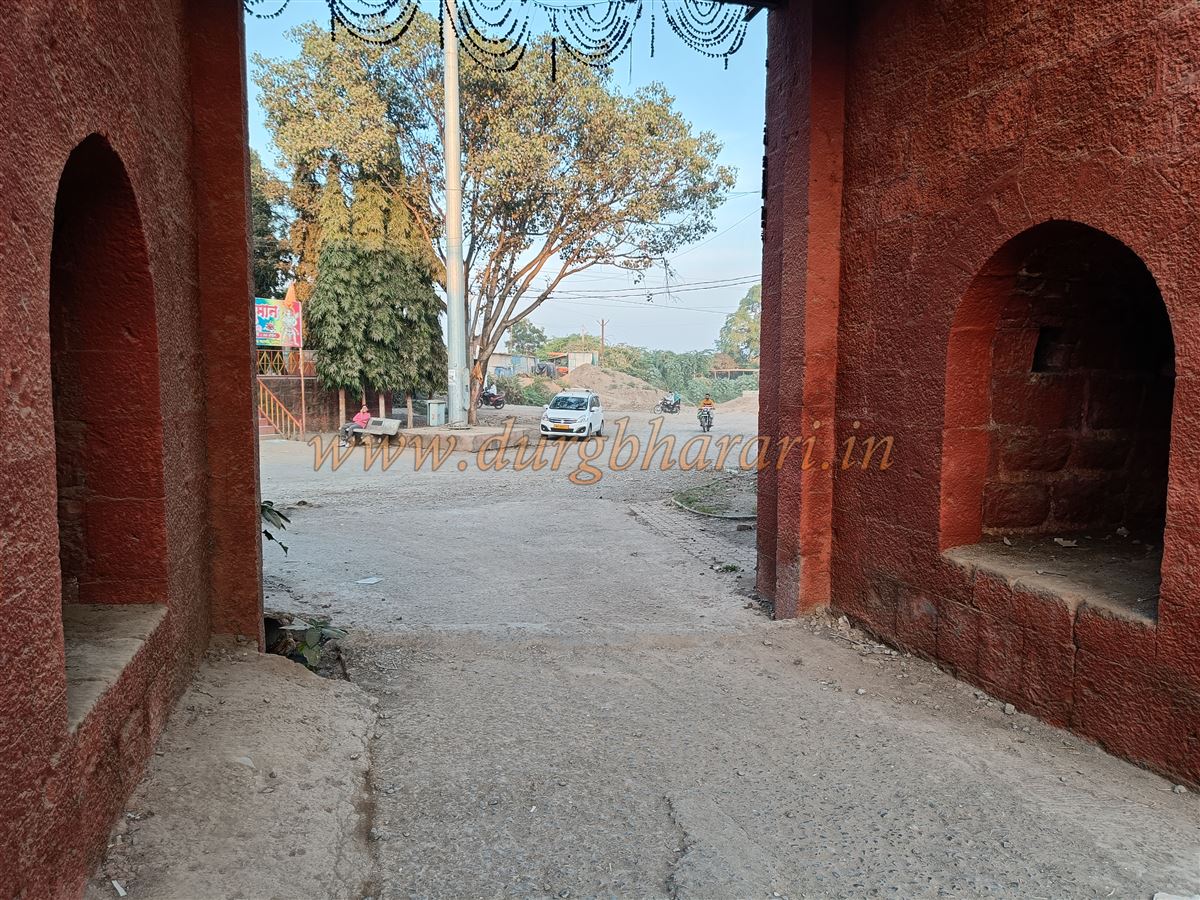
Let’s begin exploring from the Maruti temple in Kasba Peth. Located by the river at the start of Kasba Peth, this temple is built on a high platform using finely cut stone. Behind the temple, by the riverside, are a few Samadhi platforms. Right in front of the temple is the first gate of the fort. Inside the temple premises, one can see damaged idols of Chamunda, Bhairav, and Bhagwan Mahavir. The stone gate opposite the temple is badly damaged, with its top arch entirely destroyed. There are guard rooms on either side inside the gate, and a new roof has been added above it. Next to the gate is a sculpture of Shiv-Parvati, a hero stone (virgal), and a cow memorial (Dhenugal). Though the entire gate is made of stone, it has now been painted red, distorting its original appearance. No parts of the adjoining walls remain. On the other side of the Maruti temple is the Kholeshwar (Mahadev) temple. This temple is known locally as the Stone Math. The entire structure is built in finely carved stone, with the roof of the inner hall supported by four intricately carved pillars. A stone Nandi Mandap stands in front of the temple. In the courtyard, there are some worn ancient idols and hero stones, as well as a newly built small Ganesh temple.
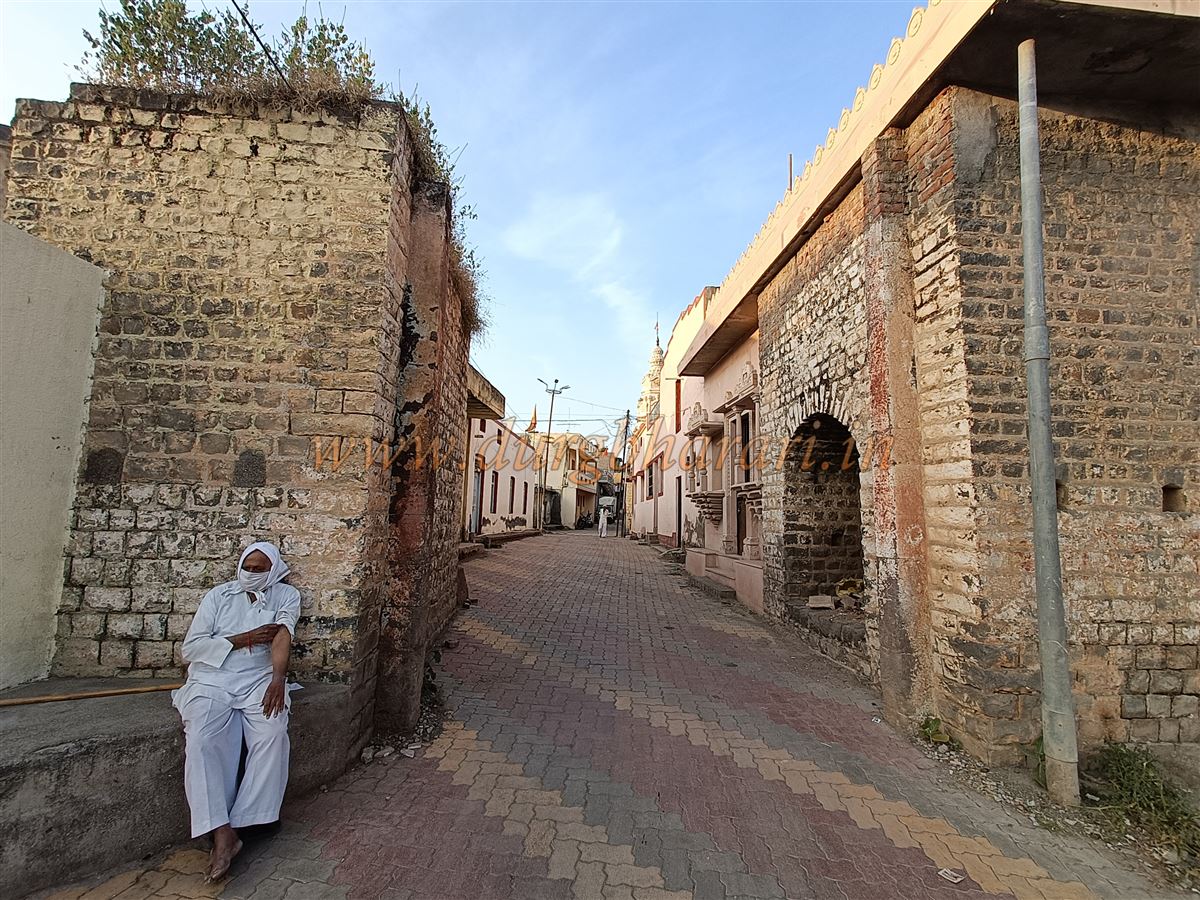
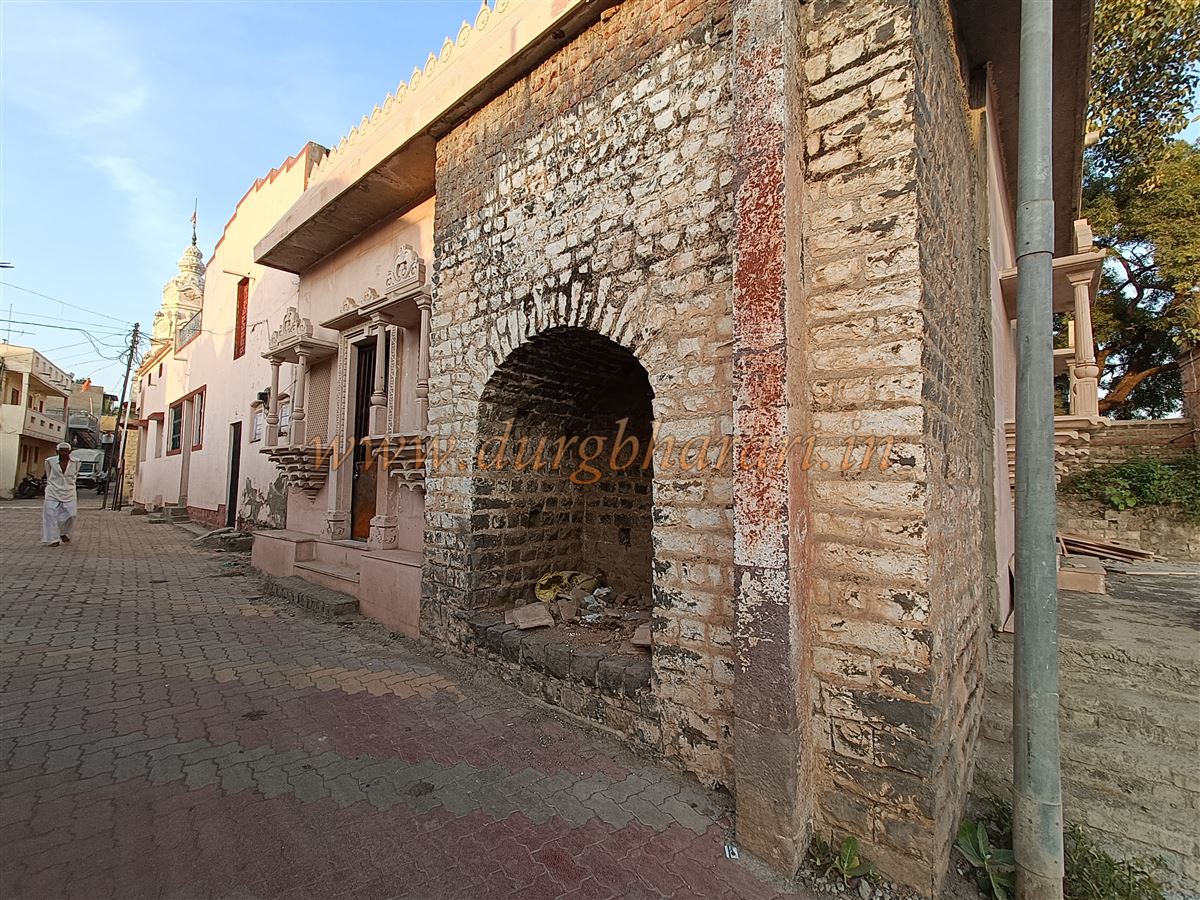
After viewing this gate, if one continues along the riverbank, they reach a group of three small temples: Shani temple, Shiva temple, and Hanuman temple. Opposite these temples stands the second gate of the fort. This gate and the nearby wall are constructed using finely cut stone, but there is significant encroachment around it. Inside the gate is a guard room on one side, next to which a new temple has been constructed. Though the arch above the gate has collapsed, the doorway and parts of the wall still remain.
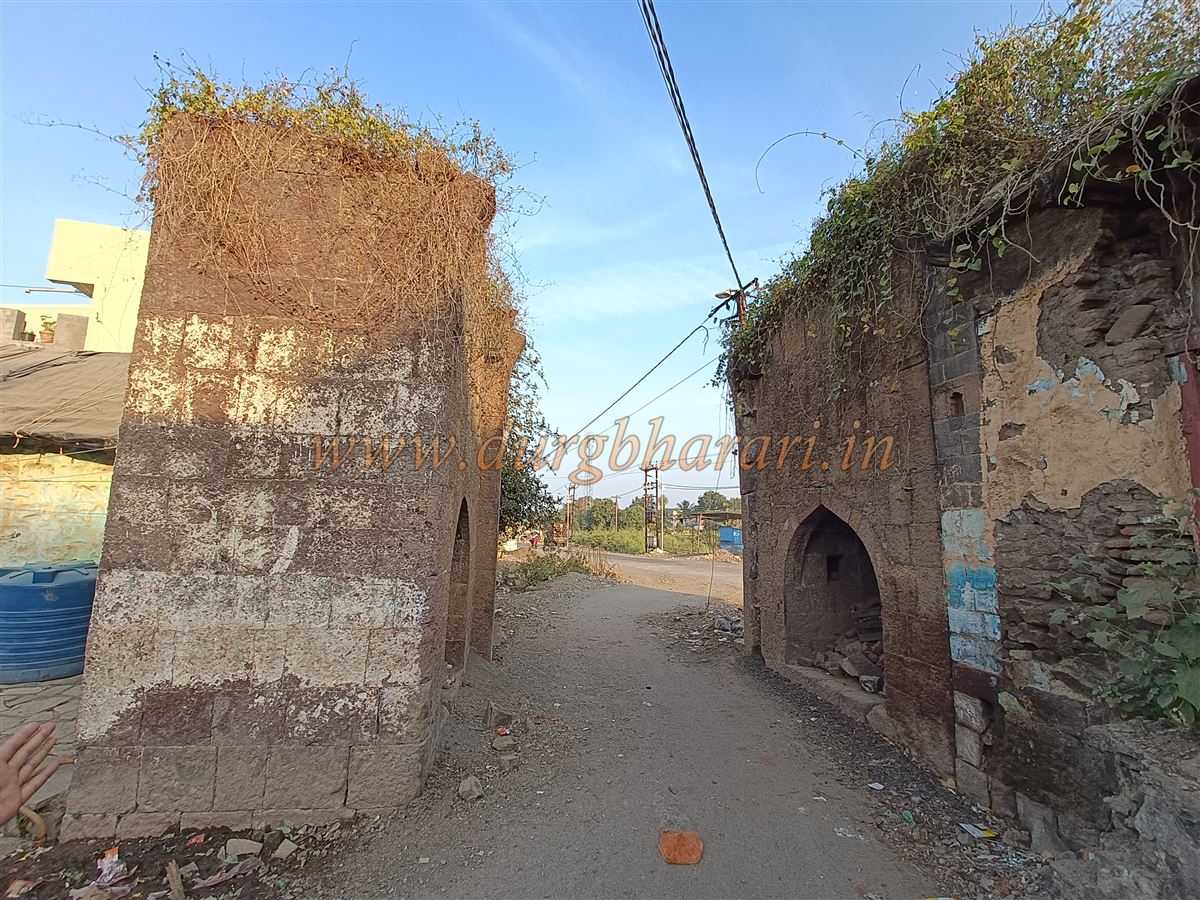
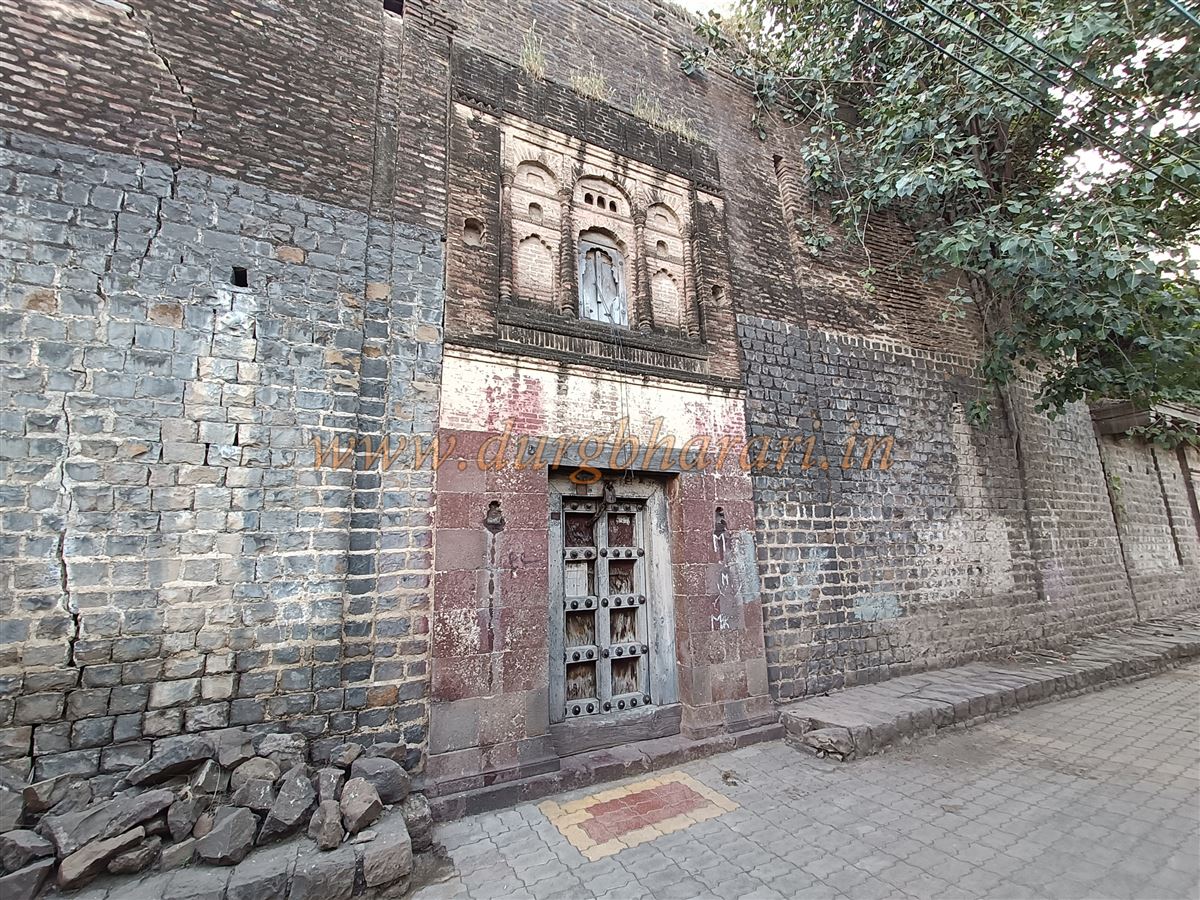
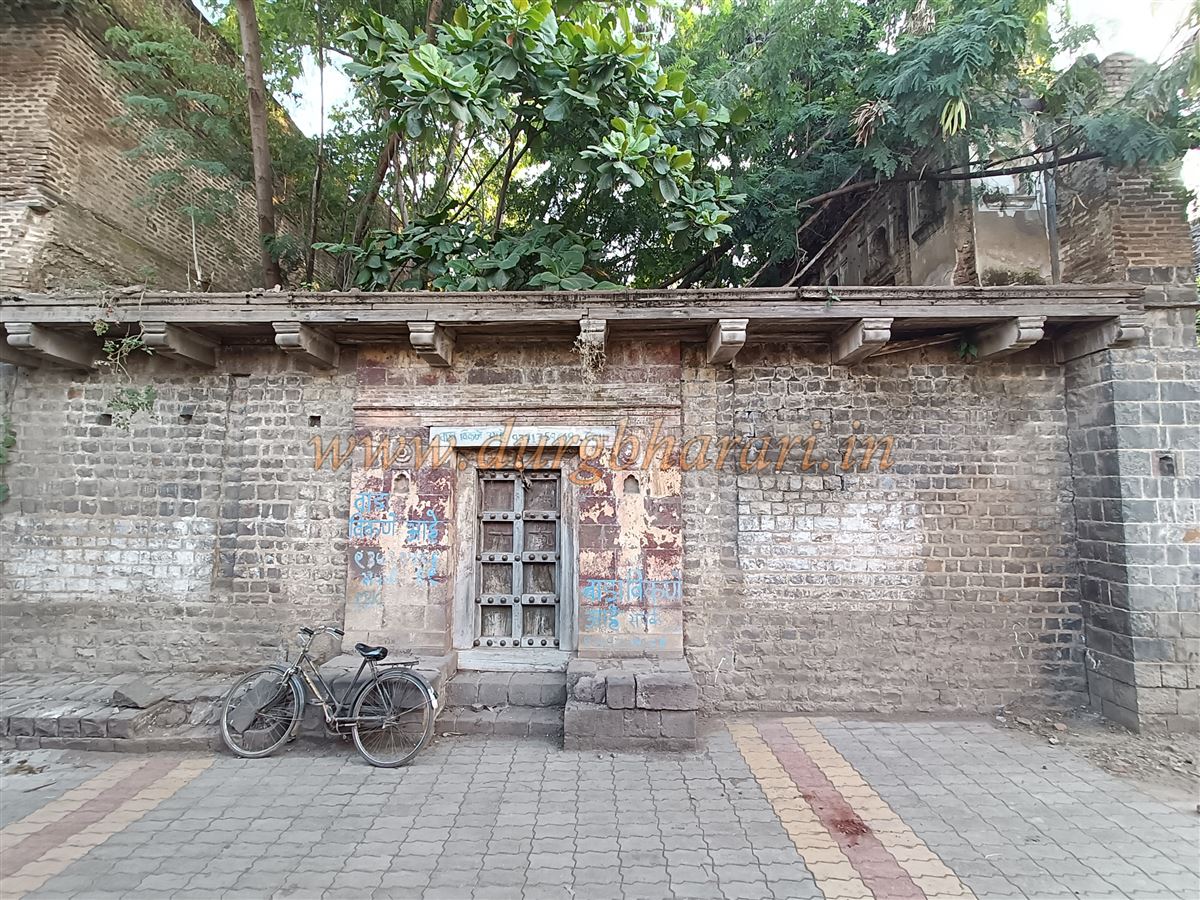
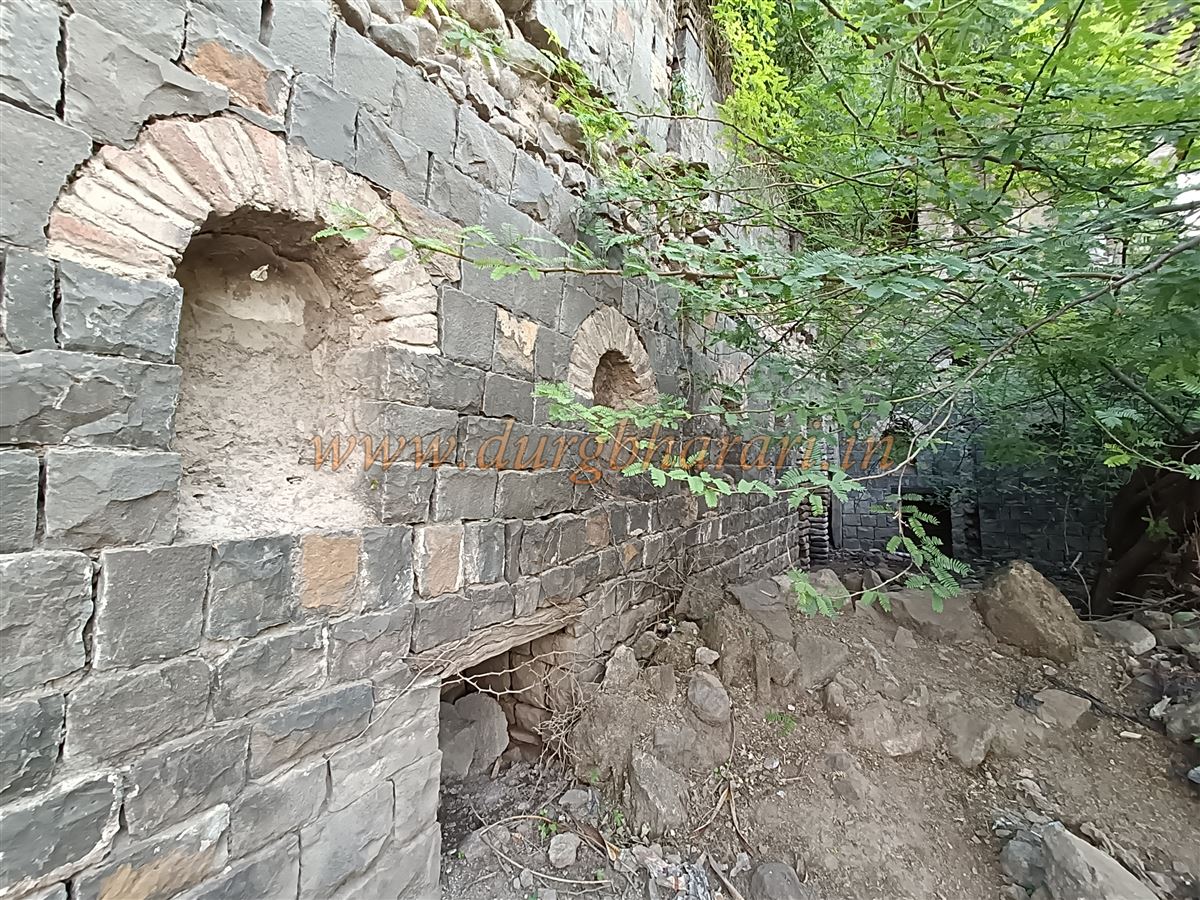
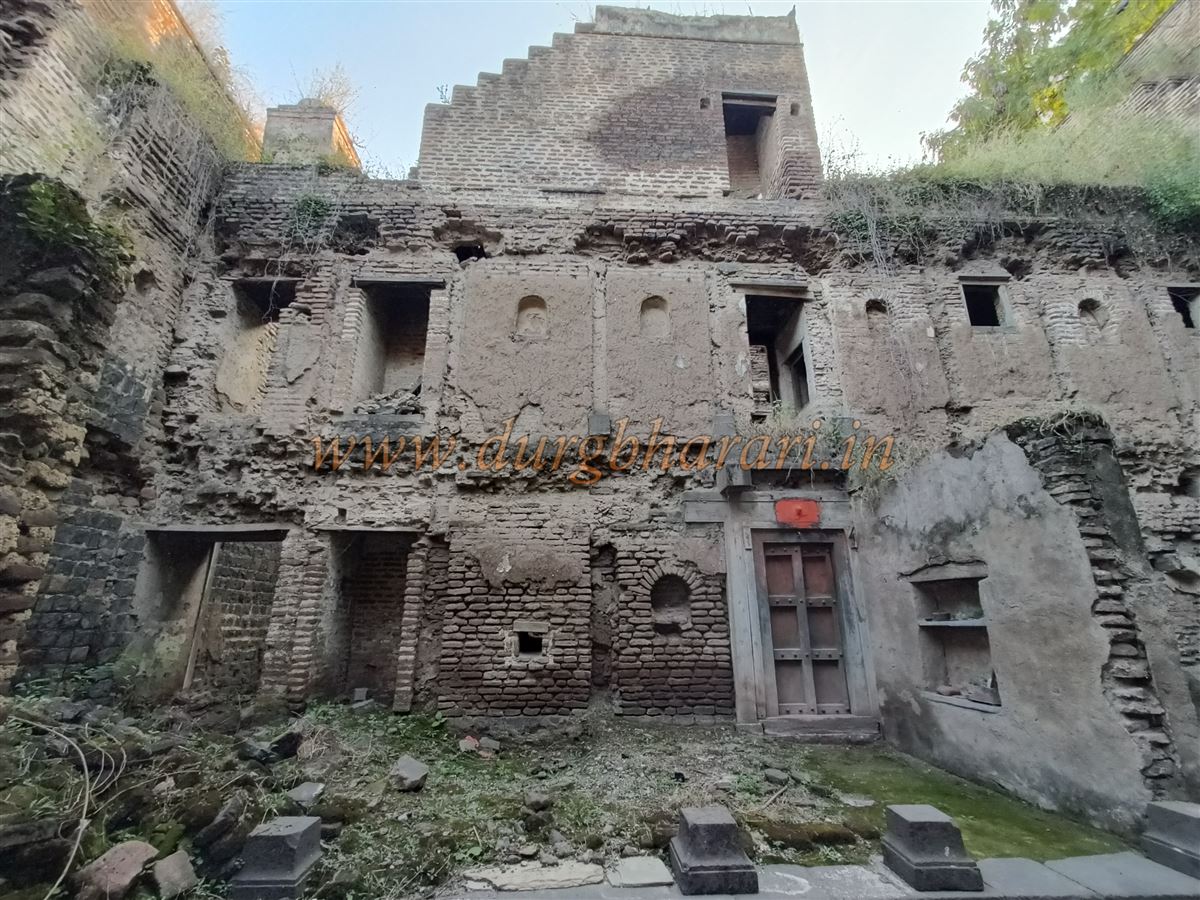
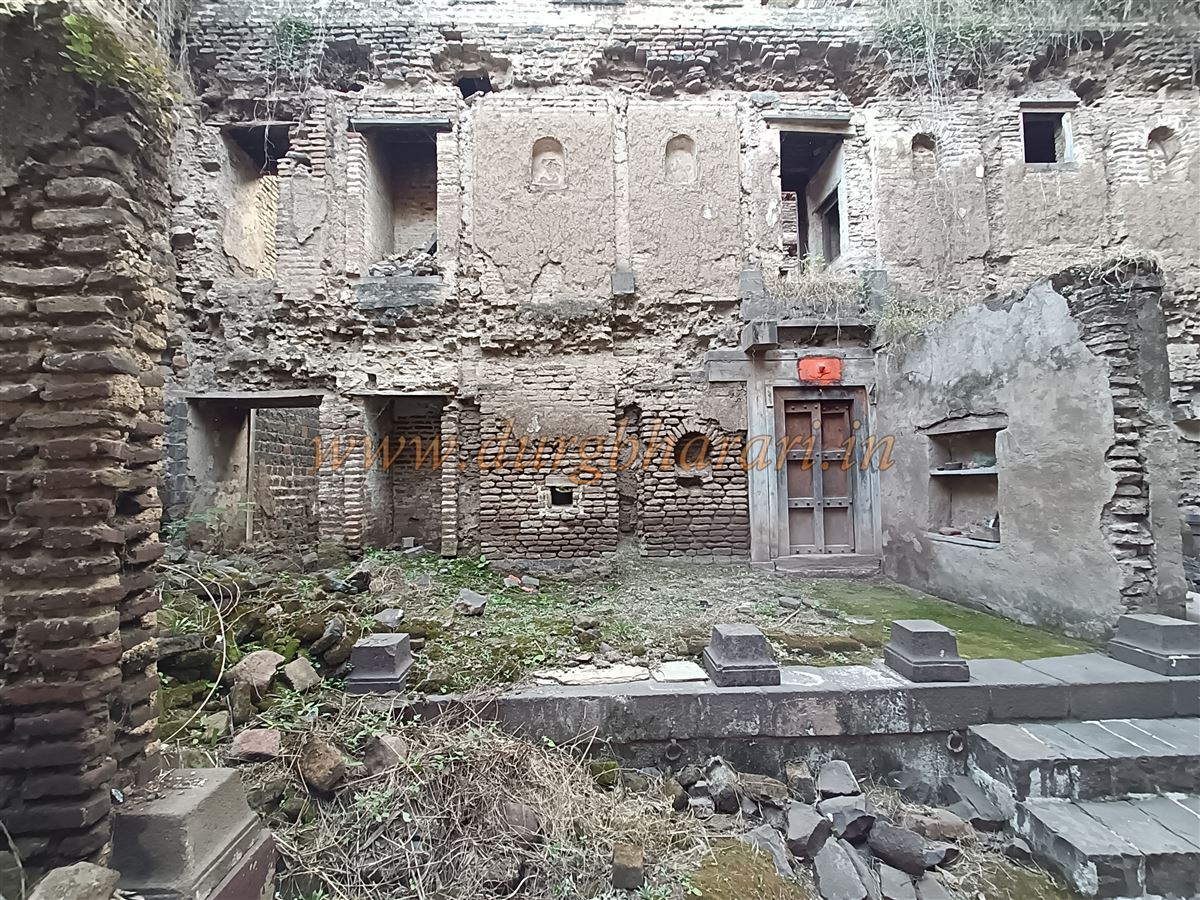
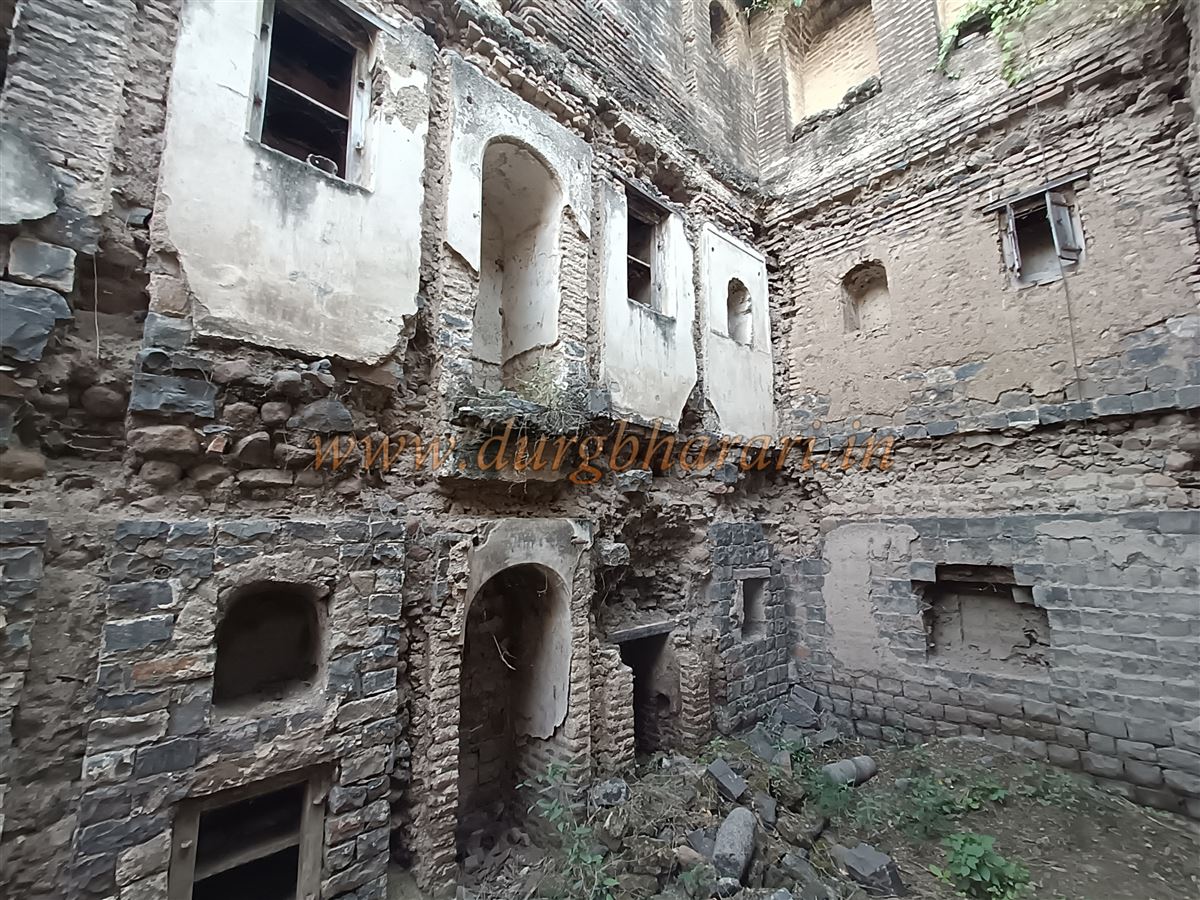
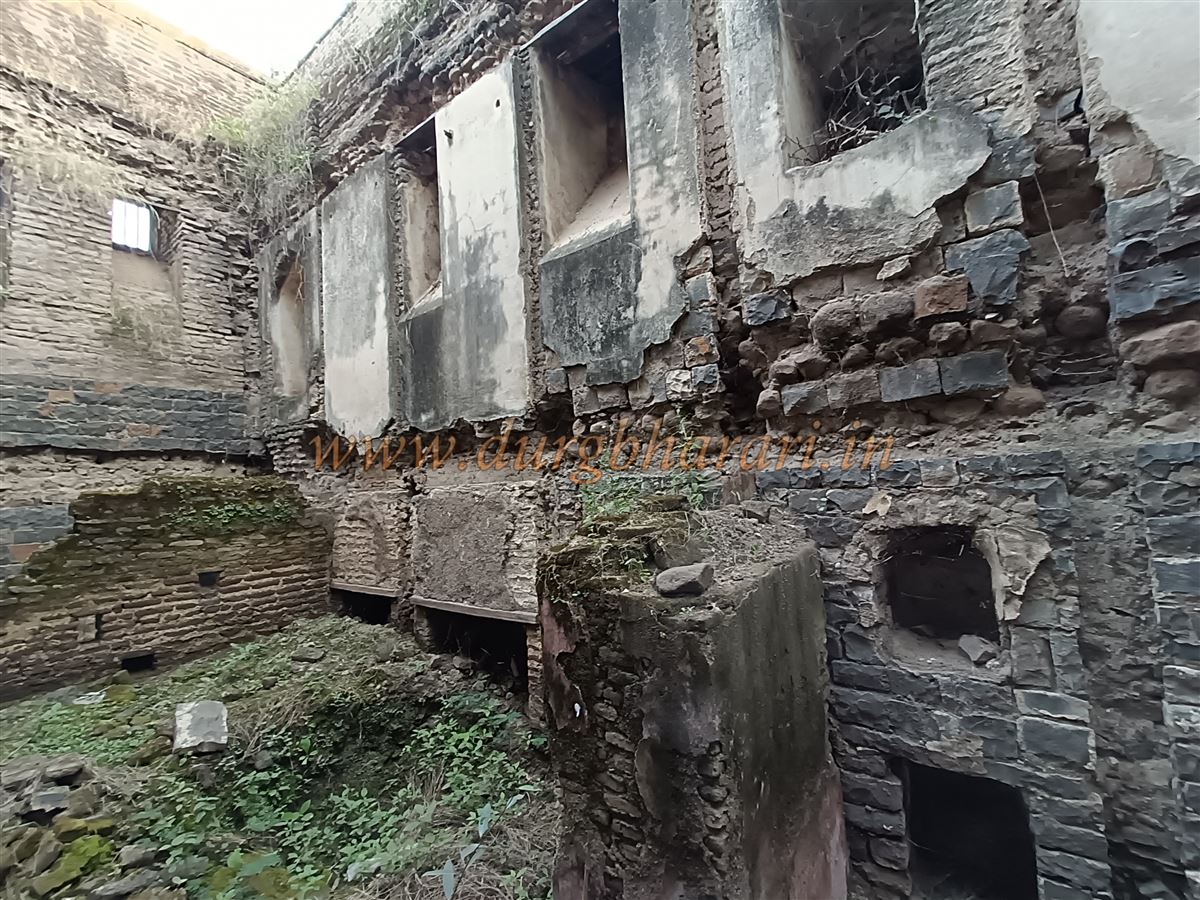
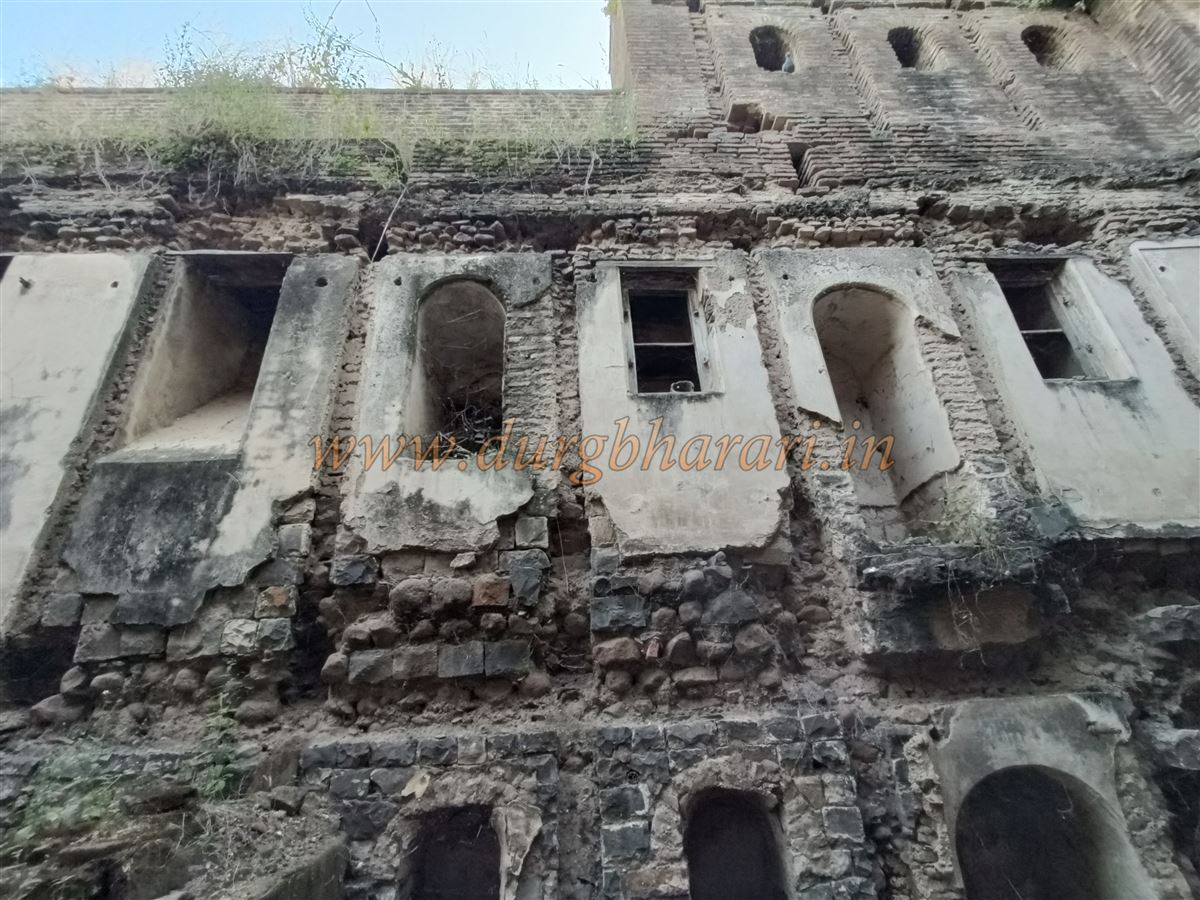
Proceeding further along the road, one reaches the third gate of the fort. Though this gate has also suffered damage, it is relatively better preserved than the other two. It is built using large, finely carved stone blocks, with guard rooms on either side inside. While the upper portion of the gate has collapsed, parts of the arch are still intact on both sides. Due to the road being raised with fill, the base of the gate is now buried, and the platforms on either side are now level with the ground, giving a sense of the original height of the gate. Entering through this gate and exploring the inner town, one can still see several ruined old mansions. Viewing all three gates of Pathardi fort and the surrounding structures takes about one hour.
© Suresh Nimbalkar
GALLERY