PATANKAR GADHI
TYPE : FORTRESS
DISTRICT : SATARA
HEIGHT : 0
GRADE : EASY
Patan, a taluka town located 28 km from Umbraj on the Mumbai–Kolhapur road, is typically a base for exploring nearby forts. However, few would expect that the town itself houses a fortified structure. This hidden architectural gem is Patankar Gadhi, standing prominently on an elevated platform in the central part of Patan town. It is also known as Shikkekari Wada or Shikka Mansion, belonging to Sardar Patankar.
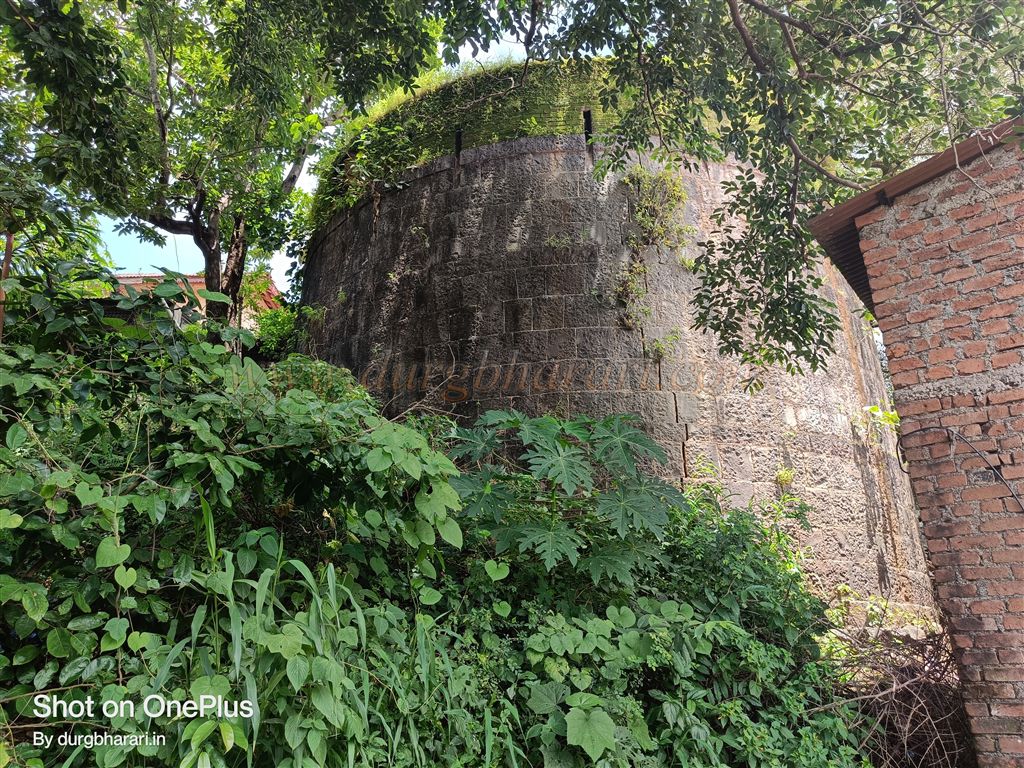
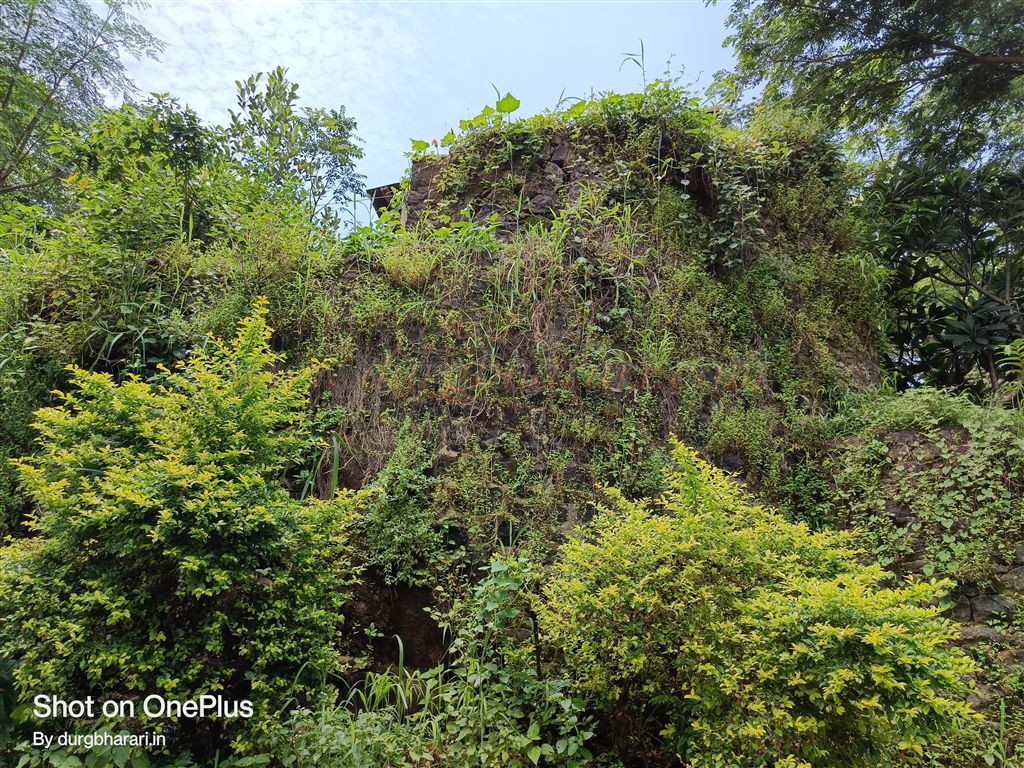
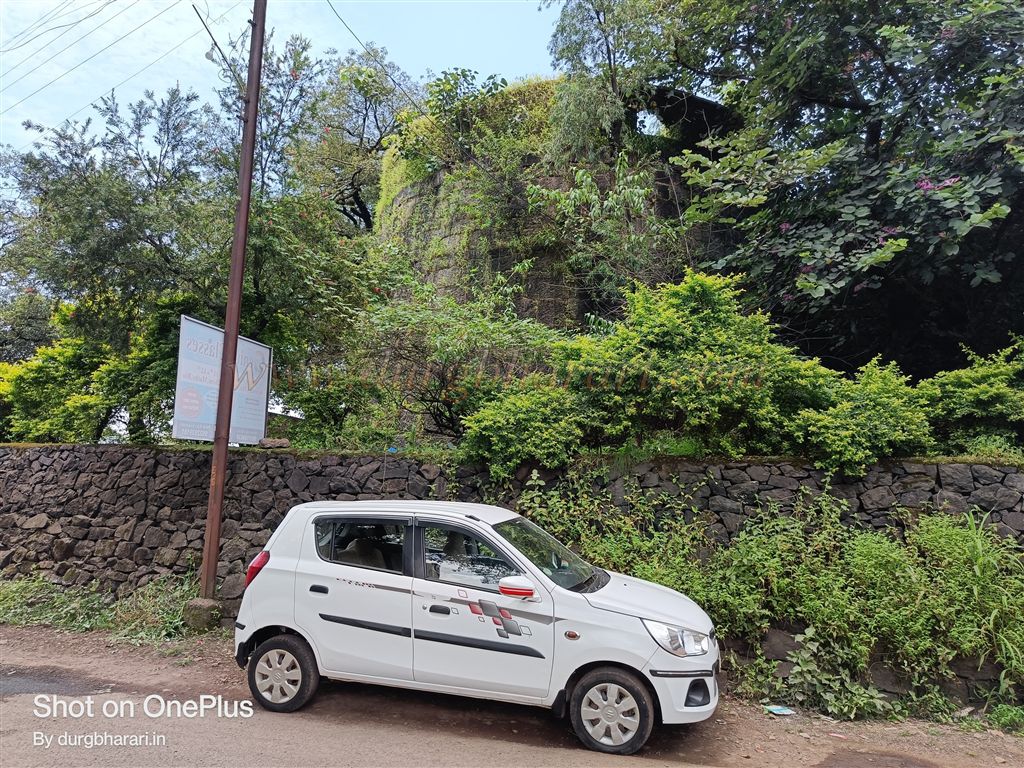
Spread over approximately 1.5 acres, the gadhi (fortified mansion) is surrounded by strong fortification walls. As of 2021, five bastions are visible—four are intact and one is in a dilapidated state. These bastions contain loopholes (jangya) and ornamental windows (jharokhas) for firing cannons and guns. There might be more bastions, but since it's not possible to do a complete round of the fortification, this cannot be confirmed definitively.
...
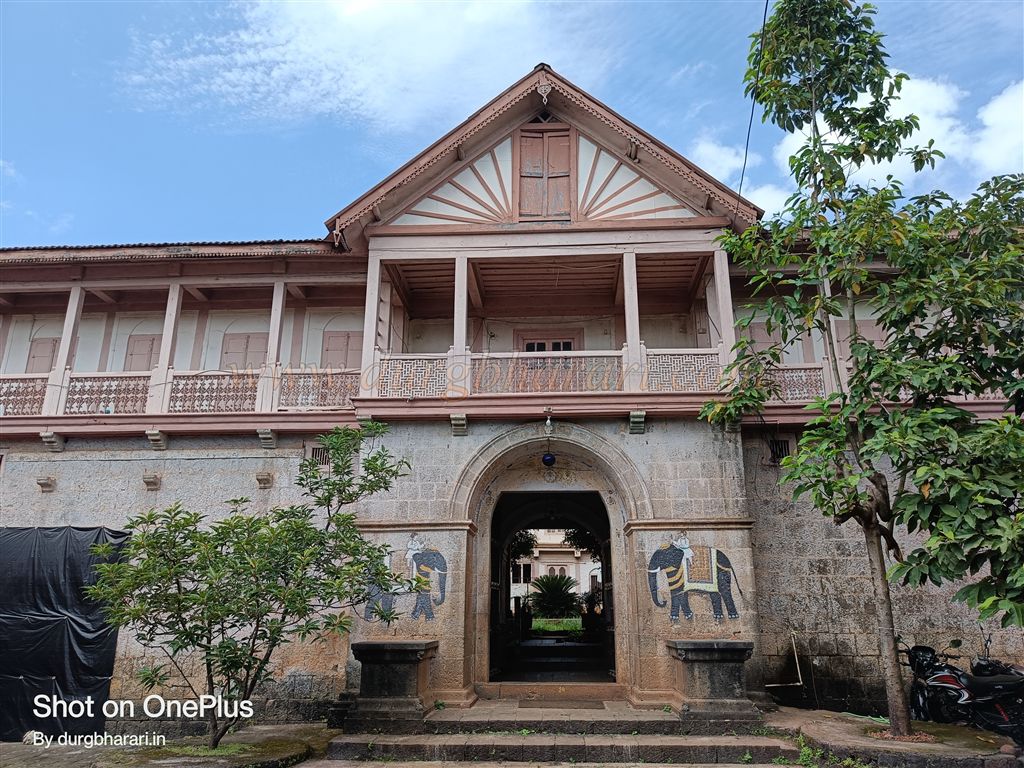
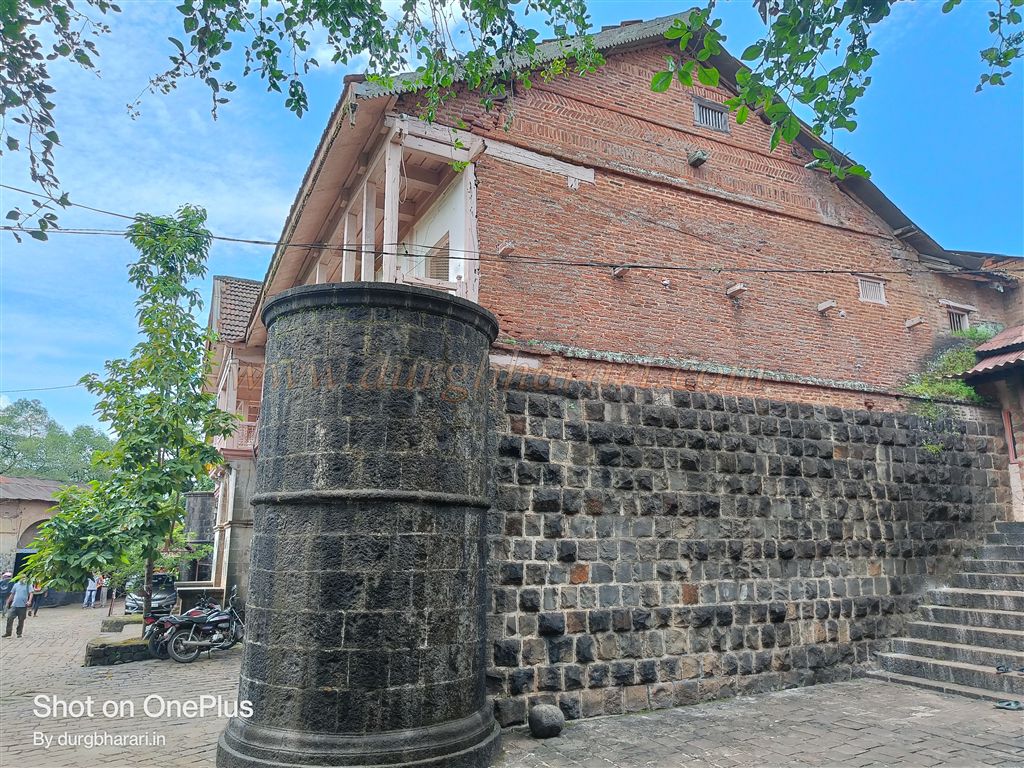
A flight of 15–16 steps leads to the north-facing main entrance of the fort. The entrance structure is two-storied and has guard rooms (devdis) on both sides. Entering through this gate, to the right stands the two-storied quadrangular mansion of Sardar Patankar, with small bastions built on both corners of the façade.
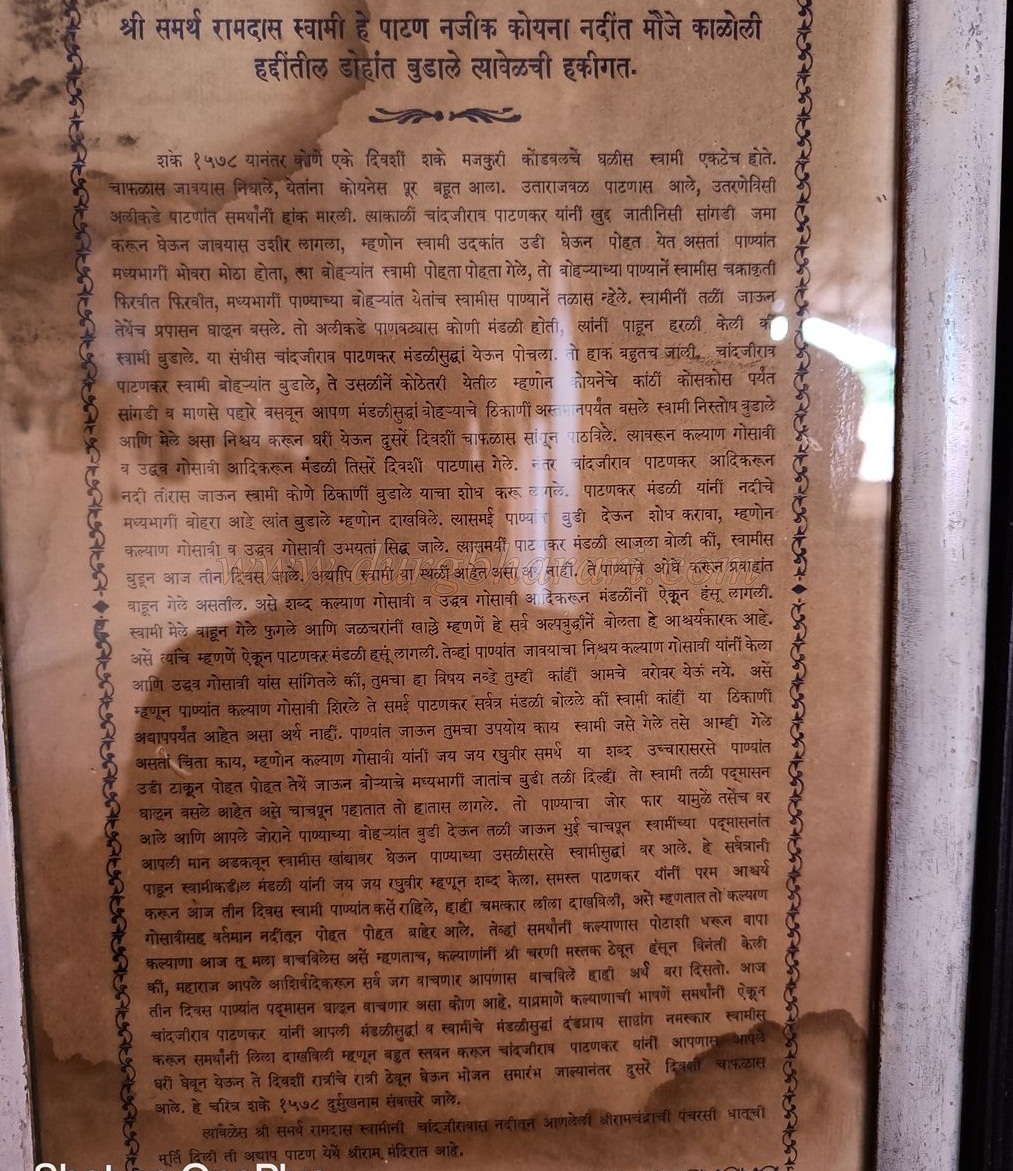
Currently, the mansion is occupied by the descendants of the Patankar family, including former MLA and Minister Vikramsinh Patankar and his family. Hence, visitors are allowed entry only in limited areas. On the opposite side of the mansion wall, there is a Ram temple built into the fort wall. The temple houses a five-metal (panchadhatu) idol of Lord Rama, gifted in 1656 by Samarth Ramdas to Sardar Chandjirav Patankar.
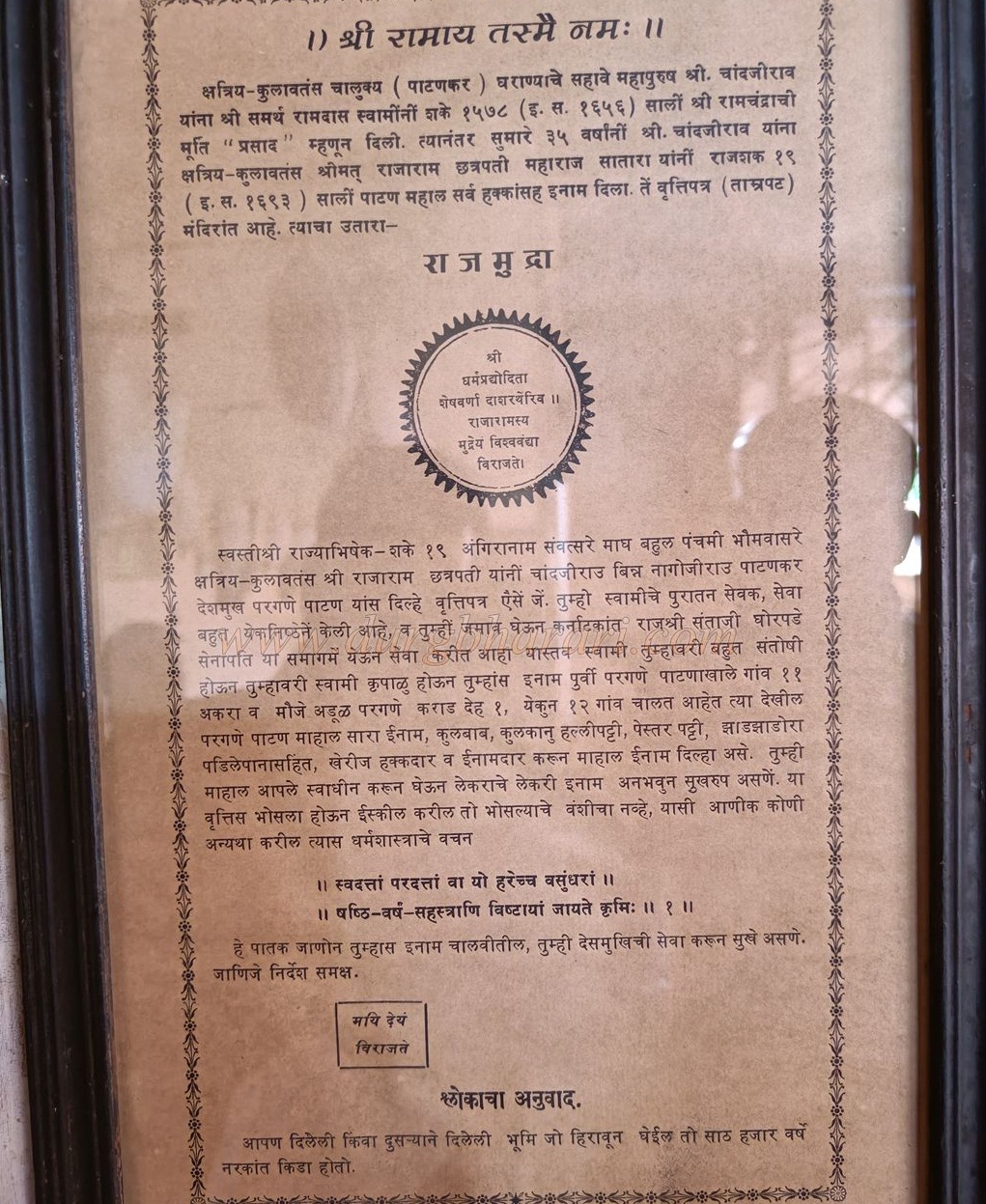
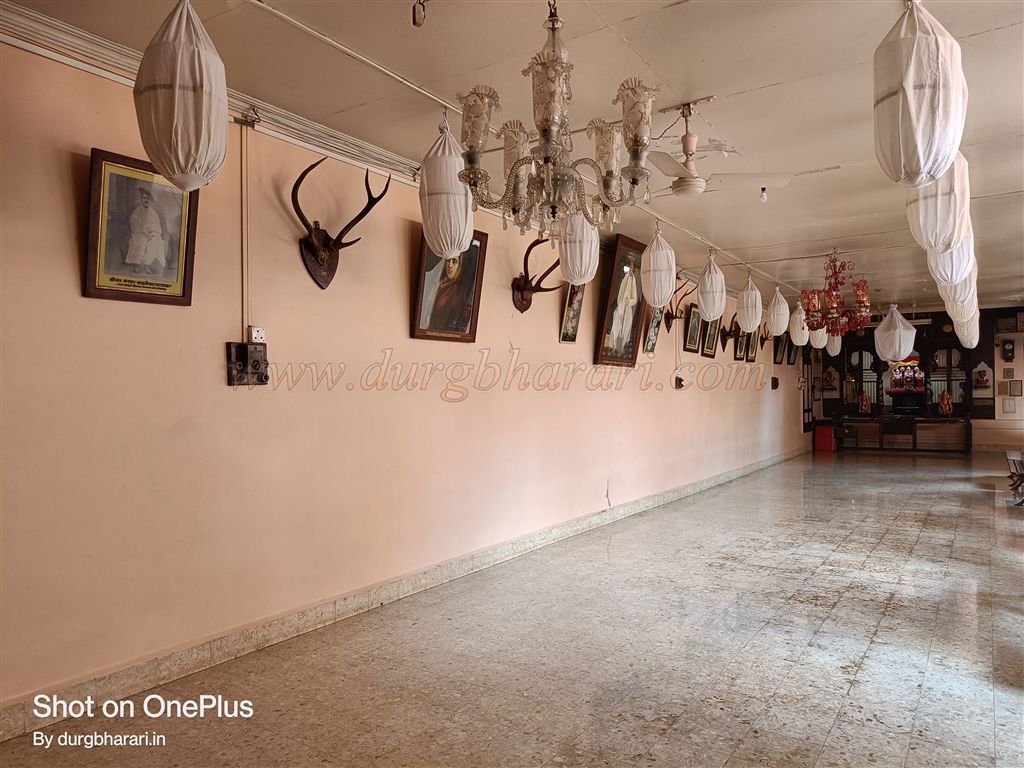
To the left of the temple is a veranda (osari) where ancient weapons, portraits, a turban, and a sword of Sardar Bhimrav Patankar are displayed. There is also a family tree of the Patankar lineage and historical documents that provide further information about the family's legacy.
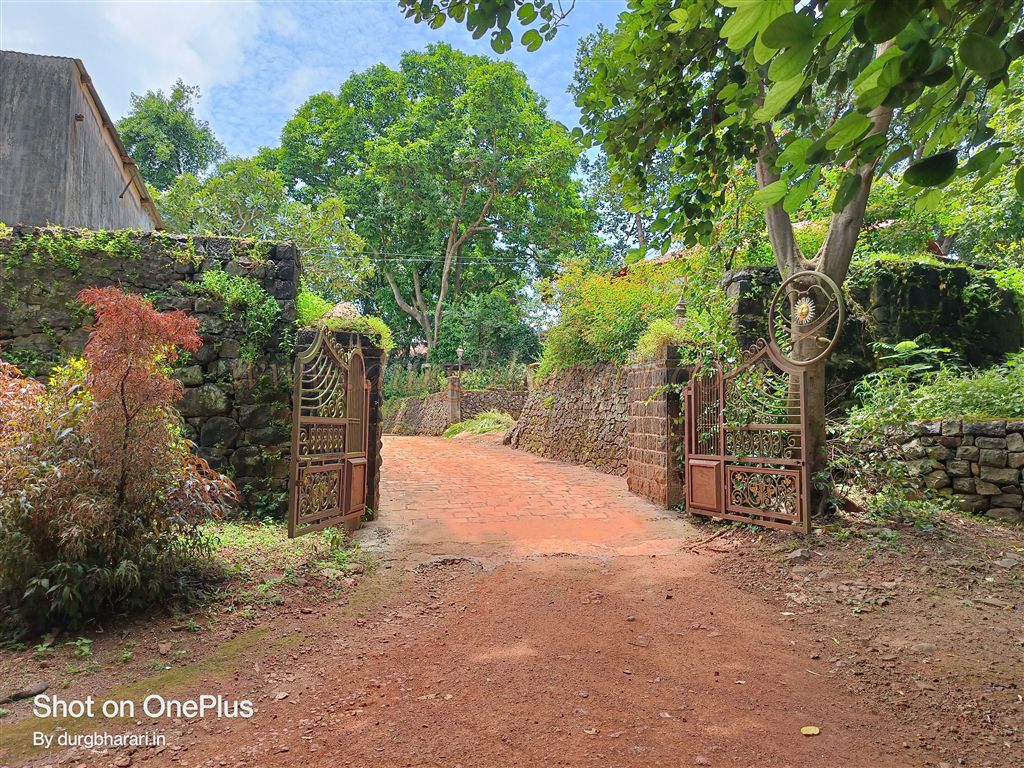
A path from the temple leads out of the gadhi. Interestingly, a road has been carved through the fort wall to allow private vehicles to reach up to the mansion. Exiting this way allows visitors to walk around the fort walls, eventually returning to the entrance steps, completing the tour.
The Salunkhe alias Patankar family traces its origins to the Chalukya period. Around 1526 CE, the Salunkhe of Chalukya descent became Deshmukhs of Gunwantgad and Dantagiri regions. Brothers Tukoji and Ramrao, descendants of this lineage, were appointed by the Bijapur court to oversee parts of Satara and the Konkan.
Leading a force of 5,000 from Kalyan Subha, they first conquered Patan taluka, followed by attack in Sangameshwar, and then marched toward Ratnagiri. As a reward for these military campaigns, AdilShah of Bijapur granted Tukoji control of the conquered territories. Since they settled in the Patan region, their descendants came to be known as Patankar.
During Shivaji Maharaj’s era, the Patankar name that rose to prominence was Nagoji Patankar. Along with Santaji Ghorpade and Chandji Patankar, he led successful campaigns in the South. For their valour, Chhatrapati Rajaram Maharaj awarded the Patankar family 11 villages in the Patan Mahal and 1 in the Karad Mahal as inam (grants). These official documents not only highlight their loyalty but also the affection and trust the Chhatrapati placed in the Patankar.
© Suresh Nimbalkar
GALLERY