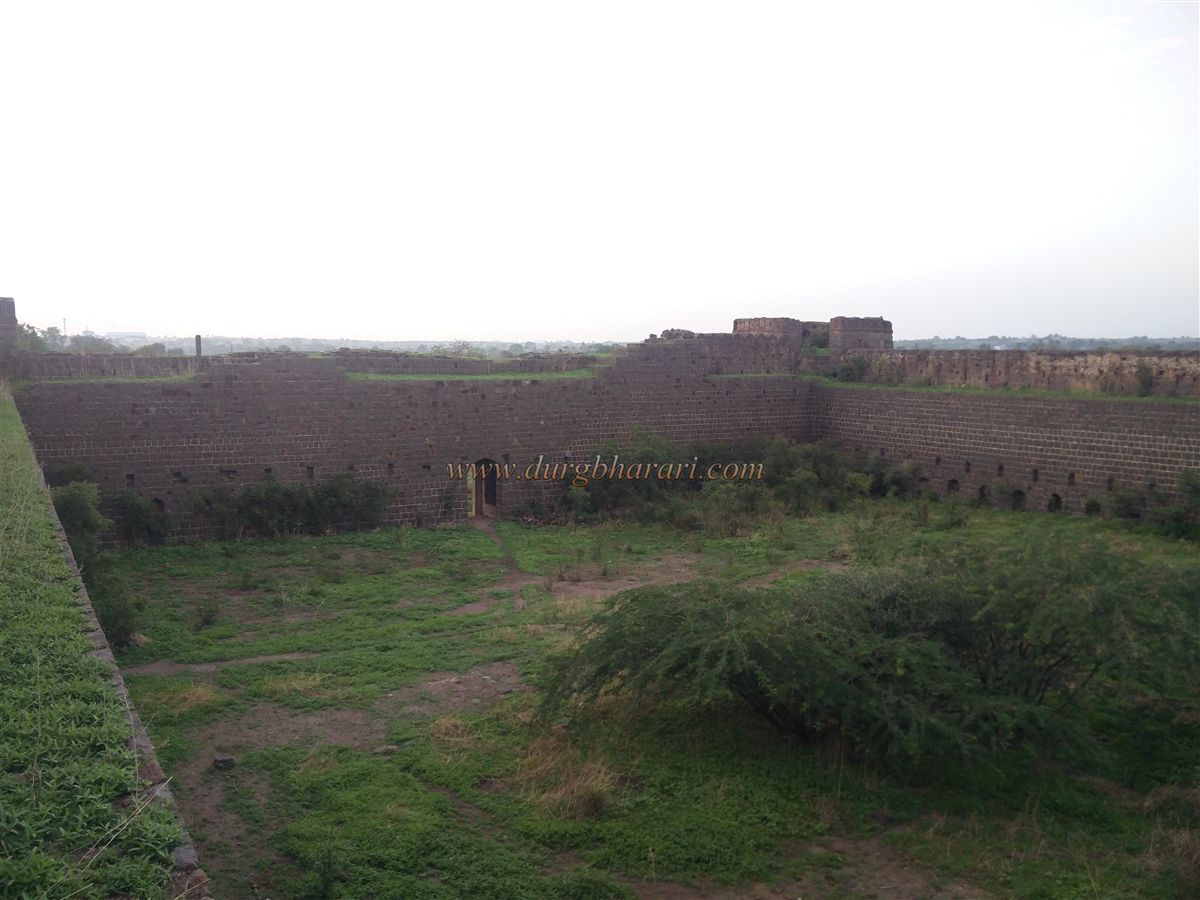
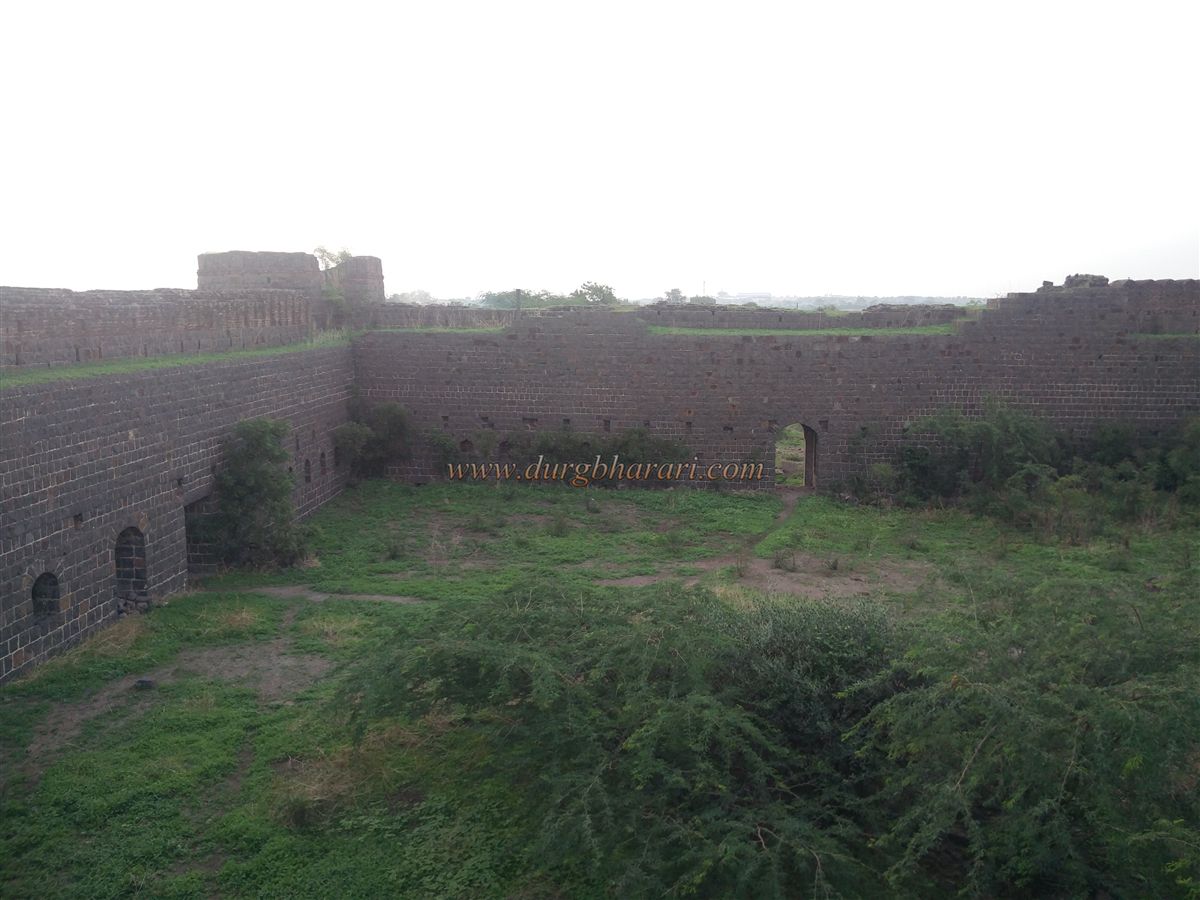
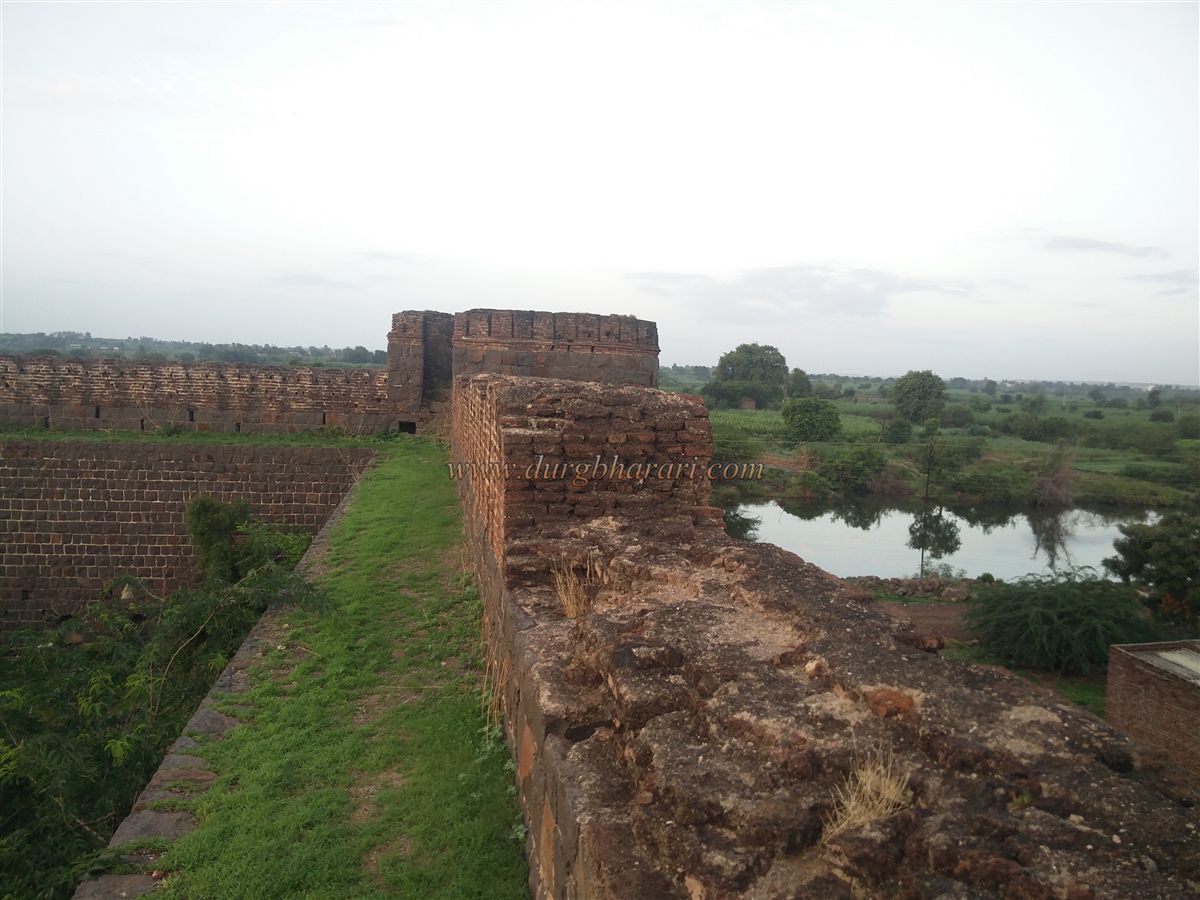
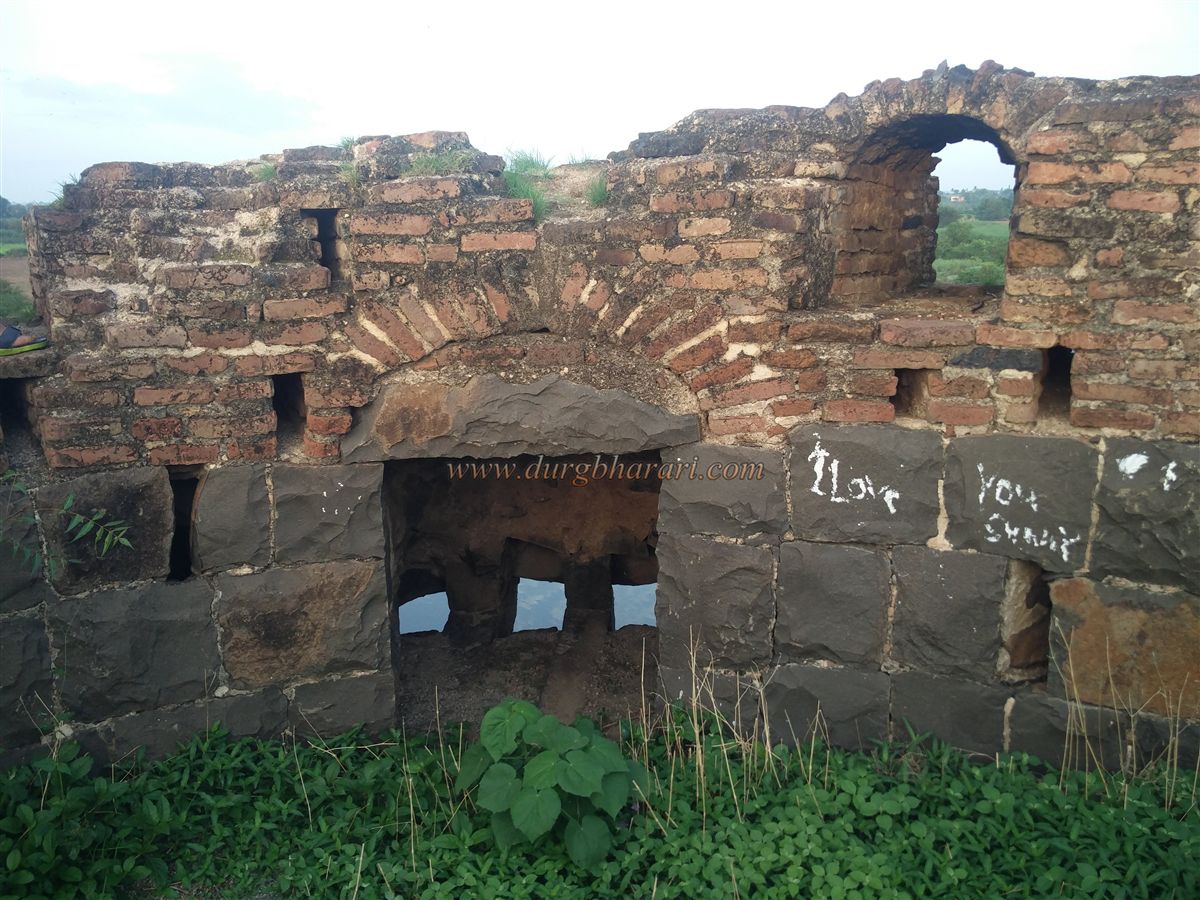
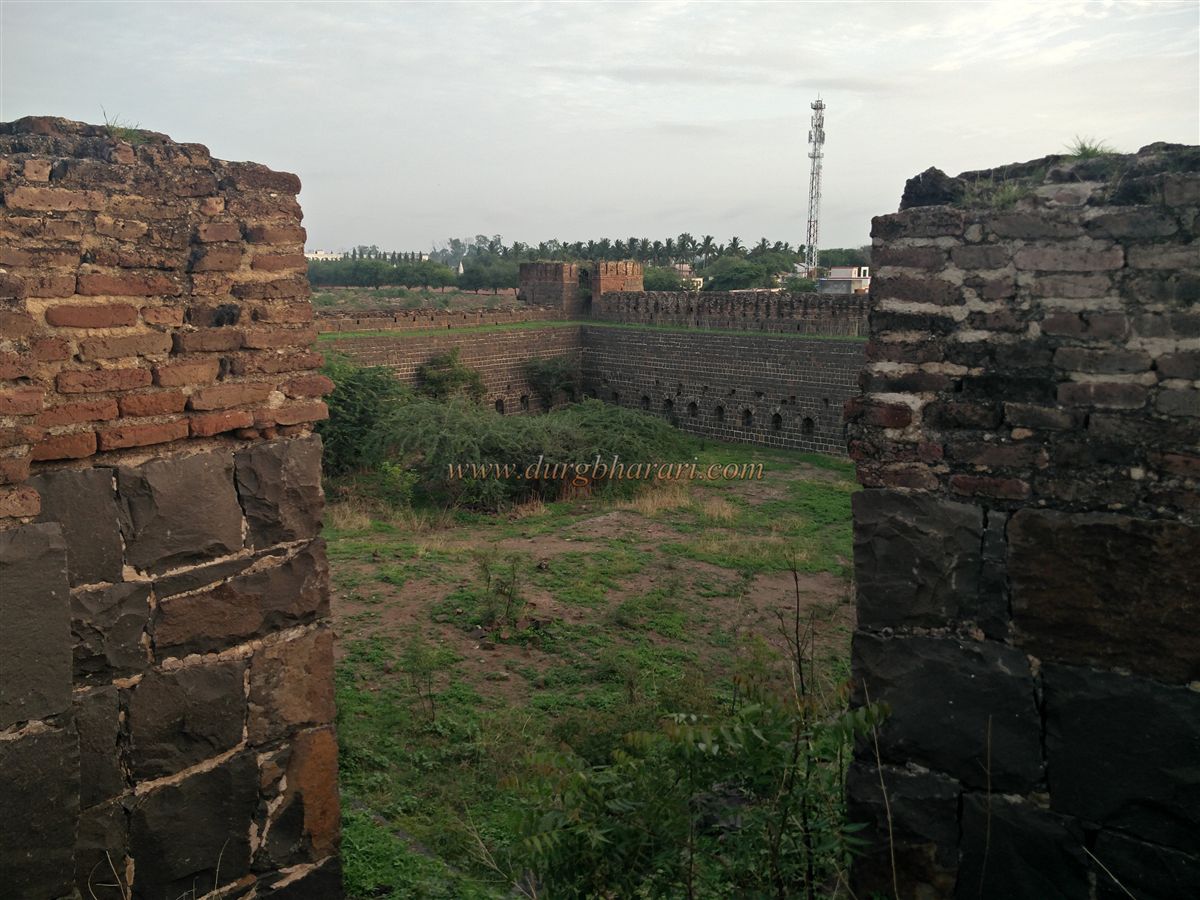
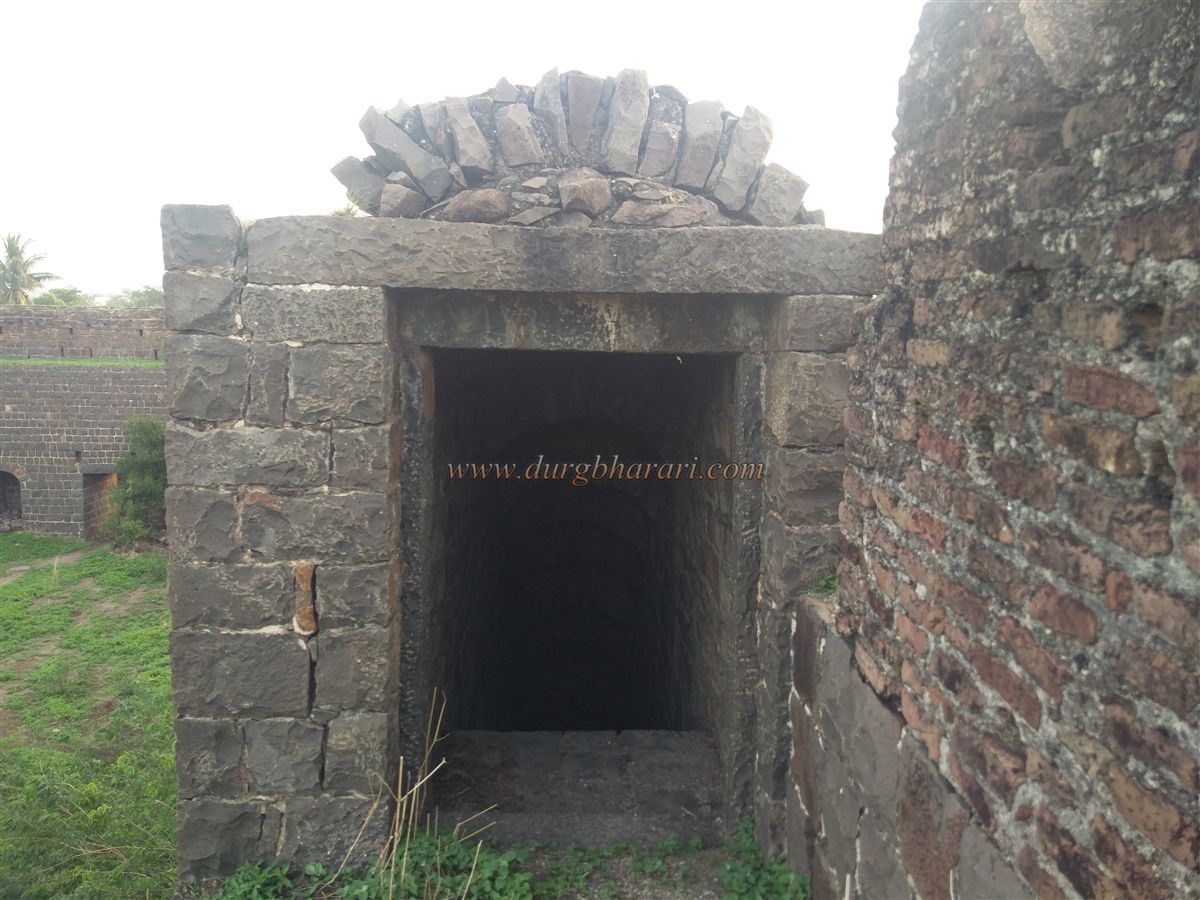
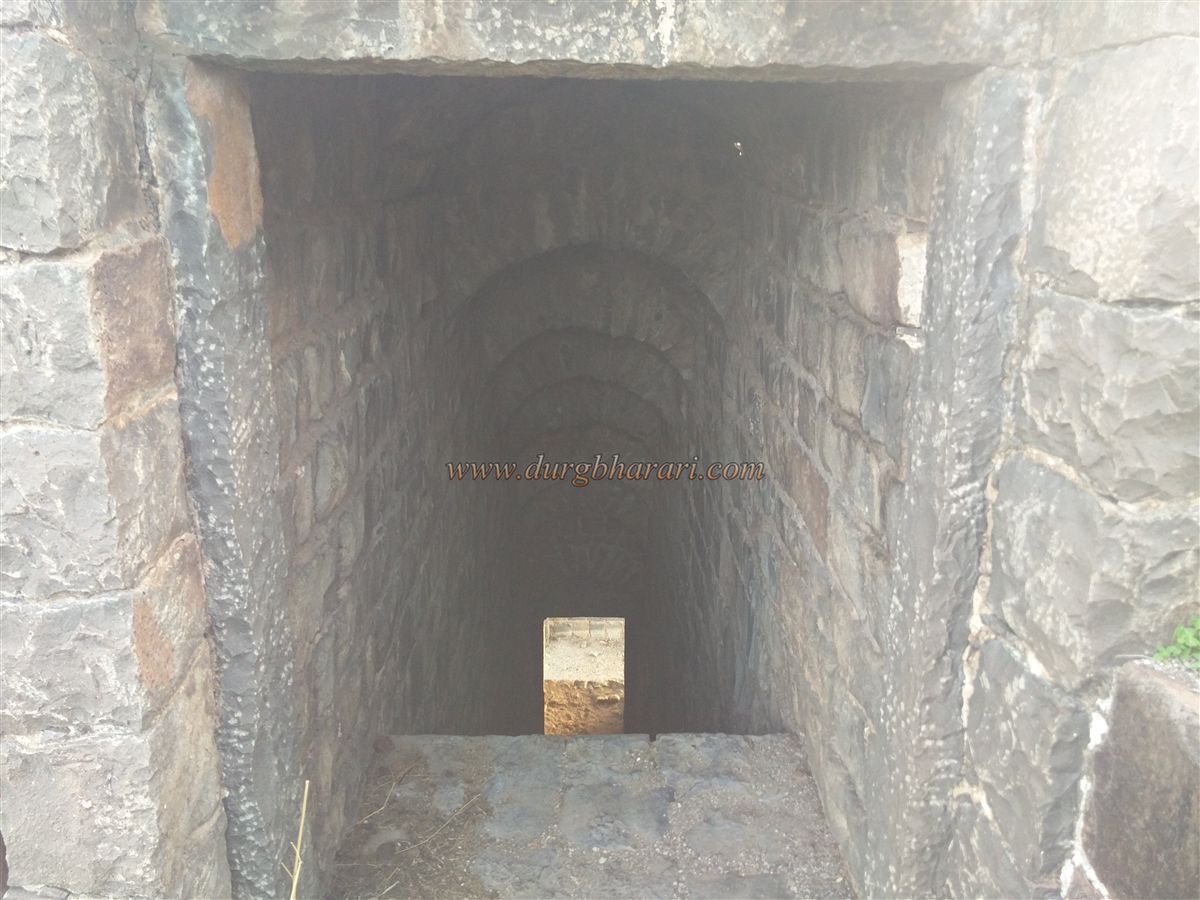
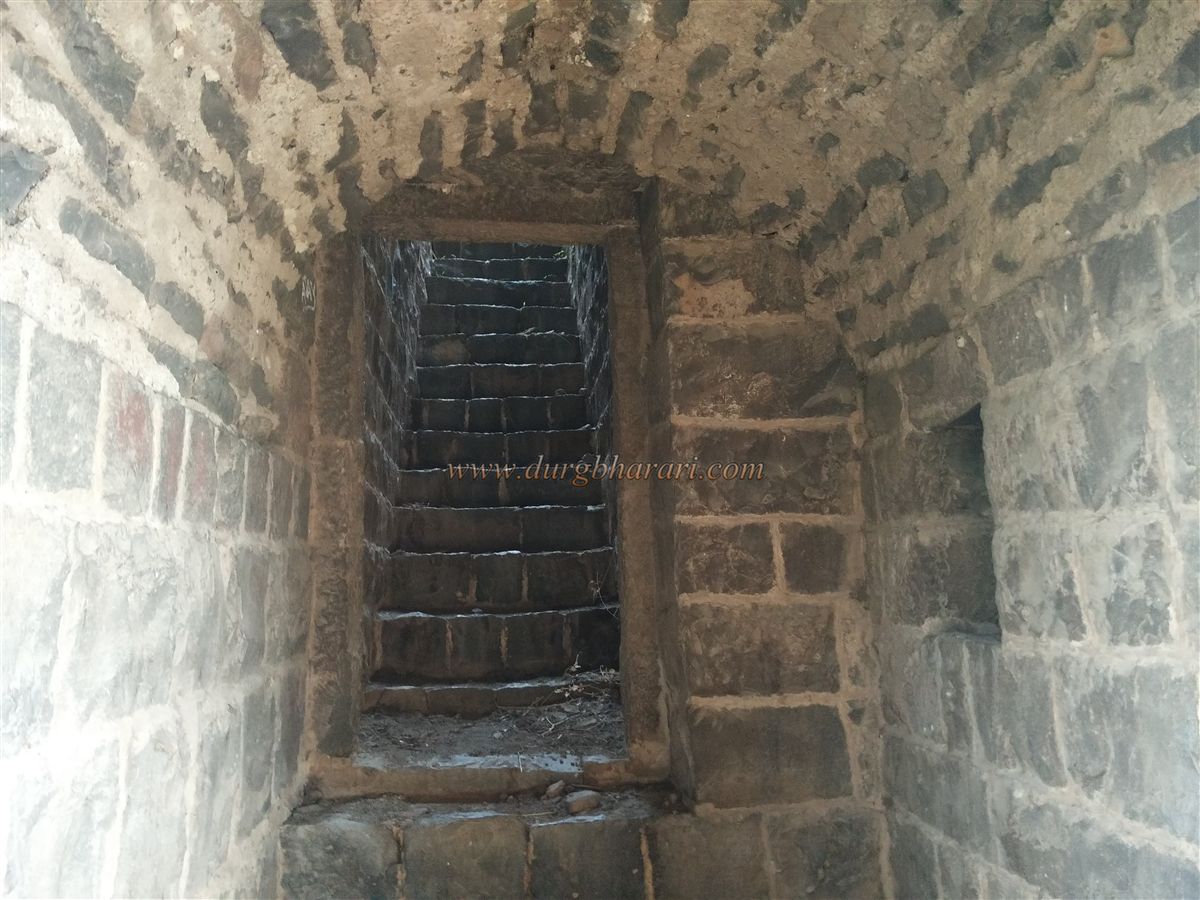
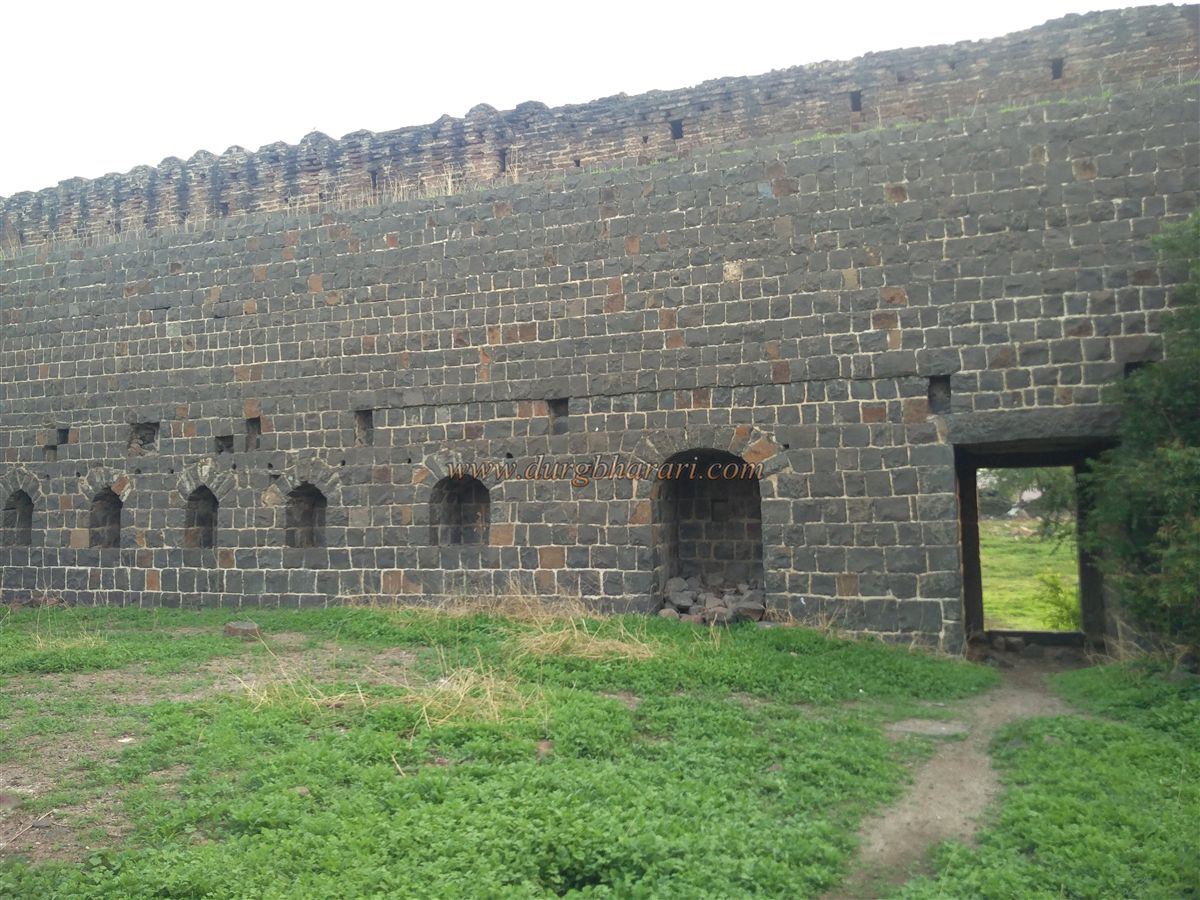
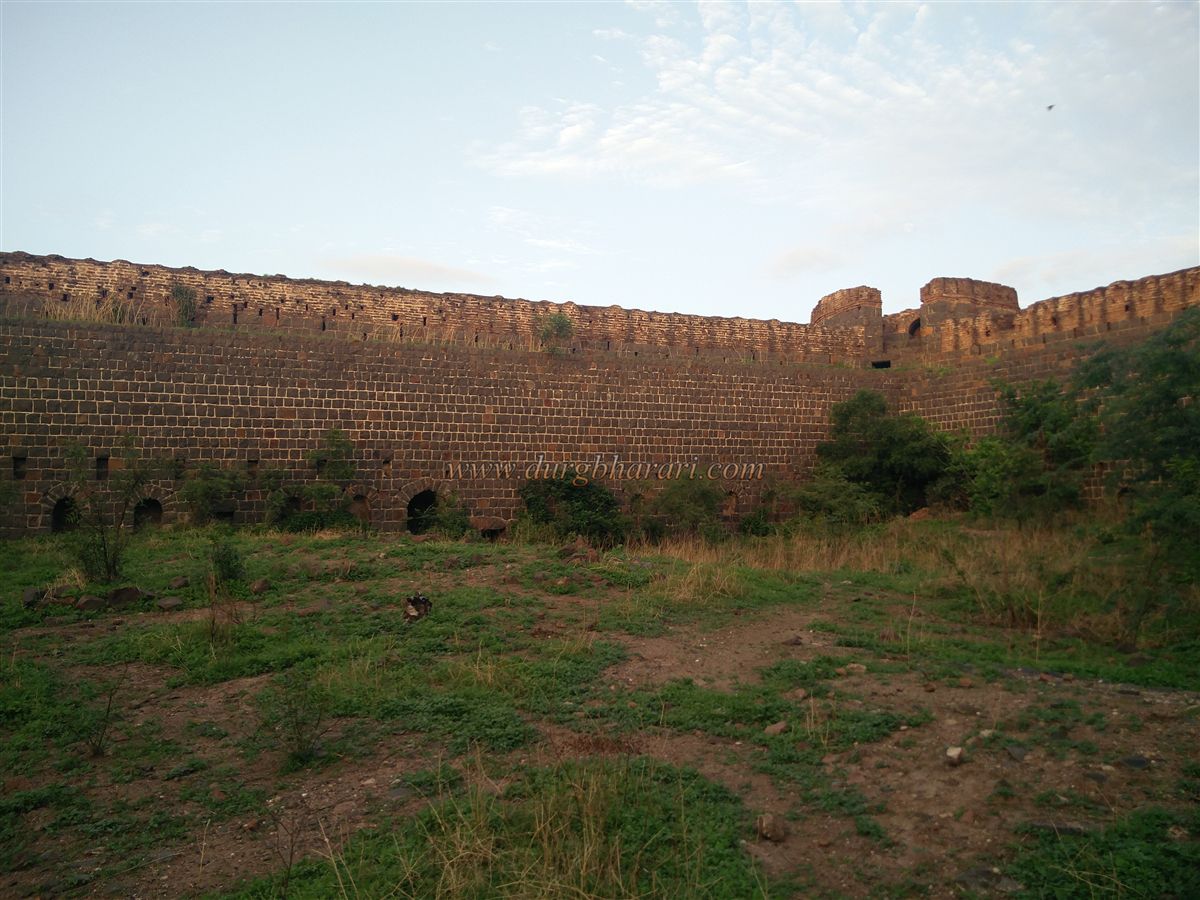
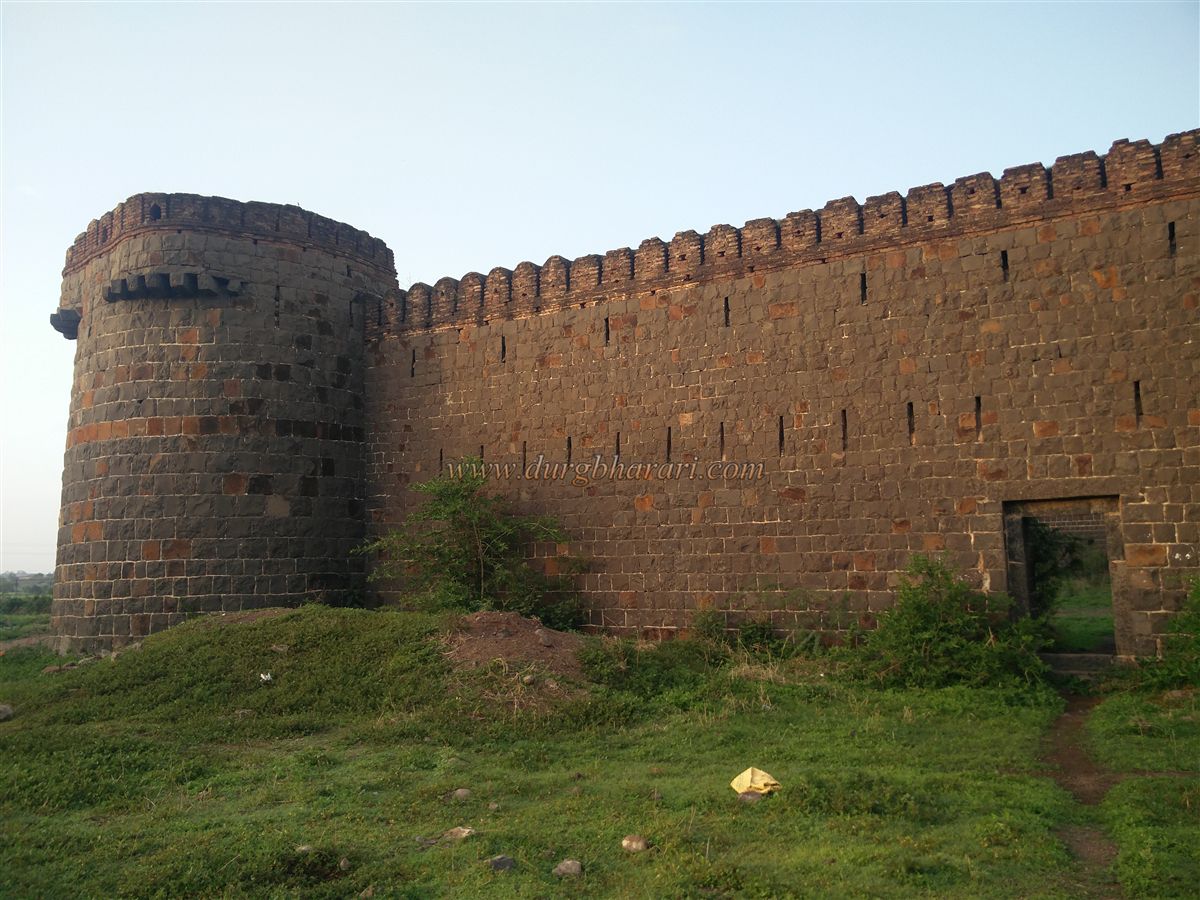
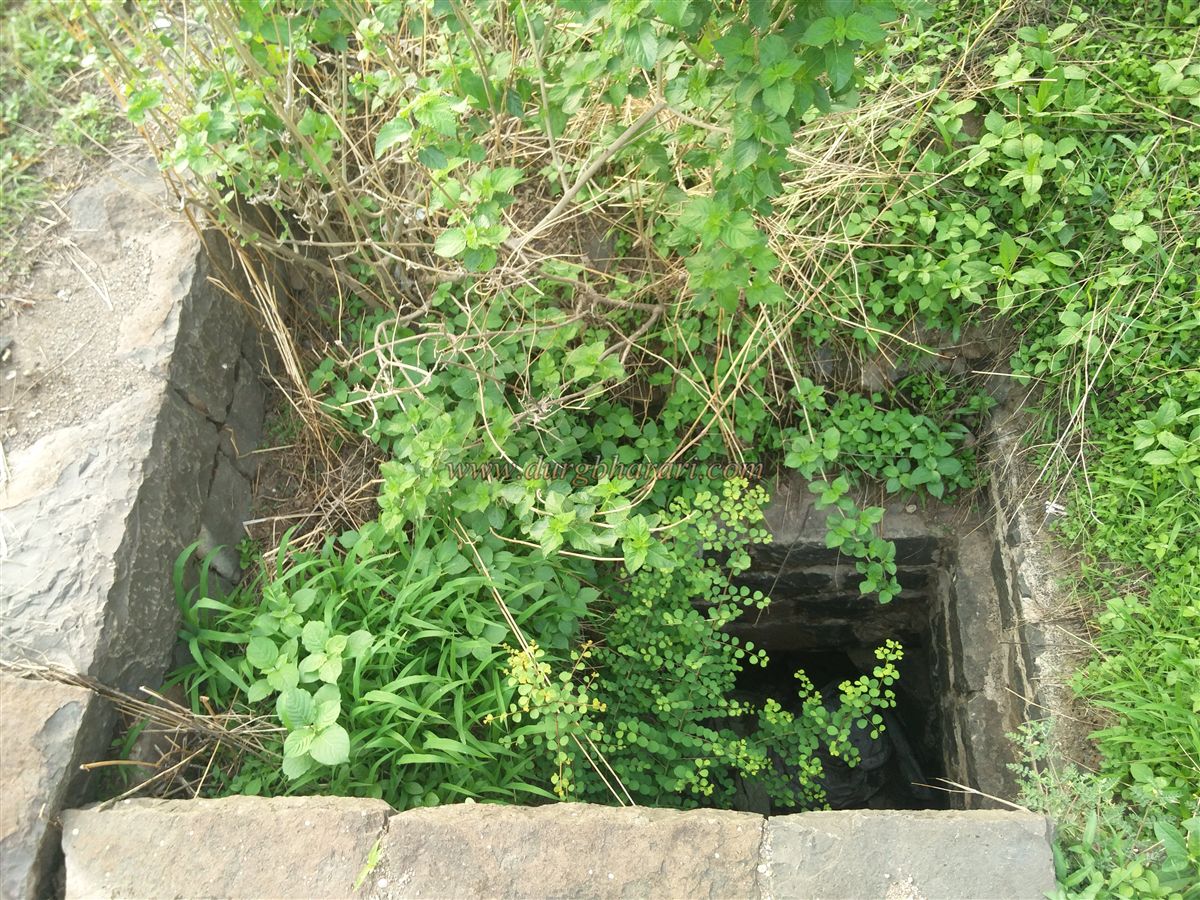
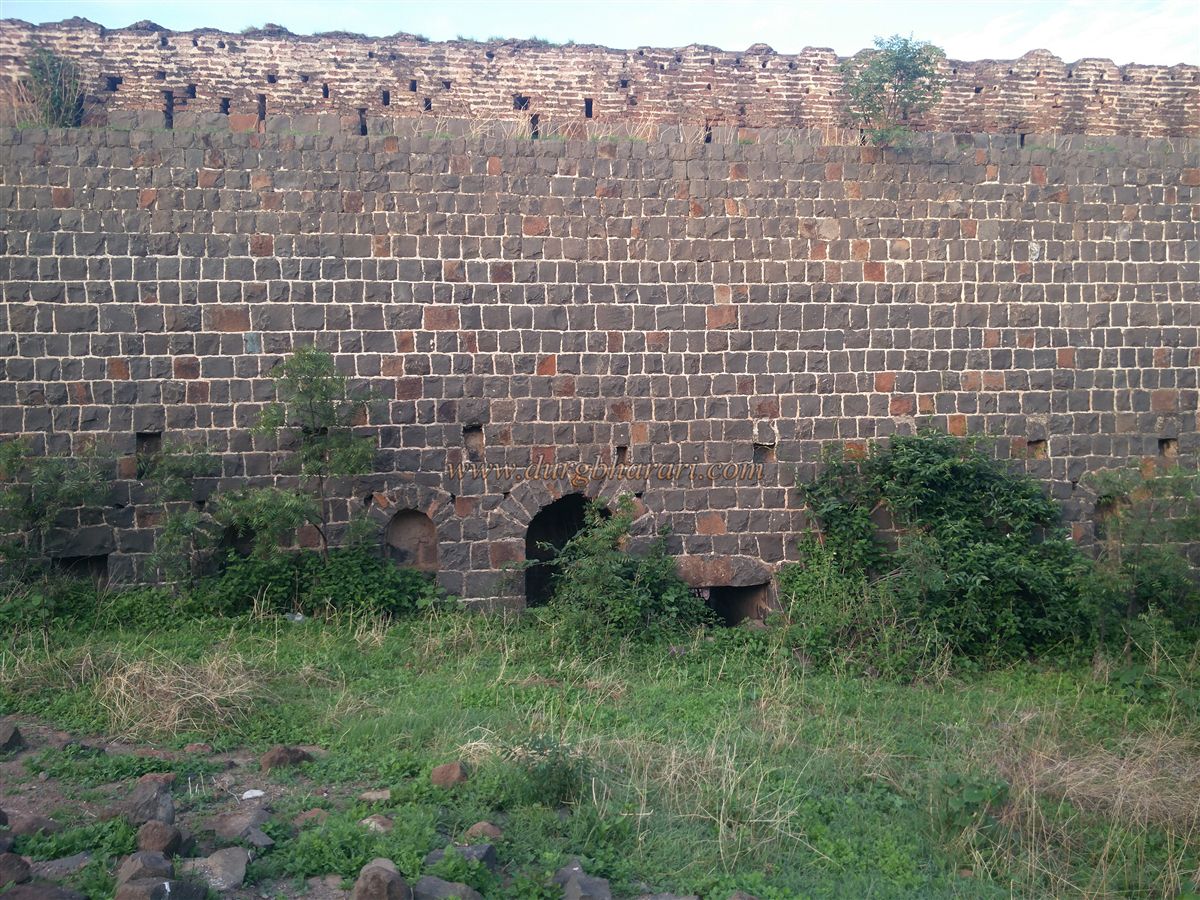
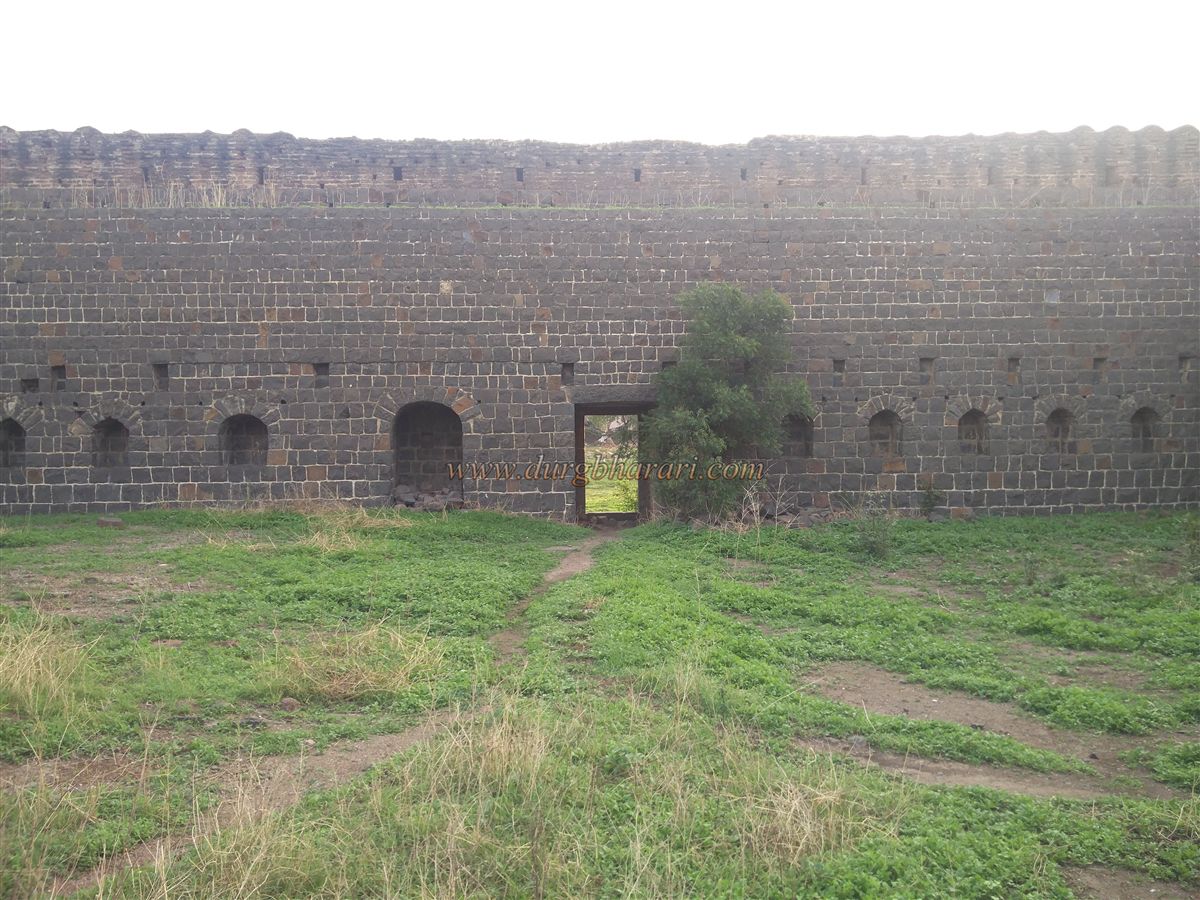
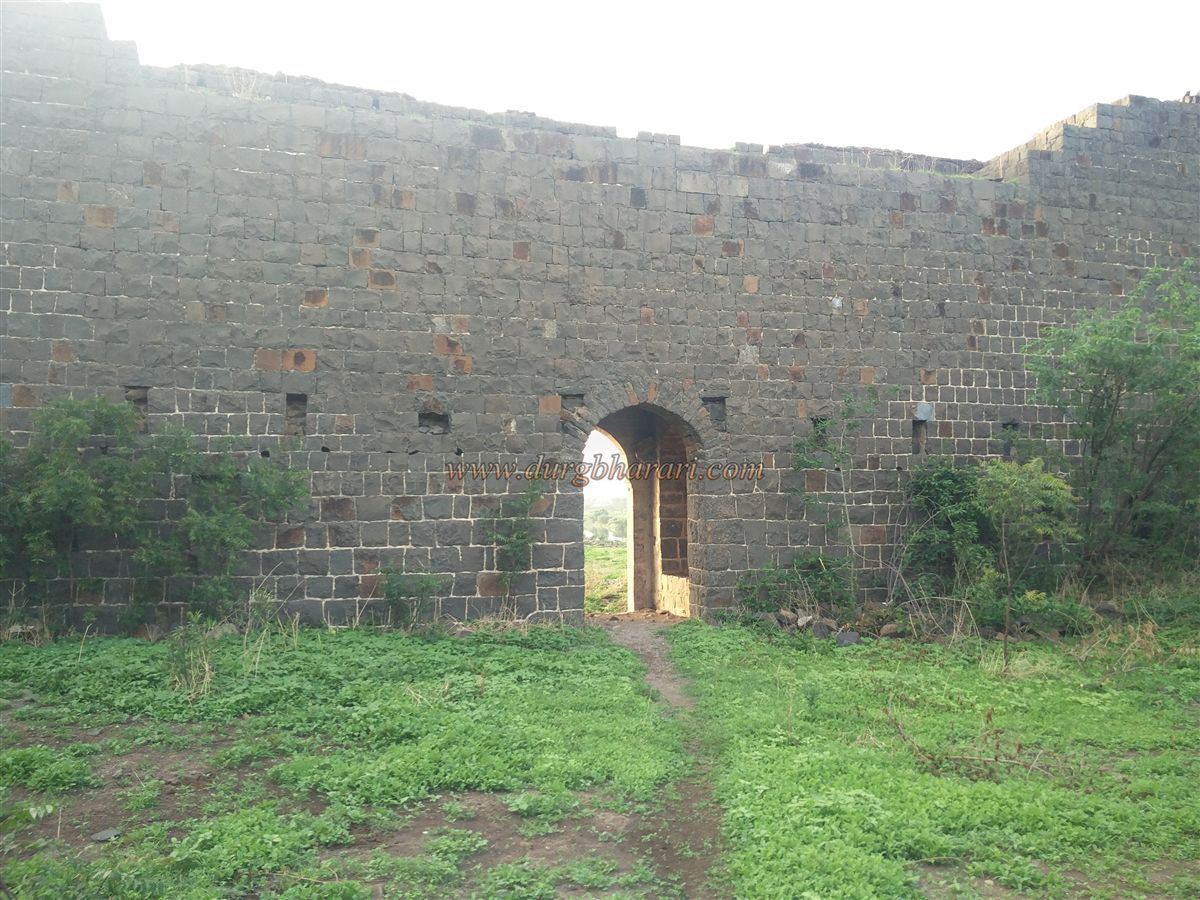
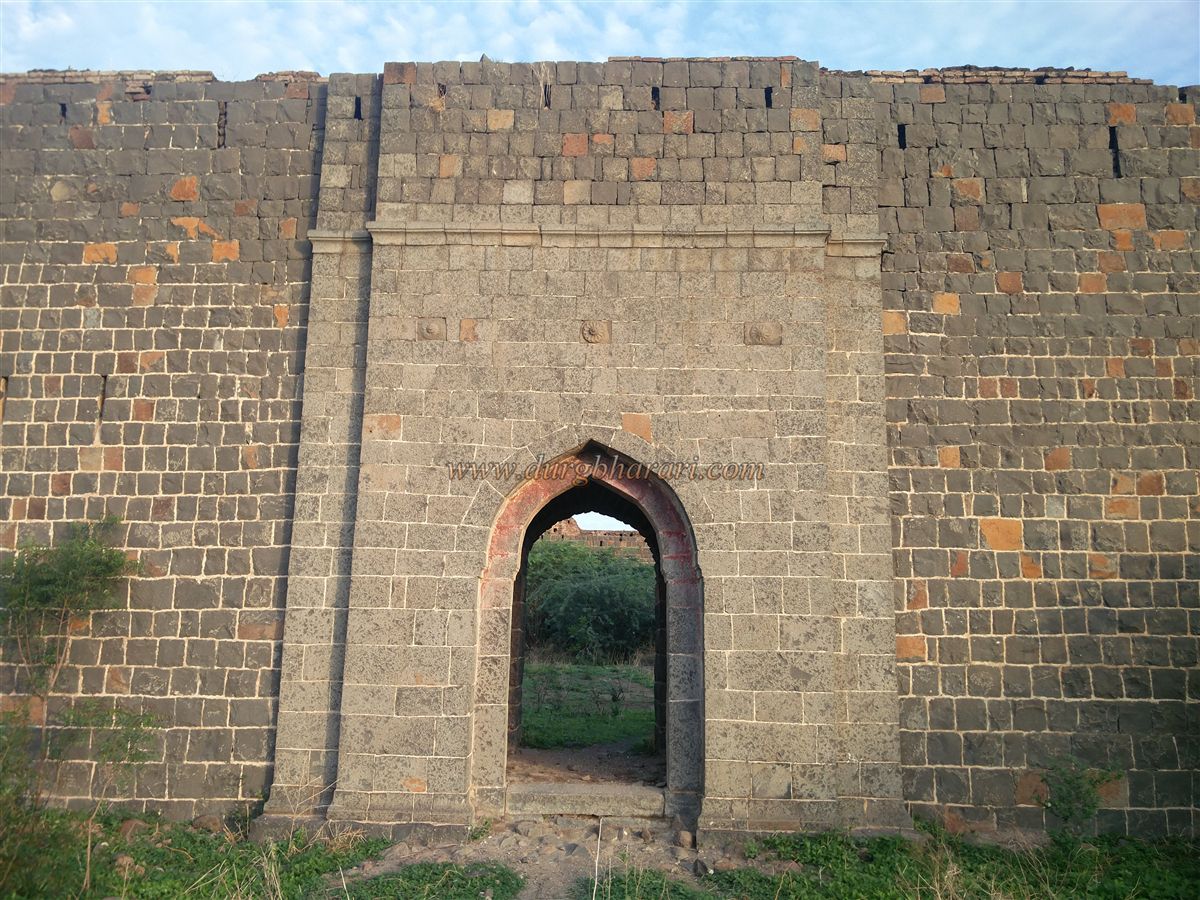
PARWADI TYPE : GADHI DISTRICT : PUNE HEIGHT : 0 GRADE : EASY Every fort has earned its identity through historical events. However, there are some forts where no significant incidents took place—or if they did, history hasn’t recorded them. Many such forts have faded into obscurity and are now neglected. One such forgotten fort is Parwadi Fort. Despite its small size—almost resembling a child’s toy fort—Parwadi Fort, located near Pune, remains largely unknown. It has been constantly neglected, and there is hardly any information about it available on the internet or elsewhere. This is a small attempt to introduce this little-known fort, which looks as if it's straight out of a painting. To visit Parwadi Fort, one must reach the village of Parwadi in Baramati Taluka. The distance from Pune to Parwadi is around 100 km, and from Baramati to Parwadi, it is about 14 km. Even today, the fort stands proudly on the riverbank in Parwadi village. ... Looking at the construction style, it seems the fort was built after the Shivaji era. The fort is rectangular in shape, spread east to west over roughly half an acre, and measures about 150 x 125 feet. There are four grand bastions at each corner. The main entrance faces east, and upon entering, staircases on both sides lead up to the fort walls. The entire fort wall is built of well-cut stone, while the top portions (parapets) are constructed using brickwork. Since the fort walls are still intact, one can walk a complete round (pradakshina) along the ramparts. The walls have loopholes for firing guns, and the bastions contain additional loopholes and slits for gunfire or cannons. Each bastion has underground chambers, likely used either for soldiers’ shelter or for storing gunpowder. After circling the ramparts and descending, a small secondary gate is seen on the northern wall. On the western side of the fort wall, there are three storage rooms, and along the inner side of the walls, many wall niches (small alcoves) are visible. While walking through the fort, one can see the platform of a former mansion (wada) and the remains of two other structures. In addition, the fort contains a well, a water tank (haud), and a hidden or escape gate (chor Darwaja) in the southern wall. It takes about half an hour to fully explore the fort. When asking locals in the village about the fort, the only information generally shared is that it belonged to the Gavde family, and no further details are commonly known. © Suresh Nimbalkar Read more... WATCH VIDEO GALLERY Post Views: 2,664