PARVATGAD
TYPE : HILL FORT
DISTRICT : NASHIK
HEIGHT : 3050 FEET
GRADE : HARD
Due to historical events, every fort has its own unique identity. However, there are some forts where no significant events occurred, or even if they did, there is no mention of them in history. As a result, many such forts have fallen into oblivion and are now neglected. One such forgotten fort is Parvatgad.
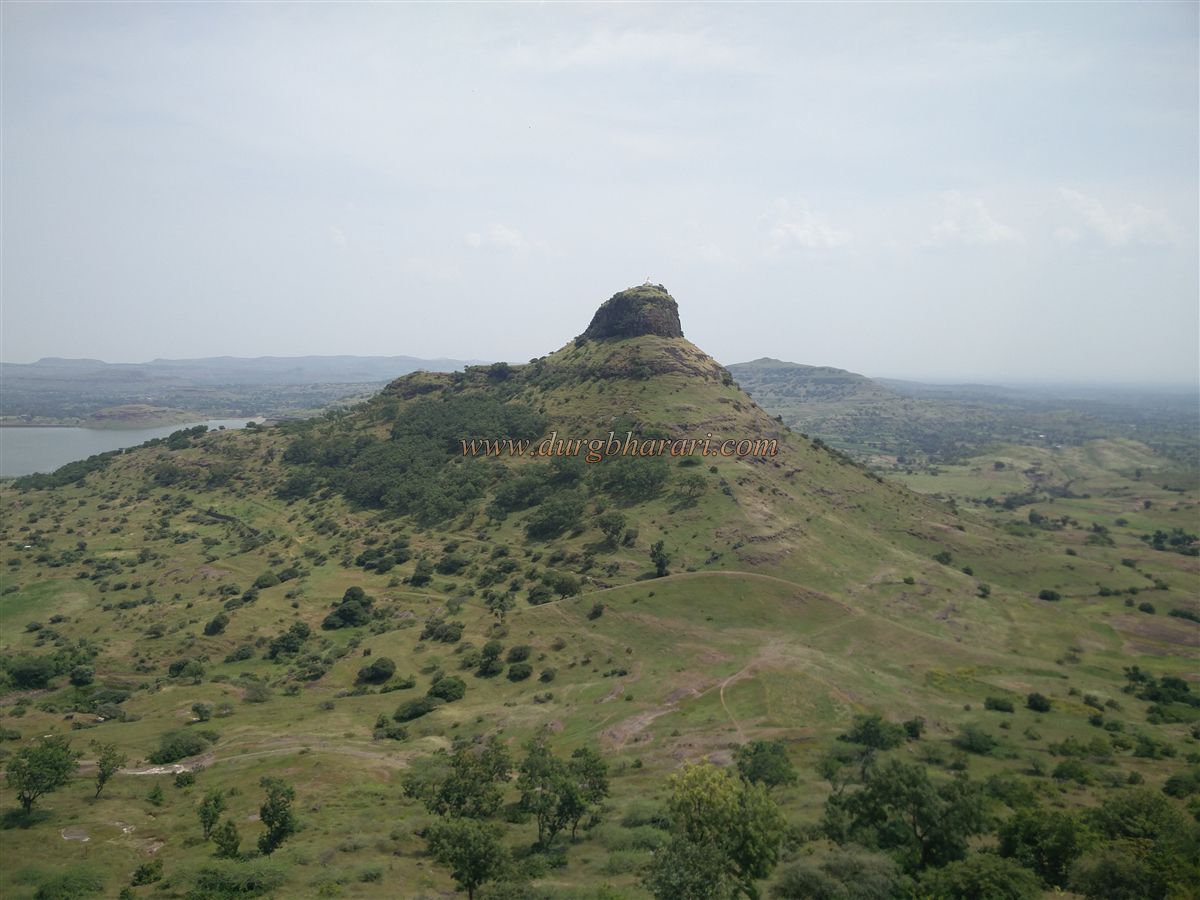
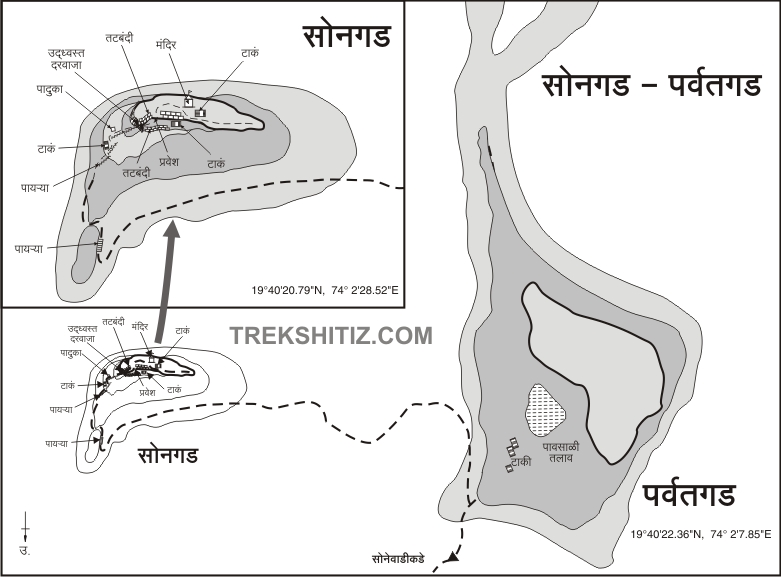
Parvatgad and Songad are twin forts, separated by a narrow pass. Both can be easily explored in a single-day visit. Located just 50 km from Nashik and 26 km from Sinnar, Parvatgad has remained overlooked because very little information about it is readily available. Parvatgad stands behind Bhojapur village, next to Songad. Locals refer to Parvatgad simply as “Parvat.”
...
The fort is rectangular, stretching north to south, and rises 950 feet above the base. It measures 1300 by 1000 feet, with a summit area of over 25 acres. Bhojapur village is 25 km from Sinnar, and 3 km ahead is Kasarwadi village. The fort can be accessed from either village within about an hour and a half. On the way from Bhojapur to Kasarwadi, before reaching the Kasarwadi fork, there is a Hanuman temple. A path to the right from this temple leads toward the twin forts.
Since the road is in very poor condition, it's best to park near the dargah or school and carry drinking water from the school tap, as there is no water source on the fort. After parking, a 15-minute uphill walk past the dargah brings you to a plateau at the base of Songad. On this plateau, remains of ruined structures can be seen, including a platform with a Shiva linga and Nandi. From here, a path to the right leads to Parvatgad, while the straight path continues to Songad.
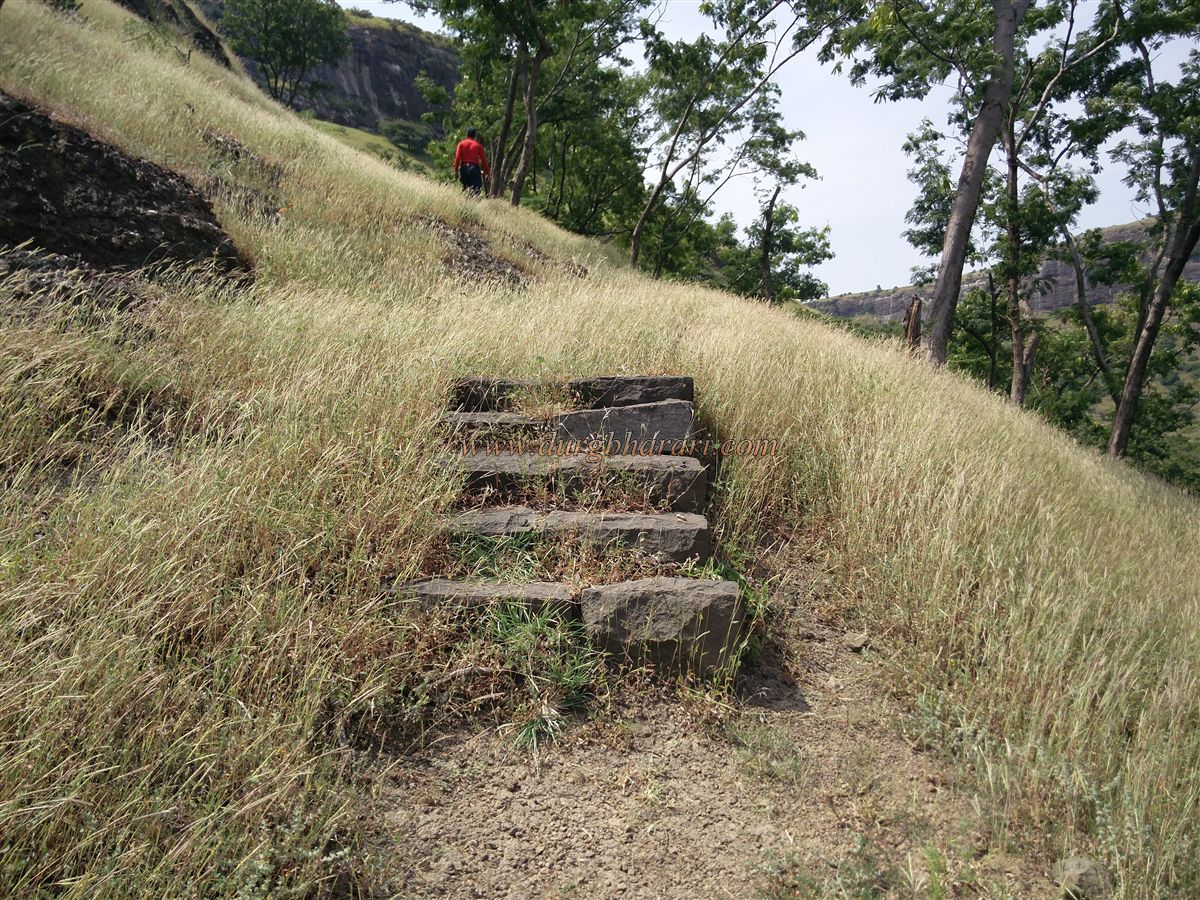
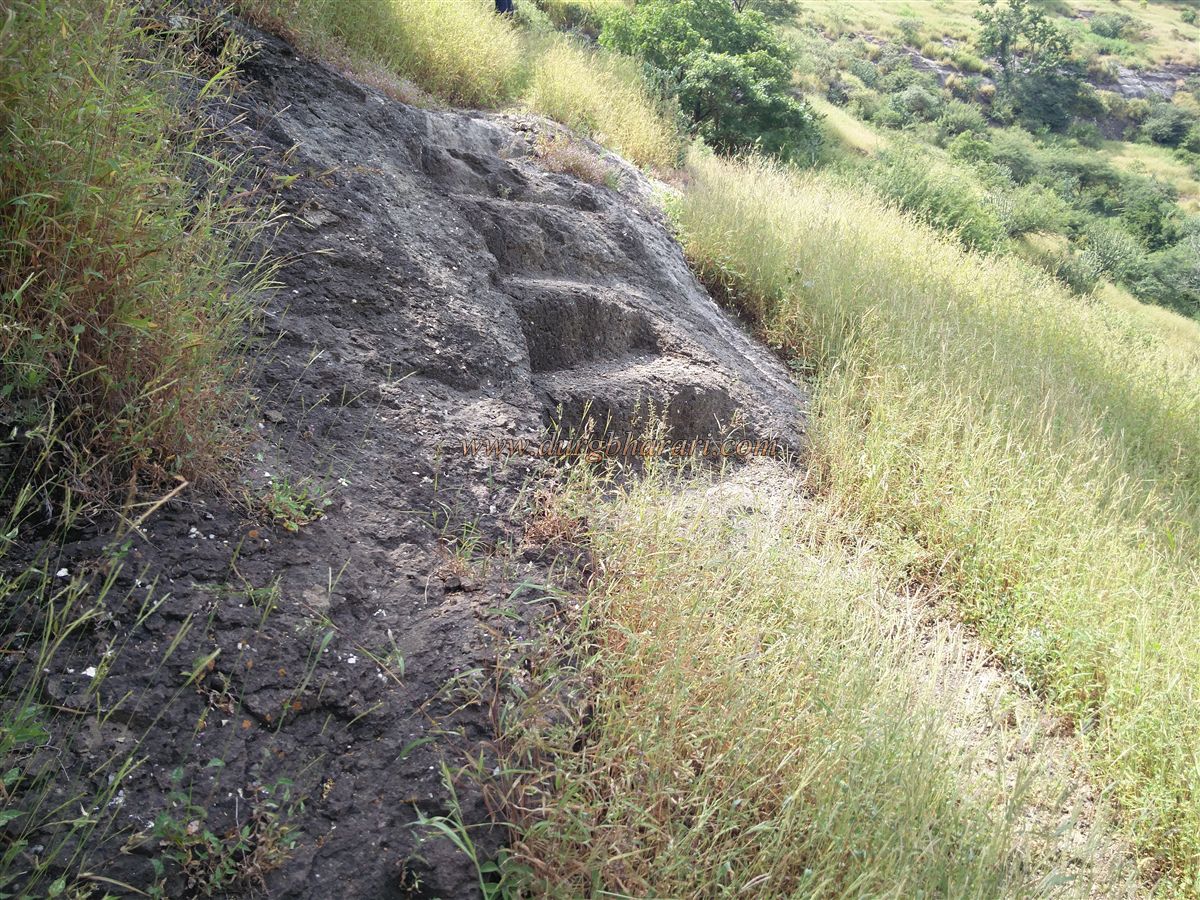
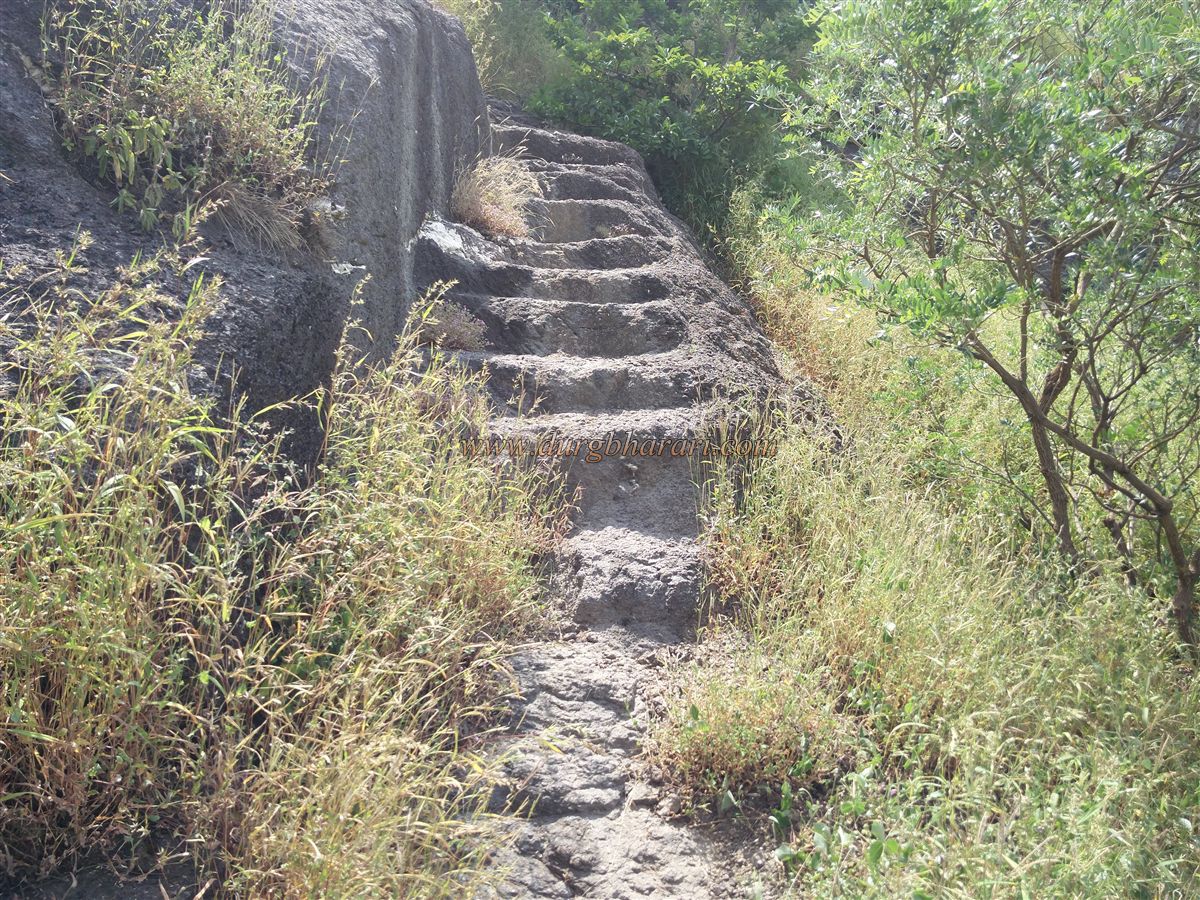
Alternatively, one can reach the pass between the two forts via a footpath from Bhojapur. From the plateau to the pass, one encounters five to six stone-cut steps— a sign you are on the correct route. Later, two more sets of rock-cut steps appear. Climbing these and following the trail along the base of Songad's hill, one reaches the pass between the forts in about 30 minutes.
From the pass, Parvatgad appears sprawling and wild. As it's rarely visited, there is no clear trail. Heading diagonally upward from the pass toward the northern side of the fort, one reaches a spur descending toward Bhojapur. By performing easy rock climbing on this spur, one can reach the summit of Parvatgad. However, basic rock-climbing ability is necessary.
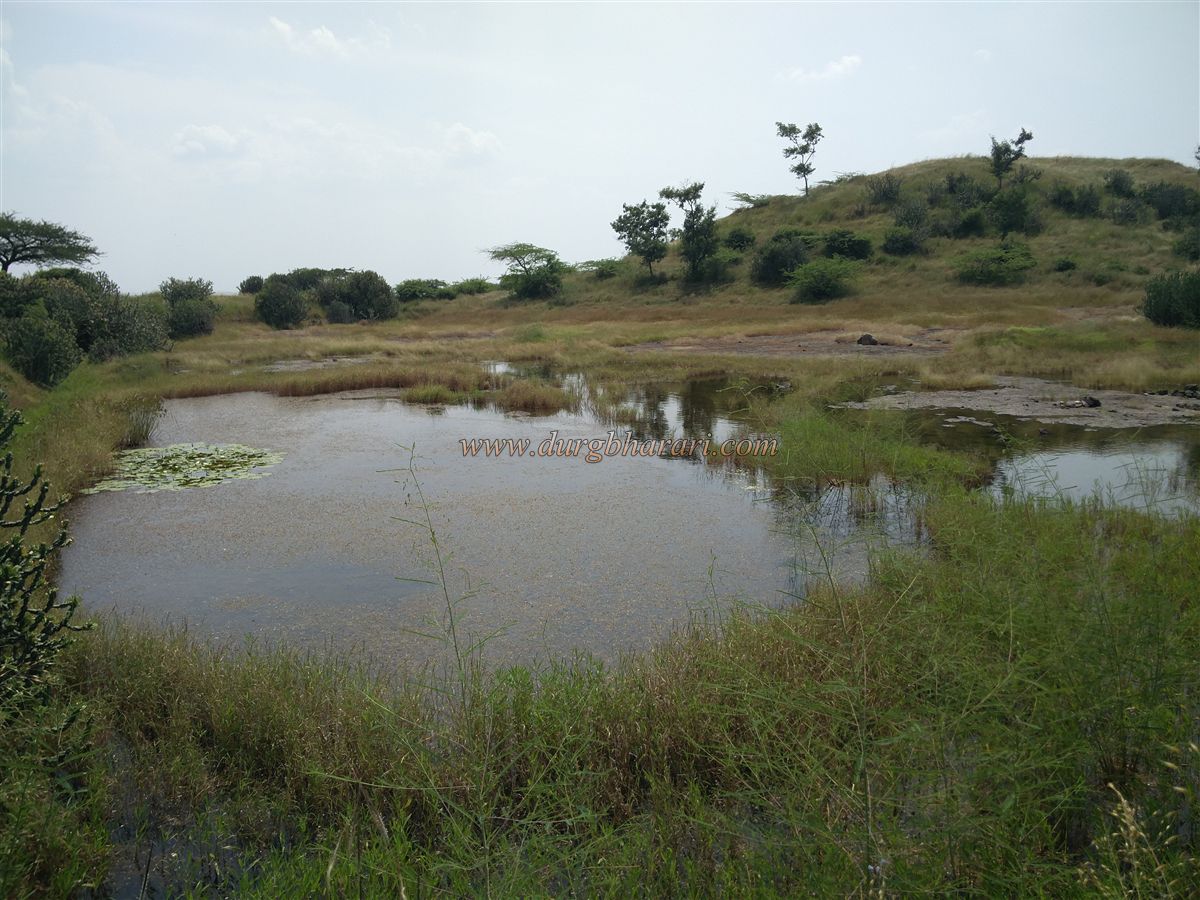
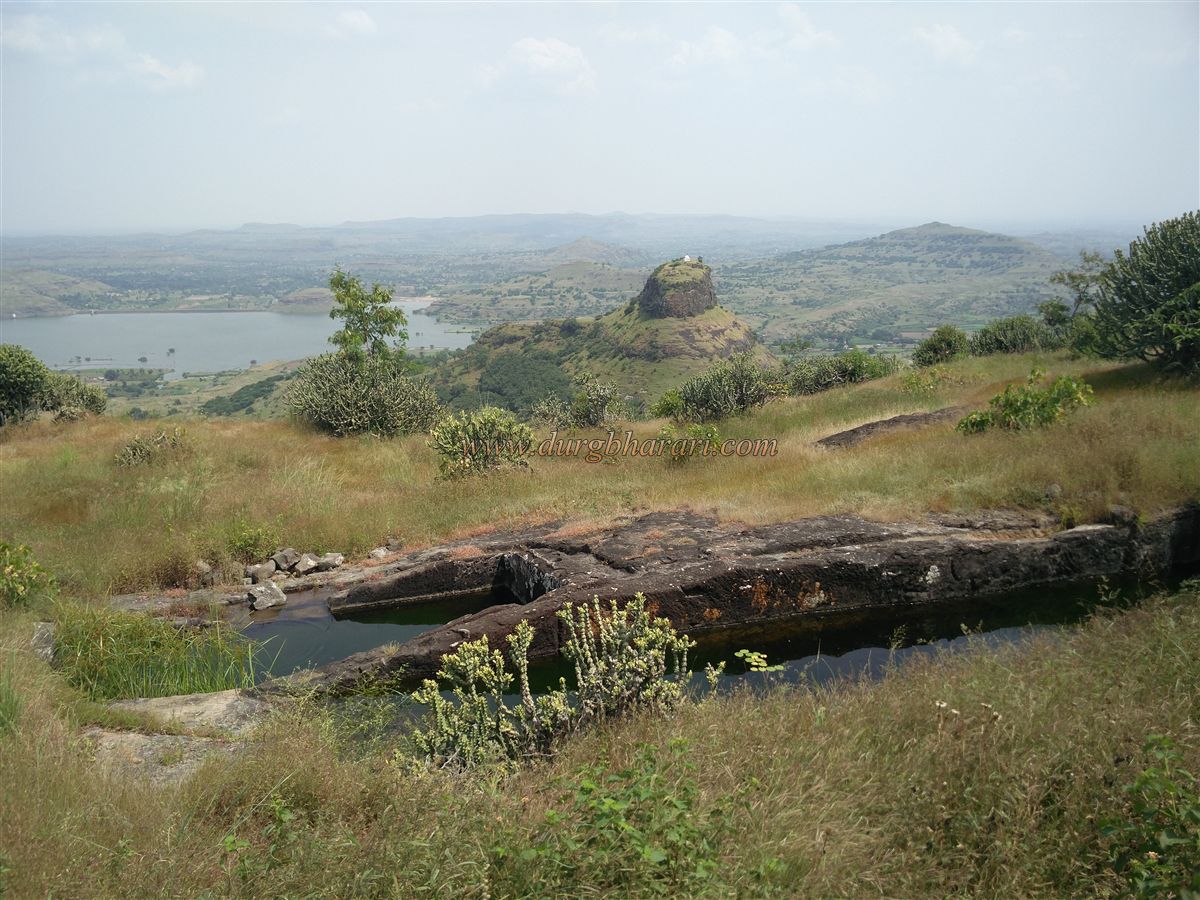
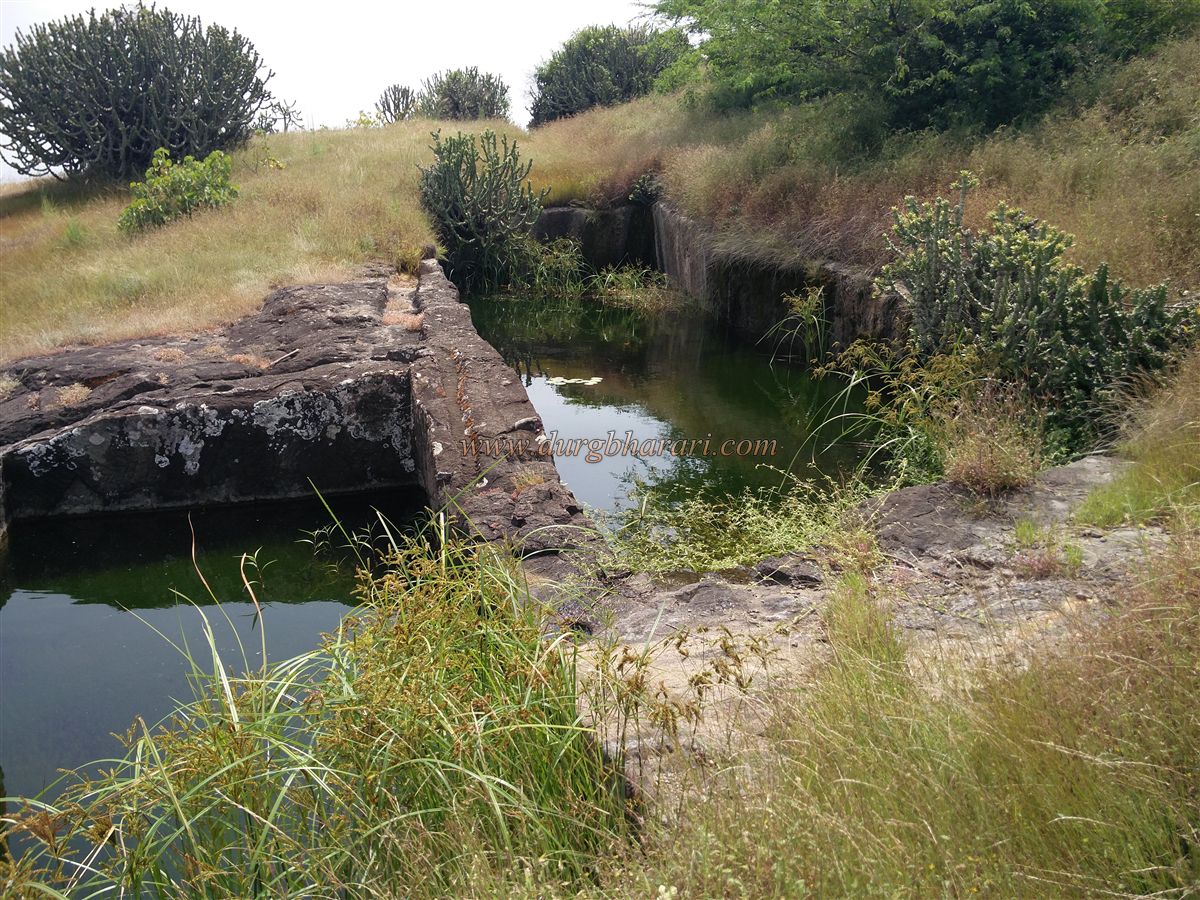
Parvatgad shows no typical signs of fortification. Upon reaching the top, a prominent rise is seen ahead. To its left is a large, constructed water reservoir. On the way to the reservoir, a platform of an old structure is visible. Due to lack of visitors, the fort is overgrown with tall grass, hiding many remnants. Below the reservoir, two large rock-cut water tanks filled with moss can be seen. Other than this, no further structures are visible on the fort.
From the topmost point, one can view the entire fort, the Bhojapur dam, and the surrounding region. A full tour of the fort takes about an hour. After the exploration, one should descend back to the pass and return toward Bhojapur or Songad.
Historical records yield no information about this fort. At the base of Songad, there is a school and a dargah. The school has a water tank and tap, so it may be possible to arrange a stay there.
© Suresh Nimbalkar
GALLERY