PAROLA
TYPE : GROUND FORT
DISTRICT : JALGAON
HEIGHT : 0
GRADE : EASY
Parola village, the taluka headquarters of Jalgaon district, is located on the Mumbai–Nagpur National Highway, in the central region between Dhule and Jalgaon districts. Parola lies 35 km from Dhule on the Dhule–Jalgaon road. The Parola Fort is the most beautiful and the largest ground fort (Bhuikot) in Jalgaon district. In the past, the village was surrounded on all four sides by fortified walls with seven gates. The eastern gate was called Delhi Darwaja, while the others were named Dharangaon Darwaja, Vanjari Darwaja, Pir Darwaja, and Amalner Darwaja. At the entrance to the town, there are statues of Rani Lakshmibai of Jhansi and Chhatrapati Shivaji Maharaj. As one approaches the village, the sight of the massive ground fort with strong fortifications comes into view. The fort is located a short distance from the Parola bus stand and can be reached on foot.
...
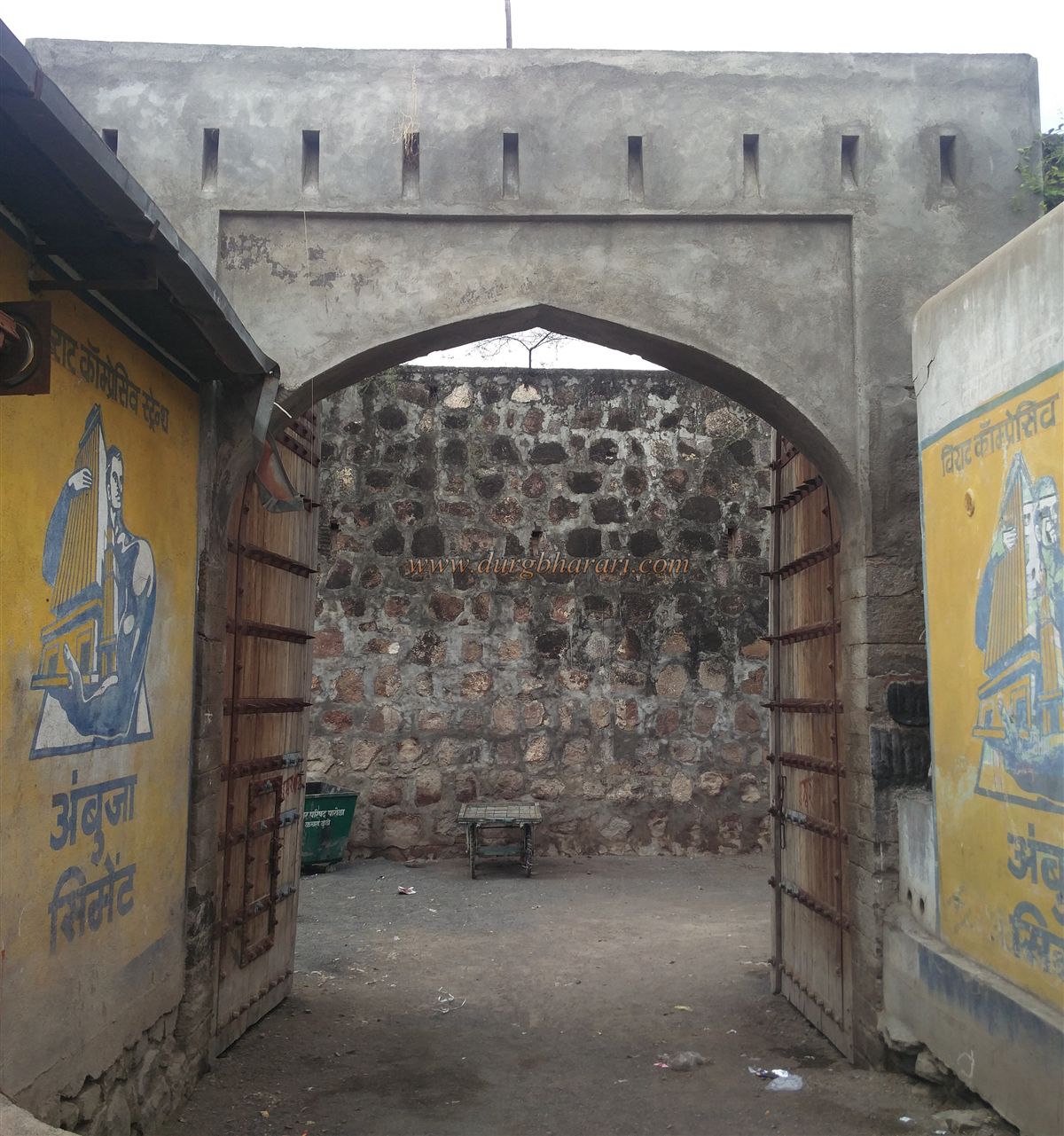
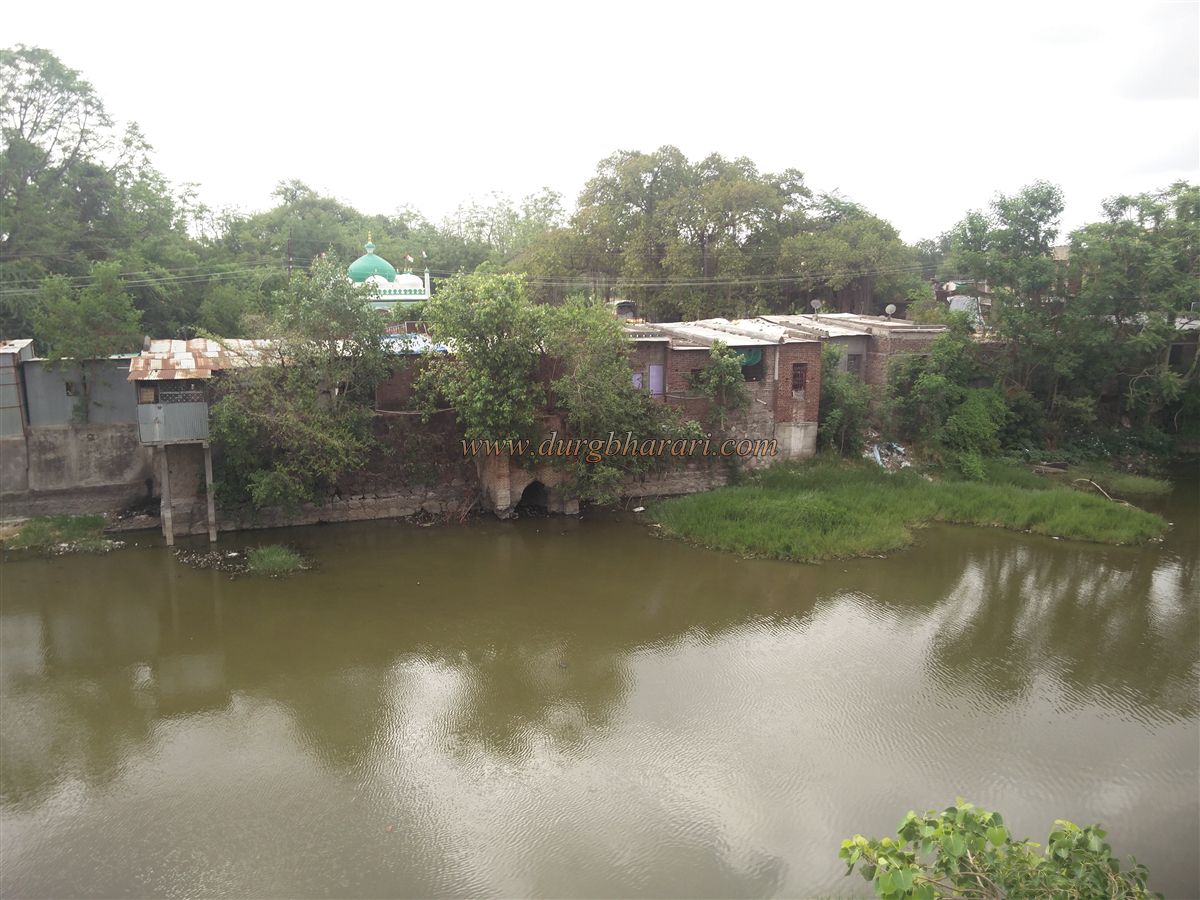
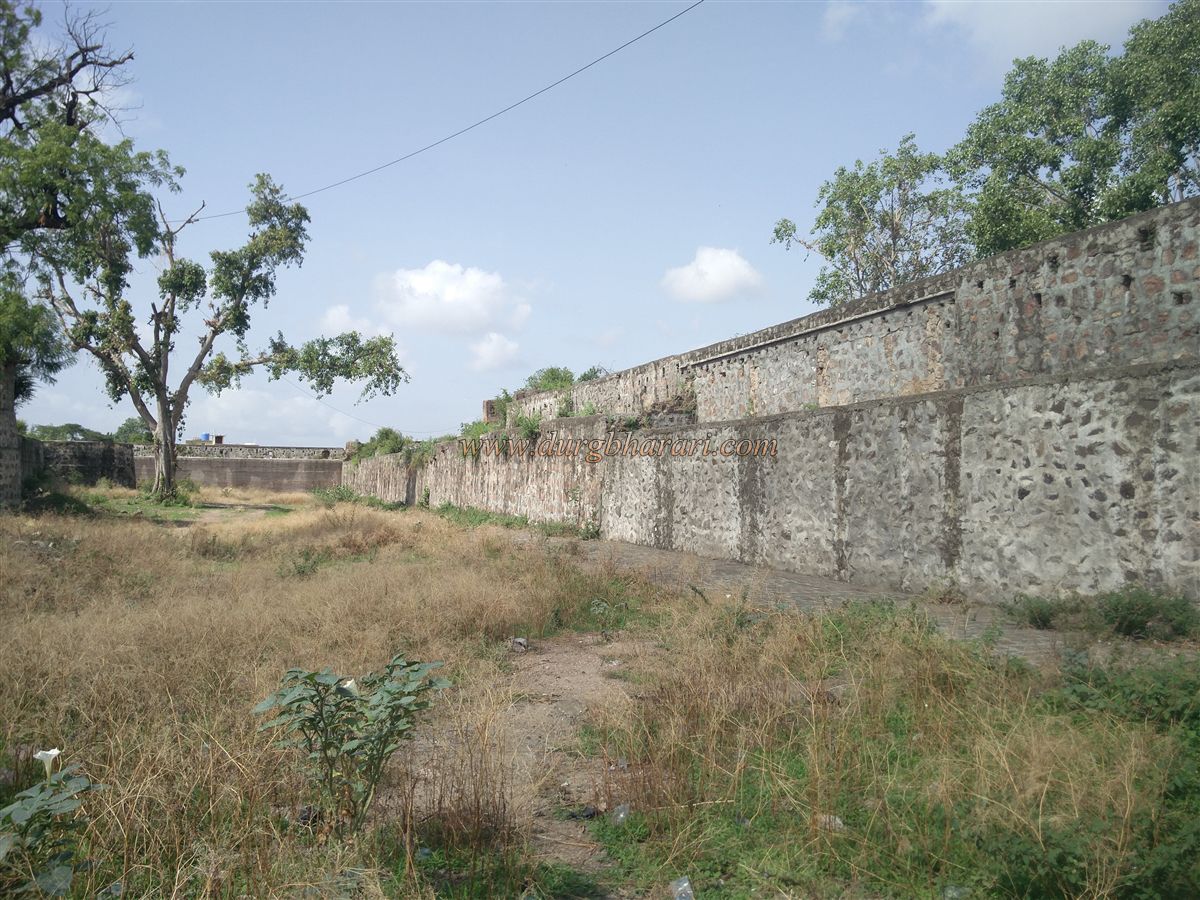
The entrance to the fort lies amidst shops in the village market. Surrounding the fort is a 20-foot-deep moat made of stone on all sides, along with a large tank to the east. To prevent enemy access, crocodiles were once released into the moat, making it impossible to approach the fort through water. Today, due to encroachment on the banks of the moat and tank, the moat is no longer visible from outside. However, from inside the fort, one can still see plastic waste and bottles floating in the moat. Though the outer side of the fort has suffered due to encroachments, the inner structures have survived to some extent, albeit disfigured, thanks to cement restoration work carried out by the Archaeological Department.
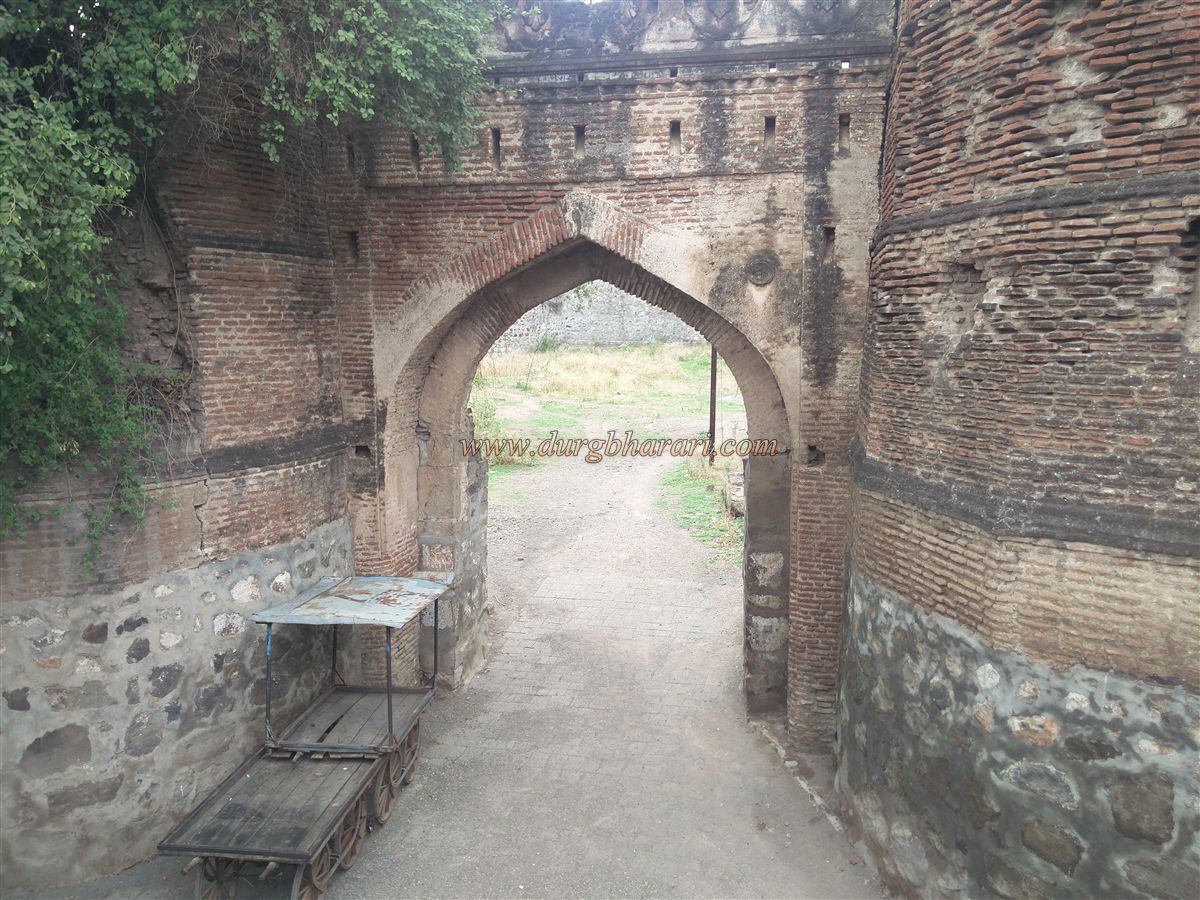
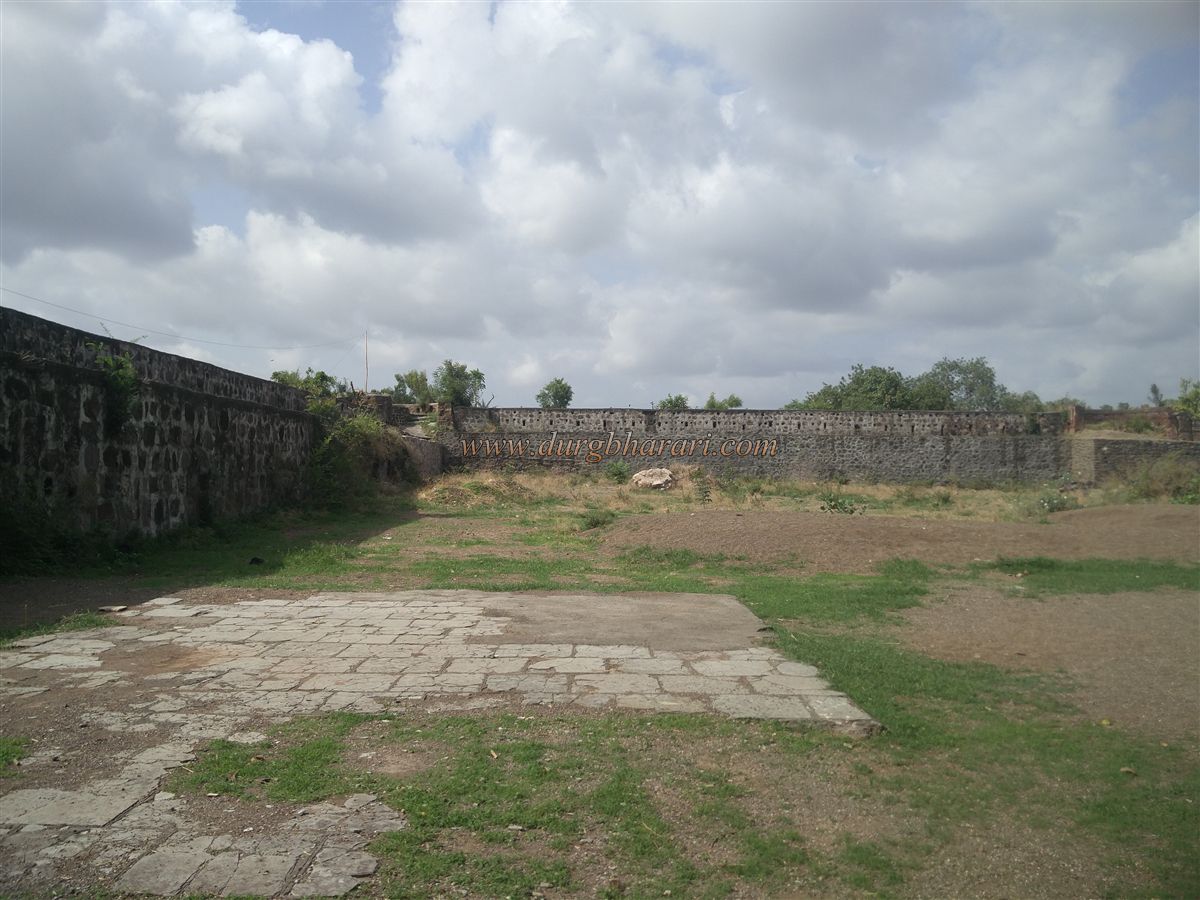
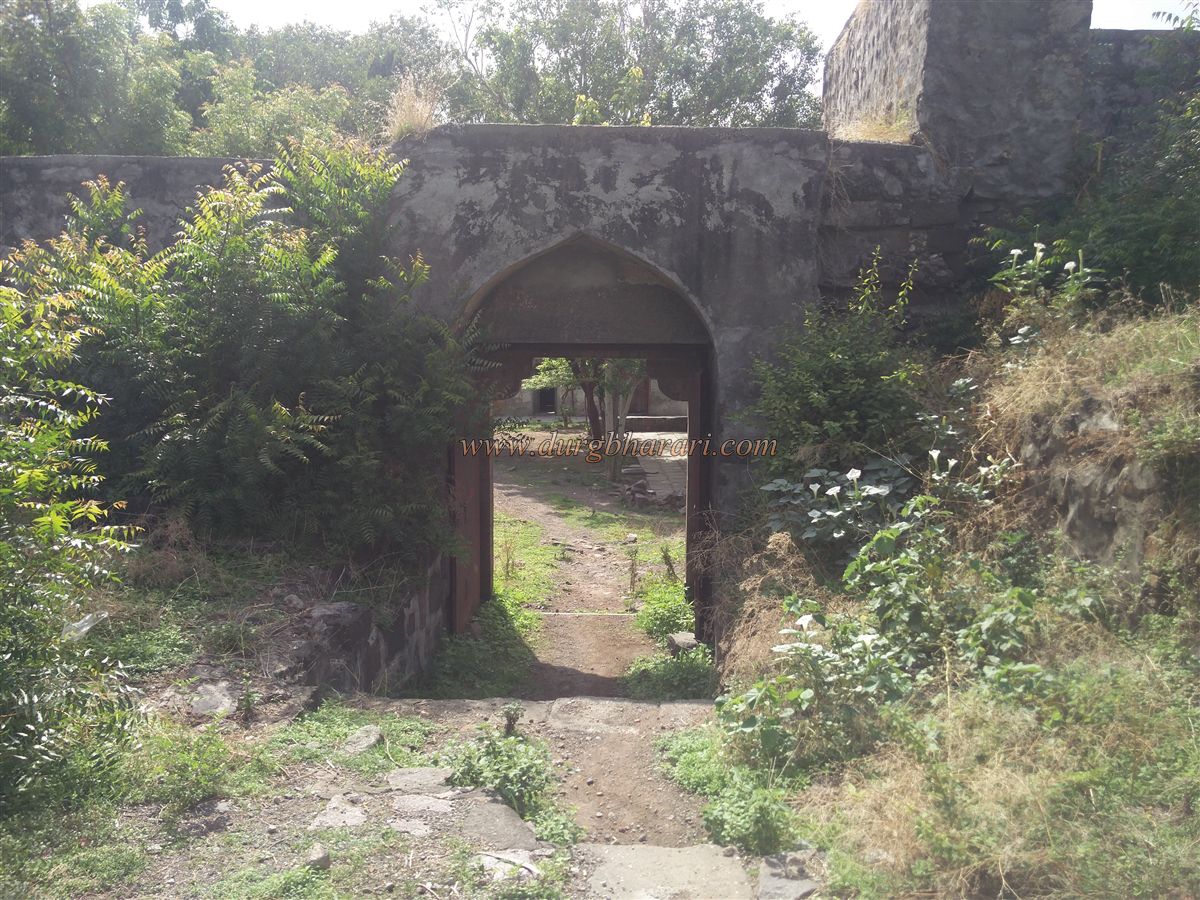
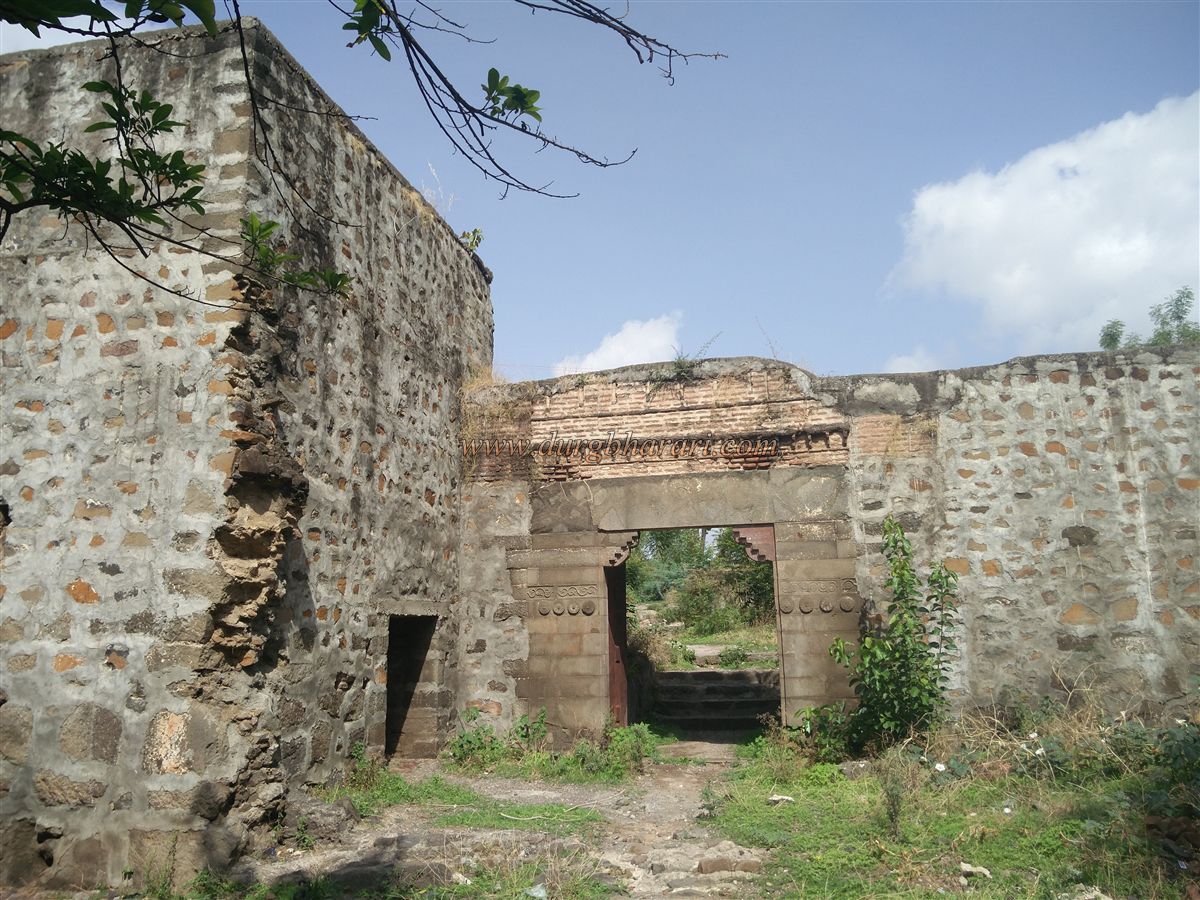
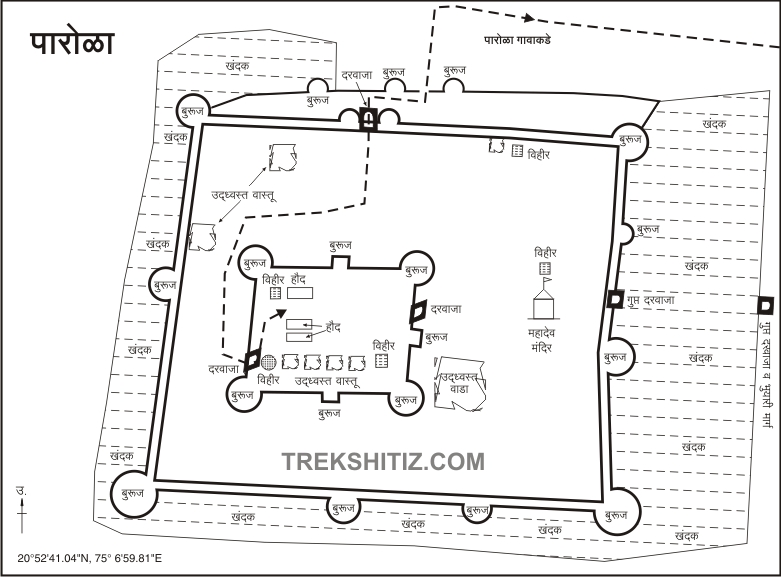
Due to lack of proper maintenance, some locals still use the fort as a public toilet, which has led to considerable filth inside the premises. The fort is divided into two parts—the main fort and the citadel (Balekilla)—and exhibits all the typical features of a ground fort. The north-facing main entrance has a newly installed wooden gate. It is believed that there was once a retractable wooden bridge at this entrance which crossed over the moat. On both sides of the gate are horse stables, and in front of the entrance stands a 20-foot-high fortified wall. The wall features numerous loopholes for defence and stairs to access the top. Turning at a right angle from here leads to a second gate—this angled layout (Ran Mandal) was designed to prevent a direct assault on the main entrance.
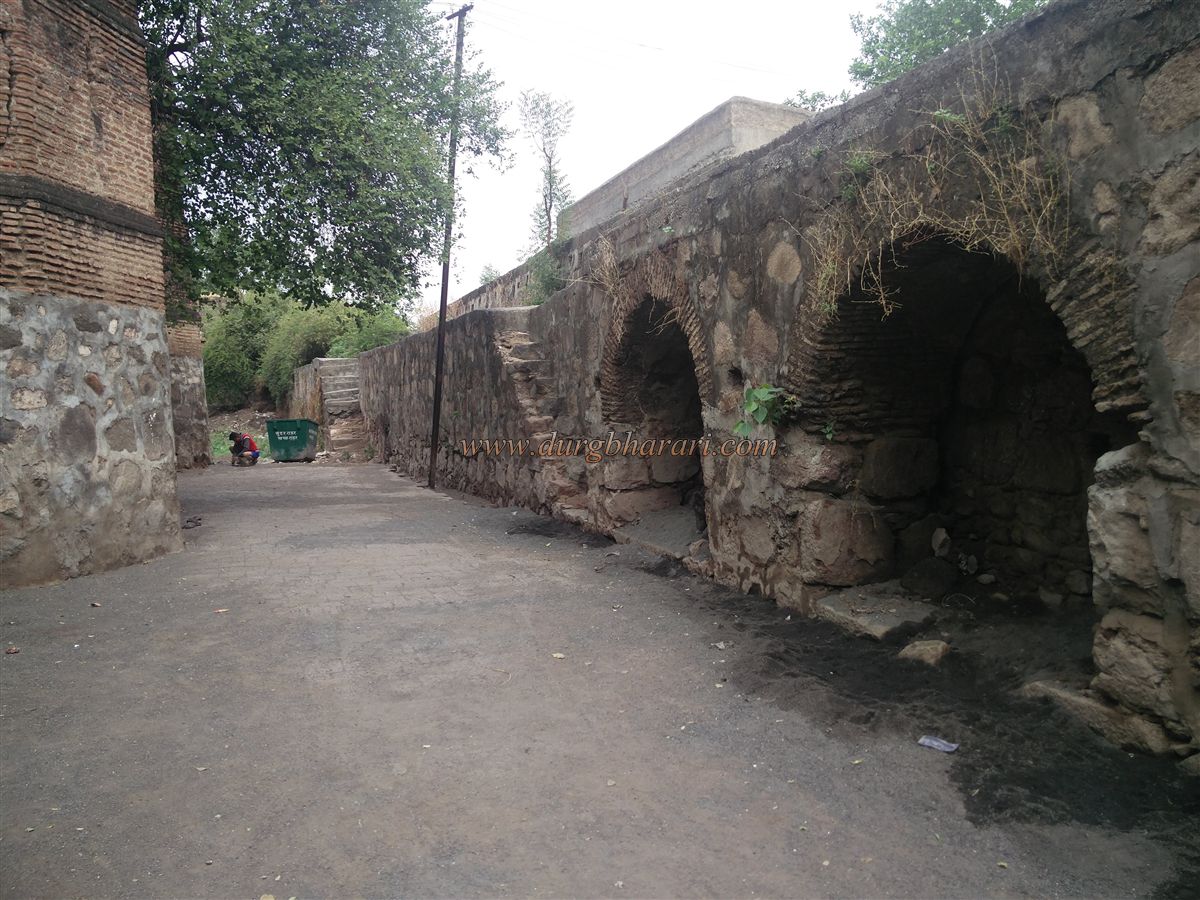
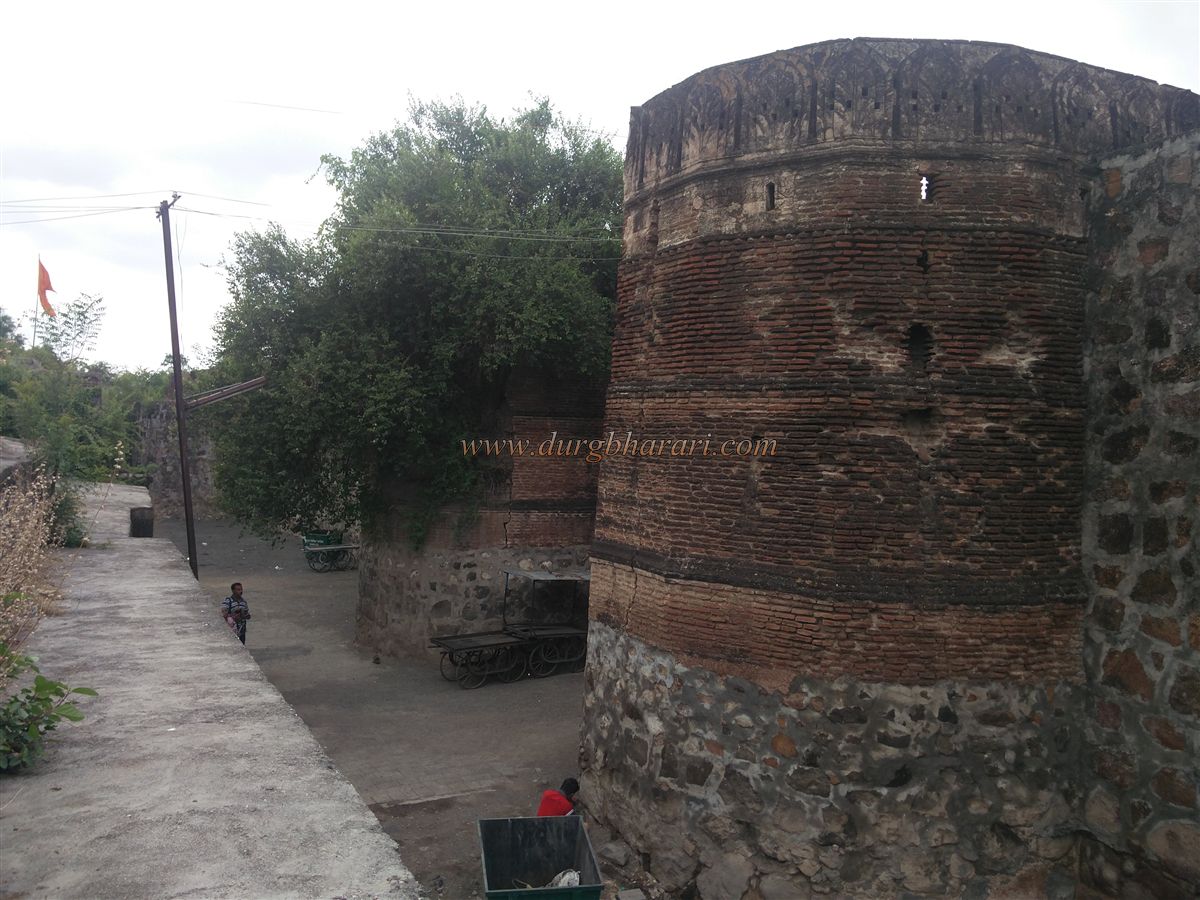
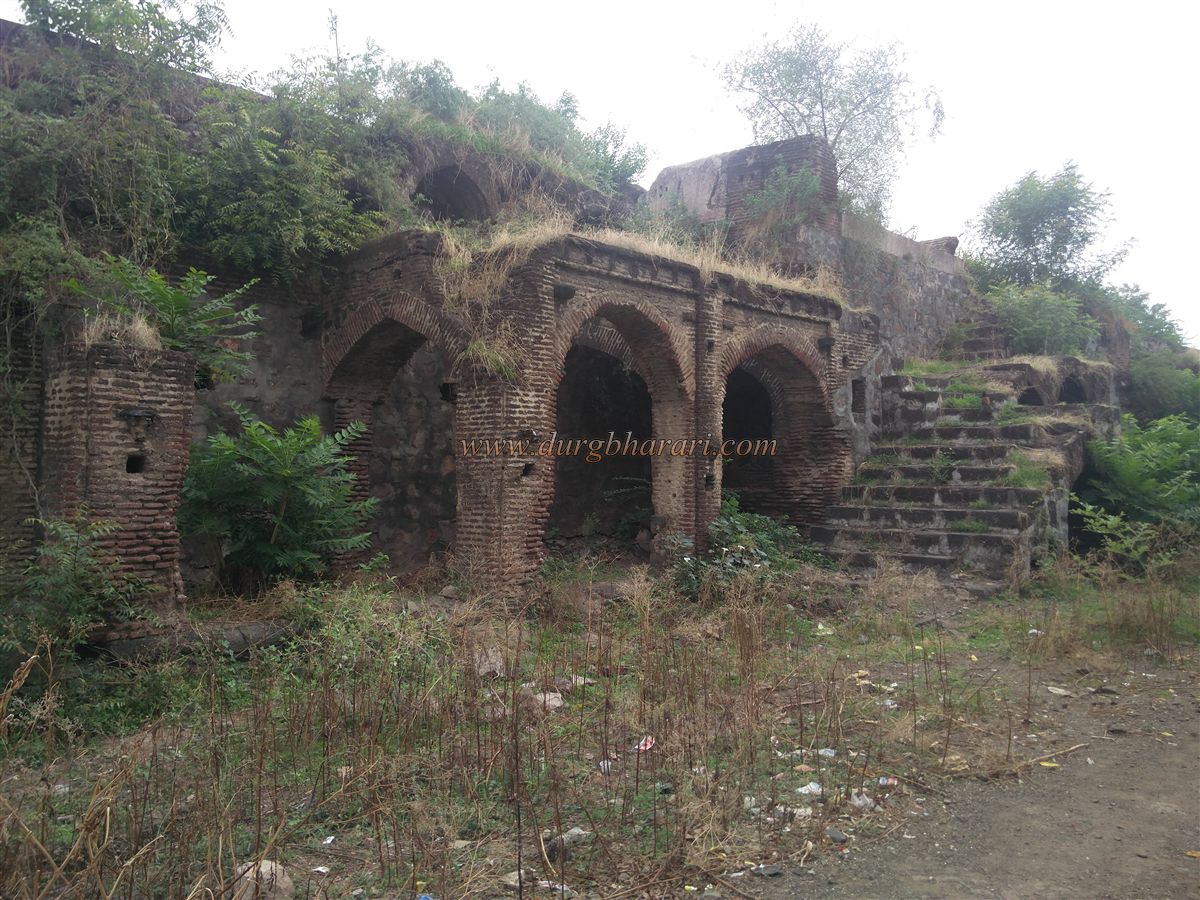
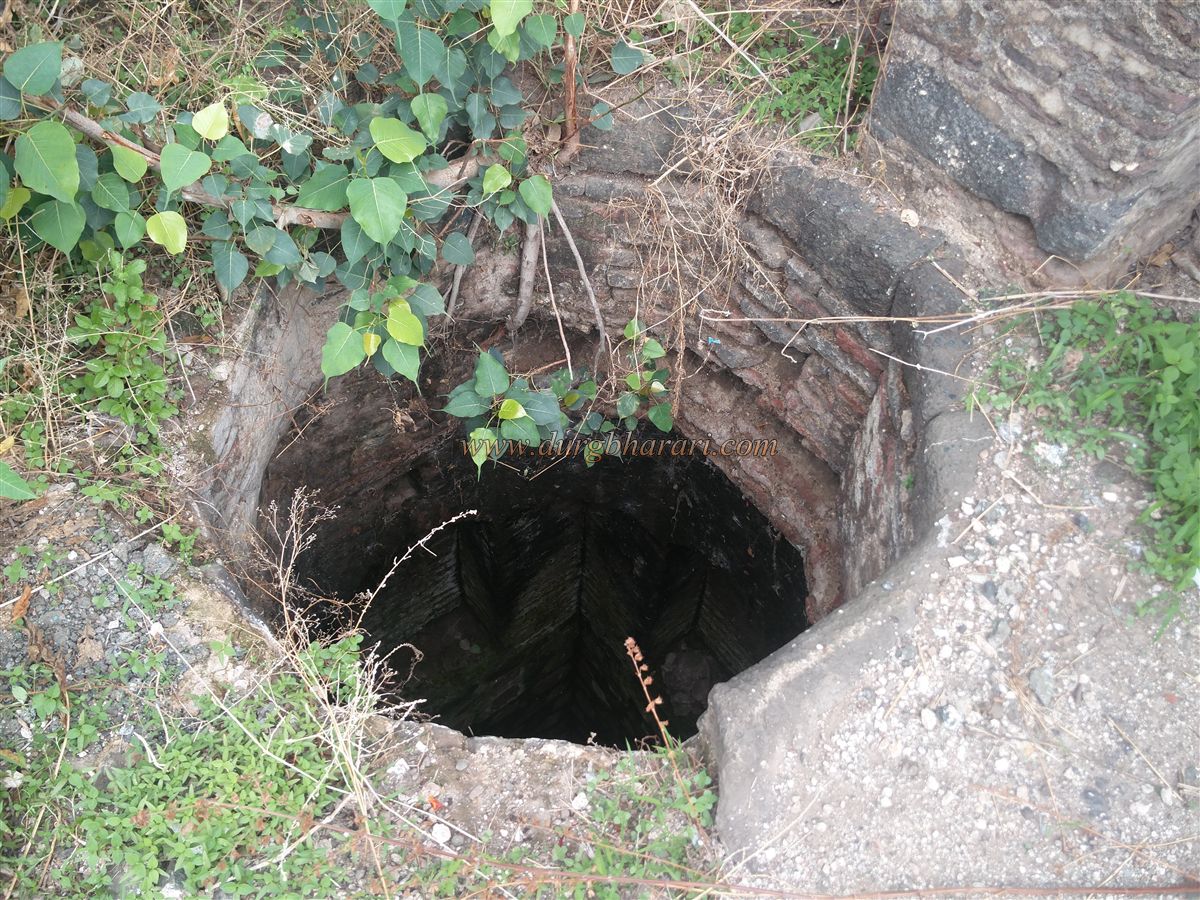
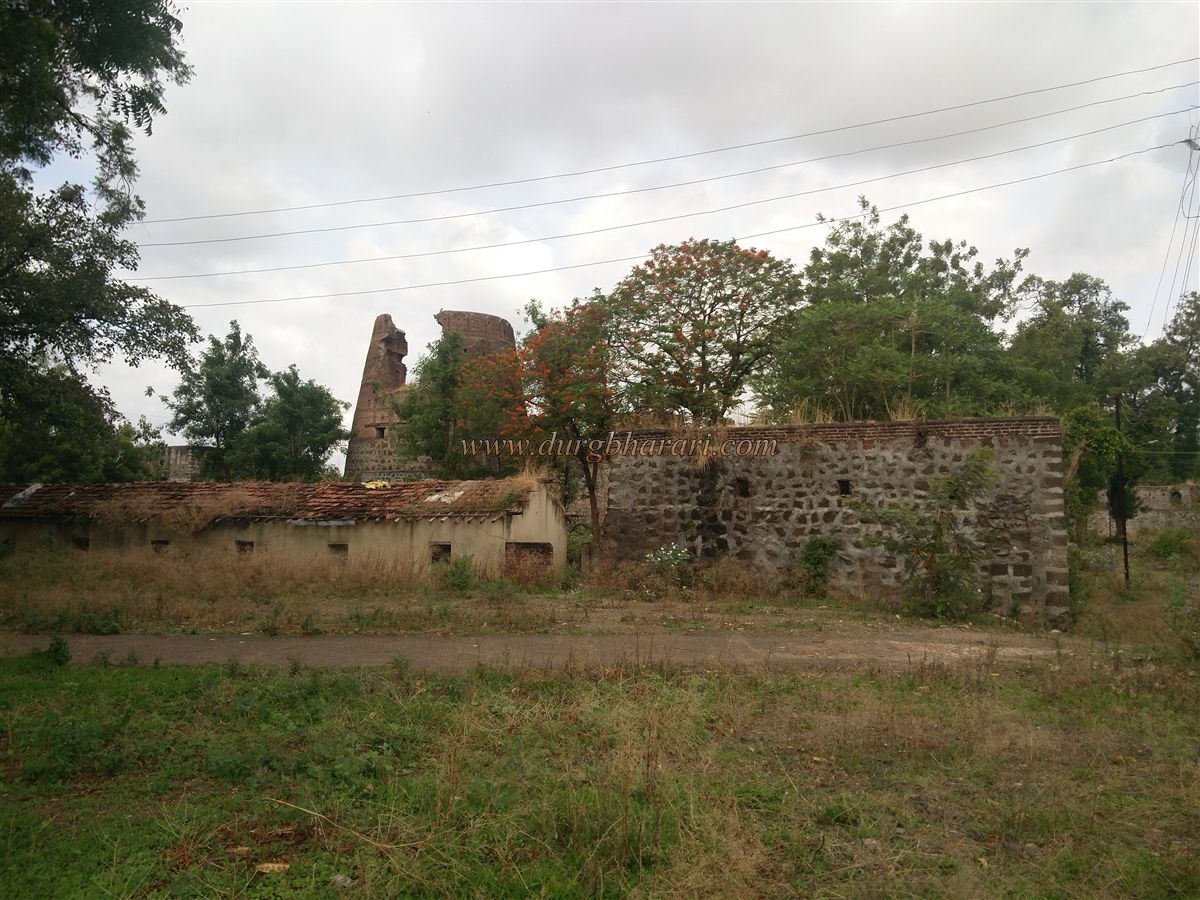
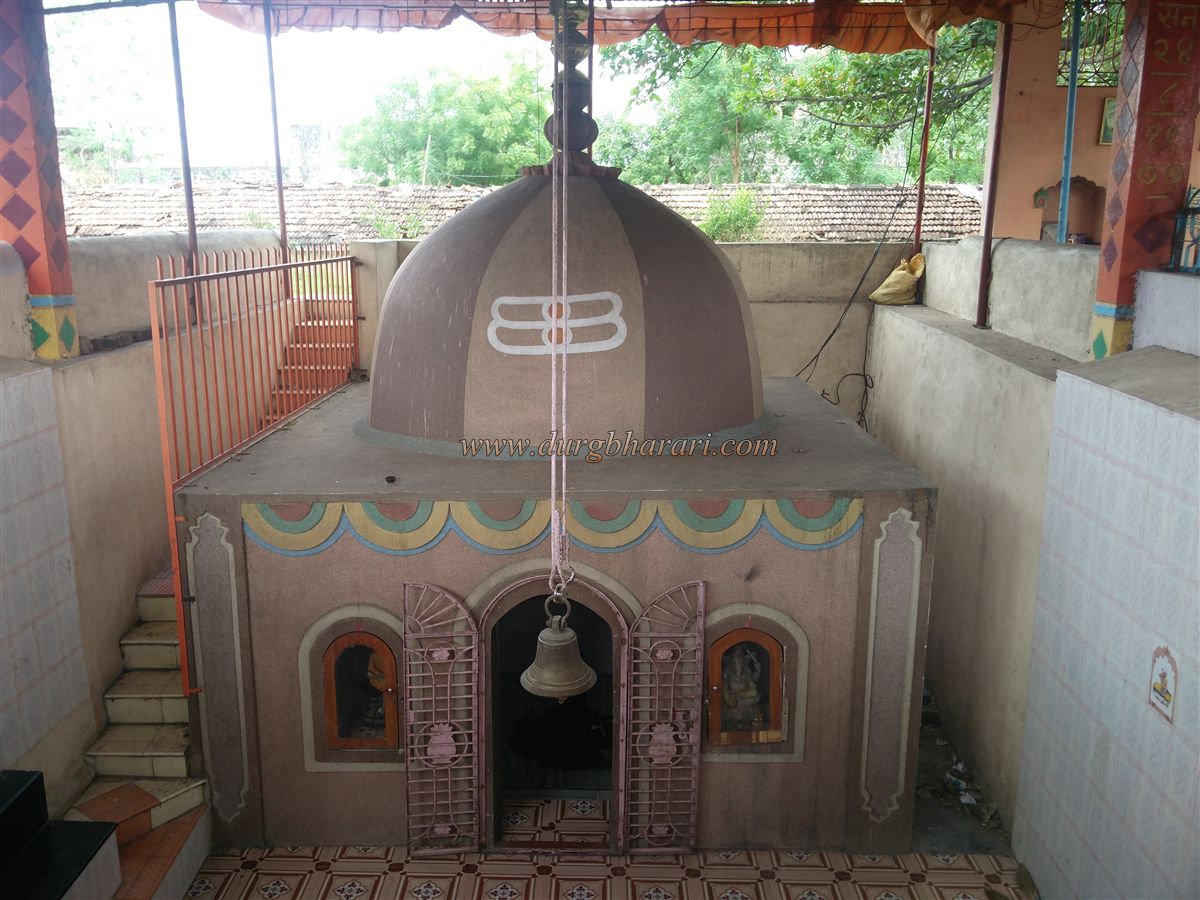
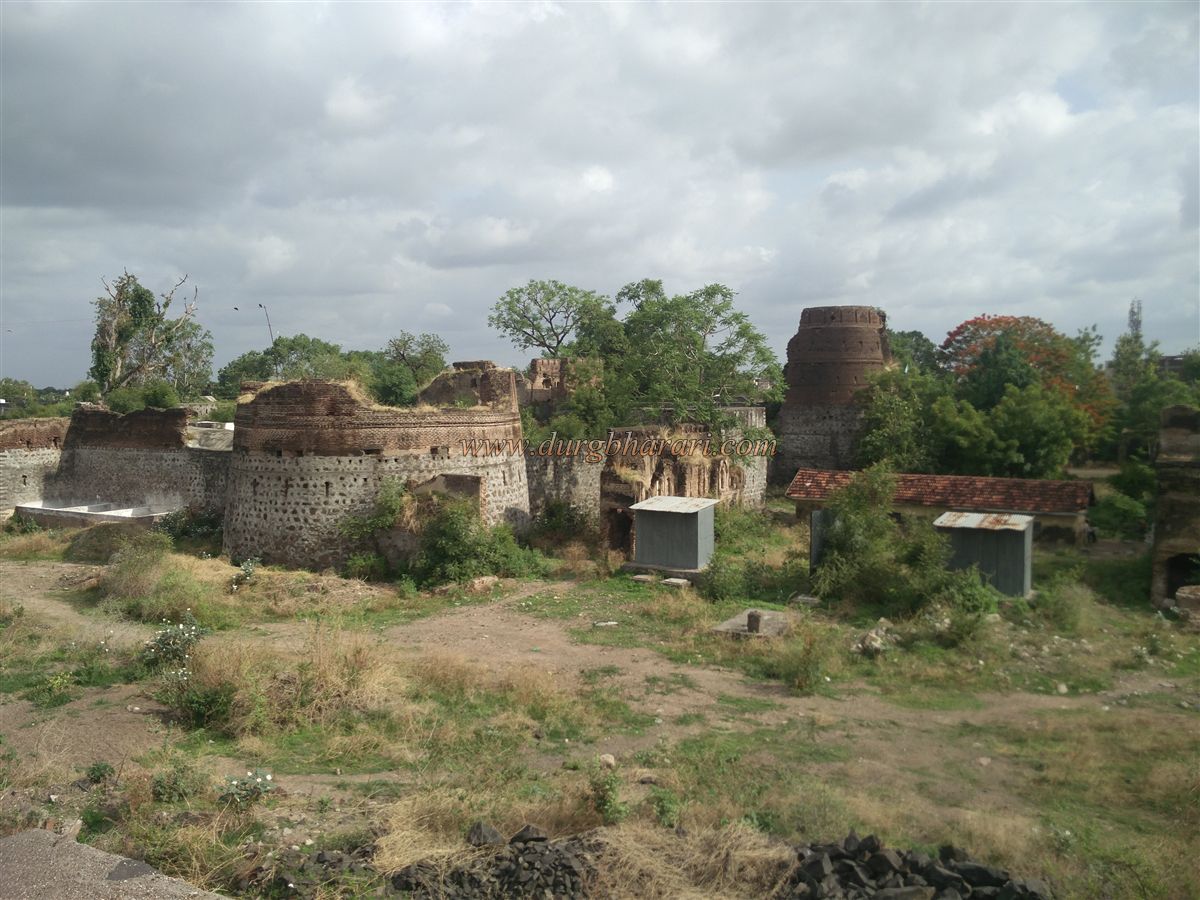
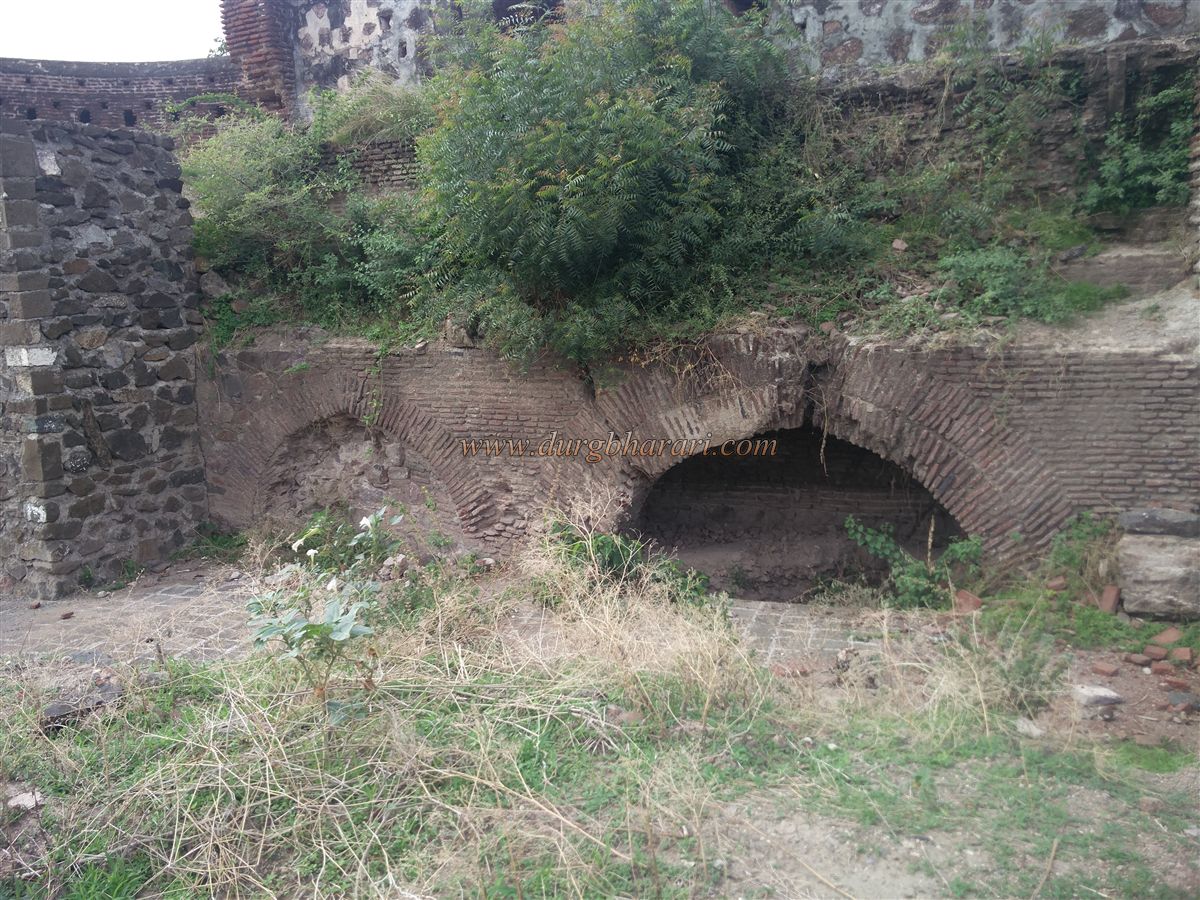
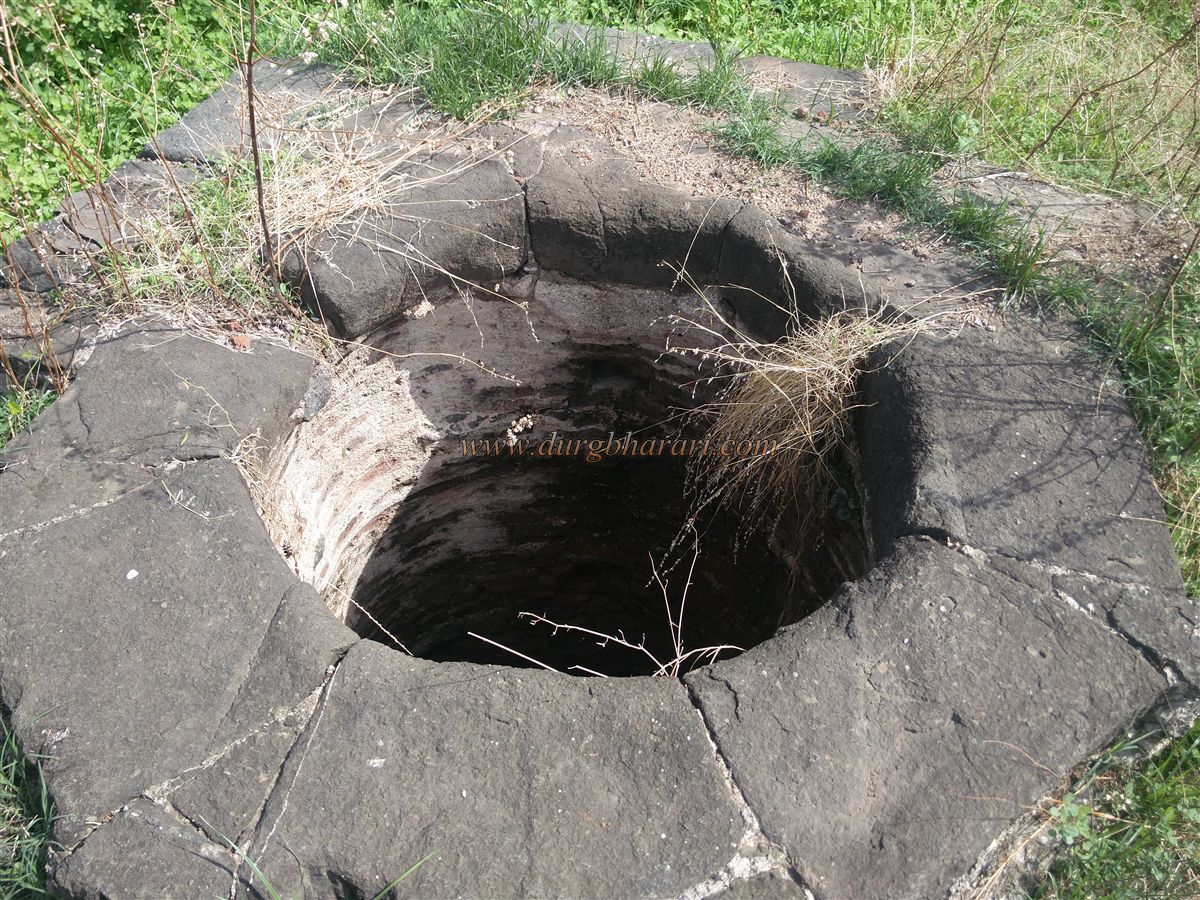
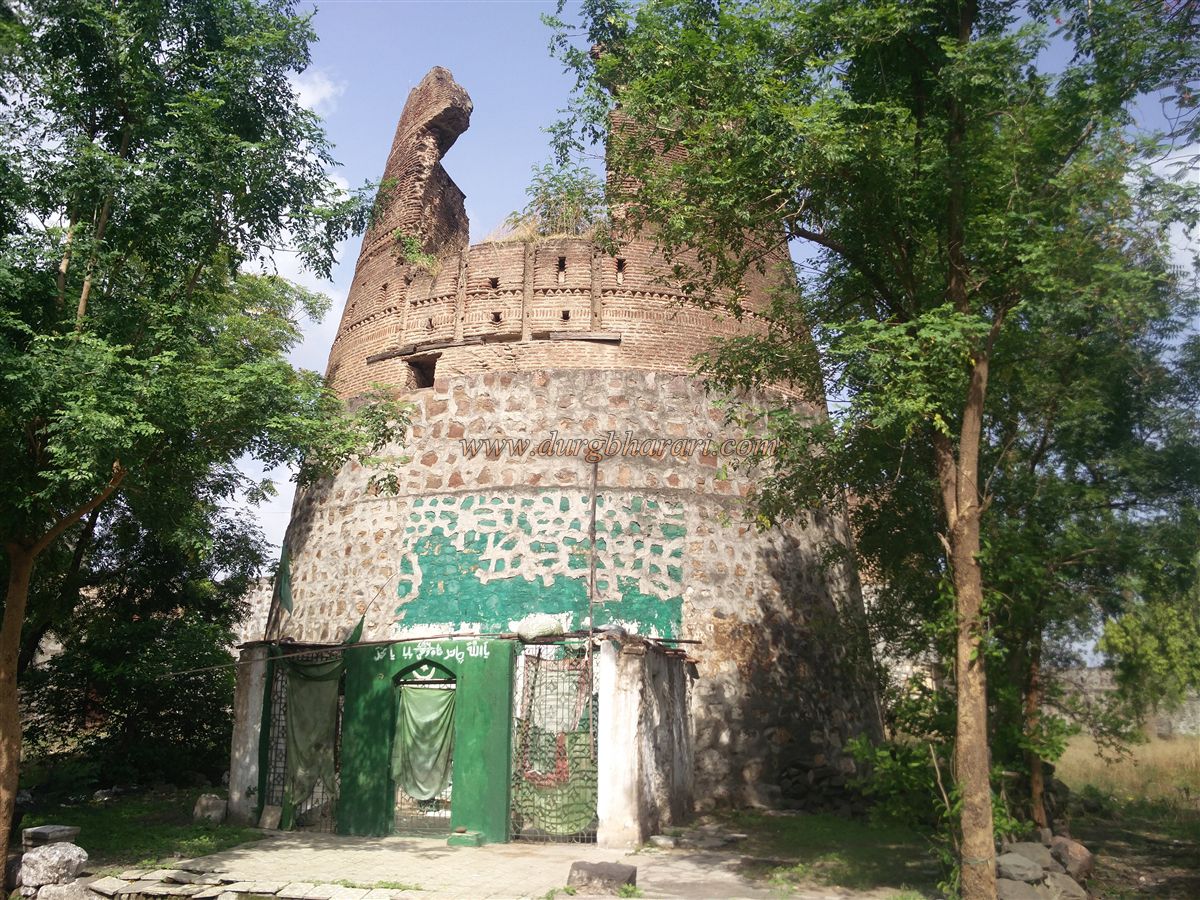
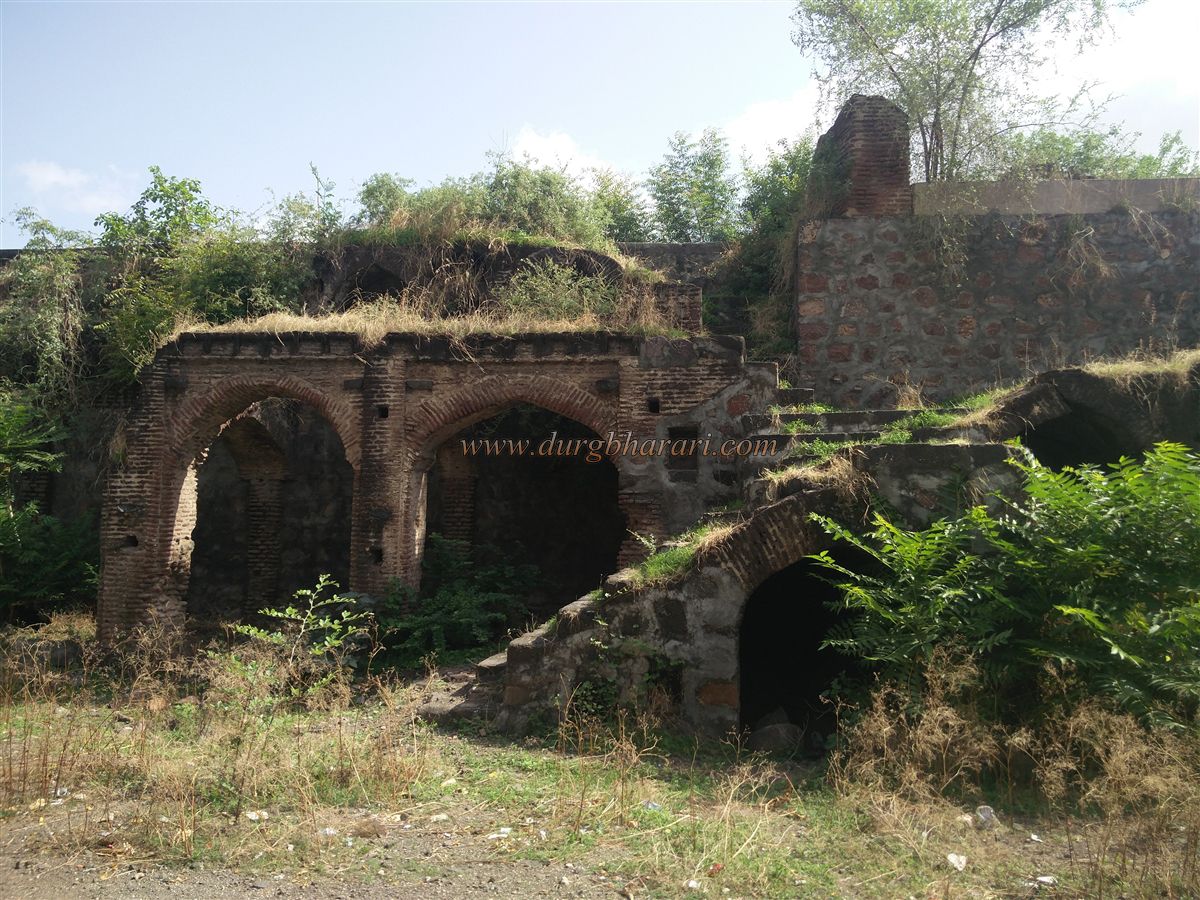
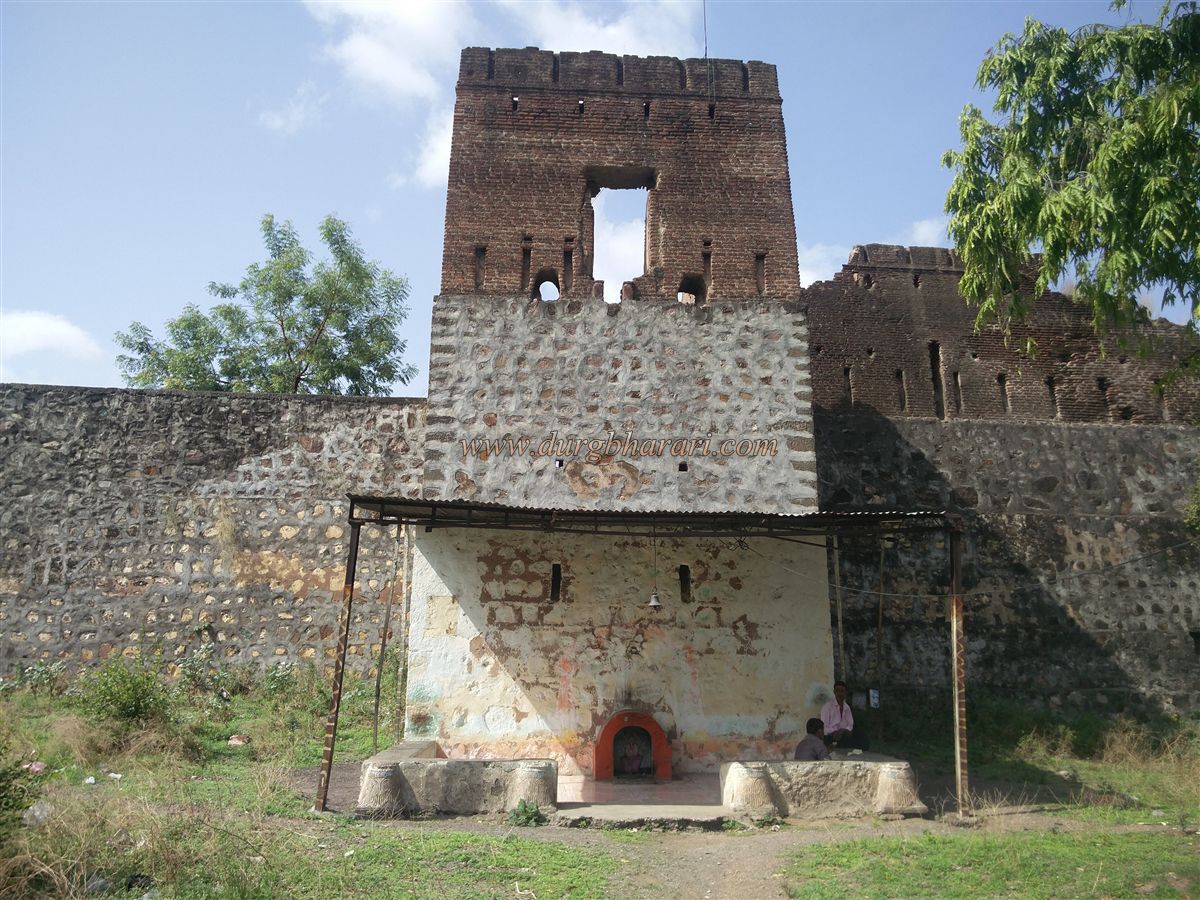
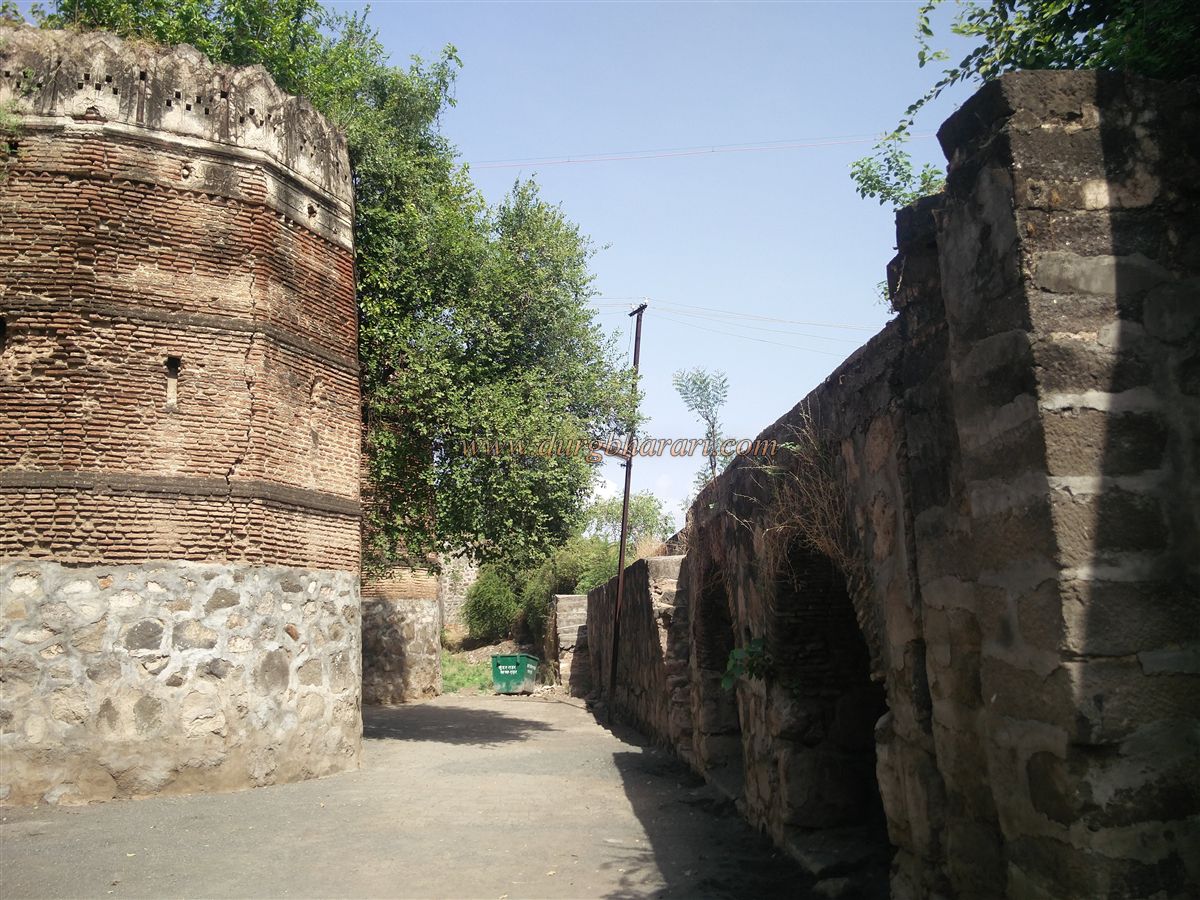
Built on flat terrain, this square-shaped fort measures approximately 480 x 450 feet and has eleven bastions along the outer wall. Entering through the second gate brings one to the central part of the fort, where the citadel is located. The citadel has four circular bastions at its corners, and one square bastion of 25 feet height with windows and loopholes. Below this bastion are a Ganapati temple and a well. Upon entering the fort, one should begin exploring from the left. Here, one finds a series of ruined arches and steps leading up to the fort wall. Near the arches, there is a well with a hexagonal structure on the outer side and a square inner shape. Further ahead is the only staircase that leads to the ramparts. Once atop, one can walk around the entire wall, though the only exit is the same staircase, as other steps have collapsed.
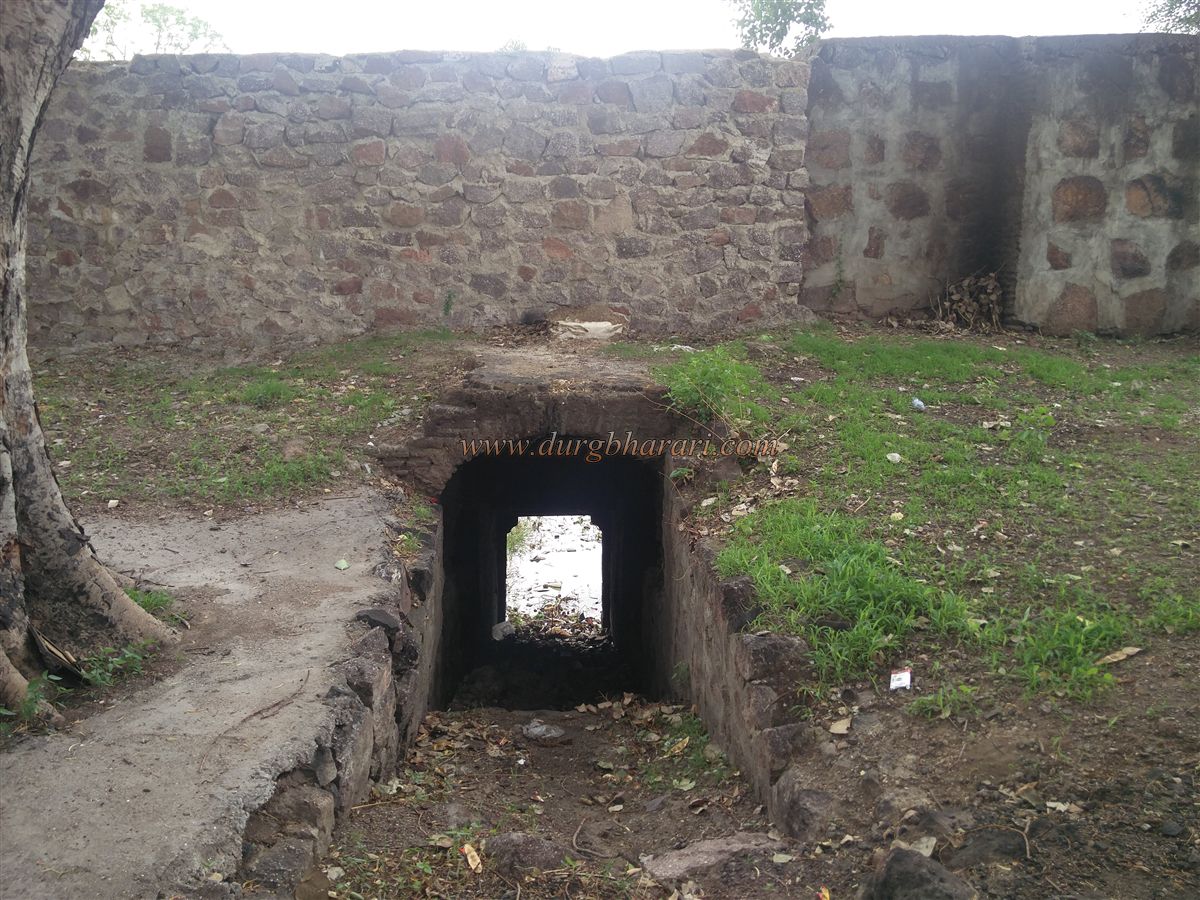
There are many loopholes along the ramparts. On the eastern bastion is a flagpole, and below it, on the inner side, is an ammunition depot (darukothar). From the ramparts, one can view the entire layout of the fort. Restoration work by the archaeological department remains incomplete due to lack of funds. Outside the eastern rampart is a large tank with two entrances from the fort wall to reach it. Similar gates are found on the opposite side of the tank. In front of this wall lies an underground Mahadev temple. It is believed that a tunnel from this temple leads to the Nageshwar Temple, 8 km away. Two other such tunnels are found within the fort—one is to the right after entering through the second gate and ahead of the square bastion in the citadel. Upon close inspection, the size of the chamber indicates it may actually be a cellar rather than a tunnel.
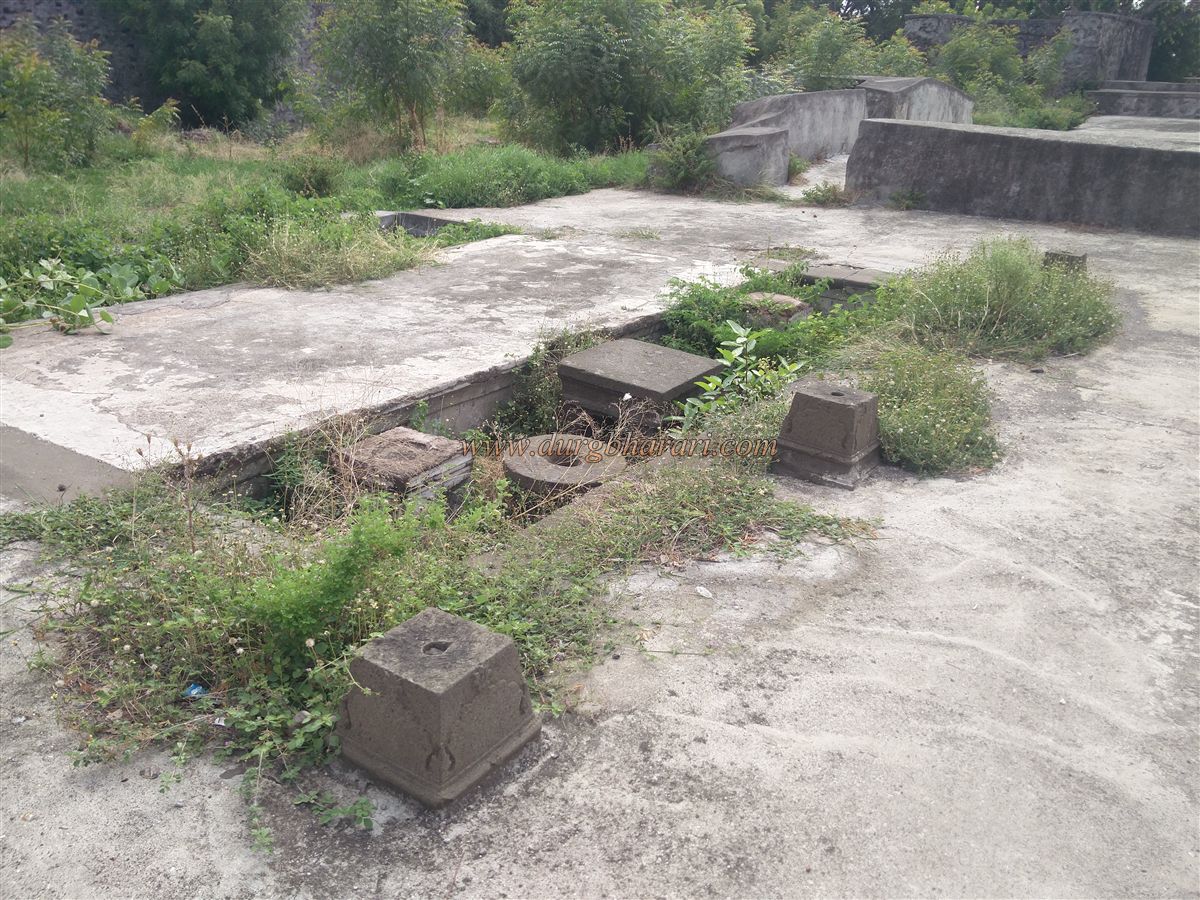
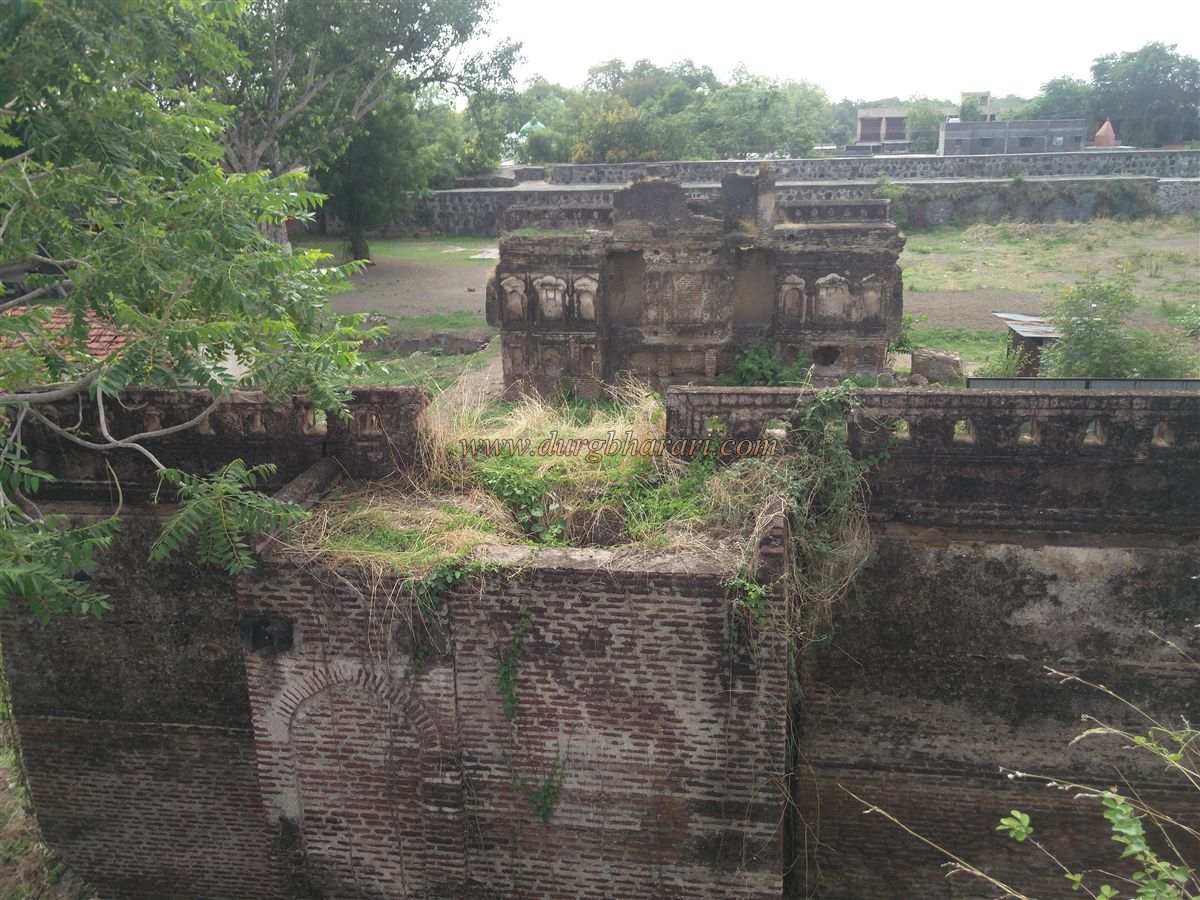
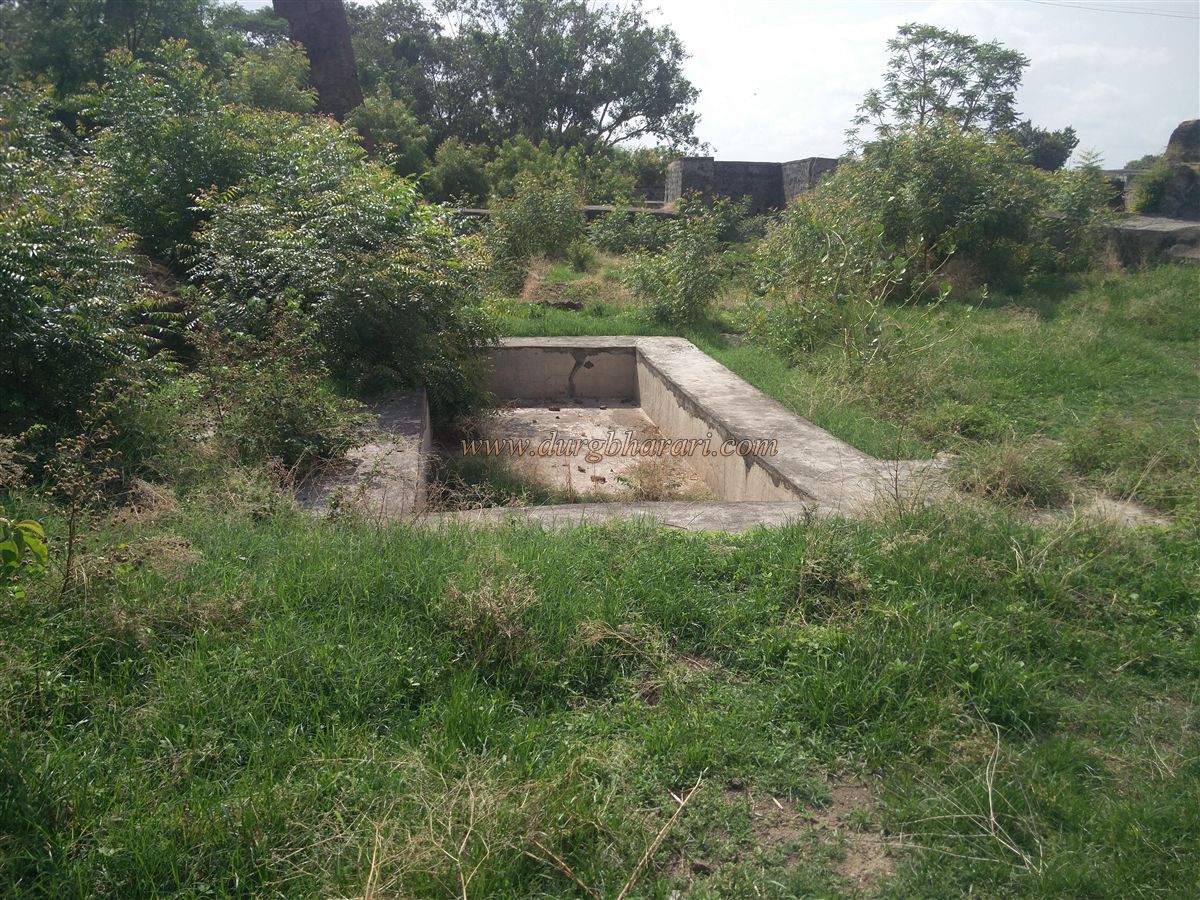
In the south-eastern corner of the fort are the ruins of a hammam (royal bathhouse), with remnants of three structures nearby that may have served as administrative offices. In front of these buildings are the remains of a decorative water tank and fountain. Ahead of the Mahadev temple are the ruins of a two-story mansion of the local Jagirdar (landlord). To the east lies the main entrance to the citadel, while to the west is a smaller gate. One of the large bastions in the citadel has collapsed internally due to the growth of a tree, though the outer part still remains intact.
There are ten wells within the fort—four on the right after entering through the main gate, one on the left, one in front of the square bastion, two near the southern wall, and two within the citadel. A water channel used to carry water from the citadel wells to the hammam still exists. Another water tank is also found within the citadel, indicating that the fort was well-supplied with water.
Historical records state that this magnificent ground fort was built in 1727 by Jagirdar Hari Sadashiv Damodar. The village of Parola is believed to have developed around the same time, about 290 years ago. Originally a small hamlet of about 50 houses, the Jagirdar expanded it into a fortified town. The area where the fort was built once housed a settlement of 50 families of the Pendhars, and that area is still known as Pendharpura. During the Peshwa era, under the leadership of Sardar Newalkar, Parola developed into a major trading hub in North Maharashtra.
In 1818, after the defeat of the Marathas, British rule was established across India, bringing an end to the Hindavi Swaraj. In 1821, a rebellion broke out in Parola and surrounding regions against British rule. An assassination attempt was made on Captain Briggs, and Lalbhau Jhanshikar was blamed for it. As a result, the British confiscated the fort from the Jhanshikar family. Later, during the 1857 War of Independence, the fort keepers of Parola were accused of helping Rani Lakshmibai of Jhansi, leading to the seizure of all Jagirdar property. In 1859, citing their relation to the Rani, the British took over the fort and the town and annexed the Jagir in 1860. During this period, many were executed inside the fort by the British, and significant destruction was inflicted upon the structure. The ruins of those events can still be seen within the fort. Descendants of the Tambes—Rani Laxmibai’s maternal family—still reside in Parola village today.
© Suresh Nimbalkar
GALLERY