PARNER
TYPE : NAGARKOT
DISTRICT : AHMADNAGAR
HEIGHT : 0
GRADE : EASY
Ahmednagar is a district known for its strong forts, beautiful historic mansions, and numerous fortified structures. In this district, the town of Parner in Parner Taluka was once home to the Parner ground fort (Bhuikot Killa). Rather than saying it is a fort, it would be more accurate to say it was a fort, because at one time, the entire town of Parner was enclosed within the fort's boundaries. But with the town's expansion, the fort's presence has all but vanished.
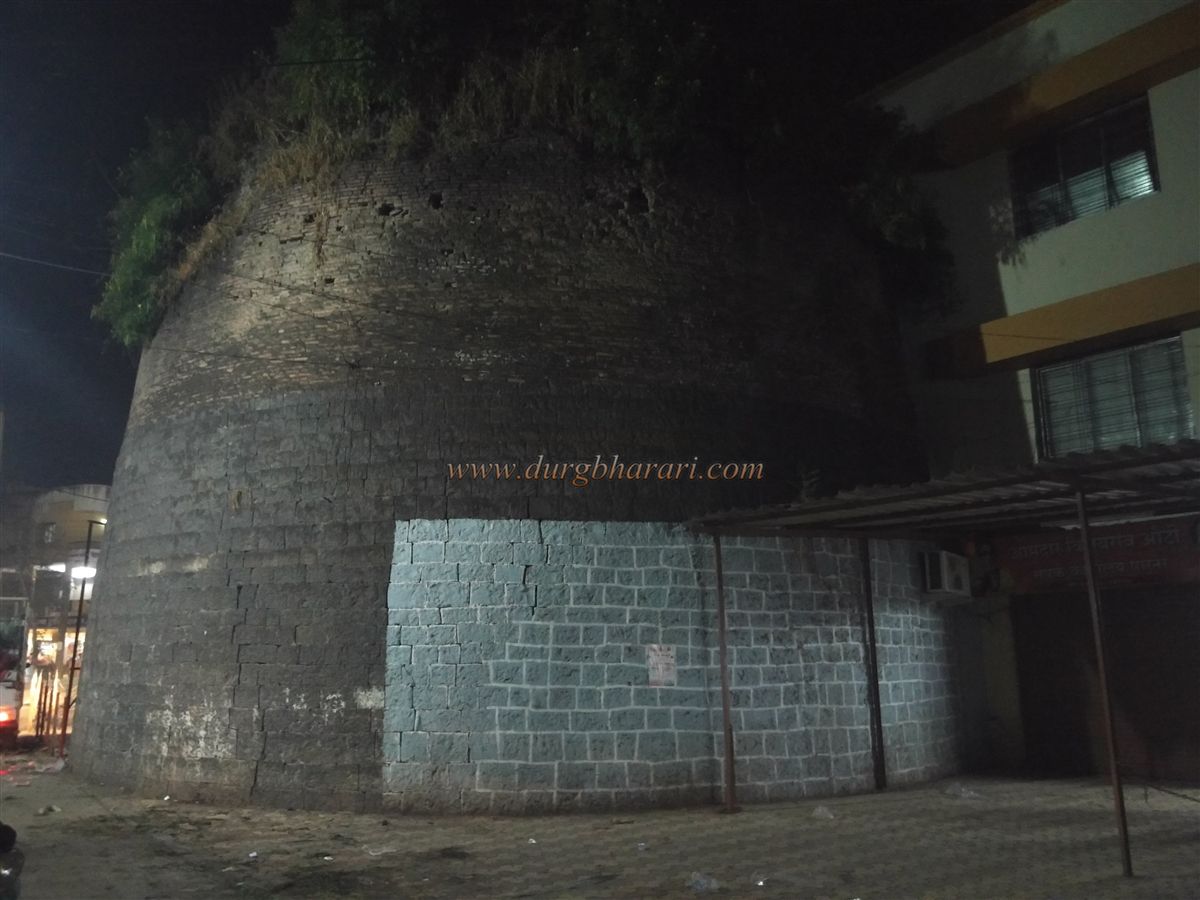
Traveling along the Pune–Ahmednagar road, after passing Shirur, one reaches Parner. In earlier times, to protect the village, fortification walls and bastions were built all around it. The town had two gates on each side and was enclosed by 20-foot-high walls and bastions. Even today, in Parner town, one can still see a 20-foot-high fort gate along with two strong bastions beside it.
...
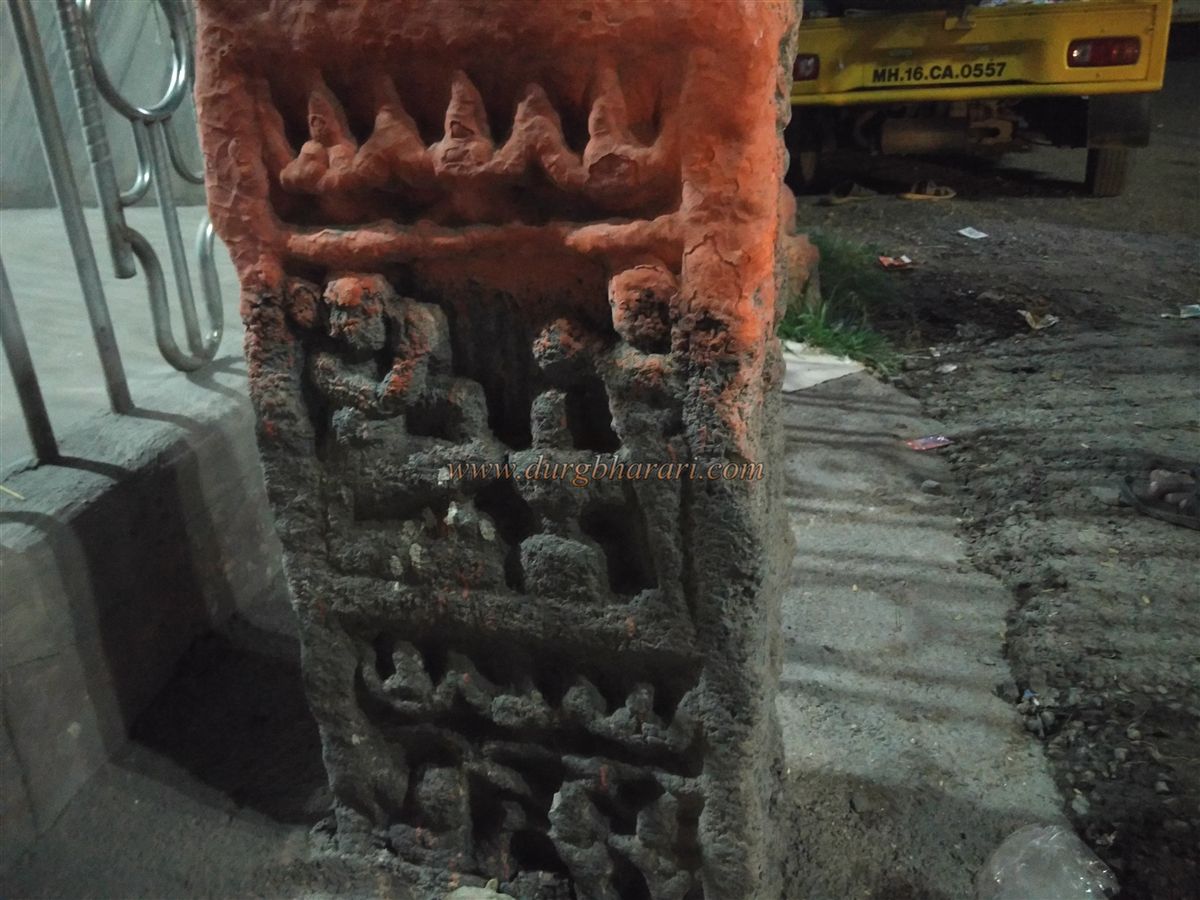
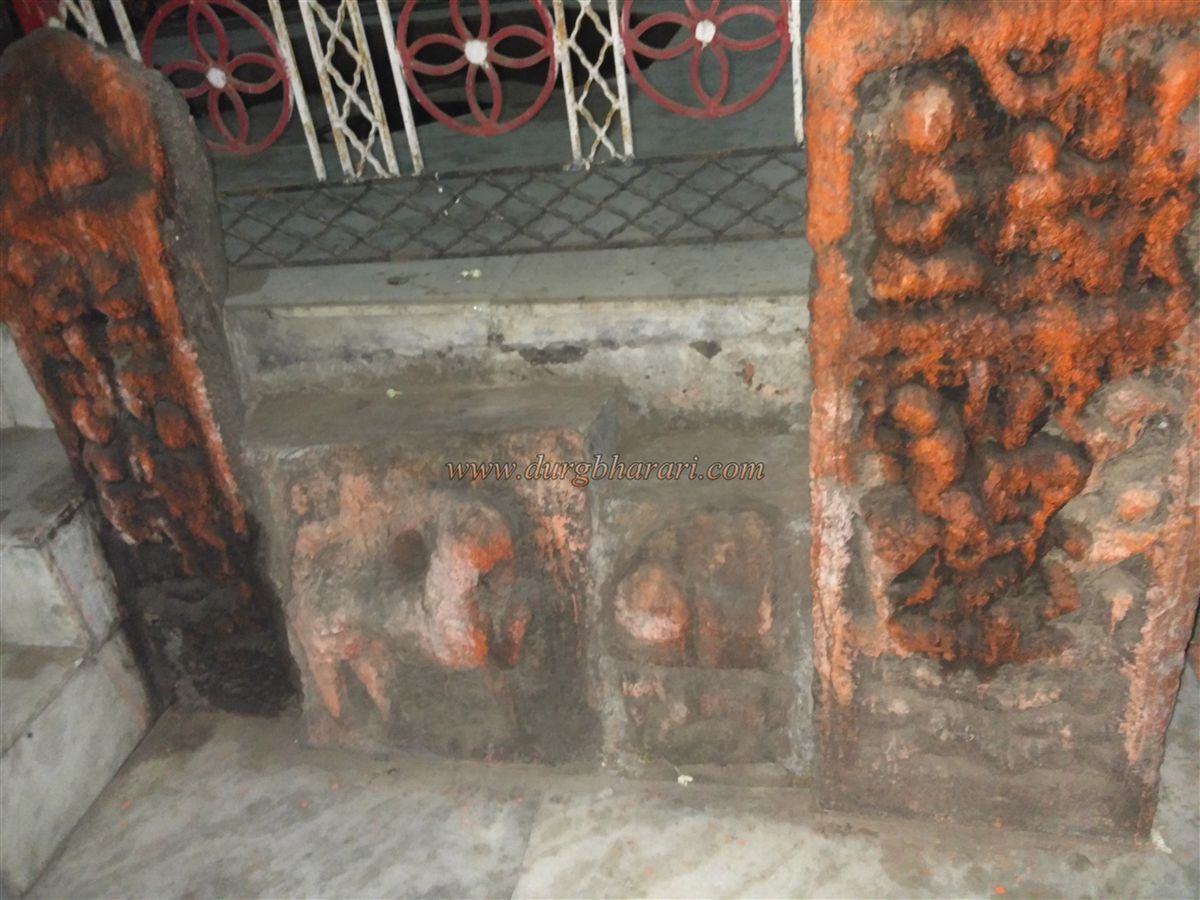
At both ends of Shivaji Maharaj Road in Parner, remains of two gates and their adjoining bastions still exist, though barely. The first gate of the fort is located on the Jamgaon-Parner road, where travellers enter Parner. Right in front of this gate, at the town’s entrance, there is a Maruti temple. In the temple premises, four virgal (hero stones) can be seen partially buried.
The gate has been recently painted, but one of the bastions beside it is completely destroyed, while the other, though damaged, still stands. From the height of the remaining gate and bastion, it can be estimated that the fort walls were about 20 feet tall.
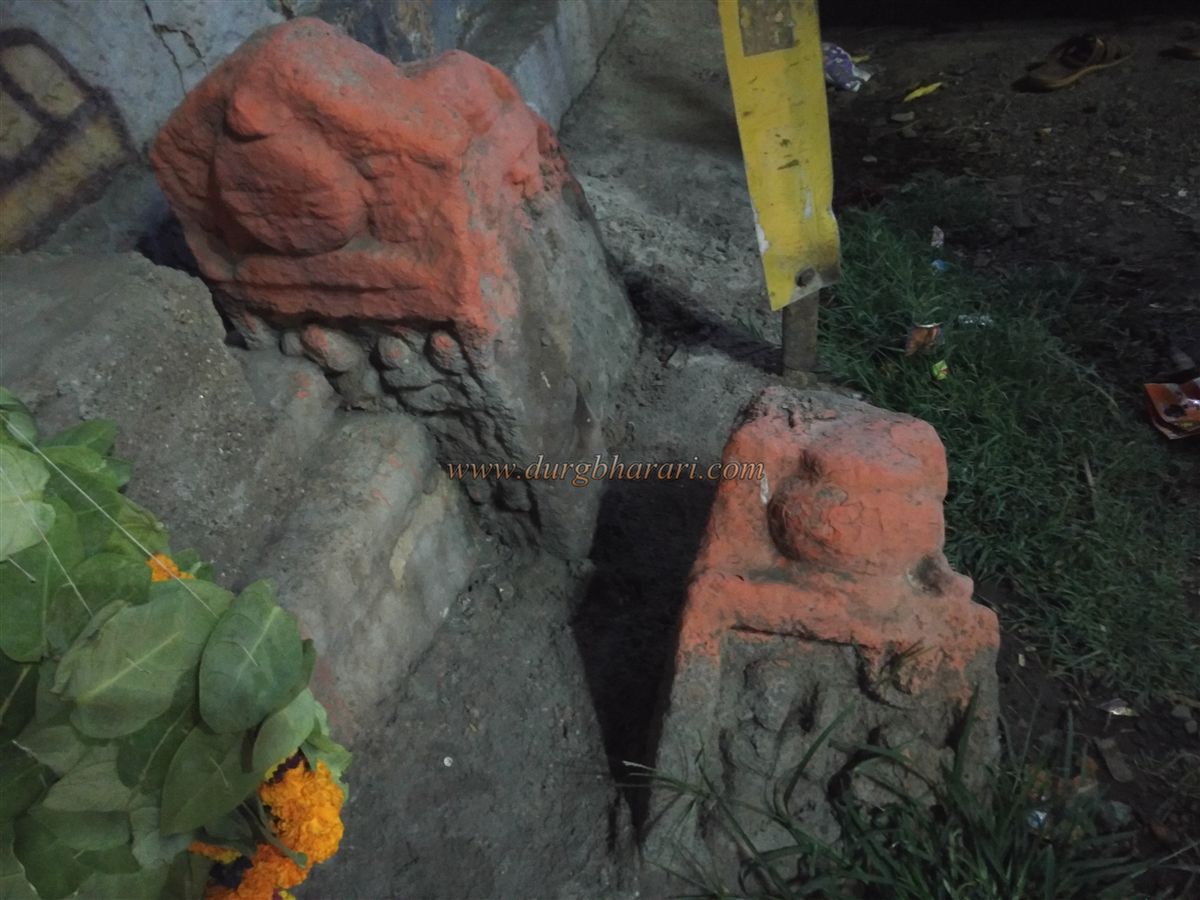
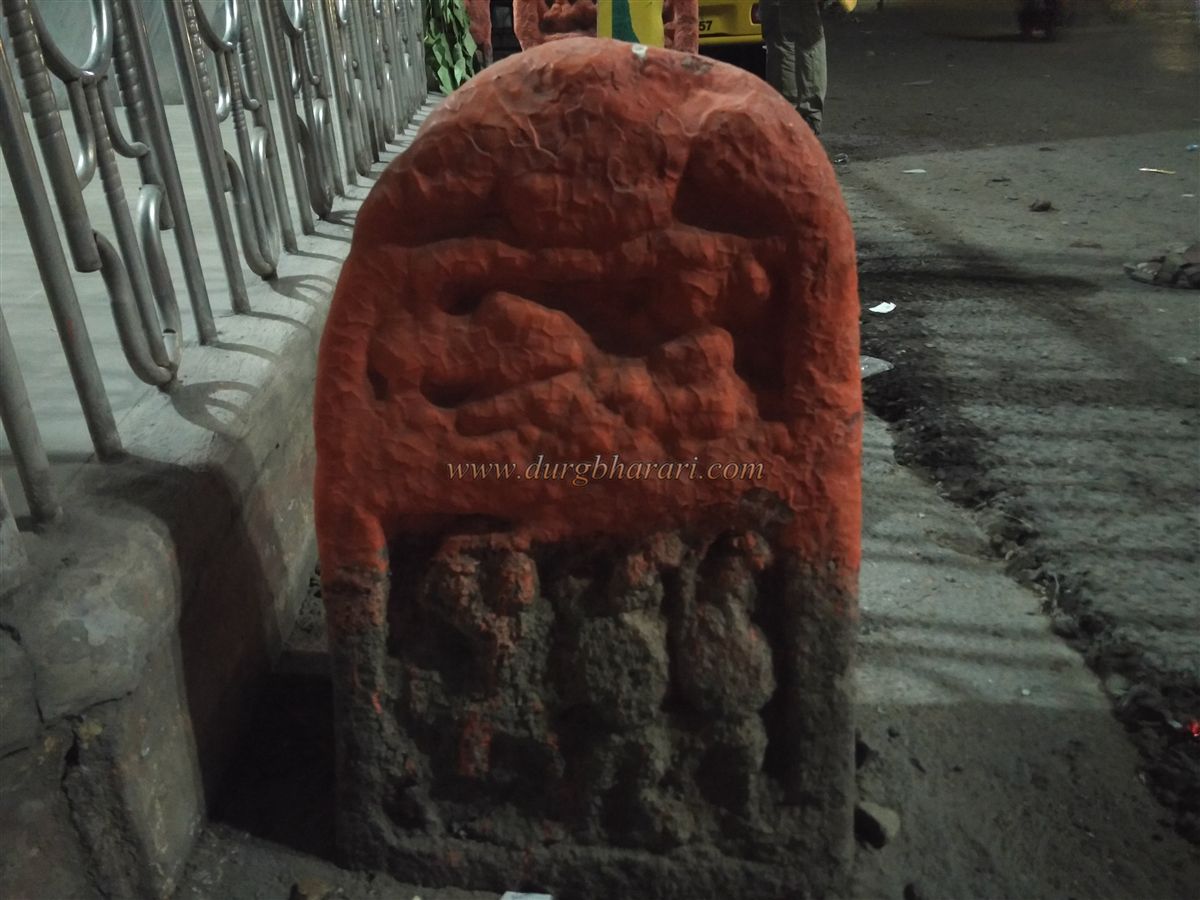
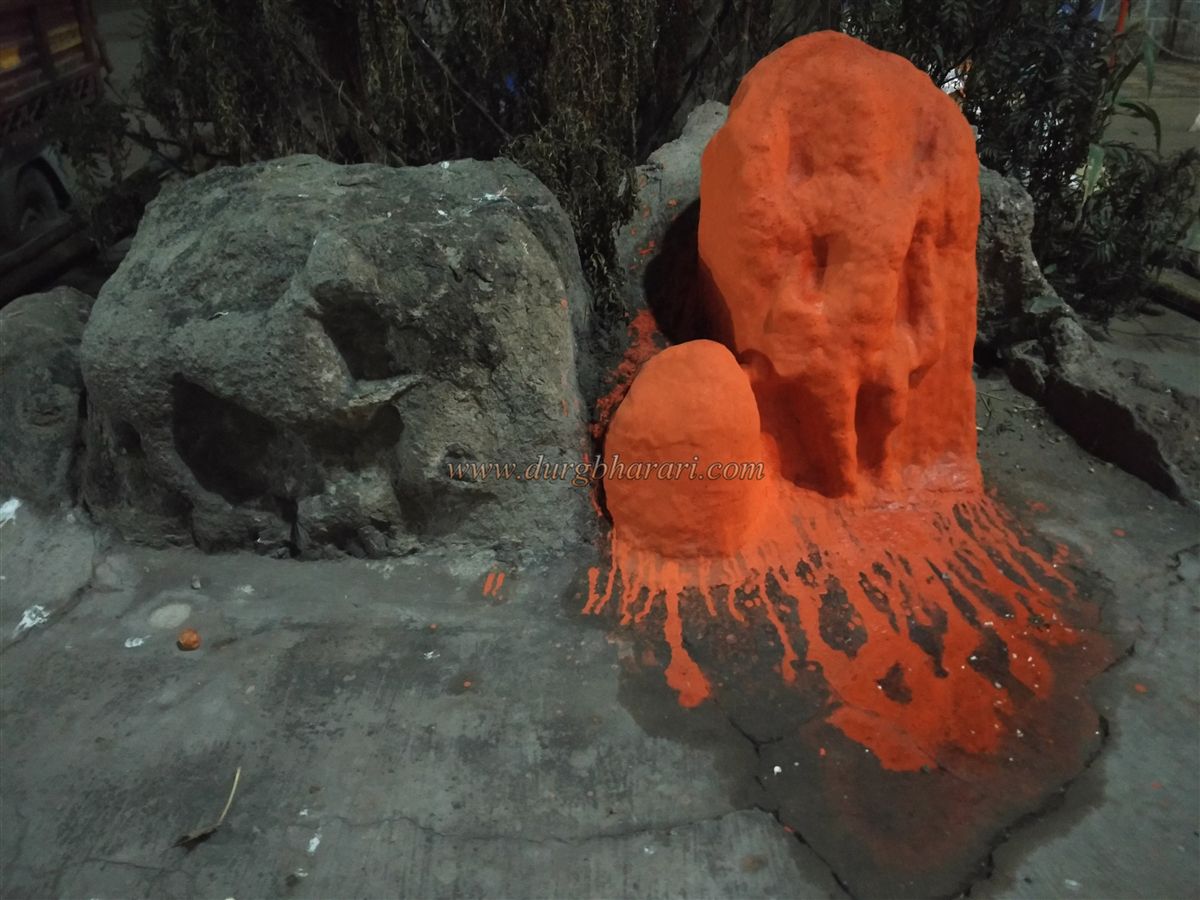
Among the ruins of the fort, a sculpture of a Sharabh (a mythological creature holding an elephant in its claws) and a carved image lie exposed to sun and rain near the Maruti temple, slowly eroding.
As one walks along Shivaji Maharaj Road toward the second gate of the fort, which lies in the direction of Jawala-Parner Road, several old mansions and their remnants are visible along the way.
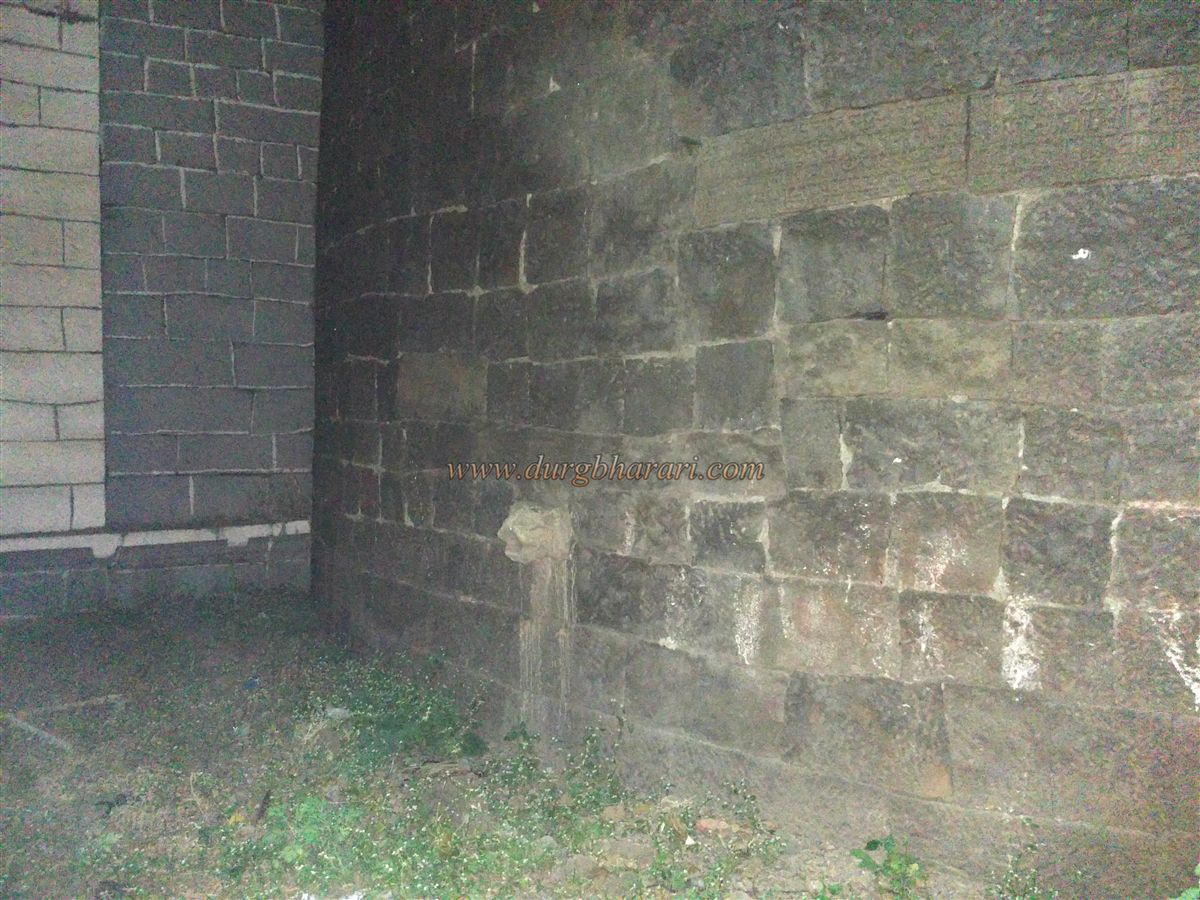
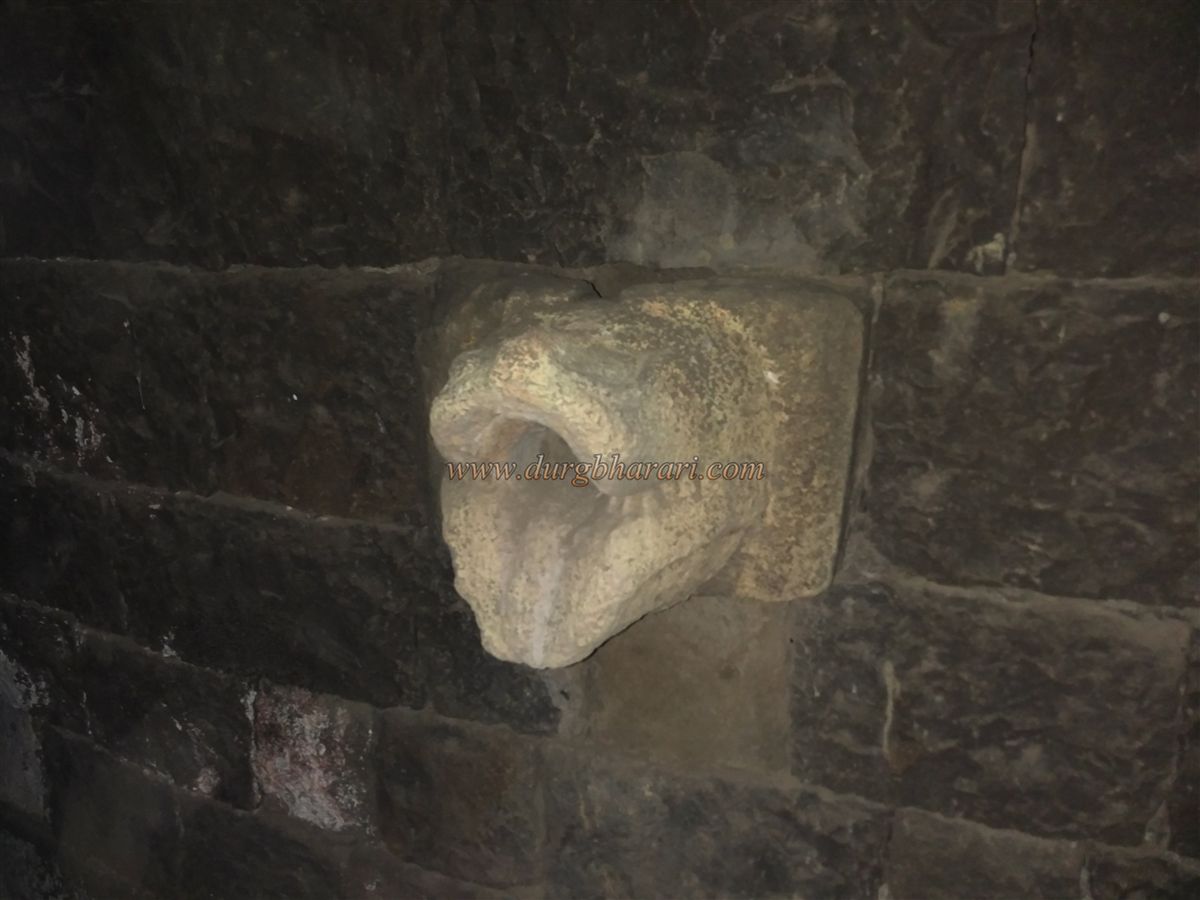
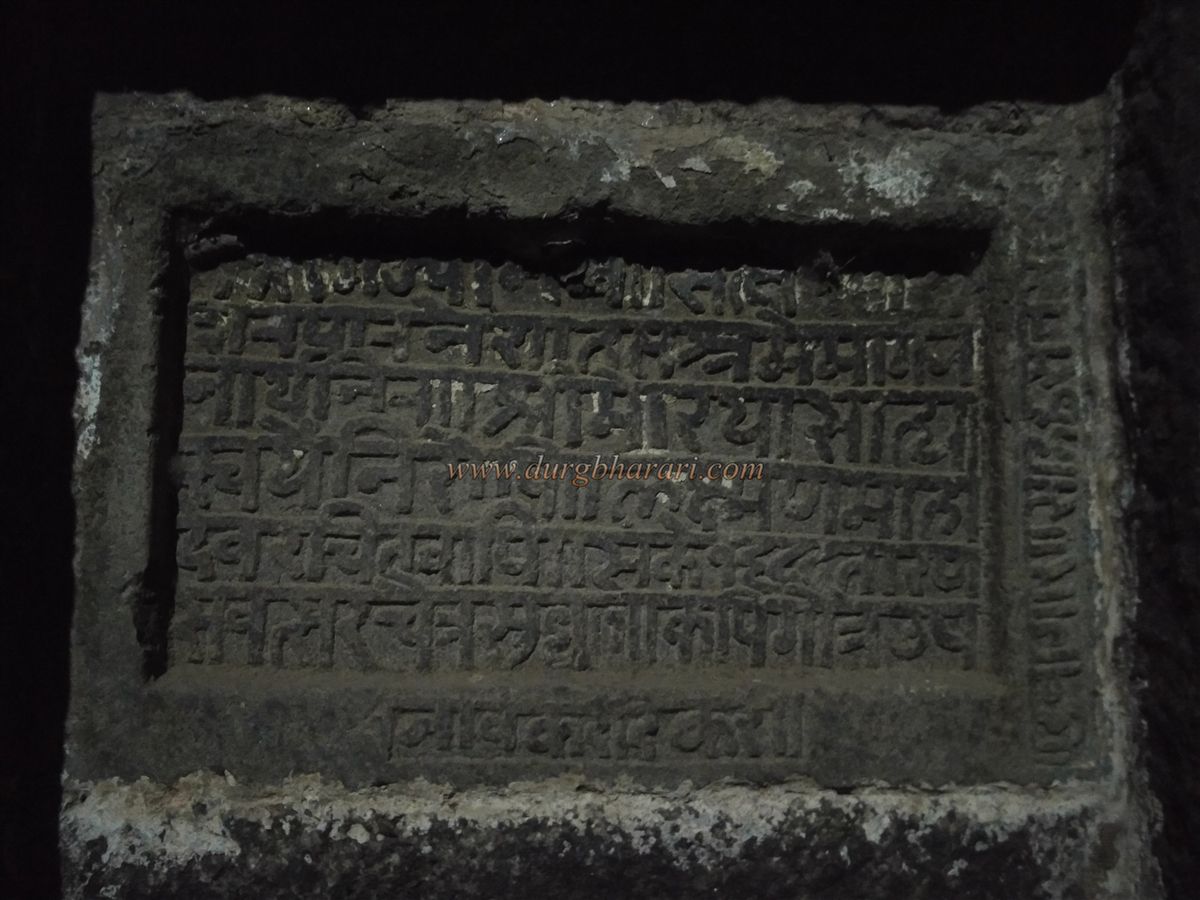
Both bastions beside this second gate still exist. On one of the bastions, an inscription in Devanagari script carved on three stones is visible on the outer wall. Near the base of both bastions, there are tiger-mouth-shaped water spouts to drain water outward.
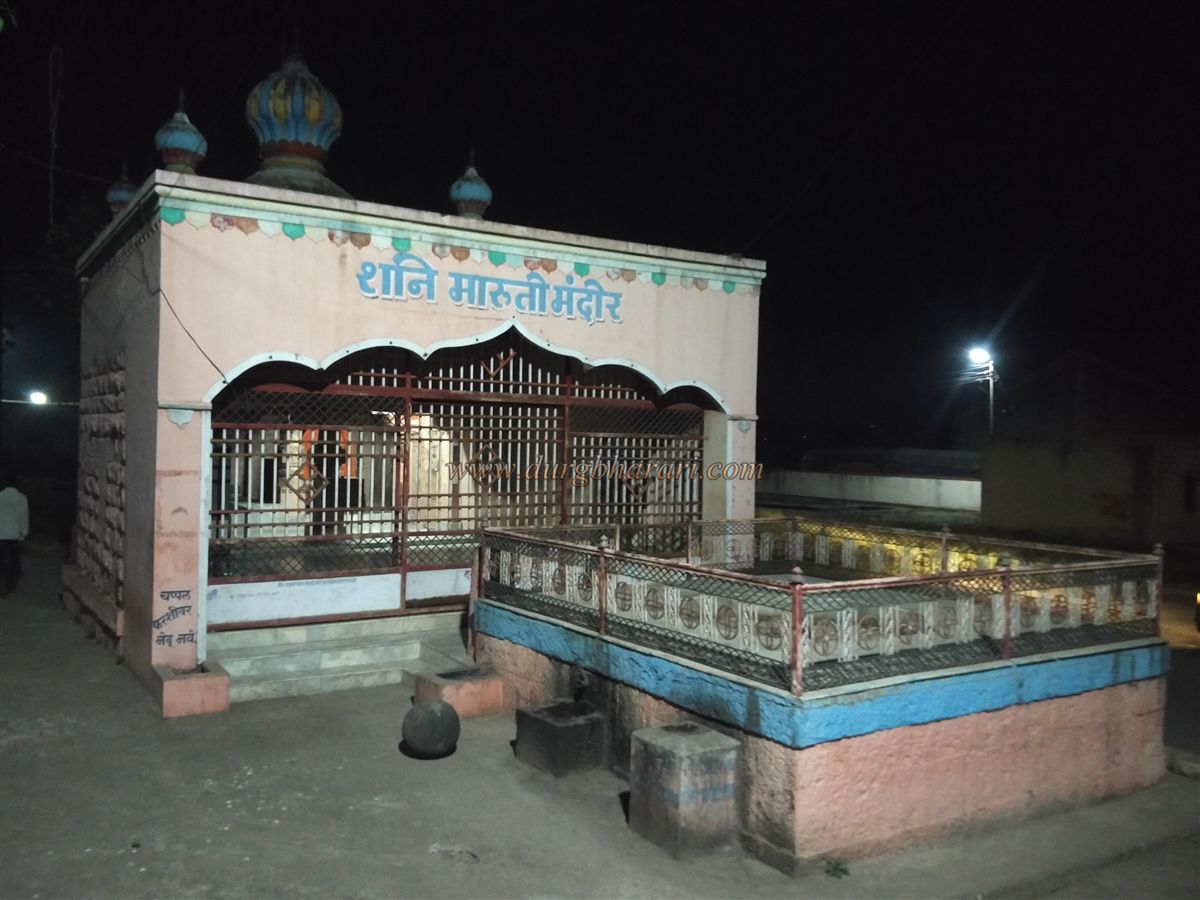
Outside this second gate, on the opposite side, there is an ancient Shani-Maruti temple with ornately carved stone pillars. In the temple premises, one can also see a Sharabh sculpture, two hero stones (virgal), and a cannonball.
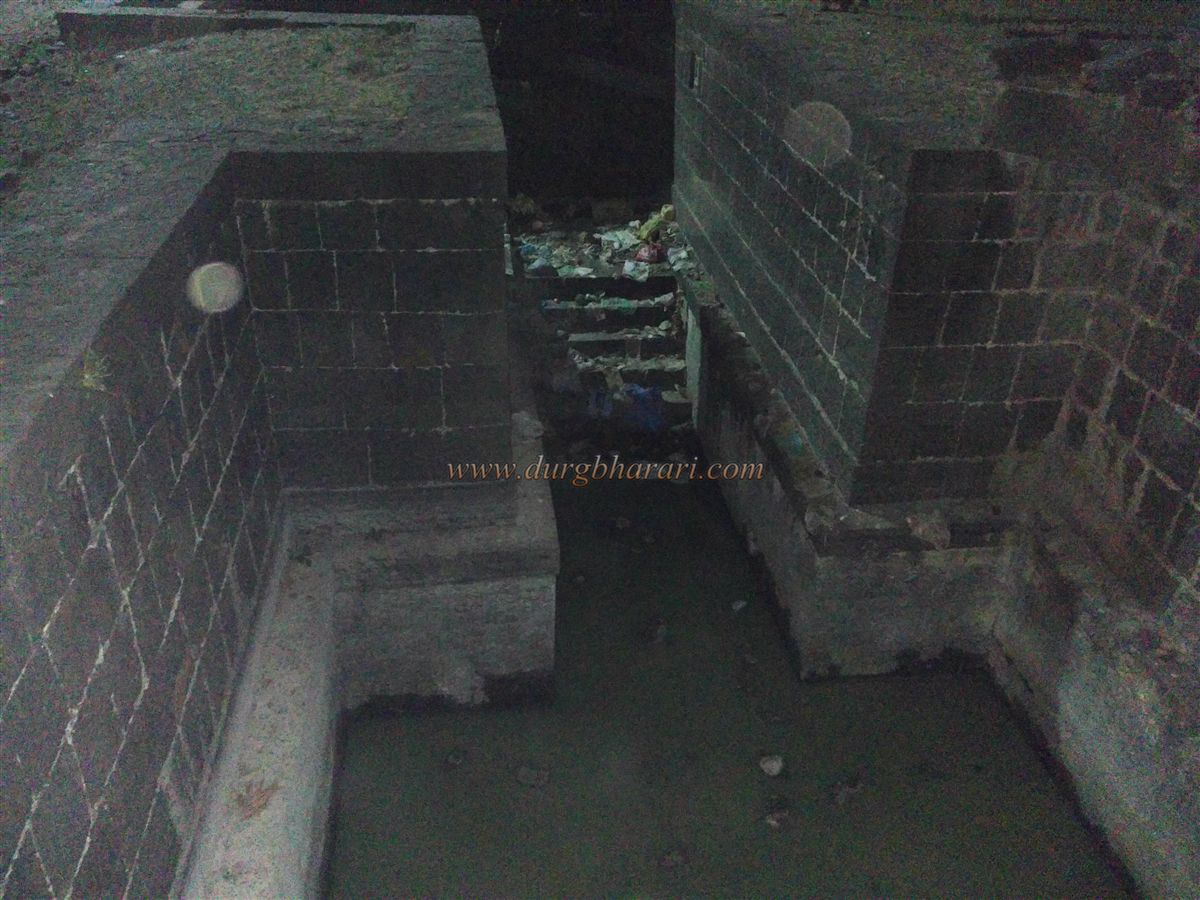
A little further to the right of this gate, there is a stone-built square stepped well (barav) with an inscription in Devanagari script mentioning the Shaka year 1688. Since the well is no longer in use, it is now filled with silt and waste. Just opposite this well, a small dargah can also be seen.
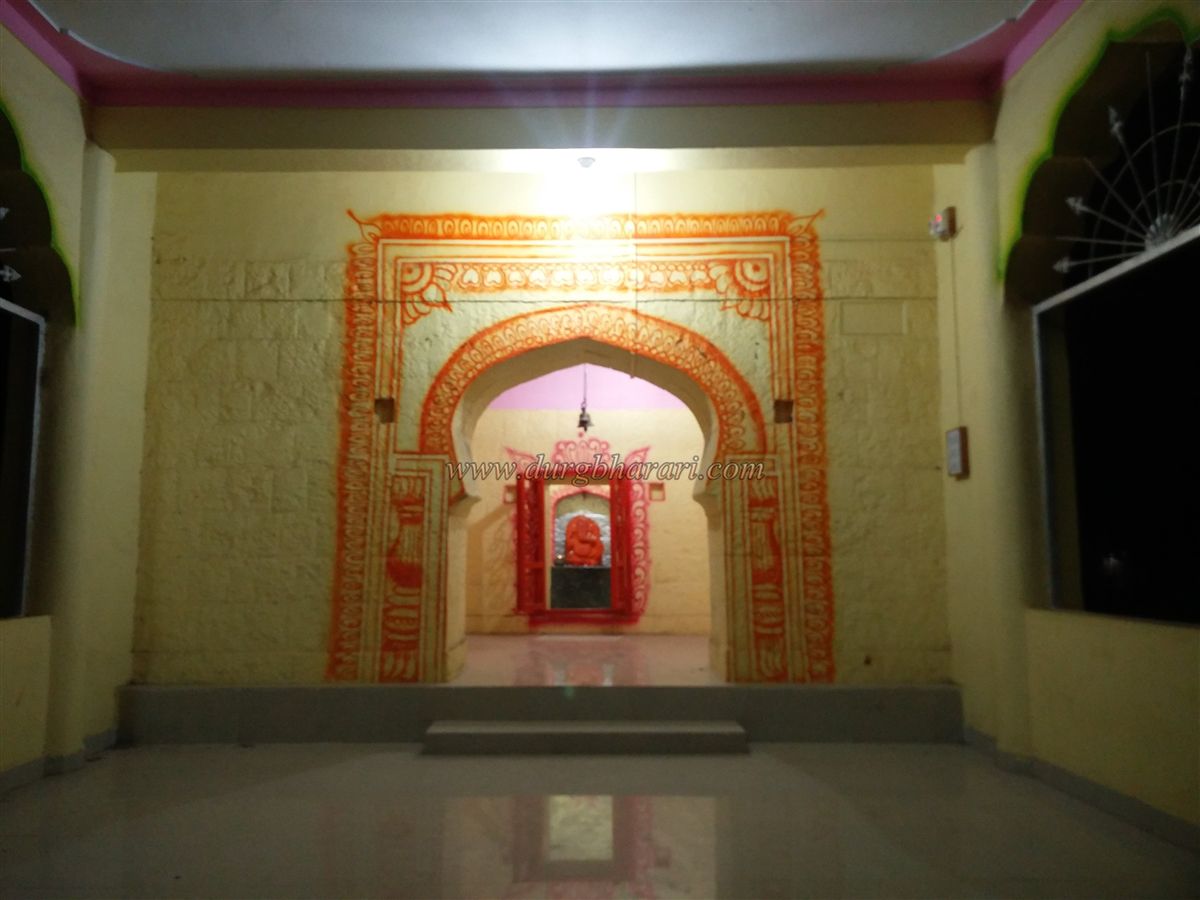
To provide additional protection to the main gate, a second line of defence (outer fort wall or parkot) was built about 300 feet away from the main fort entrance. Along this path, the collapsed gate of the outer fort and two remaining 10-foot-high bastions can be seen. Opposite this outer wall stands a newly constructed Ganesh temple.
This concludes the exploration of the fort. It takes about half an hour to see the entire site.
© Suresh Nimbalkar
GALLERY