PARGAON
TYPE : GROUND FORT
DISTRICT : PALGHAR
HEIGHT : 0
GRADE : EASY
Pargaon is a small village situated on the banks of the Vaitarana River. The modest fort located in this village, known as Pargaon Kot, is so obscure that even most locals are unaware of its existence—let alone outsiders. Over time, and due to this lack of awareness, the fort has nearly vanished.
To visit Pargaon Kot, one should take the Western Railway local train and get off at Saphale station. The fort is about 9 km from Saphale and around 10 km from the Varai junction on the Mumbai-Ahmedabad highway. From Saphale station, private rickshaws and buses are available to reach Tandulwadi village. While traveling from the Varai junction on the highway, you will pass through Pargaon before reaching Tandulwadi.
...
As there is no official information available about this fort, and the locals have little to no knowledge, it is advisable to gather proper details beforehand. Locals refer to Pargaon Kot by various names—Gadhi, Madi, Kot, or Madikot.
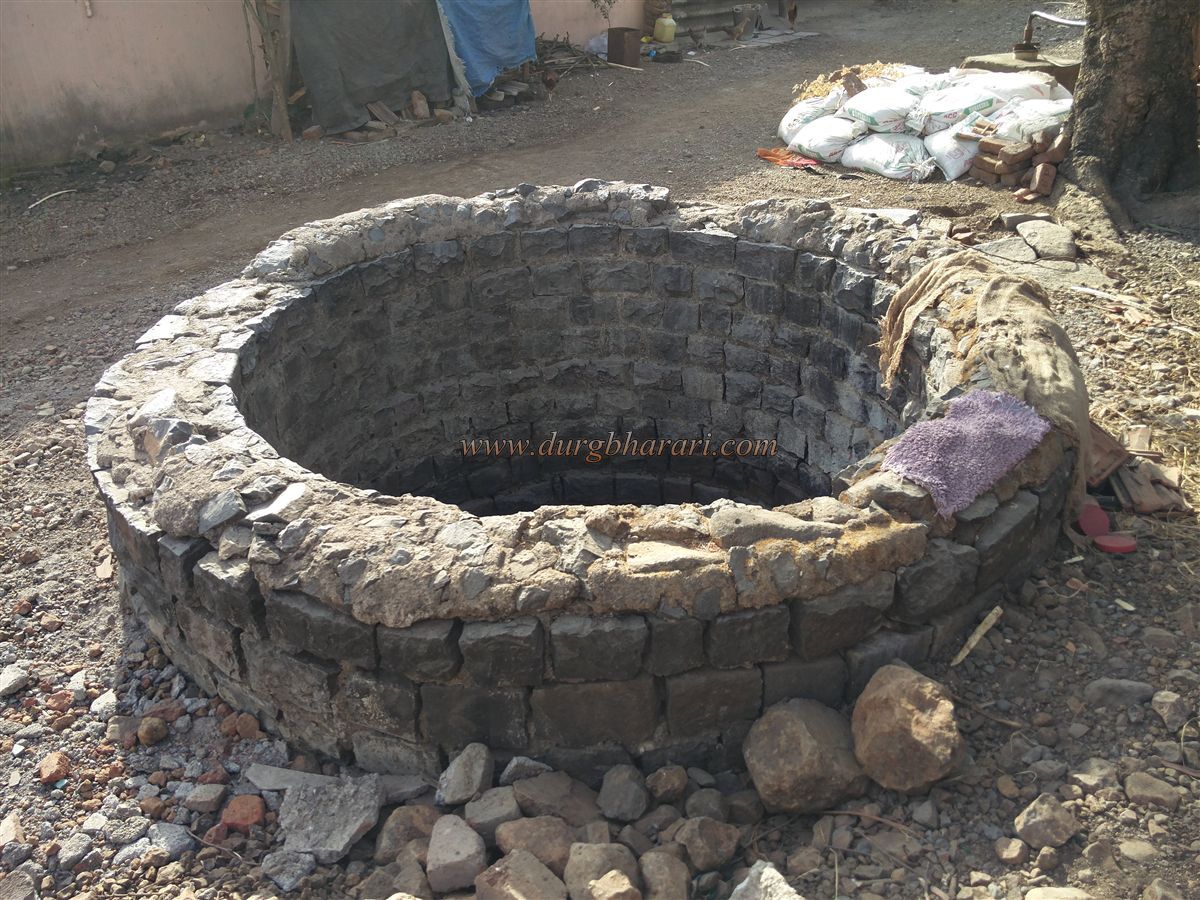
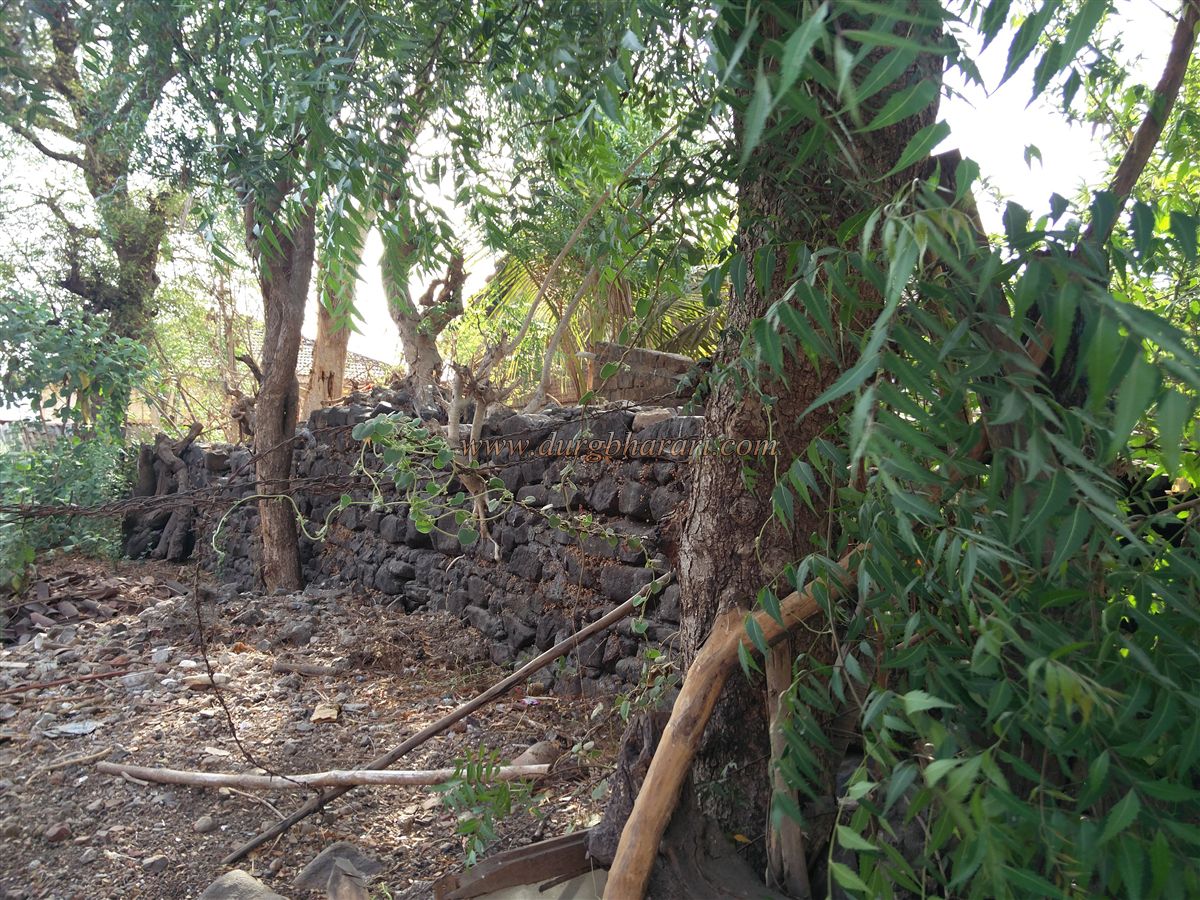
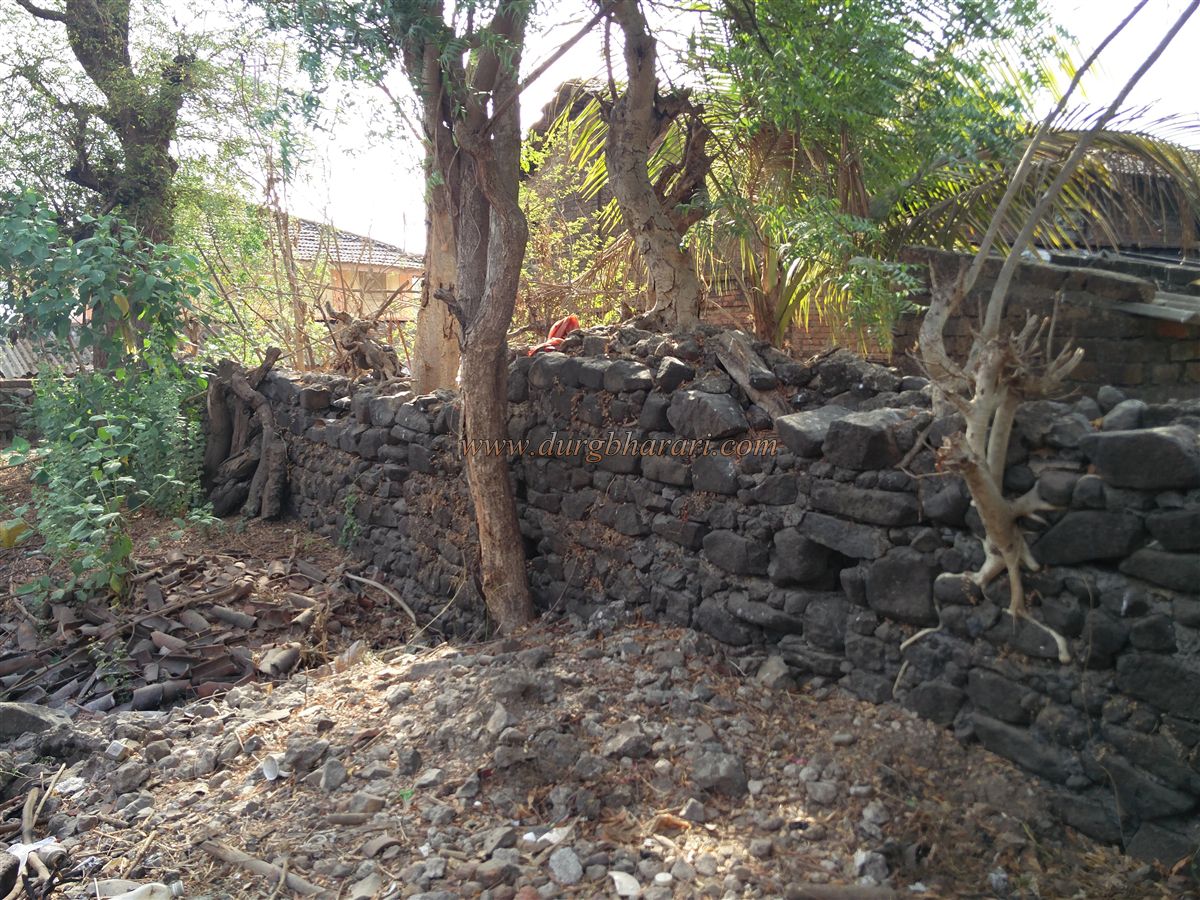
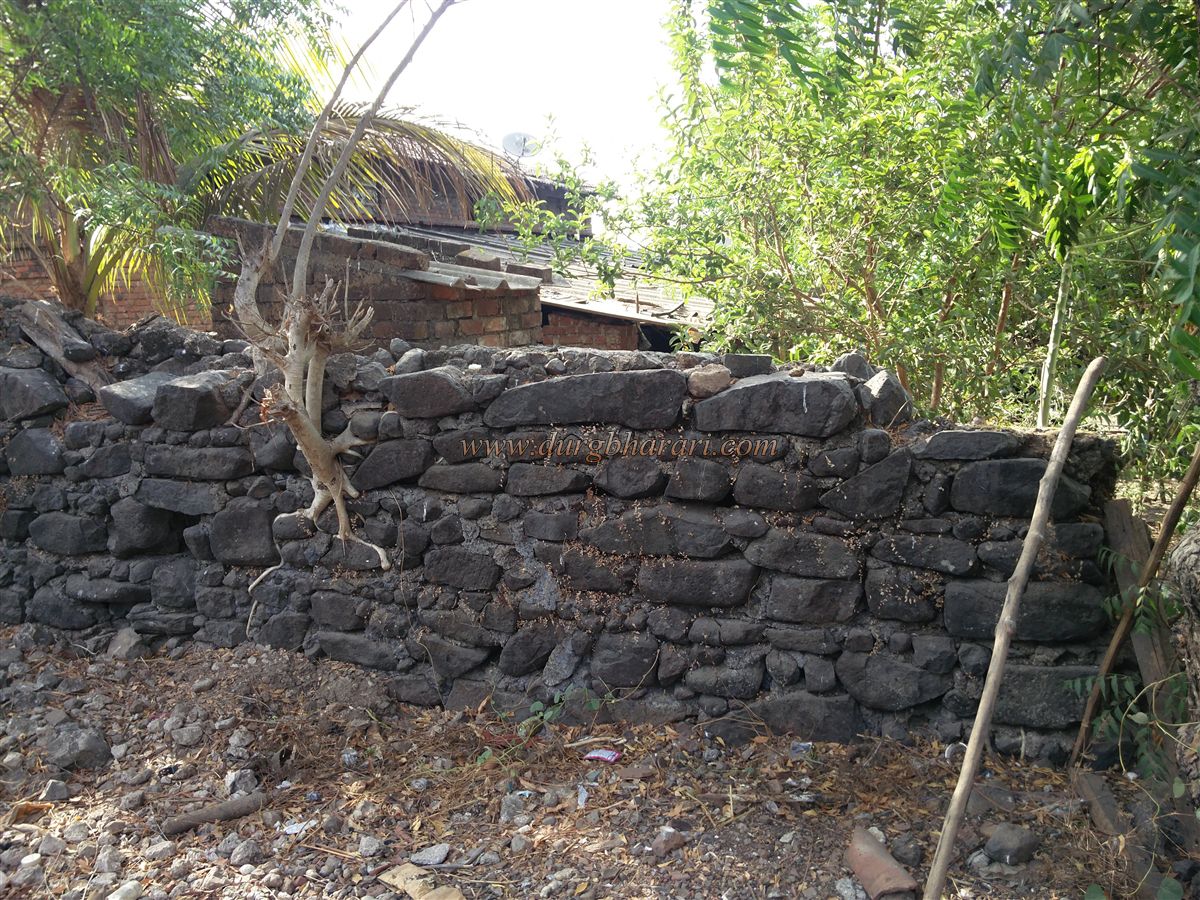
While traveling from Saphale towards the Mumbai-Ahmedabad highway, one comes across the Pargaon junction. From this point, turning left into the village leads to the Nar-Narayan Temple. Behind this temple is an ancient well. The road in front of the temple ends near the house of Mr. Sadashiv Patil. Behind his house, a few surviving remnants of the fort still stand, struggling against time. As the fort is on private property, permission must be obtained to visit.
The structure is very small and nearly destroyed, making it difficult to understand its original layout or purpose. Pargaon Kot is considered one of the small outpost-like structures typical of North Konkan. From the remaining evidence, it appears the building served both administrative and military functions. During the British era, this inner region, far from main transport routes, was used to store provisions for the army. Locals claim the original warehouse was large in both size and height.
Today, the fort structure has been largely demolished. A water tank and toilet have been built inside using stones from the fort itself. There are no evident facilities for water storage, accommodation, or large-scale storage, though the internal layout suggests use as an office or administrative block. The walls were constructed using a mix of mud, clay, stone, and lime. The overall design does not give the impression of a defensive fort but more likely served as a storage or administrative center.
The current condition of the fort is extremely poor, and a visit takes no more than ten minutes. To the north of the fort is a small lake. As there are no historical documents available about this site, it is known simply by the local name—Pargaon Kot or Pargaon Madi. Around 1737, when the Marathas took control of Tandulwadi Fort, the Pargaon region too came under Swaraj.
While the site may disappoint those expecting a traditional fort, it is certainly worth a visit for anyone interested in understanding the Portuguese coastal trade routes and the strategic importance of such outposts.
© Suresh Nimbalkar
GALLERY