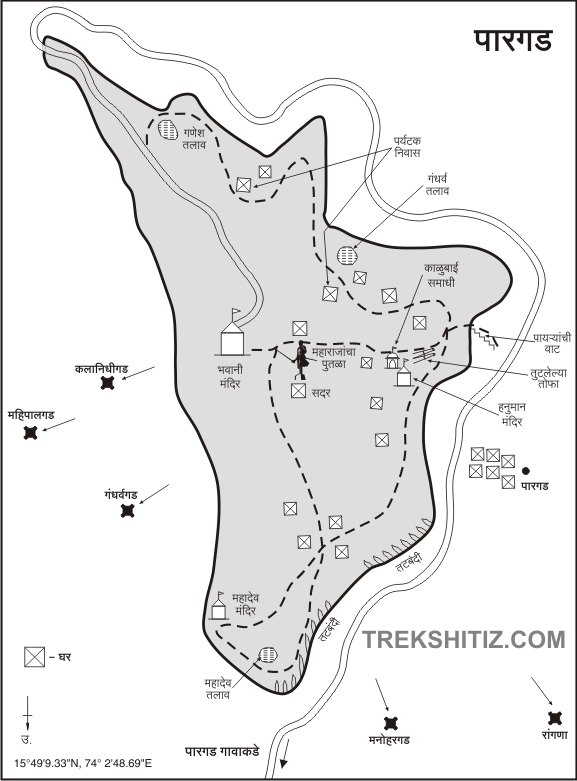
PARGAD
TYPE : HILL FORT
DISTRICT : KOLHAPUR
HEIGHT : 2460 FEET
GRADE : EASY
The main range of the Sahyadri Mountains runs north to south through Maharashtra. Among the forts situated along this range, the southernmost is Pargad Fort. It is said that the fort got its name because it lies at the far end of Swarajya’s domain—‘Pargad’ meaning “the fort at the edge.” This fort sits near the tri-junction of Goa, Maharashtra, and Karnataka.
Pargad is located 31 kilometres from Chandgad in Kolhapur district. To reach it, one must first travel to Chandgad via Kolhapur or Belgaum. From Chandgad, there is an ST bus to Isapur, and from Isapur, one can go directly to the base of Pargad. The ST bus from Chandgad drops you right at the foothills of the fort.
The fort covers about 37 acres and is naturally protected on the north, east, and west sides by steep cliffs.
...
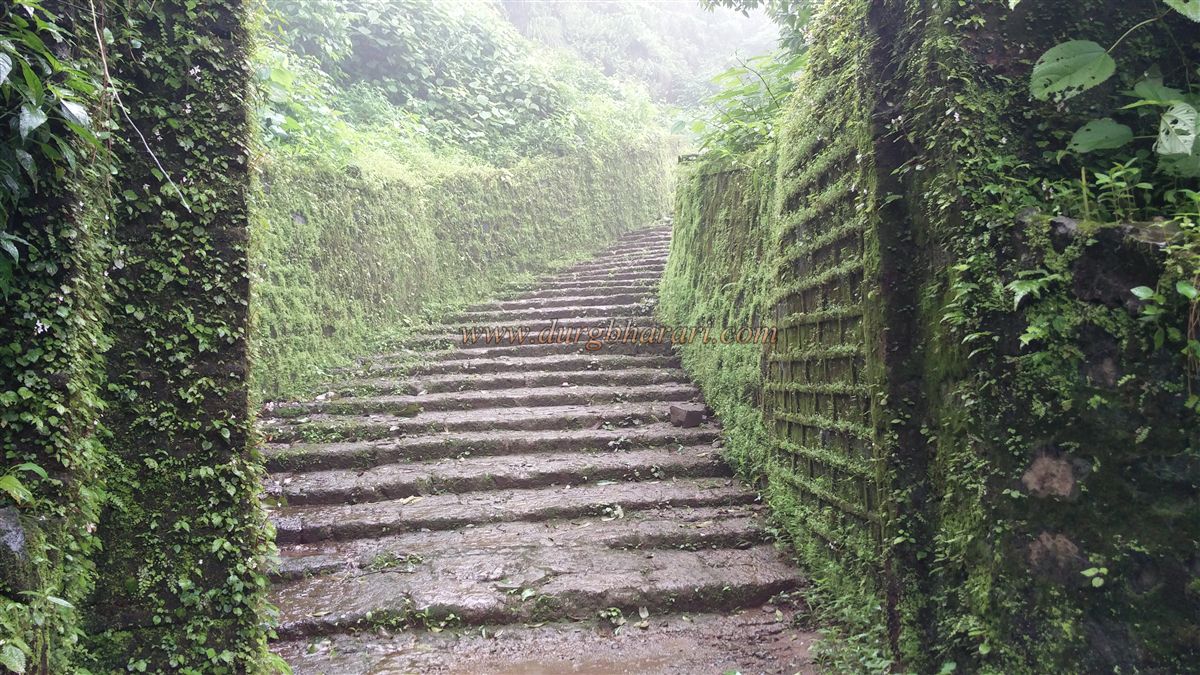
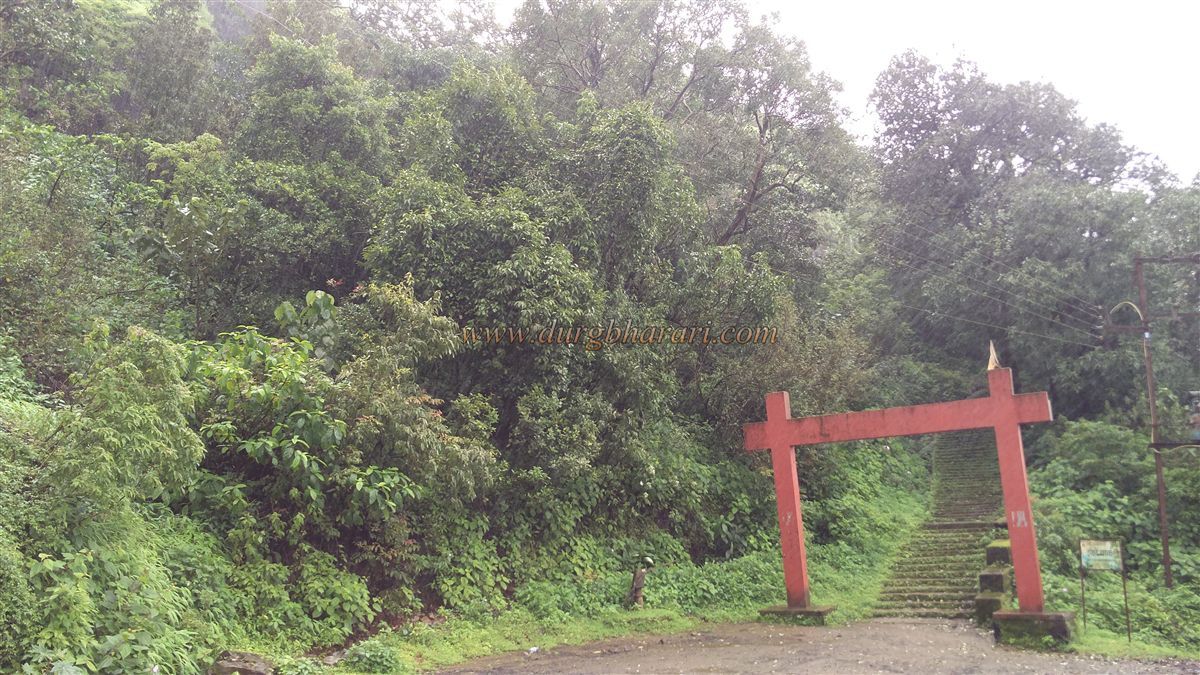
To the south, a deep valley is connected to the main fort via a narrow spur. Following this path, keeping the northern cliff to the left, one reaches a flight of steps leading to the original entrance, while a tar road built in 2002 allows direct access to the fort via Sarja Gate.
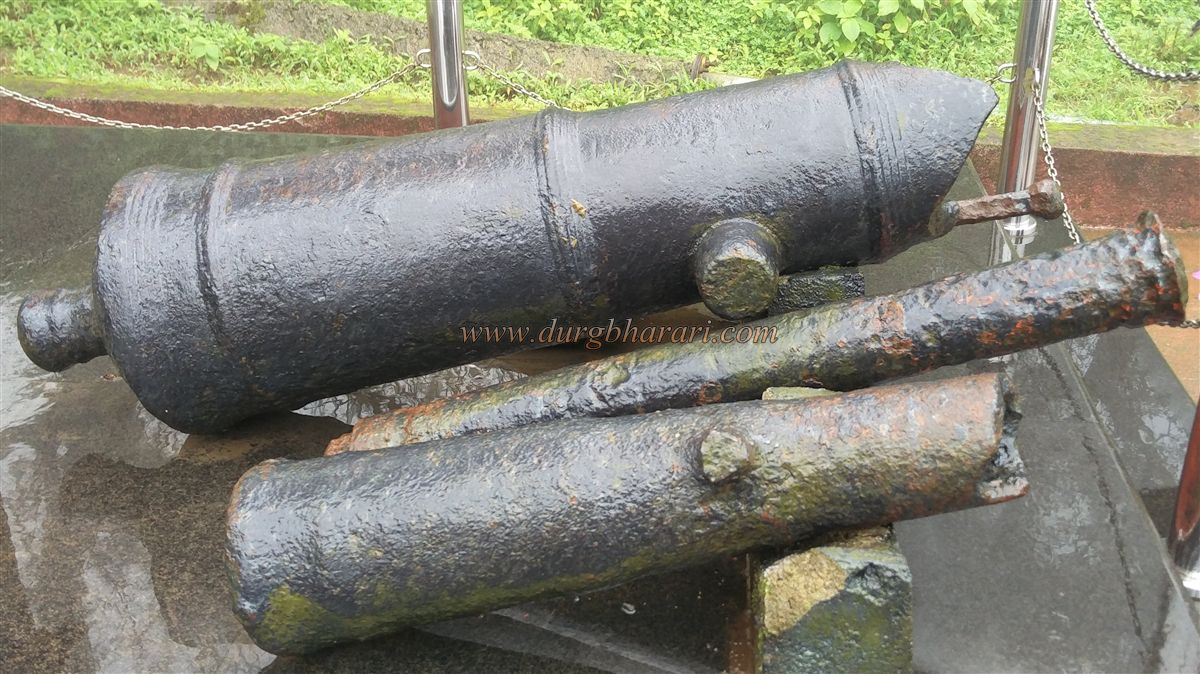
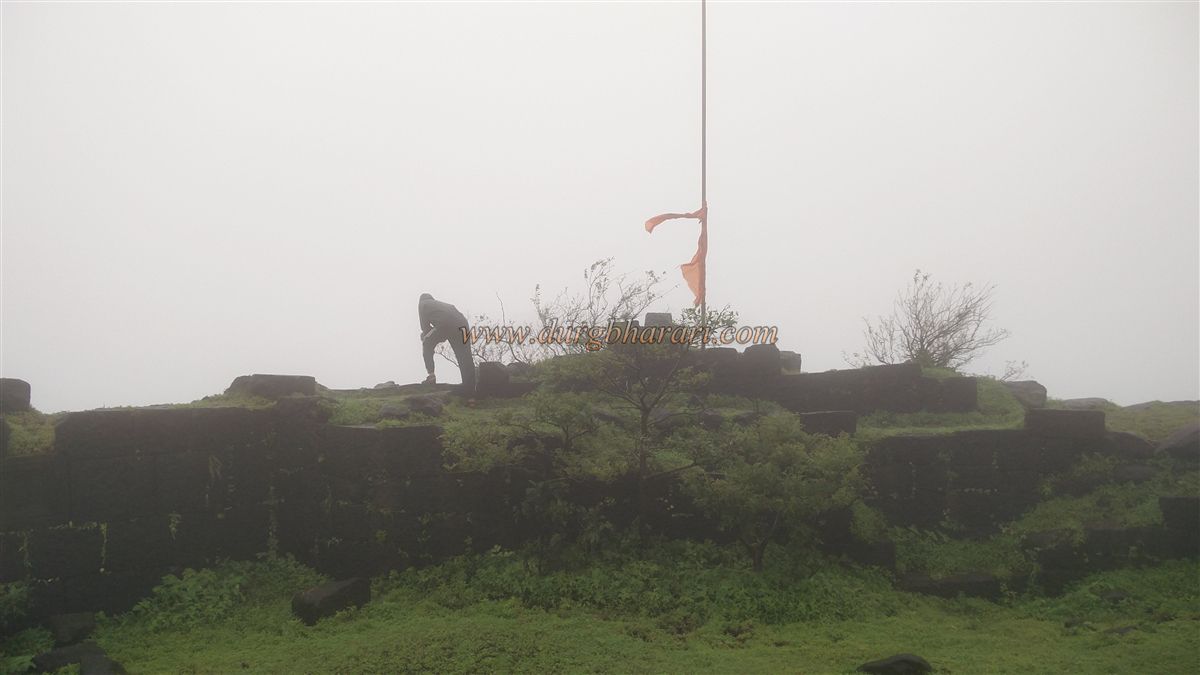
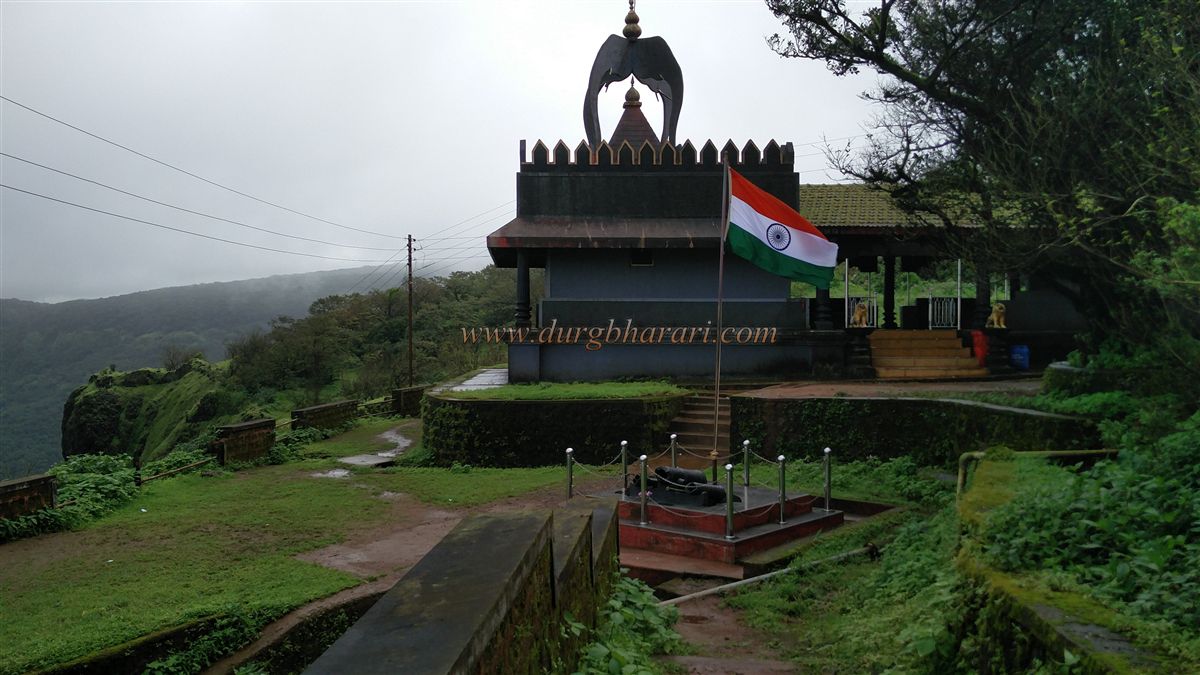
Climbing a few steps on the traditional path, one can see the remains of a ruined entrance. The tar road enters the fort through a broken section of the outer wall. Upon entering via the stepped path, the first thing you see is a temple of Lord Maruti. The idol inside the temple wears a traditional ear ornament called “bhikbali,” suggesting it is from a later historical period. Within the temple courtyard, four broken cannons and a damaged firearm lie on a platform, where a flagstaff is also installed.
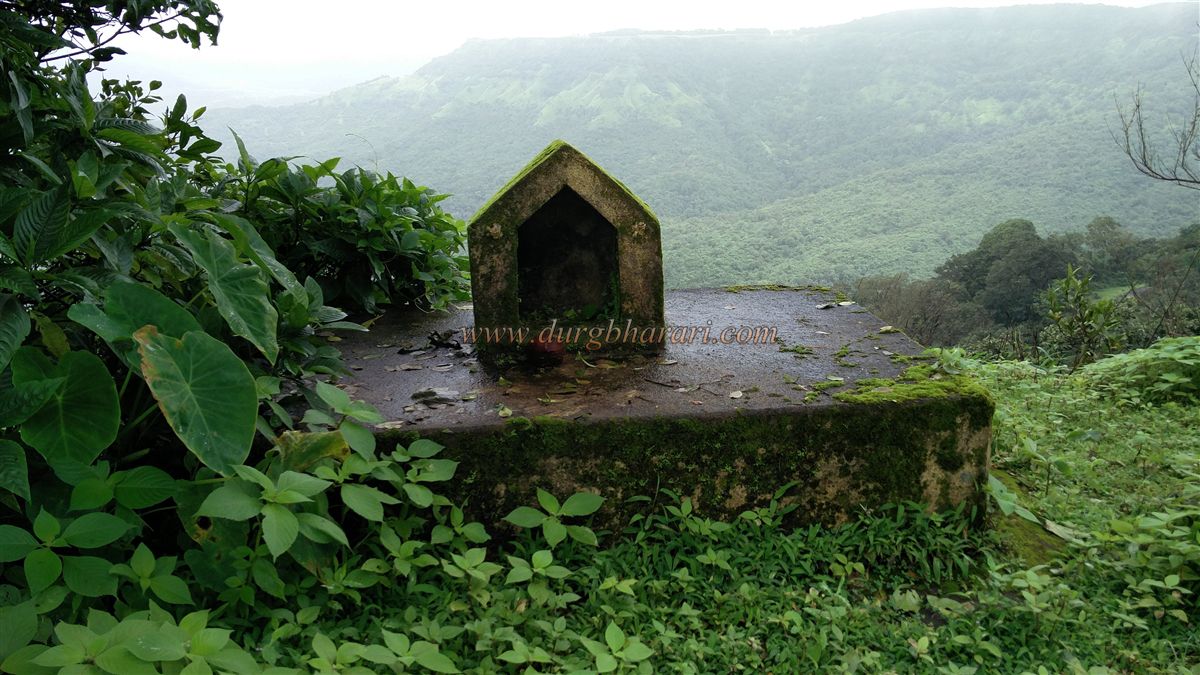
To the left of the temple is a well-crafted stone tomb, likely belonging to a significant individual. Following the worn trail ahead, you enter the residential part of the fort. Close to the village school, a platform that was once part of the royal quarters can be seen. A full-sized statue of Chhatrapati Shivaji Maharaj has now been erected there.
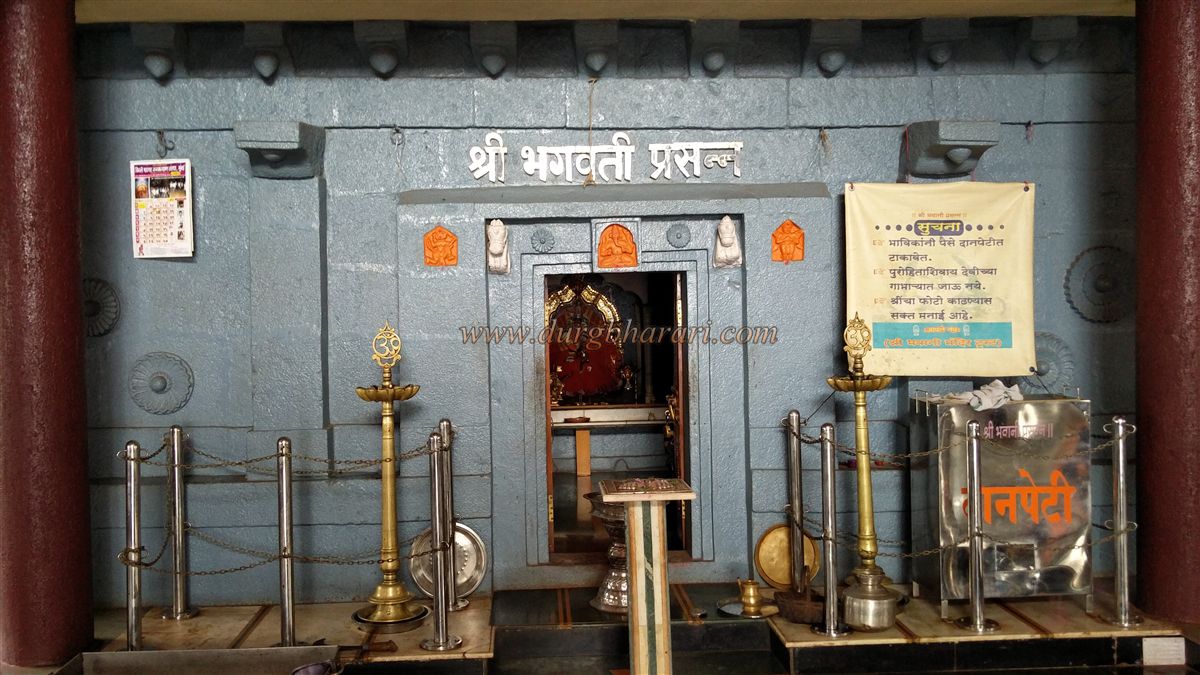
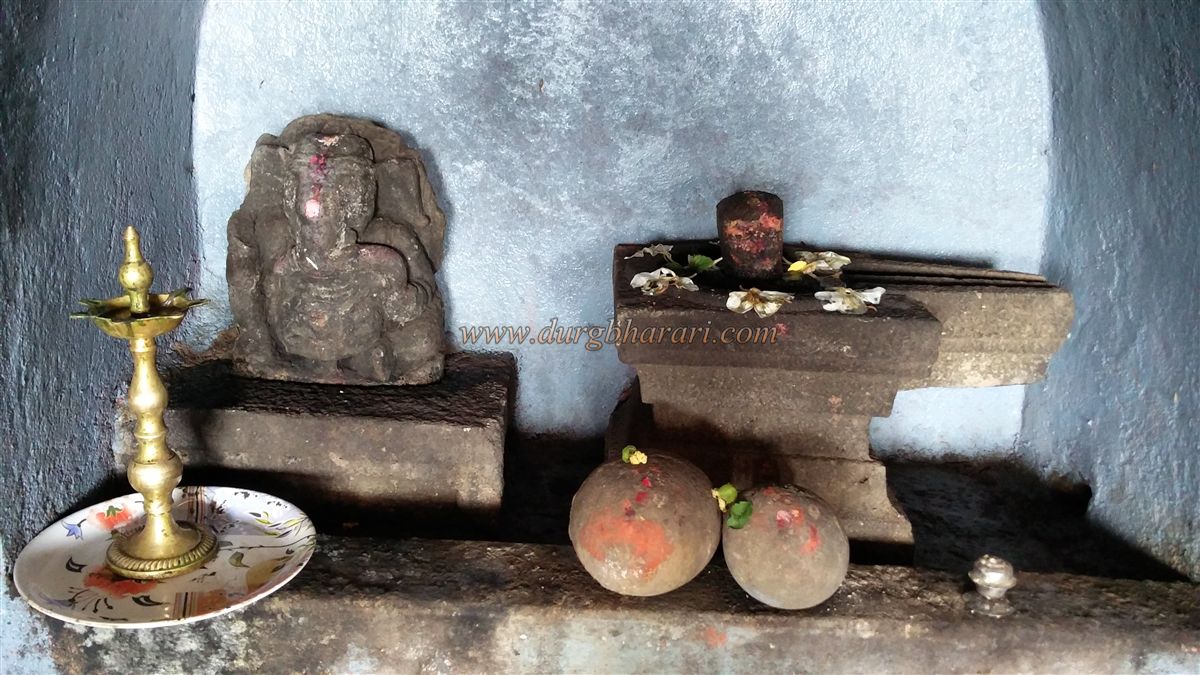
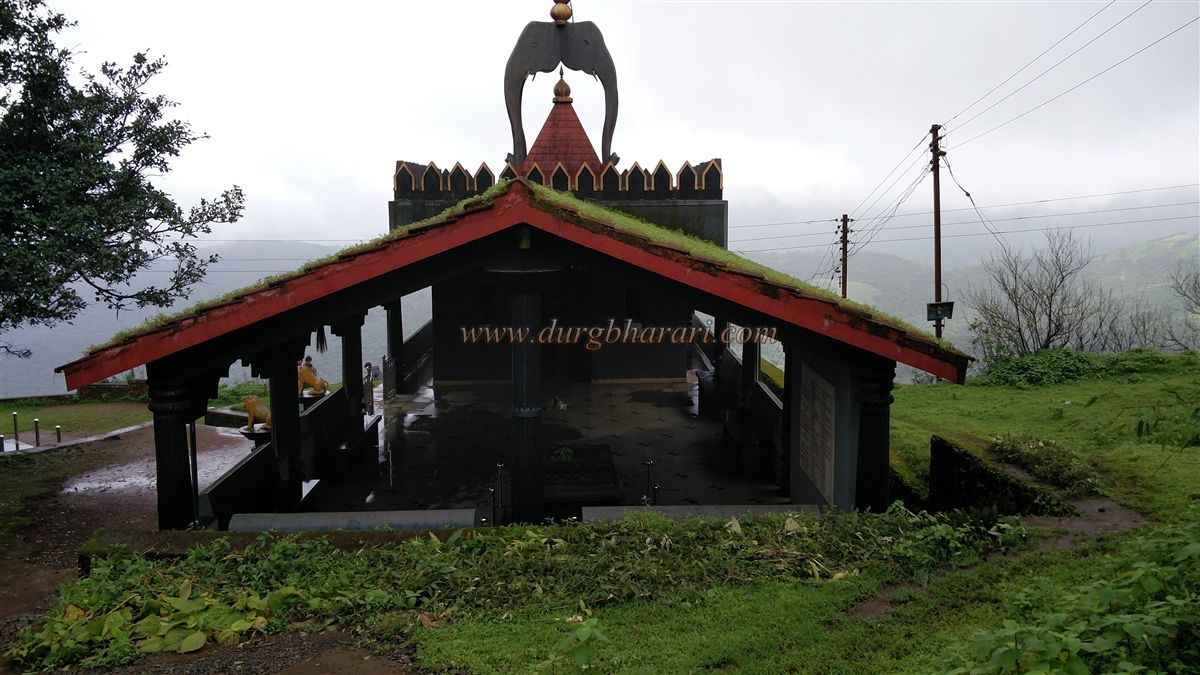
Further along, to the right, is the grand temple of Goddess Bhavani, restored by the fort’s caretakers. During the renovation, the original stone temple was preserved, and a new assembly hall was added at the front. The idol of Bhavani inside the temple closely resembles the one at Pratapgad. The walls of the hall are adorned with paintings depicting events from Shivaji Maharaj’s era. In the temple vicinity are small shrines dedicated to Lord Ganesh and Lord Mahadev.
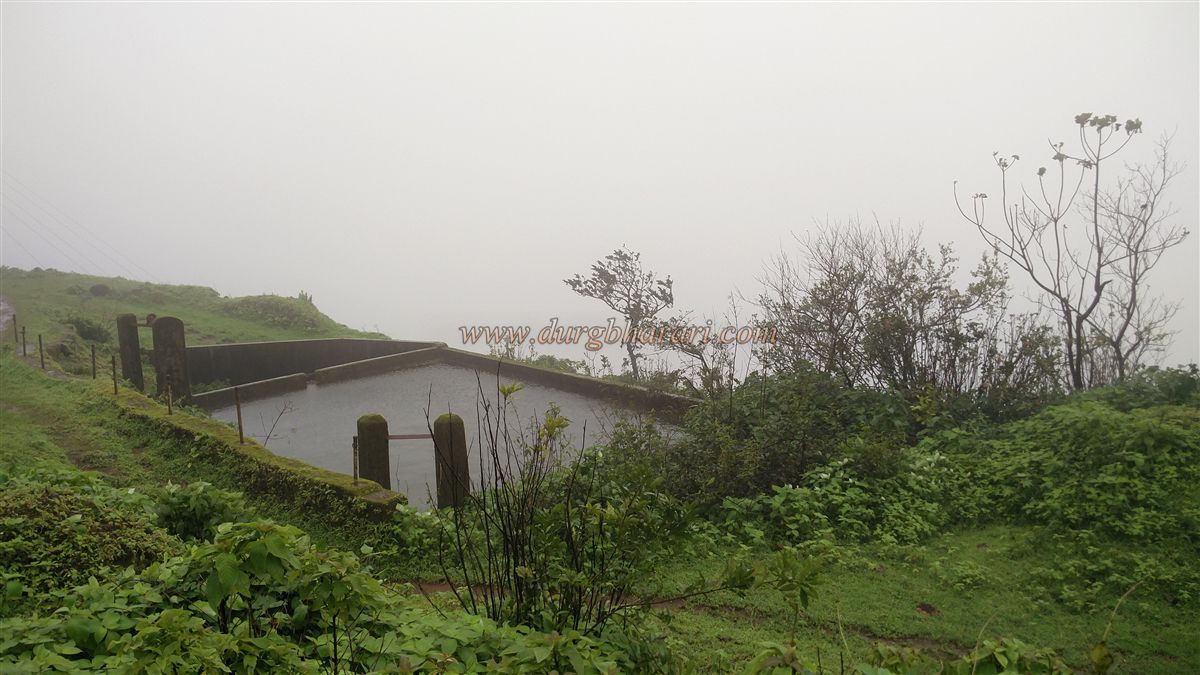
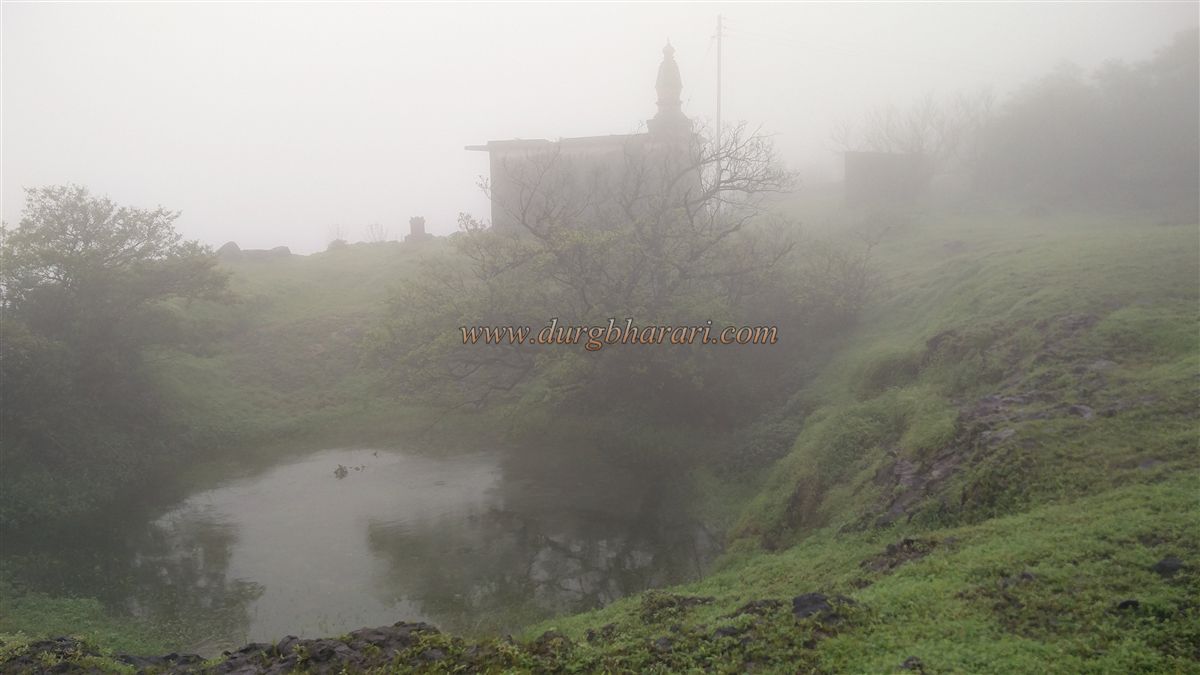
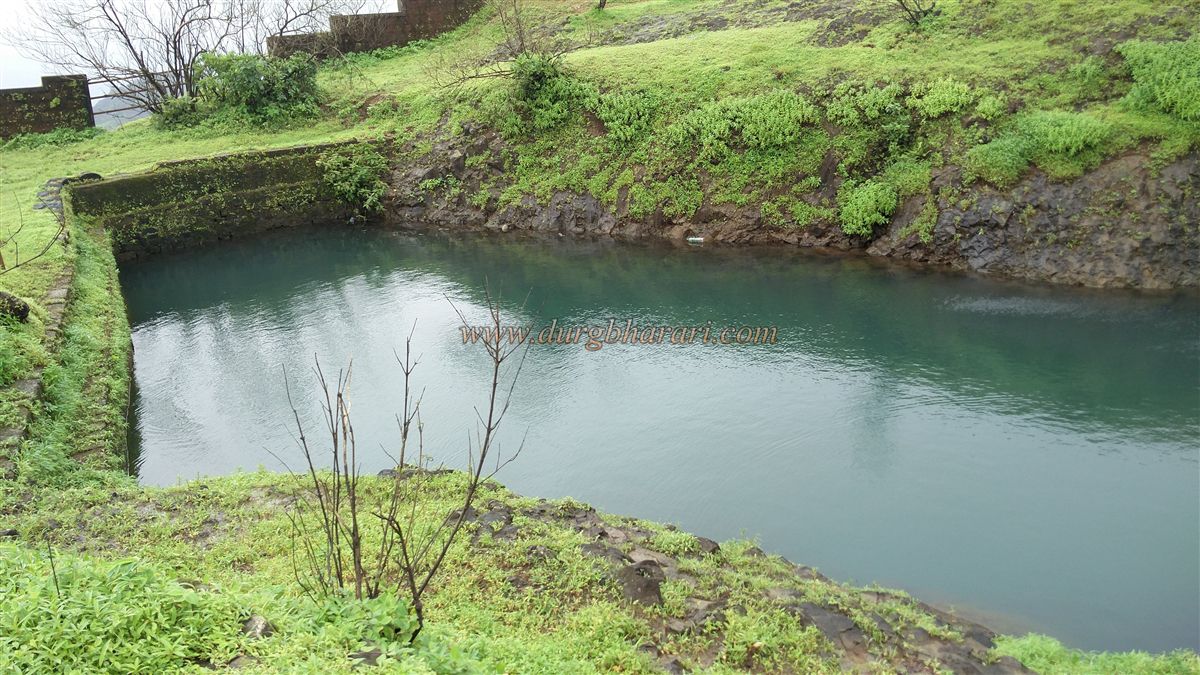
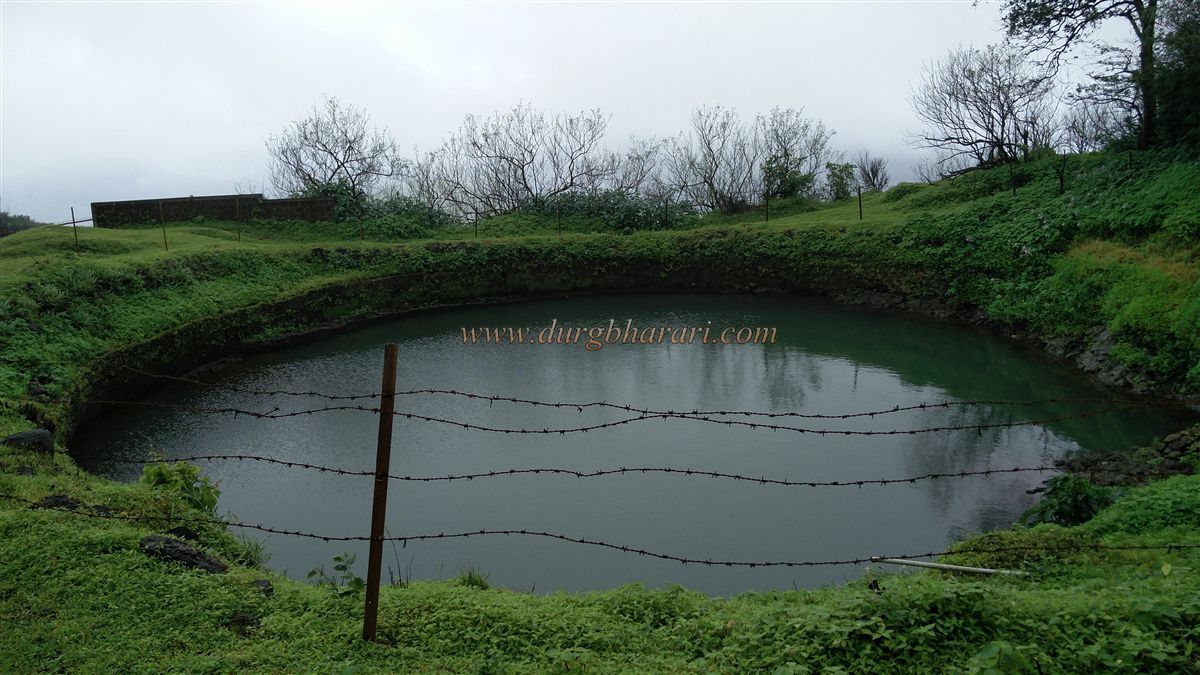
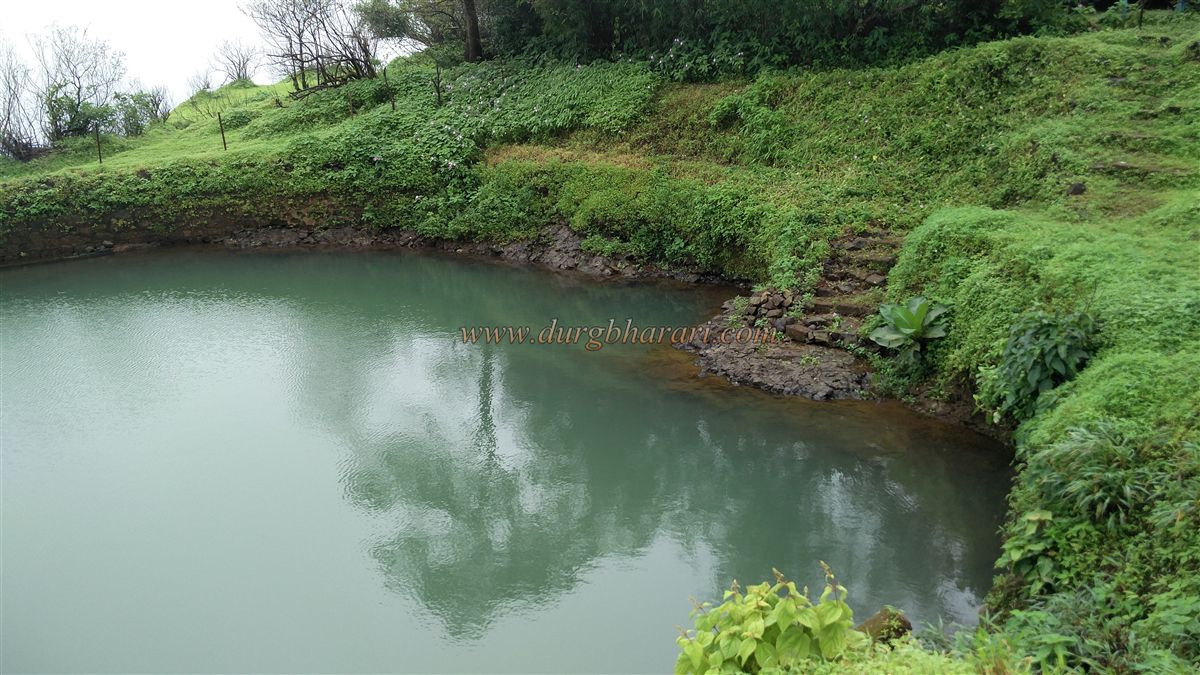
As you explore the fort, you come across three major tanks named Gandharva, Mahadev, and Ganesh. Thanks to these tanks, the fort retains a good water supply even during the summer months. Of the many wells on the fort, only four are still functional; the rest are filled in or abandoned.
While walking along the ramparts with help from locals, you’ll hear the names of various bastions such as Bhalekar, Phadnis, Mahadev, Malave, Bhande, and Zhende. On the northern edge of the fort, near the cliff, stands a Mahadev temple, and nearby is the 1690 memorial of Tulsa Bai Malave, who is said to have performed sati after her husband, Vithoji Malave, died a heroic death in 1689. Down below the fort, in Mirvel village, there is a memorial to Mhalsabai, wife of cavalry commander Khandoji Zhende.
The fort is expansive and contains several small and large structures, requiring about 2–3 hours to explore at a relaxed pace. The thick surrounding forest reminds one of the Javali valley near Mahabaleshwar. If arranged in advance, simple lodging and meals are available on the fort. At night, one can even see the flickering lights of Vengurla from atop the fort.
After returning from the 1676 campaign against the Portuguese, Shivaji Maharaj established Pargad Fort to ensure control over the Portuguese, Adilshahi, and the Sawant wadi ruler Khem Sawant. He appointed Tanaji Malusare son, Raiba Malusare, as the fort commander. Shivaji himself was present at the fort for the vastu-shanti (sanctification ritual) and its official inauguration. For nearly 200 years after its construction, the fort remained under Maratha control.
In 1689, Aurangzeb’s son Muazzam, along with Khawas Khan and aided by the Wadikar Sawant, attacked the fort. Though the Marathas successfully defended it, artillery Chief Vithoji Malave was martyred in the battle. His memorial remains on the fort.
In later years, Pargad came under the jurisdiction of the Karveer (Kolhapur) Chhatrapati. To this day, descendants of Maratha-era figures reside on the fort, including Balakrishna Malusare, the 11th-generation descendant of Tanaji Malusare; Kondhaji Shelar, a descendant of Shelar Mama; and Kanho Malave, a descendant of artillery chief Vithoji Malave.
Balakrishna Malusare is the custodian of Tanaji Malusare sword and a sacred necklace made from sea shells once worn by Shivaji Maharaj. These weapons are displayed during the annual Maghi festival or on the occasion of Dussehra for visitors to see.
© Suresh Nimbalkar
GALLERY