PANVEL KOT
TYPE : GROUND FORT
DISTRICT : RAIGAD
HEIGHT : 0
GRADE : EASY
Due to neglect over time, many forts have been destroyed, and no traces of them remain today. While reading history, we come across the names of such forts and, driven by our love for forts, we set out to explore these places. But when nothing is found, we assume the fort has vanished with time and express our regret. However, it is important to understand that not all forts disappeared naturally over time—some were deliberately demolished by the ruling powers of the time because they became strategically inconvenient. This was not only true for the British but also for local Indian rulers, as evident from historical examples.
One such example is the fort of Panvel. A small fort that existed during the reign of Chhatrapati Sambhaji Maharaj was soon demolished, though there is no conclusive evidence about exactly who destroyed it and when.
...
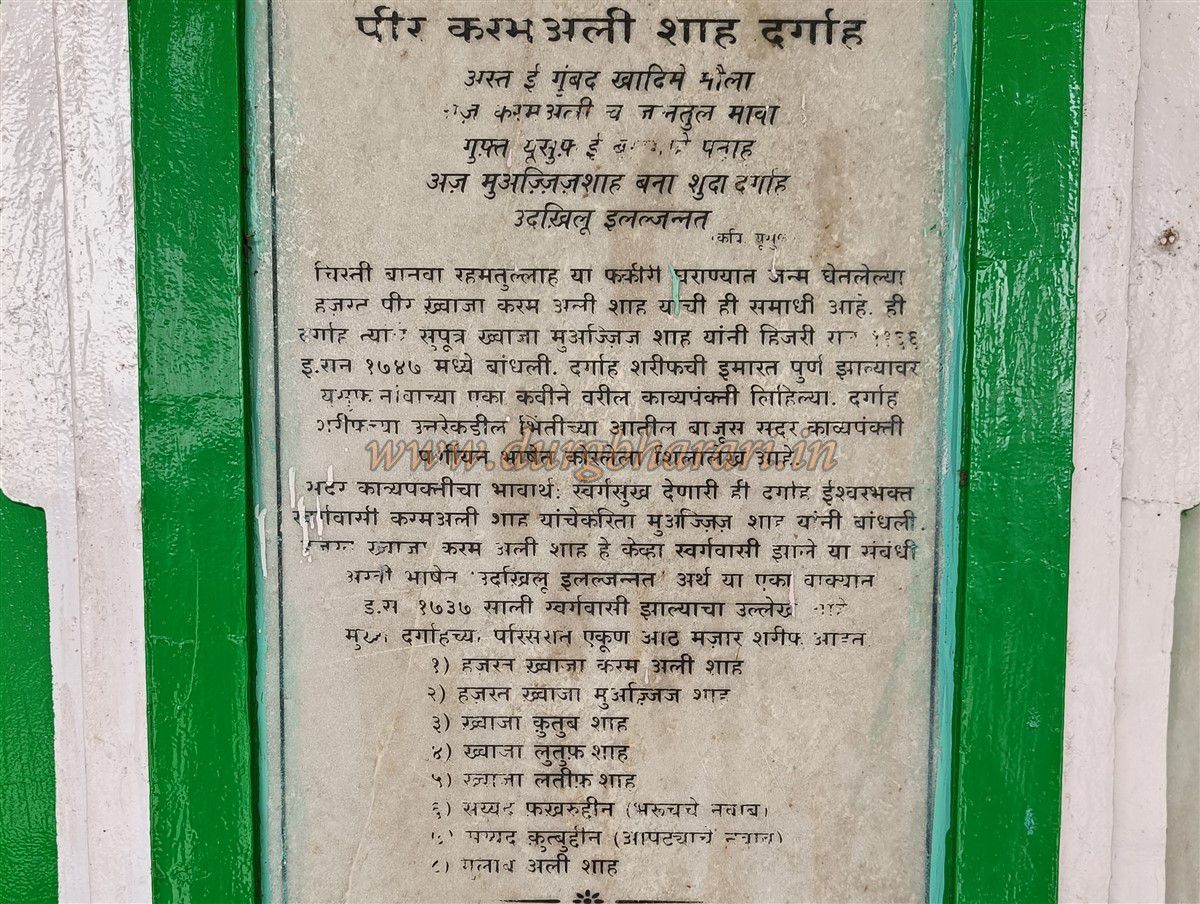
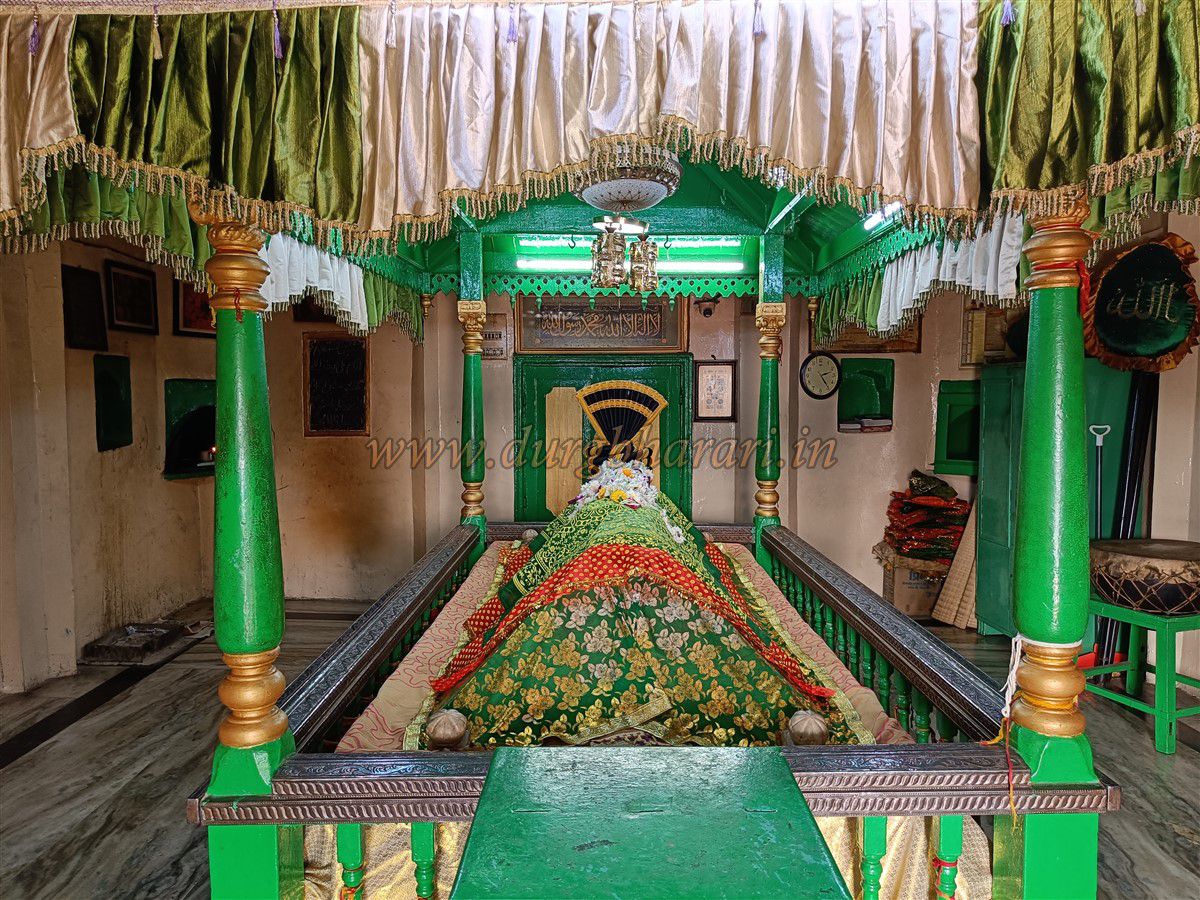
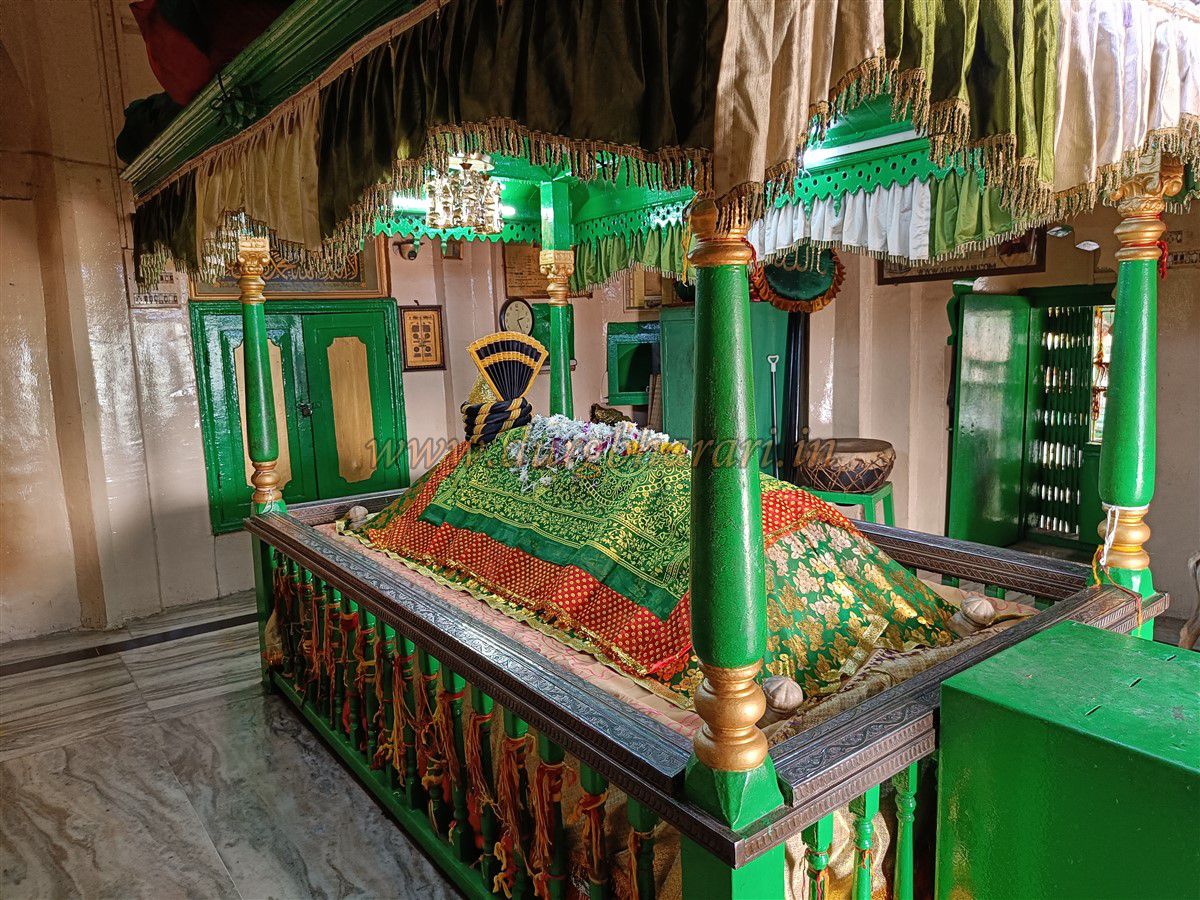
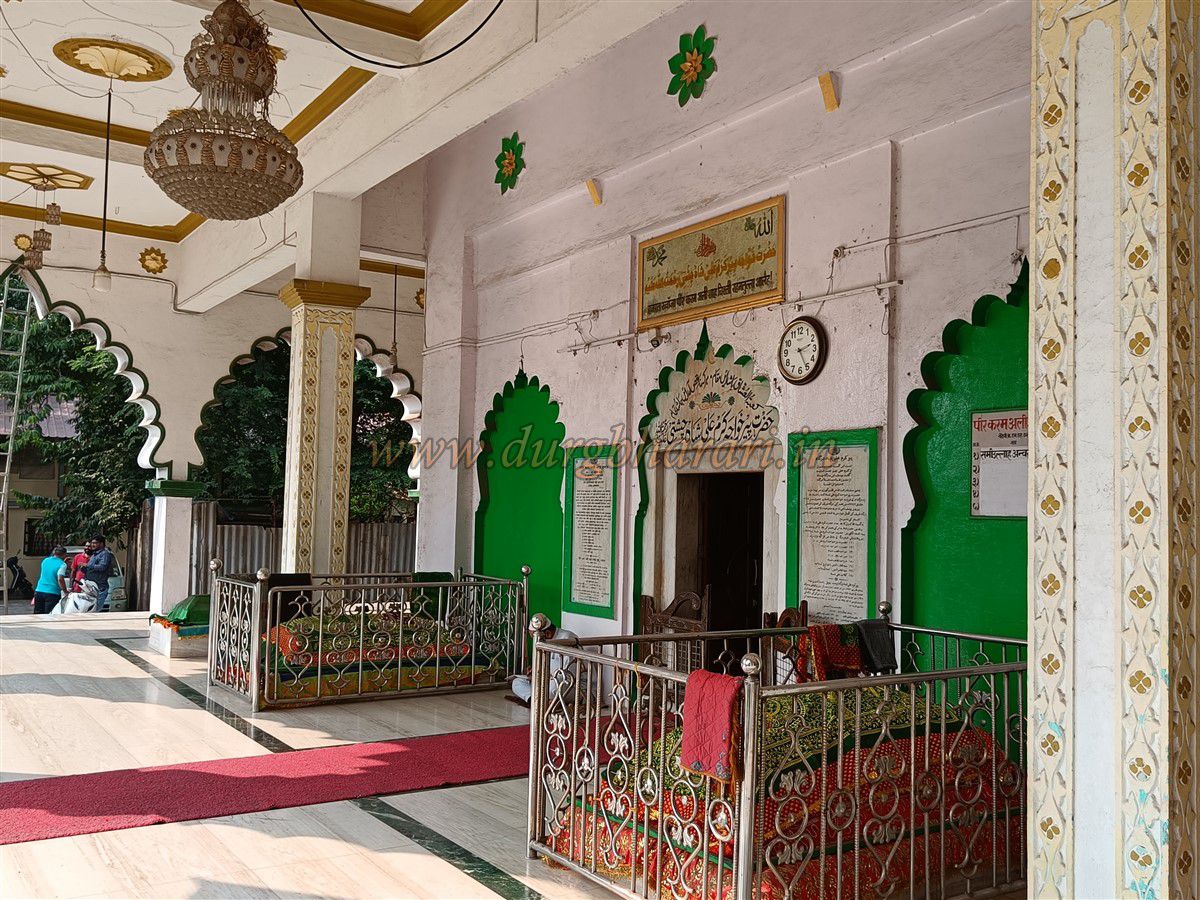
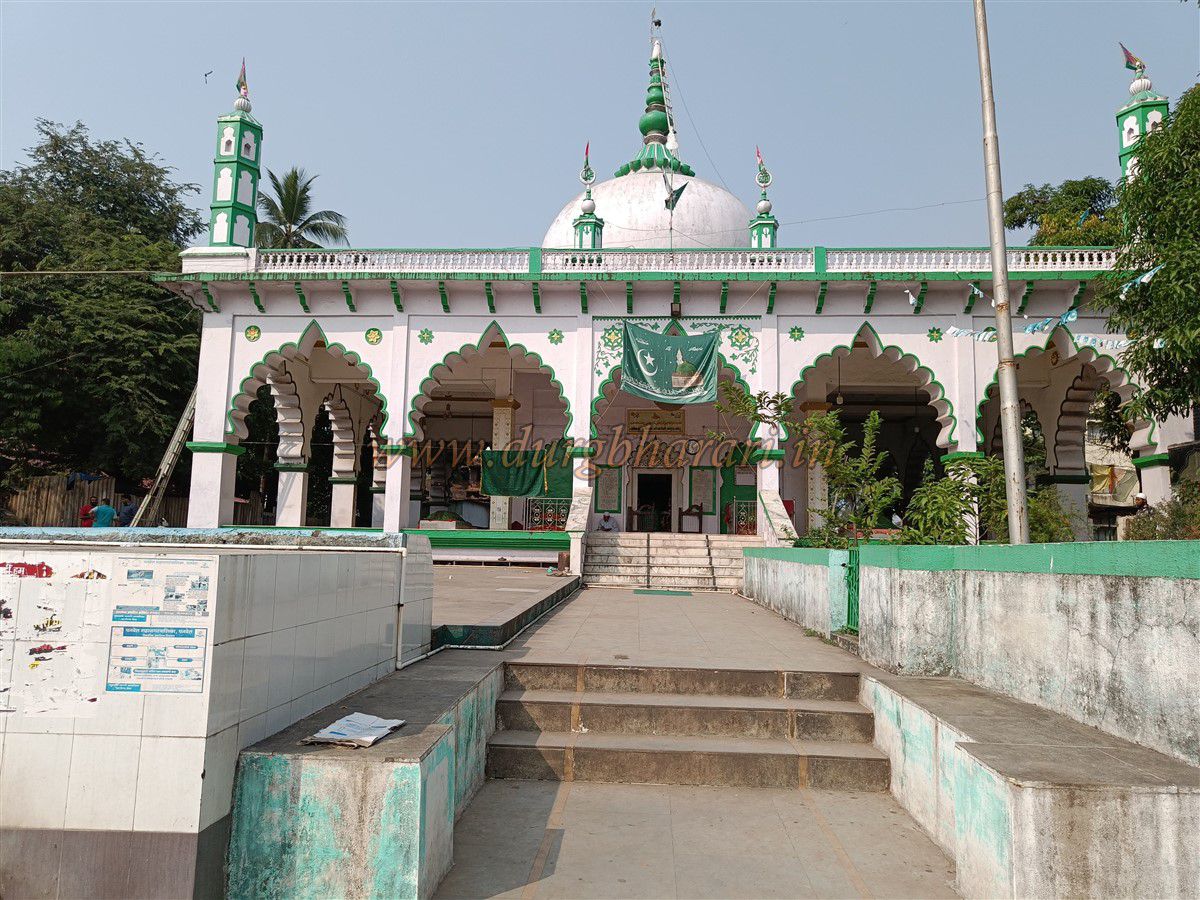
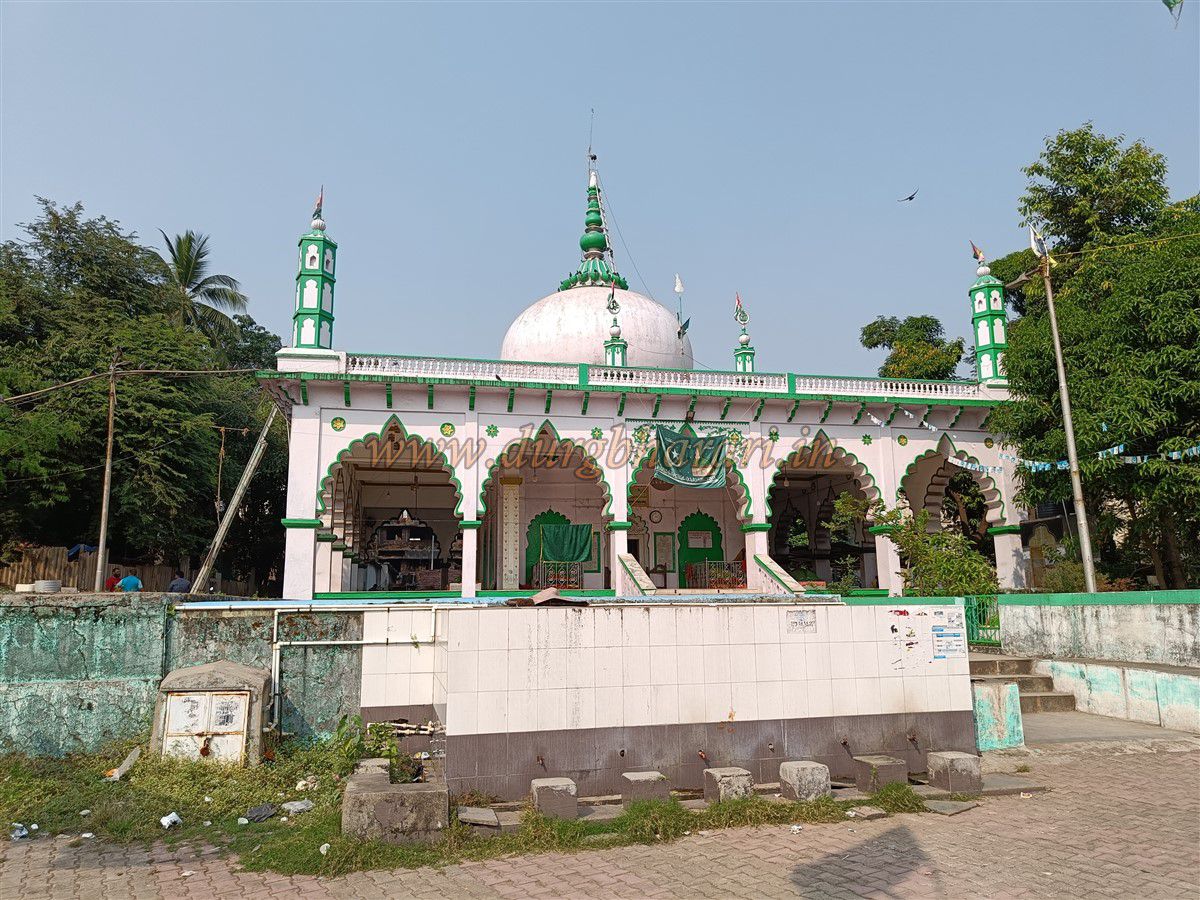
While available records help determine its location, there are no visible remnants of the fort today. The site where the fort once stood is now occupied by the Dargah of Pir Karamali Shah Baba, known as "Badi Dargah" in Panvel.
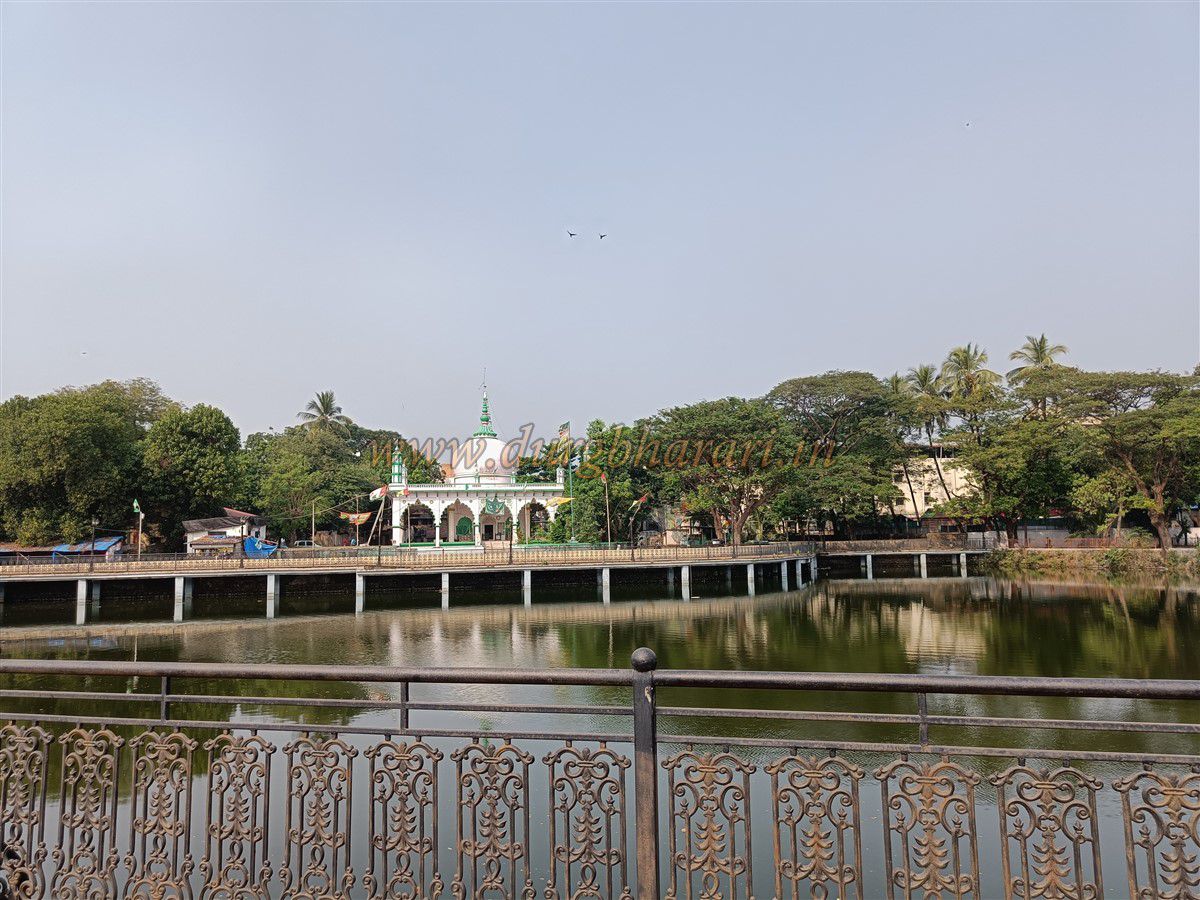
The dargah stands on the bank of Devale Lake. Once, the Panvel Fort stood exactly at this location. To visit the site, one must first reach Panvel city. The Badi Dargah is located approximately 1.5 km from the Panvel ST (State Transport) stand and about 2 km from the railway station. It can be reached within 10 minutes on foot or by private rickshaw.
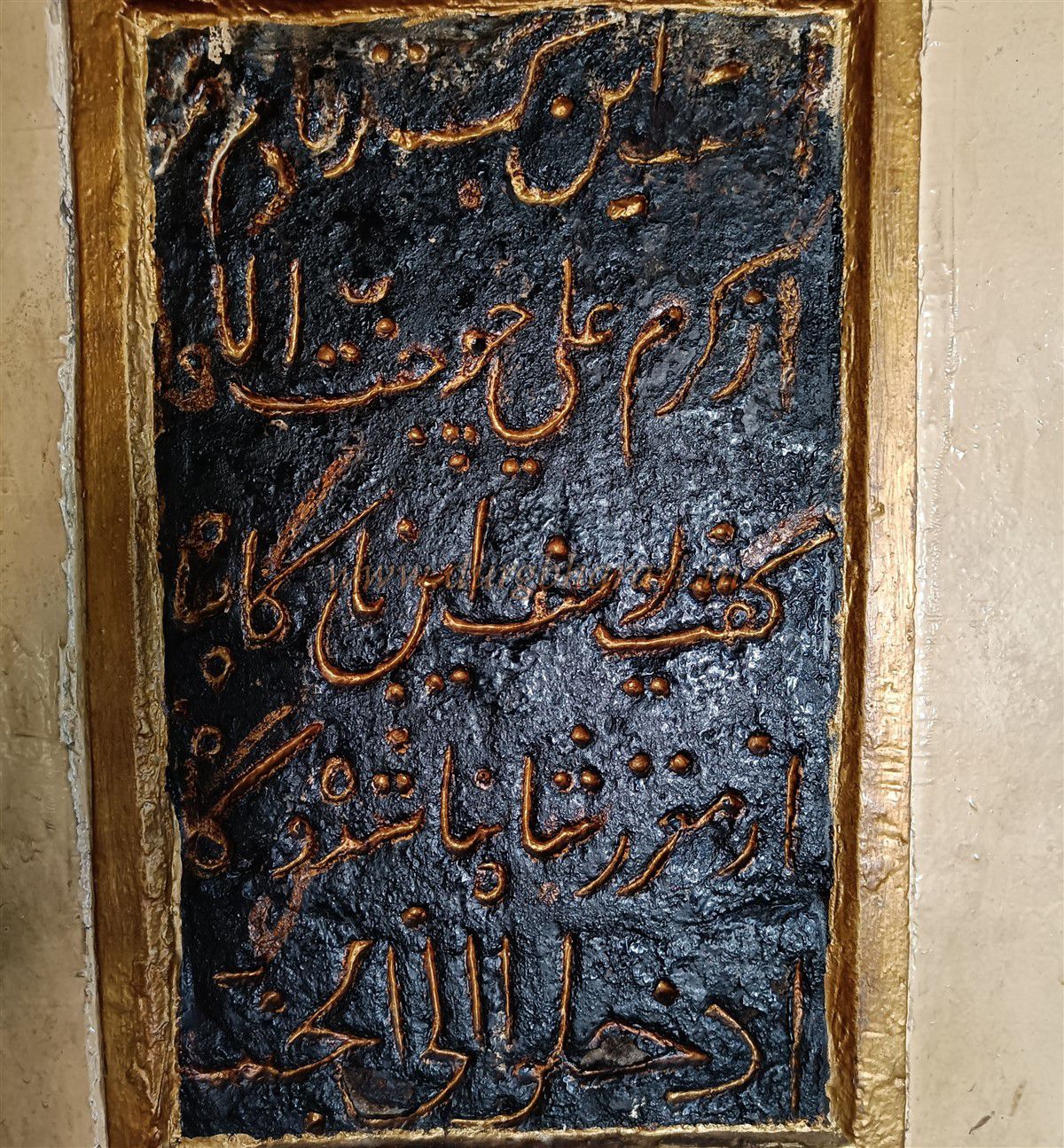
Although no fort remnants remain today, the dargah and an old Persian inscription on its inner wall can still be seen. This inscription states that the dargah was built in 1747 CE, indicating that the fort must have been destroyed before that year. Since there are no remains of the fort, just 5 minutes is enough to explore the area.
Panvel is situated on the banks of the Kalundri River. In earlier times, small boats would travel from the Belapur creek directly to Panvel via this river. In 1682, after Chhatrapati Sambhaji Maharaj repelled the Portuguese siege of Chaul-Revdanda, he took control of Uran, Karanja, and Panvel. Due to Aurangzeb’s invasion, the Maratha army was fighting on multiple fronts, making it difficult to station a large number of troops at any one place. Therefore, Sambhaji Maharaj built a small fort near Devale Lake and stationed a limited number of troops for the region’s protection.
After the death of Sambhaji Maharaj in 1689, this region likely fell into Mughal hands, and they may have destroyed the fort thereafter.
© Suresh Nimbalkar
GALLERY