PANHALEKAJI
TYPE : SHAIV/BUDDHIST/NATHPANTHIY CAVES
DISTRICT : RATNAGIRI
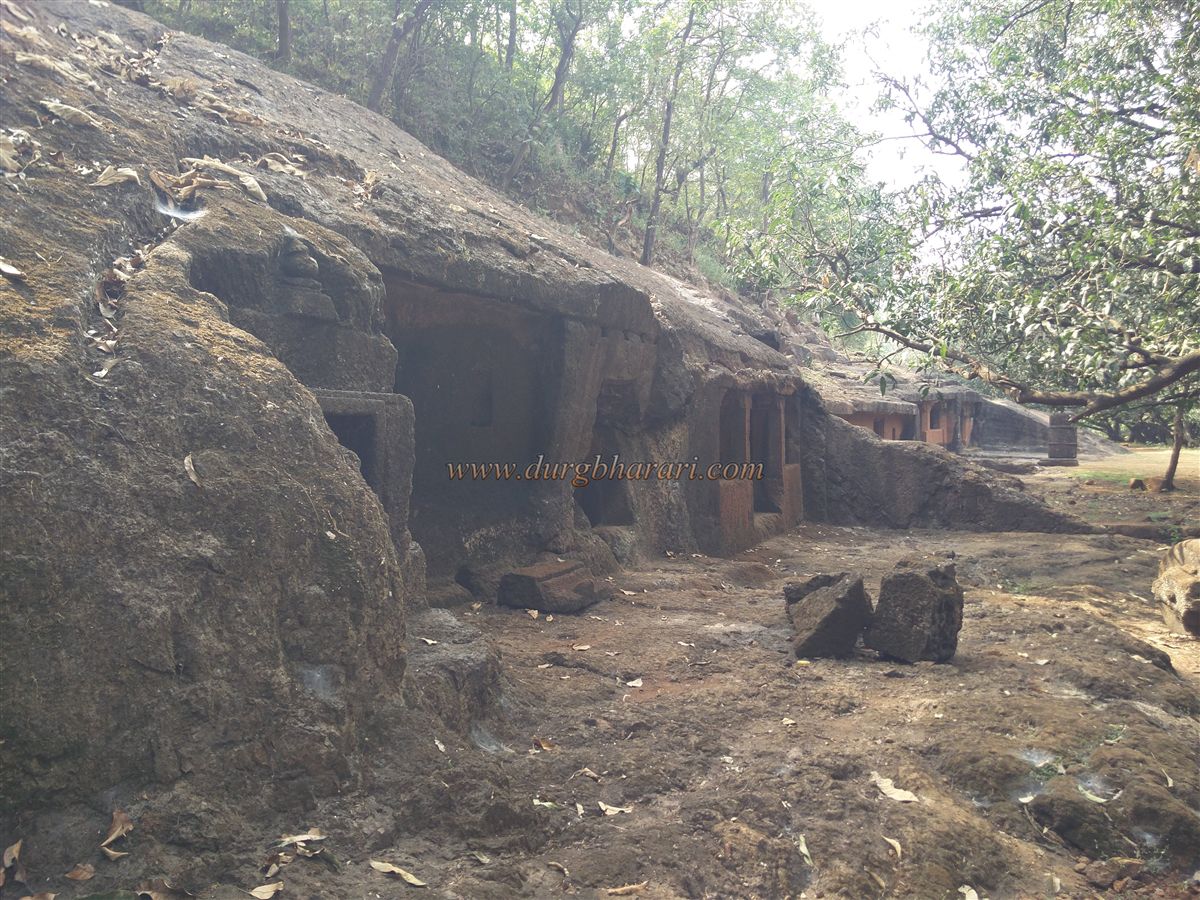
Panhale Kazi village in Dapoli taluka of Ratnagiri district is famous for its group of rock-cut caves. The village boasts both the historical heritage of a fort and the cultural legacy of its caves. Panhale Kazi is located about 30 km from both Khed and Dapoli. From Khed, one can reach the caves via Wakawali–Phansu, and from Dapoli via the Dapoli–Dabhol road through Terewayangani and Gavhane. From the main road, the village is 18 km inward, and the road conditions are extremely poor.
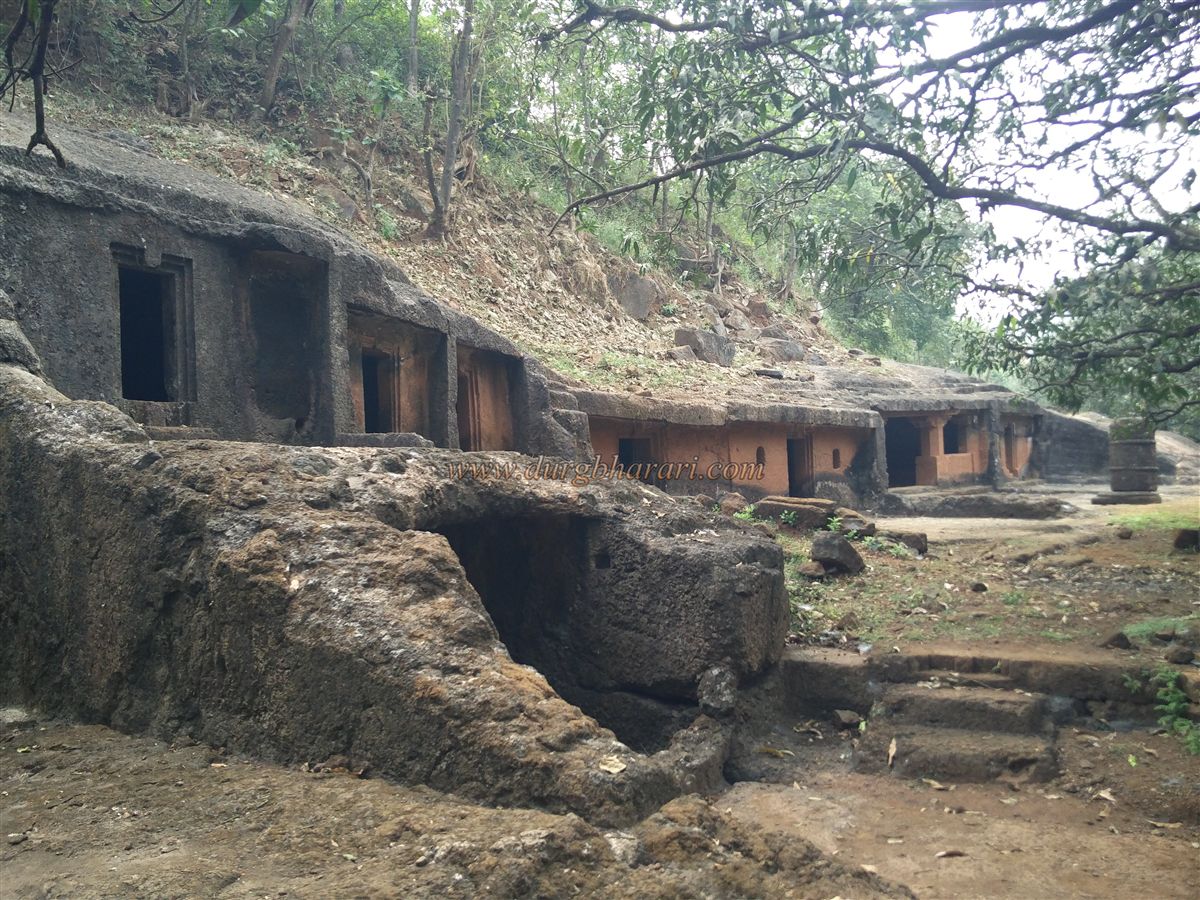
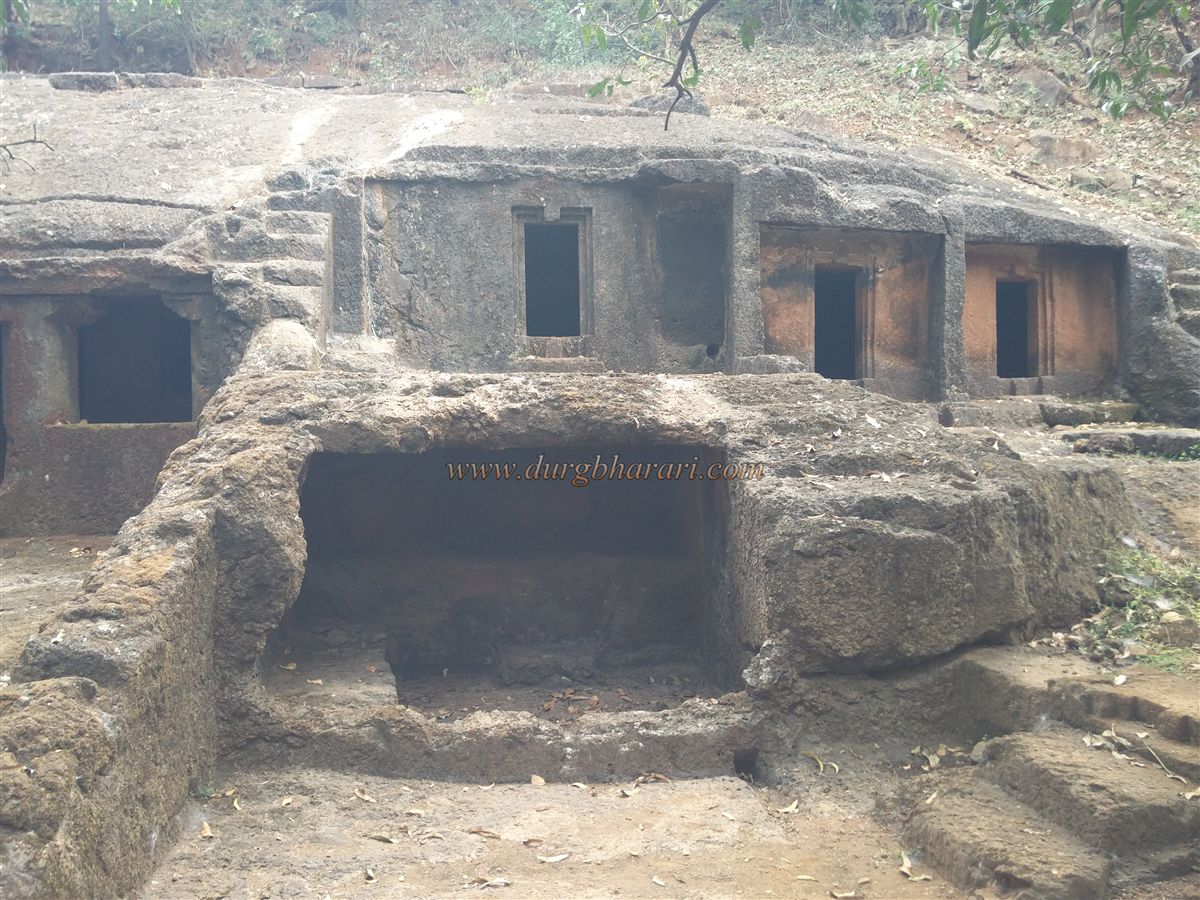
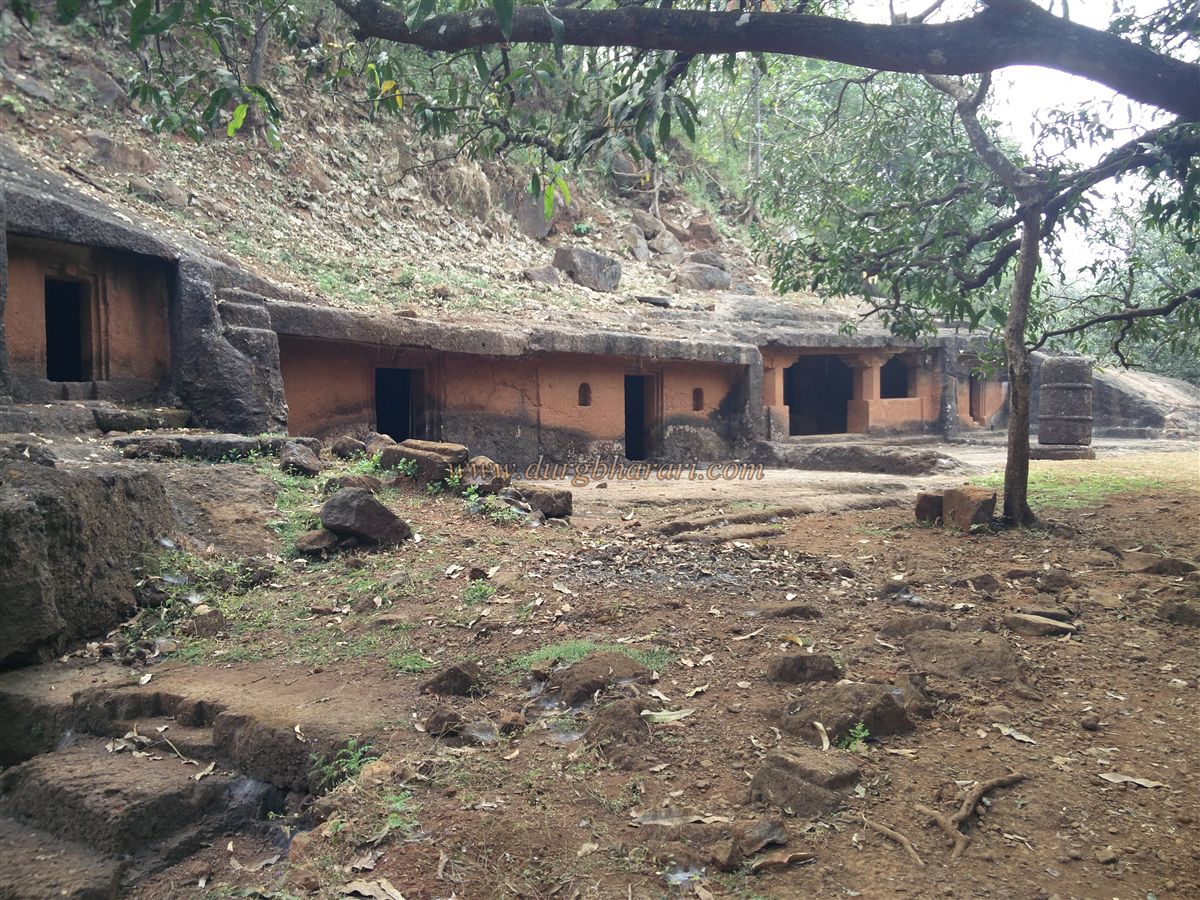
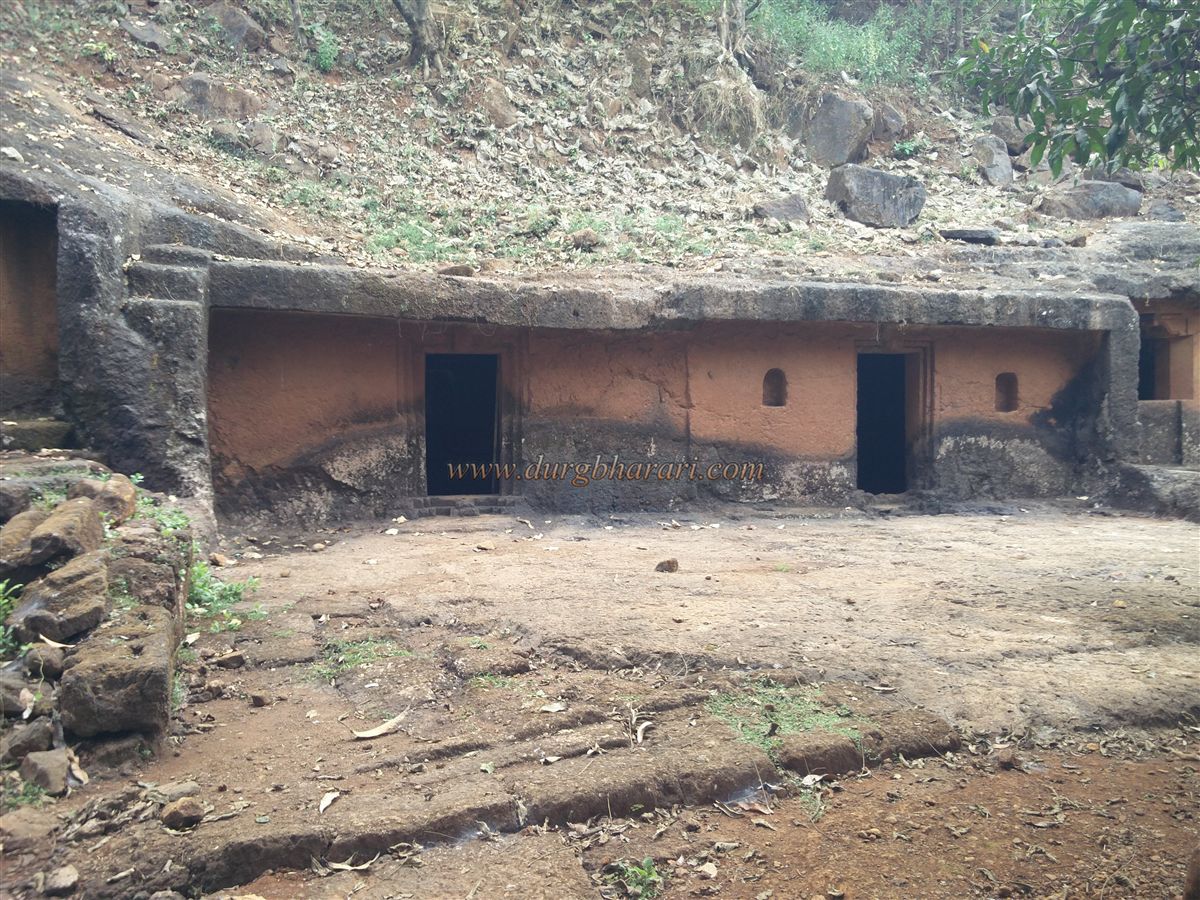
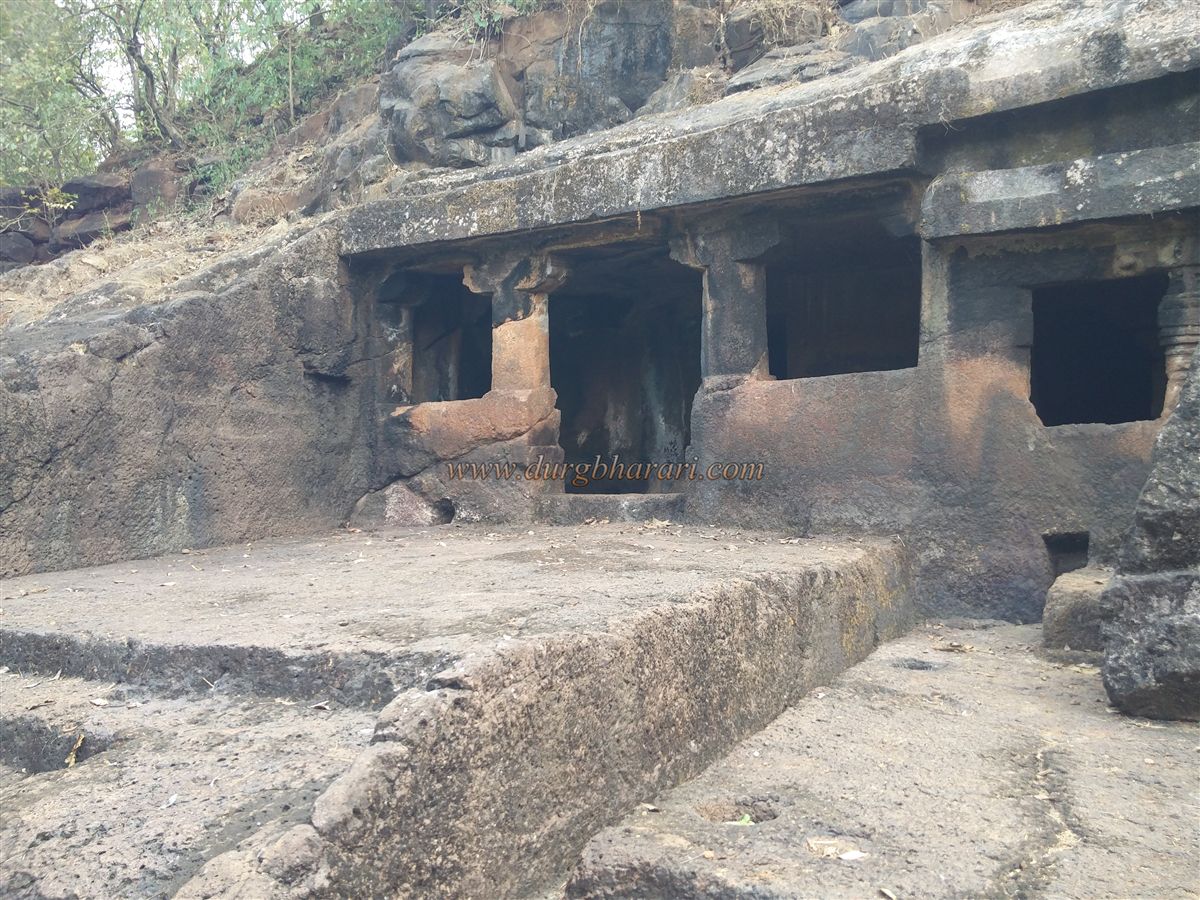
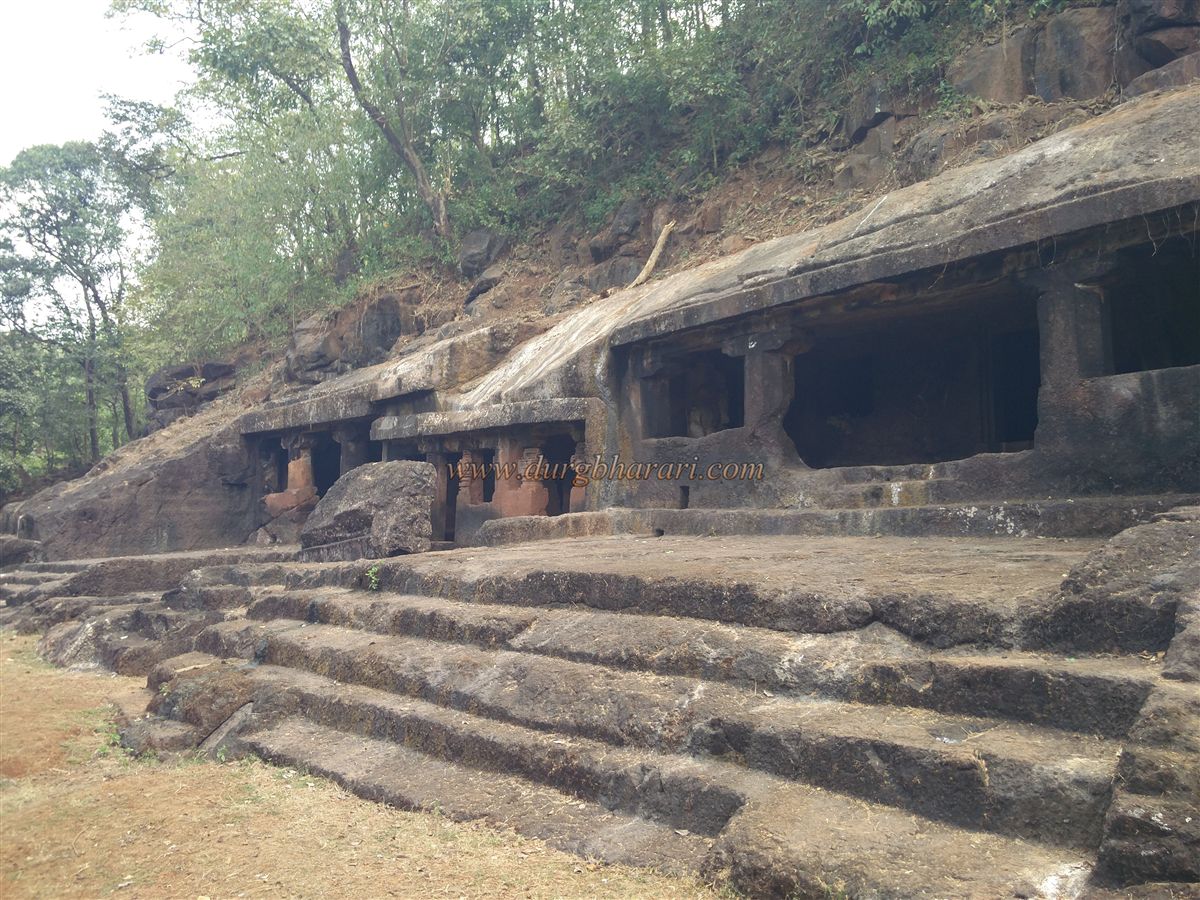
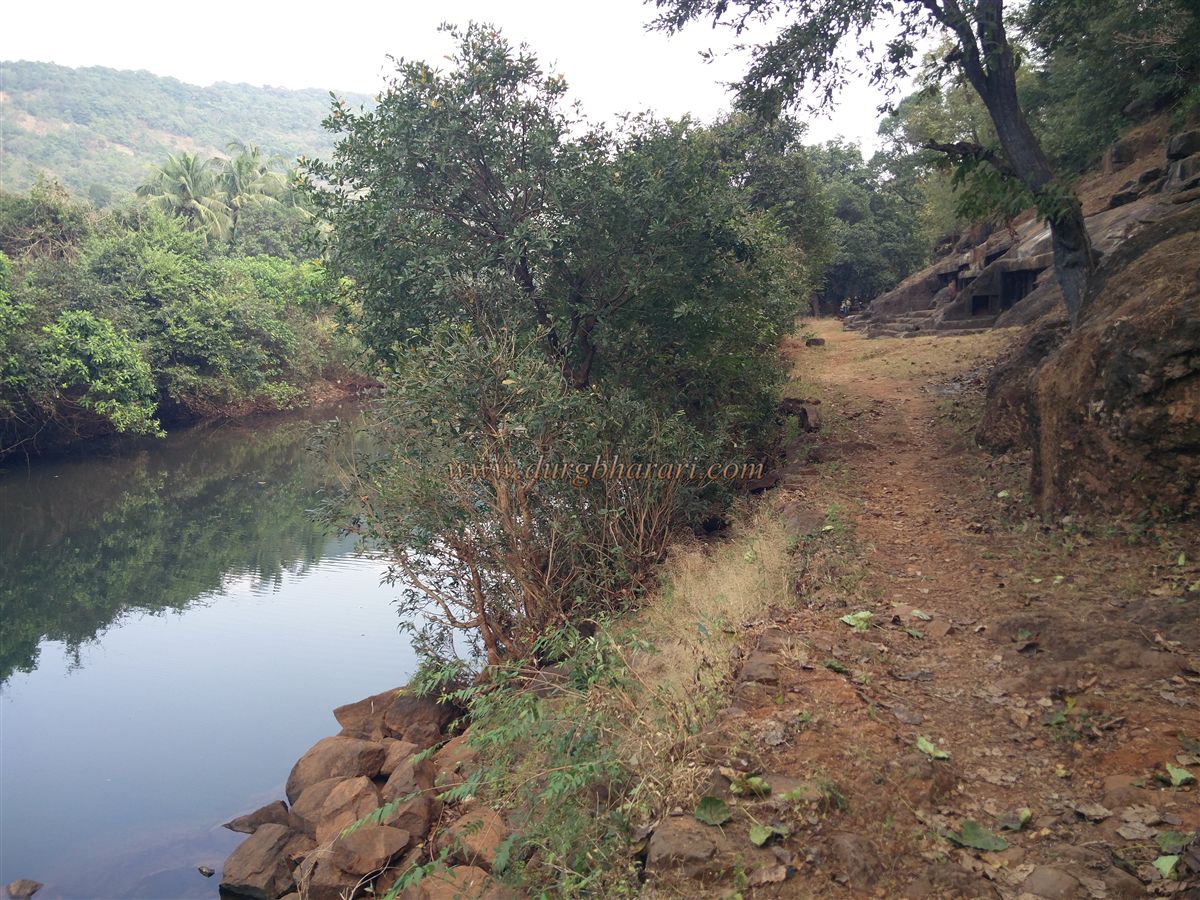
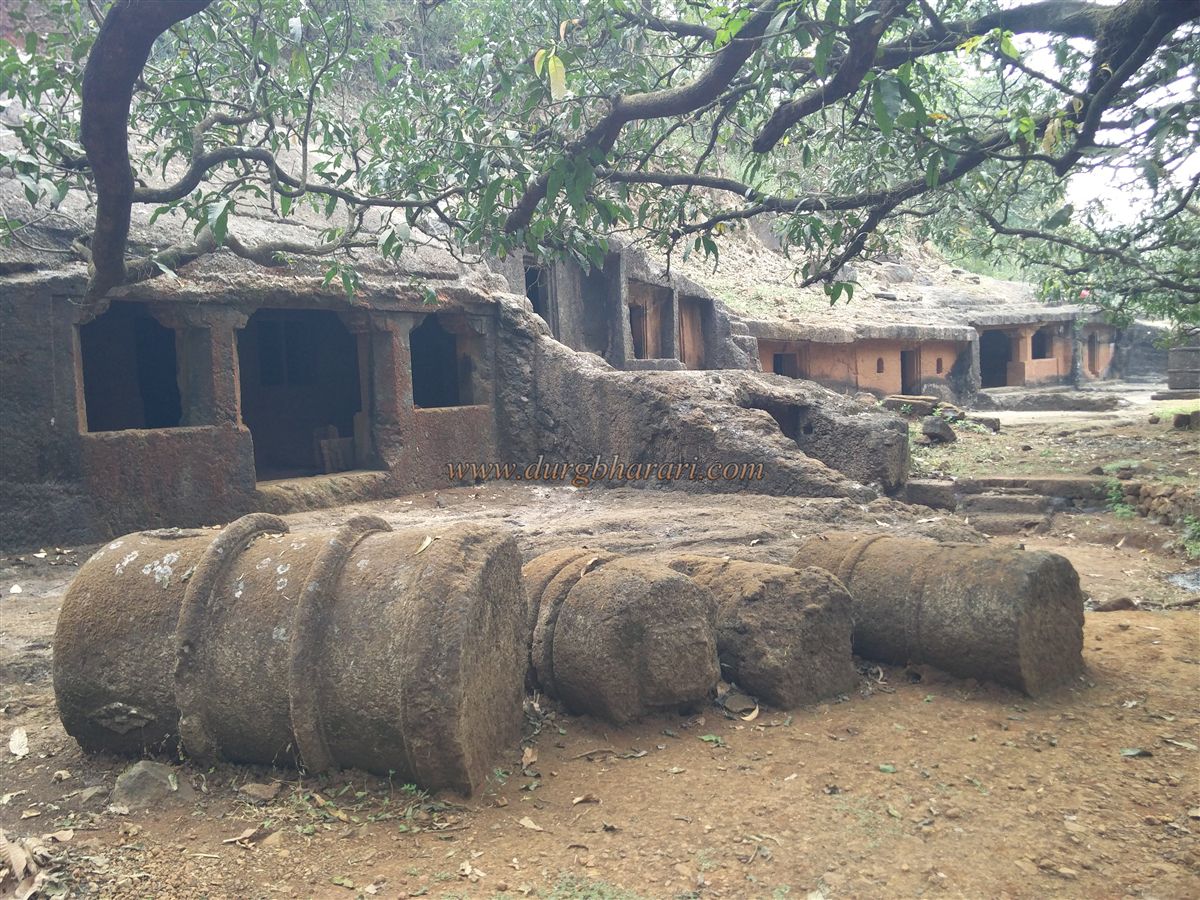
Situated on the banks of the Kotjai River amidst lush greenery, the Panhale Kazi cave complex consists of 29 caves carved between the 3rd and 14th centuries CE. The 29th cave is known as the Gaura cave. In 1970–71, a farmer named Keshav Pandurang Jadhav from Panhale village discovered copper plates in a stone box while plowing his field.
...
These were later read by Prof. Shobhana Gokhale of Deccan College, Pune, through historian Anna Shirgaonkar of Dabhol. Based on this, in 1972, the Archaeological Department excavated the site where the copper plates were found and uncovered 28 caves hidden under the silt of the Kotjai River. Archaeologist Dr. N. M. Deshpande studied the caves and presented a thesis on them. The information here is based on Dr. Deshpande’s research.
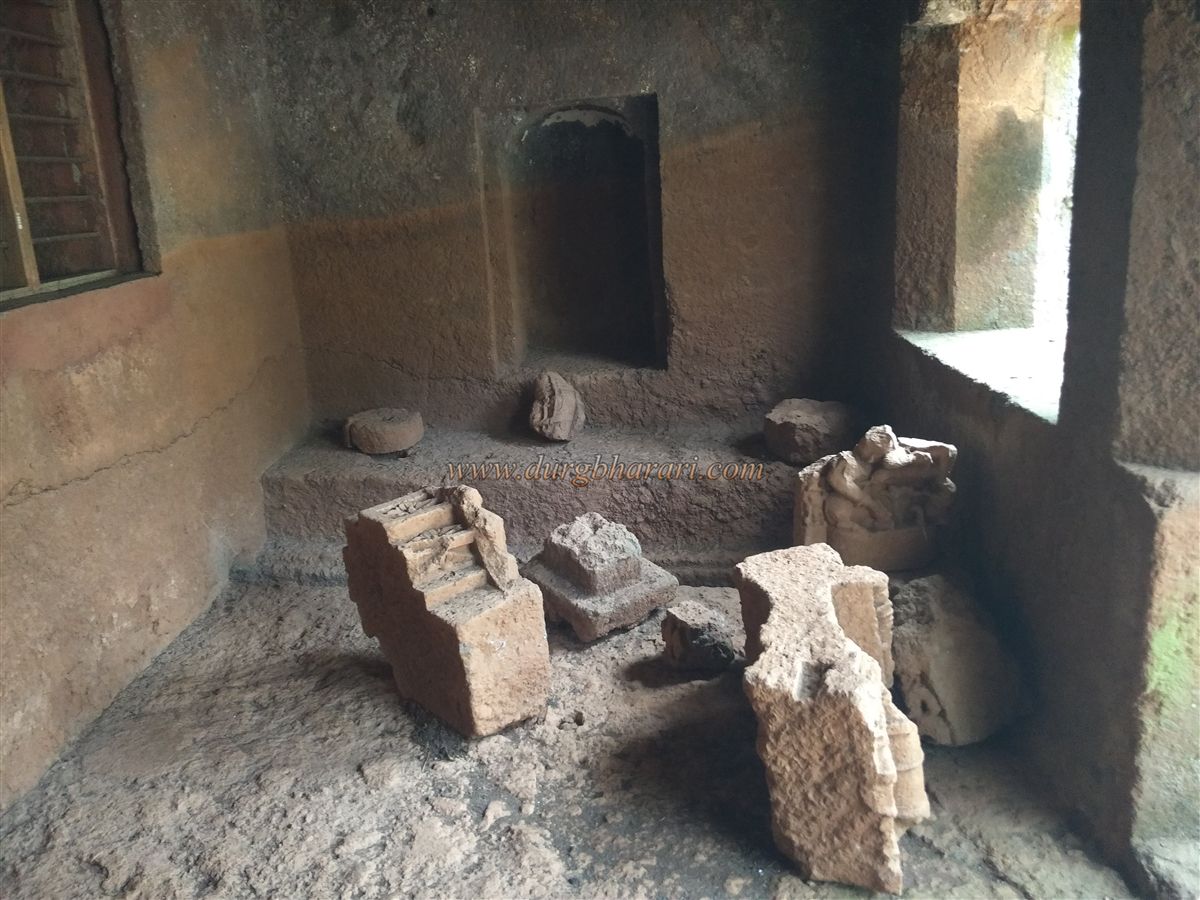
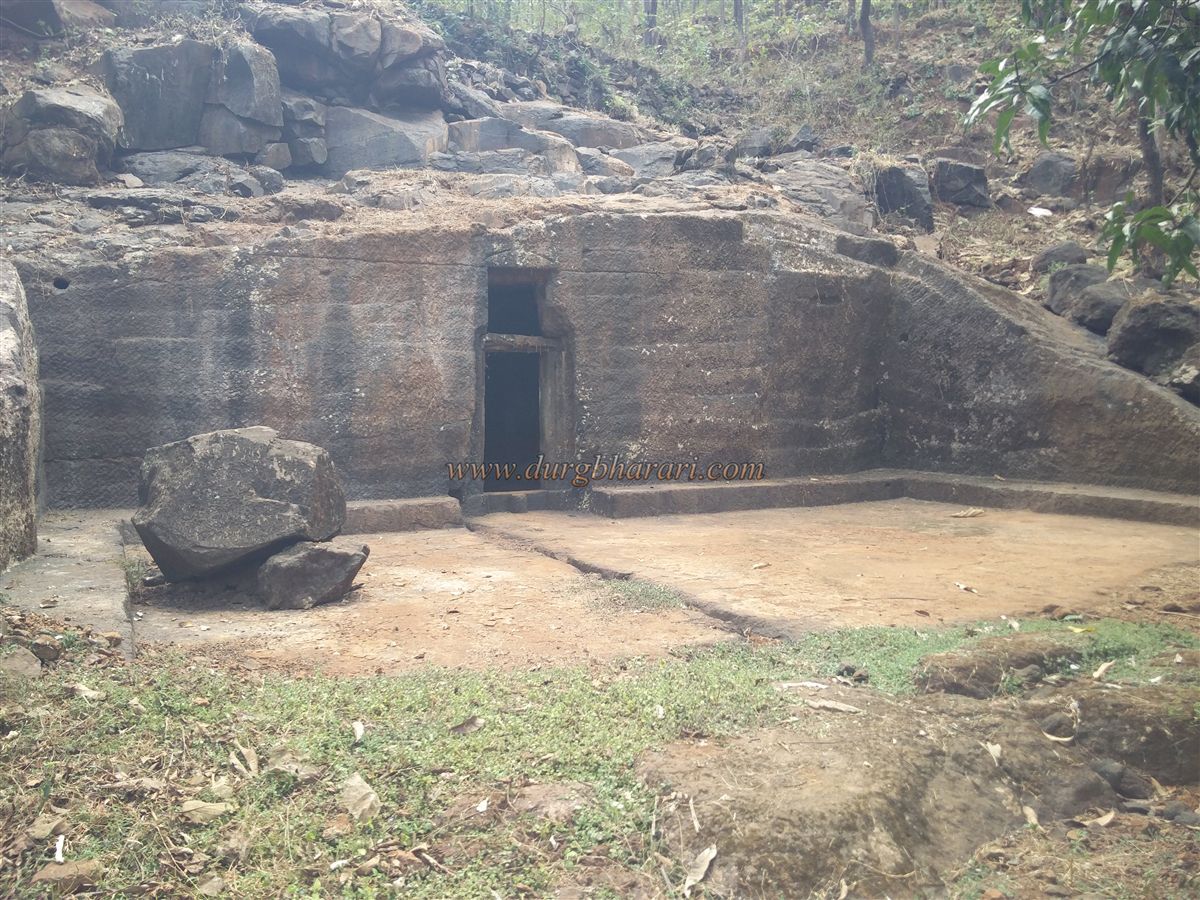
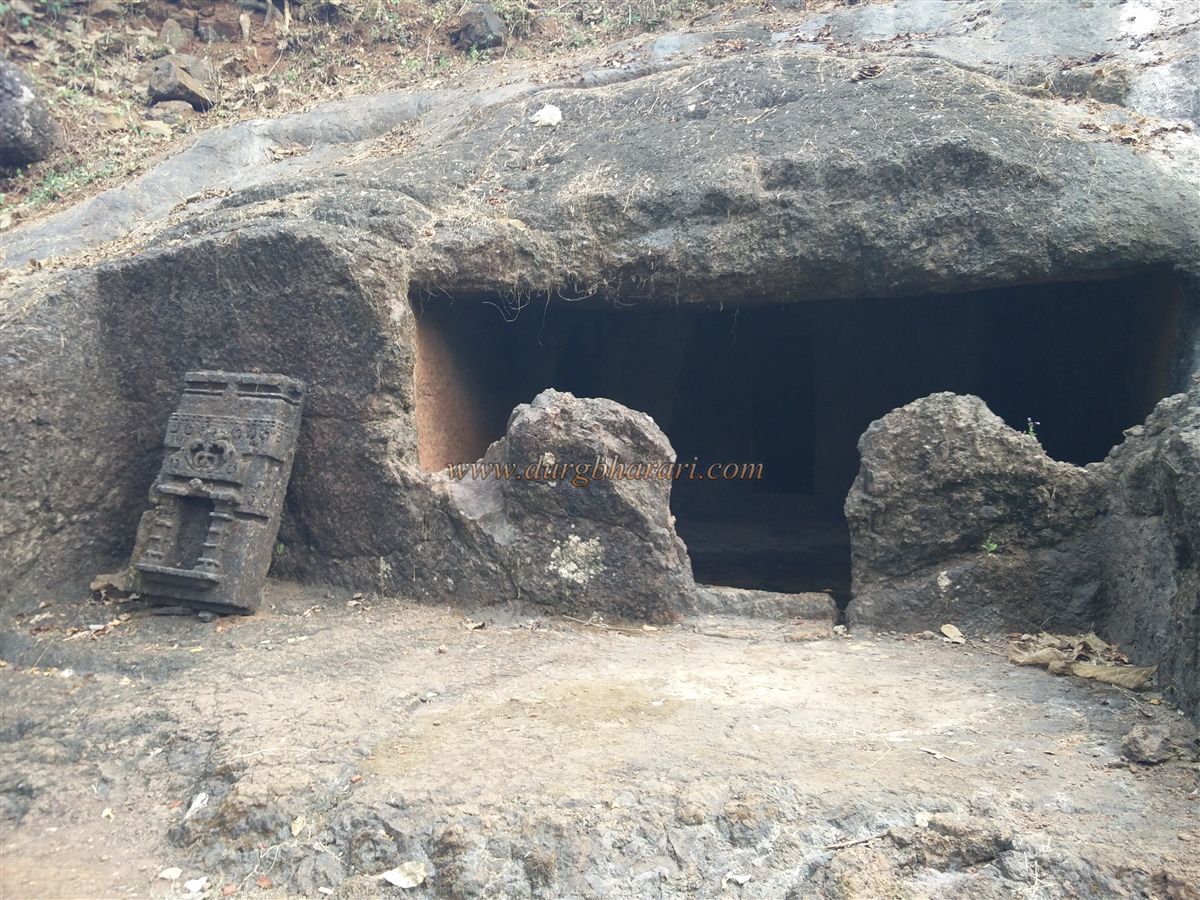
During the Satavahana period, the Hinayana sect of Buddhism spread in the Konkan region, leading to the establishment of many viharas and chaityagruhas. The viharas at Panhale Kazi likely began being carved in the 2nd or 3rd century CE. Caves 1, 2, and 3 are viharas, with a wooden structure depicted in the ceiling of the hall. On the rear wall of the hall, seven Buddha images are carved on the southern side of the sanctum. Caves 4 to 9 are the oldest in the group. Caves 4 and 5 were likely residential; cave 5 contains a stupa carved into the wall. Cave 6 appears to be a vihar. With the rise of the Vajrayana tantric sect in the early 8th century, changes were made to the Hinayana caves, and the sanctum of cave 6 was expanded, converting the vihar into an Akshobhya temple. Caves 7, 8, and 9 are attached to cave 6. Beneath cave 7 is an incomplete cave. In cave 8, the sanctum contains a headless image of Akshobhya.
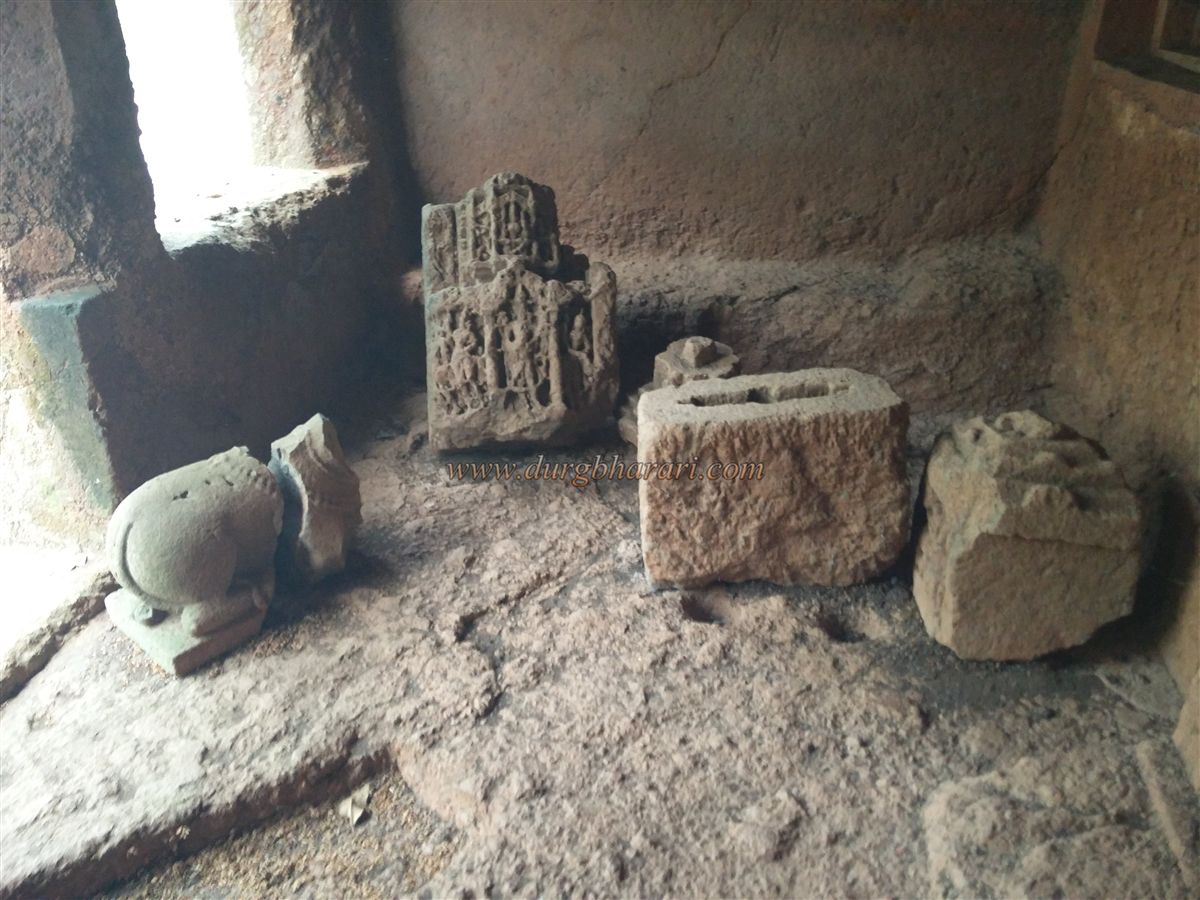
Cave 10 is significant from the tantric Vajrayana perspective. It contains a sculpture of Mahachandraroshana on a Saptaratha base supported by elephants and lions. The figures of Mahachandraroshana and Akshobhya are from the Chalukya period, likely dating to the 10th century.
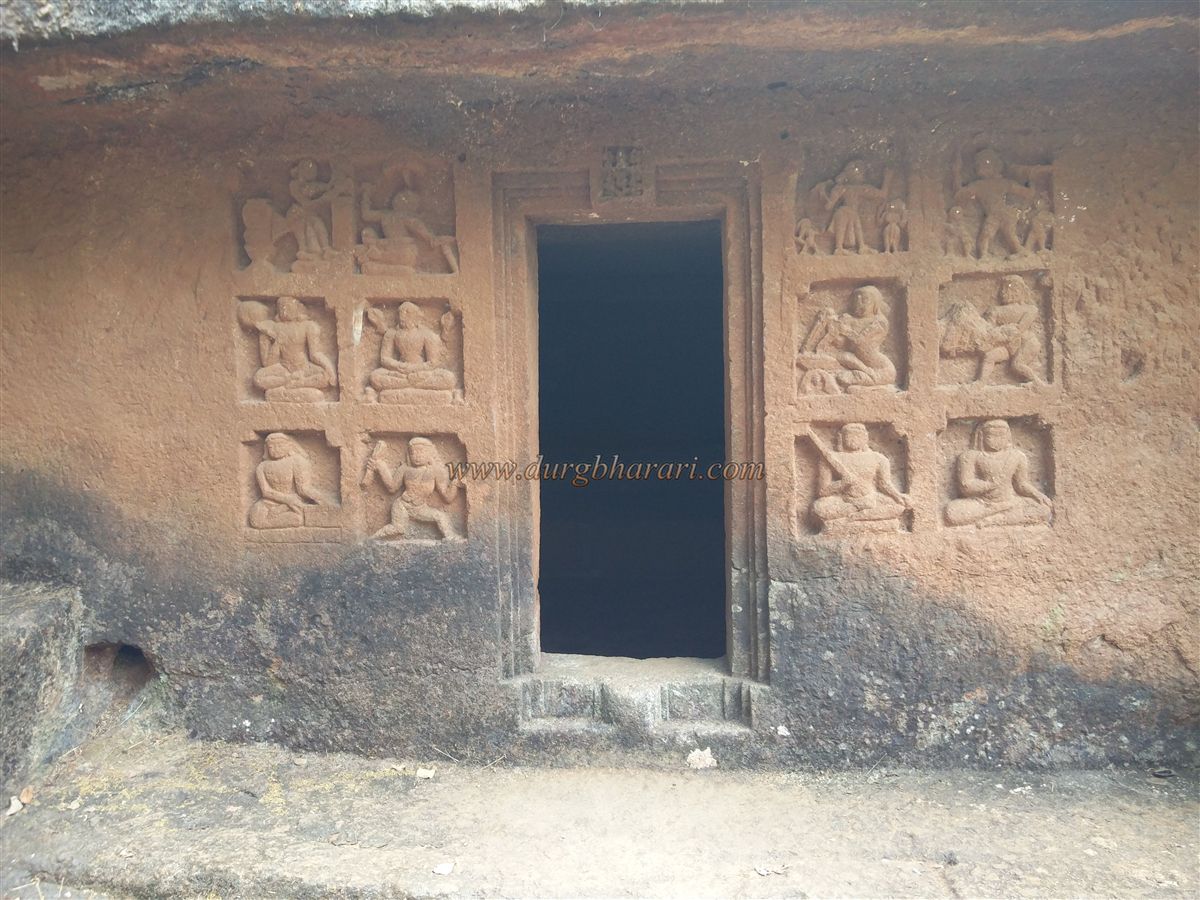
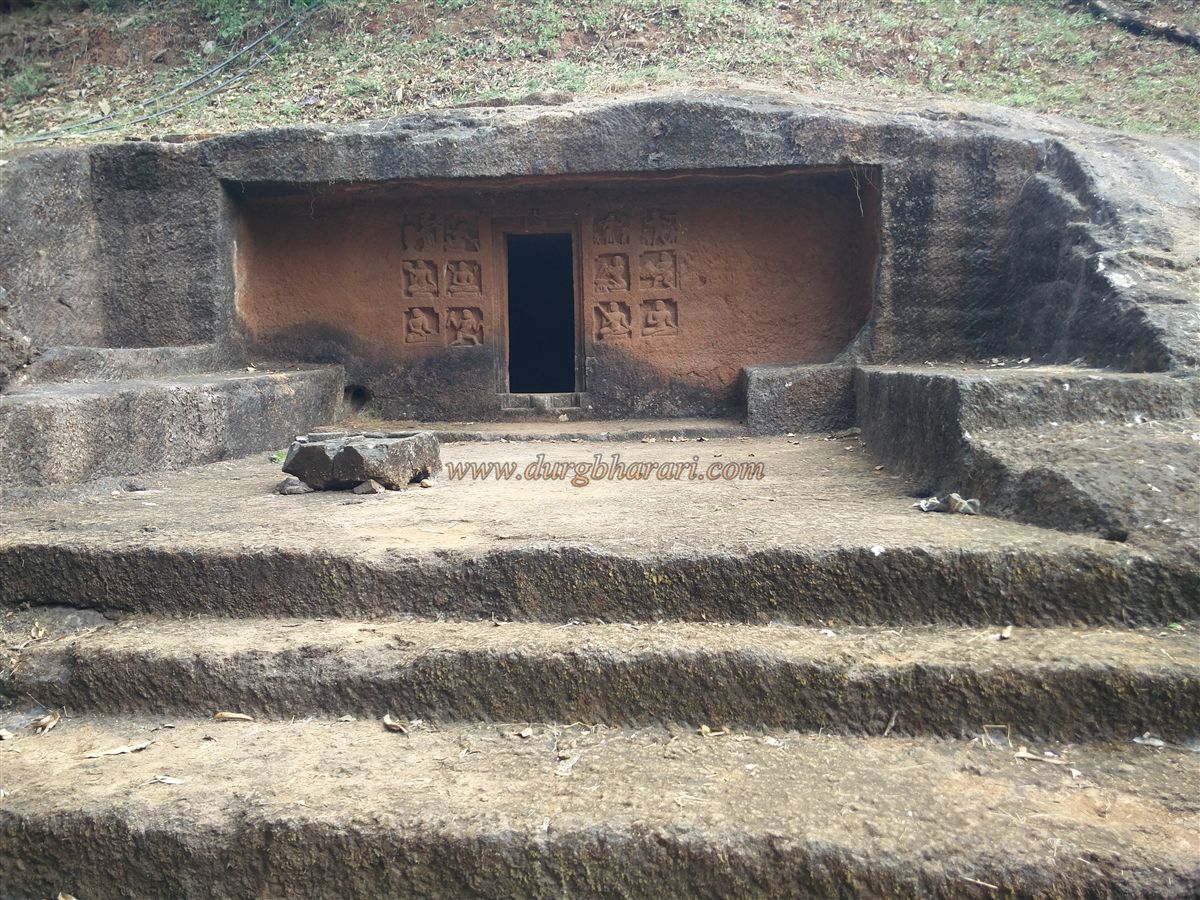
Among caves 11, 12, and 13, cave 12 shares architectural features with caves 2 and 6. In the courtyard of cave 14, there is a carved pair of footprints on a stone and twelve carved figures, six on each side of the entrance. The first square frame features Machhindranath under a canopy, his left hand resting on a crutch, and his right hand extended to receive something from a woman. In the central left square is a figure of Chauranginath with broken limbs shown separately. The nearby image is likely Gorakshanath. The remaining sculptures are of various Nath yogis. A Ganesha figure is carved at the entrance of the cave.
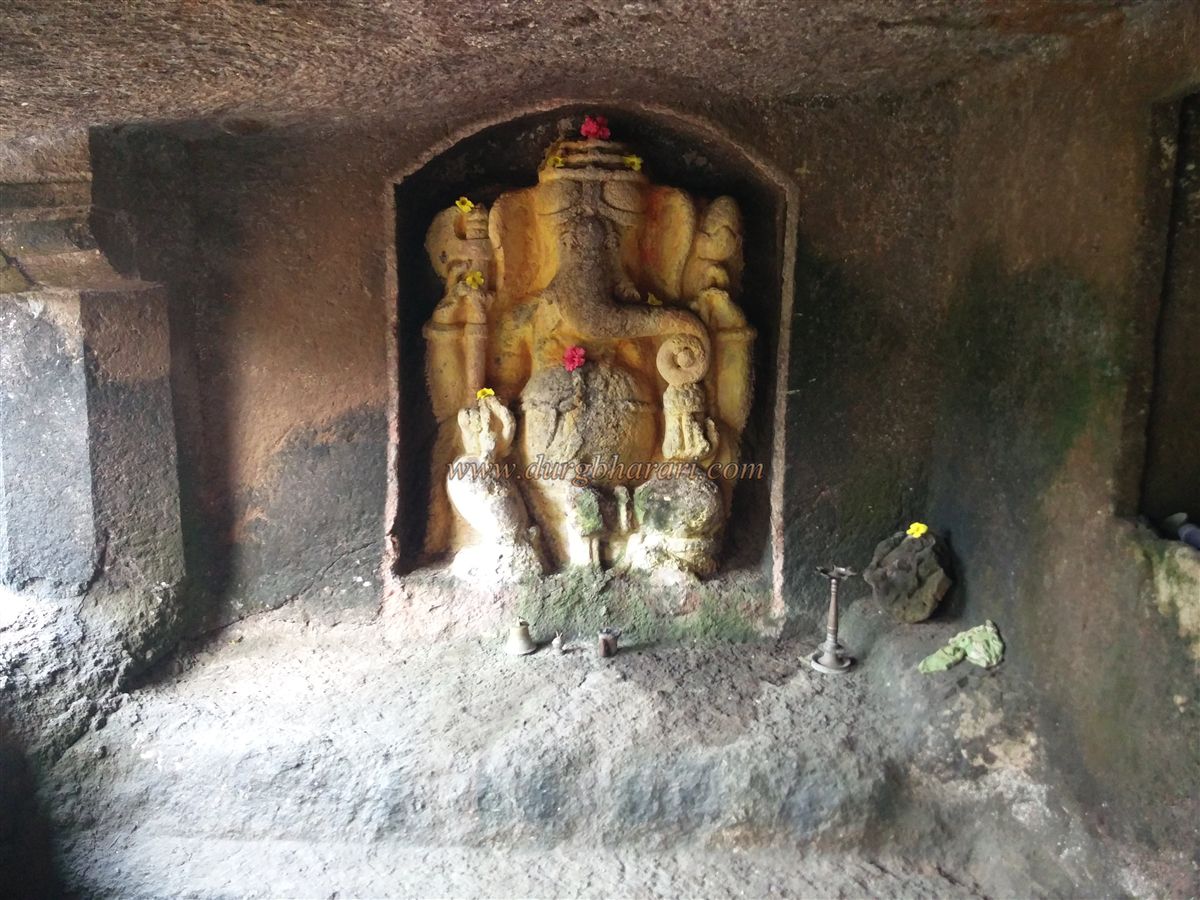
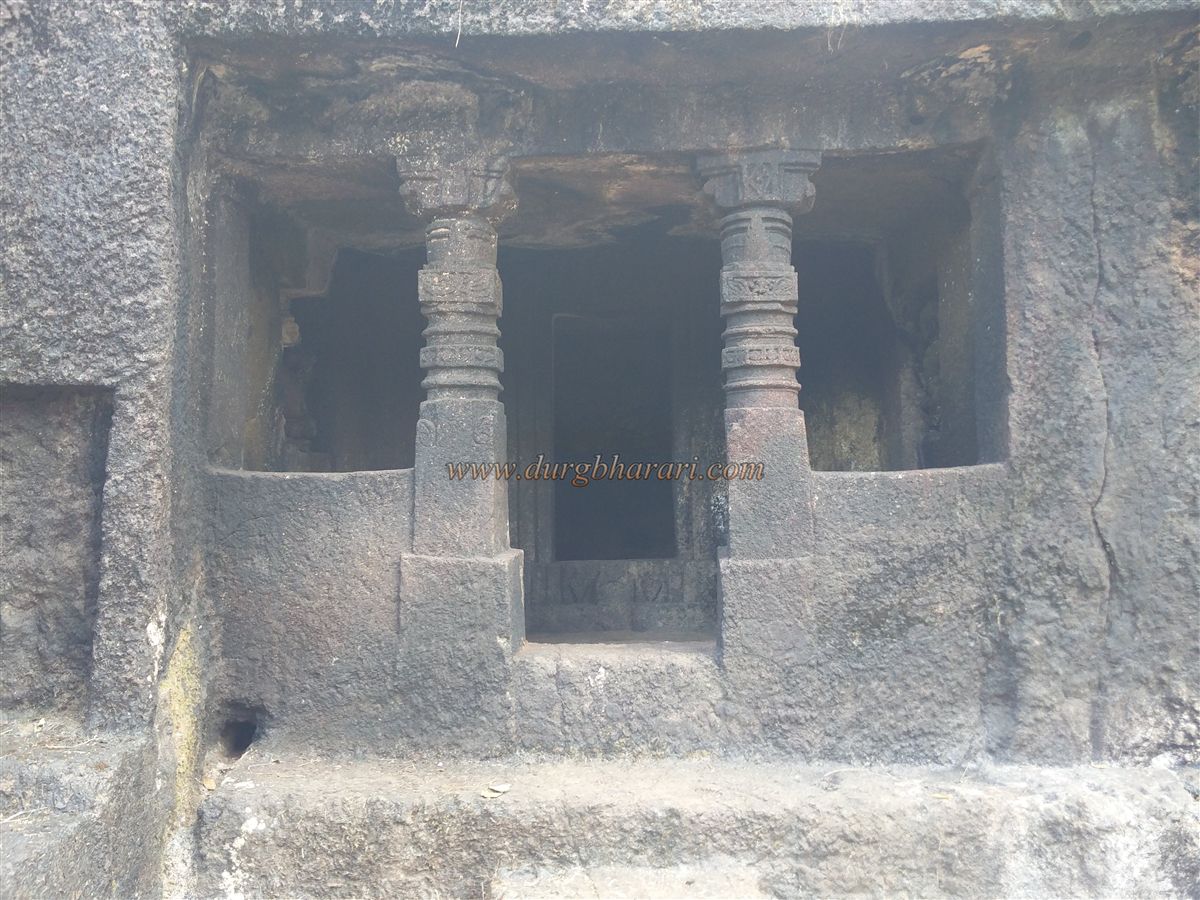
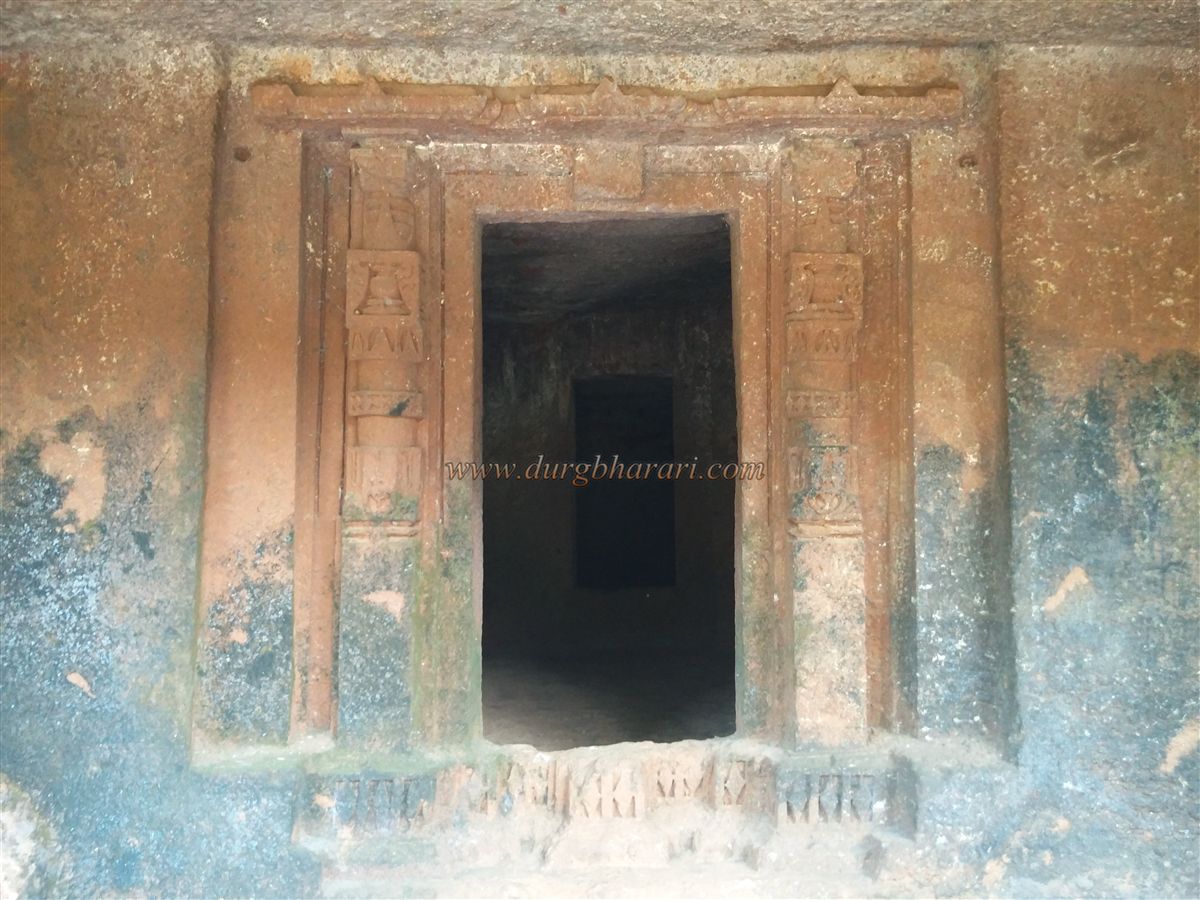
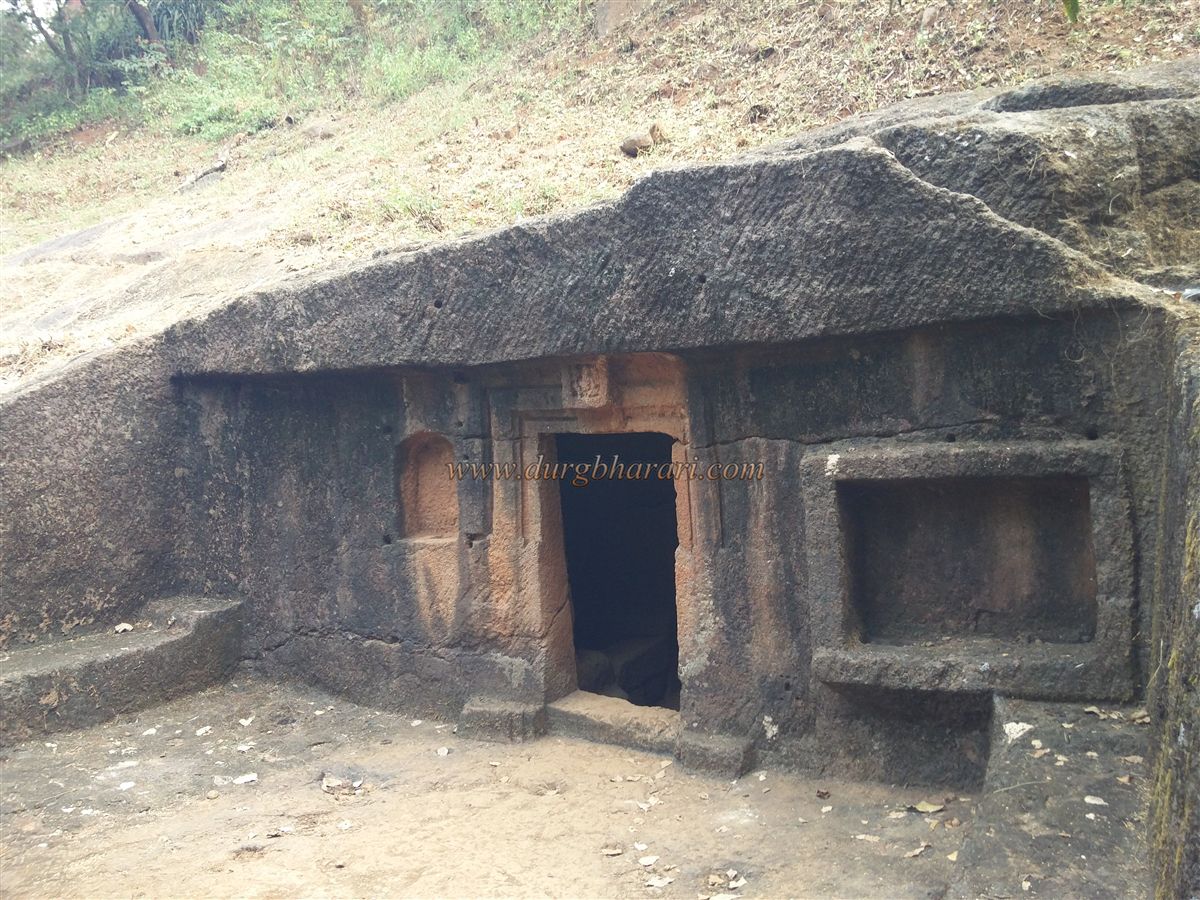
Cave 15 is Vajrayana in origin but later had a 5-foot Ganapati idol placed in its porch, converting it into a Ganapatya worship site. A Ganesha figure is also carved on its lintel. Near cave 16 is a raised platform. Caves 17 and 18 are Buddhist, while caves 19 to 23 date to the Shilahara period. Cave 19, from the 11th century, is a monolithic temple with pillars and a sanctum carved from a single rock, originally housing a Shiva lingam. The temple includes a circumambulatory path and symmetrical niches on the rear wall, suggesting a Panchayatana layout. The ceiling of the hall features a lotus flower and other carvings, while other walls depict scenes from the Ramayana and Mahabharata. One panel shows a couple worshipping a Shiva lingam.
Cave 21 is known as the Ganesha cave due to a Ganesha idol. In cave 22, the porch features carvings of Ganesha and Saraswati, and the sanctum contains a figure of a Nath sect ascetic. Cave 23 is an incomplete temple.
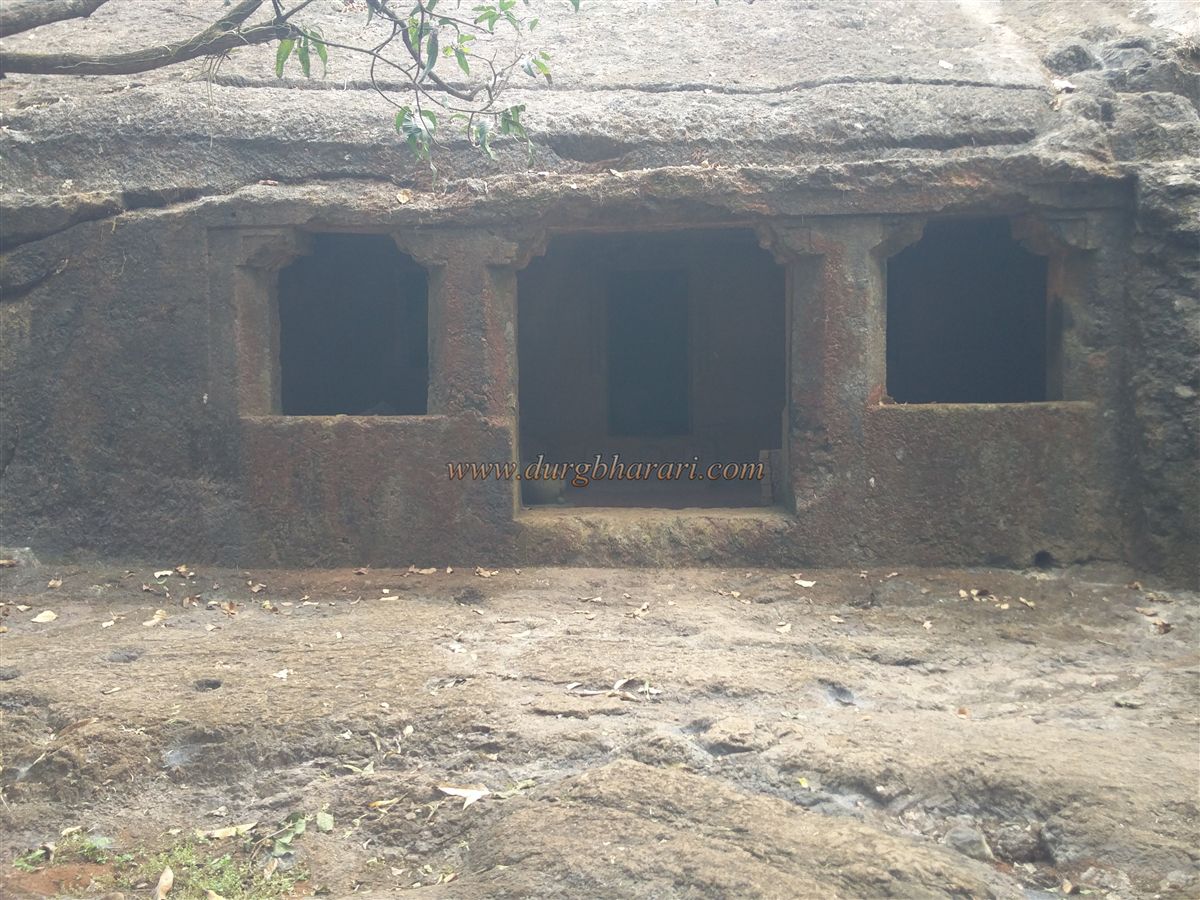
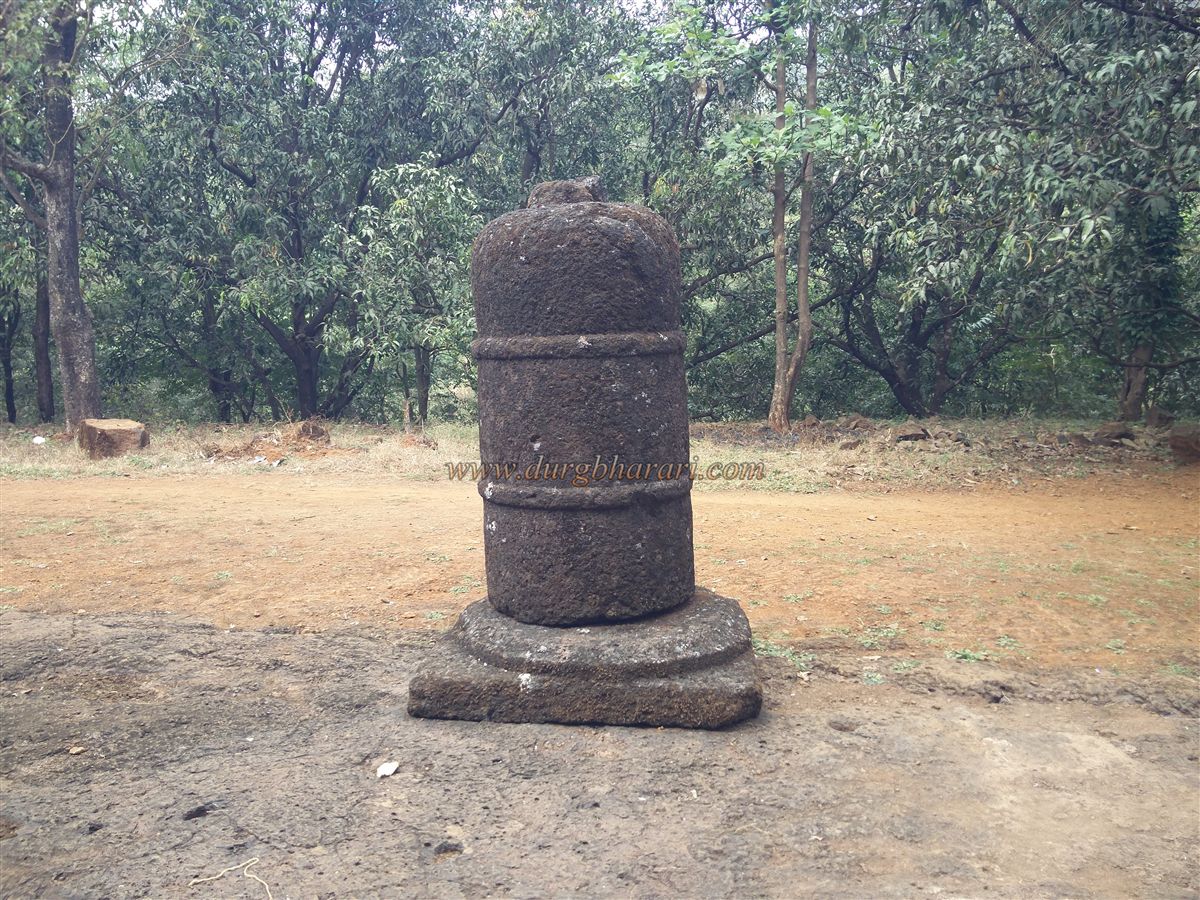
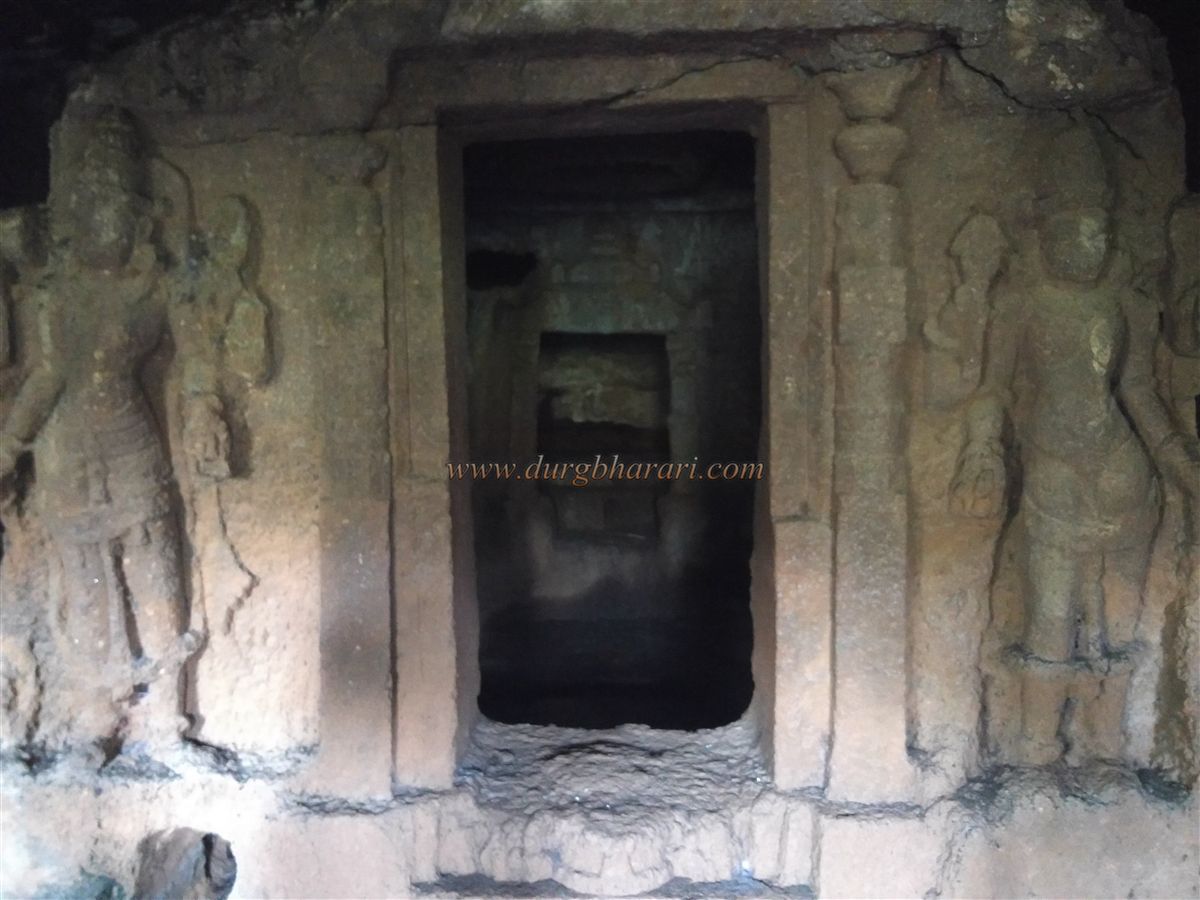
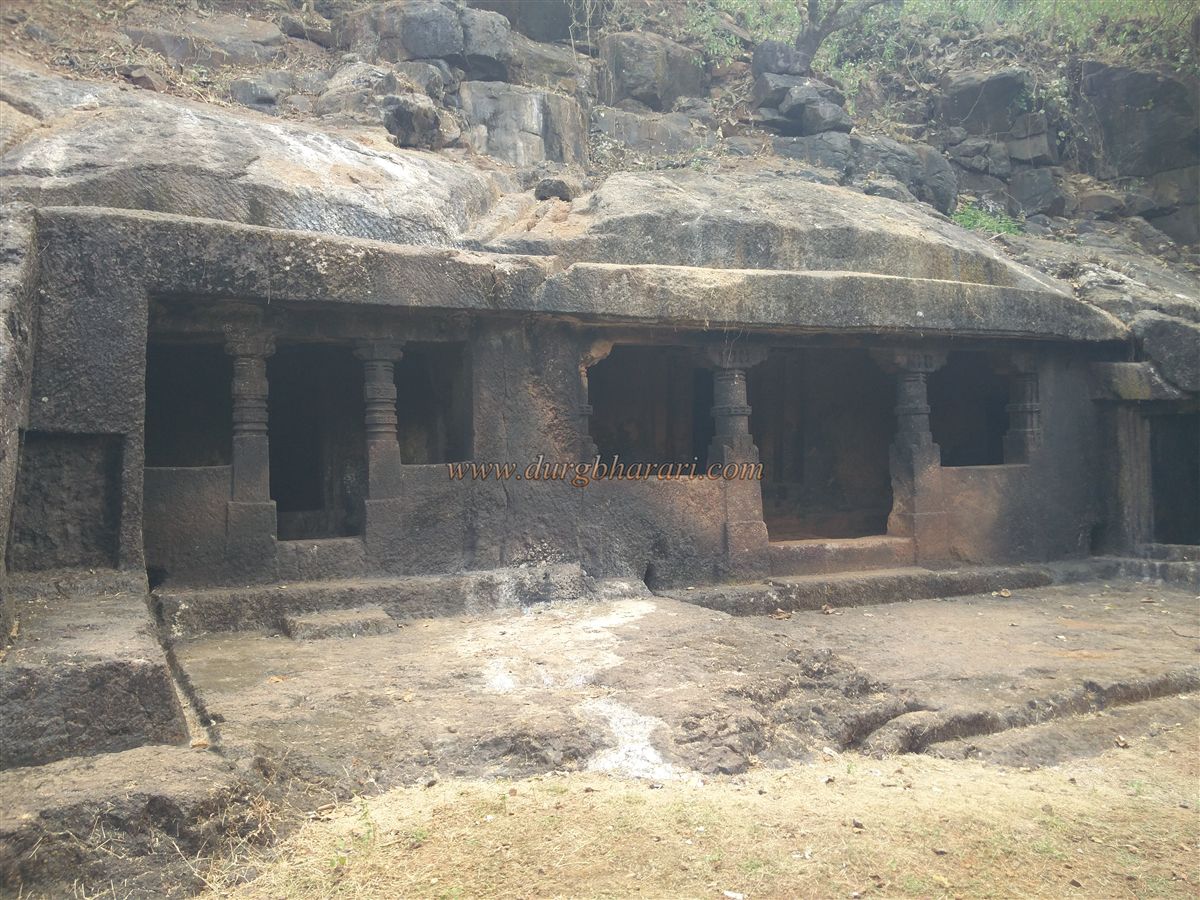
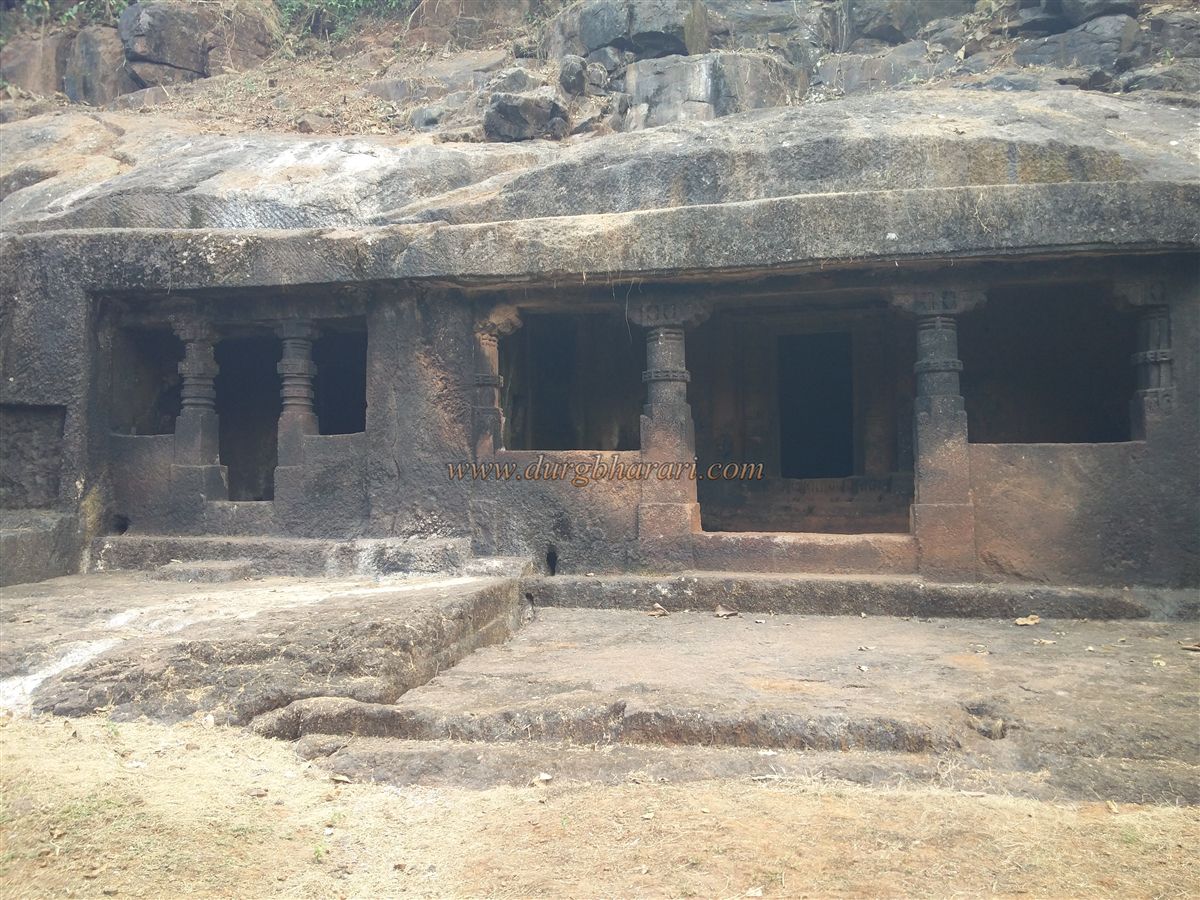
Caves 24 to 28 are small and unremarkable. However, in the courtyard of cave 25, there is a monolithic Shiva temple. A short distance from this group is cave 29, known as the Gaura cave. It features a central courtyard with three small caves at the front. Slots carved into the wall suggest provisions for a roof over the courtyard. The middle cave houses a Shiva lingam, with Ganga and Yamuna carved on the doorway. On the south wall of the courtyard are sculptures of Lakshmi, Ganesha, and Saraswati, and the sanctum is carved into the front wall. The niches in the sanctum depict Ganga and Yamuna with pots, and to the right of the door is a sculpture of a cow with her calf (Savatsa Dhenu). Four holes in the right wall allow light into the cave.
On the rear wall of the sanctum, one niche depicts the story of a fish turning into Machhindranath. Other walls contain multiple square frames with images of Nath ascetics. On the right wall is a four-armed Tripura Sundari, and on the left is a matted-haired Nath Siddha. A total of 85 sculptures, mostly of Nath sages, are carved in this cave. It takes about four hours to thoroughly explore the entire cave complex. There are refreshments available in front of the caves and in the village of Panhale Kazi.
The Shilahara dynasty ruled large parts of Maharashtra, particularly the Konkan region, for a long time, with their capital at Pranalakadurga. After visiting the caves, the road ahead leads to the village of Panhale Kazi and then to Pranalakadurga.
© Suresh Nimbalkar
GALLERY