PANHALA
TYPE : HILL FORT
DISTRICT : KOLHAPUR
HEIGHT : 3140 FEET
GRADE : EASY
Among the many famous forts in Maharashtra’s history, Panhala Fort holds a special place. Since its construction, this fort has remained inhabited, and its structures still stand in their original form. With a growing population, the fort has become lively and bustling. Once briefly serving as the capital of the Marathas, Panhala Fort is located at the border between the Konkan region and the Deccan plateau. Known as a cool-weather destination for the people of Kolhapur, the fort provides excellent facilities for accommodation and food.
Sanctified by the presence of Chhatrapati Shivaji Maharaj and the heroic stand of Baji Prabhu Deshpande at Ghodkhind, this fort is a must-visit. Situated northwest of Kolhapur city and district, at an altitude of 3,127 feet above sea level and 1,000 feet above Kolhapur, Panhala boasts a history of about 1,200 years.
...
An inscription suggests that the fort was first constructed during the reign of the Shilahara king Bhoj Nrusimha (1178–1209 CE), who built its ramparts and structures.
There is evidence of the fort’s existence even in the 3rd century BCE, as shown by caves at Pandavdara and Pohale. Later, the fort was held by the Naga tribe. Due to the fame of sage Parashara, who performed penance here, and the Naga tribe, it was named "Pannagalaya" (house of serpents). It was also known as "Parasharashram" and "Padmalaya" or "Parnaladurga" due to the lotus-filled tanks on the fort. The Puranas refer to it as "Brahmashaila" because of Brahmadeva’s penance here.
The fort bears remains from the Satavahana period and was ruled successively by the Rashtrakut, Chalukya, Shilahara, Bhoj, and Yadavas. During the reign of Chalukya king Vikramaditya V, his sister Akkadevi administered the Kishukadu, Turugiri (Toragal), and Mhasvad regions, with Panhala as her capital. Earlier known as Brahmagiri, the fort was called "Shahanbi Durg" during Muslim rule. It regained the name "Panhala" during Shivaji’s time.
After the defeat of the Shilahara by the Yadavas of Devgiri, the fort came under Yadav control. In 1469, during the monsoon, Bahamani general Mahmud Gavan attacked the fort. Later, in 1489, the fort came under Adilshahi rule. Ali Adil Shah strengthened the fort's walls and gates, making it the western capital of the Bijapur Sultanate.
After Afzal Khan's death, Shivaji Maharaj captured the fort on 28 November 1659 with a force of 15,000 cavalry and 20,000 infantry. On 2 March 1660, Siddhi Johor laid siege to the fort. Shivaji Maharaj remained trapped there for nearly three and a half months before escaping through a secret route known as the "Rajdindi," planned by his spies. Accompanied by 600 loyal Mavlas, Shivaji began his descent while Shiva Kashid, resembling the king, descended from another direction to mislead the enemy. Captured by Siddhi Johor, Shiva Kashid’s ruse was discovered, prompting the enemy to pursue the real Shivaji.
To delay them, Baji Prabhu Deshpande and his brother Phulaji, along with 300 Mavlas, held the Ghodkhind pass for 5–6 hours, allowing Shivaji to reach Vishalgad safely. On hearing the cannon signal indicating Shivaji's safe arrival, Baji Prabhu, severely wounded, gave up his life, consecrating the pass with his blood.
After the siege, Shivaji handed the fort back to the Adilshahi but recaptured it in 1673 using subterfuge with Kondhaji Farzand. Later, the Mughals took control, but in 1692, Parashuram Tryambak recaptured it from them. Aurangzeb took it in 1701, but Ramchandra Pant Amatya soon reclaimed it. In 1705, Tarabai declared Panhala the capital of Kolhapur. In 1708, Shahu Maharaj took it from Tarabai, only for her to regain it in 1709. Panhala remained Kolhapur’s capital until 1782. It passed into British hands in 1827.
The renowned poet Moropant was born here.
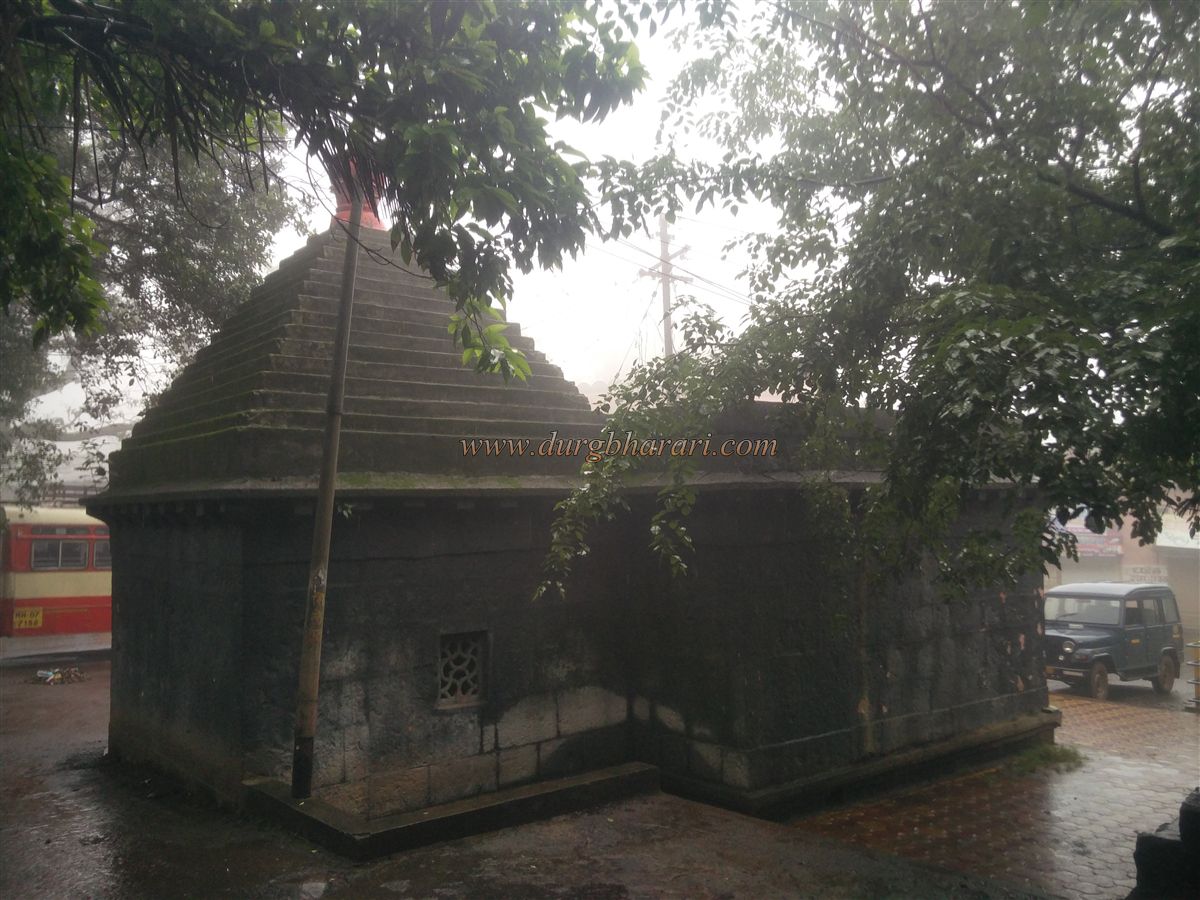
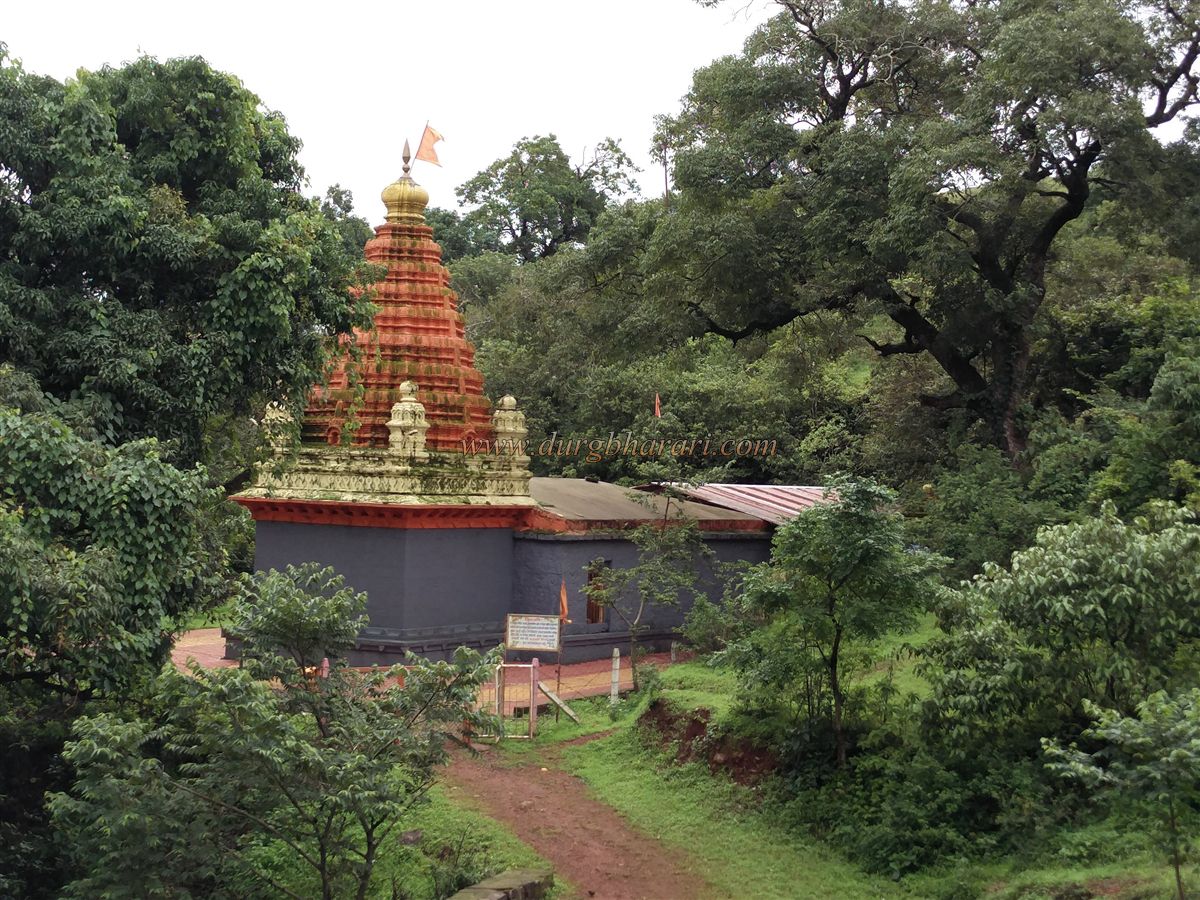
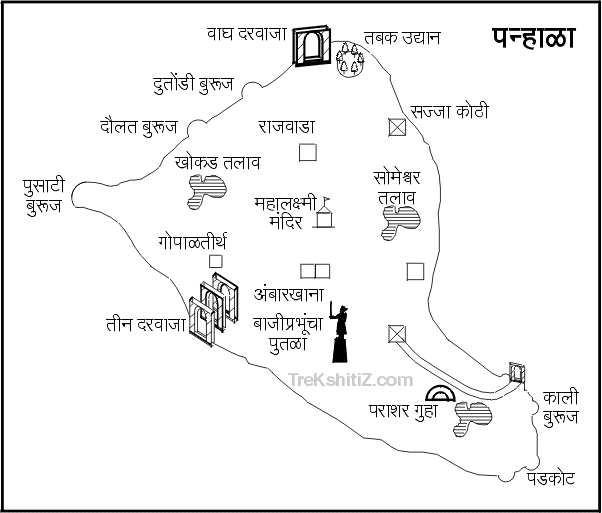
Rajwada: Built by Tarabai in 1708, this palace houses the municipal office, Panhala High School, and a military hostel. Nearby is Khokad Lake and a temple of Shivaji Maharaj, built by Shahu Maharaj, with a horse-mounted statue of Shivaji and Tarabai’s footprints beside it. Behind the temple are caves from the 3rd century BCE. A little further, below Nehru Garden, is the Mahalakshmi temple—the oldest on the fort, possibly 1,000 years old—dedicated to the Kuldevi of King Gandarit Bhoj. Nearby is the Someshwar Lake.
Sajja Kothi: A two-storey building built in 1008 CE where Shivaji Maharaj stayed during Siddhi Johor’s siege and conducted secret meetings. Sambhaji also stayed here during his governance. From here, one can see the Jotiba hill and the Panhala area.
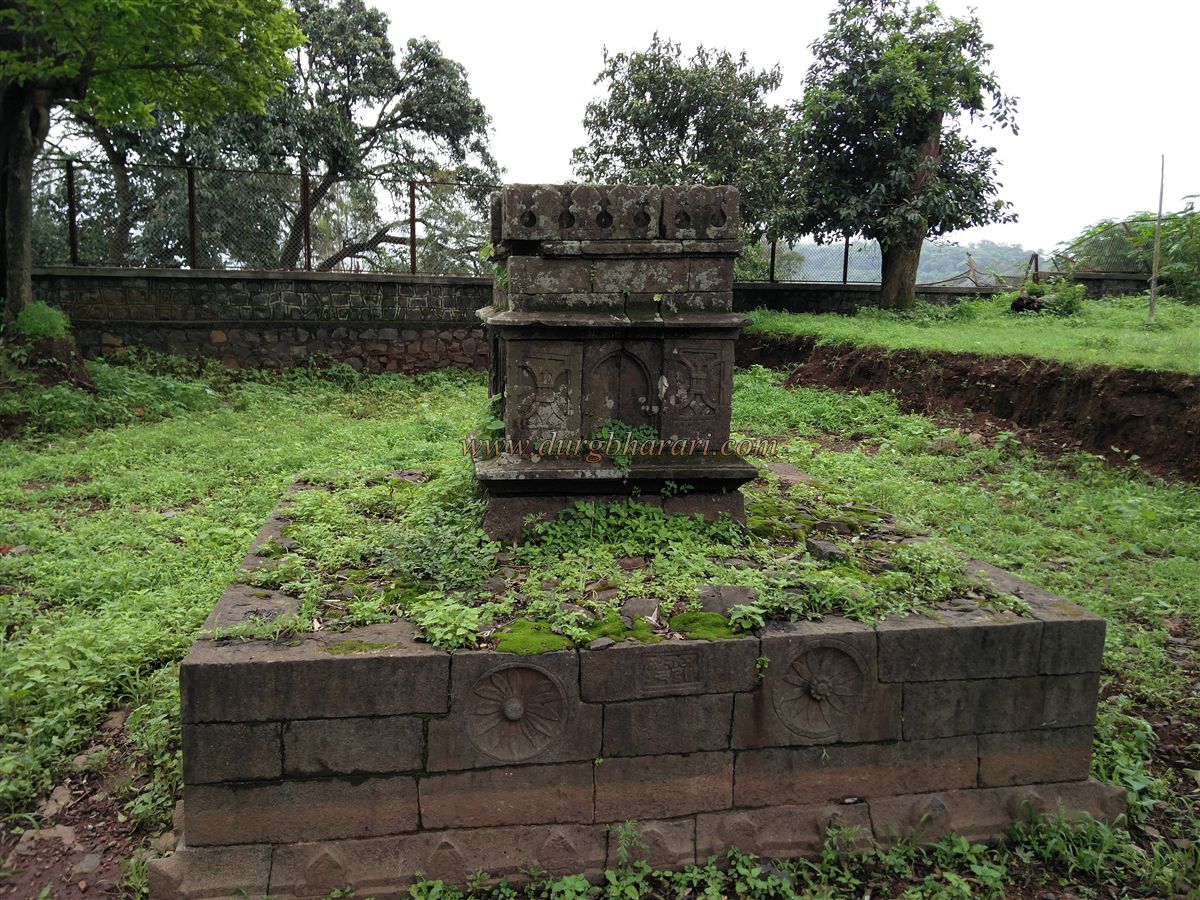
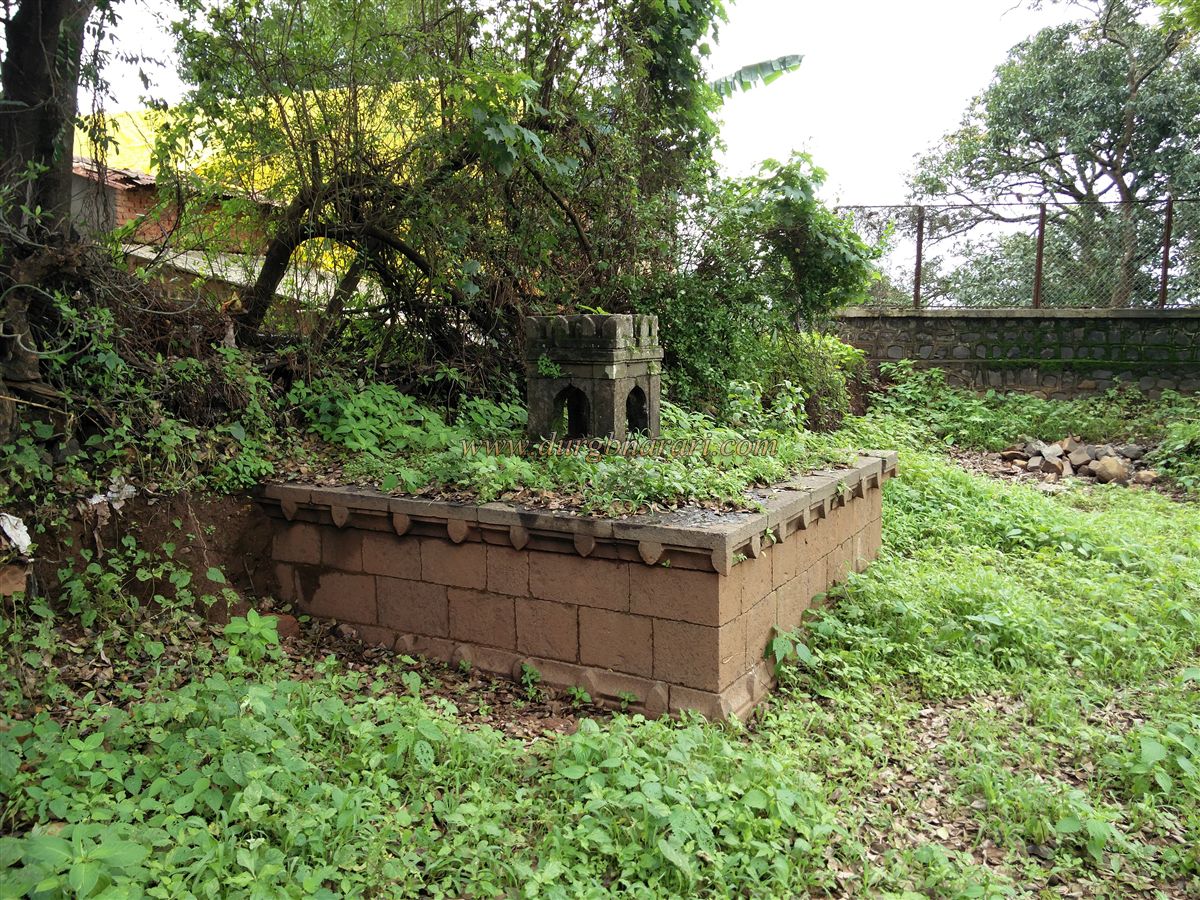
Near the fort’s market lies a large tank called Someshwar (Somale) Lake, with a nearby Someshwar temple. Jayaram Pinde’s poem "Parnalaparvatakhyan" mentions Maharaj and his Mavlas offering golden champa flowers here. Close to this are the Samadhi of Ramchandra Pant Amatya and his wife.
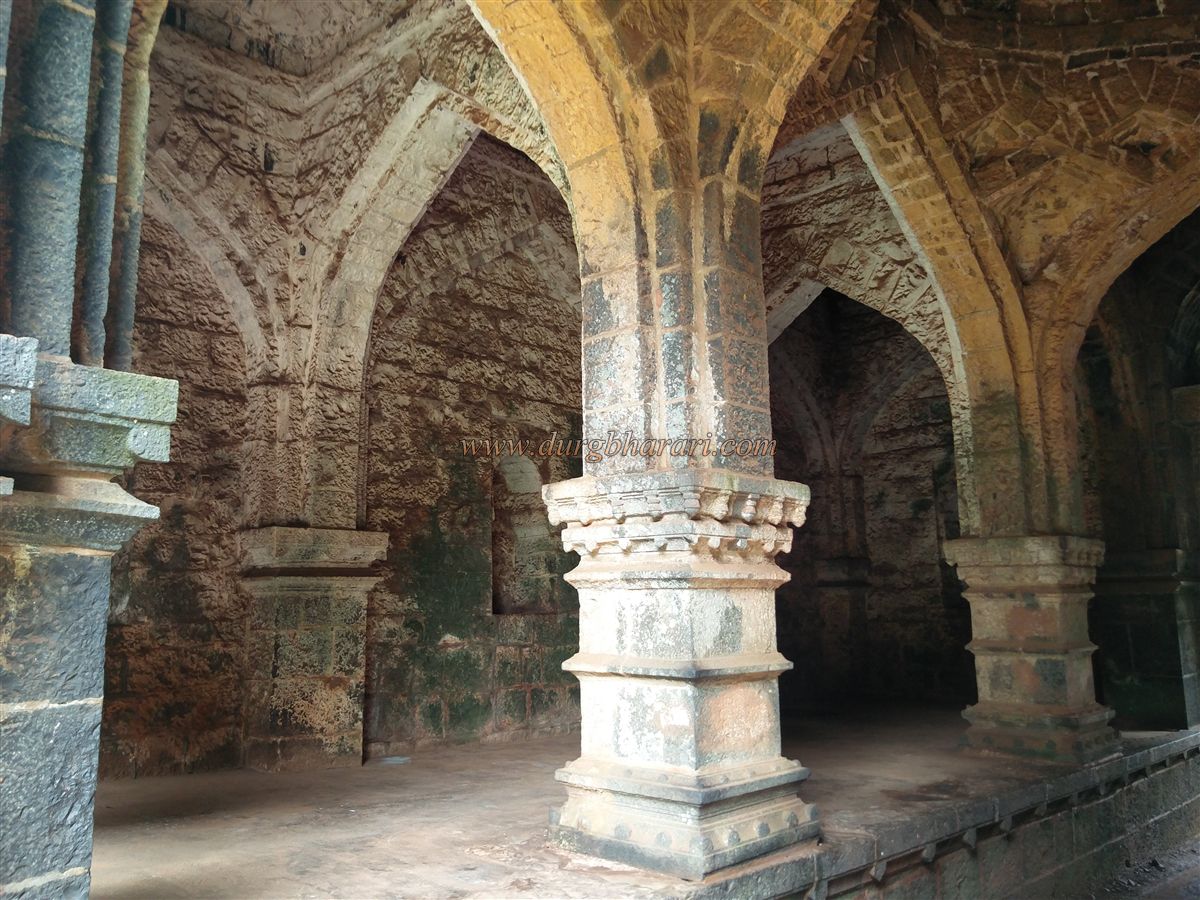
Amberkhana: This was the inner citadel, surrounded by a moat. During its construction, a human sacrifice was suggested to ensure success. A poor woman named Gangu Teli volunteered and was honoured with a memorial after her sacrifice. Three grain silos—Ganga, Yamuna, and Saraswati—were built here, storing up to 25,000 khandis of grain. There were also administrative offices, an armoury, and a mint. Shivaji's royal palace once stood nearby but was destroyed by the British in 1944. A Mahadev temple nearby contains a Shaligram lingam that changes colour with temperature.
Char Darwaja: A strategically important eastern gate, demolished by the British in 1844. Remnants remain, along with a statue of Shiva Kashid and a nearby pond.
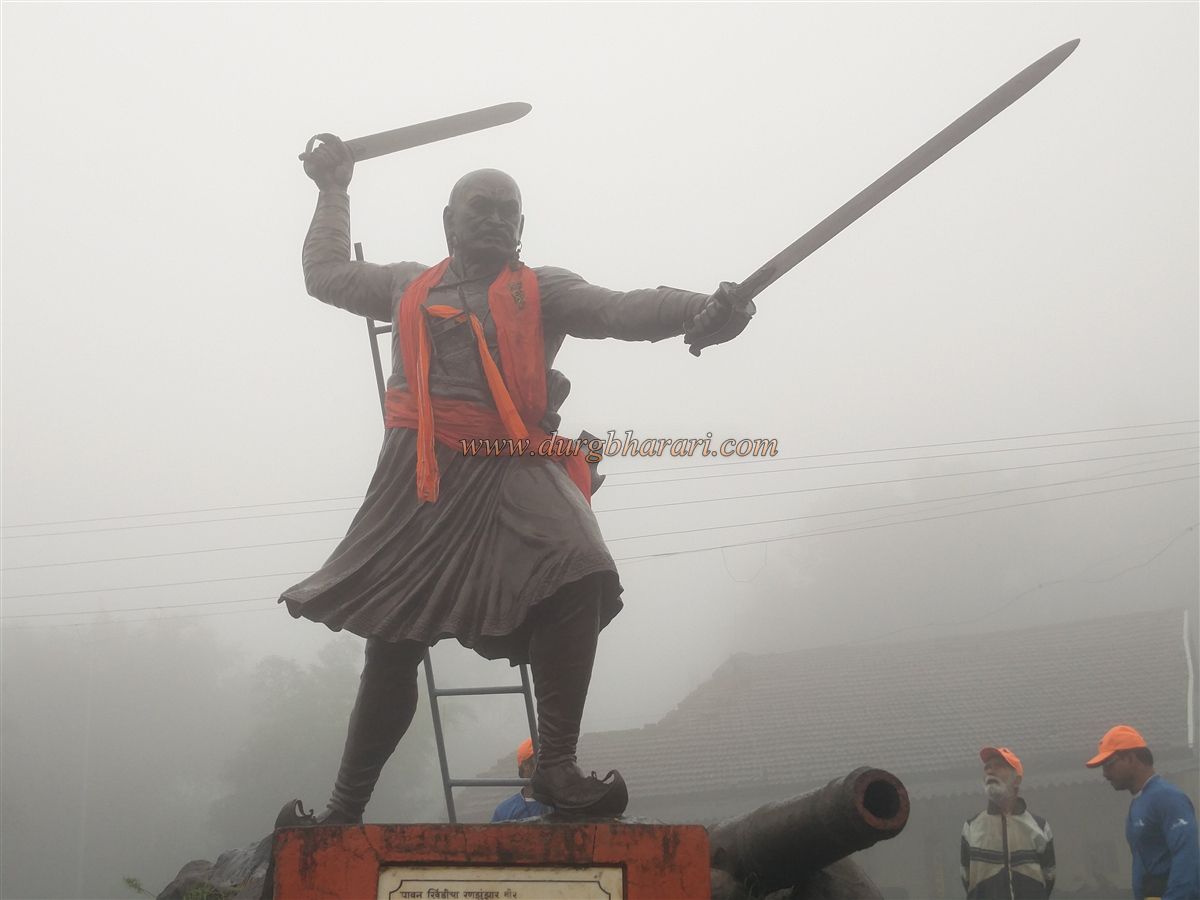
Descending from the ST bus stop, one finds a grand statue of the valiant Baji Prabhu Deshpande, swords in both hands. His and Phulaji Prabhu neglected Samadhi lie at Vishalgad.
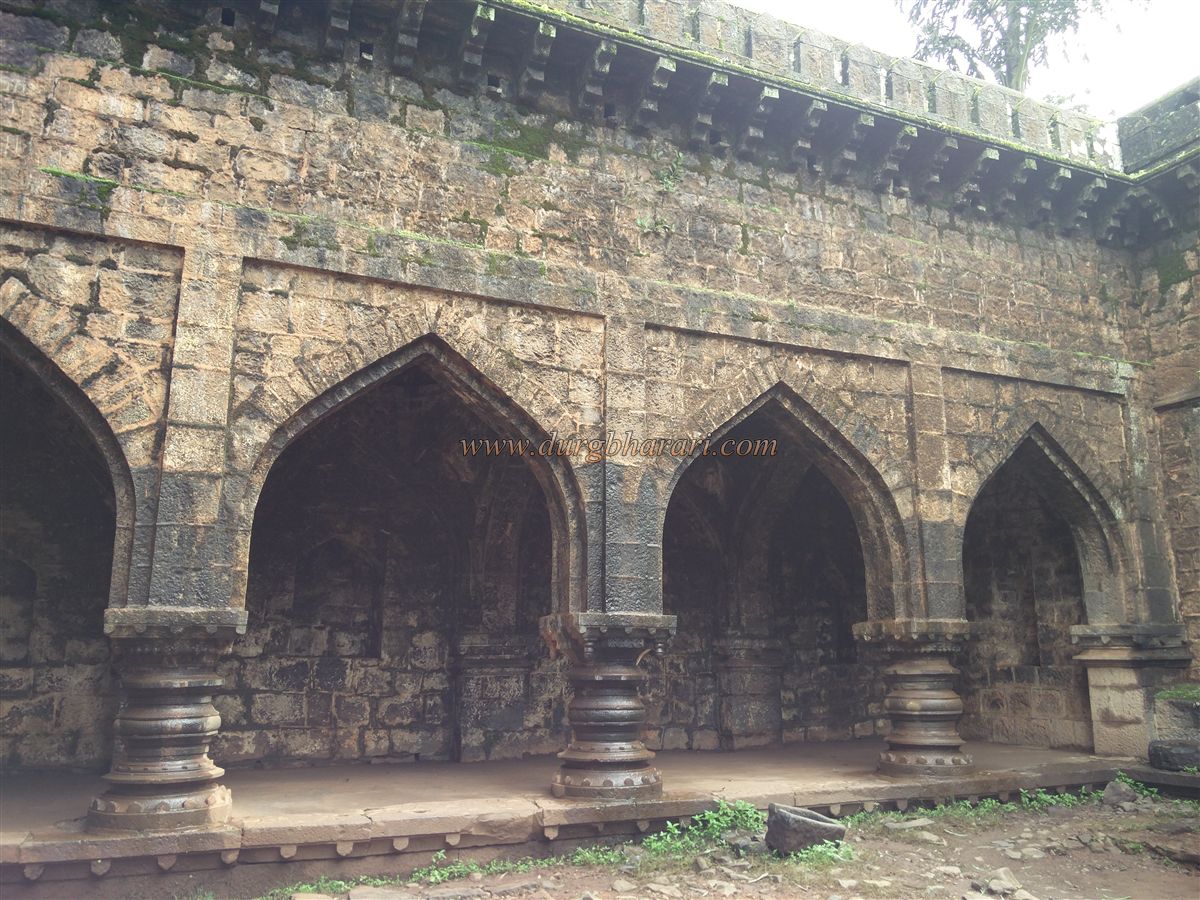
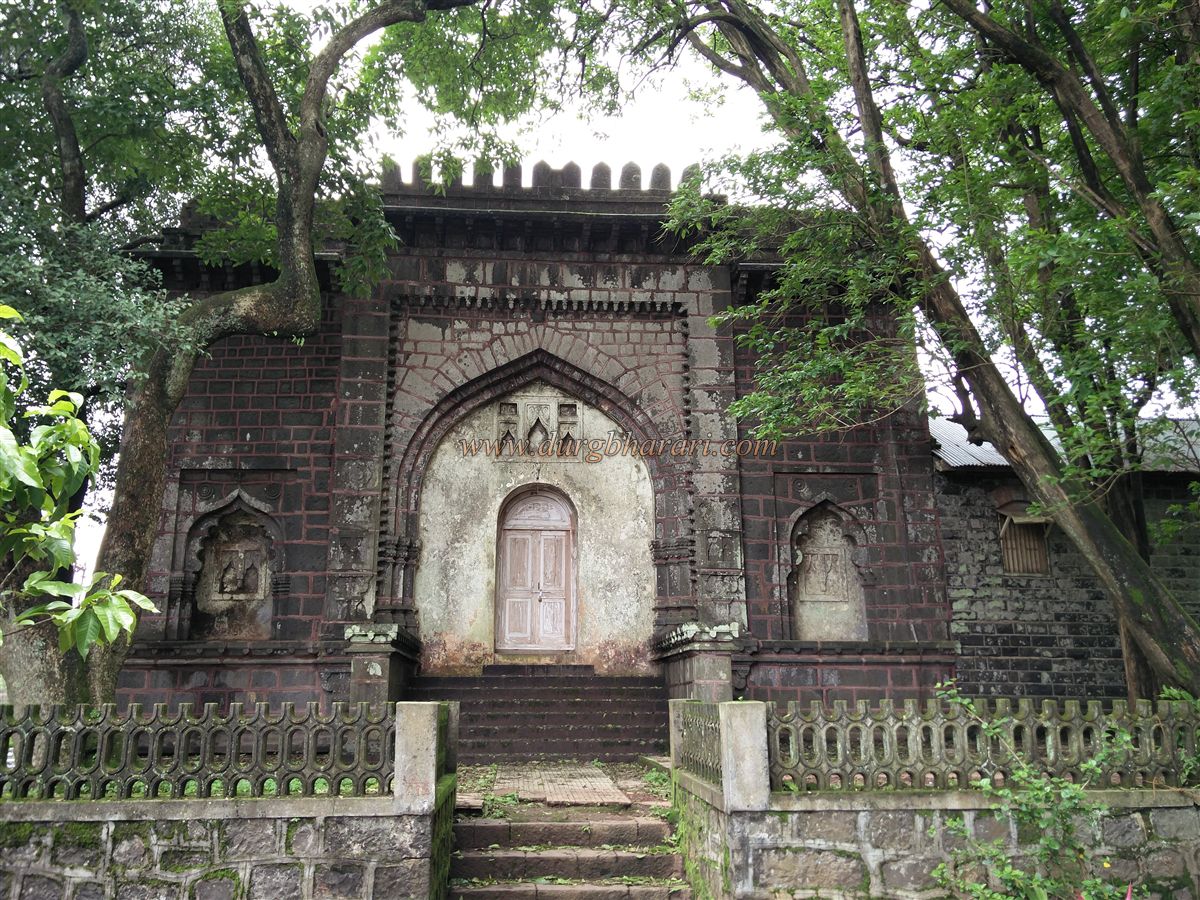
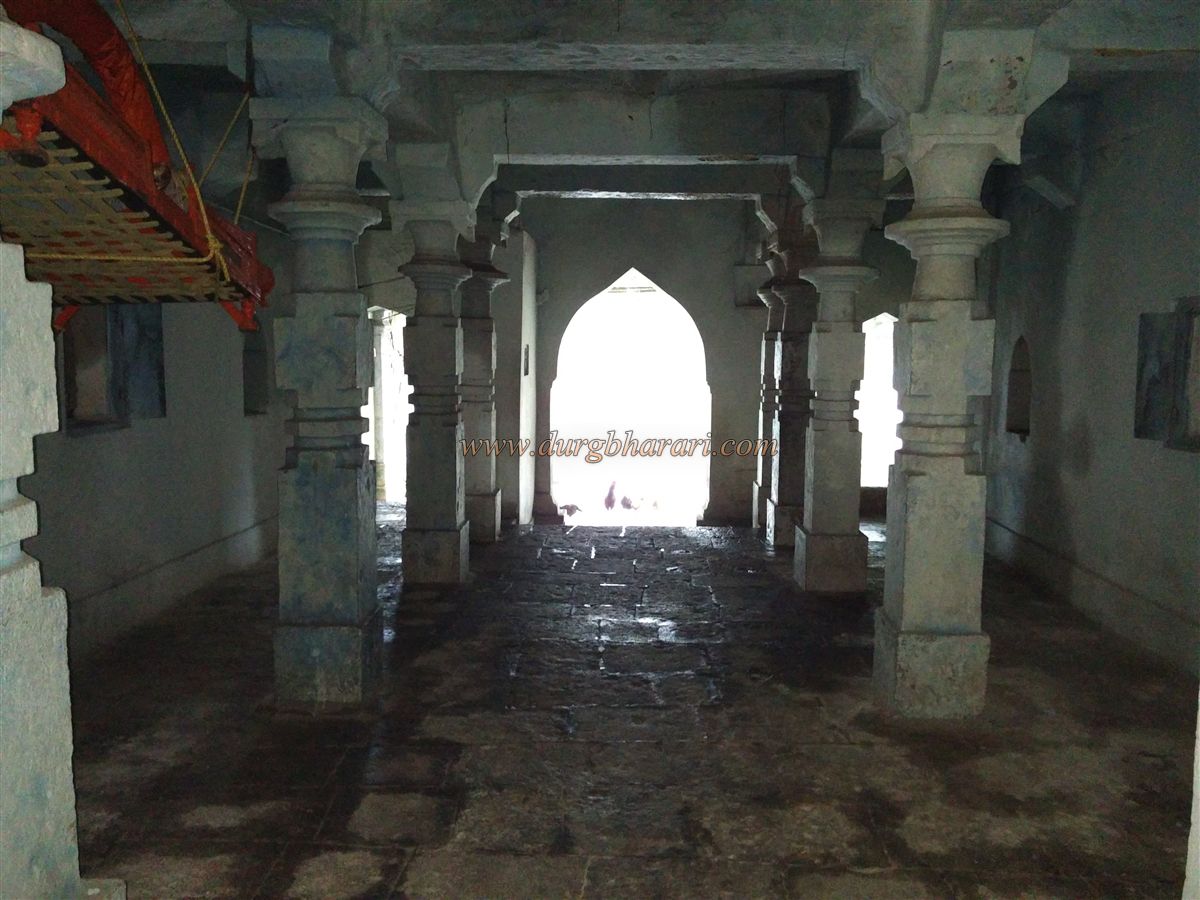
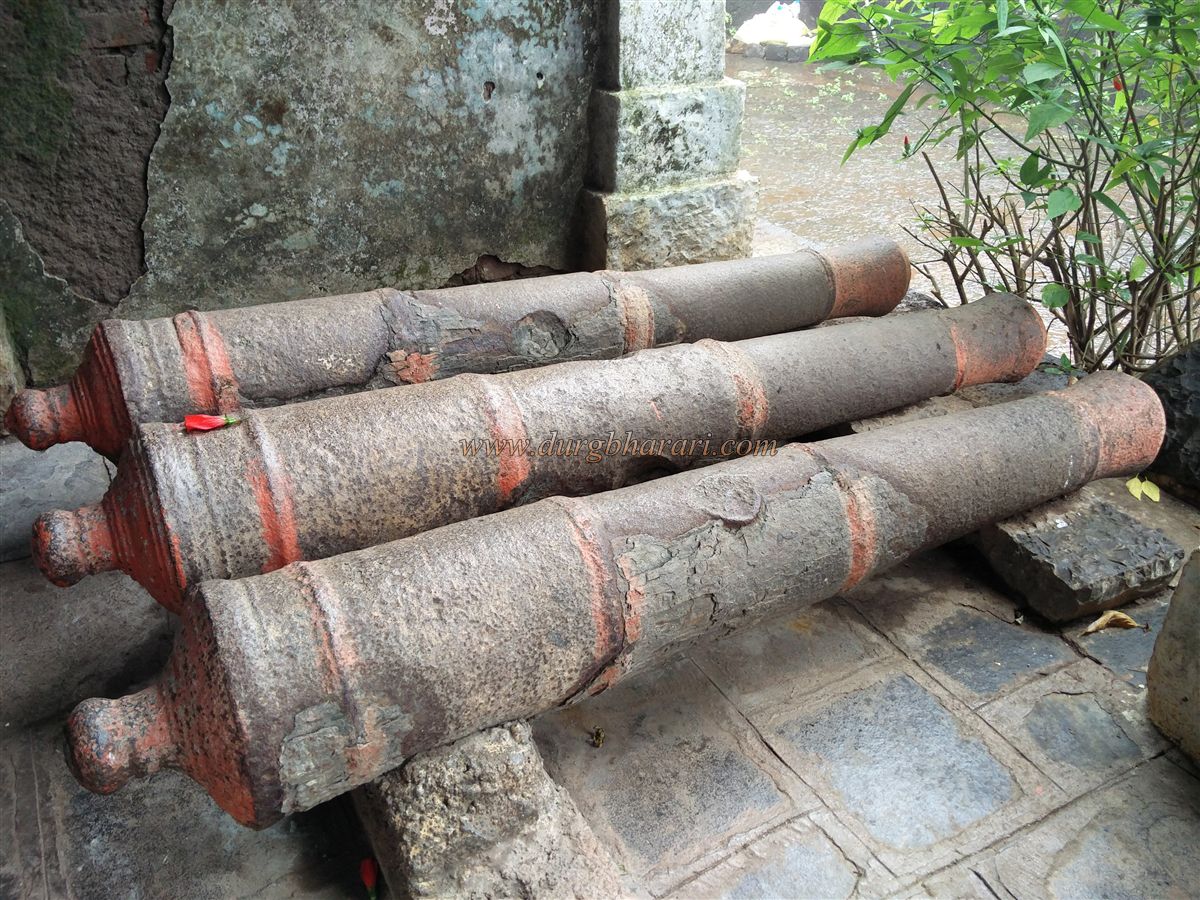
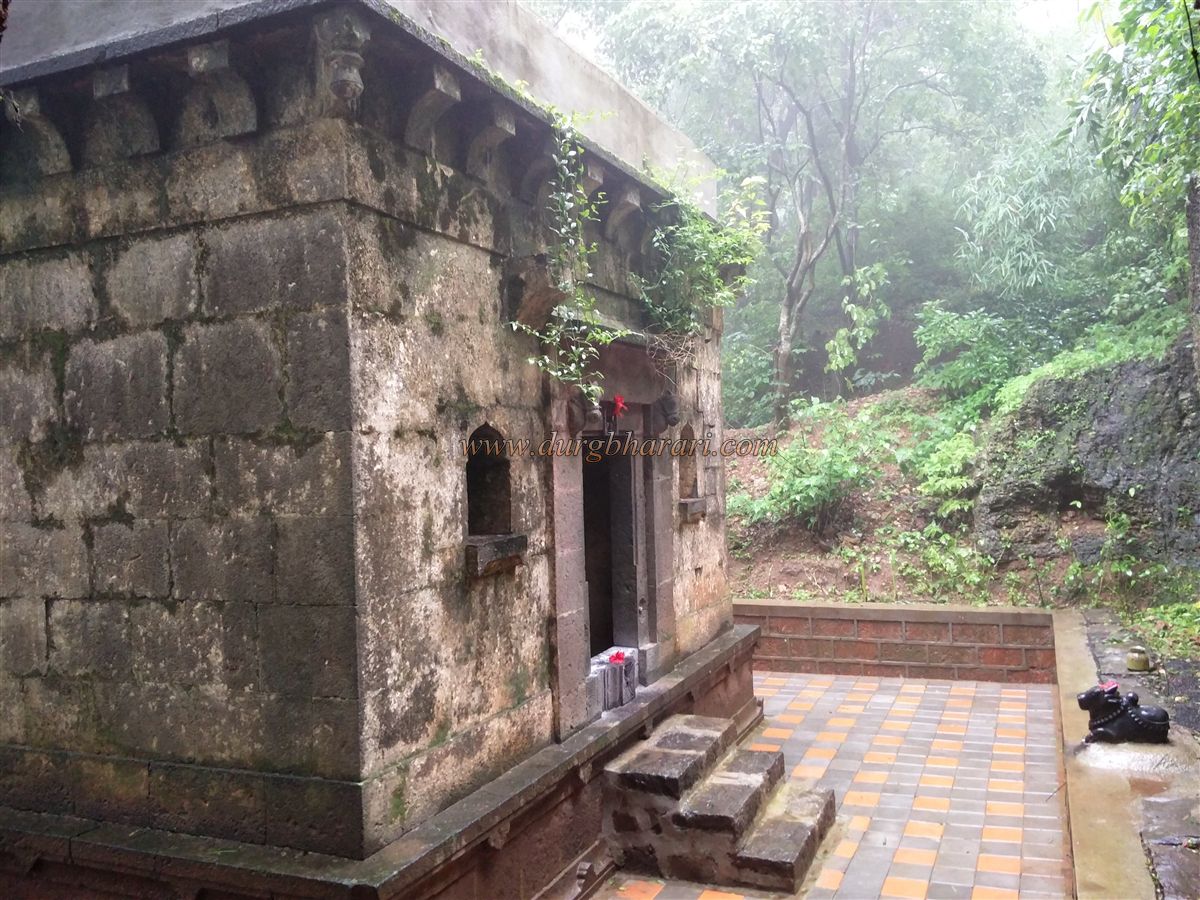
Rede Mahal: A long building believed to be a horse stable, later used for cattle, and possibly built as a residence for courtiers. It now houses a public bazaar. Nearby is a temple and Samadhi of Sambhaji (1714–1760), son of Rajaram, containing an inscription, a well, and six cannons.
Dharma Kothi: A tall building used for distributing grain to the needy, located beyond the Sambhaji temple.
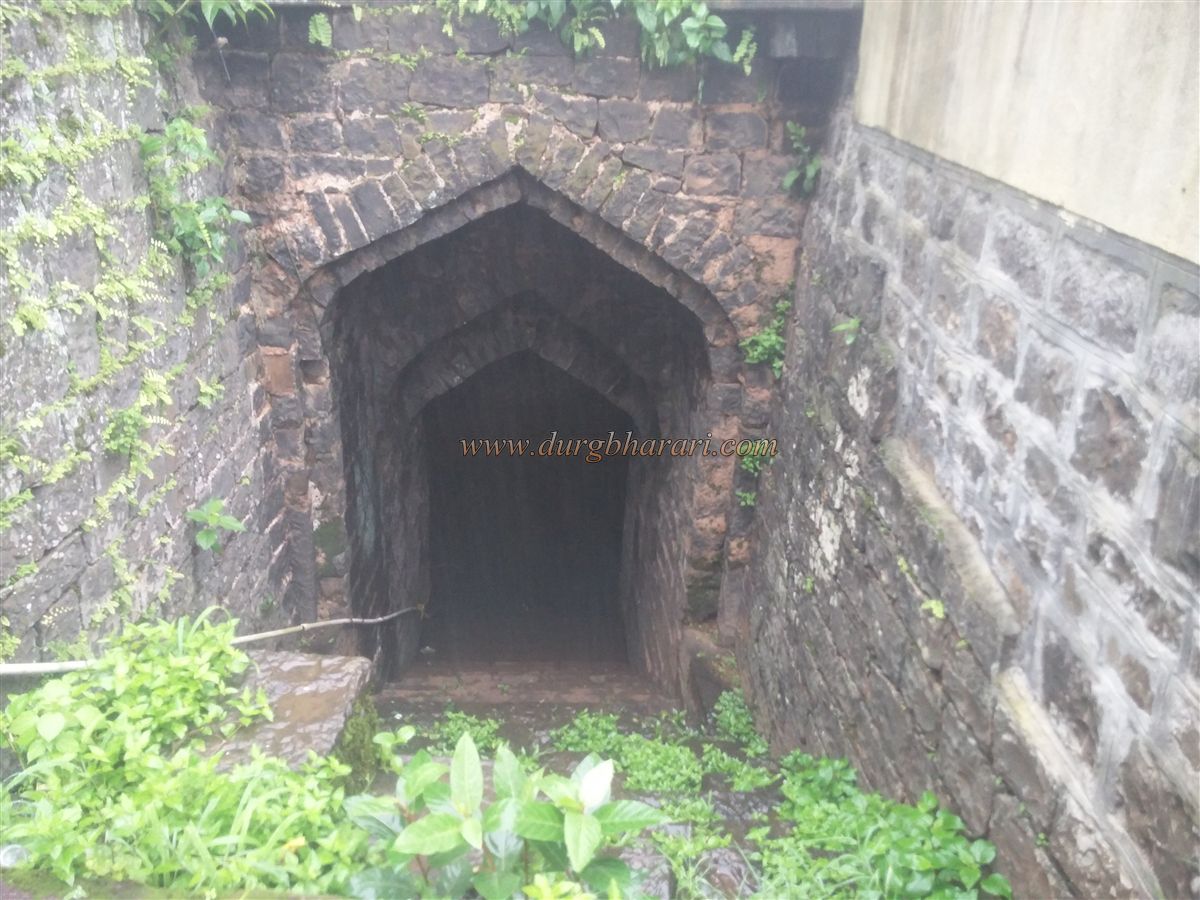
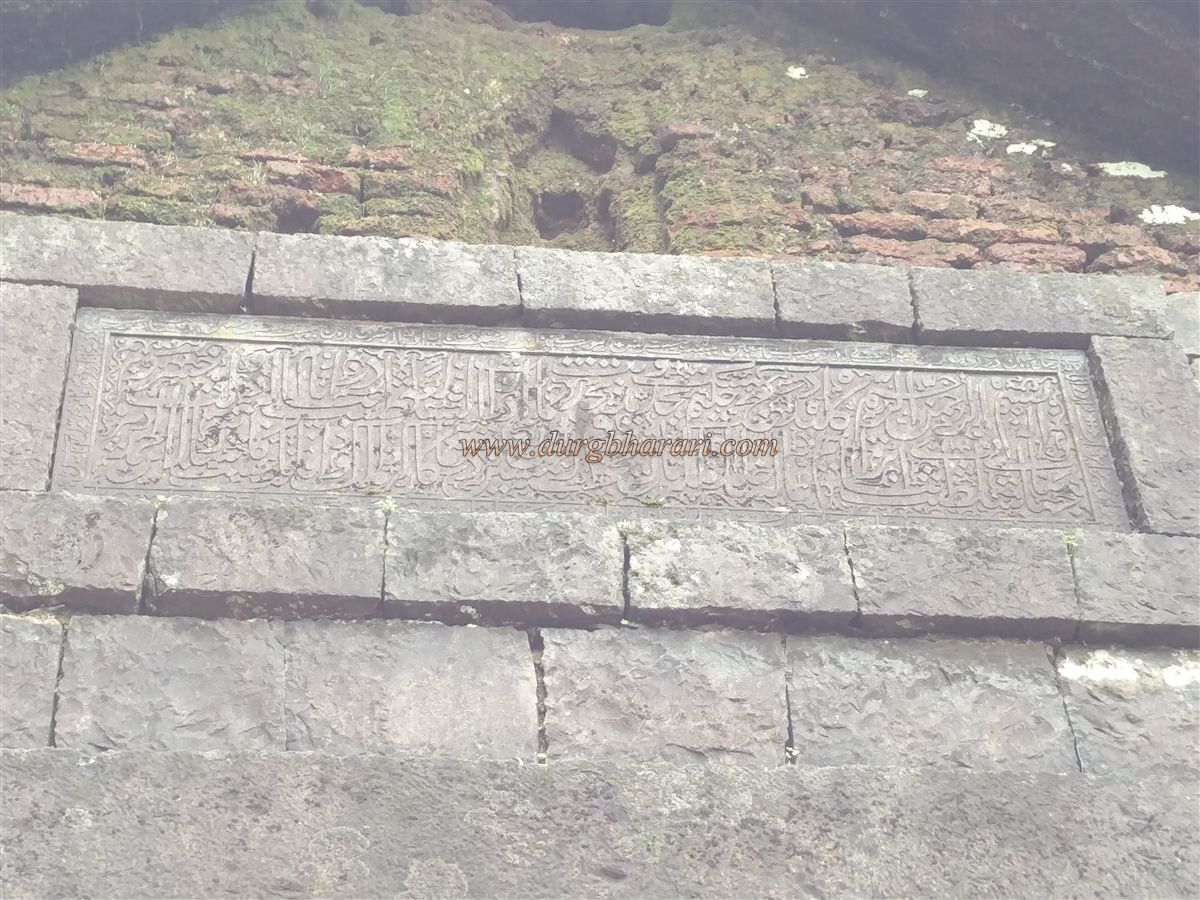
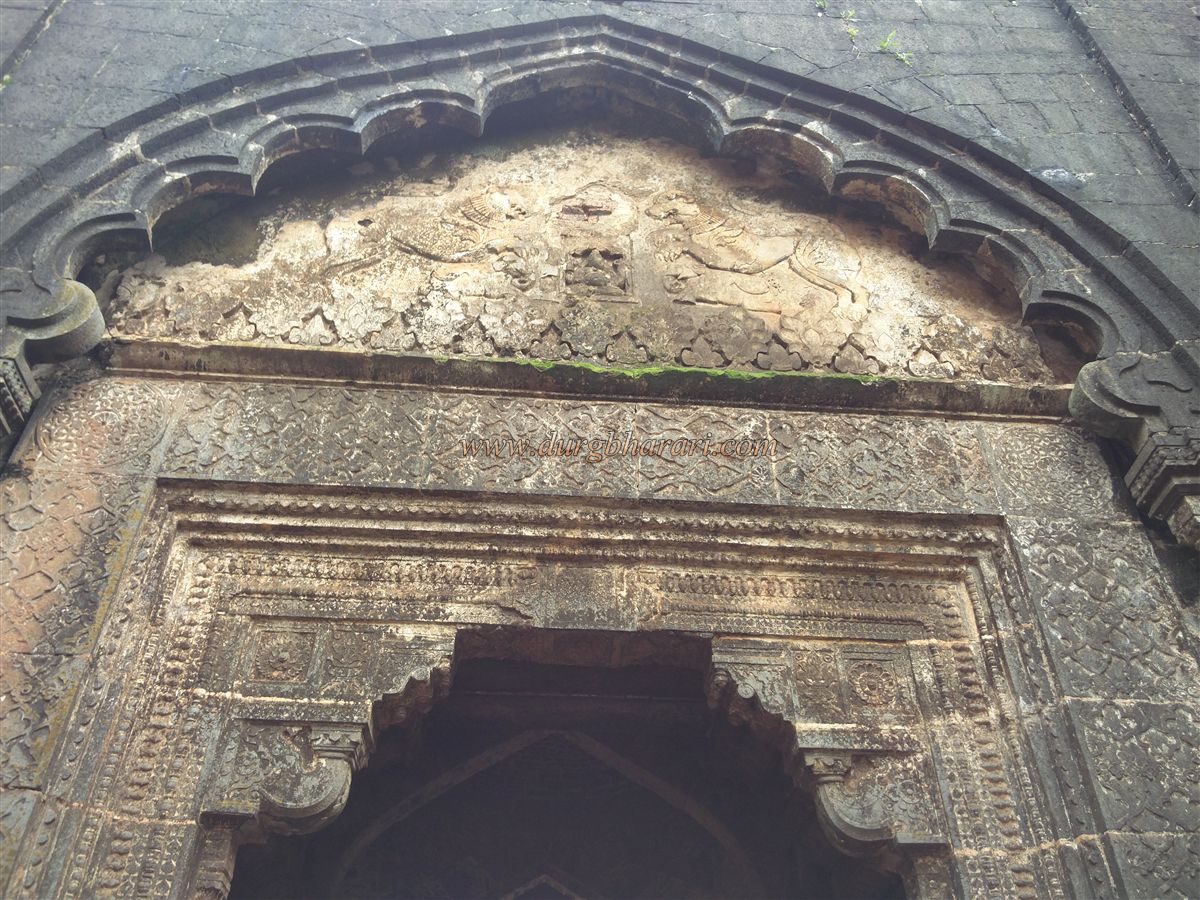
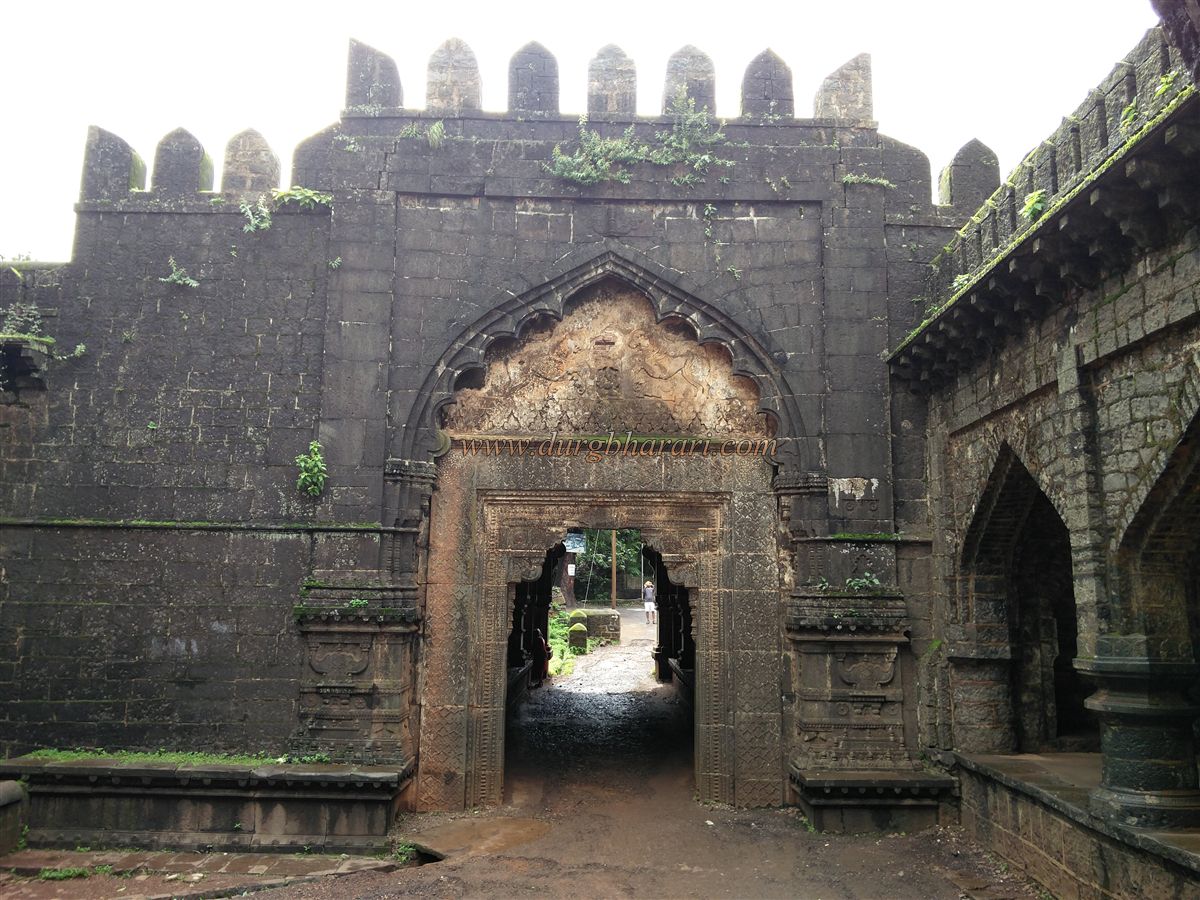
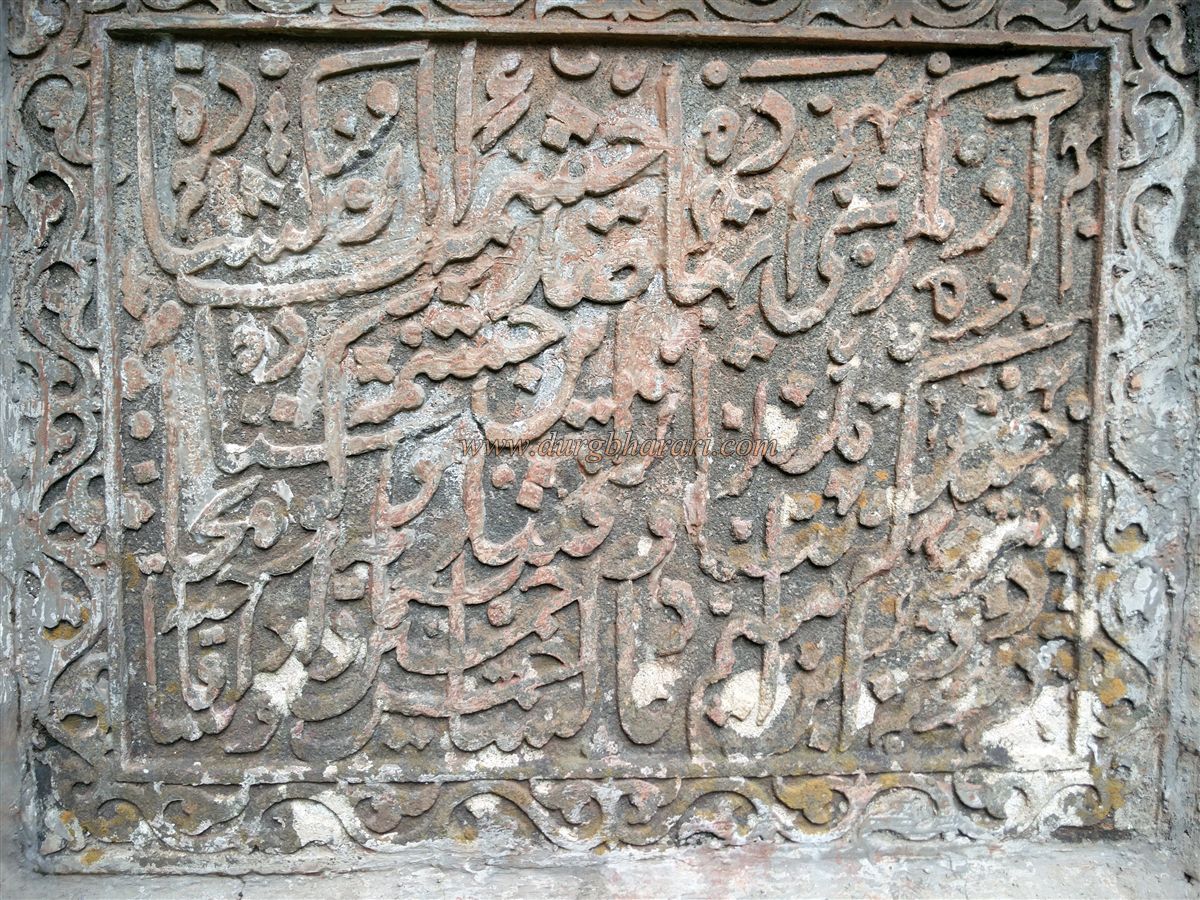
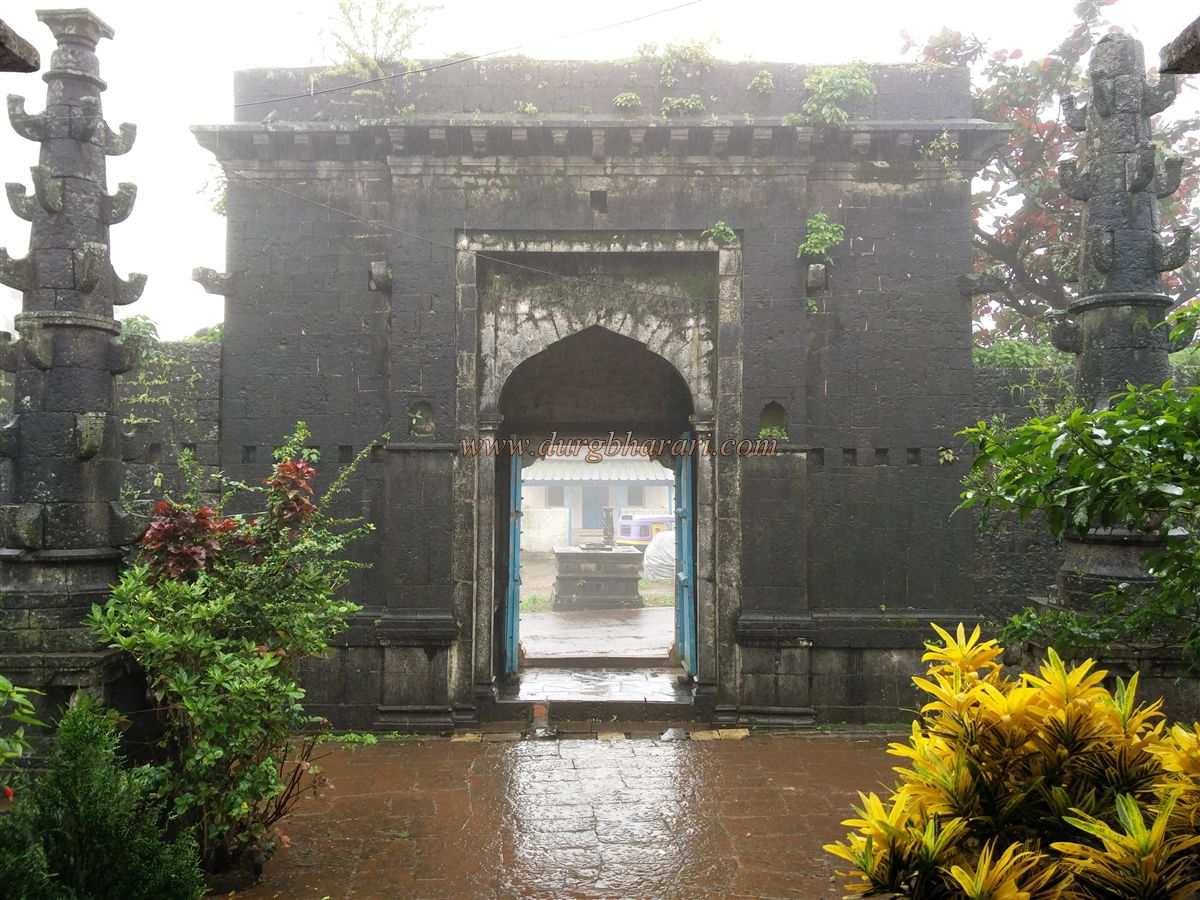
Teen Darwaja: The most important western entrance, also called the Konkan Gate, features three consecutive gates, built with molten lead. Richly carved, the gate features a Ganesha idol and Sharabh motifs. The first gate bears an inscription in Persian. Inside lies Vishnu Chowk and Vishnutirth, a well. Nearby are a Hanuman temple and the gunpowder magazine. In 1676, Kondhaji Farzand captured the fort with 60 Mavlas through this gate, greeted by a shower of golden champa flowers. Later, the British also entered through this gate.
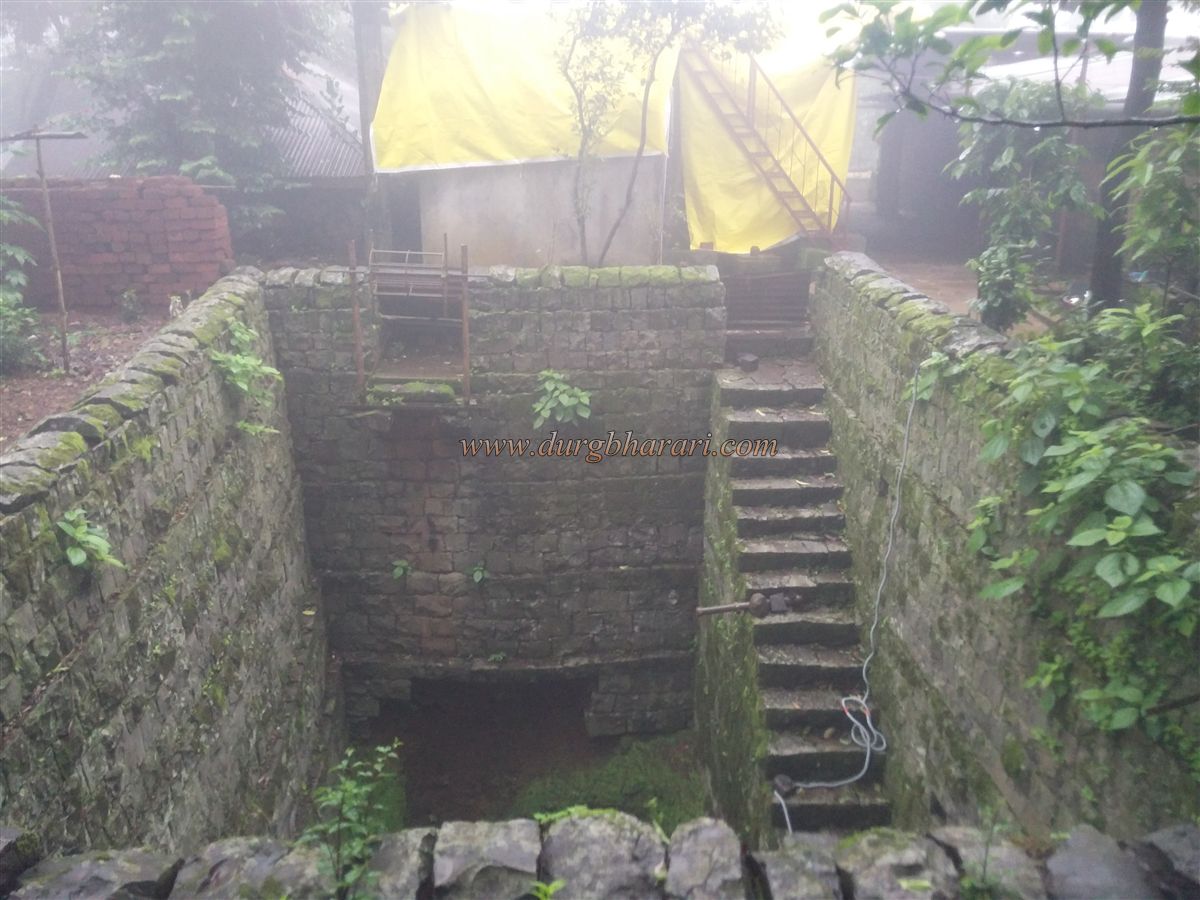
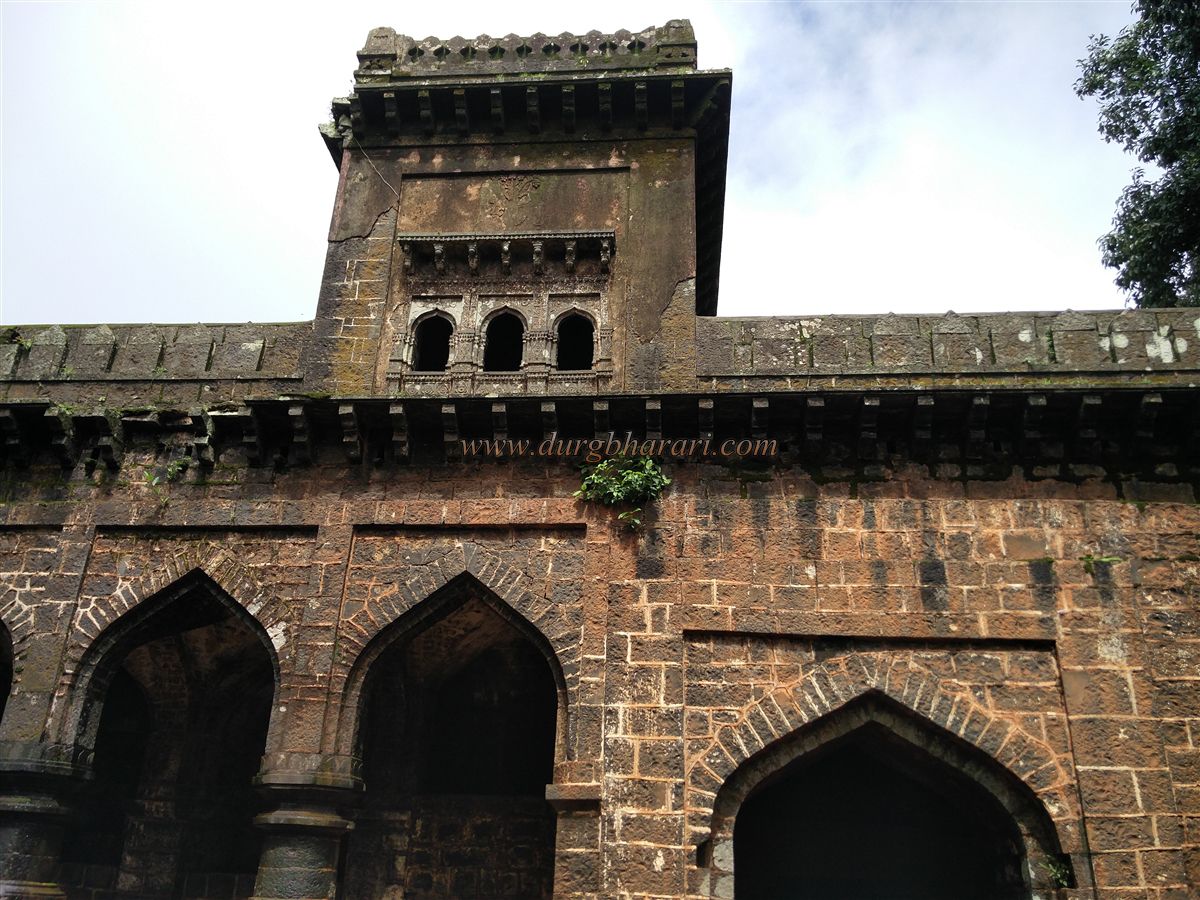
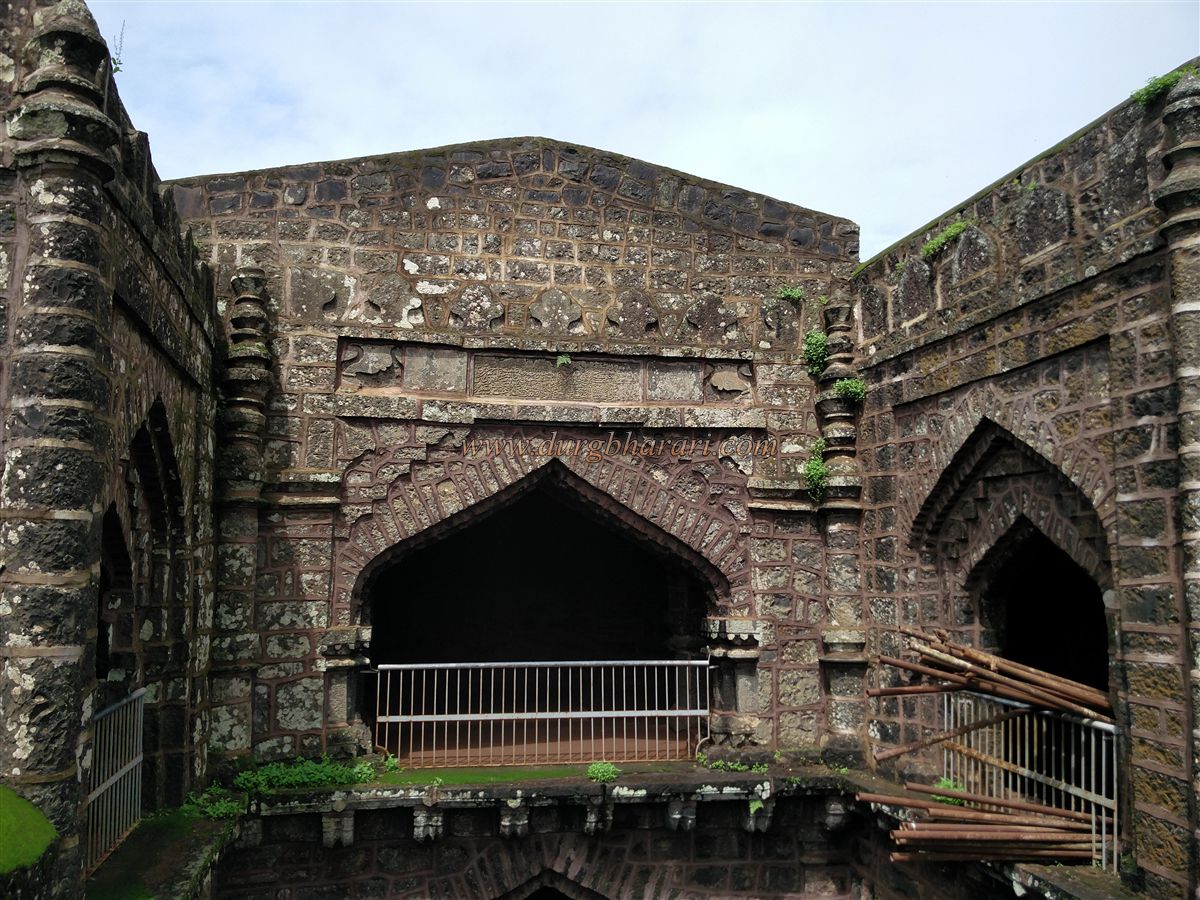
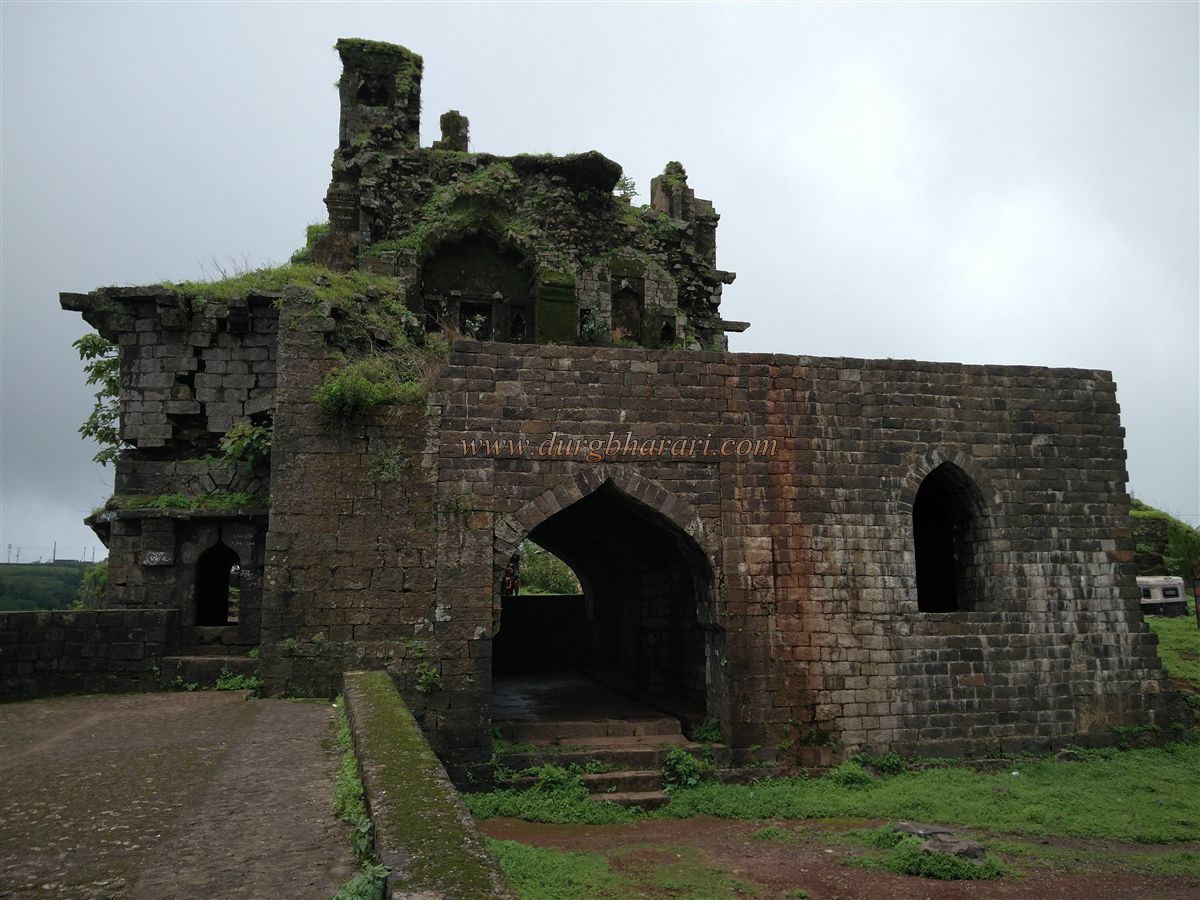
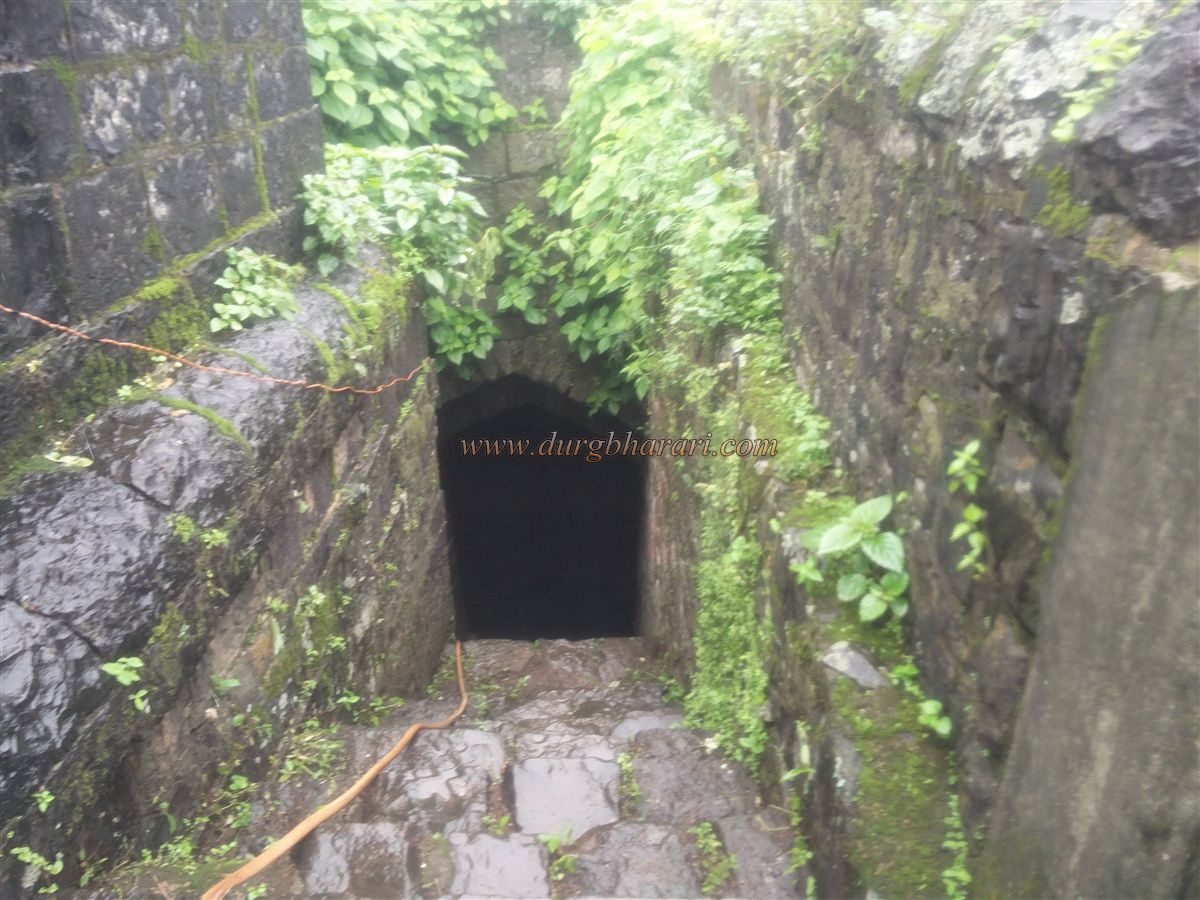
Above Teen Darwaja is Andhar Bav (Shrungar Bav), a three-storey black stone structure with a deep water well at the base, a secret window on the middle floor, and living quarters on top. On the western edge lies Pusati (Pichhadi) Bastion with two towers and a moat, providing views in all directions. The distant Masai Plateau and Pandav Caves, 7 miles away, are visible.
Near Lata Mangeshkar’s bungalow are five consecutively carved caves with stone seating—called Parashar Caves, linked to sage Parashara penance. Below lies Nagzhari, a perennial stone cistern with iron-rich water. In front is a Vitthal temple and, downhill, a Harihareshwar temple.
Near the fort’s court lies a double-sided bastion, called Dutondi Buruj. Nearby is the Daulat Bastion.
Wagh Darwaja: A strategically built gate featuring a Ganesha sculpture and the Tabak Bag garden. The secret Rajdindi path starts here—the same path used by Shivaji to escape Siddhi Johor’s siege and reach Vishalgad, 45 miles away.
Modern structures include the Moropant Library at his birthplace and the sweet-water Kapurbav well nearby. Other sites of interest include Kalavantinicha Mahal, Sadoba Dargah, and more.
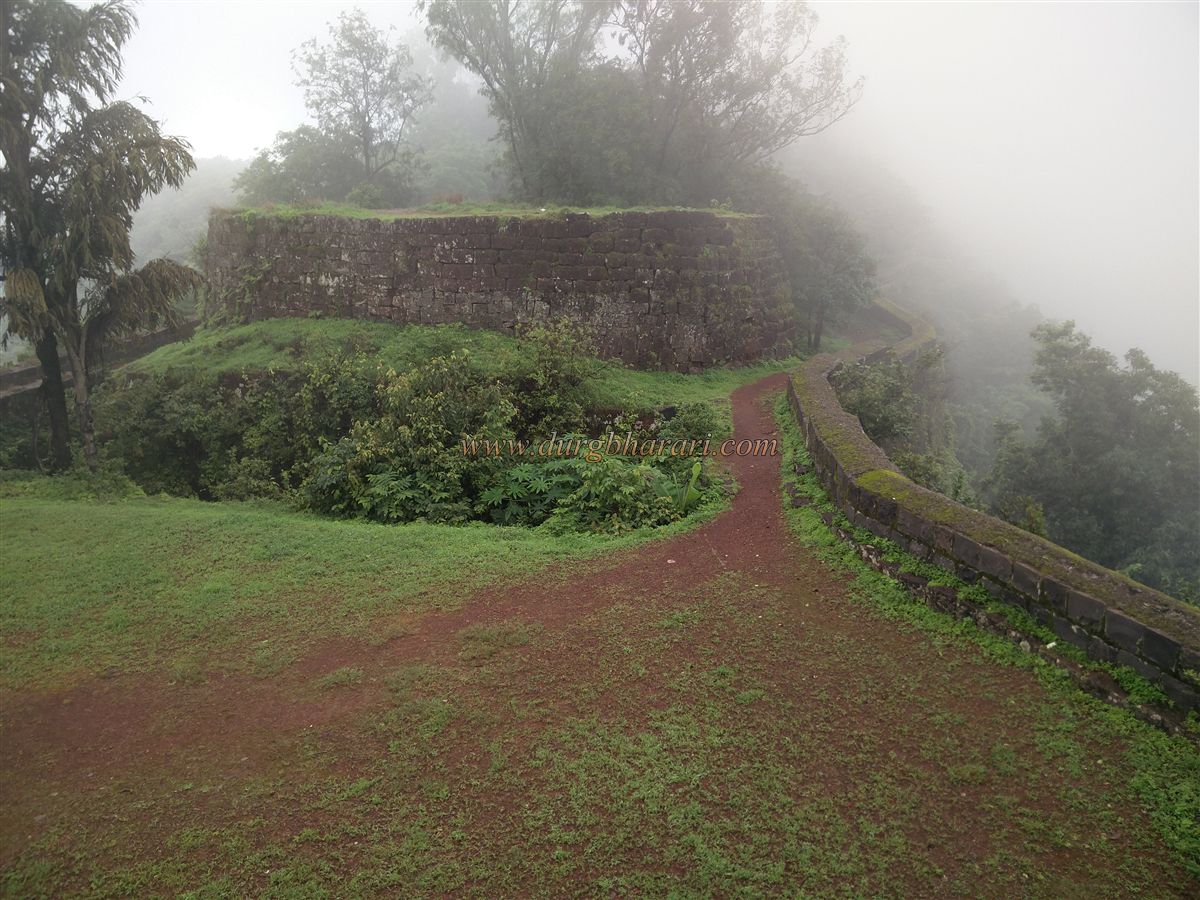
The fort is best experienced on foot. Main access paths include those to Char Darwaja, Teen Darwaja, Wagh Darwaja, and Rajdindi, along with several secret trails. Natural cliffs secure half the fort, while the rest is surrounded by walls 5 to 10 meters wide.
On 2 January 1954, the Government of India declared Panhala Fort a nationally protected monument.
© Suresh Nimbalkar
GALLERY