PANCHAKKI
TYPE : WATER MILL / MONUMENTS
DISTRICT : AURANGABAD
The "PanChakki" near Aurangabad in Maharashtra is a remarkable ancient watermill that uses the energy of flowing water. Historically, it was used to grind grain, hence earning the name "PanChakki." Though no longer widely in use, the site holds great historical and cultural value. It is believed that the Sufi saint Baba Shah Musafir operated a community kitchen here using the flour milled by the watermill. His dargah (shrine) is also located nearby.
Centuries ago, even invading rulers had to innovate water systems to meet every day needs. One such example of hydraulic engineering is this watermill at Aurangabad, built over 400 years ago. It used the energy from water pressure created by waterfalls to turn massive millstones and grind grain—providing food supplies for military troops. This engineering feat showcases the brilliance of ancient engineers.
...
Located on the banks of the Kham River, PanChakki was built for both water supply and food provision. In 1610, Malik Amber, a Habshi general and the prime minister of Nizamshah of Ahmednagar, established a town named Khadki at this location. Malik Amber, skilled in guerrilla warfare, was equally adept at civic planning and architecture. During his tenure, several important civic buildings were constructed—gardens, memorials, baths, towers, palaces, and mosques. The city was surrounded by a grand fortification with 52 gates, reflecting the elegance of Afghan architecture.
To provide water to the city, Malik Amber developed an innovative gravity-based water supply system. He constructed a network of terracotta pipes connected to cisterns built on hilltops. The system, known as "Nahar-e-Ambari," still has visible remnants today. Water infrastructures like the "Baradari Nahar" built by Nawab Iwaz Khan Bahadur and the water-powered PanChakki built by Turktaj Khan are still operational.
The Sufi saint Baba Shah Musafir once lived at the PanChakki complex. At the time, the area faced severe water scarcity. His disciple, Baba Shah Mahdoom, oversaw the construction of the watermill and other associated structures like a dam on the Kham River and a bridge for transportation. Without any modern engineering tools, a reservoir was built by damming the source of the Kham River using bricks and lime. The collected water was brought to the PanChakki via a canal dug over a distance of nearly four miles. Records state that the project cost around 400,000 rupees at the time.
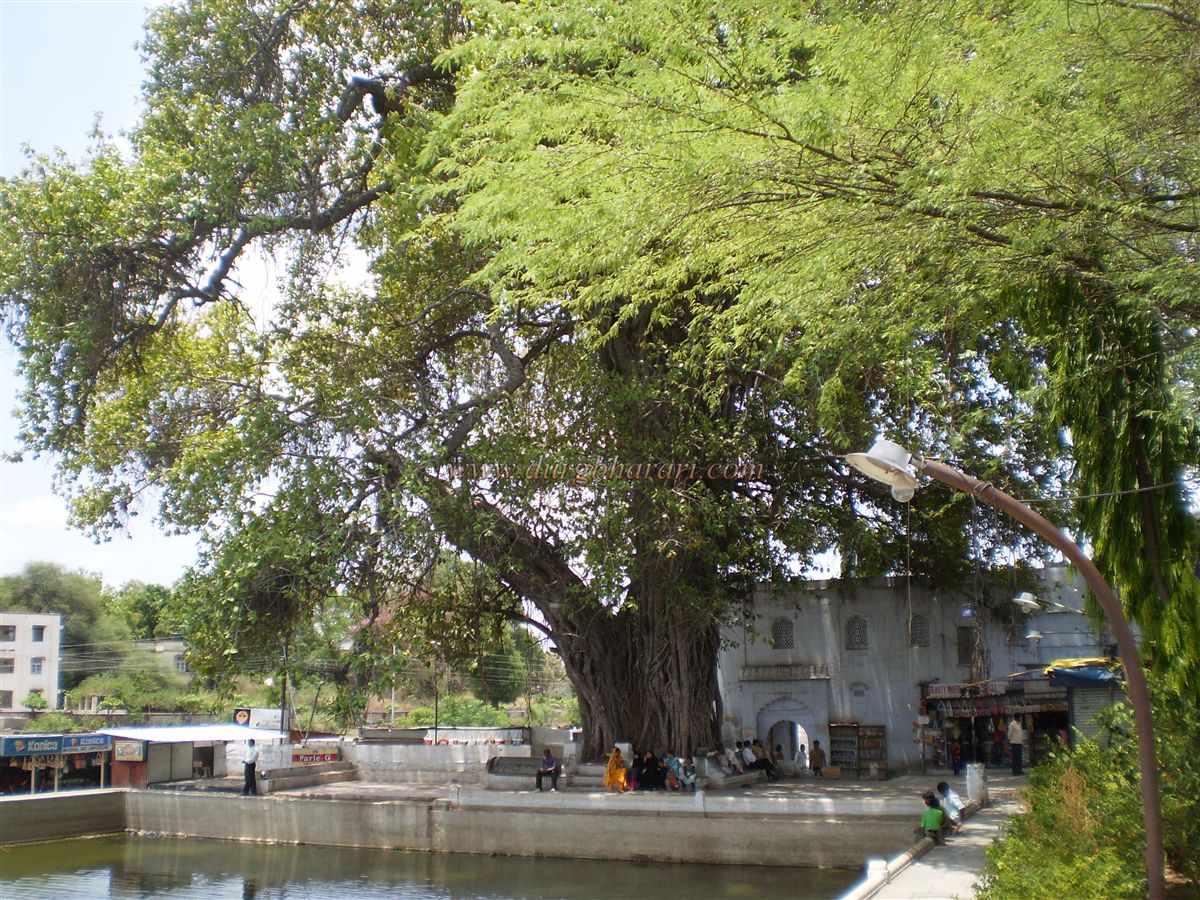
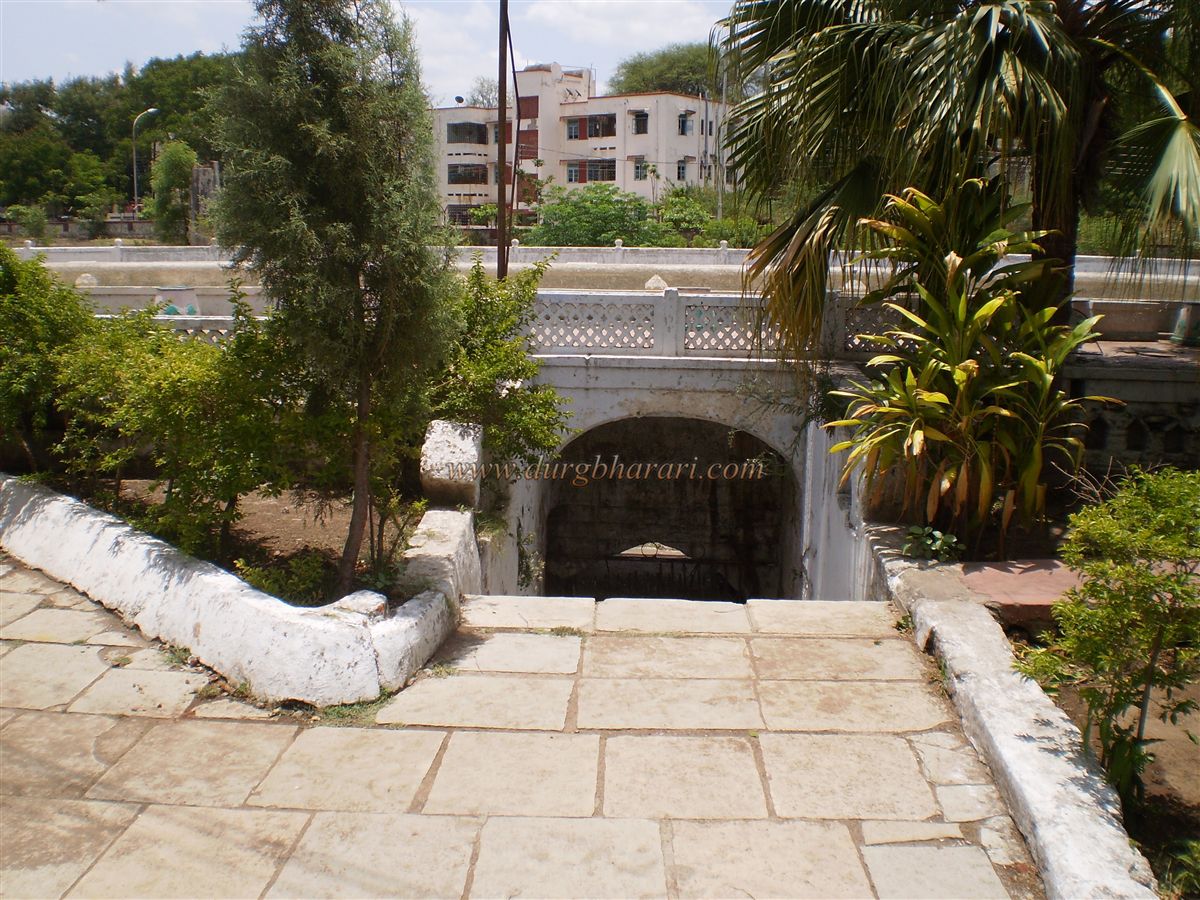
Five kilometres north of Aurangabad, the Jatwada hills contain significant water reserves. The water was channelled via canals to Bibi Ka Maqbara and then brought underground through clay pipes to the PanChakki complex. The flowing water was elevated to a high tank via a siphon system and released with force into a reservoir measuring about 162 feet long, 31 feet wide, and 4 feet deep—holding up to 128,000 gallons of water.
Close to this tank is an ancient mosque built in a unique fusion of Bengali and Islamic architectural styles. Water from the tank flows through embedded pipes into a chamber housing a large iron turbine mounted on a solid shaft. As the water hits the turbine blades, it spins the shaft, which in turn rotates the massive millstone at its centre. This continuous rotation enables efficient grain grinding using hydropower.
The artificial waterfall created by the water flow keeps the temperature cool inside the mill, providing a pleasant contrast to Aurangabad's otherwise hot climate.
PanChakki served not only as a water management centre but also as a cultural and educational hub. During Mughal Emperor Aurangzeb’s rule, residential quarters were built alongside it, called a "Khanqah," where students studying religious texts lived and dined. The library here, rich in Arabic and Persian texts, was once the largest in Asia.
The tombs of Baba Shah Musafir and his disciple Baba Mahdoom are located within the PanChakki complex. These structures are built from black stone and painted red to resemble bricks. Emperor Aurangzeb spent considerable time in this city, even renaming it Aurangabad. In 1720, AsafJah I (Nizam-ul-Mulk) of the Deccan founded his own rule in Aurangabad. His successor, Nizam Ali Khan AsafJah II, later shifted the capital to Hyderabad in 1763. However, the Nizam’s continued to rule Aurangabad and the Marathwada region until 1948.
Today, the PanChakki and its operations are managed by the Maharashtra State Wakf Board. Visitors from across India and abroad visit this historical marvel year-round to witness its ancient water management system and architecture.
© Suresh Nimbalkar
GALLERY