PALSHI VITHHAL MANDIR
TYPE : MEDIEVAL VITTHAL MANDIR
DISTRICT : AHMEDNAGAR
Ahmednagar is a district known for its robust forts, beautiful historic mansions, and many fortified structures. In Parner taluka of Ahmednagar lies the village of Palshi, home to the land fort of Ramaji Kamble-Palshikar, who served as the Diwan of the Holkar. Near this fort stands a stunning 17th-century Vitthal temple, which is a remarkable example of intricate stone carving. It is likely that the fort and the temple were built during the same period.
To visit Palshi, one must take the Pune–Ahmednagar road and cross Shirur to reach Parner. From there, the road continues 20 km to Takli Dhokeshwar, where it joins the Ahmednagar–Kalyan highway, and then via Vasunde–Khadakwadi, one reaches Palshi village, about 20 km further. The distance from Pune to Palshi is around 130 km.
...
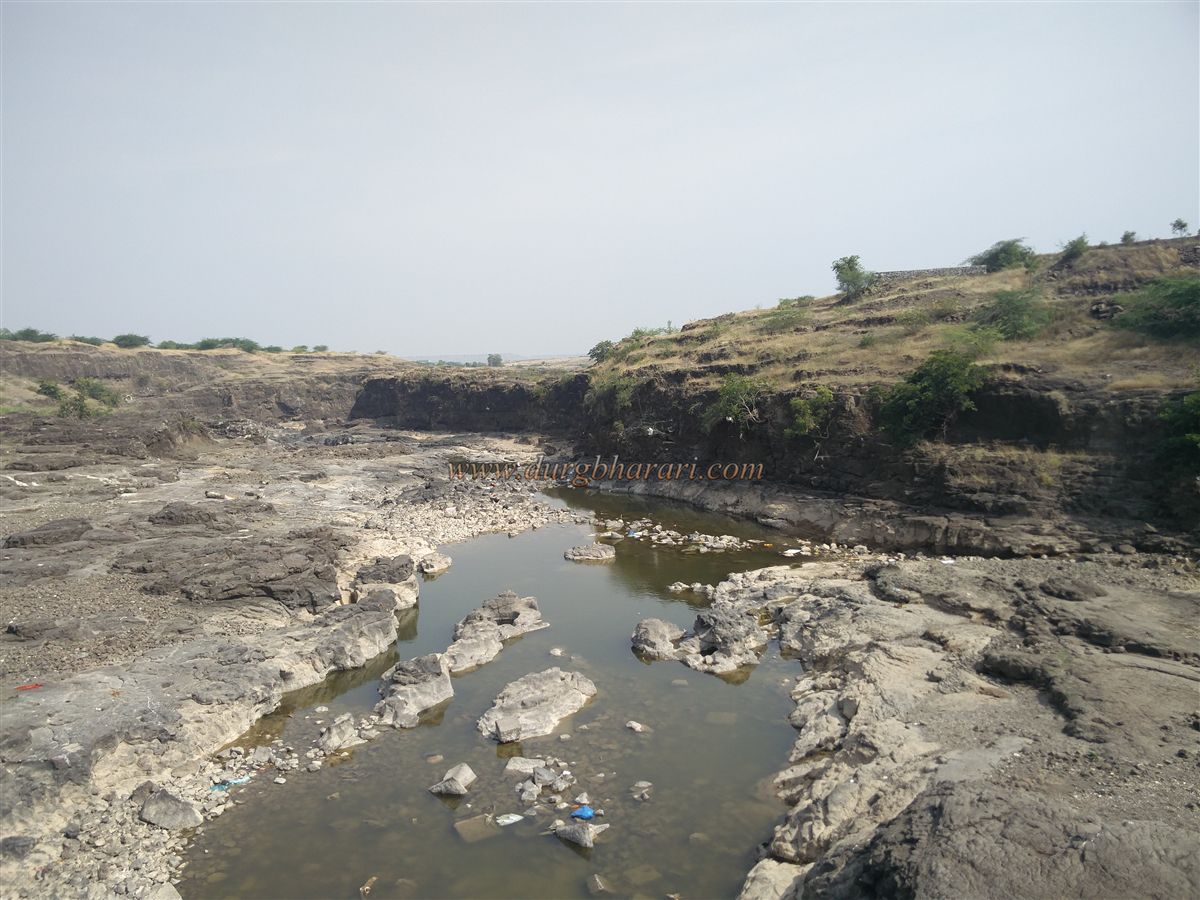
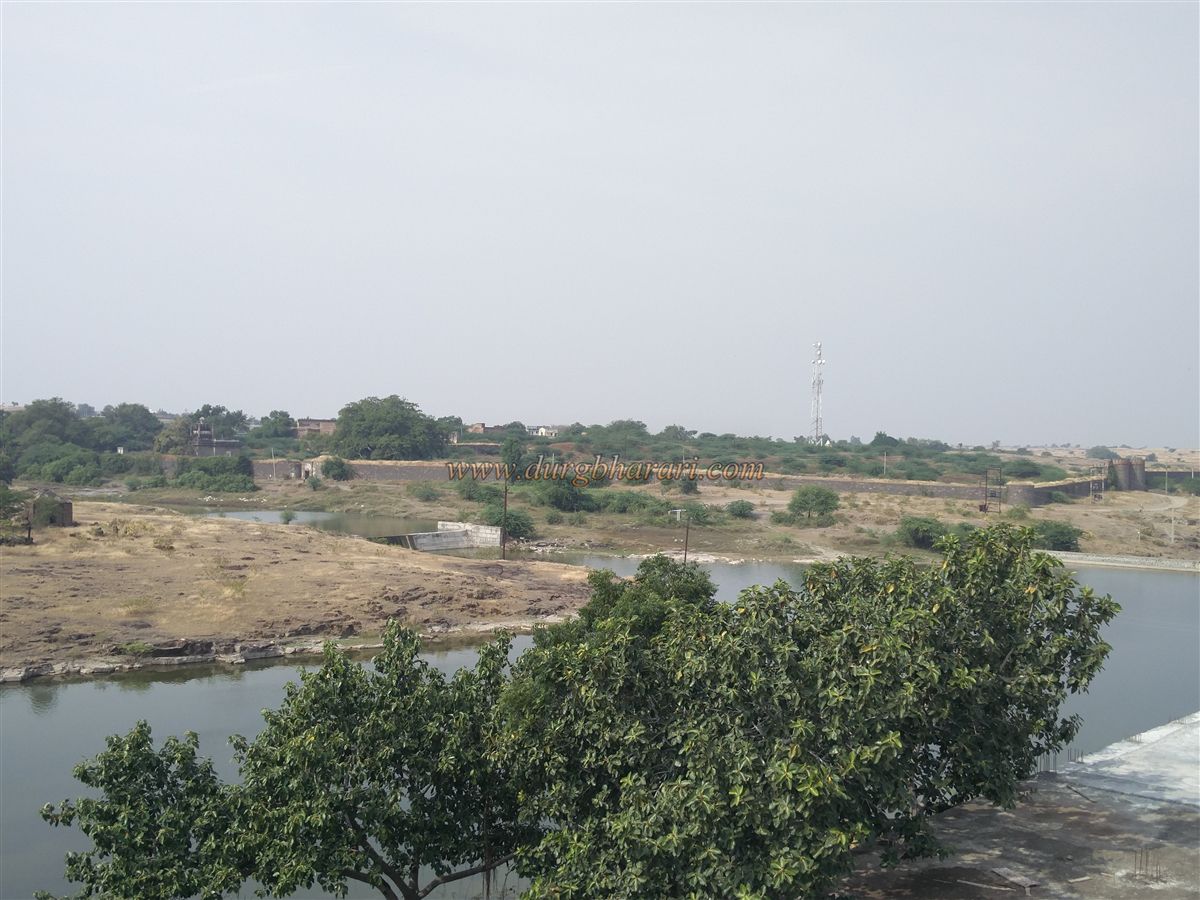
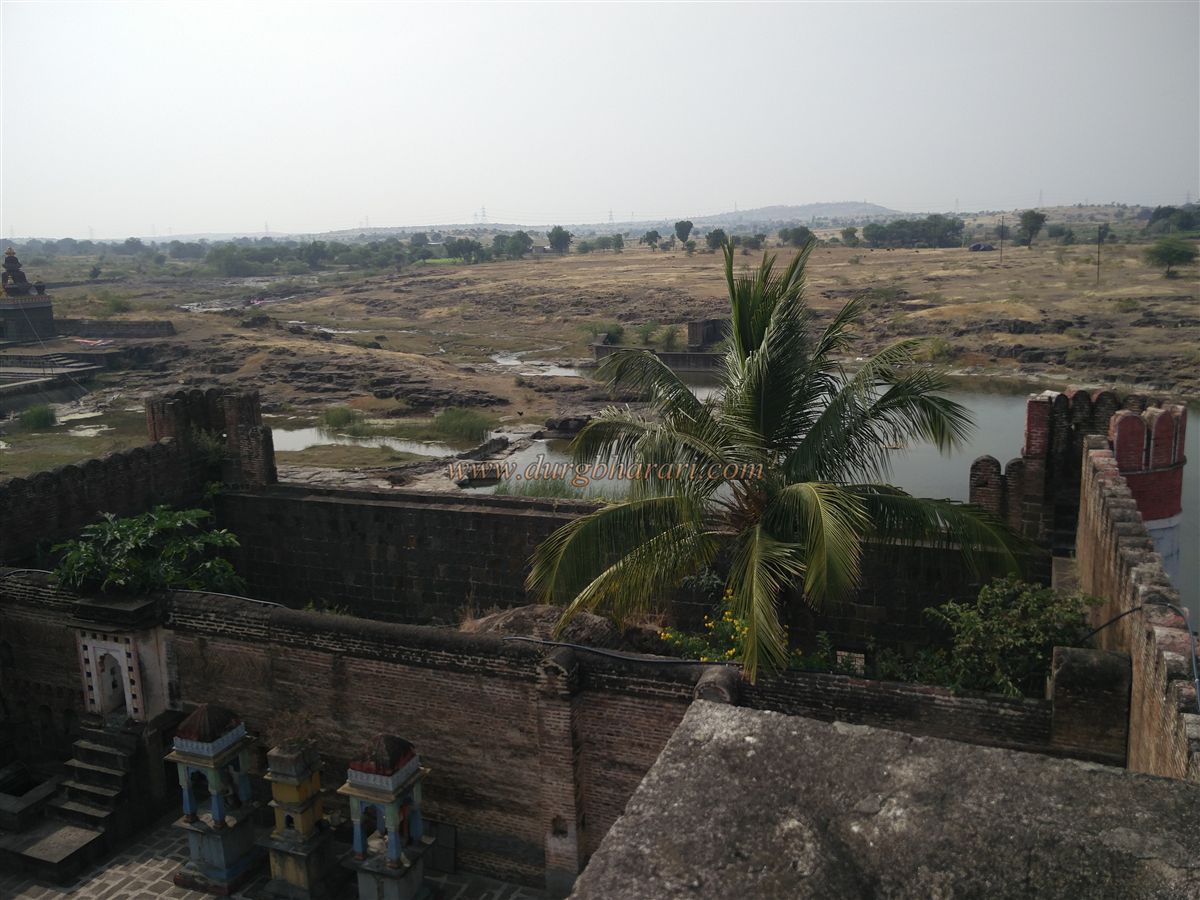
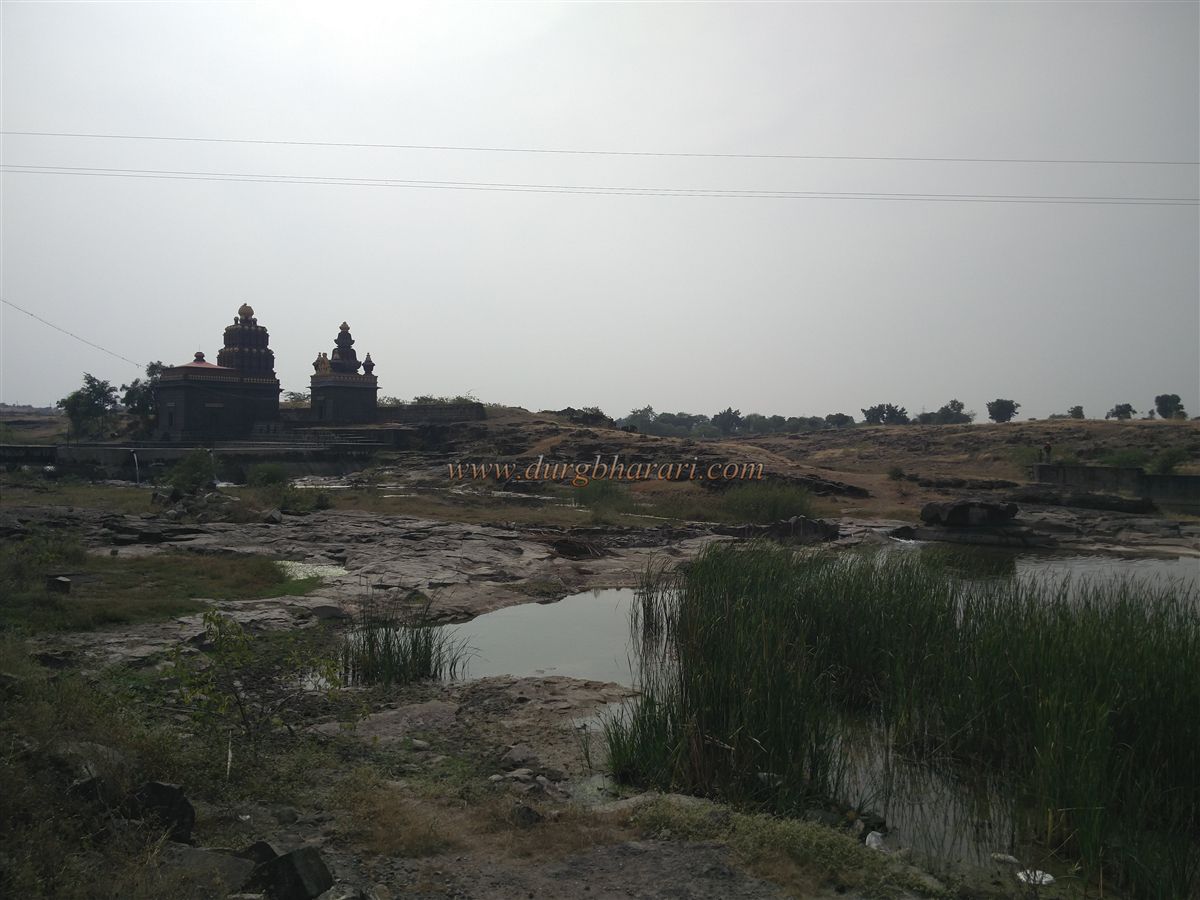
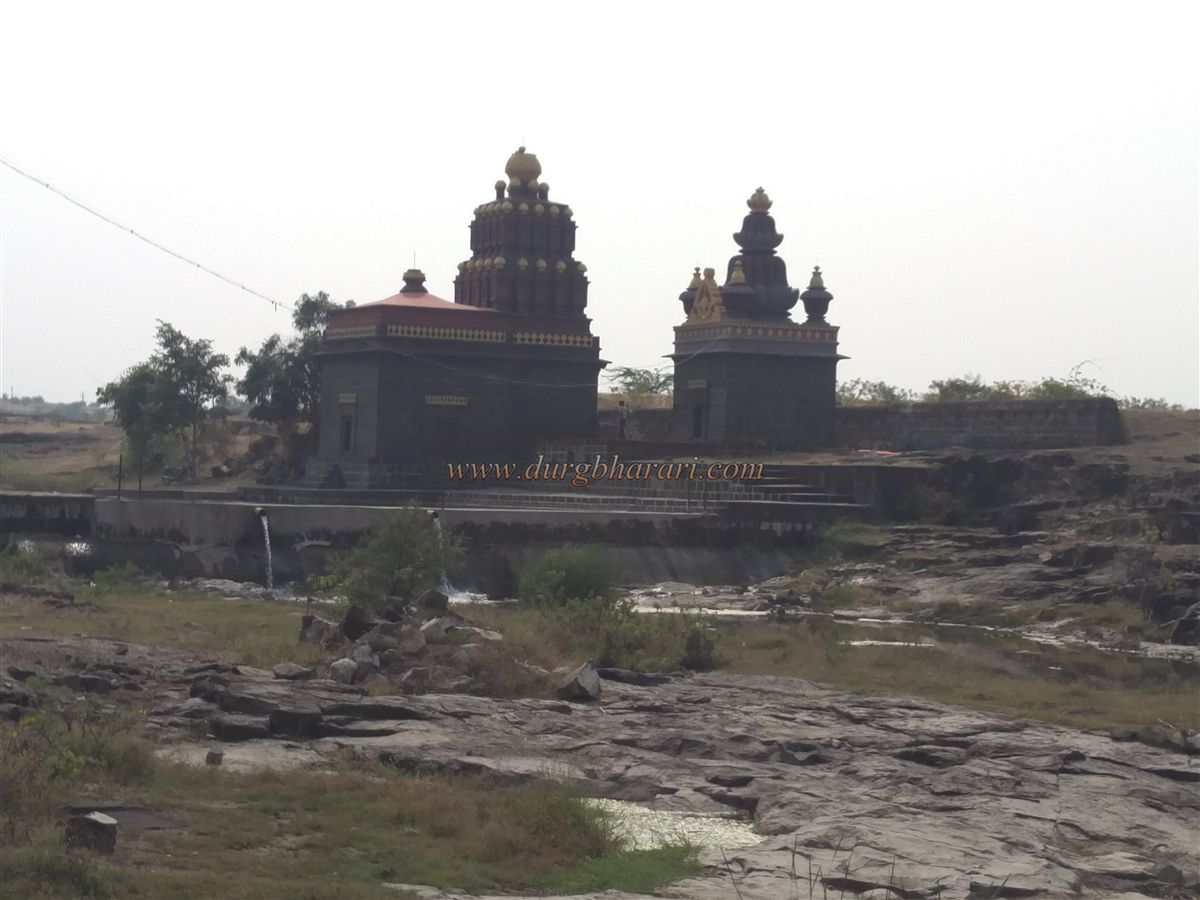
Just outside the eastern entrance of Palashi fort flows the Palashi River. A dam built on this river has created a reservoir, on one side of which stands the Vitthal temple, and on the other, the Rameshwar temple. Both temples look beautiful against the scenic backdrop of the reservoir. Crossing the river by road, one reaches the Vitthal temple.
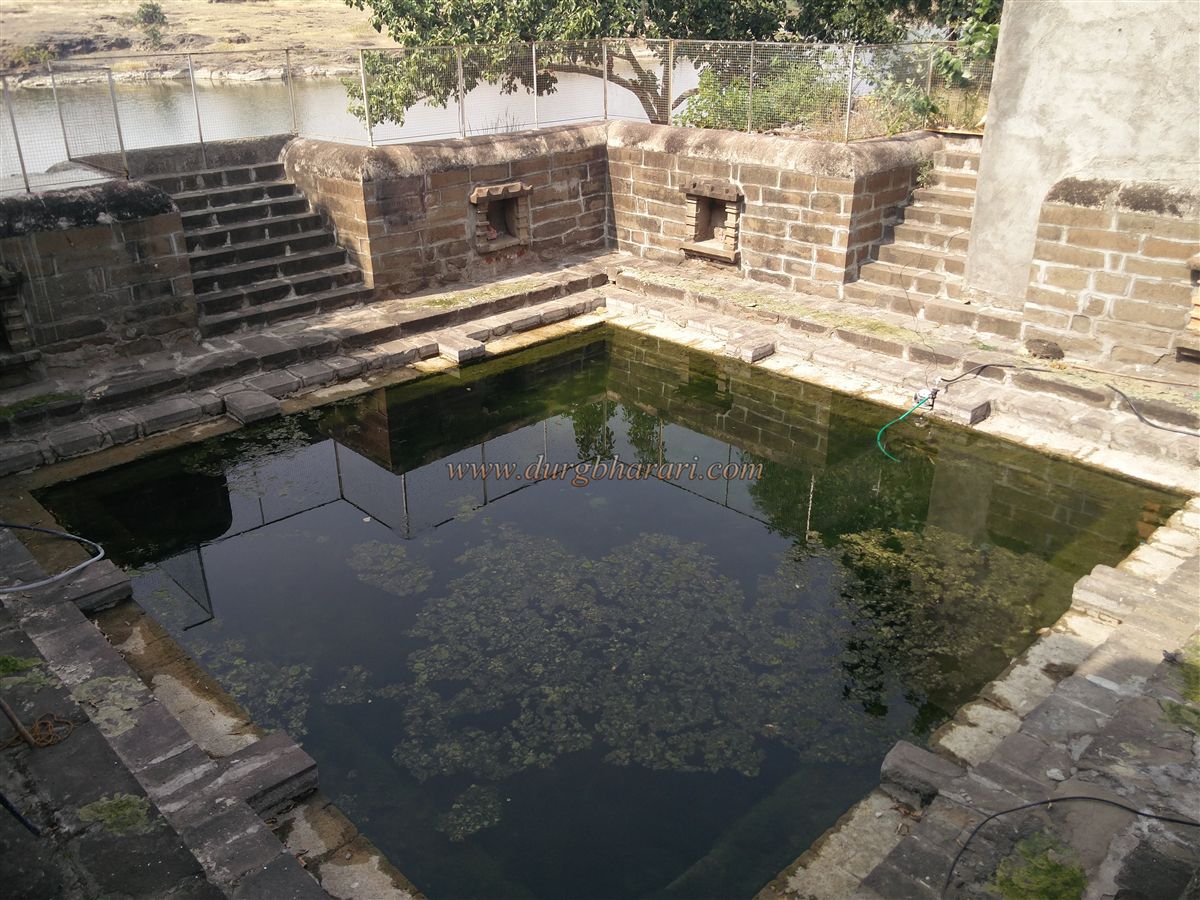
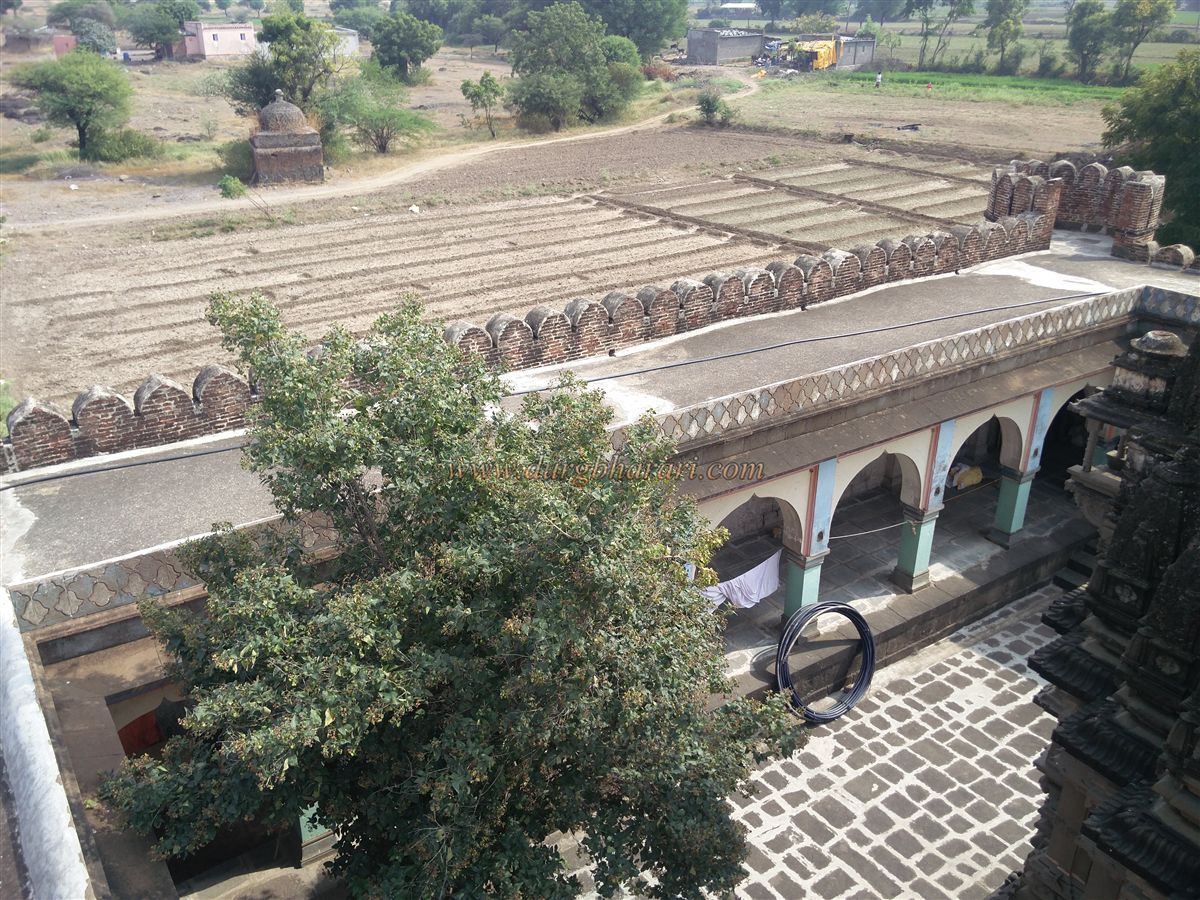
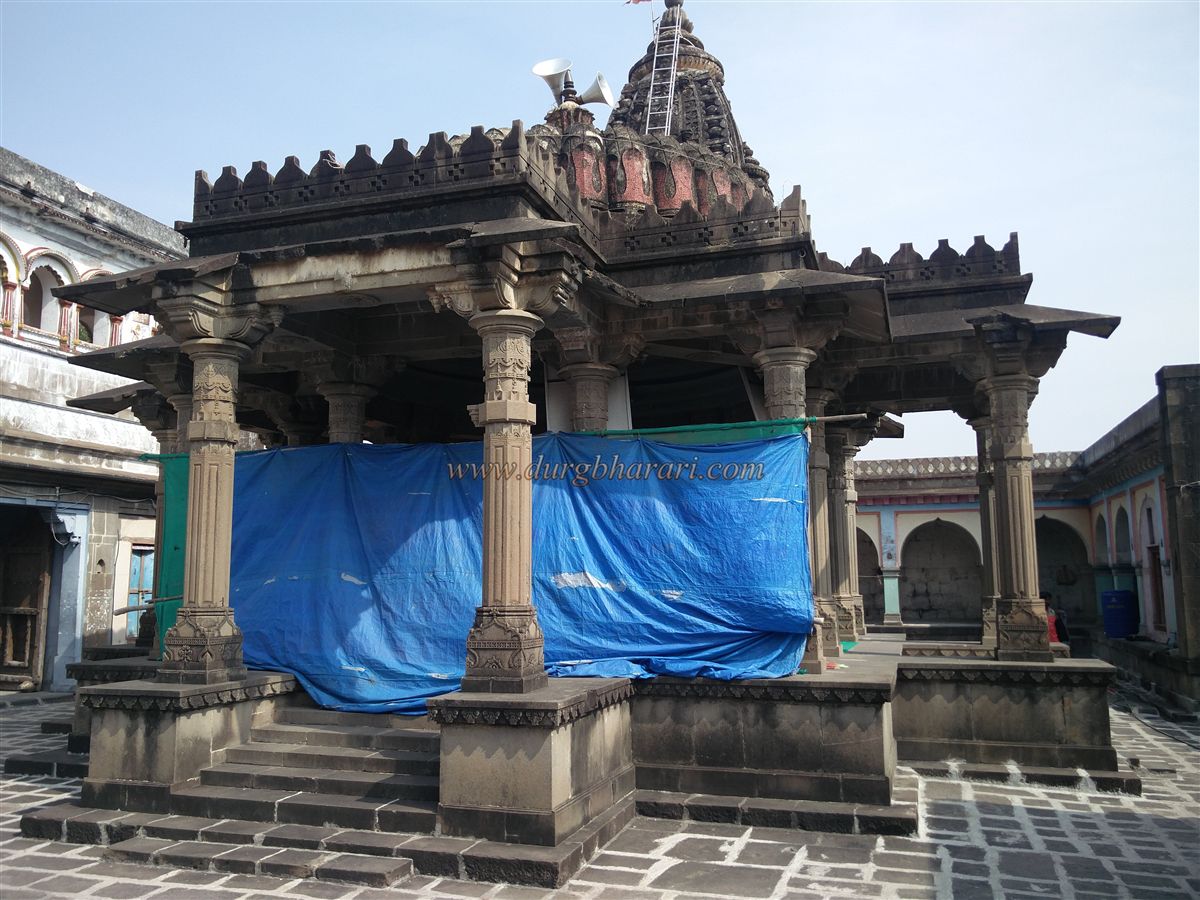
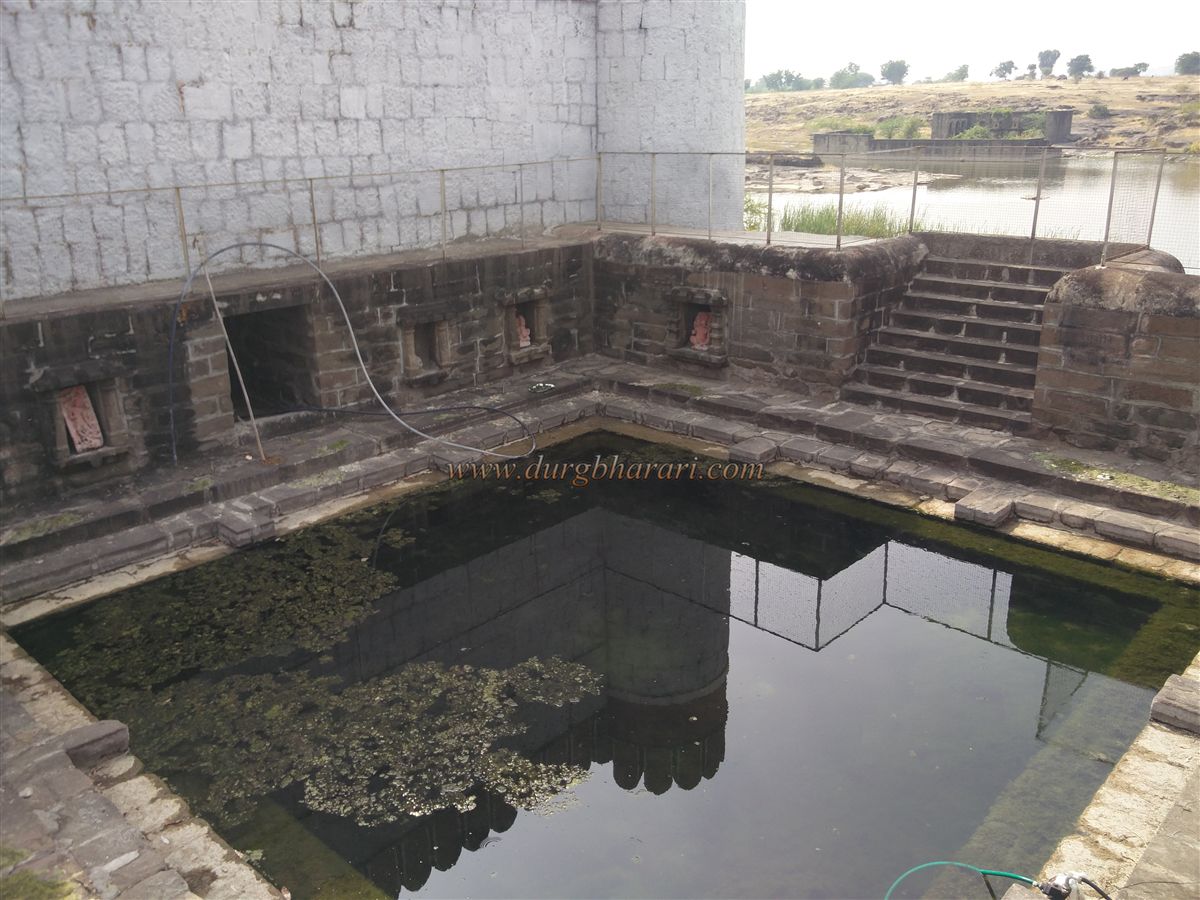
The temple is surrounded by a fortification wall with four bastions at each corner. To the right of the main entrance, near the river, lies a square stone stepwell (Pushkarni). Some idols are placed in the niches around the stepwell. The temple is built in Nagara style, with Ganapati, Jai-Vijay, and other deities carved above the entrance, all adorned with beautiful carvings. Above the entrance is a Nagarkhana (drum house), and one can notice Islamic architectural influences throughout the construction.
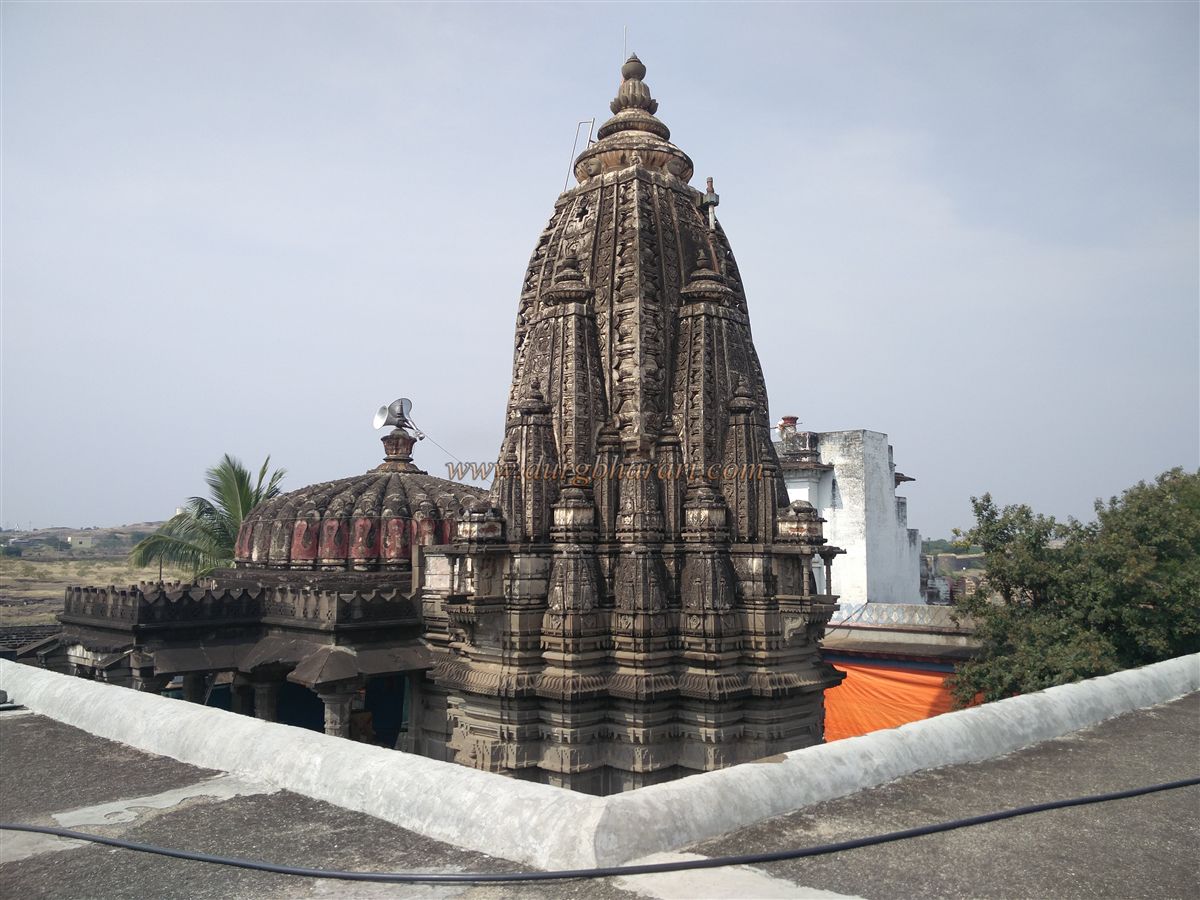
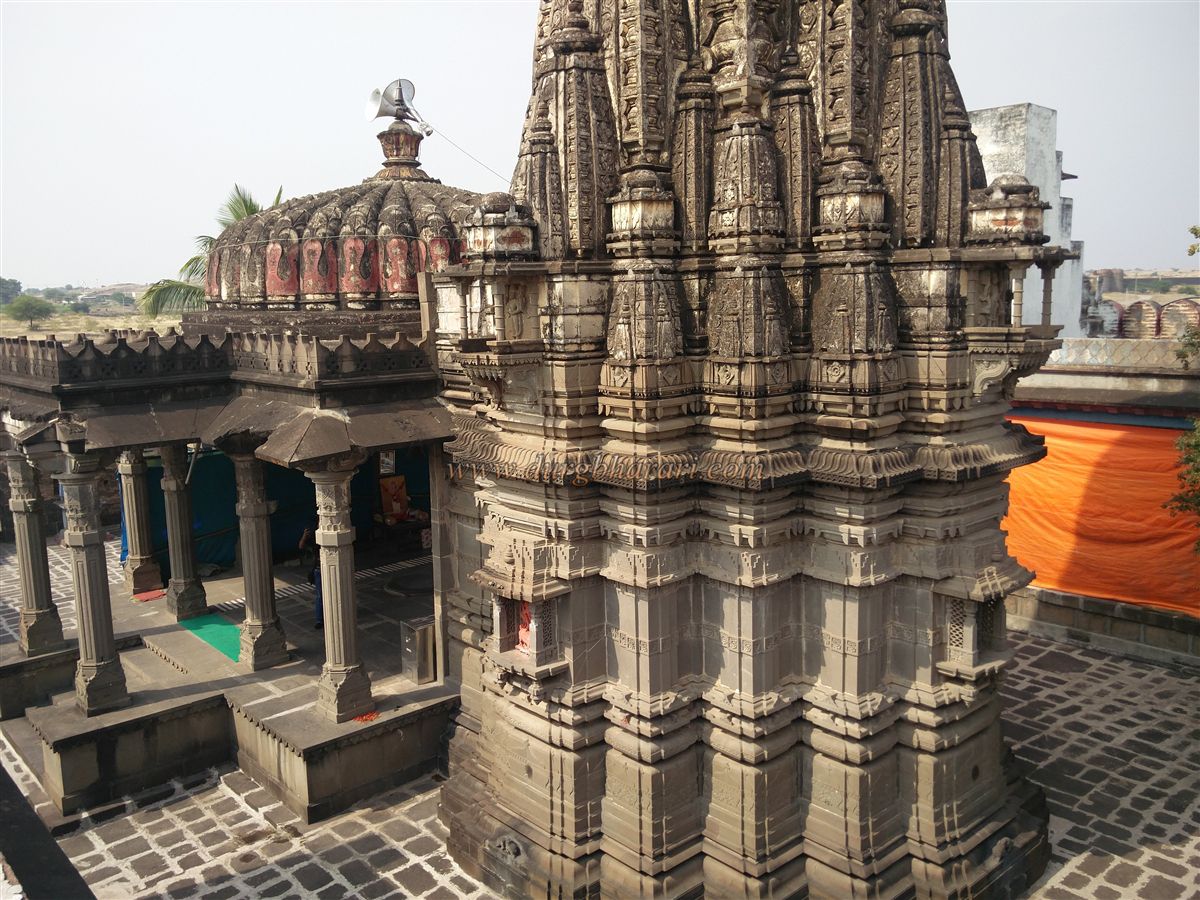
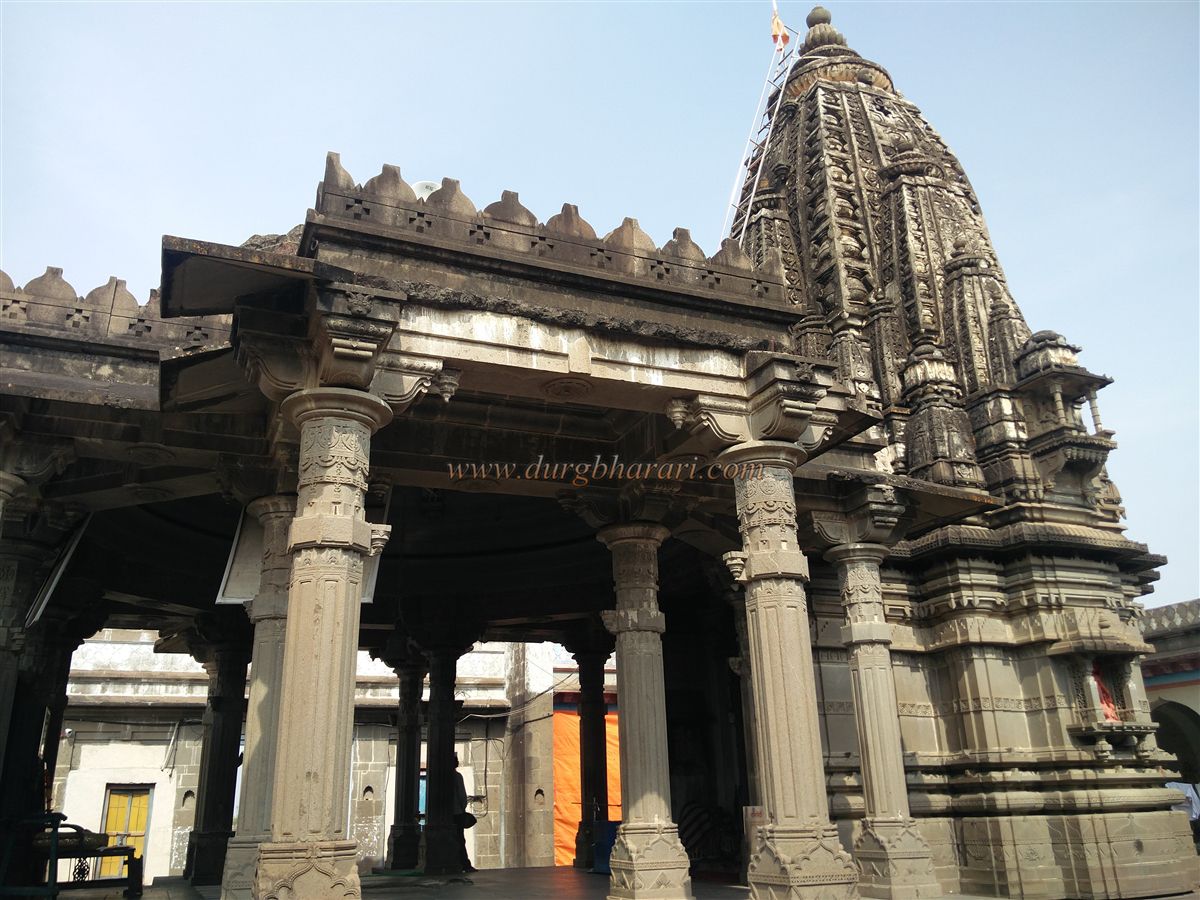
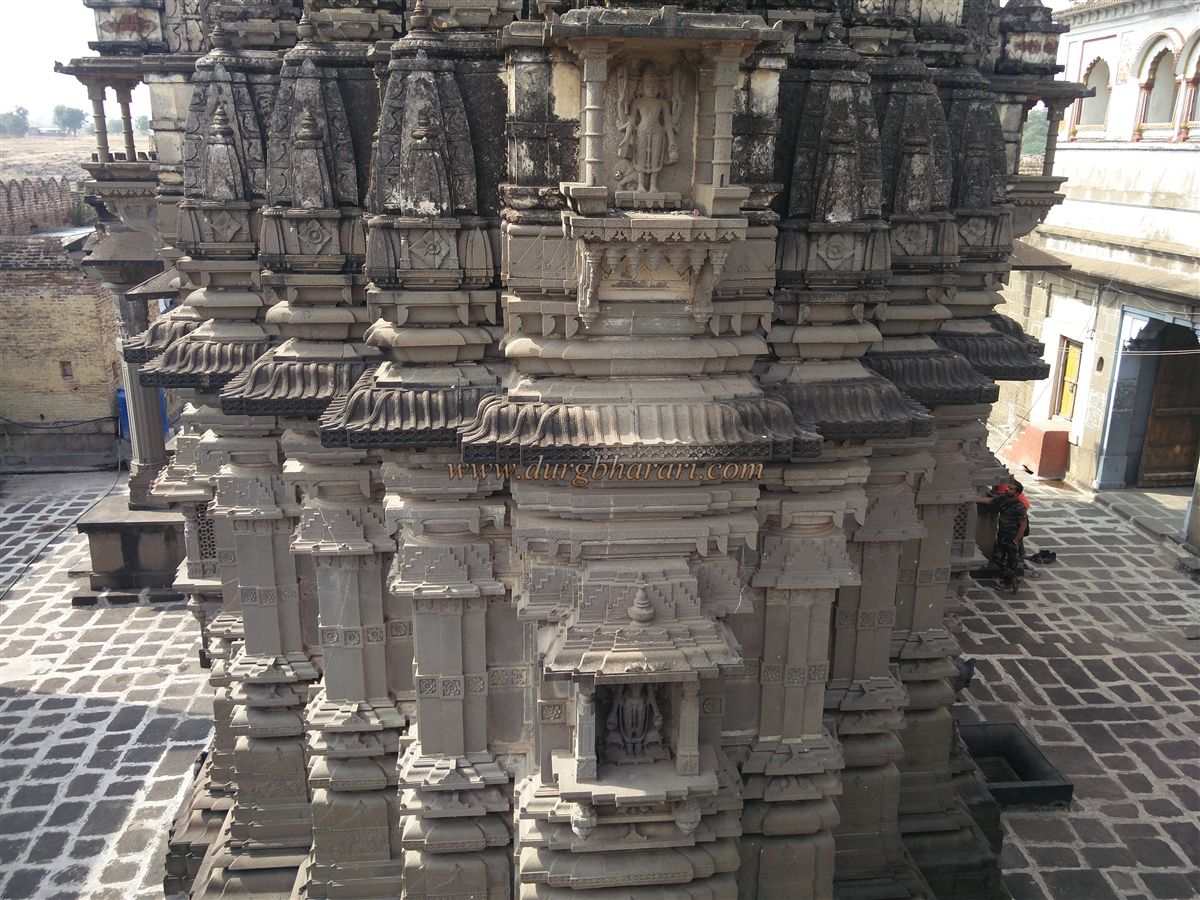
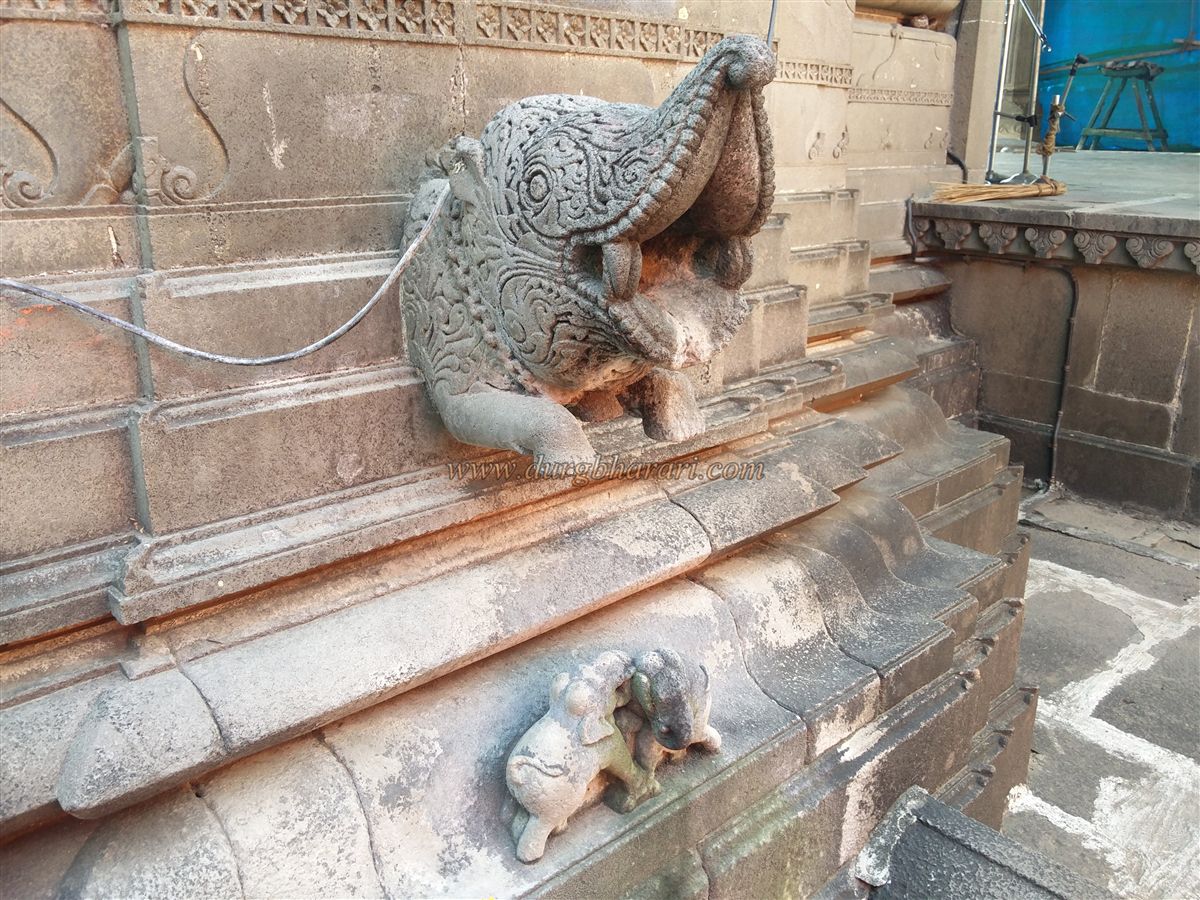
Upon entering, one is greeted by the main sanctum crowned with a tall, well-crafted Shikhar (spire). The outer walls feature two bands of floral carvings and a Kirtimukh frieze just below the spire. The water outlet in the sanctum has a Makarmukh (crocodile face) design.
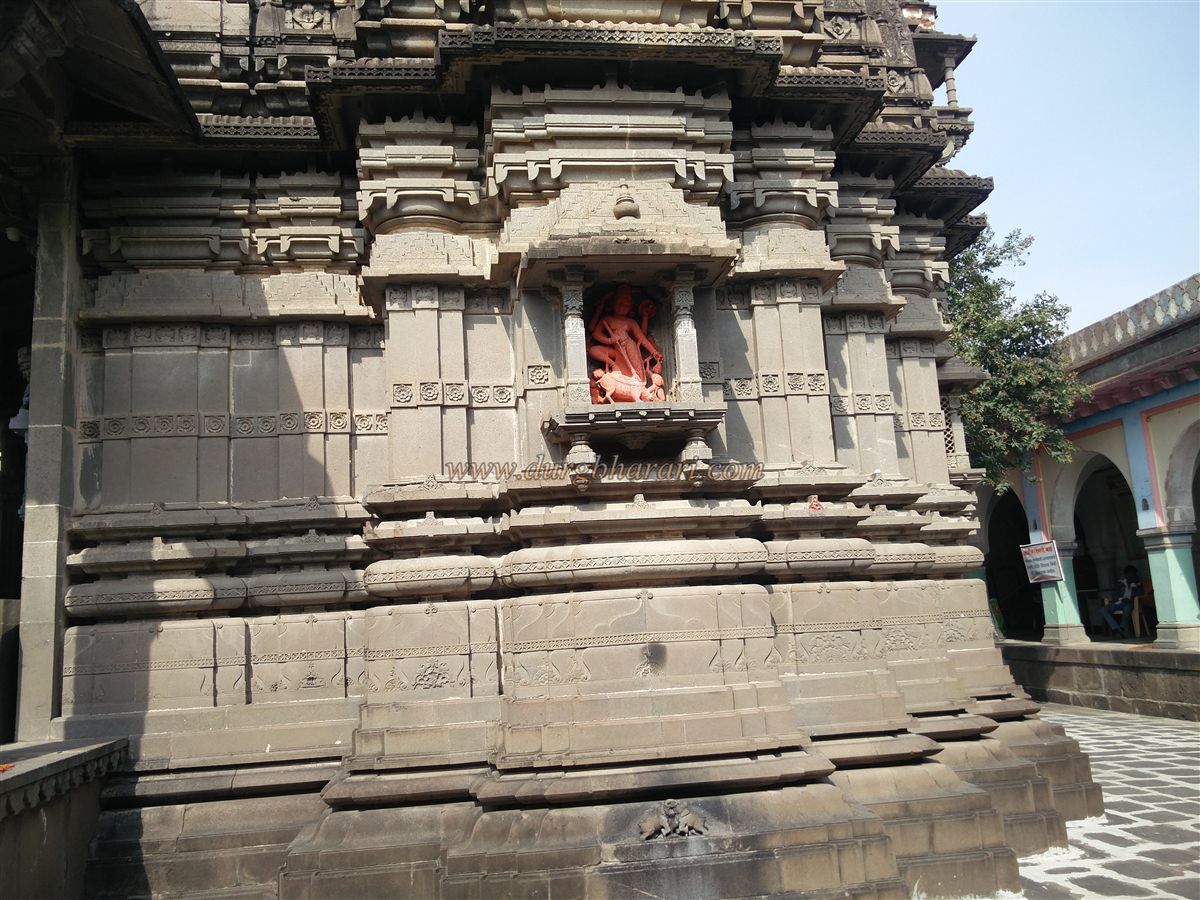
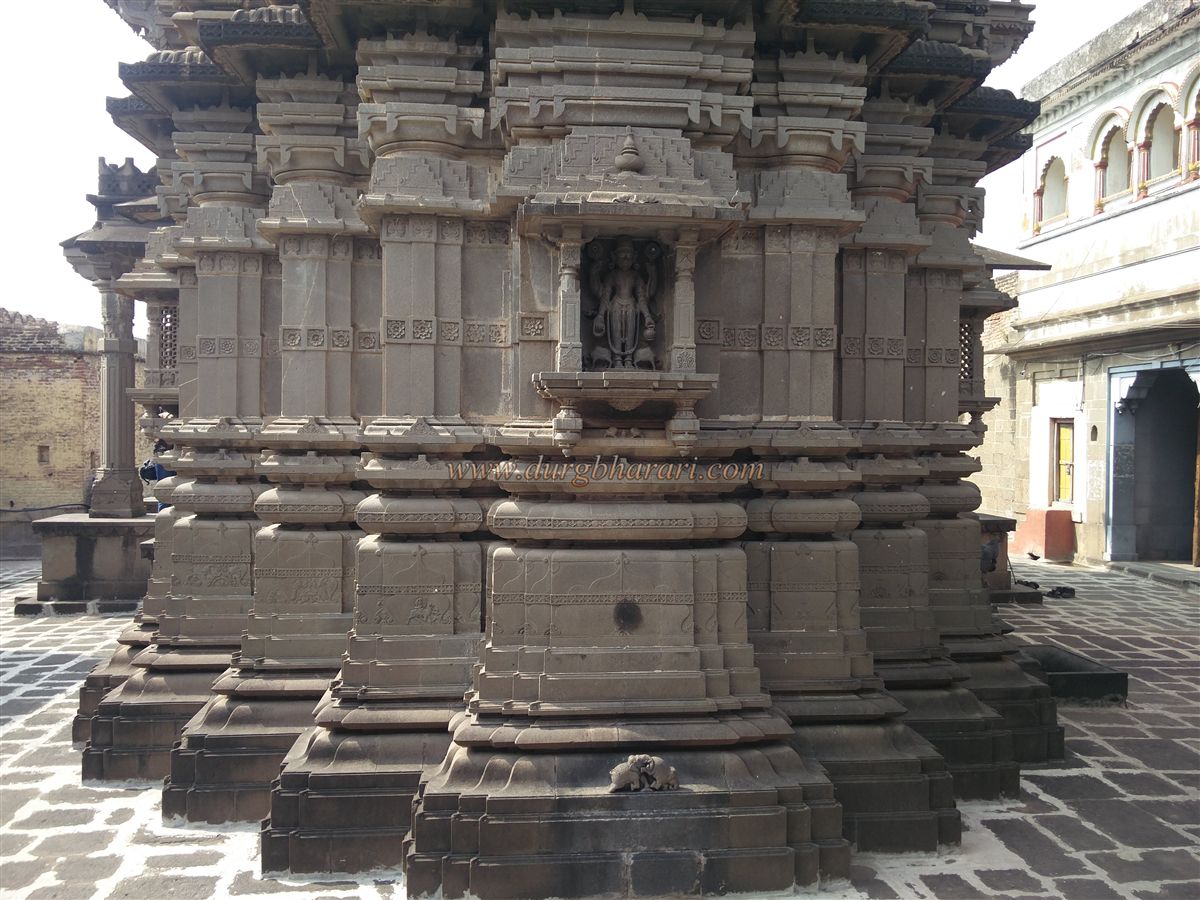
While circumambulation the temple, one can admire exquisite carvings of peacocks, elephant heads, duelling elephants, military processions, and riders on stallions. Three niches on three sides of the temple contain idols of Vishnu and Mahishasura Mardini. On the ceiling of the rear veranda are carved sculptures of two blackbucks. Viewed from different angles, the sculpture reveals two blackbucks with severed heads and two running blackbucks, making four in total.
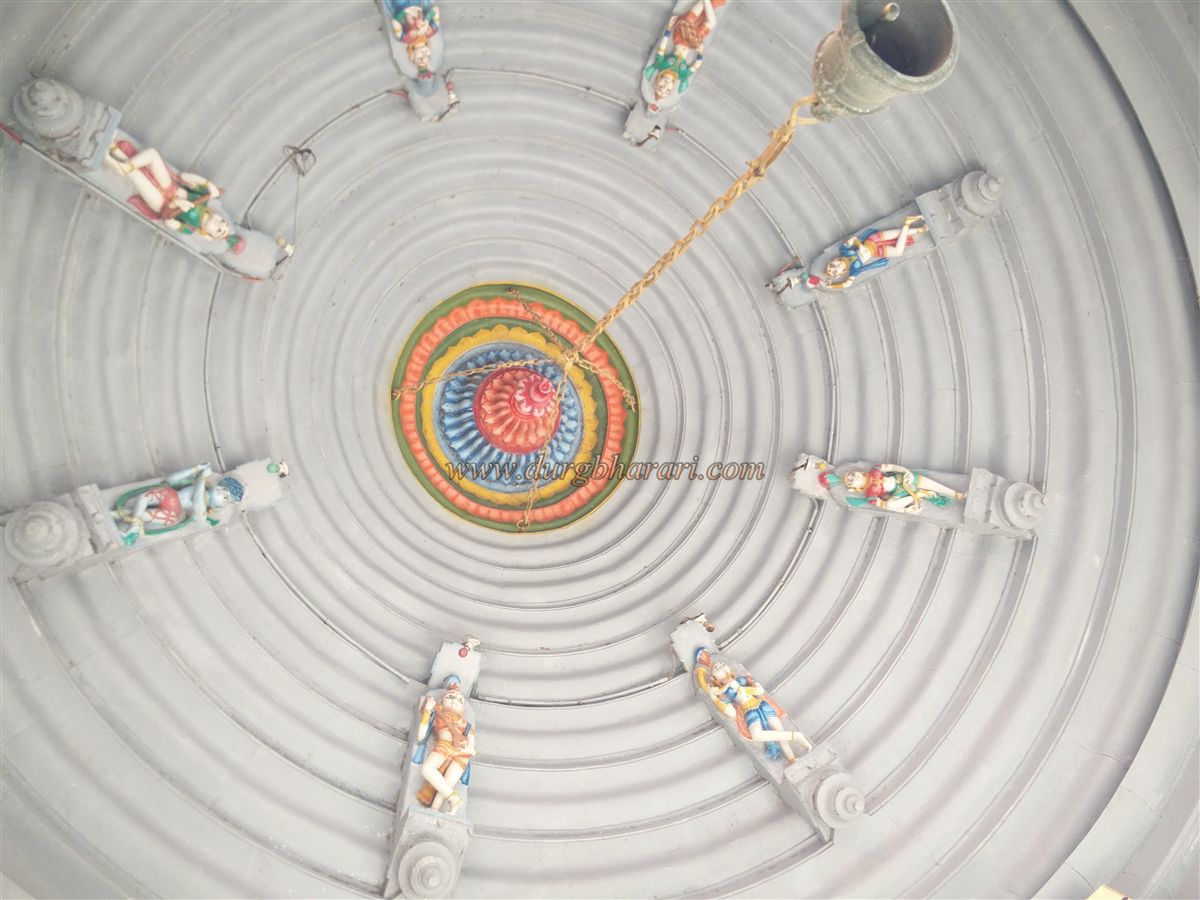
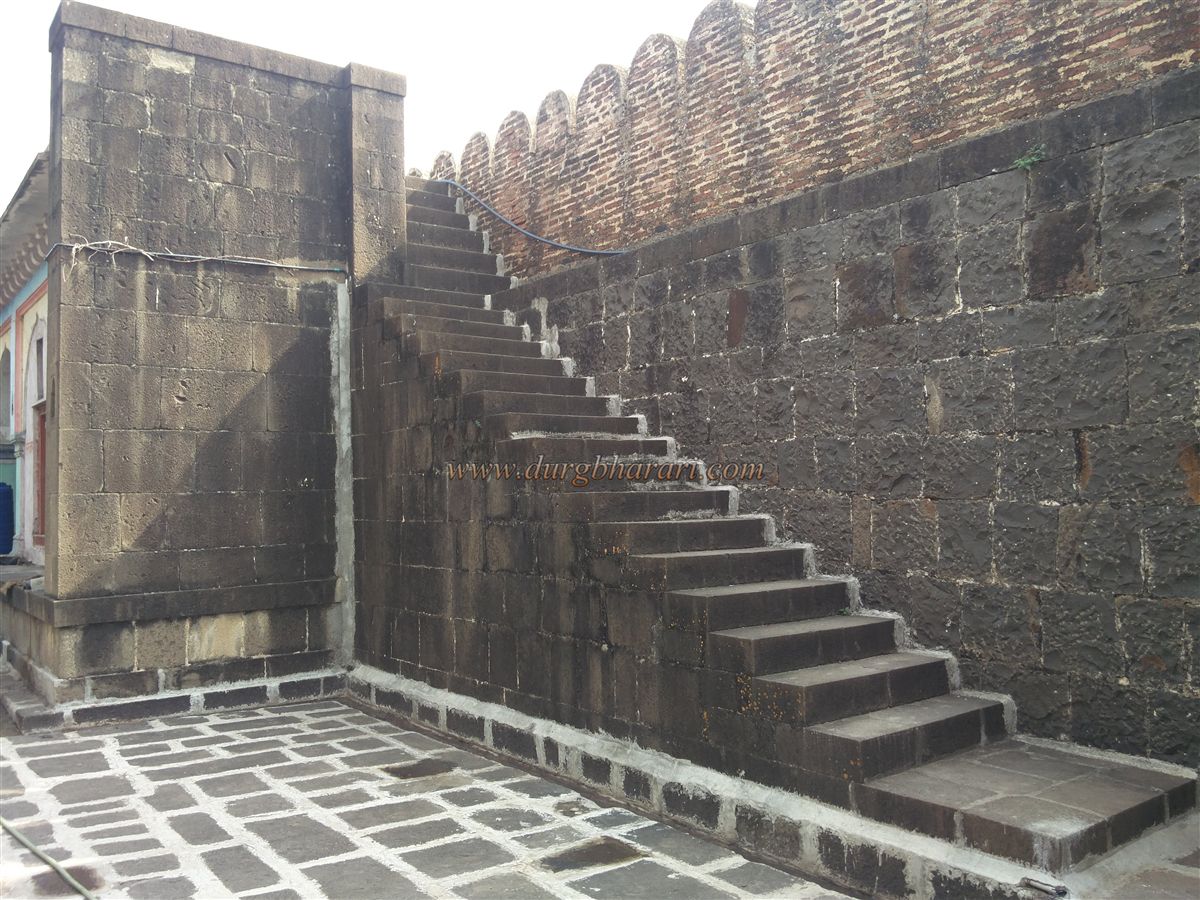
There are two staircases leading up the fortified walls of the temple, allowing visitors to view the Shikhar from close. The interior of the Shikhar is adorned with intricate carvings, with four niches housing idols of Lord Vishnu. The central spire is formed by interlocking several smaller spires.
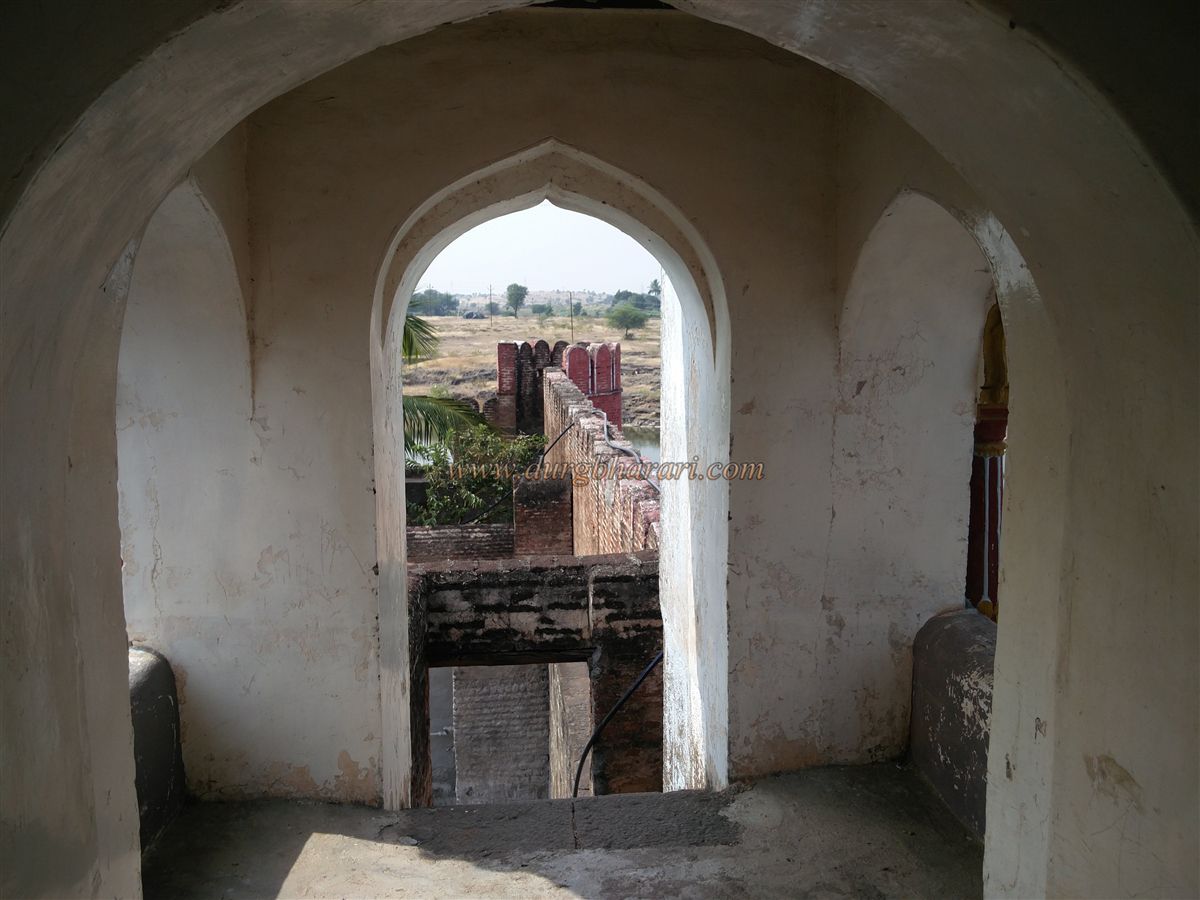
From the top of the fortified wall, the entire surrounding area, including the Palashi fort and its fortifications, can be clearly seen.
Adjacent to the sanctum is a spacious assembly hall (Sabhamandap). The nine steps on three sides of the hall represent the Navavidha Bhakti (nine forms of devotion), while the eighteen 9-foot-high pillars symbolize the eighteen Puranas. These pillars are beautifully carved, some depicting stories from the Puranas.
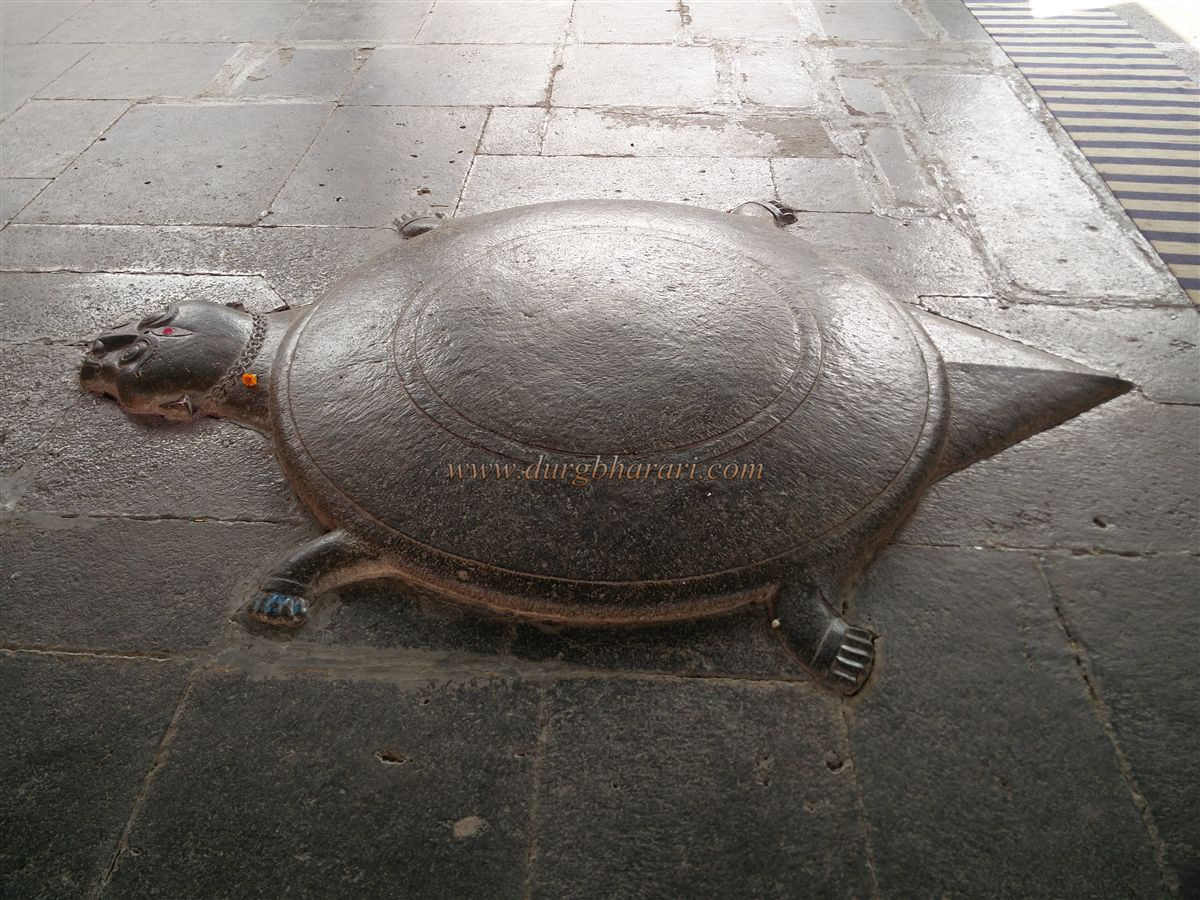
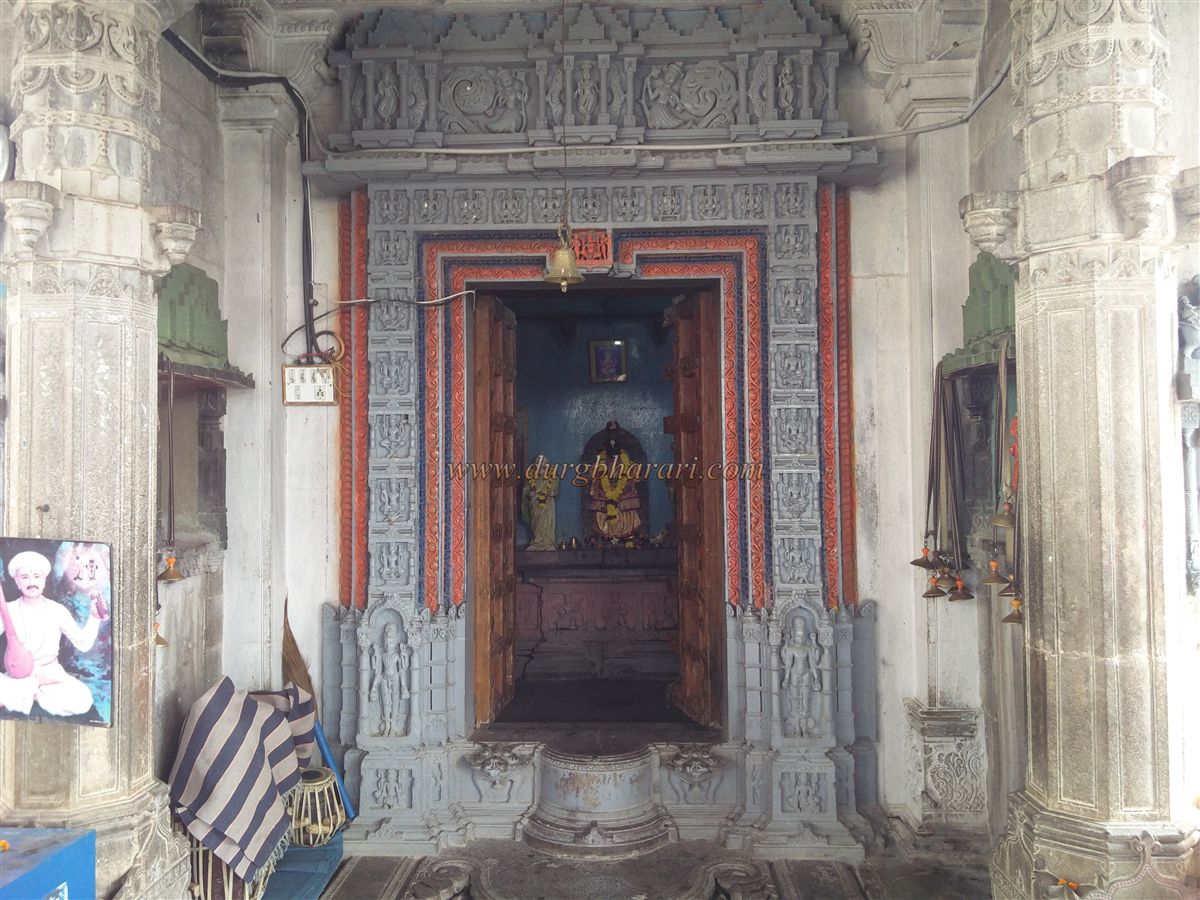
In the centre of the Sabhamandap is a stone tortoise, and the doorway of the sanctum is intricately decorated. On both sides of the doorway are idols of Ganesha with Riddhi-Siddhi, Bhairav, and the 64 Yoginis. The threshold bears a Chandrashila and two Kirtimukh.
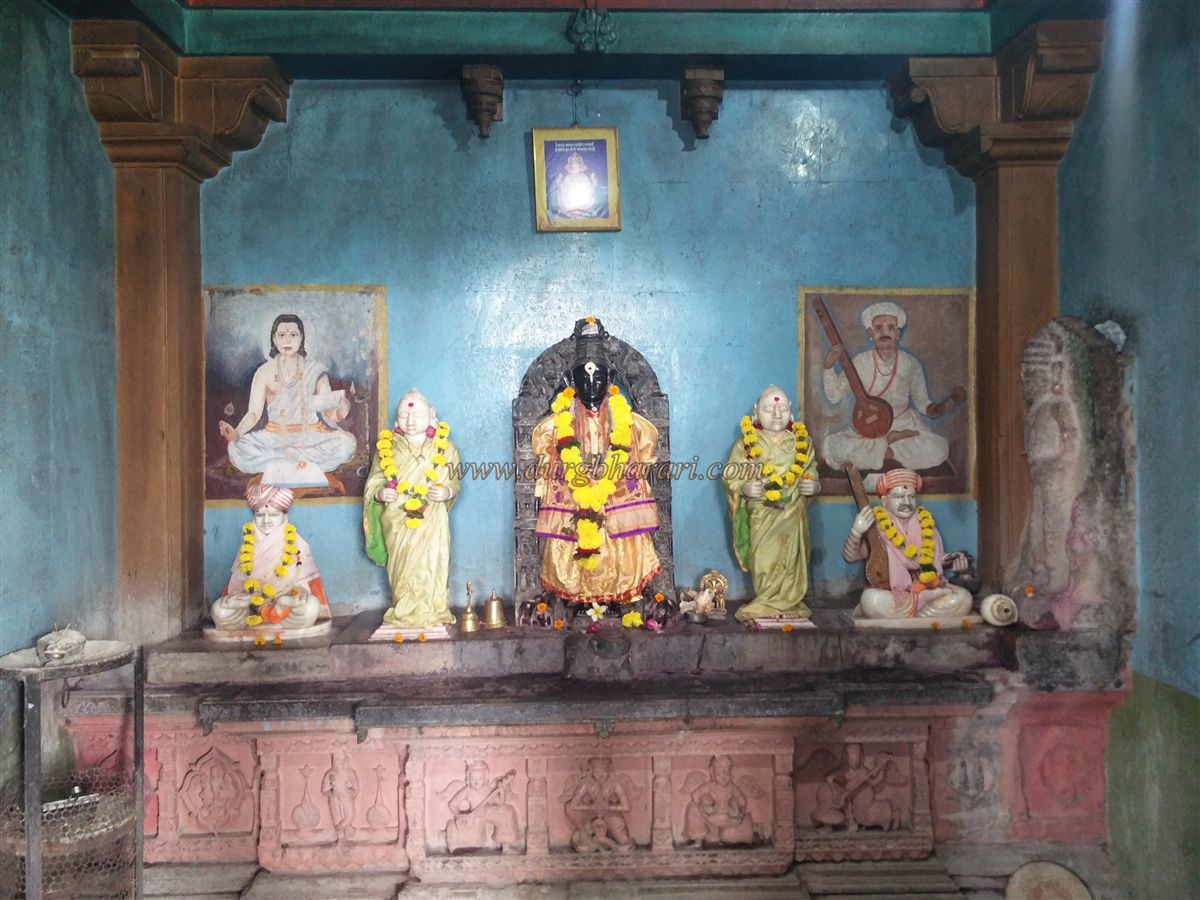
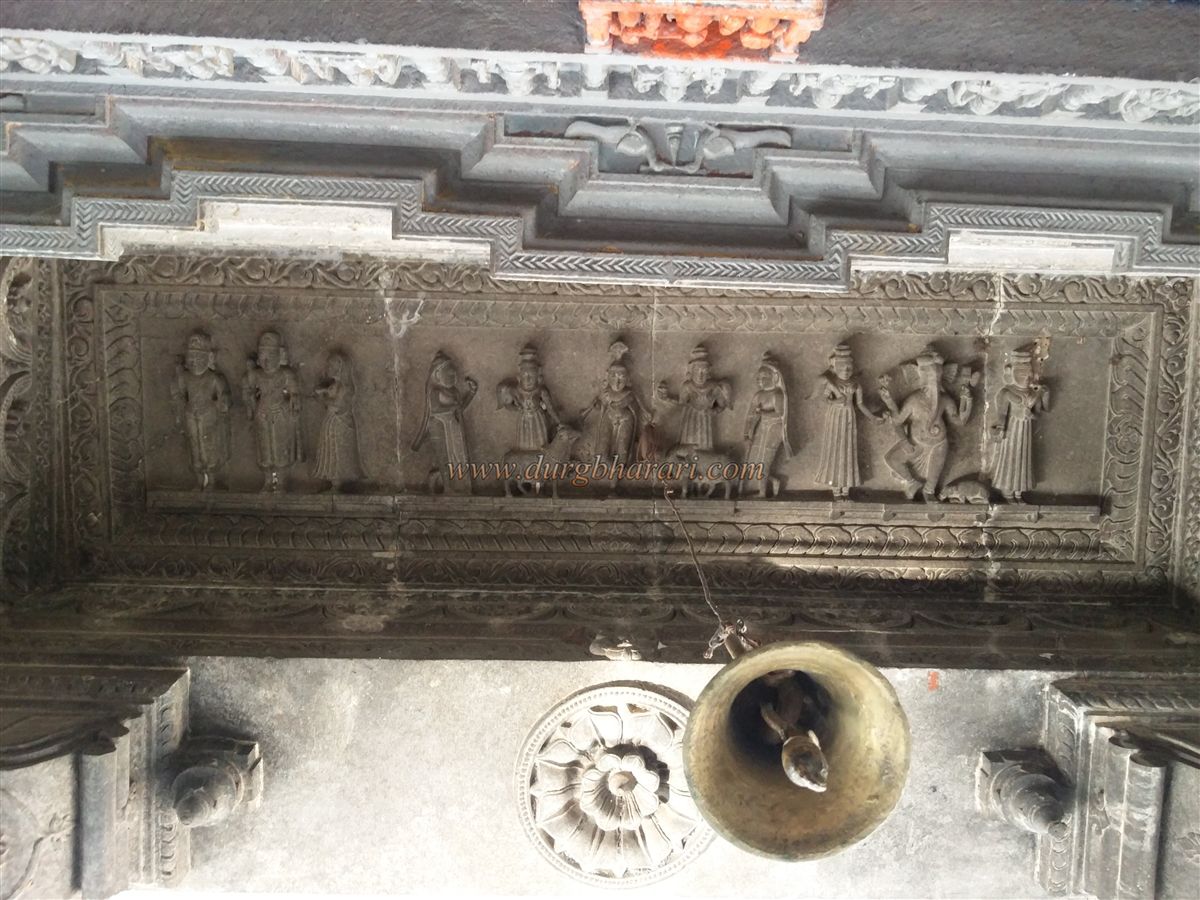
On the ceiling of the Sabhamandap, in North Indian style, are carvings of Sri Krishna’s Rasa Leela with the Gopis, with Ganesha on the right and Krishna on the left. In the sanctum lies a beautifully sculpted idol of Vitthal in black marble. Around Vitthal’s halo are carvings of the Dasavatara (ten incarnations of Vishnu), and figures of Narada, Tumburu, Gandharva, Yakshas, and Kenner’s are carved on the throne.
On either side of Vitthal are marble idols of Rahi-Rukmini, Dnyaneshwar Mauli, and Sant Tukaram Maharaj. Near this temple, on the riverbank, is the Rameshwar temple along with a Ghat and a Sati temple on the Ghat.
It takes around 1.5 hours to explore the temple and its surroundings.
According to historical records from Ramrao Palshikar, the Vatandar (landholder) of Palashi village, a portion of the wealth from Shivaji Maharaj’s raid on Surat was used to construct this Vitthal temple. When the spoils of Surat were passing through Palashi, it was decided to use part of the wealth for the village’s development. As a result, a strong fortification was built around the village and the Vitthal temple was constructed on the riverbank.
Artisans from North India were called to build this exceptional stone temple.
Anandrao Ramrao Palshikar, son of Ramrao Palshikar, served as a Subhedar under the Peshwa. He distinguished himself in the Third Battle of Panipat (1761) and later became the Commander-in-Chief (Sarsenapati).
© Suresh Nimbalkar
GALLERY