PALGAM KOT
TYPE : COASTAL FORT
DISTRICT : VALSAD
HEIGHT : 0
GRADE : EASY
Due to the Portuguese rule in the North Konkan region for a long time, many small and large fort-like structures built by them can still be seen along the coastal stretch from Vasai to Daman. Most of these forts are now in a state of ruin, with only a few remains left. One such small fort is the Palgam Fort, built by the Portuguese and located in the central region between Sanjan and Umbargaon. This region, once part of Swaraj (the Maratha Empire), was later included in the state of Gujarat during the reorganization of states based on language.
After the Portuguese were expelled during the Vasai campaign, this area became part of Swaraj again. Hence, I am including this fort under the category of forts in Maharashtra. We were able to visit this fort thanks to information shared by our fort-enthusiast friend, Mr Jagdish Dhanmeher.
...
To visit Palgam Fort, both Sanjan and Umbargaon railway stations are equally convenient—around 6 kilometres away. From either station, private rickshaws are available to reach Palgam. As the fort is located right in front of the rickshaw stand at the village entrance, there is no need to ask for directions.
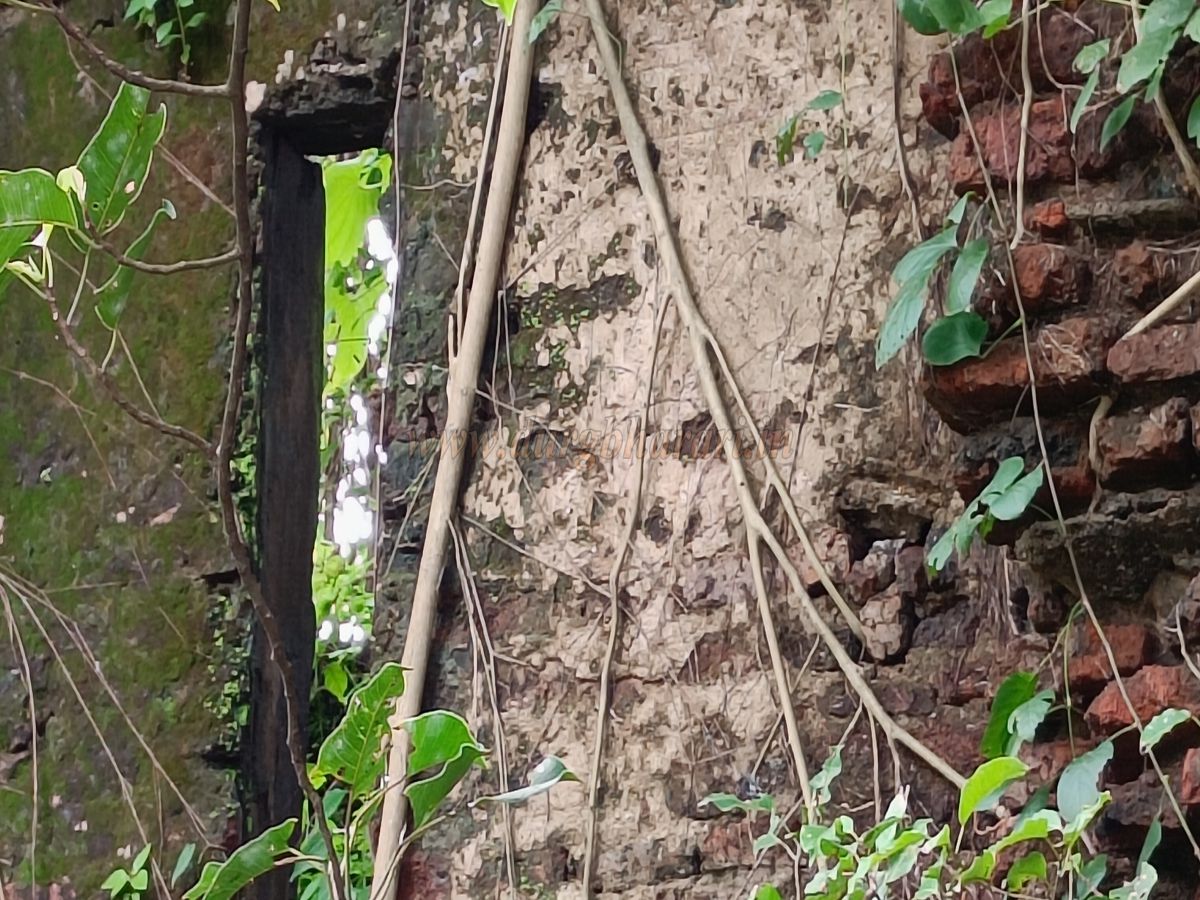
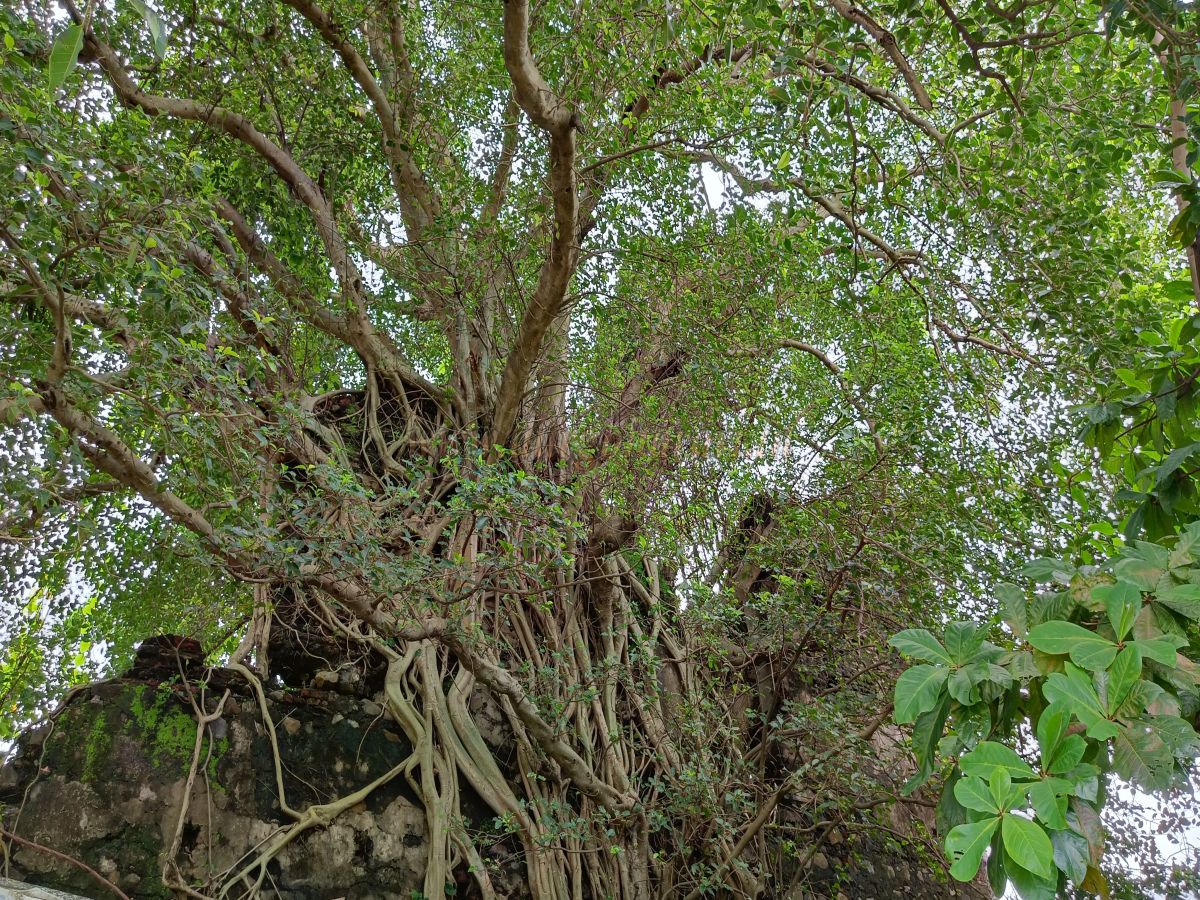
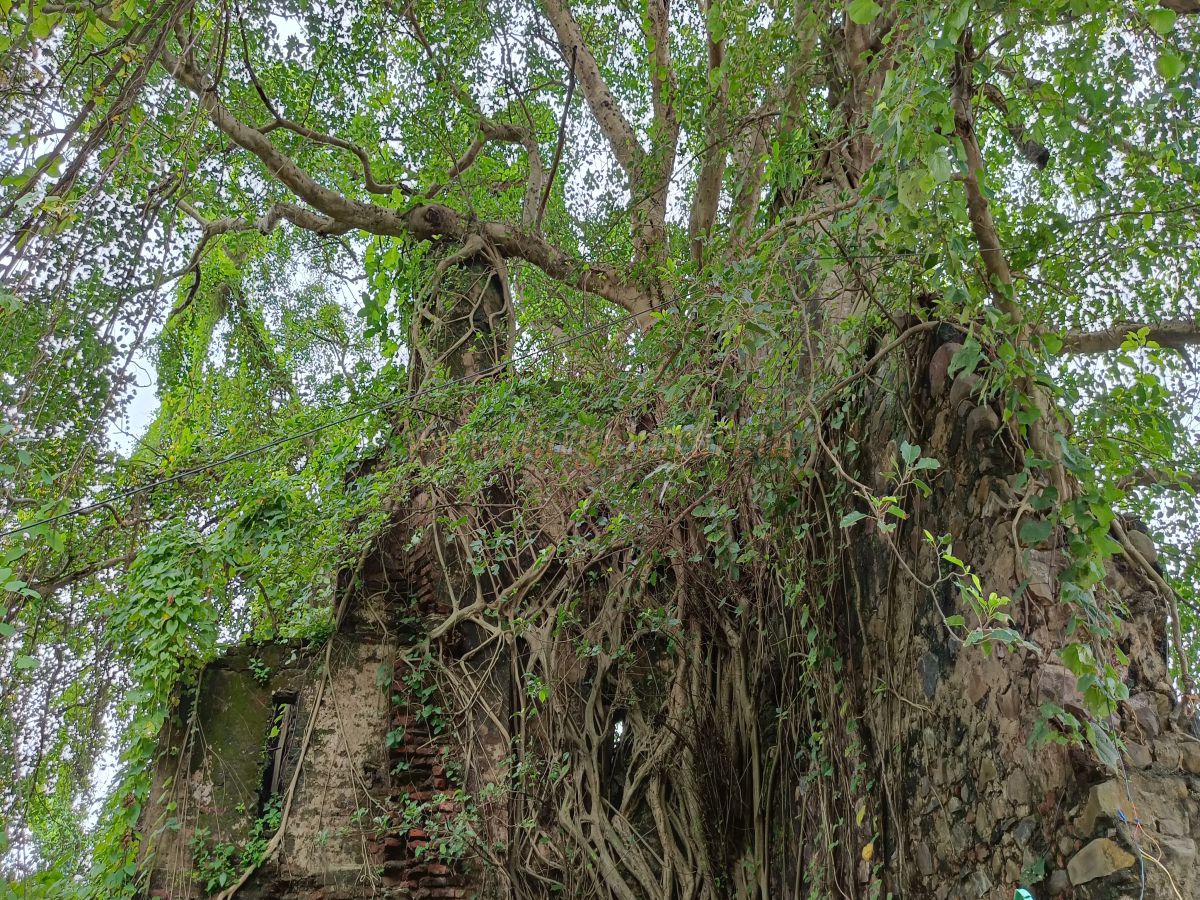
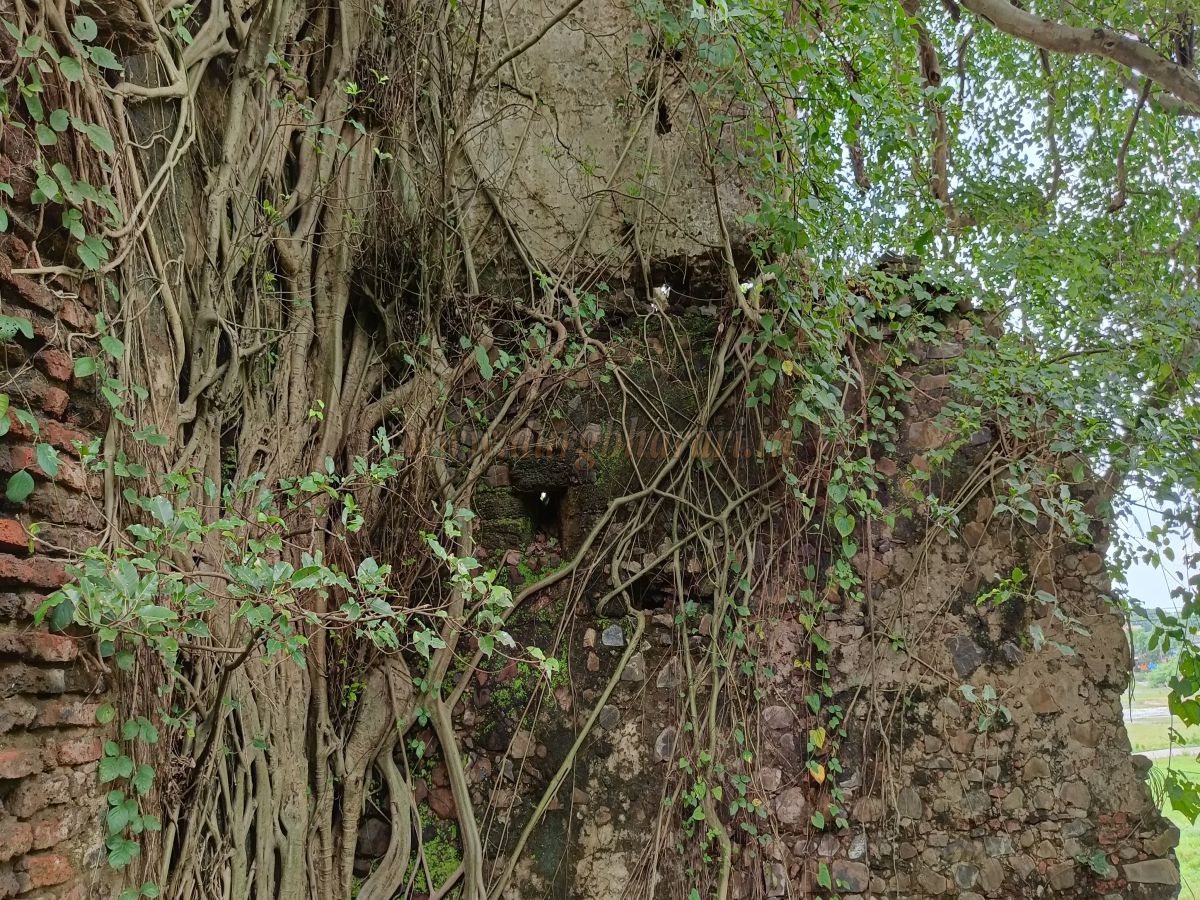
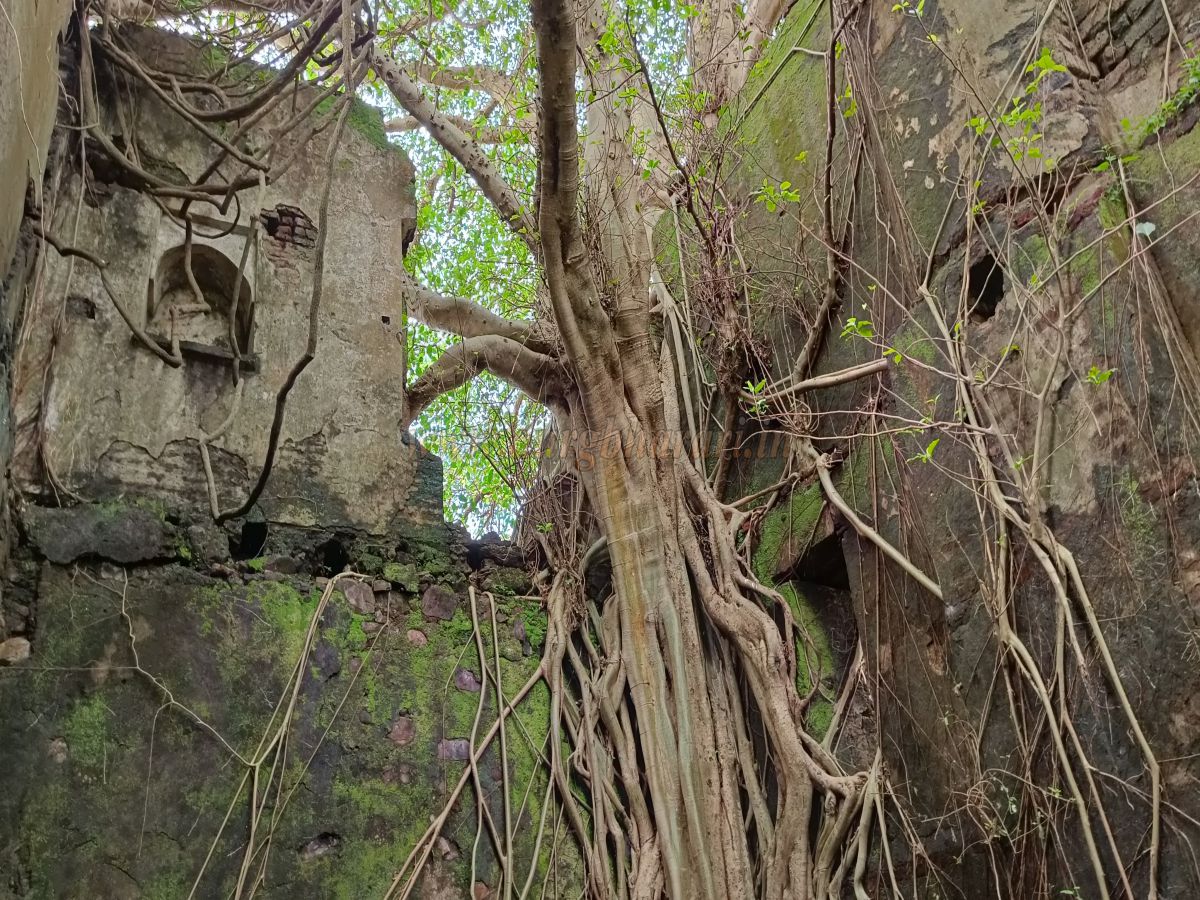
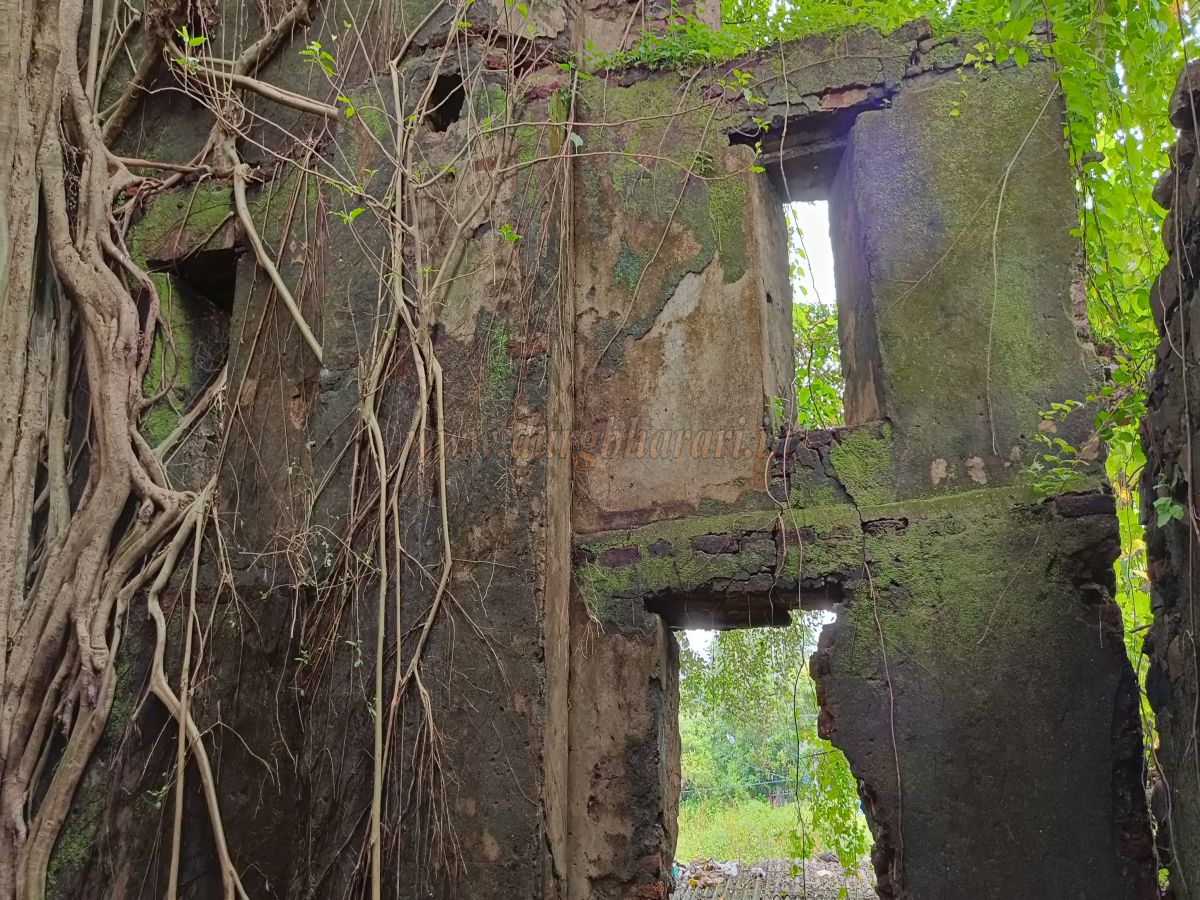
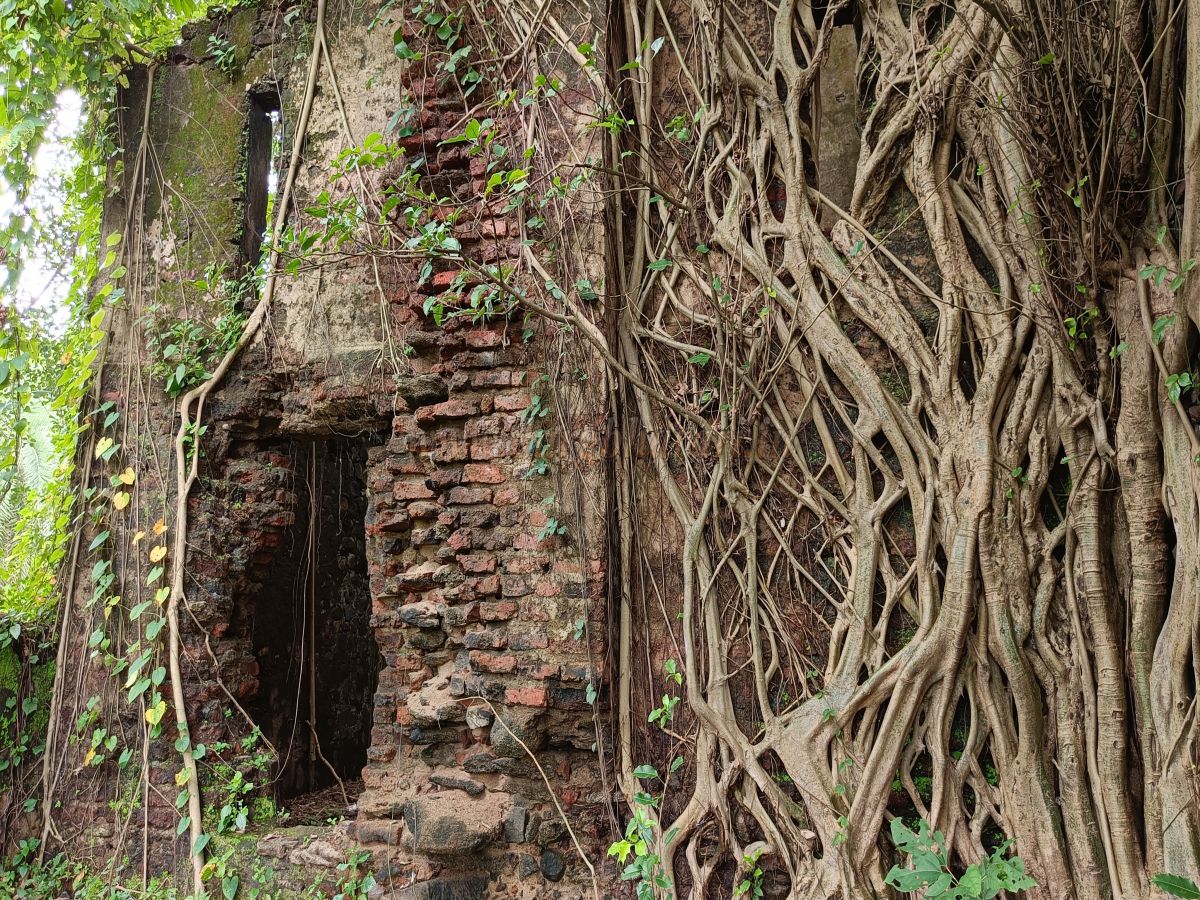
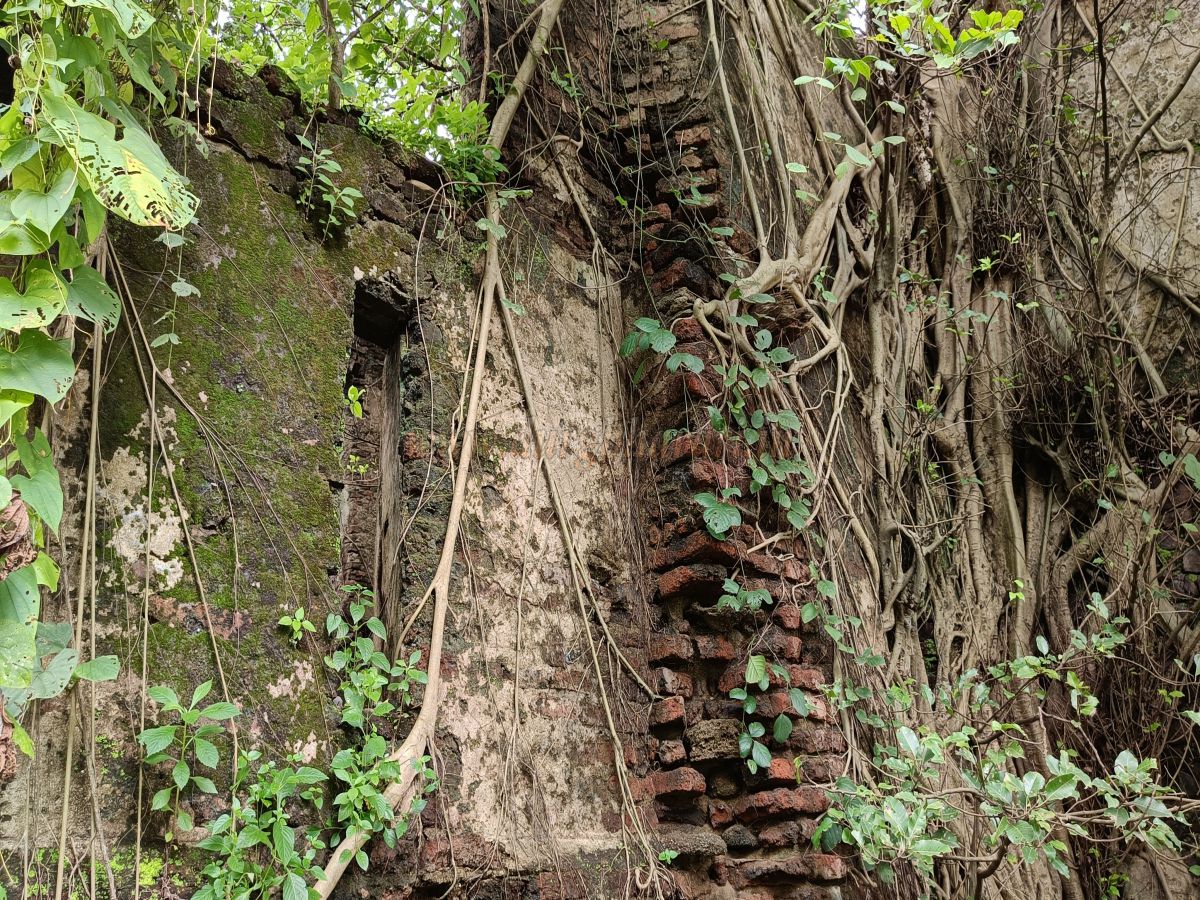
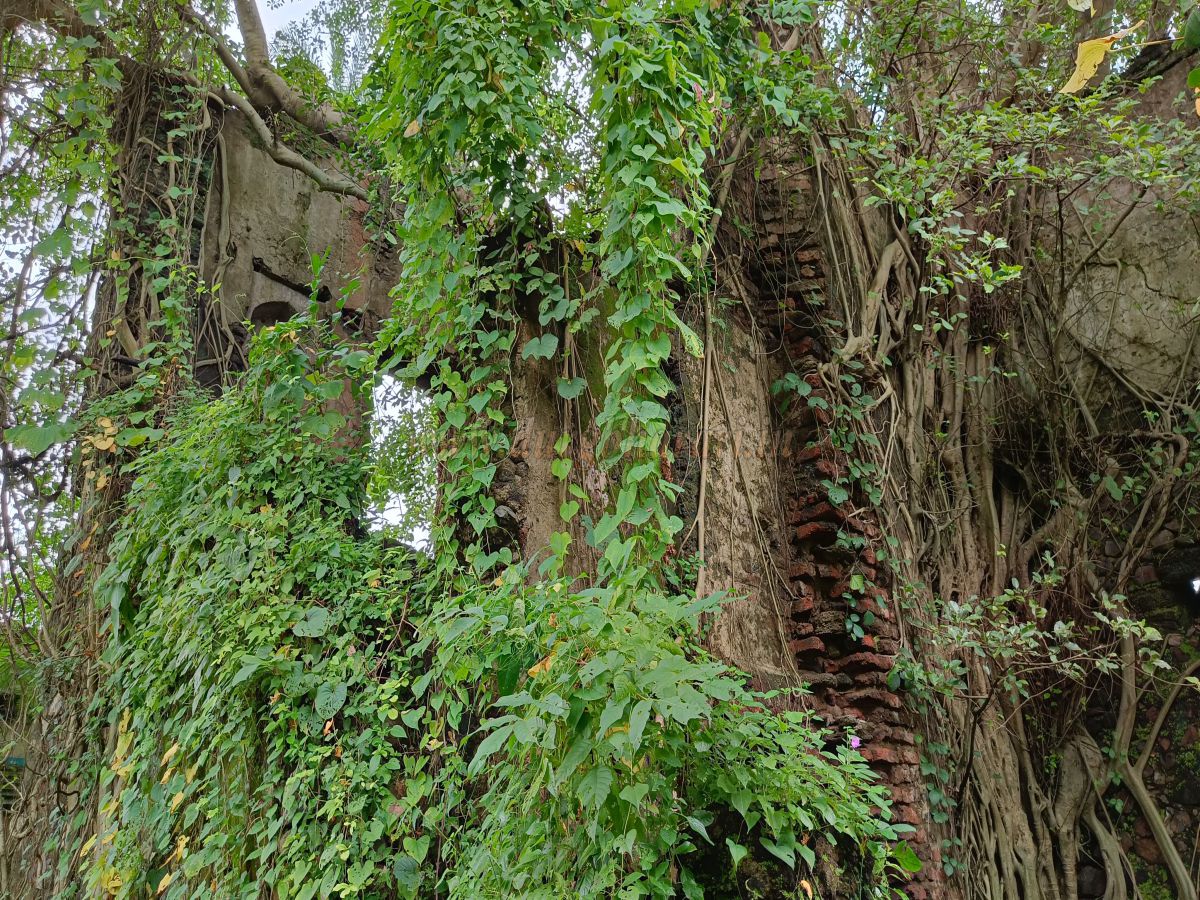
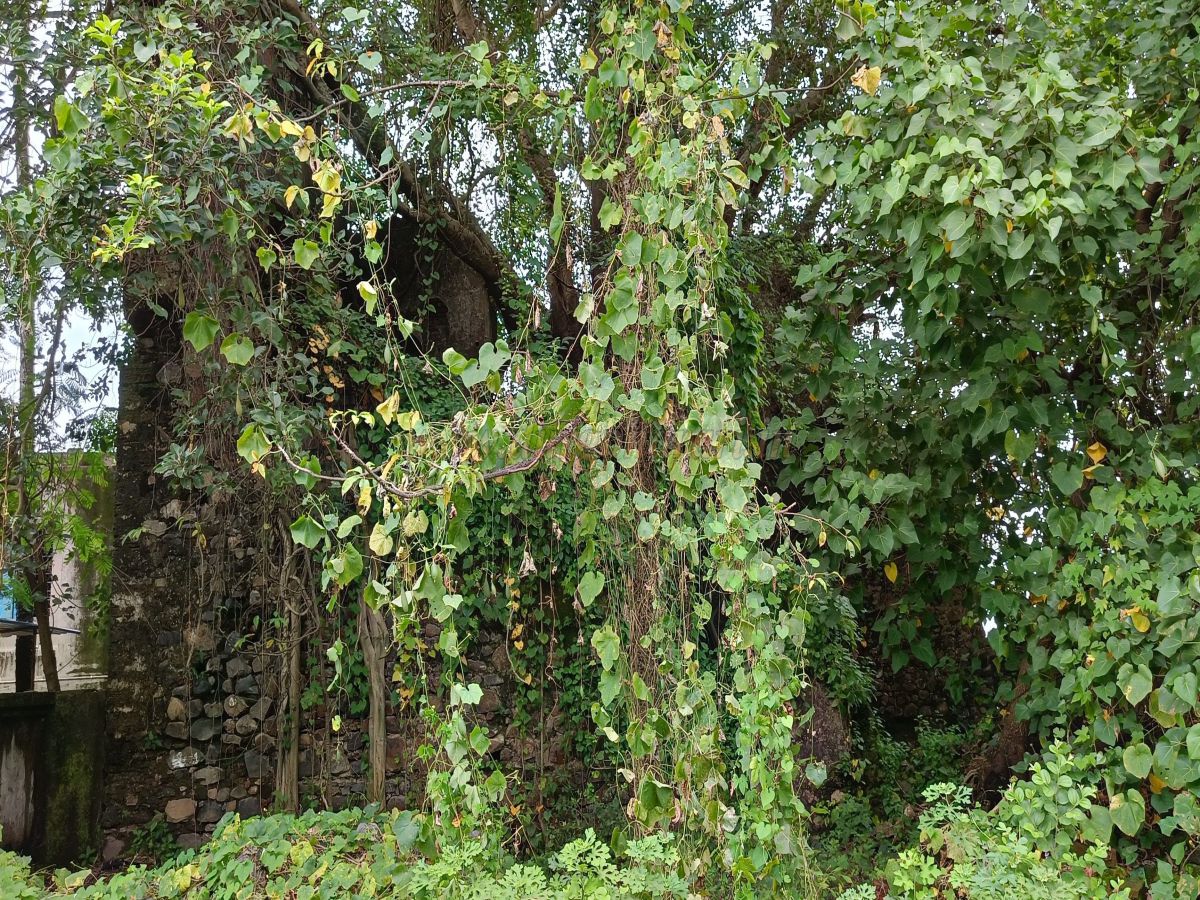
Upon reaching the fort, you see the structure surrounded by banyan trees. The building is divided into two parts and constructed using rough stones and bricks. The interior walls are coated with lime plaster. You can see niches in the walls meant for inserting beams to support the upper floor. The outer wall with the main entrance has completely collapsed, but a smaller doorway gives access to the interior.
On the upper floor, windows and alcoves are visible on all four sides of the structure. Judging by its layout and limited defensive arrangements, it seems this was not a fort but rather a Portuguese warehouse. Palgam village is located on the banks of the Tumb River, where small boats still operate, making it logical for a warehouse to exist here. On the opposite bank of the river stands the Kattalwad Fort.
Currently, the condition of the fort is very poor, and about 10 minutes are enough to see it. The Portuguese were a seafaring people. To maintain direct maritime contact with Portugal, they built most of their forts along the coastline. The forts and fortresses between Vasai and Daman are all aligned parallel to the sea.
These watchtower-like forts built by the Portuguese in the 16th century were mainly used to guard sea routes and supply resources to the smaller forts in the region. Using these small forts, watchtowers, and long-range cannons, the Portuguese established their dominance over the sea routes of North Konkan.
During the Vasai campaign of 1739, this region came under Maratha control. A visitor coming with the expectation of seeing a grand fort may be disappointed here. However, anyone interested in understanding the Portuguese outposts along ancient maritime trade routes and their geographical importance should definitely visit this place.
© Suresh Nimbalkar
GALLERY