PADMAGAD
TYPE : SEA FORT
DISTRICT : SINDHUDURG
HEIGHT : 0
GRADE : HARD
The sea fort that holds a place of pride for the Marathi people is Sindhudurg Fort—so much so that the Sindhudurg district itself is named after this fort. It is often said that visiting Malvan without seeing Sindhudurg is like entering a temple without seeing the deity. This belief draws thousands of visitors to the fort. However, just as devotees sometimes forget to acknowledge the Nandi or tortoise idols at a temple’s entrance, visitors often overlook the smaller forts surrounding Sindhudurg.
While building Sindhudurg, Chhatrapati Shivaji Maharaj also constructed a defensive chain of satellite forts—Padmagad, Rajkot, and Sarjekot—to protect it. Today, while Sindhudurg remains a popular tourist destination, these auxiliary forts lie in neglect and silence.
...
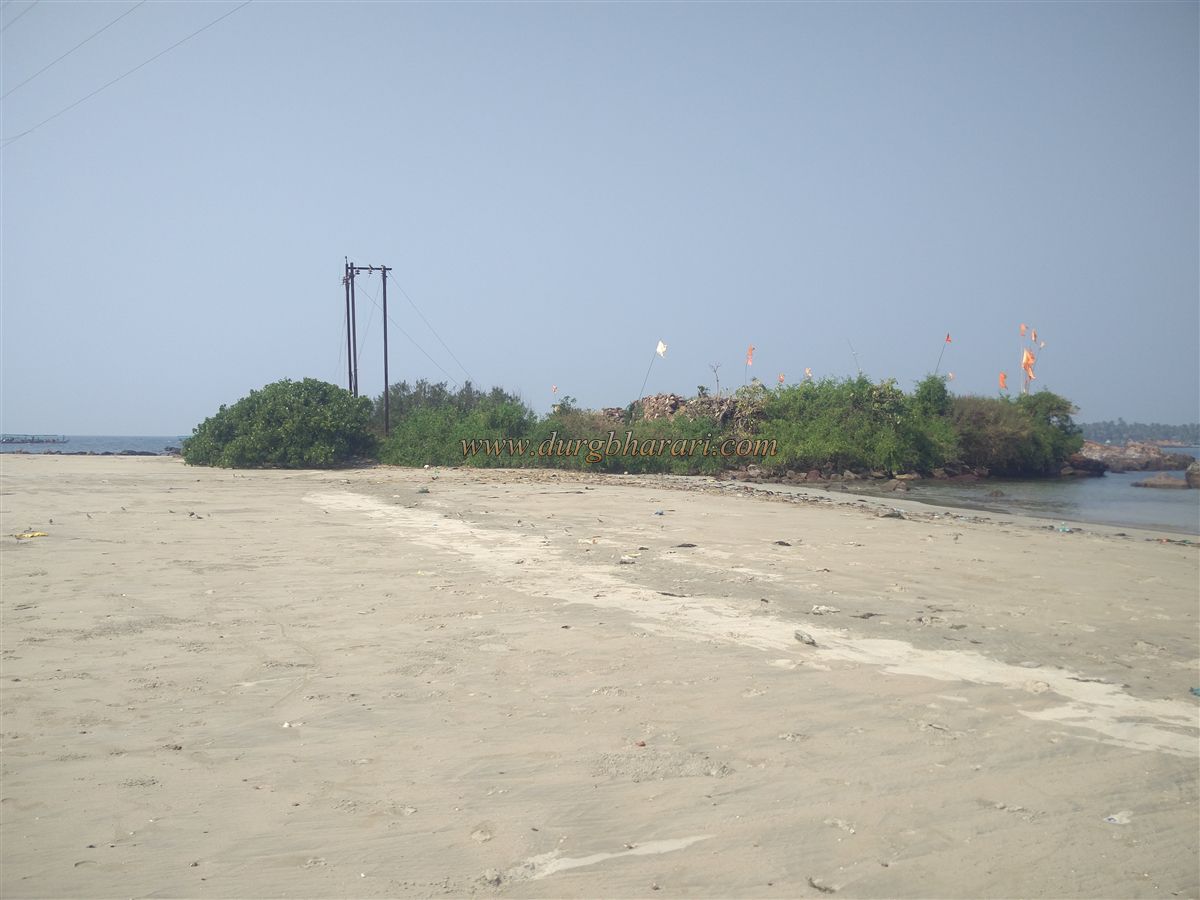
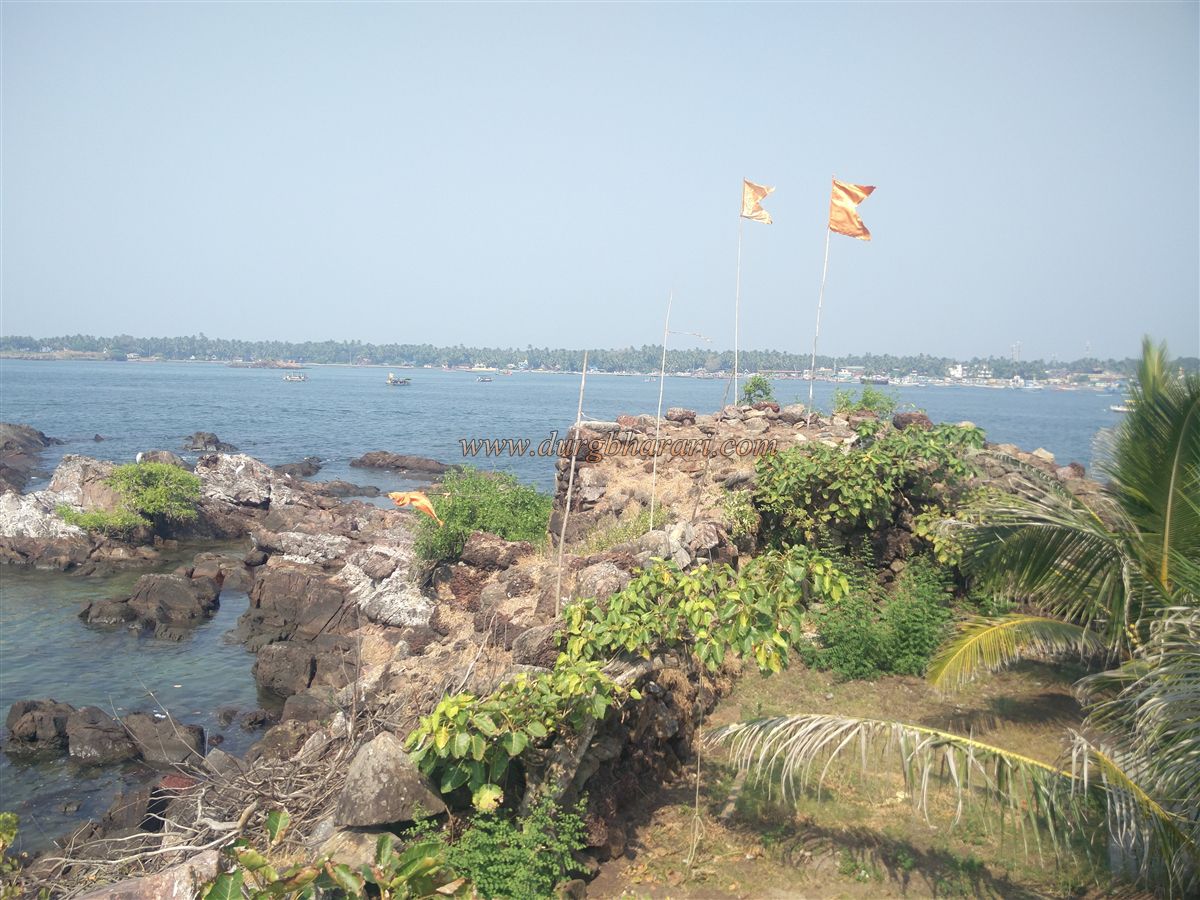
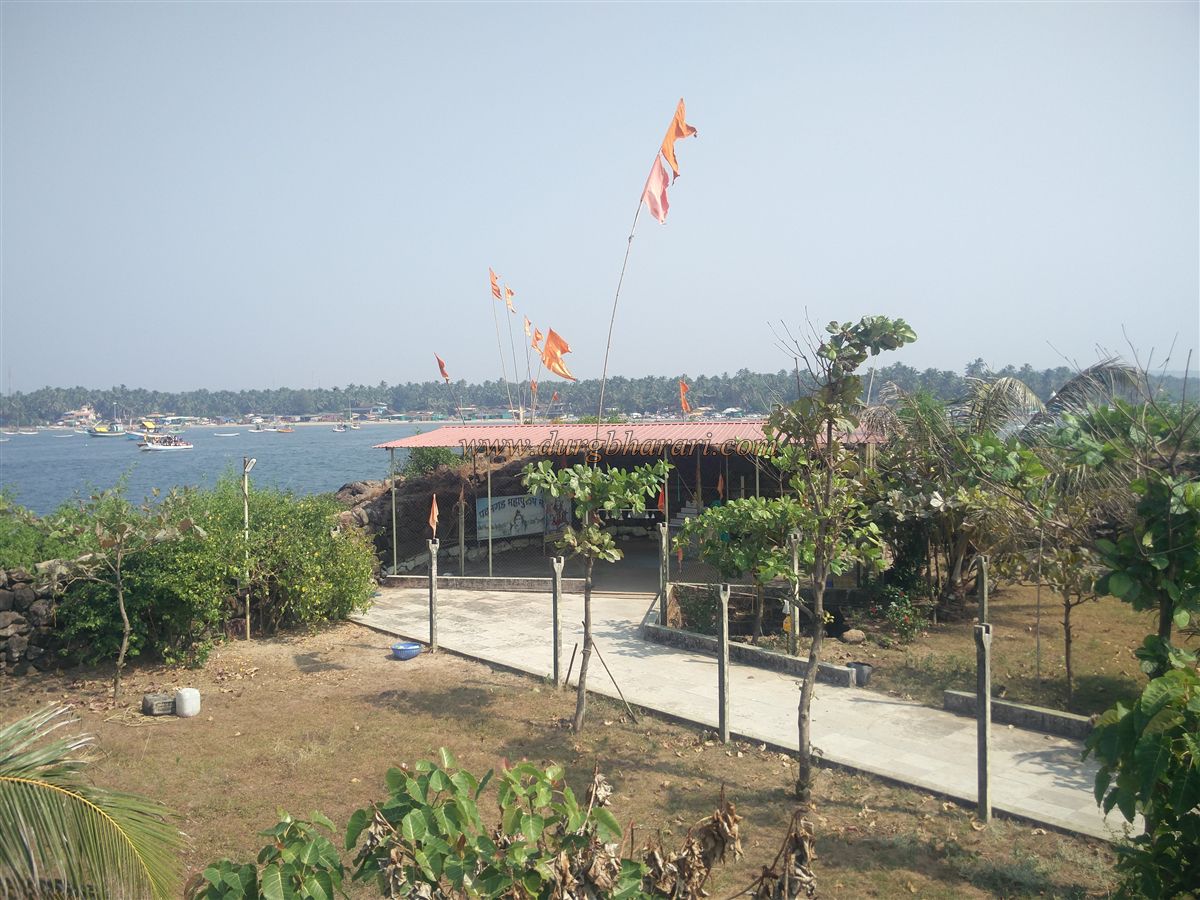
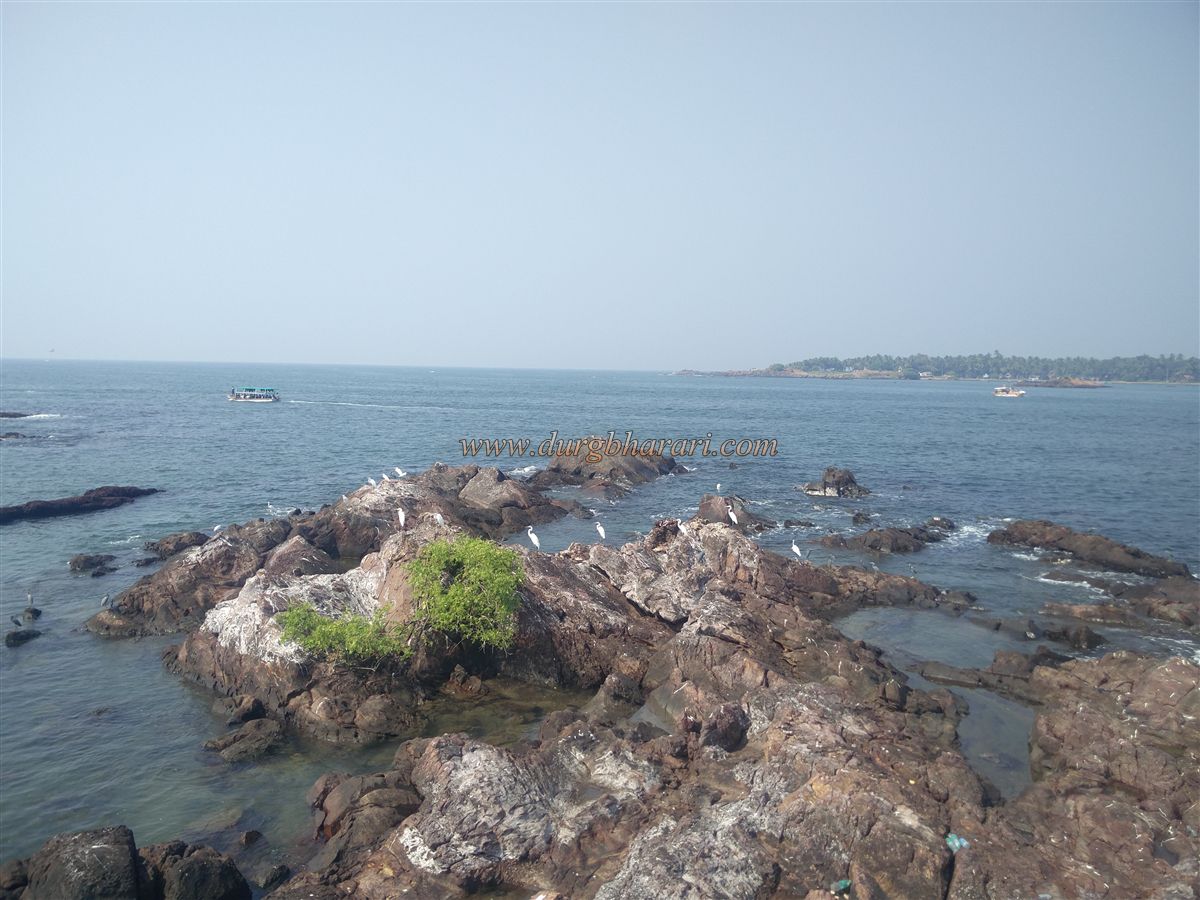
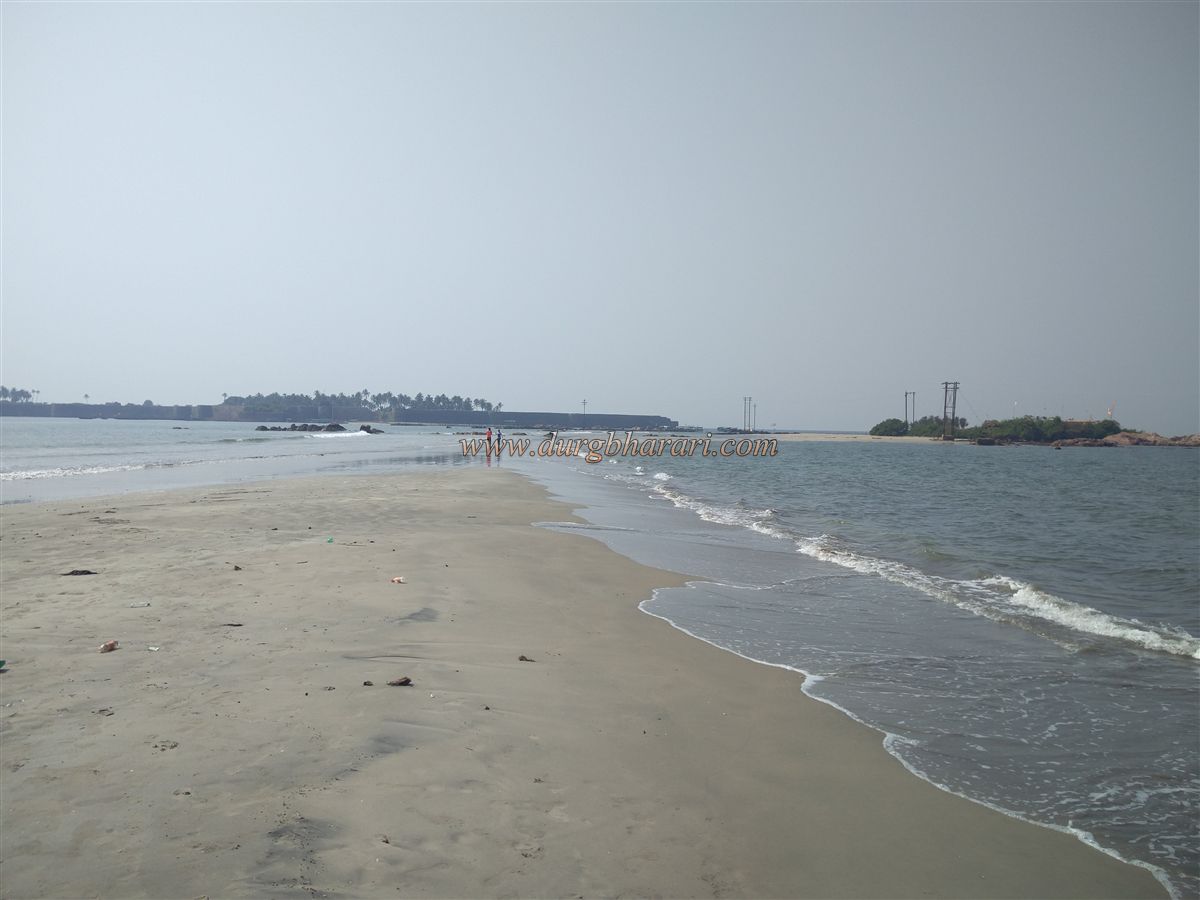
Among them, Padmagad Fort is built on a small islet directly east of Sindhudurg main gate, less than 2,000 feet away in a straight line. Before the 2006 tsunami, during low tide—two days before and after each new moon and full moon—it was possible to walk through knee-deep water from Dandeshwar Temple to Sindhudurg. It is believed that Padmagad was built on this tiny island to prevent any landward approach to Sindhudurg from the Malvan coast.
To visit Padmagad, one must first reach Dandeshwar Temple on the Malvan seashore. From there, during low tide, visitors can walk across the exposed seabed to reach the fort. However, knowing the tidal schedule is essential. Many people are unaware of this and believe a private boat is necessary, which deters them from visiting—even though the fort is clearly visible nearby. The walk from Dandeshwar Temple to Padmagad takes only about 10 minutes.
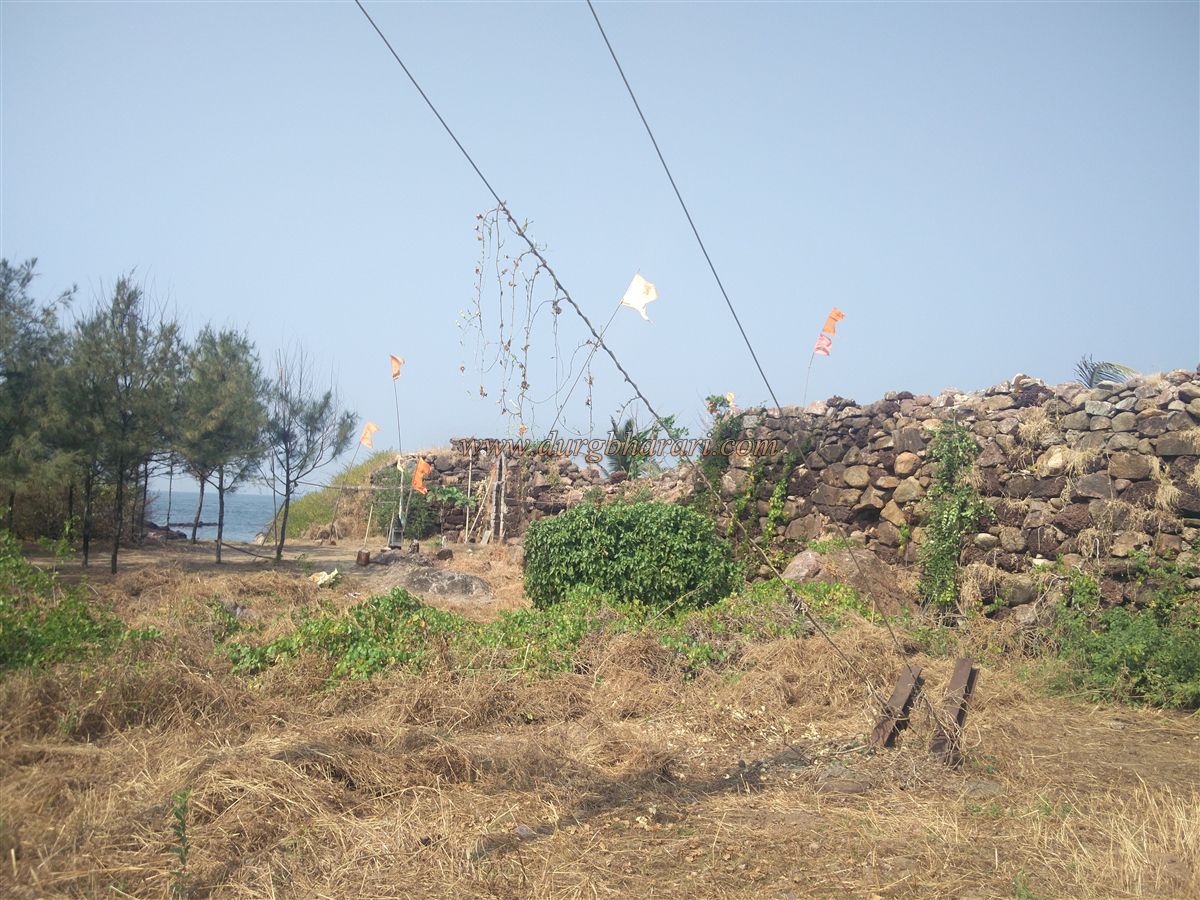
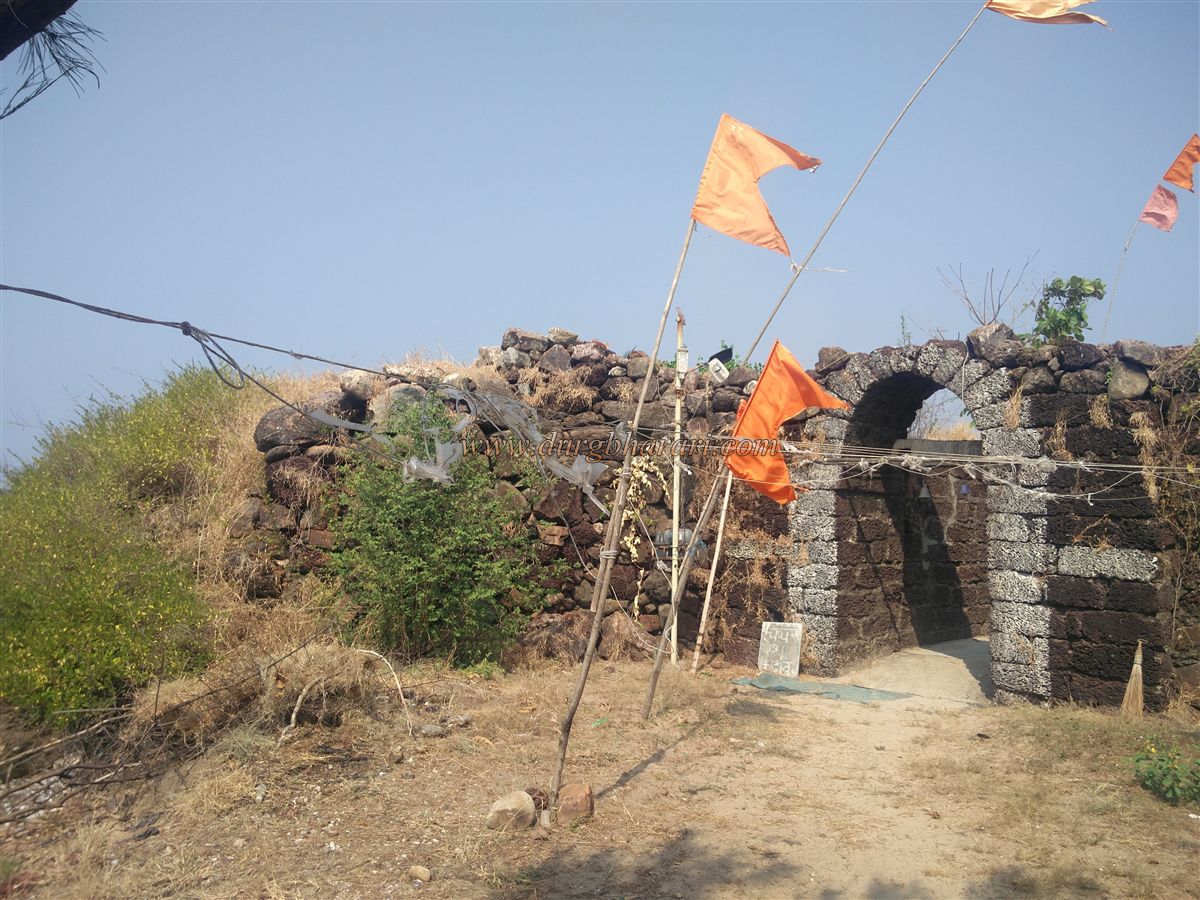
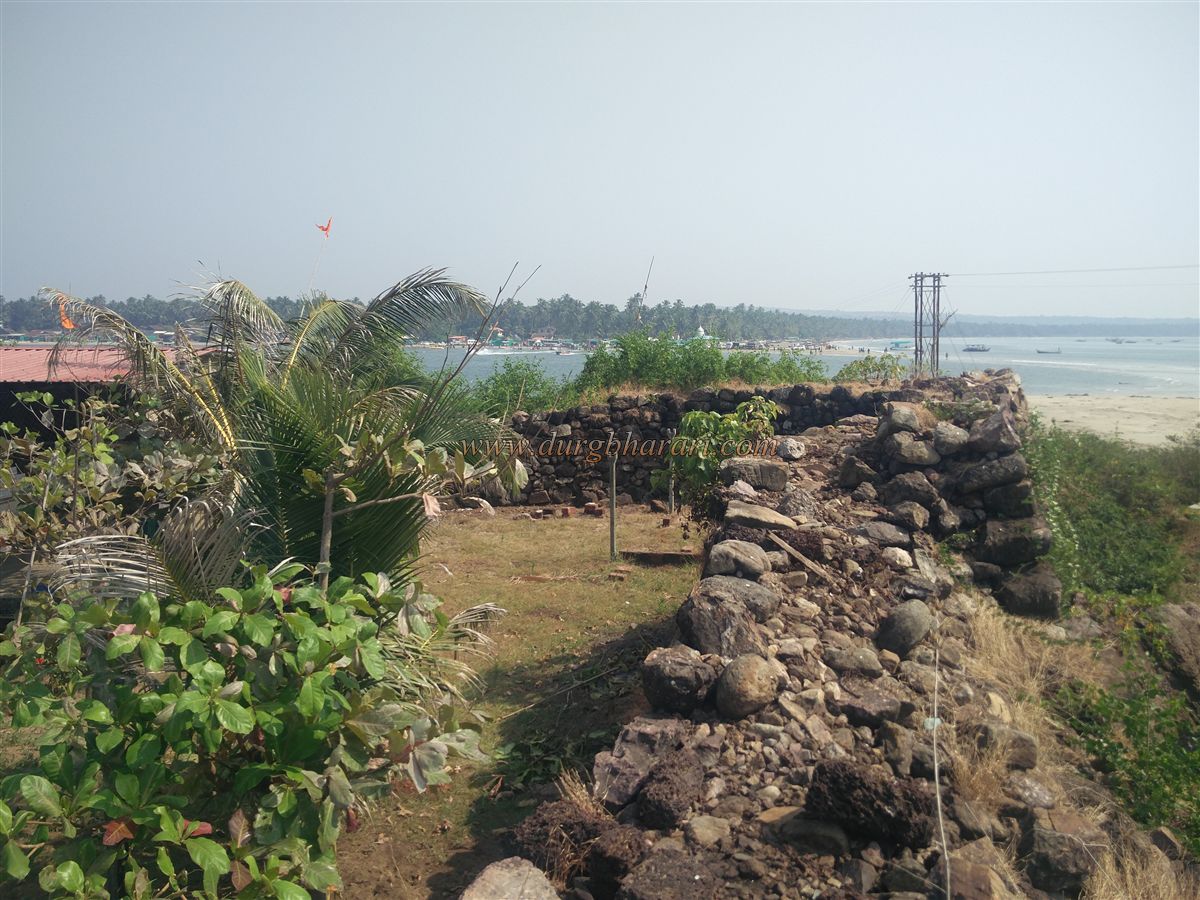
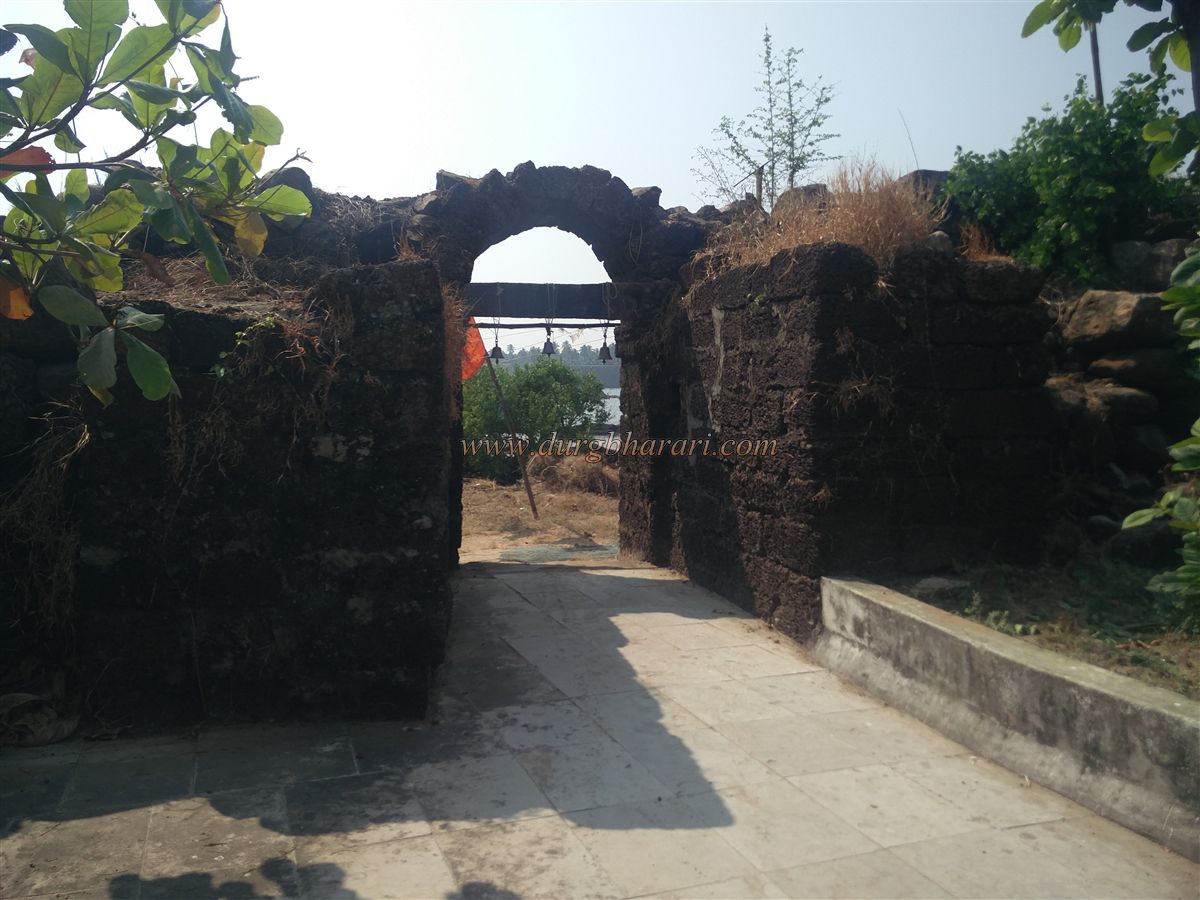
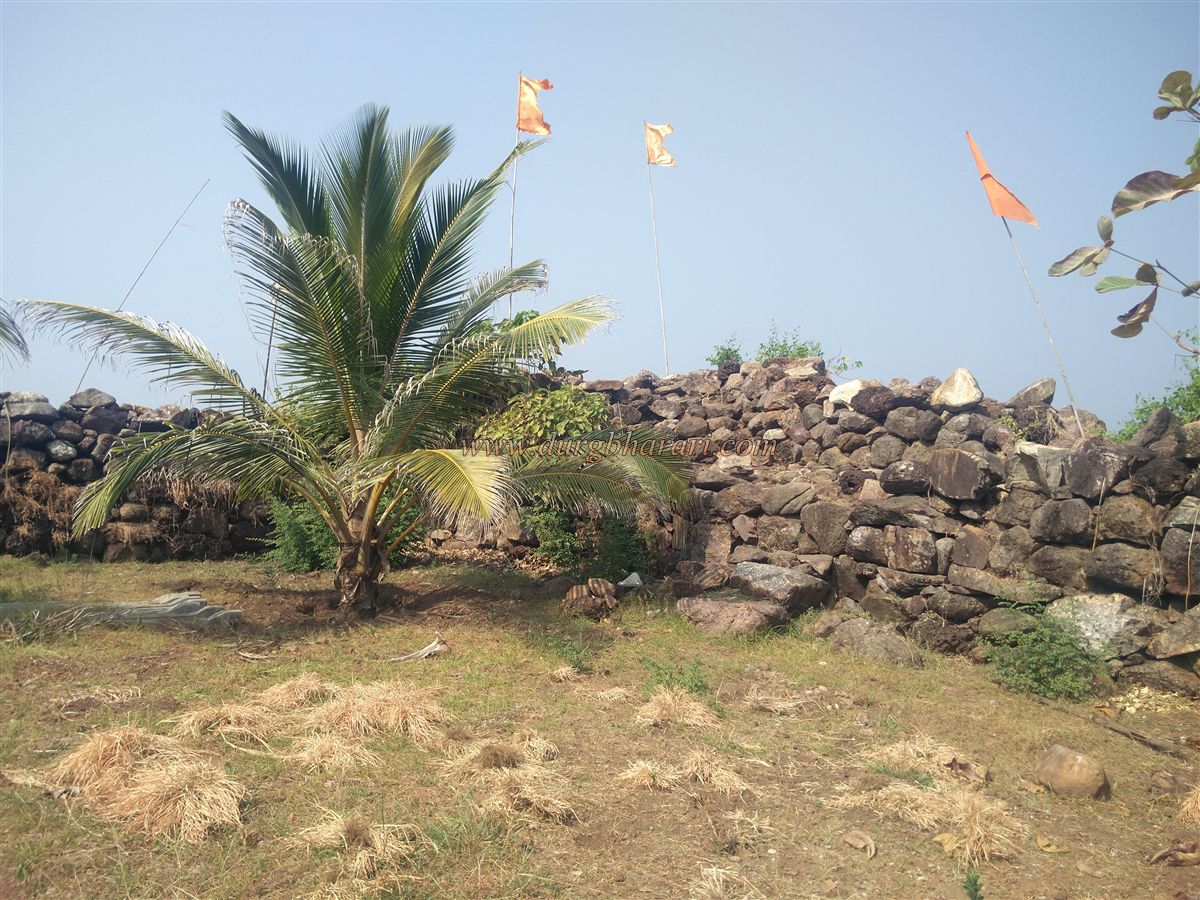
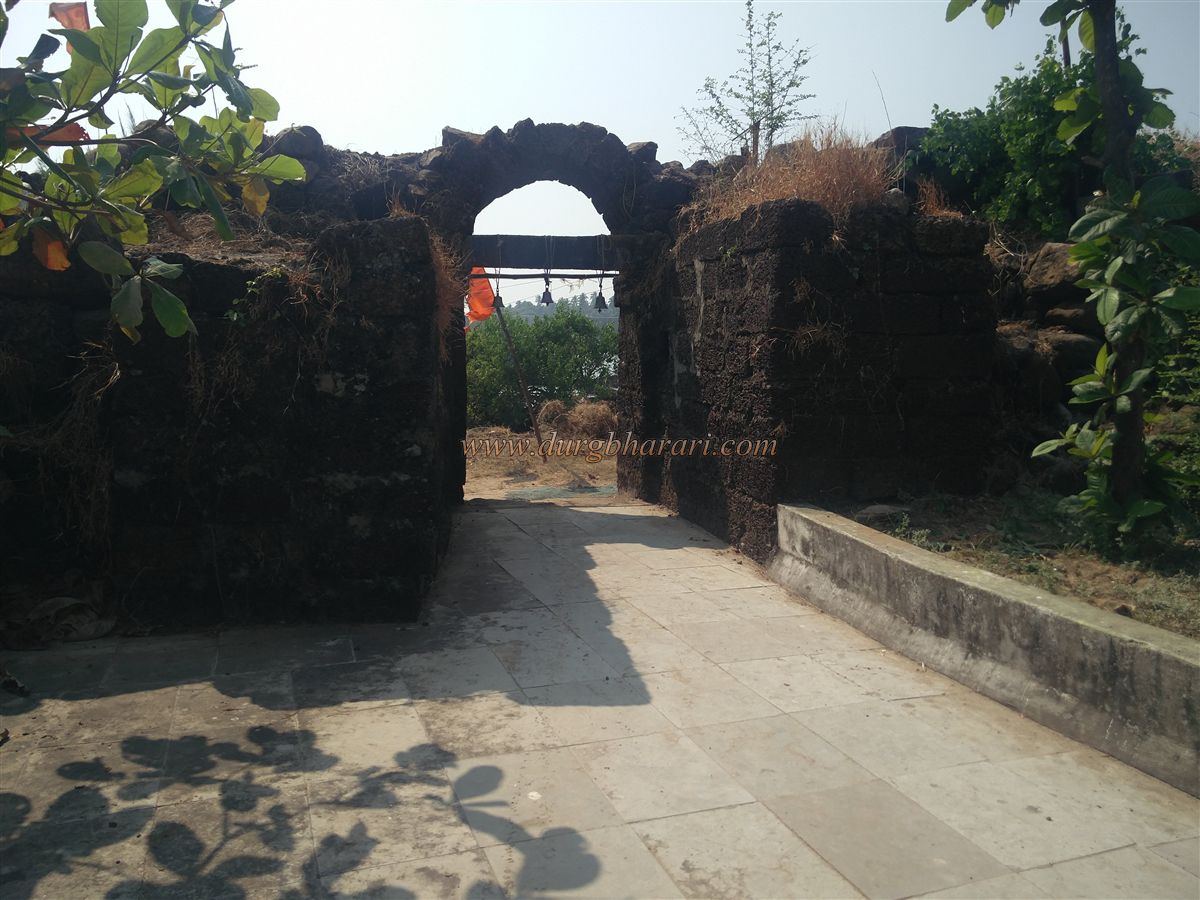
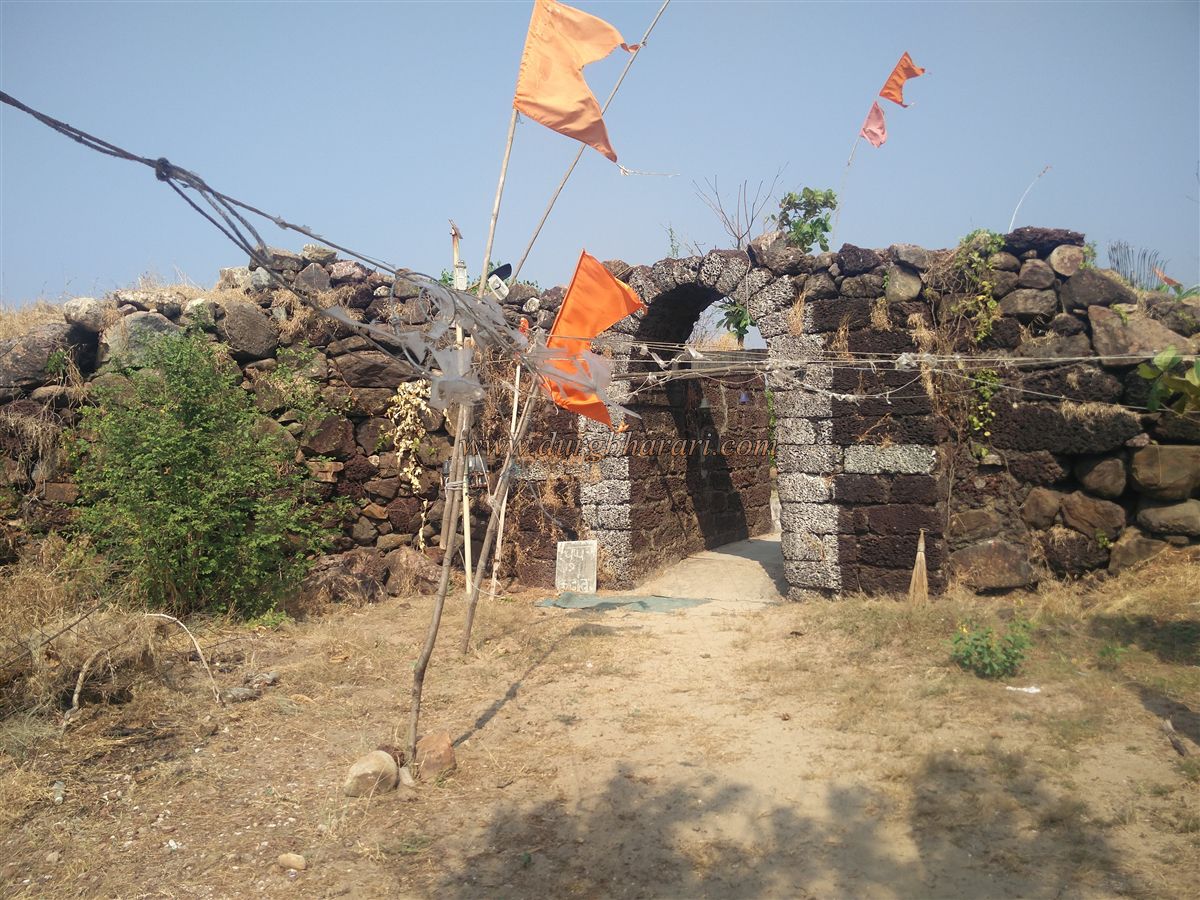
Padmagad Fort’s arched northern gate is still intact and marks the main entrance. However, due to constant sea erosion, large portions of its ramparts and bastions have collapsed. The fort’s interior spans just 10 Guntha (around 1,000 square meters) and is enclosed by stone walls about 8–10 feet high, with only three bastions remaining.
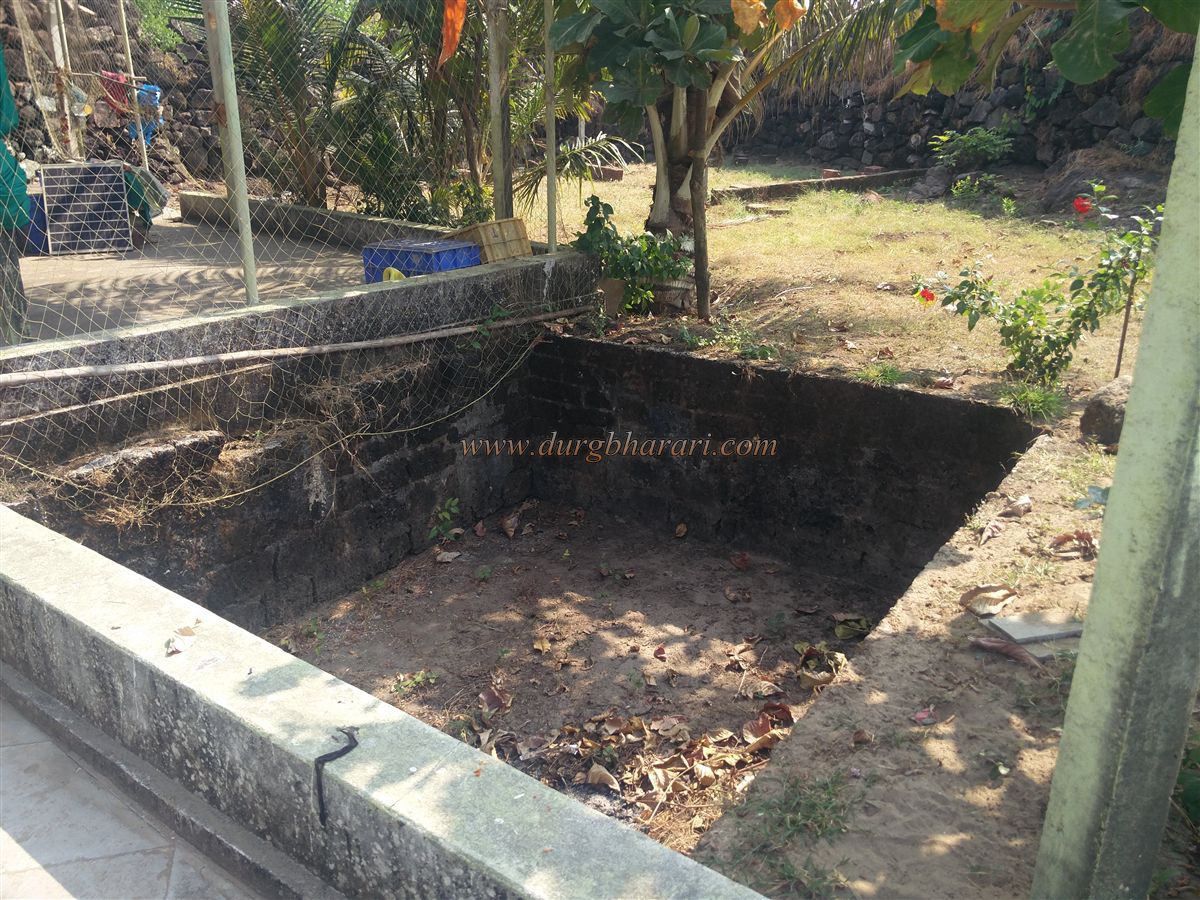
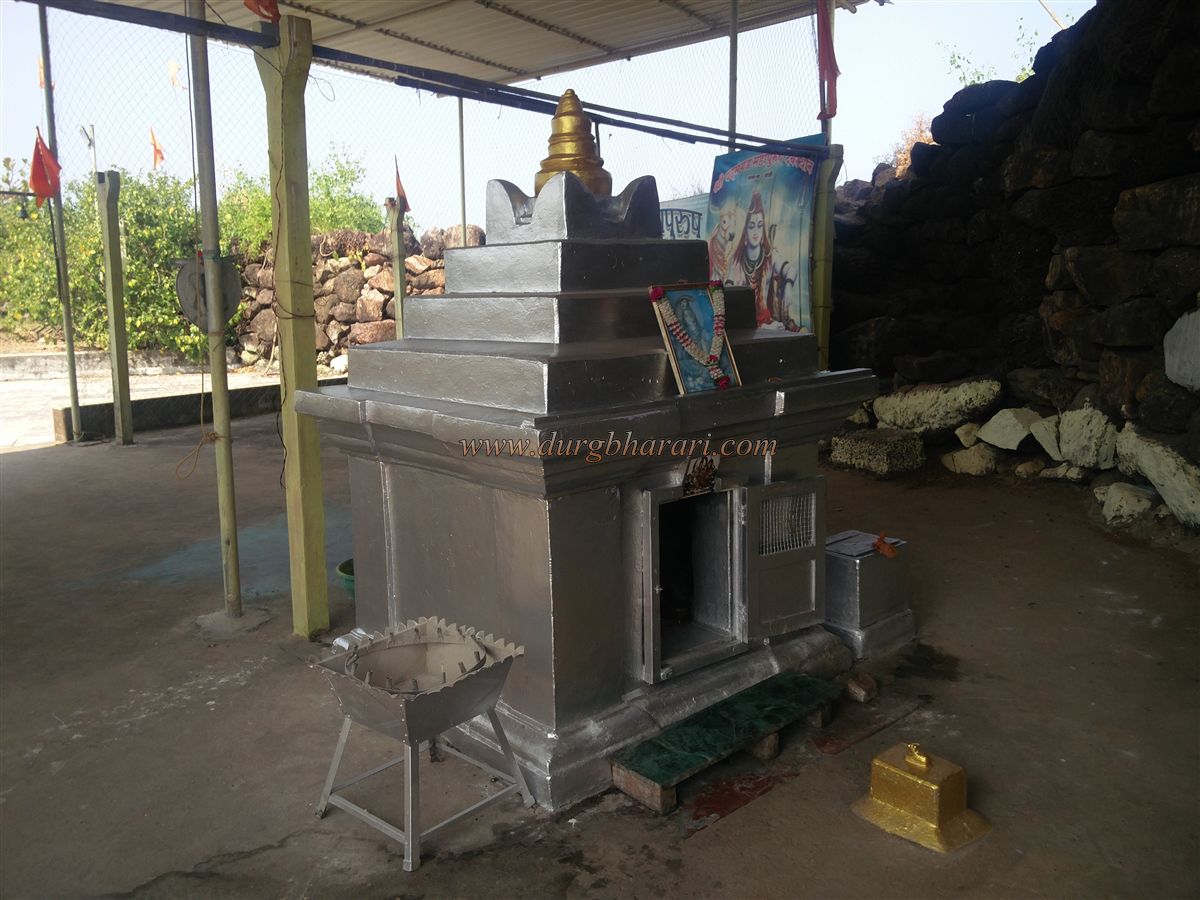
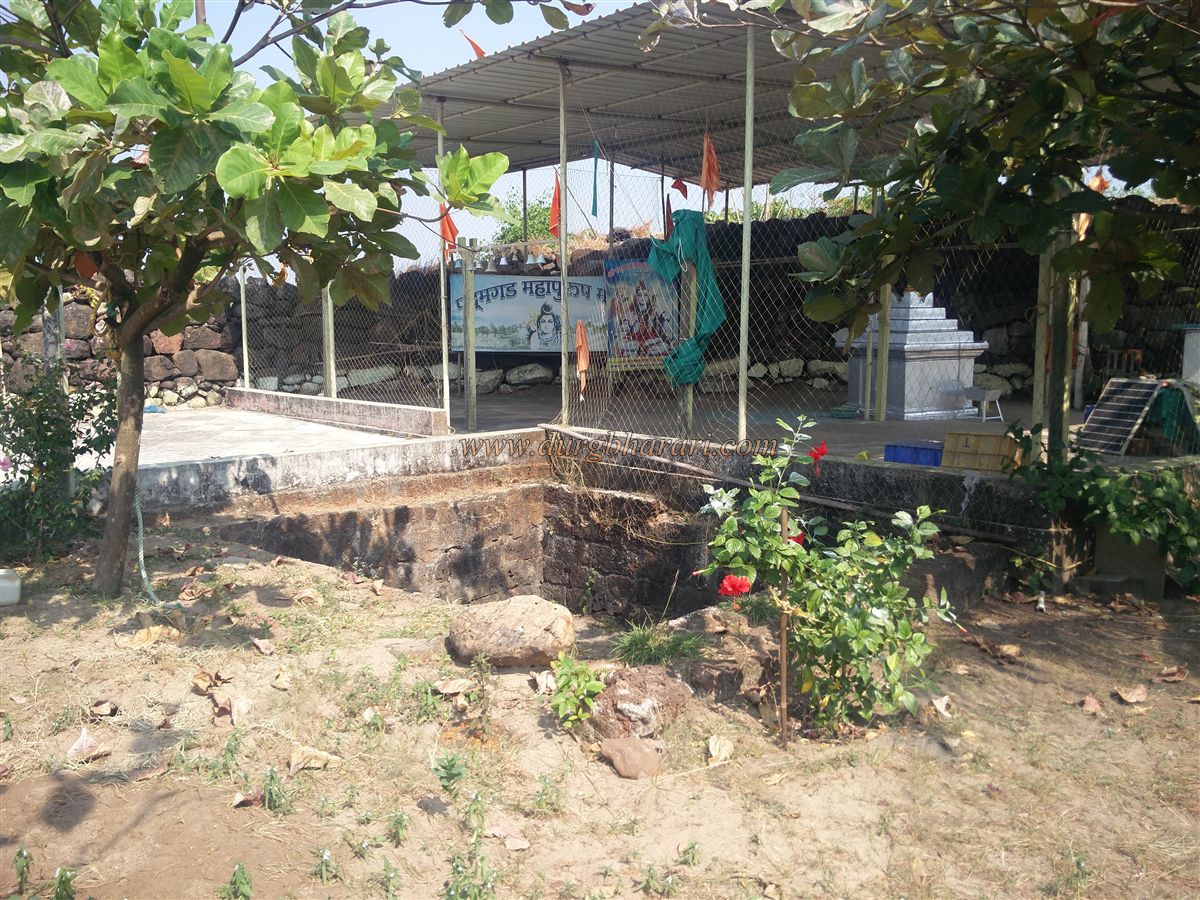
Upon entry, the entire fort is visible at a glance. Key remains inside include a small square water tank, a domed shrine, and foundations of two houses. Though the dome is often referred to as a Vetal shrine, locals call it the Mahapurush (great soul) shrine. Inside, a shivling is installed, and steps lead up to the ramparts.
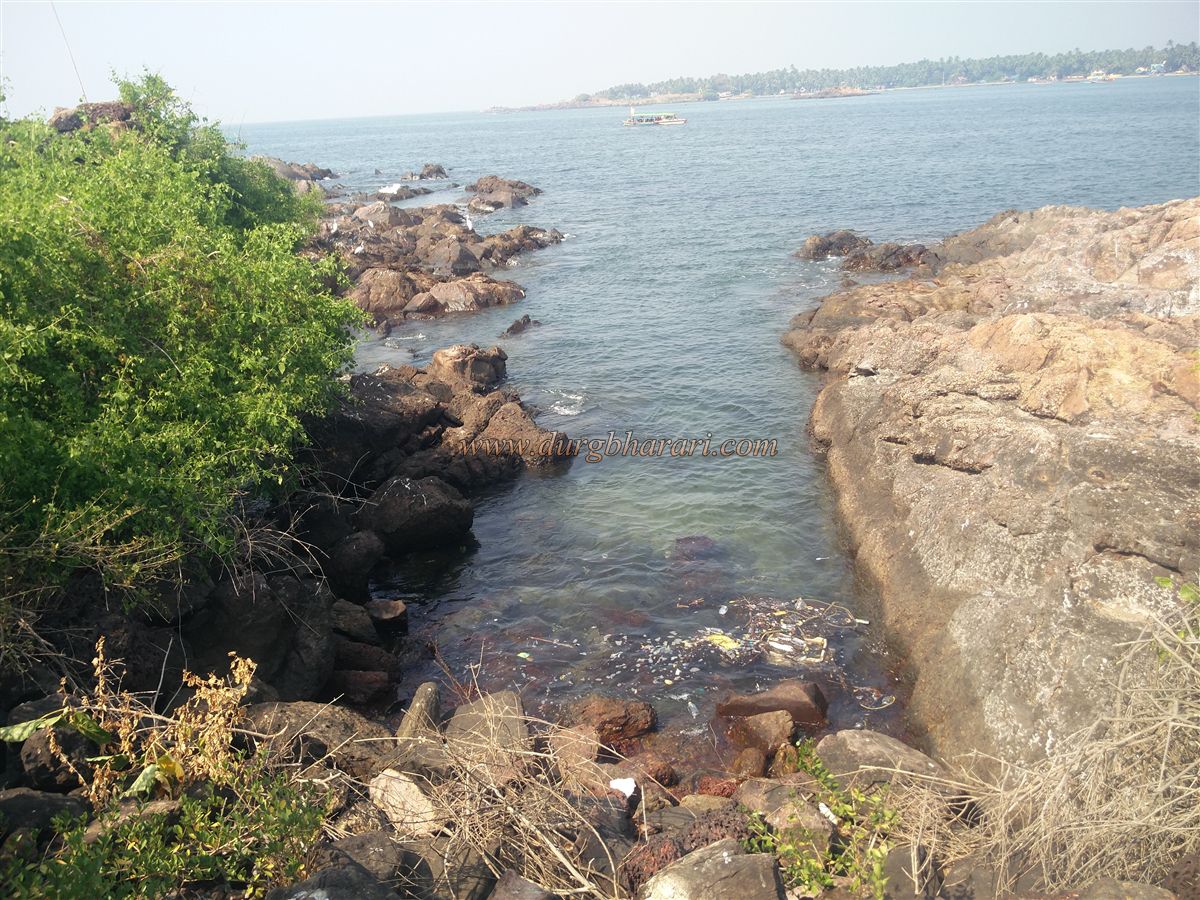
From atop the fort’s walls, one can see two small docks carved into the surrounding rock, likely used during Shivaji’s time for minor repairs of small naval vessels. These docks feature square-cut holes in the rock to control water levels during high and low tides.
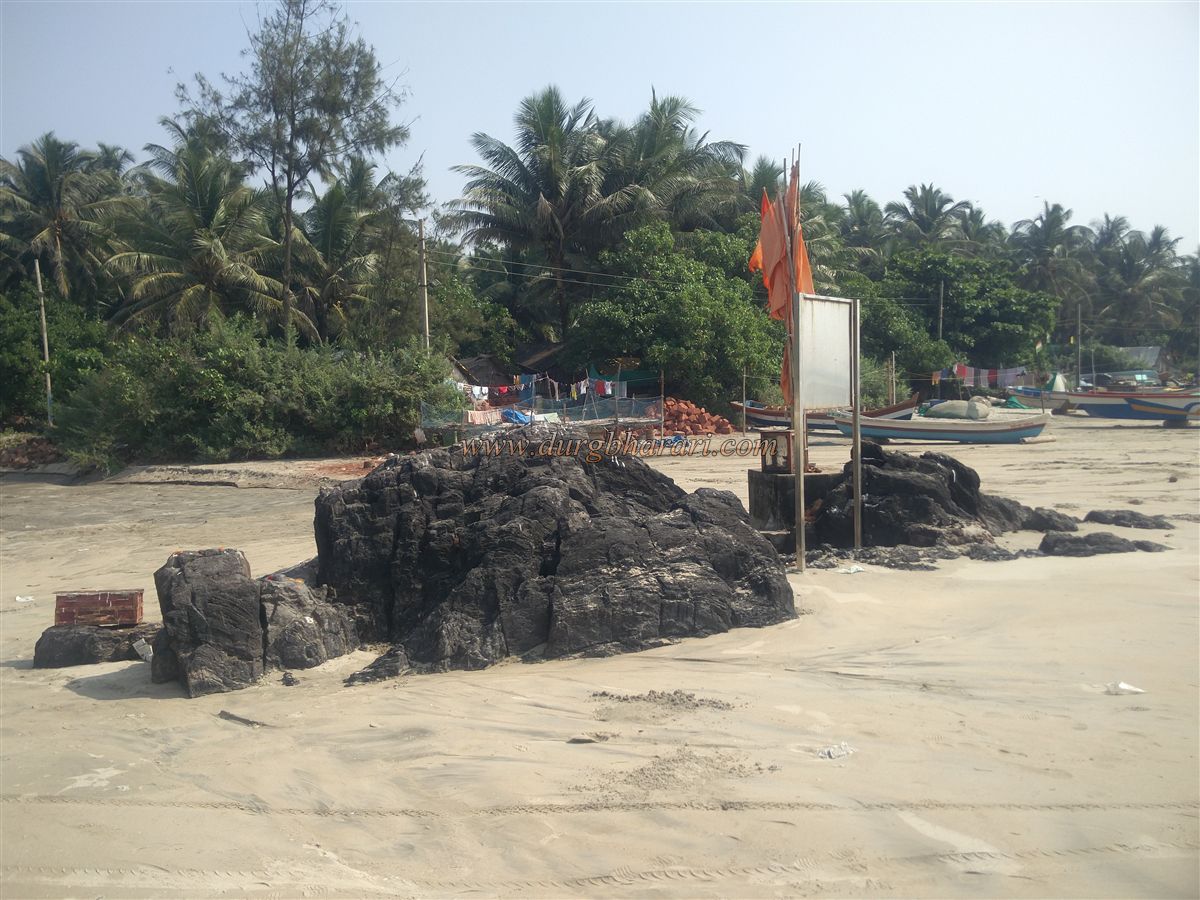
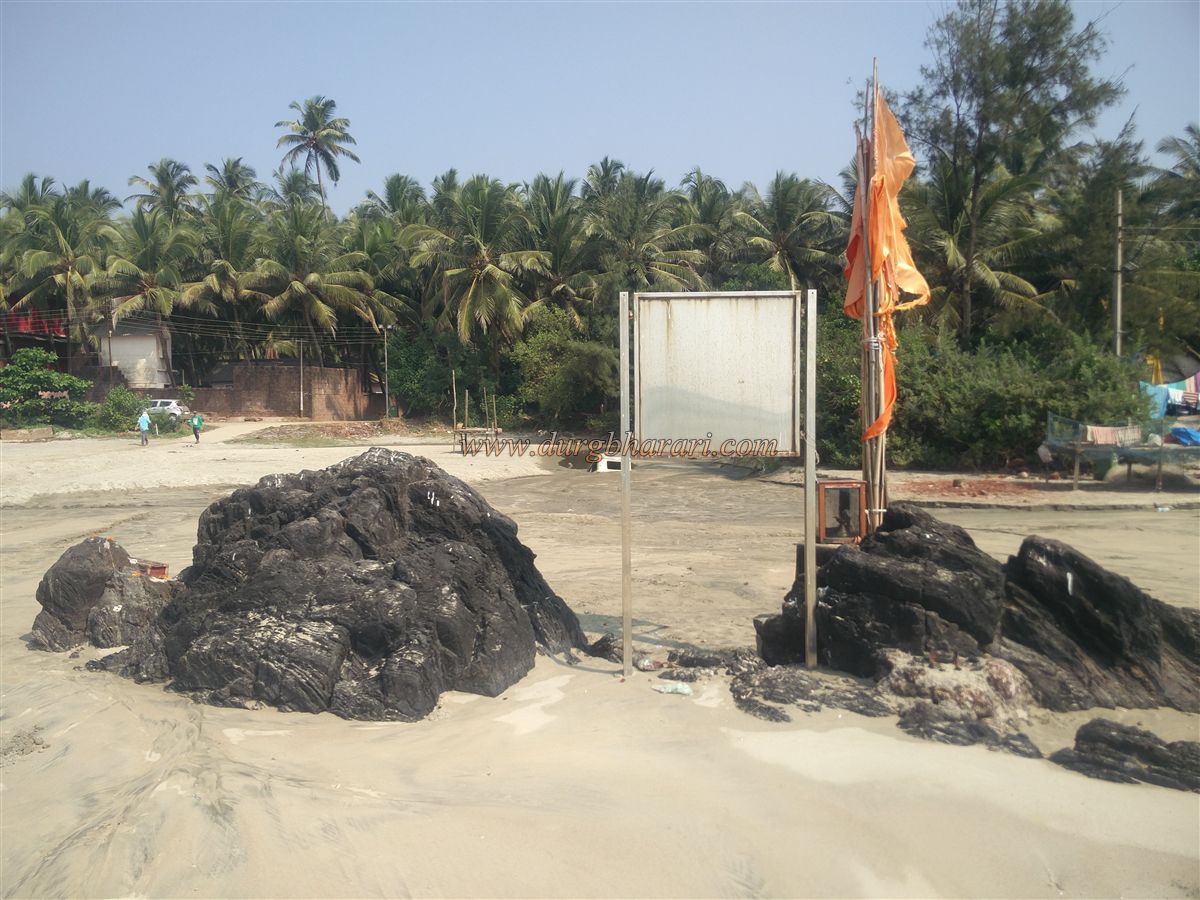
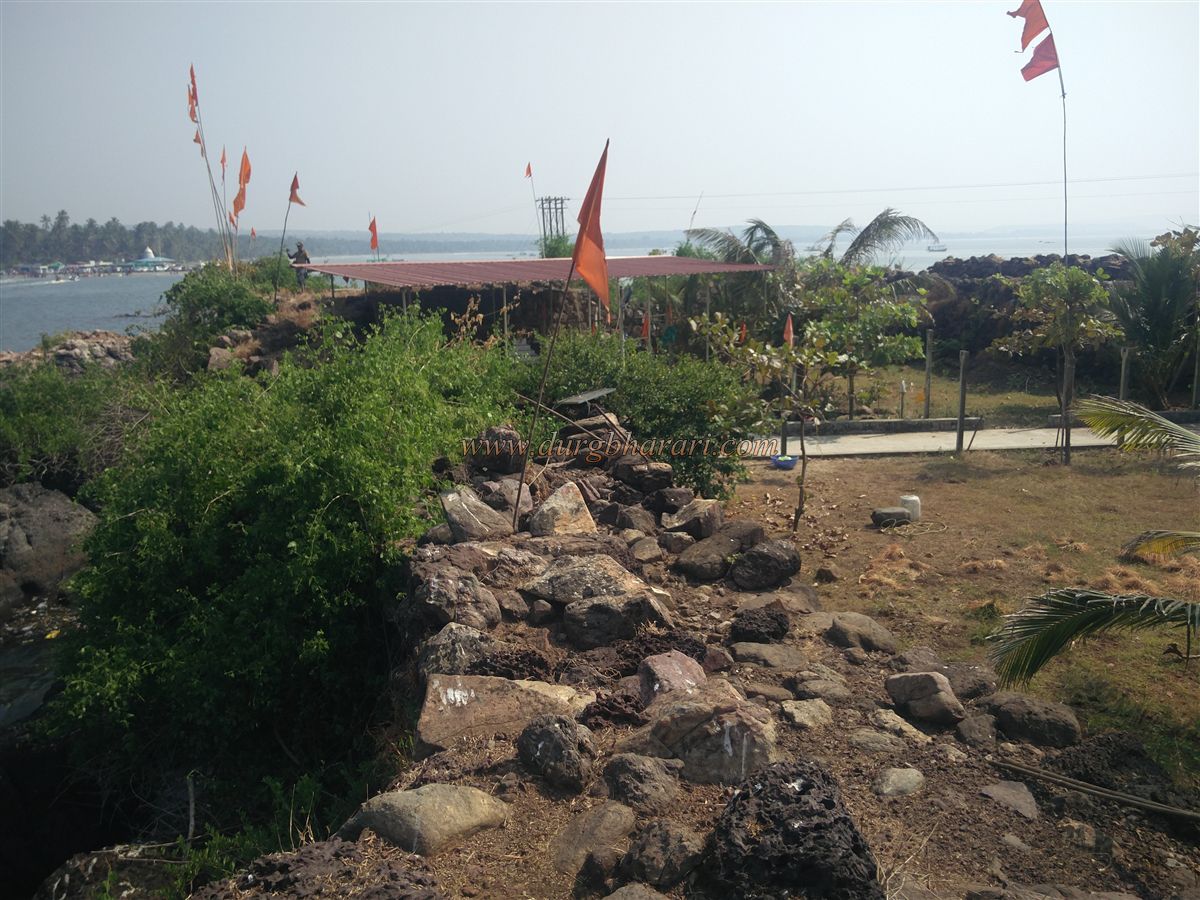
A visit to Padmagad takes only about 30 minutes. On returning to Dandeshwar Temple, if one turns right and continues walking, they will come across a site called Morayacha Dhonda. Here, saffron flags fluttering in the sea breeze immediately capture attention.
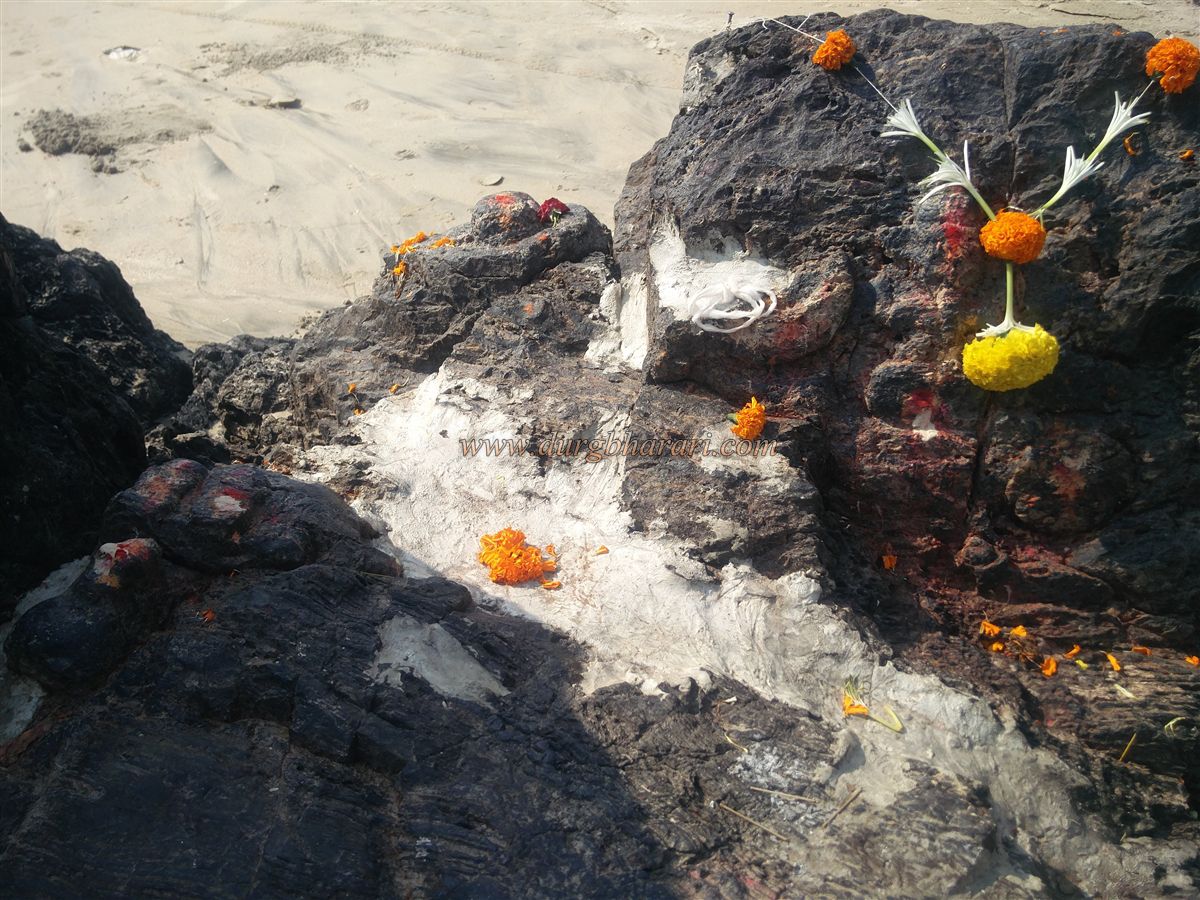
It is believed that before beginning the construction of Sindhudurg Fort, Shivaji Maharaj performed a ritual to honour the sea at this very spot. Symbols of the moon, sun, a shivling with Nandi, Ganesha, and carved footprints (paduka) are etched into the rock. This spiritually charged site, touched by the feet of Shivaji Maharaj himself, is a place every devotee of Maratha history should visit.
Padmagad’s history is closely intertwined with Sindhudurg, and thus it doesn’t have an extensive separate narrative. However, official records do list it as a distinct fort. On October 1, 1812, according to a treaty between the British and the Karvir State (Kolhapur Sansthan), Padmagad—along with Sindhudurg—was handed over to the British.
© Suresh Nimbalkar
GALLERY