PACHHAPUR
TYPE : HILL FORT
DISTRICT : BELGAON
HEIGHT : 2250 FEET
GRADE : EASY
While exploring Belgaum district, one can come across more than 36 forts and fortified mansions (gadhi-kots). If you have a private vehicle, it’s possible to visit 5 to 6 such forts in a day. Most of these are ground forts or fortified mansions, and with only a few exceptions, hill forts (Giridurg) are quite rare in this region. The forts that can be considered hill forts are generally located on small elevations or hillocks.
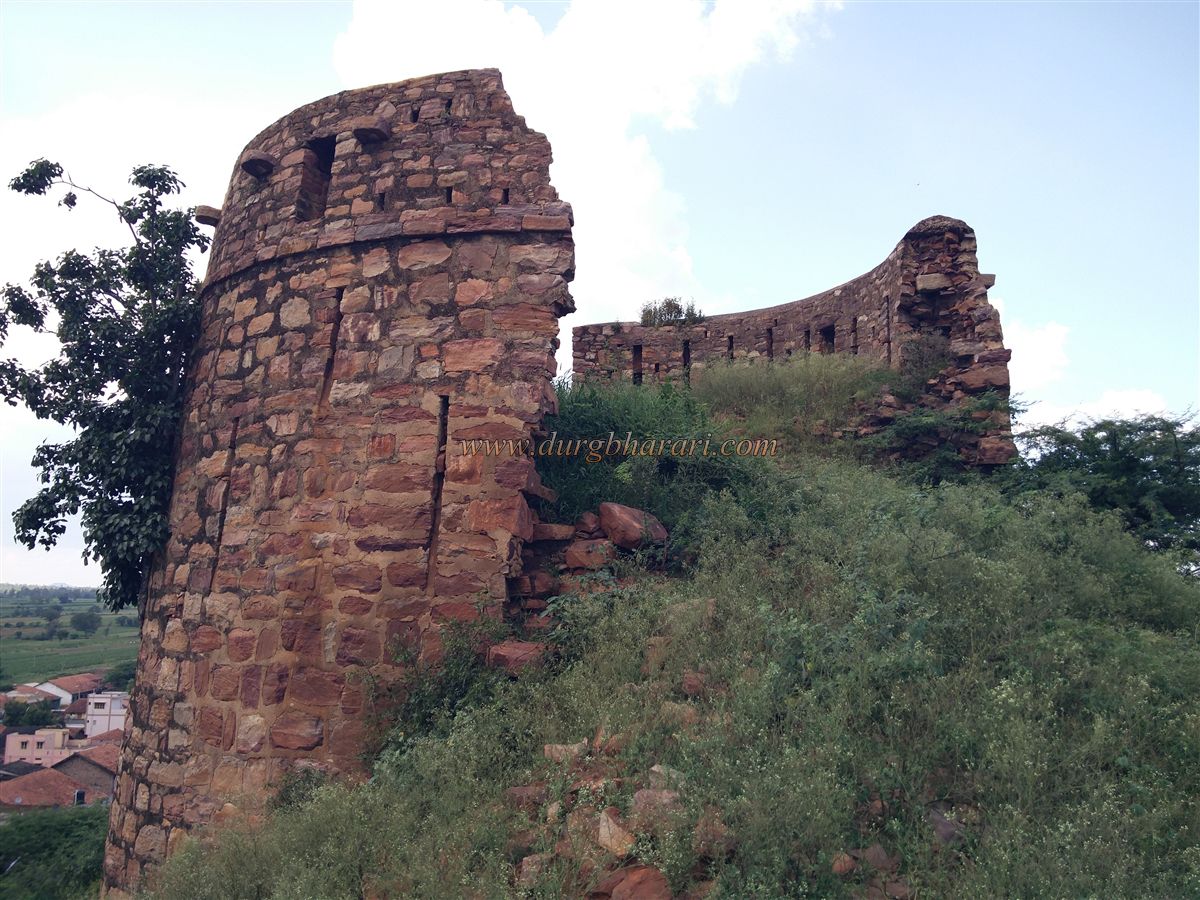
Pachhapur is one such scenic hill fort, stretched east-west over a small hillock in the centre of the village, with remnants of fortification and bastions spread across. This fort is located in Hukkeri Taluka of Belgaum district, with Pachhapur village at its base.
From Sankeshwar on the Mumbai–Bangalore highway, a road leads toward the Hidkal dam, and about 24 km along this road lies Pachhapur. The village is equidistant (22 km) from both Hukkeri and Gokak.
...
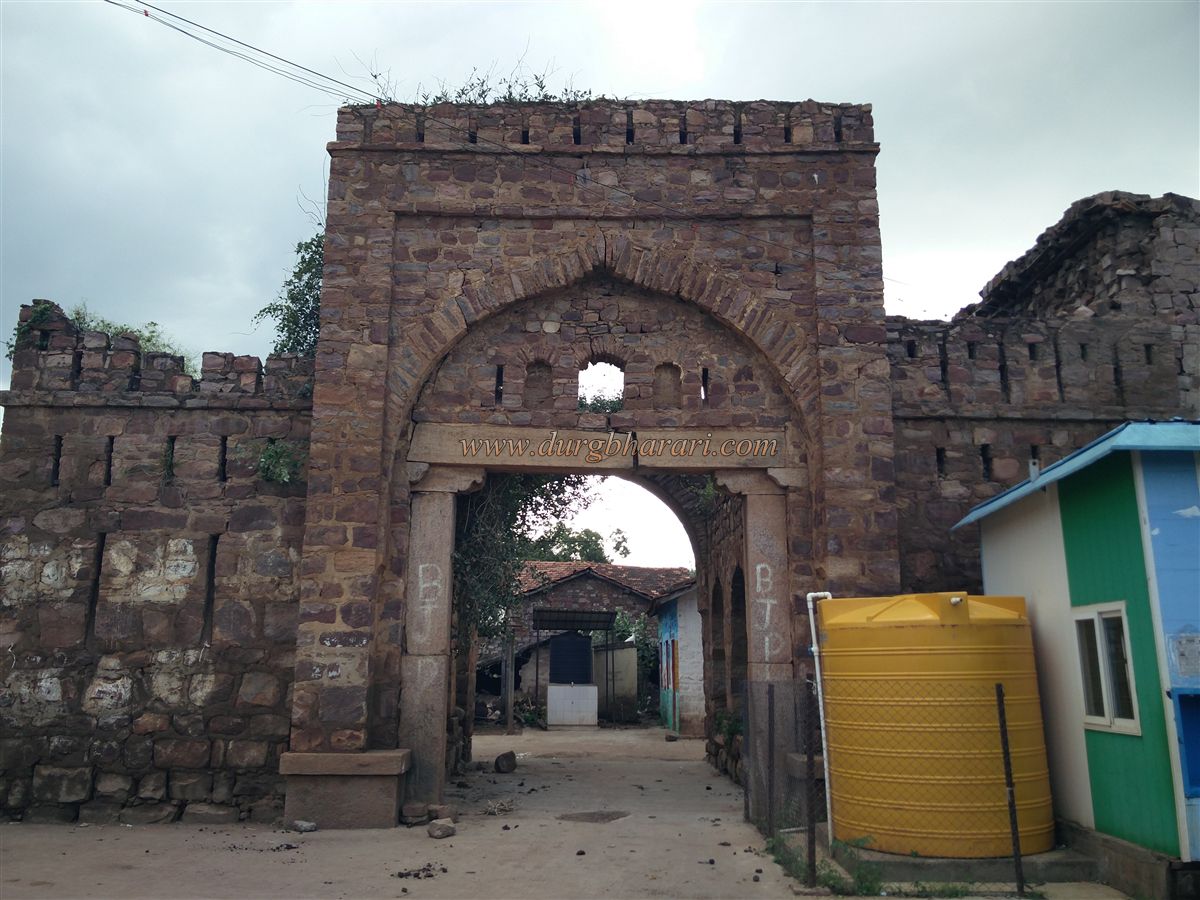
As you enter the village, the bastions and fort walls atop the hill become visible. Interestingly, Pachhapur Fort is not limited only to the hillock—the entire village was once fortified. To see this part of the fort, approach the village via the Gokak road, where you'll find the fort gate and adjacent fortifications.
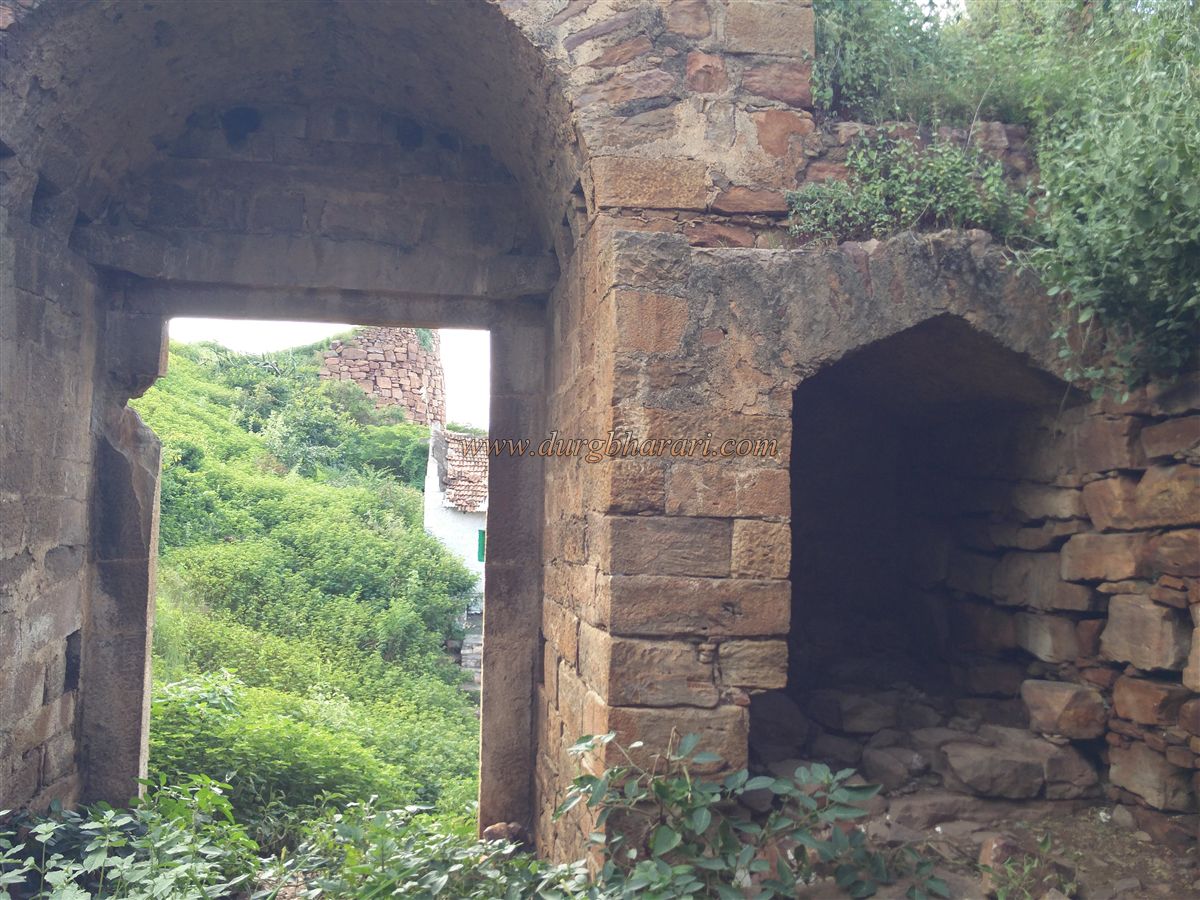
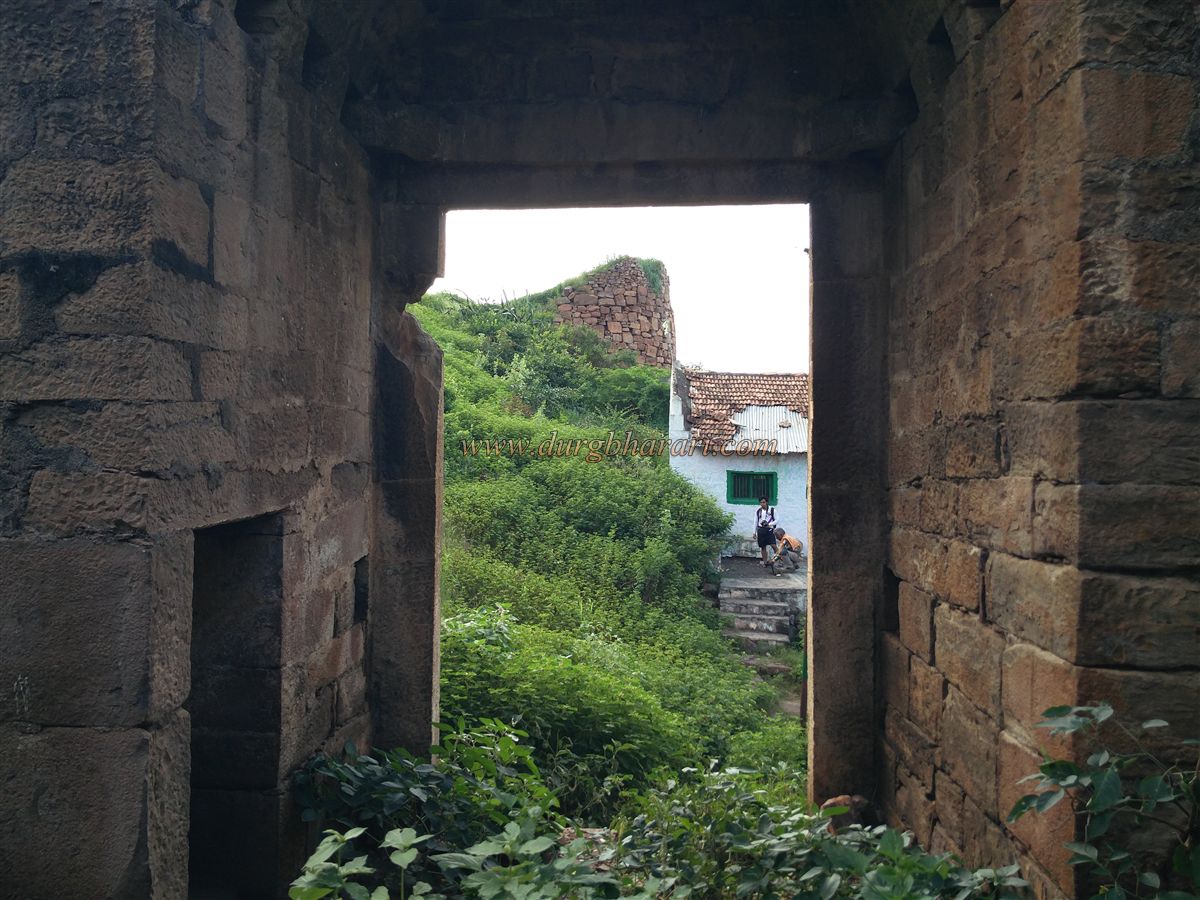
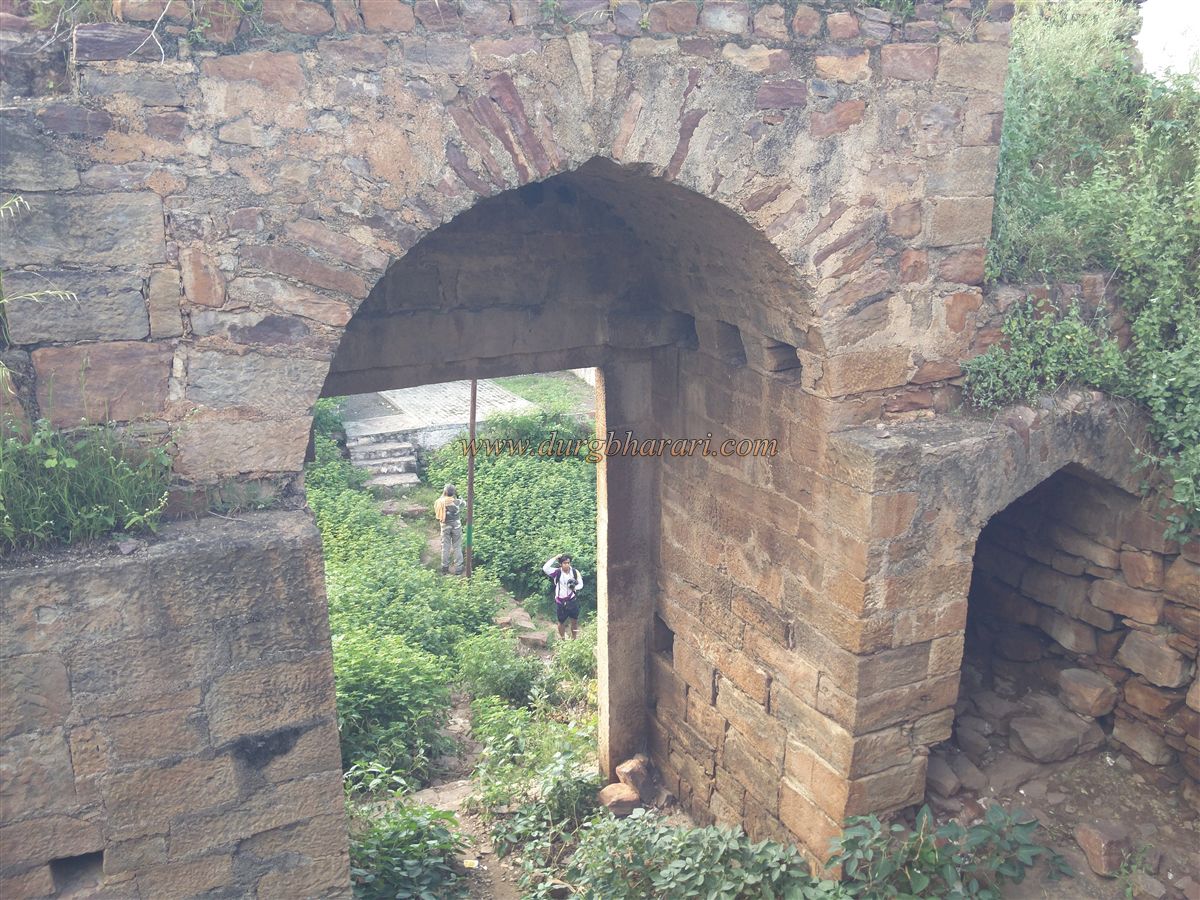
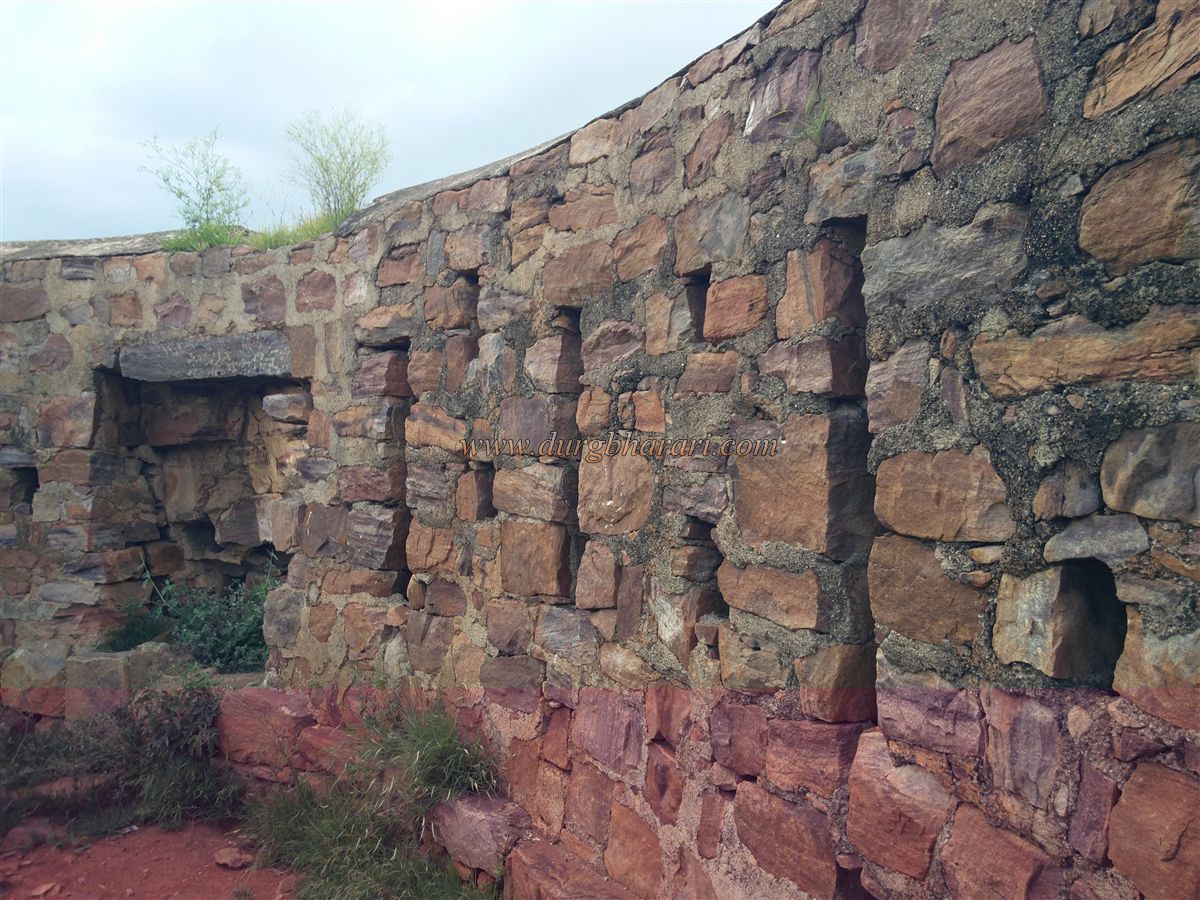
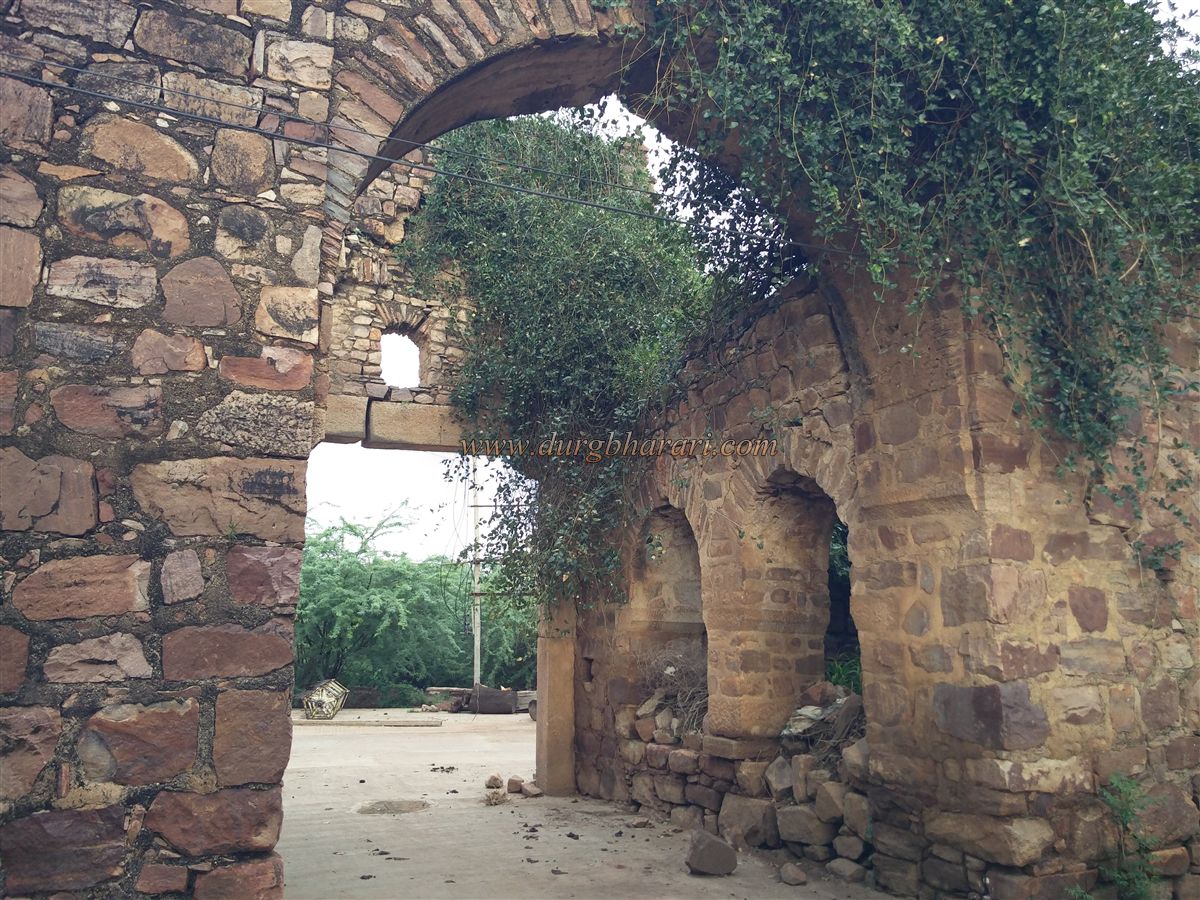
The entrance to the fort has two archways, and between them are guard chambers on either side. The walls have loopholes for firing guns. From here, you walk through the internal roads of the village (market area) toward the Mallikarjuna Temple, and from a narrow lane near the temple, a stairway leads up to the fort.
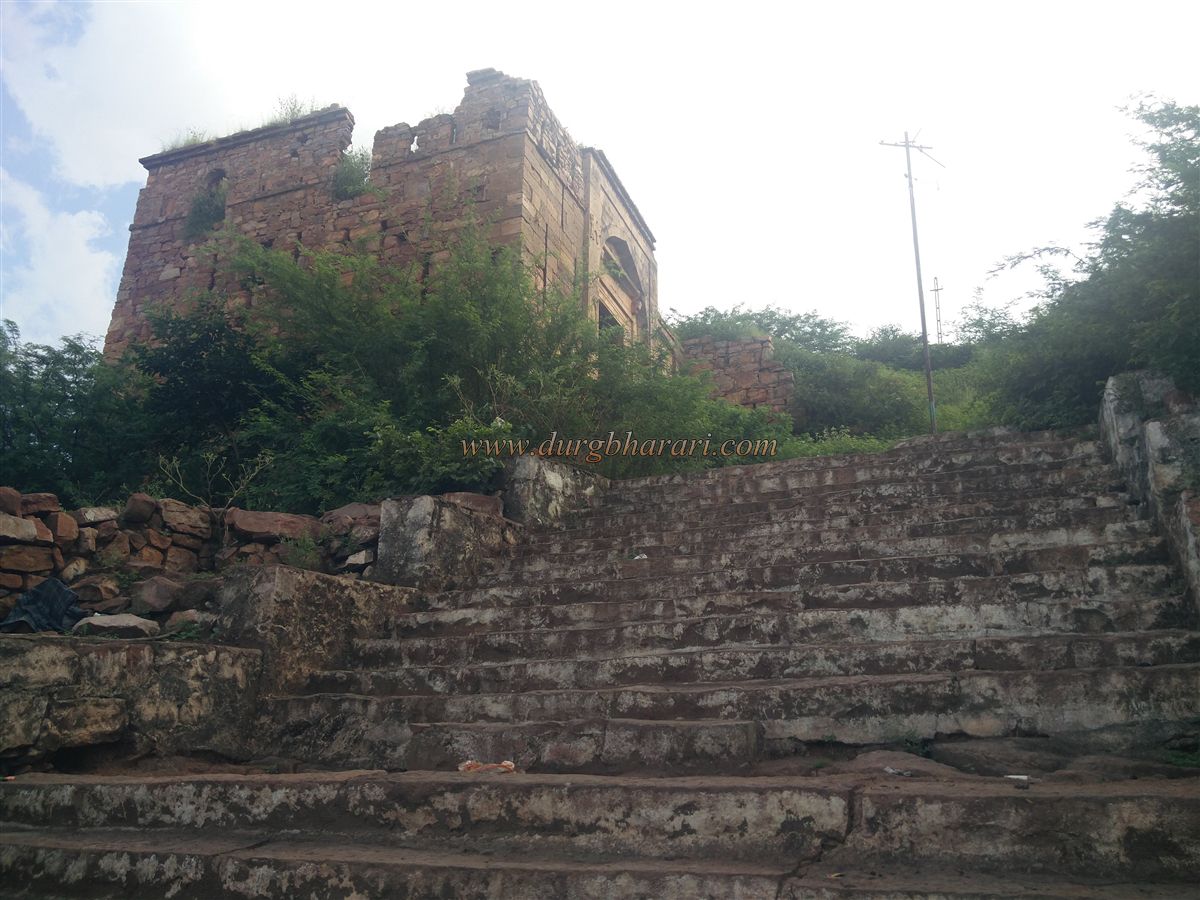
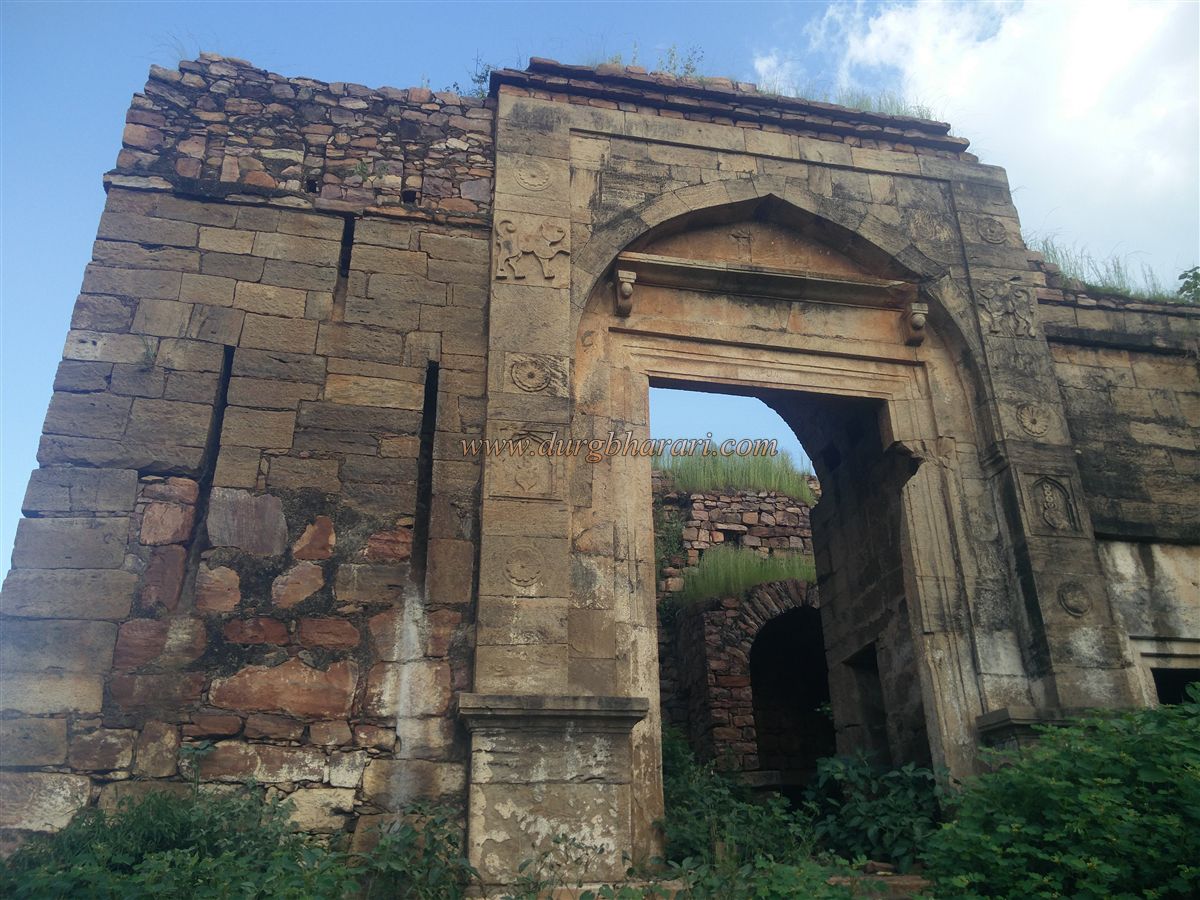
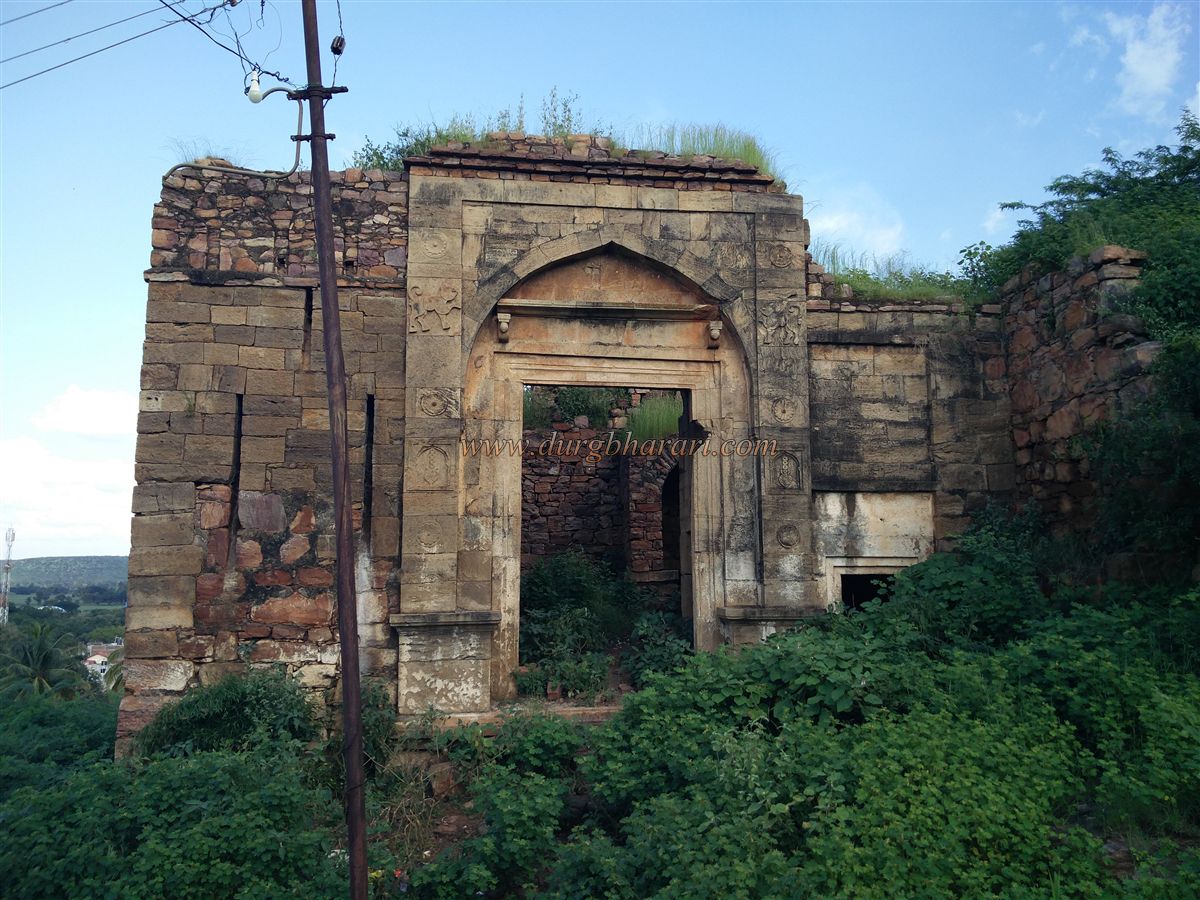
At the base of this stairway stands an iron archway of a dargah, marking the entrance. A five-minute climb leads you to the eastern main entrance of the fort. This grand arched gateway is flanked by carvings of Sharabh on both sides and decorated with exquisite stone carvings.
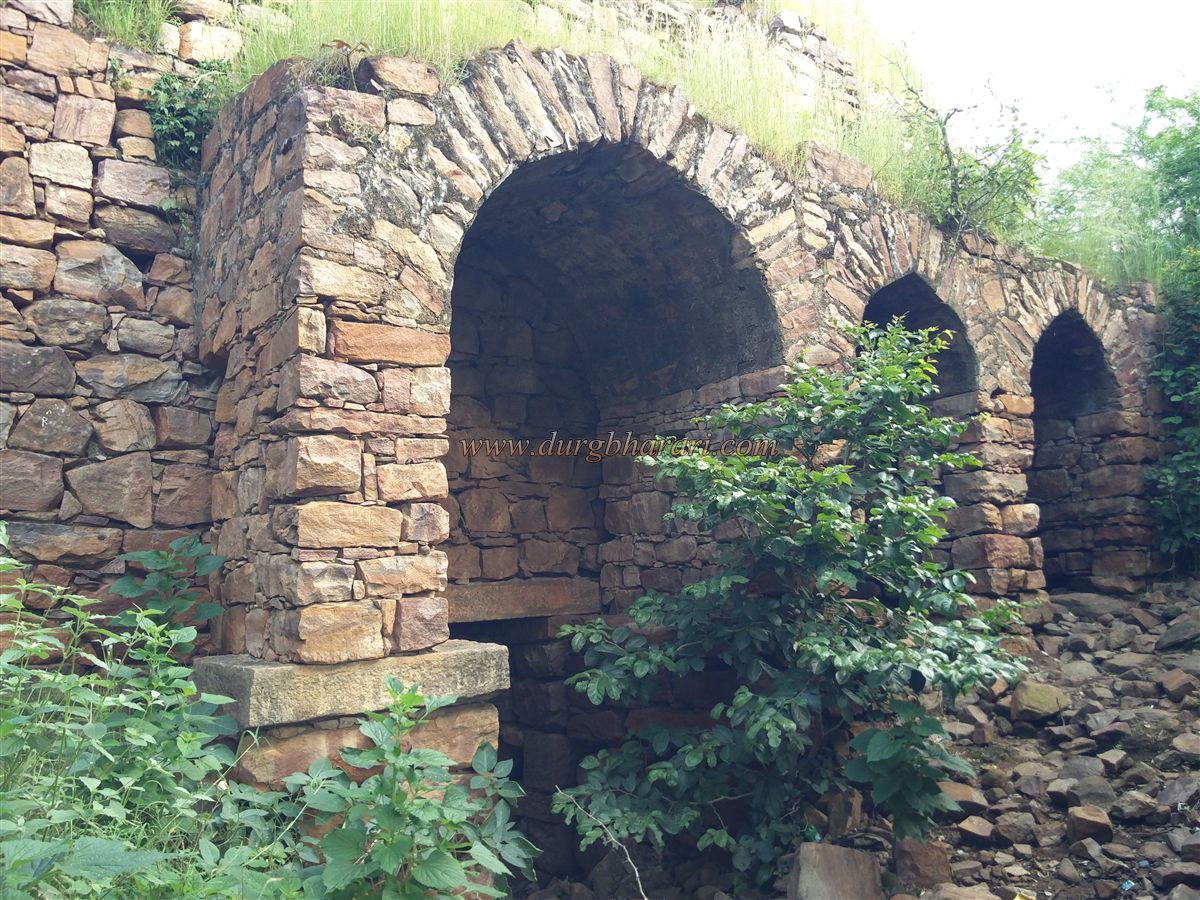
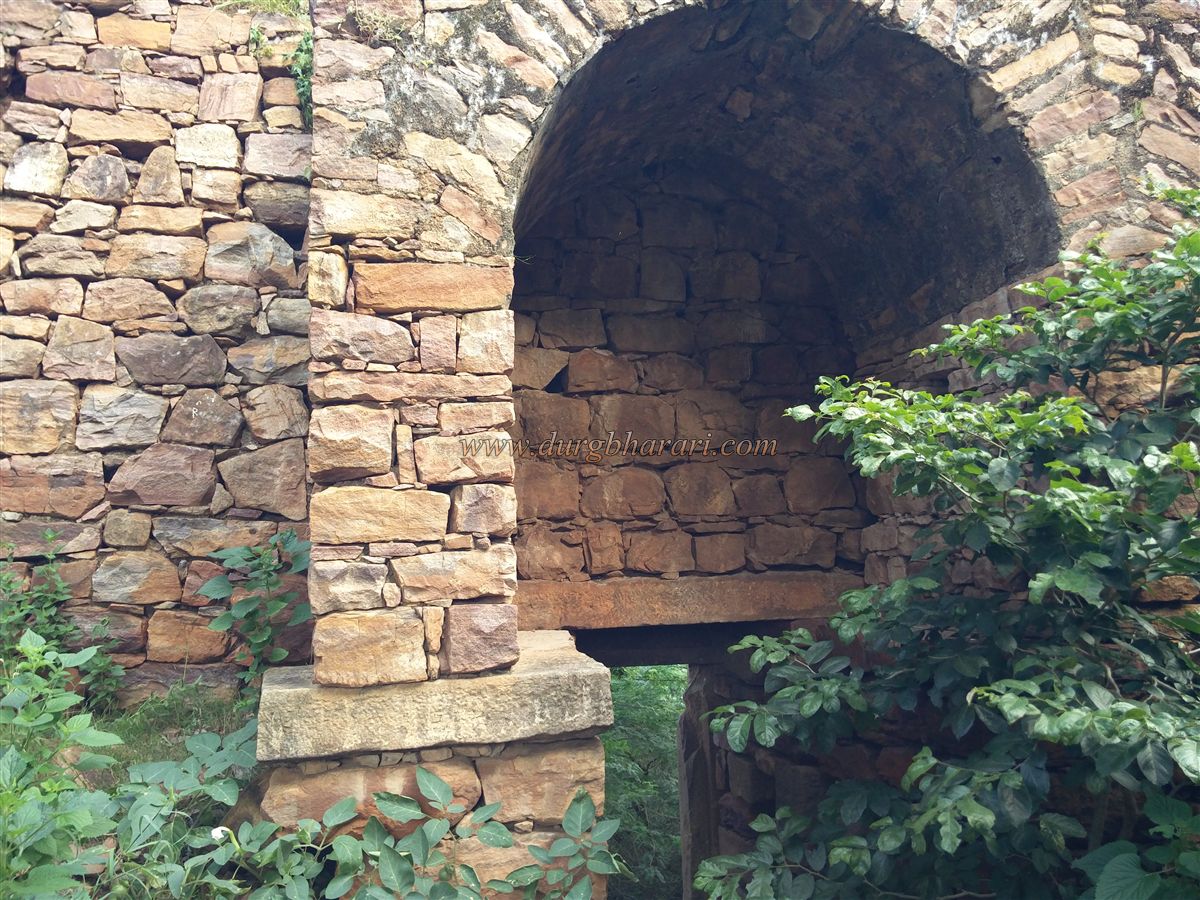
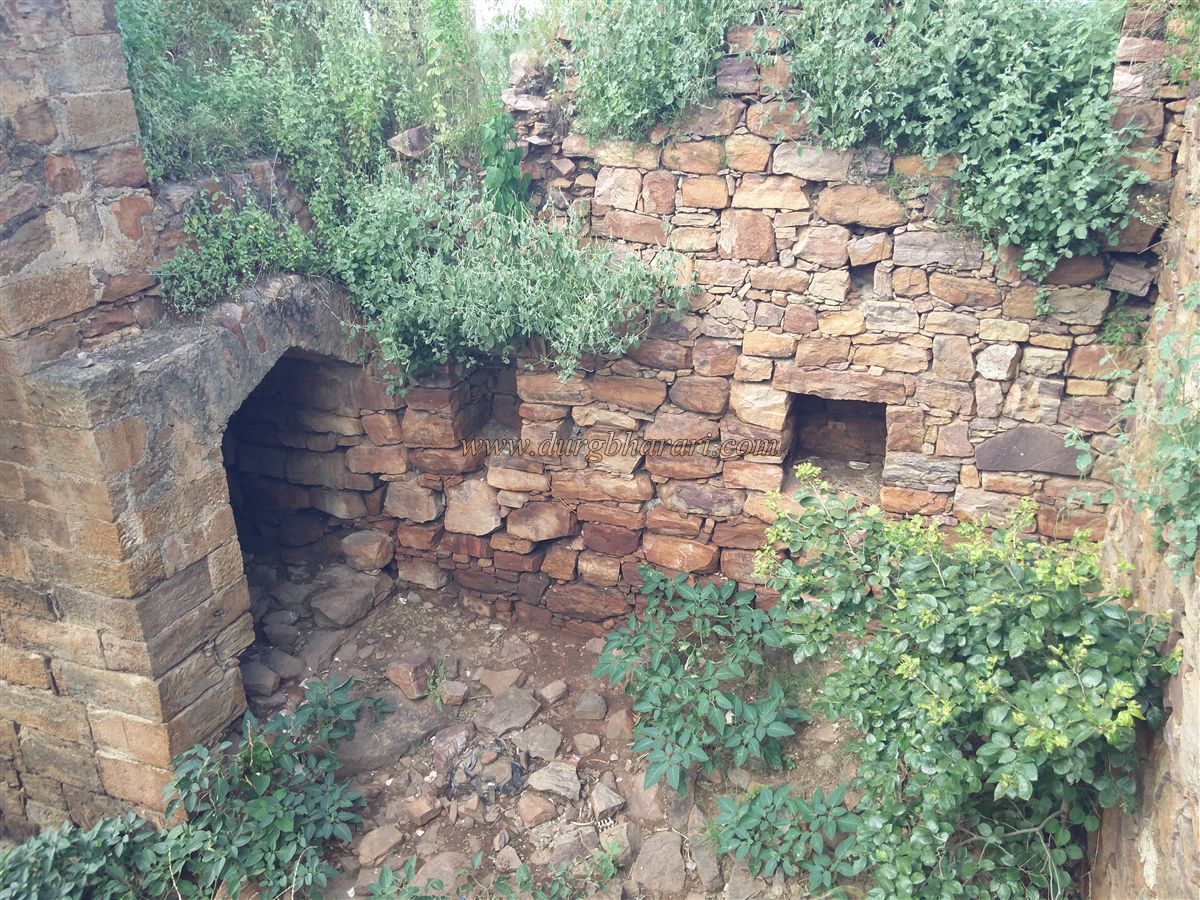
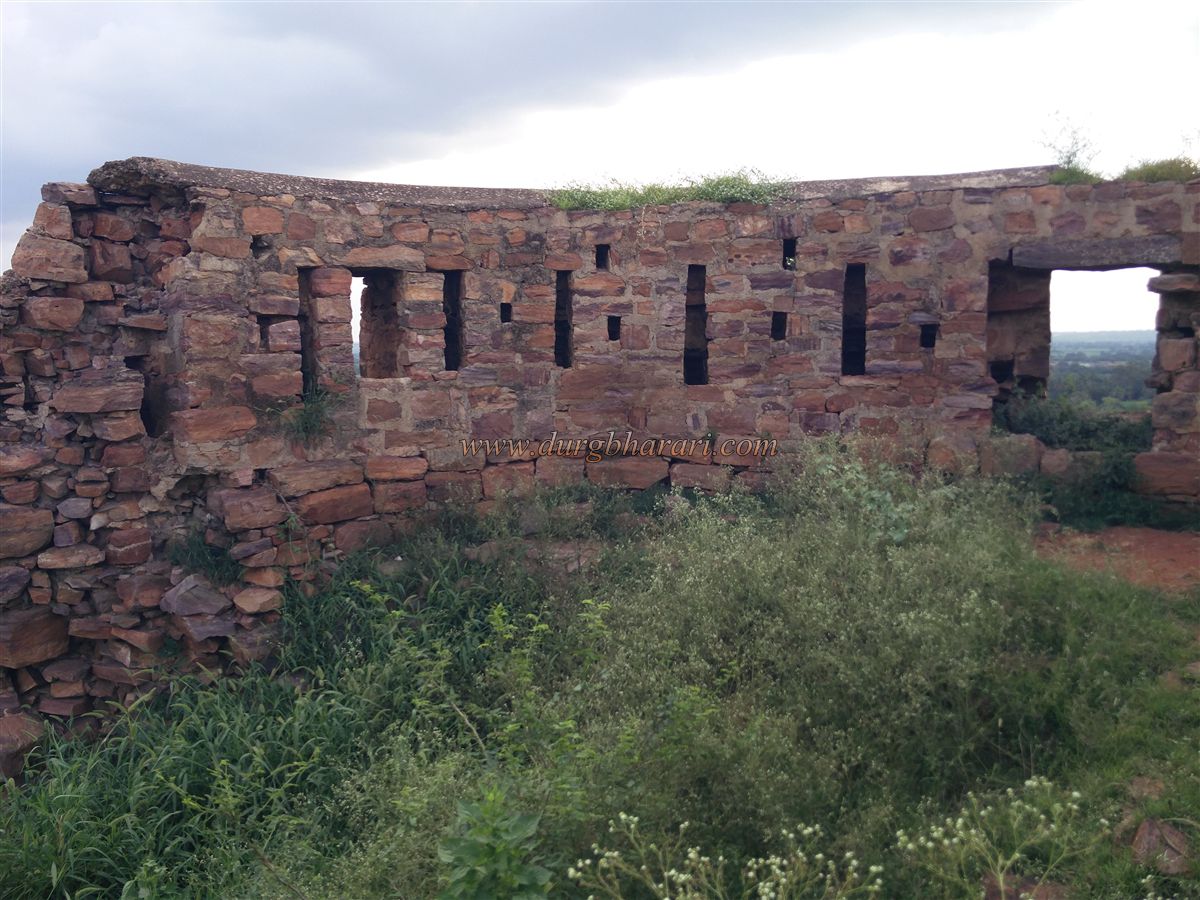
Next to the main gate is a small side door (dindi Darwaja) for access when the main gate is closed. The door is designed like a square bastion, and its walls and frame include slits and windows for firing muskets and cannons. Inside the gate are guard rooms and arched corridors on either side—one of them has a watch window.
From the entrance, a right-angled path leads to the summit, though dense thorny vegetation makes access difficult. Outside the main gate is the dargah, and to its left, remnants of battlements and bastions can be seen. The vegetation here is not too thorny, so with some effort, you can reach the top.
The fort summit is around 2,250 feet above sea level, and only about 150 feet above the village. The entire area of the fort is about 2.5 acres, with 6 bastions on the upper level and 1 near the entrance, making a total of 7 bastions.
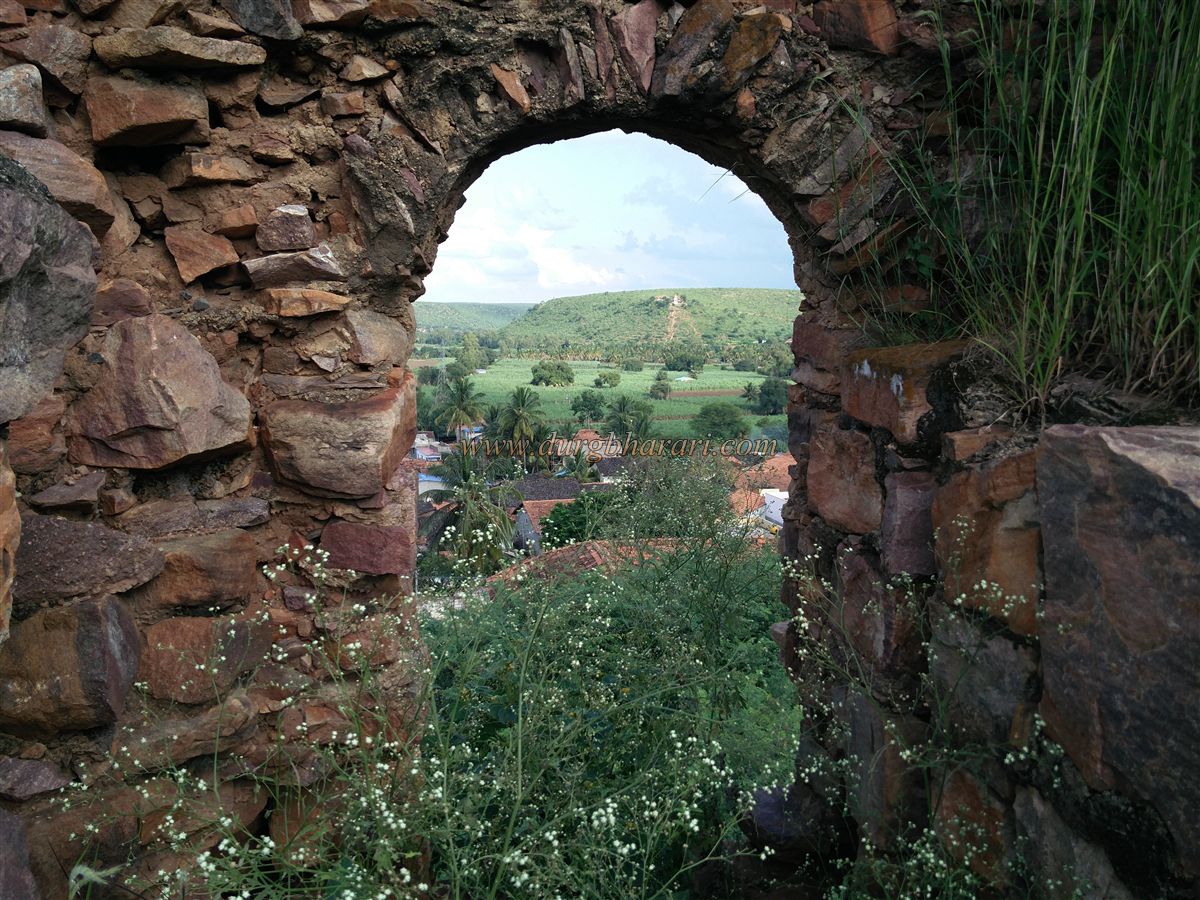
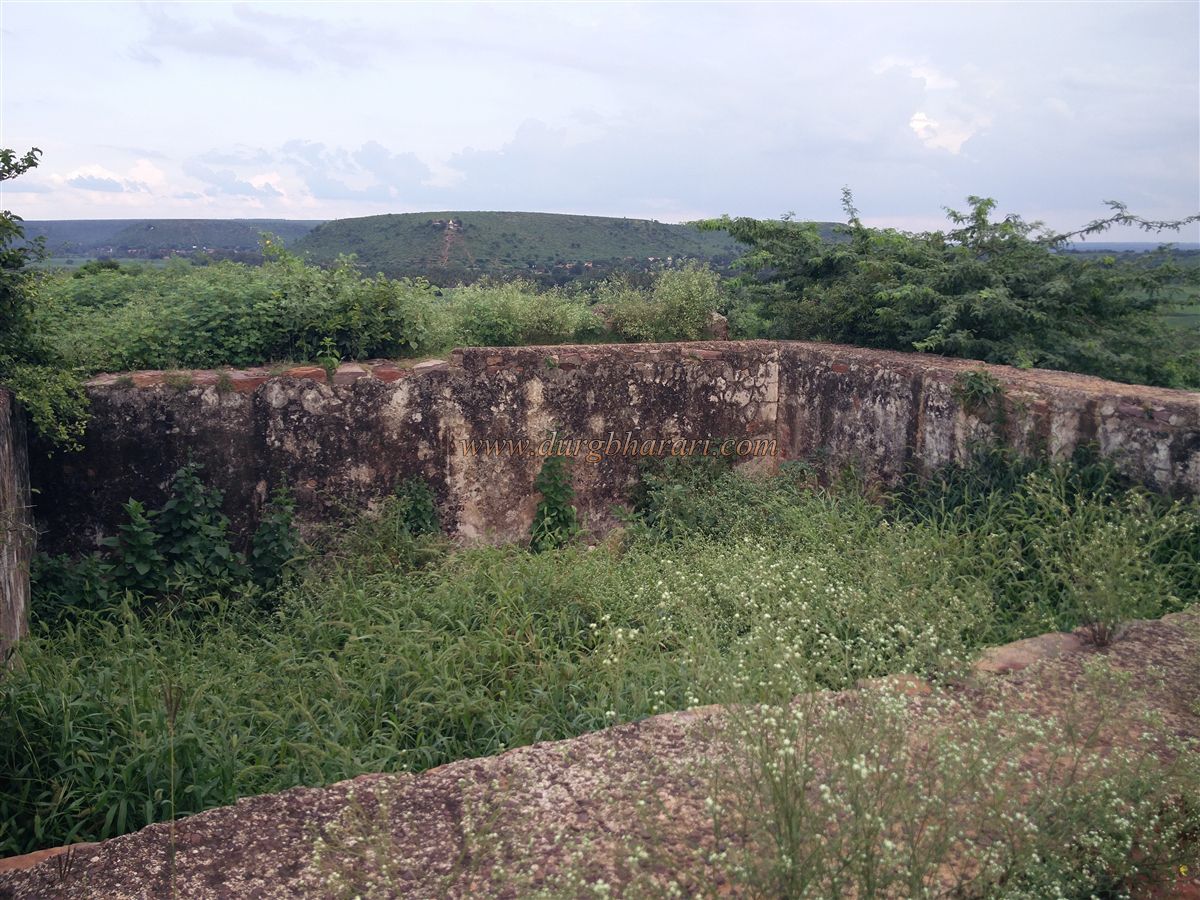
On the way to the western bastion, you’ll see two well-built water tanks, one small and one large, on the left side. At the centre of the summit is a ruined mansion, likely of historical importance. A path from here leads to the westernmost and highest bastion, from where the entire Pachhapur village and surrounding region can be seen clearly.
There is also a hidden escape route (chor Darwaja) below the second bastion on the northern side. However, the dense vegetation makes it difficult to see this entrance from inside.
A complete tour of the fort takes about one hour.
Historically, Pachhapur Fort was built during the rule of the Nawab of Savanur. During Shivaji Maharaj’s era, this region was under Maratha control. On 5 December 1746, Sadashivrao Bhau, accompanied by Mahadaji Pant Purandare, embarked on the Karnataka campaign to reclaim Maratha outposts from rebel forces and the Nawab of Savanur.
They reached the Tungabhadra River and asserted control over the Nawab, Desai, and rebels. From the Nawab of Savanur, the Marathas reclaimed 22 Pargana, including Pachhapur, Badami, Nargund, Umbal, Giri, Toragal, Kittur, Parasgad, Gokak, Yadwad, Bagalkot, Haliyal, Harihar, Basavapatna, and others.
Later, this region appears to have come under the control of the Chhatrapati of Karveer (Kolhapur) and the Patwardhan for some time.
© Suresh Nimbalkar
GALLERY