PABAL
TYPE : CITY FORT
DISTRICT : PUNE
HEIGHT : 0
GRADE : EASY
When we hear the name Pabal, most of us immediately recall Mastani, the beloved of Peshwa Bajirao. It is often read that Bajirao had a mansion built for Mastani in Pabal, and that she passed away there, with her Samadhi (memorial) still present in the village. However, beyond these two facts, few are aware that Pabal holds other historical structures as well. Many fort and history enthusiasts travel to Pabal to see the “Mastani Gadhi” (fortified mansion), but today, not a single stone of that structure remains in place.
Pabal is located 55 km from Pune via Shikrapur, and both ST (state transport) and Pune Municipal Corporation buses run to the village. The Mastani Gadhi, now mostly forgotten even by locals, can be found by asking for the Jain Dharamshala.
...
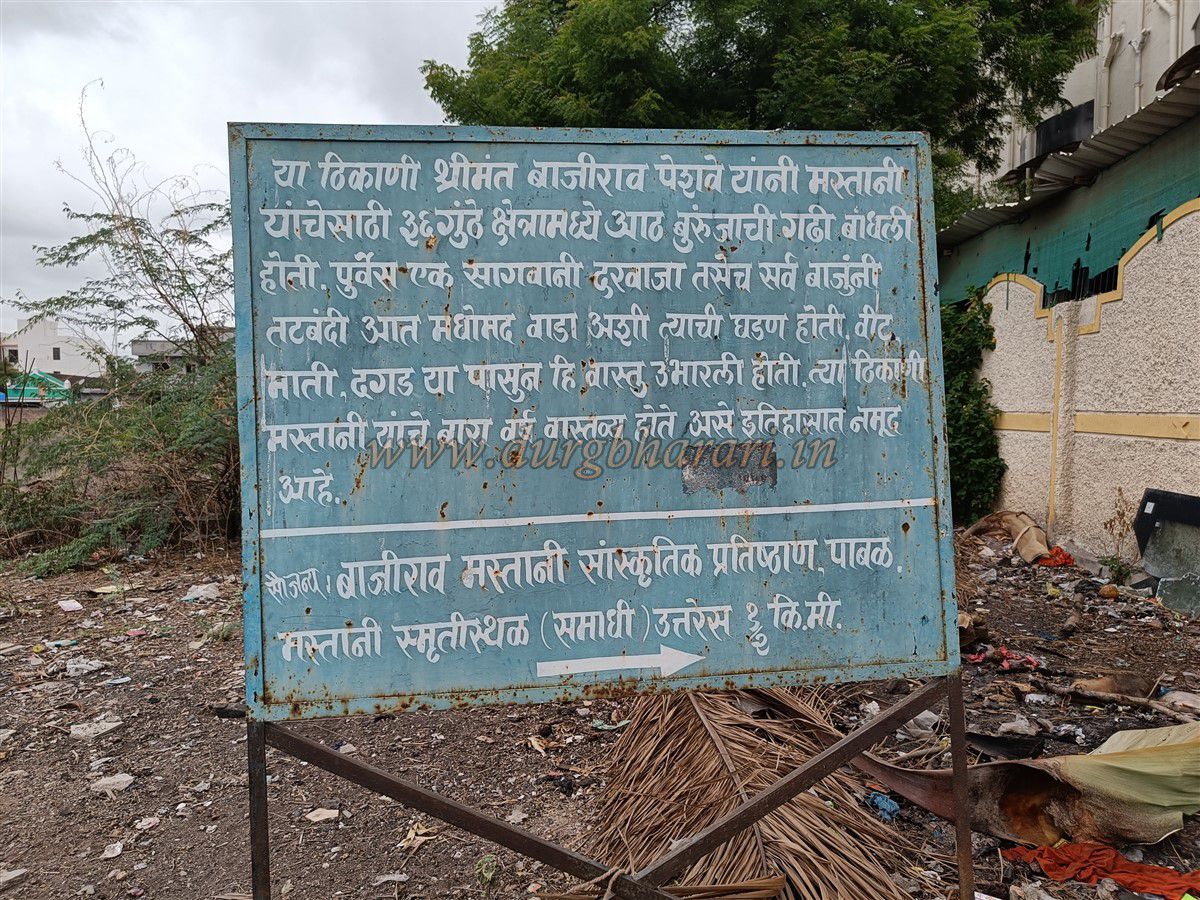
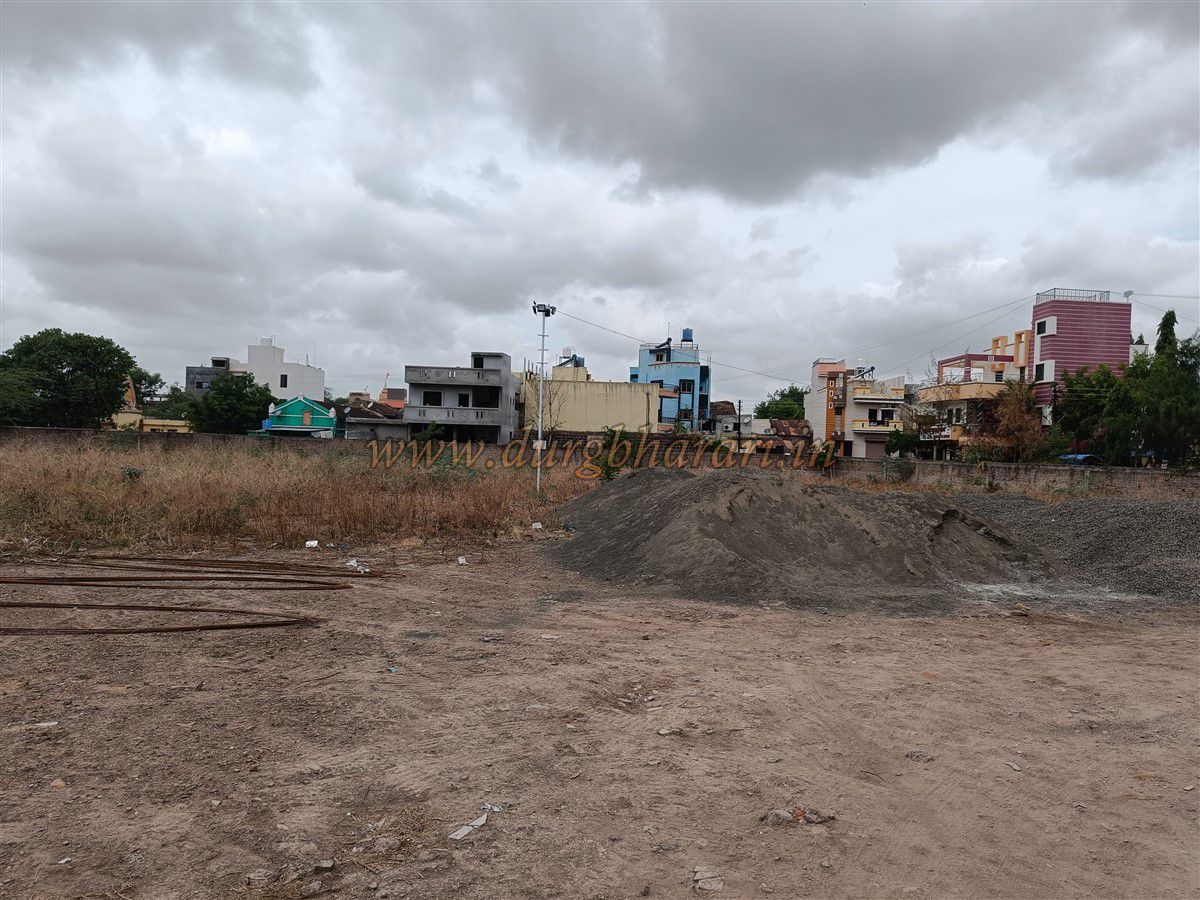
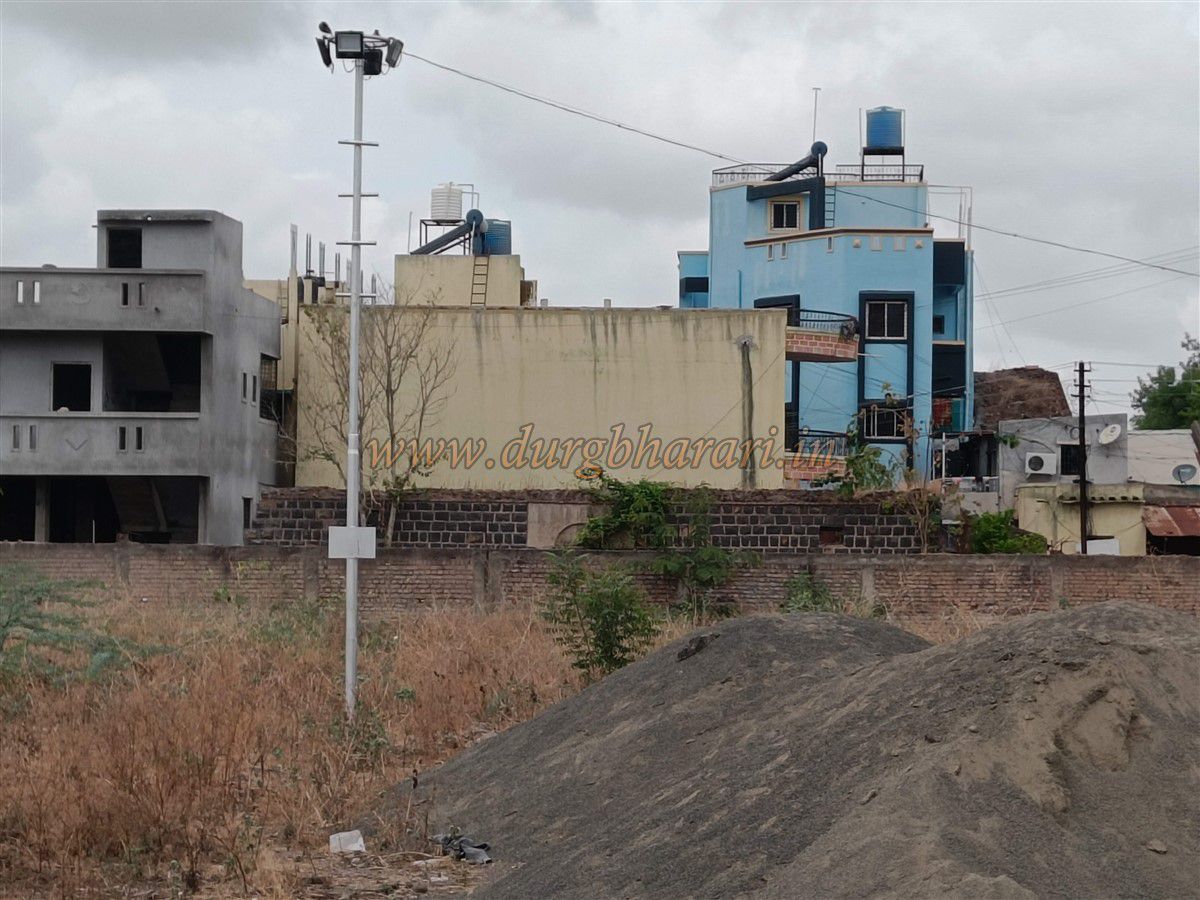
The site next to this Dharamshala was once the mansion where Mastani lived. Sadly, the entire structure has been flattened by bulldozers, leaving nothing behind but a plaque that provides information about the location.
According to the plaque, the Gadhi was constructed from stone, mud, and bricks, spanning 36 Guntha of land. It had a perimeter wall with eight bastions, and the entrance faced east. It is believed that Mastani resided in the central mansion of this fortification for twelve years. Around half a kilometre away from the Gadhi, on the outskirts of the village, lies her Samadhi.
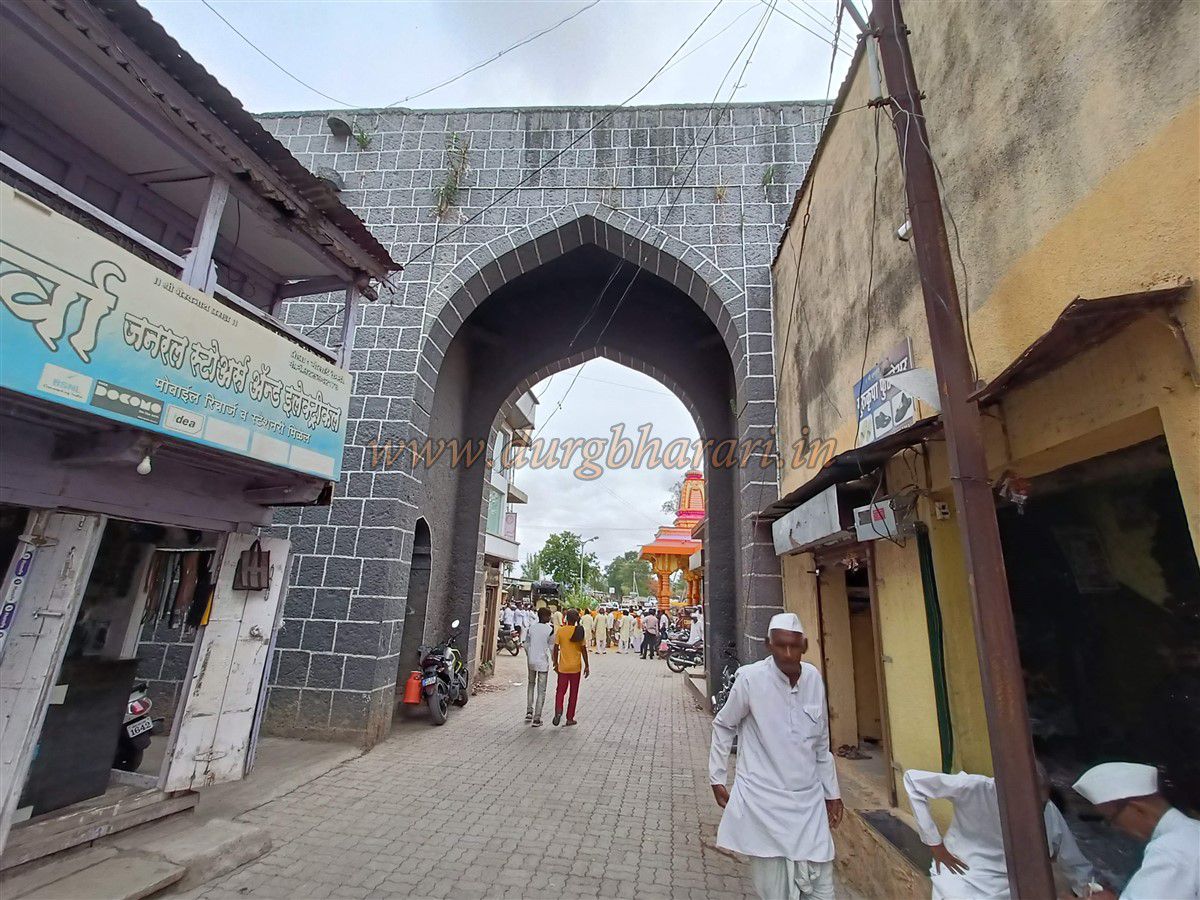
On the way to this Samadhi, one encounters a Jain temple. Since Mastani, the wife of Peshwa Bajirao, lived here, the village of Pabal was once enclosed within a fortified wall. At one time, the entire settlement was inside this fort, but with urban expansion, the fort has been almost entirely erased, except for the main gate. Even this gate is now partially encroached upon. It is said to be tall enough for an elephant with a howdah (ambari) to pass through. Guard chambers (devdis) exist on both sides inside the gate. Though the stone hinges for a wooden door still remain, the wooden doors themselves are long gone.
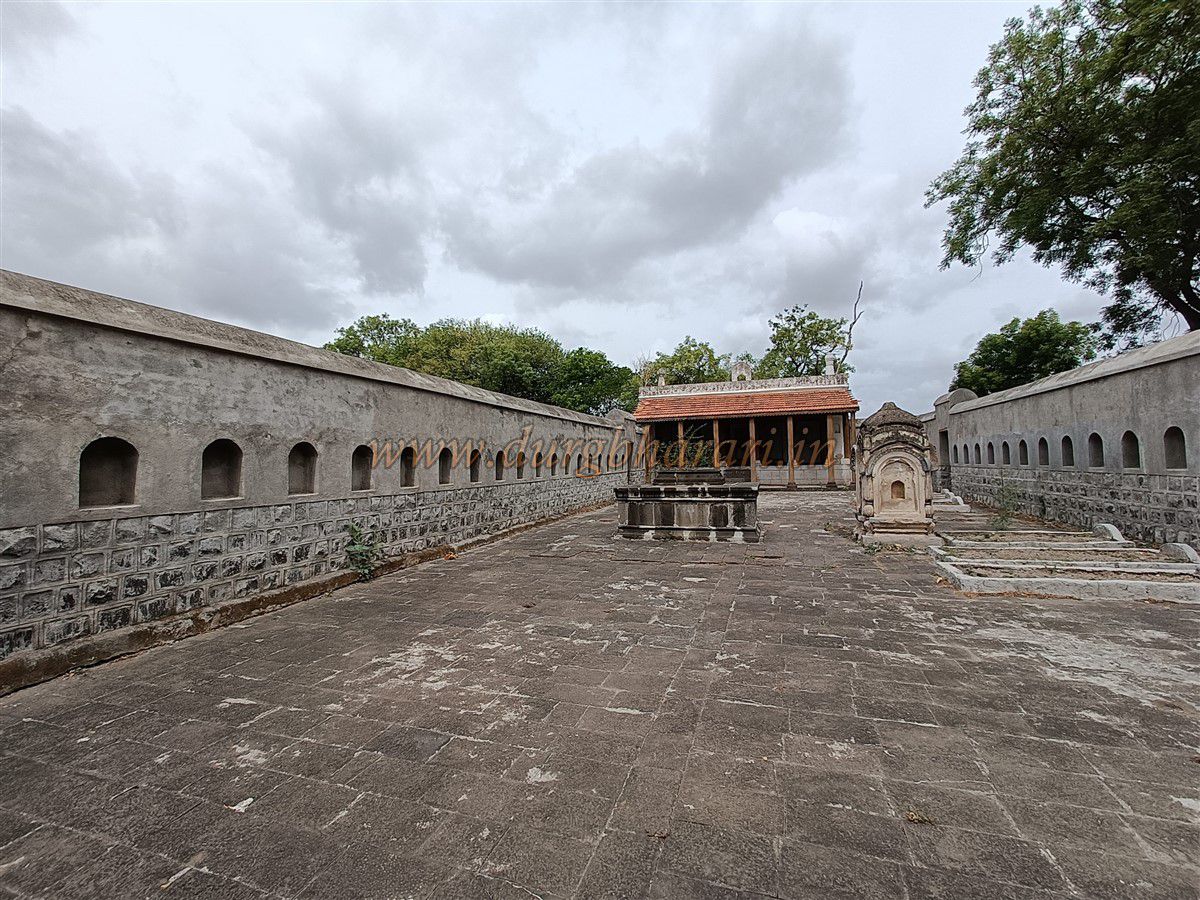
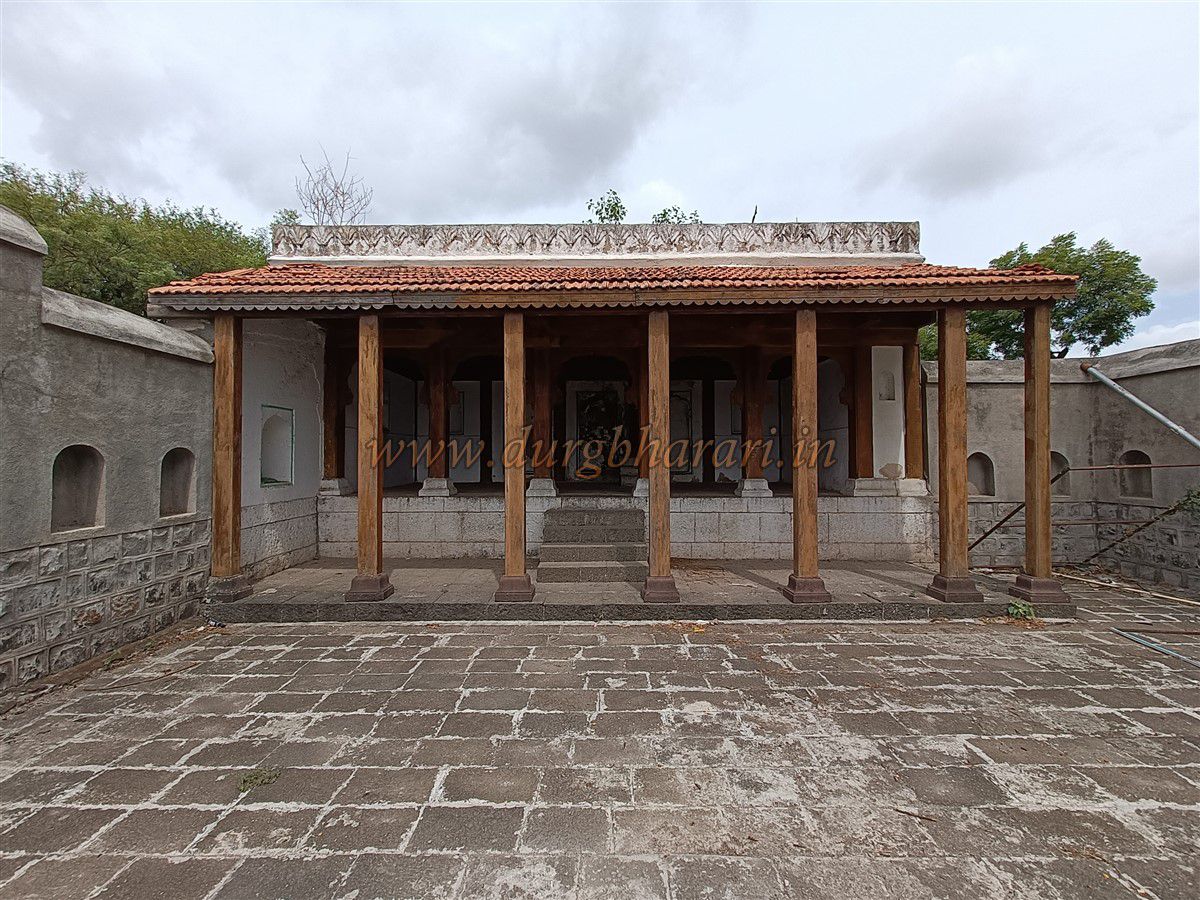
Exiting through this gate and walking about five minutes along a straight road brings you to Mastani Samadhi. Due to greed, some miscreants desecrated the site by digging it up twice—in 1998 and again in 2009—damaging the original structure. The existing memorial is now a 4-foot-high stone platform topped with a carved stone tomb. Holes in the ground around the tomb suggest that a canopy once stood above it. Beside this main tomb is a Rajasthani-style Chatri (canopied cenotaph) and six smaller graves.
The Samadhi is now enclosed within a compound wall with a gate, and is maintained by Mastani’s descendant, Mohammad Inamdar. However, the site is currently neglected and should be preserved as a protected monument due to its historic importance.
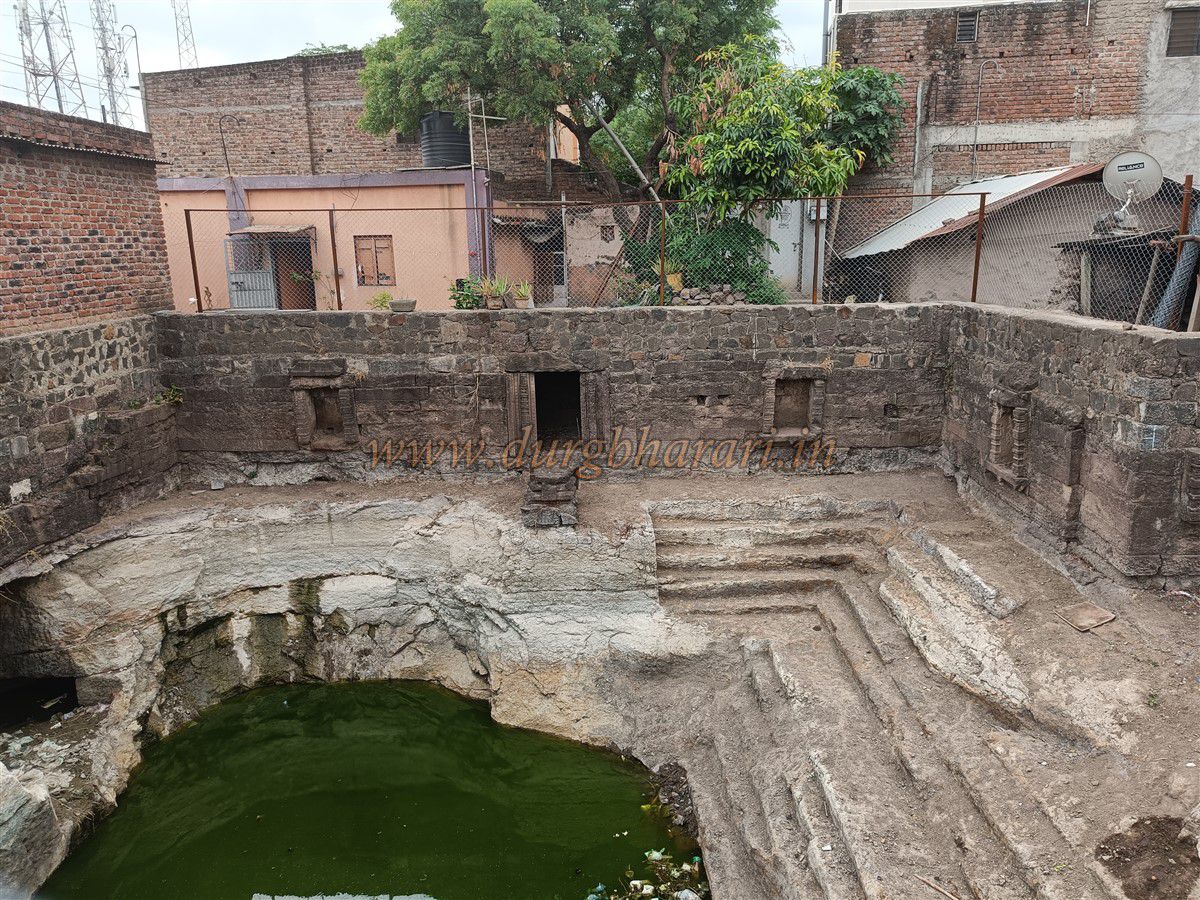
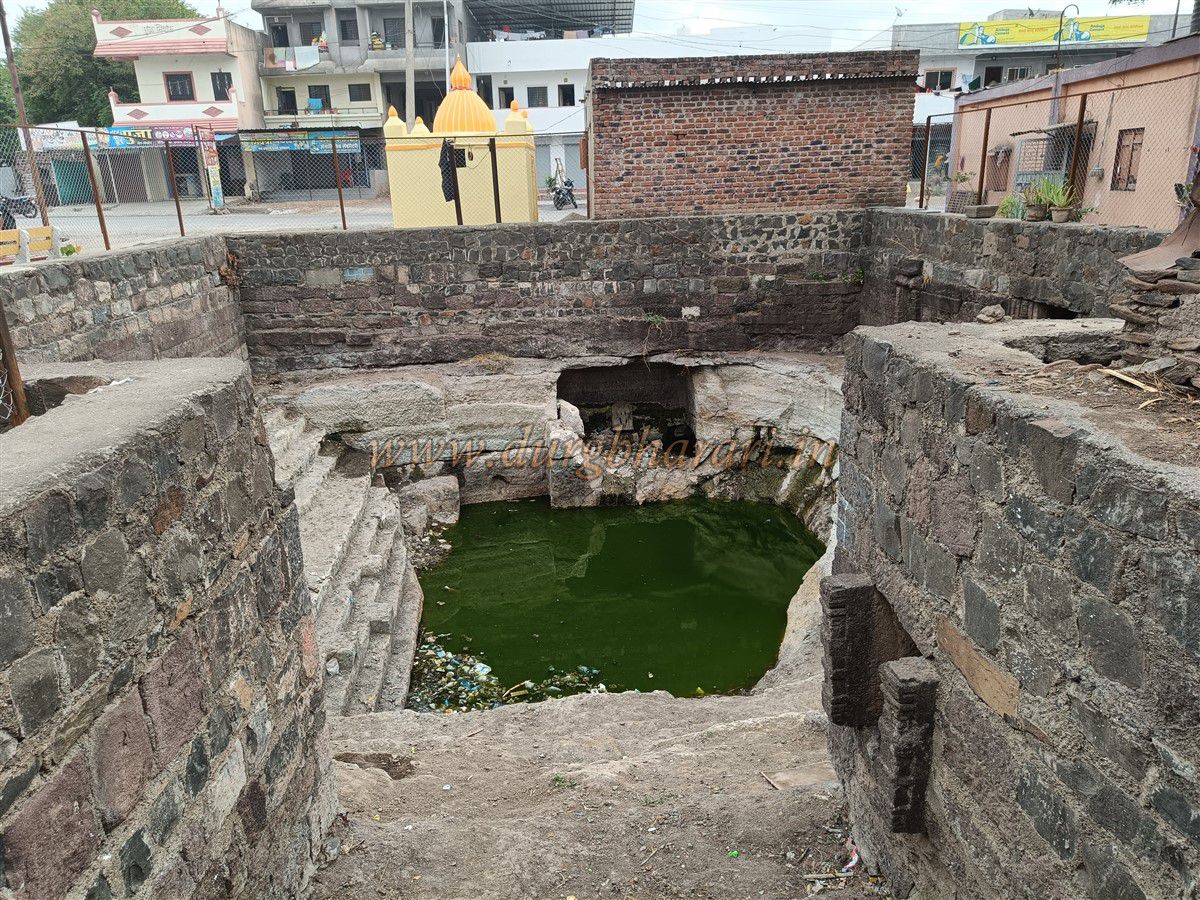
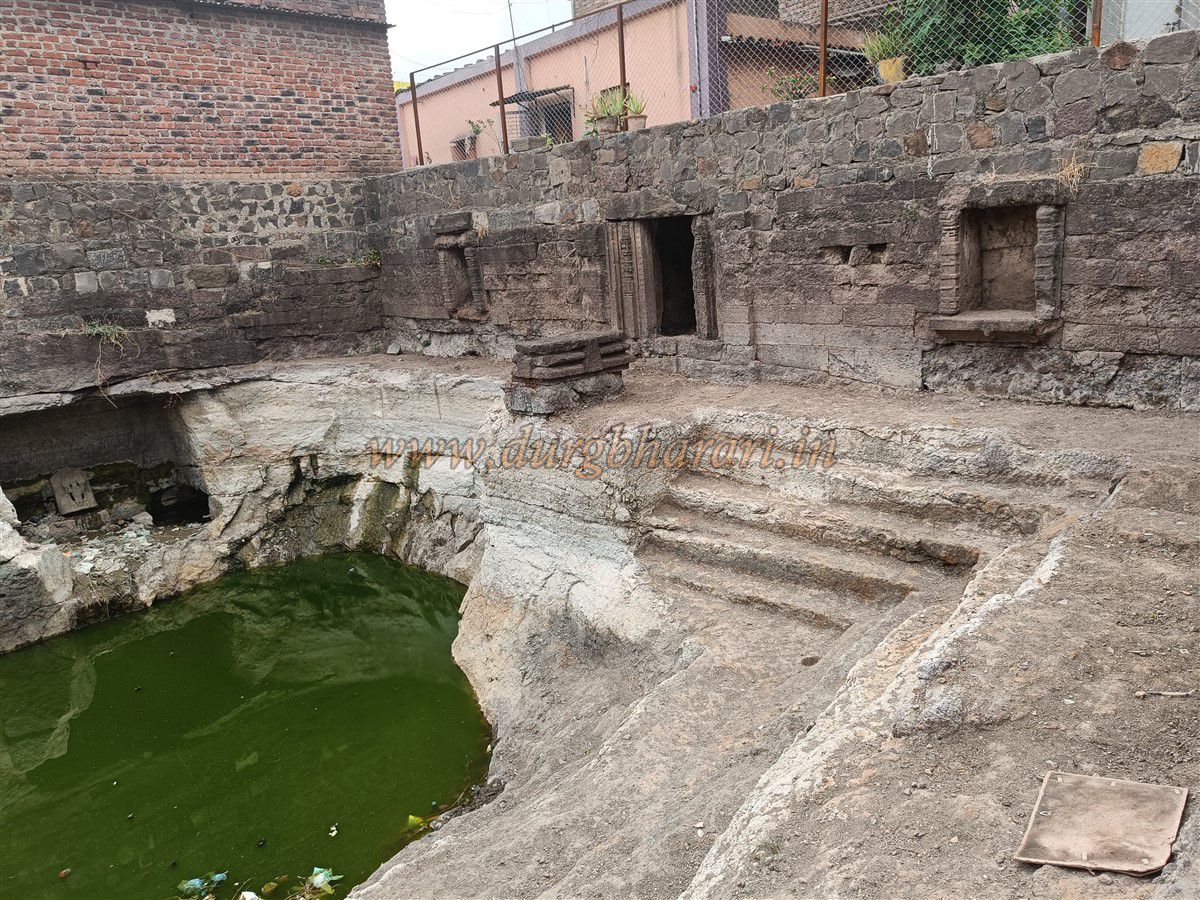
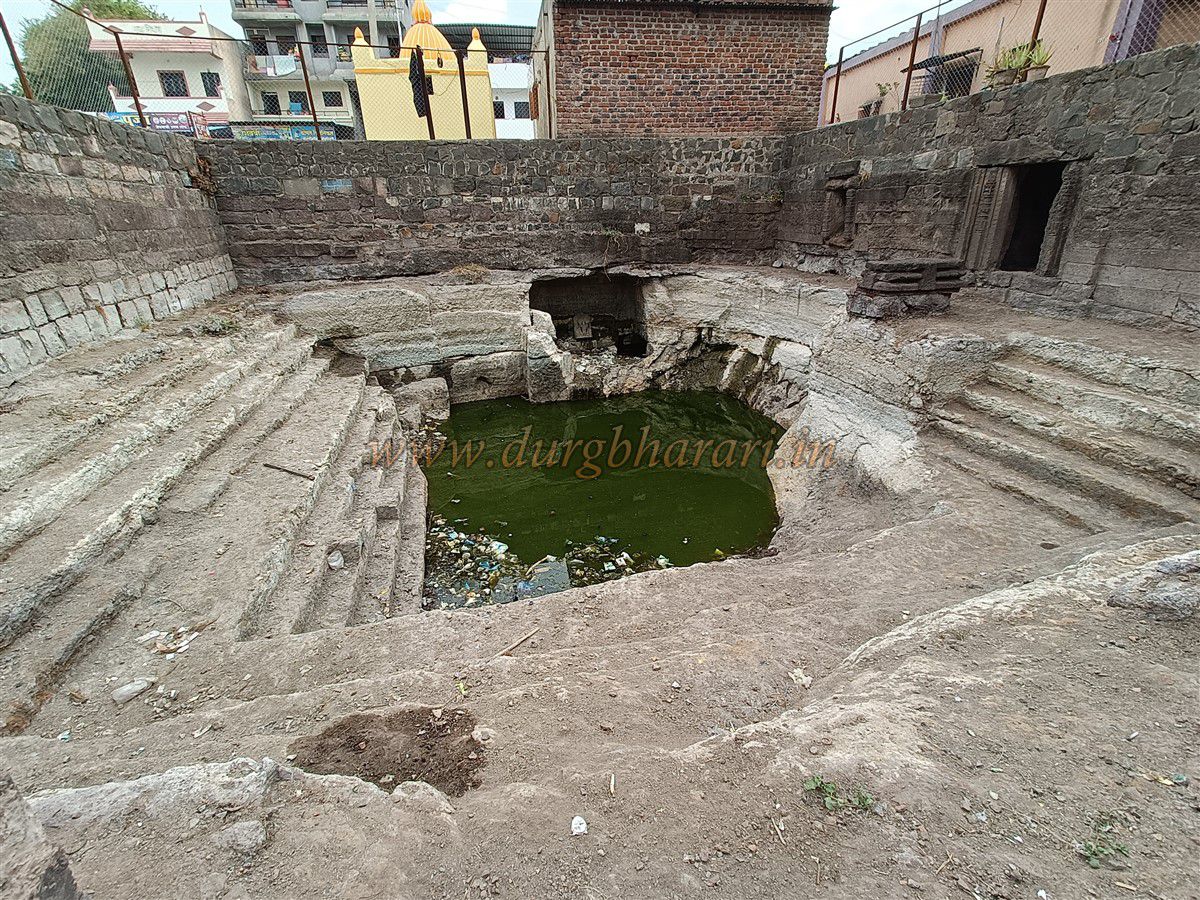
Apart from this, near the Nageshwar temple on the right side of the town gate, there exists an ancient stone step well (pushkarni). Seeing all of Pabal’s historical structures takes about an hour. Anyone wishing to remember the beautiful and graceful Mastani—a golden chapter in Bajirao life—should visit Pabal at least once.
Mastani was the daughter of Bundelkhand's King Chhatrasal. After Peshwa Bajirao rescued him from the Mughal general Muhammad Khan Bangash, Chhatrasal offered Bajirao a region yielding 3.2 lakh rupees annually and gave him his daughter Mastani in marriage. She came to Pune around 1729. As the Peshwa family did not accept the tradition of having two wives, Mastani’s presence caused great internal conflict. To keep her away from these disputes, Bajirao built a fortified mansion for her in Pabal with eight bastions and granted her the villages of Kendur, Pabal, and Loni for her upkeep.
While Bajirao was away on a northern campaign, he died on April 28, 1740, on the southern bank of the Narmada at Raverkhedi. It is said that, stricken with grief, Mastani swallowed a diamond and ended her life. Her memorial stands at the spot where her last rites were performed.
© Suresh Nimbalkar
GALLERY