NIPPANI
TYPE : GADHI/ NAGARKOT
DISTRICT : BELGAON
HEIGHT : 0
GRADE : EASY
The town of Nipani in the Belgaum district is famous across India for its tobacco. Though this Marathi-speaking region was part of the Maratha Empire, it was merged into Karnataka during the reorganization of states based on language. Even today, despite being under Karnataka's administration, the region retains its Marathi cultural identity and spirit, which still resonates with Maharashtra. Since the forts in Belgaum district were key outposts of the Maratha Empire, I consider them part of Maharashtra’s fort heritage and have included them as such.
During my exploration of Belgaum, I was able to visit more than 35 forts and fortified mansions (Gadhikots). I have tried to document all of them on the website Durgbharari. Historical references indicate that there was once a fort in Nipani, so I included it in our Belgaum fort tour.
...
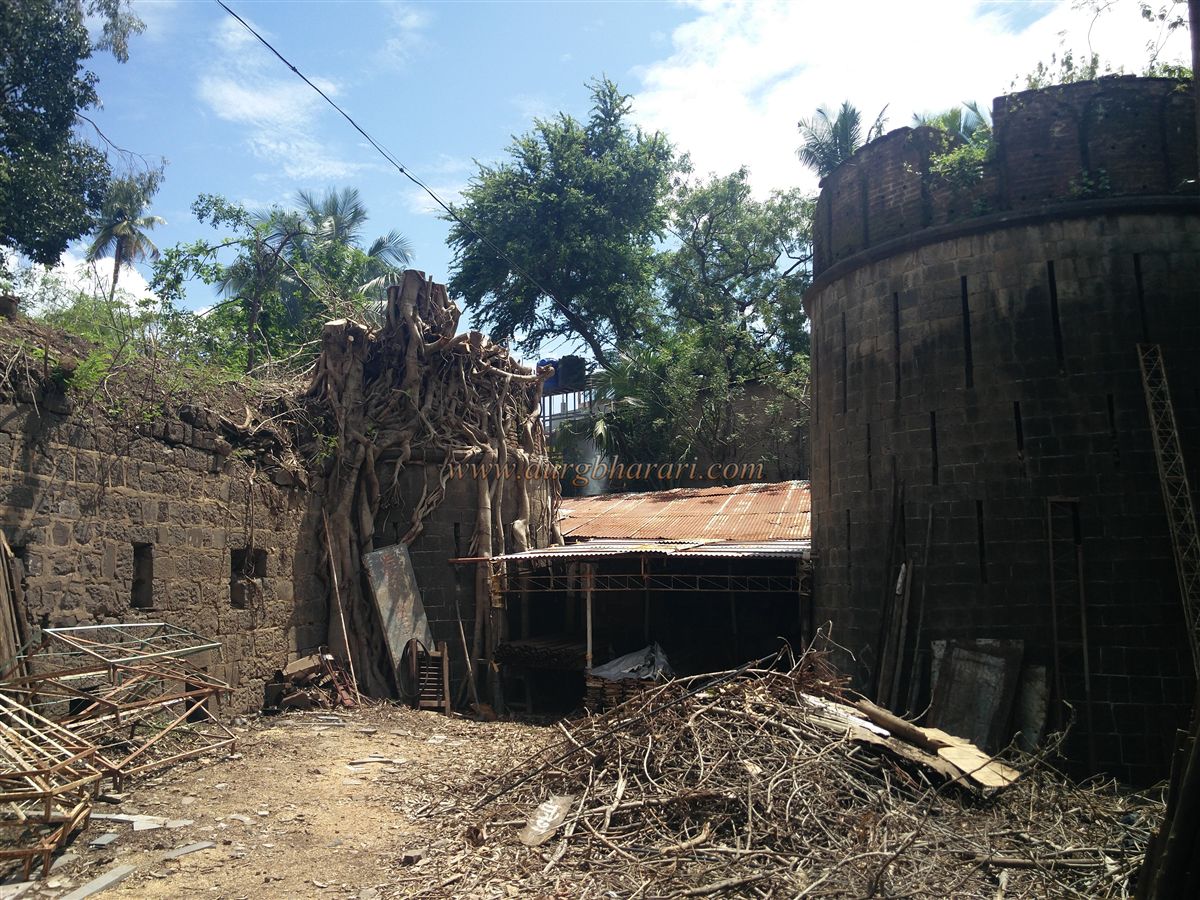
Nipani is located 43 km from Kolhapur and 74 km from Belgaum. Situated along the Kagal-Sankeshwar highway, Nipani has a palace belonging to the Desai of Nipani, whose descendants still reside there. The palace is within a fortified area, and this area is popularly referred to as the Nipani Fort. The palace was built in 1800 by Sidojirav Nimbalkar. Around the palace are the partially built remains of the Nipani fort.
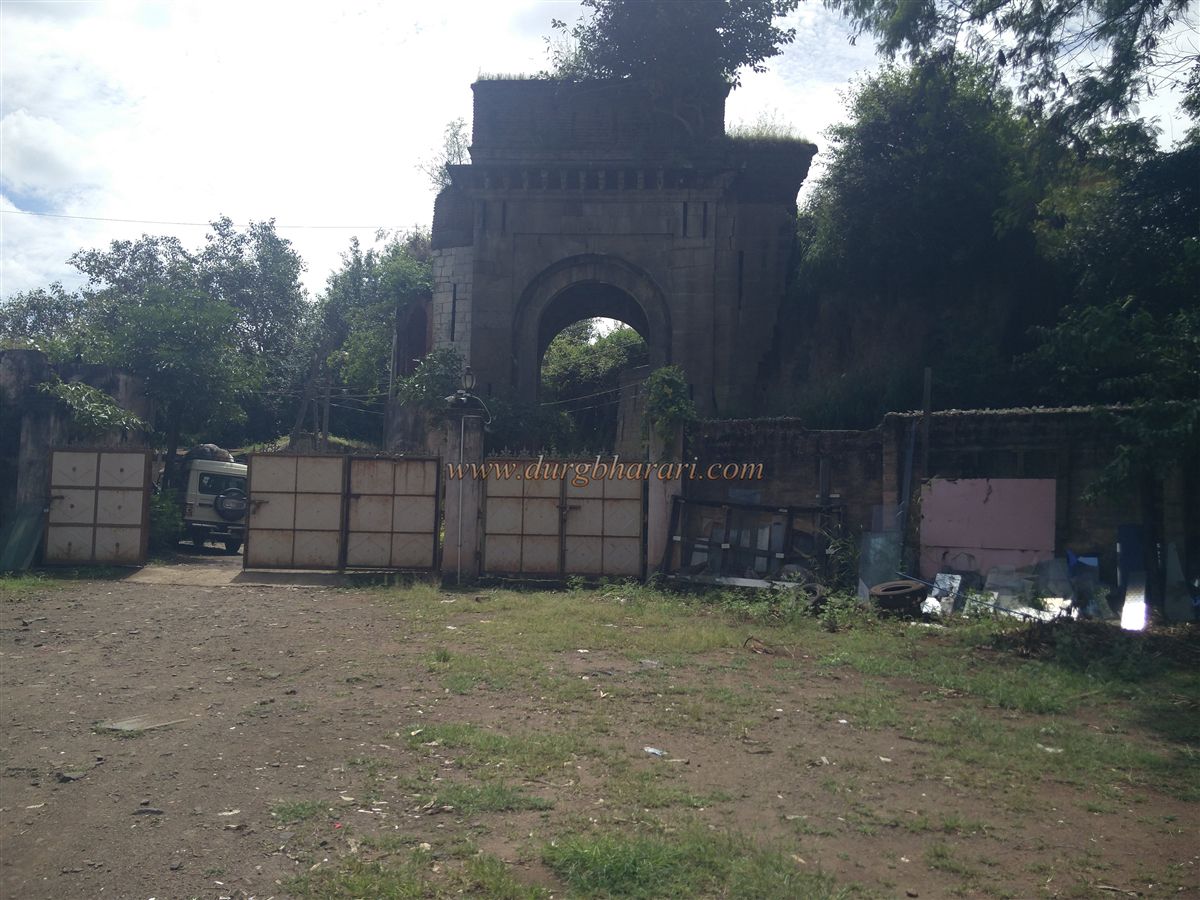
According to records, in 1827, Appa Desai of Nipani began construction of a fort wall around the palace, but after completing the southern side, he realized he could not complete the task and abandoned the project. Today, you can still see remnants of this incomplete fortification near the palace. With the owner’s permission, visitors can explore limited parts of the palace and exterior fort area.
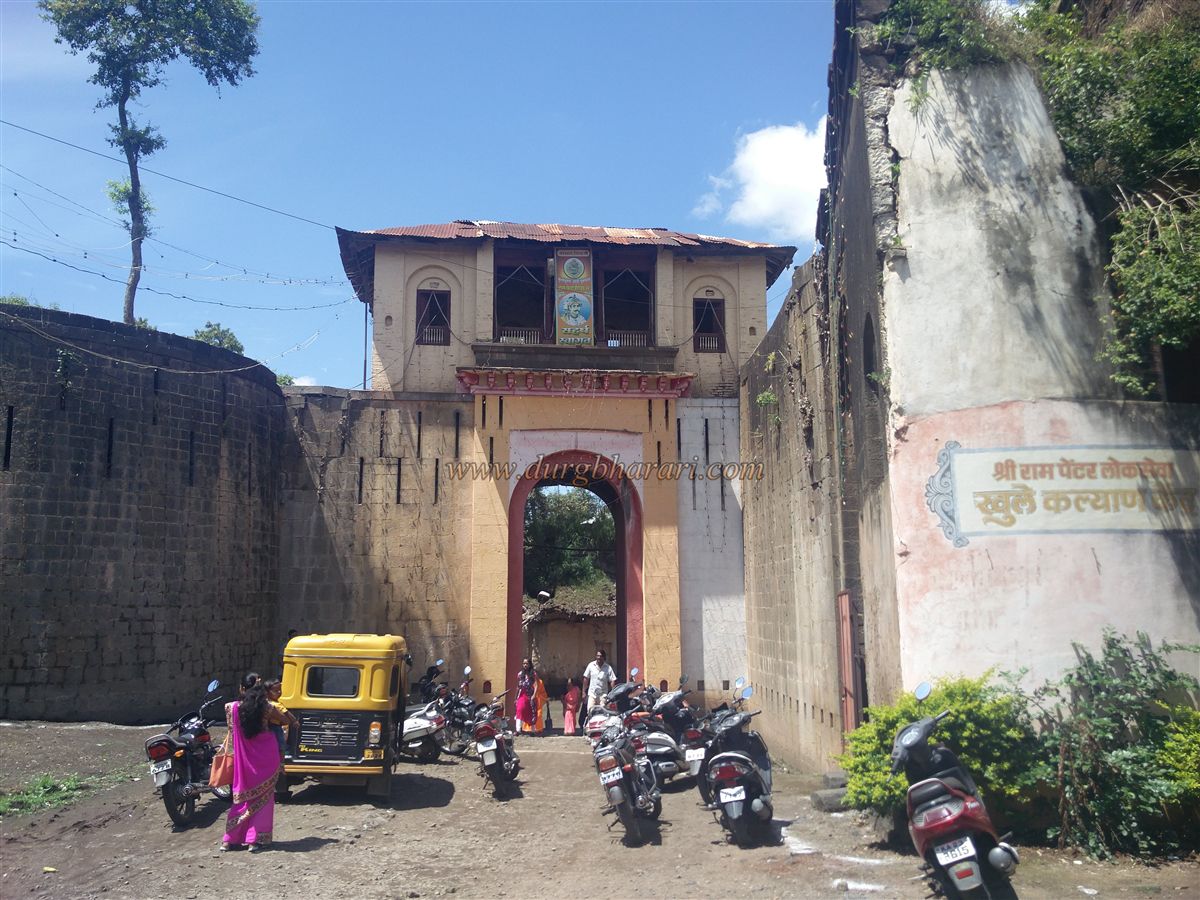
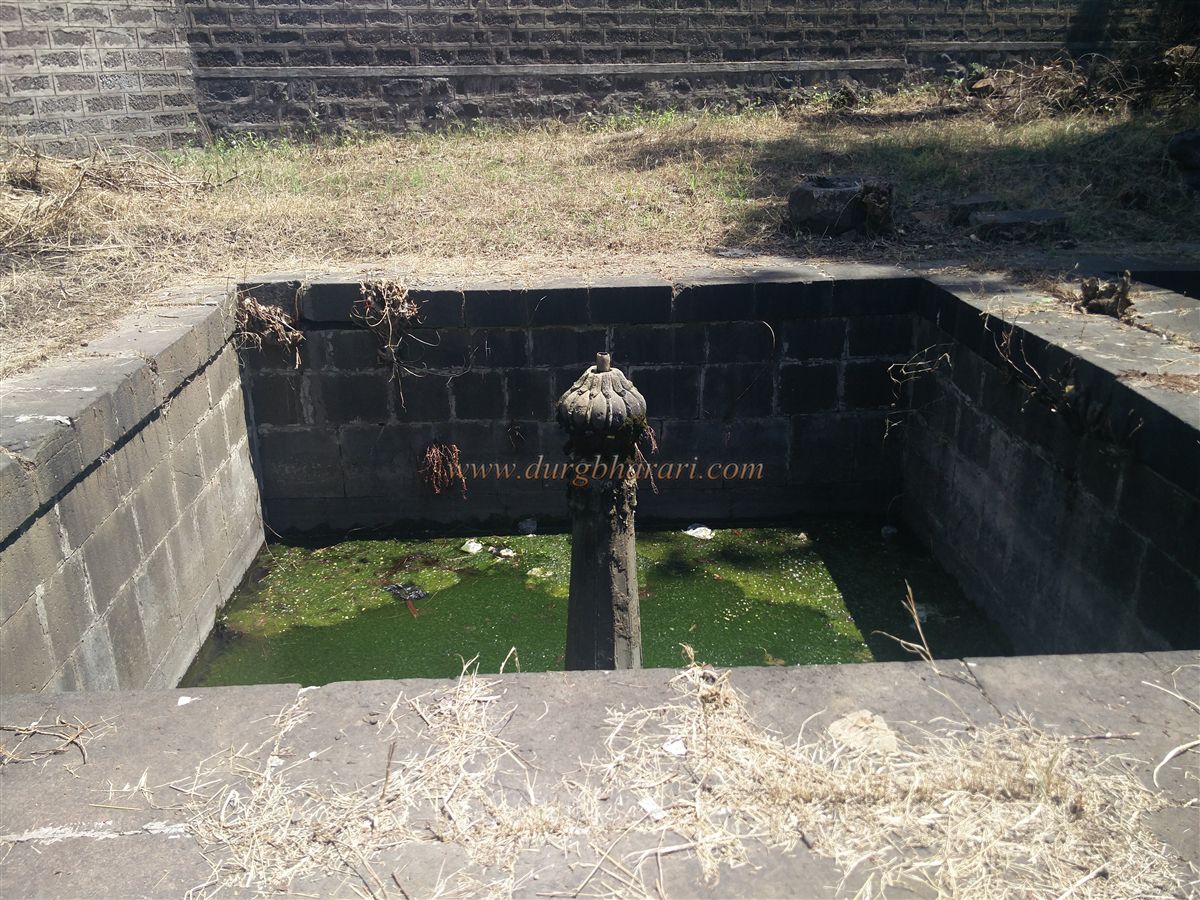
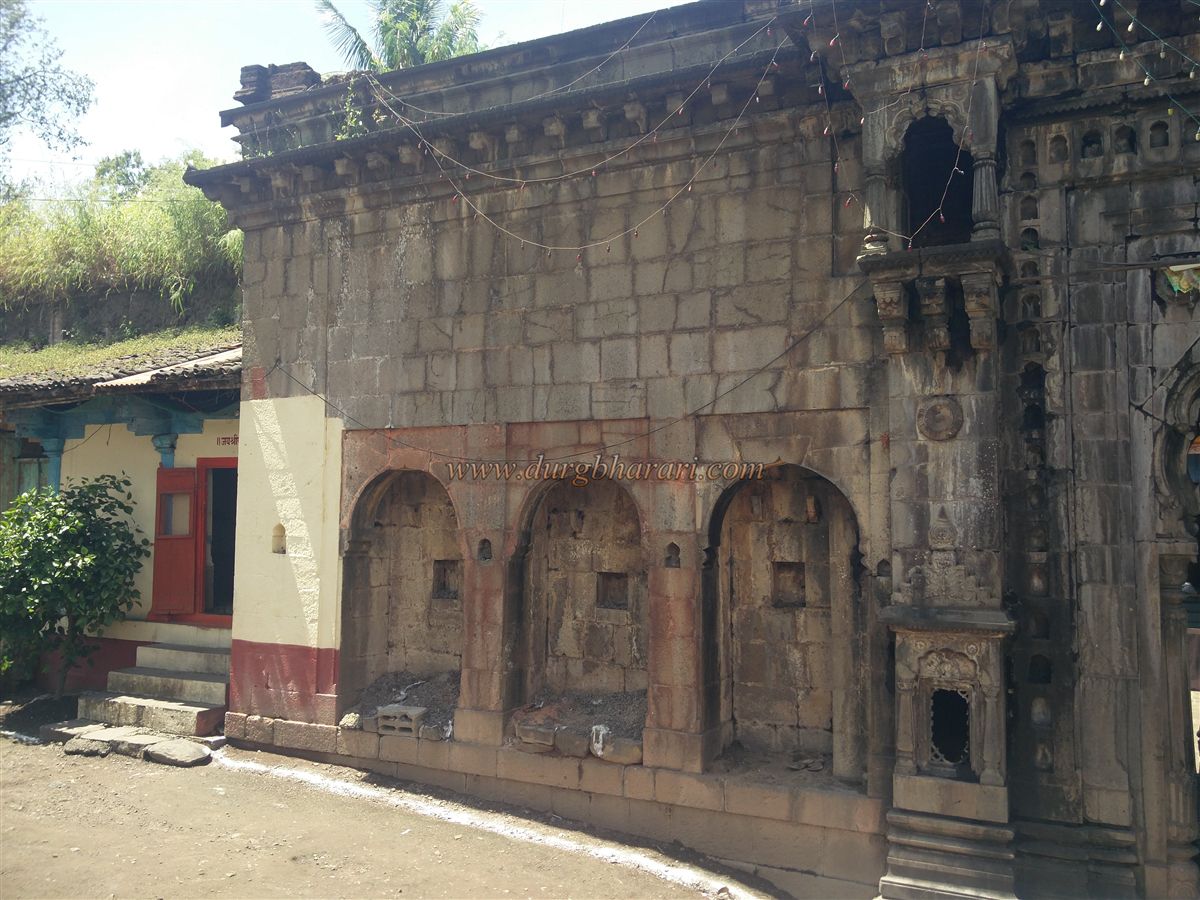
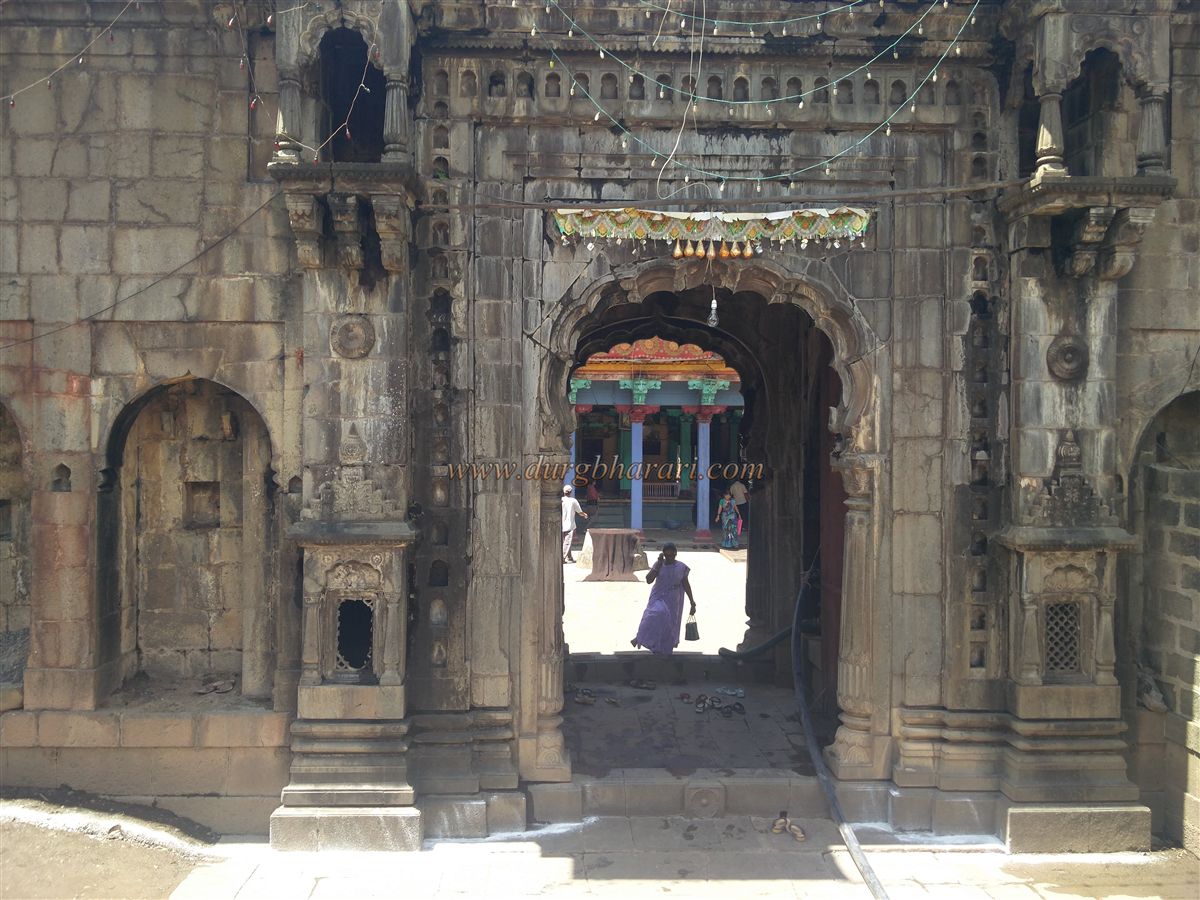
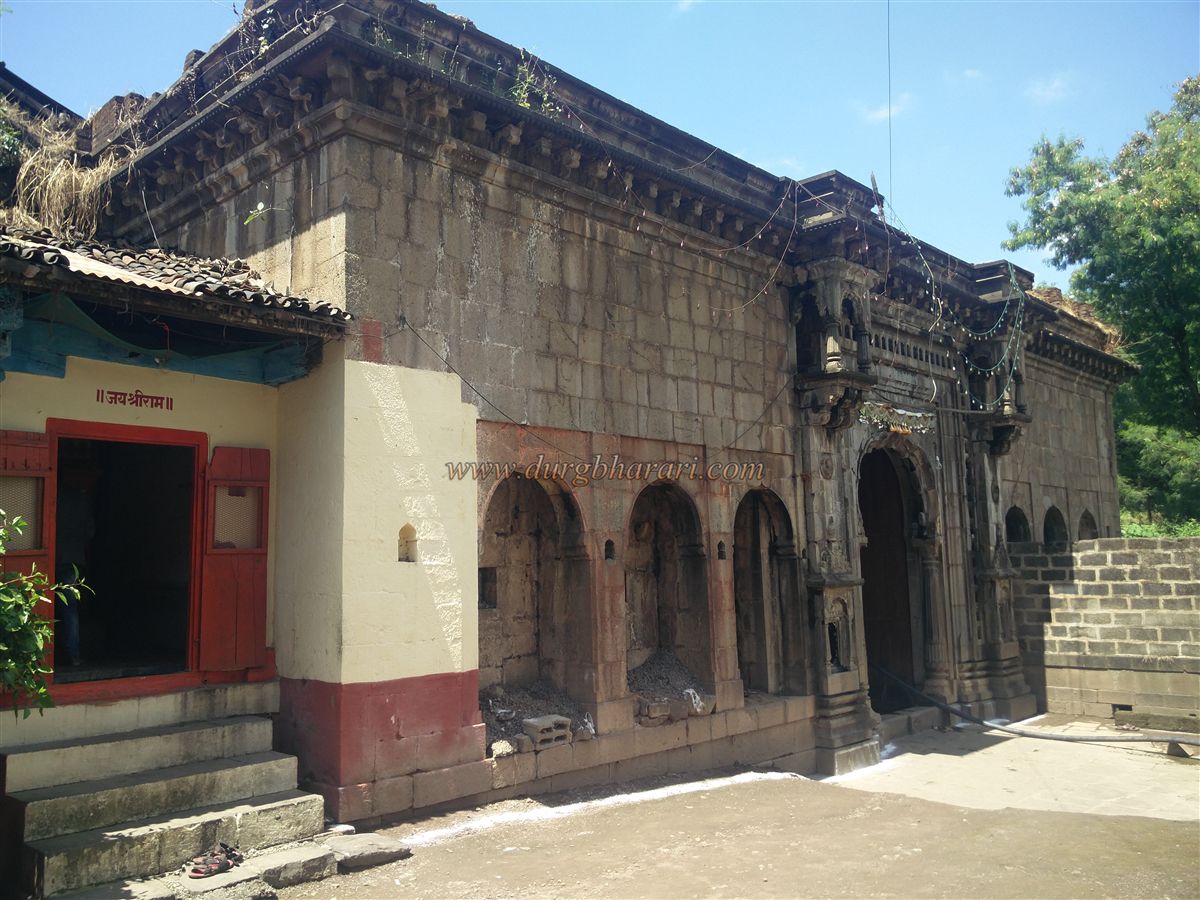
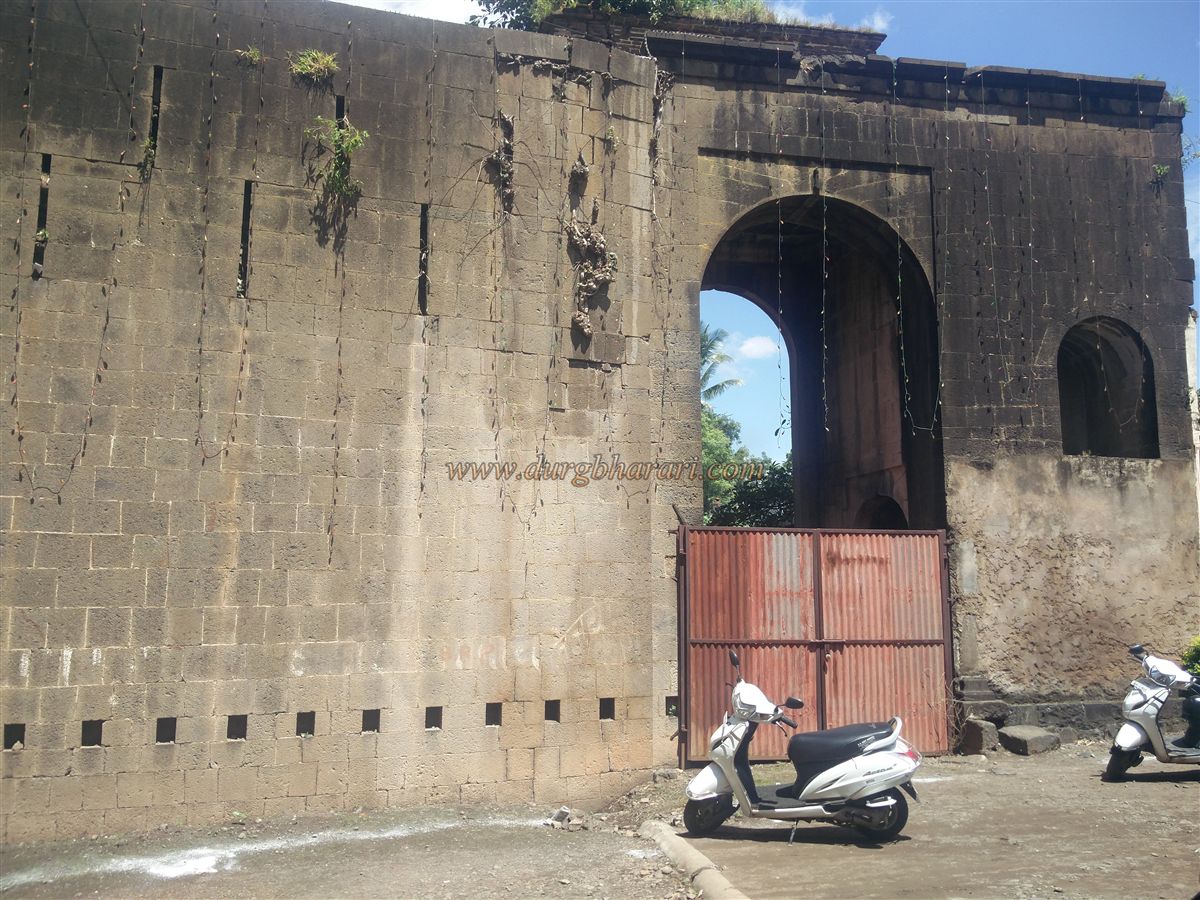
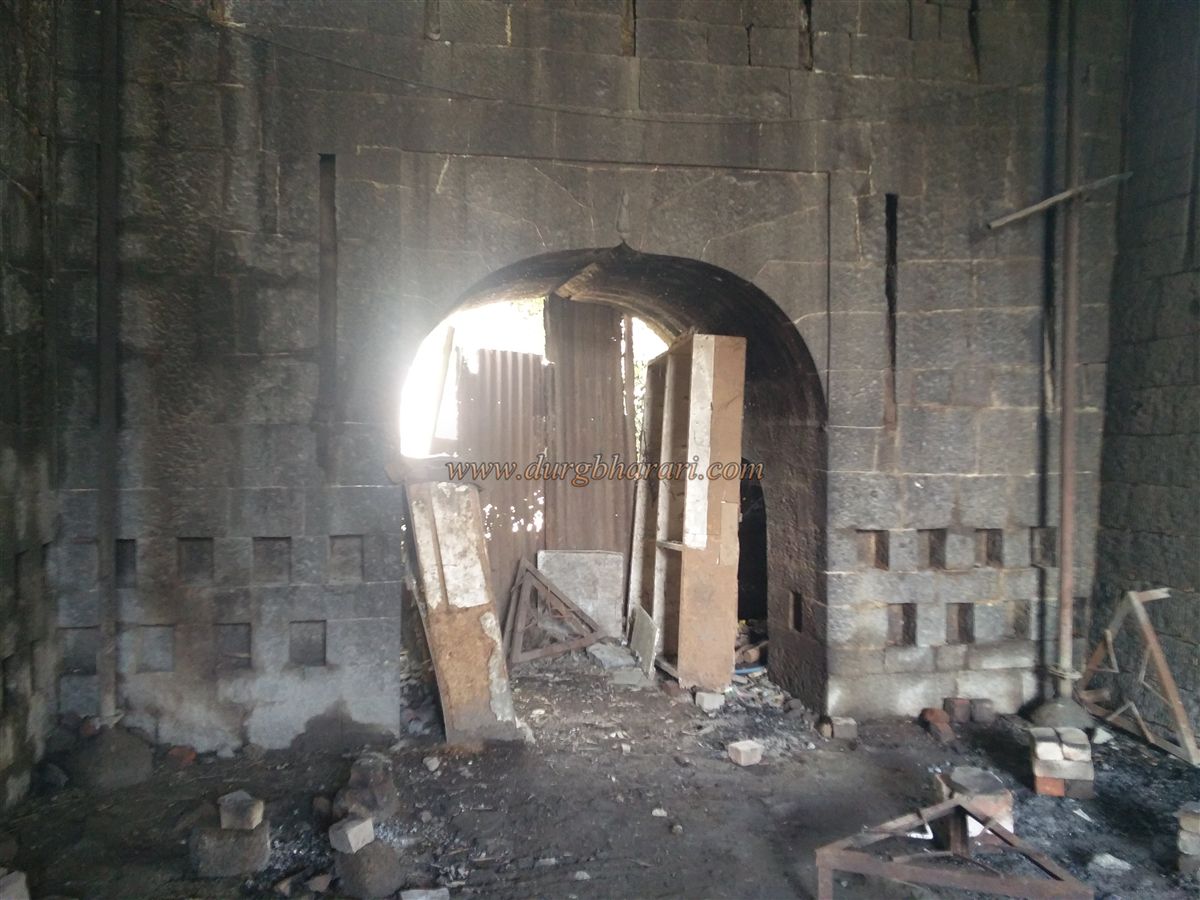
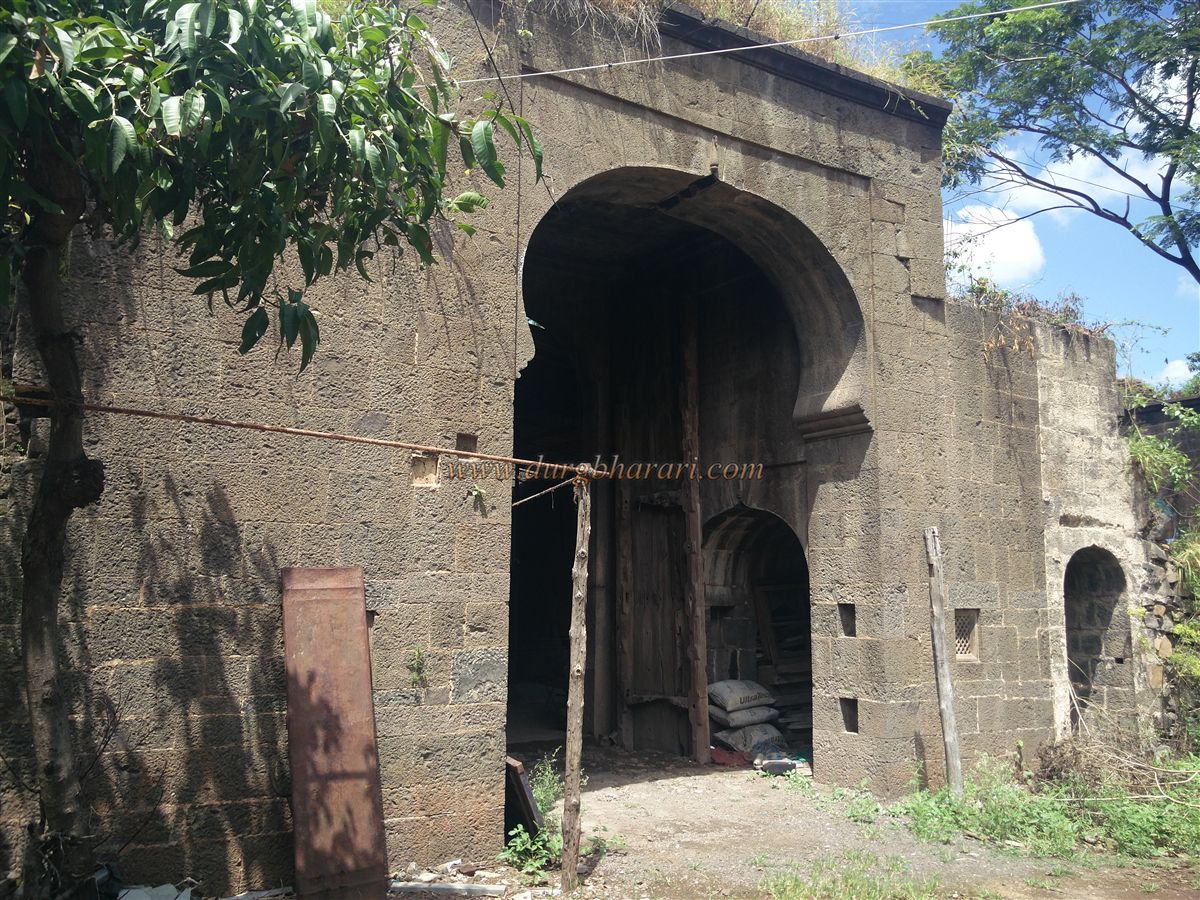
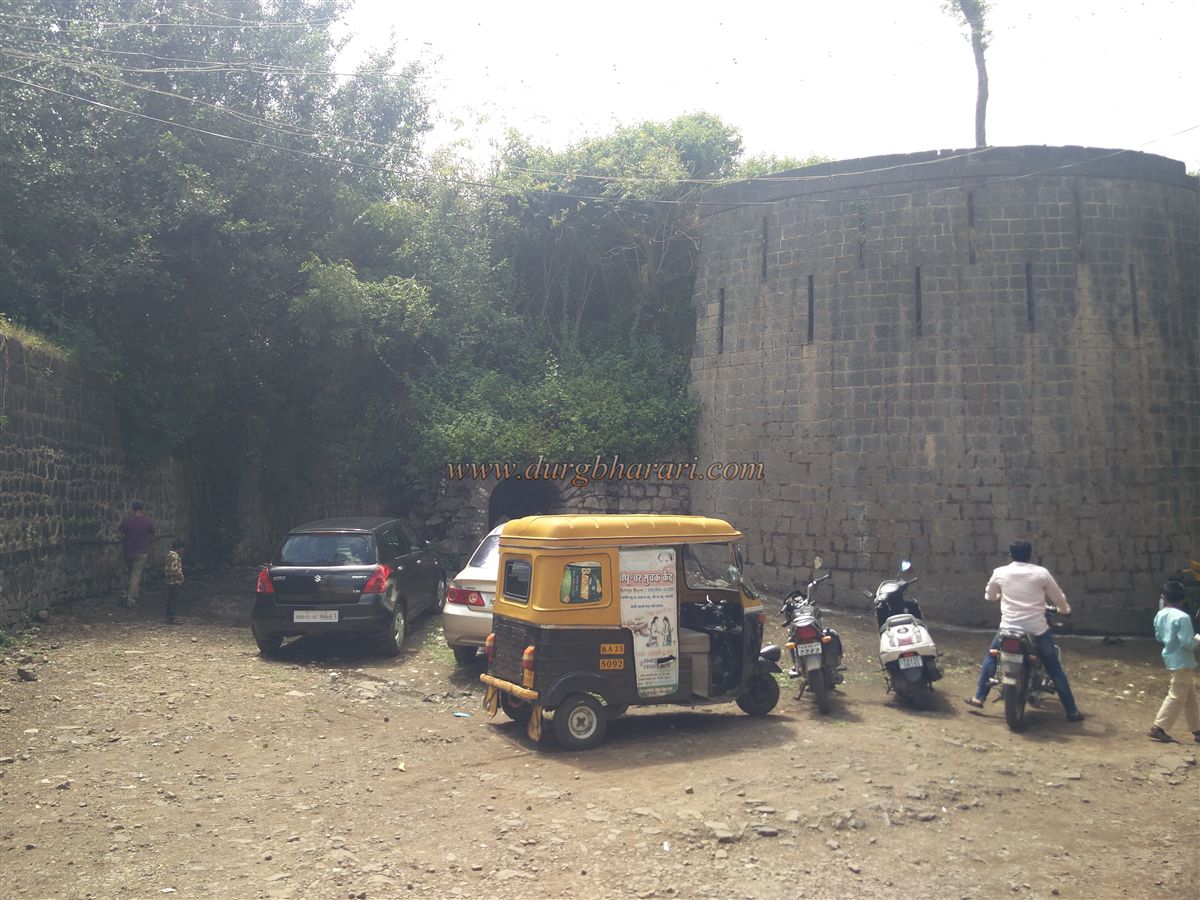
The main gate of the fort faces east, with a circular bastion to the left and a watch post (Nagarkhana) above. Inside, near the gate, stairs lead up to the ramparts and bastion. The stone walls include a covered veranda (owri) built next to the bastion. On the right side of the gate is an incomplete wall with a partially built doorway. Inside the gate is a Hanuman temple, and adjacent to it is the beautiful main entrance to the palace, richly adorned with stone carvings. There are six arches (three on each side), fountains in the front, and nearby, and a water tank. Guard rooms flank both sides of the entrance.
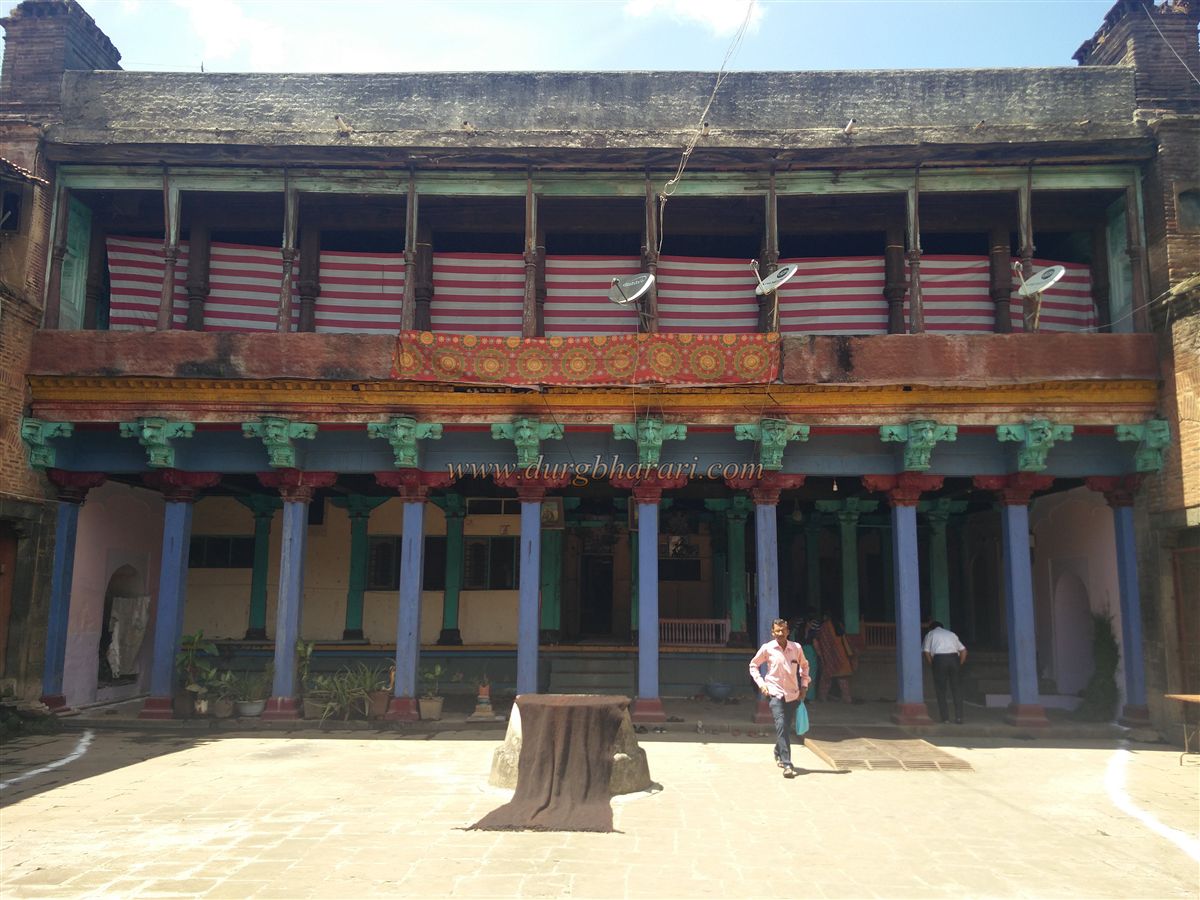
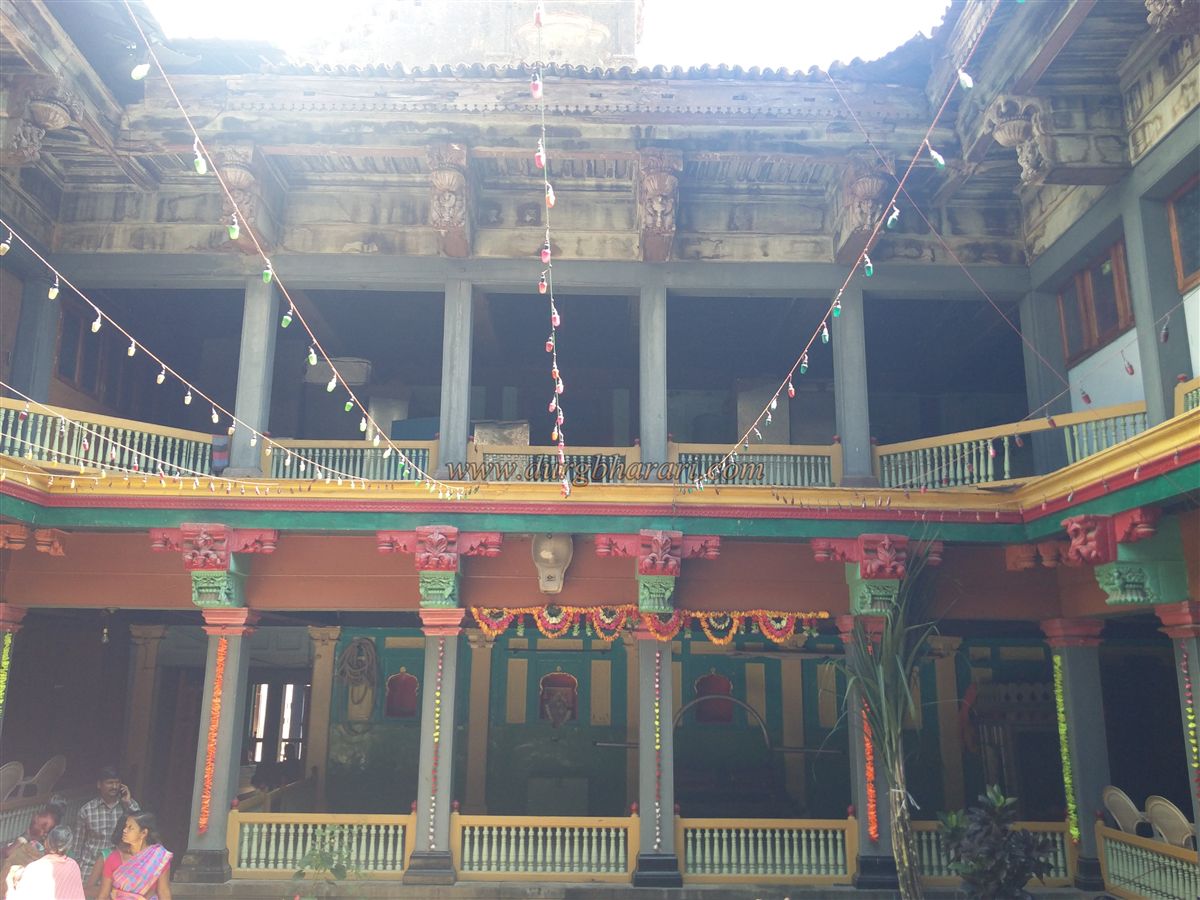
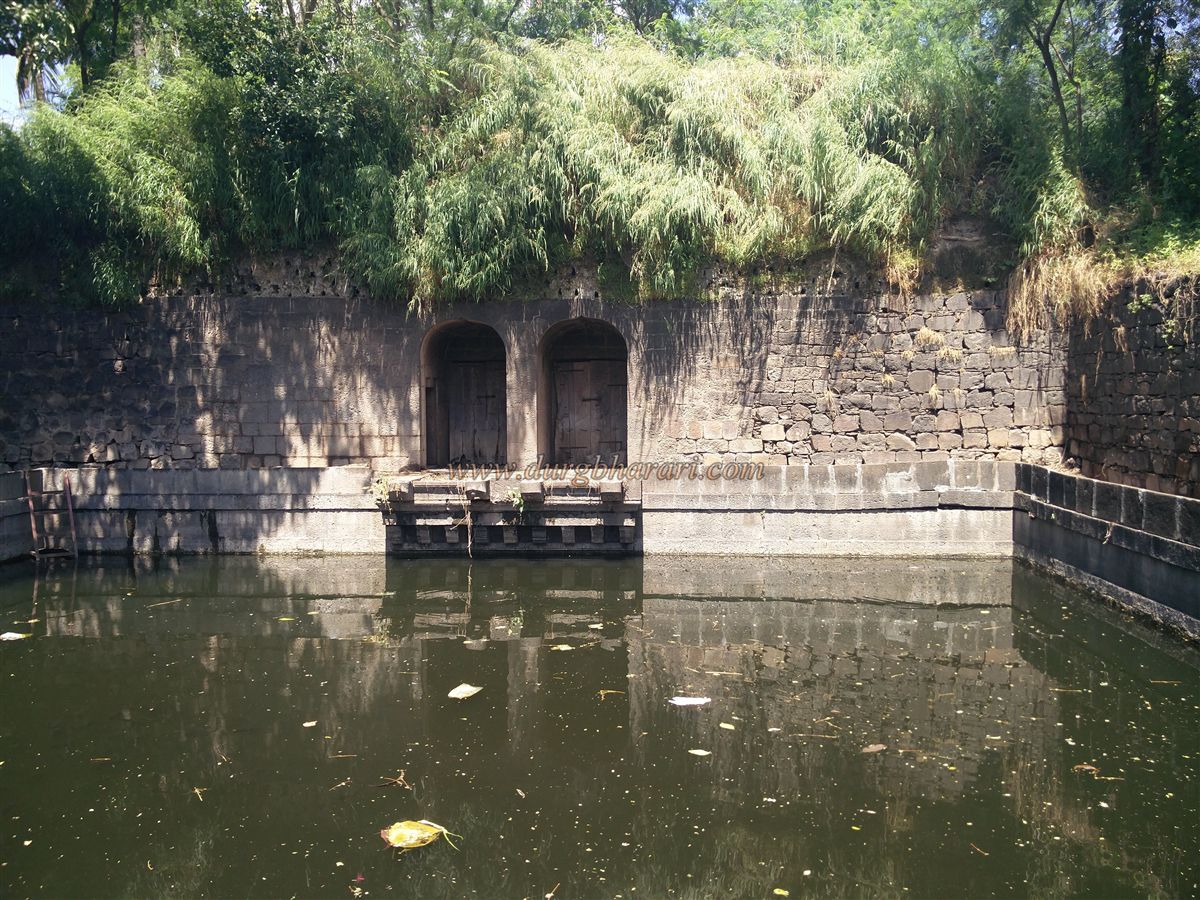
Beyond the gate is an open courtyard with a two-story mansion (Chausopi wada) belonging to the Nipanikar family. In this courtyard, there are two small doors, one leading to the outside. Beyond the right-side door are two small water tanks, a deep cistern, and a large decorative tank designed as a swimming pool of that era. Beside the tank are resting pavilions and chambers built into the wall.
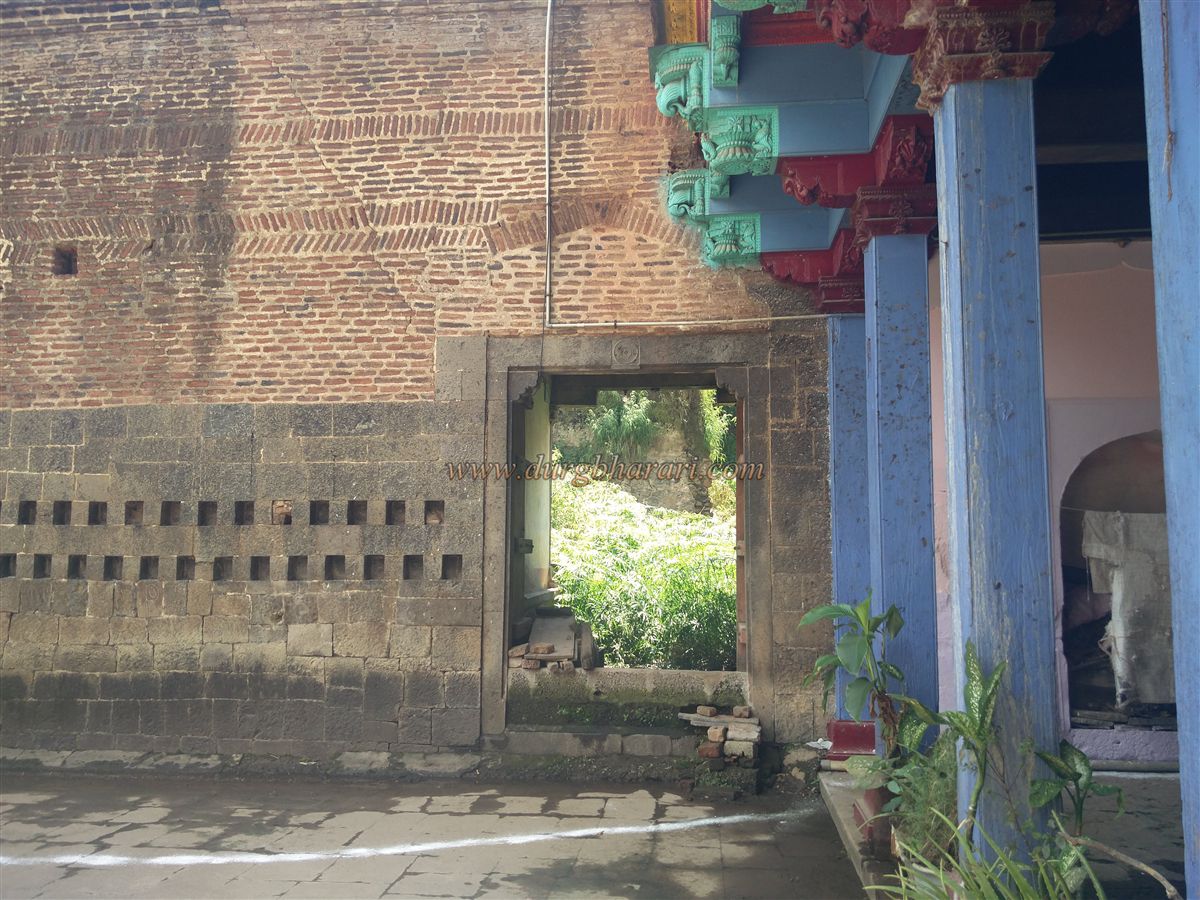
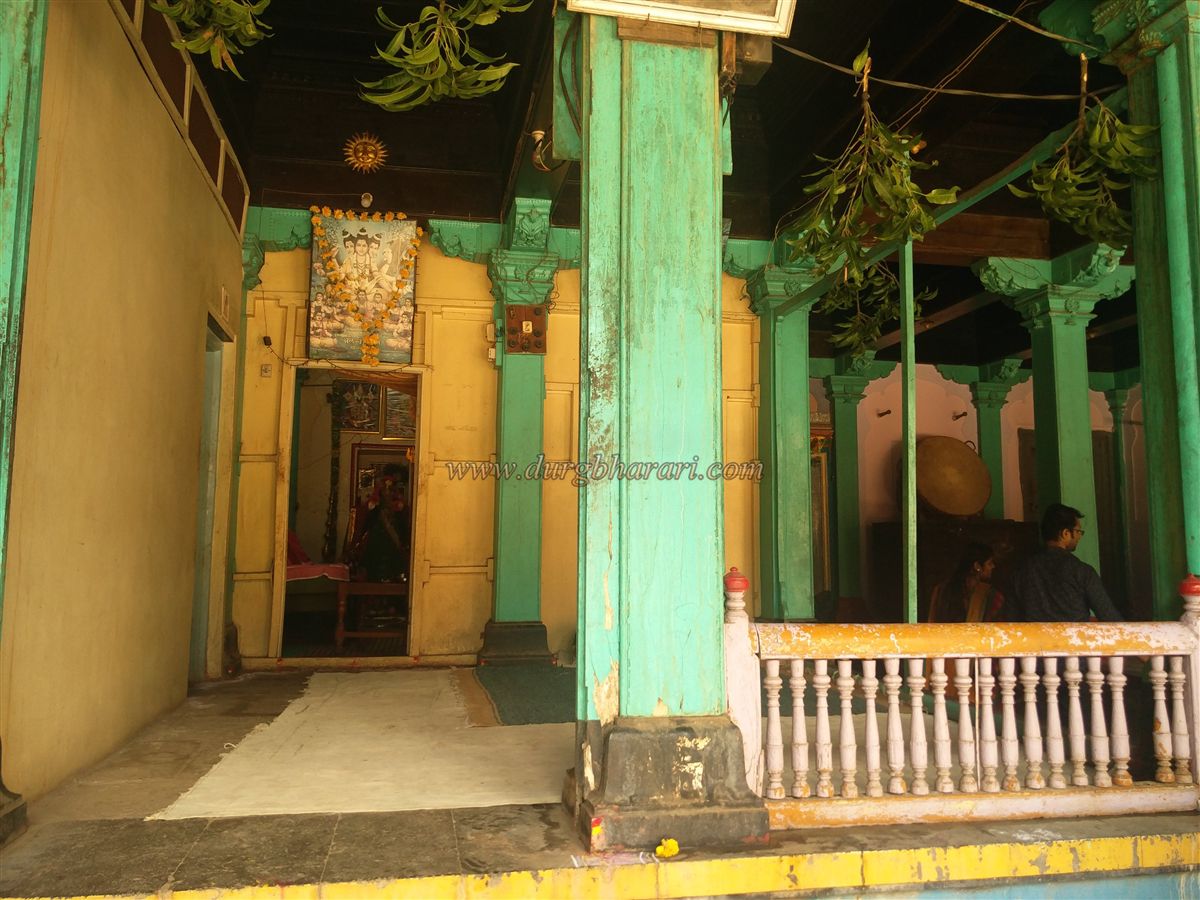
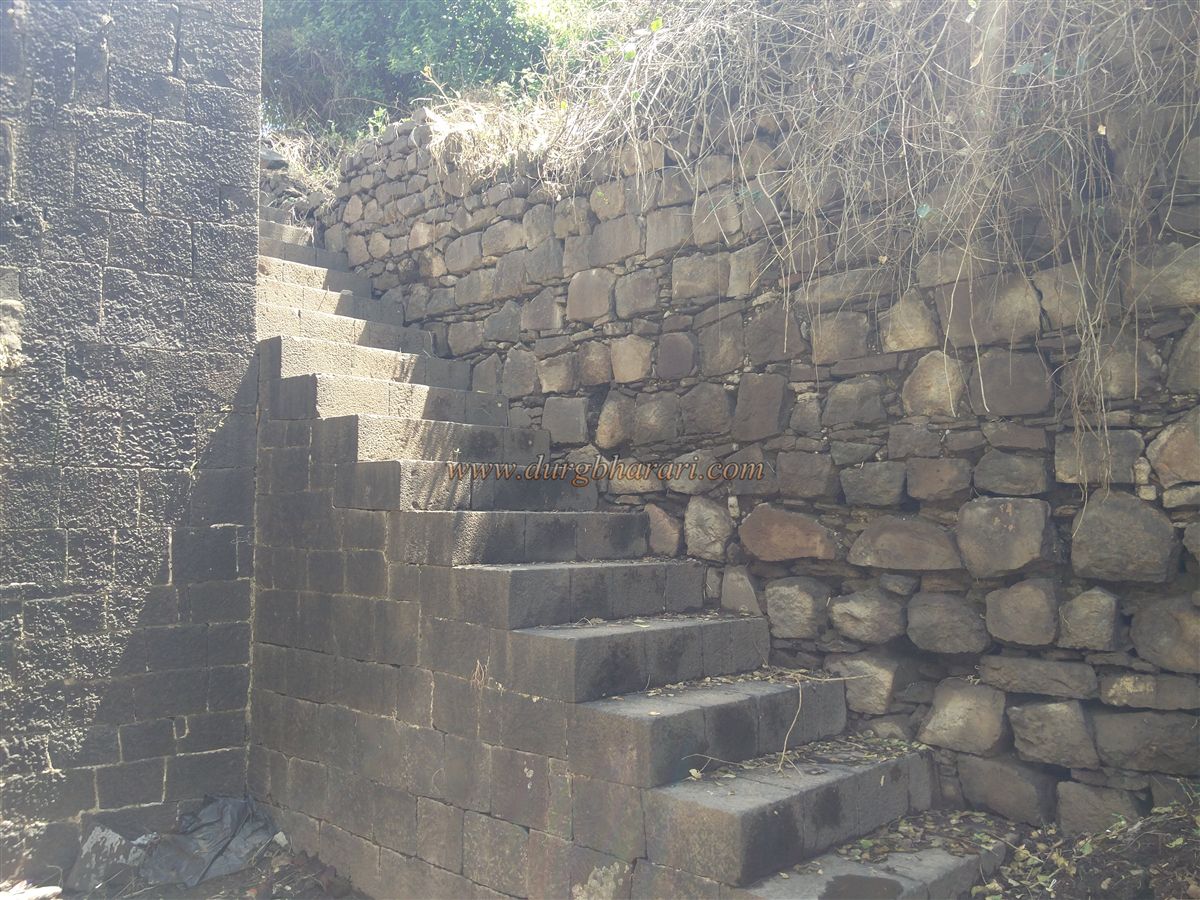
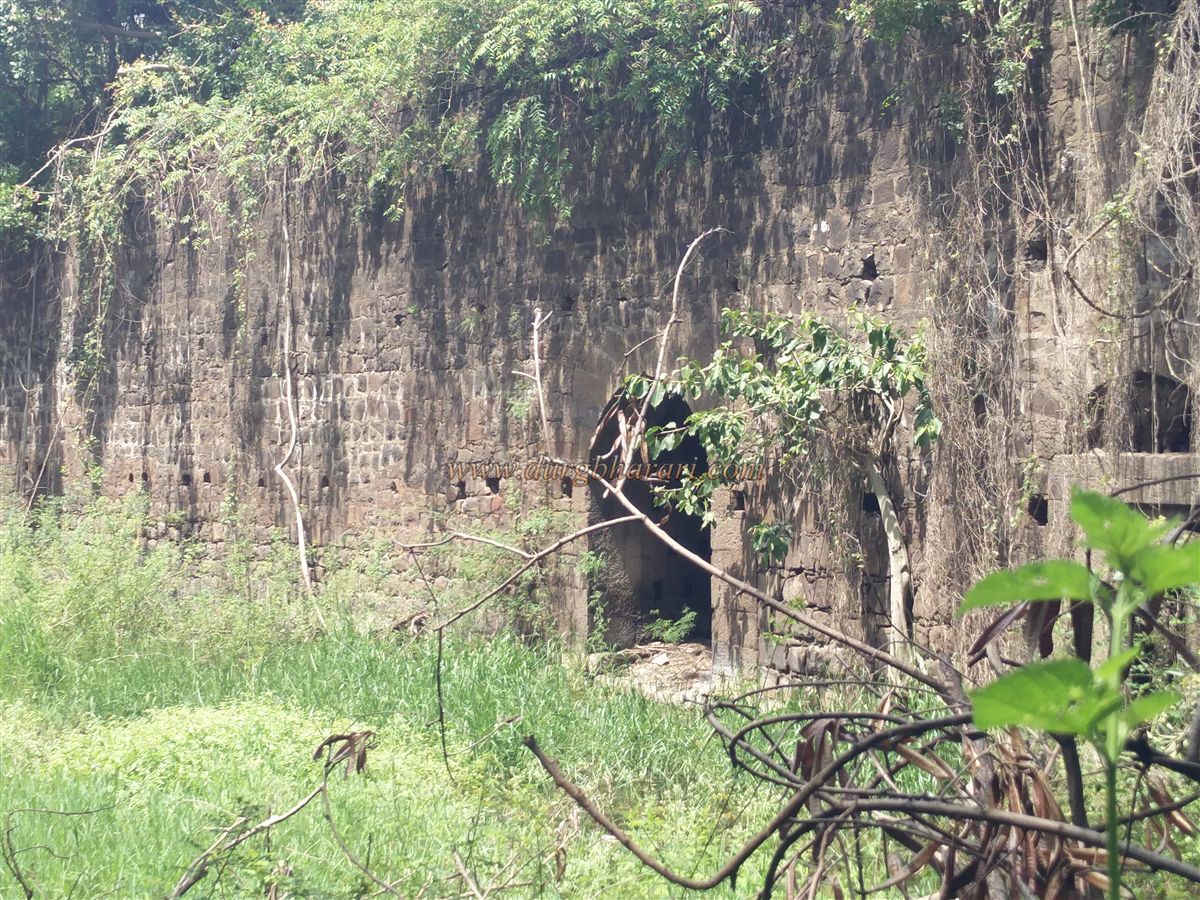
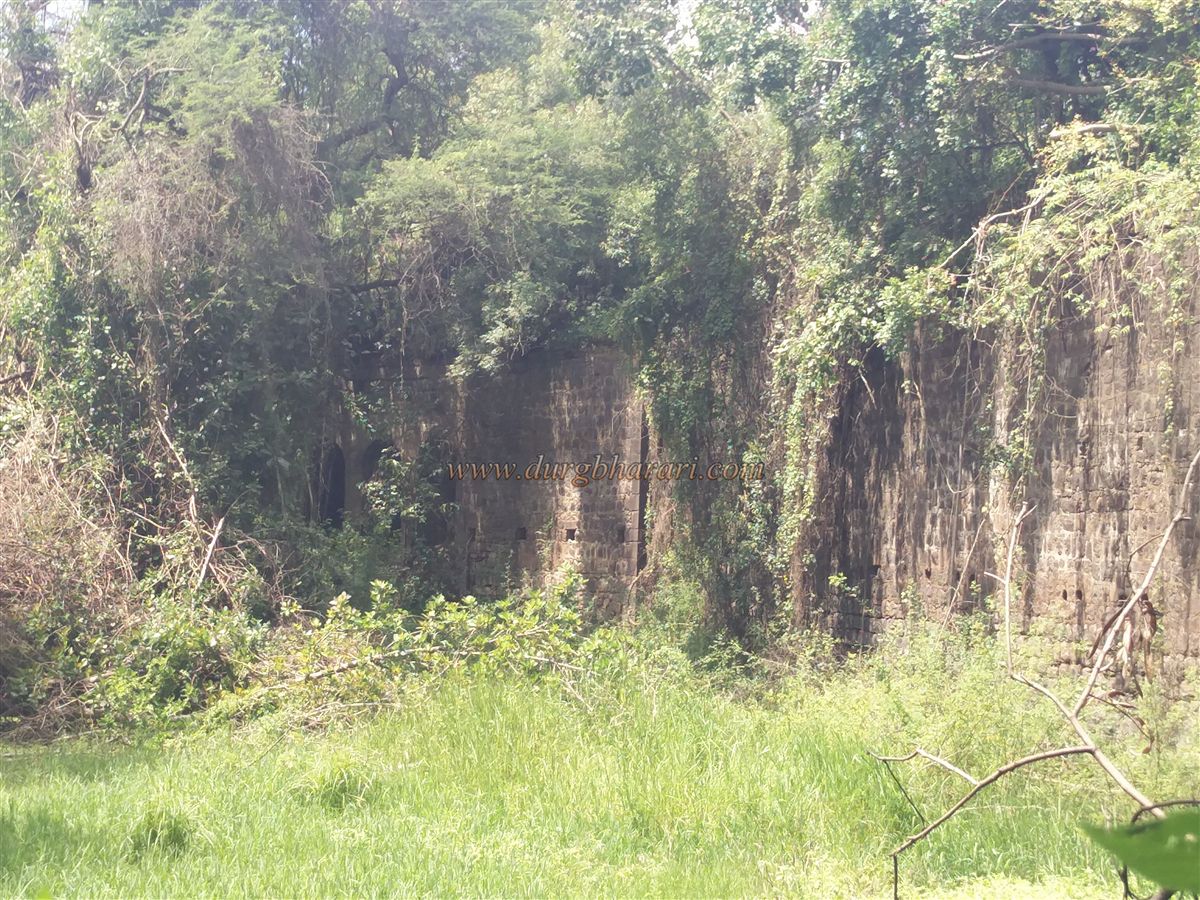
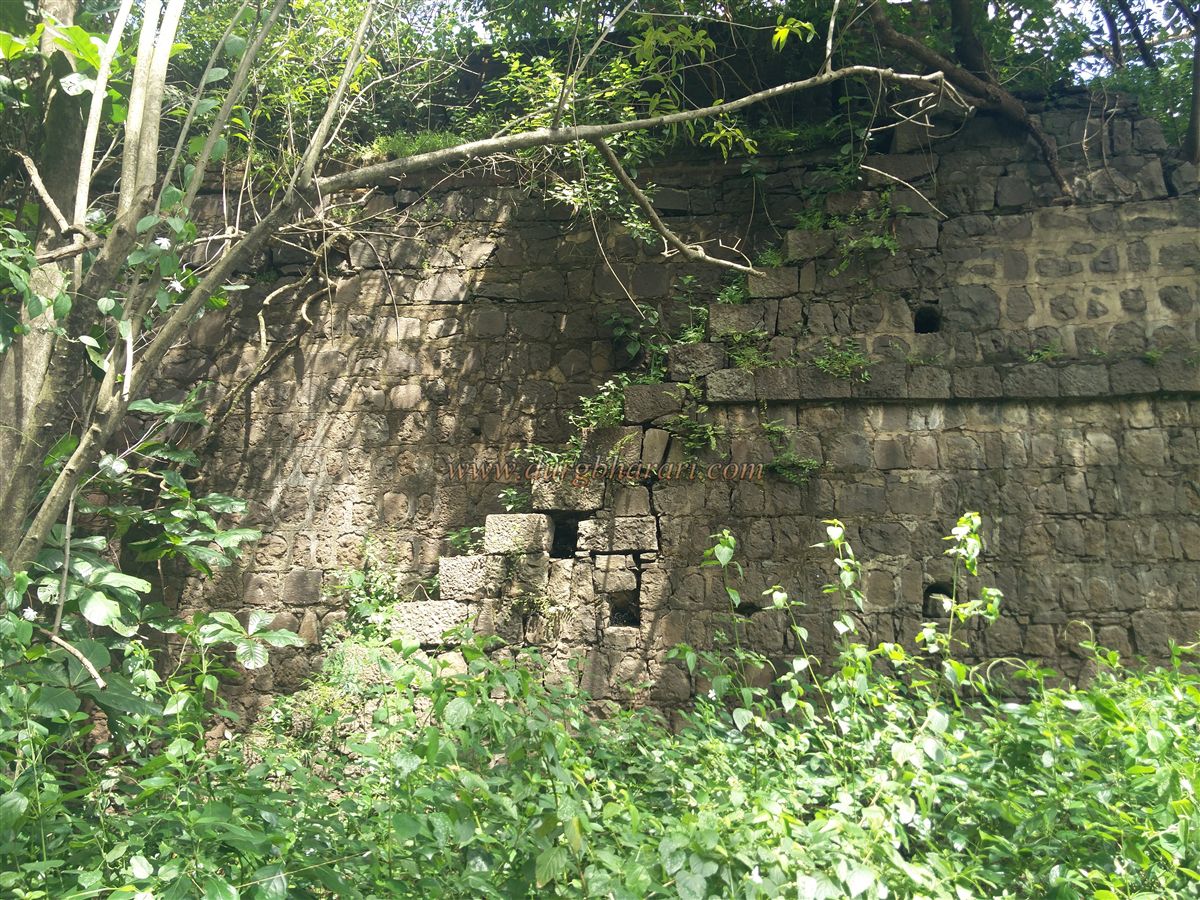
From there, re-enter the inner courtyard through the door straight ahead. The building surrounds the courtyard on all four sides, with beautifully carved wooden beams throughout. After viewing the palace, exit through the main gate and enter another part of the fort through a nearby door in the fort wall. Here, you’ll find five arched doorways and bastion remnants. Three of these doors belonged to internal palace structures. The long stretch of fort wall is visible here, with staircases in two places leading up to the ramparts and a small external gate. In one section, three arches can be seen. Due to surrounding swamp and vegetation, it's difficult to get close. Much of the construction here remains unfinished. The palace and its surrounding fort can be thoroughly explored in about half an hour.
Nipani town itself was founded in the 19th century. Except for a 12th-century Jain temple, there are no ancient structures here. The credit for establishing Nipani goes to Sidojirav Nimbalkar, also known as Appa Desai Nipanikar. In 1800, Daulatrao Shinde, under whose command Sidojirav served, sent him with a battalion to seize the Jagiri (estate) of Parshurambhau Patwardhan. The infantry later returned, but the remaining forces of Nimbalkar looted much of Patwardhan territory and settled in Nipani.
In 1803, General Wellesley was en route from Mysore to Pune to assist Baji Rao. Appa Desai aligned himself with Baji Rao. Around the same time, Chandrappa Desai of Tallur, aligned with Kolhapur, attacked Manoli and caused destruction in Nipani. However, when Wellesley sent reinforcements, Nipani was protected, and Chandrappa fled to Kolhapur. Tallur Fort was captured by the Nipanikar.
In 1808, Appa Desai assisted Vishwasrao Ghatge in protecting Chikodi and Manoli from Kolhapur forces. When Lakshmi Bai, wife of Khem Sawant, was besieged by Kolhapur’s army, she summoned Vishwasrao and Appa Desai for help. Appa repelled the siege and attacked Kolhapur’s territory. He even attempted to establish authority over the Sawant wadi principality but did not succeed.
Appa Desai was honoured by the Peshwa with the title of Sarlashkar, along with the jagir of Manoli and Hukkeri and military revenue of ₹.5, 41,120 annually. For six years (1804–1809), a dispute over Manoli raged between Kolhapur and Appa, and it was eventually resolved by a marriage alliance and mutual agreement that Appa would govern on behalf of the Peshwa. Although a marriage took place, tensions persisted.
In 1811, Appa laid siege to Kolhapur, but Elphinstone intervened, and a treaty was signed in which Kolhapur relinquished claims to Chikodi and Manoli. In 1813, following Baji Rao’s instigation, Appa refused to cede territory to Kolhapur, prompting the British to hand over a quarter of his estate to Baji Rao. Still, Appa did not abandon the Peshwa.
Appa fought alongside the Peshwa in the Battle of Koregaon on 1 January 1818. In the Peshwa court, after Bapu Gokhale, Appa Desai was regarded as a great military commander. Because of his earlier support to the British in 1800 and 1803, they did not confiscate his jagir after the fall of the Peshwa. Instead, they allowed him to retain military control until his death.
Appa adopted his nephew Murar Rao, who died in 1839. His military estate was then divided between Belgaum, Dharwad, and Solapur districts. After Appa’s death, his elder wife managed the estate as guardian of the adopted son. After her death in 1840, a dispute broke out among Appa’s five remaining wives. The second wife took control, but the other four, with Appa’s brother and the help of 300 Arab mercenaries, seized the fort and palace. In response, the British intervened in 1841, punished the Arabs, and dismantled the fort. All those involved lost their rights and privileges.
© Suresh Nimbalkar
GALLEERY