NIMGAONJALI
TYPE : MANSION
DISTRICT : NAGAR
HEIGHT : 0
GRADE : EASY
At the End of the Peshwa Era: The Legacy of Trimbakji Dengle
During the final phase of the Peshwa rule, one of the key figures who tried to uphold the collapsing Maratha administration was Sardar Trimbakji Dengle. His ancestral mansion (wada) still stands in the village of Nimgav Jali, located in Sangamner Taluka of Ahmednagar District. This village is situated about 80 km from Ahmednagar and 20 km from Sangamner.
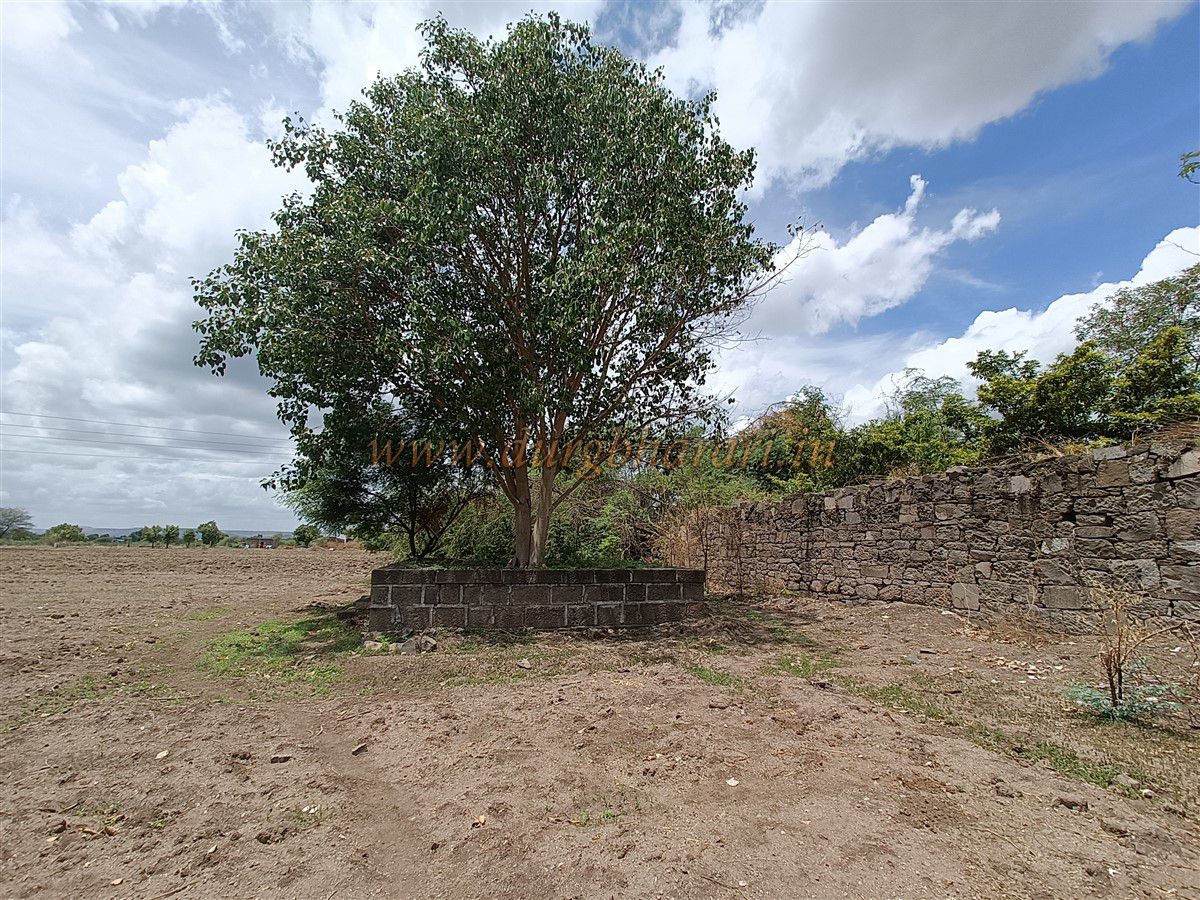
The fortification that was built around the village during Trimbakji Dengle's time has mostly been destroyed, with only two gateways remaining. Of these, the western gate is known as the "Pune Darwaja" and the northern one as the "Khidki Darwaja." The Pune Darwaja is constructed between two bastions and has now been officially named the "Sardar Trimbakji Dengle Entrance Gate." Inside this gateway are rooms (devdis), although the original wooden doors have been lost.
...
It is said that Trimbakji administrators originally constructed a “Delhi Darwaja” facing north. However, Trimbakji ordered its demolition and had a new gate constructed facing west, towards Pune, as a mark of loyalty to the Peshwa. The small existing northern gate, now known as Khidki Darwaja, stands at the former location of the Delhi Darwaja.
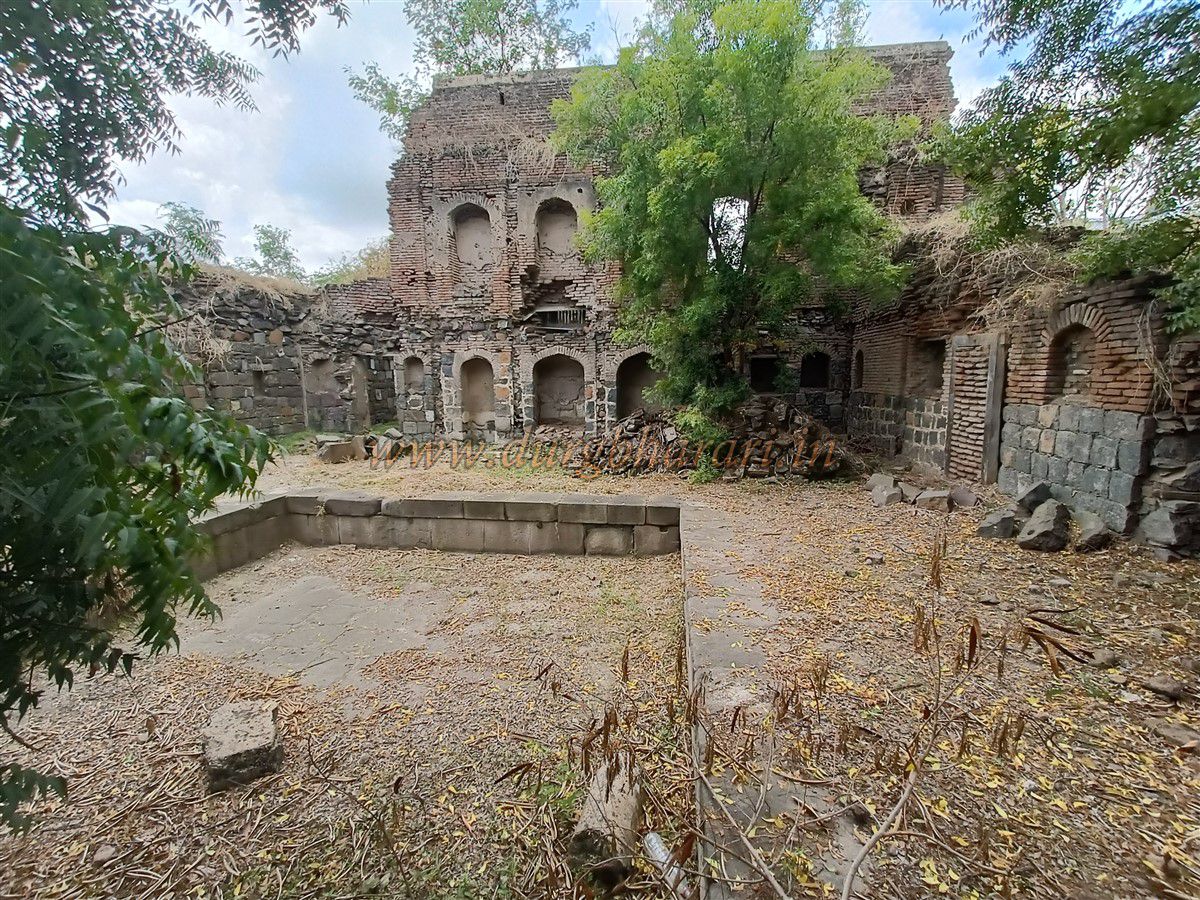
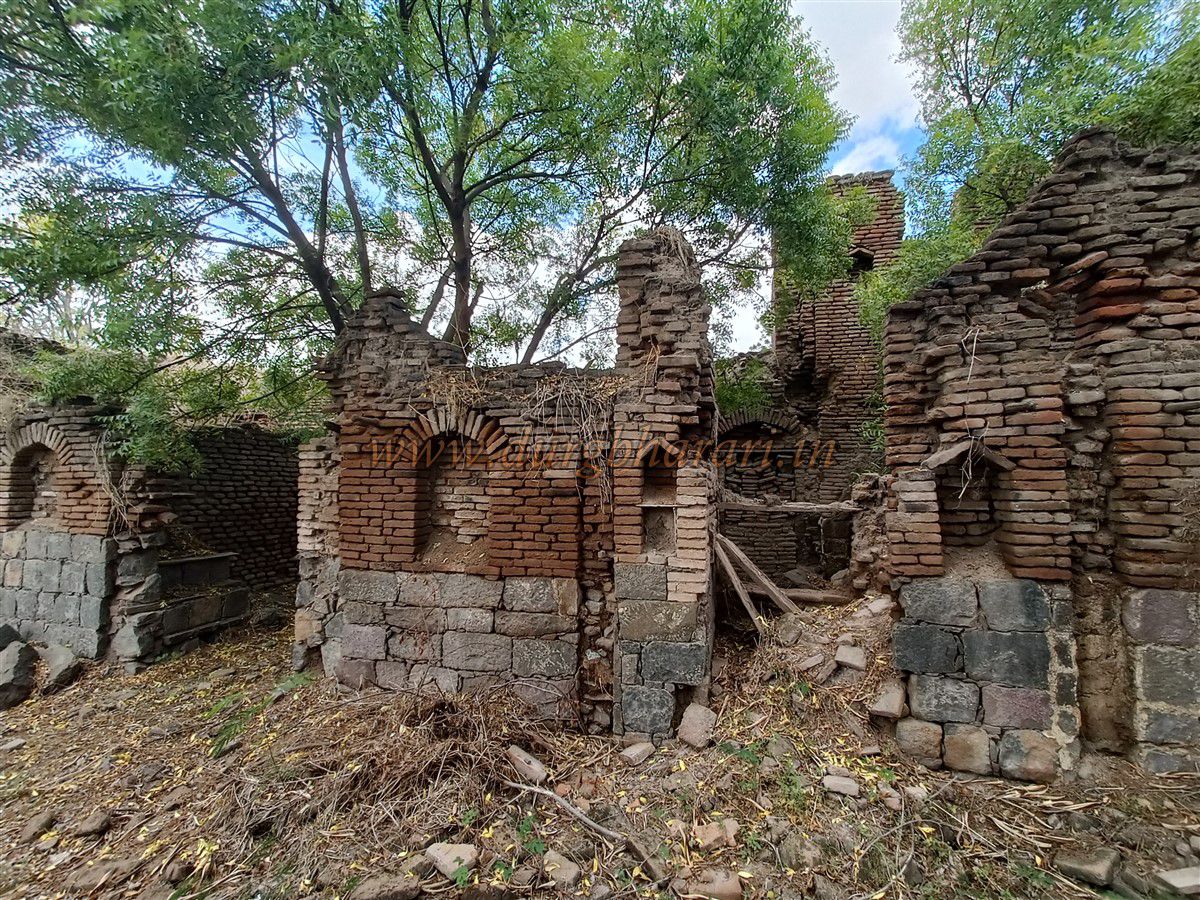
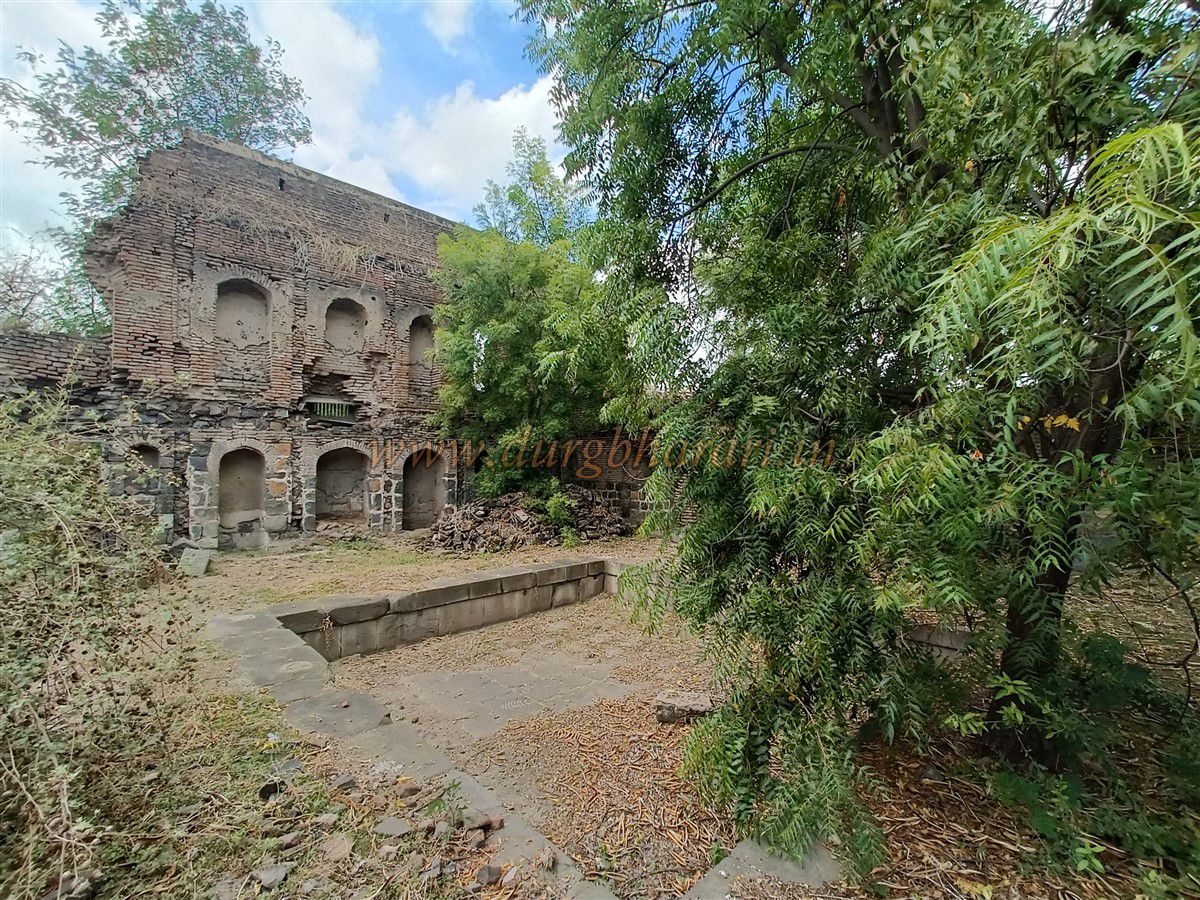
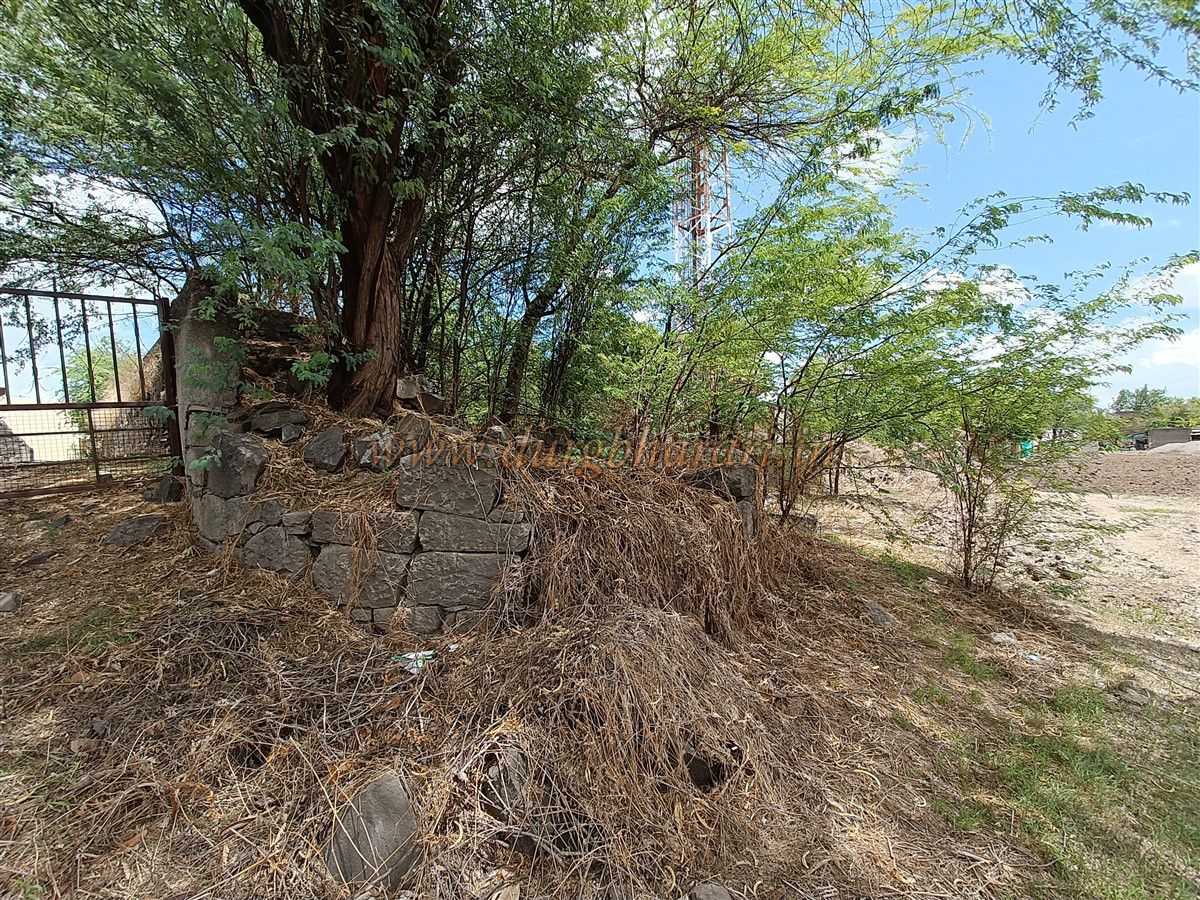
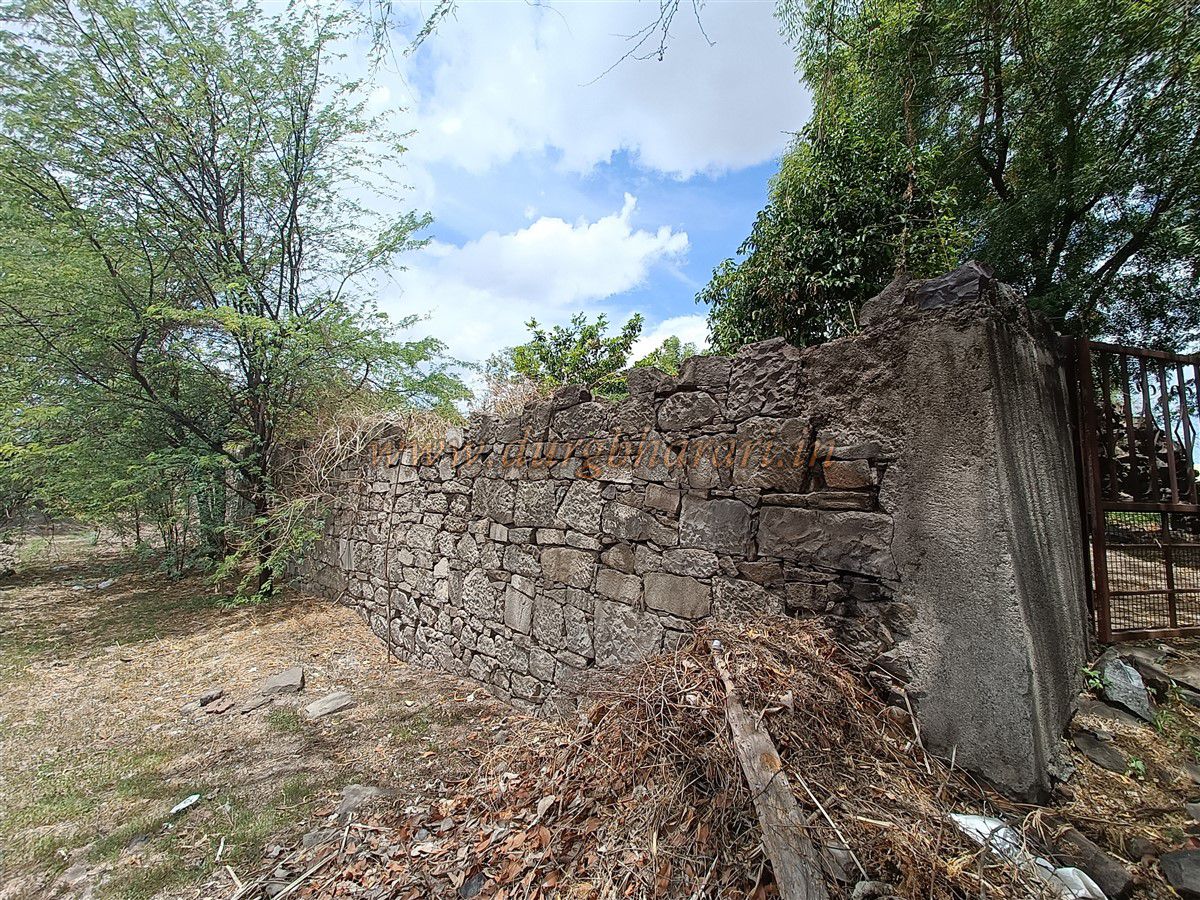
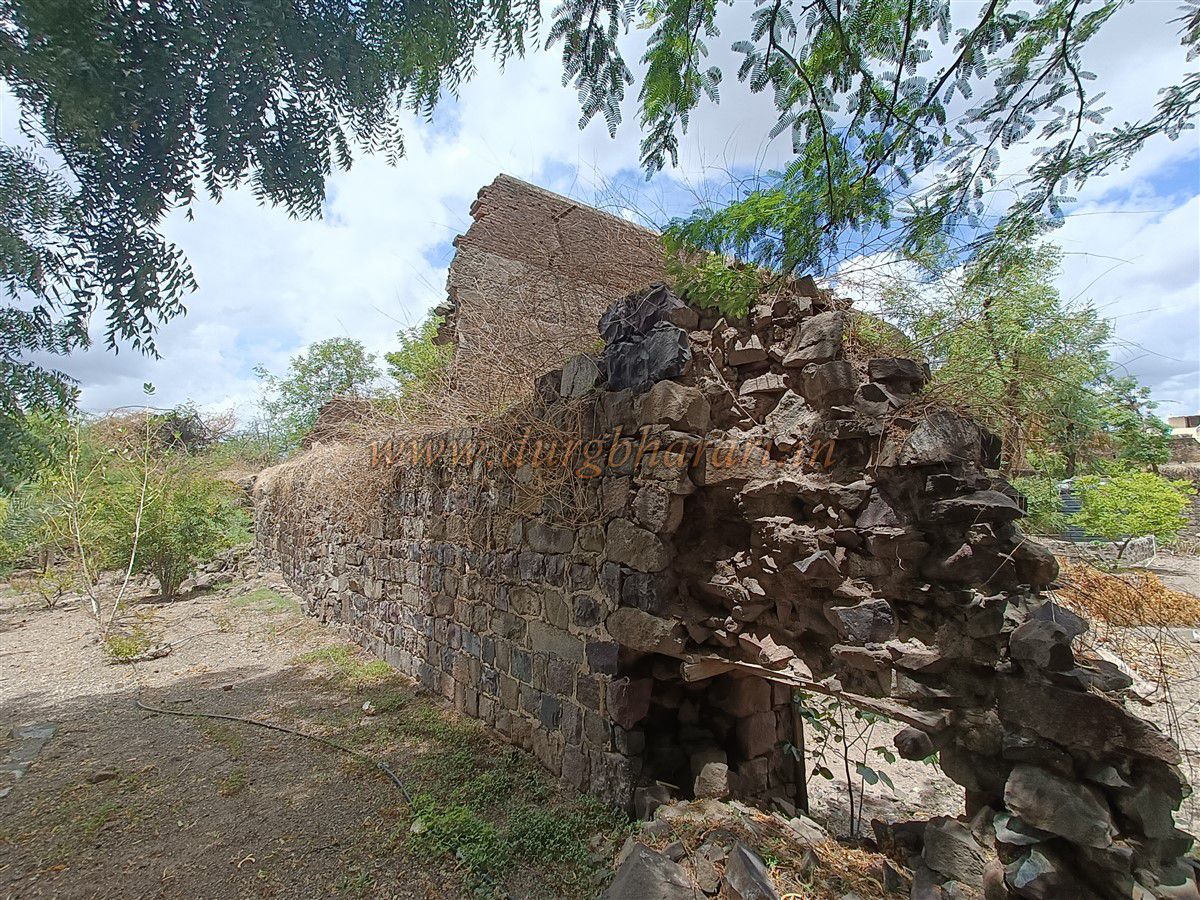
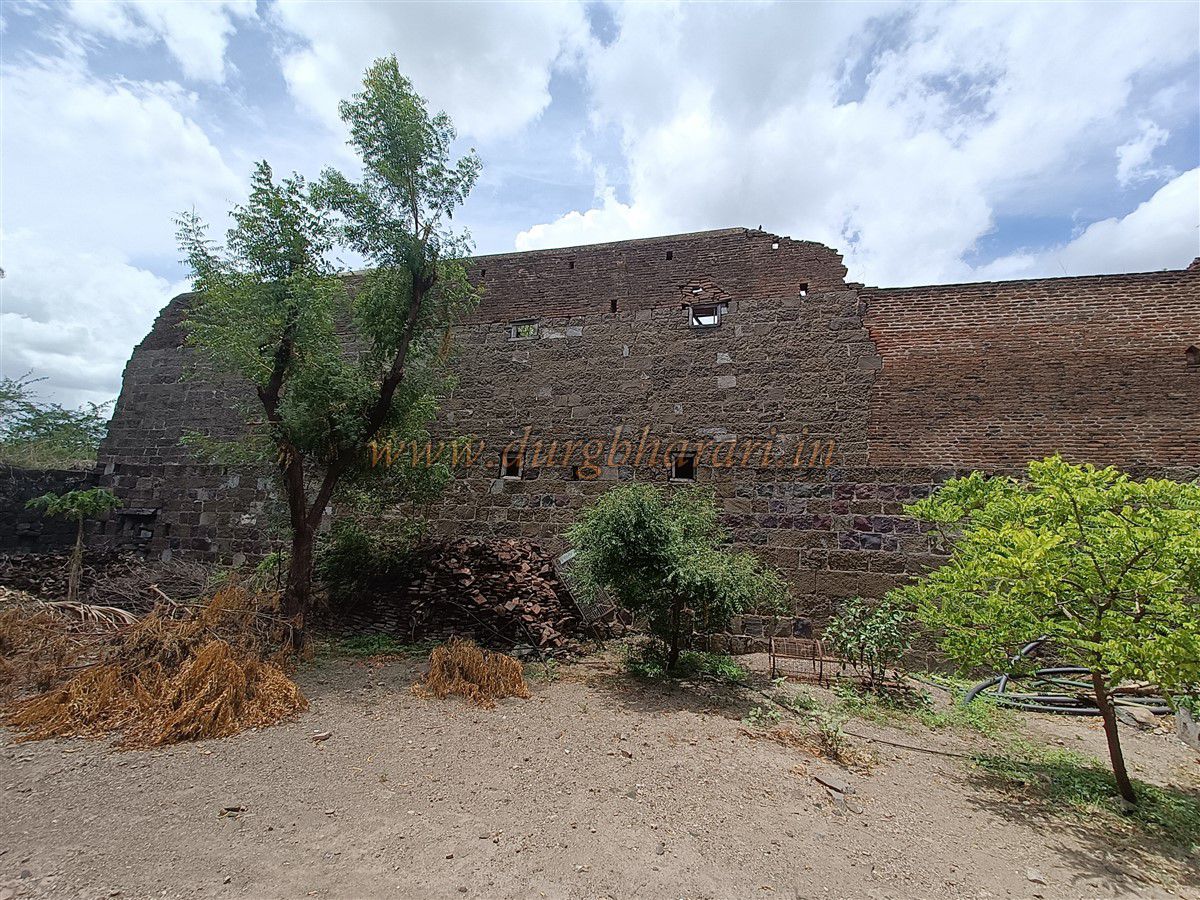
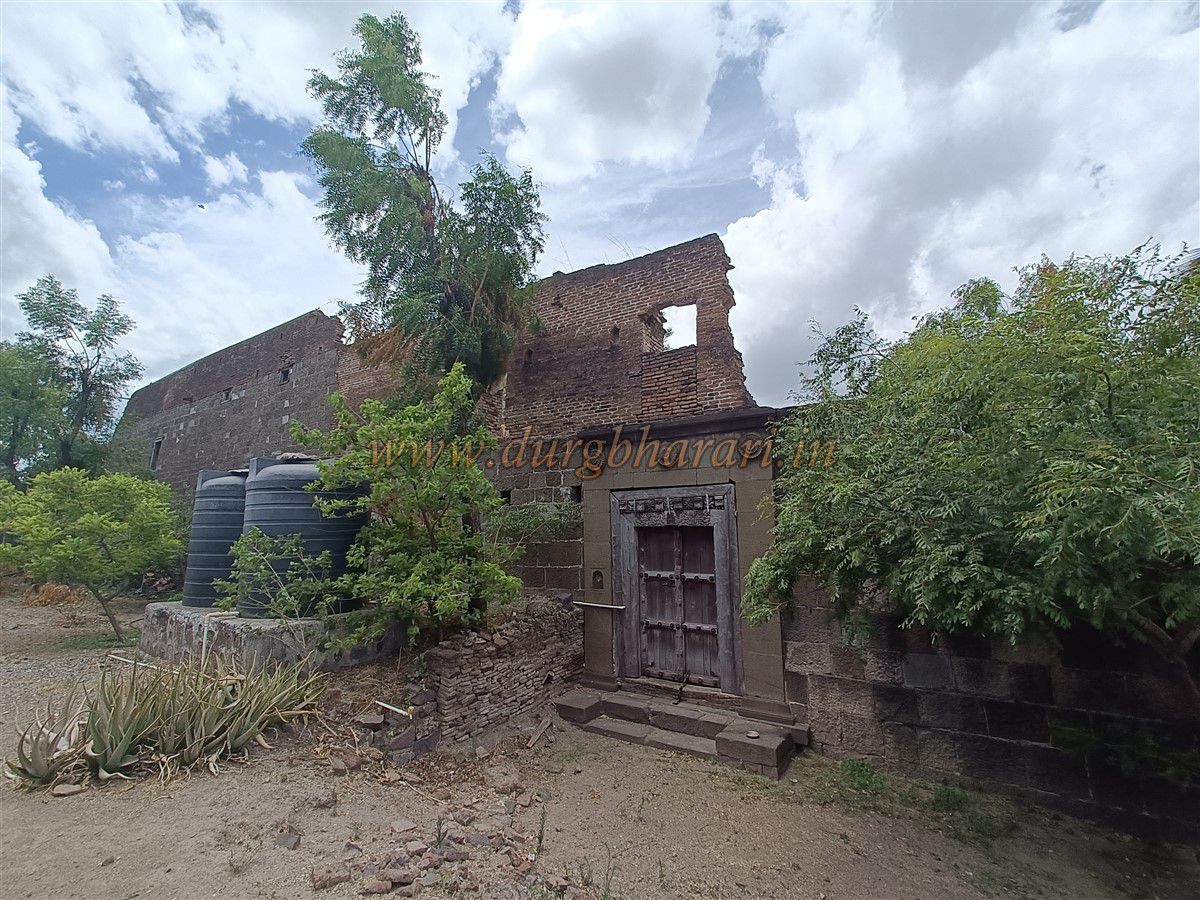
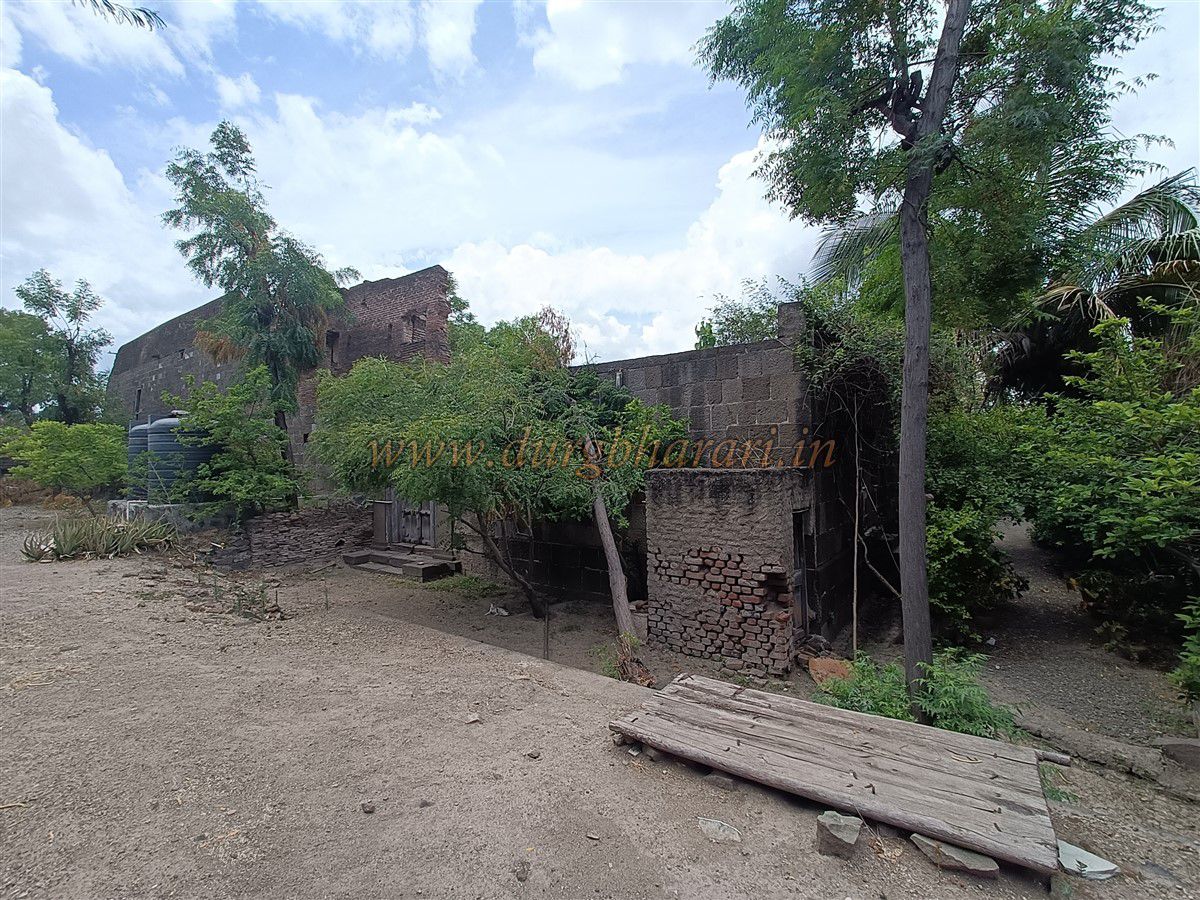
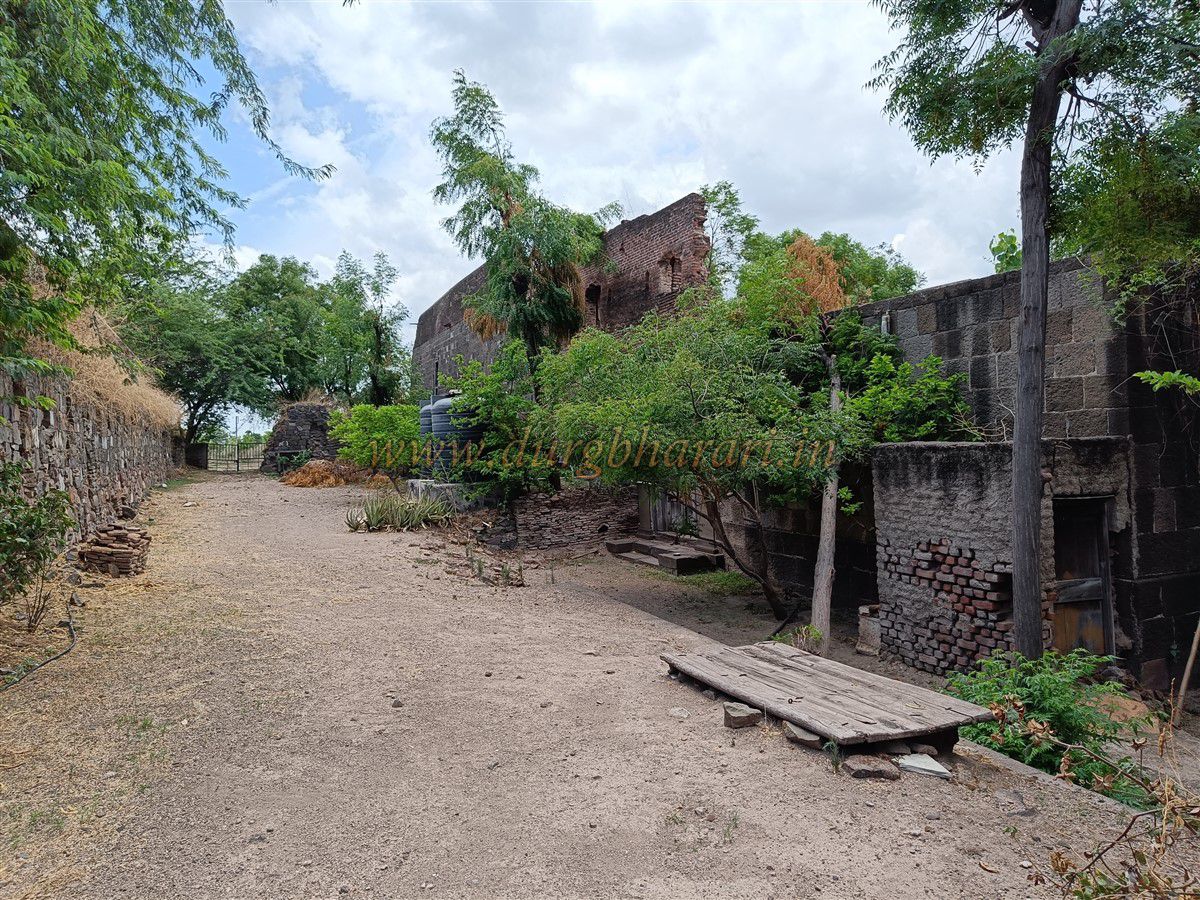
Trimbakji Dengle’s wada is located on one side of the village and is square in shape, spread over approximately three-quarters of an acre. Over time, much of the structure has fallen into ruin, leaving only some remnants today. The wada was once surrounded by a 20-foot-high fortification wall, which is now mostly collapsed. The lower portion of the wall was made of stone, while the upper parts were constructed with bricks. A damaged bastion can still be seen at the northern corner of the wall.
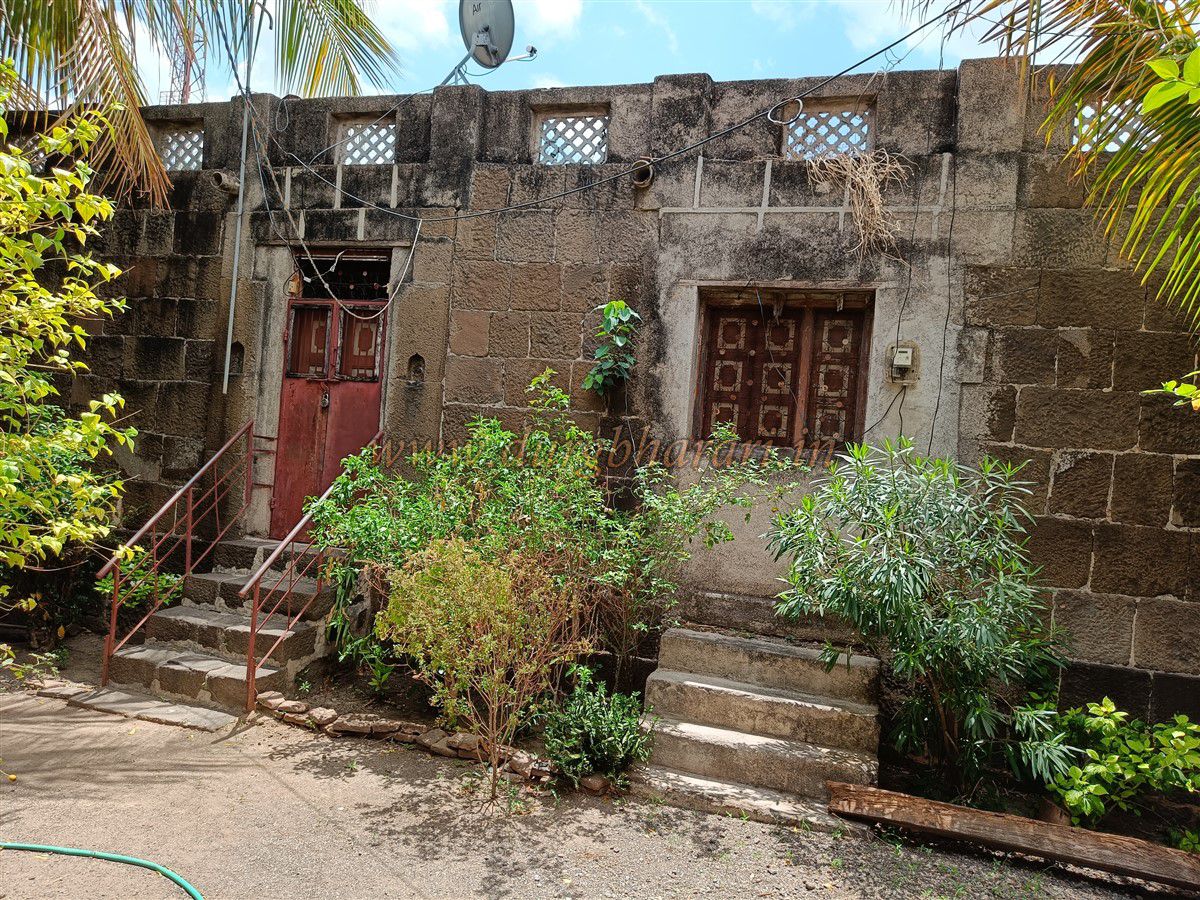
A finely carved stone entrance on the southern wall features motifs of lotus flowers and decorative panels. Judging by the thick walls, it is evident that the wada was once a two-storey building. Both stone blocks and bricks were used in its construction. The wada had two courtyards; the rear one is now ruined, but the front courtyard still remains in use and contains two houses. There is also a closed well in this courtyard, near which horses were once tied. A full tour of the wada takes about half an hour.
Trimbakji Dengle was the chief administrator of Baji Rao II and one of the last Maratha leaders to resist the British. From a humble servant and spy, he rose to the position of chief minister to the Peshwa and gained prominence in the Peshwa court.
After the Treaty of June 1817, Baji Rao II attempted to unite the Scandia, Holkar, and Bhonsle to expel the British. He handed over the artillery under Ganpatrao Panse to Trimbakji Dengle, who then started a cannon foundry at Bhamburda to strengthen the resistance.
By this time, almost all Indian kings and princely states had surrendered to the British. Elphinstone had arrived in Pune to hoist the Union Jack over Shaniwar wada. Trimbakji was given the task of negotiating with Elphinstone through Sadashiv Mankeshwar. However, Elphinstone became suspicious and angry due to Trimbakji aggressive and opaque strategies.
Meanwhile, Gangadhar Shastri, the legal representative of the Gaikwad’s of Baroda, was murdered while visiting Pandharpur. The British blamed Trimbakji for the assassination and demanded Baji Rao II hand him over, threatening war otherwise.
Trimbakji was arrested and initially imprisoned at Vasota Fort (Satara), later transferred to Thane jail. However, on 12 September 1816, he escaped from prison. After the treaty signed on 5 July 1817 between Baji Rao II and the British, the Maratha power collapsed, and Trimbakji was cornered.
He fled to Khandesh and organized a battalion of Bhil warriors to continue the fight against the British. As he had revolted against the British regime, they put pressure on the Peshwa, taking the forts of Purandar and Sinhagad as hostages to ensure his capture. This was the first time in history that forts were held as security for one man. Trimbakji threat to the British was so significant that a reward of ₹2 lakhs and the village of Inamgaon with ₹1,000 revenue was announced for anyone who captured him.
Eventually, while visiting his in-laws’ village, Ahirwadi in Nashik District, he was betrayed by Jayaji Patil, who informed the British. On 28 June 1818, Captain Swanston led the operation to capture Trimbakji Dengle.
He was again taken to Thane prison, but due to his past escape, on 5 April 1819, he was transported by boat to Calcutta and from there to Chunar Fort jail (in present-day Uttar Pradesh). He spent the last ten years of his life in that prison, where he died on 16 October 1829.
© Suresh Nimbalkar
GALLERY