NIMGAON MHALUNGI
TYPE : FORTRESS
DISTRICT : PUNE
HEIGHT : 0
Bapu Gokhale and the Forgotten Fortified Mansion of Nimgaon Mhalungi
In Shirur Taluka of Pune District lies the village of Nimgaon Mhalungi. Though relatively unknown to the general public, this village holds a special place in the hearts of fort and history lovers due to its connection with the last commander-in-chief of the Maratha Empire — Bapu Gokhale. His fortified residence (gadhi) still stands in the village, silently witnessing the passage of time.
Located just 12 km from Shikrapur on the Pune–Ahmednagar highway, Nimgaon Mhalungi is about 45 km from Pune. As the gadhi is not well known among locals, one must inquire about the "Takalkar School" to locate it easily. The remnants of the gadhi are enclosed within the school premises, making them hard to spot even after entering the village.
...
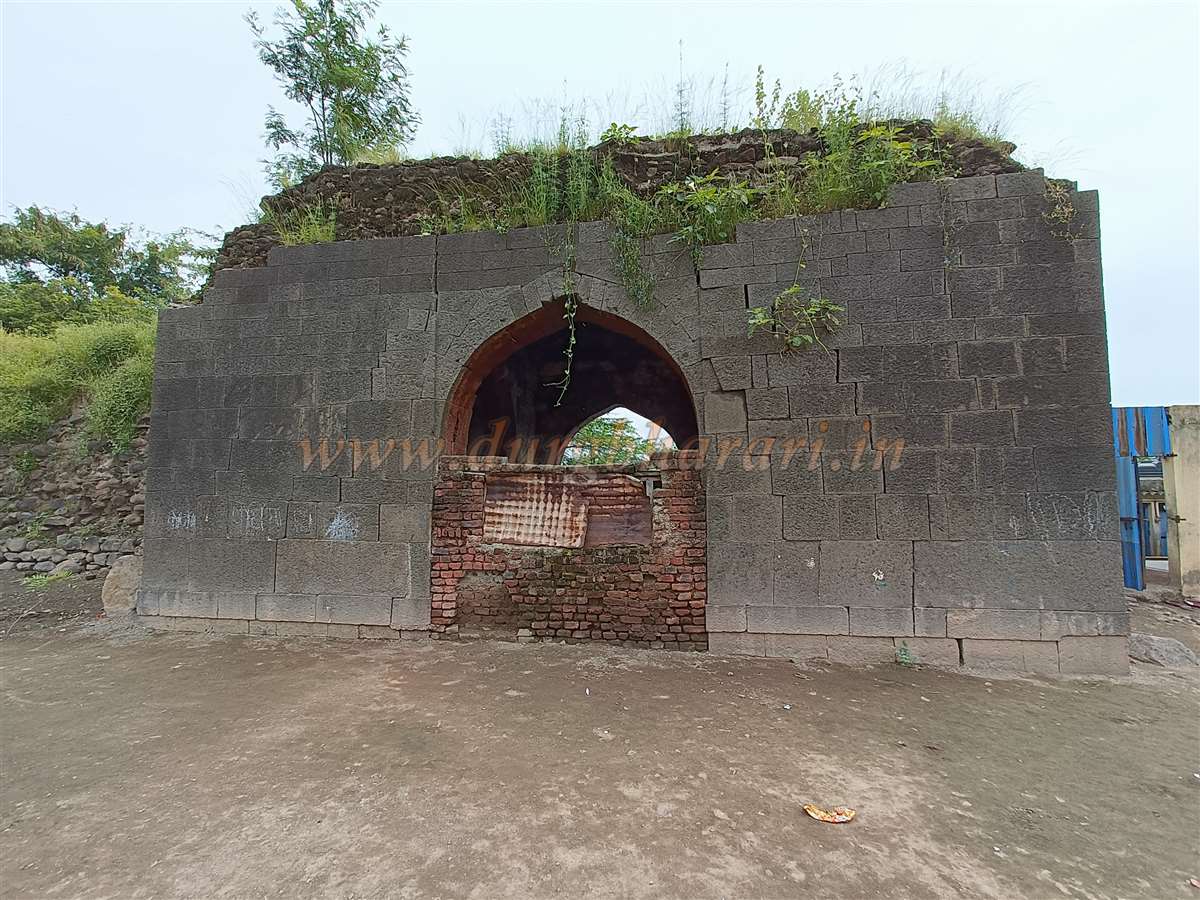
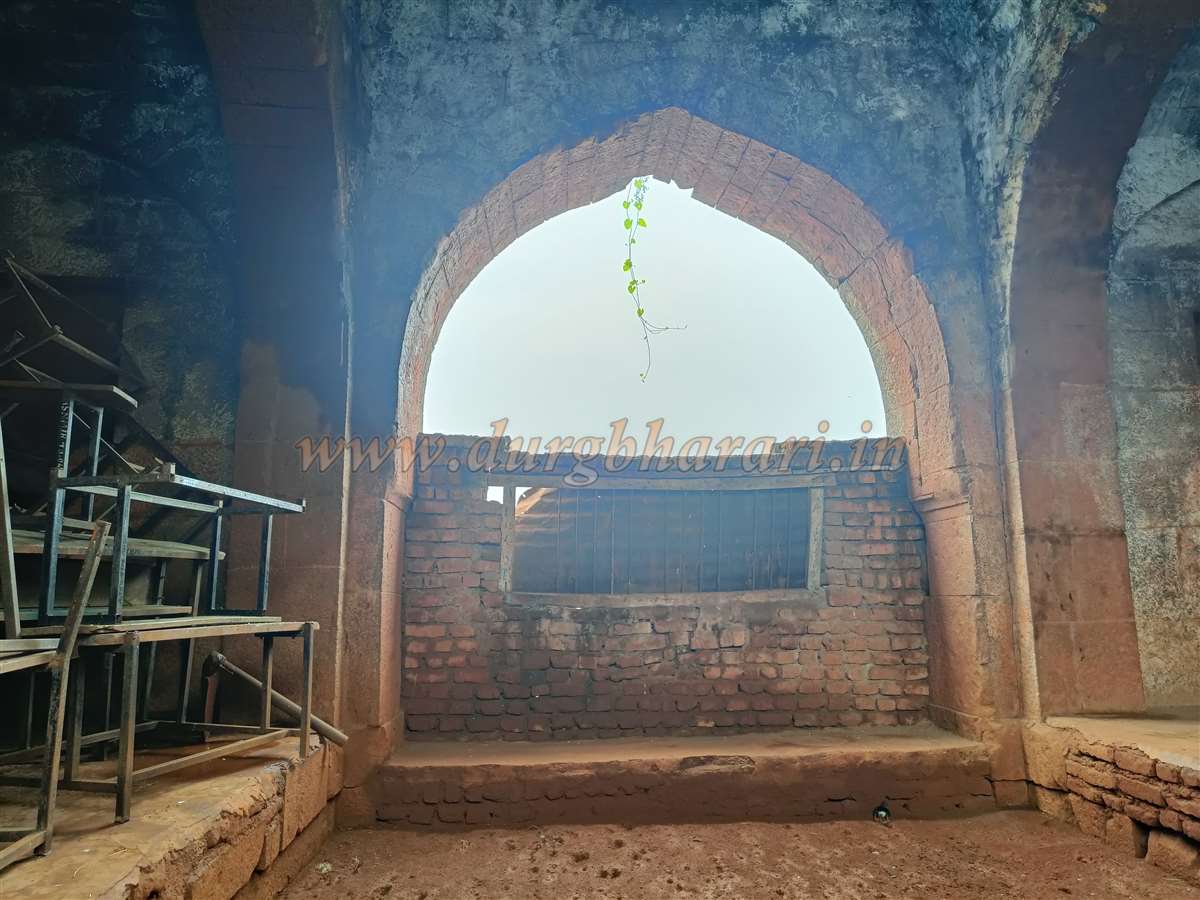
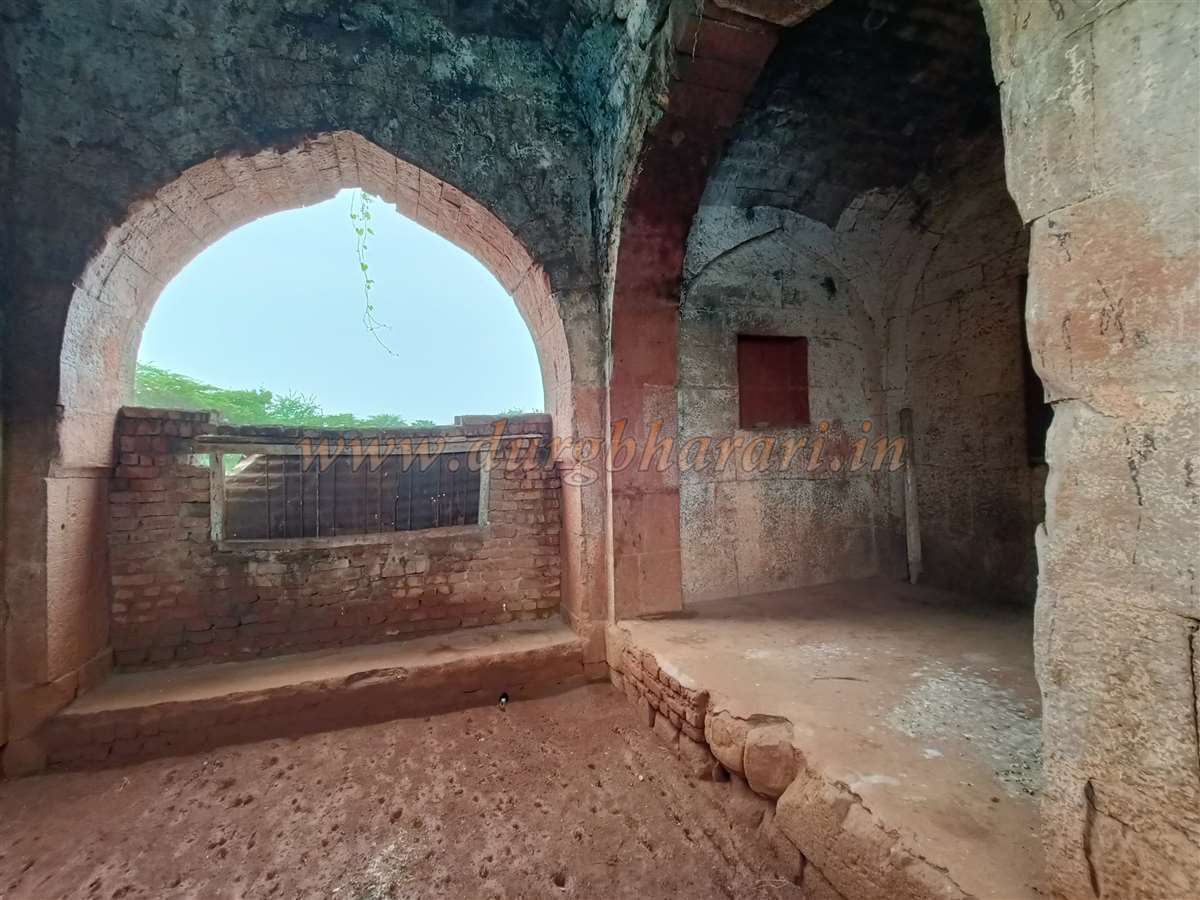
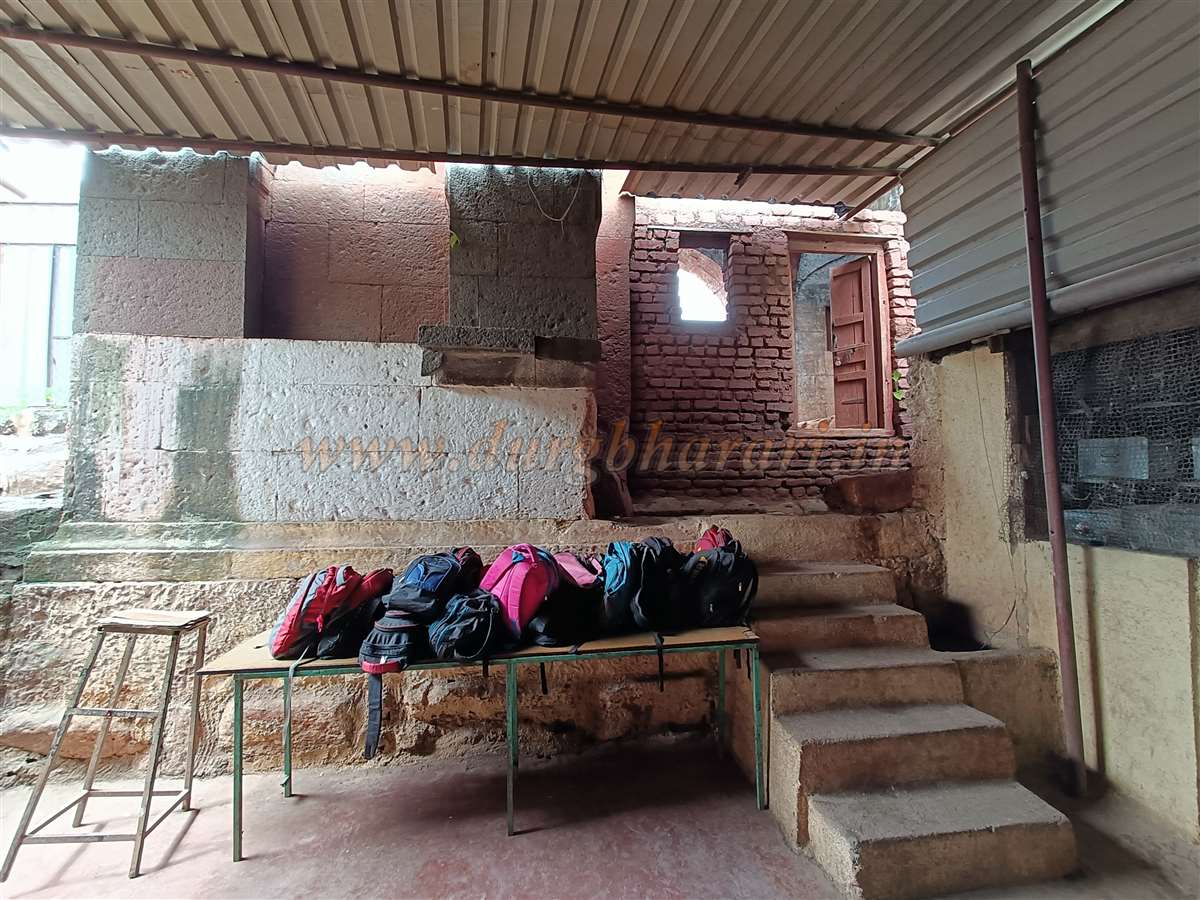
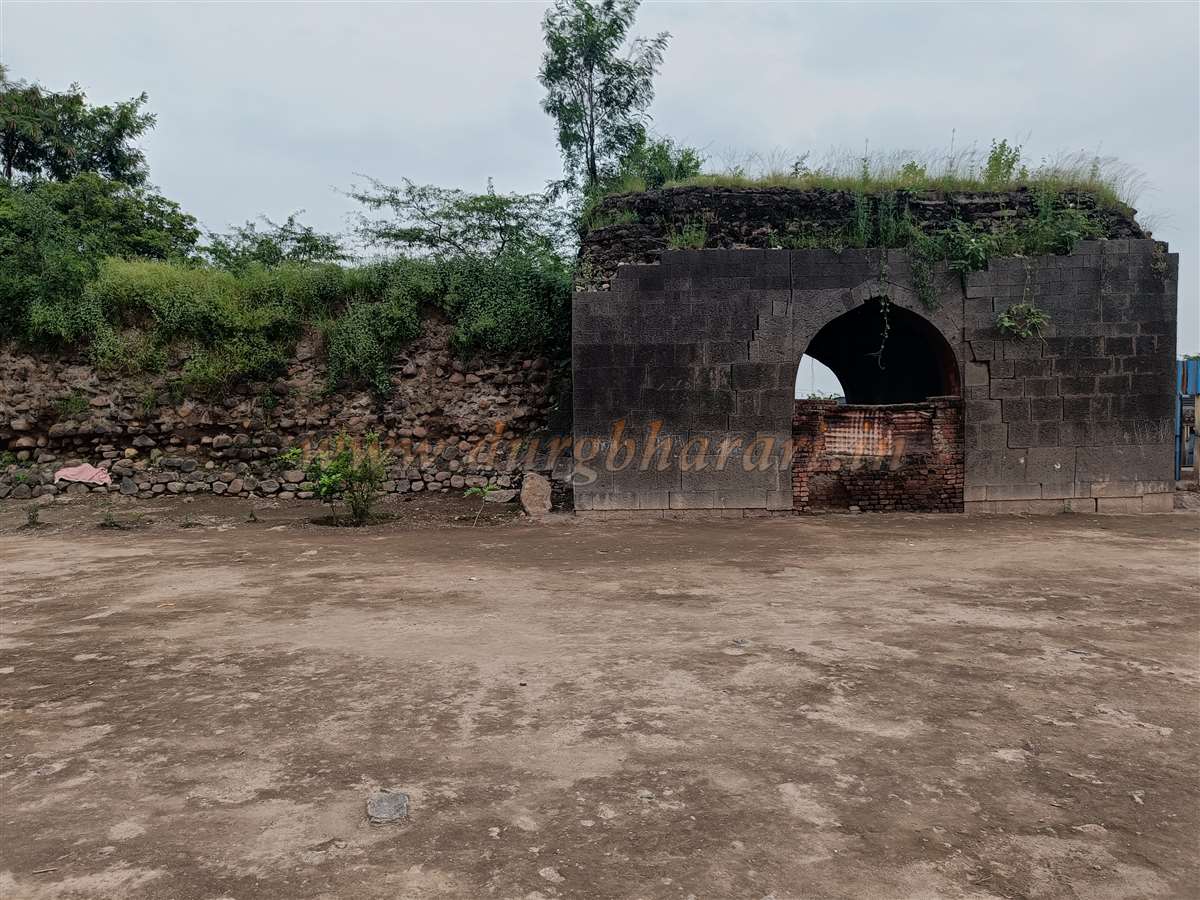
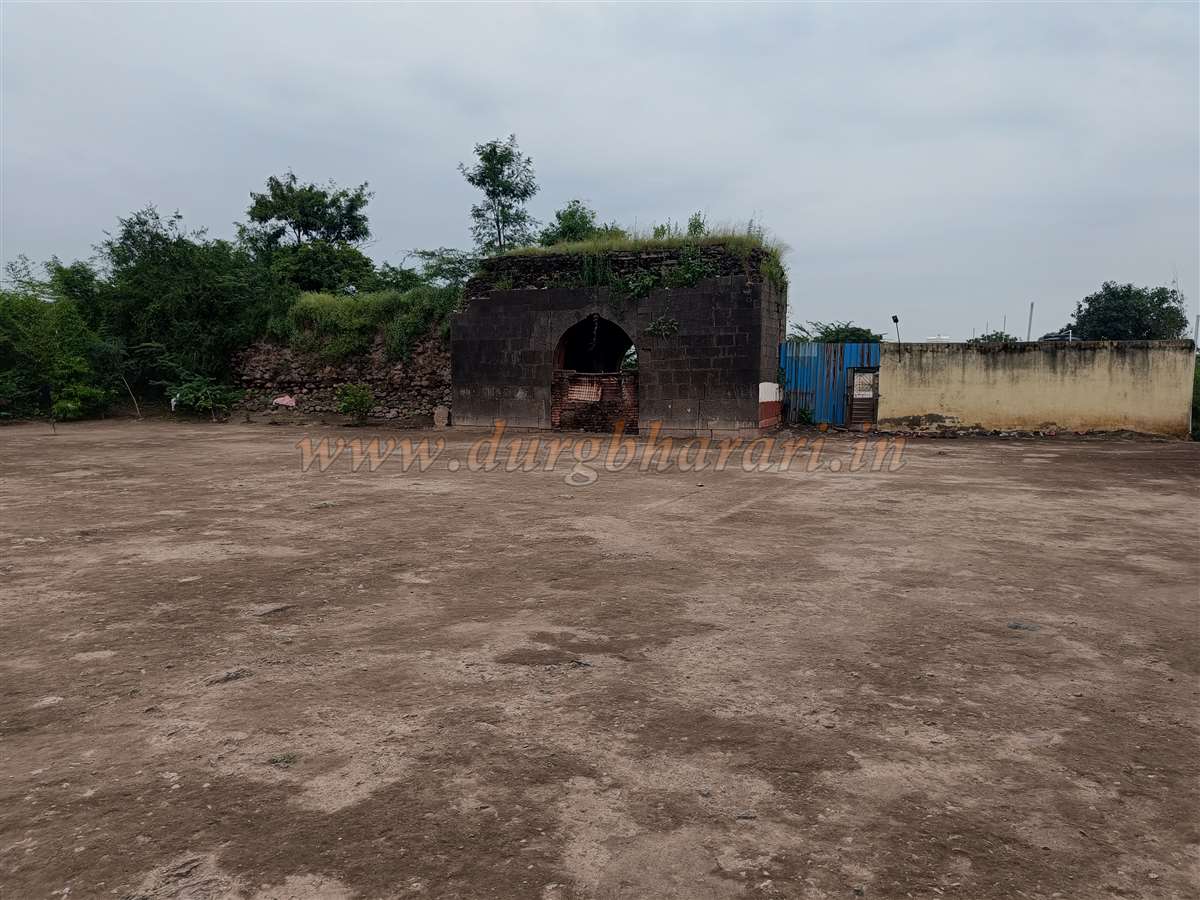
Presently, the gadhi premises house the Takalkar Vidyalaya and hostel, run by the Mhasoba Shikshan Prasarak Mandal. The entrance gate of the gadhi is still intact and is now enclosed within the school building. With the permission of the school staff, one can explore it from inside and out. The gate is constructed with finely dressed stone, flanked by guard chambers (devdis) on both sides. The central part of this gate has now been converted into a gymnasium.
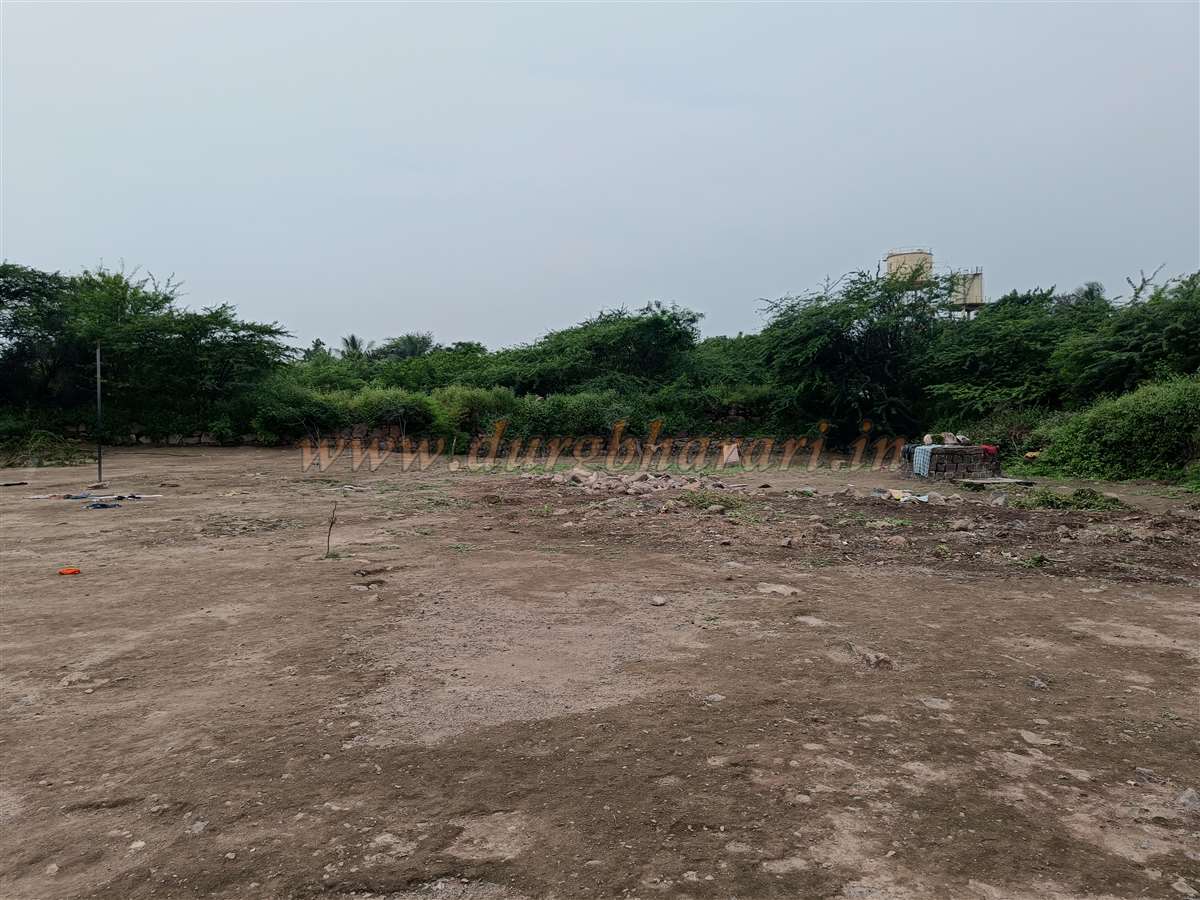
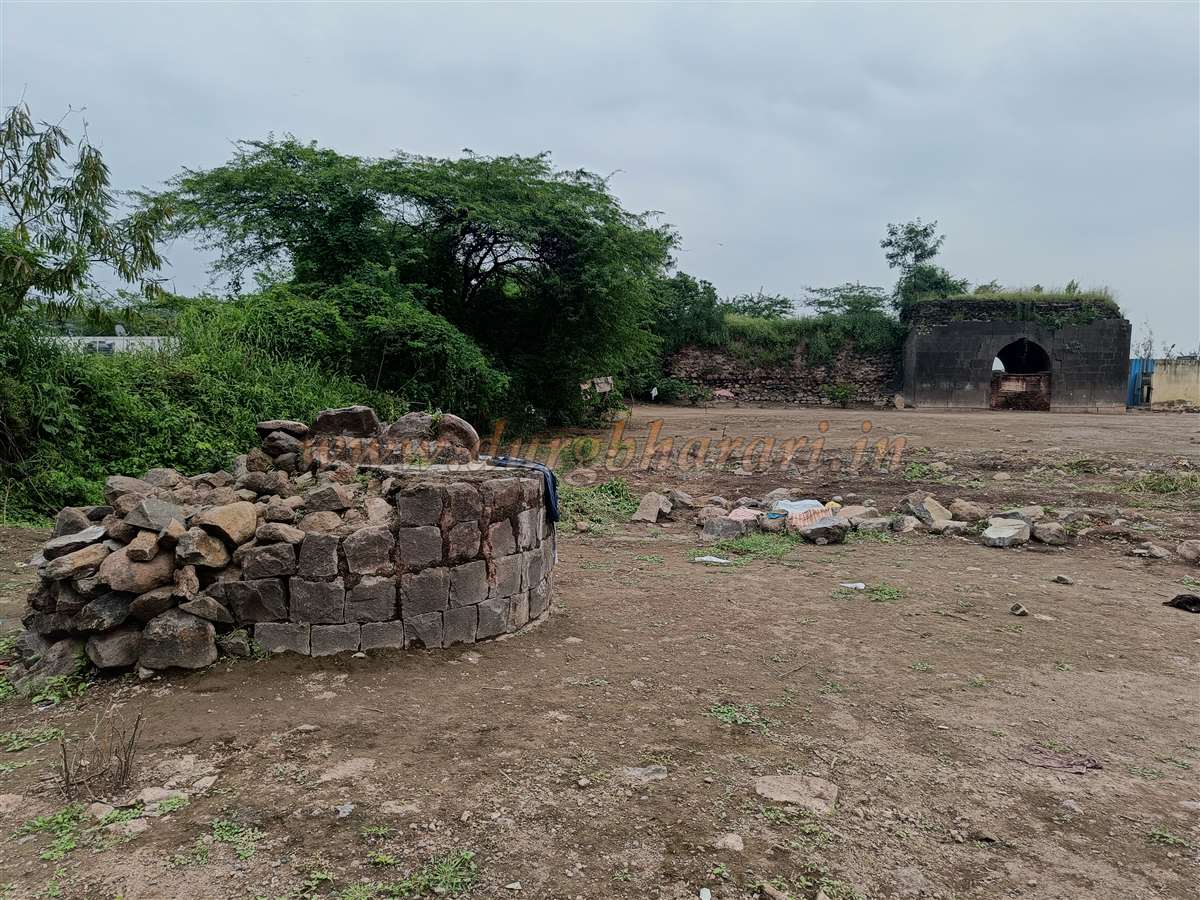
Upon entering through the gate, you step into the inner area of the gadhi, which is square in shape and spread across roughly half an acre. Since the internal structures have completely collapsed, the area is now used as an open playground. The only surviving element of the original gadhi is a well.
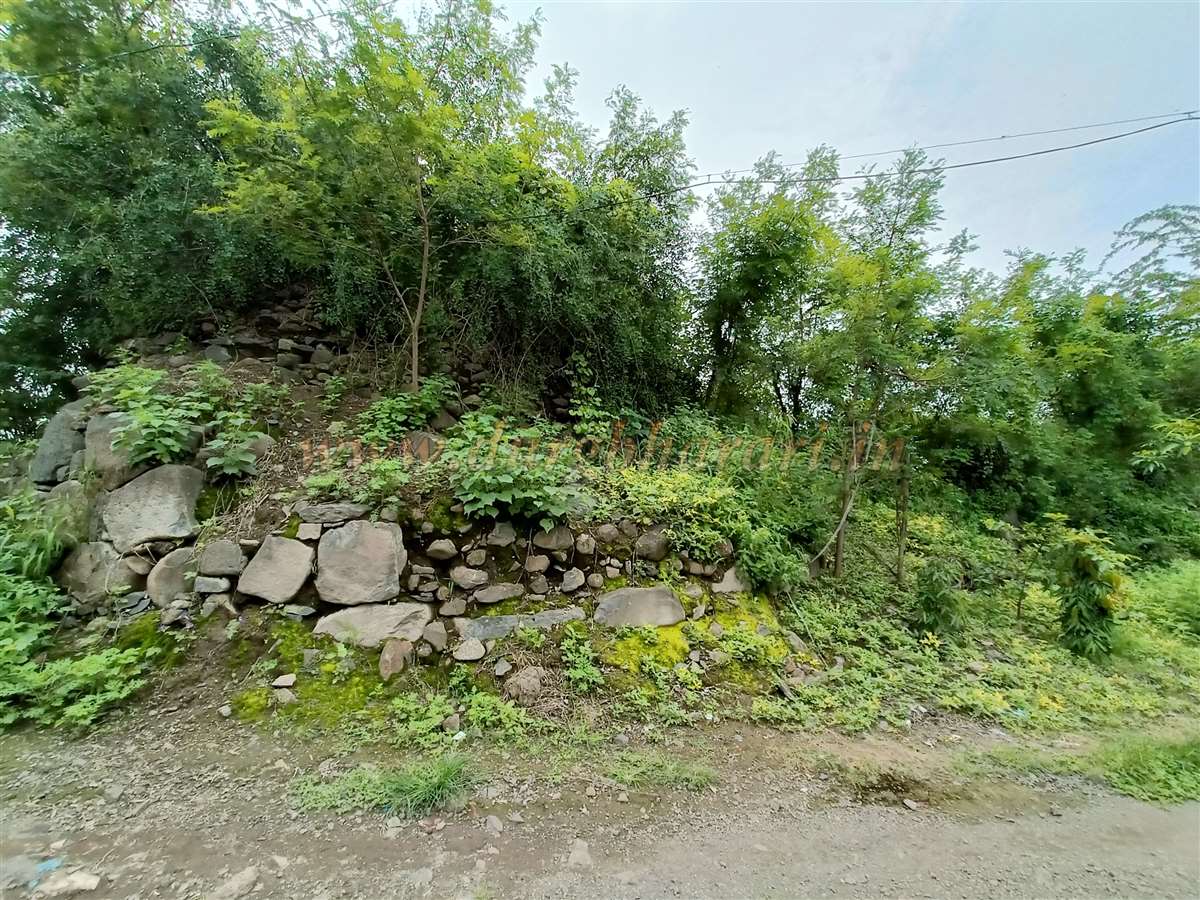
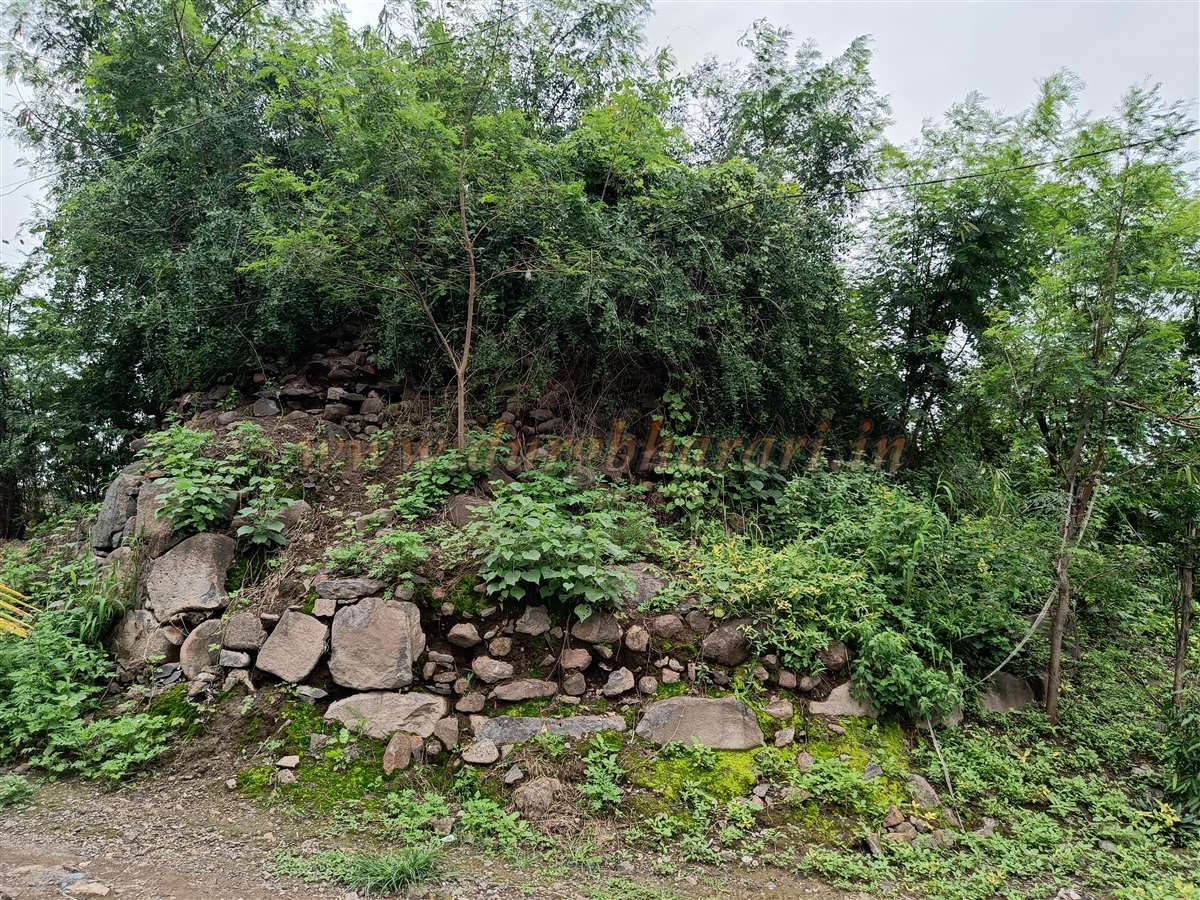
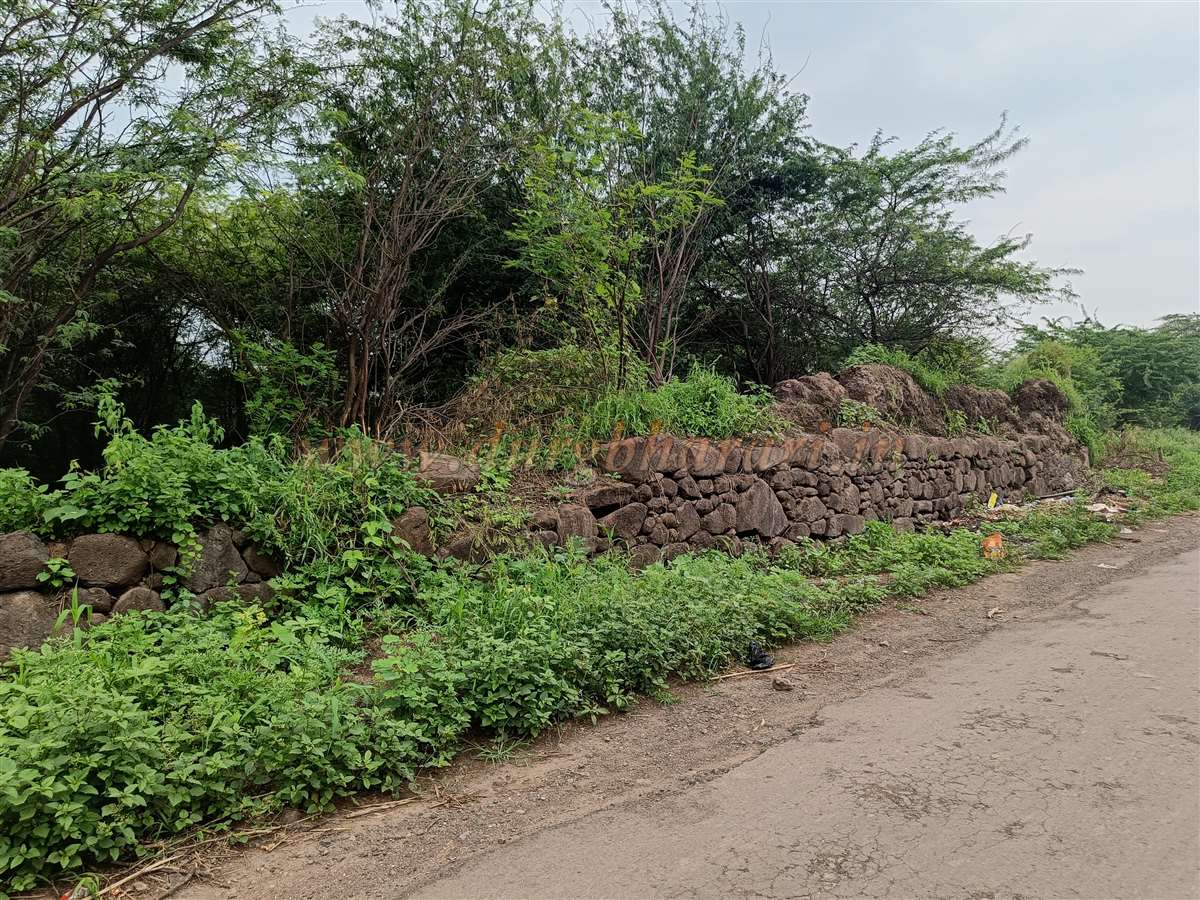
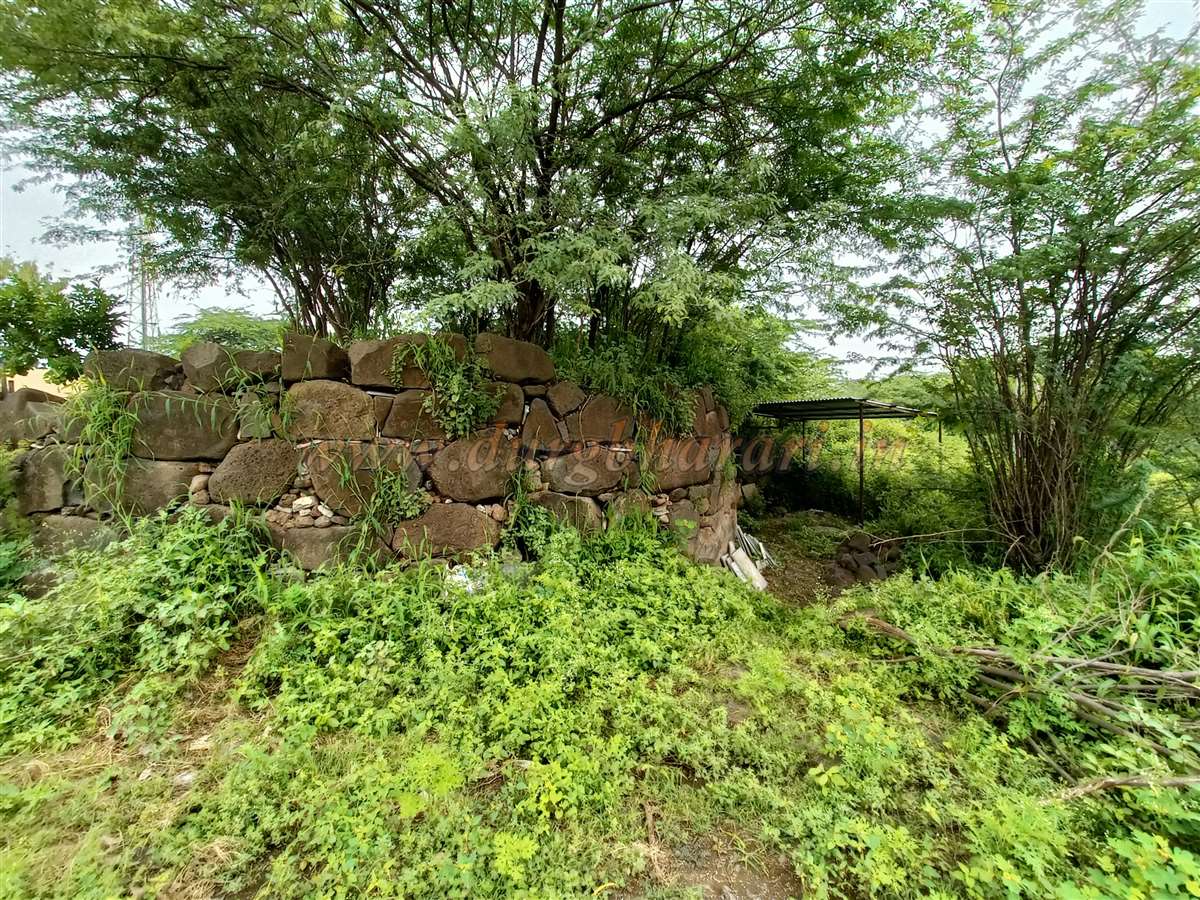
Portions of the defensive walls (tatbandi) are still visible, although they are badly damaged and may not last much longer. A walk around the gadhi reveals two crumbling bastions at either end of the fortification. A complete tour of the gadhi takes about half an hour.
Narhar Ganesh, better known as Bapu Gokhale, had a brief but impactful life spanning from 1777 to 19 February 1818. He was born in Talejakhan village, Rajapur Taluka, Ratnagiri District, in 1777. Orphaned at a young age, Bapu and his elder brother were raised by their paternal uncle Dhondopant and aunt Lakshmibai in Pirandavane, near Vijaydurg.
As Nana Phadnavis held great influence in the Pune court, his relatives were often given key positions. During that time, Gangadharpant Bhanu, from Nana’s family, was the Subhedar of Vijaydurg. Dhondopant performed commendably in controlling unrest caused by the Ramoshis, prompting Gangadharpant to recommend him to Nana Phadnavis. As a result, around 1784–85, Dhondopant was summoned to Pune, accompanied by eight-year-old Bapu and his elder brother. Dhondopant earned a Sardar position in the court.
At just 15 years of age, Bapu began accompanying his uncle on military campaigns. Through this, he learned the arts of warfare and diplomacy. By 1800, Bapu had begun acting independently. In 1802, he was given the prestigious role of Commander-in-Chief.
Bapu's career was marked by key actions such as capturing Vithoji Holkar, managing diplomatic missions, and fiercely resisting the British. He believed all Maratha Sardar — Raste, Vinchurkar, Kale, Shinde, and Holkar — should unite to resist the British. He gathered a force of 30,000–40,000 soldiers for this purpose.
In October 1817, Elphinstone, stationed in his bungalow at the confluence of the Mula and Mutha rivers, noted in his diary that Bapu had surrounded the British from all sides. The British countered this attack with reinforcements from Khadki, leading to the Battle of Khadki on 30 October 1817.
Though Bapu was determined to fight, a message from Baji Rao II instructed him not to fire the first cannon. Bapu still led a small troop into British ranks but had to retreat after his horse was shot. Heavy fighting ensued but had to be stopped following Baji Rao’s orders.
On 16 November, the Marathas again clashed with the British at Yerwada, but Baji Rao’s unexpected retreat caused confusion in the Maratha ranks, forcing Bapu to fight alone. Eventually, Bapu Gokhale attained martyrdom on 20 February 1818 while fighting the British near Gopalashti, close to Pandharpur.
It is believed that one of the continuously burning lamps (Nandadeep) at the Mahabaleshwar Temple near the Panchganga Mandir was lit by Bapu Gokhale himself — a symbol of his devotion and legacy.
© Suresh Nimbalkar
GALLERY