NIMBLAK
TYPE : GADHI
DISTRICT : SATARA
HEIGHT : 0
GRADE : EASY
Though there are thousands of fortified mansions (gadhi), forts, and palaces in Maharashtra, most of these structures date back to the medieval or post-medieval period. Truly ancient fortified mansions are rare. One such ancient structure is the Nimbalkar Gadhi, located in Nimbalk village, the stronghold of the Nimbaraj Parmar (Pawar) or Raje Nimbalkar family.
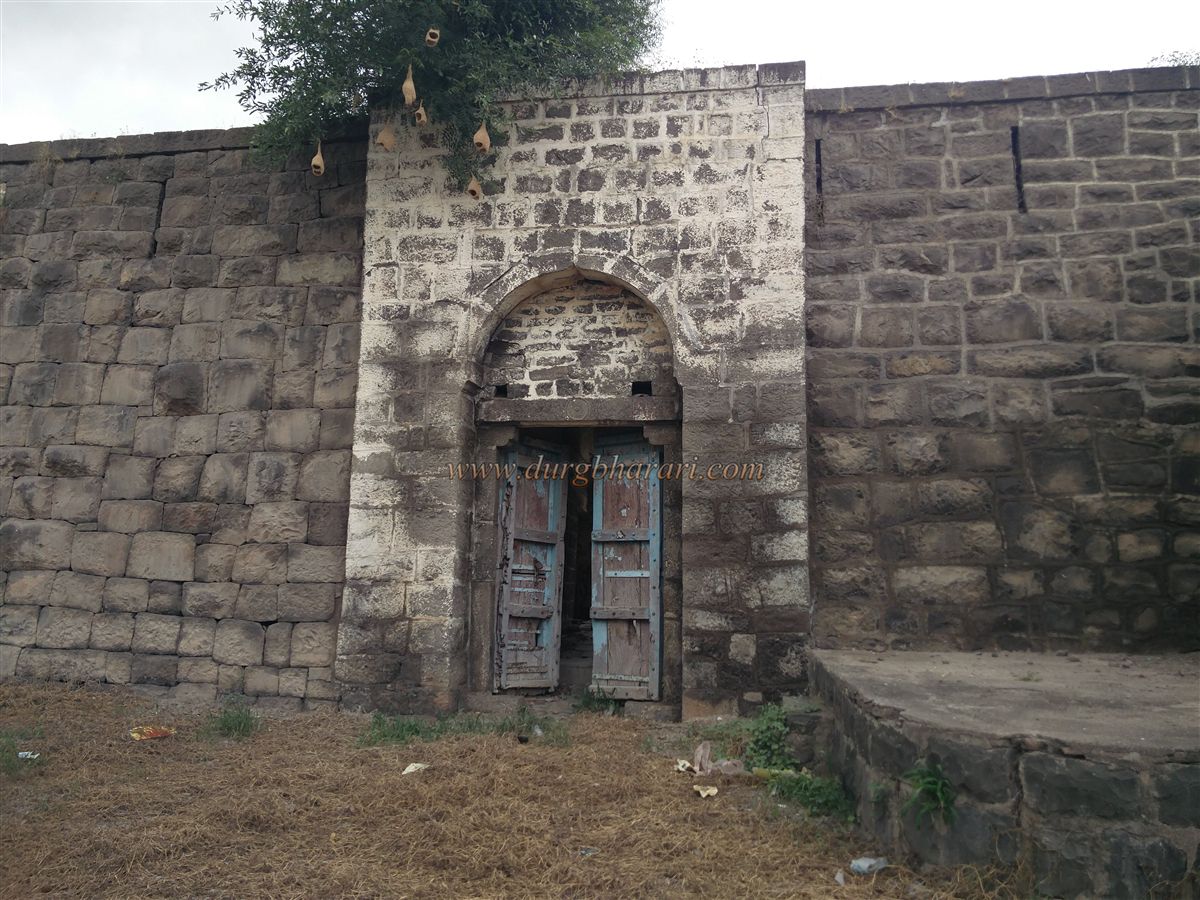
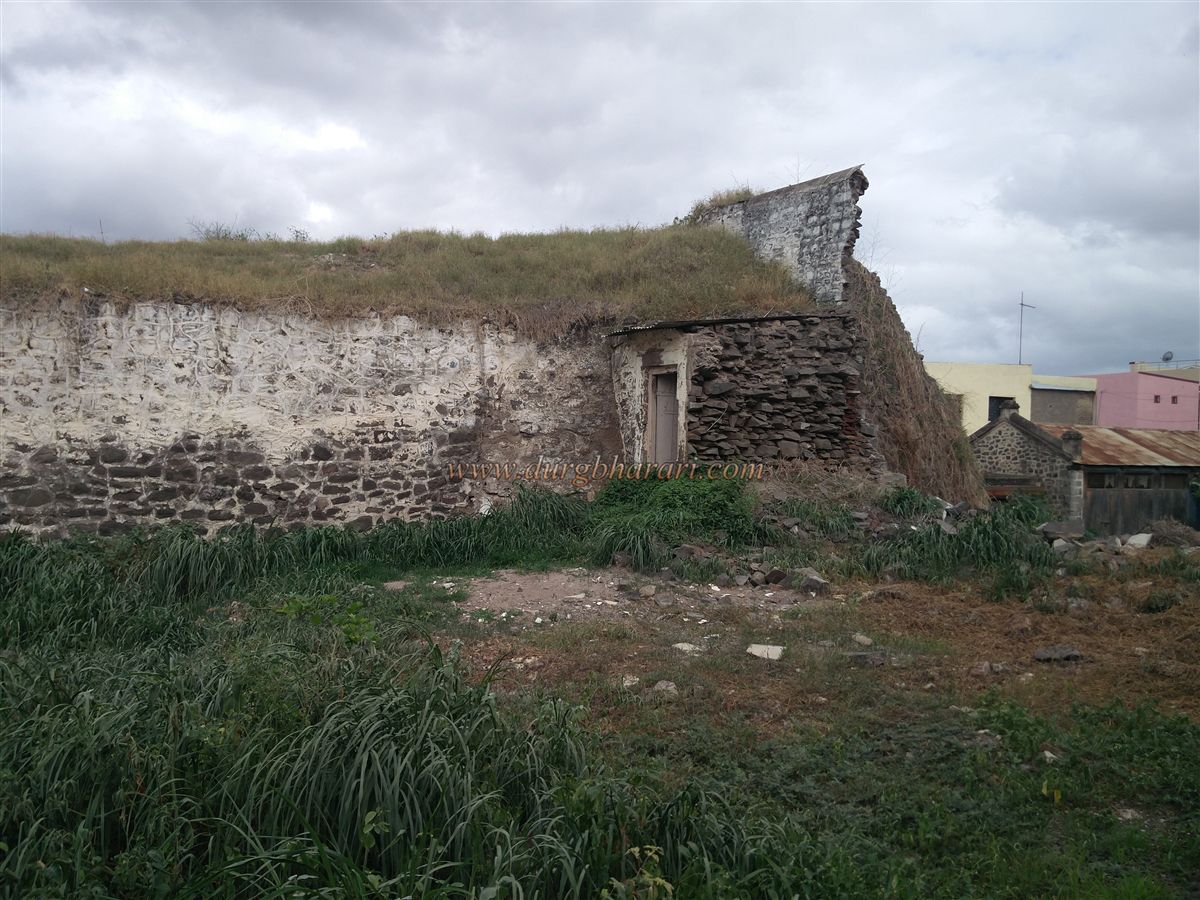
Situated in Phaltan Taluka of Satara District, this fortified mansion (gadhi) is about 15 km from Phaltan city. Built in the 14th century, the mansion is now in a state of severe neglect and disrepair. Constructed atop a raised platform, it uses both finely cut and rough stones. The rectangular structure, aligned east-west, spans an area of about half an acre. The main gate faces east, and there are four bastions built into the fort walls.
...
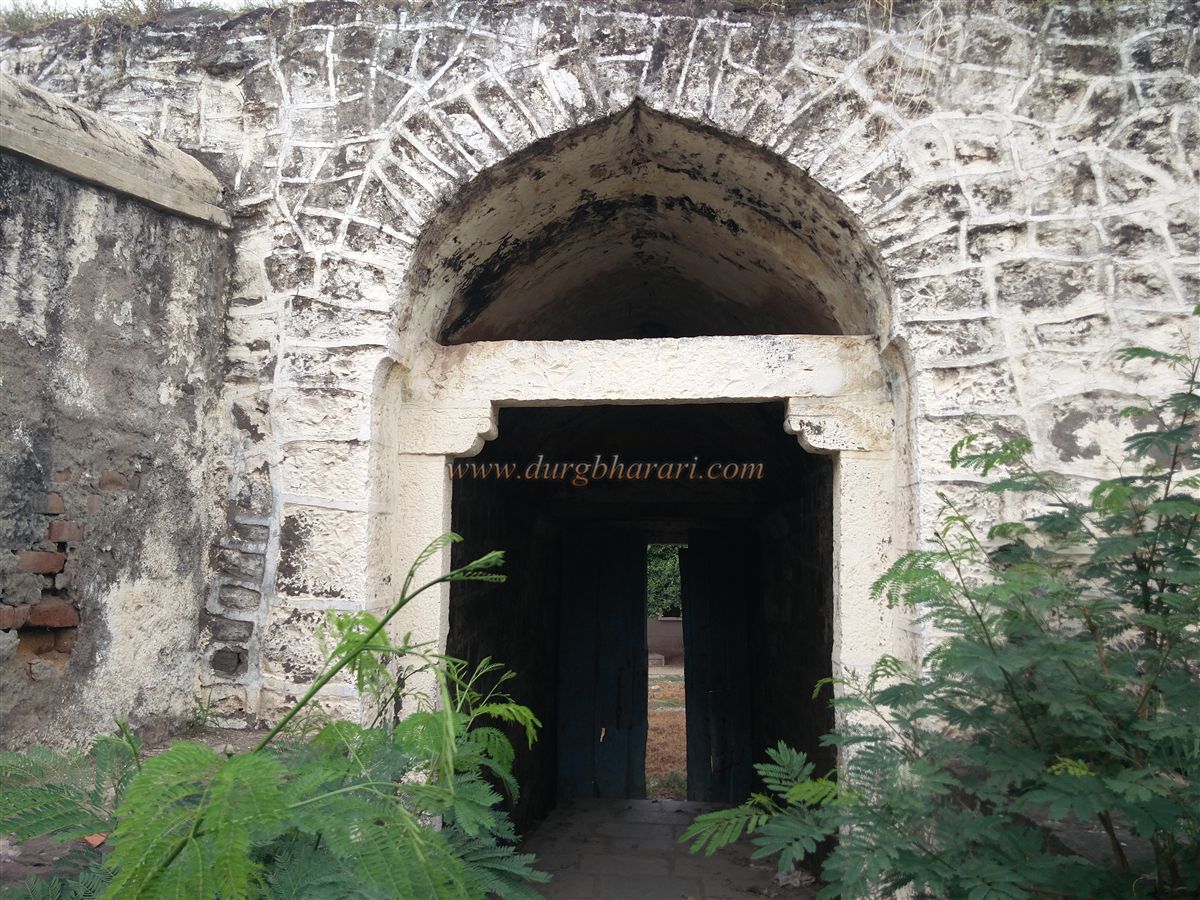
The construction lacks any architectural uniformity or carvings. The outer walls are about 10–12 feet wide and 20–25 feet high. The inner layer of the walls is built with mud mortar, parts of which have collapsed. The walls feature loopholes (jangya) designed for firing guns. The main entrance of the gadhi does not belong to the original structure but was added later—though still quite old. Upon entering through the gate, a staircase leading to the ramparts can be seen on the left.
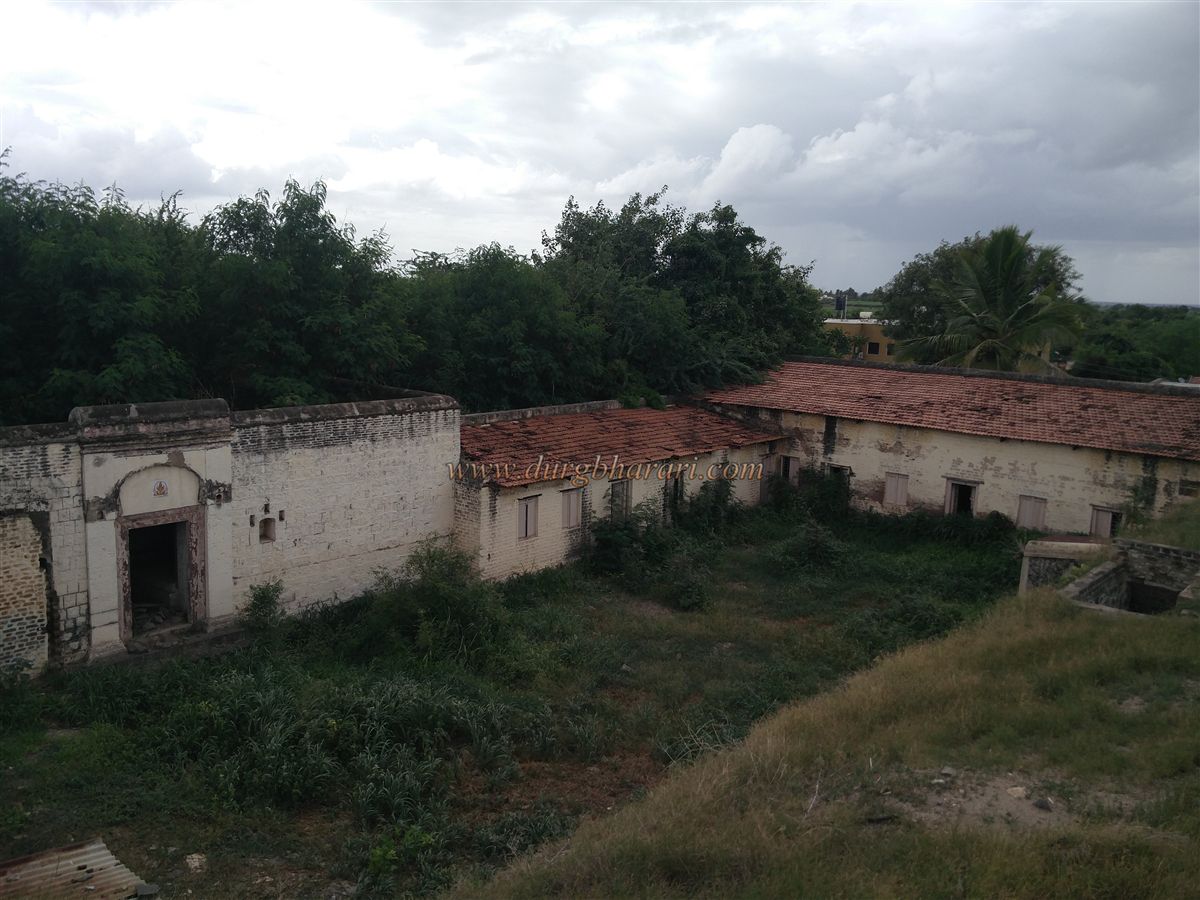
A school has been constructed inside the fort premises, and during its construction, the original inner structures of the gadhi were completely destroyed. Once a symbol of the rise and prosperity of the Nimbalkar family for nearly 60 years, the mansion today lies abandoned and desolate. With almost nothing left to see inside, 15 minutes is enough to explore the structure.
The Nimbalkar royal family of Phaltan is one of the oldest royal families in Maharashtra, having settled here for approximately 750 years. During the repeated invasions of North India by the Delhi Sultans, some royal families migrated to the South—one of them being the Parmar of Dhar.
One member, Nimbaraj Parmar, came and settled around 1273 CE in the Shambhu Mahadev forest near present-day Phaltan (then known as Phalpattan). Nimbaraj established a settlement at the base of Shambhu Mahadev hill and built a small temple for the deity Nimjaidevi, whose idol was found under a neem tree.
Nimbaraj gathered his own army and established the village of Nimbalk. Hence, the village he founded came to be called Nimbalk, and his descendants came to be known as Nimbalkar. After Nimbaraj death in 1291 CE, his son Podkhela Jagdev ascended the throne. In 1301, Podkhela plundered Khandesh and Burhanpur, provoking Aladdin Khilji, who attacked Nimbalk in 1309.
After being defeated, Podkhela accepted vassalage under the Delhi Sultanate. During this time, he joined the Sultan’s army in a war against the Mughals in Punjab, where he displayed great valour but died in 1327 CE.
In recognition of his bravery, his son Nimbaraj II was awarded a Jagiri worth 3.5 lakh rupees along with the title of Nayak over the region around Nimbalk. However, Nimbalk was found to be inconvenient as the capital, so in 1330 CE, Nimbaraj II relocated the capital to Phalpattan, in the centre of the newly granted Jagiri. As a result, Phaltan grew in prominence, and Nimbalk Gadhi gradually lost its importance.
© Suresh Nimbalkar
GALLERY