NESARIKHIND
TYPE : BATTLEFIELD/ SAMADHI
DISTRICT : KOLHAPUR
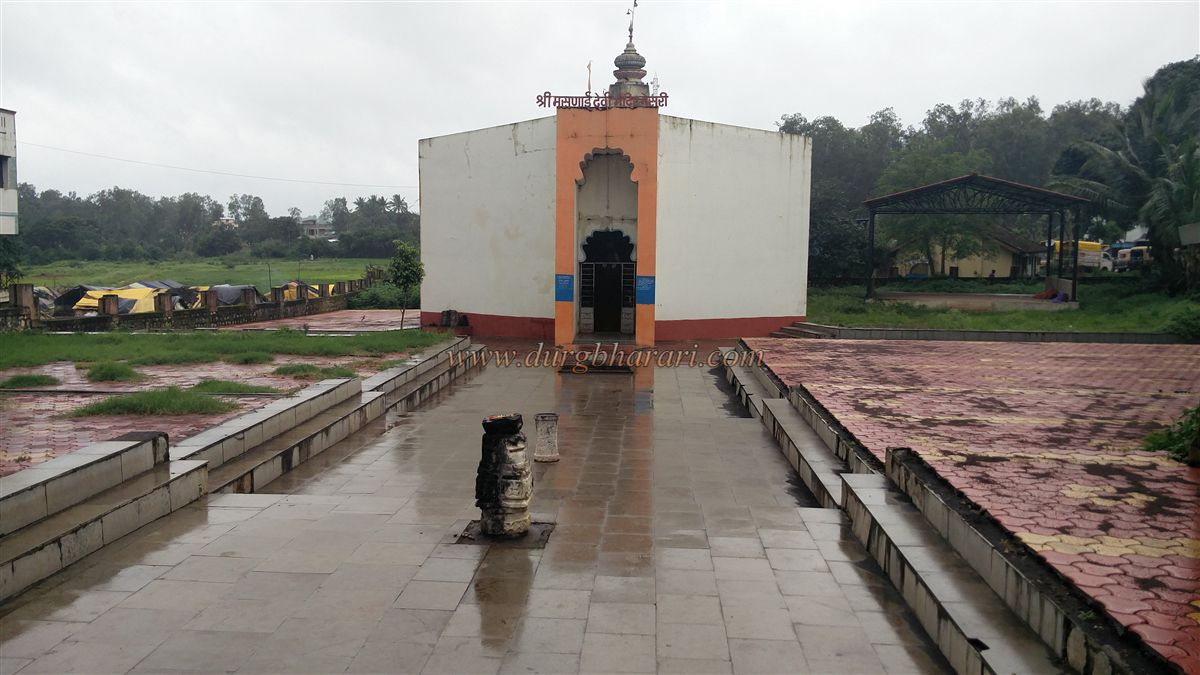
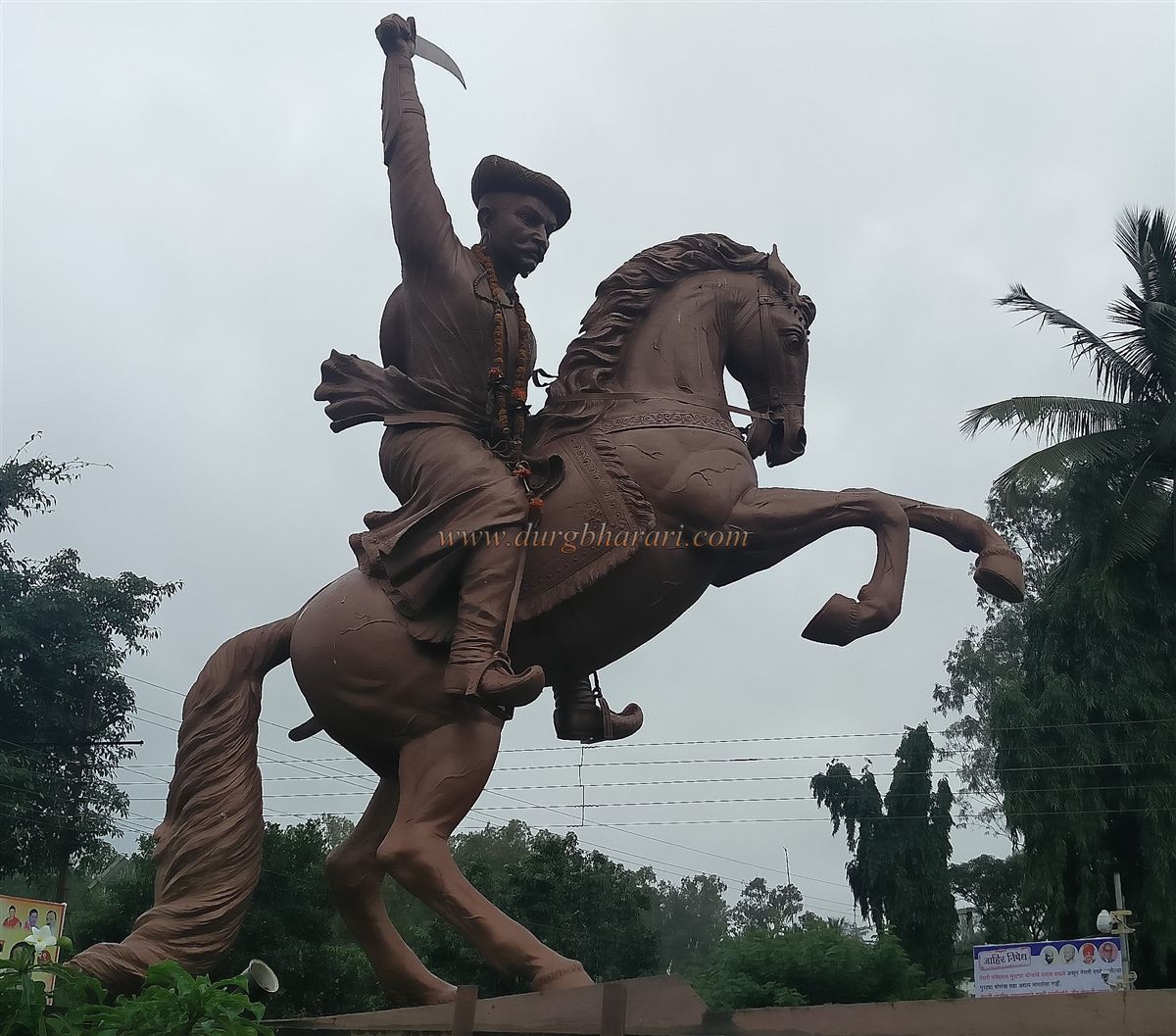
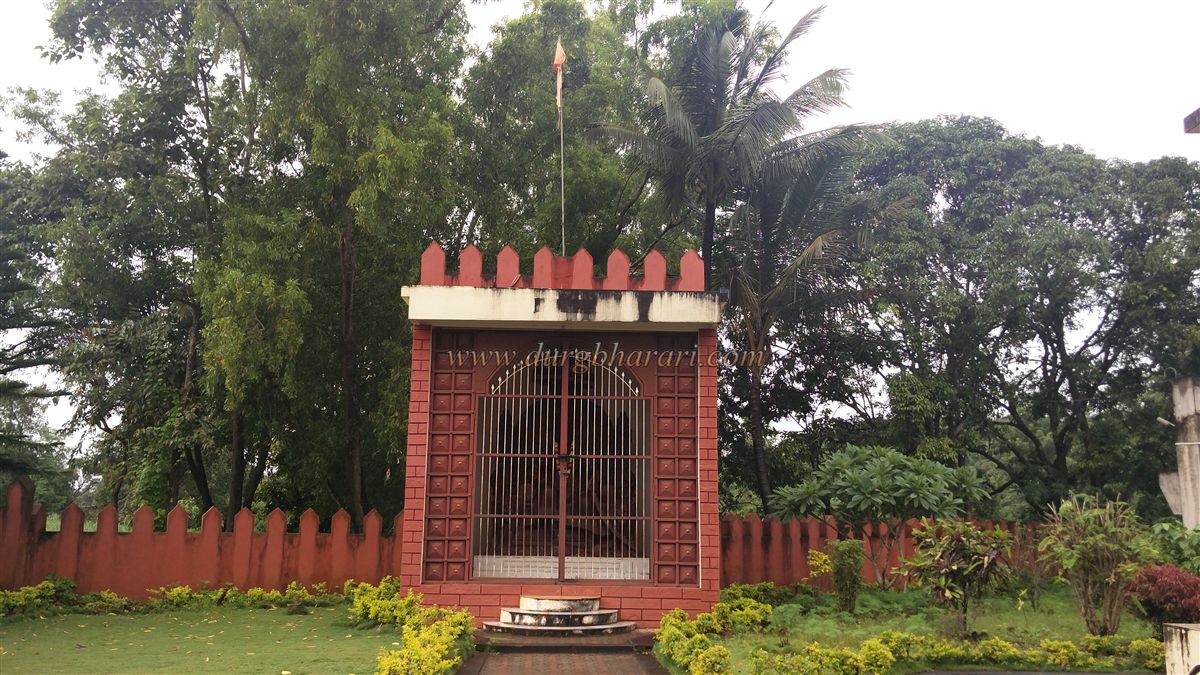
Nesri is a village situated on the banks of the Ghataprabha River in Gadhinglaj taluka of Kolhapur district, Maharashtra. At Nesari Chowk, on the way to the memorial, stands a magnificent equestrian statue of Prataprao Gujar in a battle stance. The road to the memorial begins to the right of the statue. The Nesari Memorial is a sacred place made holy by the unparalleled sacrifice of Swarajya’s Senapati (Commander-in-Chief), Prataprao Gujar. Compared to other memorials, this one is particularly well maintained, with a manicured garden in the centre. The well-kept premises feature seven shields and seven swords, and information that vividly narrates the heroic story.
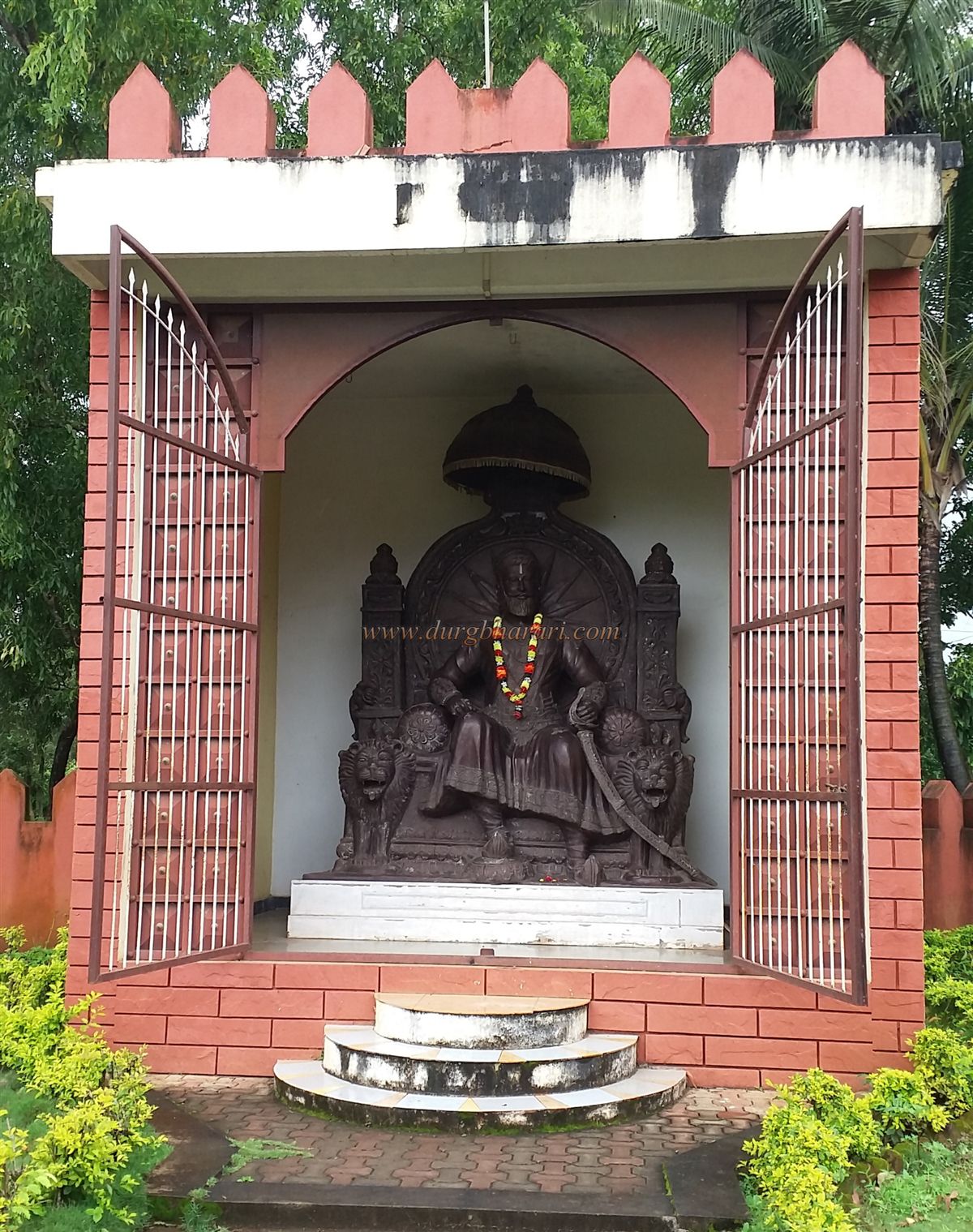
Inside the memorial, to the left stands an 18–20-foot-tall statue of Shivaji Maharaj seated on a throne.
...
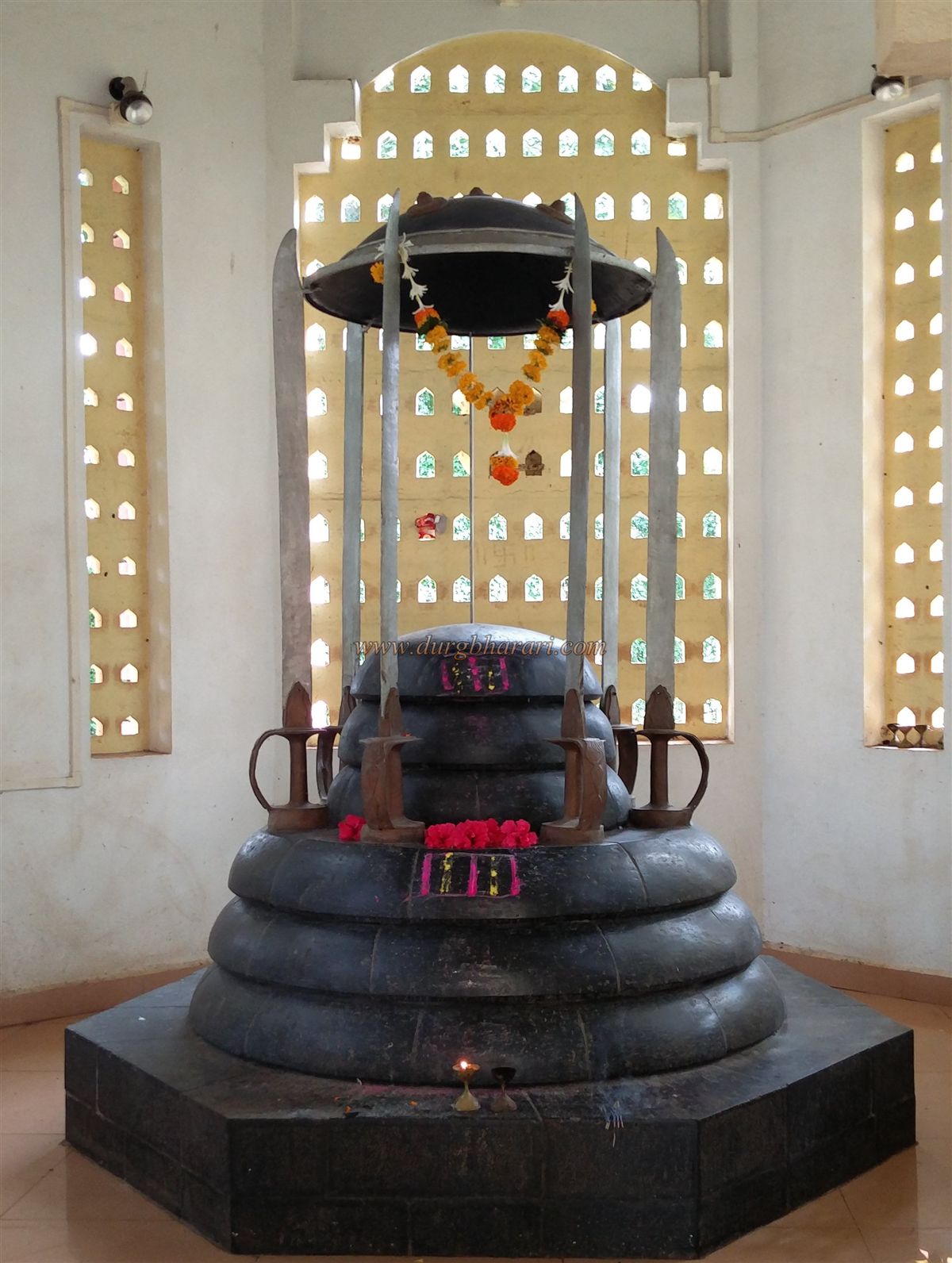
In the centre is a pillar inscribed with details of the battle. In front of the pillar is a symbolic shield and sword, representing valour. The most important feature of the memorial is a sculpture symbolizing the bravery of the seven heroes: six shields at the base, seven upright swords like columns, and one shield atop the swords. When one hears the poetic lines of Kusumagraj—“Drawn from their sheaths, the blades flash bright; seven brave Marathas charged the fight…”—it sends chills down the spine. The poem captures the valour of Senapati Prataprao Gujar.
These seven brave warriors include Senapati Prataprao Gujar and his six loyal horsemen: Visoji Ballal, Vithoji Shinde, Vitthal Pildev Atre, Deepaji Rautrao, Siddhi Hilal, and Krishnaji Bhaskar. They launched a daring attack on an enemy army of about 12,000 soldiers. This historic battle took place at Nesari in Kolhapur on Mahashivratri, 24 February 1674. Prataprao laid down his life in the Nesari pass. His extraordinary bravery is remembered to this day.
Prataprao Gujar—originally named Kudtoji Gujar—was a key figure in the foundation of the Hindavi Swarajya’s. Just as Shivaji Maharaj had loyal generals like Tanaji Malusare, Netaji Palkar, and Baji Prabhu Deshpande, Prataprao Gujar stood among them. In his 14-year military career, he gave the Mughals no peace. Around the time of Shivaji Maharaj’s coronation in 1674, the Adilshahi commander Bahlol Khan was wreaking havoc in Swaraj. Maharaj sent Senapati Prataprao to deal with him. Prataprao defeated Bahlol Khan on the battlefield at Nesari, forcing him to surrender. Showing mercy, Prataprao released him. But Bahlol returned again to plunder the Maratha territory. This time, Maharaj wrote a harsh letter to Prataprao: “Do not return to Raigad unless you have crushed the enemy attacking Swaraj.”
Prataprao was waiting for the right opportunity, but now Bahlol Khan had returned with 20,000 well-equipped troops. The situation was dire, as Prataprao was expected to attend the coronation at Raigad, but the king had warned him not to show his face unless victorious. Trapped between duty and honour, Prataprao—who once charged into Mirza Raja Jai Singh's camp on a suicidal mission and was spared only due to the diplomat's mercy—had no choice. He had been given the title “Prataprao” and appointed Senapati by Shivaji himself.
When Prataprao received news that Bahlol Khan was encamped near Nesari pass in Kolhapur district, he was stationed at the nearby fort of Samangad. But at that moment, he had only 1,200 soldiers, while Khan had 15,000. Without waiting or risking the lives of his men, Prataprao charged alone toward Khan’s massive army. His six trusted horsemen followed him without hesitation. All seven of them plunged into the enemy lines, striking like lightning—and in a flash, darkness fell.
Such was their loyalty and valour. Shivaji Maharaj had not anticipated that Prataprao would take his letter so seriously. But true loyal warriors like Prataprao respond with such unmatched bravery. The six horsemen following their commander into a sea of enemy soldiers reflect the ultimate height of devotion. While Prataprao was driven by the fire of vengeance, his horsemen were driven by pure loyalty. Out of love for Swaraj and their commander, the seven warriors willingly offered themselves to death.
When Maharaj heard of this, he was deeply grieved and ordered a memorial to be erected near Nesari in honour of the seven warriors. The sacrifice of Prataprao made the Nesari pass a sacred place, but its story was immortalized by the verses of Kusumagraj. Despite his immense valour, Prataprao remains somewhat neglected in mainstream history.
The “Bakhar” (chronicle) written by Sabhasad mentions Prataprao Gujar as follows: During the battle of Panhala, Netaji Palkar failed to arrive in time, causing heavy losses to the Maratha forces. Angered, Shivaji summoned Netaji and rebuked him. He removed Kudtoji Gujar from the position of commander at Raigad and renamed him “Prataprao,” appointing him as Senapati. As Senapati, Prataprao recruited men from 96 Maratha clans across all four sultanates and nearby regions, purchased horses, organized the cavalry, and built a strong force. Bahlol Khan then advanced from Bijapur with 12,000 soldiers. On hearing of this, the king commanded Prataprao to take action and defeat Khan.
Prataprao moved swiftly. The fort was surrounded. Khan was denied water. The situation worsened. Eventually, Khan, desperate for water, sent a message to Prataprao declaring, “We did not come here against you, but under the orders of the emperor. Henceforth, we are yours and will not challenge your authority.” Moved by this plea, the Maratha army withdrew.
But Shivaji Maharaj sent another message: “Take your army and engage Bahalol Khan. Defeat him, or do not return.” Prataprao obeyed, engaged the enemy, and met Khan near Nesari. A great battle ensued. In the melee, Prataprao was struck by a sword and killed. The battle was fierce, rivers of blood flowed, and upon hearing the news, Shivaji Maharaj exclaimed with sorrow, “Today, we have lost a great pillar.”
The sacrifice of these seven warriors inspired the Maratha soldiers across Swaraj. Their heroism became an eternal chapter in history. The memorial commemorating Prataprao sacrifice stands as testimony to Maratha valour and deserves the highest respect.
© Suresh Nimbalkar
GALLERY