NAVZE KOT
TYPE : FORTRESS
DISTRICT : PALGHAR
HEIGHT : 0
GRADE : EASY
Due to the long-standing Portuguese rule in North Konkan, many small and large fortified structures resembling forts (known as gadhi) can be found along the coastal stretch from Vasai to Daman. Most of these forts are now heavily damaged, with only a few remnants surviving.
One such small and lesser-known fort built by the Portuguese near Saphale is the Navje Fort. To visit Navje Fort, one should take a Western Railway local train and alight at Saphale station. Navje Fort is located about 15 km from Saphale railway station and 6 km from Varai Phata on the Mumbai–Ahmedabad highway. From both Varai Phata and Saphale station, private and shared rickshaws are available to reach Navje village.
...
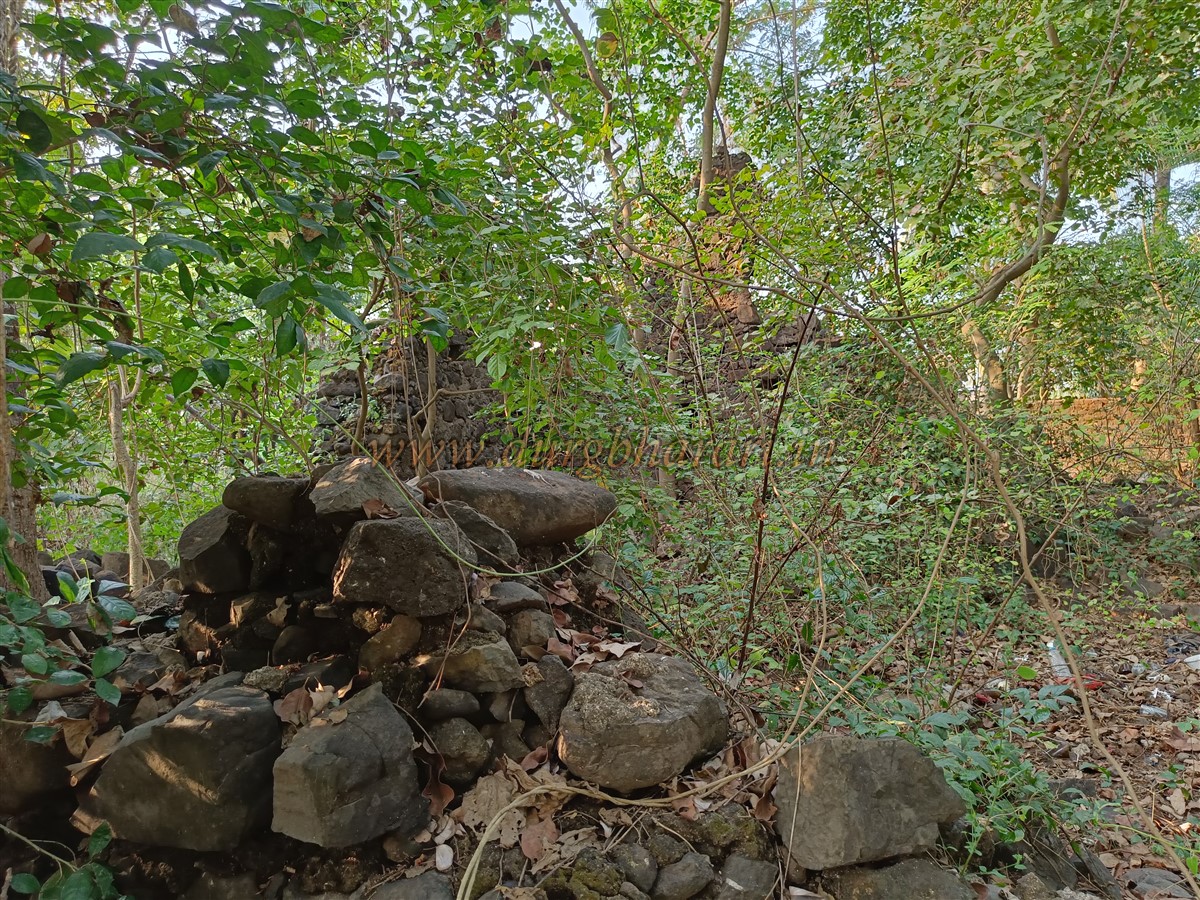
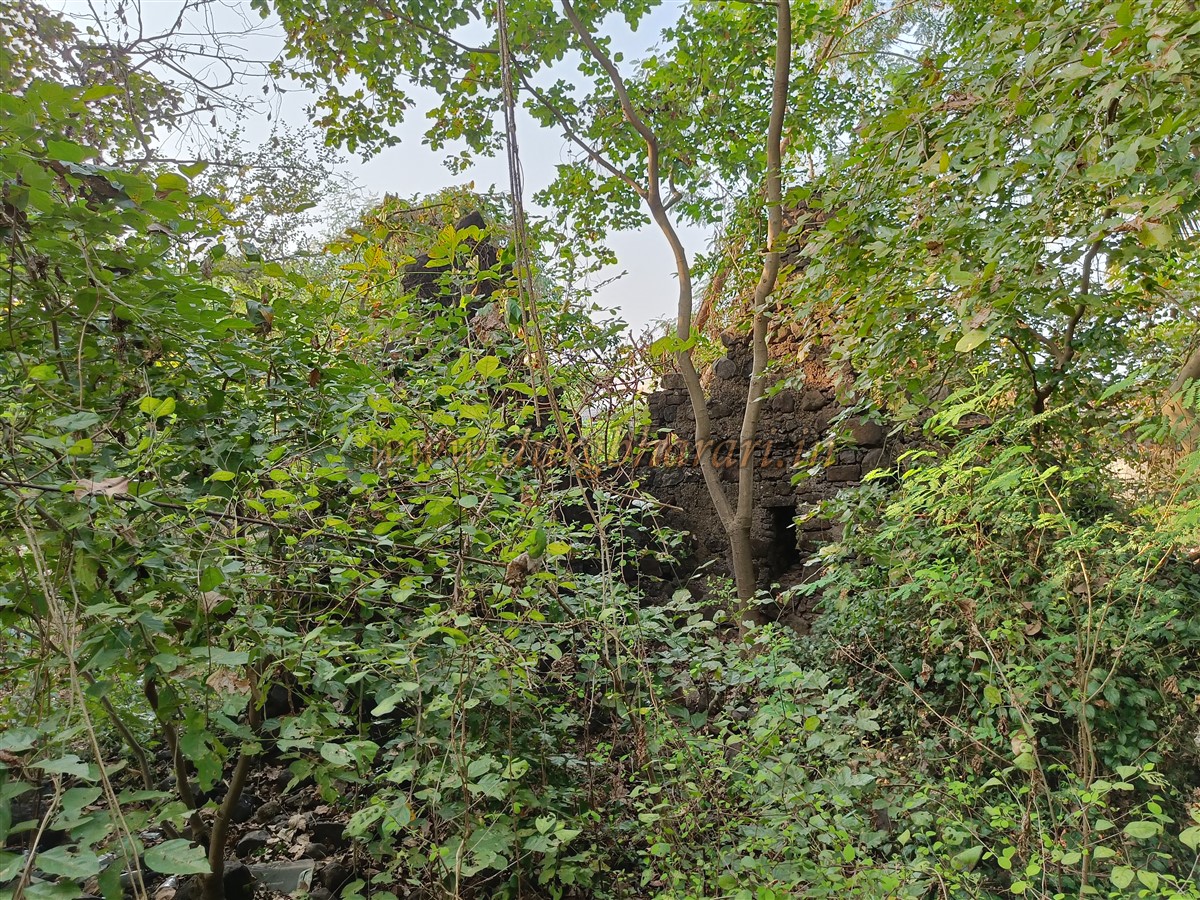
While traveling from Saphale, one first crosses Tandulwadi Phata, then Pargaon Phata, and finally arrives at the Navje village turn. From that junction, Navje village is approximately 1.5 km inward. Upon reaching the village, to find the fort, ask for directions to the “Old Gram Panchayat”. Behind this old panchayat office, one can see the ruins of Navje Fort, surrounded by thick vegetation.
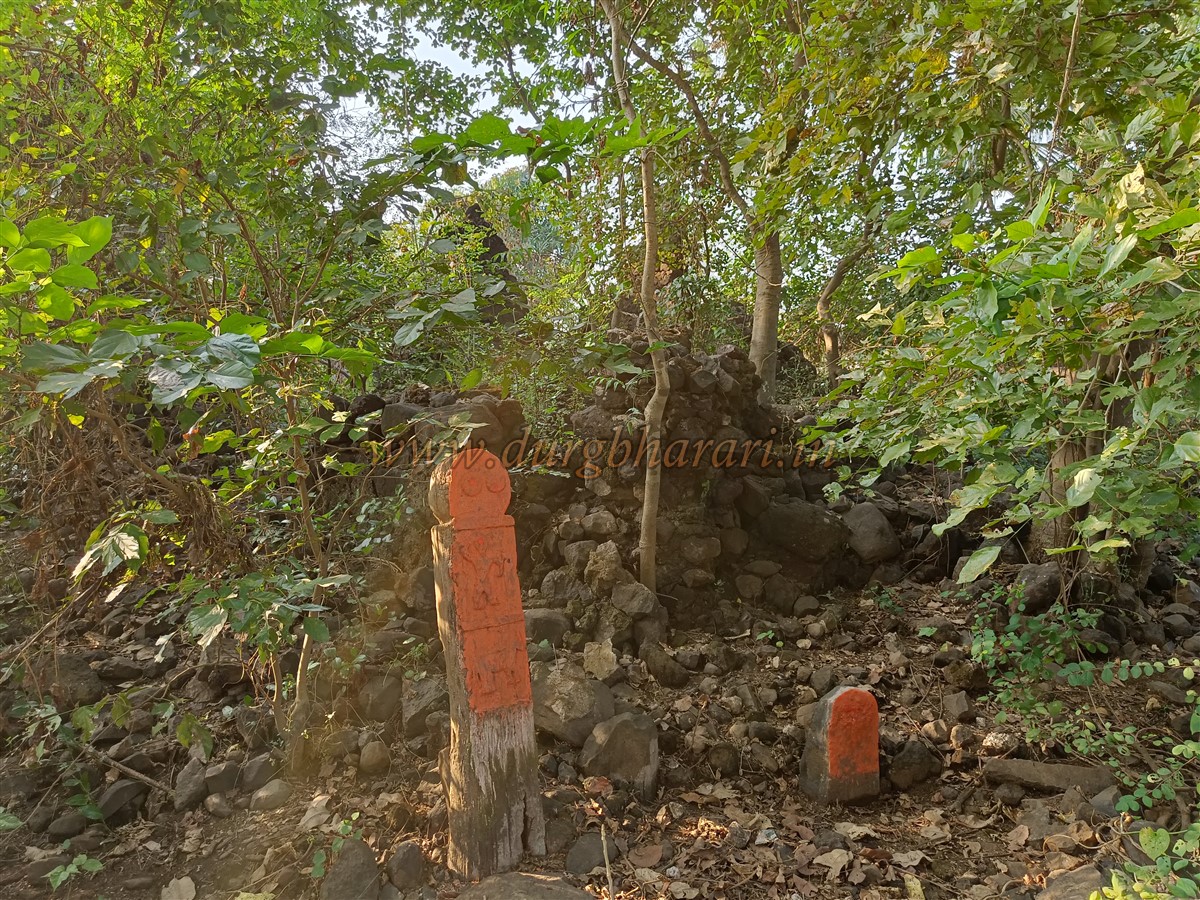
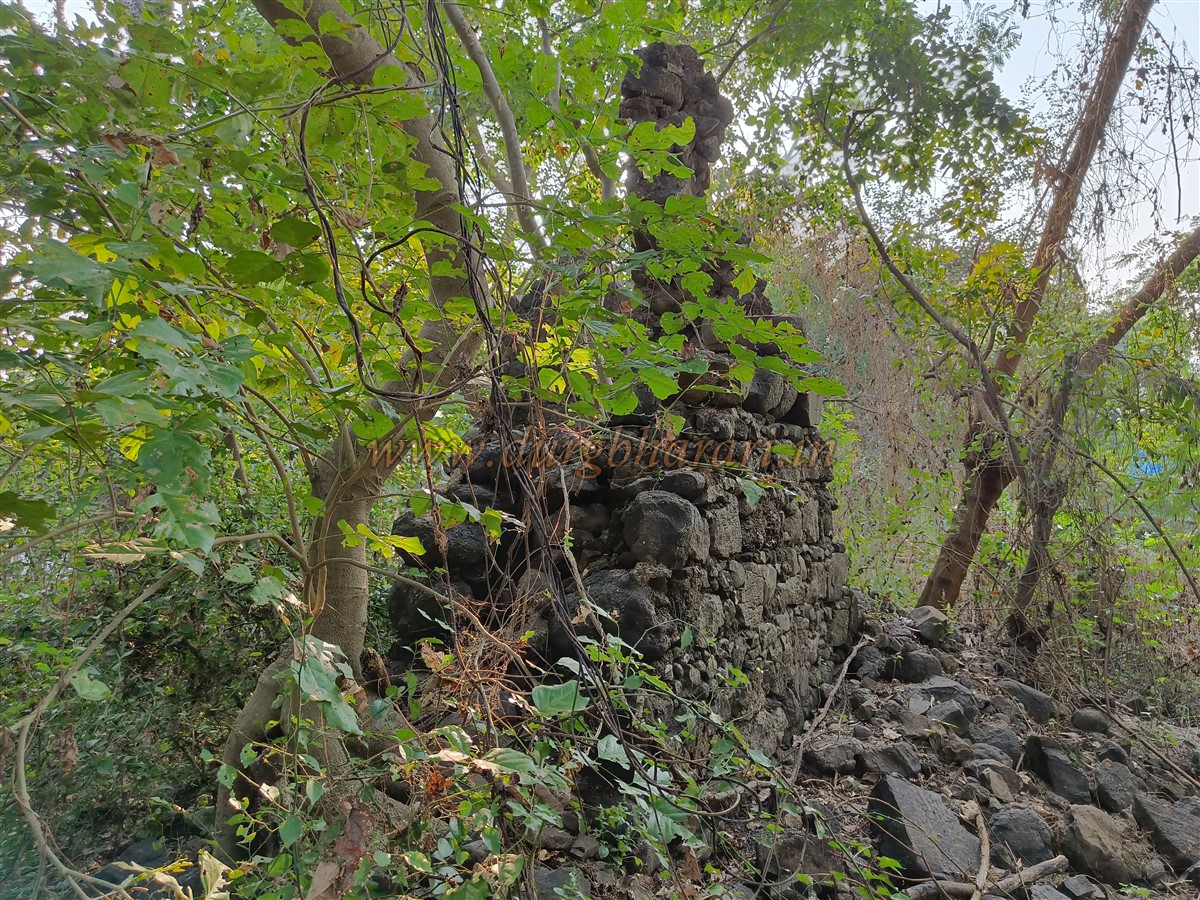
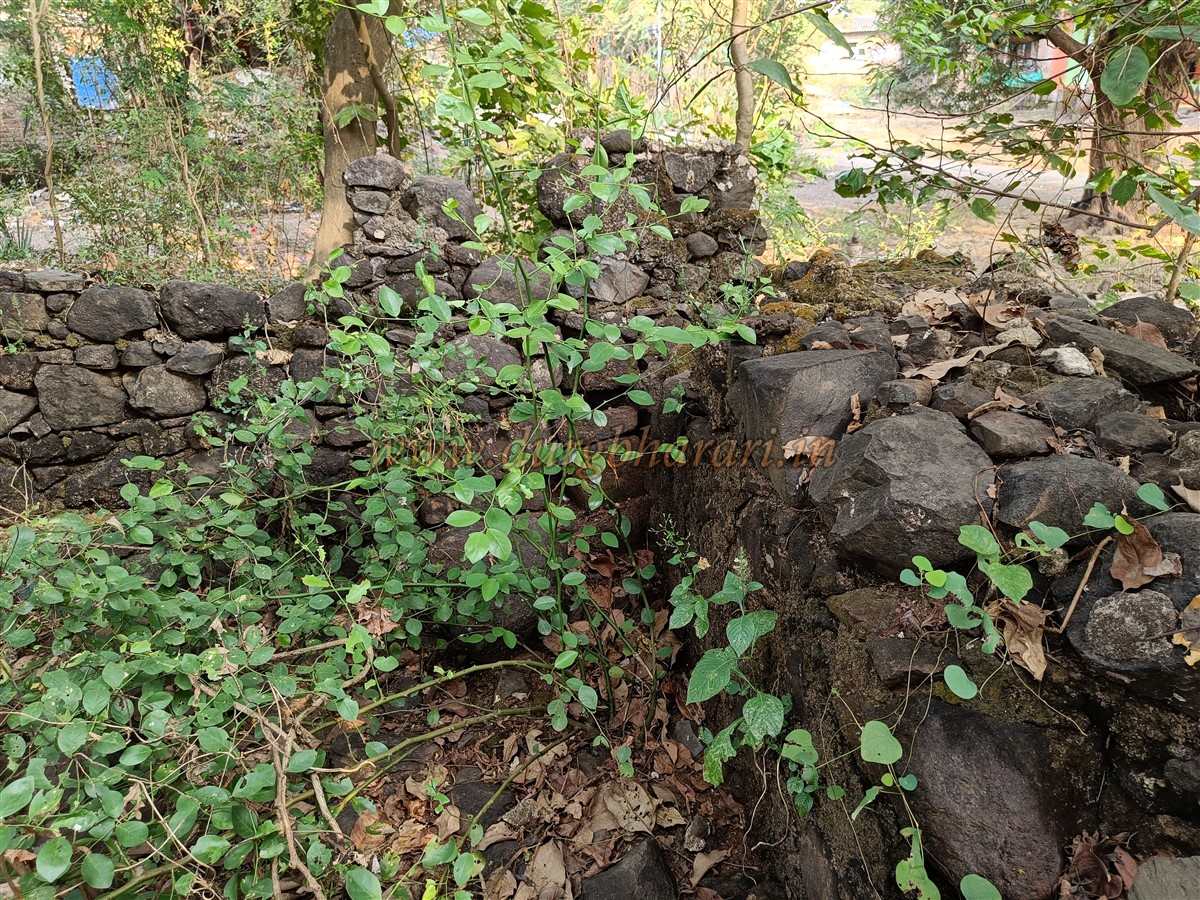
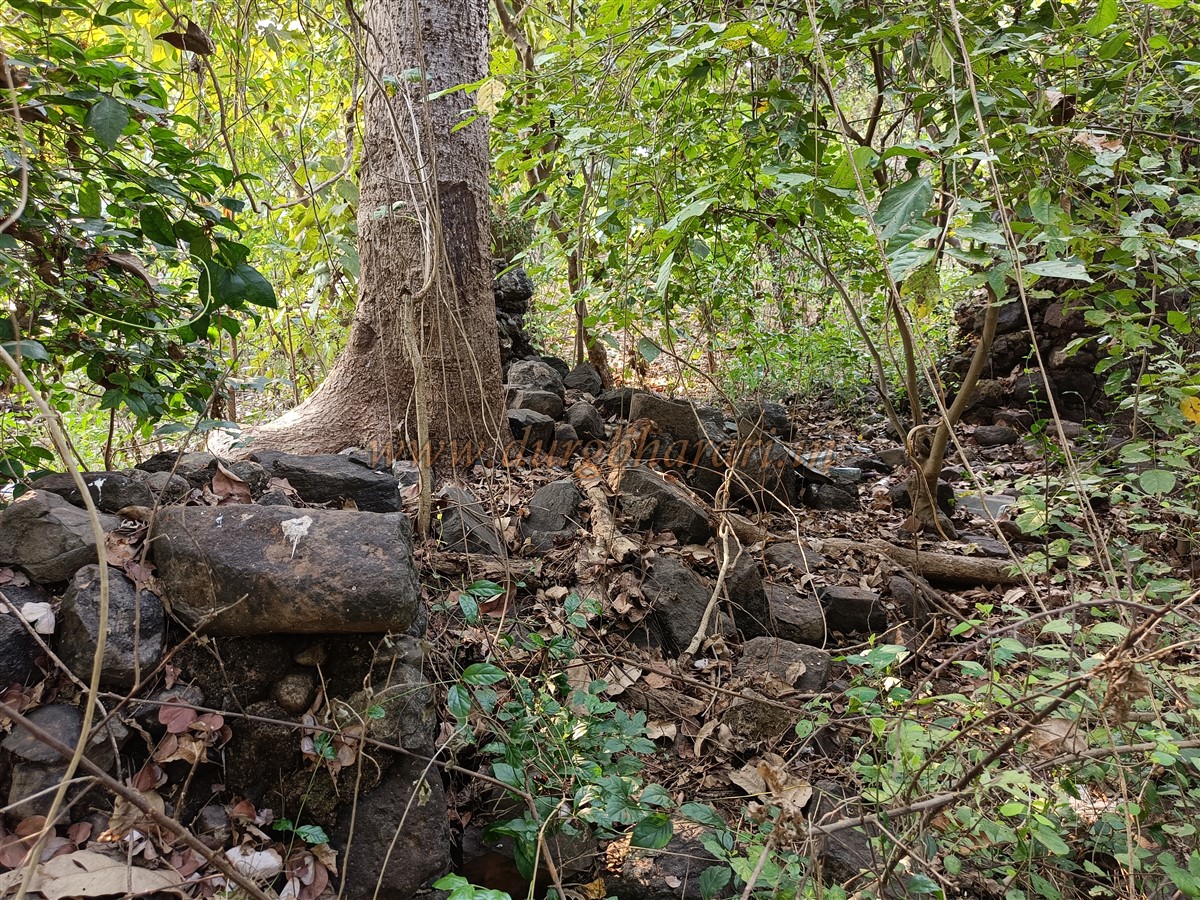
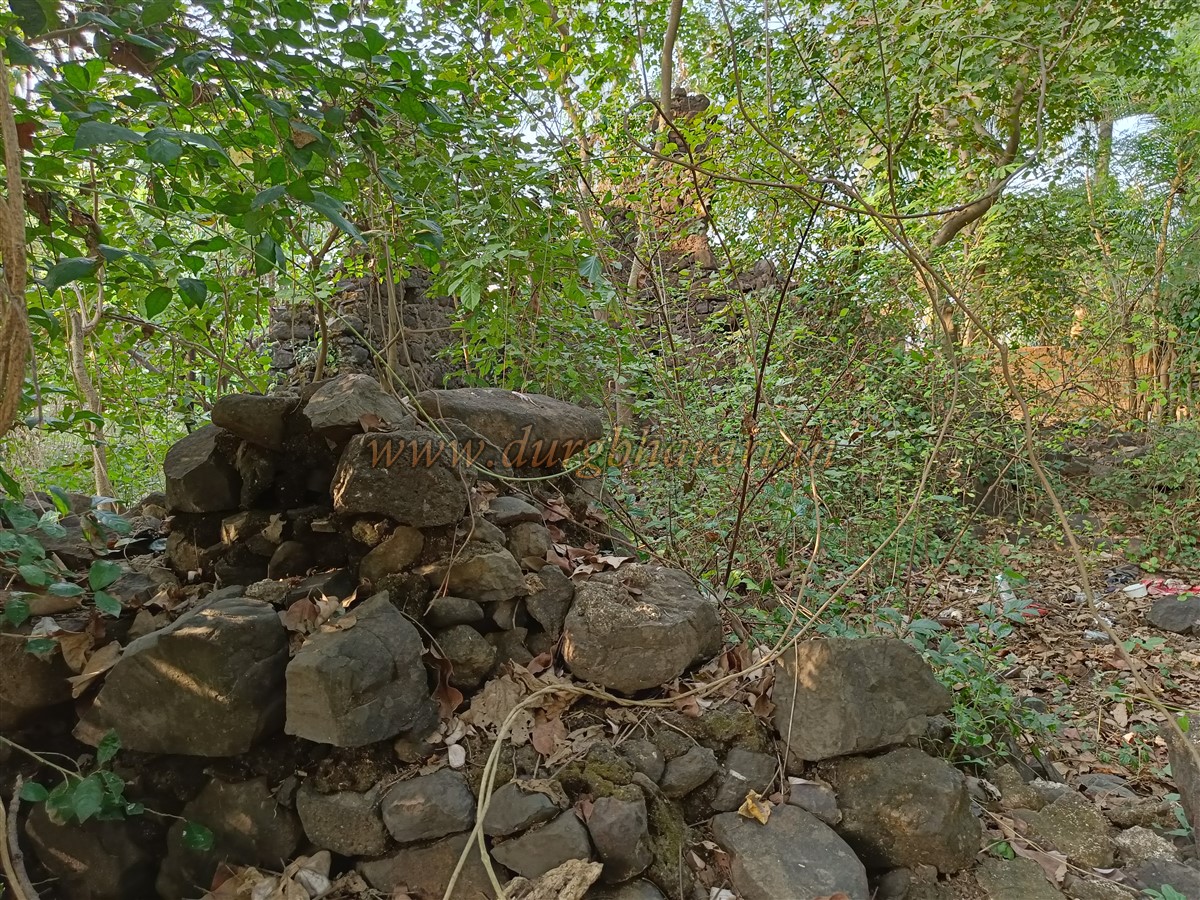
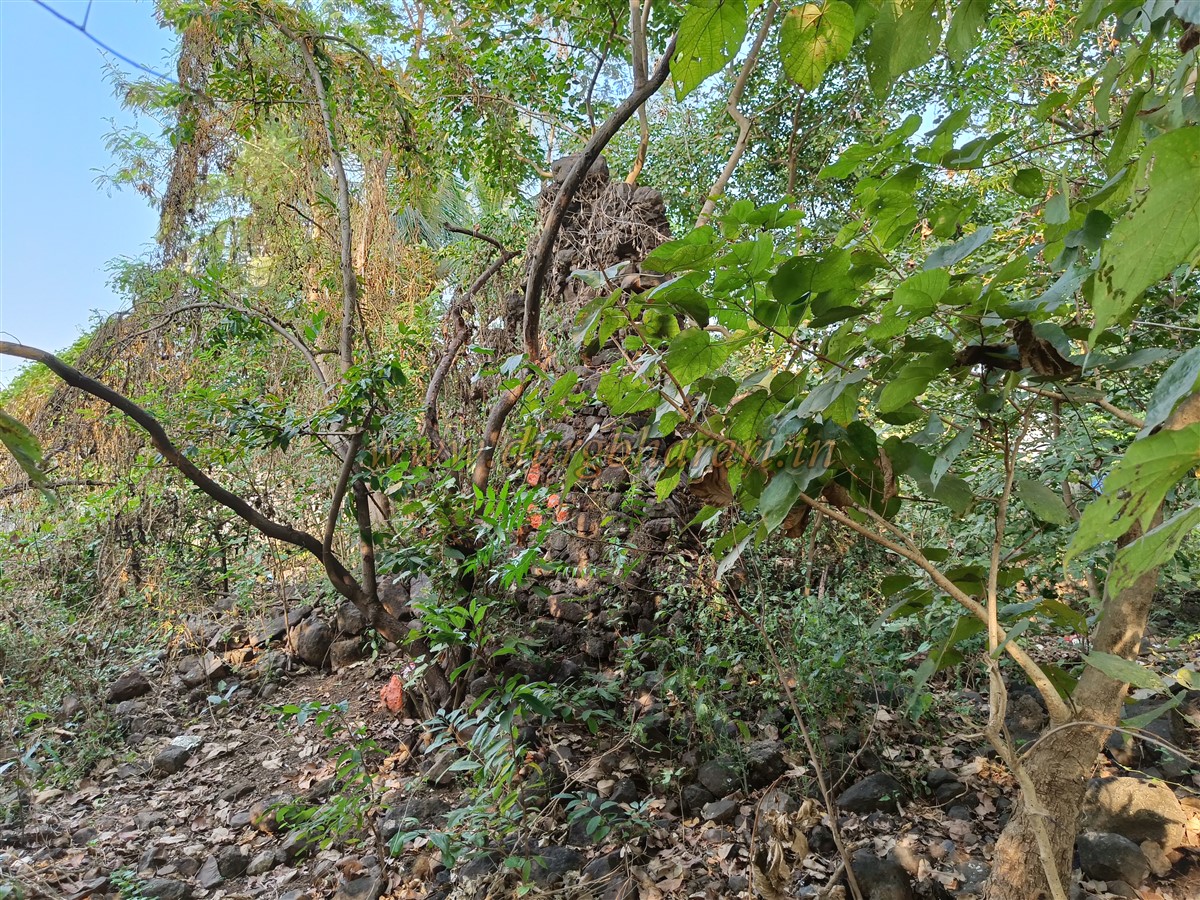
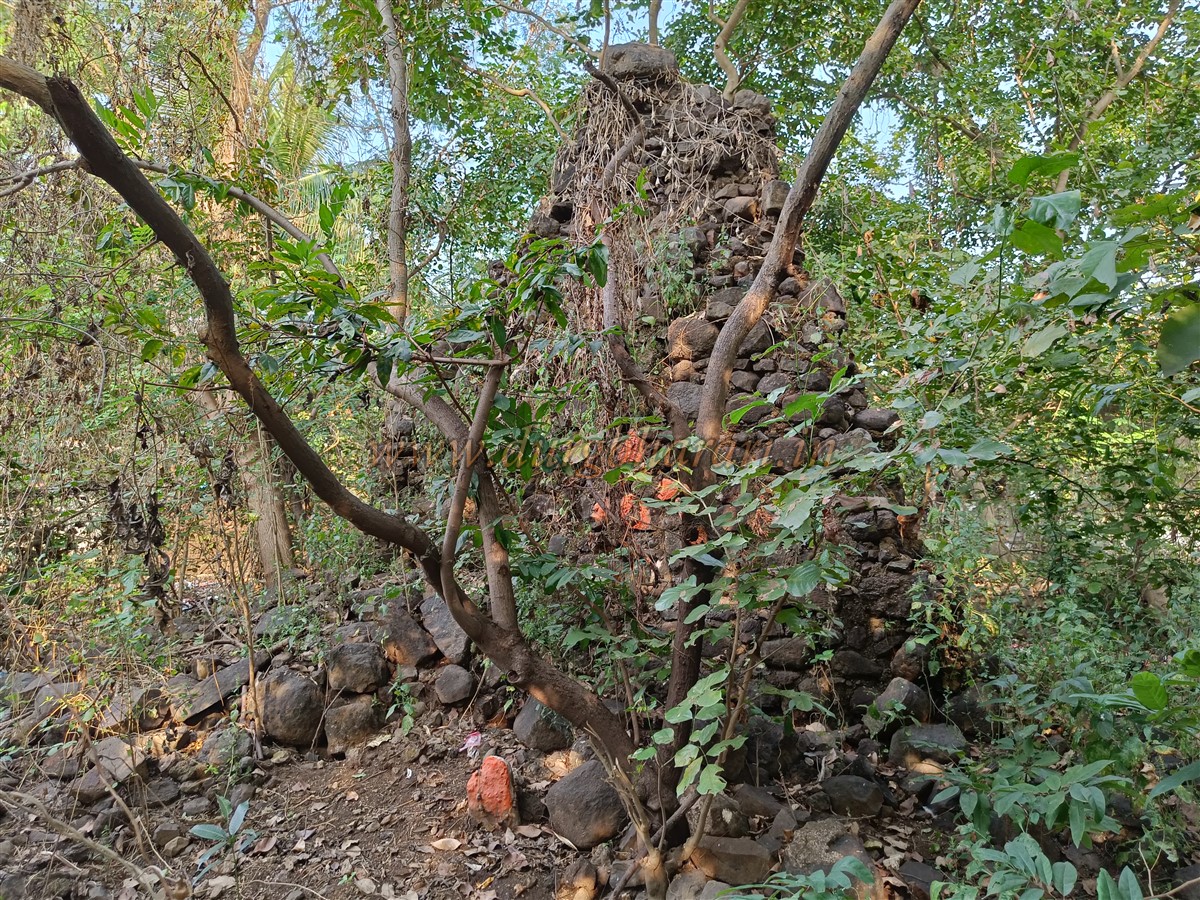
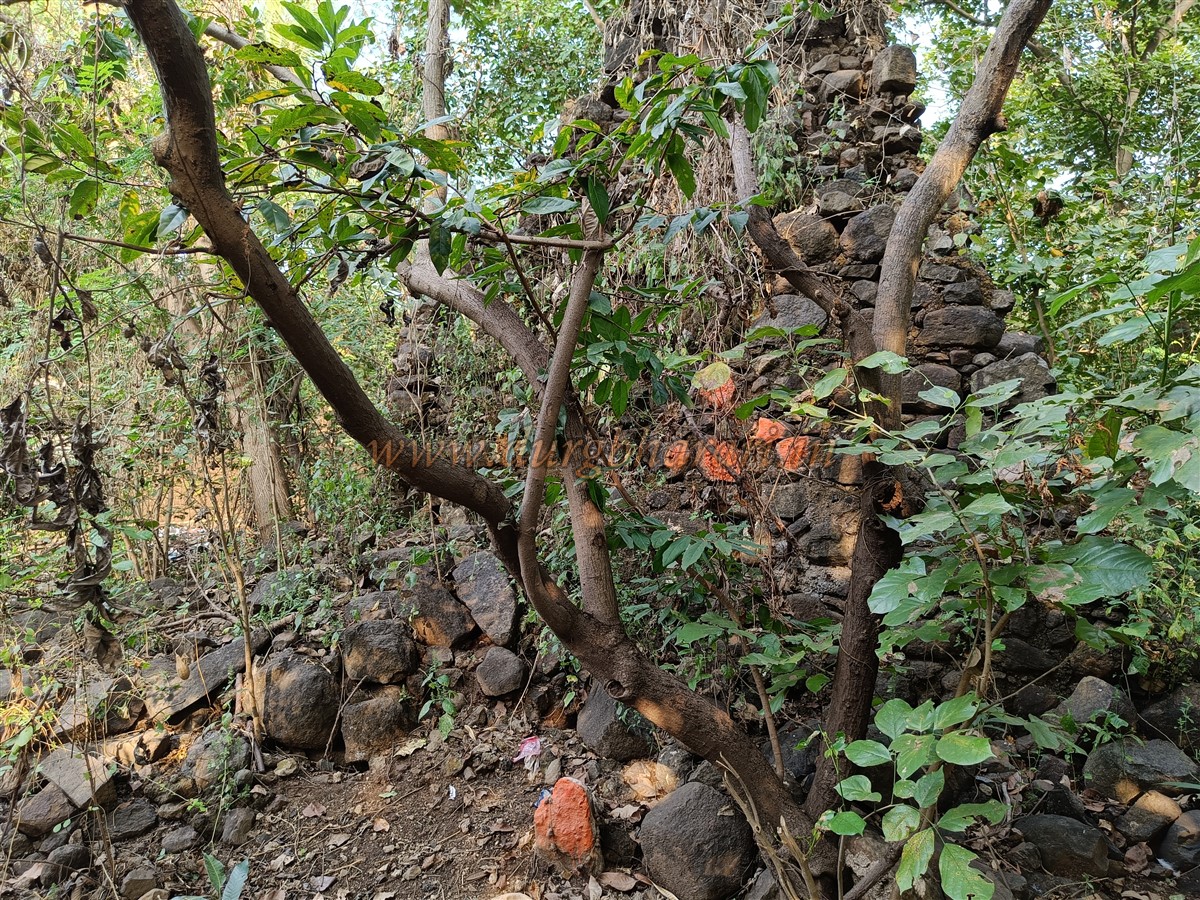
Aside from a two-storeyed 30x30 ft. structure, no other part of the fort remains visible. This building was constructed using rough stones and lime mortar. Only two walls of the structure are still standing, in which you can see grooves meant to support wooden beams for the upper floor. The current height of the structure is around 15 feet, though based on the grooves, the original height might have been around 25 feet.
Due to the lack of any defensive features in the construction, it's difficult to confidently claim this was a full-fledged fort. Although Navje village is situated along the Vaitarana River, this structure lies well away from the riverbank. Considering its location and size, it is likely that the structure served as an administrative post rather than a fortification.
The present state of the structure is very dilapidated, and 10 minutes are sufficient to explore it. Due to the absence of historical records, this structure is locally known as “Navje Madi”, based on the name of the village.
This and other such watchtower-like forts were likely built by the Portuguese around the 16th century, primarily to guard the waterways and to supply resources to other forts in the region. These small forts, watchtowers, and long-range cannons helped the Portuguese establish their maritime dominance in North Konkan.
In 1739, during the Vasai campaign, this region eventually came under Maratha control.
© Suresh Nimbalkar
GALLERY