NARAYANPUR
TYPE : NAGARKOT
DISTRICT : NANDURBAR
HEIGHT : 0
GRADE : EASY
In the tribal-dominated Nandurbar district, there once existed not just one or two but as many as 15 forts, in the form of hill forts (Giri Durg), land forts (Bhuikot), and fortified mansions (Gadhi). Except for the 7 forts mentioned in Durg Maharshi Pramod Mandre’s book "Maharashtratil Gadkille" (Forts of Maharashtra), there is hardly any reference to these forts elsewhere. Among them, Narayanpur, which is more of a fortified mansion (Gadhi), is mentioned only briefly. Even in today’s digital era, there is no information about these forts available online.
Our group, Durgbharari, has made a detailed, research-based tour of all these forts. I have tried to present the information we collected through this website. Of these, Hatmoida and Ashte, two fortified mansions, have been completely destroyed, while the remaining 13 forts continue to stand, battling the test of time with their remaining structures.
...
Among these 13 forts, there is 1 hill fort, 3 land forts, 2 city forts (Nagarkot), and 7 gadhi-type forts. Since most of these gadhi forts now contain villages within them, the increasing population and construction activities have caused significant damage to the remaining structures. Furthermore, the indifference of locals has also contributed to the decline of these historic sites. The city fort of Narayanpur is a living example of this neglect.
The ancient temple of Narayan (Vishnu) from the 11th century located in Narayanpur indicates that the village and fort date back to that period. Once part of the Khandesh region, this village became part of Nandurbar Taluka in Nandurbar District after the division of Khandesh.
To visit Narayanpur, one must first reach Nandurbar city. Narayanpur is 10 kilometres away from Nandurbar, accessible via the Sarangkheda route. Since the village is located within the fort along the riverbank, locating the fort is not difficult.
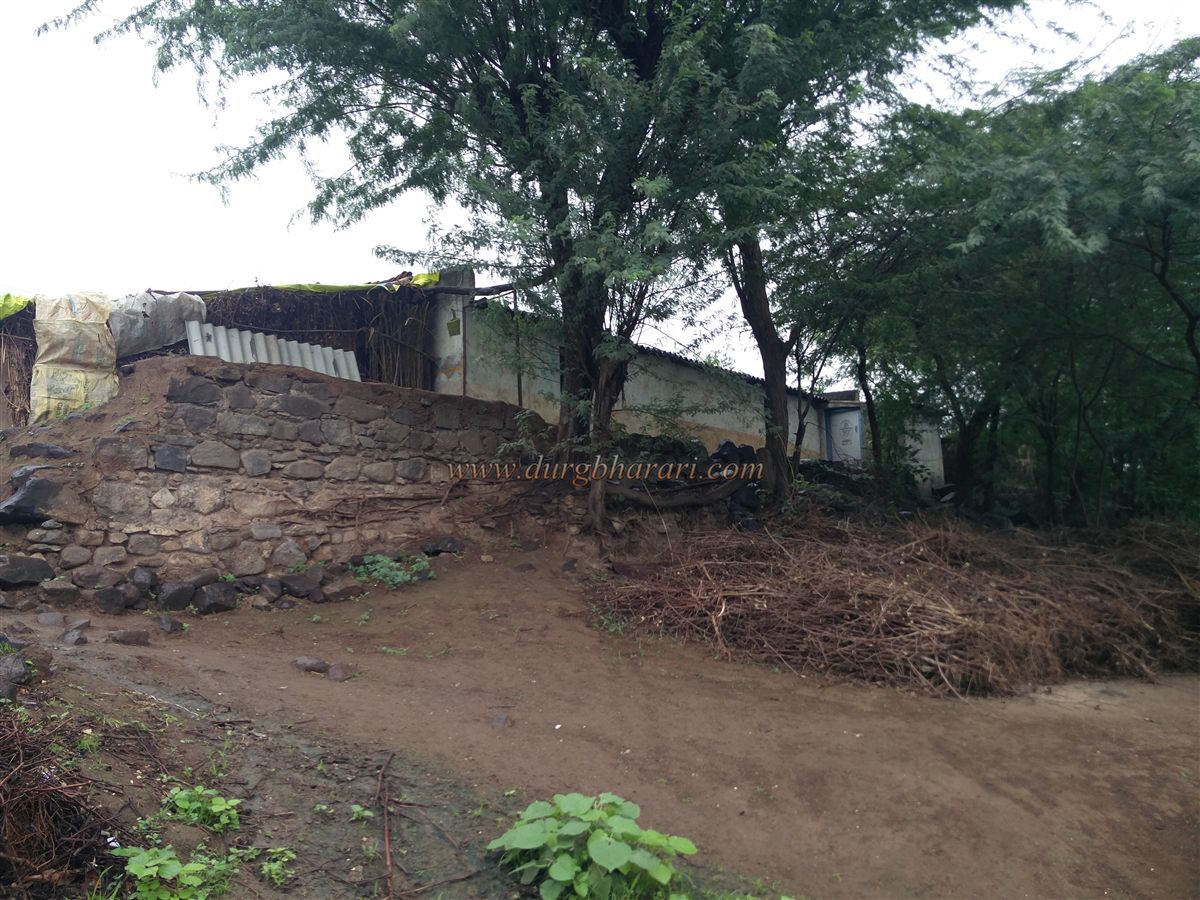
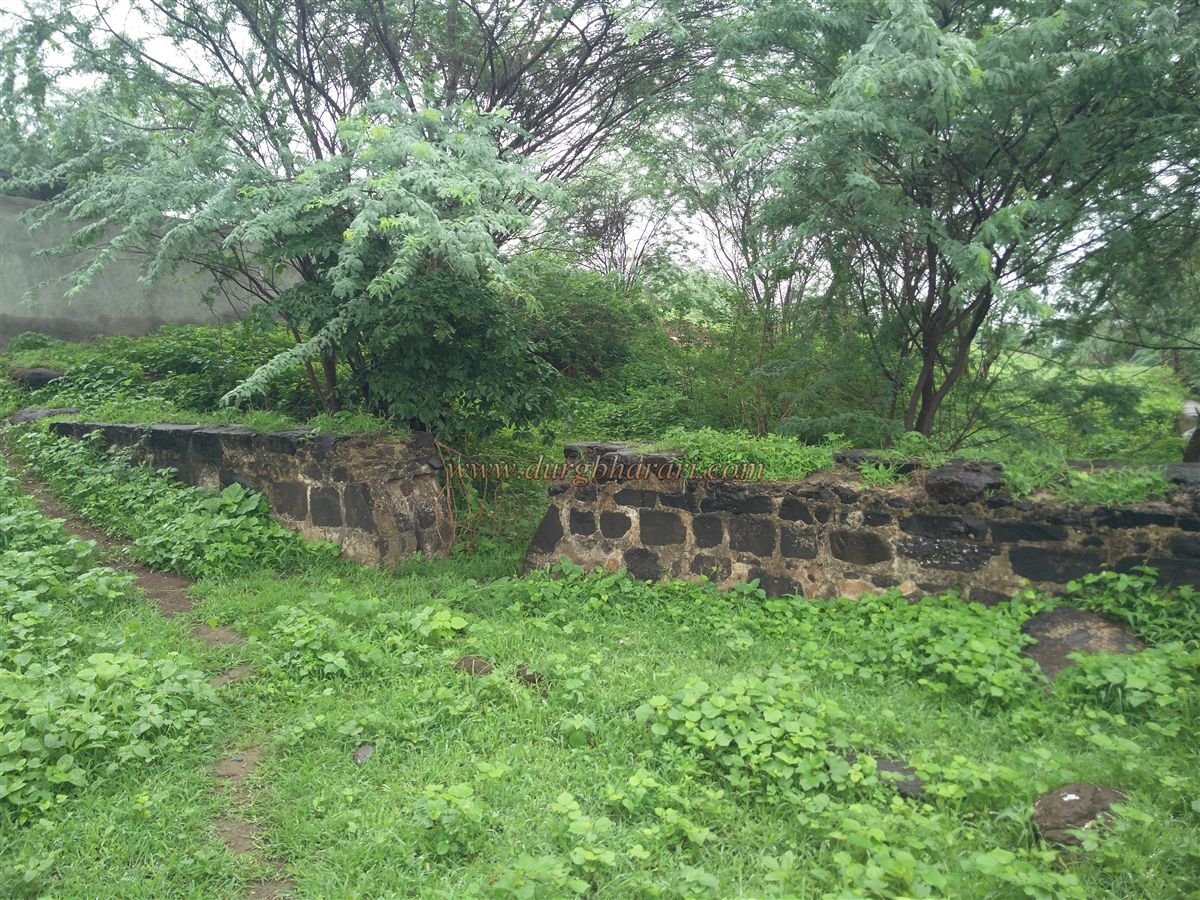
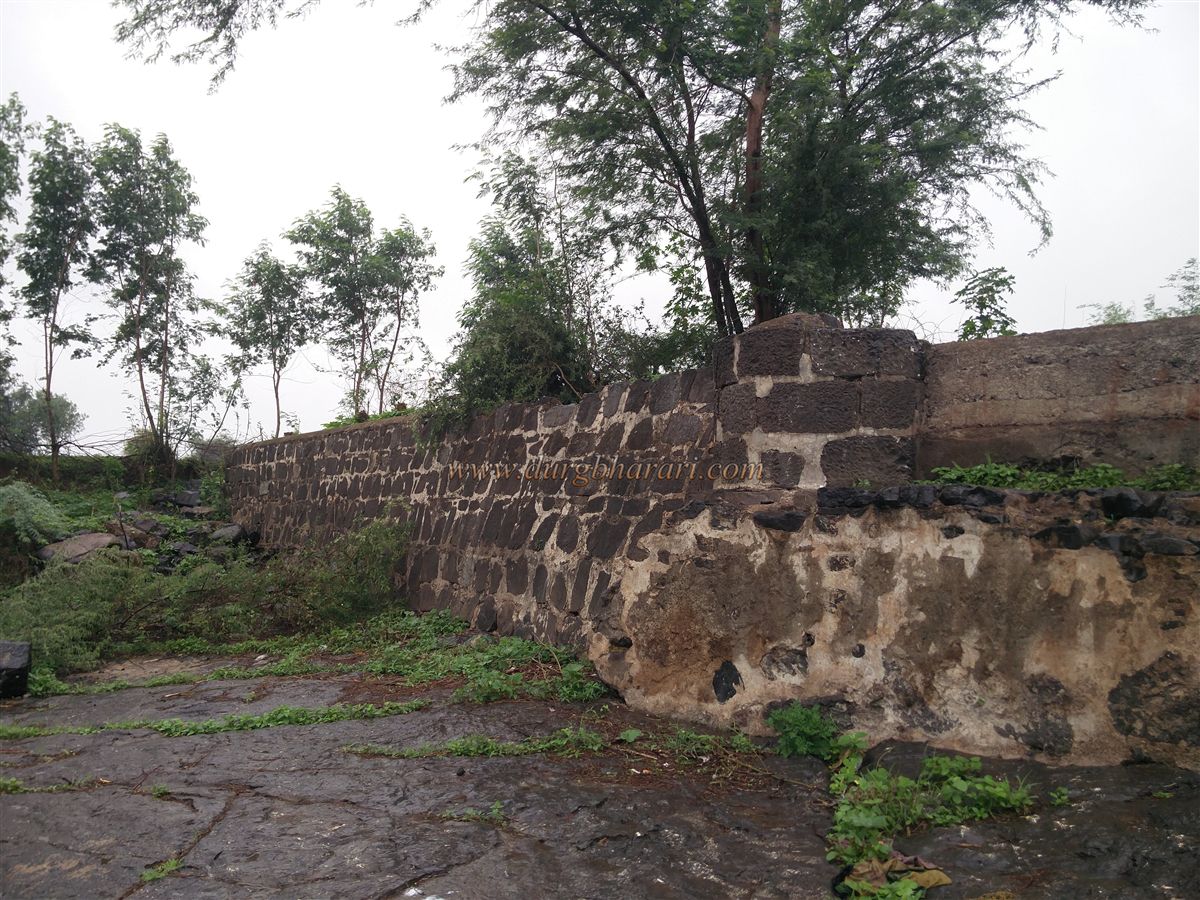
The fort is square-shaped, spread over approximately 3 acres along the riverbank, and features four bastions at each corner. Due to urban growth, the southern wall of the fort has been completely destroyed, while the remaining three sides still have walls about 7-8 feet high. Currently, these walls are being used as foundation walls for new houses, raising concerns about how long they will survive.
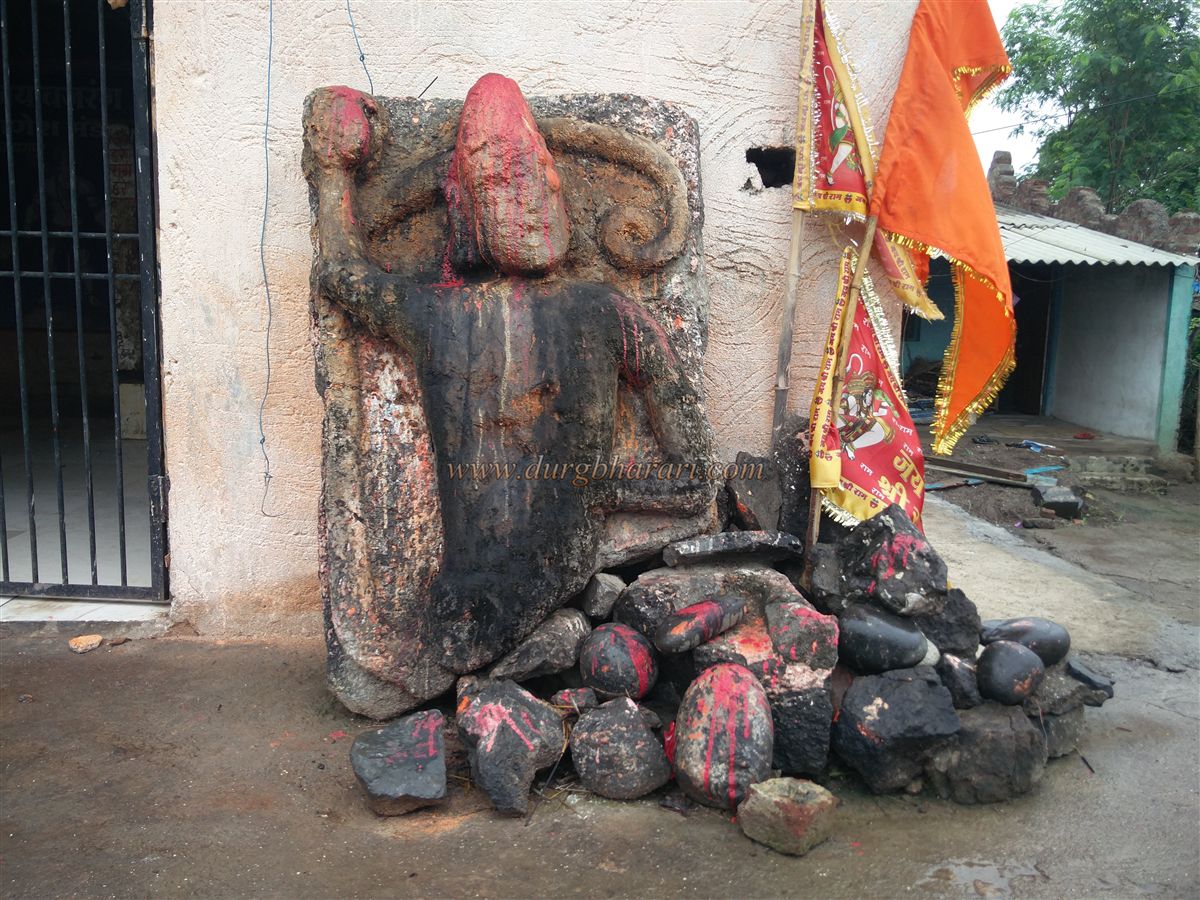
Since the village is located inside the fort, all ancient structures within have been entirely destroyed. A restored Hanuman temple stands on a platform, and a damaged idol of Hanuman approximately 5 feet tall lies outside.
According to locals, the main entrance to the fort was on the southern wall, with two smaller gates — one to the north and another facing the river. The remains of the small northern gate can still be seen today. Due to the limited number of surviving structures, the fort can be fully explored in about 15 minutes.
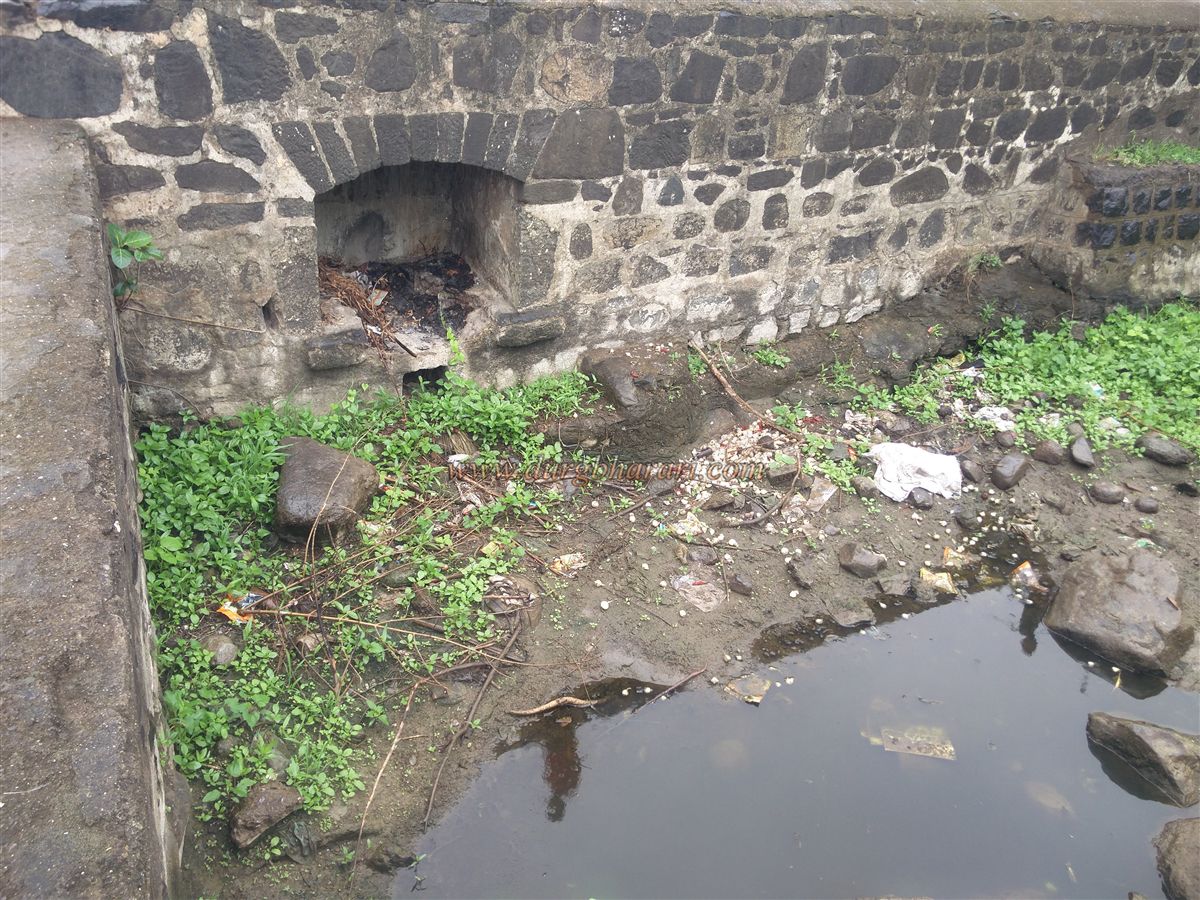
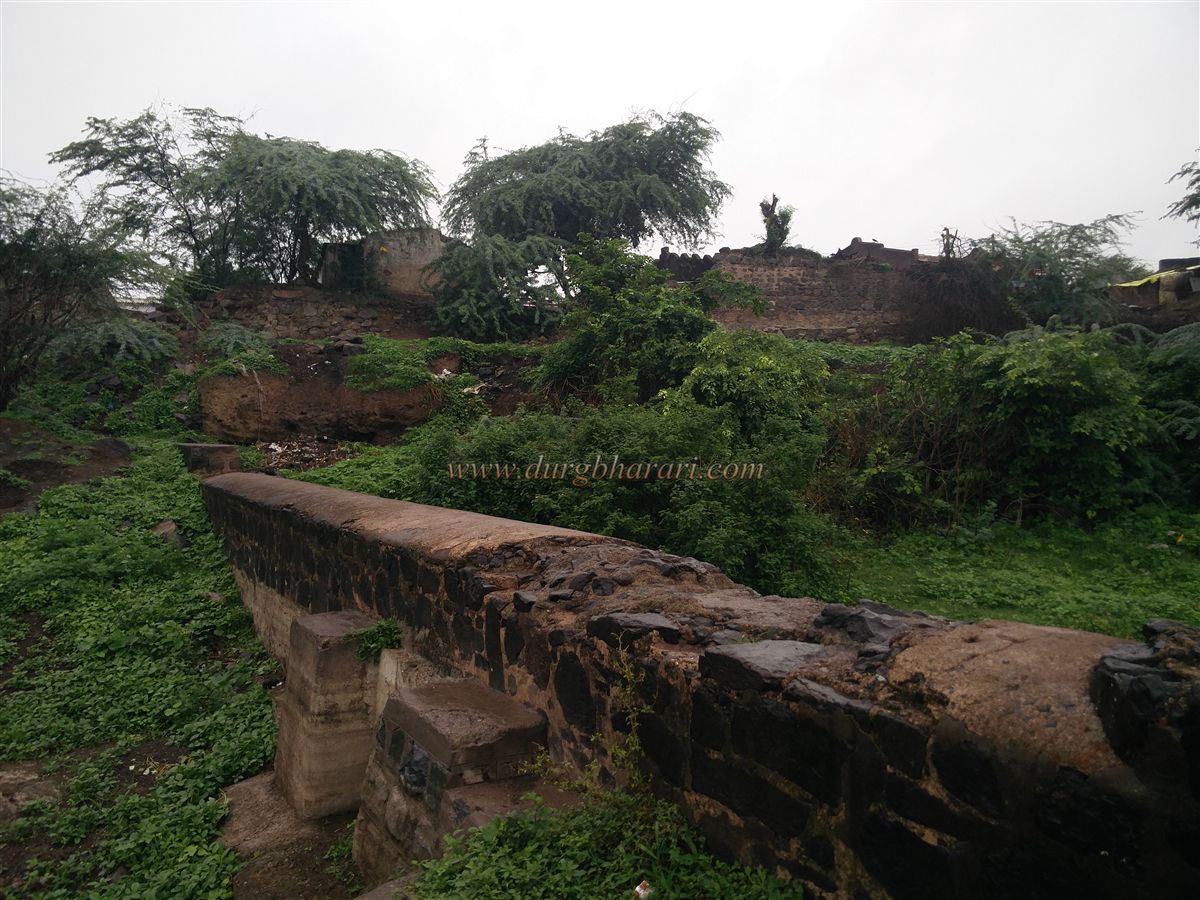
Just outside the fort is an old stone dam built on a stream, meant for supplying water to the fort settlement. The main flow of water is blocked by a larger dam, and a smaller one redirects water toward the fort. This historic dam is worth visiting.
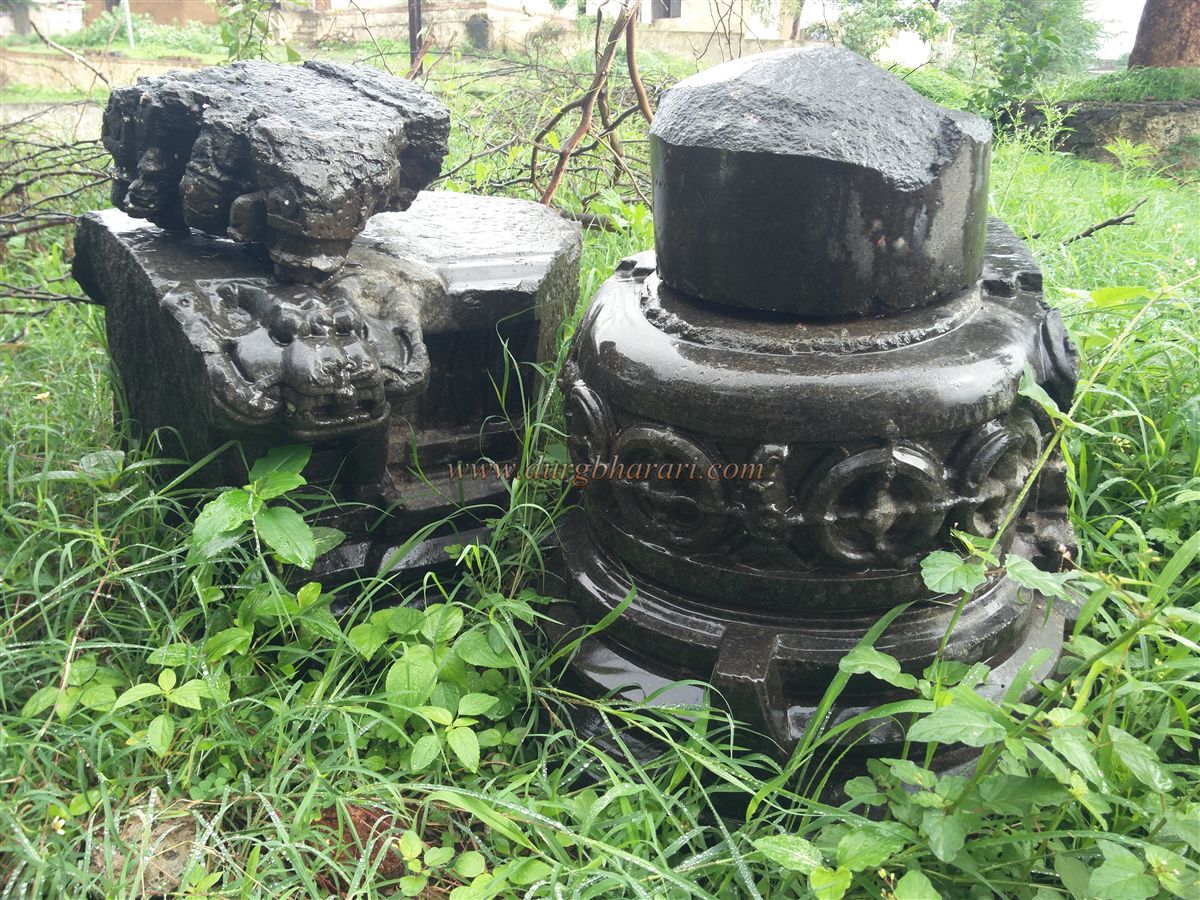
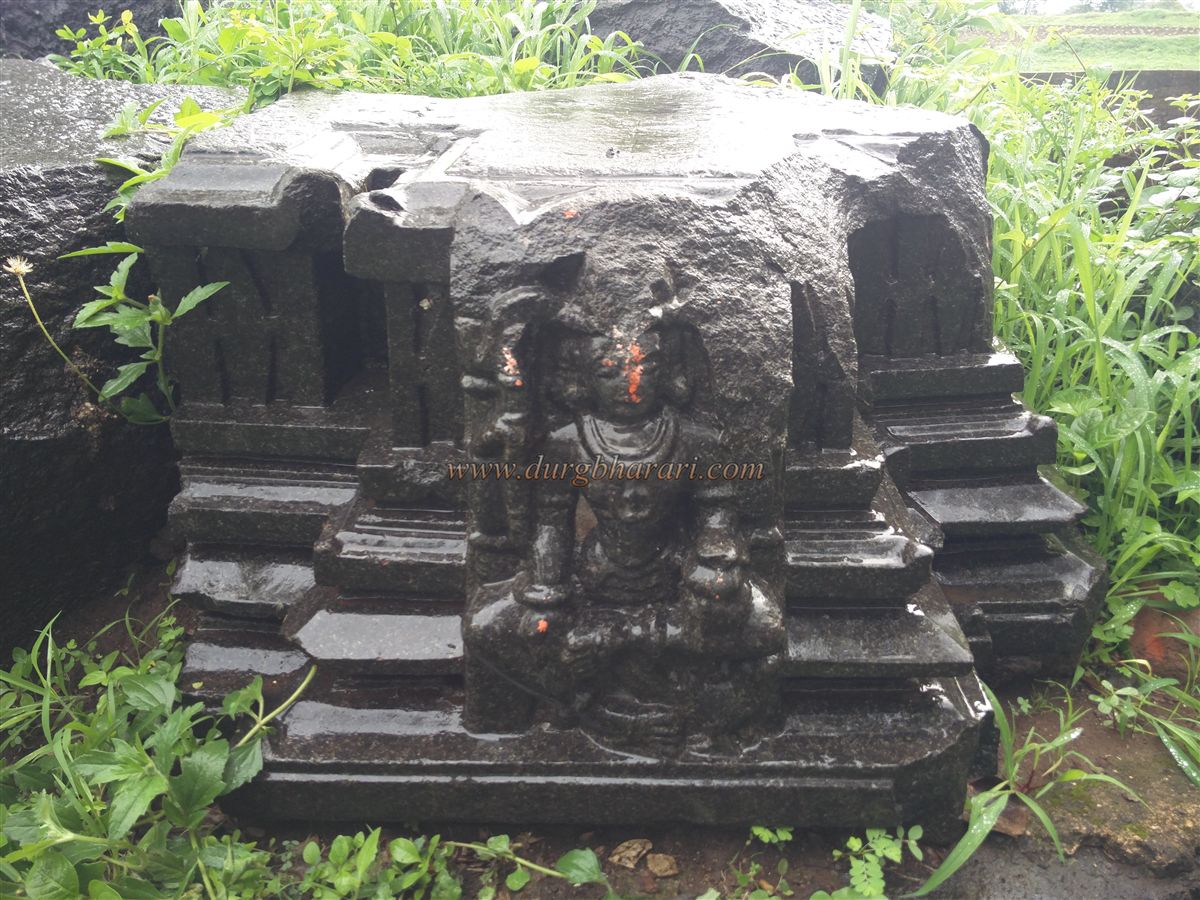
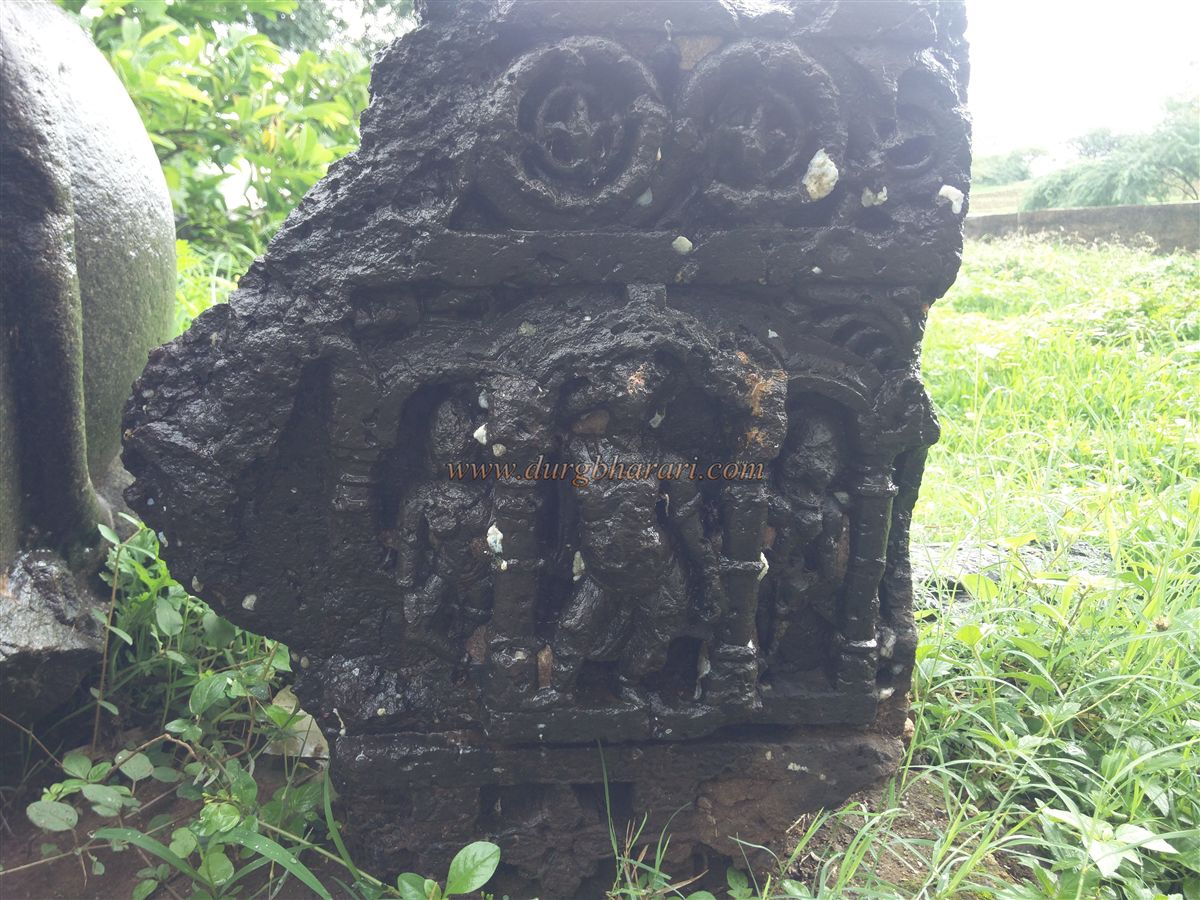
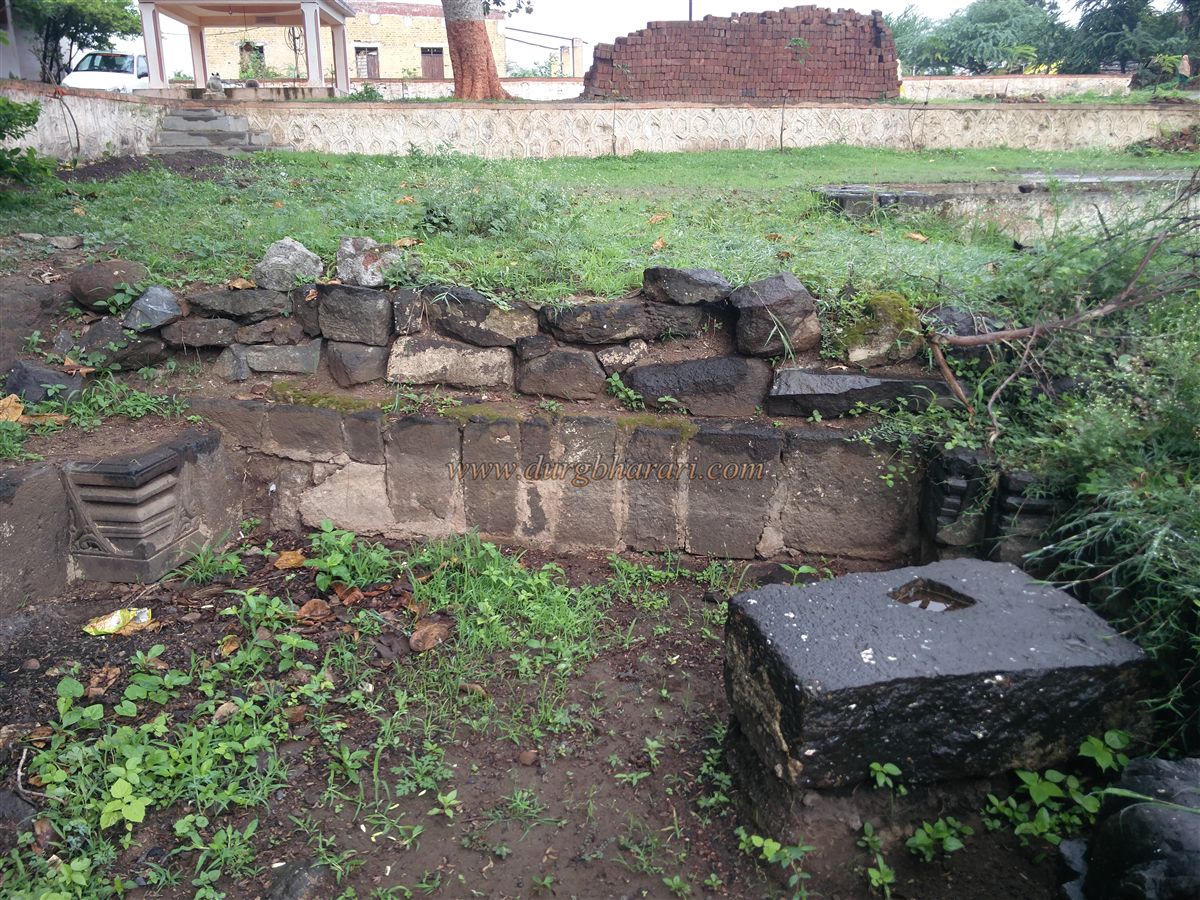
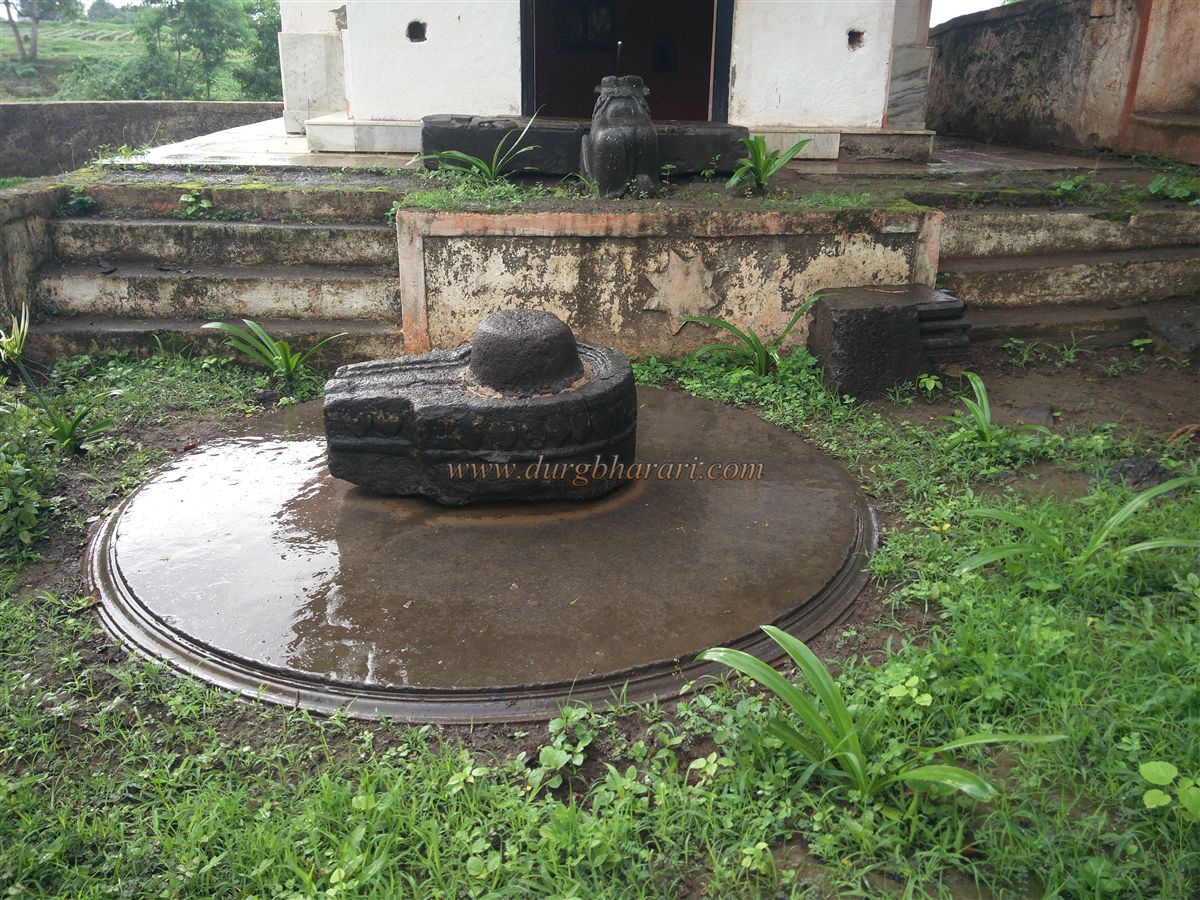
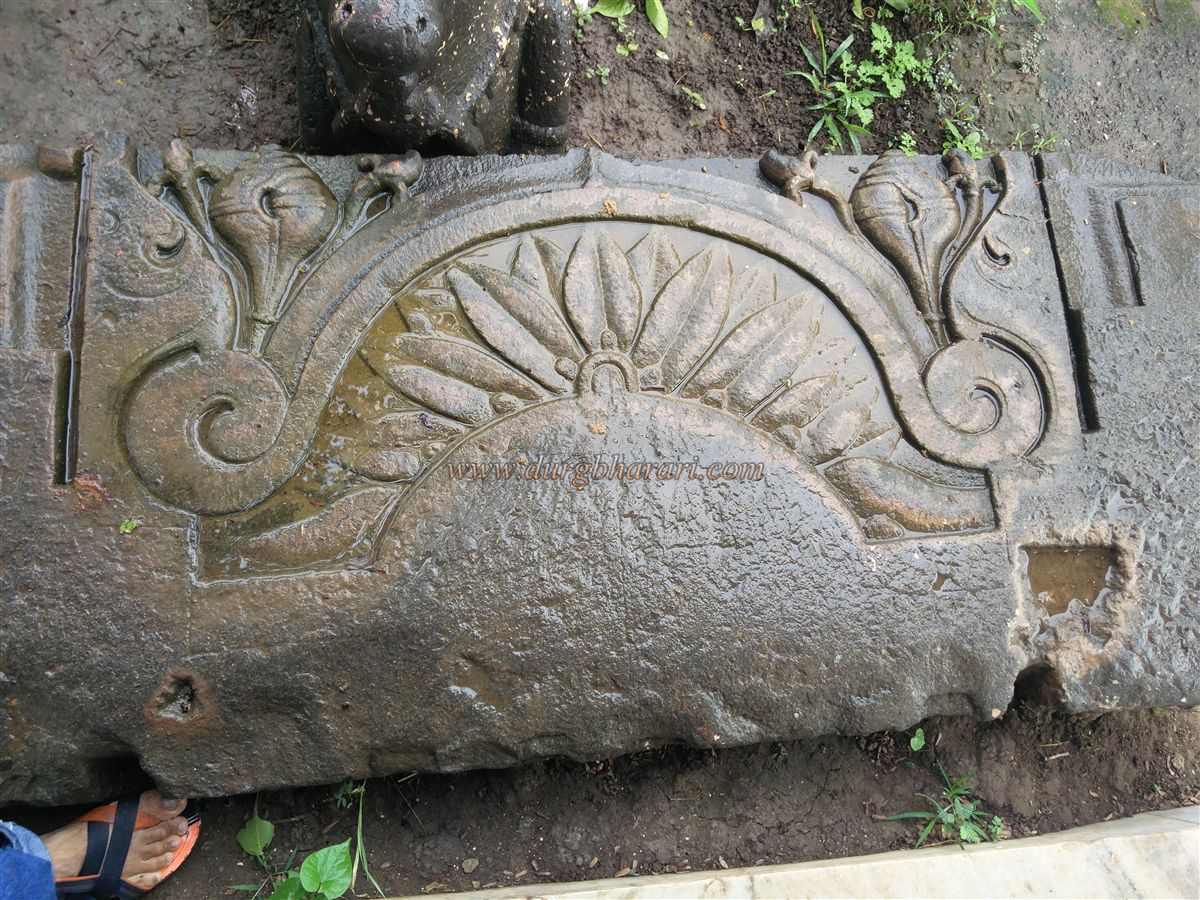
Outside the village lies the ancient 11th-century temple of Narayan (Vishnu). Though now completely collapsed, intricately carved stones and ancient idols are scattered across the temple site.
Unfortunately, the site has fallen into the hands of certain unethical elements who prohibit photography and exploration. These individuals are not from Maharashtra and cannot speak Marathi or Hindi. Taking advantage of the locals' ignorance, there is a high possibility that these ancient idols might be smuggled or go missing. This could be why photography is strictly forbidden. The temple site has several beautiful idols of Vishnu, but photographs were not permitted.
© Suresh Nimbalkar
GALLERY