NARAYANGAON
TYPE : NAGARKOT
DISTRICT : PUNE
HEIGHT : 0
While traveling from Pune to Nashik via the Pune-Nashik highway, one passes through several historically significant medieval towns like Chakan, Manchar, Sangamner, and Sinnar. One such place is Narayangaon, located 75 km from Pune in Junnar Taluka of Pune District. Due to its proximity to both Mumbai and Pune, Narayangaon is easily accessible with good transportation facilities from both cities.
This medium-sized town is famously known as the “Tamashachi Pandhari” (a traditional folk performance) in Pune district and has its own unique cultural identity. Historically, Narayangaon was an important settlement on the Junnar–Paithan trade route. After leaving Junnar, merchants would typically make their first halt at Narayangaon. Given its strategic significance, it was naturally a fortified town.
...
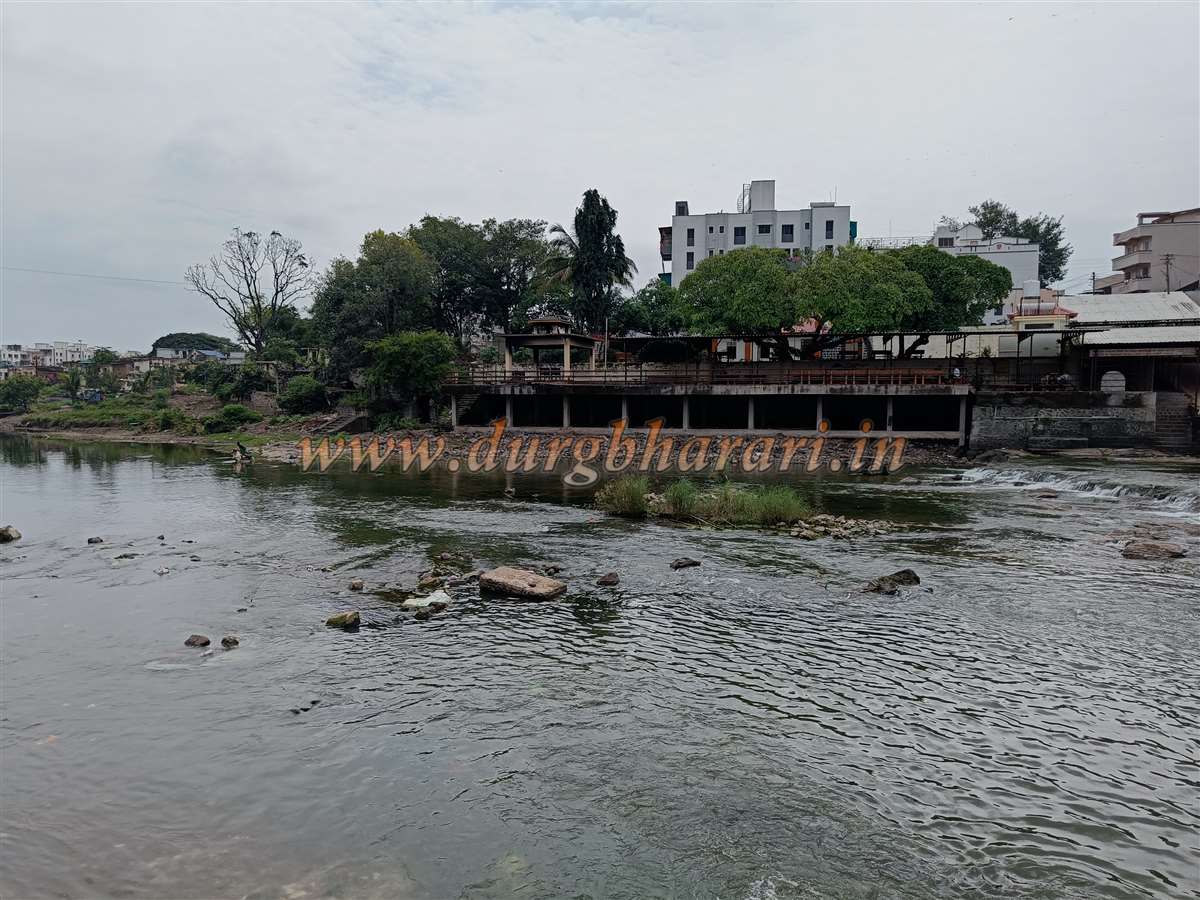
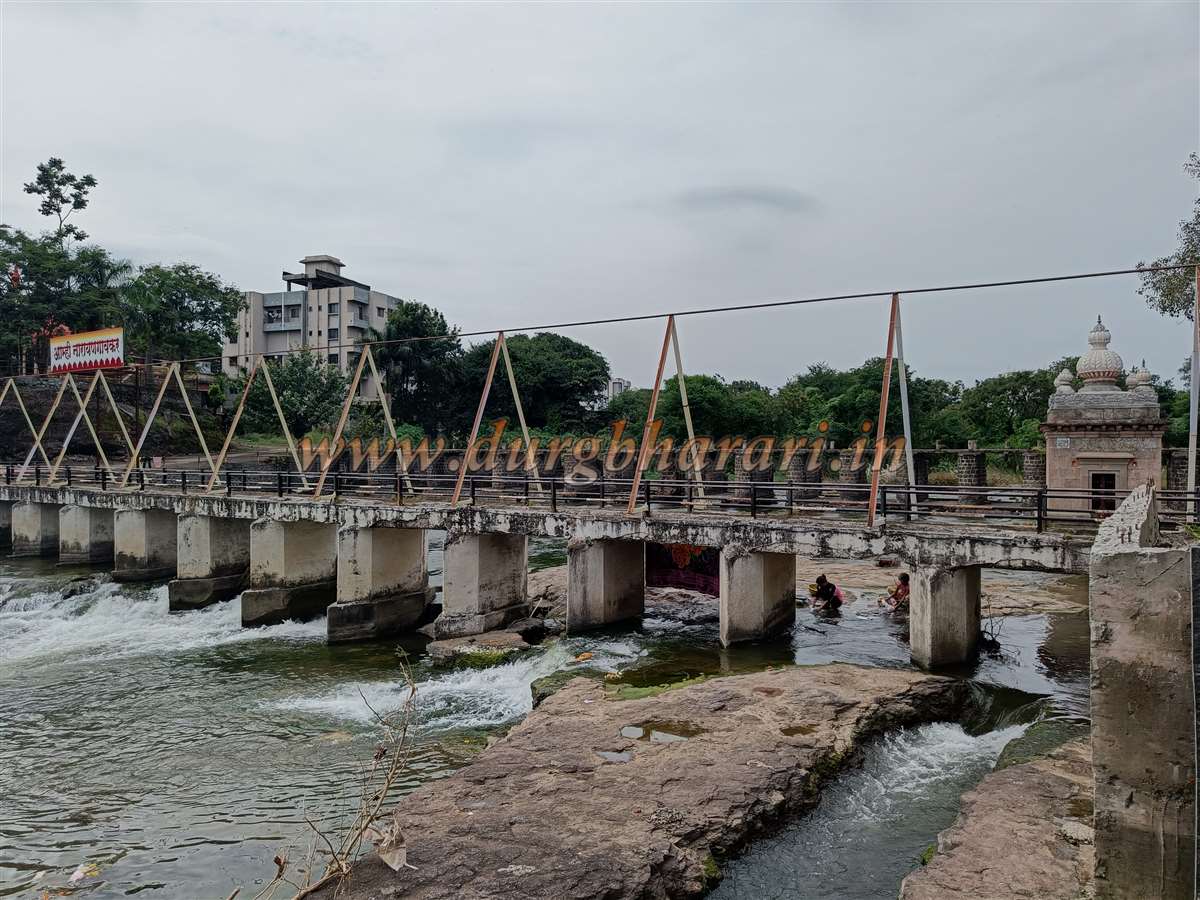
Situated on the banks of the Meena River, the river served as a natural moat for the protection of the settlement. Defensive walls were built on three sides of the town. However, with expanding urbanization, most parts of this fortification have been lost, with only a few scattered remnants remaining.
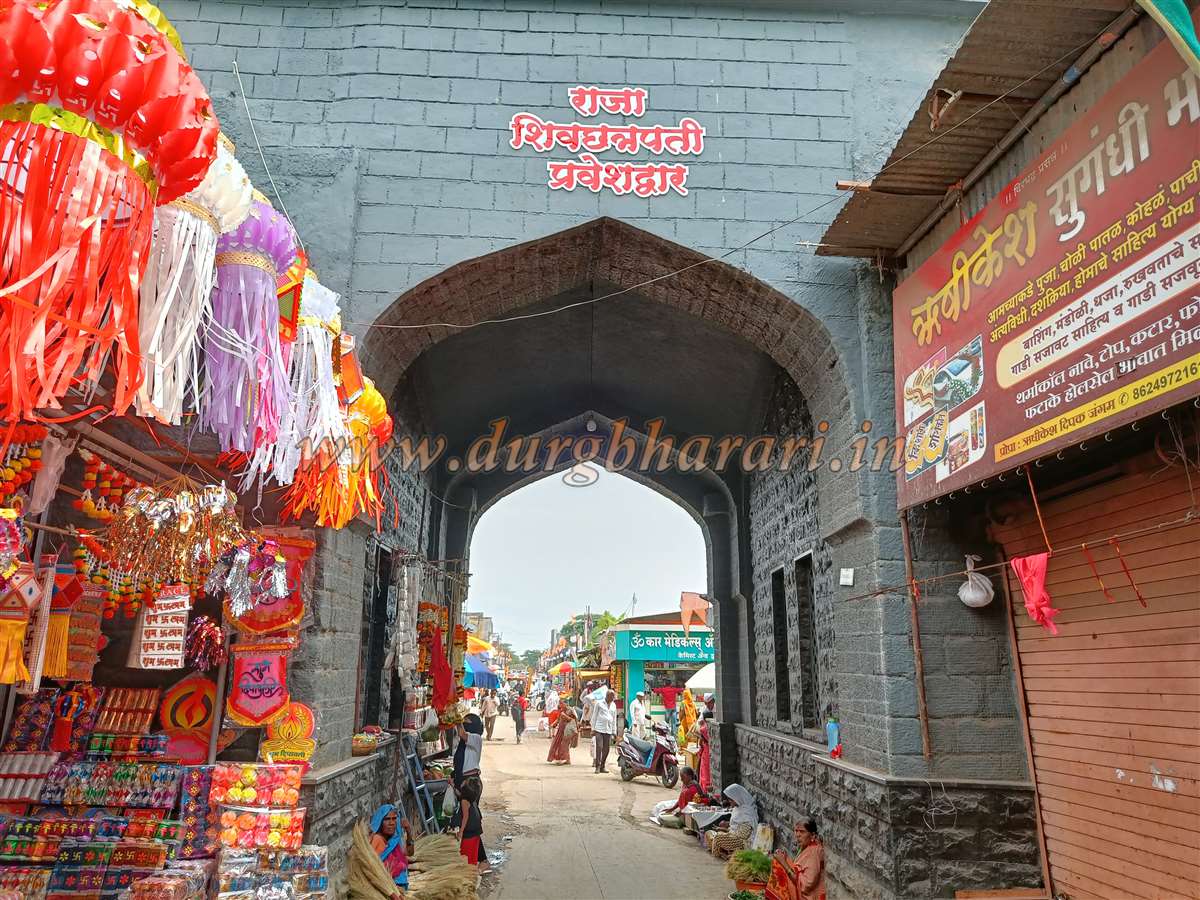
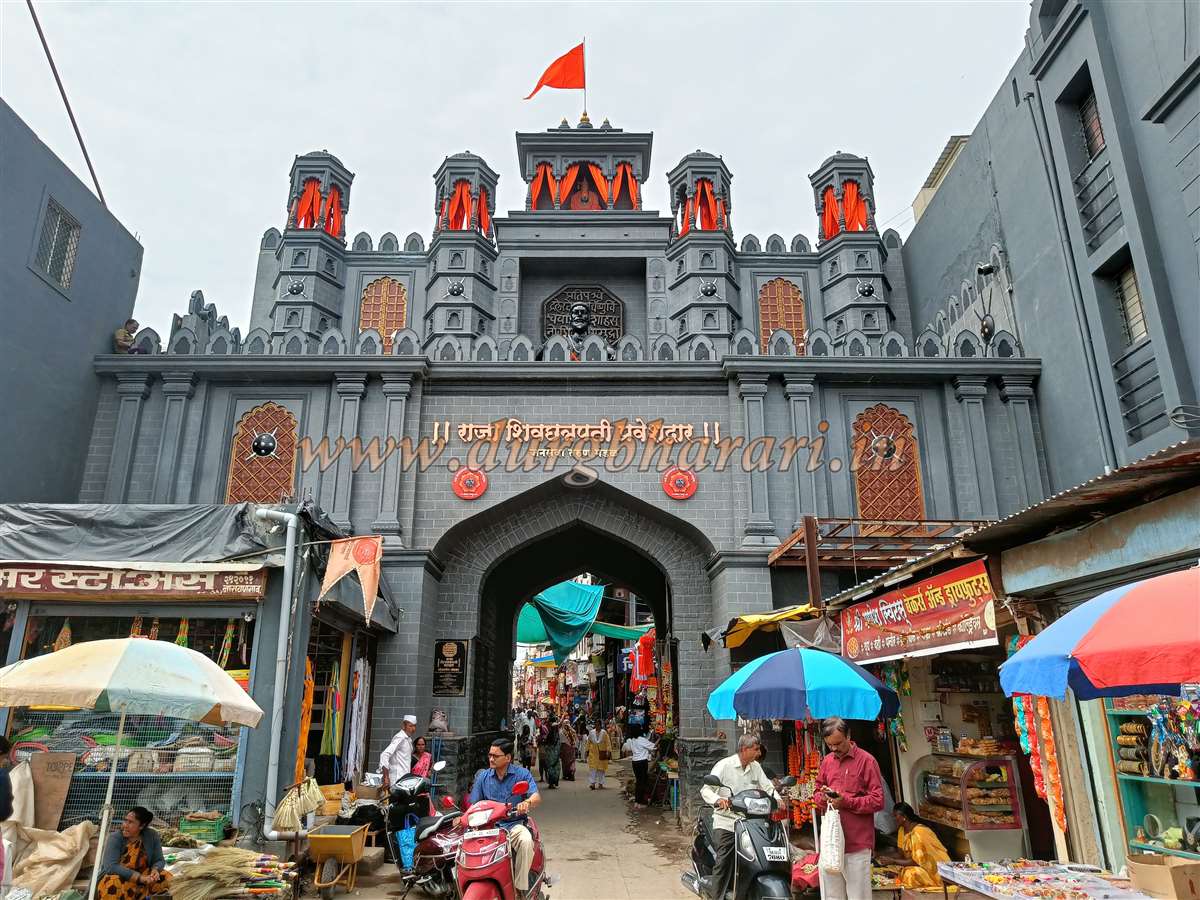
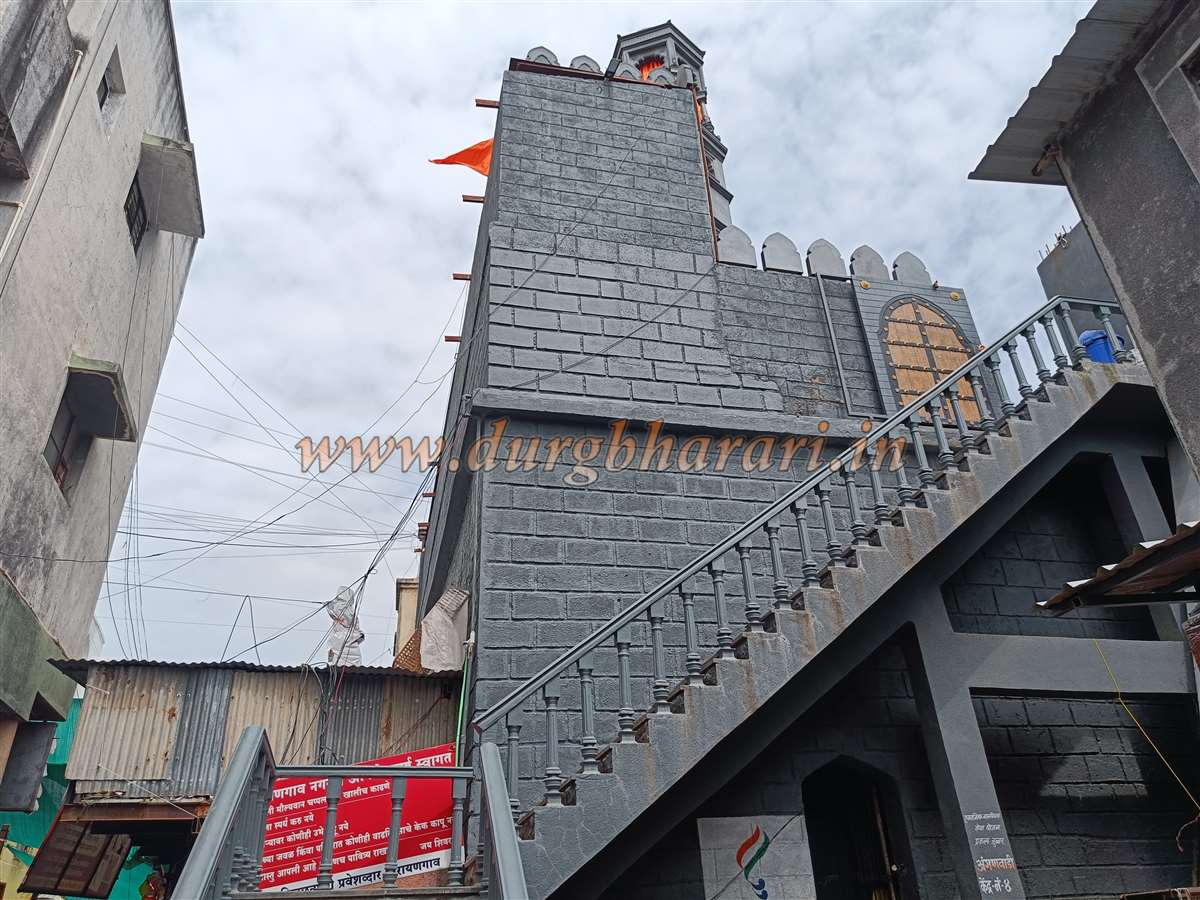
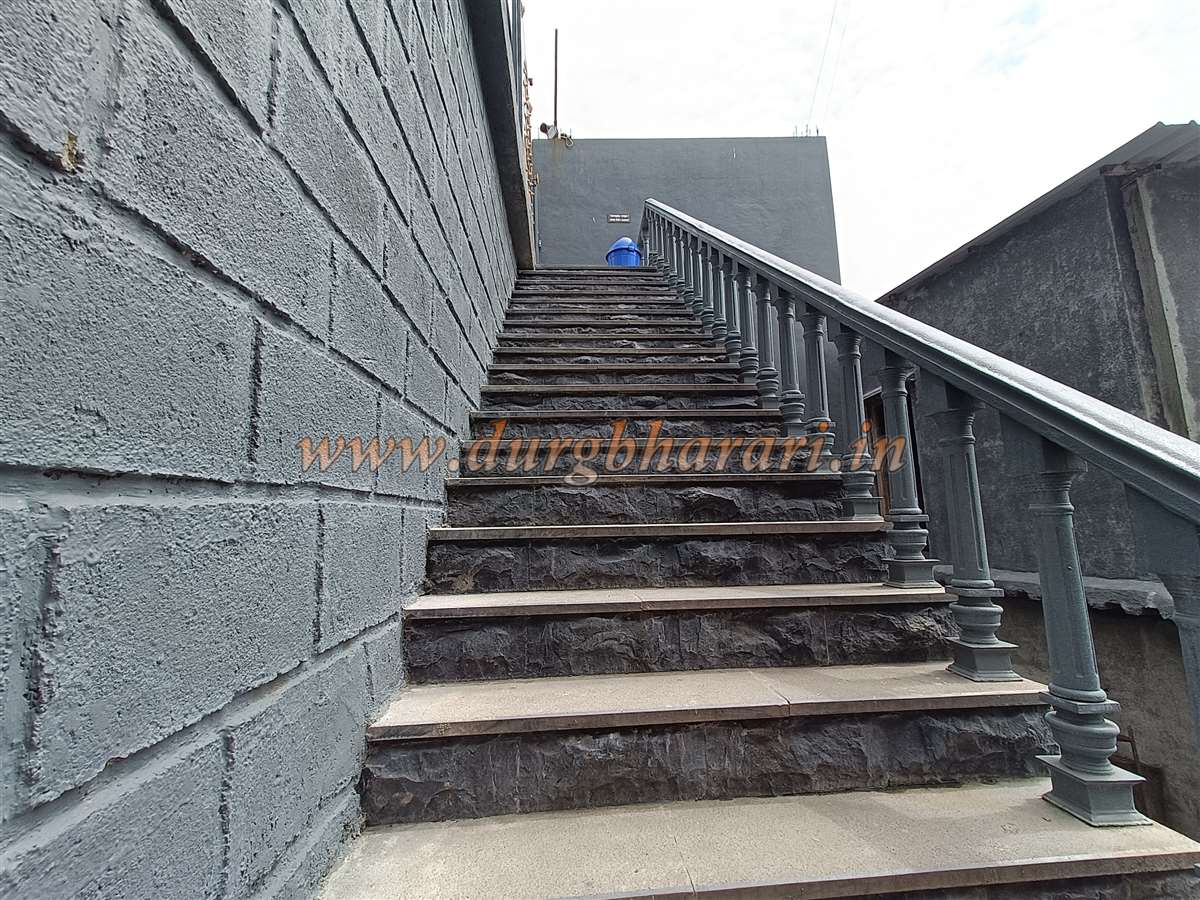
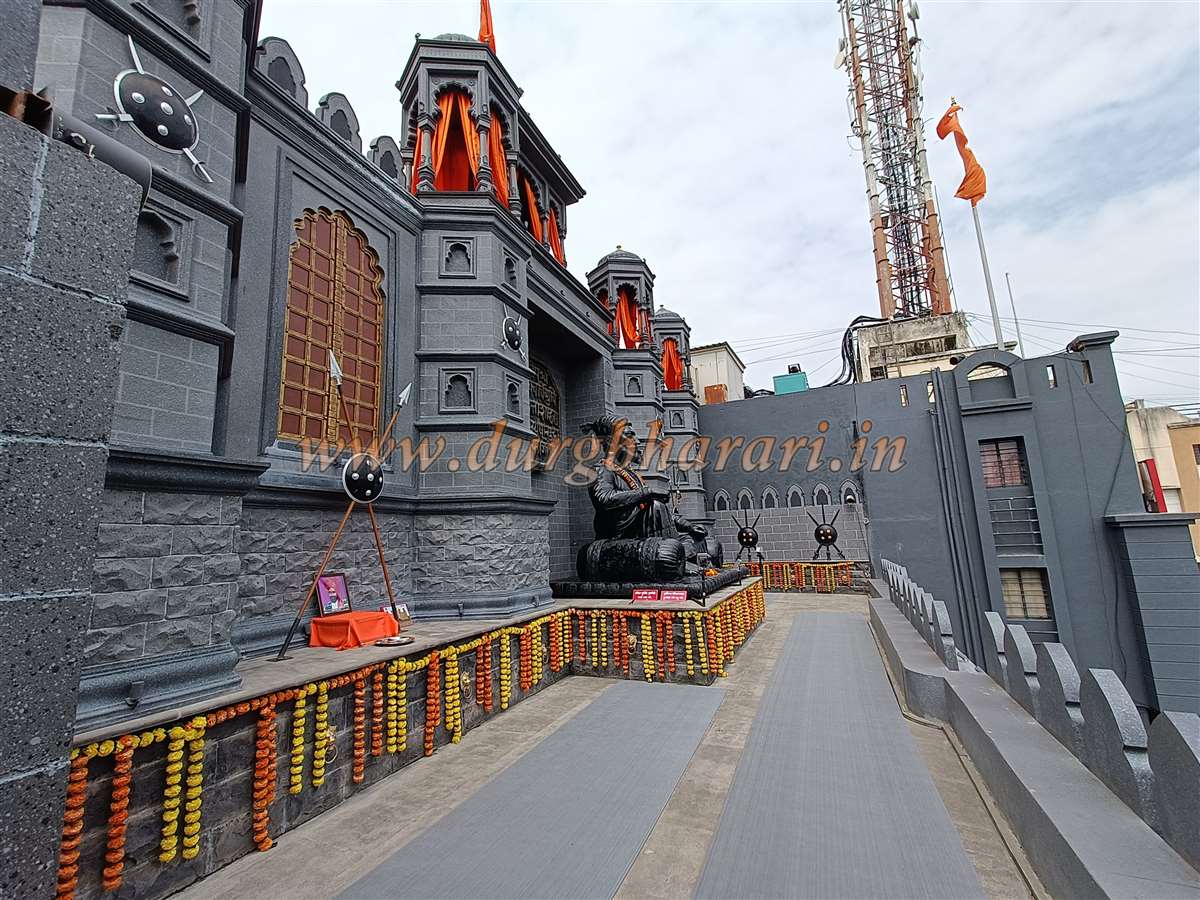
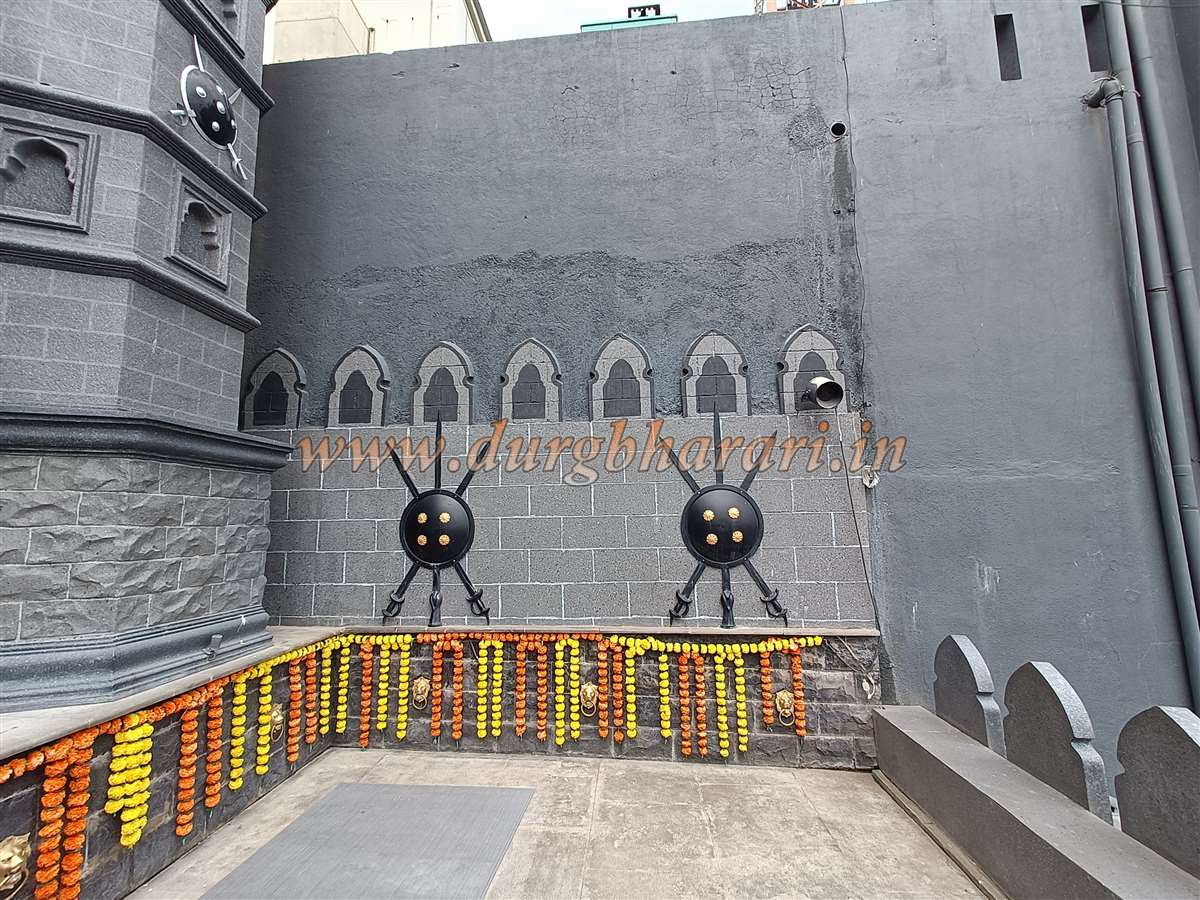
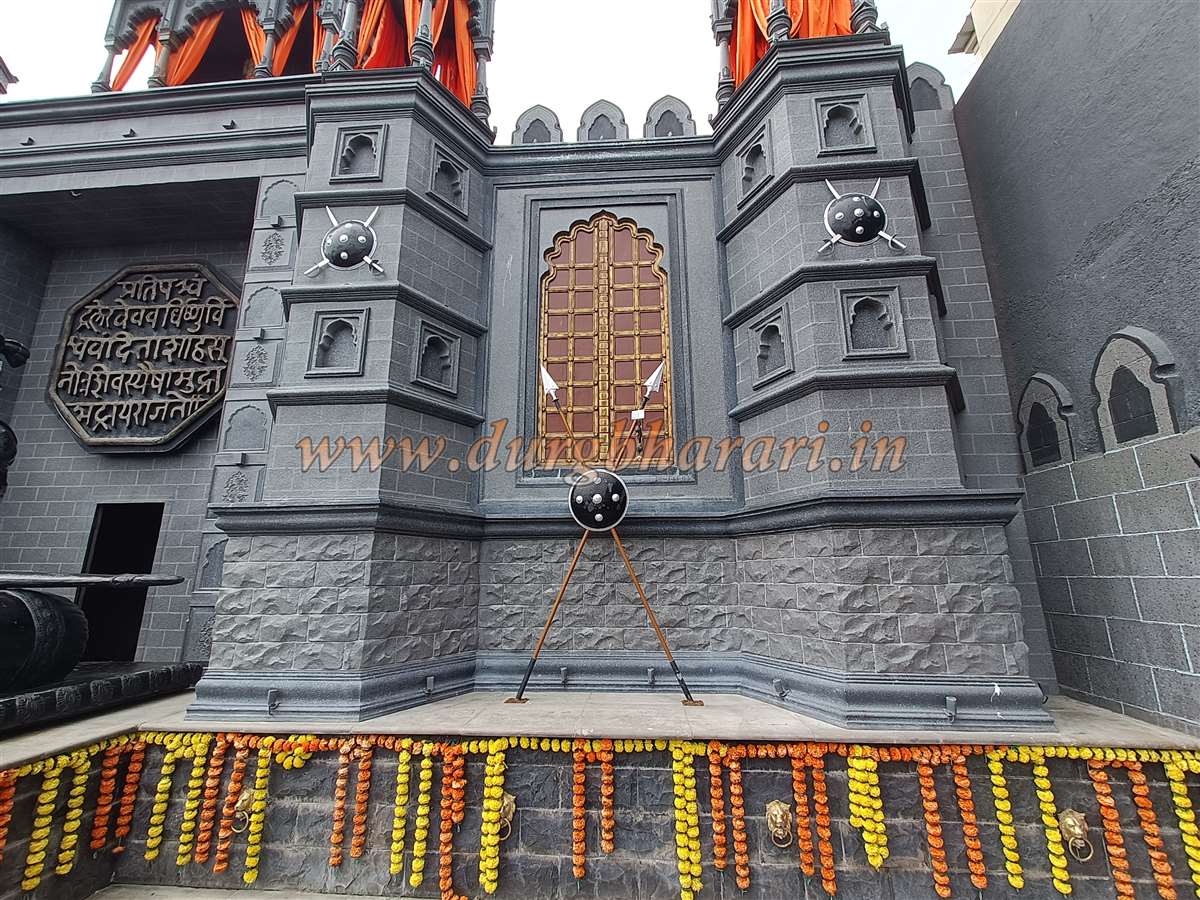
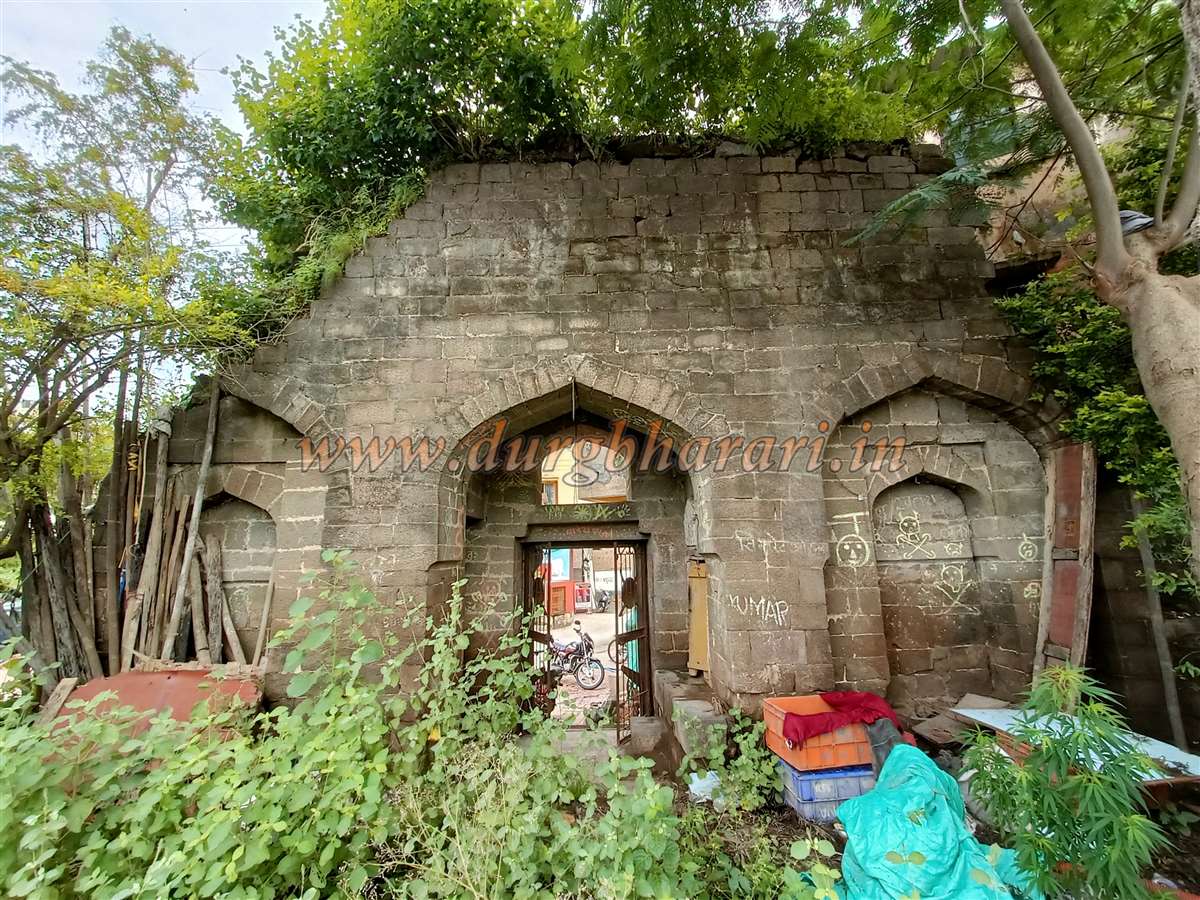
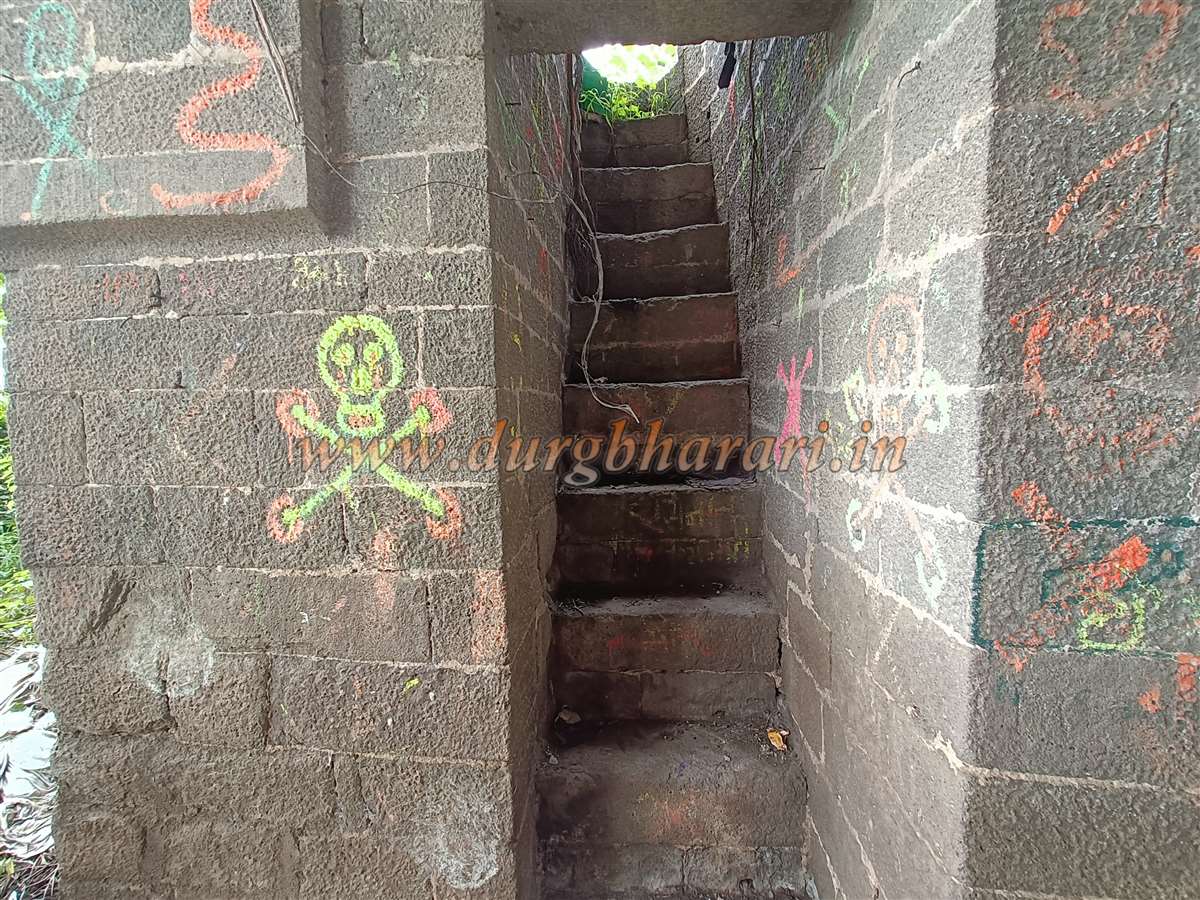
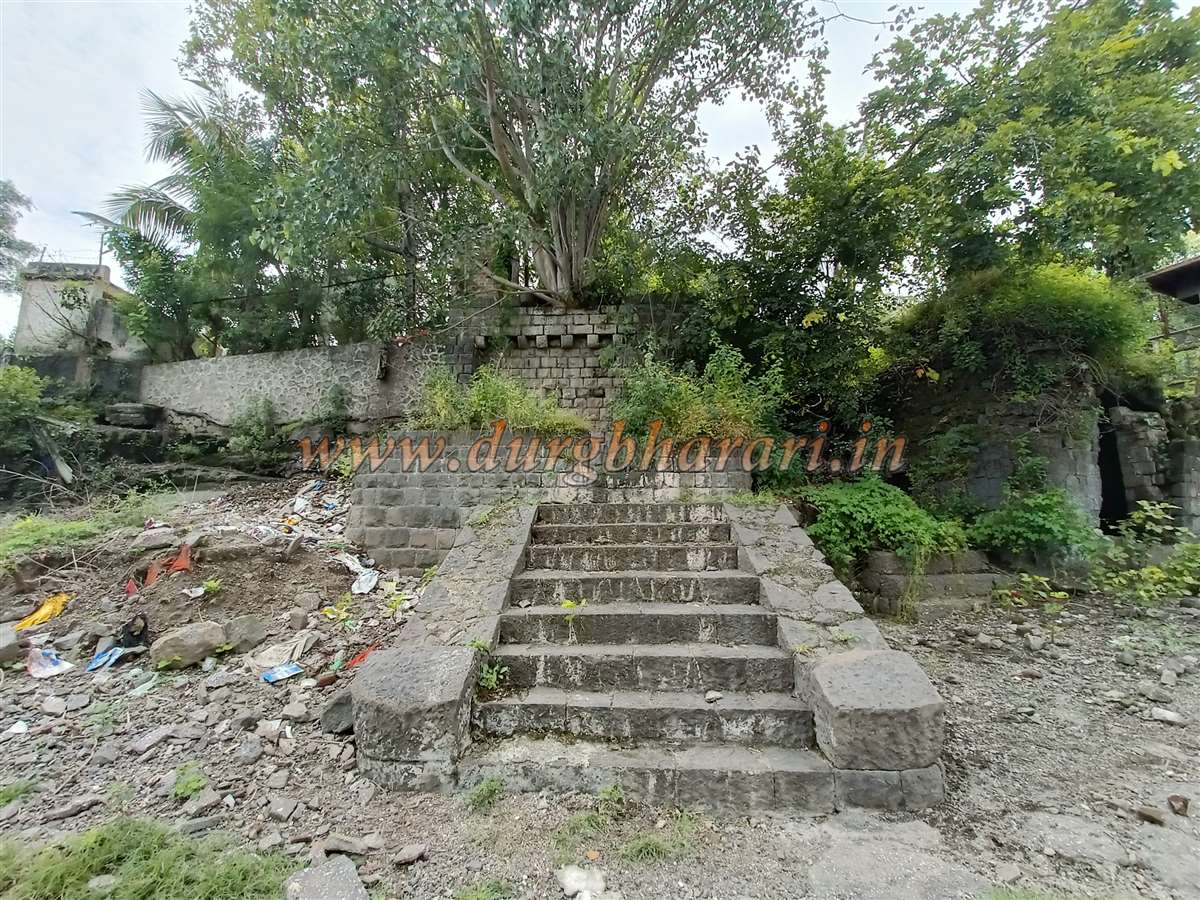
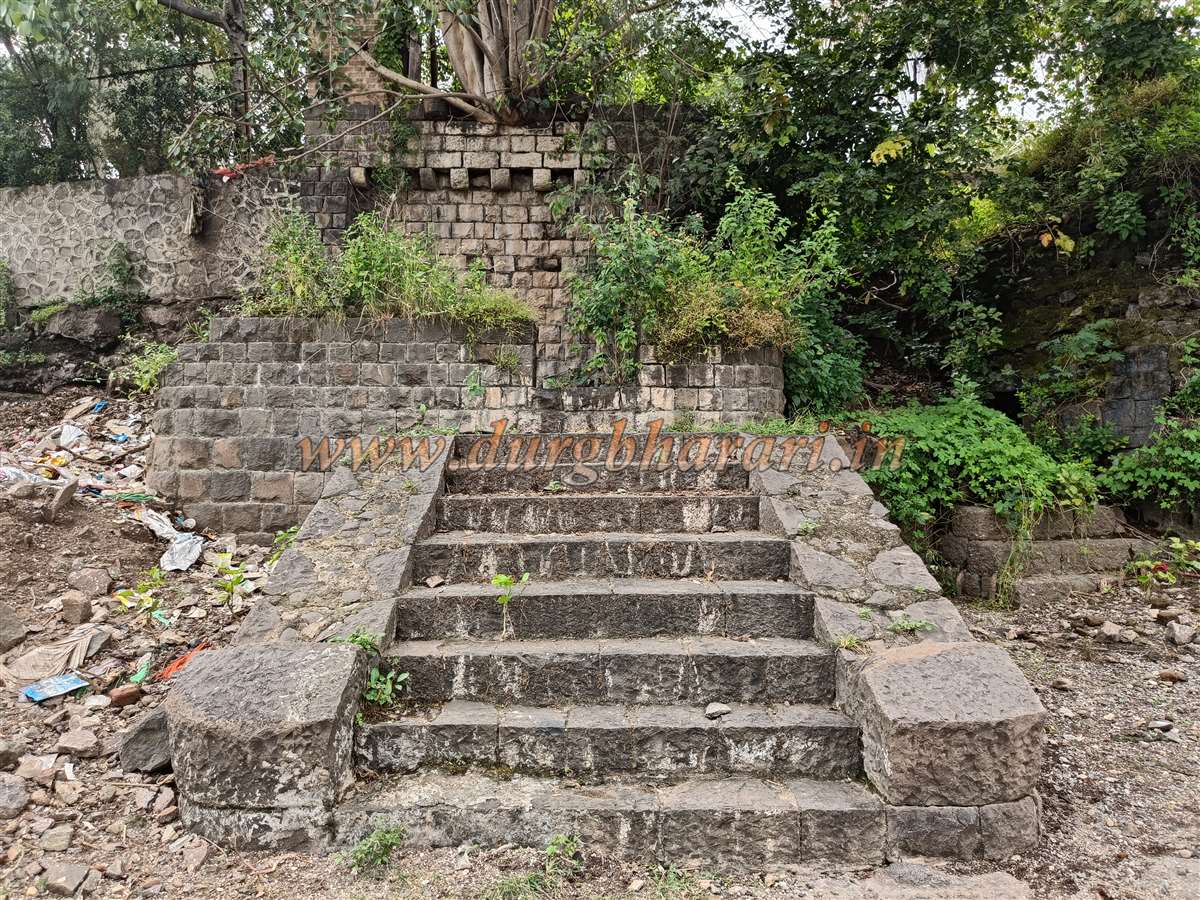
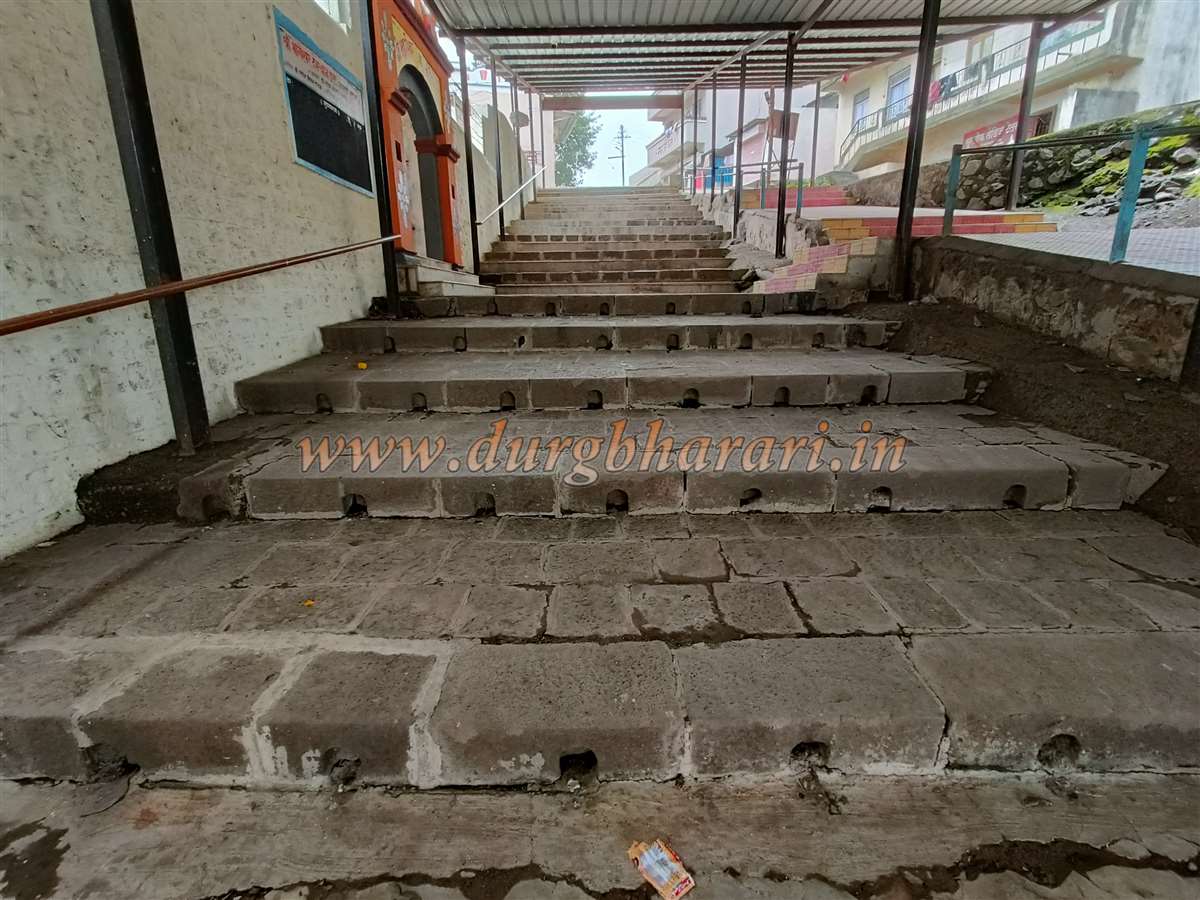
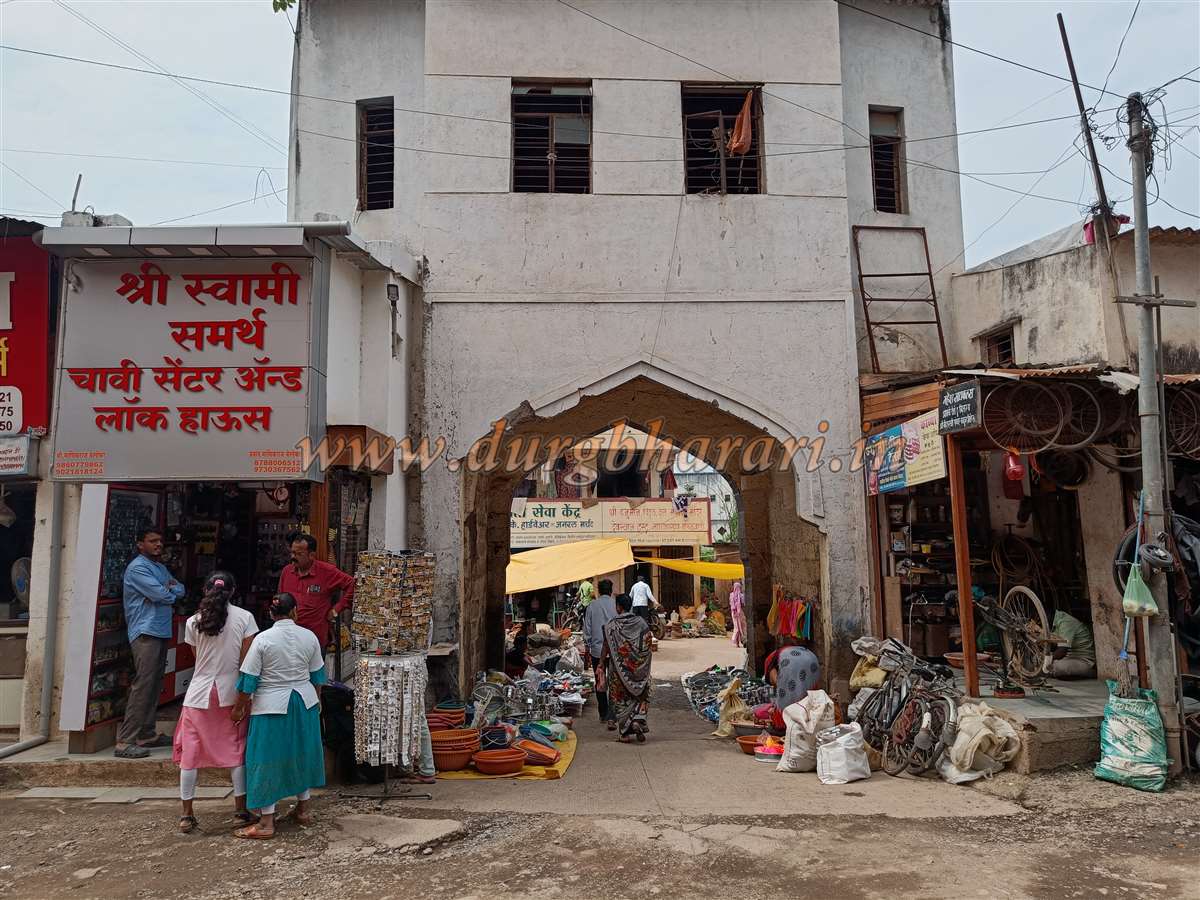
Near the State Transport (ST) bus stand in Narayangaon, one can see the main gate of the old town fort, facing north. This is the only remaining structure of the fort’s original gate system, as the surrounding bastions and walls have been completely destroyed. On both sides of the gate are guard alcoves, and new steps have been constructed to access the ramparts from inside. The gate has now been fully renovated and houses a statue of Chhatrapati Shivaji Maharaj. It has been named Chhatrapati Shivaji Maharaj Pravesh Dwar (Entrance Gate).
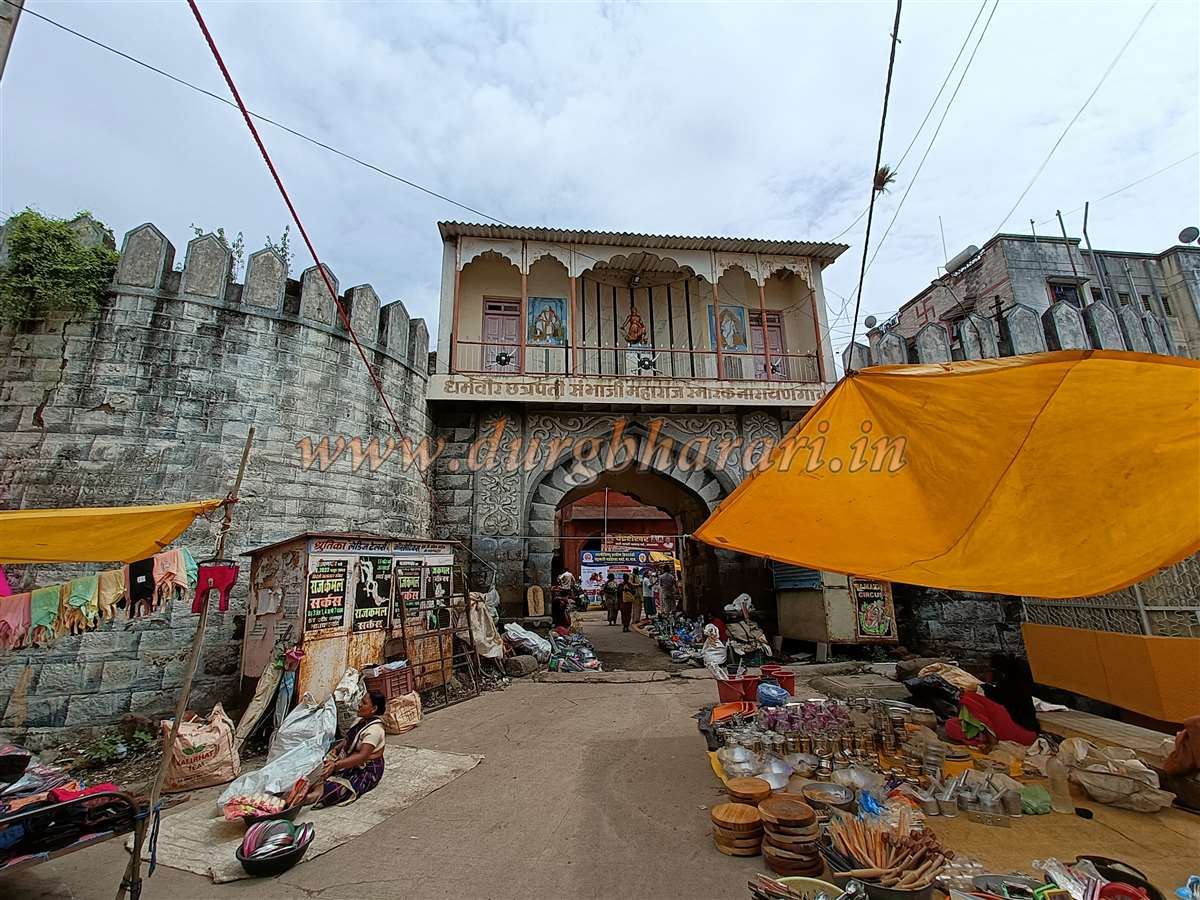
Walking 550 meters straight from this gate leads to the second gate of the fort, which is built between two circular bastions and has a Nagarkhana (drum chamber) above it. This gate has also been partially restored and is named the Dharmaveer Chhatrapati Sambhaji Maharaj Memorial Gate.
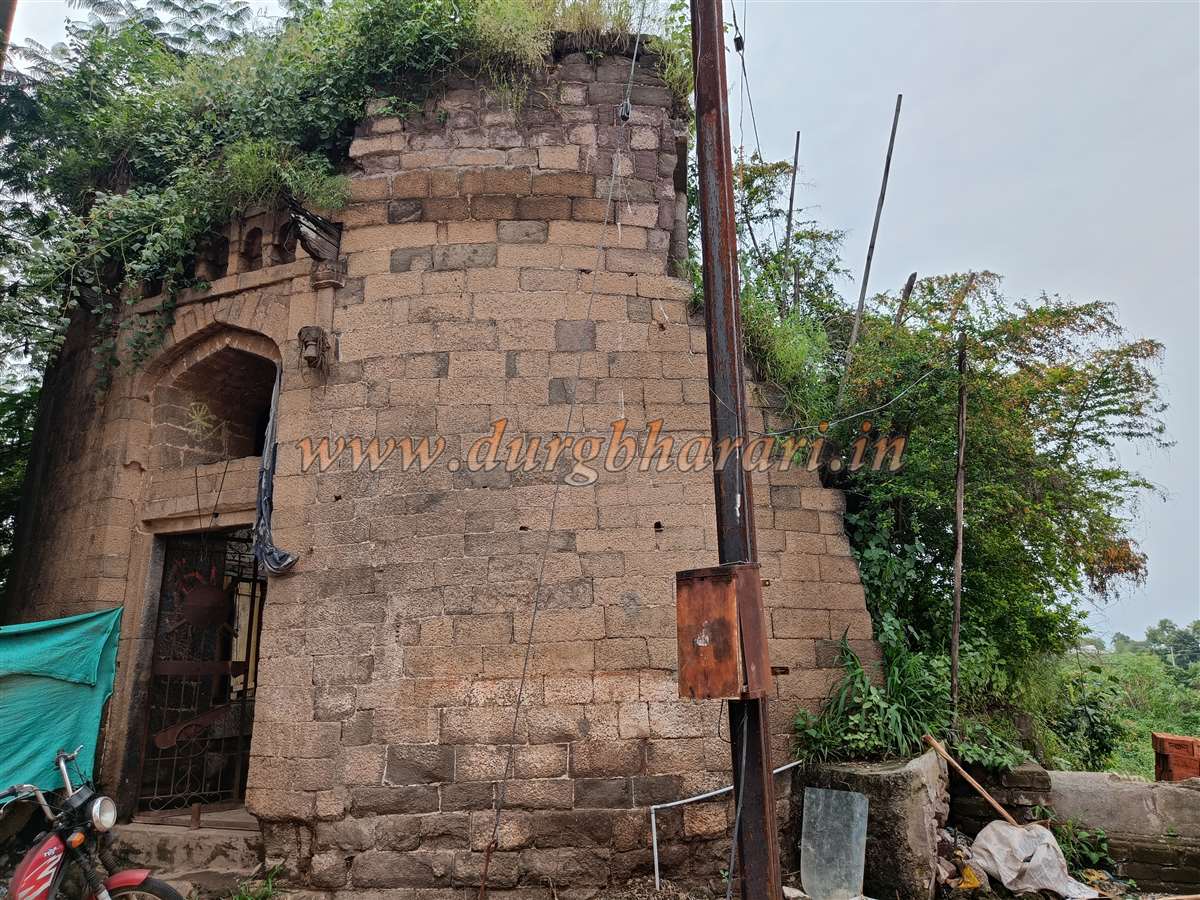
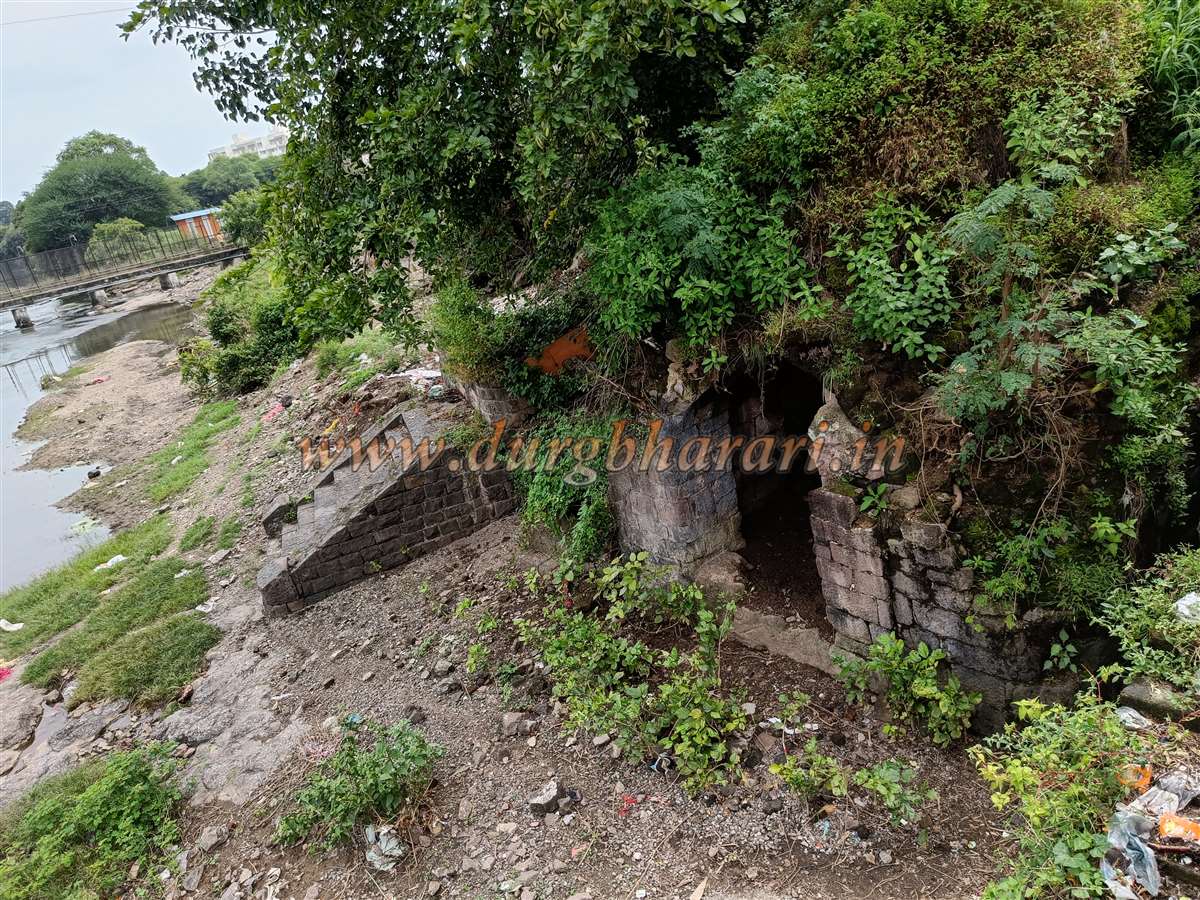
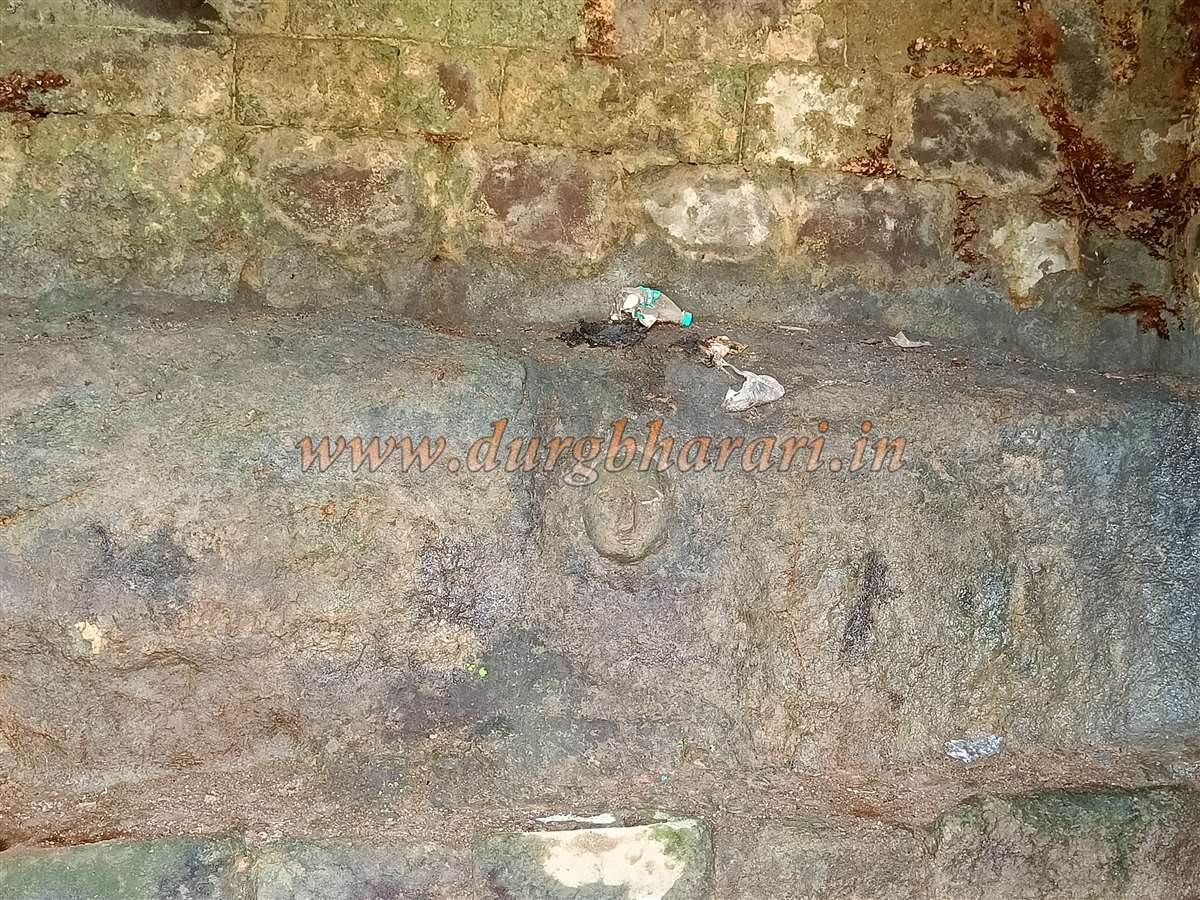
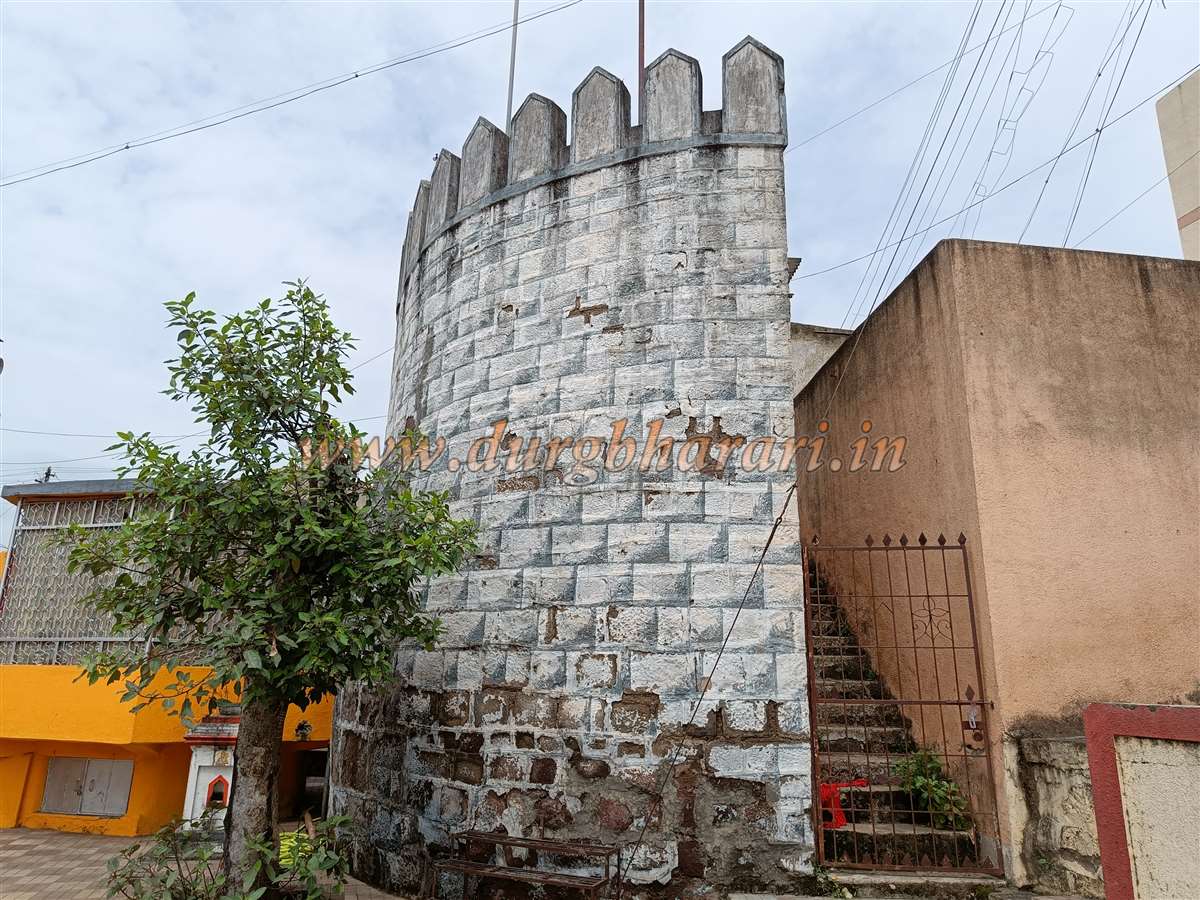
From this gate, if you take the road toward Warulwadi and turn towards the river, about 300 feet ahead you can see one of the original bastions of the fort still intact. Made of finely cut stone, this round-shaped bastion faces the river and is hollow inside. There’s an entrance to the bastion and a stone staircase within, leading to the top. Despite its worn condition, the interior alcoves suggest it once provided shelter for soldiers.
These are the only remaining parts of the old fort, and it takes about 45 minutes to explore them. Considering the fort’s overall structure, it likely had smaller gates for movement aside from the main entrances, but since the outer walls are now destroyed, those gates have also vanished.
Though Narayangaon history can be traced back to the Satavahana period, its documented history begins during the Peshwa era. Since 1605, the Junnar region was under the control of Malojiraje Bhosale. While Shahaji Raje frequently changed his allegiances, he never relinquished control over the area between Junnar and Chakan. Narayangaon and nearby Khodad were part of the Junnar region.
The fortification of Narayanagad Fort began during the time of Balaji Vishwanath Peshwa and was completed during the rule of Nanasaheb Peshwa, as recorded in Nanasaheb personal diaries. Peshwa Bajirao I had a close association with Narayanagad. After Balaji Vishwanath death, Chhatrapati Shahu appointed Bajirao as Peshwa and granted him the jagir (fiefdom) of Narayangaon and Narayanagad, as mentioned in official letters.
Later, this region was given to Sayaji Pawar as a jagir on behalf of the Peshwa. During the tenure of Balaji Bajirao (Nanasaheb), Sadashivrao Bhau managed the financial affairs of the Peshwa Empire. A document from 1758 in the Peshwa archives reveals an order from Bhau asking for the immediate submission of Narayanagad’s financial accounts.
In 1942, the village responded enthusiastically to Mahatma Gandhi’s Quit India Movement. Under the leadership of the late former Police Patil Raoji Patil Kale, and Balaji Patil Gaikwad, along with many villagers, the Indian national flag was hoisted atop Narayanagad Fort.
© Suresh Nimbalkar
GALLERY