NANEGHAT
TYPE : ANCIENT TRADE ROUTE
DISTRICT : PUNE
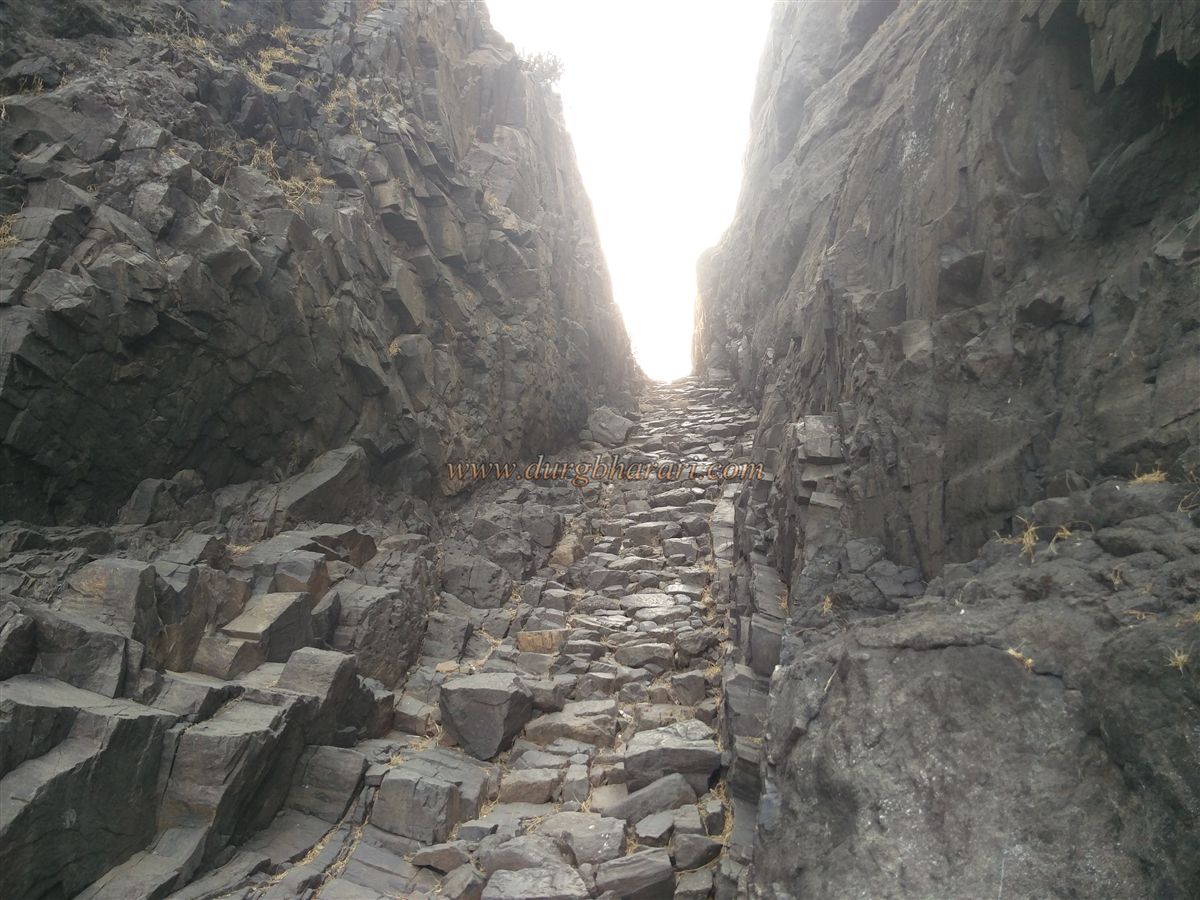
About two thousand years ago, several mountain passes leading from the Konkan to the Deccan plateau were carved into the cliffs of the Sahyadri range for transportation. The rulers of the time built these routes to facilitate trade. Among them, Naneghat, Malshej, Ahupe, and Gaydara passes were specially paved with stone for commercial transport. Today, most of these ancient passes have either collapsed or are closed, but locals near the Sahyadri foothills still use some of them.
The Satavahana king Gautamiputra Satakarni defeated the Shakas and established dominance over the Junnar region. Around 250 BCE to 250 CE, during the Satavahana period—roughly 2,250 years ago—the rulers excavated Naneghat near Junnar to link the Konkan and the Deccan. To protect the route, they built forts in the Kukdi river basin—Jivdhan, Chavand, Hadsar, Nimgiri, and Shivneri. The pass lies 30 km east of Murbad, 64 km from Kalyan, and 30 km from Junnar.
...
For travelers, merchants, and soldiers, water cisterns and cave shelters were constructed along the route. In ancient times, Shurparaka (Sopara) and Kalyan were two important ports on the western coast, engaged in both domestic and overseas trade. The Kalyan–Naneghat–Junnar–Ahmednagar–Paithan route was a major trade artery in Maharashtra, carrying large volumes of goods. Merchants from around the world brought their wares to Sopara and Kalyan ports, from where goods were loaded on horses, mules, or bullocks and transported to Pratishthan (Paithan), the Satavahana capital. The pass remained in use from the Satavahana period up to the Peshwa era. Its importance declined after the British built the Mumbai–Pune and Mumbai–Nashik highways. Naneghat is an outstanding example of an ancient trade route.
From Mumbai, Naneghat can be reached via Kalyan–Murbad–Vaishakhare village, at the foot of the pass. The Gazetteer records the name of this village as “Vaishyagruha,” suggesting it served as a halt for merchants and the nomadic Lamani traders before ascending the pass. Structures were built here for their lodging. From Pune, the route is via Junnar to Ghatghar, which is only 5 km from Naneghat. If you have your own vehicle, you can drive right up to the mouth of the pass from this side.
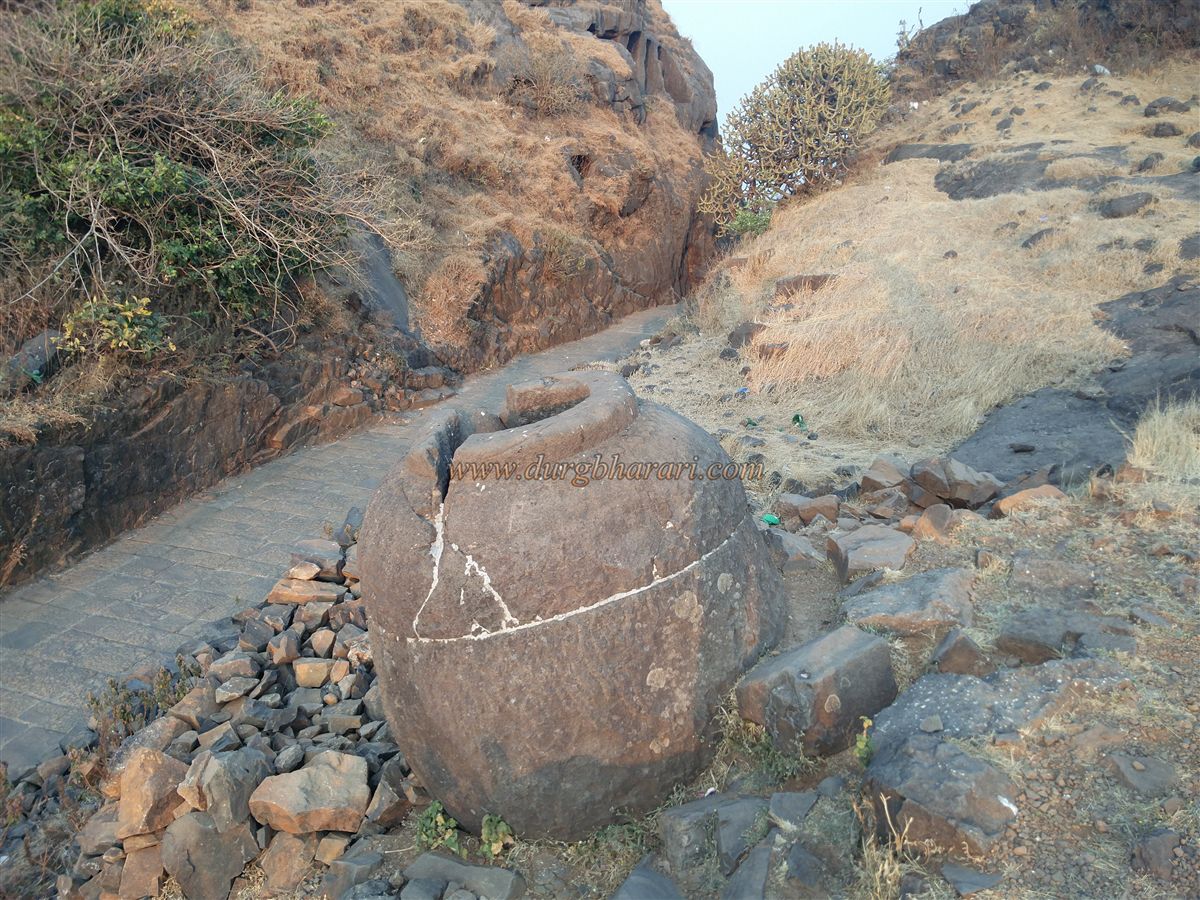
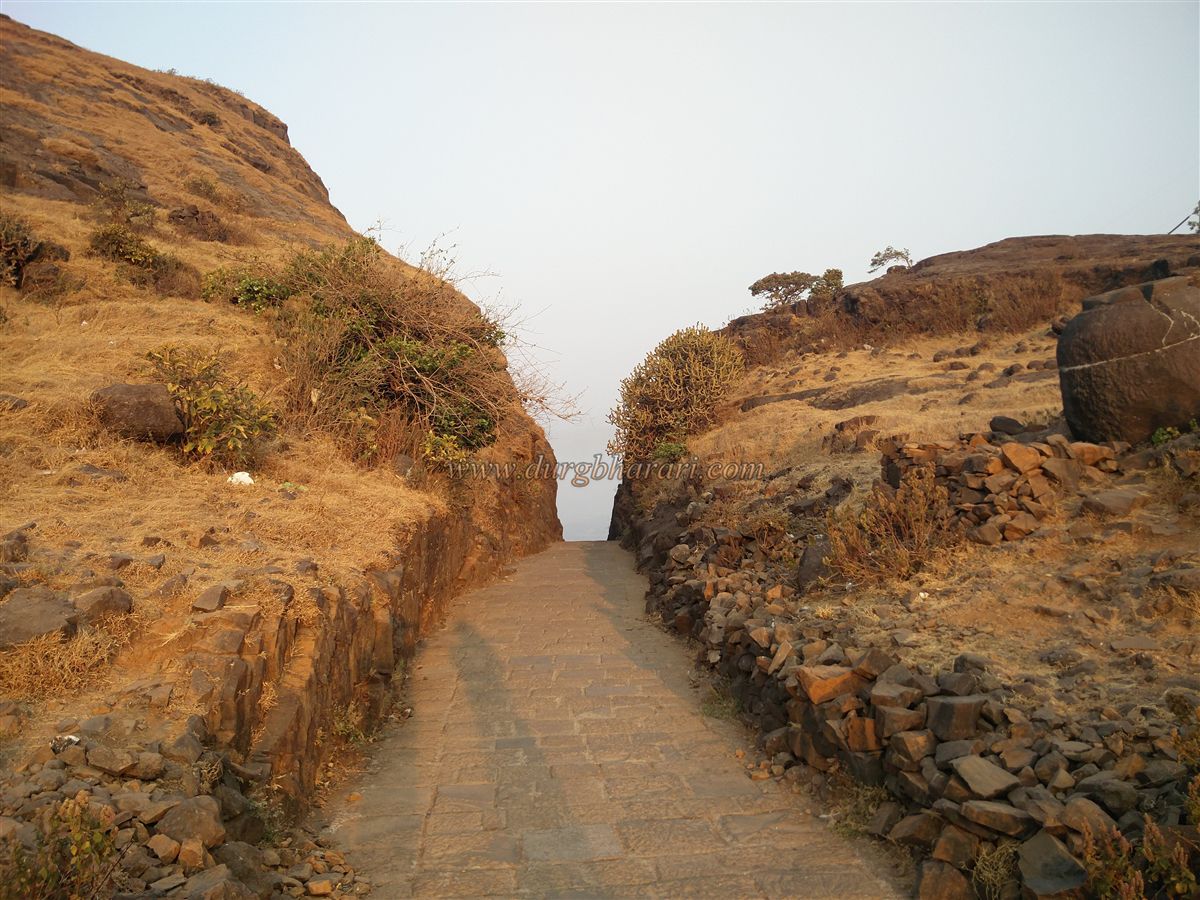
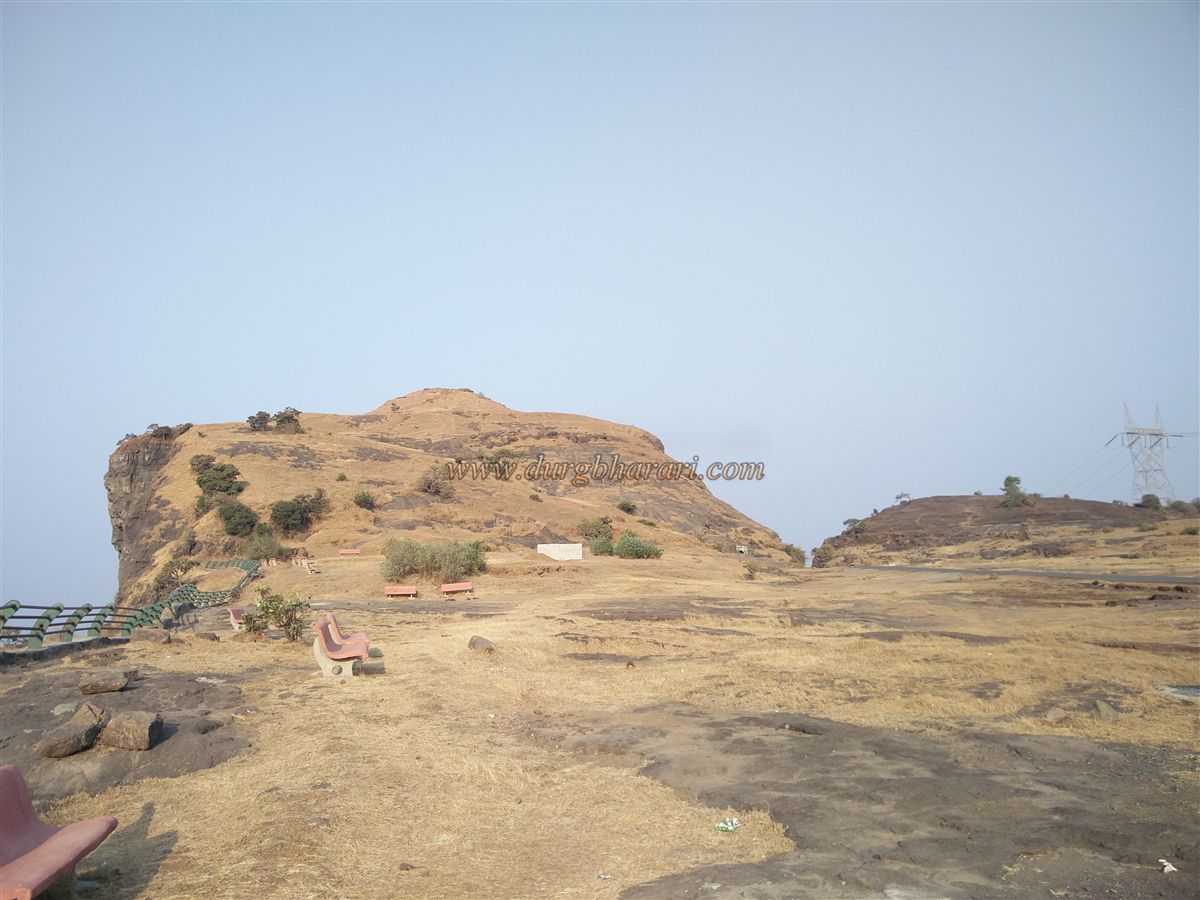
Approaching from Ghatghar, the wide plateau and the striking rock pinnacle called “Nanacha Angtha” (Nana’s Thumb) draw attention. Naneghat was cut through the adjoining hill beside this pinnacle, connecting Ghatghar on the plateau to Vaishakhare in the Konkan below. At the mouth of the pass, on the right-hand side, stands a large stone jar (ranjan) alongside ruins of old buildings. The jar’s mouth is about 2 ft. wide, with a circumference of 4 ft and height of 5 ft. It is believed this was used for toll collection—merchants paid customs duties here in the form of coins called karshapanas, which were dropped into the jar.
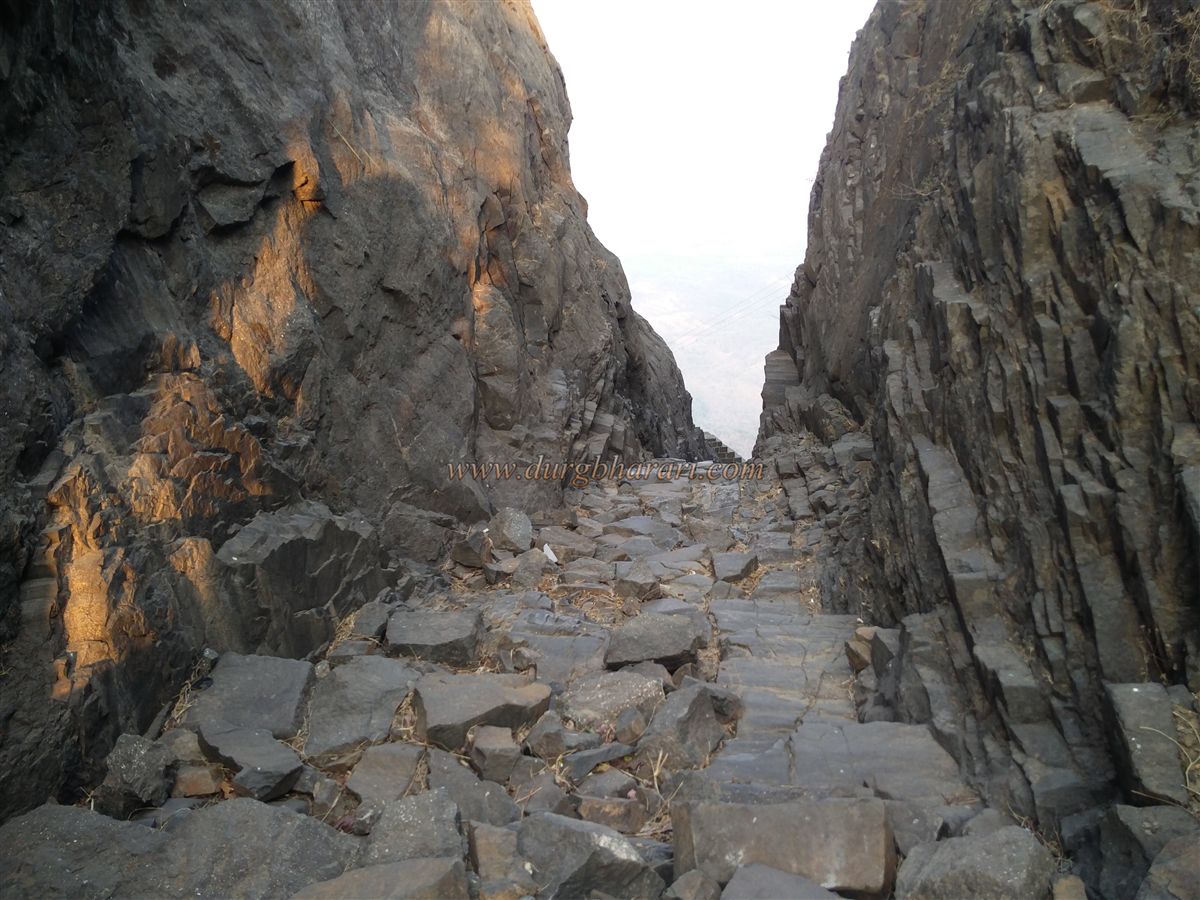
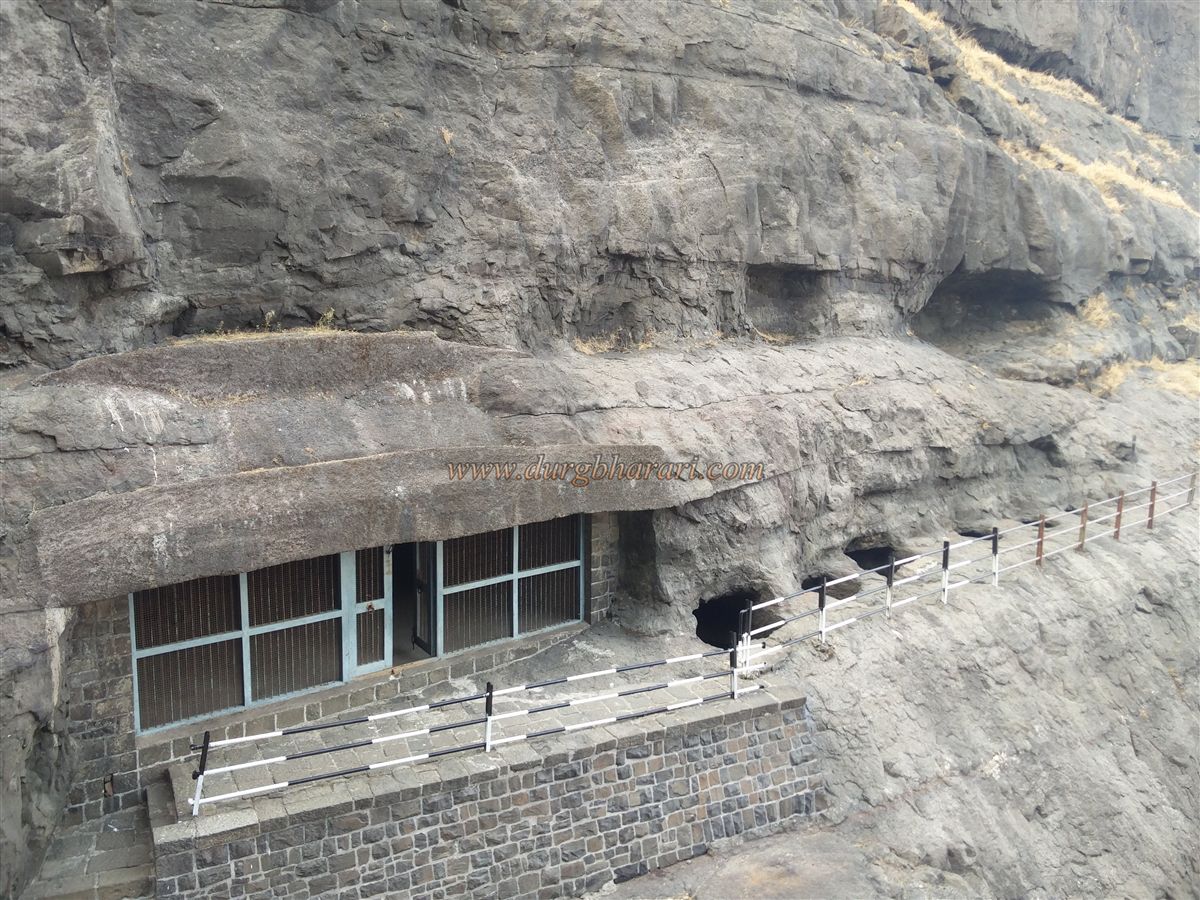
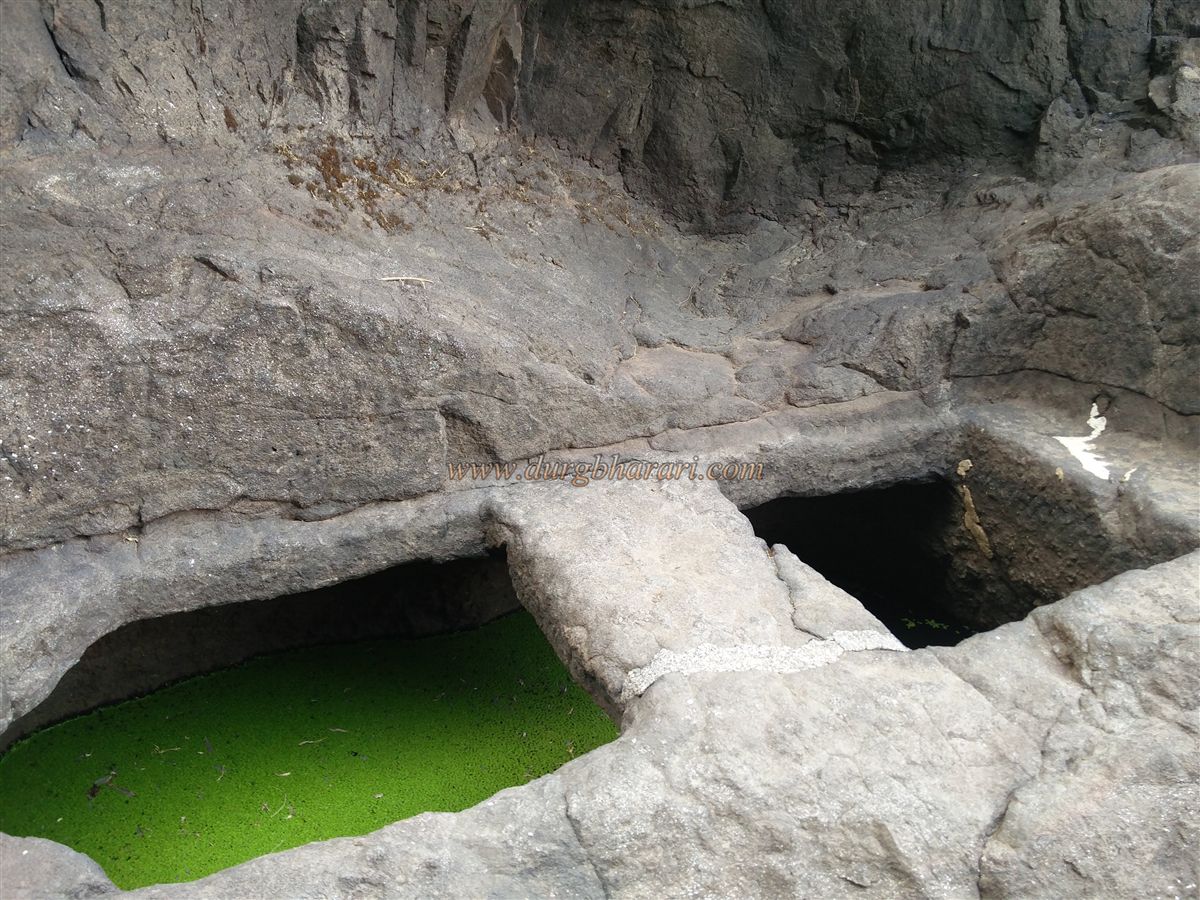
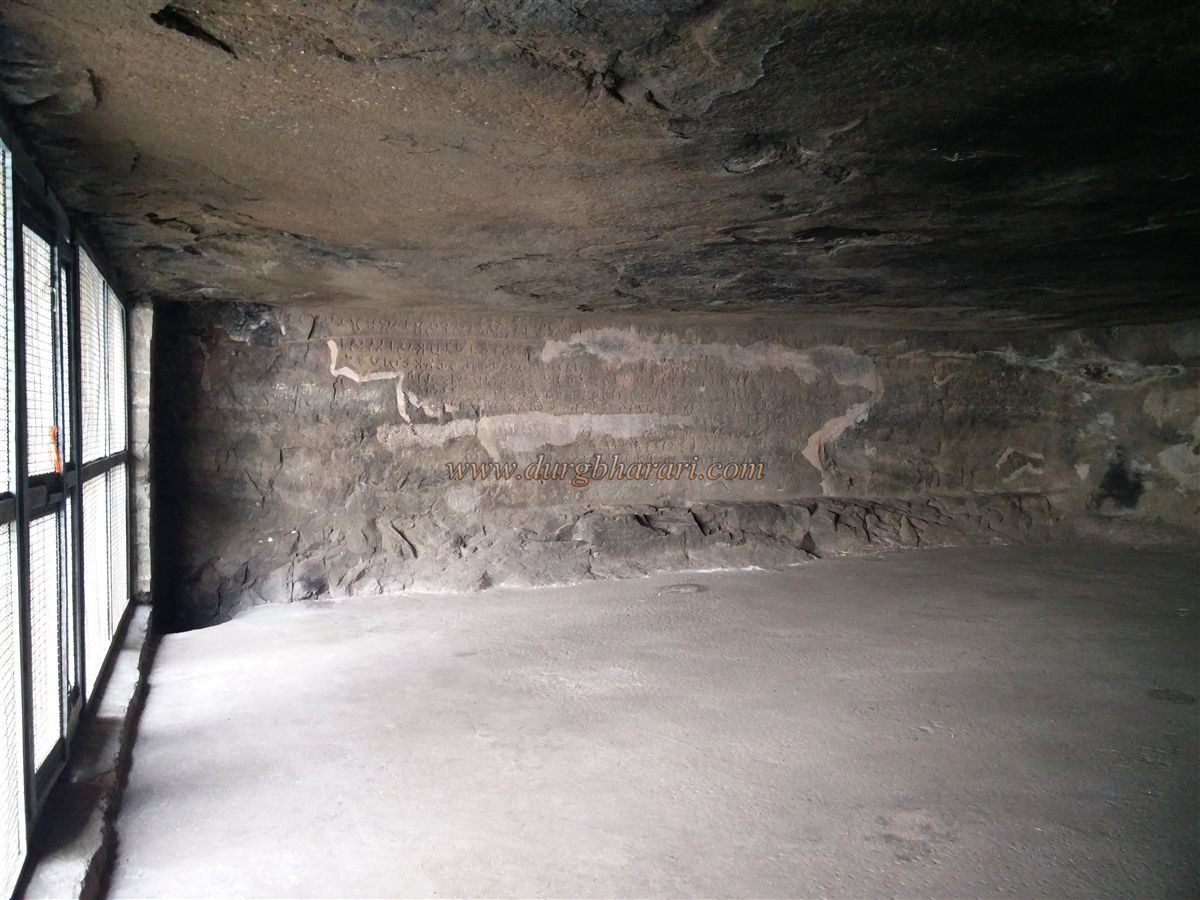
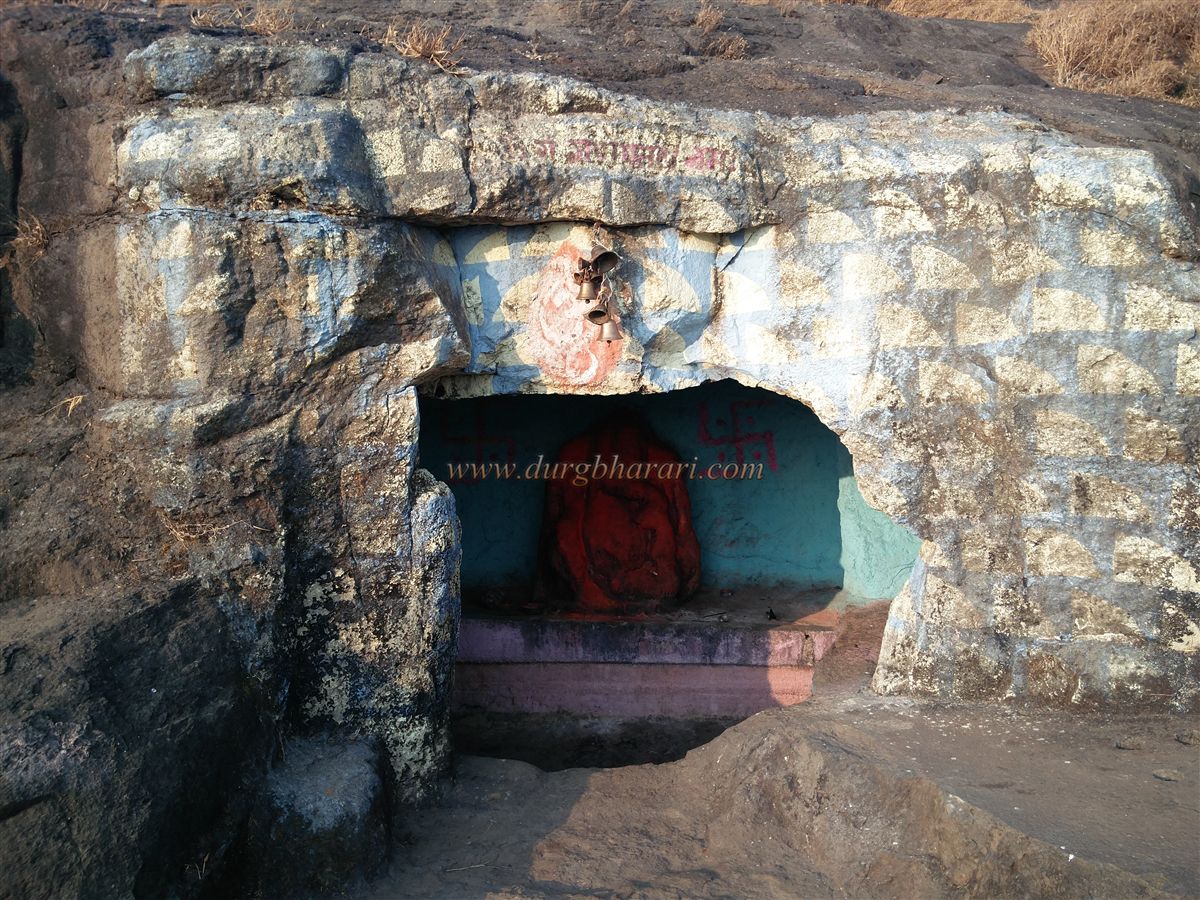
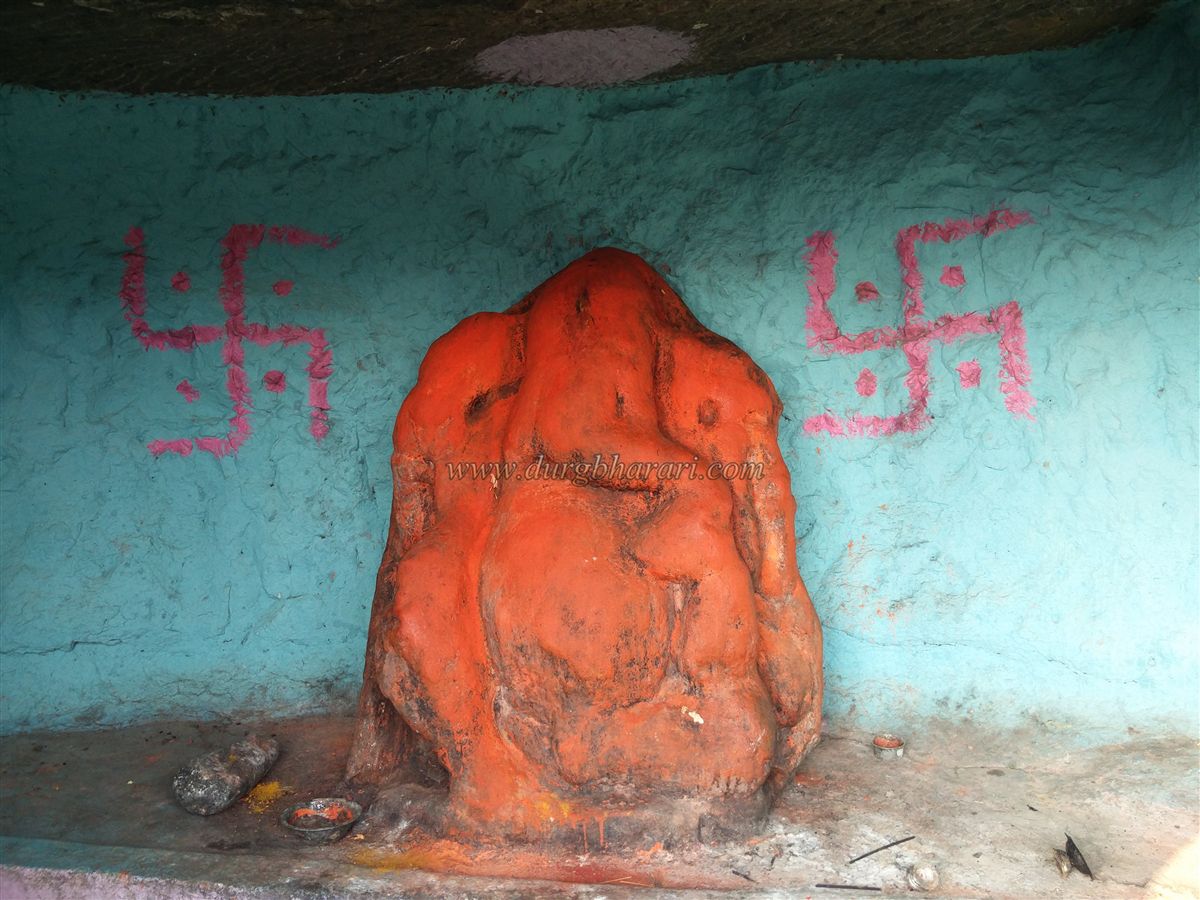
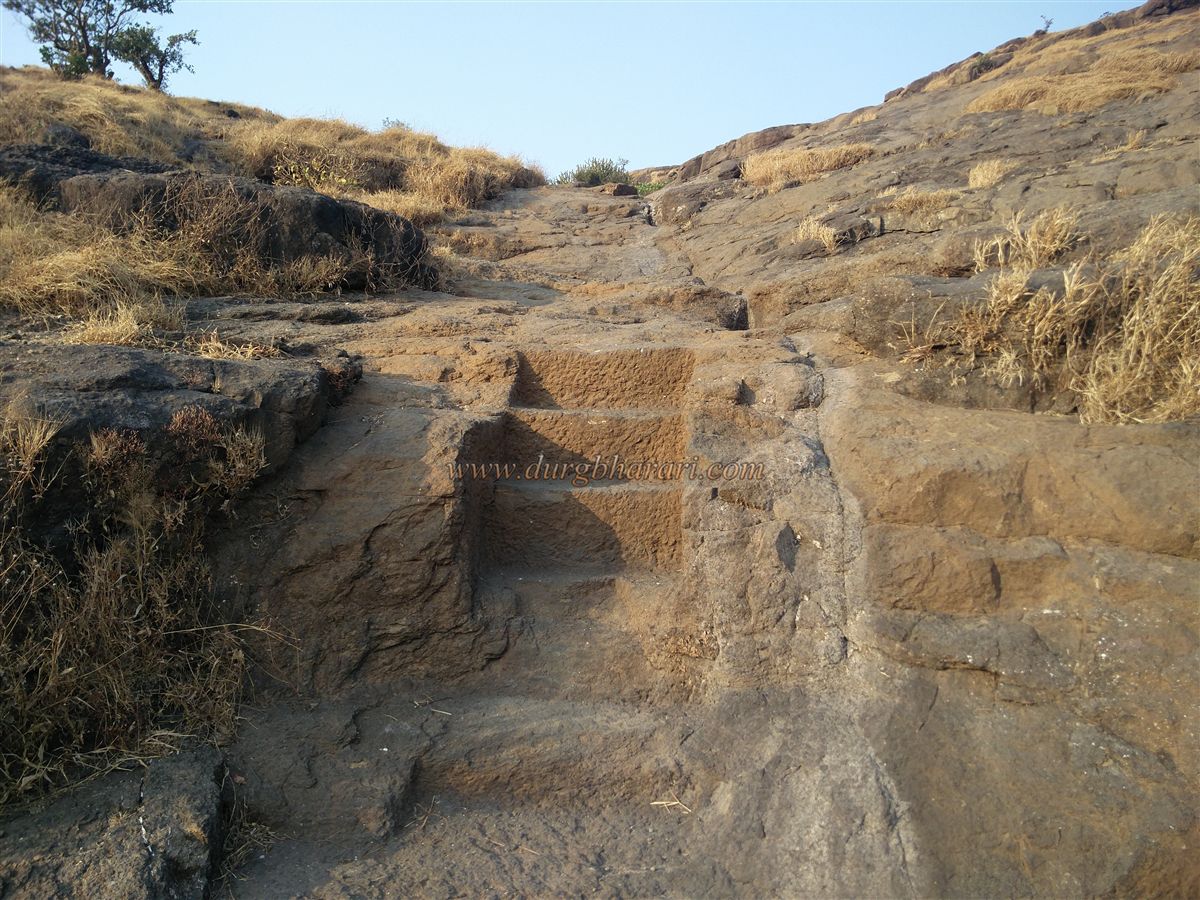
On the left, a small cave houses an idol of Lord Ganesha. Next to it are steps carved in rock, leading to three rock-cut water cisterns above, and further ahead, five large niches carved into the rock—whose original purpose is unknown. The main passage of Naneghat is about 130 ft. long and 5–10 ft. wide. The steep initial slope has been stone-paved. About 150 ft inside, there are two simple caves on the right, and on the left, a beautiful and spacious 30 × 30 ft. cave carved into the base of Nanacha Angtha. This could accommodate about 40 people and served as the Satavahana’ Deva Kula (royal sanctuary). A wooden railing has now been installed.
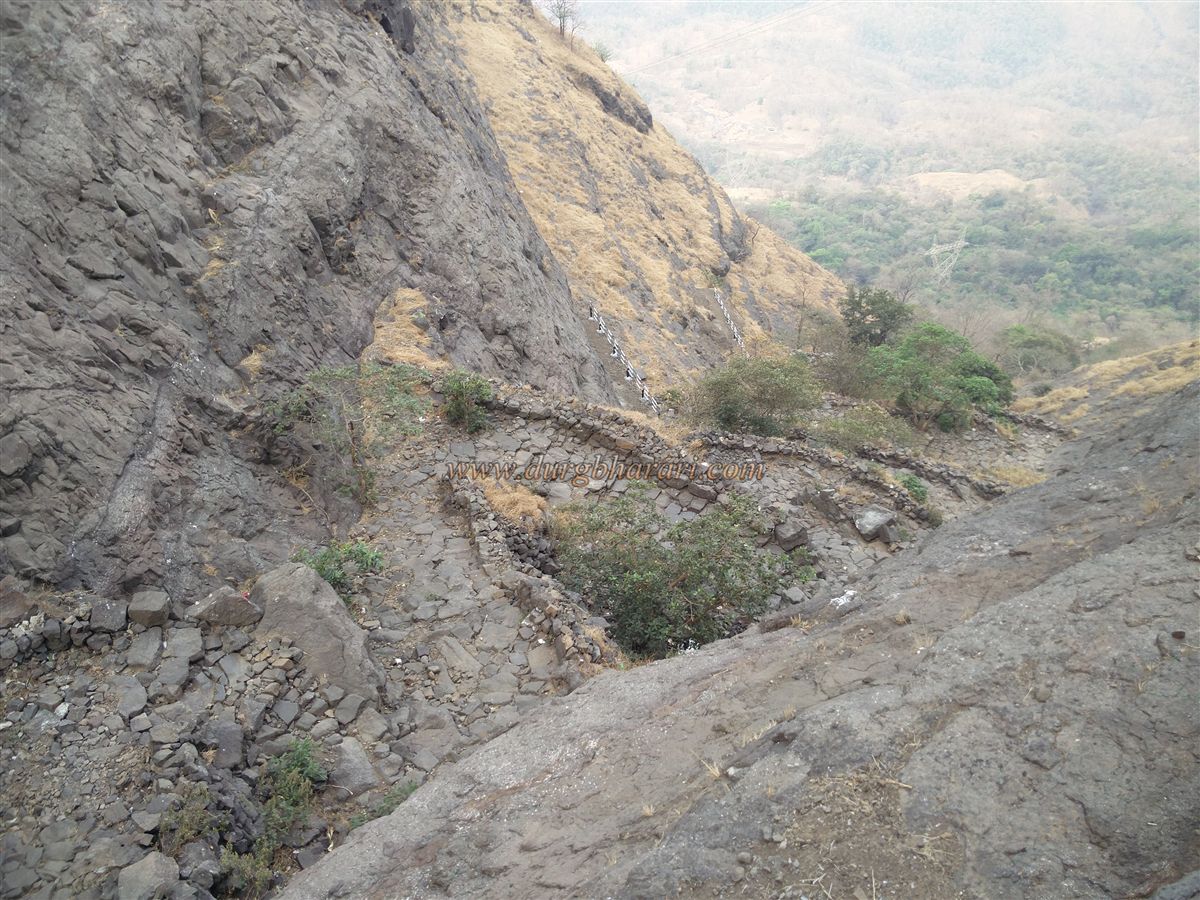
Next to this cave are seven underground cisterns on the right and two on the left, some with potable water. Above the cave, a few natural cavities are visible. Leaving the cave and heading slightly downward, a winding path descends towards Vaishakhare, protected by iron railings. Travelers from Mumbai ascend the pass via this route. Returning upward to the plateau, a short 15-minute climb leads to the very top of Nanacha Angtha. From here, the Sahyadri ridge curves around, offering vast views—Bhimashankar, Siddhagad, Gorakhgad, the cone-shaped Dhababa peak, the flat-topped Durga fort, Jivdhan, Vanarlingi to the left, and to the right the spires of Varhad, Bhairavgad, Harishchandragad, and the Ghanchakkar range. The pinnacle is broken on three sides, so caution is needed when walking at the top.
Because Naneghat is a popular trekking spot, home-style meals are available at several places on the plateau. For visitors from Mumbai and Pune, it’s an easy one-day trek in any season.
Inside the cave is an inscription stating that Naneghat and its caves were commissioned under the authority of Queen Naganika, wife of Satavahana emperor Gautamiputra Satakarni. This 20-line Brahmi script inscription, over two thousand years old, records the Satavahana rulers, their lineage, and the sacrifices they performed. It details not only their military exploits but also religious sacrifices such as two Ashvamedha yajnas, as well as Vajapeya, Rajasuya, and a total of 22 Vedic sacrifices. The inscription also mentions generous donations—thousands of cows, hundreds of elephants and horses, villages, grain, garments, ornaments, and karshapana coins. Vedic deities such as Yama, Indra, Chandra, and Surya are also named. This is the largest known inscription in ancient India by size.
Originally, seven statues of Satavahana royals stood in the cave, each inscribed with their name. Only the lower portions of the statues remain today. The recorded names are:
1. Simuka Satavahana – not the dynasty’s founder, but an early ruler a few generations after the eponymous Satavahana.
2. Queen Naganika – daughter-in-law of Simuka, wife of the first Satakarni.
3. Satakarni – the first Satakarni, son of Simuka. The next three were sons of Satakarni and Naganika:
4. Bhāyala – died young.
5. Hakusiri / Hakushri – ruled briefly.
6. Kumara Satavahana / Vedishri Satavahana – a valorous king.
7. Maharathi Trinakayeer / Trinaka Veer – minister of the Satavahana and father of Naganika, honored for his great contributions to the empire.
© Suresh Nimbalkar
GALLERY