NANDOSHI
TYPE : GADHI
DISTRICT : SATARA
HEIGHT : 0
GRADE : EASY
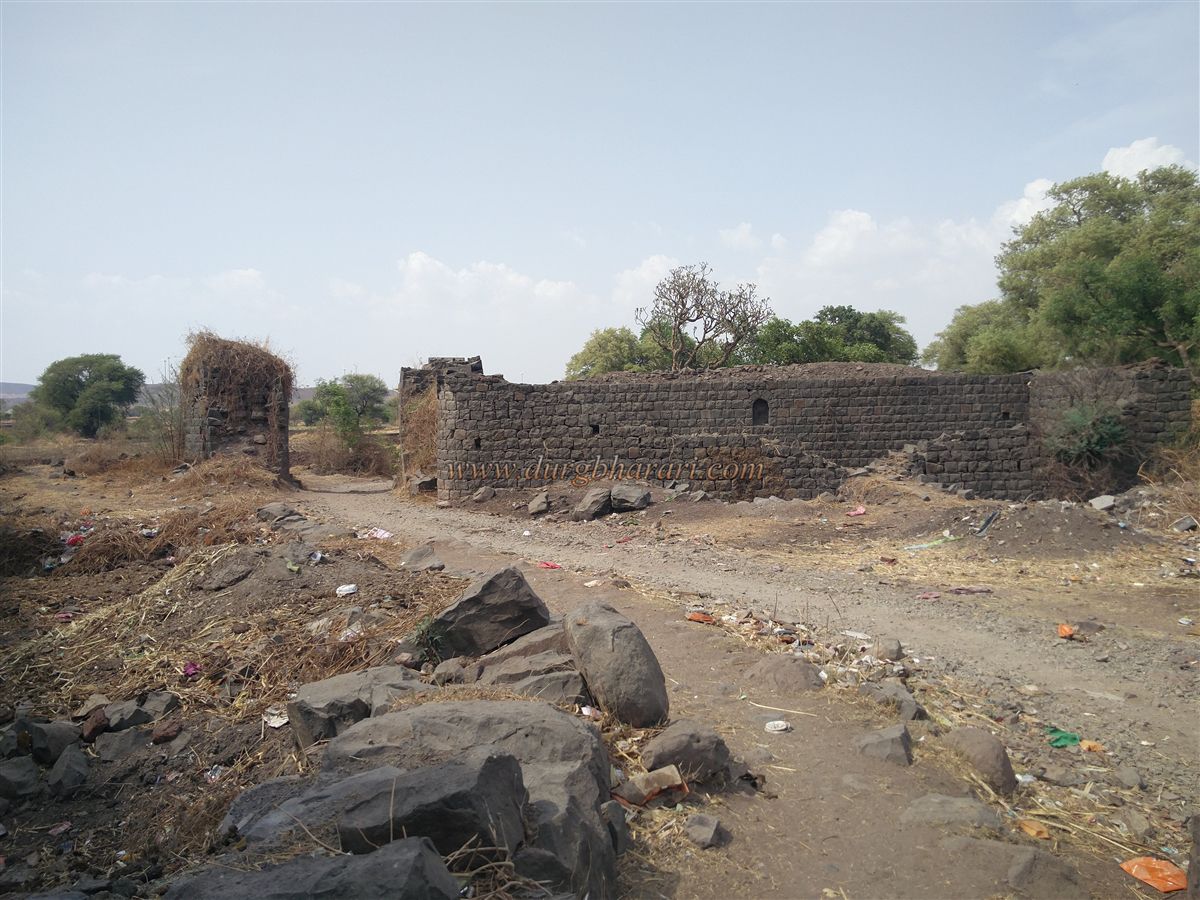
Many forts and fortified structures in Maharashtra have not been recorded in government documents or listed by fort enthusiasts. One such example is the fort-like structure in Nandoshi village of Satara district, which has no official record as a fort or stronghold. Since no information about this structure is available online or elsewhere, this is an attempt to introduce it.
During the later Maratha period, when the Peshwas held central power, many ground forts (Bhuikot) and fortified mansions were built in Maharashtra. Some of these ground forts were private in nature, used both for revenue collection and for self-defence.
Very little historical information is available about the Nandoshi fort, but according to elderly local residents, the structure was granted as an inam (tax-free land) to a temple, and it was used for religious functions.
...
It is said that this inam was granted to the temple by the Satara royal seat. After the abolition of the watan (hereditary rights), maintaining the fort became difficult, and its use ceased entirely. Since then, the fort has gradually deteriorated. Local indifference towards the structure has also contributed to its decline.
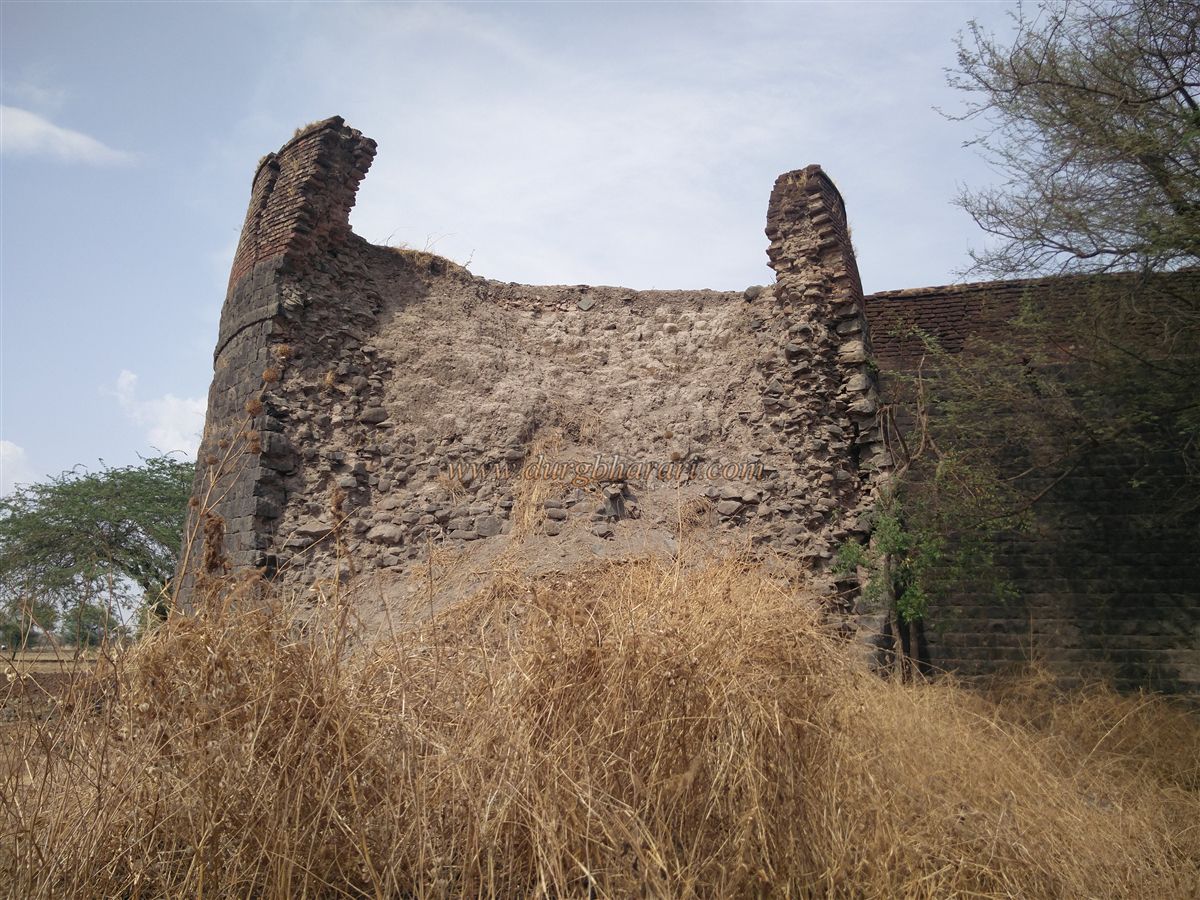
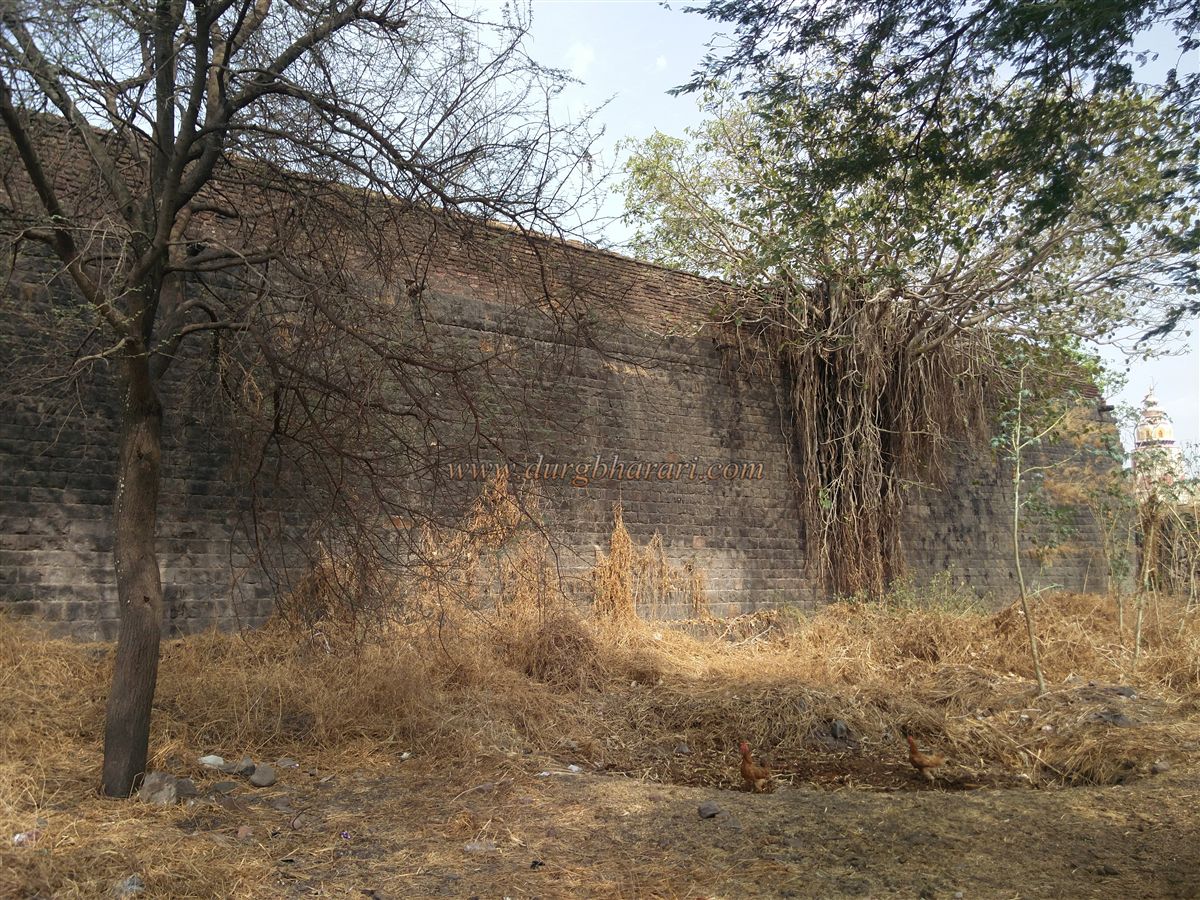
The fort is located in Nandoshi village of Khatav taluka, Satara district. To reach it, one must travel via Satara or Pusesawali town. Nandoshi is 36 km from Satara via Rahimatpur, and the distance from Rahimatpur to Nandoshi is 15 km. In the village, the structure is known as Gosavi’s Fort. While the outer walls have collapsed in several places, many inner remains still survive.
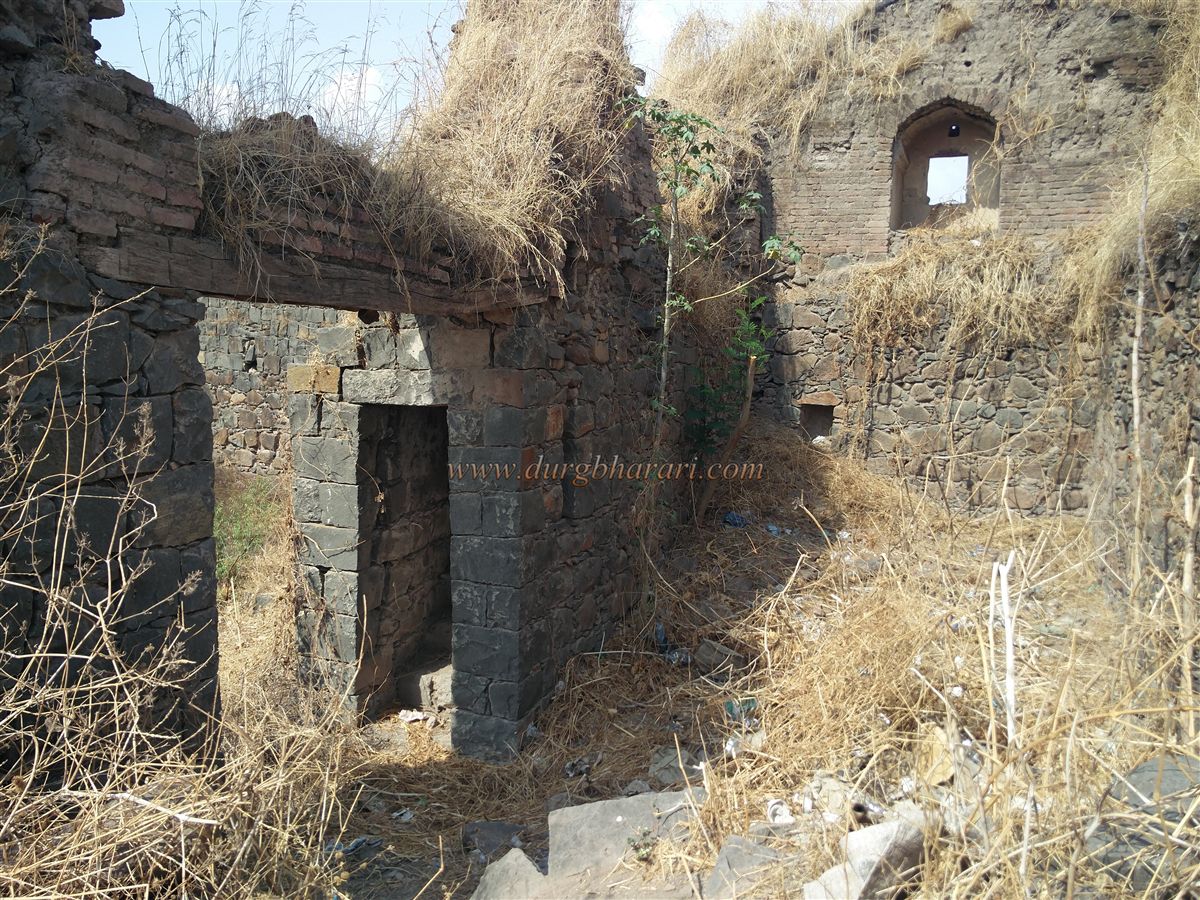
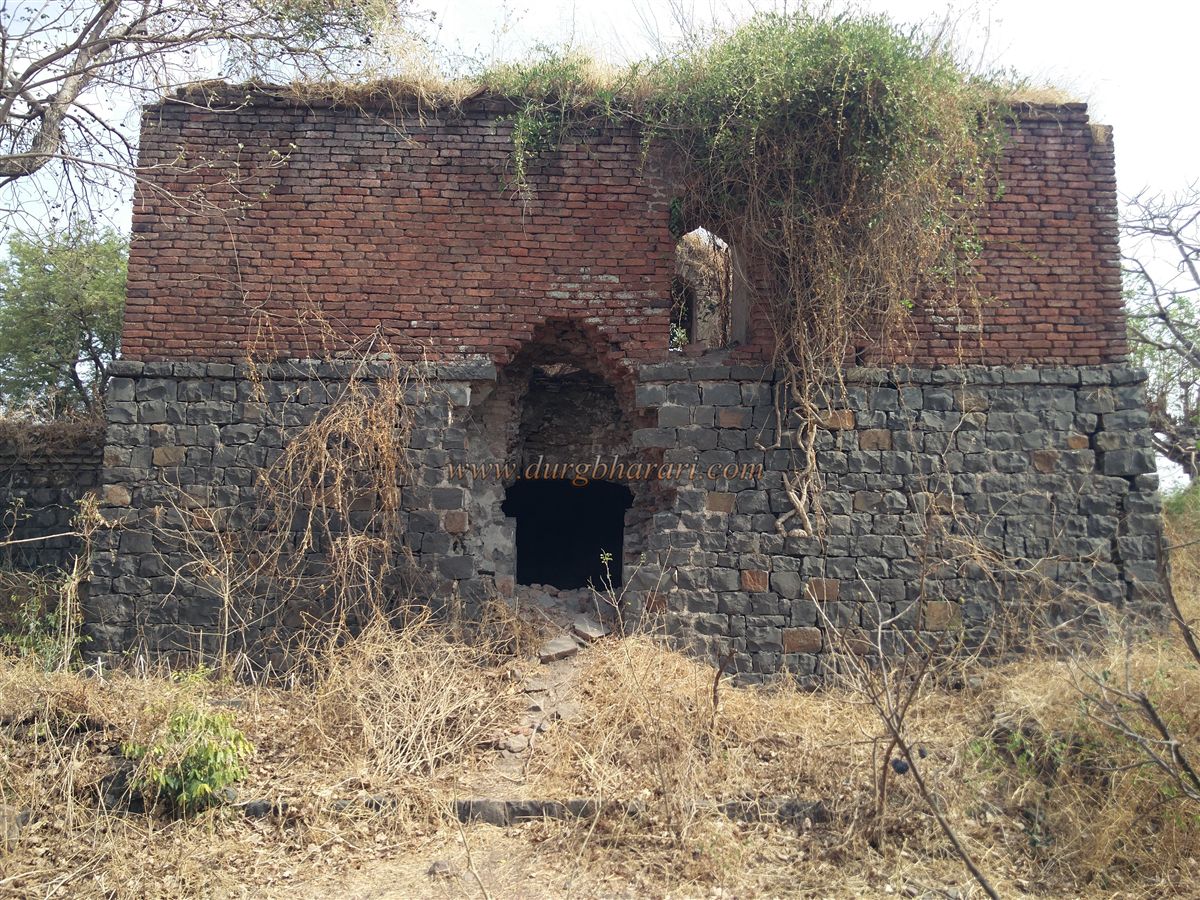
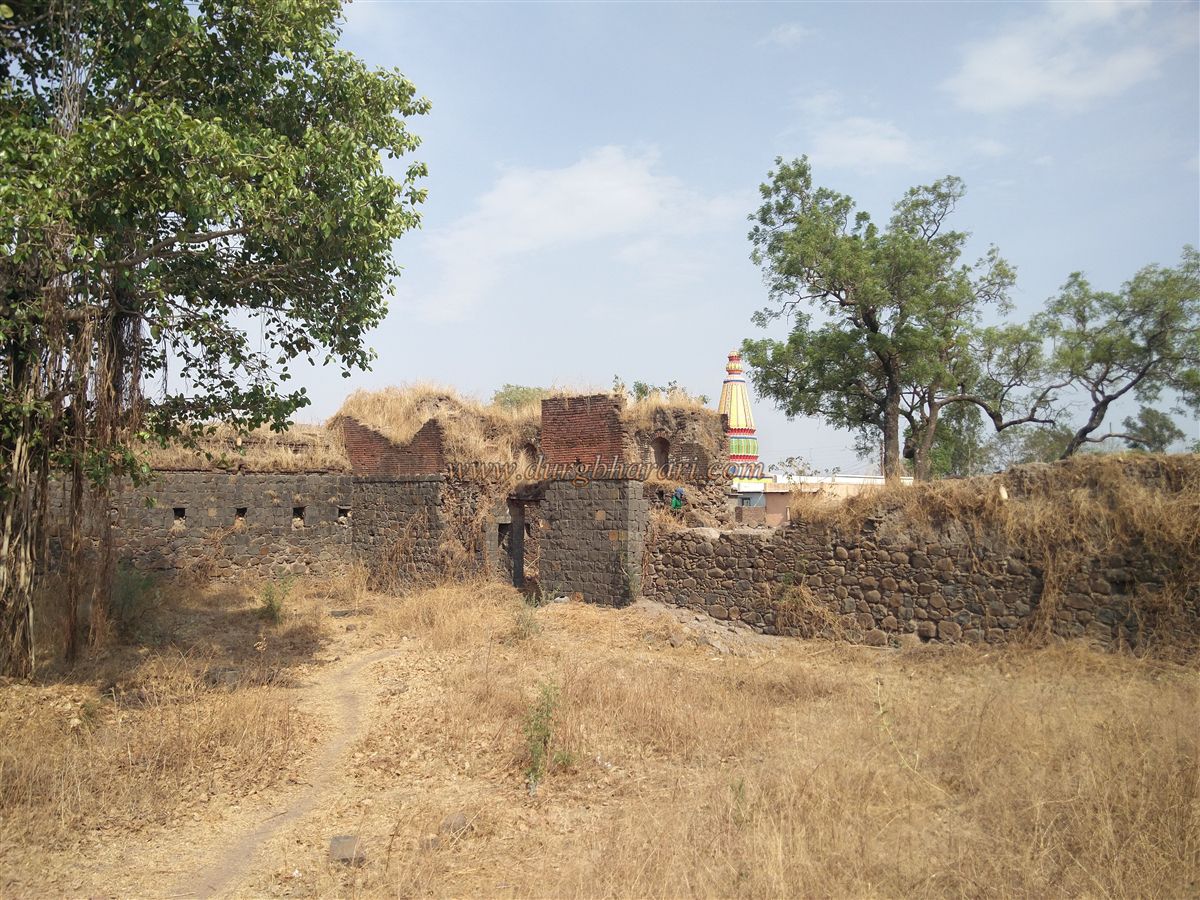
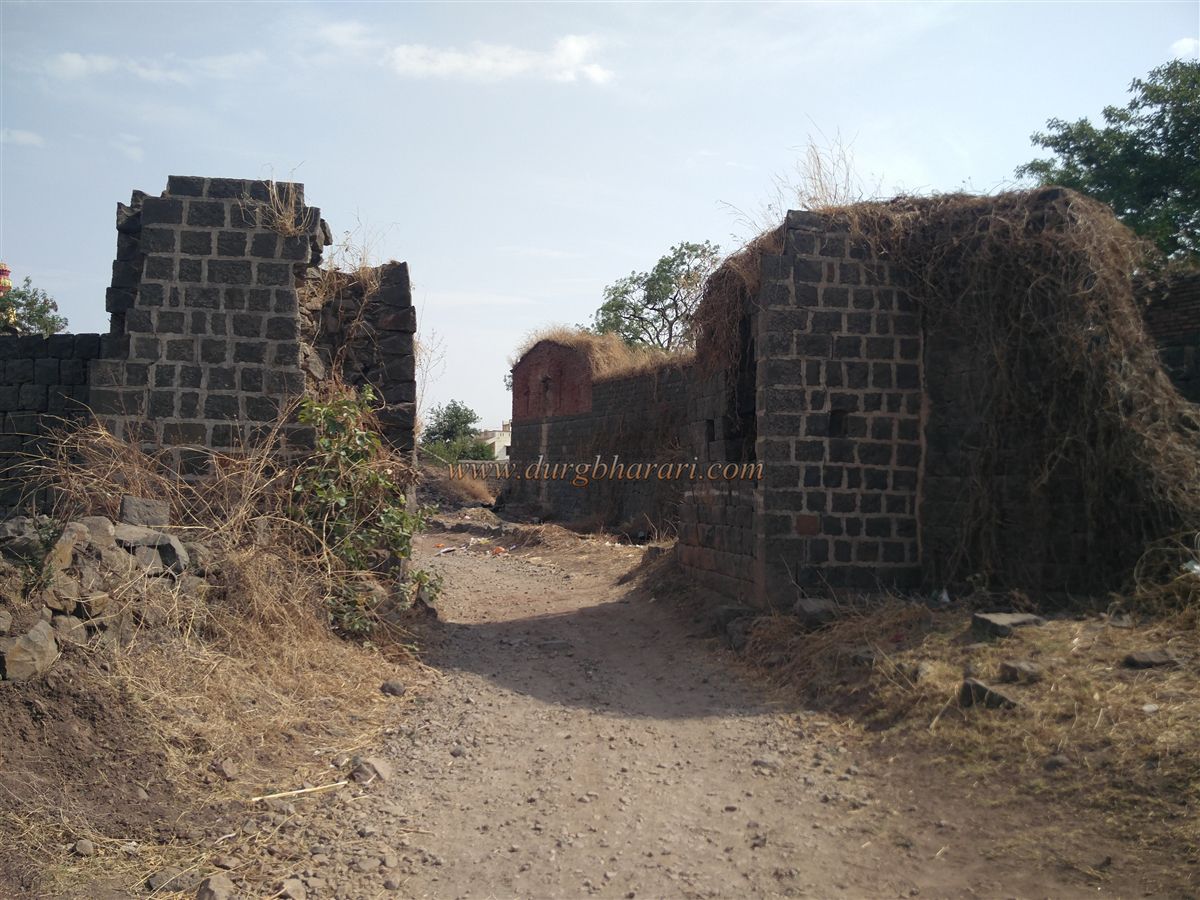
This east–west oriented fort has two entrances — one on the north and one on the west. However, the western gate has been completely destroyed, while the northern one remains partially intact. The fort, roughly rectangular in shape, covers about 1.5 acres and is divided into two sections. One section was used for storage and for important persons, while the other was used for daily activities.
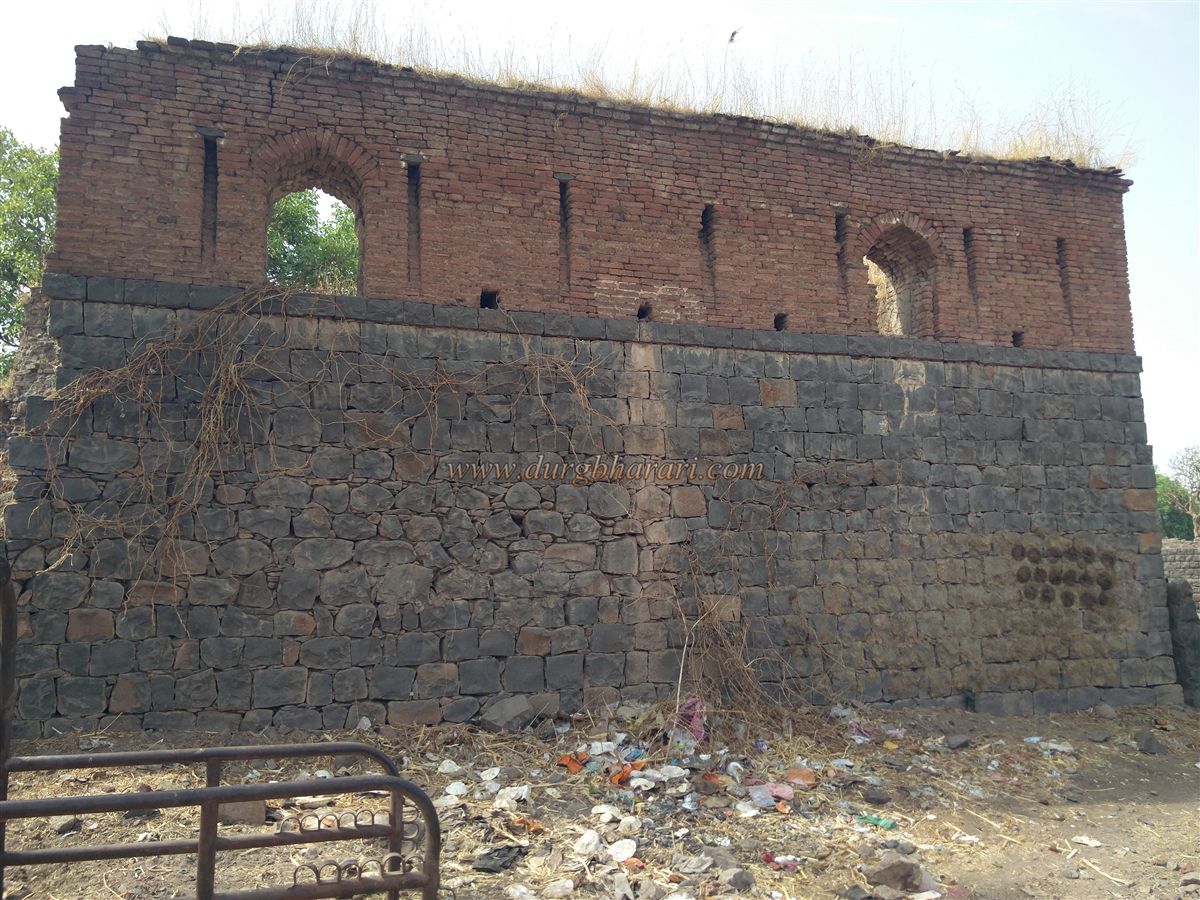
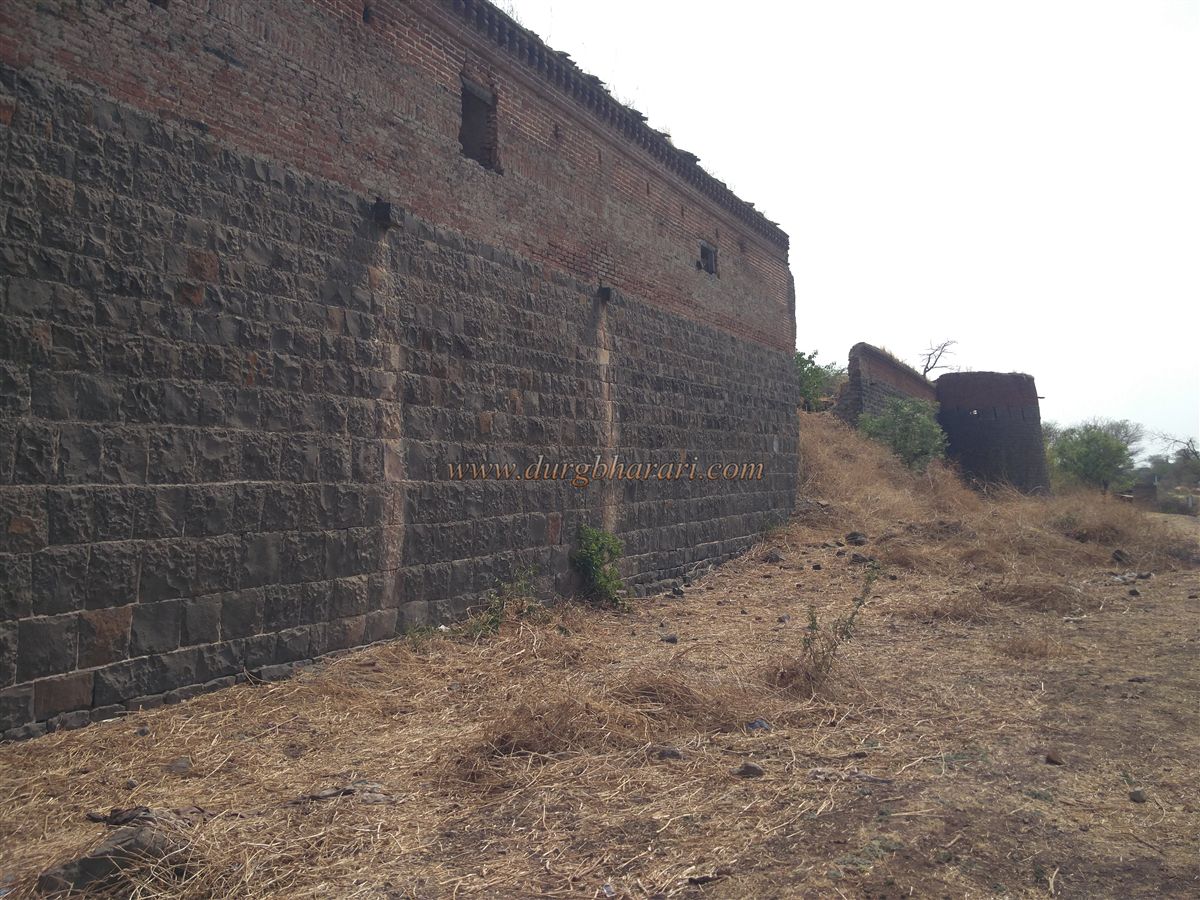
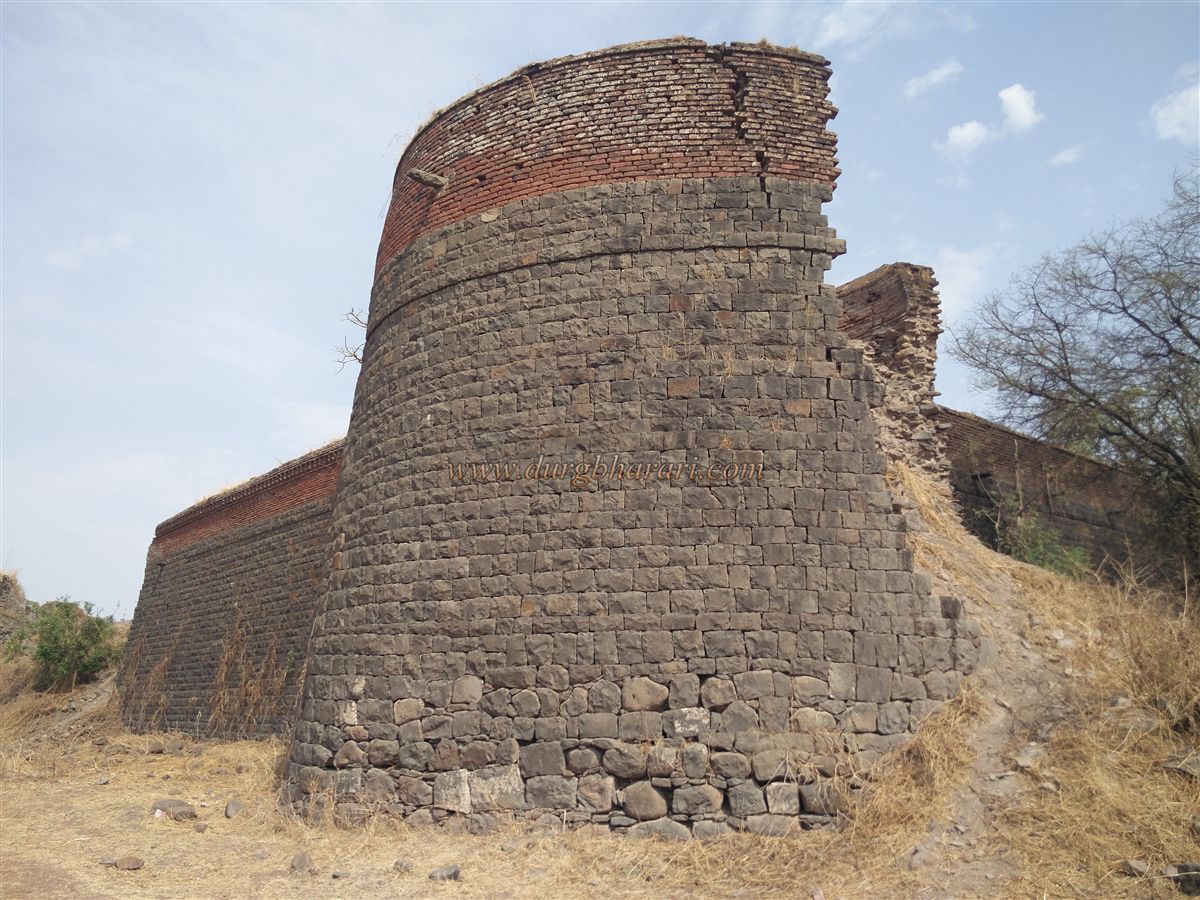
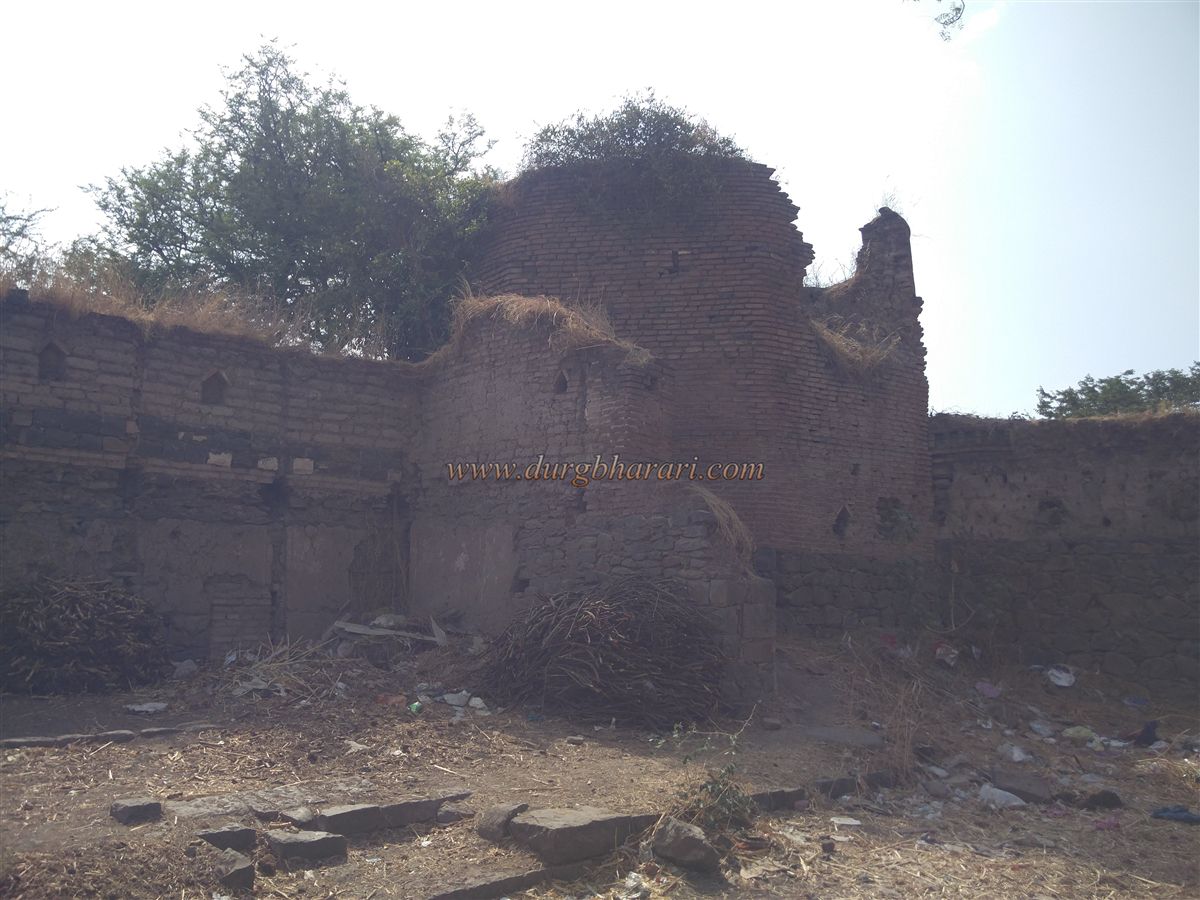
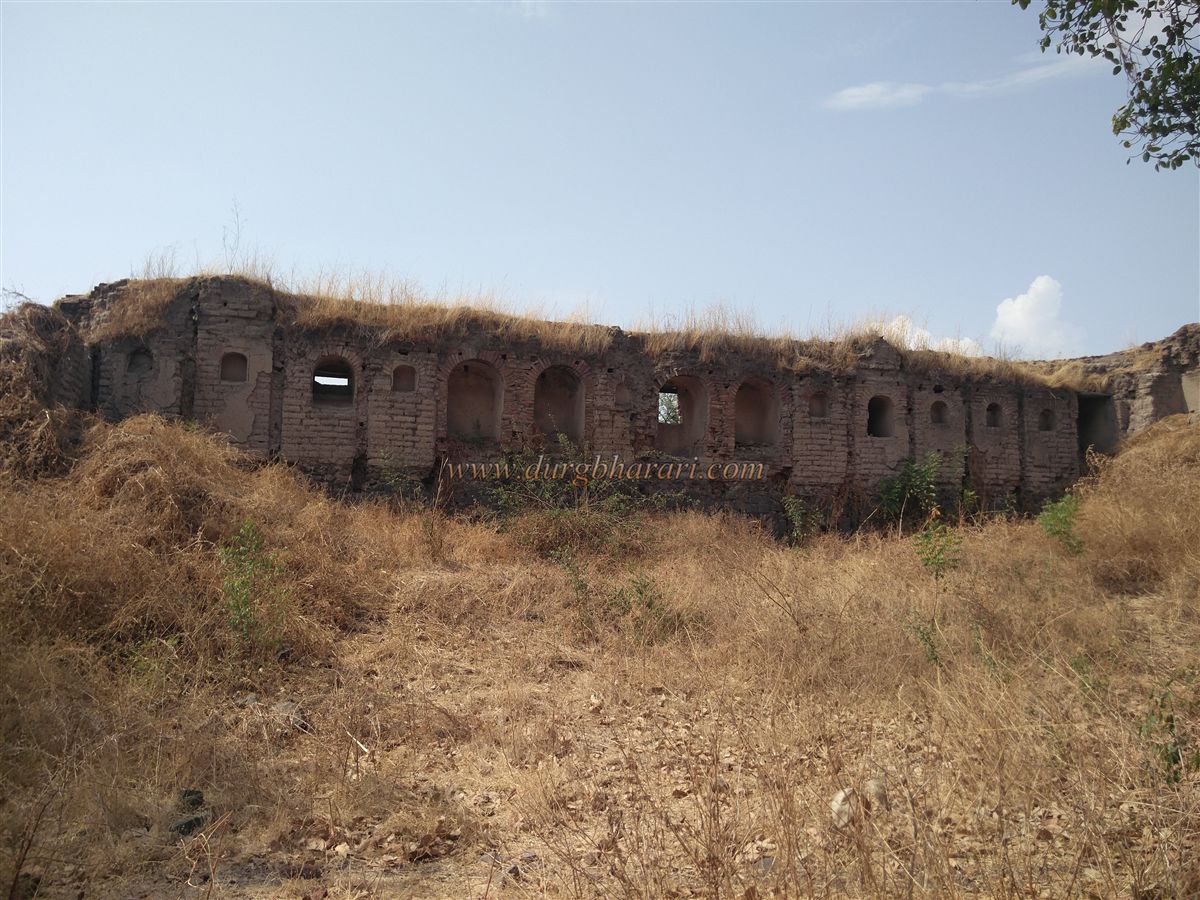
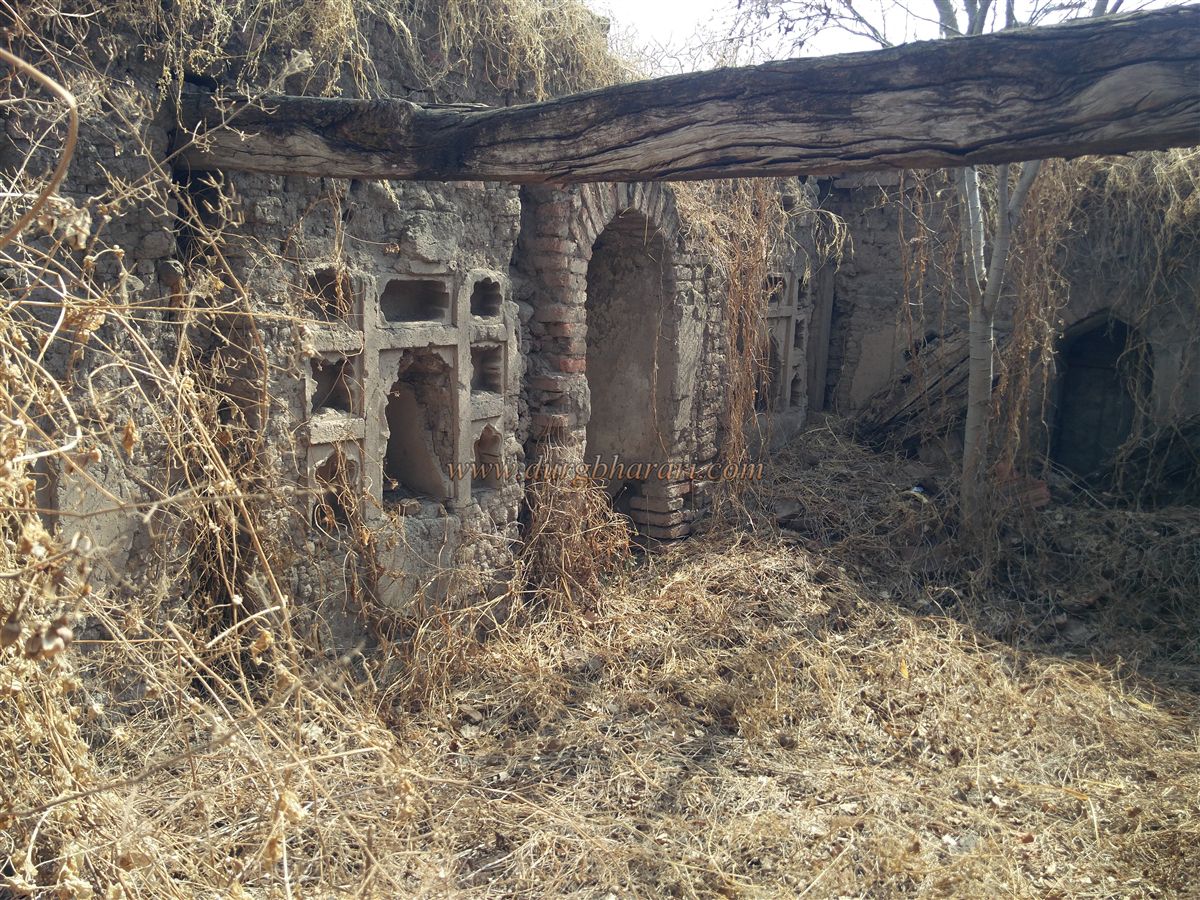
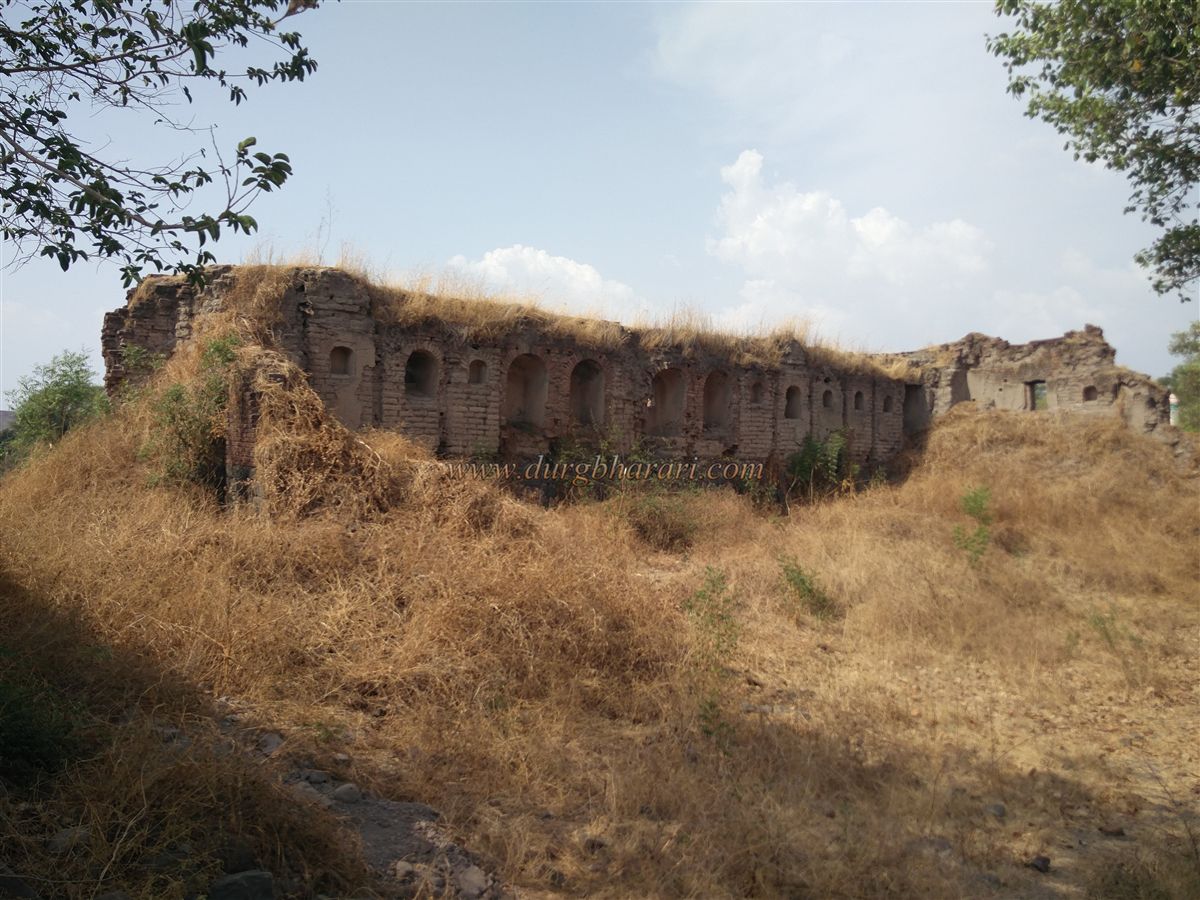
The ramparts are around 20 feet high, with four bastions, now in a dilapidated state, still standing. Three round bastions are on the outer wall, and one hexagonal bastion is in the inner section. The lower part of the walls and bastions is built with dressed stone, while the upper part (parapet) is made of brick. Several stone water spouts (panhali) can be seen along the ramparts to drain rainwater. Some rooms are built into the parapets, with arches and jharokha-style openings in places.
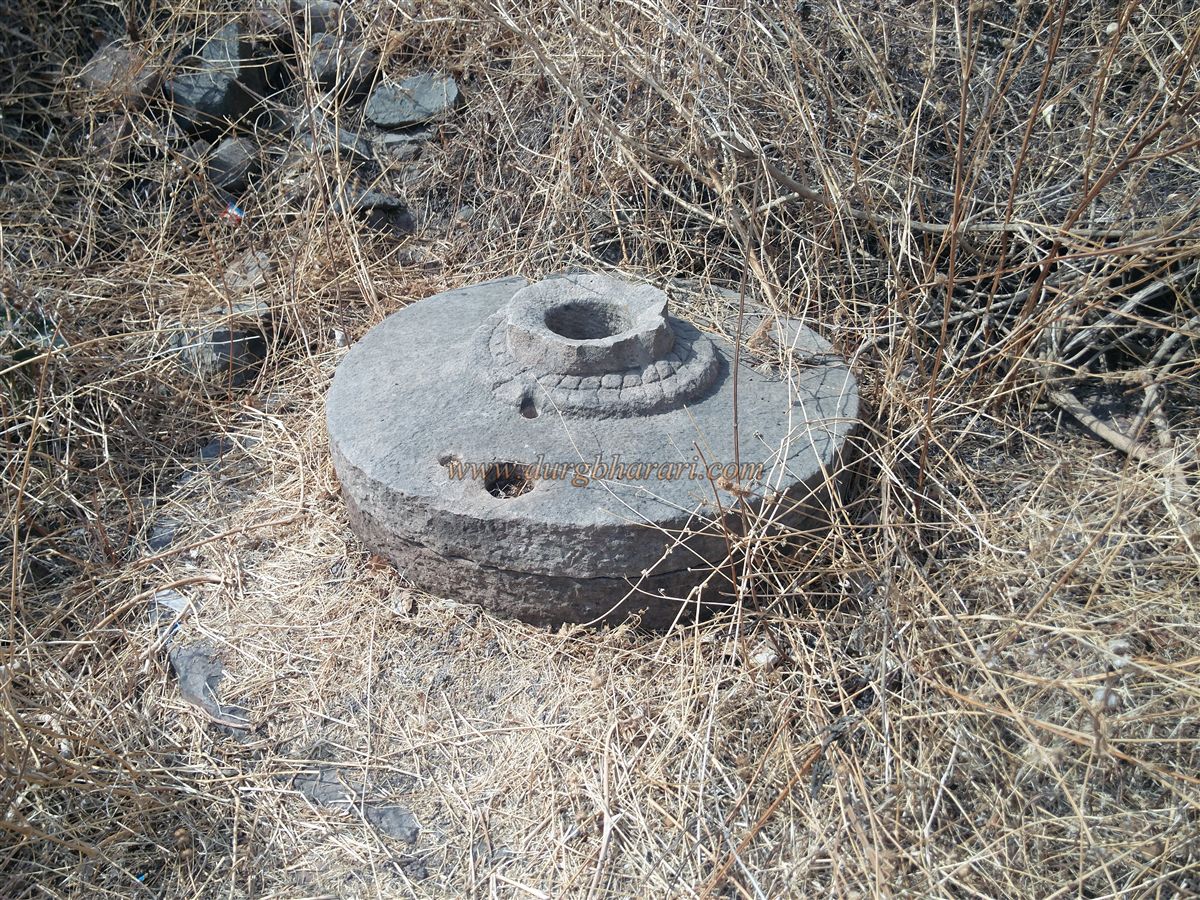
In the first section, the gate’s wall has a staircase leading up to the parapet and higher areas. Inside the fort, thick vegetation now covers the ground, but several old stone artefacts from daily life — such as water troughs, grinding stones, and pounding slabs — can still be seen. Climbing the hexagonal bastion in the first section offers a full view of the entire fort and the surrounding landscape.
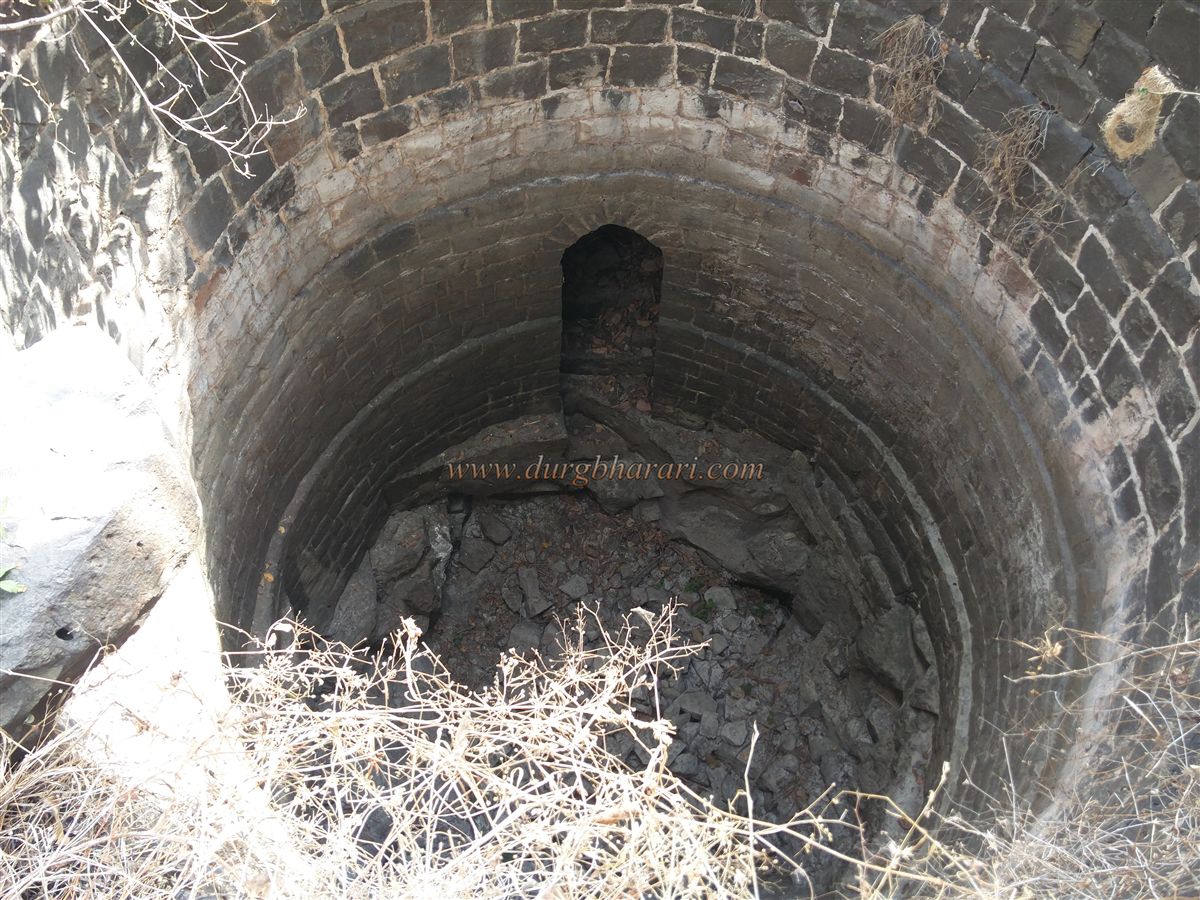
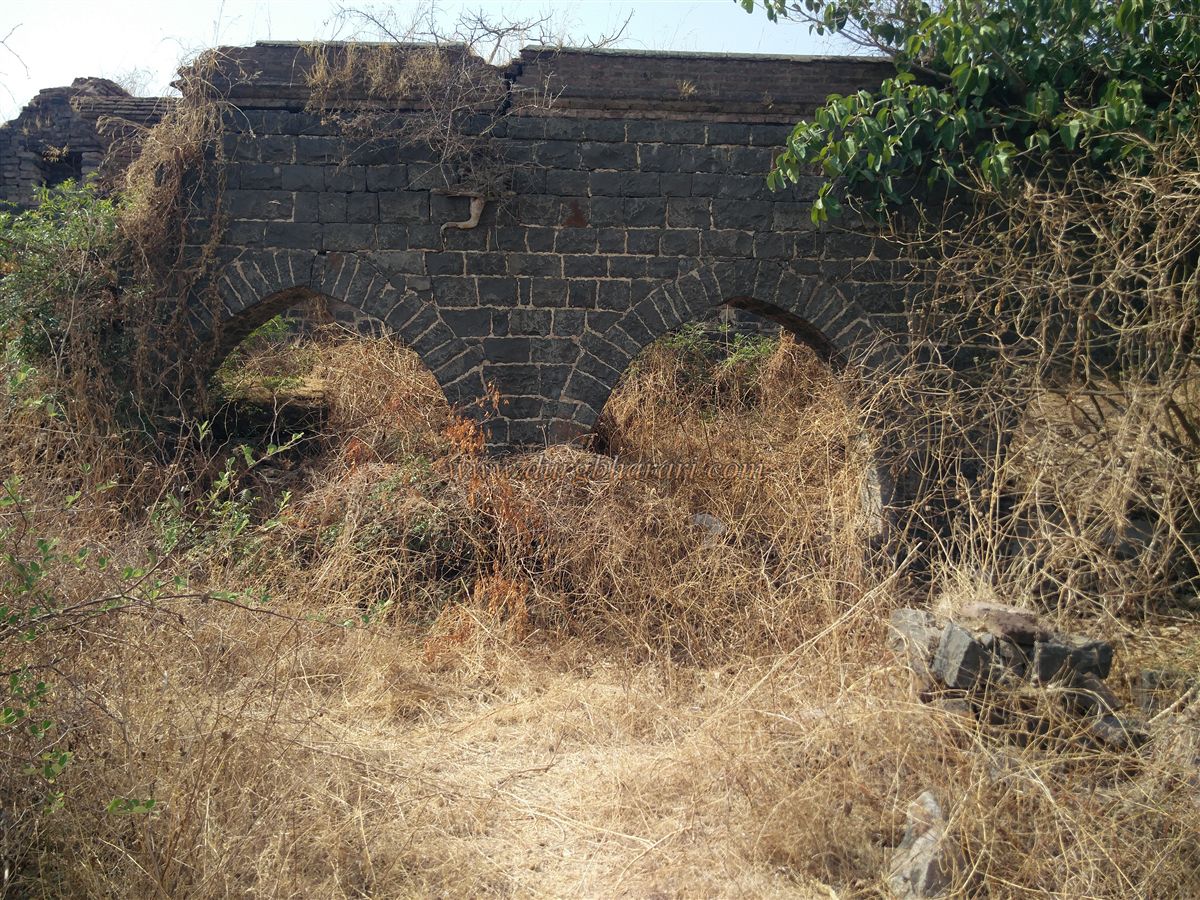
The second section contains some stone arches and is said to have once housed horse stables. Here, there is a beautifully built stone well, with an arched doorway at its base. Steps near the well lead down to this doorway. This area also has a plinth of what was once a large building, and a well-preserved two-storey storehouse with an internal staircase leading to the upper floor.
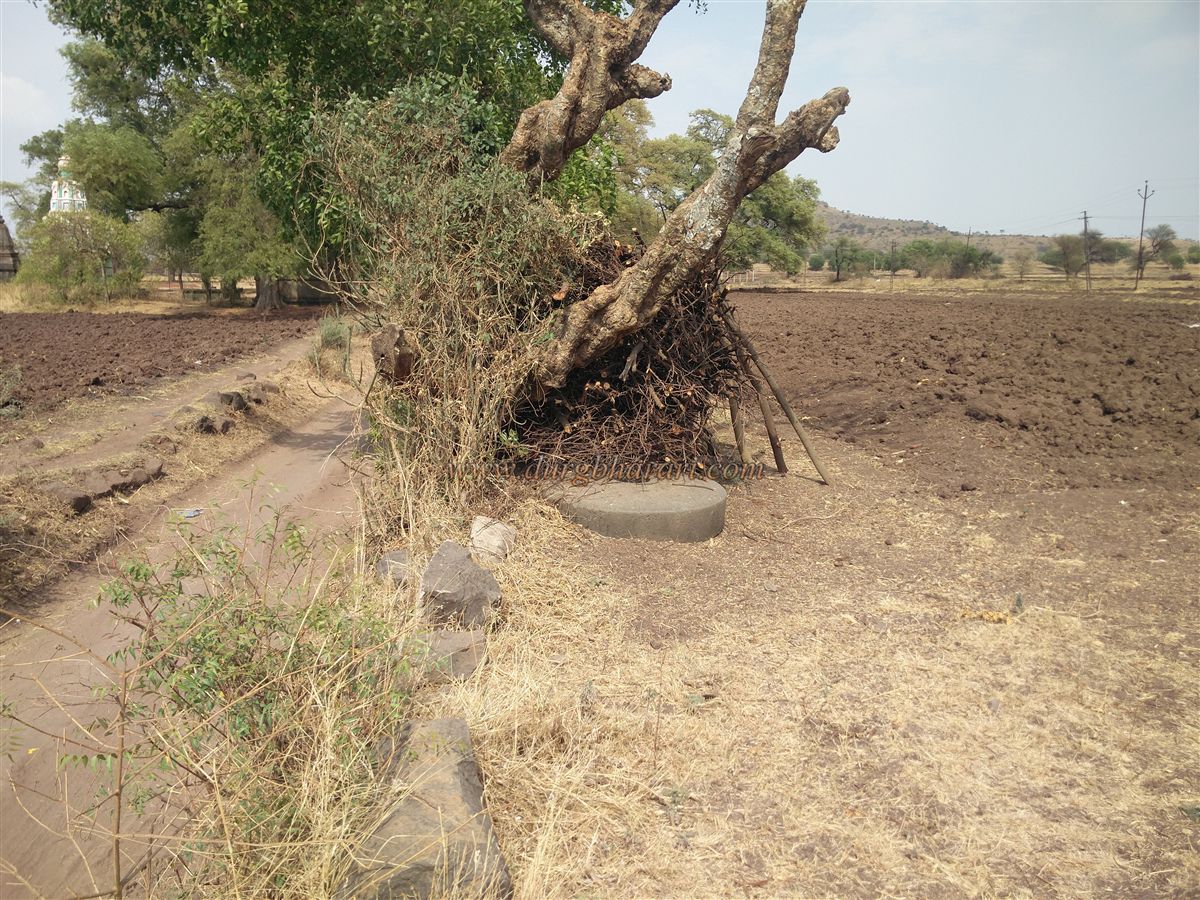
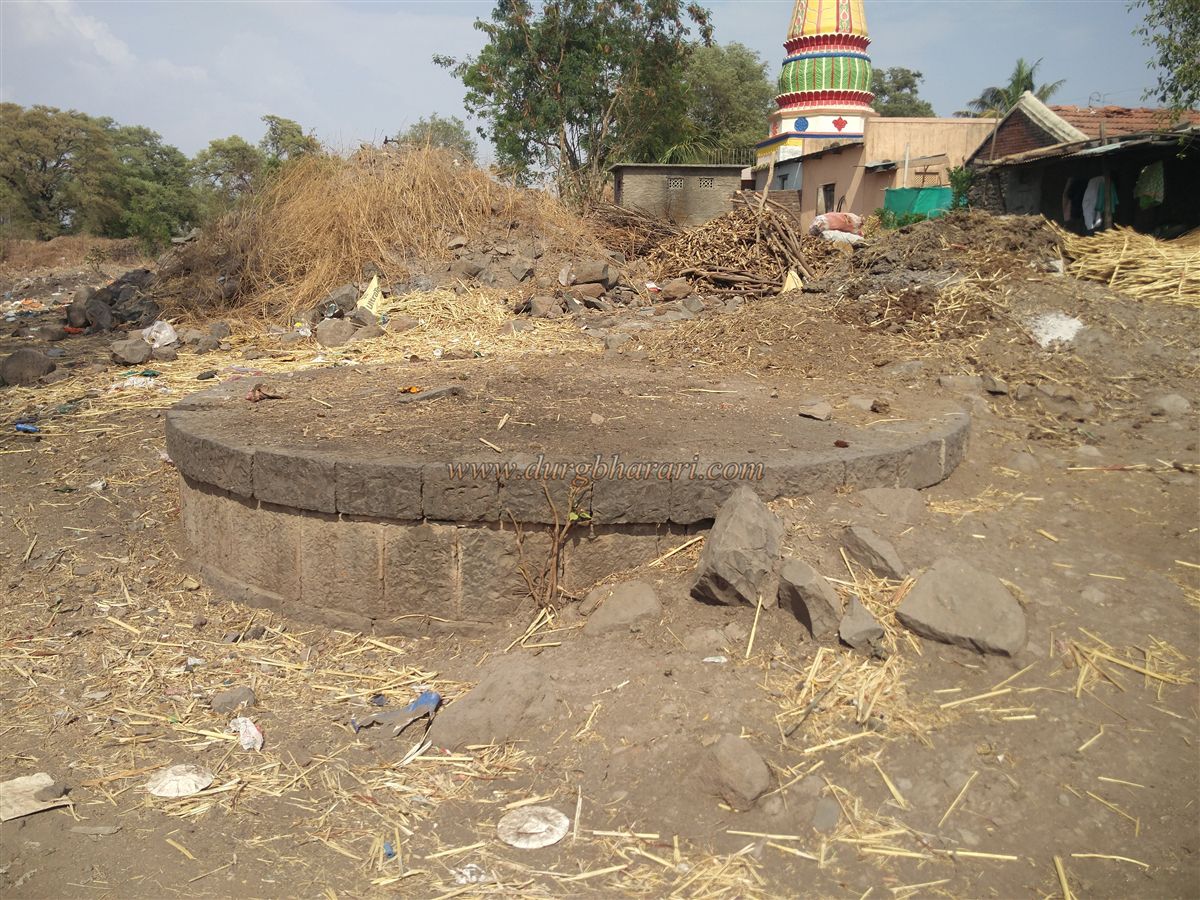
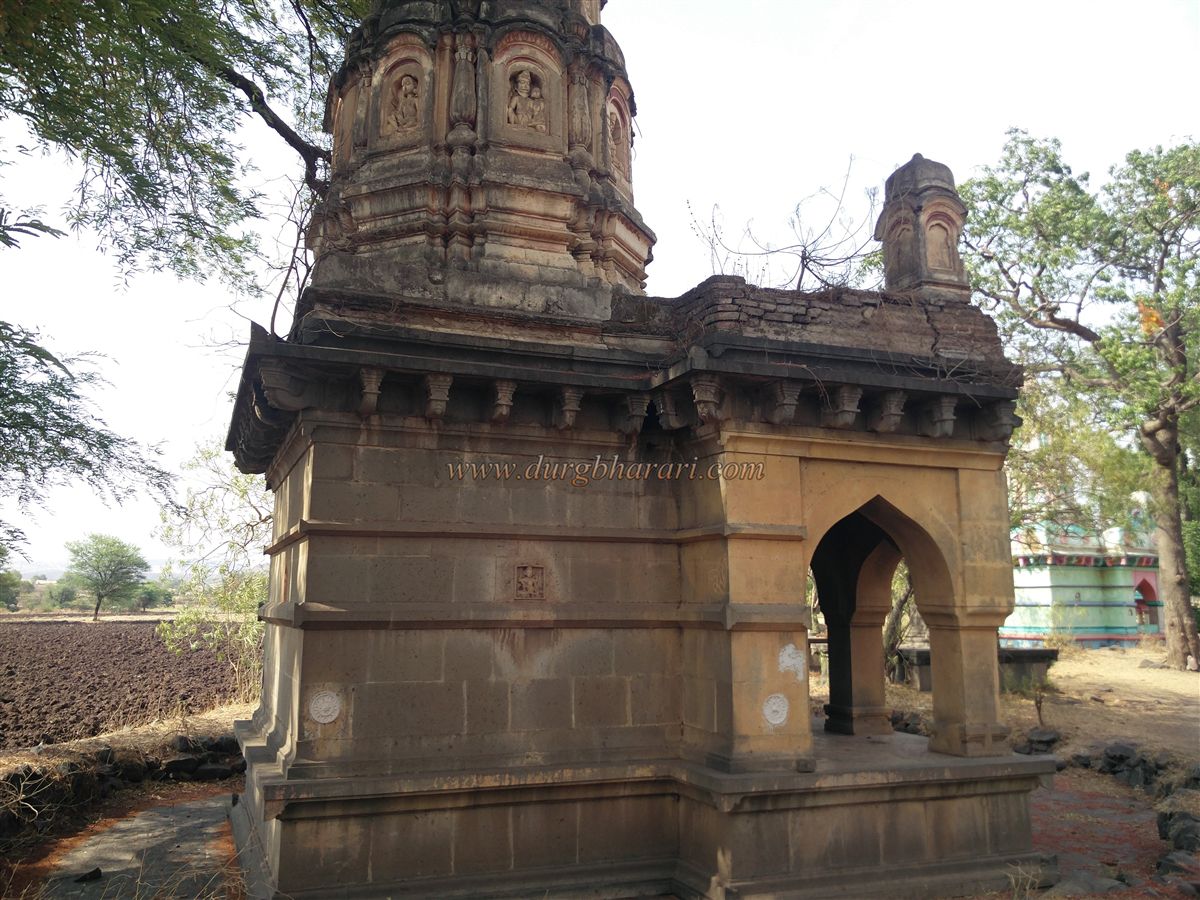
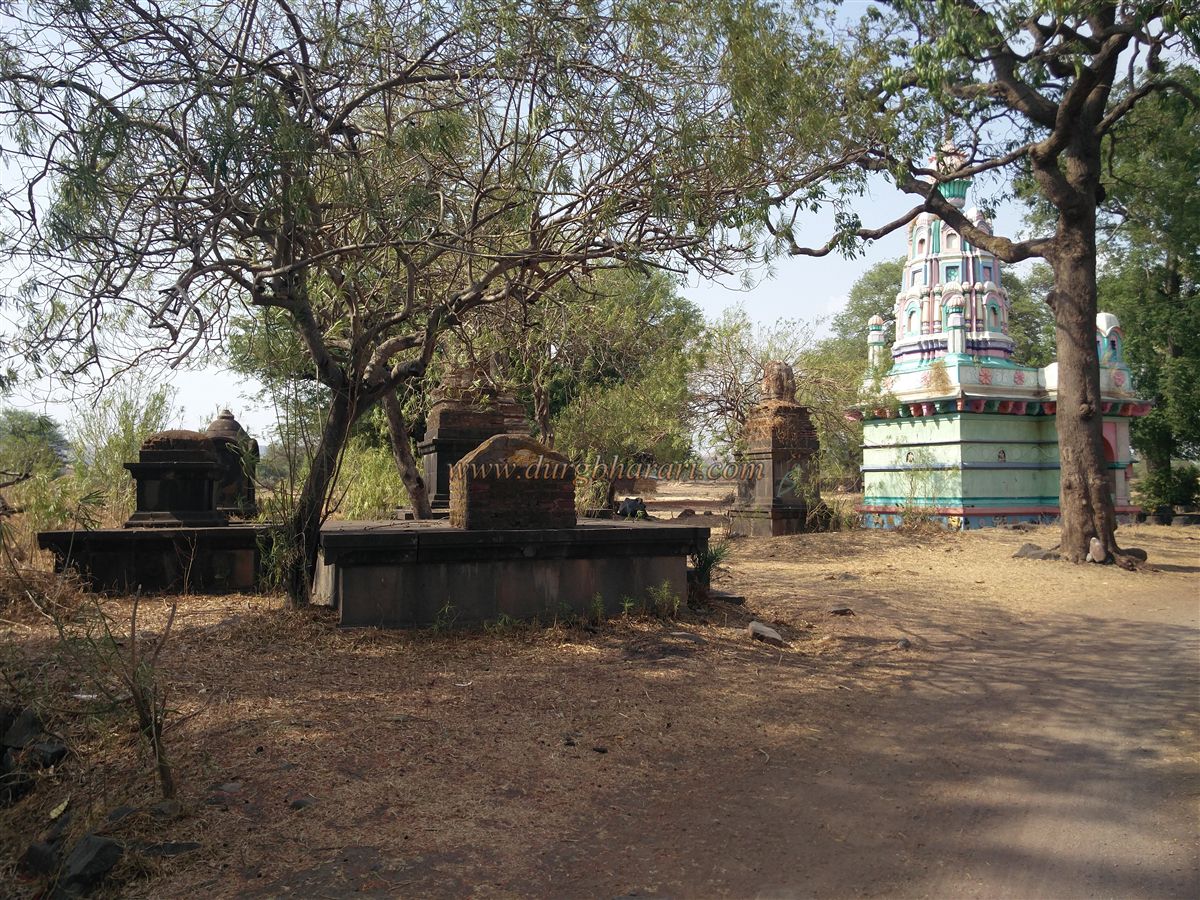
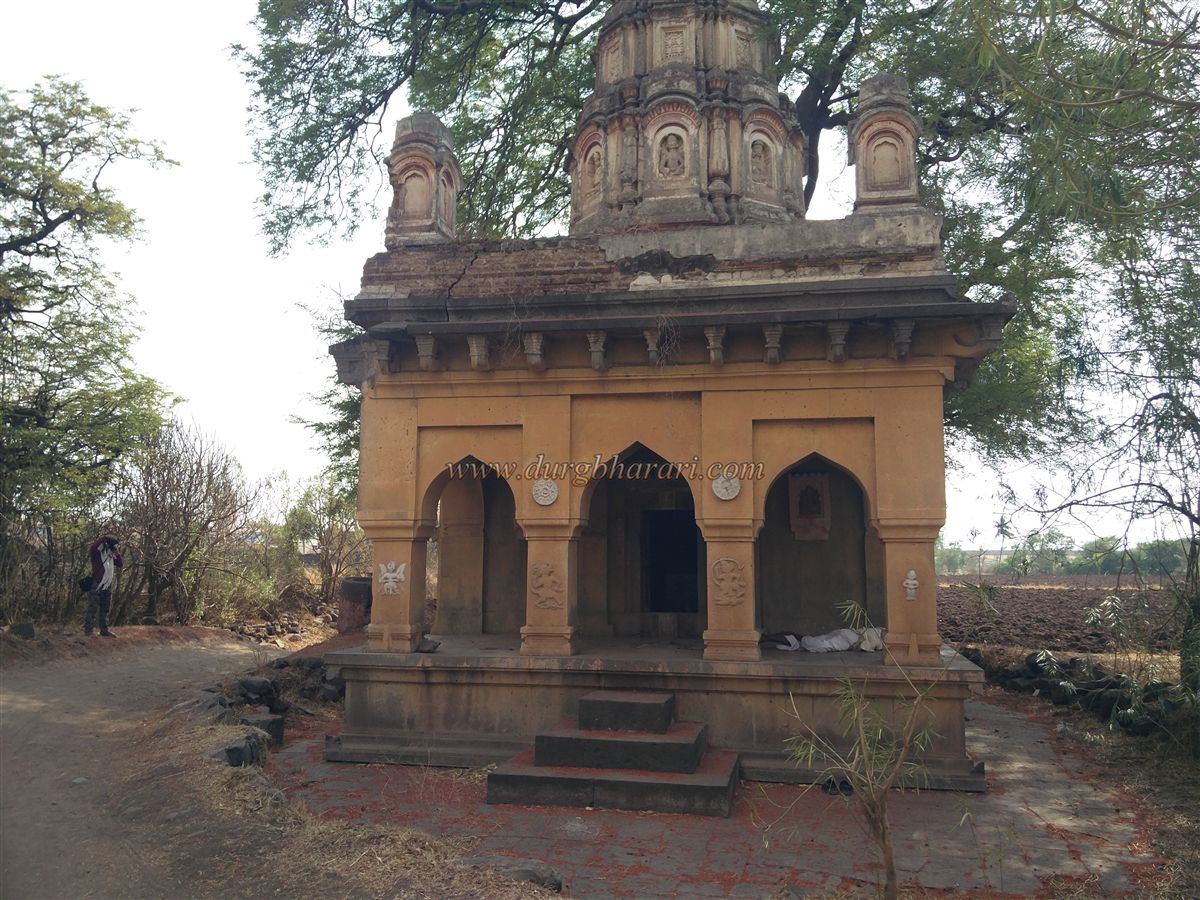
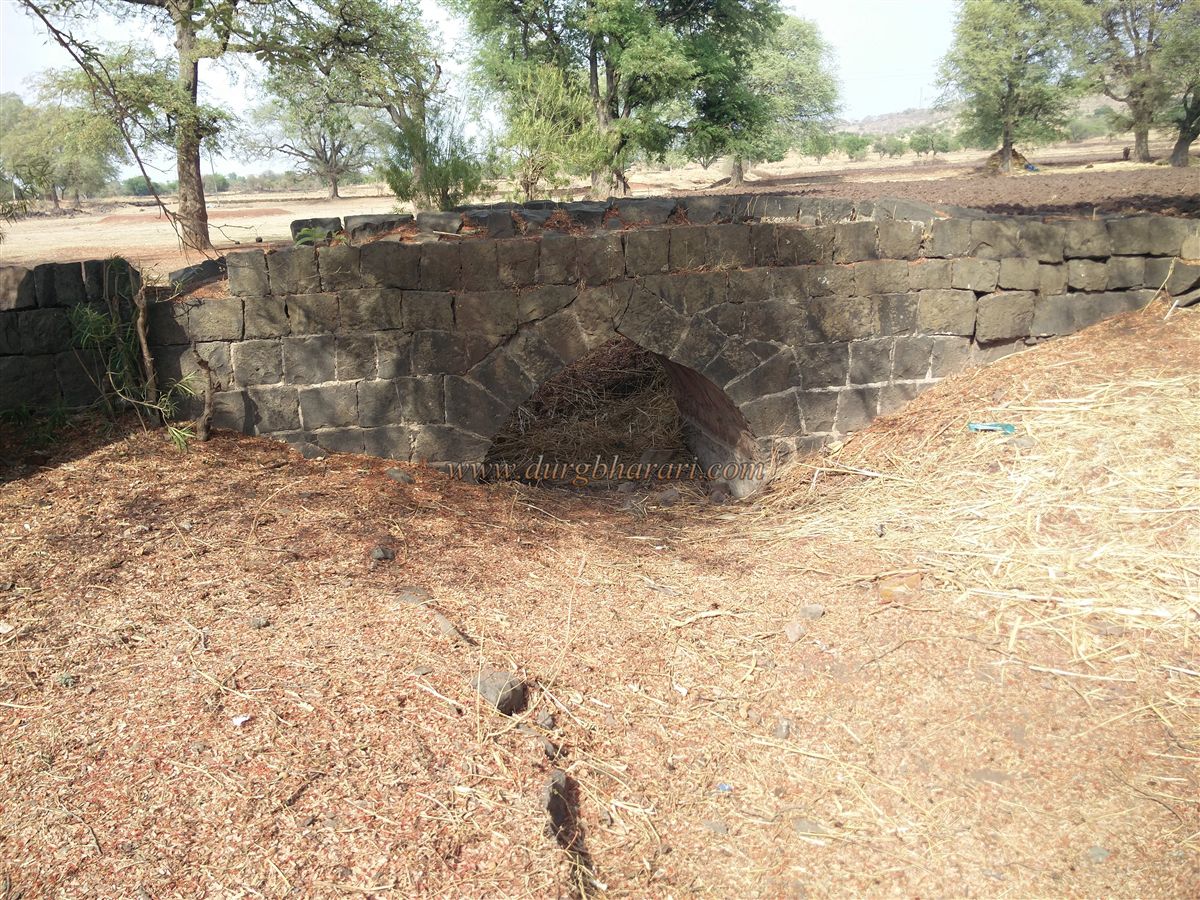
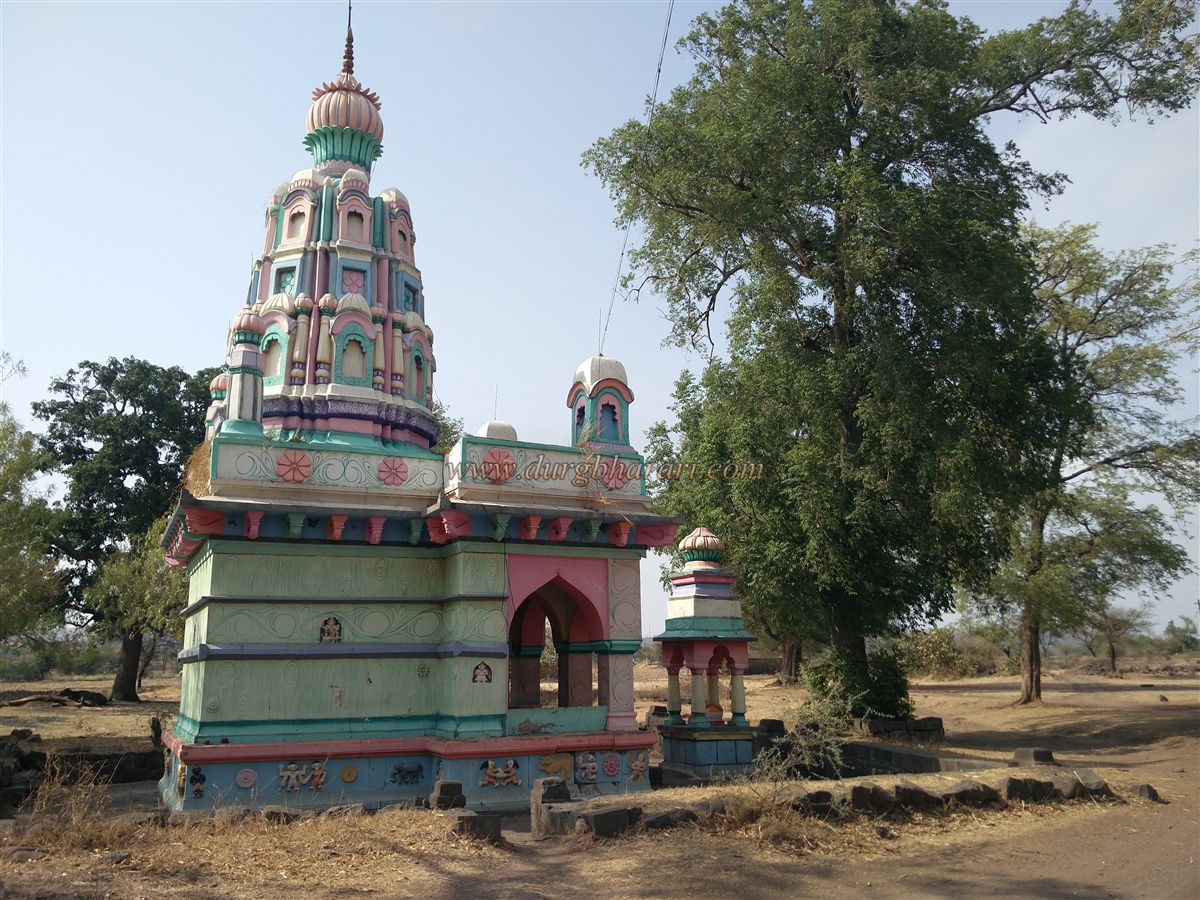
Not far from the fort lies a garden with two stone temples, several memorials (samadhi) built on stone platforms, and a circular stone well with steps. Outside the garden stands a partially buried arched gateway, indicating that the garden was once enclosed by a wall. This is a peaceful and scenic spot worth visiting. On the way from the fort to the garden, one can also see an old limestone grinding pit (Ghani).
It takes about an hour to see the fort and its surroundings. This little-known structure, which has stood silently for a brief chapter in history, deserves to be visited before it fades further into obscurity.
© Suresh Nimbalkar
GALLERY