NAGARDEVLA
TYPE : NAGARKOT
DISTRICT : JALGAON
HEIGHT : 0
GRADE : EASY
In Pachora taluka of Jalgaon district, on the Jalgaon–Chalisgaon central railway line, there is Nagardeola railway station. Nagardeola village, located 70 km from Jalgaon and 35 km from Chalisgaon, lies 5 km from the railway station. Situated on the banks of the Agnavati River, this “city of temples” — as the origin of the name suggests — has a fort-like estate belonging to the descendants of the Pawar family from Dhar.
In the later Maratha period, many hereditary landholders under the Peshwas’ authority built earthen forts (Bhuikot) and fortified mansions (gadhi) in their fiefs. Most of these were private and served both as centres for collecting revenue and for self-defence. When the feudal estates were abolished, maintaining these privately-owned forts became difficult for their owners, and thus most of them have fallen into ruin.
...
The locals’ indifference towards these structures has also contributed to their decline. Since no information about this fort of Nagardeola is found on the internet or in any book, this is a small attempt to introduce this fort-like estate.
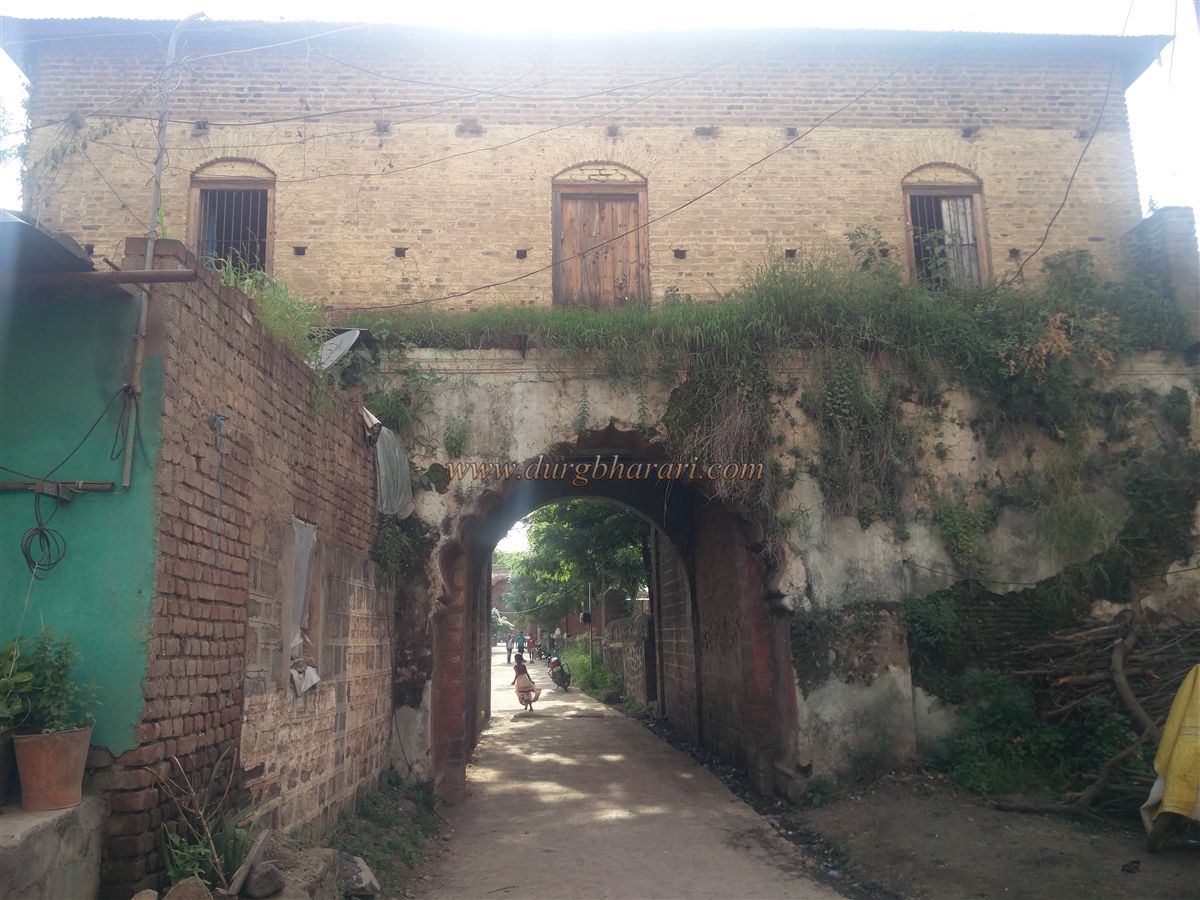
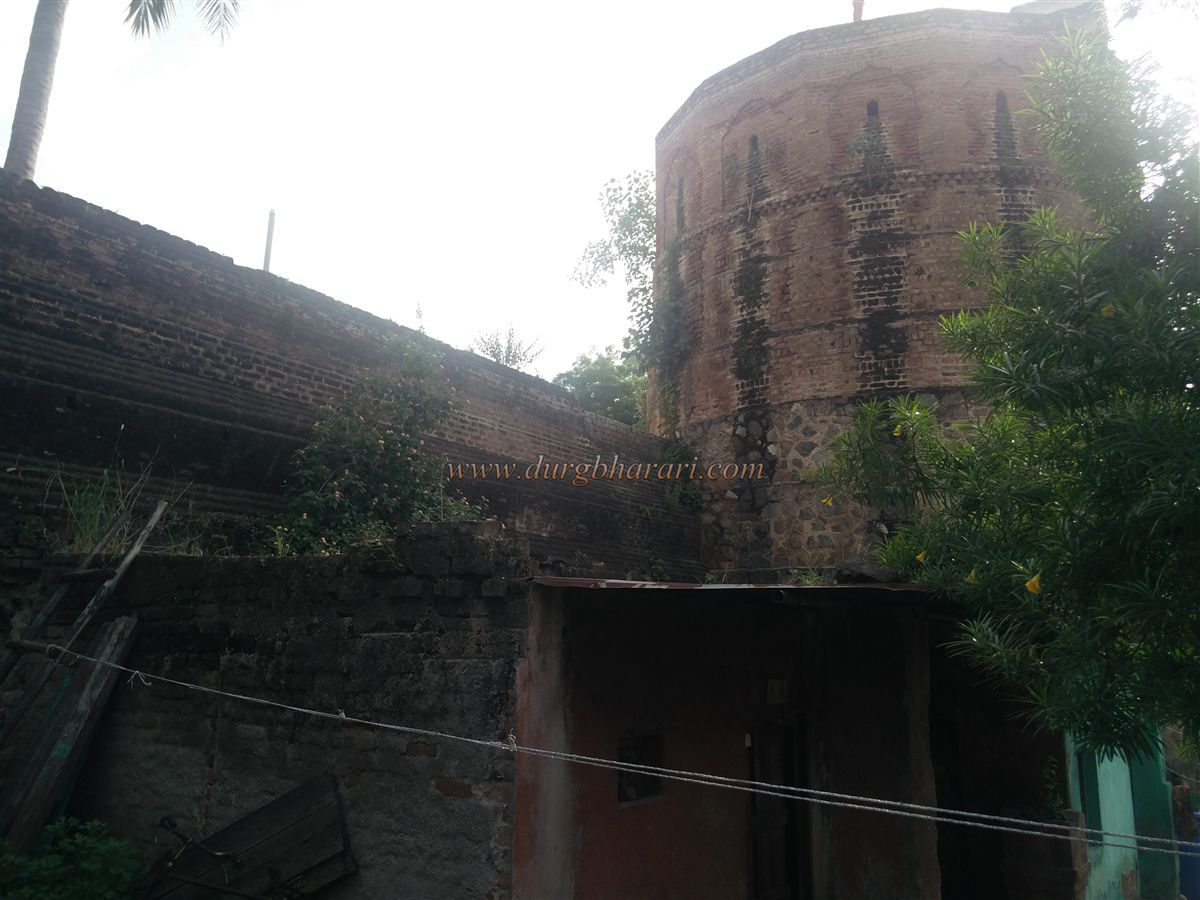
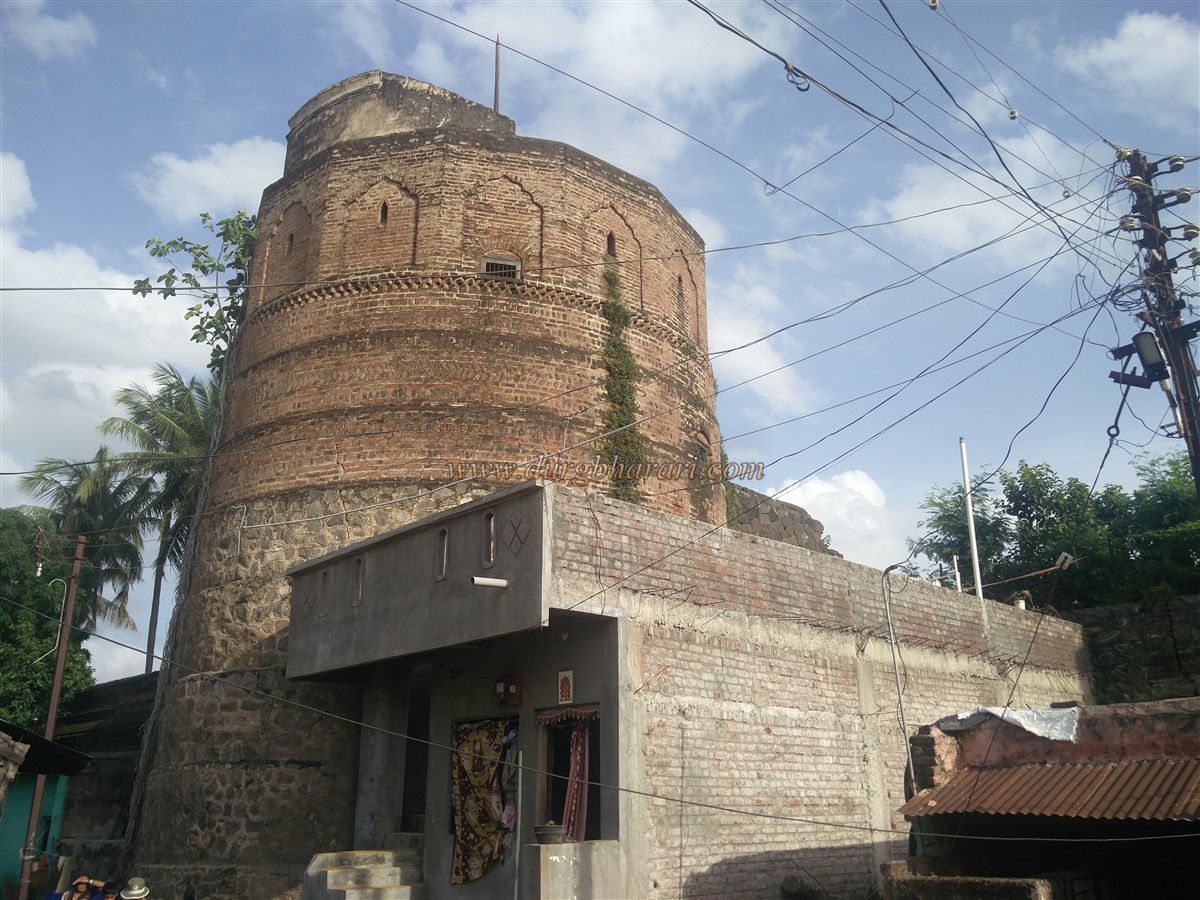
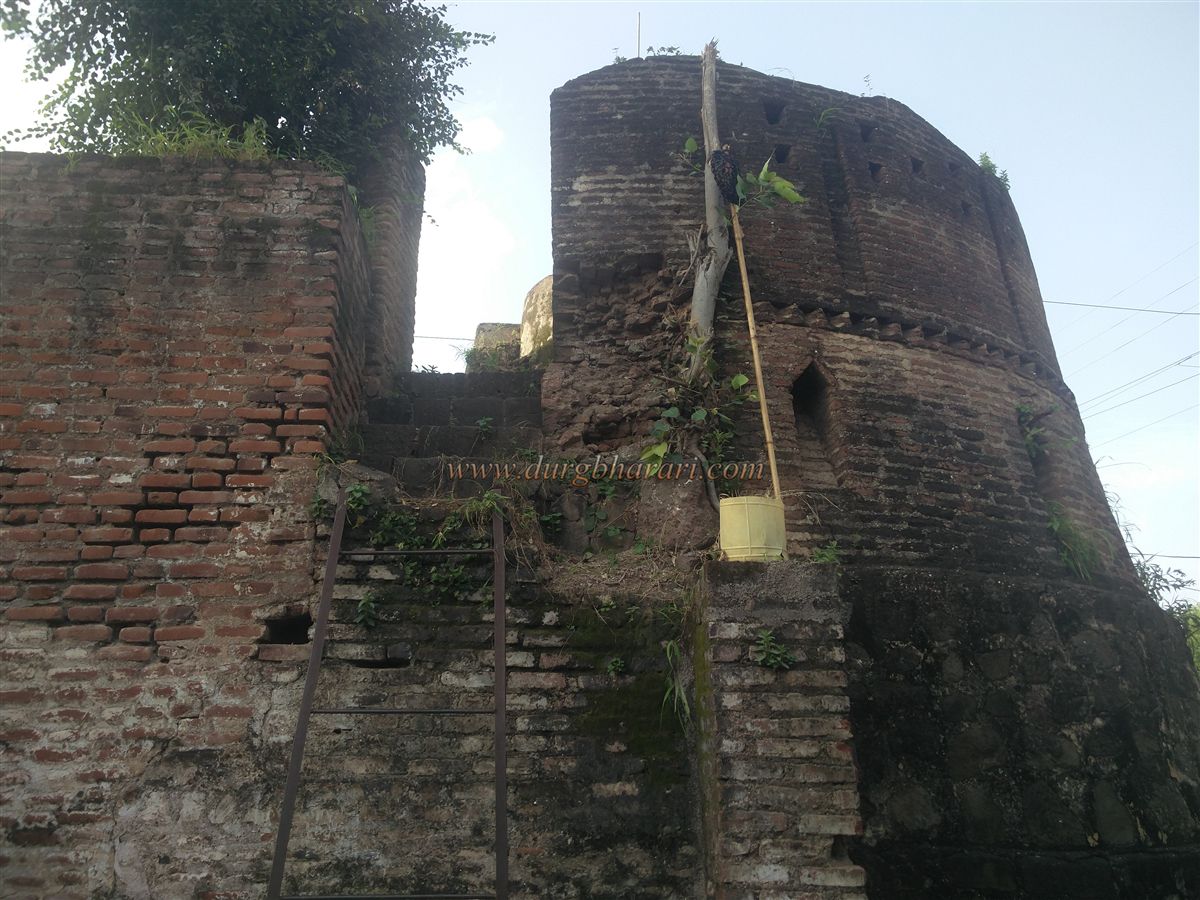
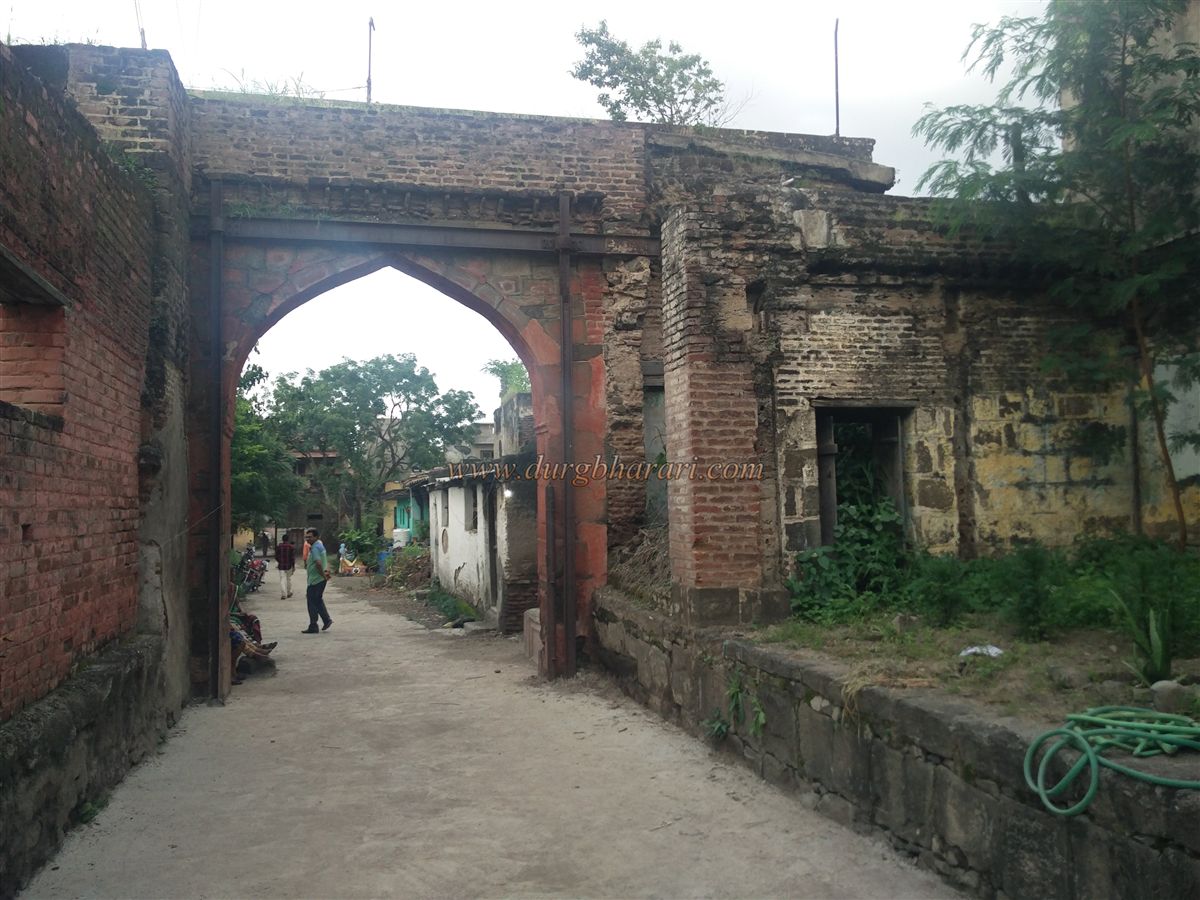
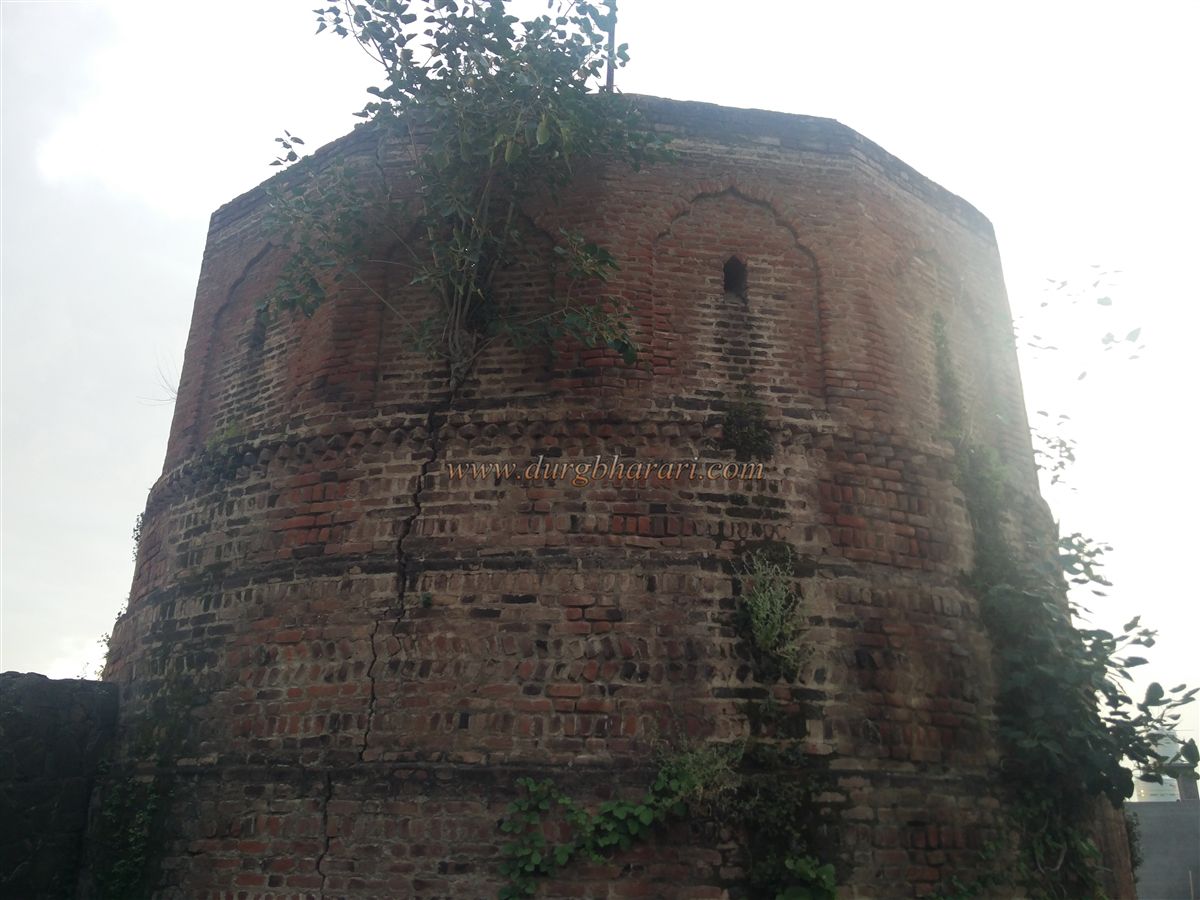
Spread over about twelve acres, the fort (Nagarkot) contains within it a three-acre fortified enclosure (gadhi-Kot), and within that stands the main Pawar mansion. The twelve-acre Nagardurg (city fort) has now been completely destroyed, and of the five bastions in its fortifications, only one — the “Fatte Buruj” — remains today. Next to Fatte Buruj still stands the main village gate, known as “Fatte Darwaza.” Apart from this, the fort once had three other gates: Ganesh Darwaza, Galan Darwaza, and Bhadgaon Darwaza.
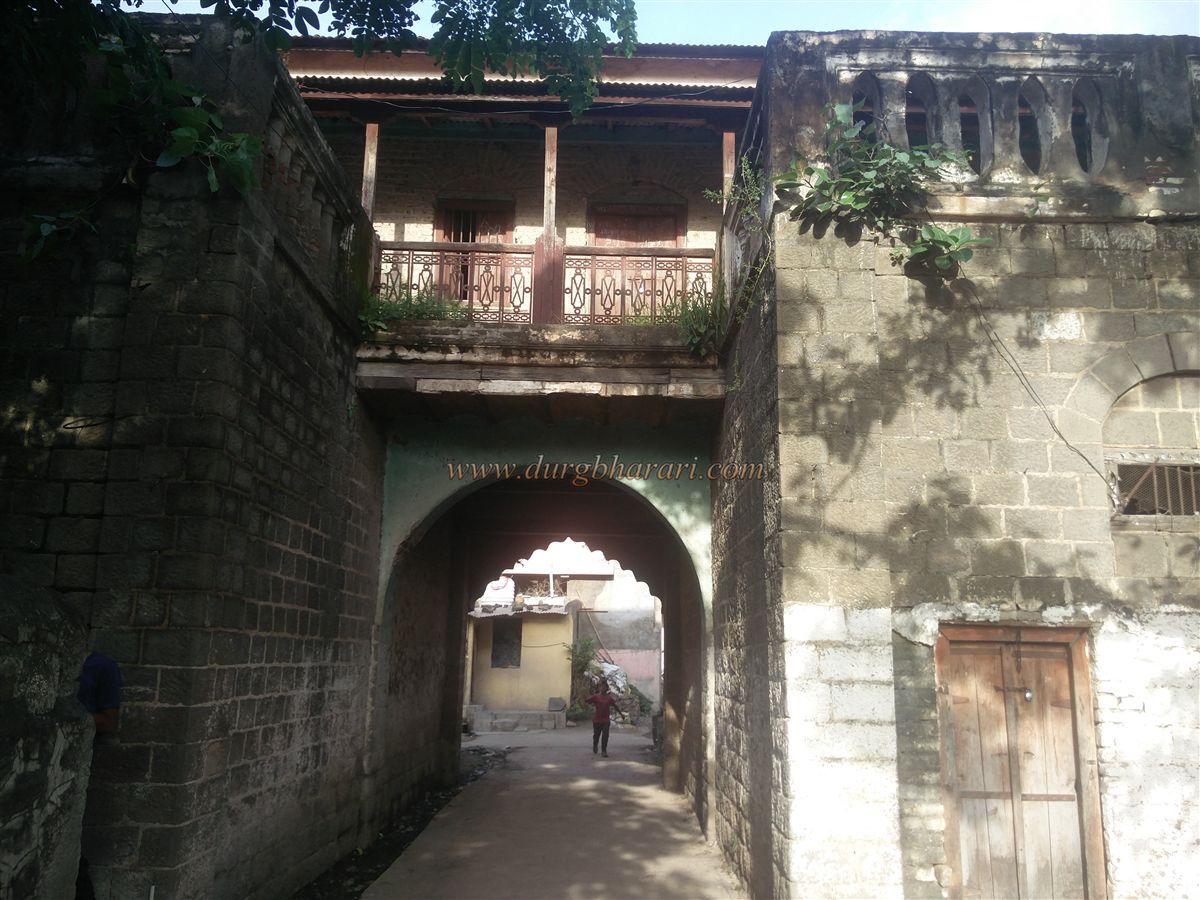
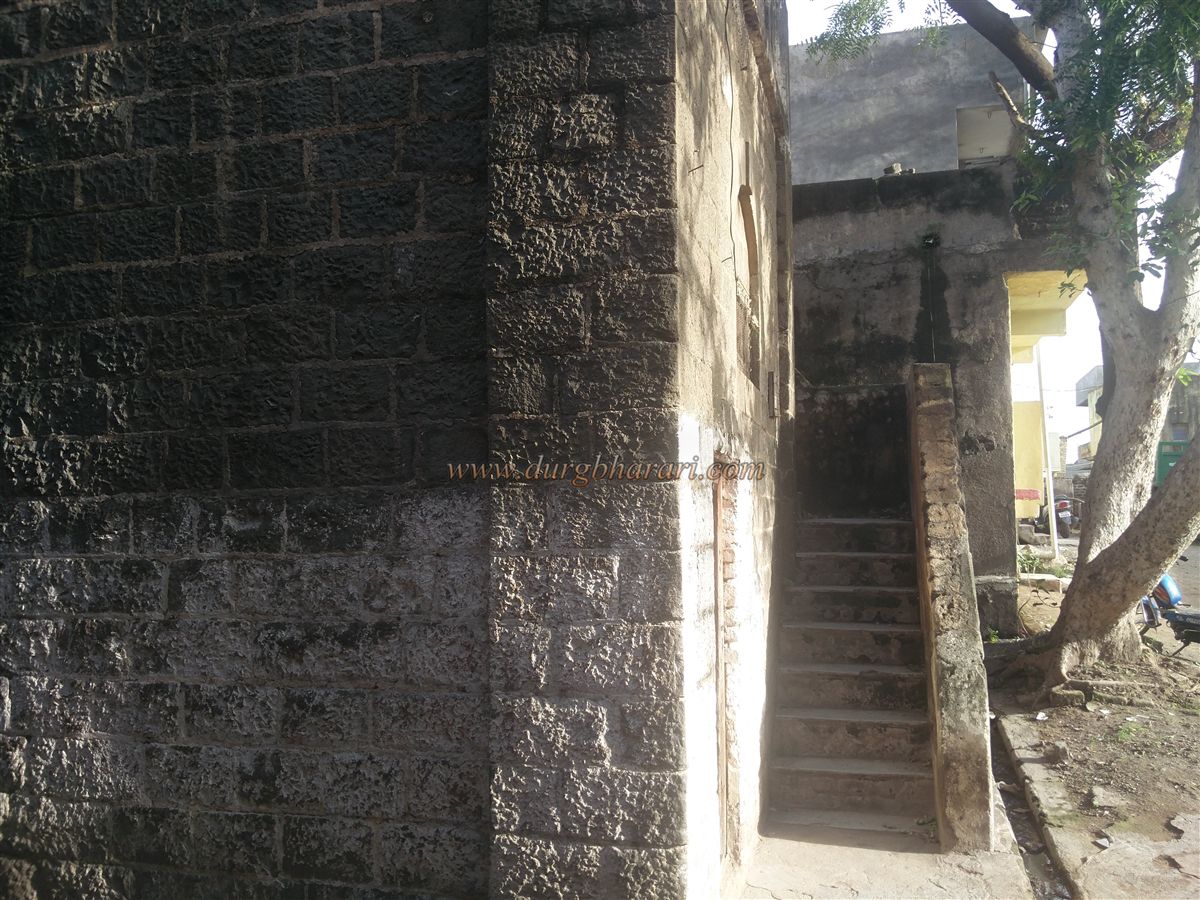
Inside Nagardurg, parts of the inner fort’s wall still remain, though the rest has been swallowed by the settlement within. The fort’s walls originally had four corner bastions and a central watchtower/flag bastion, making five in total; today, only the “Maruti Buruj” and the “Zenda Buruj” (flag bastion) survive. The fort wall is about 15 feet high, with the lower section built of black stone and the upper section in brick. The east-facing main gate still stands, with a drum house (Nagarkhana) above it and horse stables inside. Stairs on the inside of the gate lead up to the wall.
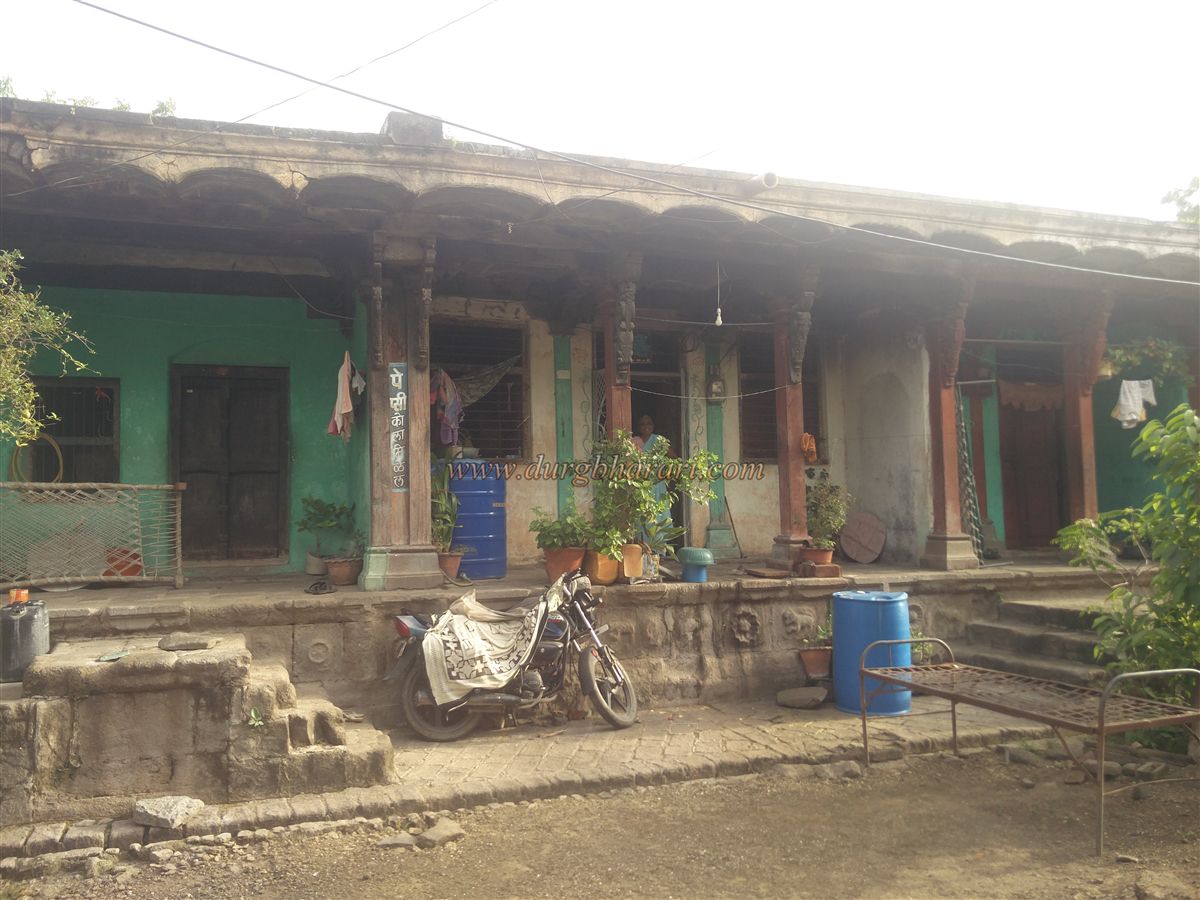
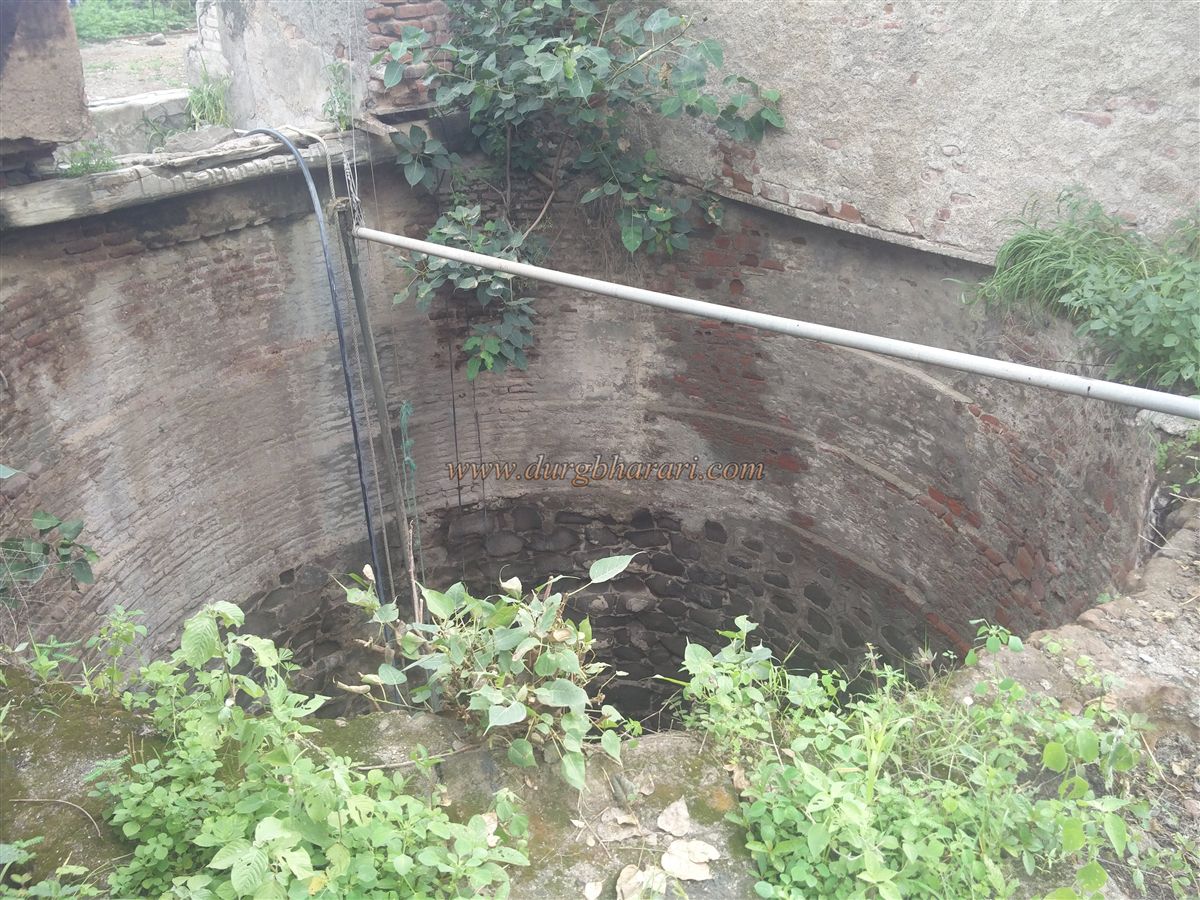
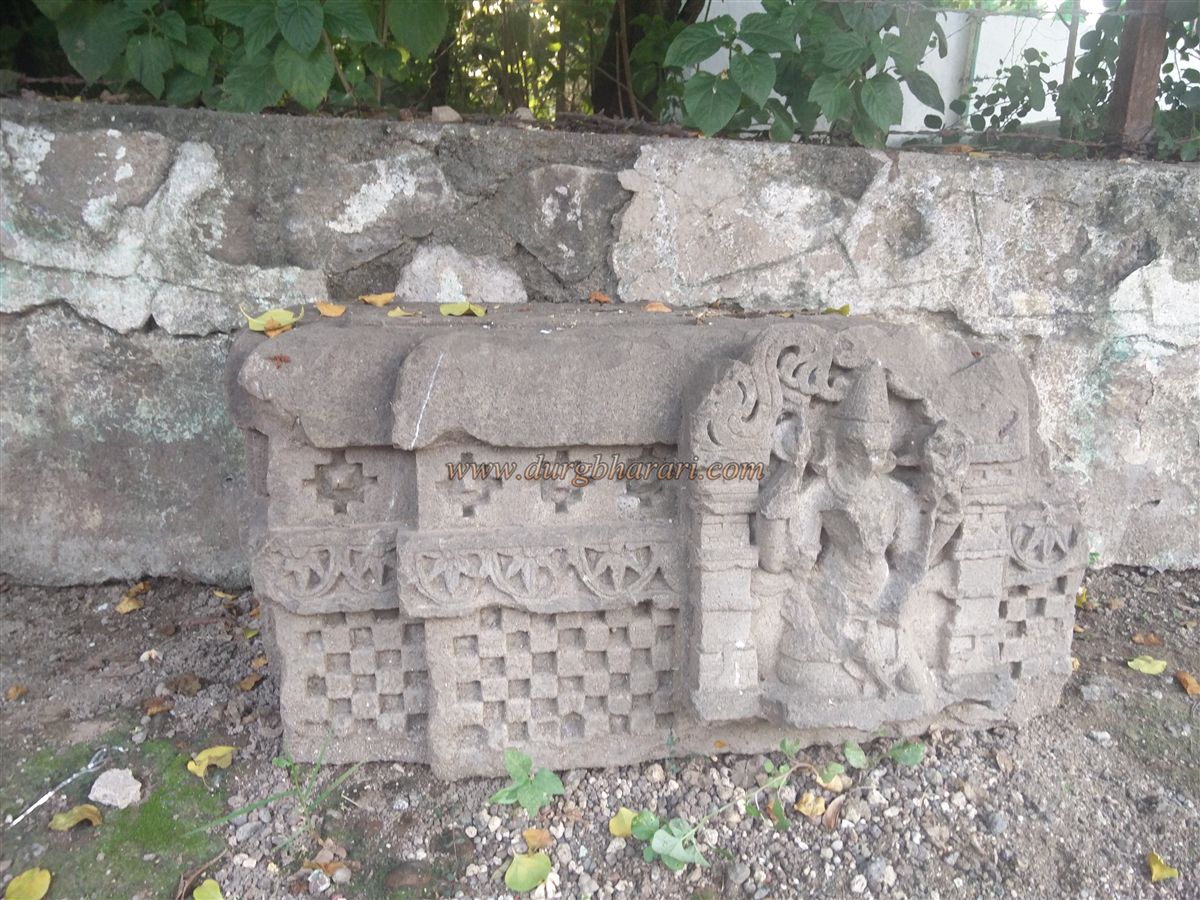
Upon entering, on the left side of the path to the main mansion, there are old houses built on stone plinths. These plinths feature worn sculptures and carvings. Further along stands a large well, still in use today. Moving ahead, one reaches the main mansion of the Pawar family, which has its own surrounding wall with an arched gateway. A path to the right of this gate leads to the Zenda Buruj, which is 35 feet high and accessed by an internal spiral staircase. The bastion has a room and a flagpole; a sacrificial ritual was once performed here, but this was discontinued in 2012. This is the tallest point in the fort, offering views of the inner area, Nagardeola town, and the surrounding region.
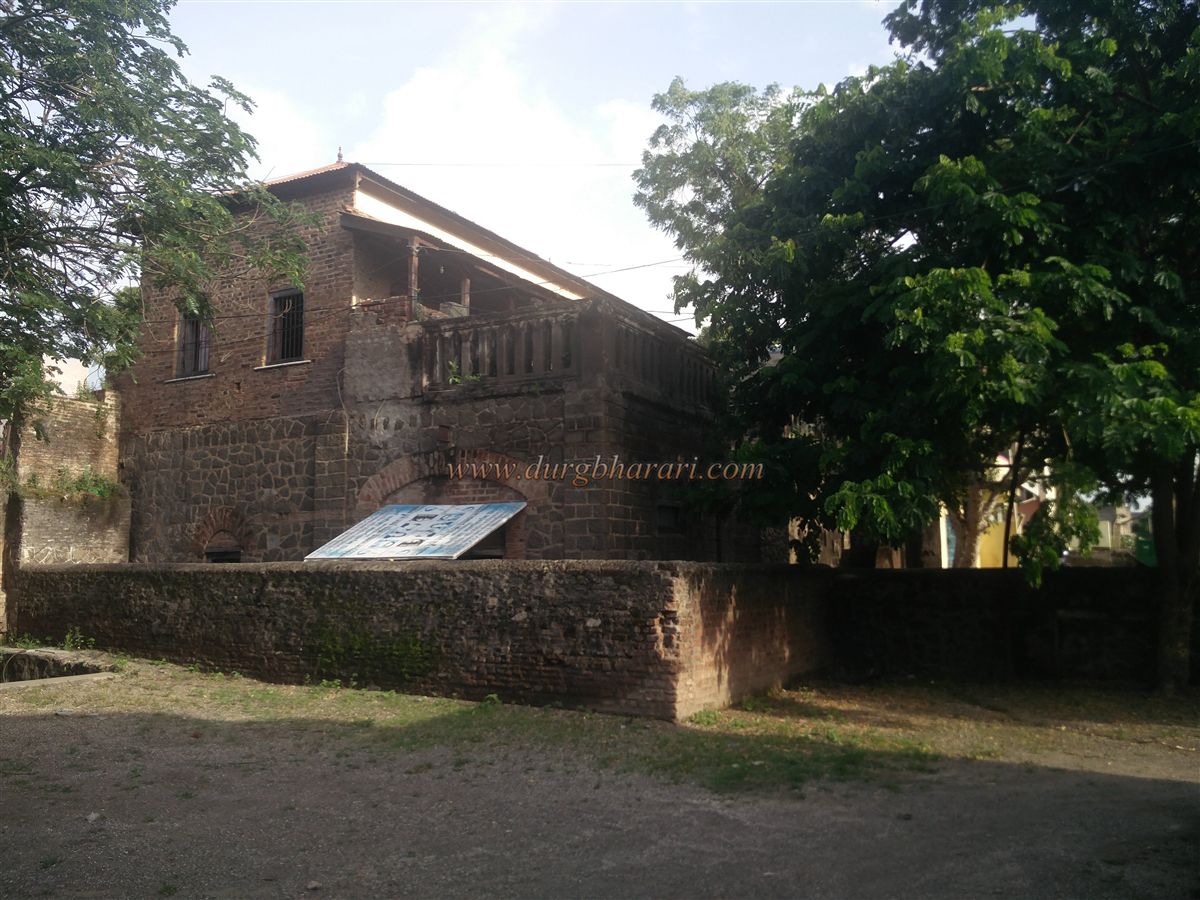
Beyond the arched gate is the two-storeyed “Chausopi Wada” of Raje Pawar, now serving as a student hostel and modified for that purpose. The mansion’s wooden elements bear fine carvings, including a fully wooden carved doorframe. Within the mansion grounds lie a hero stone (virgal), a carved remnant of an ancient temple, and a tomb. Ruins of other structures such as the “Arse Mahal” (mirror palace), the “Sadar” (audience hall), and stables can also be seen. Their foundations still remain. A basement under the Sadar connects through an underground passage to another basement under the Arse Mahal, which once led outside the fort, but is now sealed.
The ruler of Nagardeola, Shri Balasaheb Pawar, donated many items to North Maharashtra University, including swords, daggers, khanjirs, ganjifa cards, vessels, coins, and a rare sword carved with Vishnu’s Dashavatar. Near the village, in the “Chhatri Bagh” area, can be found the memorials of several members of the Pawar family.
The ancient Dhar city in central India, today’s Dhar, was a prosperous capital during the Paramara dynasty. Under the Paramaras, King Bhoj was a renowned and powerful ruler. After Allauddin Khilji’s invasion in 1305 CE, the Paramara kingdom in Malwa collapsed, and its descendants settled in various regions. One branch came to Maharashtra and became known as the Pawar. As they came from the ancient capital of Dhar, they became famous in history as the “Dhar Pawar.”
Sabusingh Pawar is considered the ancestral patriarch of this Pawar lineage. With cavalry and infantry, Sabusingh established his base near Hanga village by Ahmednagar. In 1658 CE, when Chhatrapati Shivaji Maharaj campaigned against Kalyan, Sabusingh accompanied him. Later, he founded the village of Supe in Ahmednagar Subha and was granted its “Patilki” (chieftainship). His son, Krishnaji Pawar, joined Shivaji Maharaj in campaigns against Bijapur. After the slaying of Afzal Khan, Krishnaji name appears in clashes against Afzal Khan’s son, Fazalkhan. For his service, Shivaji granted him the villages of Kangi and Karangav as tax-free estates.
After Krishnaji death, his three sons — Bubaji, Rayaji, and Keroji — served in Shivaji’s army. After Sambhaji Maharaj’s execution, when the Maratha kingdom faced severe crises, these Pawar brothers fought the Mughals fiercely. Trusted by Rajaram Maharaj, Bubaji and Keroji raided Mughal territories in Varhad and Gangathadi, collecting “Chauth” (tribute) and harassing Mughal forces. In 1694 CE, during Senapati Santaji Ghorpade raid on Mughal supplies, Bubaji broke through a Mughal siege led by Himmat Khan to rescue Santaji. For this feat, Rajaram Maharaj, upon returning from Jinji, honoured Bubaji with the title “Vishwasrao” and a grant, while Keroji received the title “Senabarasahastri” with robes of honor.
In 1699 CE, during a Khandesh campaign, the Mughals captured Bubaji alive and killed him by walling him in at Asirgarh fort. The families of these three brothers became known as follows: Bubaji as “Vishwasrao” of Supe, Rayaji as “Vaghale,” and Keroji as “Nagardeola.” From 1703 onwards, the Marathas expanded into Khandesh and Malwa, collecting chauth and sardeshmukhi, with prominent contributions from Kaloji Vishwasrao (son of Bubaji), Ravji (son of Keroji), and Sambhaji’s son Udaji Pawar. Kaloji’s sons — Tukojirao, Krishnarao, Jivaji, and Manaji — fought in northern campaigns alongside Peshwa Bajirao I and established their base at Devas. Sambhaji Pawar’s sons — Udajirao, Anand Rao, and Jagdev Rao — strengthened Maratha influence in central India, establishing Dhar as the Pawar stronghold.
Thus, after 400 years, the descendants of the ancient Dhar capital reclaimed it through their valour. In Nagardeola, Keroji Pawar’s branch received a jagir in Khandesh’s Jalgaon district, leading to the Pawar family’s spread in the area. Until the abolition of princely states after India’s independence, the Nagardeola estate remained under Pawar rule. Even today, the royal Pawar family resides in Nagardeola.
(Note — The information in this article was compiled by Shri Sanjeev Bavaskar, recipient of the Ideal Teacher Award from Nagardeola, and written by Suresh Nimbalkar.)
© Suresh Nimbalkar
GALLERY