MUNVALLI
TYPE : GROUND FORT
DISTRICT : BELGAON
HEIGHT : 0
GRADE : EASY
The issue of private encroachment on forts is not limited to Maharashtra alone; similar conditions are seen in forts located in neighbouring regions once part of Swaraj. When the states were reorganized on linguistic lines, Marathi-speaking Belgaum — once part of Swaraj — was handed over to Karnataka. As these forts were once under the Maratha rule, I consider them part of Maharashtra’s fort heritage and refer to them accordingly. I have tried to document information about more than 35 such forts and fortresses from Belgaum district on the website “Durgbharari.”
Most forts in Belgaum district are of the ground-fort type or fortified mansions (gadhi), and there are very few hill forts. If one has a private vehicle, it is easy to visit five or six of these forts in a single day. The Marathas also played a significant role in building forts in this southern region.
...
One such lesser-known town in Belgaum district is Manolli, also known as Munavalli, which is largely unfamiliar to people in Maharashtra today. However, during the time when the Maratha Empire extended from the Tungabhadra to the Kaveri rivers, Manolli was a part of that empire.
Manolli village was established by the Marathas on the banks of the Malaprabha River. To protect the settlement, a fortified ground-fort was constructed near the river — known today as Manolli or Munavalli Fort. This fort also housed the Maratha cavalry’s horse stables. The town of Munavalli is located about 80 km from Belgaum and 17 km from Saundatti, the taluka centre. When approaching Munavalli from Saundatti, one can see the ramparts and bastions of the fort from the bridge over the Malaprabha River. After crossing the bridge, a road on the right runs alongside the river; at the end of this road is a school, and the path to the fort begins there.
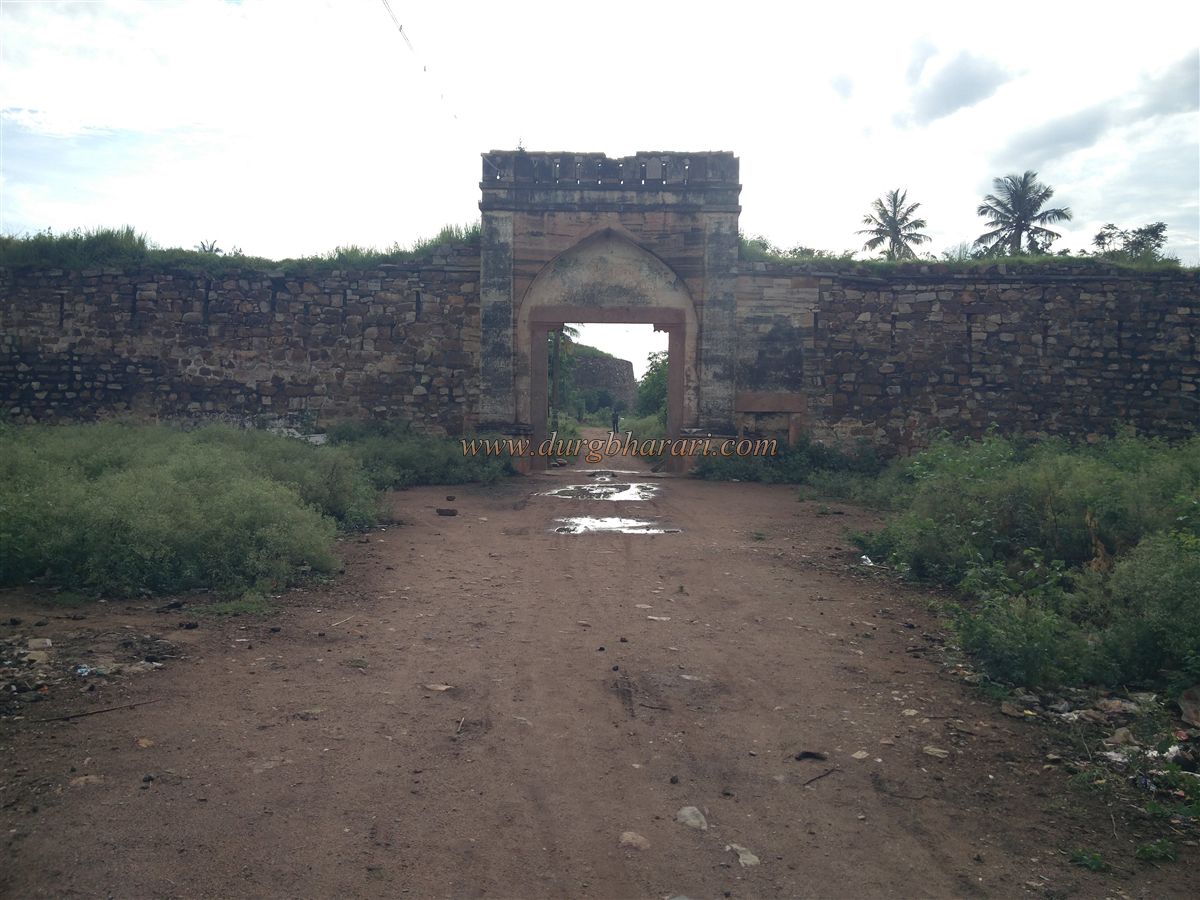
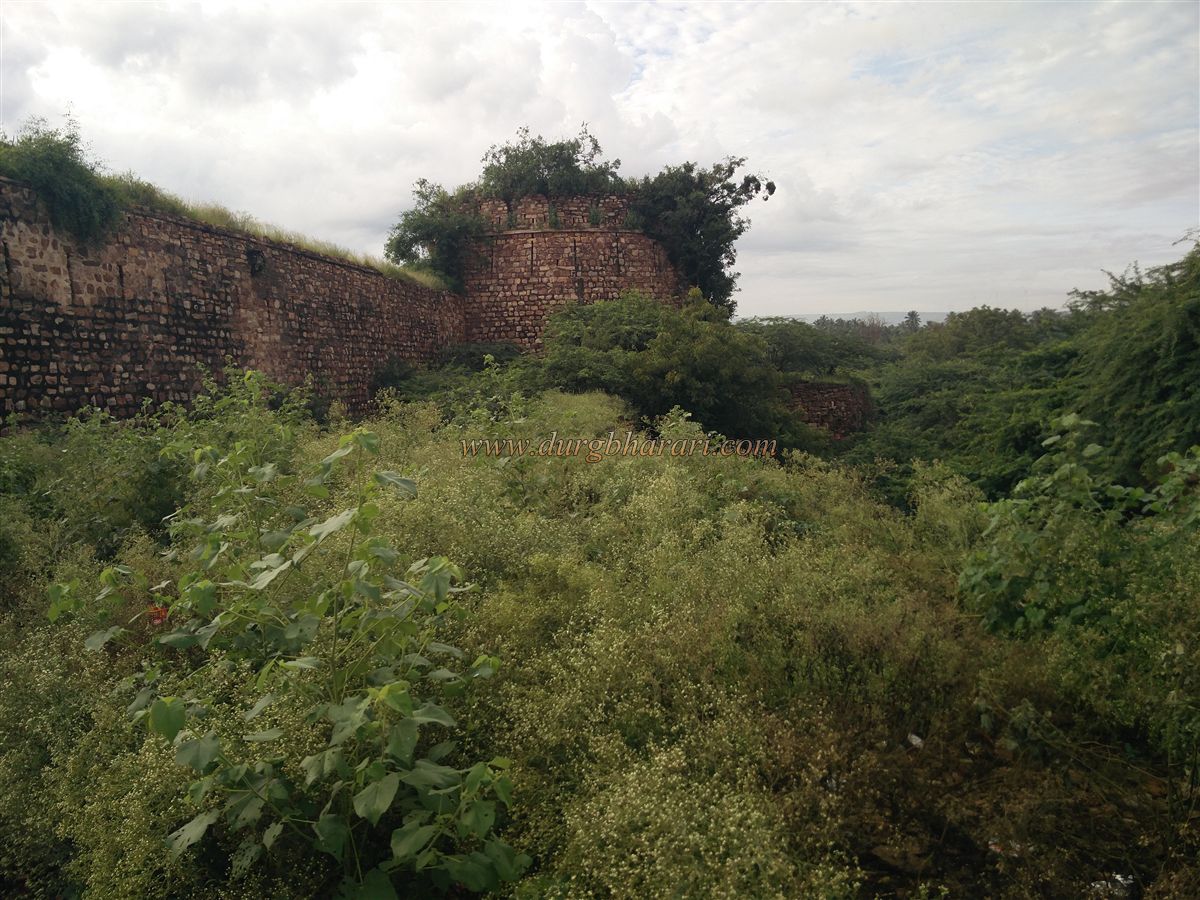
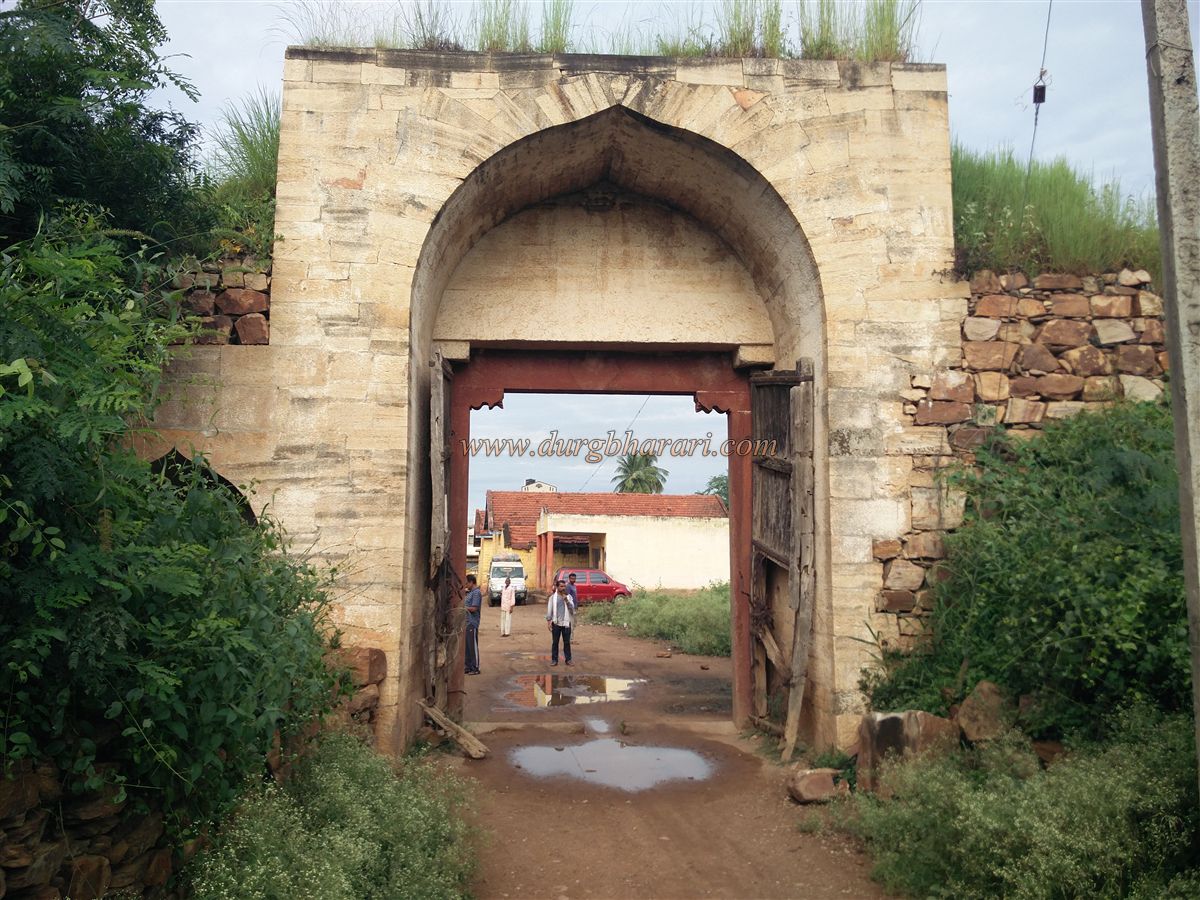
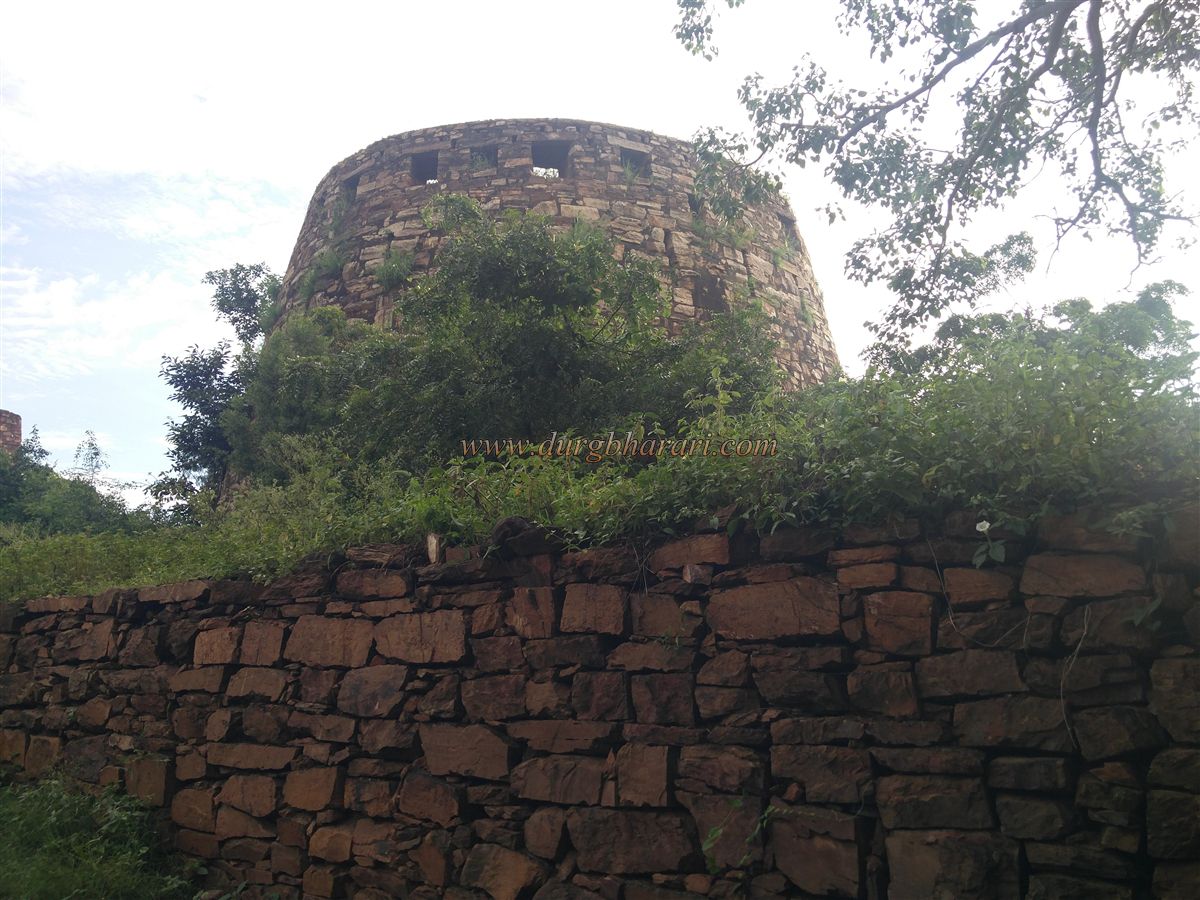
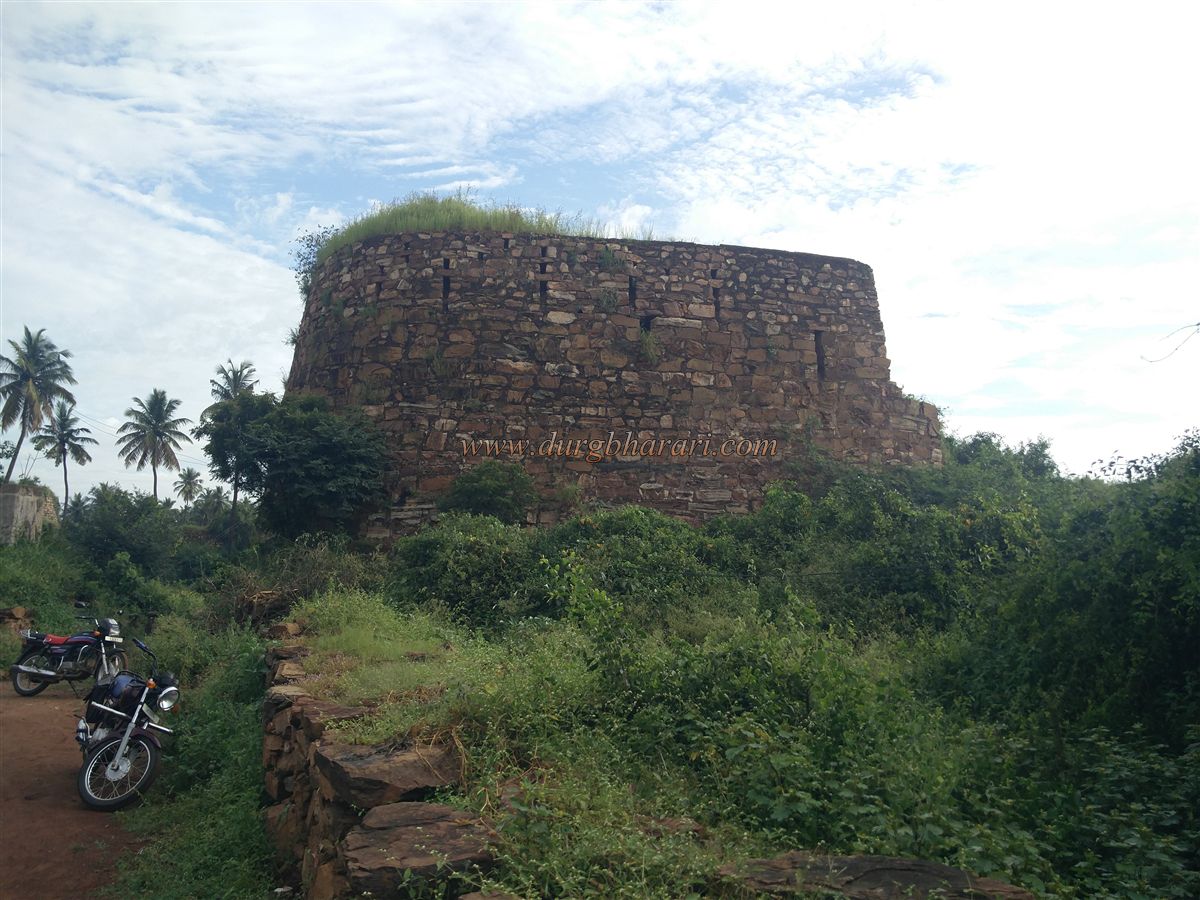
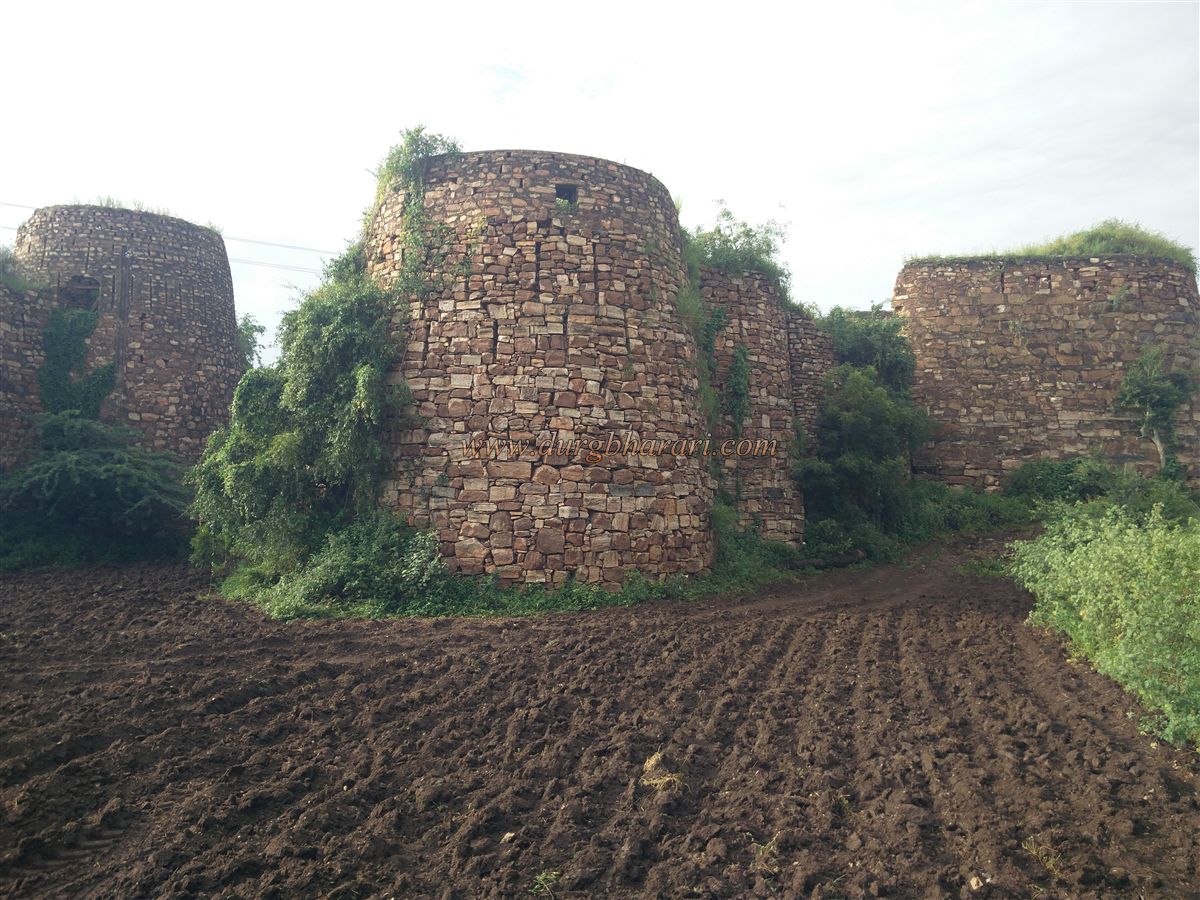
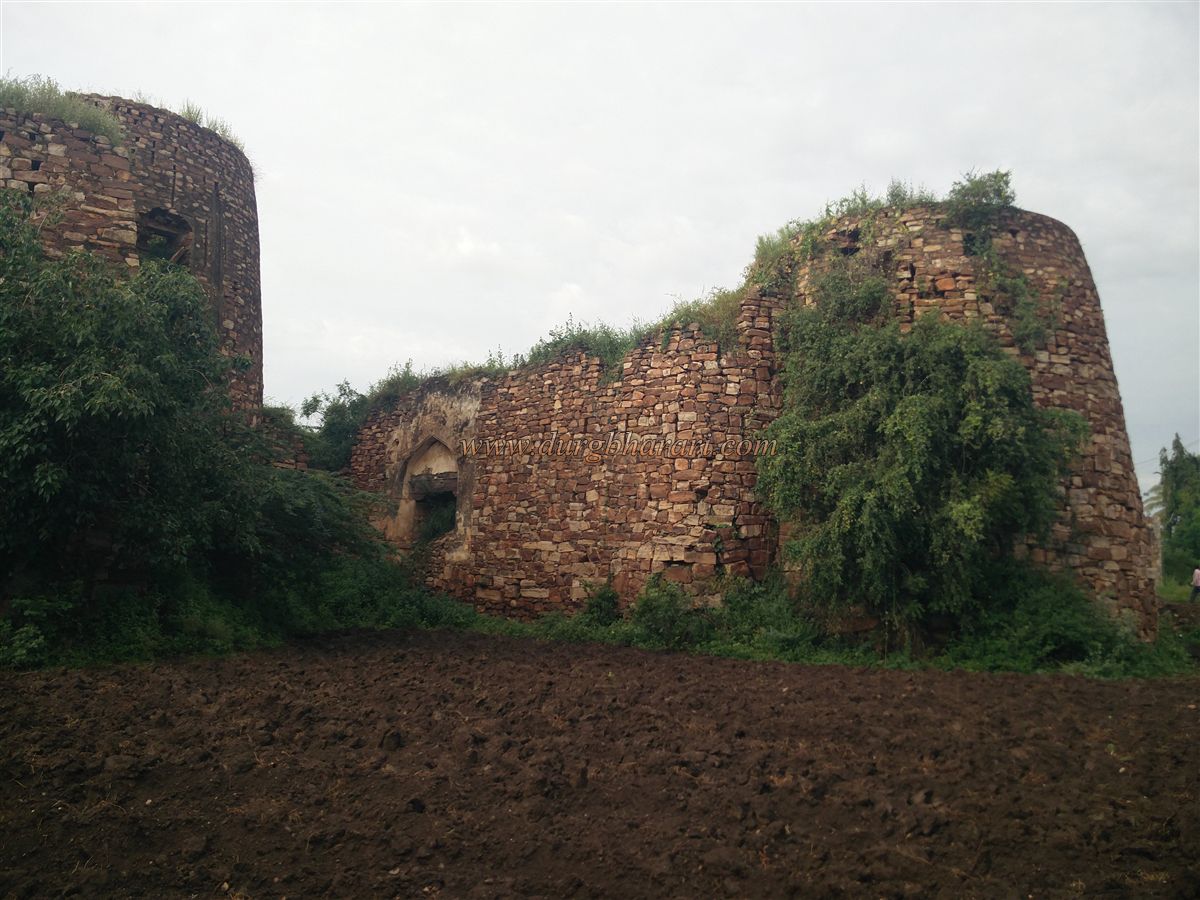
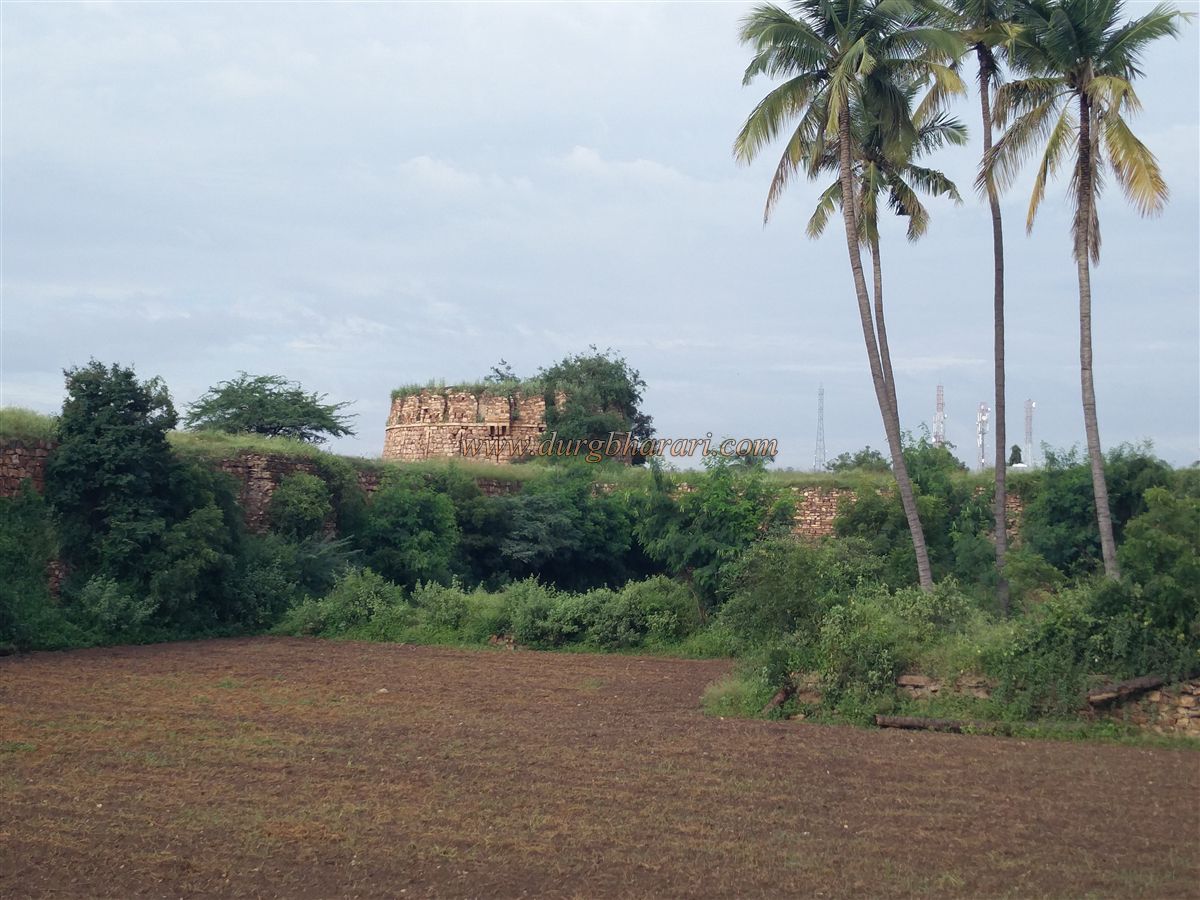
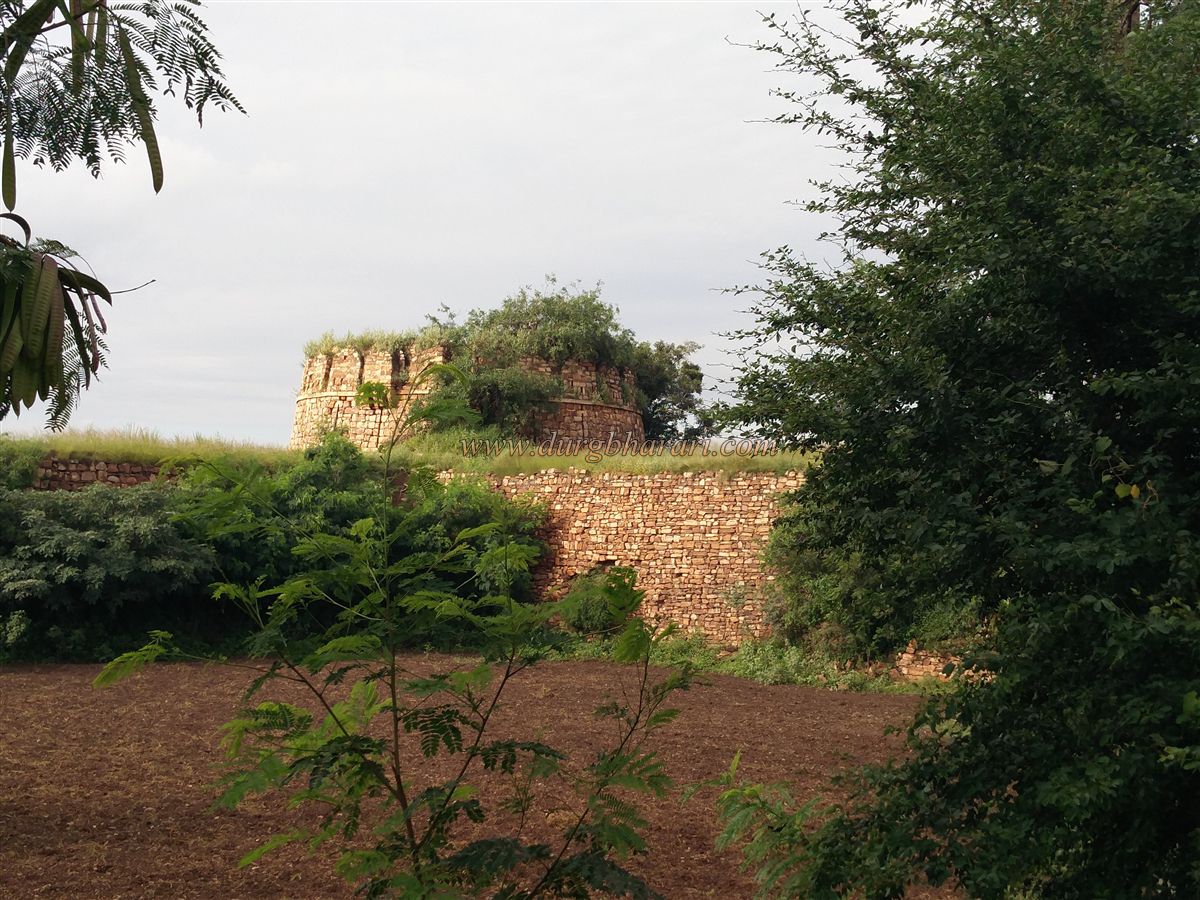
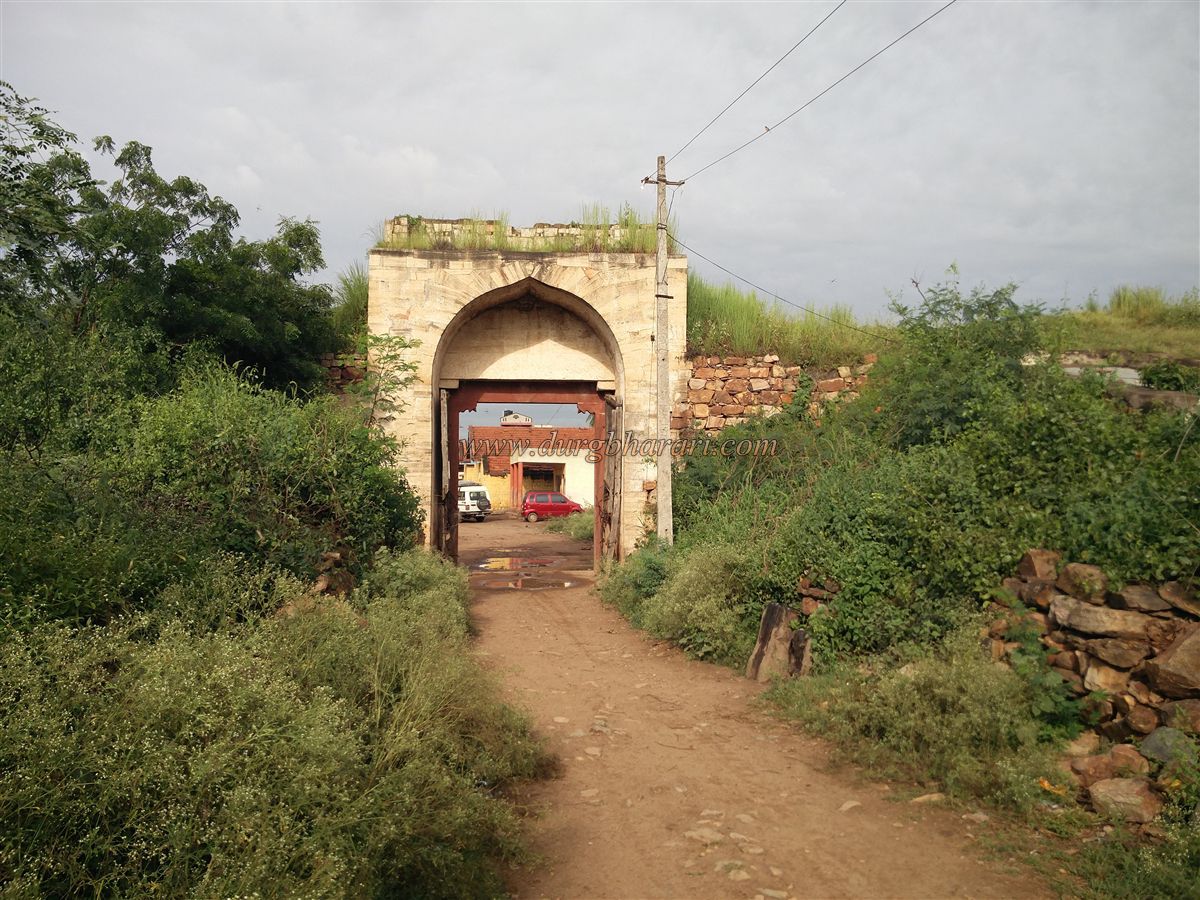
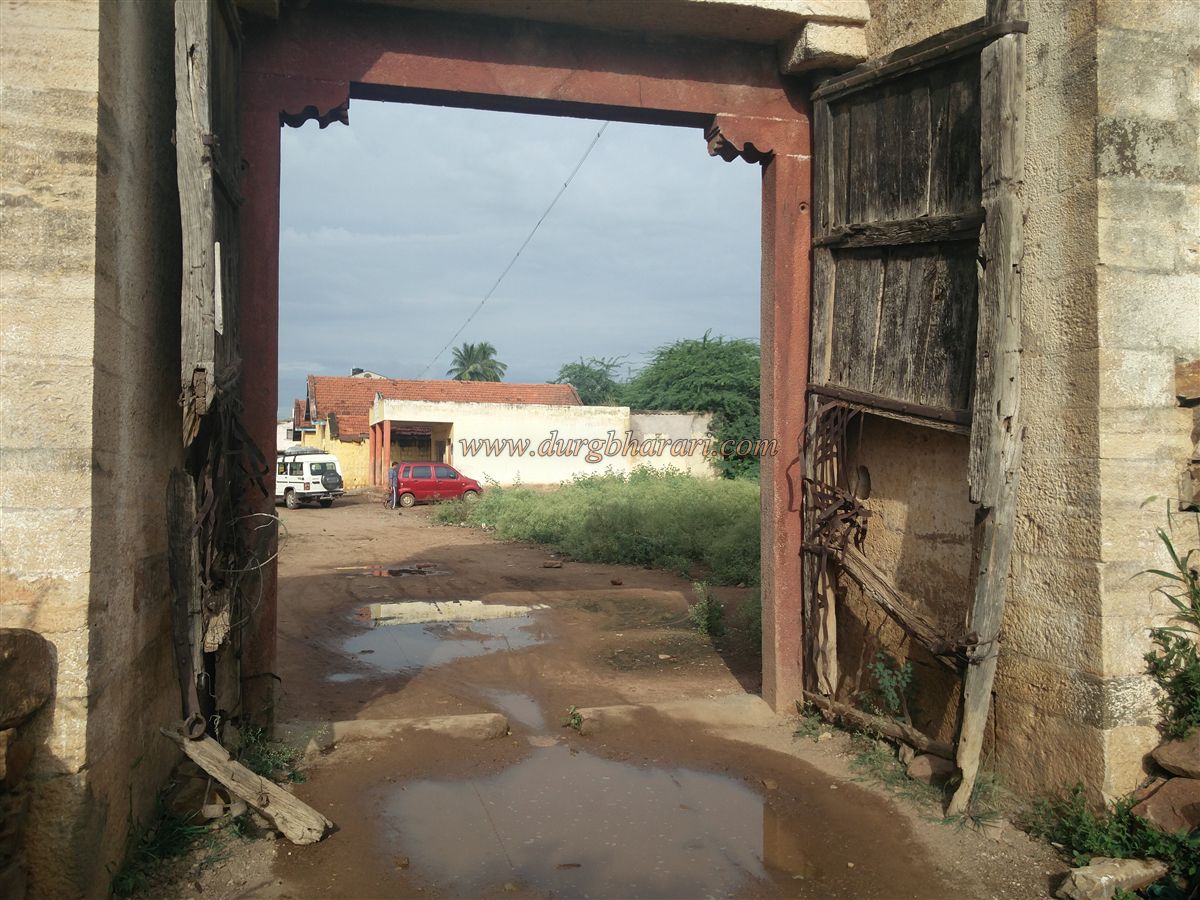
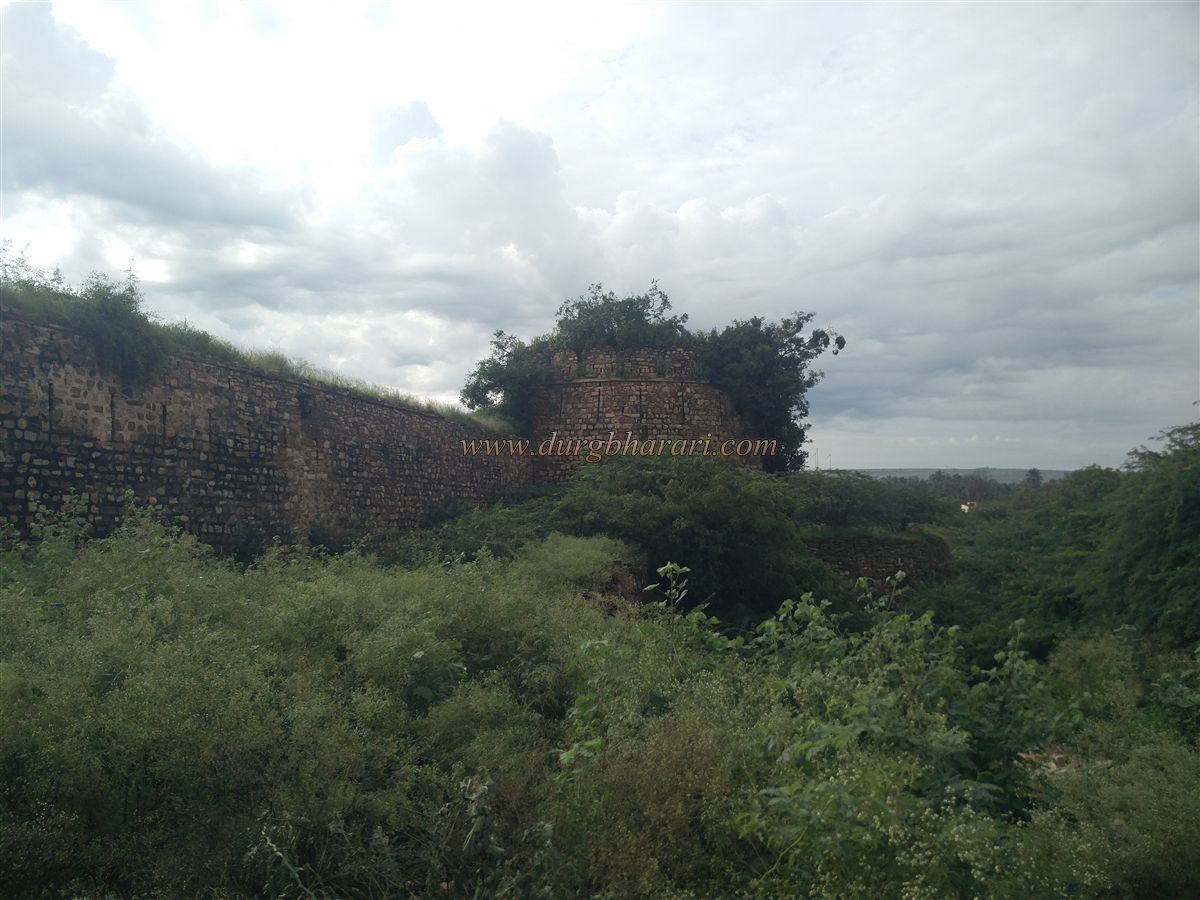
Upon reaching the school, the west-facing main gate of the fort is seen directly ahead. The gate is in decent condition, although its wooden doors are broken. To the right of the main gate is a smaller postern gate, now sealed with stones. A deep moat runs along the outer wall of the fort, now overgrown with vegetation. The entire rampart features loopholes for musket fire, and the bastions are adorned with decorative corbels. The fort spreads over about 8 acres and has a square layout, with bastions at each corner and one each at the centre of the north and south walls. A second exit gate is located on the western wall, and there is a hidden gate in the southern wall.
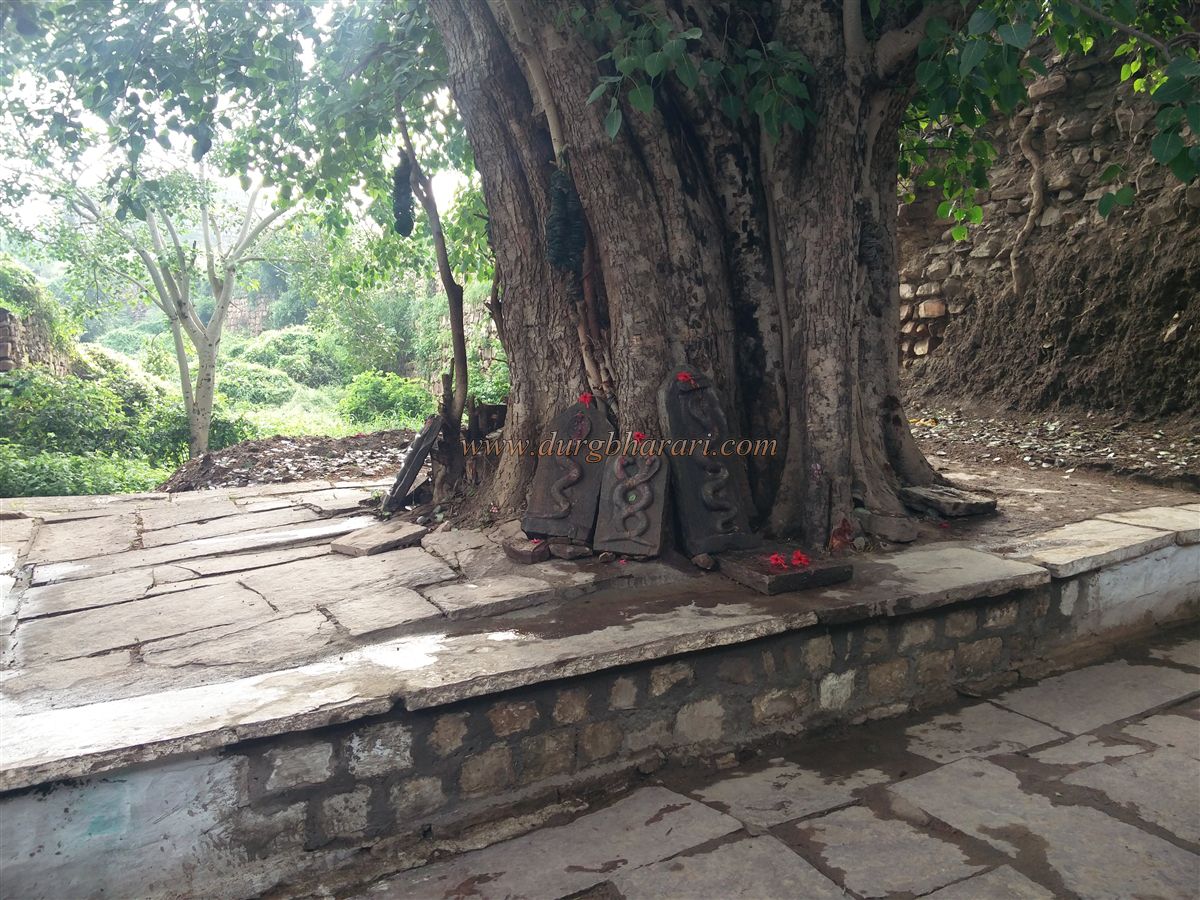
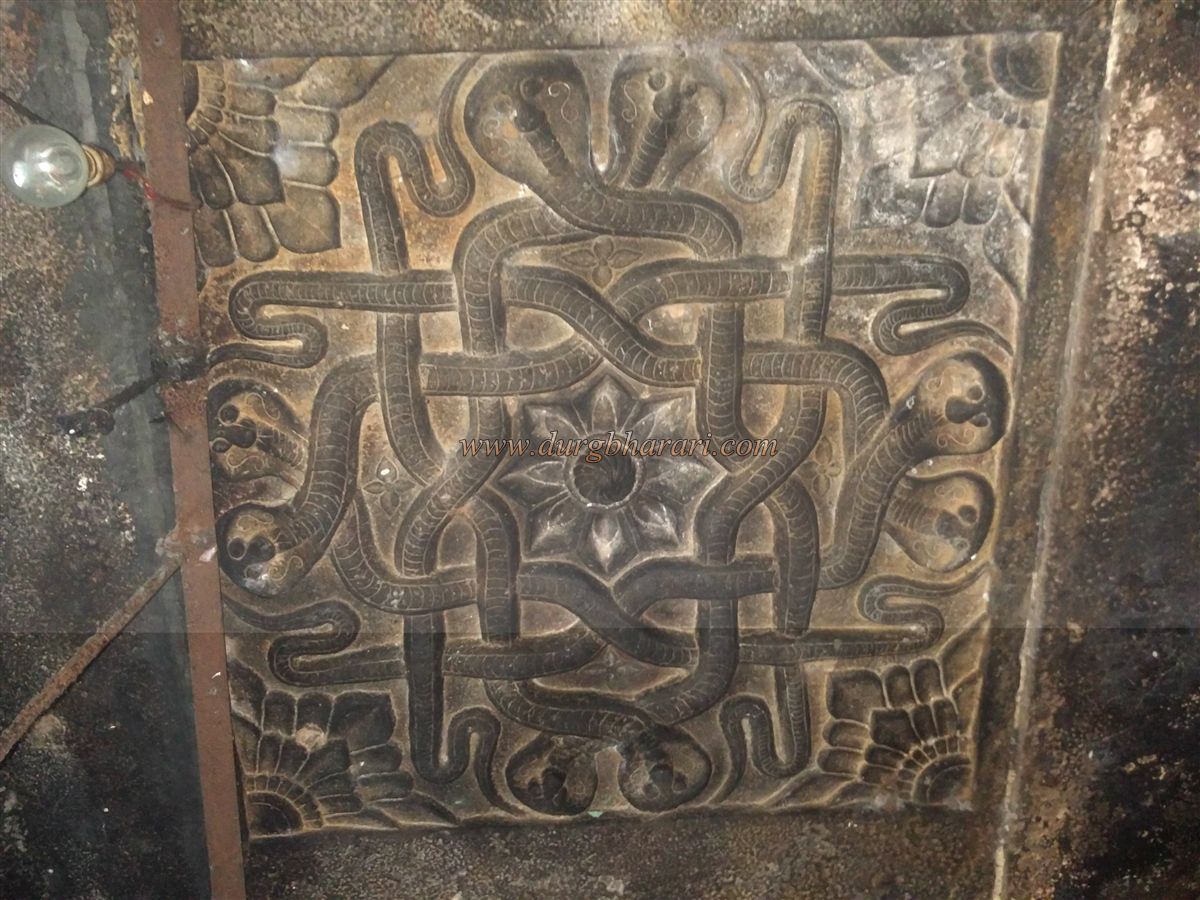
Agriculture is practiced throughout the fort interior, and only a few remains — such as the inner citadel (Balekilla), a Hanuman temple, a well, and the Udchadevi temple — survive. Entering through the gate, on the left is the house of Shakirappa, the current private owner of the land. From here, two bastions of the Balekilla are visible. Reaching the Balekilla, the path on the right leads to the Udchadevi temple, while the path on the left leads to the Maruti temple. The Udchadevi temple is situated near the wall and contains some carved sculptures and serpent (naga) images. A stone inscription in Kannada is found within the temple.
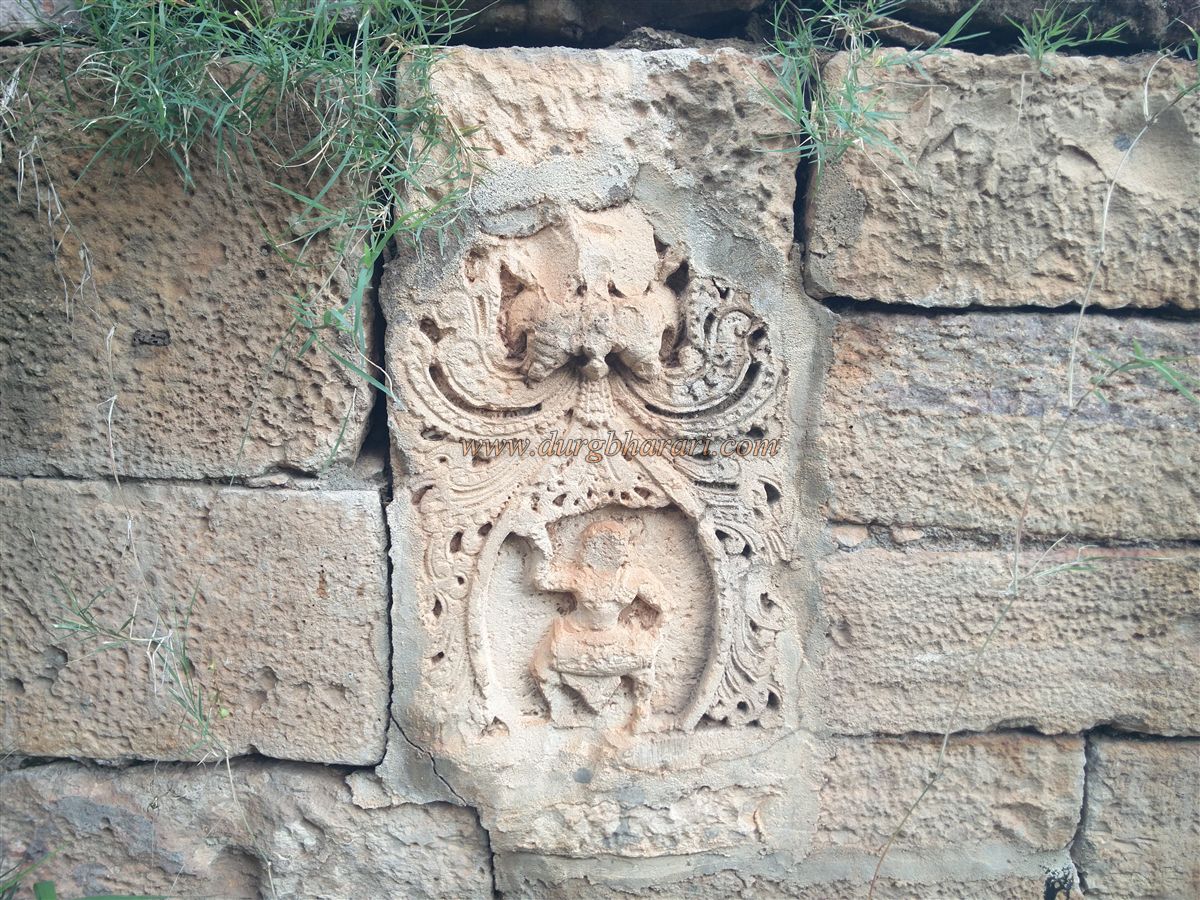
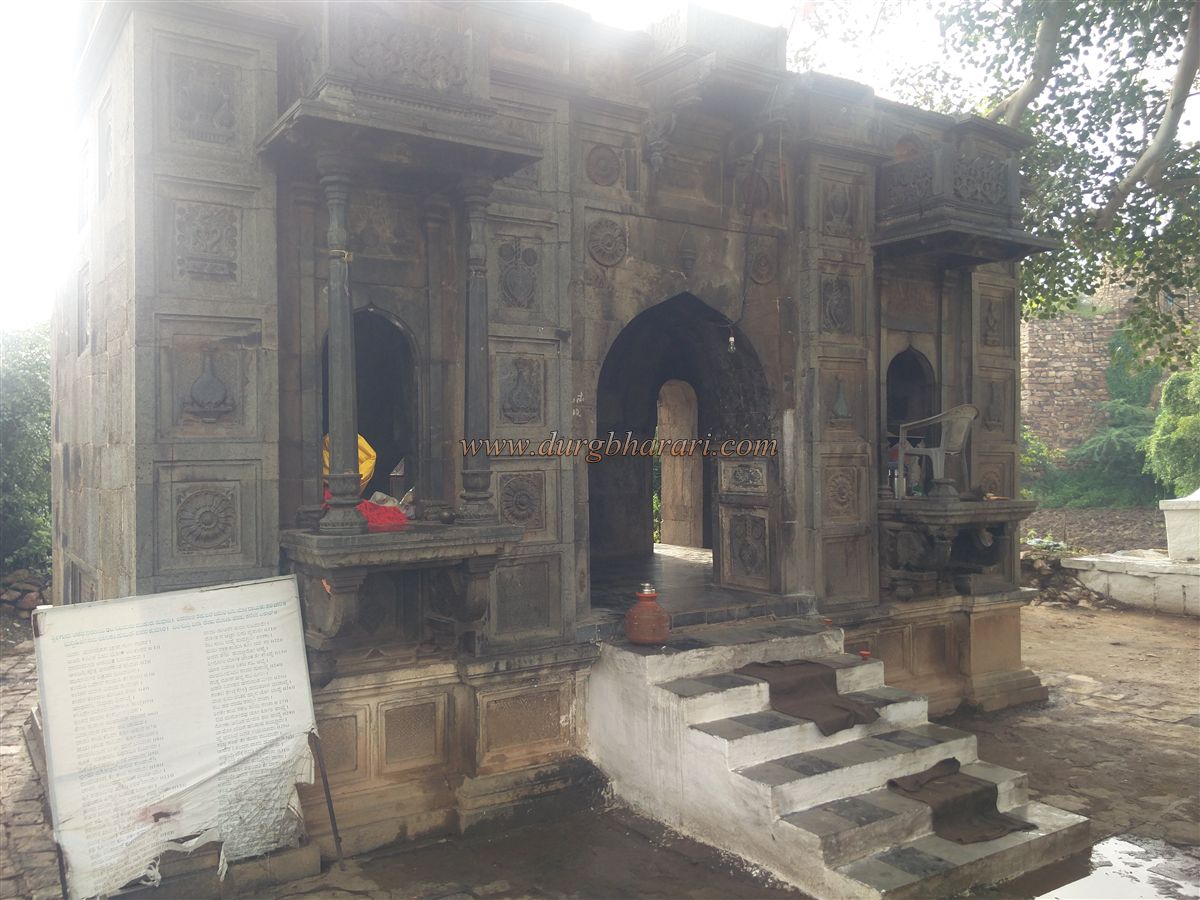
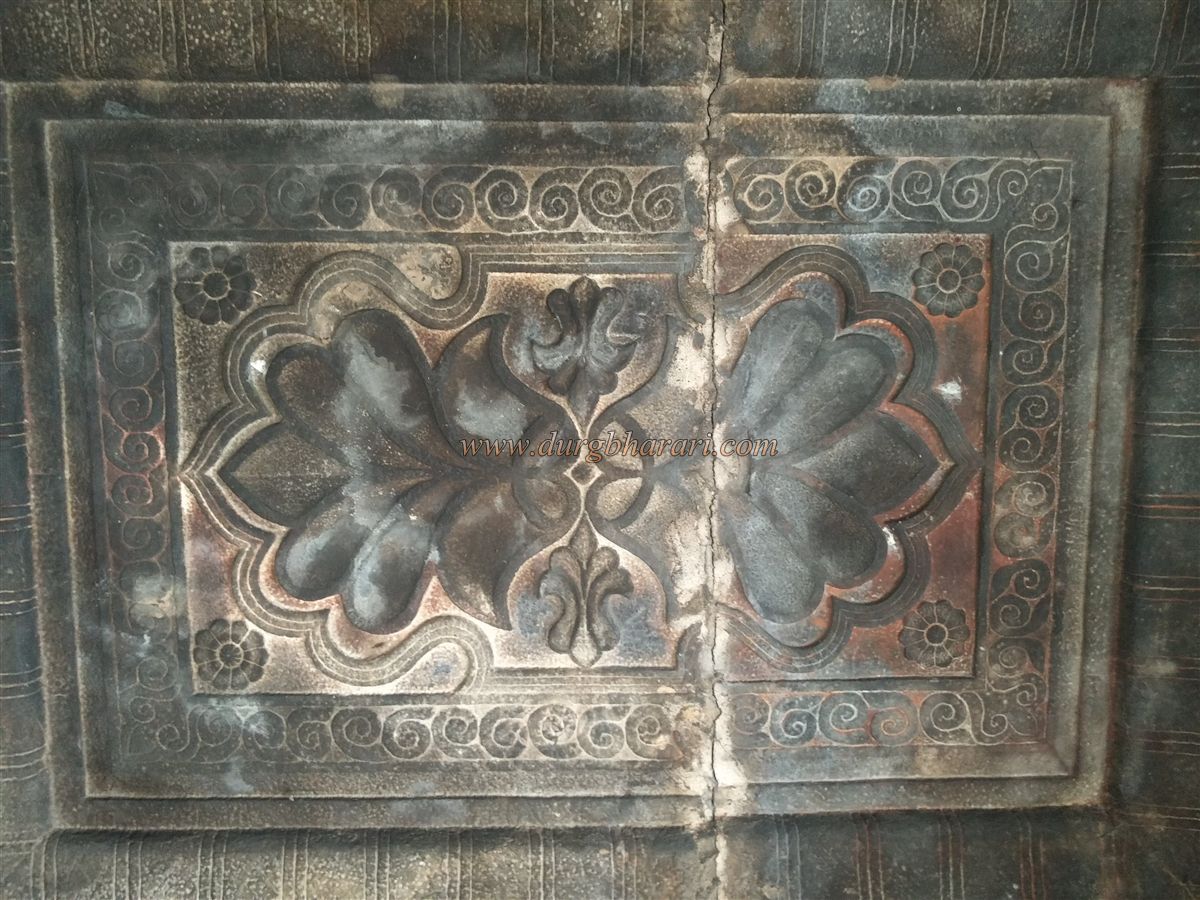
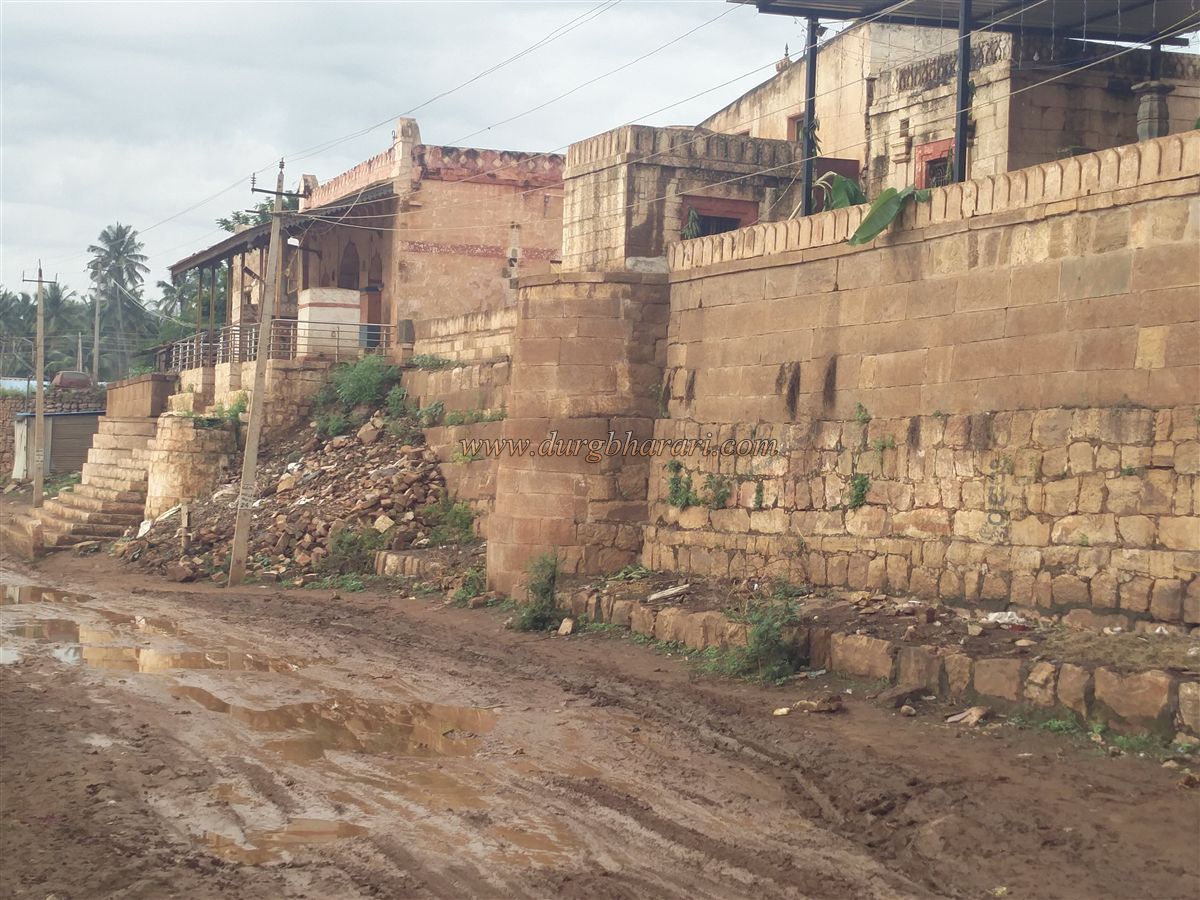
After visiting the Udchadevi temple and heading toward the Maruti temple, one encounters a large well on the left. The well’s edge is adorned with carved pillars and sculptures, and inside the well is a Shiva temple. However, the well has collapsed significantly, and entering the temple is risky. After seeing the well, one reaches the Maruti temple. It stands on a finely carved stone platform and is beautifully decorated with stone carvings. The idol of Maruti is in a distinctive style, and the intricate carvings on the temple are exquisite. Some serpent sculptures are also found in the temple courtyard.
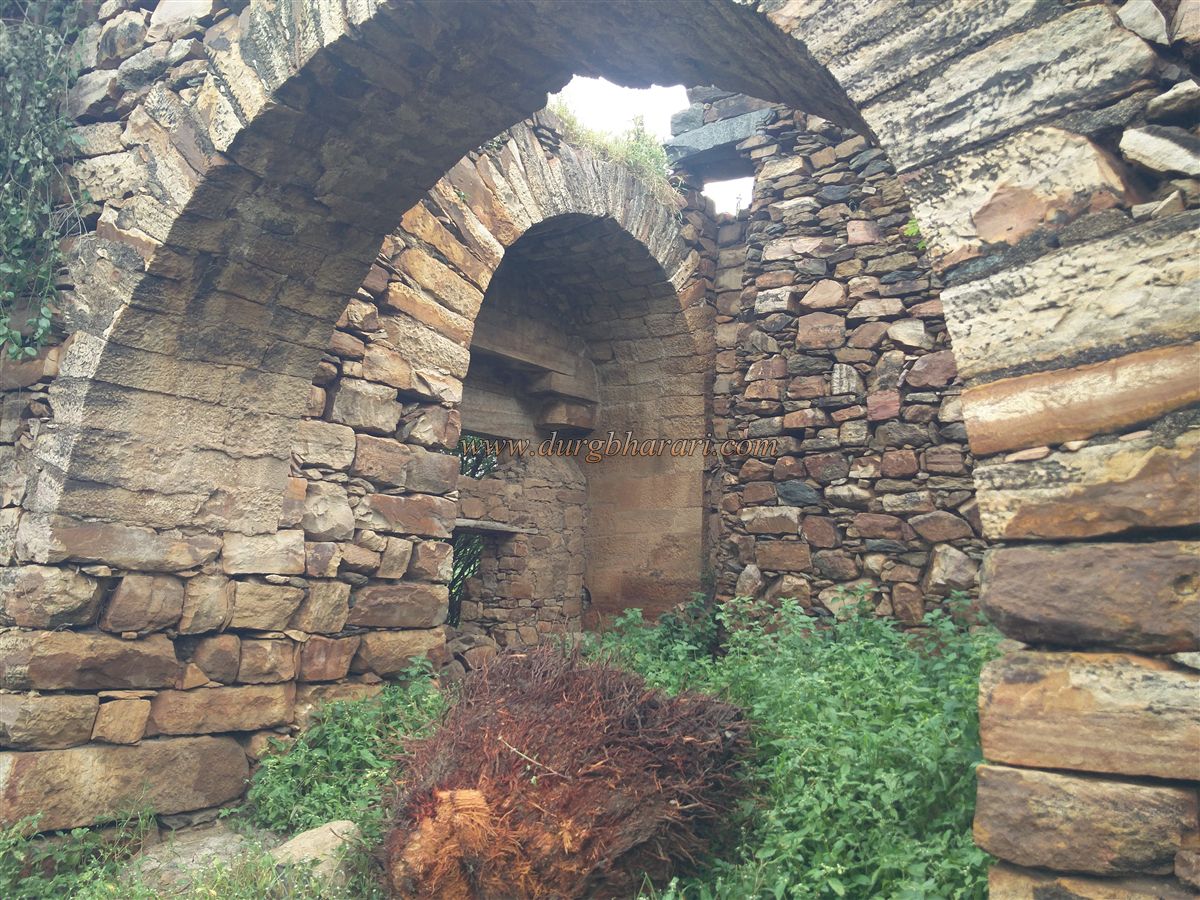
Behind the temple, in the eastern rampart, lies another gate of the fort. This gate is no longer in use and has been sealed with stones. Guard rooms (devdis) are constructed on the inner side of this gate. The Balekilla stands directly ahead. Its entrance, too, is blocked with stones. A part of the Balekilla wall has collapsed, allowing entry, but due to dense overgrowth inside, only a small dry well is visible and nothing else. The Balekilla covers an area of about half an acre and contains five bastions. All of these bastions have rooms built within them, and musket loopholes (jangya) for firing are present.
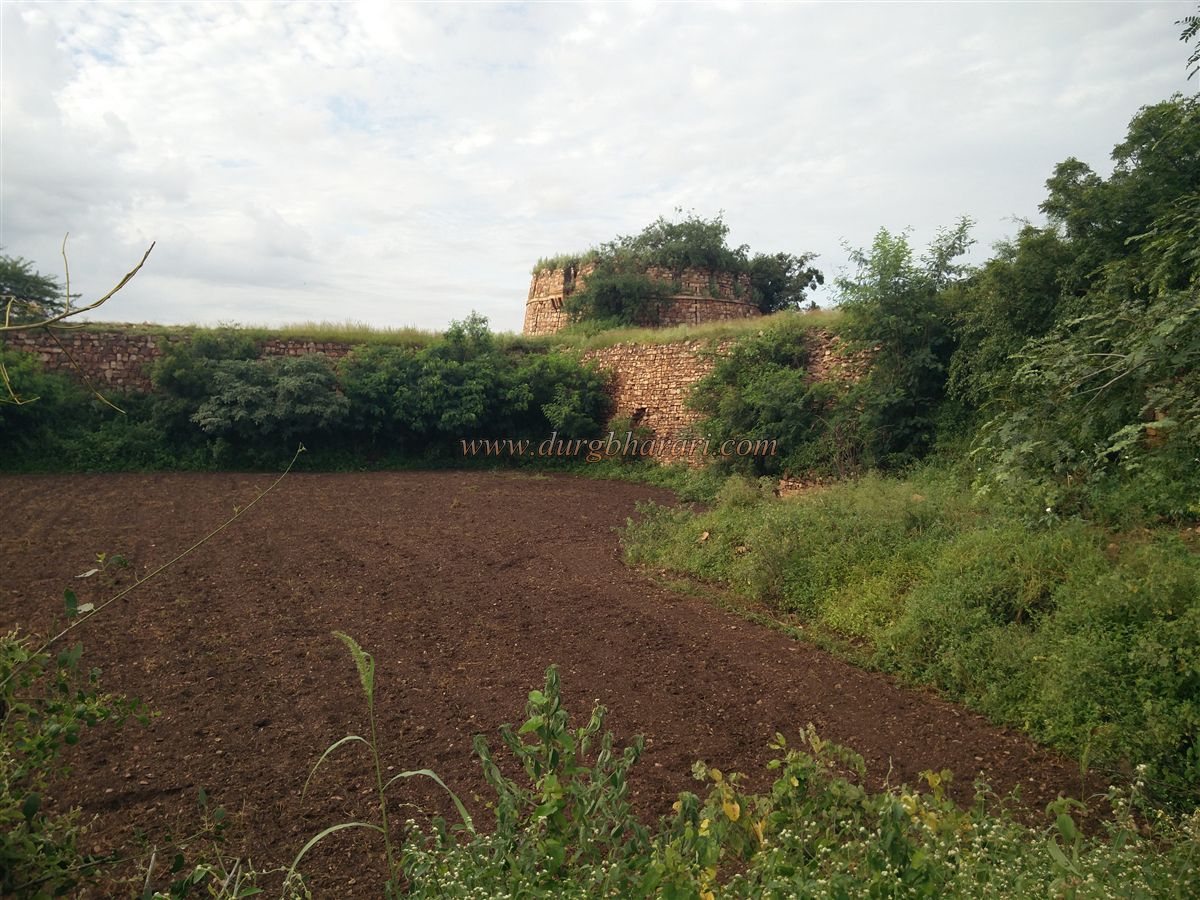
Of the six outer bastions of the fort, three are in good condition. These contain granaries inside, and the outer sides have intricately carved balconies (Sajja). Due to a lack of maintenance, wild shrubs have overrun the ramparts. Farming activity within the fort has completely destroyed other remnants. Once back at the main entrance, the tour of the fort concludes. One hour is sufficient to explore the fort.
This region, which was under Adilshahi rule during Shivaji Maharaj’s time, later came into Maratha control. In 1674, Shivaji Maharaj undertook his southern campaign and placed the area under the command of Jivaji Shinde. After gaining control of this territory, Jivaji Shinde initially set camp at Toragal. However, the climate and lack of suitable fodder for horses there prompted him to shift operations. He selected the village of Manoli, in the Kasba Shidogi area, as a base for the cavalry (pāgā). At that time, the village belonged to the Desai of Navalgund. In exchange for Manoli, another village was granted to the Desai. Jivaji Shinde founded the village of Munavalli and built a ground fort on the banks of the Malaprabha River.
Jivaji Shinde held a mansab (rank) of 300 cavalrymen. After the death of Shivaji Maharaj, the Mughals took over this region. However, following Aurangzeb’s death in 1707, the fort returned to Maratha control. The later history of the fort involves several powers, including the Nawab of Savanur, the Peshwa, the Karveerkar rulers, the Patwardhan, Hyder Ali and Tipu Sultan, and finally, the British.
© Suresh Nimbalkar
GALLERY