MUKHED
TYPE : ANCIENT SHIVMANDIR
DISTRICT : NANDED
Marathwada has been a prosperous region since ancient times. Powerful dynasties like the Satavahana, Rashtrakut, and Yadav’s flourished here, and during their reigns, art and temple architecture thrived. The number of intricately sculpted temples and exquisite idols seen in Marathwada surpass those found in the rest of Maharashtra. About 75 km from Nanded lies Mukhed, the taluka headquarters, where a Shiva temple known as Dashratheshwar, believed to have been built in the 11th century, stands within the town itself.
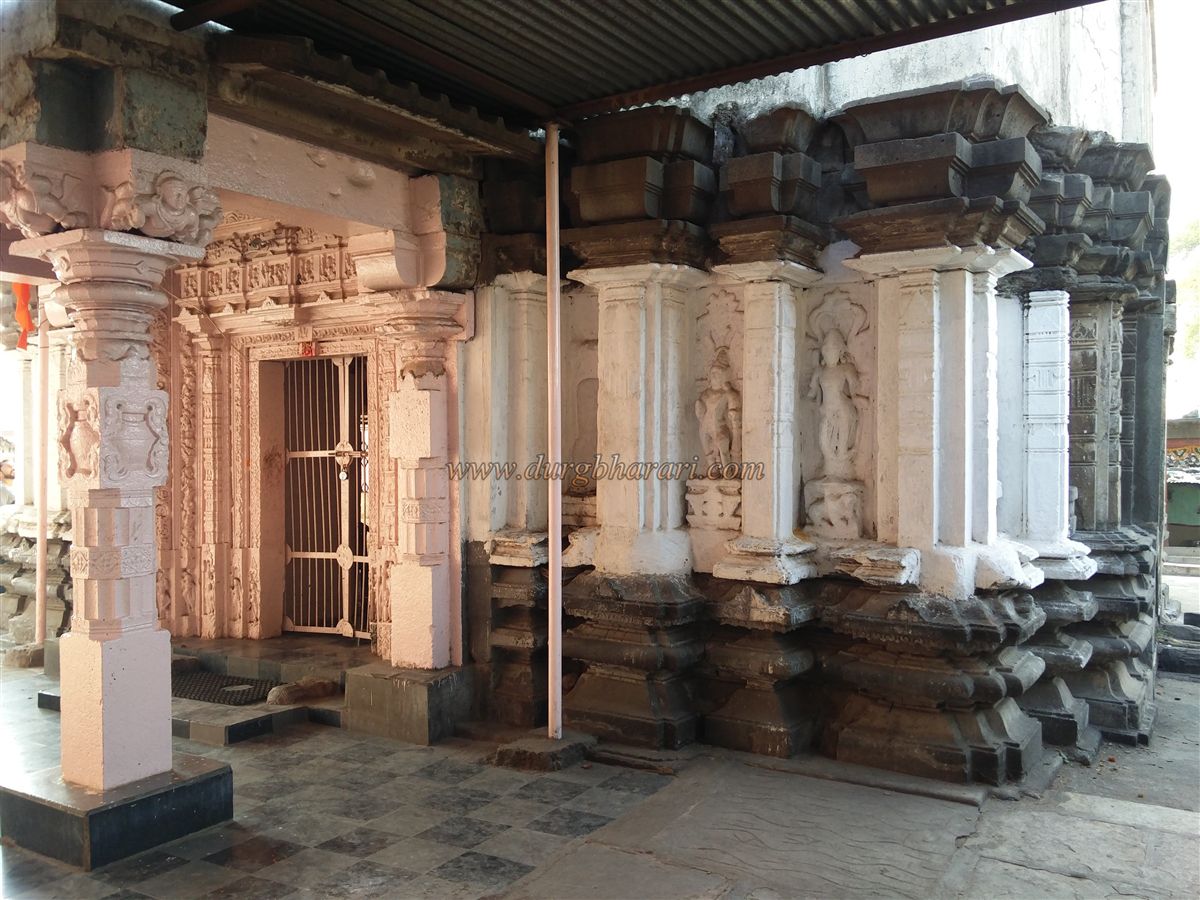
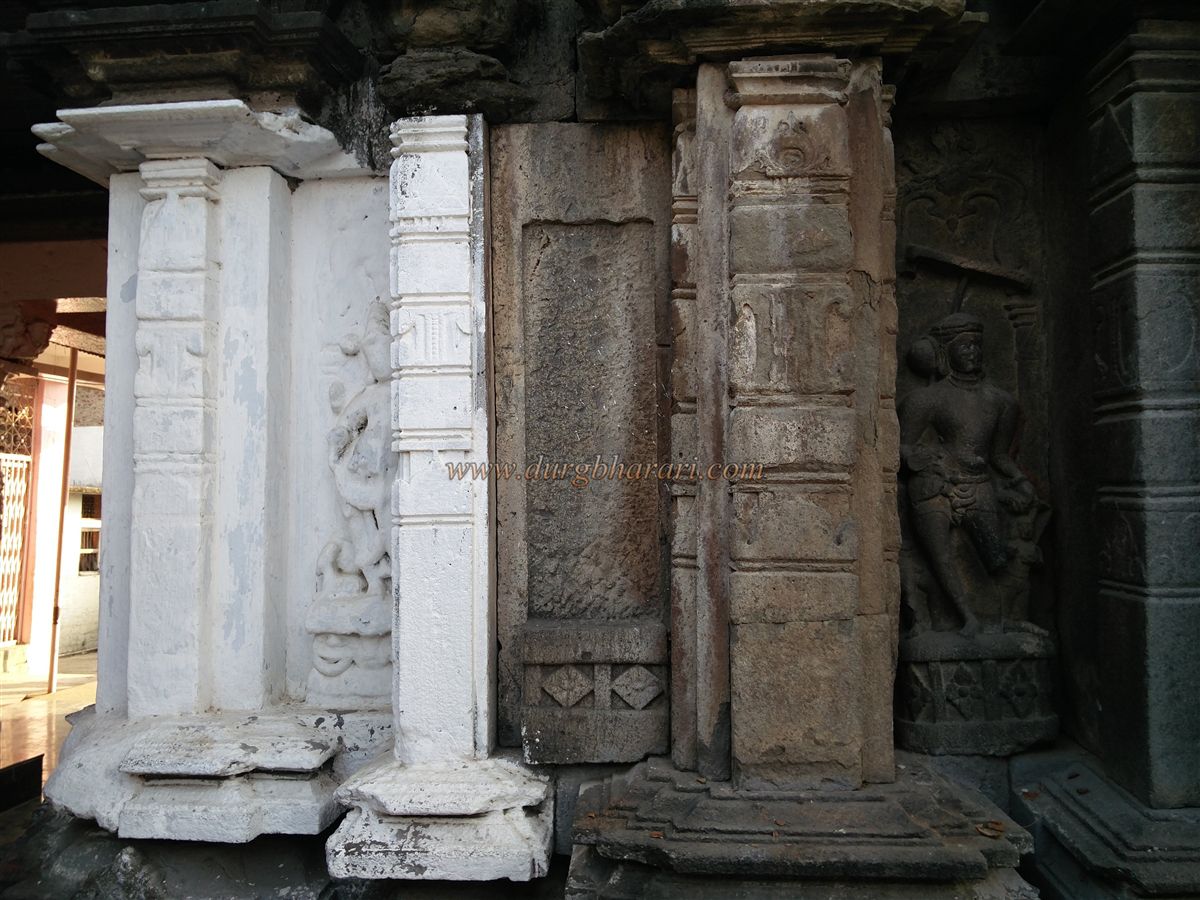
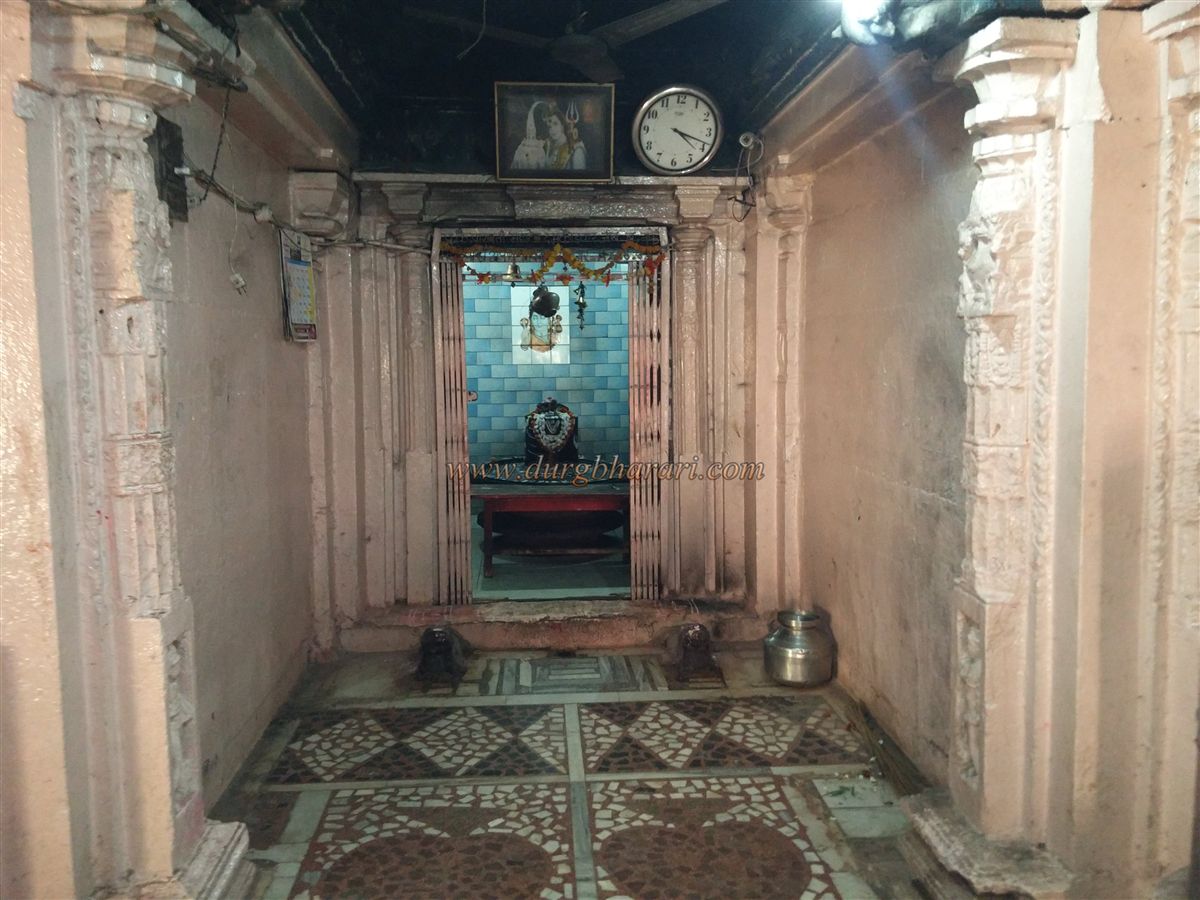
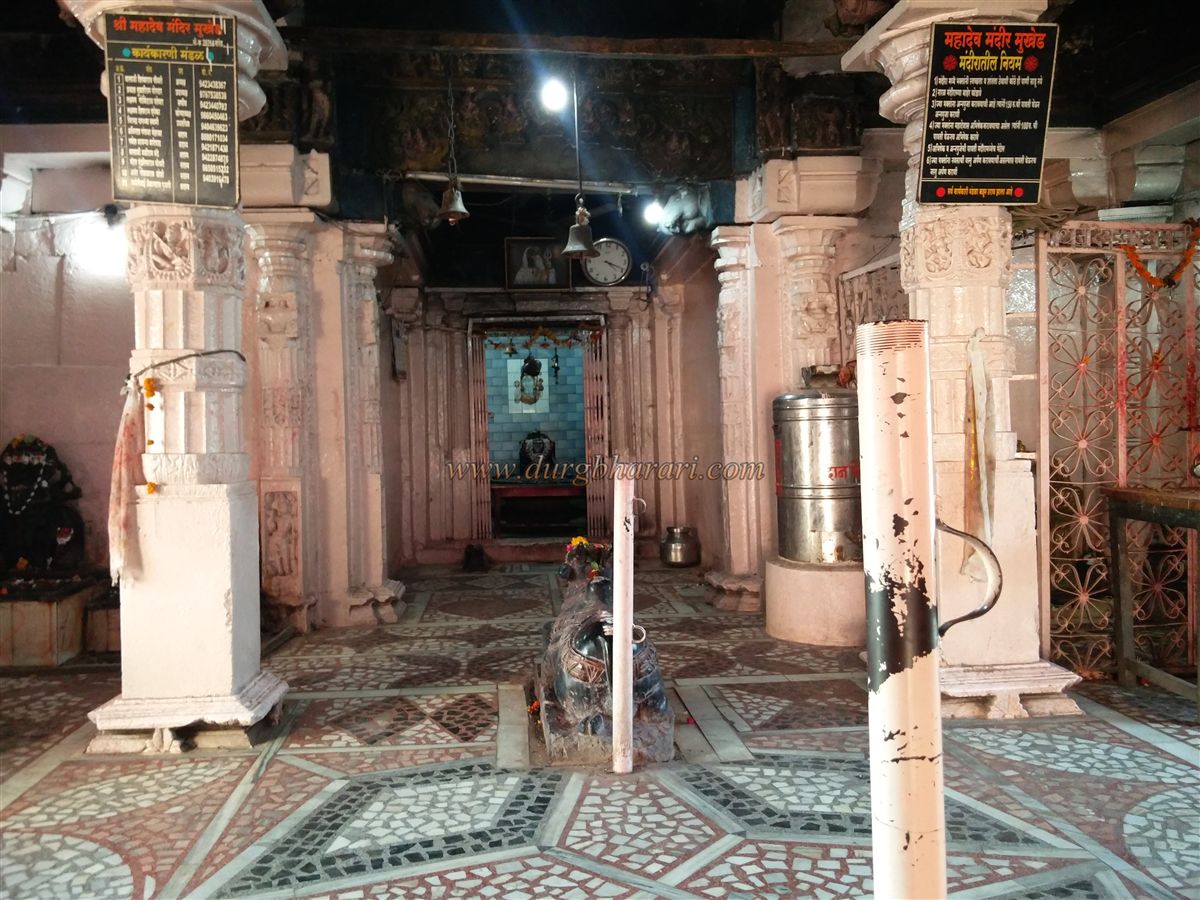
Due to extensive deterioration, the temple underwent restoration, but the use of cement during repairs has disfigured the original beauty of the temple. A concrete hall has been added in front of the Mandap, the original spire has collapsed and been replaced with a cement replica, and glossy blue tiles now cover the sanctum floor.
...
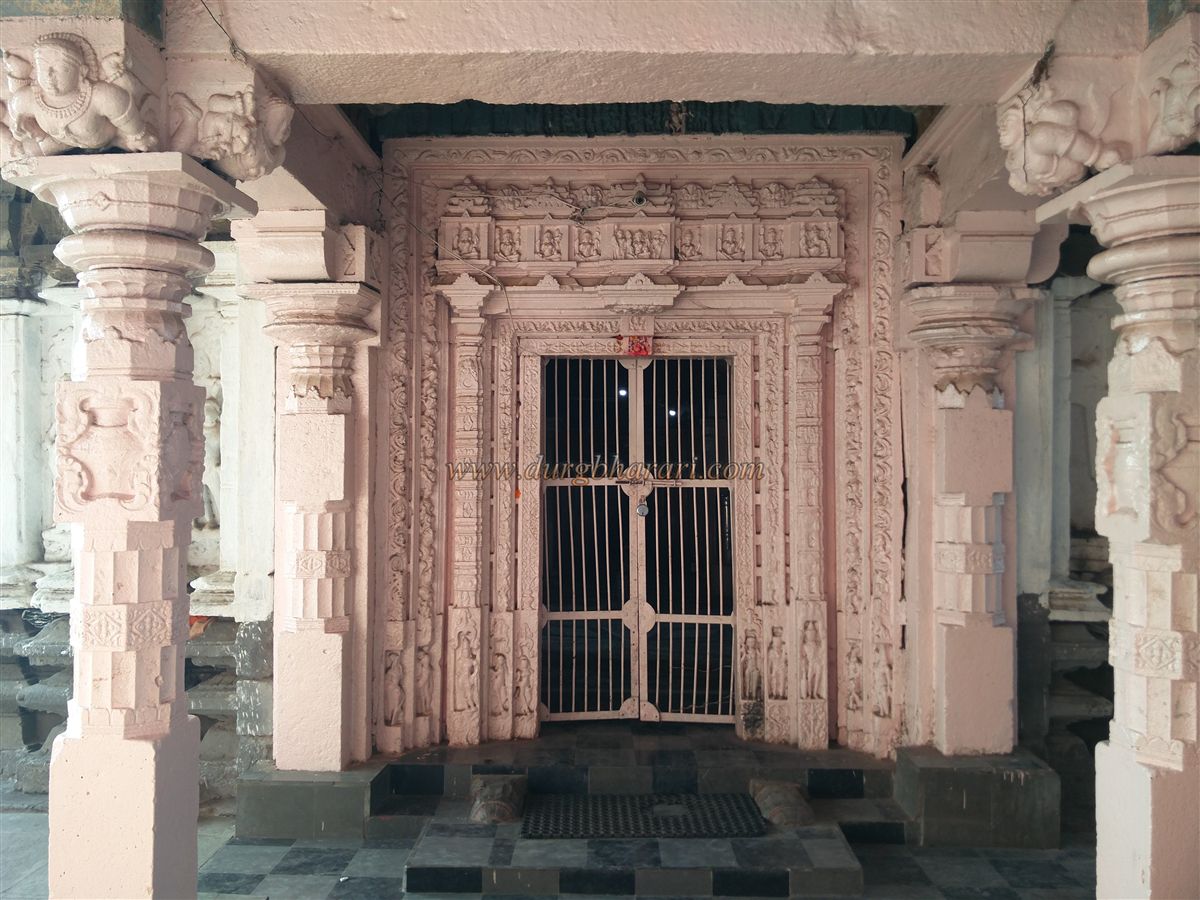
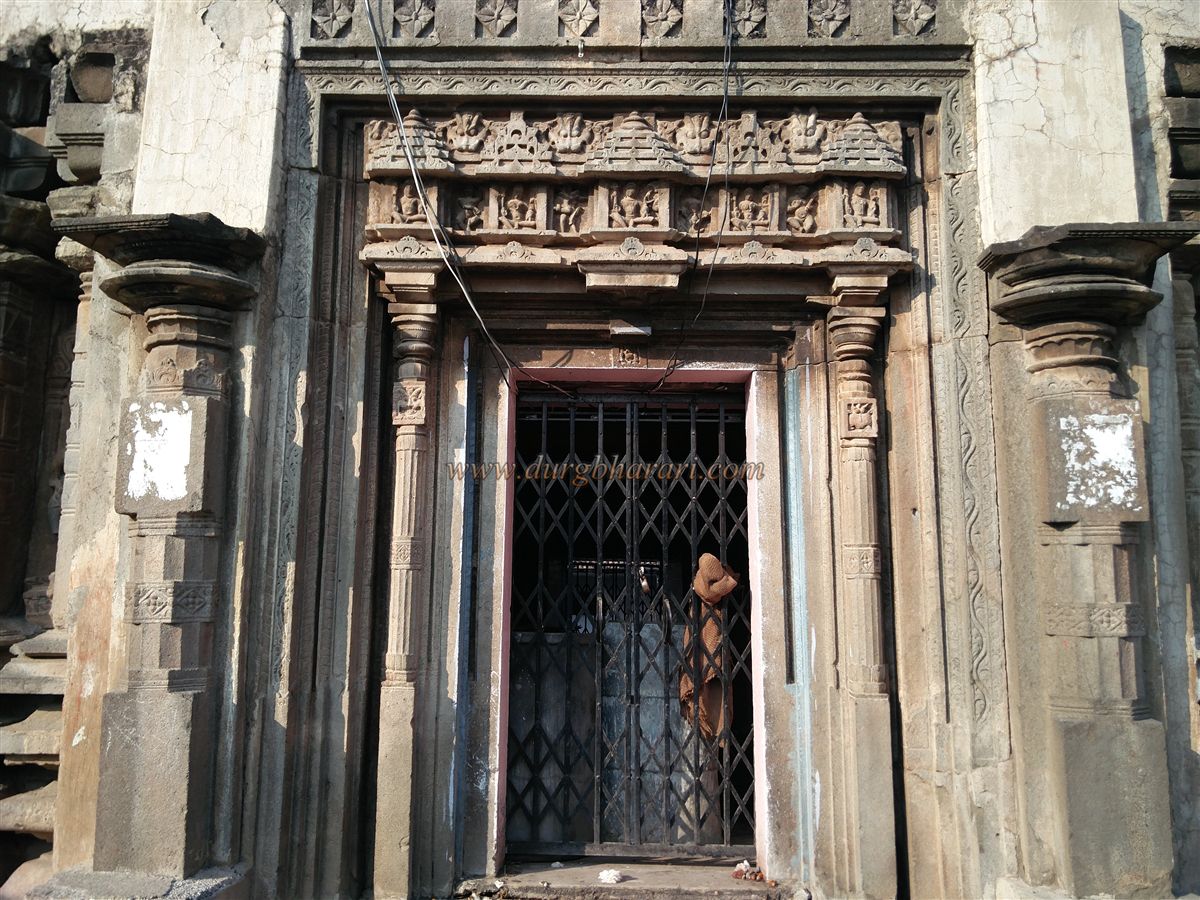
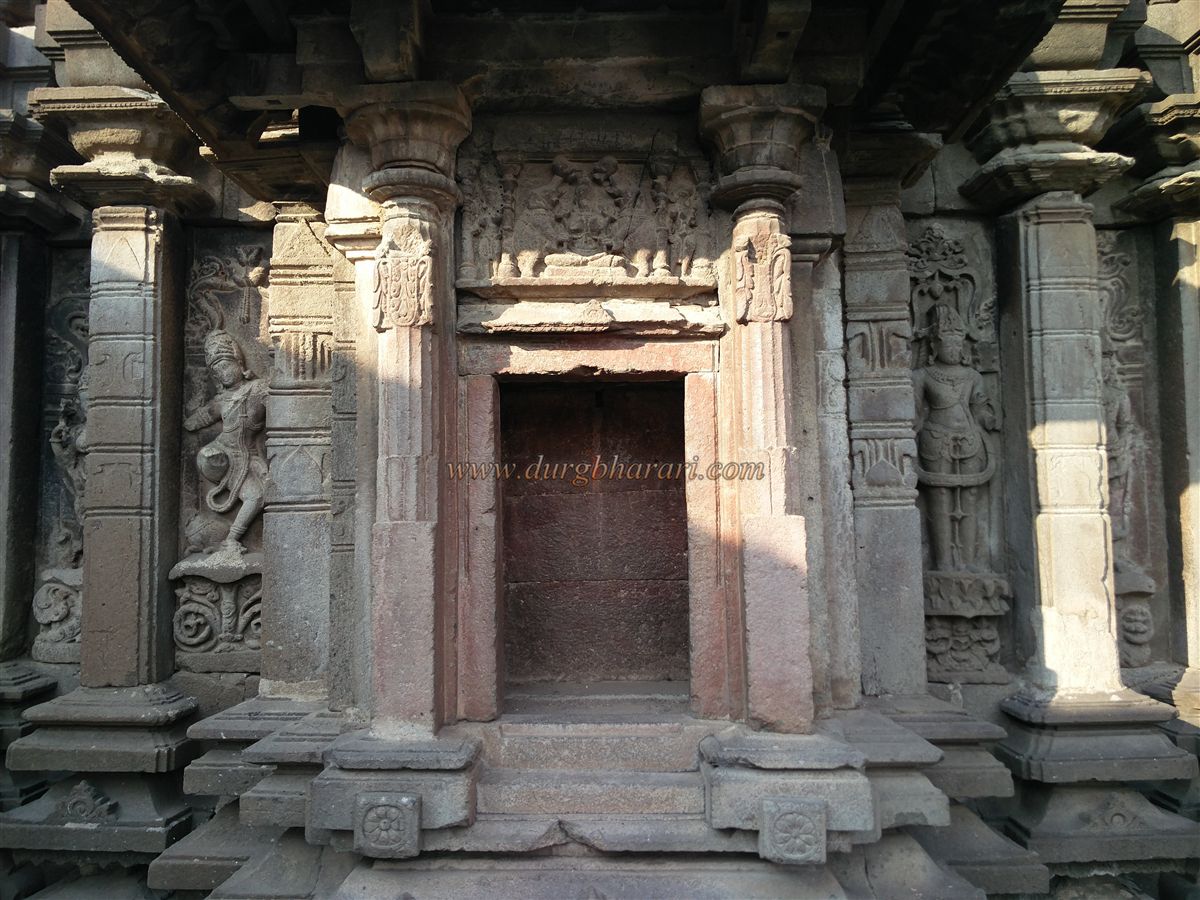
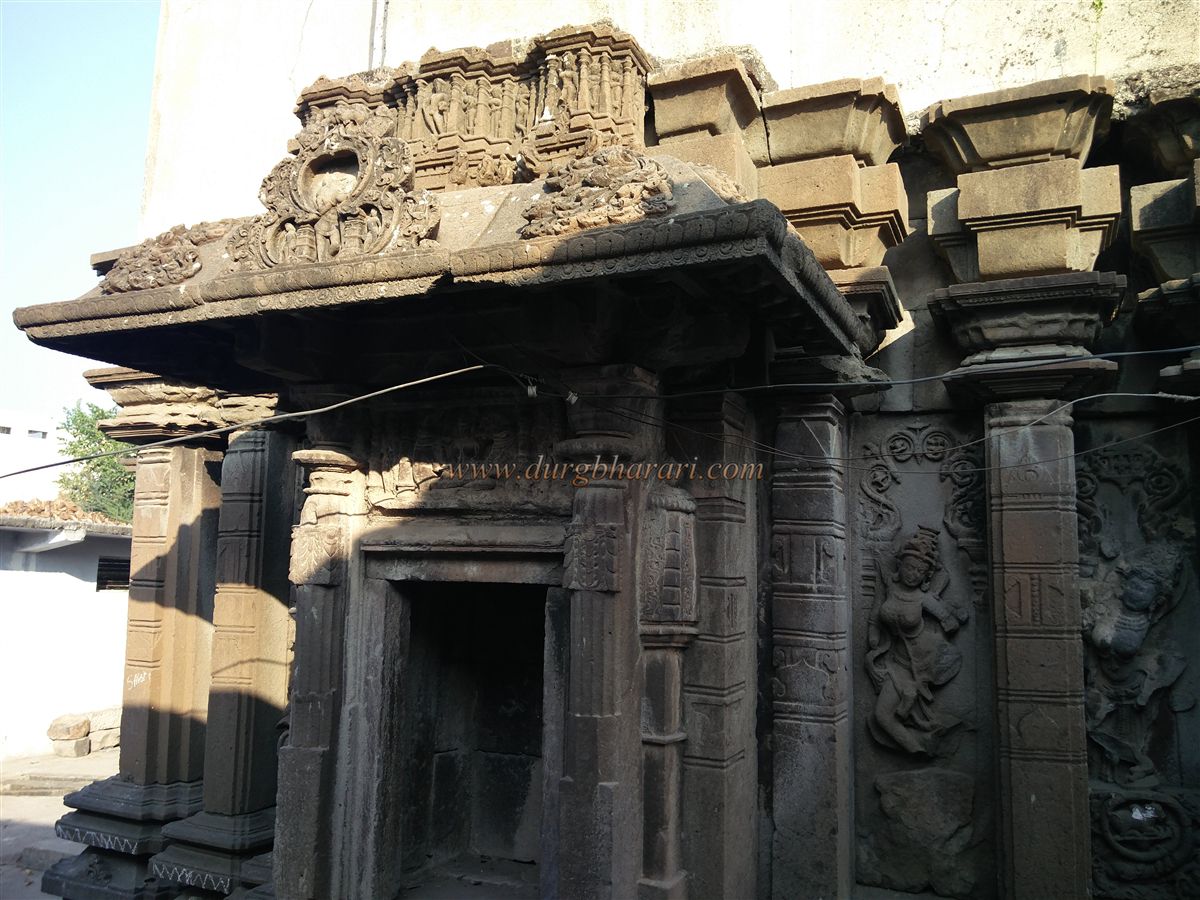
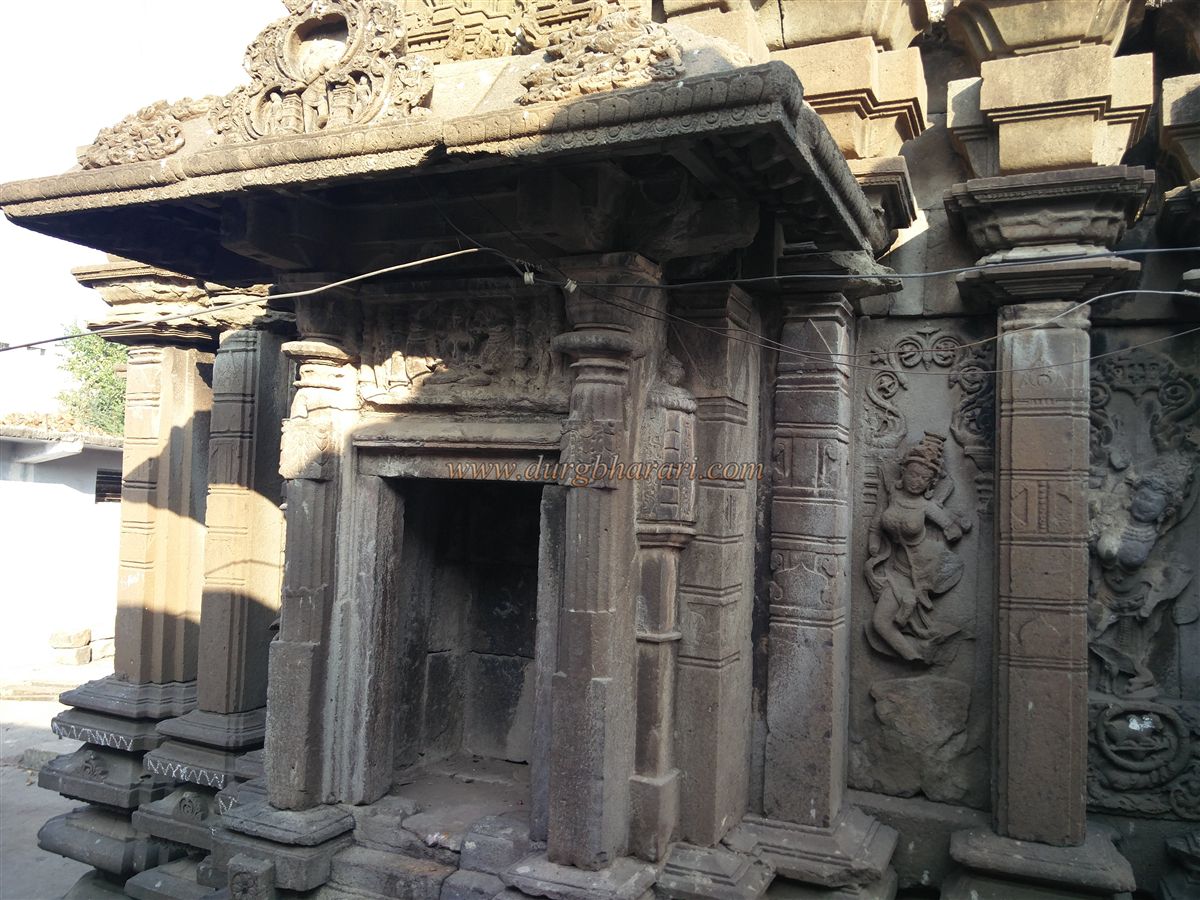
The structure consists of a mukha-mandapa (entrance porch), two ardha-mandapas (intermediate halls), the main Mandap, an antaral (vestibule), and the Garbhagriha (sanctum). The temple is north-facing, and in the sanctum is a Shiva lingam placed on a Bhadra pith approximately one meter in height.
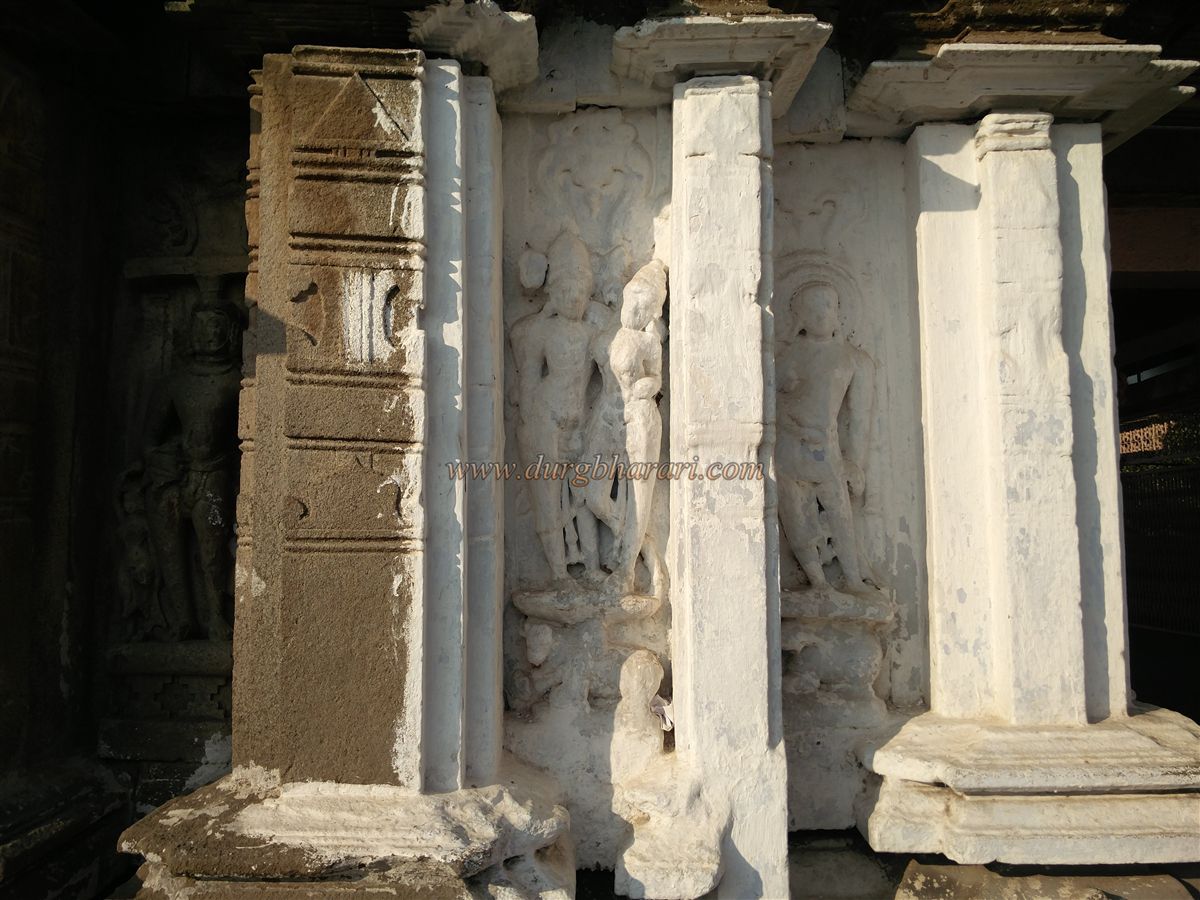
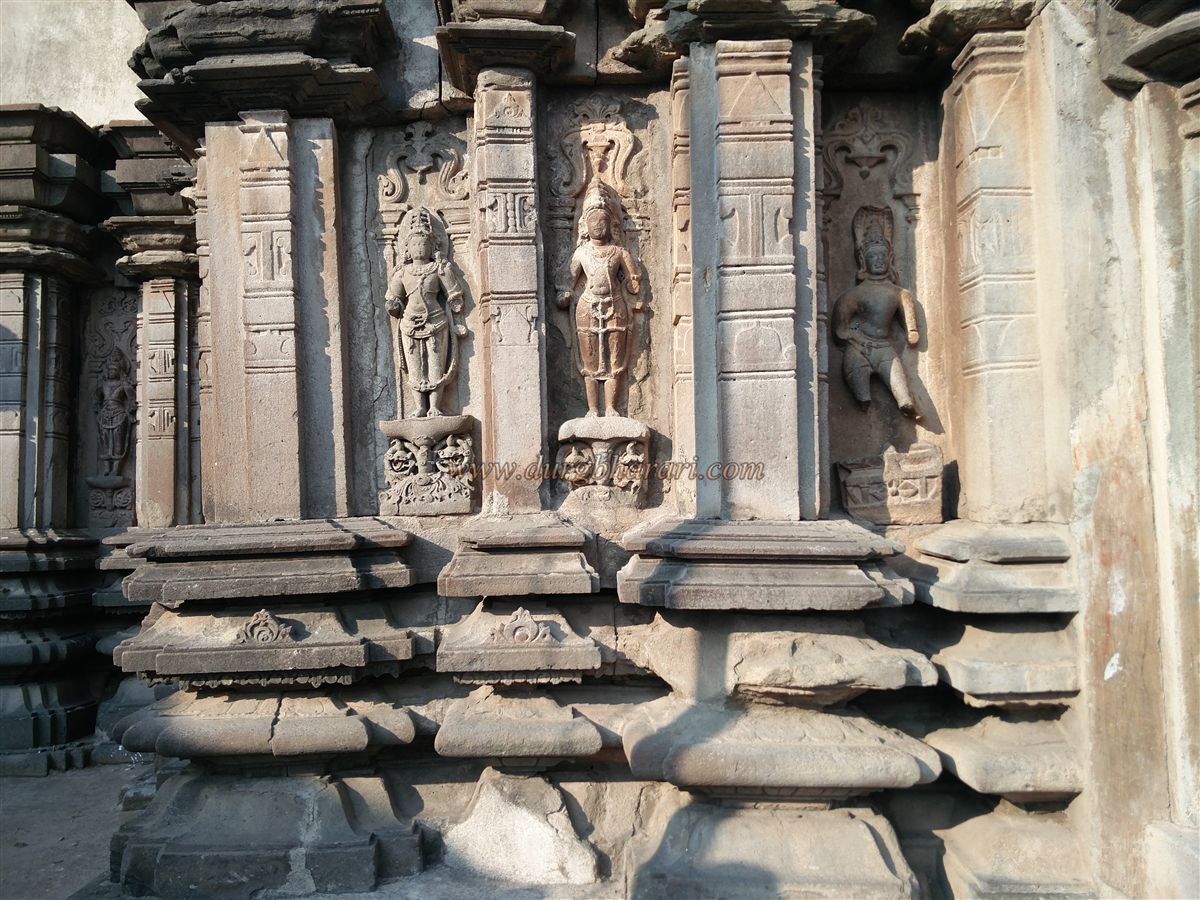
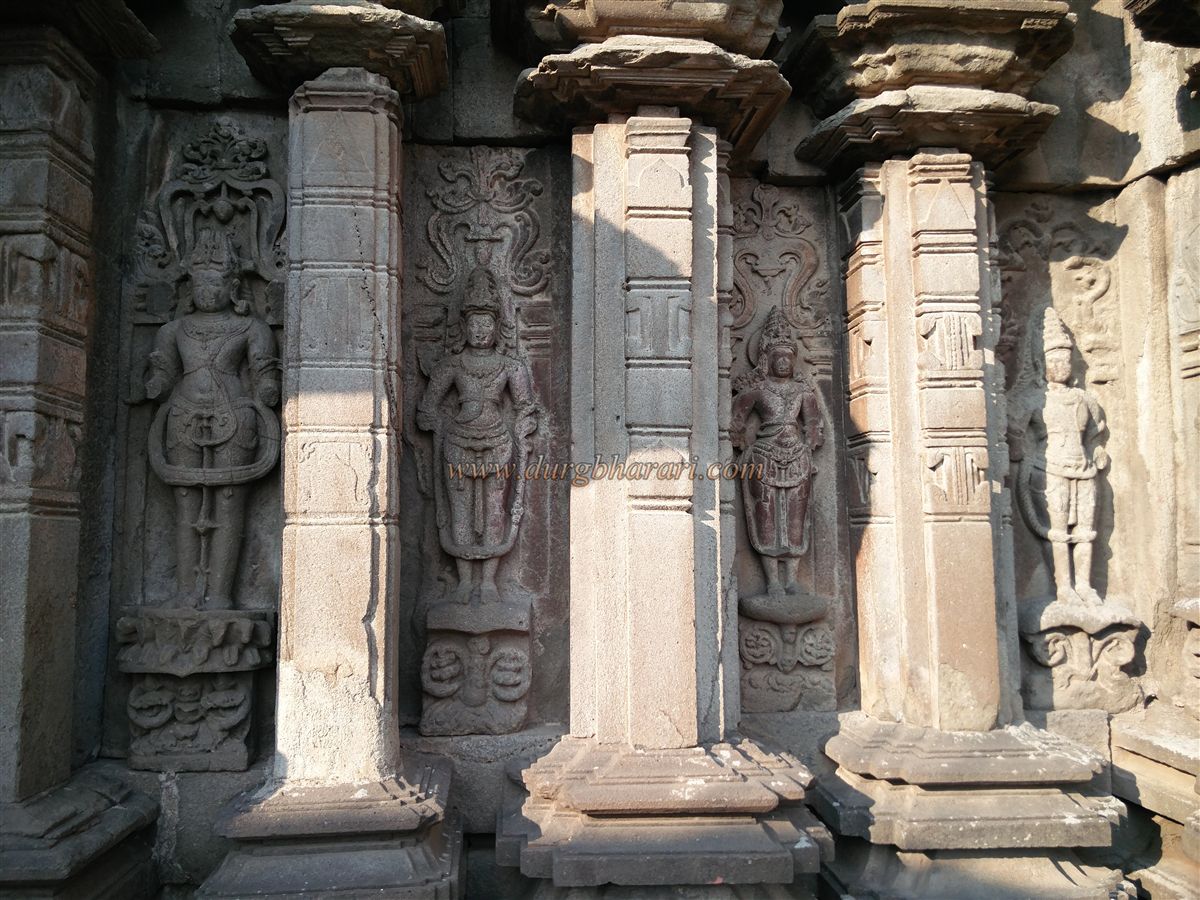
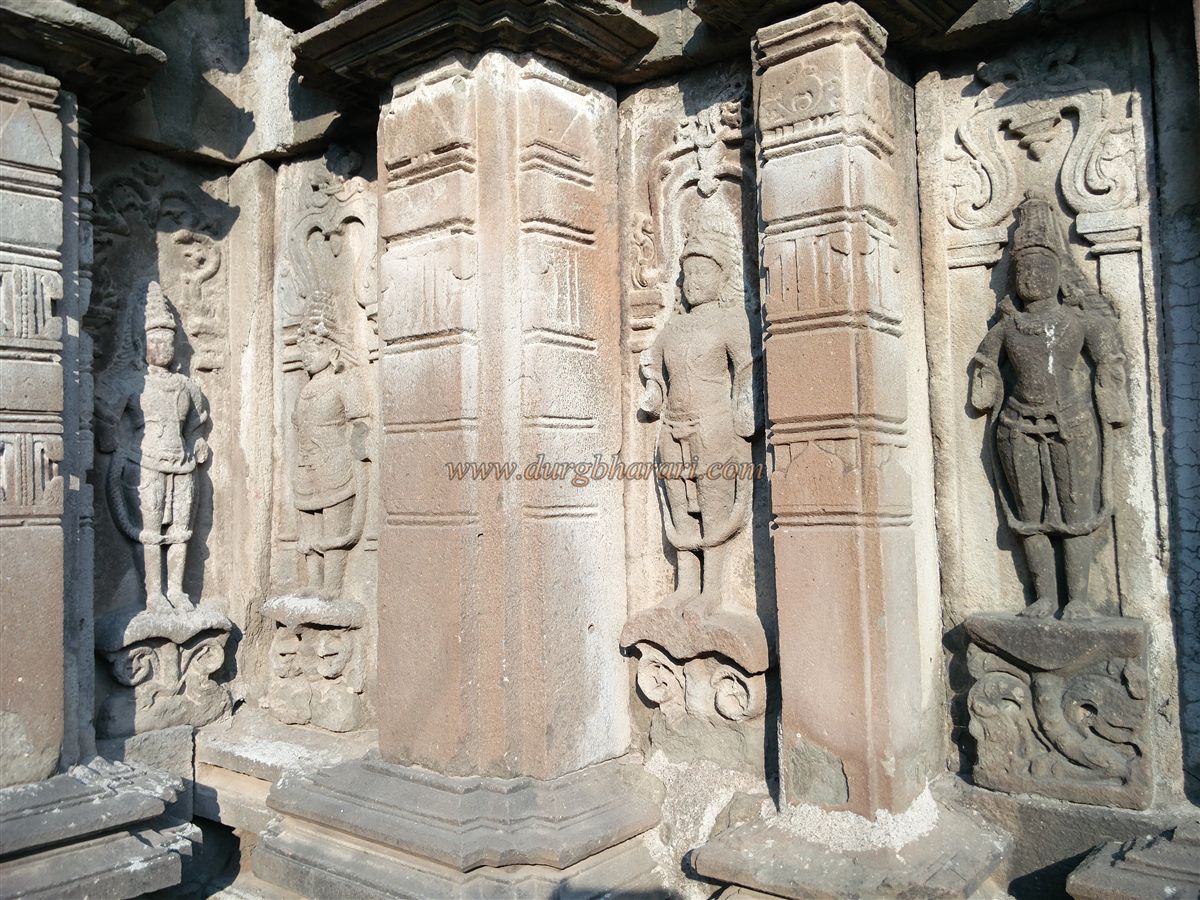
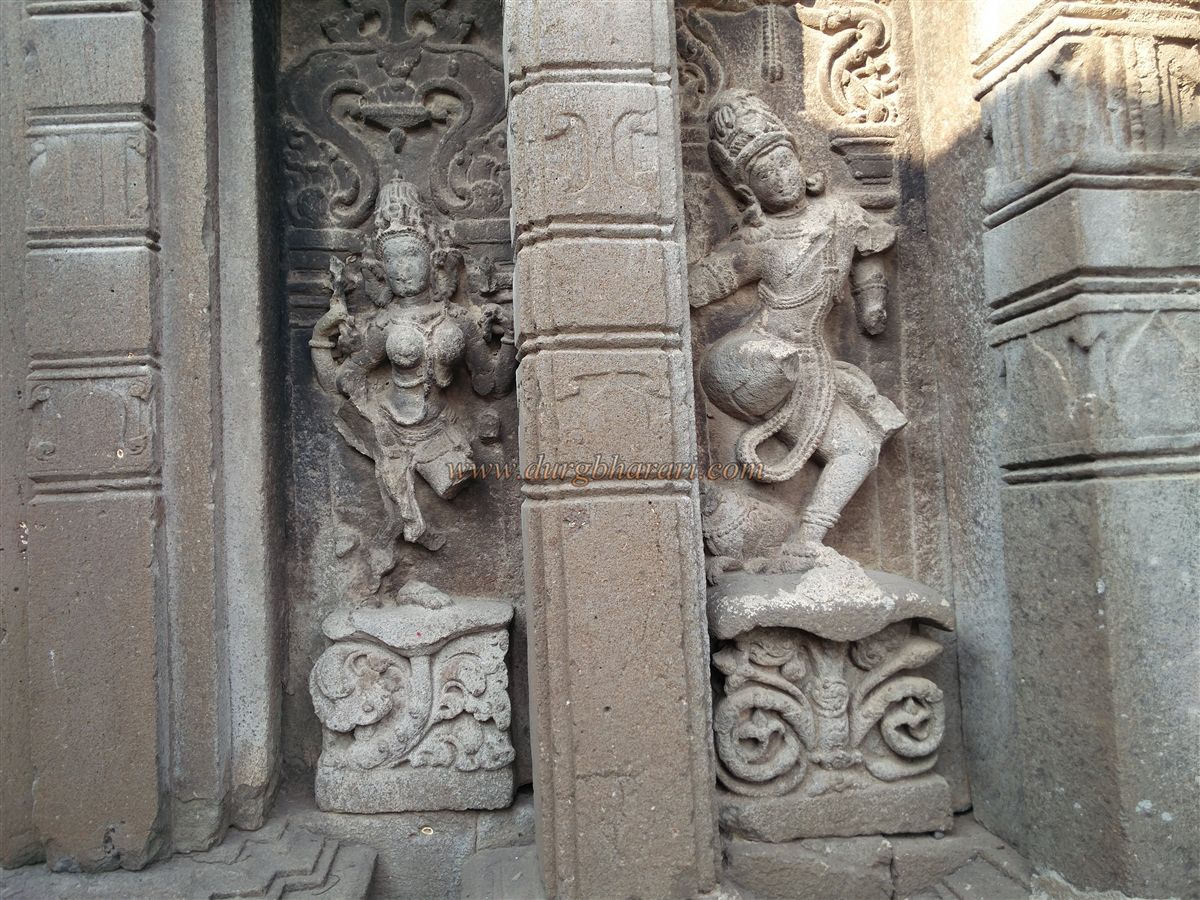
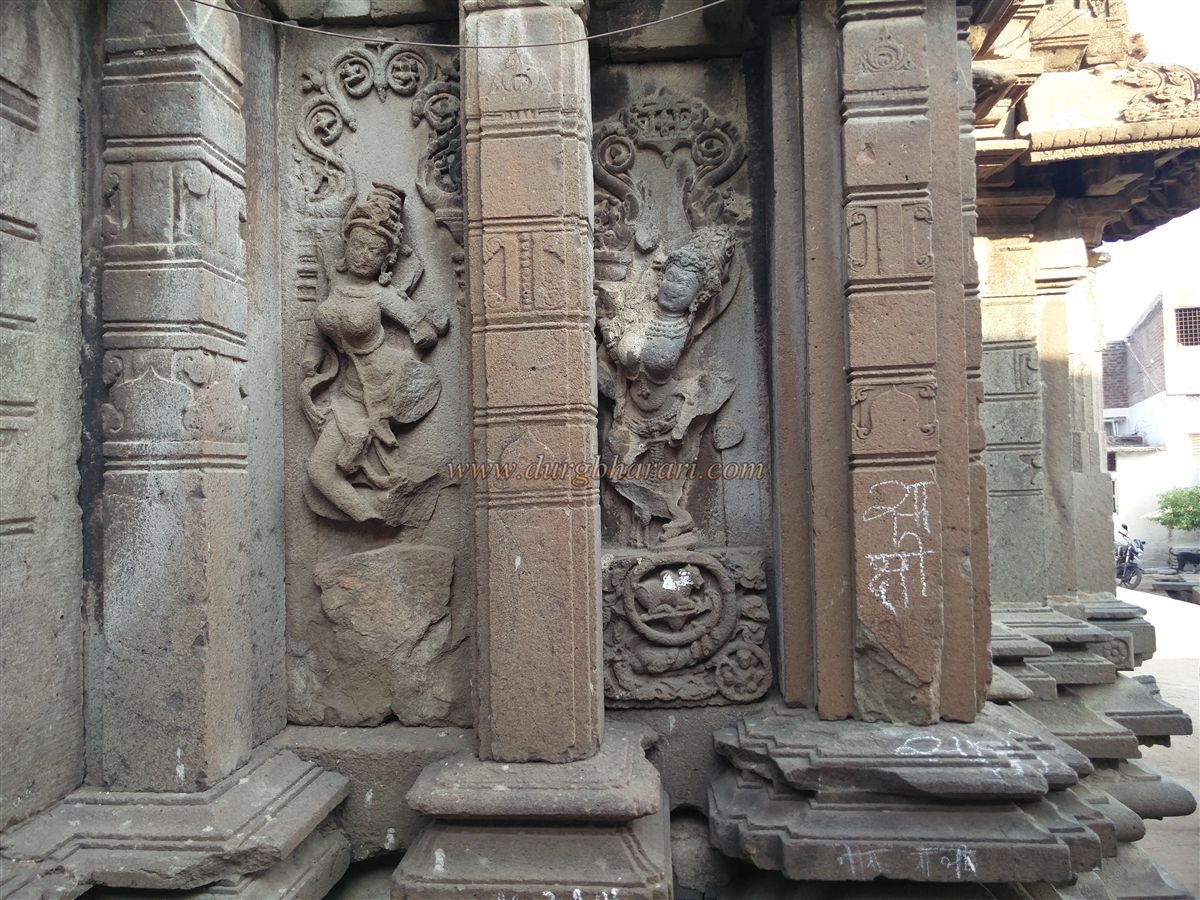
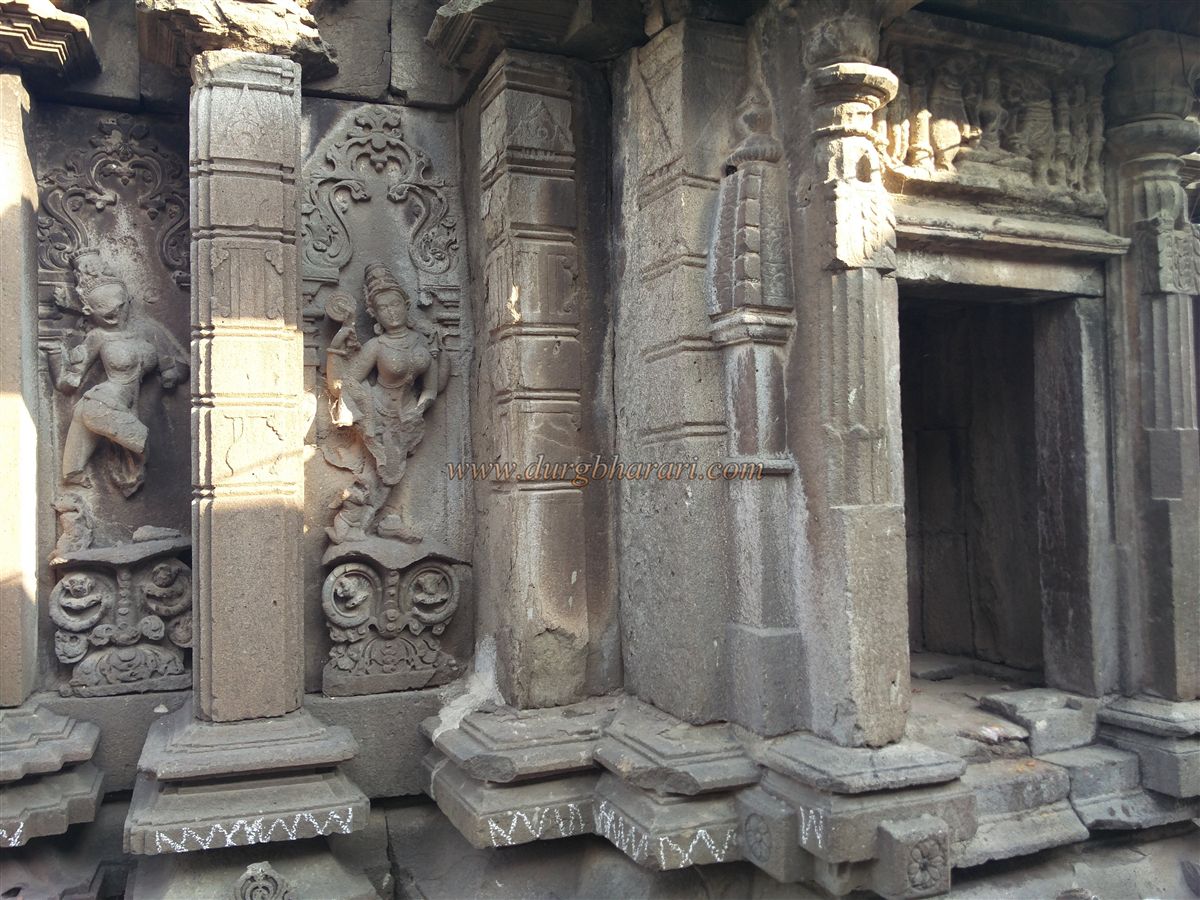
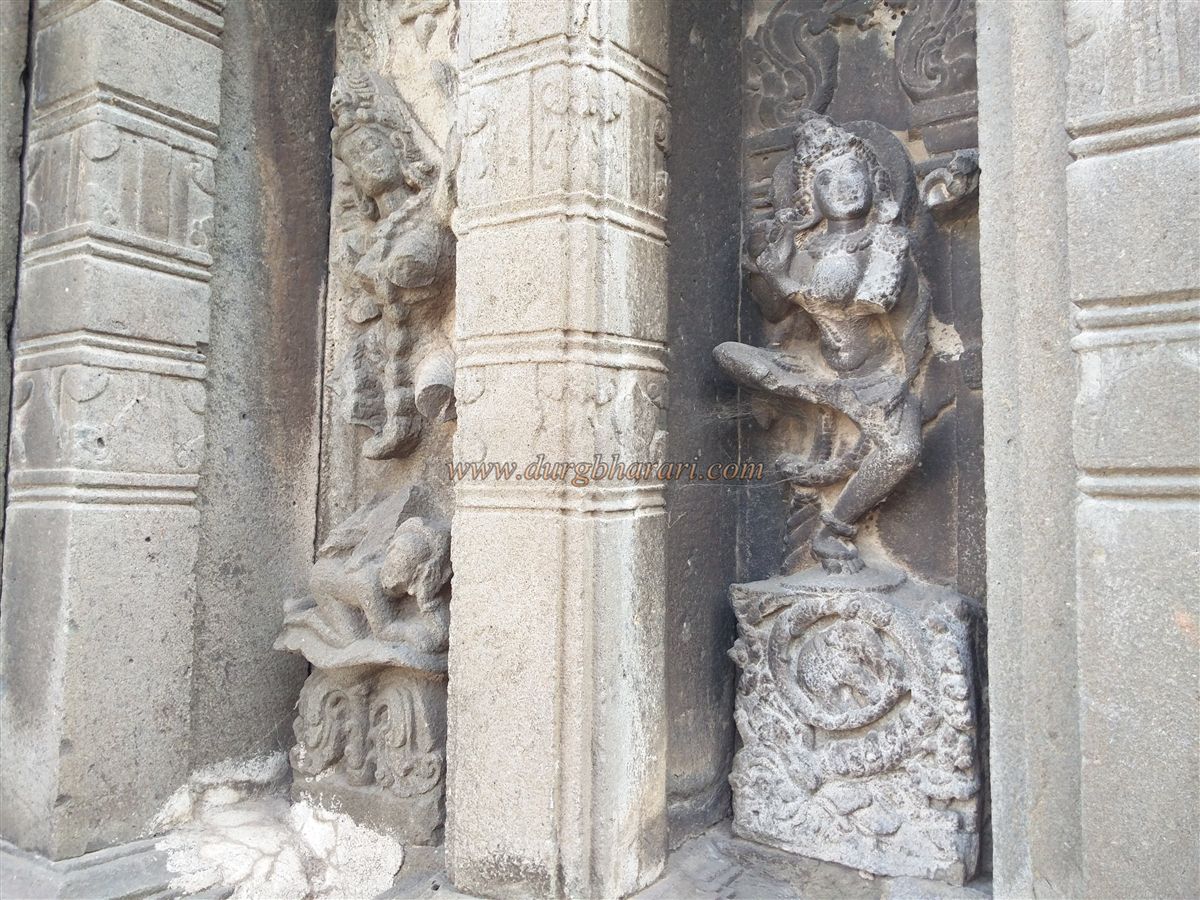
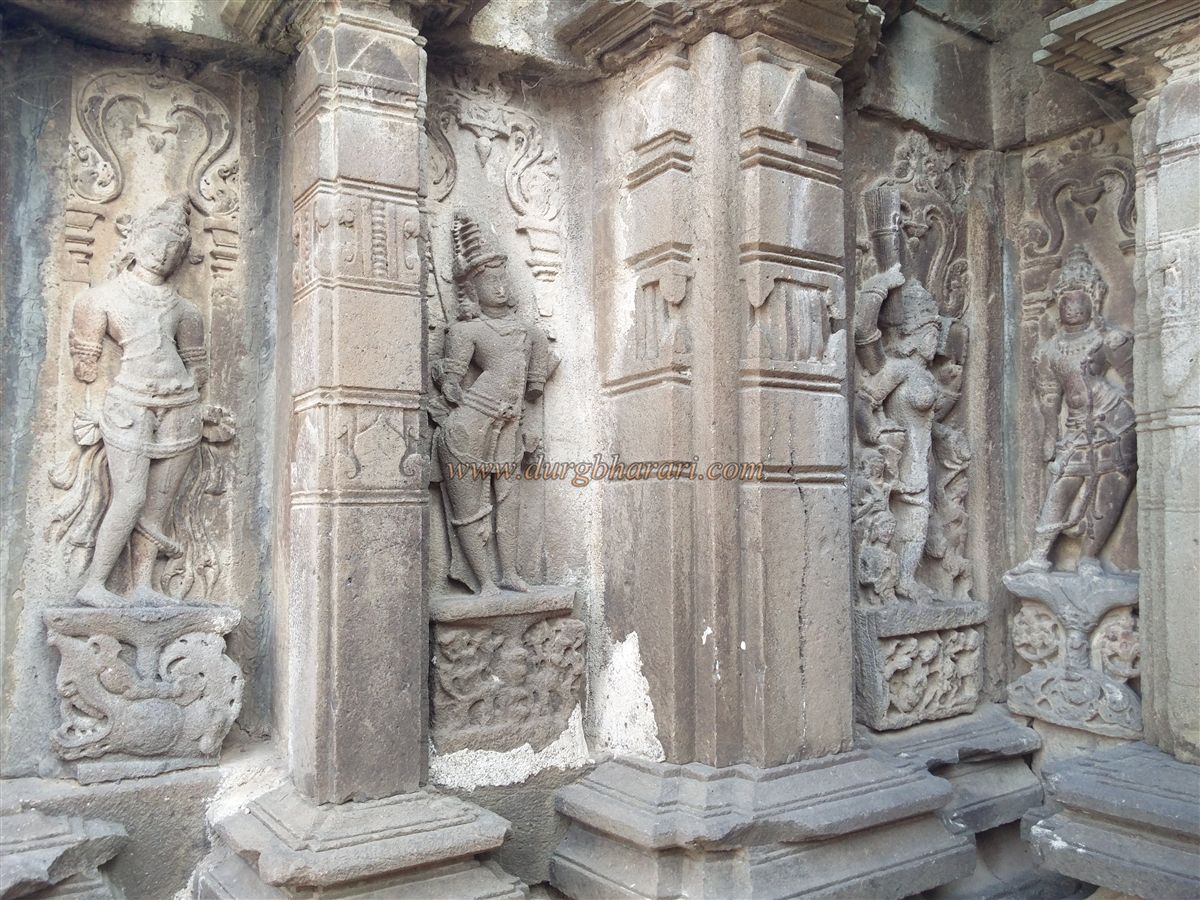
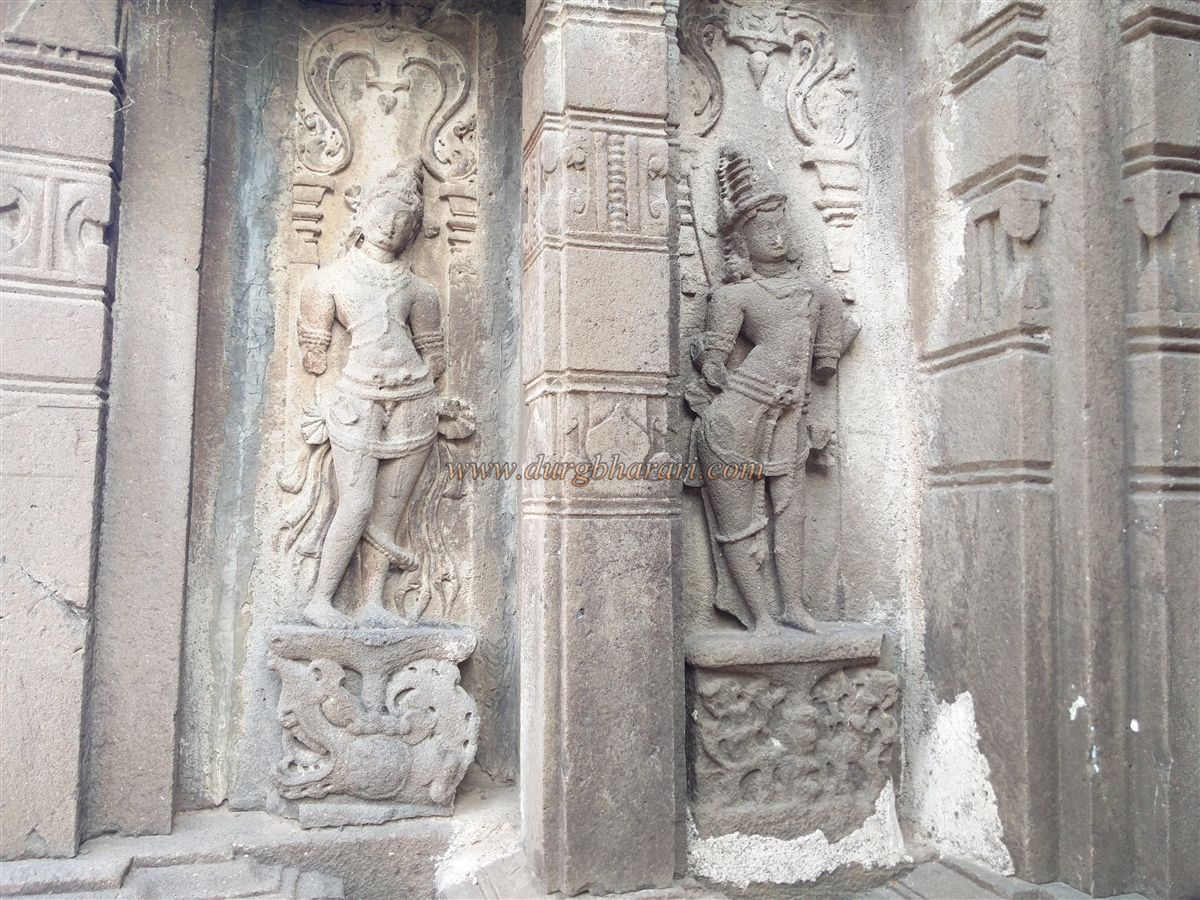
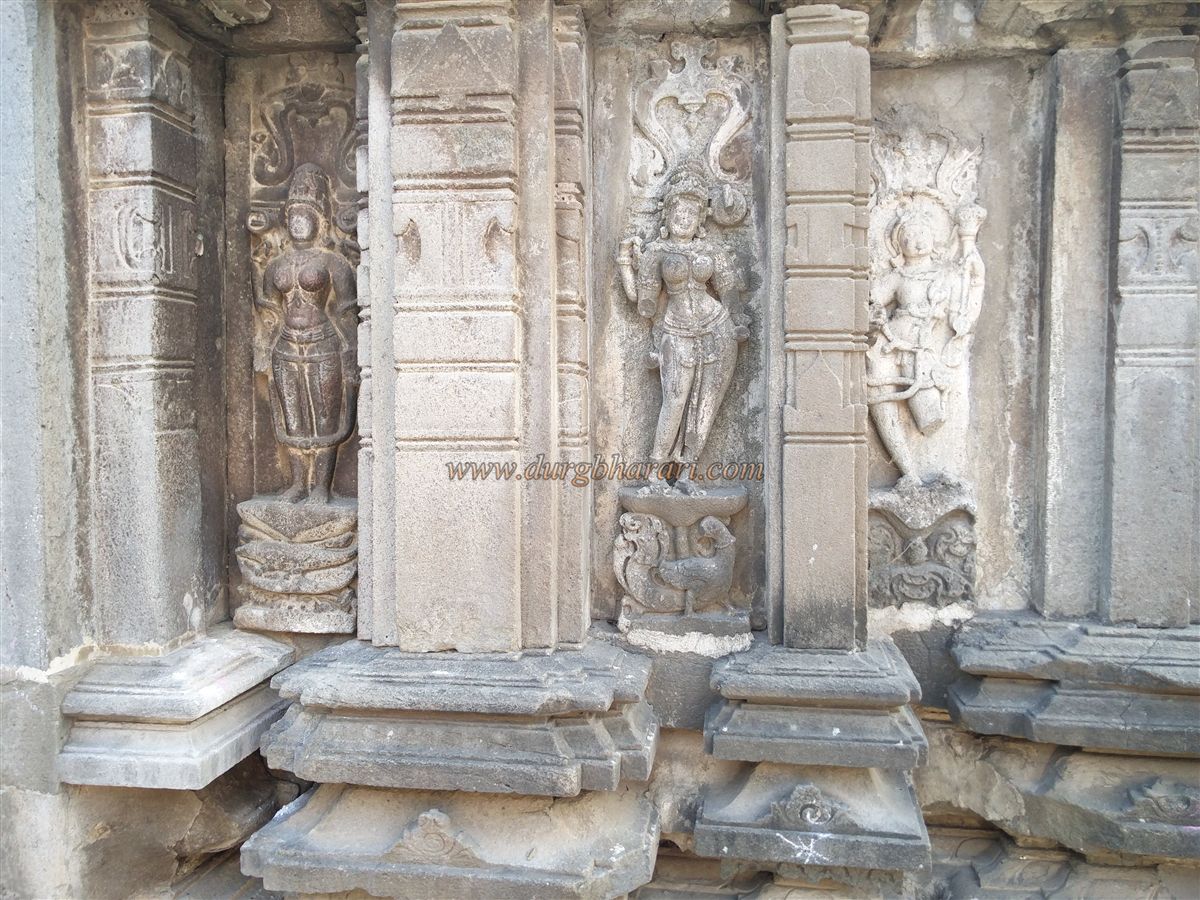
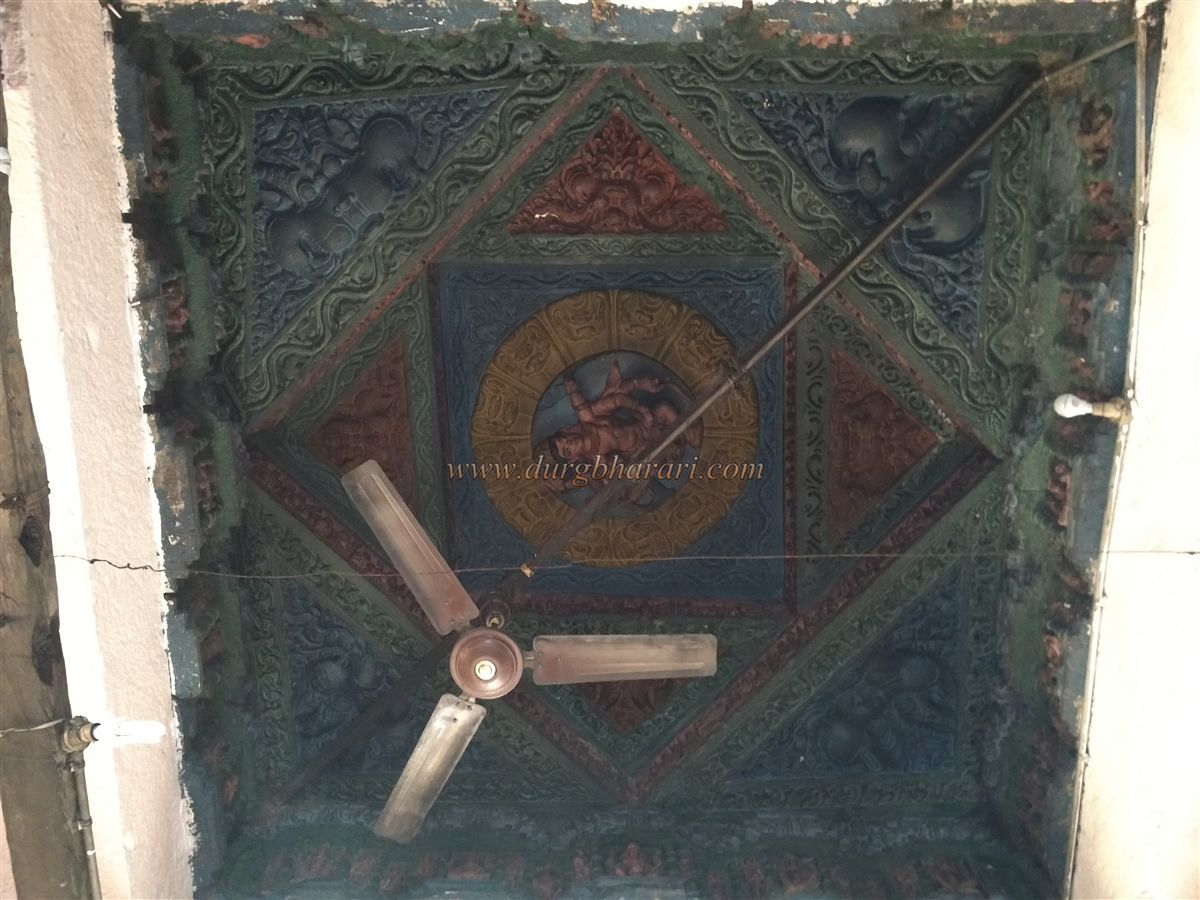
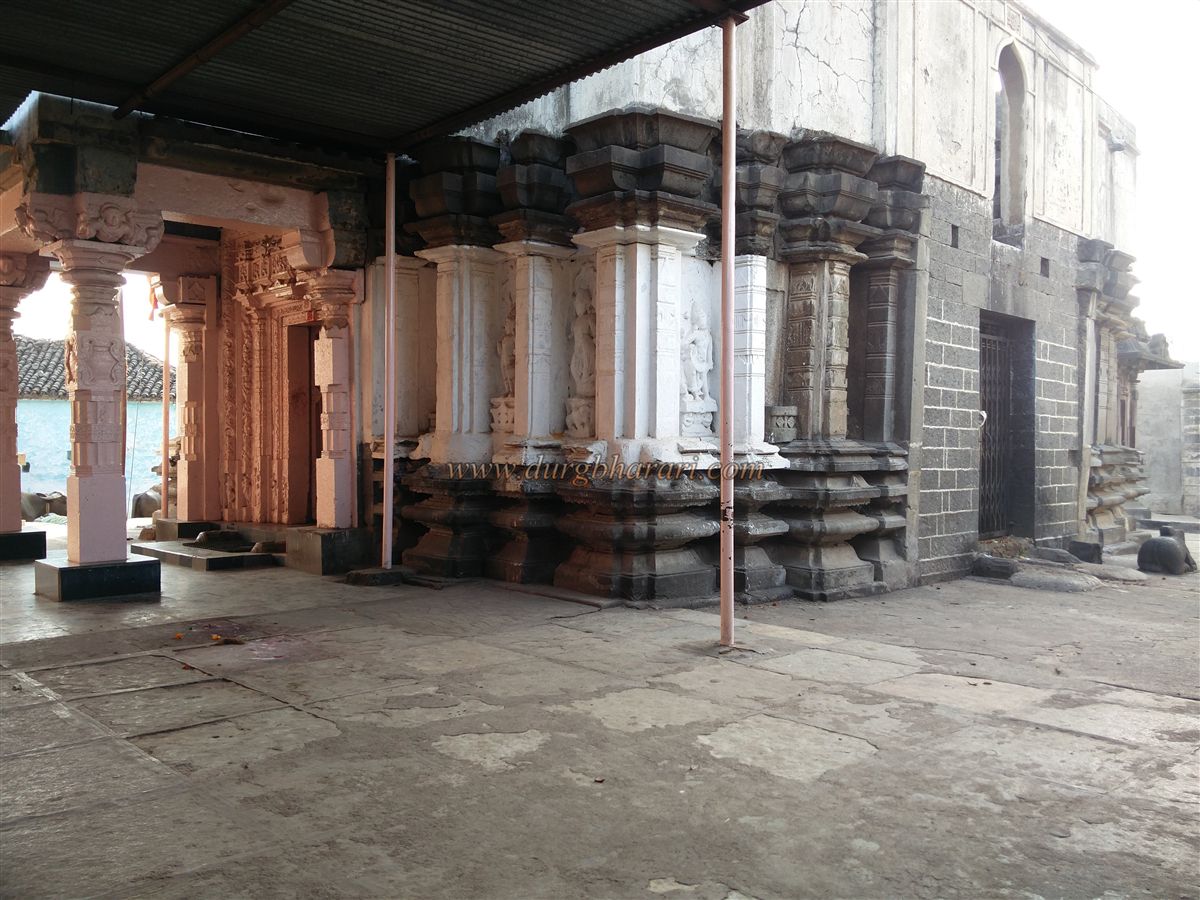
In the central part of the Mandap, there is an open courtyard (angan). The base of the pillars follows a sequence of square, octagonal, and circular forms, topped with capital designs and Keechak-hasta (bracket figures). These pillars are adorned with fine carvings and sculptures. One or two pillars deviate from this standard pattern. On the exterior walls of the temple, there are sculptures of celestial maidens (Sursundari) and a very rare depiction of the dancing Saptamatrikas — seven mother goddesses.
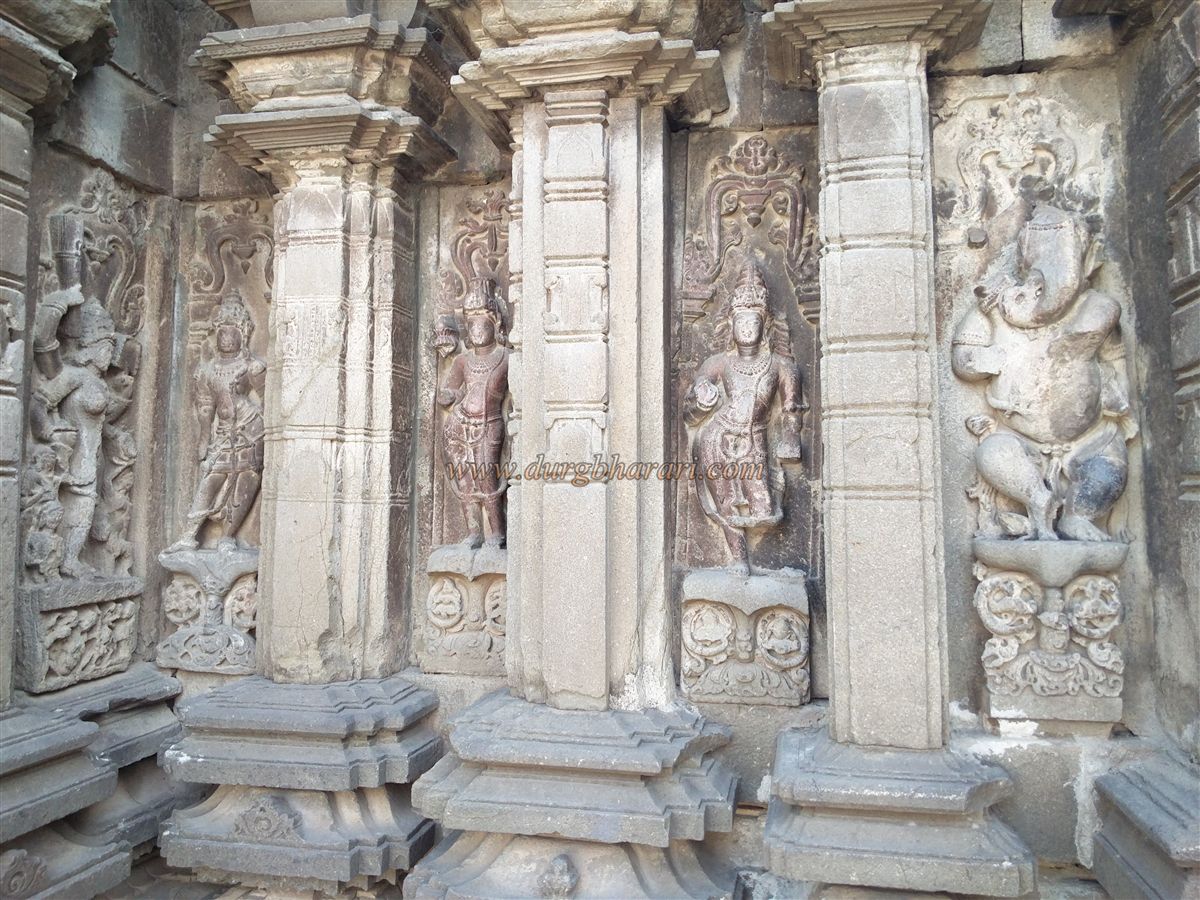
These deities, today worshipped as household guardian goddesses in rural Maharashtra, were revered in ancient society as the Saptamatrikas. According to the Shiva Puran, during the slaying of demon Andhakasura, several gods gave their energies to Shiva. From these divine energies arose the goddesses Brahmani, Vaishnavi, Kaumari, Indrani, Maheshwari, and Narasimhi, who fought alongside Shiva to defeat the demon. In many temples, the Saptamatrikas are seen carved in a row with their respective vahanas (mounts) below them, usually followed by Ganesha. However, in the Dashratheshwar temple at Mukhed, the Saptamatrikas are uniquely depicted as dancing figures.
Though some of the arms of these sculptures are damaged, the lotuses under their feet and the carved vahanas help in identifying each deity. Their heads are adorned with crowns, ears with earrings, and ankles with traditional ornaments like anklets and toe-rings. These beautiful, proportionate, and dance-absorbed Saptamatrikas are extremely rare and found on this temple.
In addition, another rare sculpture on this temple is that of Jyeshtha or Alakshmi. Known in Maharashtra as “Akkabai,” she is considered the elder sister of Lakshmi and was the first to emerge during the churning of the ocean (Samudra Manthan), hence the name Jyeshtha. While Lakshmi married Vishnu, no one agreed to marry Jyeshtha, so sage Kapila was said to have accepted her. Her symbols are a broom and a crow, and her mount is a donkey. In some traditions, she is also considered the goddess of disease and misfortune.
The sculpture of Jyeshtha on the temple is especially striking. She is depicted with four arms: the upper right hand holds a broom, another hand holds a winnowing basket, and one holds a skull-bowl. Her ears have earrings, her head bears a crown, and a garland of skulls drapes over her left shoulder. Beside her is her mount — a donkey. This extremely rare sculpture stands out distinctly.
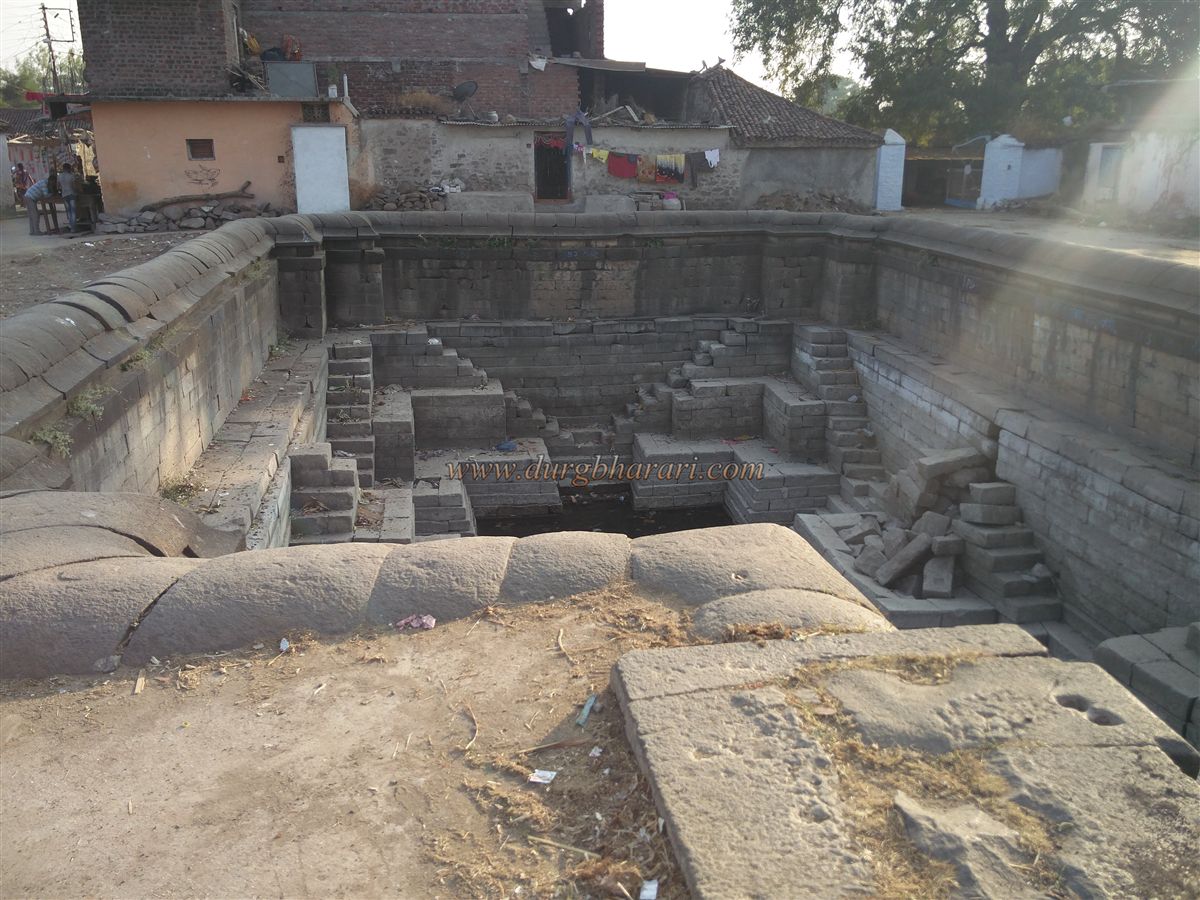
A short distance from the temple lies an ancient stepwell (pushkarni). The temple at Mukhed stands apart from others due to its unique sculptures of Alakshmi and the dancing Saptamatrikas. One must visit Mukhed to see this extraordinary temple.
© Suresh Nimbalkar
GALLERY