MUKHAI
TYPE : CITY FORT
DISTRICT : PUNE
HEIGHT : 0
GRADE : EASY
In the medieval period, villages located along trade routes or those inhabited by influential clans were often situated within forts or fortified towns (Nagardurg). During explorations of forts in Maharashtra, one encounters many such fortified settlements. Mukhai Nagardurg, located on the Shikrapur–Pabal road, is one such example. The Kalbhairav Nath temple situated in Mukhai village is well-known in the surrounding region and is housed within this Nagardurg.
Mukhai village is situated on the Shikrapur–Pabal road, with Pune–Shikrapur–Mukhai distance being 43 km. The village is accessible by both ST and municipal buses. Mukhai lies on the banks of the Velu River, covering about 1.5 acres. At one time, the entire village was surrounded by fortification walls.
...
Due to expansion of the settlement, the northern wall has been completely destroyed, but the remaining three sides still retain a fair amount of the old fortification. The presence of the riverbed and private properties has helped preserve the surviving walls.
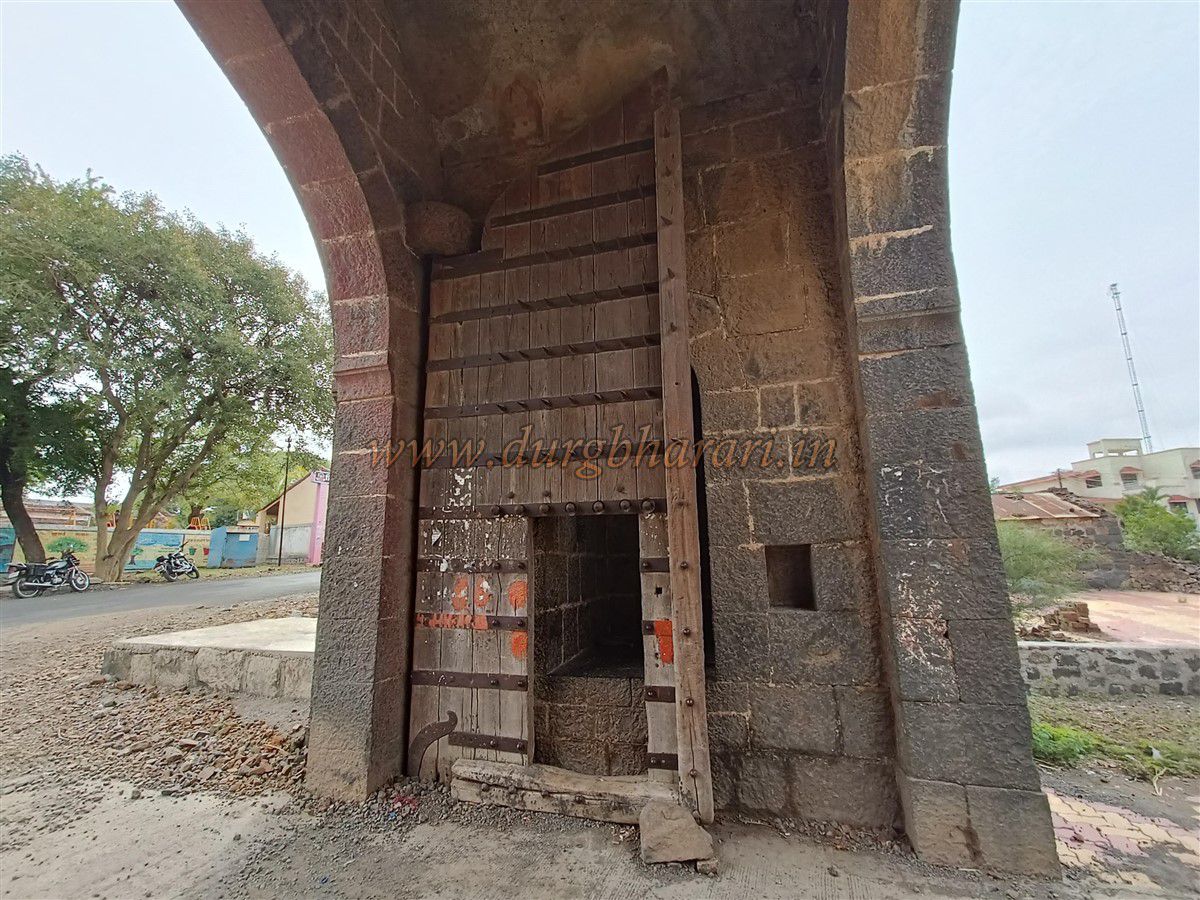
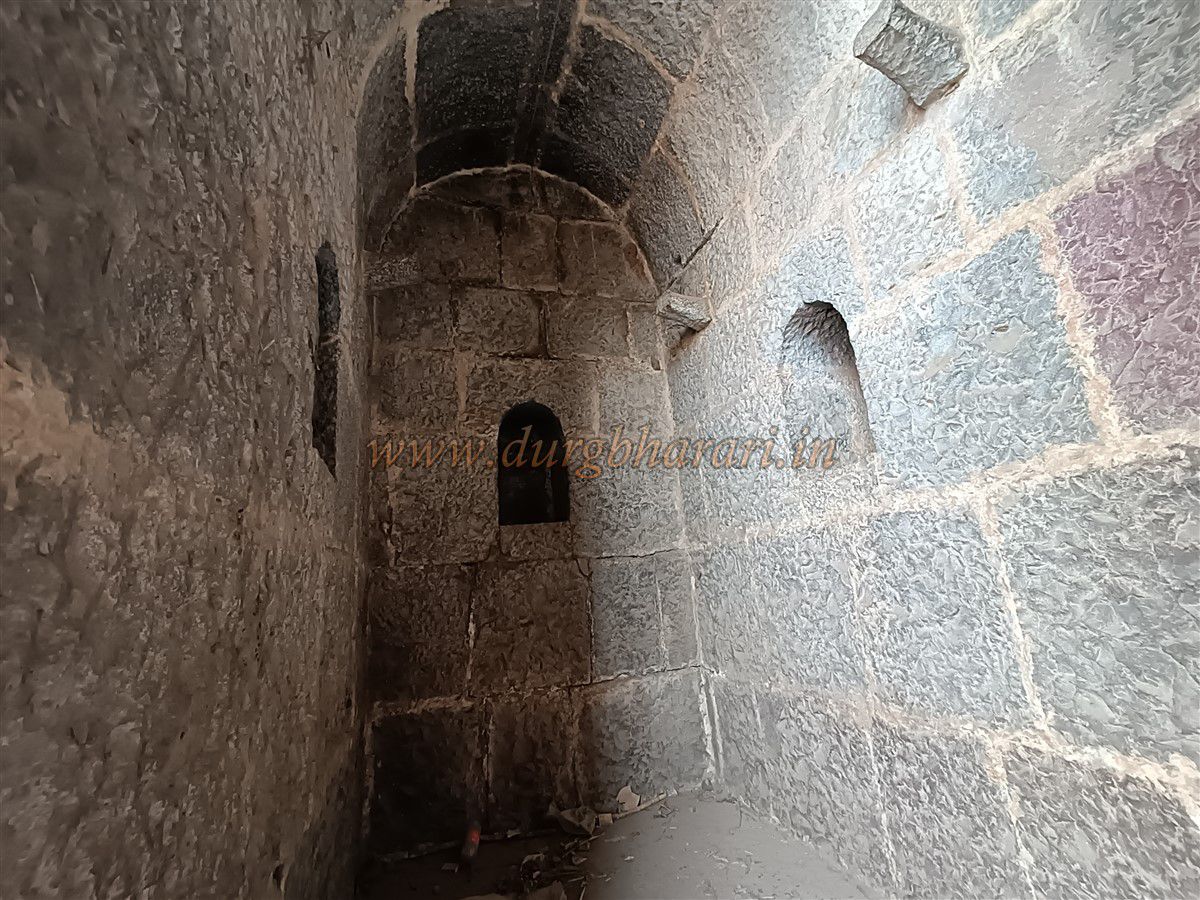
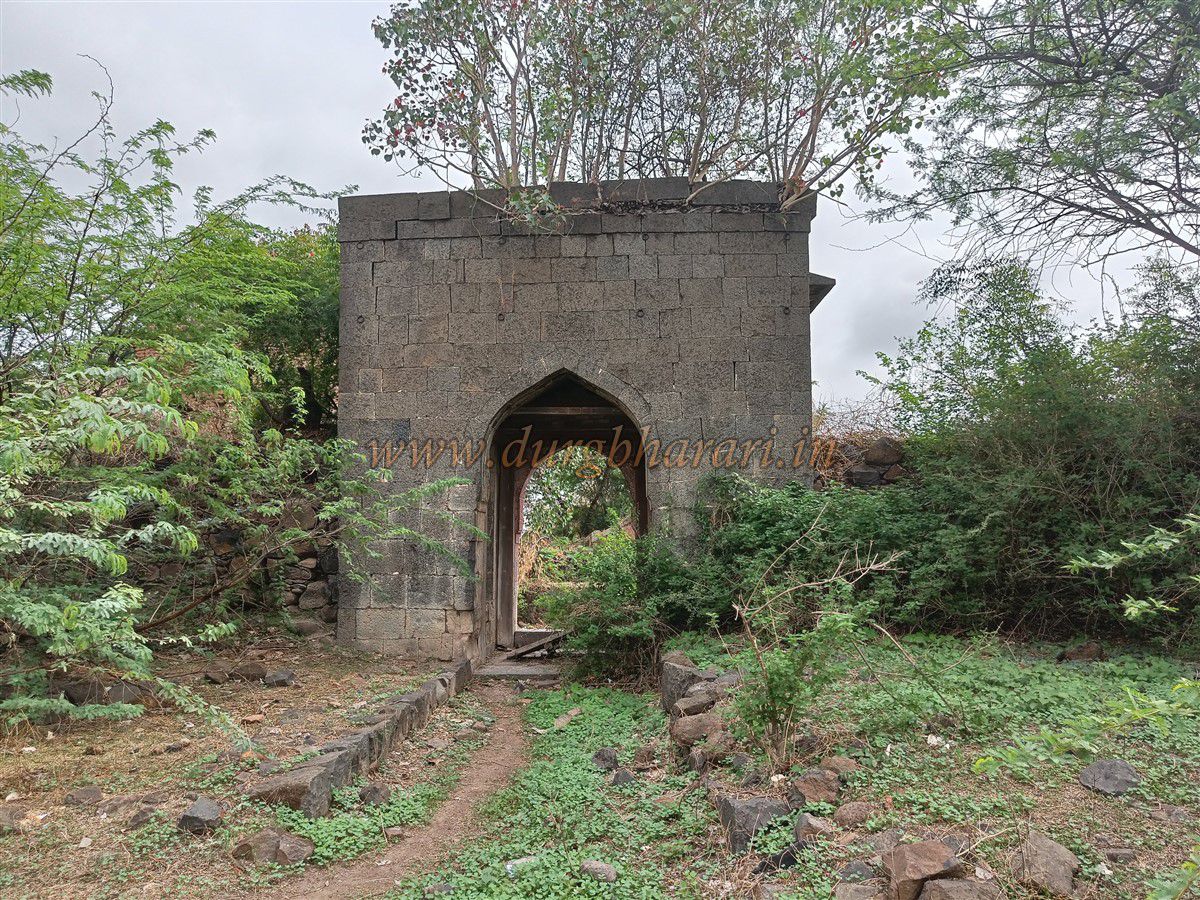
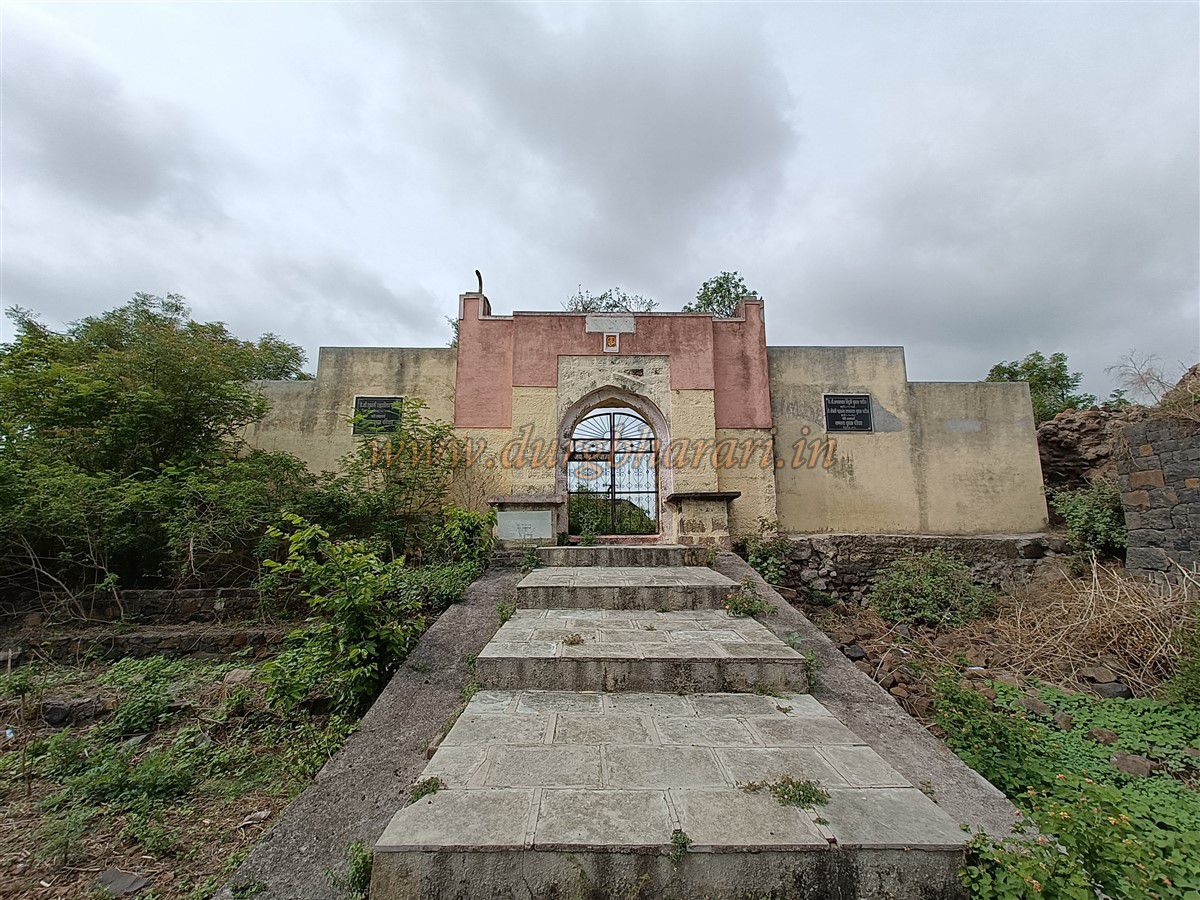
To enter the village, one passes through the main gate on the western side, which still stands proudly with its arch and wooden doors intact. On both sides inside the gate are guard chambers, and from there steps lead up to the ramparts and the gate. To prevent war elephants from ramming the gate, sharp iron spikes were driven into the upper portion. A small secondary gate (dindi Darwaja) was provided for entry when the main gate was closed. There are also arrow slits (jangya) above the gate for firing at enemies.
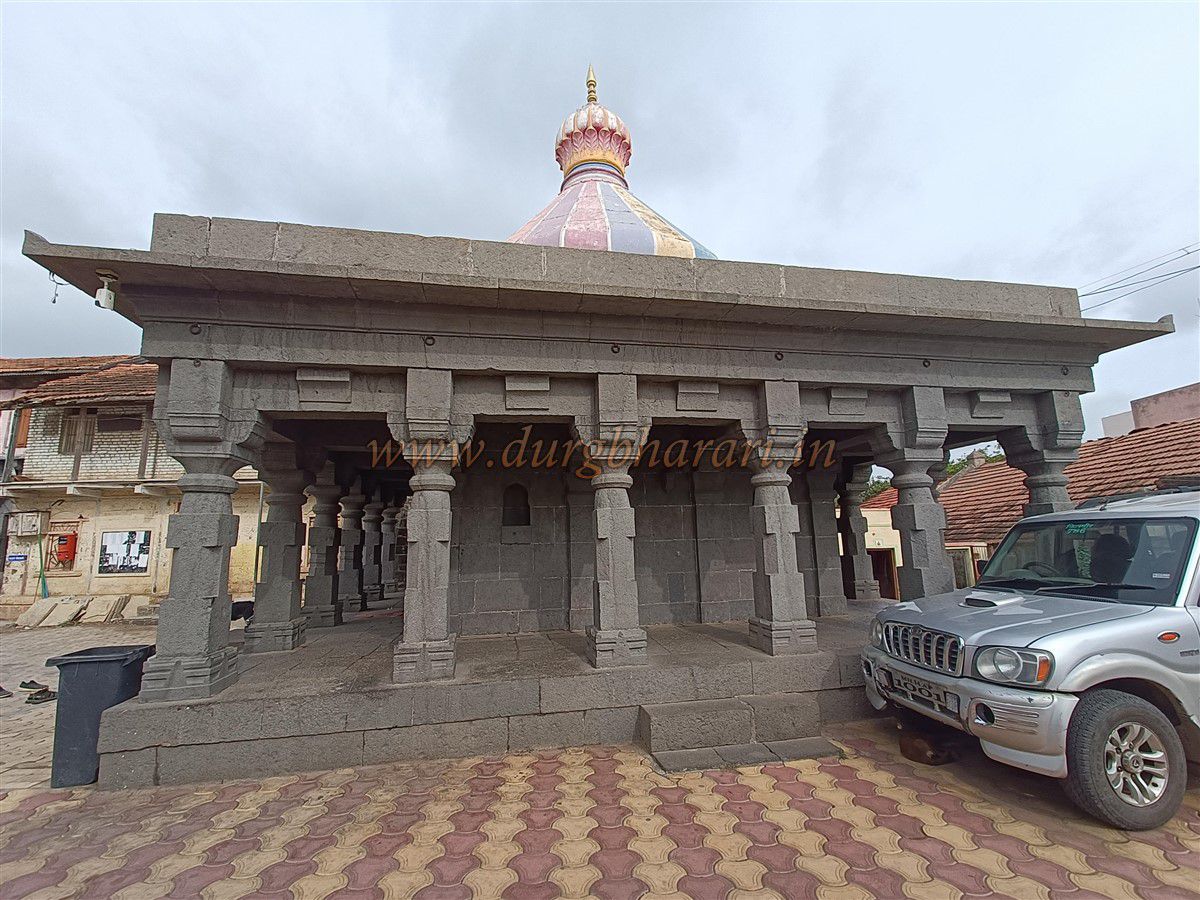
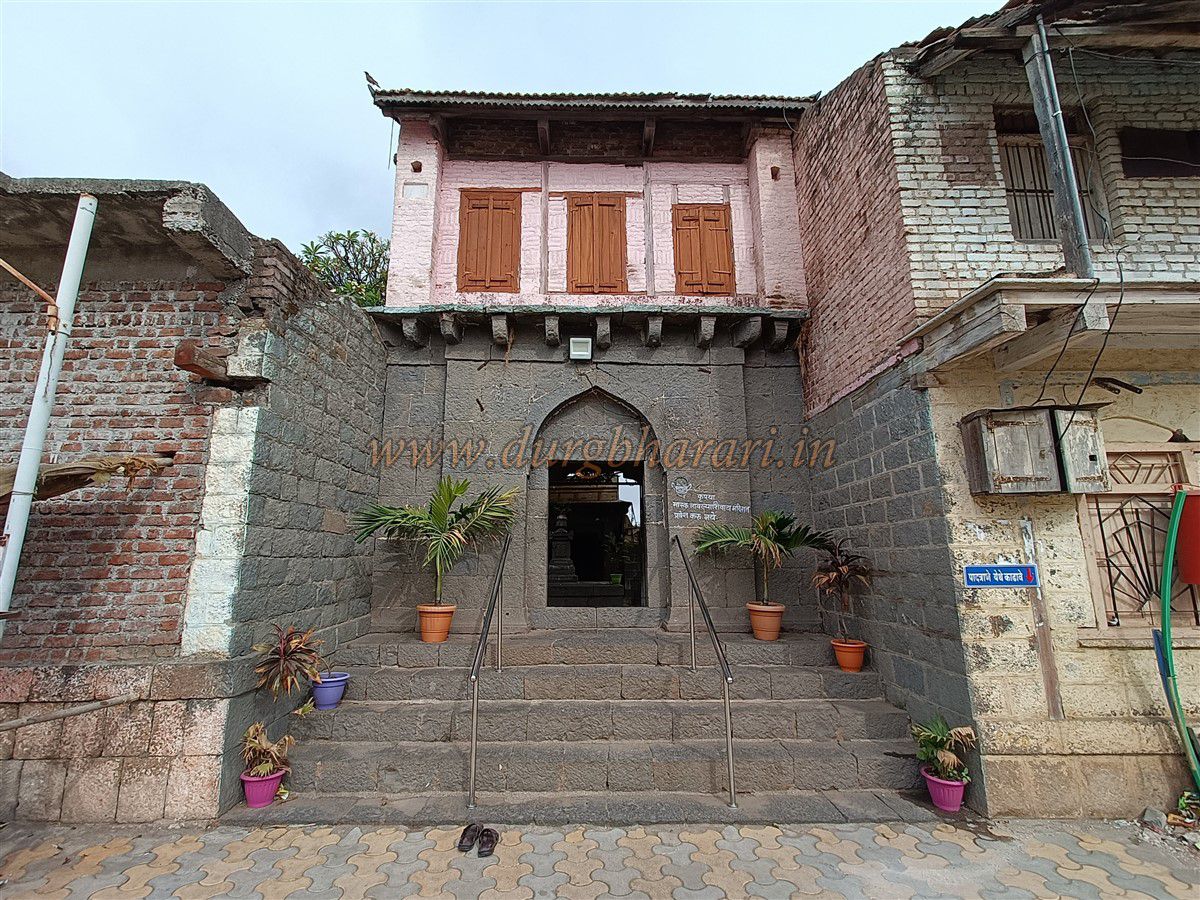
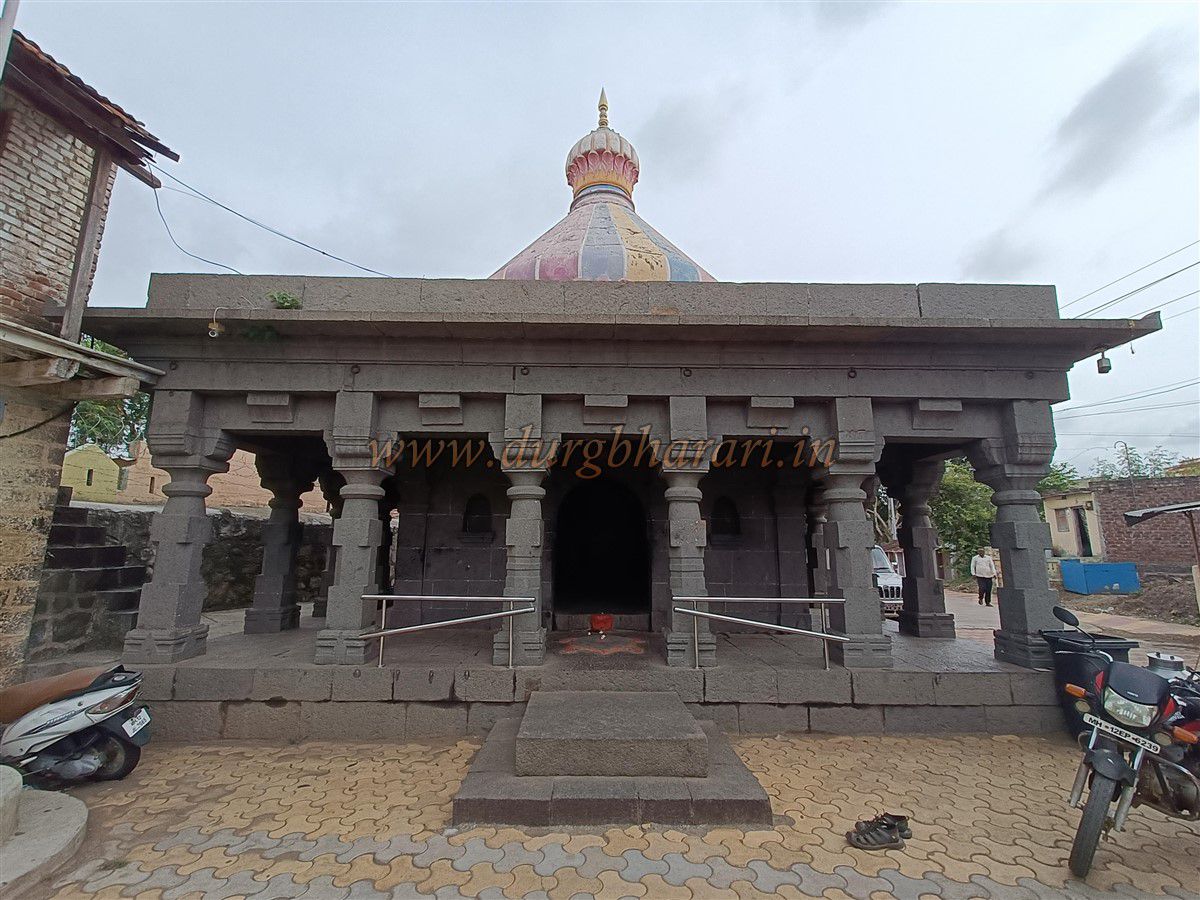
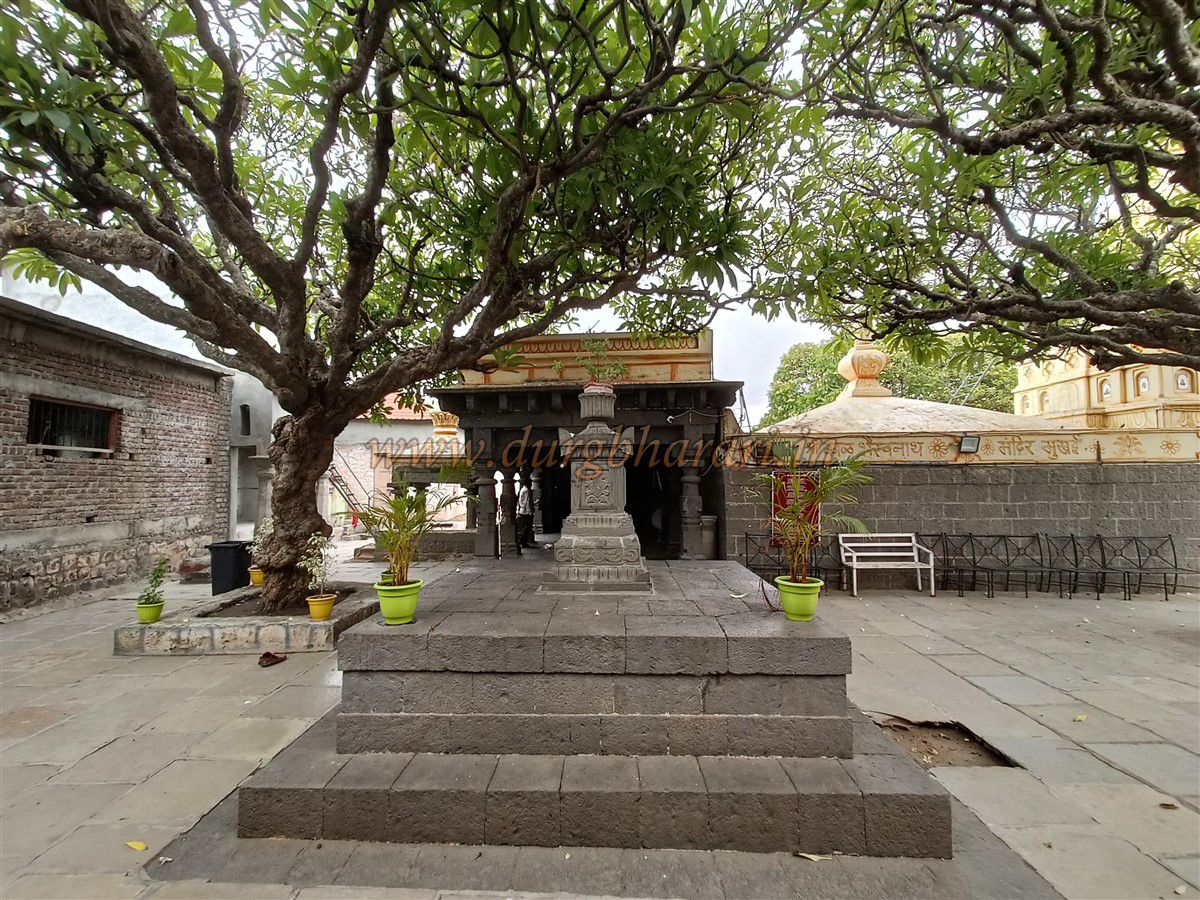
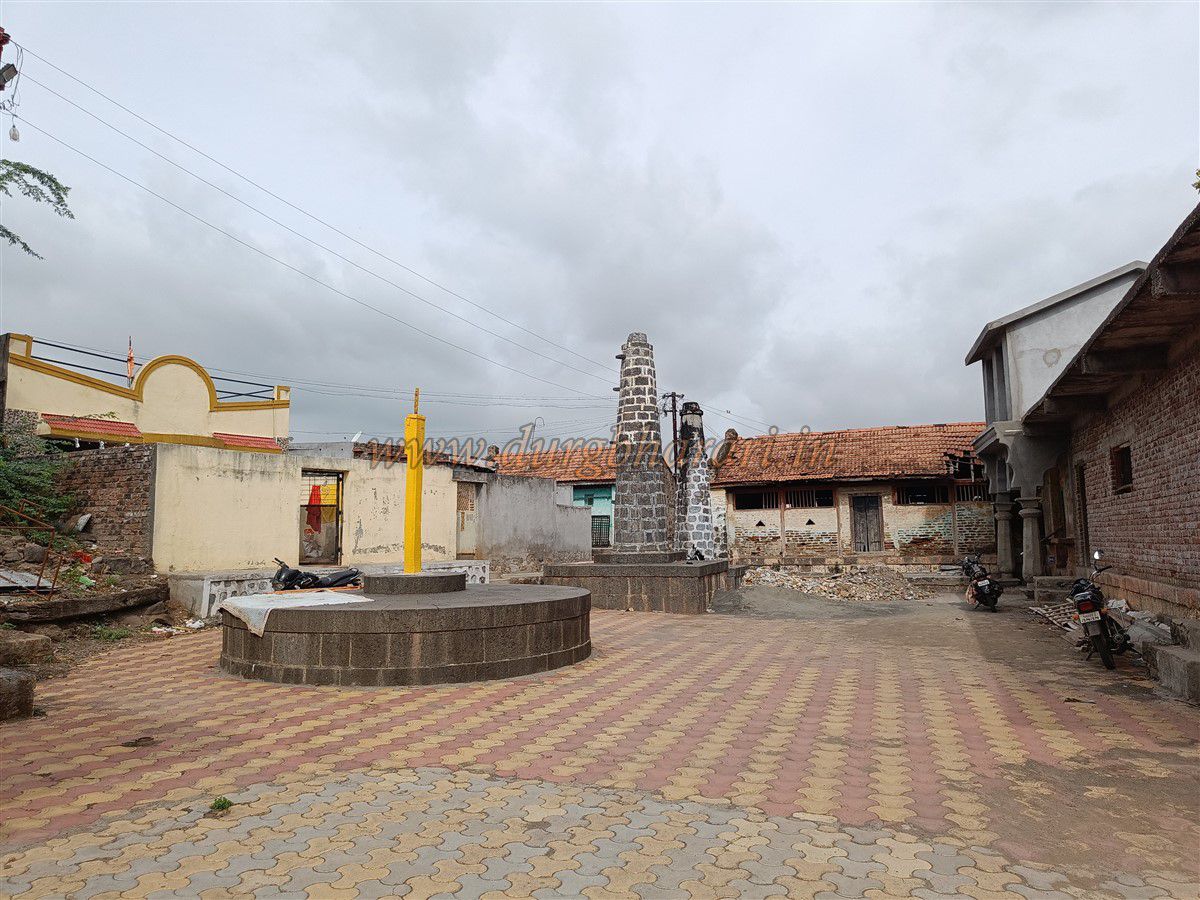
Proceeding straight from the main gate leads to the Hanuman temple. Built in stone, this temple dates back to the later Peshwa period, as indicated by an inscription on it. Adjoining this is the Kalbhairav Nath temple, enclosed within a stone wall (prakar). There are two entrances to the prakar — one on the north and one on the east. A Nagarkhana is built over the northern gate. The eastern main entrance to the temple has collapsed over time and has been reconstructed. Outside this gate, there are two lamp pillars (deepmala) and a space where the ceremonial palanquin (bagad) is kept. Within the temple courtyard stands a large stone tulsi Vrindavan on a raised platform, and in front of the shrine is a Nandi Mandap.
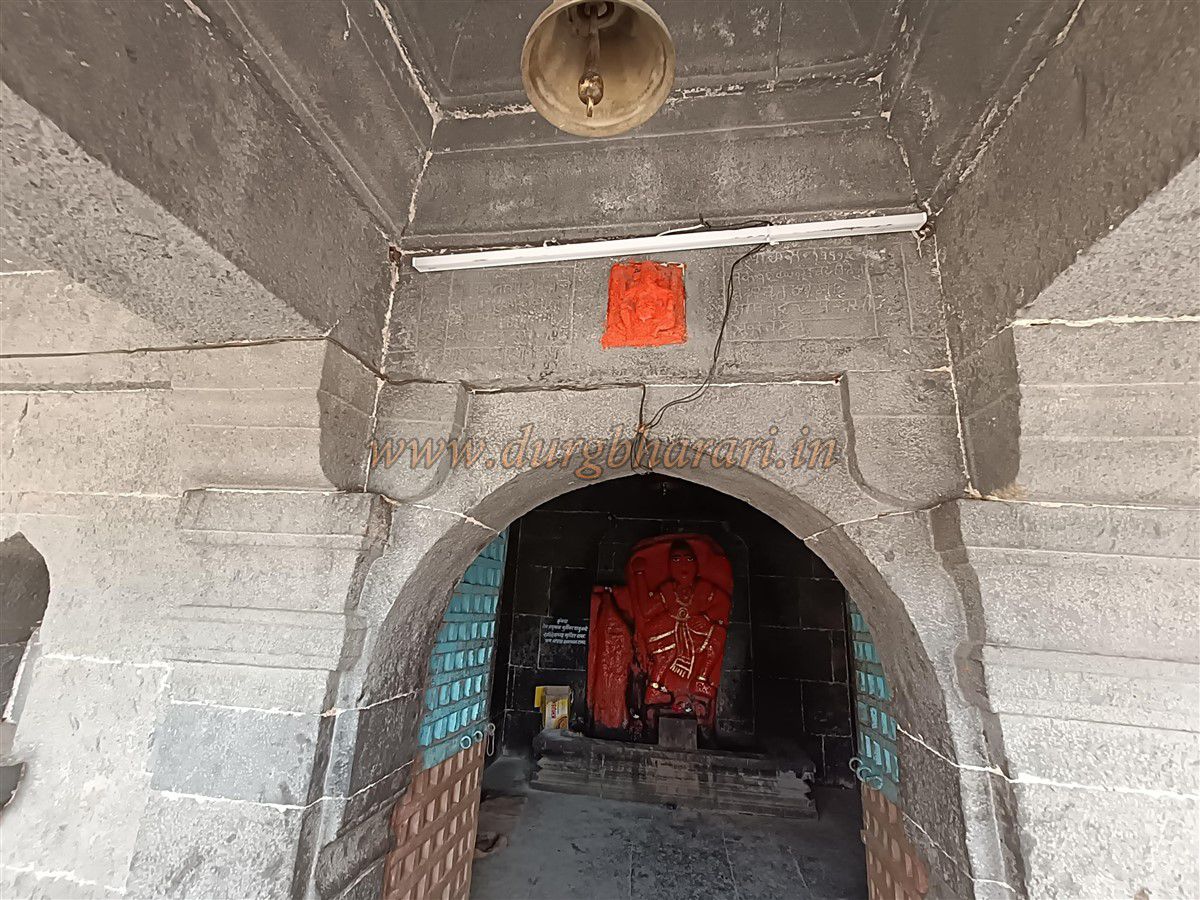
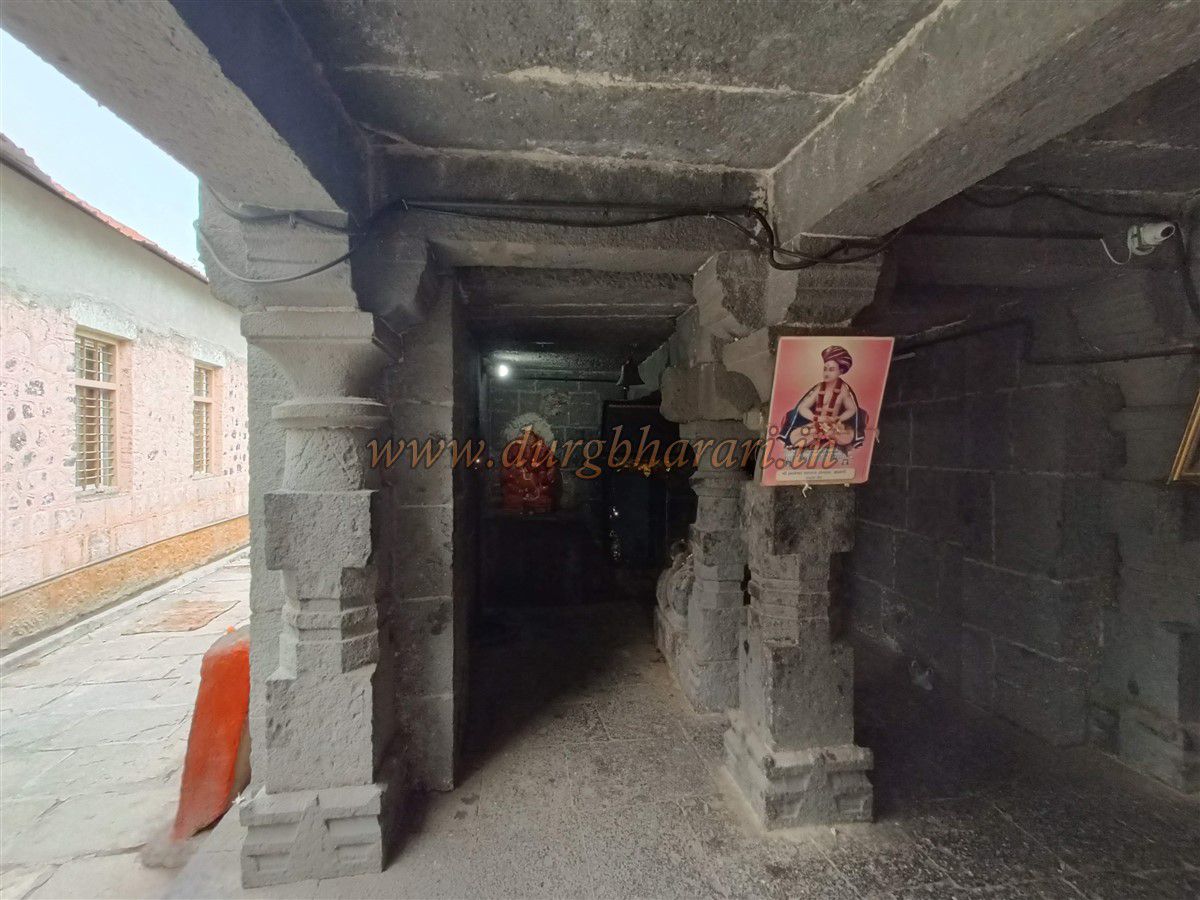
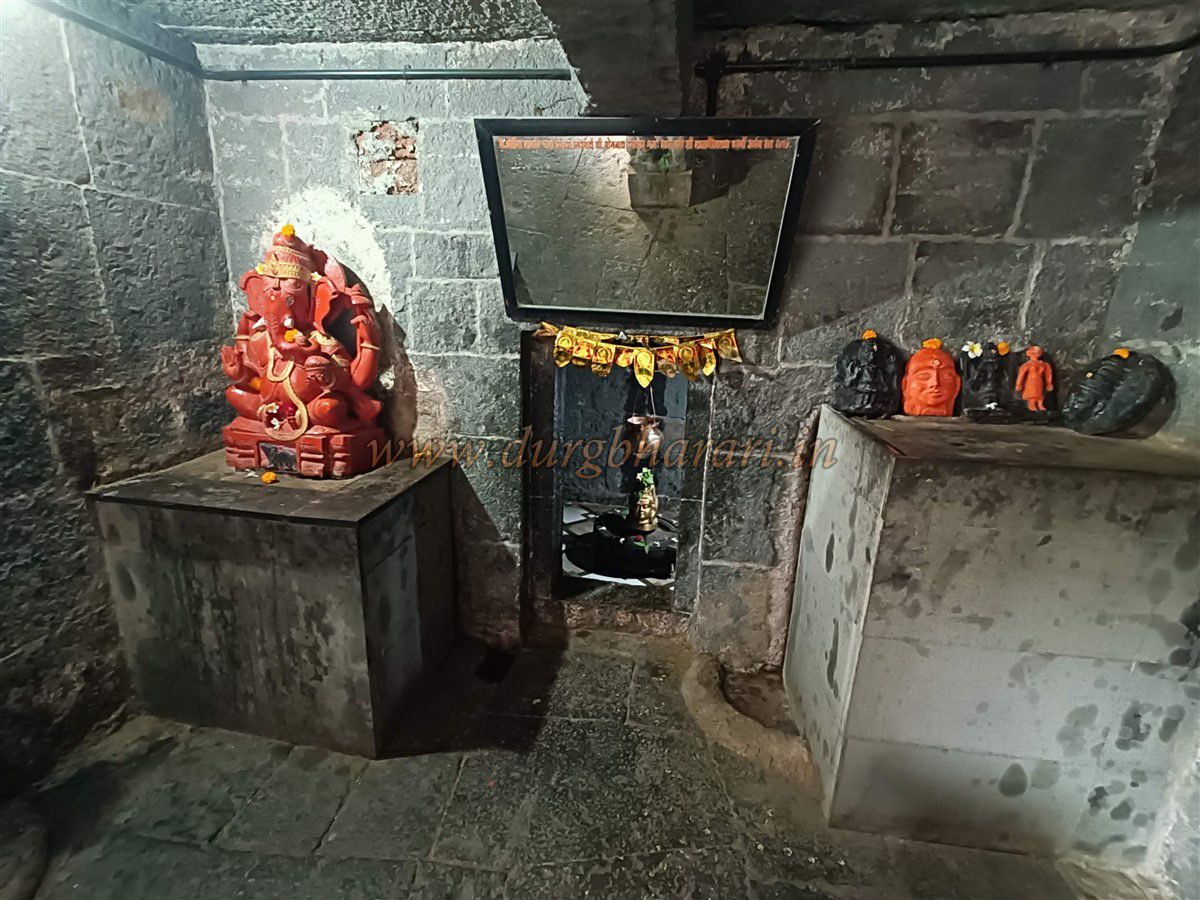
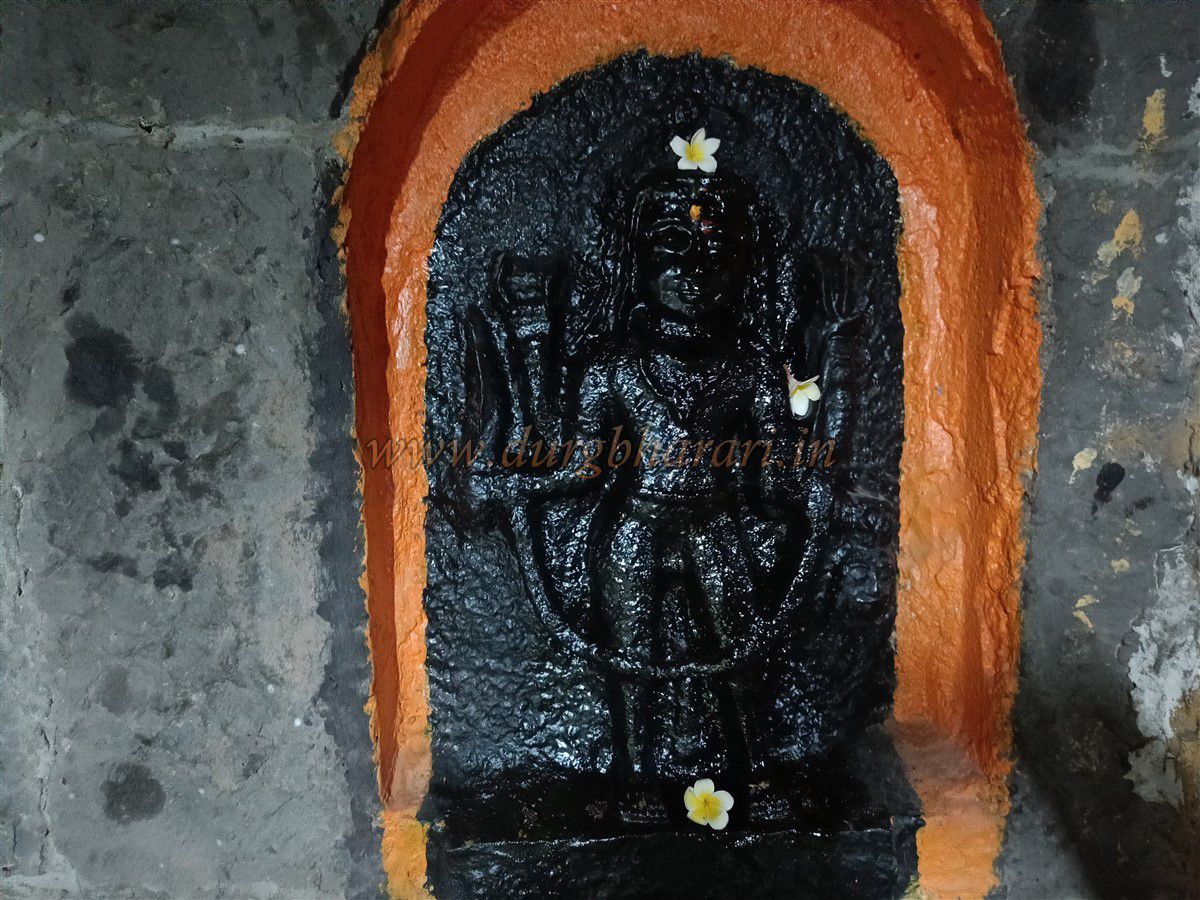
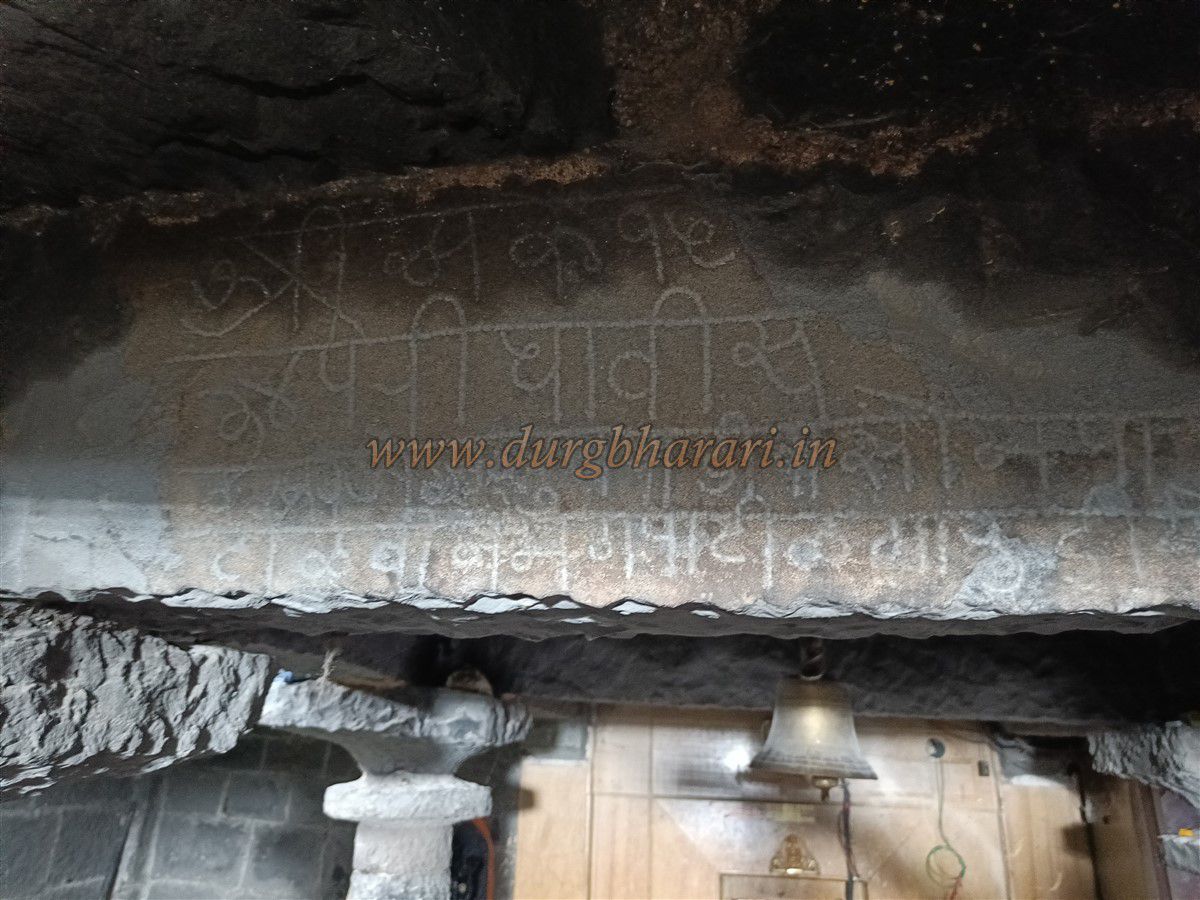
Upon entering the temple, there is a small shrine of Shiva in the left chamber, outside of which are some Ganesh idols and masks. The temple's Sabhamandap (assembly hall) is supported by 18 stone pillars, and the idol of Bhairavanath is depicted holding a severed human head. An inscription carved in the Sabhamandap mentions the year Shaka 1634, corresponding to 1710 CE. This inscription was likely carved after the temple was built. The sanctum is accessed through a small entrance, requiring one to bend while entering. Beneath the sanctum is a small underground chamber (perhaps a water tank), which is now sealed with stone slabs.
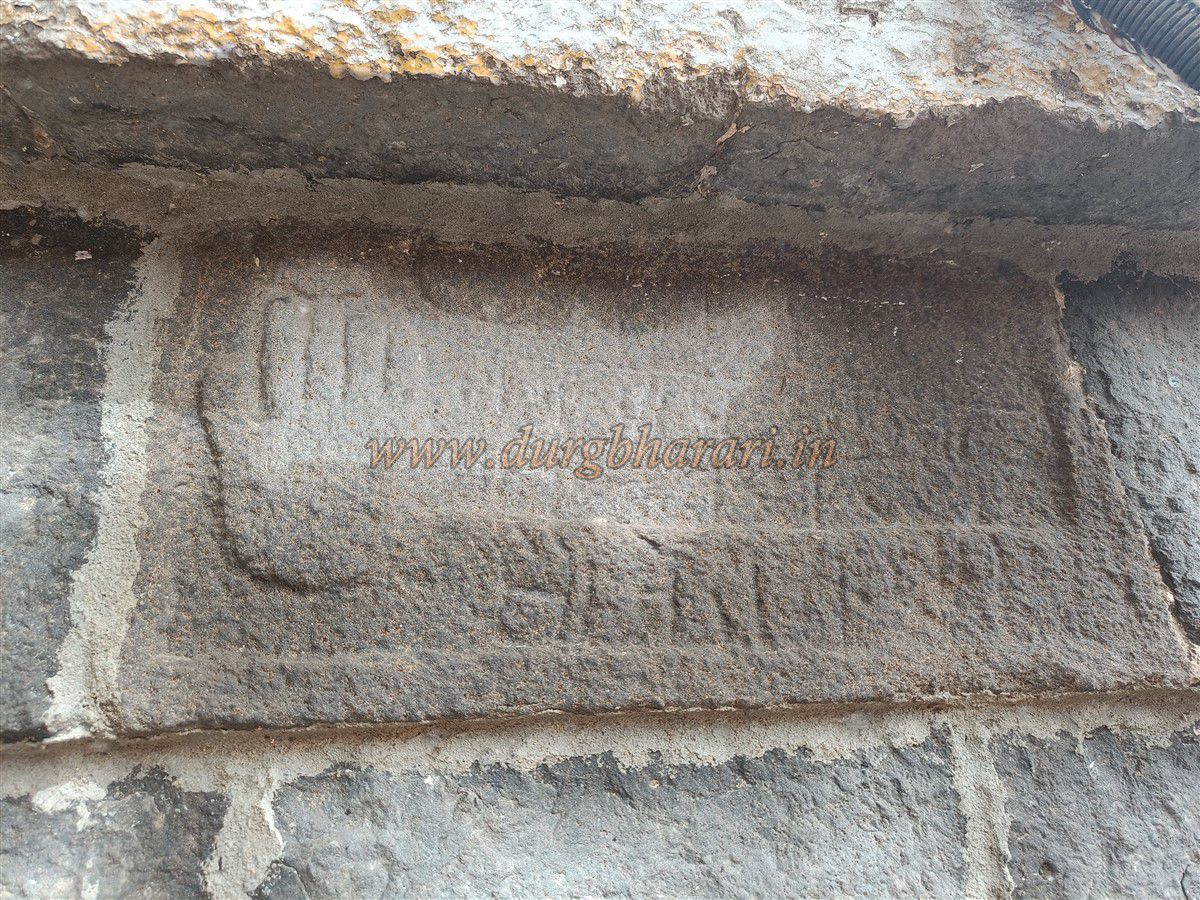
While circling the temple, another inscription used as construction stone is visible. Due to heavy erosion, the script is largely illegible, but a carved palm symbol can still be seen. The Palande, Dhumal, and Garud families are considered traditional caretakers (mankari) of Bhairavanath, and their partially ruined fortified mansions (wada) still stand in the village.
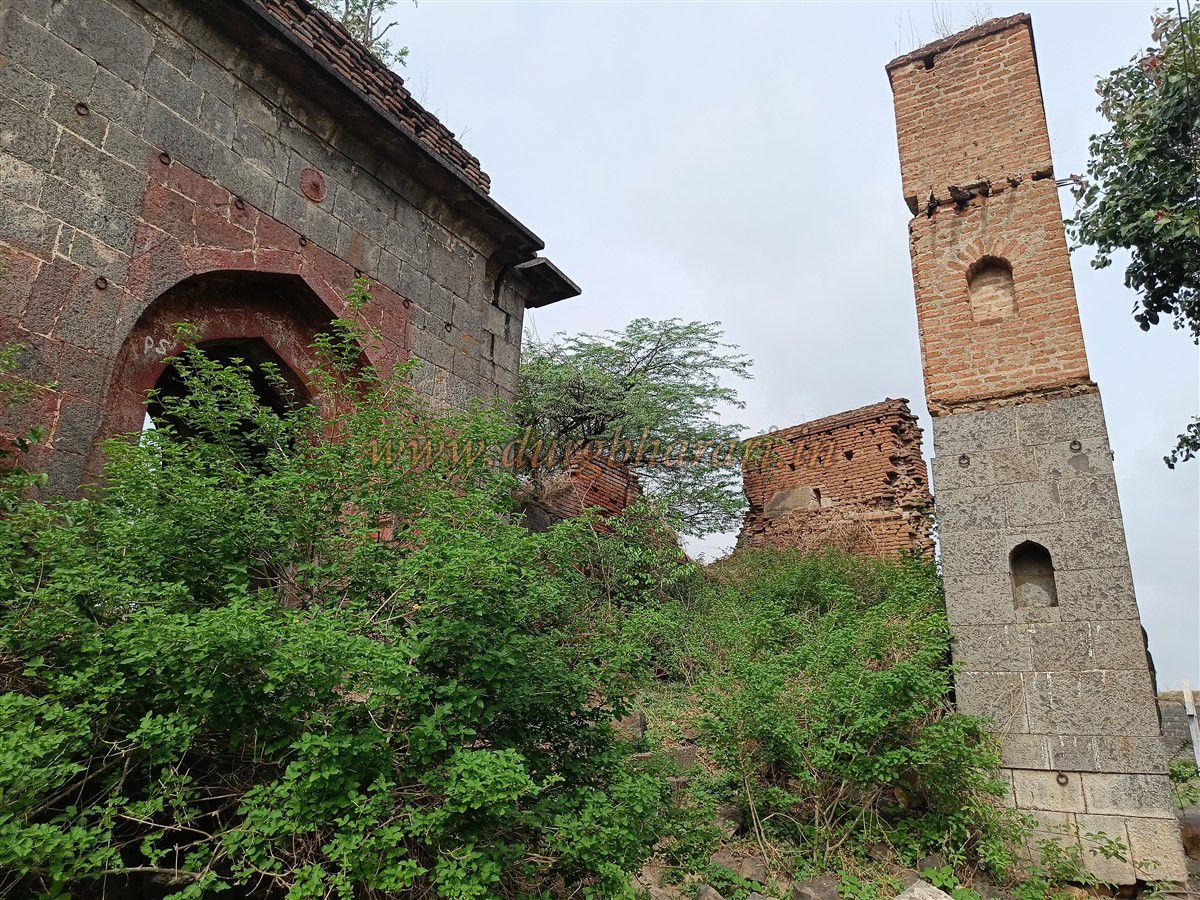
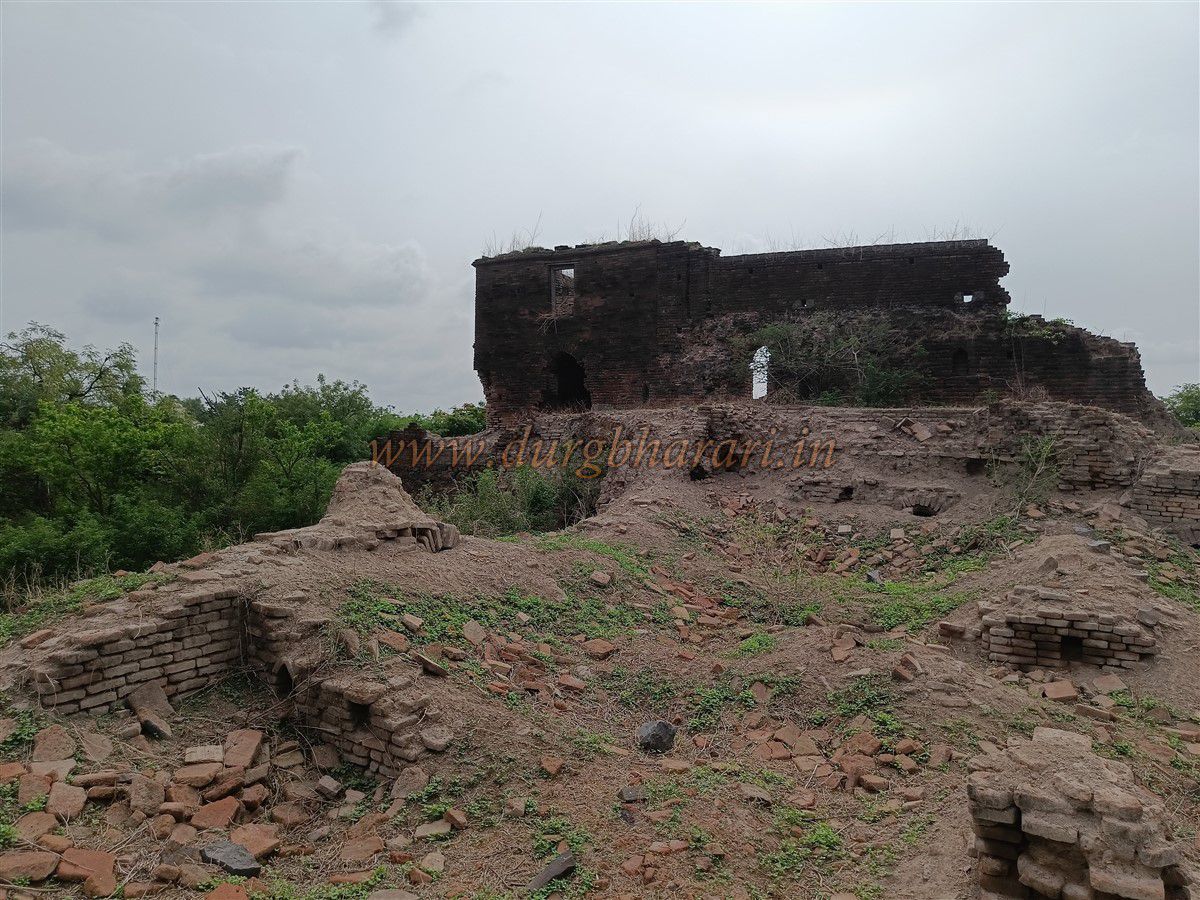
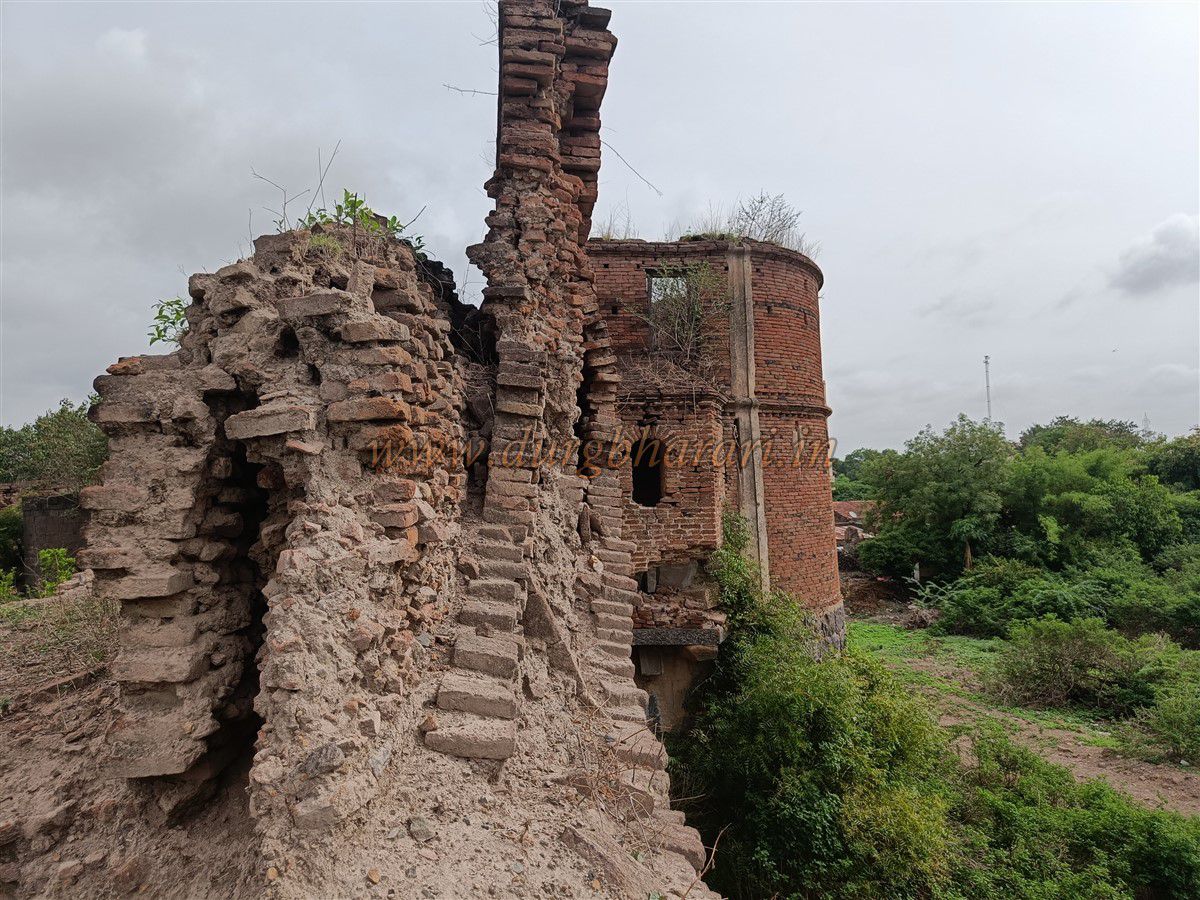
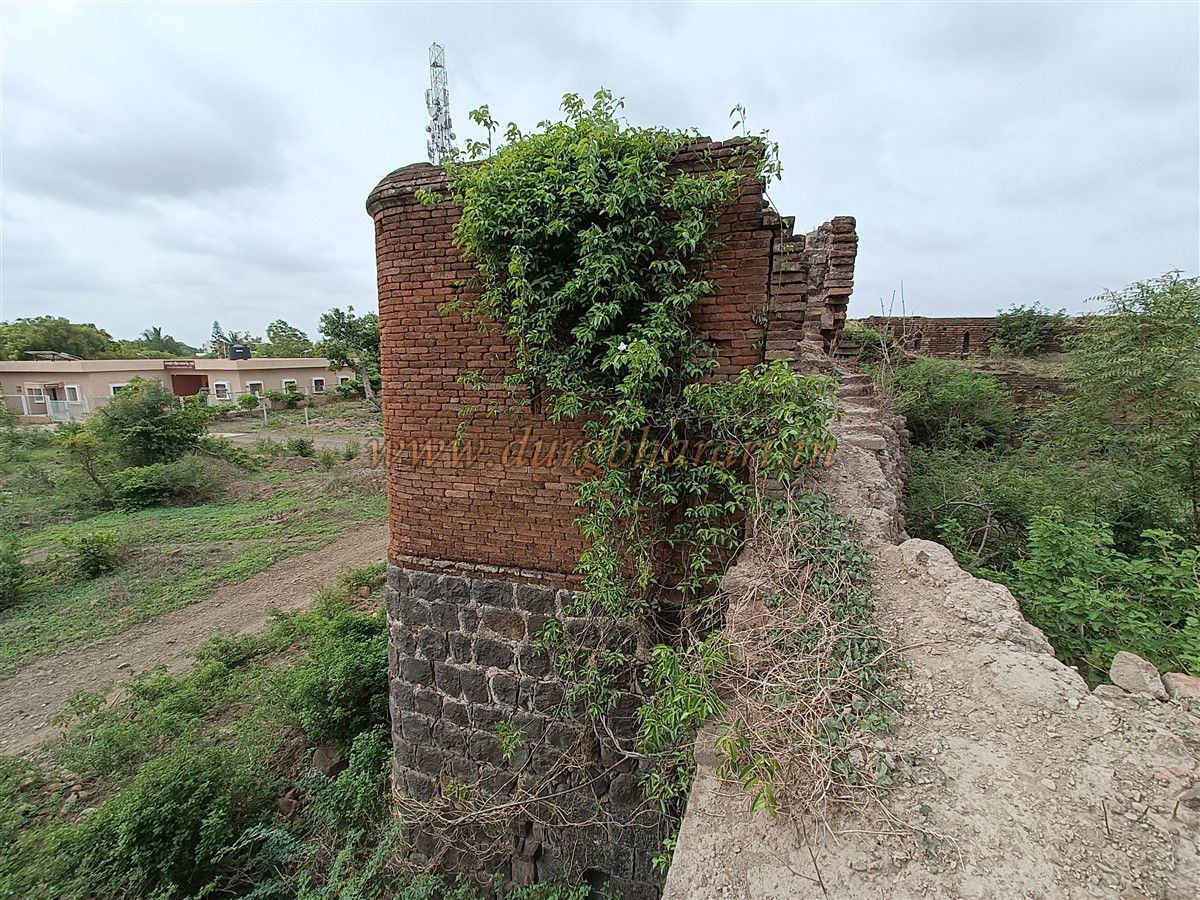
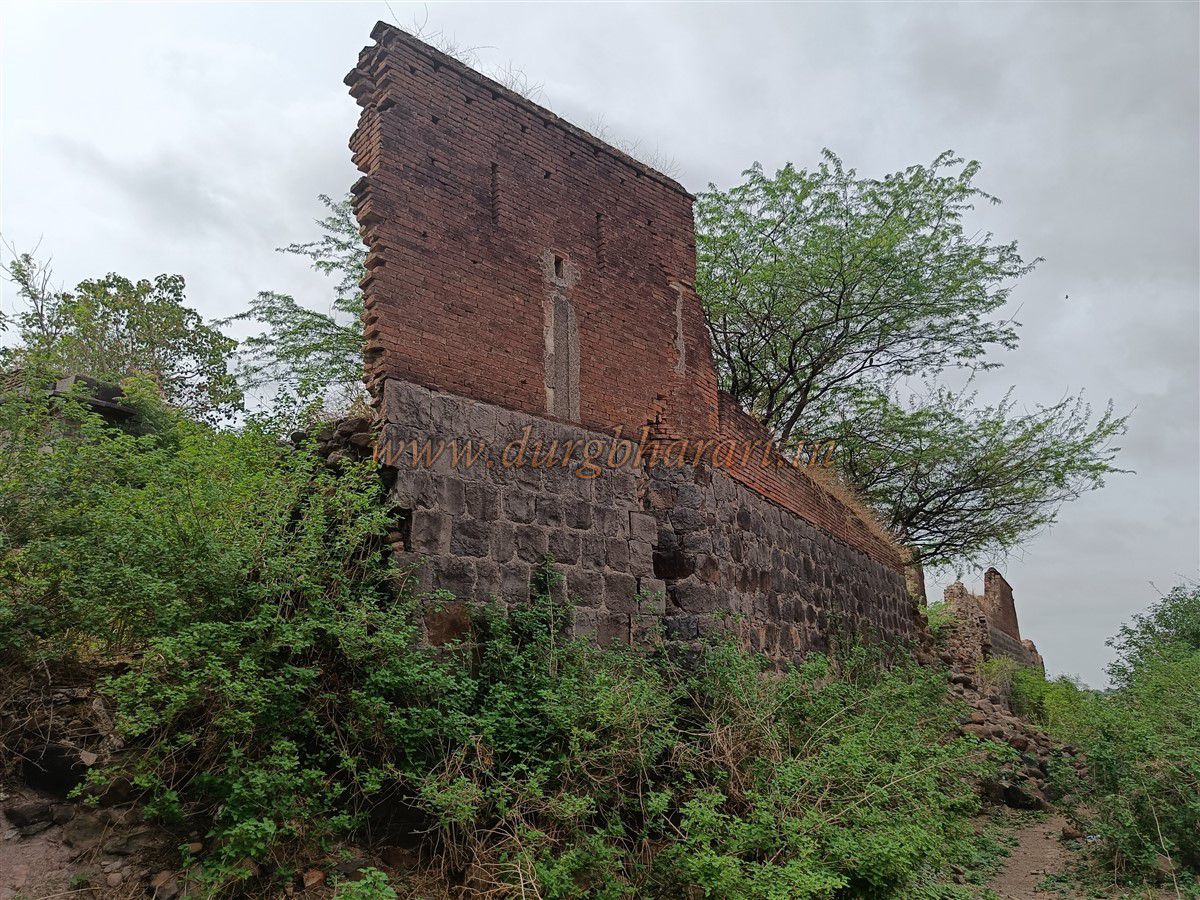
Exploring these mansions, two of them — except for the Garud residence — still retain architectural remnants. Of these, the Palande wada has a main gate, fortified walls, and two surviving double-storied bastions. The lower part of this wada is constructed from finely cut stone, while the upper part is built with bricks. Outside the main gate is a public hall (chavdi), where village affairs were conducted.
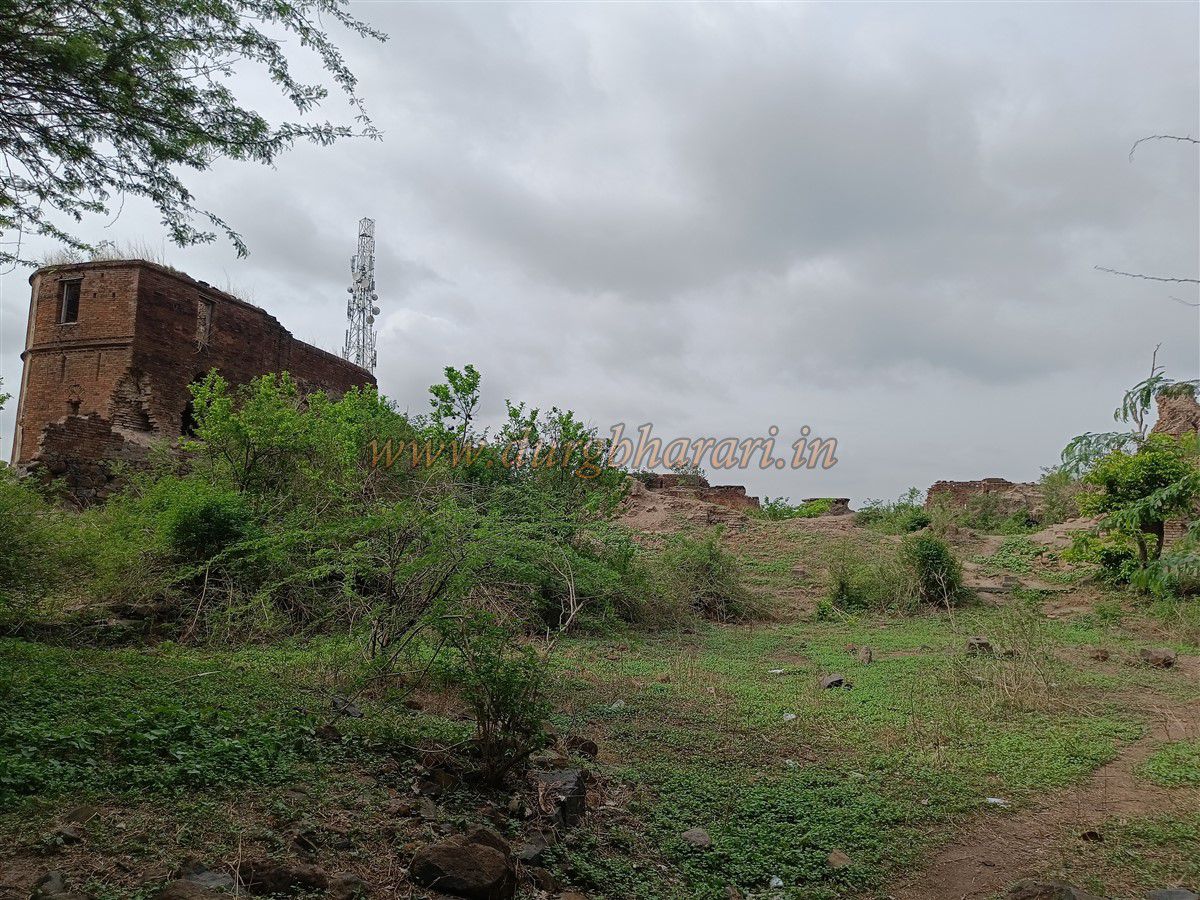
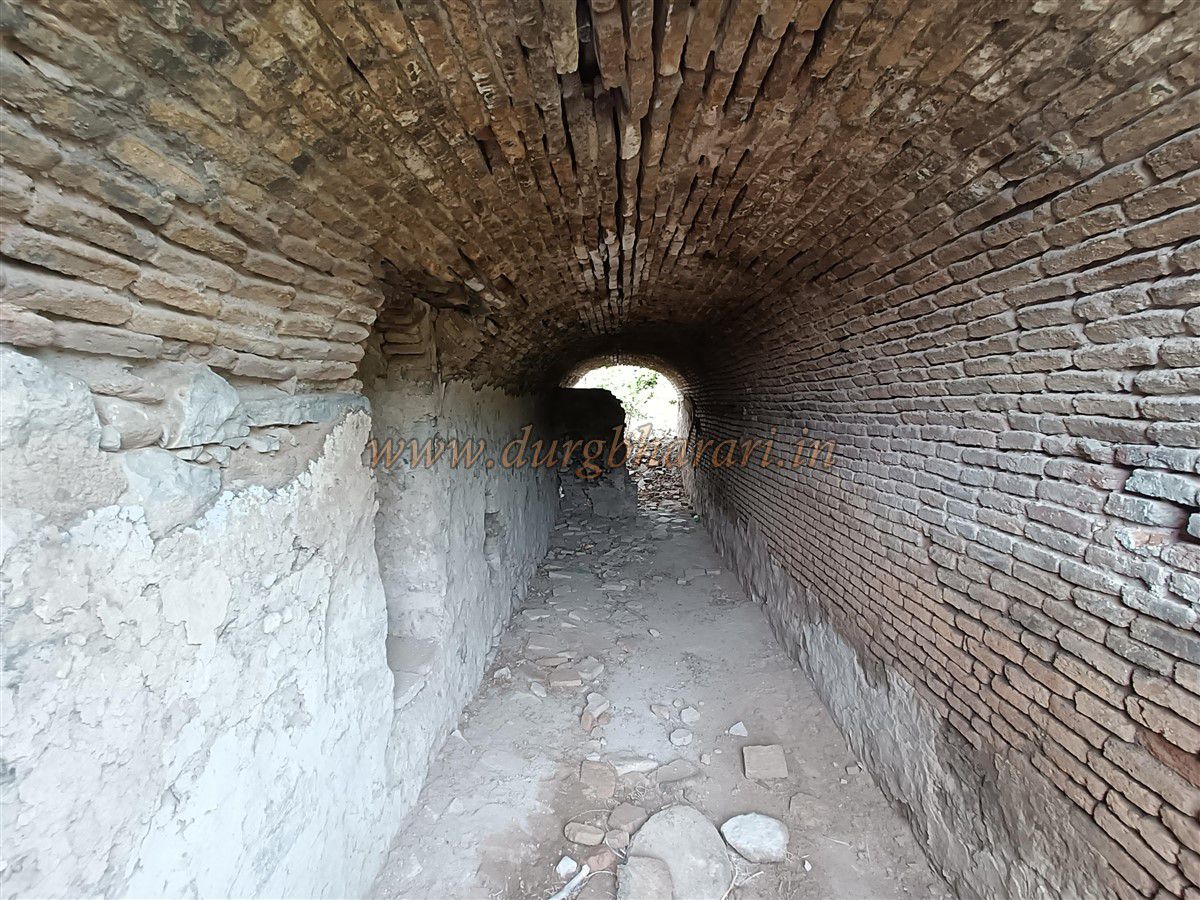
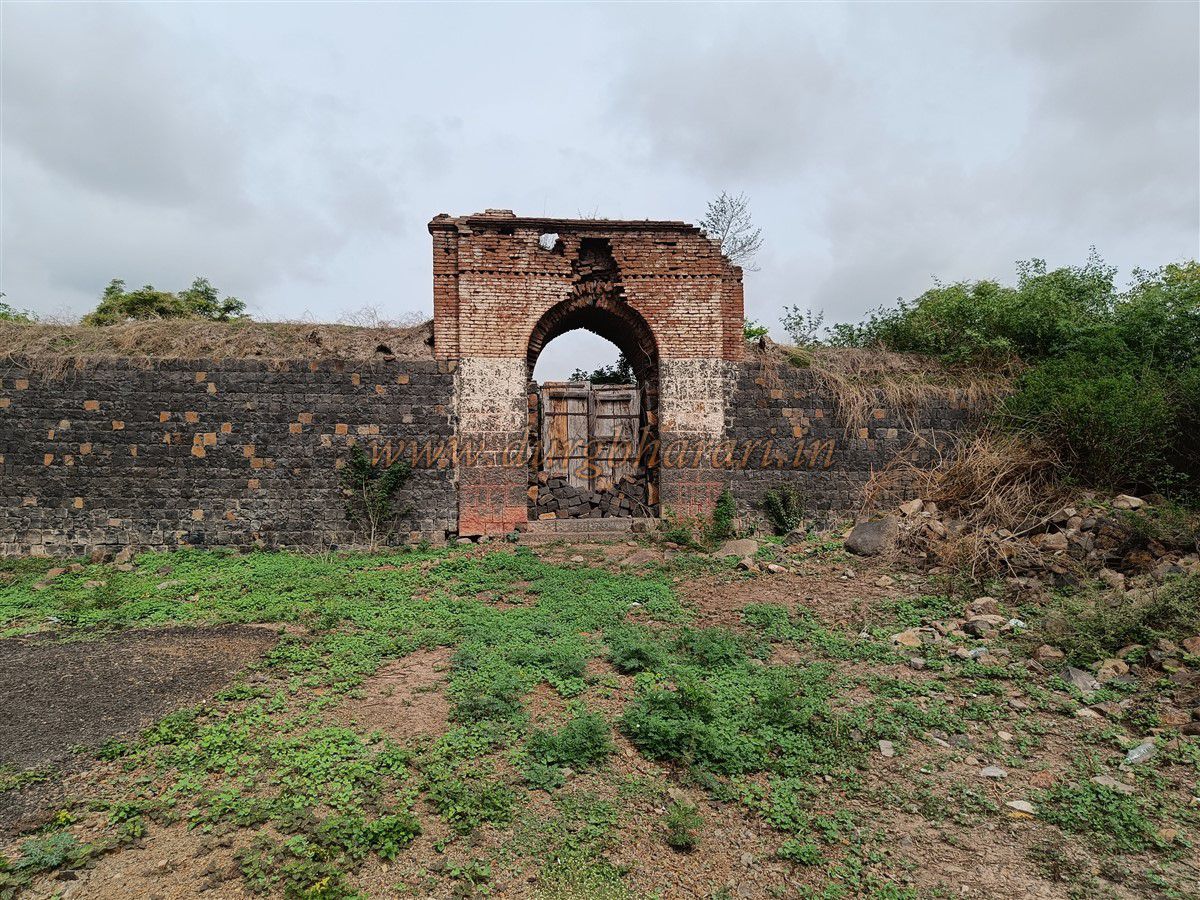
Inside the fortification, one finds the remains of a courtyard, rooms, granaries, latrines, and a secret passage leading outside. Standing atop the bastions offers a panoramic view of the entire Mukhai village, the Velu River, and the surrounding landscape. Of the second mansion, the fort walls and entrance gate are partially preserved, though the inner structures are mostly ruined. The third mansion retains only its arched gateway, which is currently sealed with stone and inaccessible.
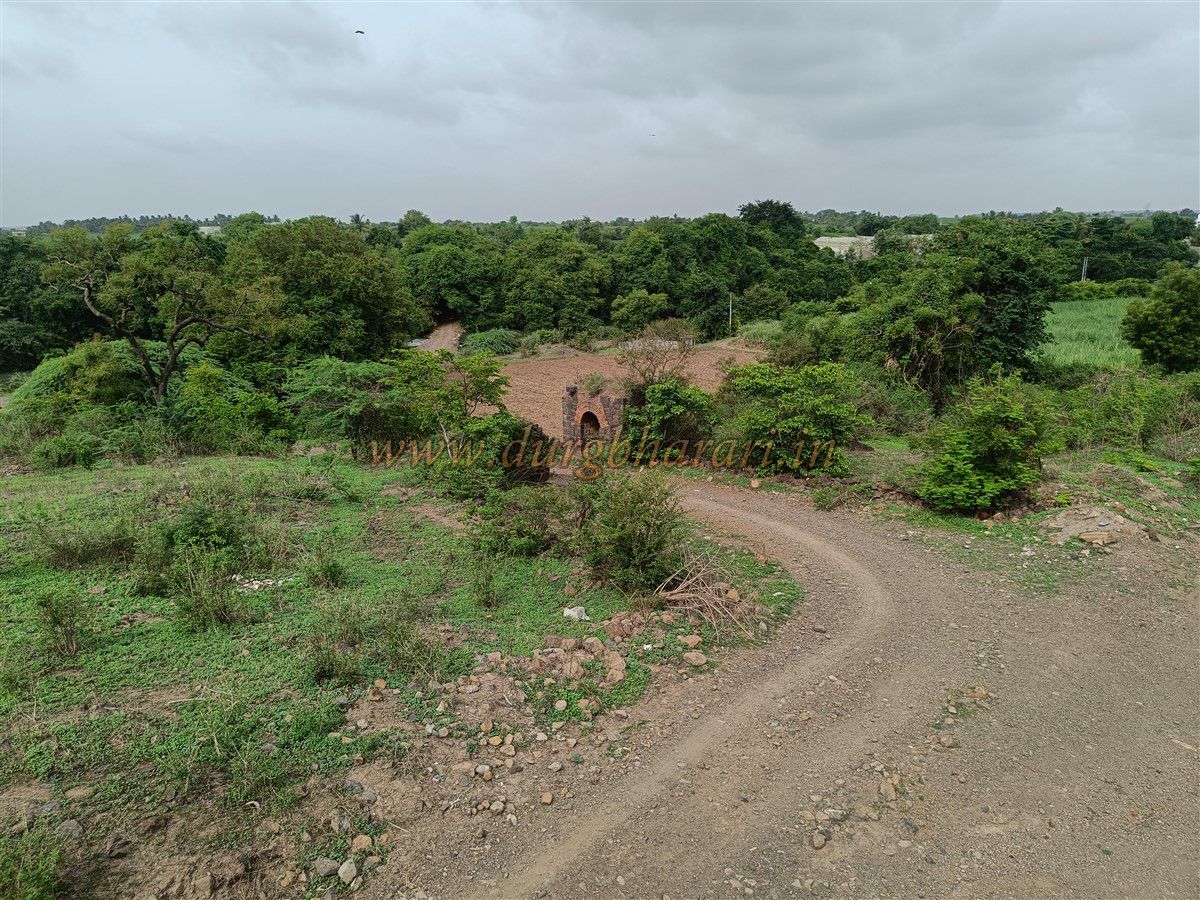
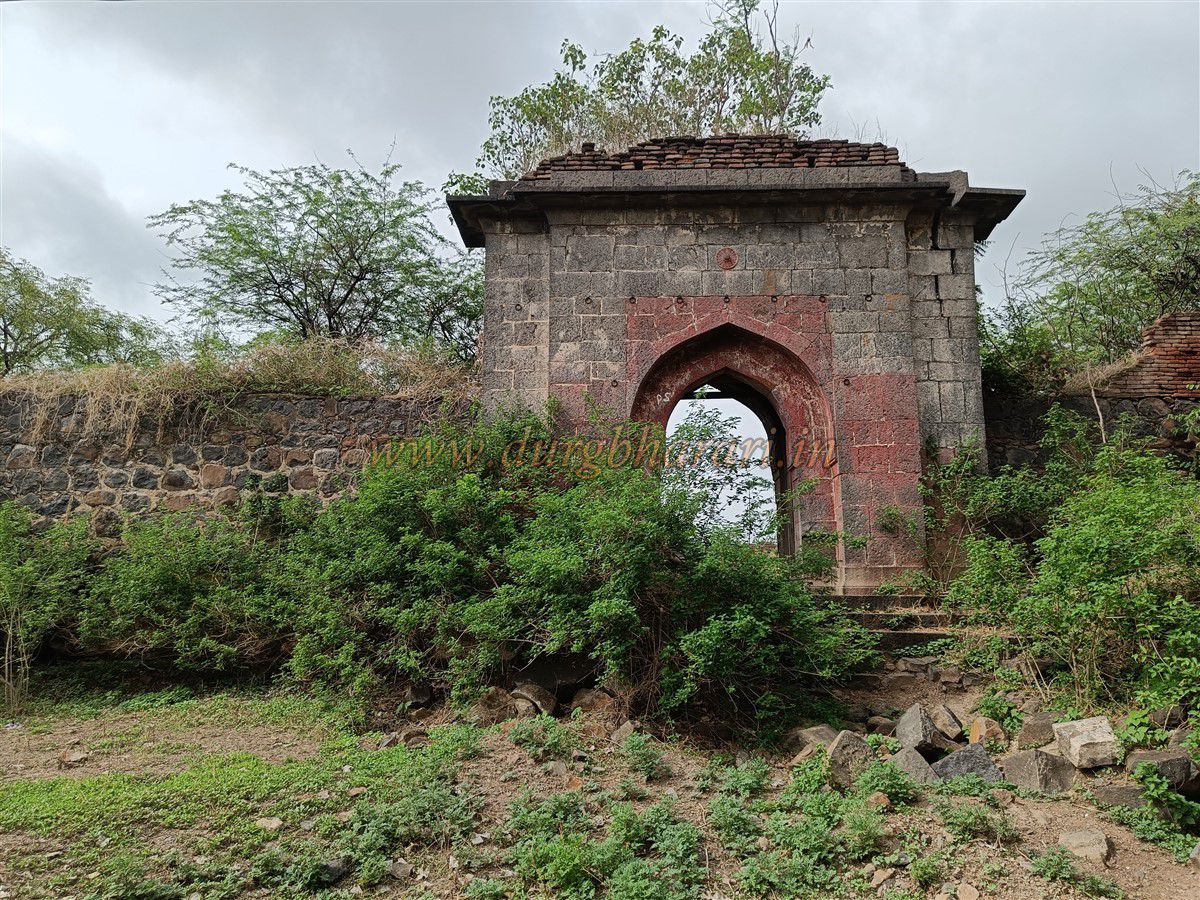
At the rear of the fortified village, facing the river, is a secondary gate, though its arch has collapsed. On either side of this gate are guard chambers. Viewing this gate marks the completion of one’s exploration of the Mukhai Nagardurg. It takes about an hour to explore the entire fortification.
Around the 18th century, after Sardar Palande was granted the village of Mukhai and surrounding settlements as a vatan (hereditary estate), he built a grand wada (mansion) in Mukhai. Since no other historical records of this Nagardurg are currently available, they are not included here.
© Suresh Nimbalkar
GALLERY