MORALA
TYPE : FORTRESS
DISTRICT : BEED
HEIGHT : 0
While exploring the fort-like mansions (Gadhikots) around the city of Beed, one can come across numerous small and large forts. Since this region primarily consists of flat terrain, instead of hill forts, many small gadhi were built here for administrative convenience. These forts, once central to the governance of the region, now seem to lie in remote corners. One such village, located off the beaten path in the Ashti taluka of Beed district, is Morala. As of 2022, there is still no proper road to reach this village, but despite its remoteness, it has a fairly well-preserved gadh (fort-like mansion). Though it may seem out-of-the-way today, this fort is situated roughly midway between the cities of Ahmednagar and Beed. Morala is located about 65 km from Beed city and 30 km from Ashti, the taluka headquarters. The distance between Ahmednagar and Beed is approximately 70 km.
...
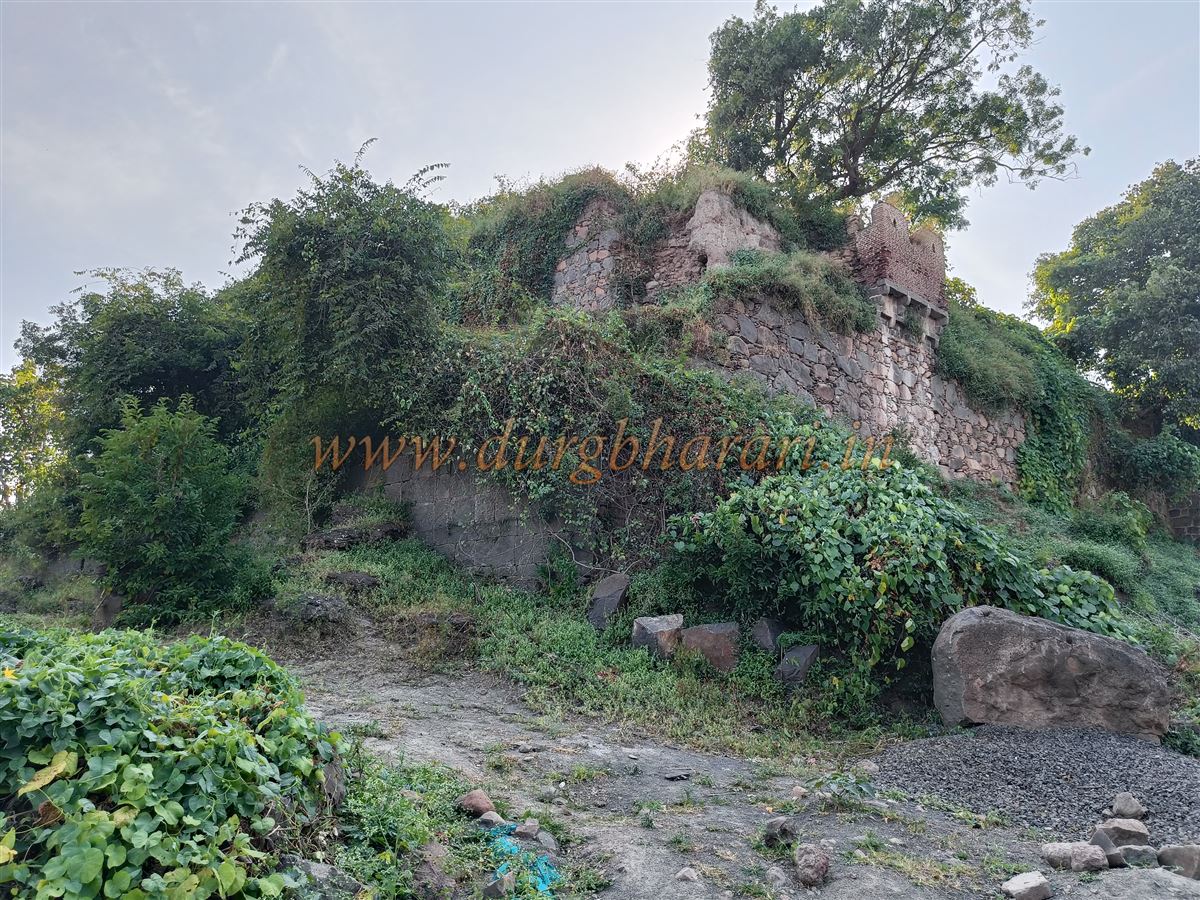
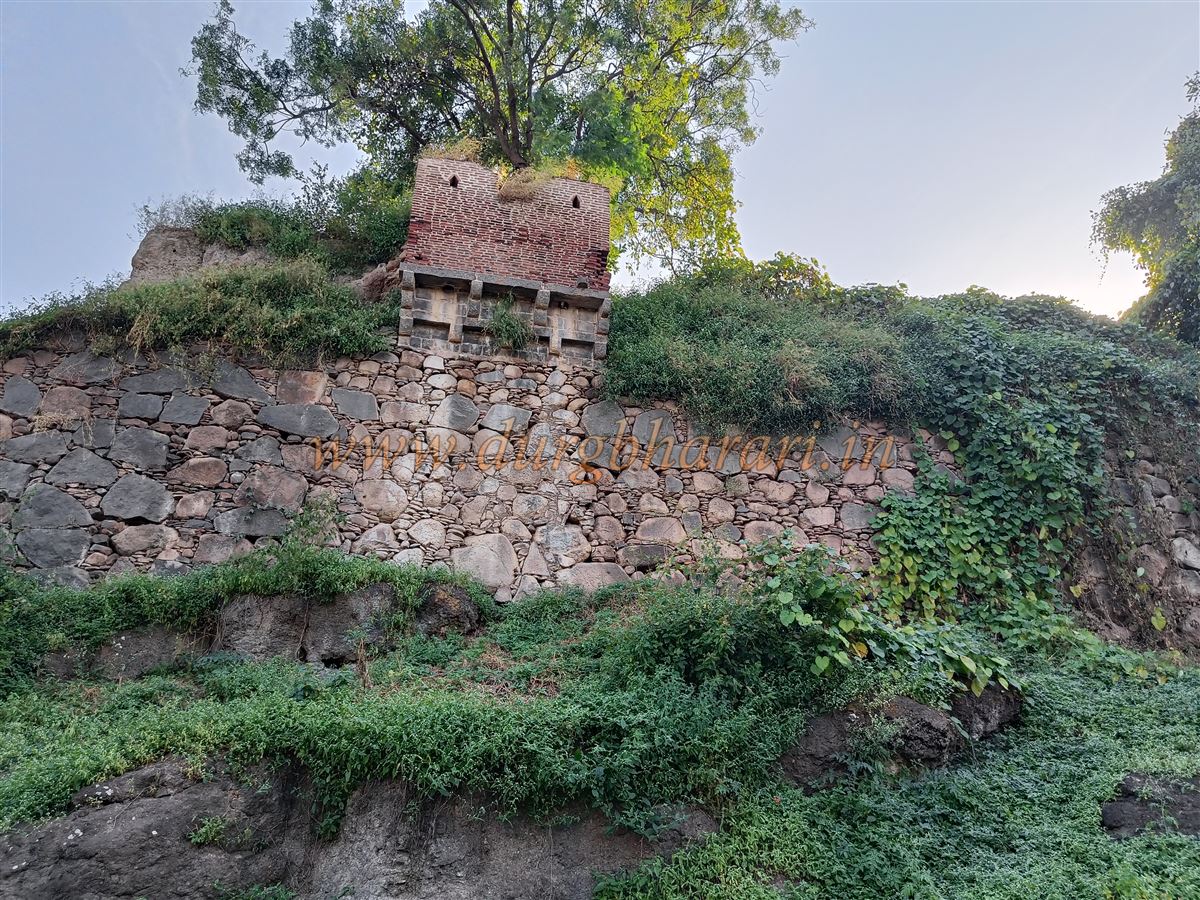
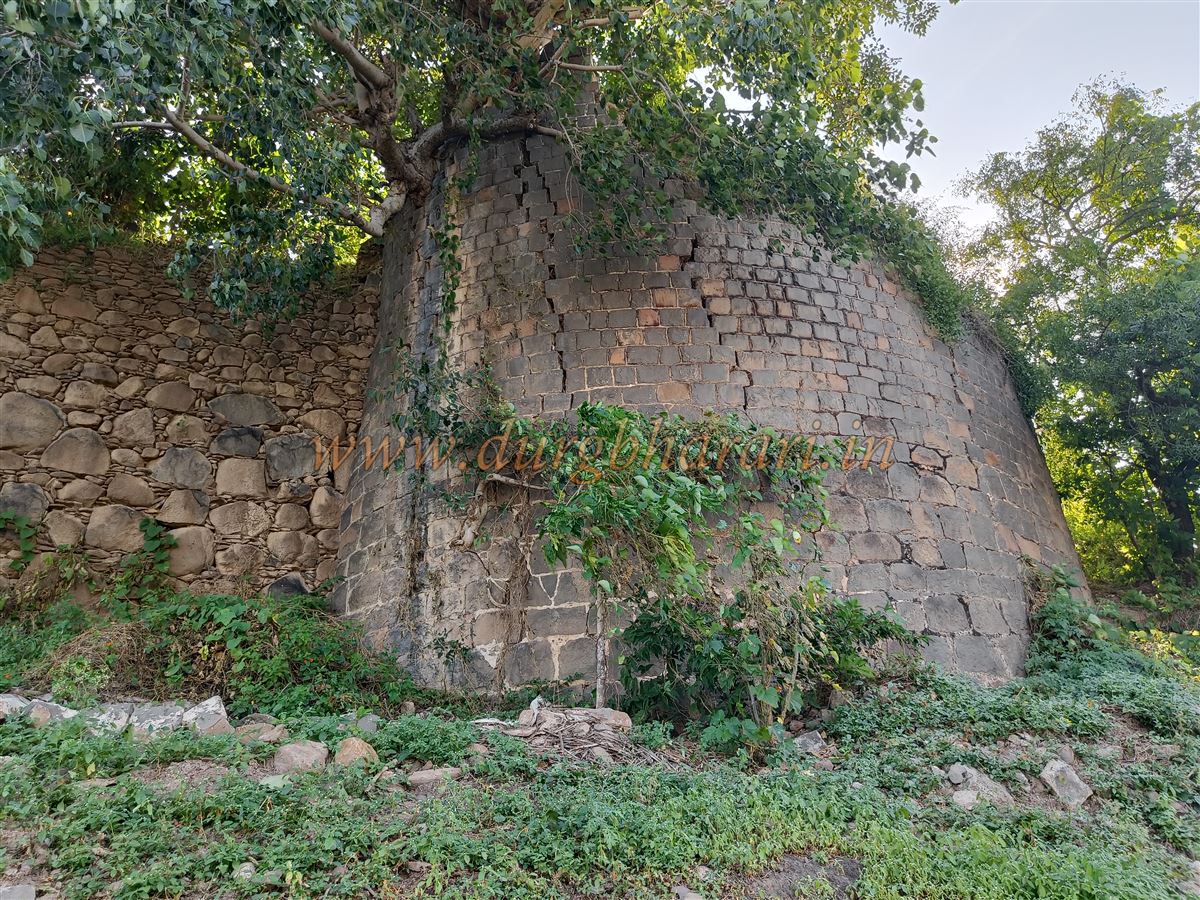
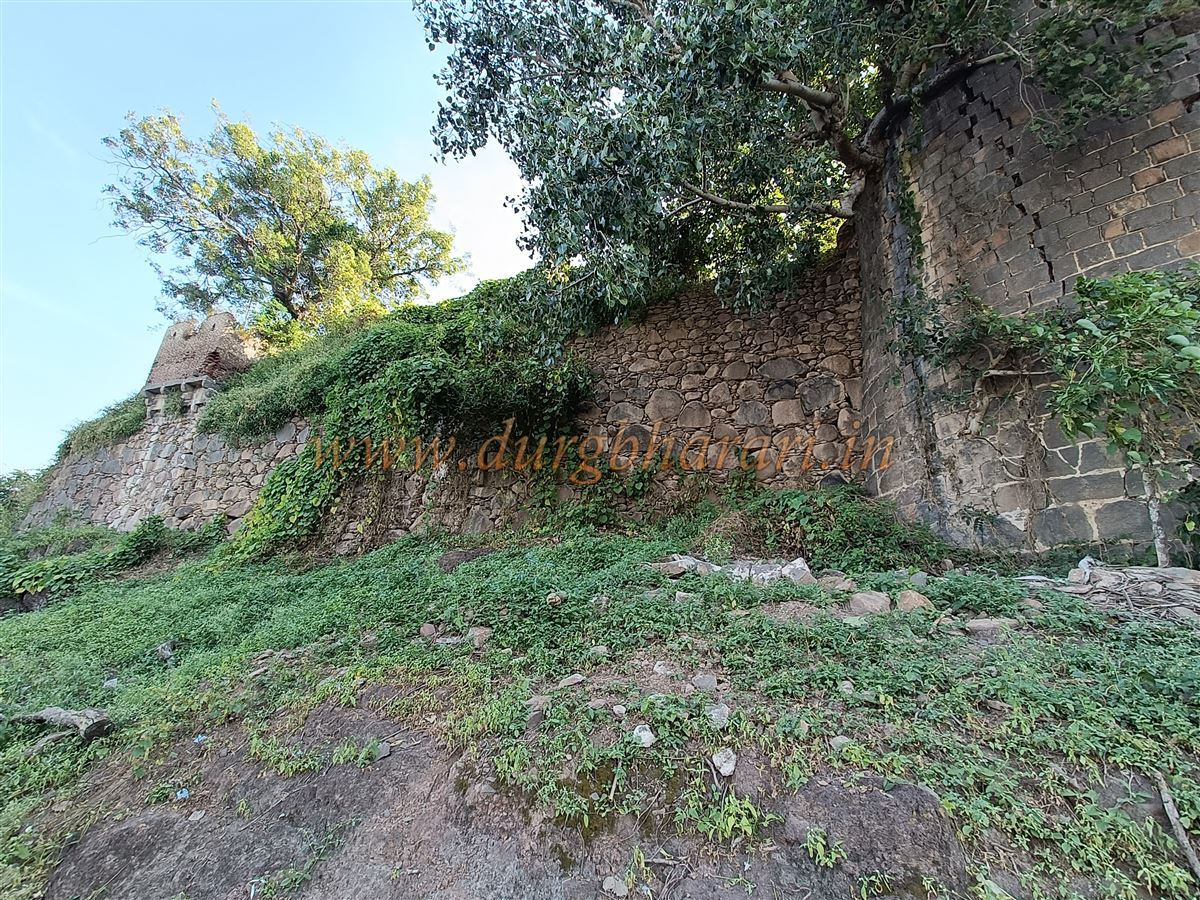
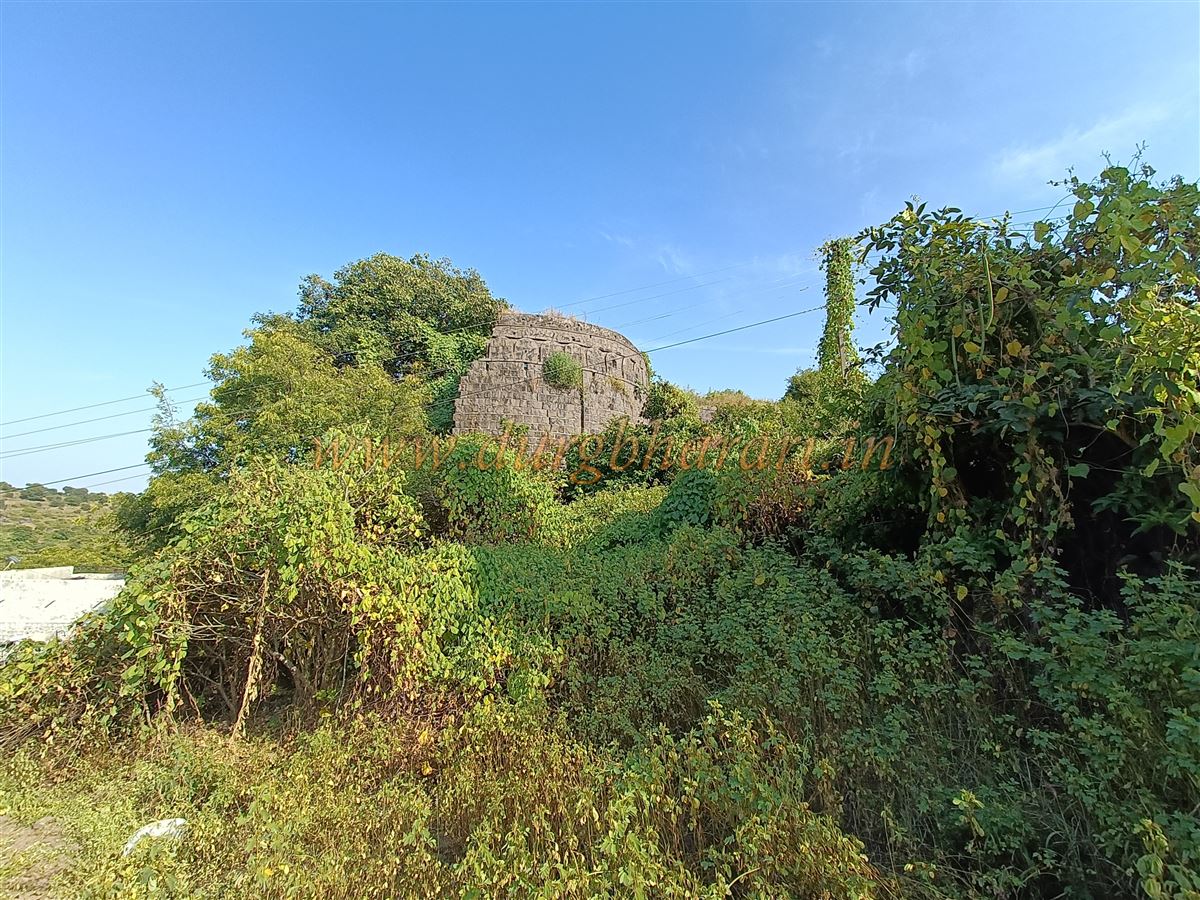
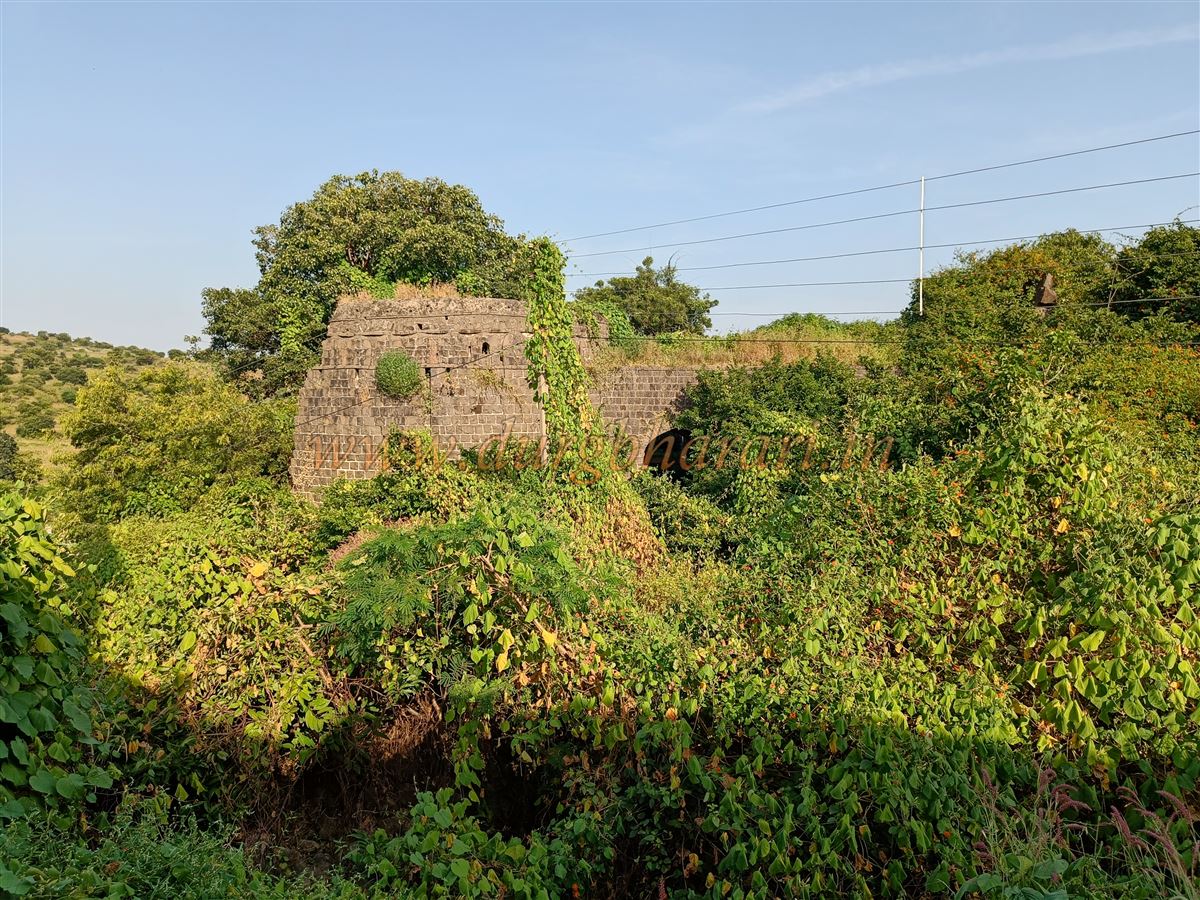
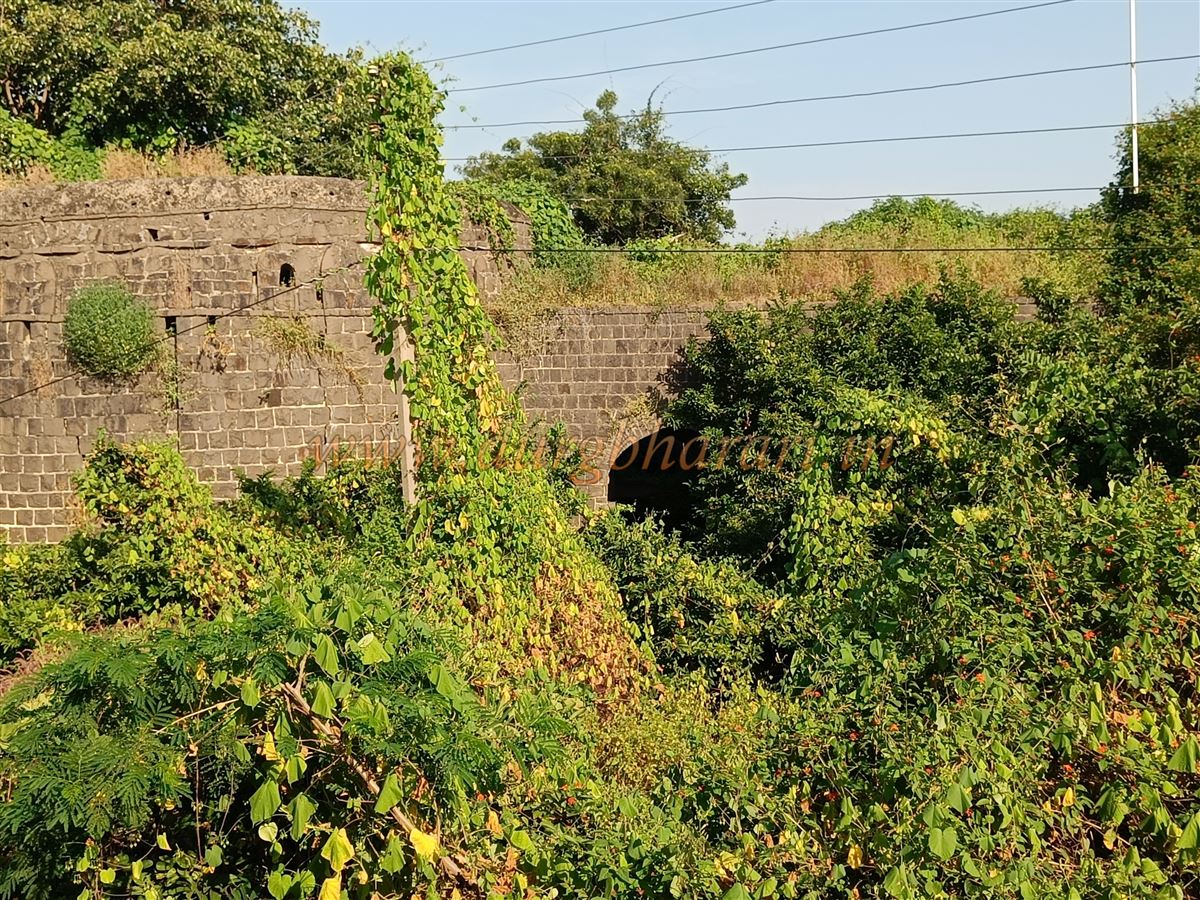
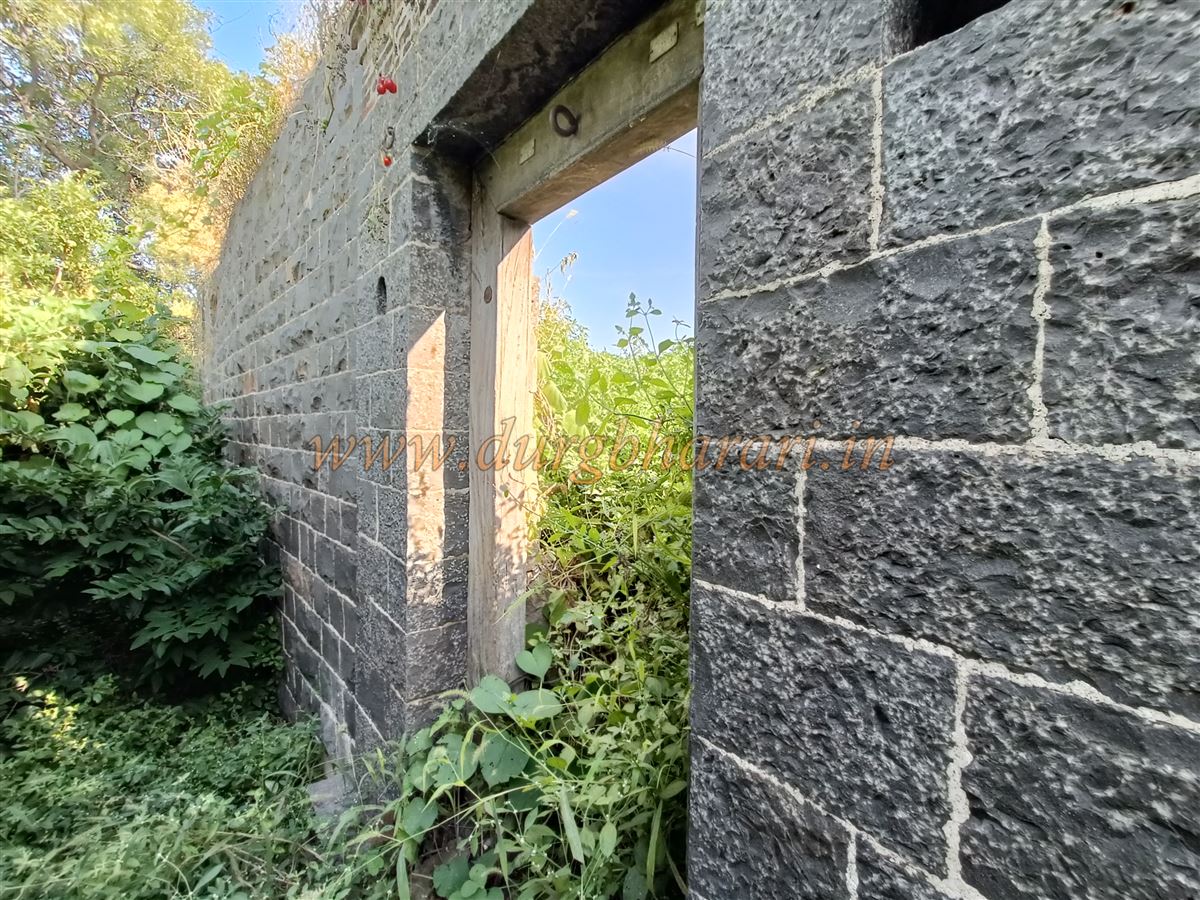
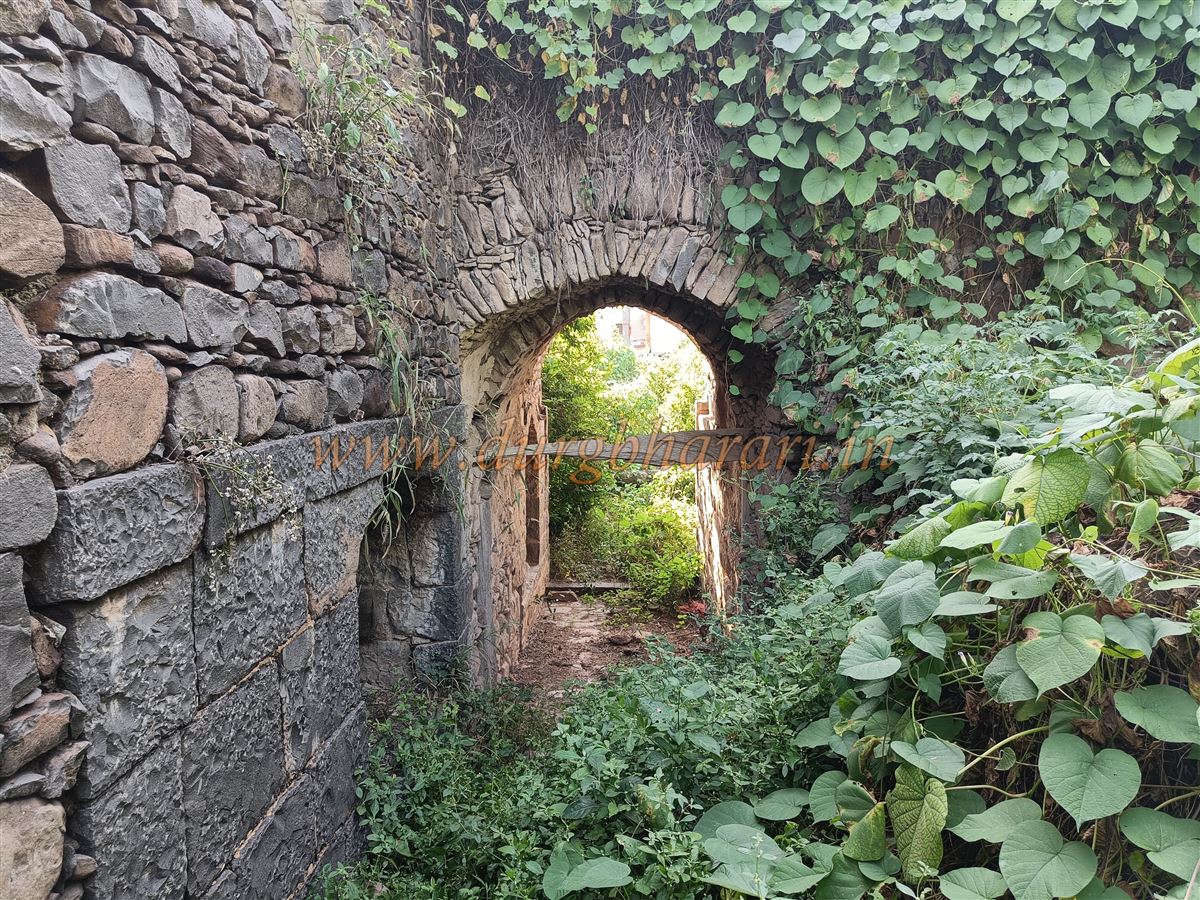
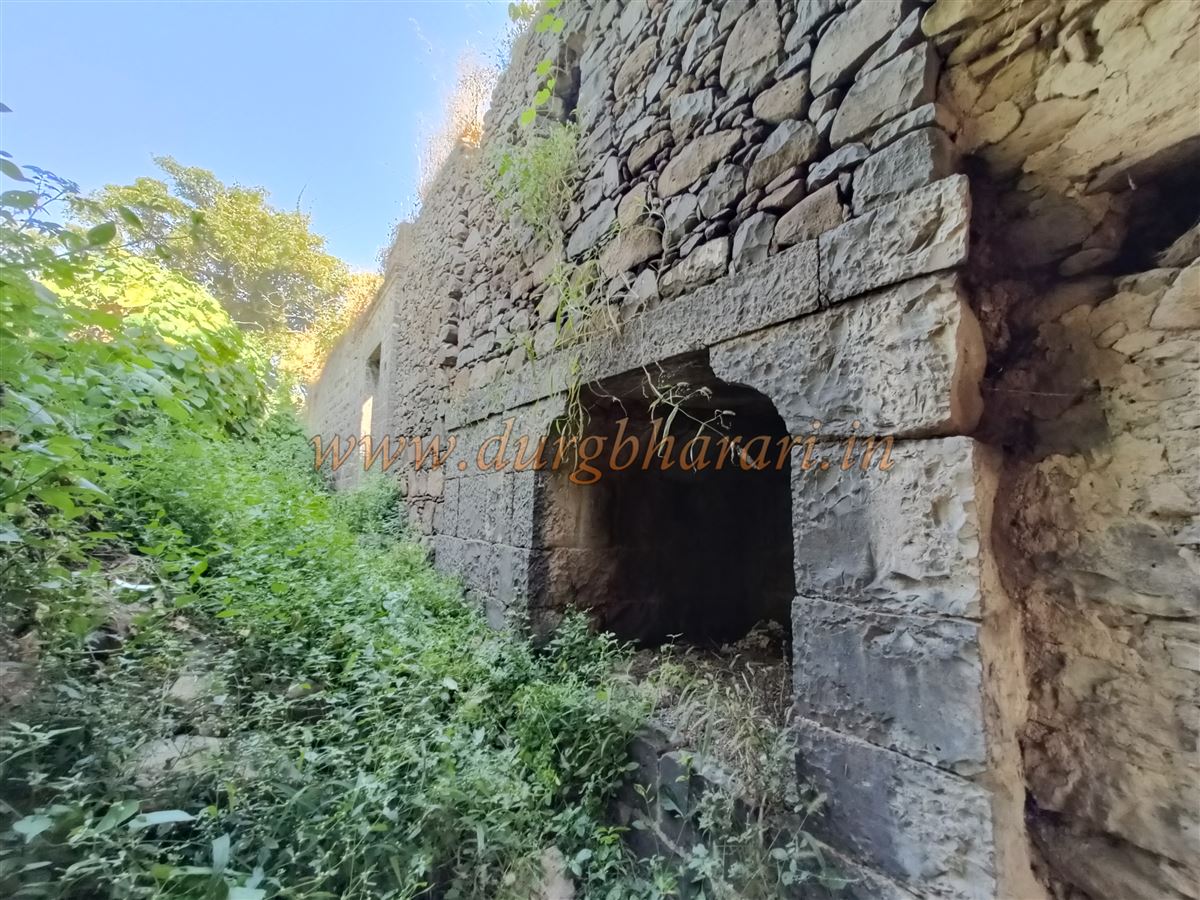
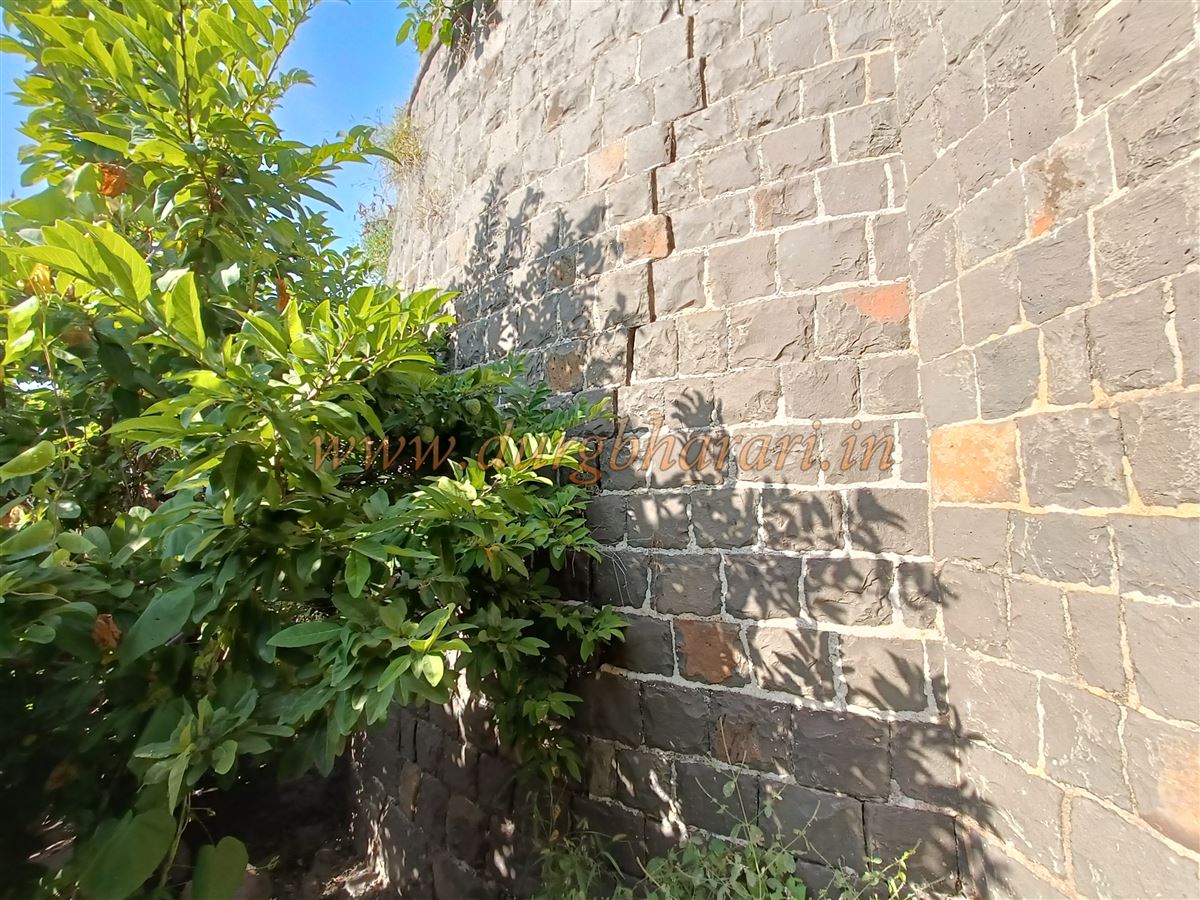
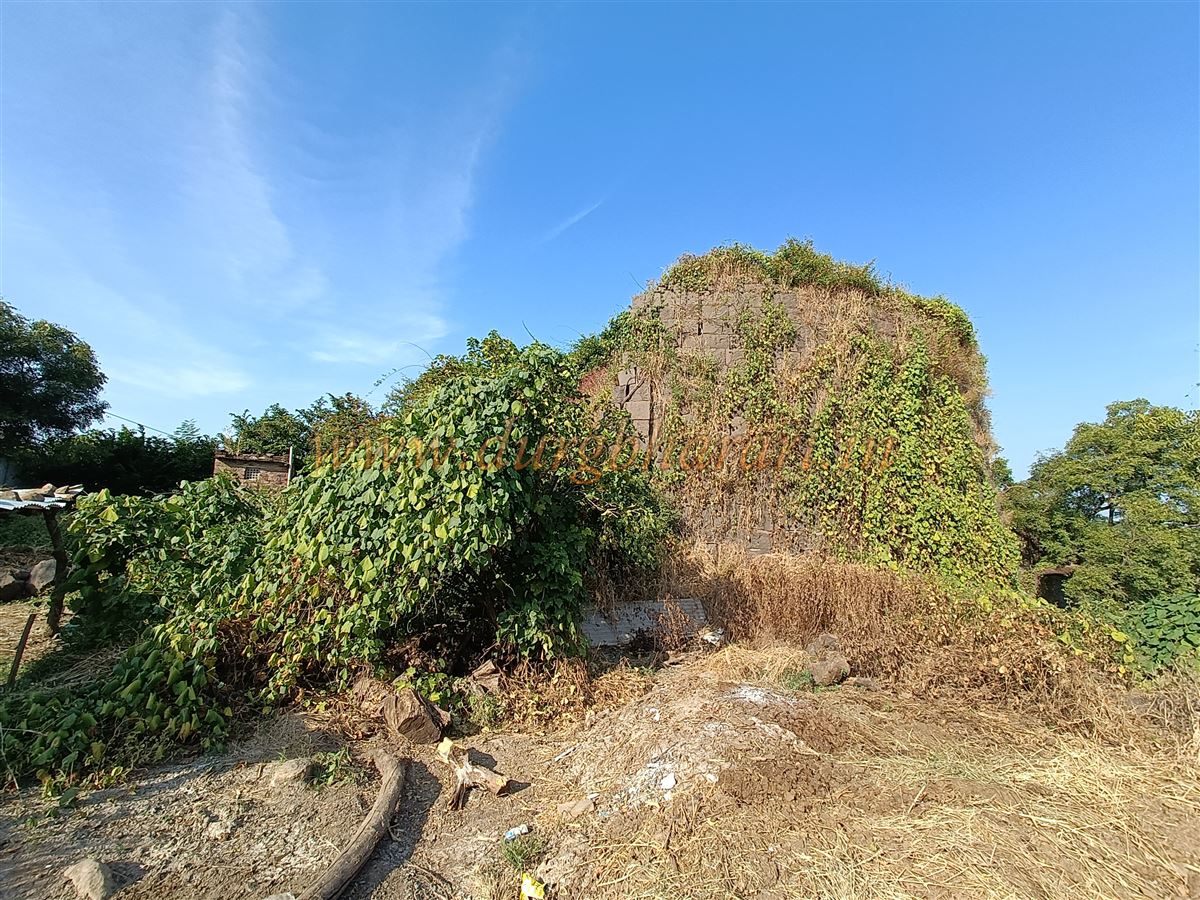
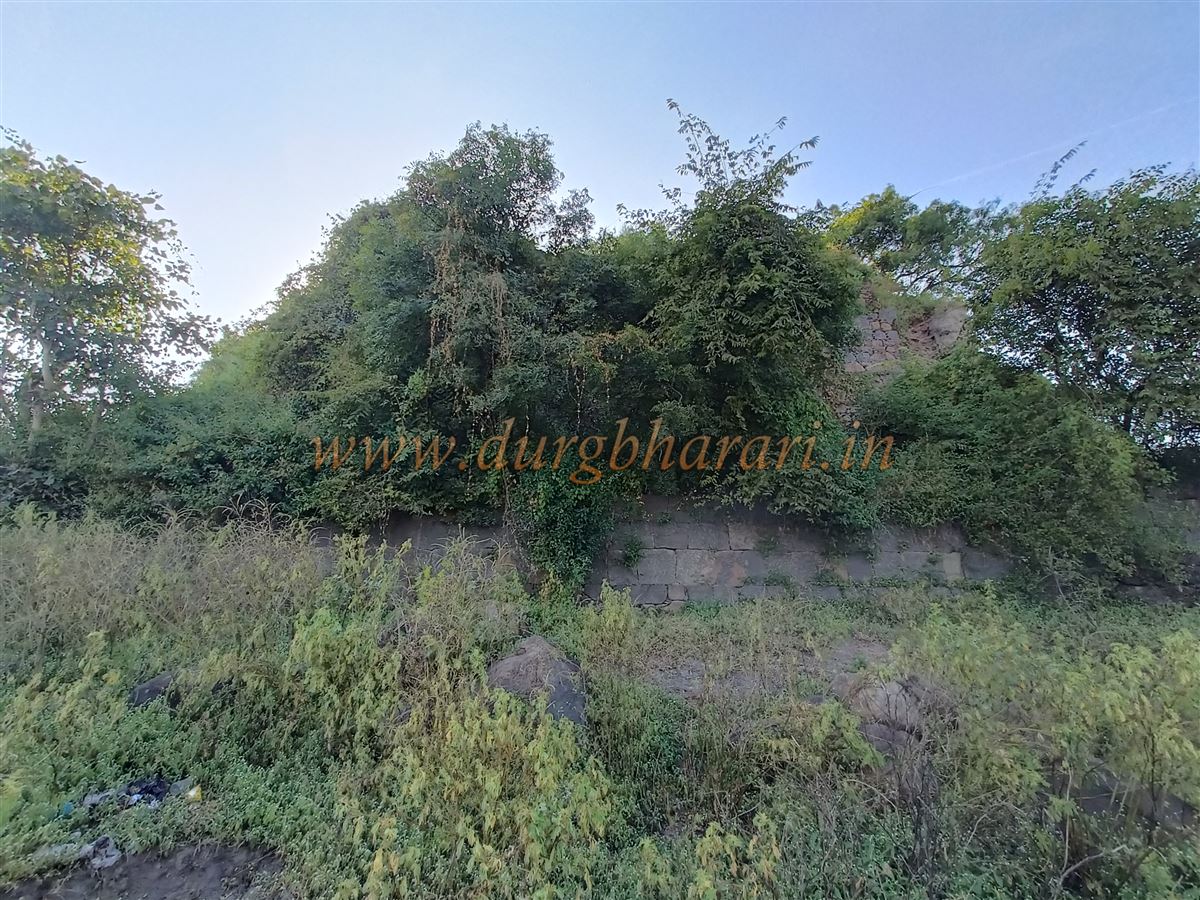
The fort is built on a raised mound at the center of the village and is visible from a distance, making it easy to locate without asking for directions. The gadh, square in shape, occupies roughly half an acre. It has three bastions of varying sizes within its fortified walls. The entire fortification is built from rough stone, while the bastions and the façade are constructed using neatly dressed stone. The main entrance gate is not very large but is positioned behind a round bastion for protection. Loopholes for firing guns can be seen on this bastion. One section of the fortification has a protruding gallery (Sajja) made from dressed stone, topped with brick construction. The overall architecture suggests that the gadh is a blend of old and newer construction styles.
In front of the main gate is a flat area where custard apple trees are currently growing. Upon entering the fort through the main gate, two small chambers (devdis) built for guards can be seen on the right side. The fort is currently uninhabited, and dense vegetation has grown throughout the premises. Moving through this overgrowth, two roofless stone structures are visible, both built from neatly cut stone blocks. Due to the thick vegetation and absence of human presence, snakes and other reptiles are common, which limits how much one can explore without taking risks. Around 15 minutes is sufficient to see the gadh as it stands today, but if the vegetation were cleared, a more thorough exploration would be possible.
The history of the gadh is not well-documented, but locals identify it as belonging to the Vanjari ruler, Dharamaji Prataprao Garje. "Prataprao" was a hereditary title in this family, and it is said that before the 1857 uprising, around 1818, he fought against both the British and the Nizam. Since Morala lies near the border of Beed and Ahmednagar districts, it is believed that he gave a tough fight to the Nizam in Marathwada and to the British in Ahmednagar. It is said that Raja Ahilajirao (Raosaheb) Prataprao Garje provided 100 rifles to Krantisinha Nana Patil, and when the British learned of this, they confiscated a large cache of weapons from the fort at Morala. Morala was considered the capital of the Vanjari community, and until 1960, the Garje rulers would preside over disputes within the Vanjari society across Maharashtra. If anyone in the community faced injustice, the Garje ruler would take cognizance of it, according to local youths. (This information has been provided by locals and is based on hearsay.)
© Suresh Nimbalkar
GALLERY