MOHOL
TYPE : NAGARKOT
DISTRICT : SOLAPUR
HEIGHT : 0
GRADE : EASY
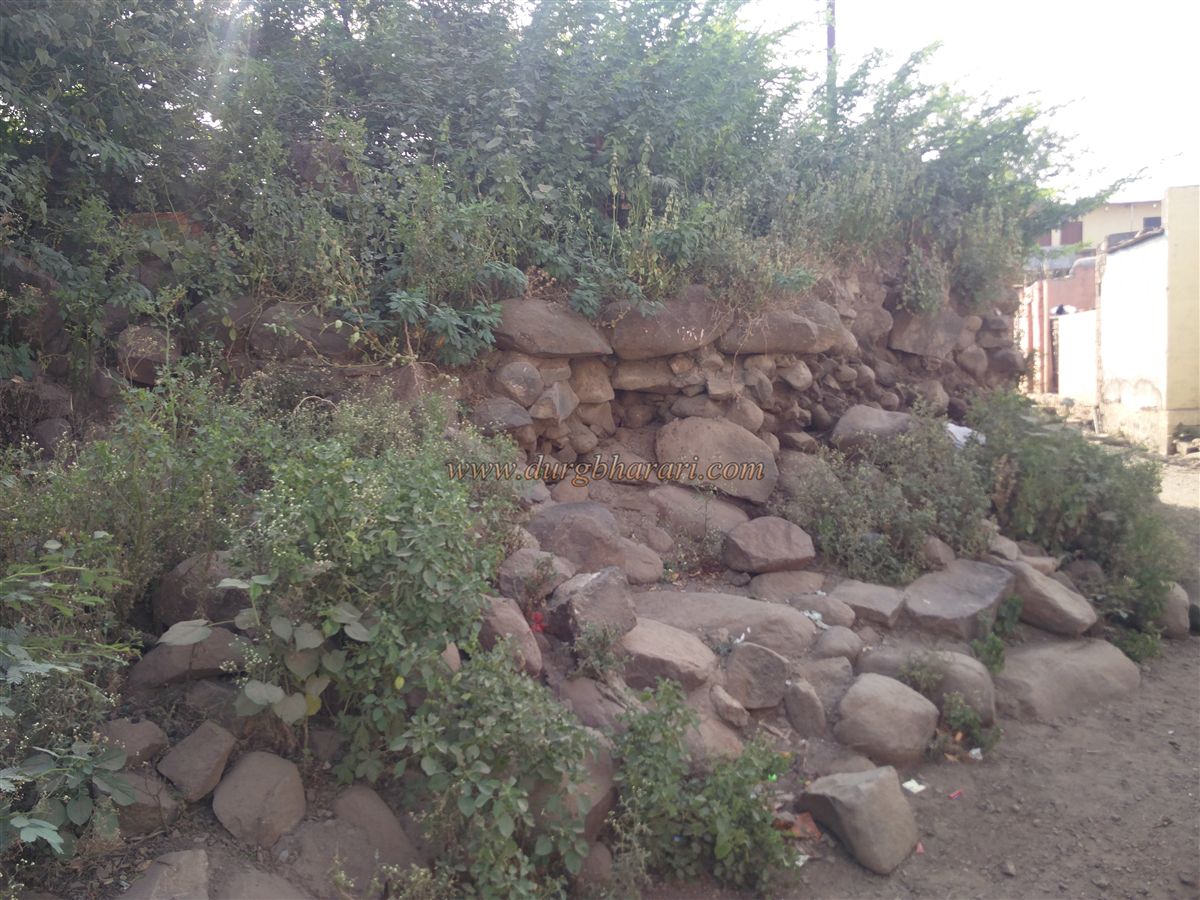
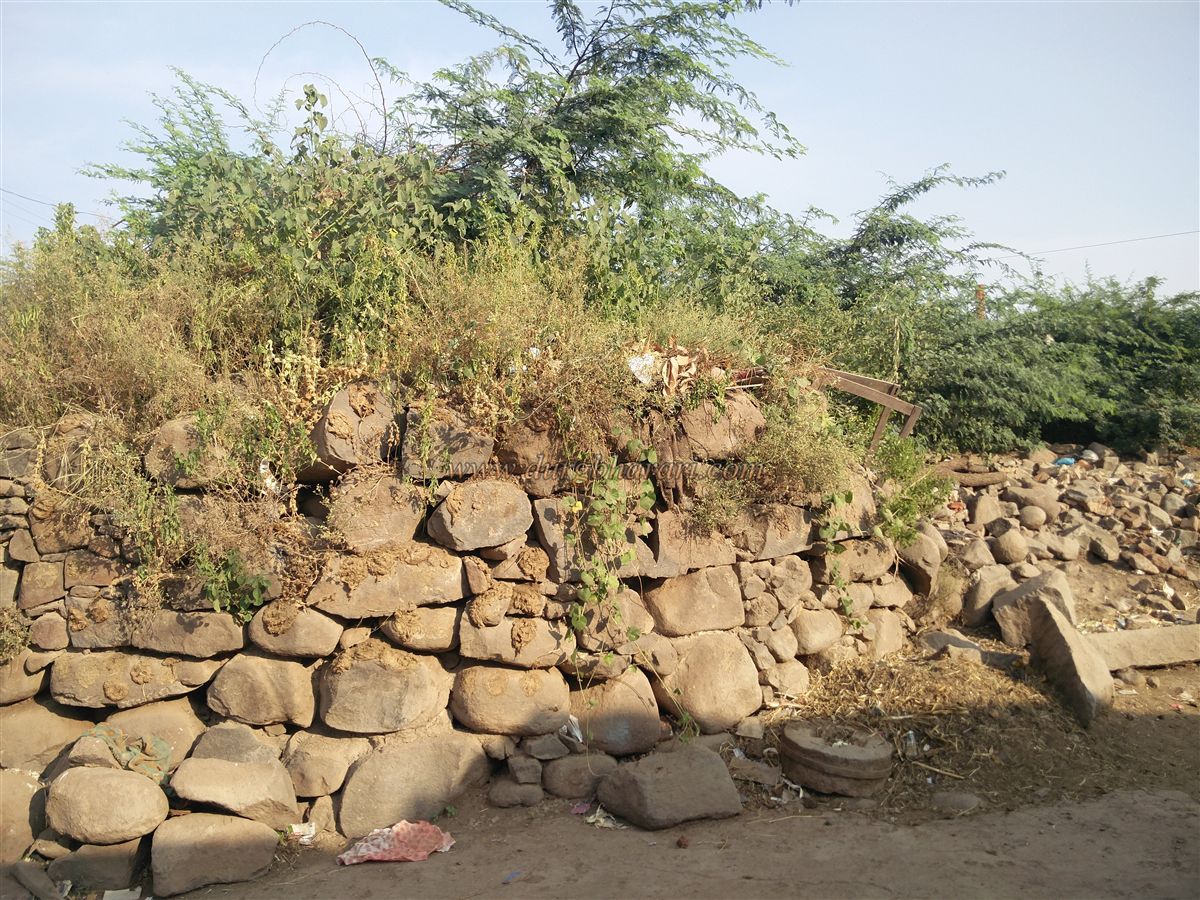
On the Pune-Solapur road, 56 km from Tembhurni and 35 km from Solapur, lies the town of Mohol, which serves as the taluka headquarters. The village is quite old, and during the Maratha period, the Subhedar office was located here. Instead of saying that there is a fort here, it would be more appropriate to say that there used to be one. Today, the fort cannot be seen as a whole; instead, its scattered remains are found in different locations. When asking about the fort in Mohol, locals cannot give a definite answer, so it is better to ask for the Nagnath temple and begin the exploration from there.
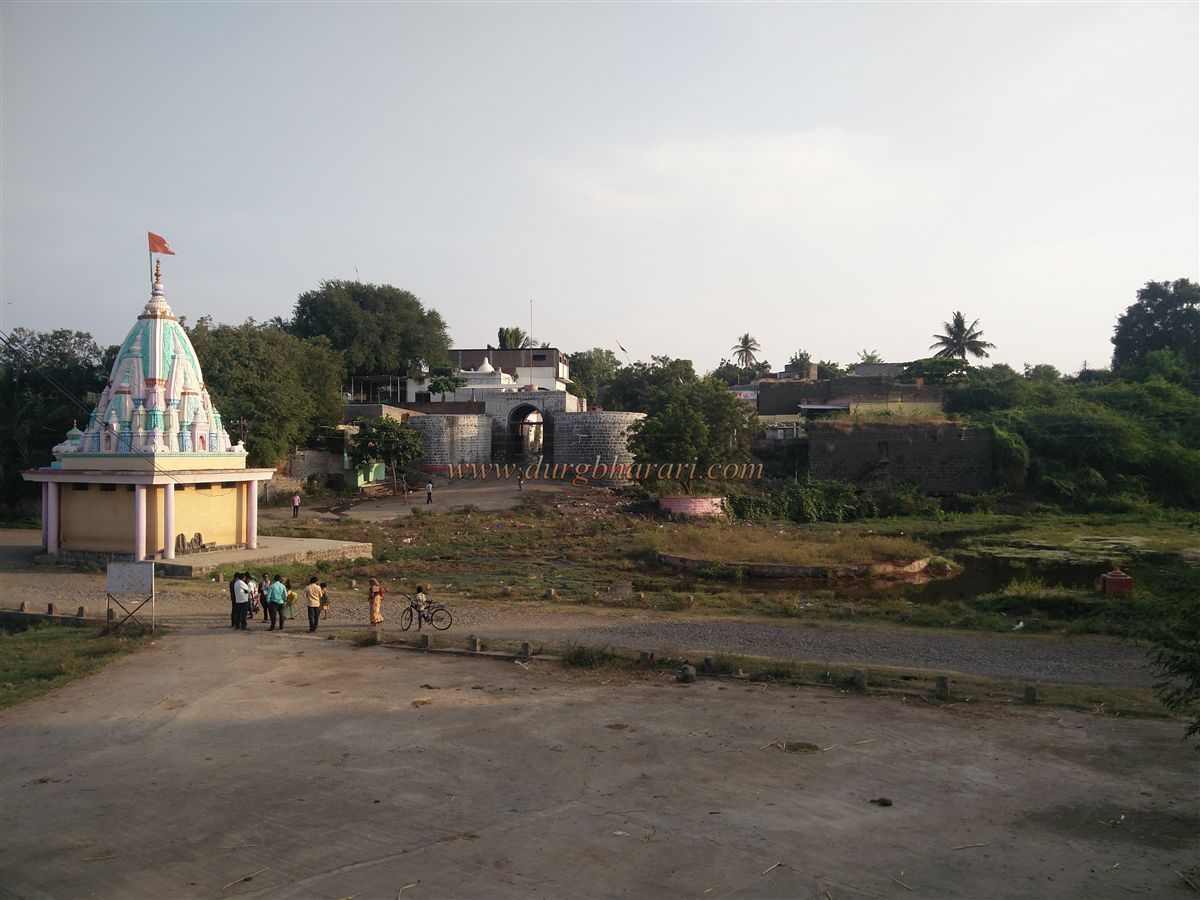
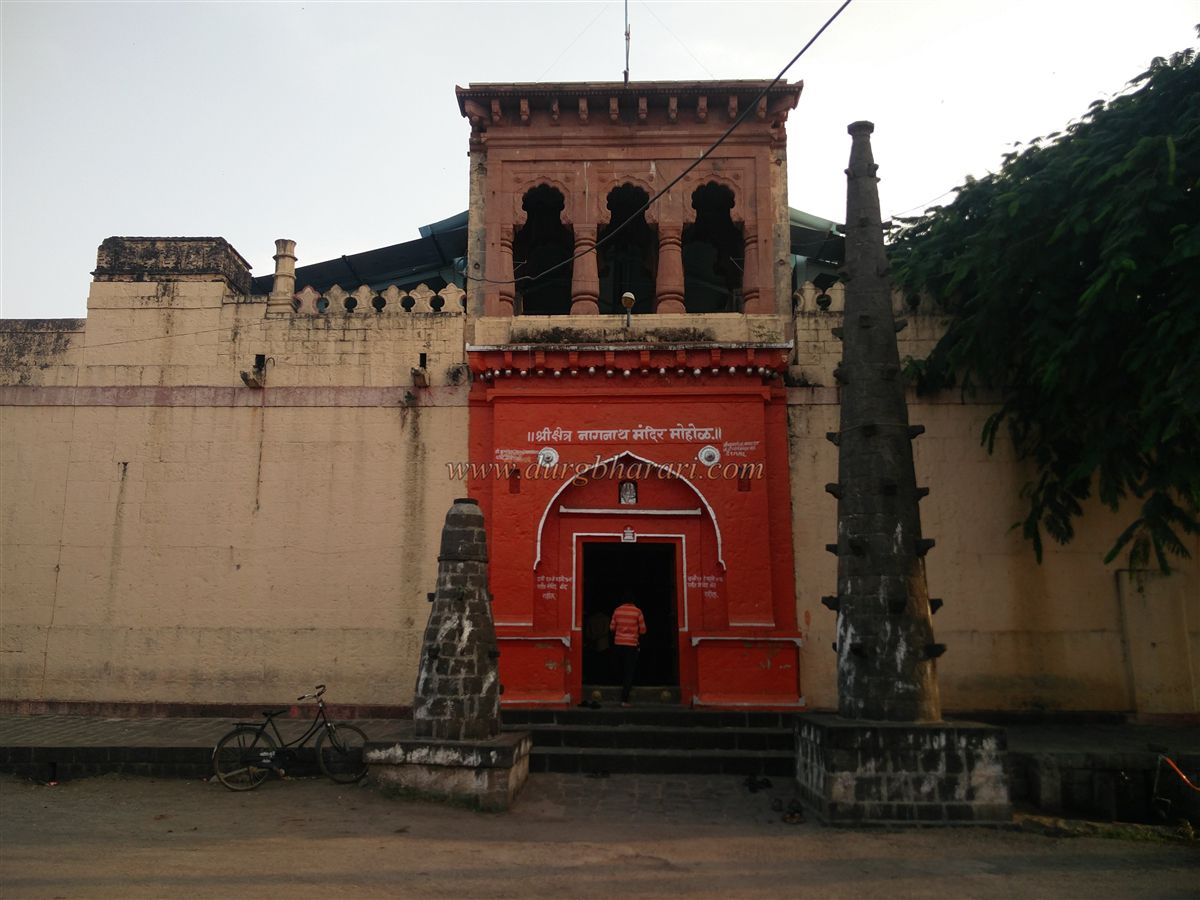
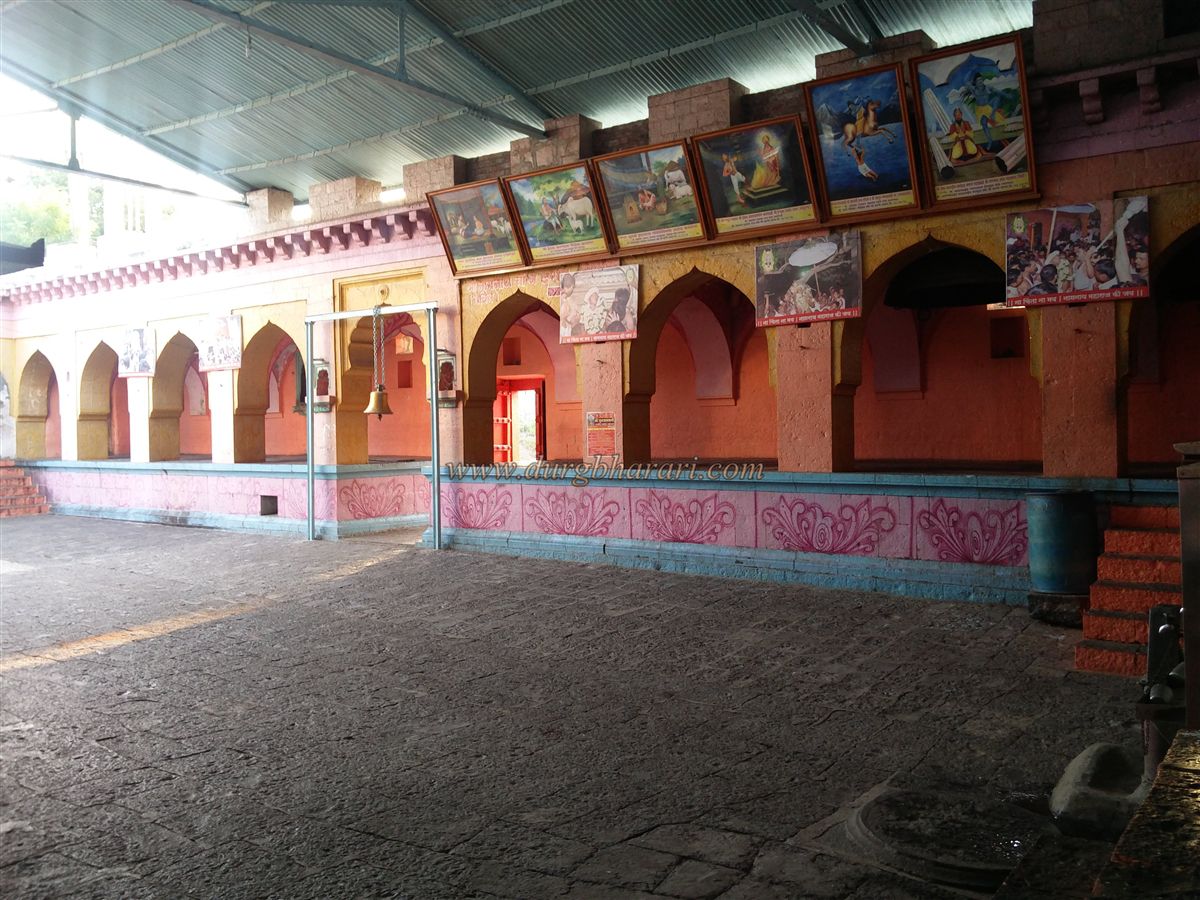
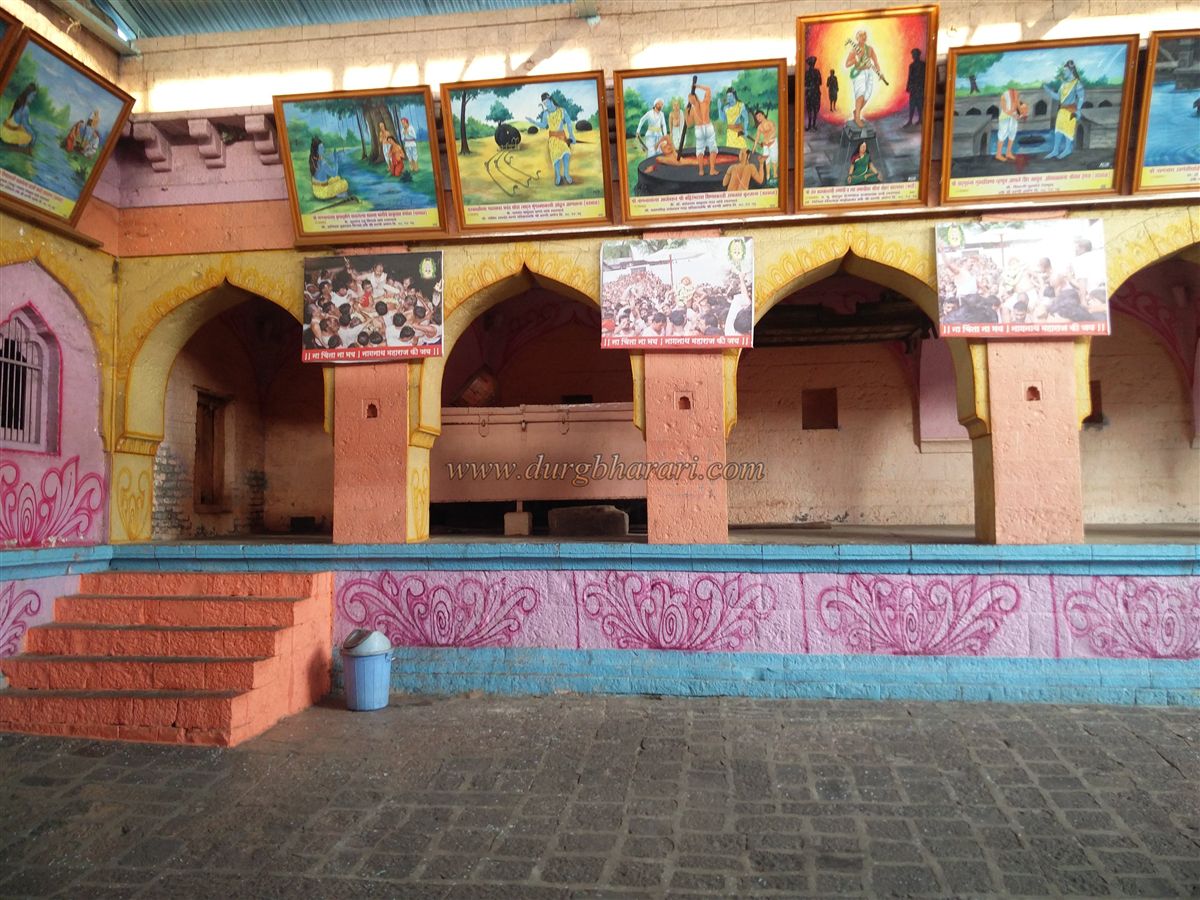
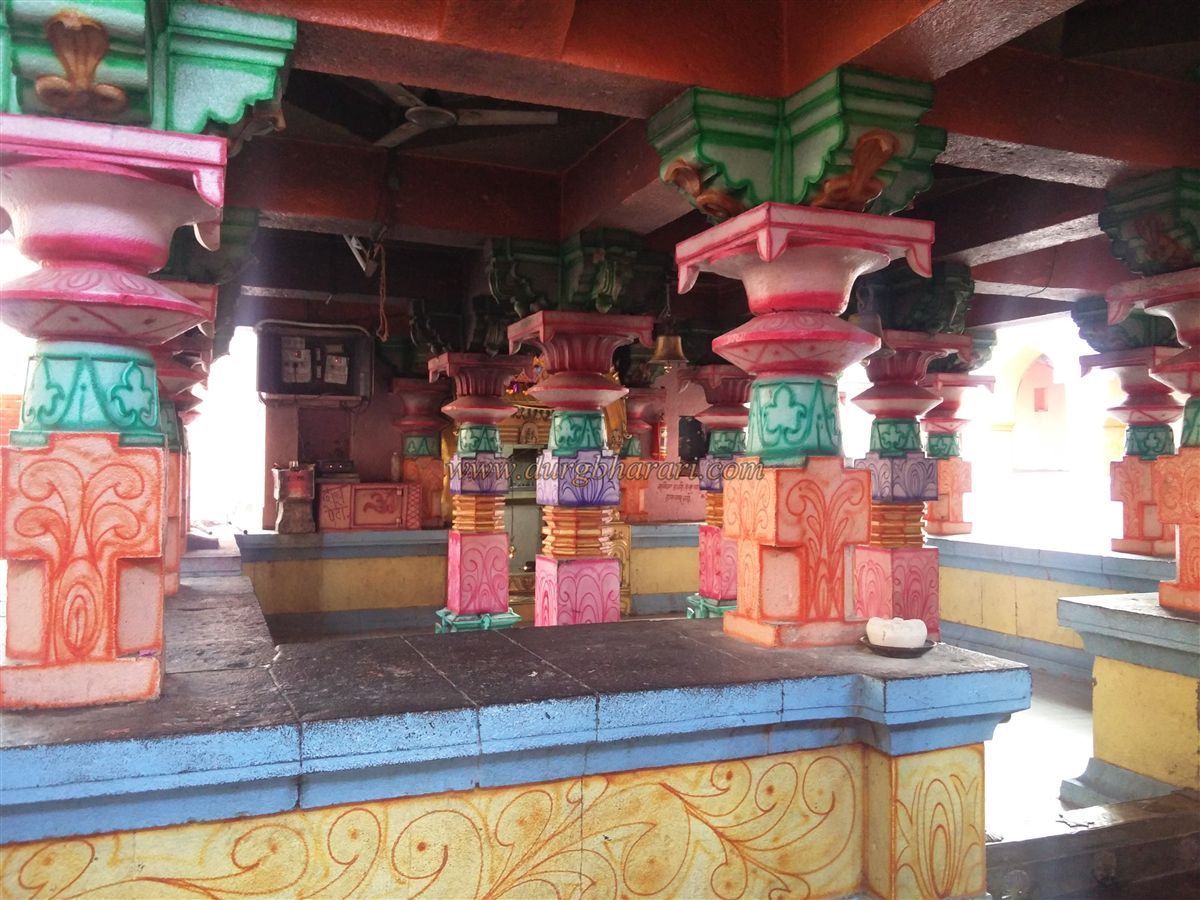
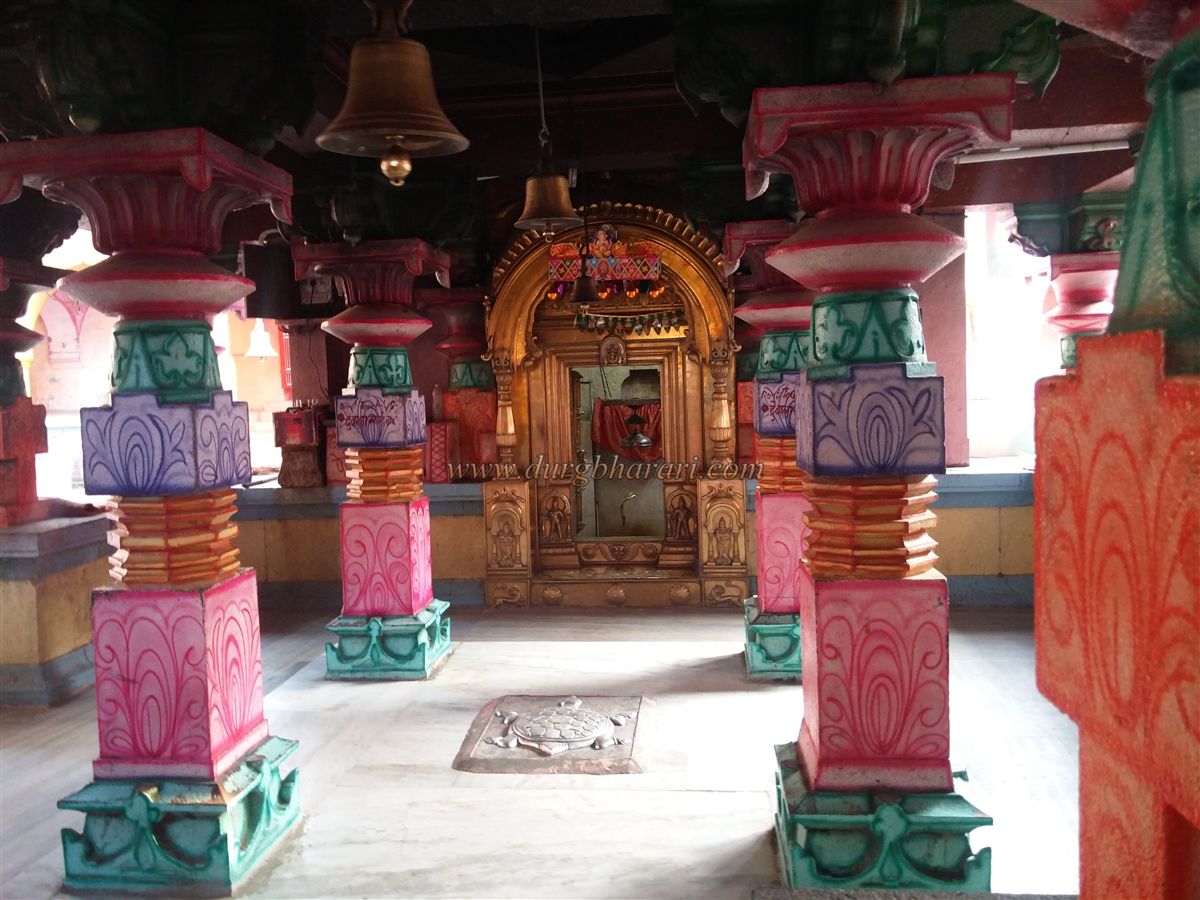
Just outside the village, by the stream, is the spacious Nagnath temple, around which many ruins can be seen. The temple, which reflects medieval construction style, is surrounded by stone fortification, with a series of pillared corridors (ovari) throughout.
...
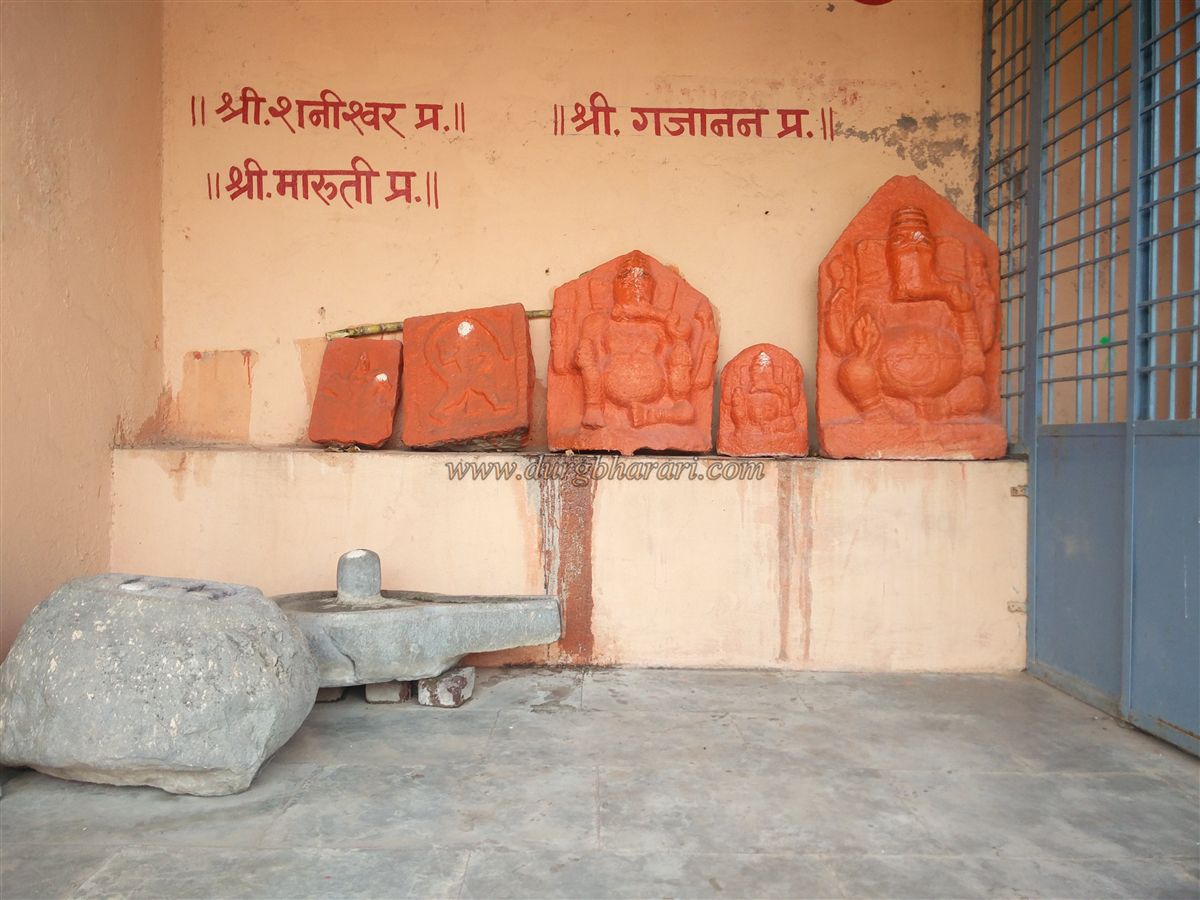
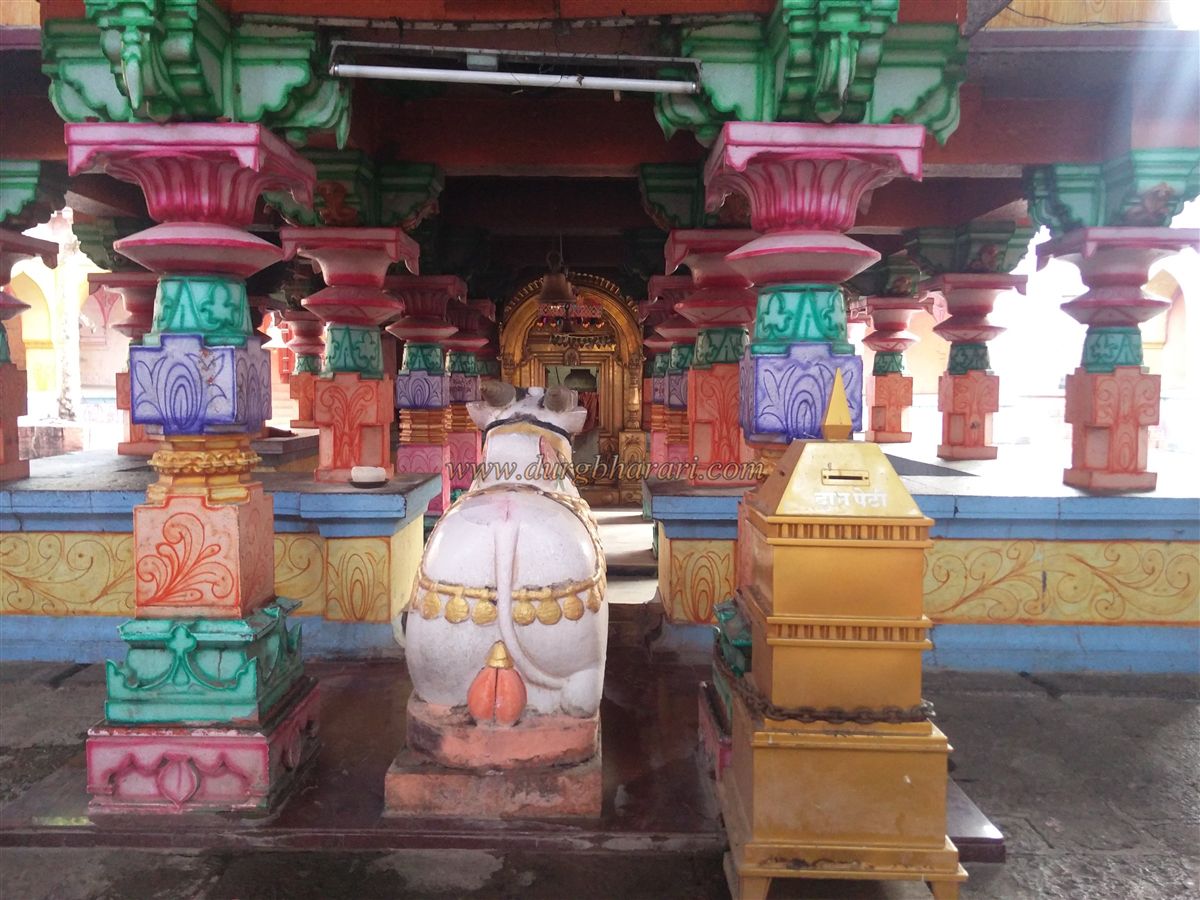
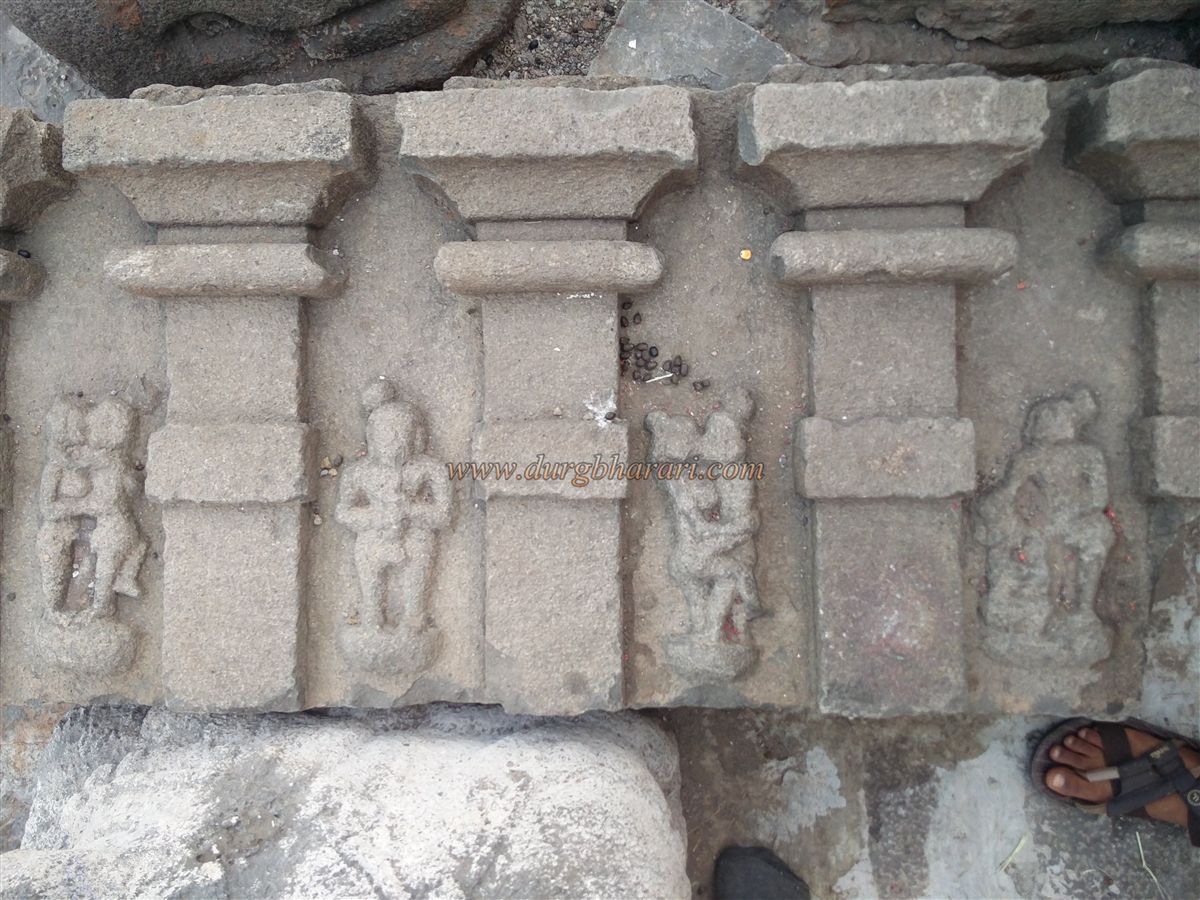
The stonework of the temple is intricately carved. The structure is built like a fort, with a drum-chamber (Nagarkhana) above the entrance. Moving ahead along the path in front of the temple, two newly built temples can be seen. Although new, the courtyard of these temples contains hero stones (virgal) and ancient sculptures. Outside one of these temples is a rare sculpture representing the zodiac signs.
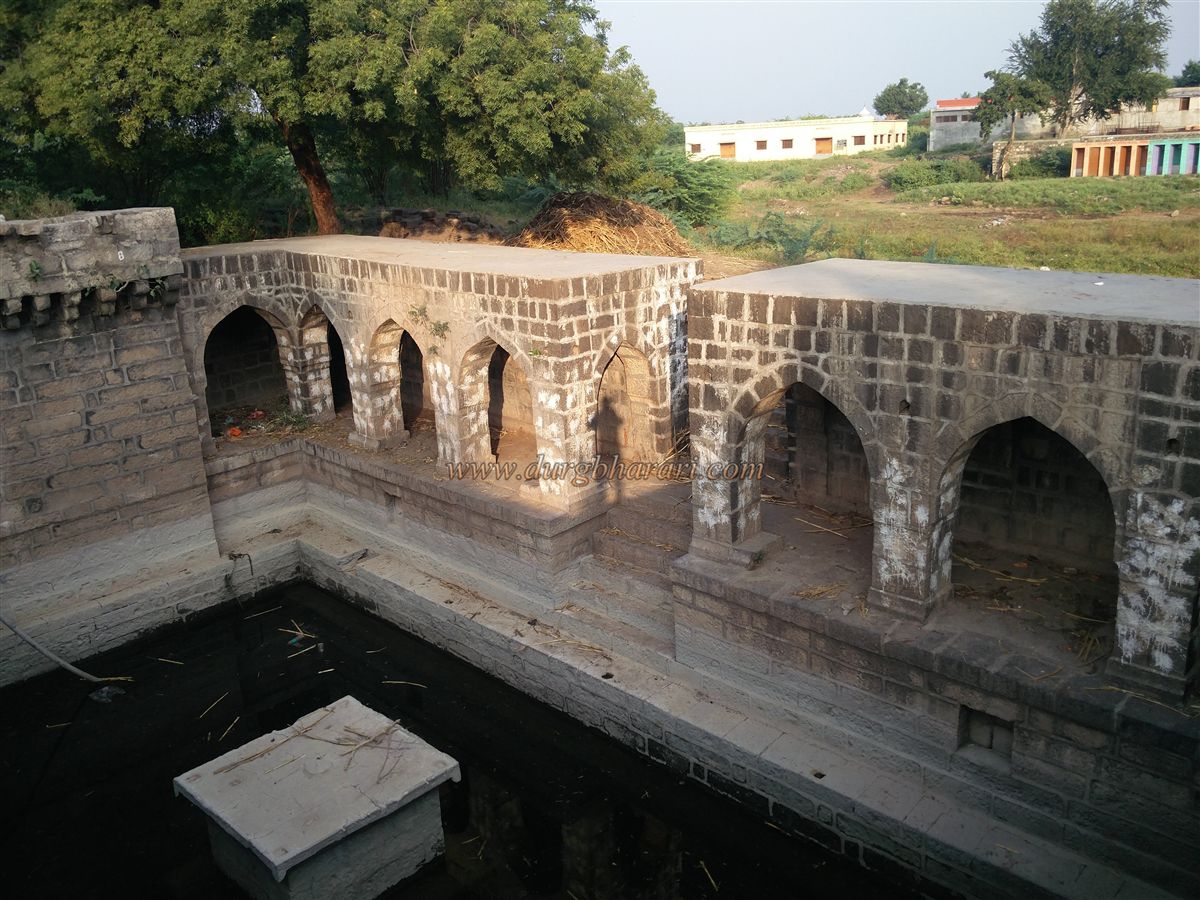
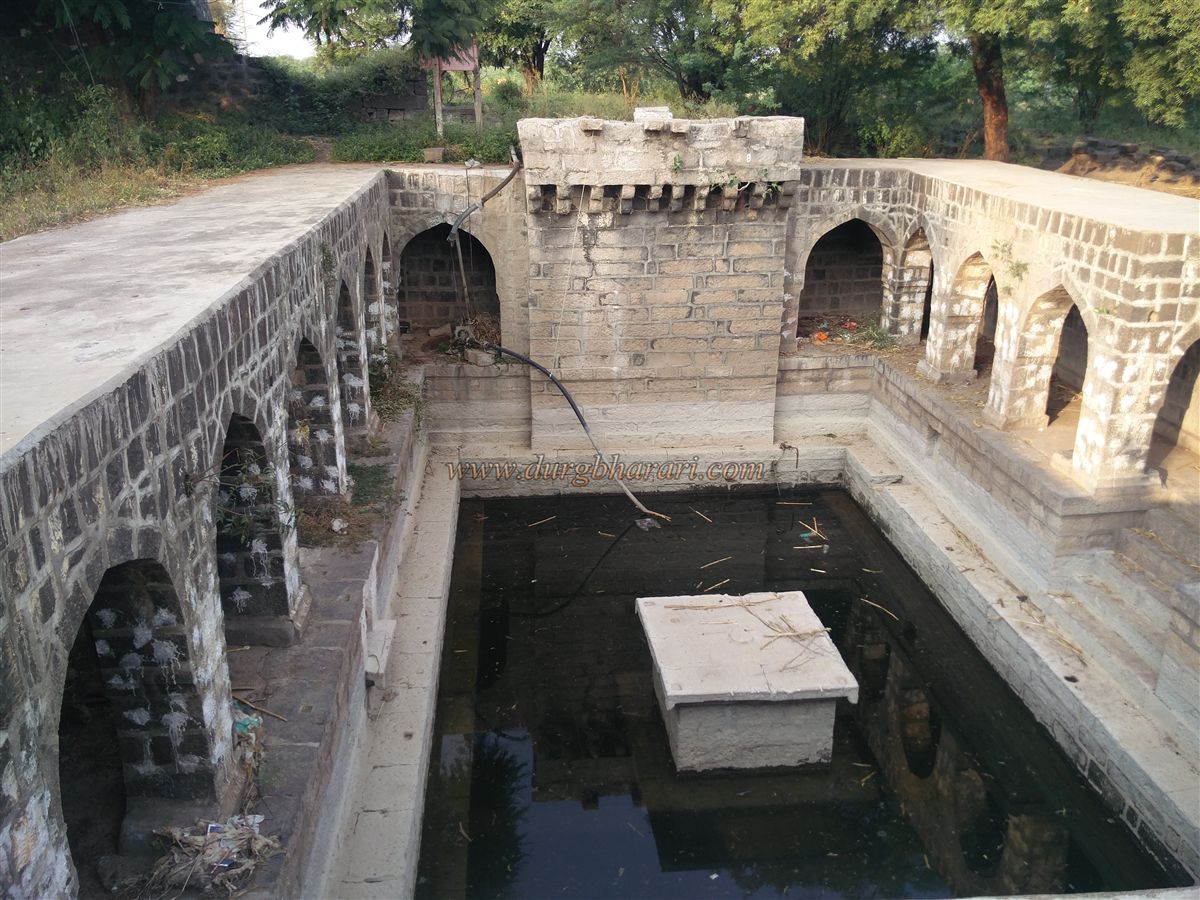
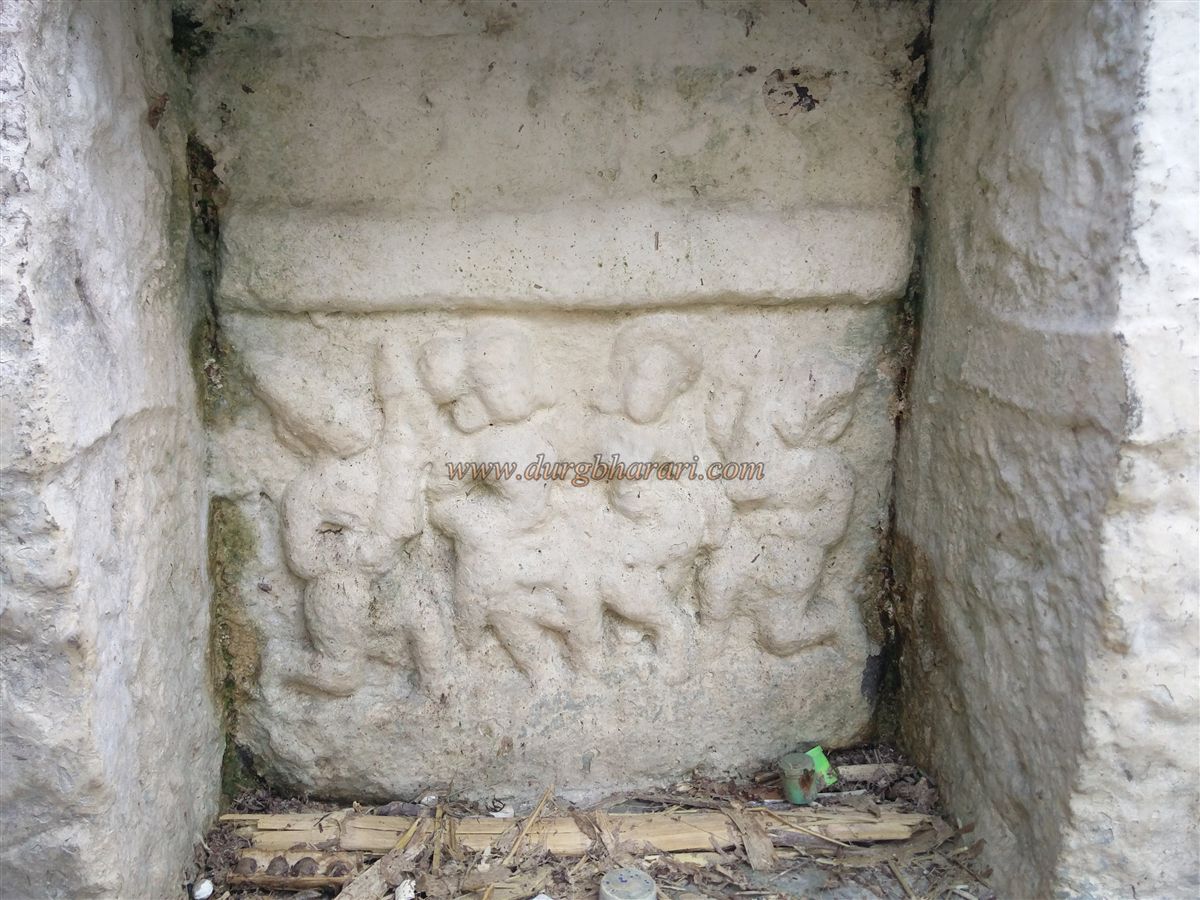
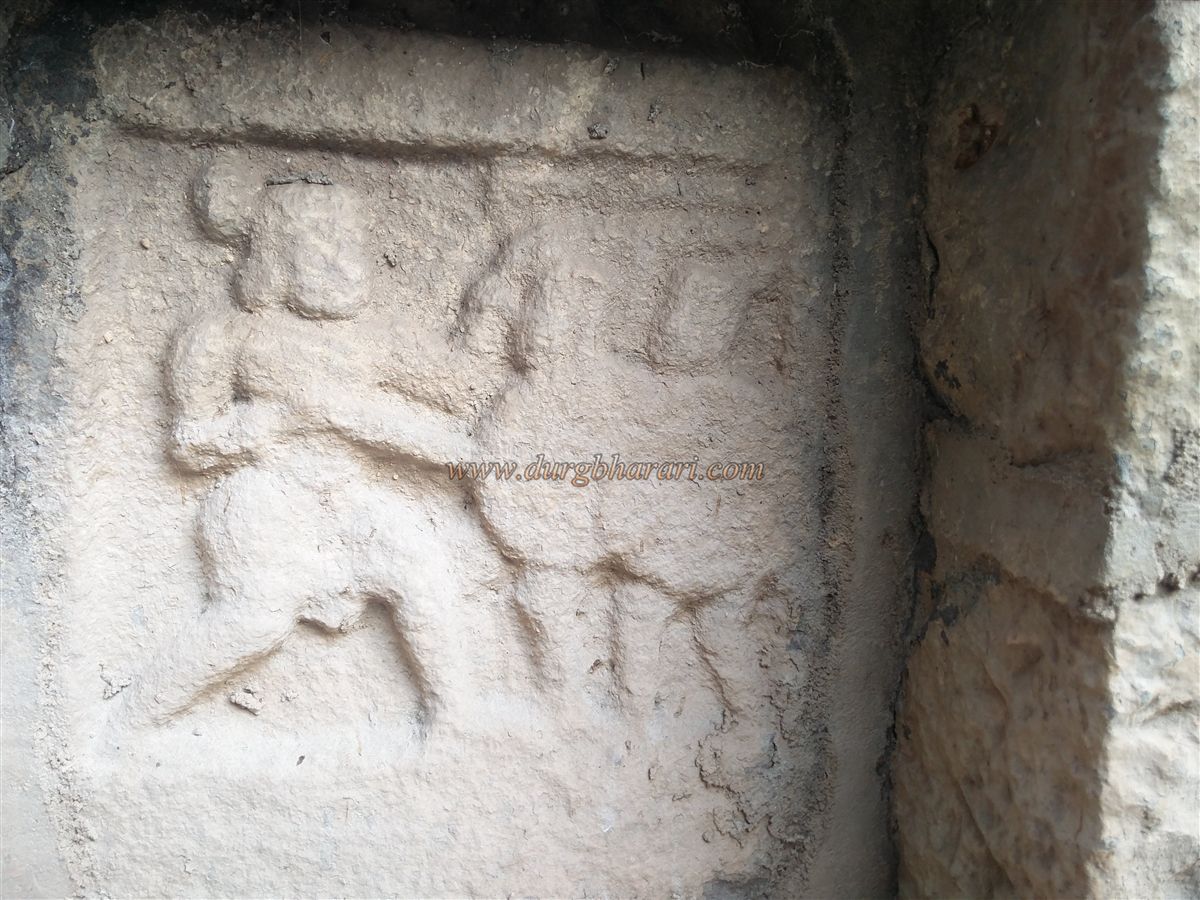
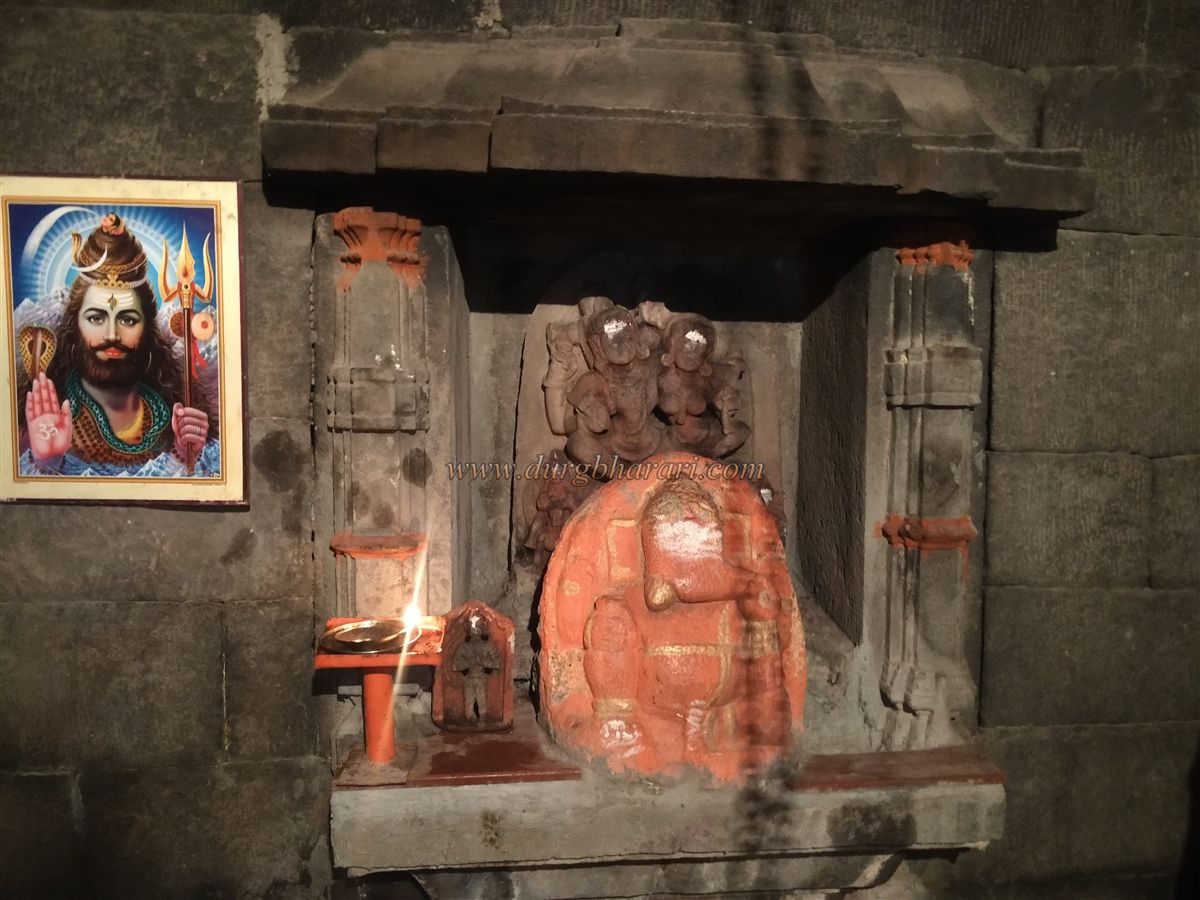
At the end of the path, on the left, one can see the main entrance of the fort built between two bastions, and nearby is the collapsed section of the fort wall. On the right side lies a large square stepwell at ground level. This stepwell is known as Khargateertha. It has steps for descending into it and covered verandas (ovari) built on all four sides. Hero stones and sculptures are placed in the niches of these verandas. Above the stepwell are two stone water-lifting devices, and a stone channel for carrying the water has also been constructed. In front of the stepwell, on a raised platform amidst shrubs, are six carved stone tombs.
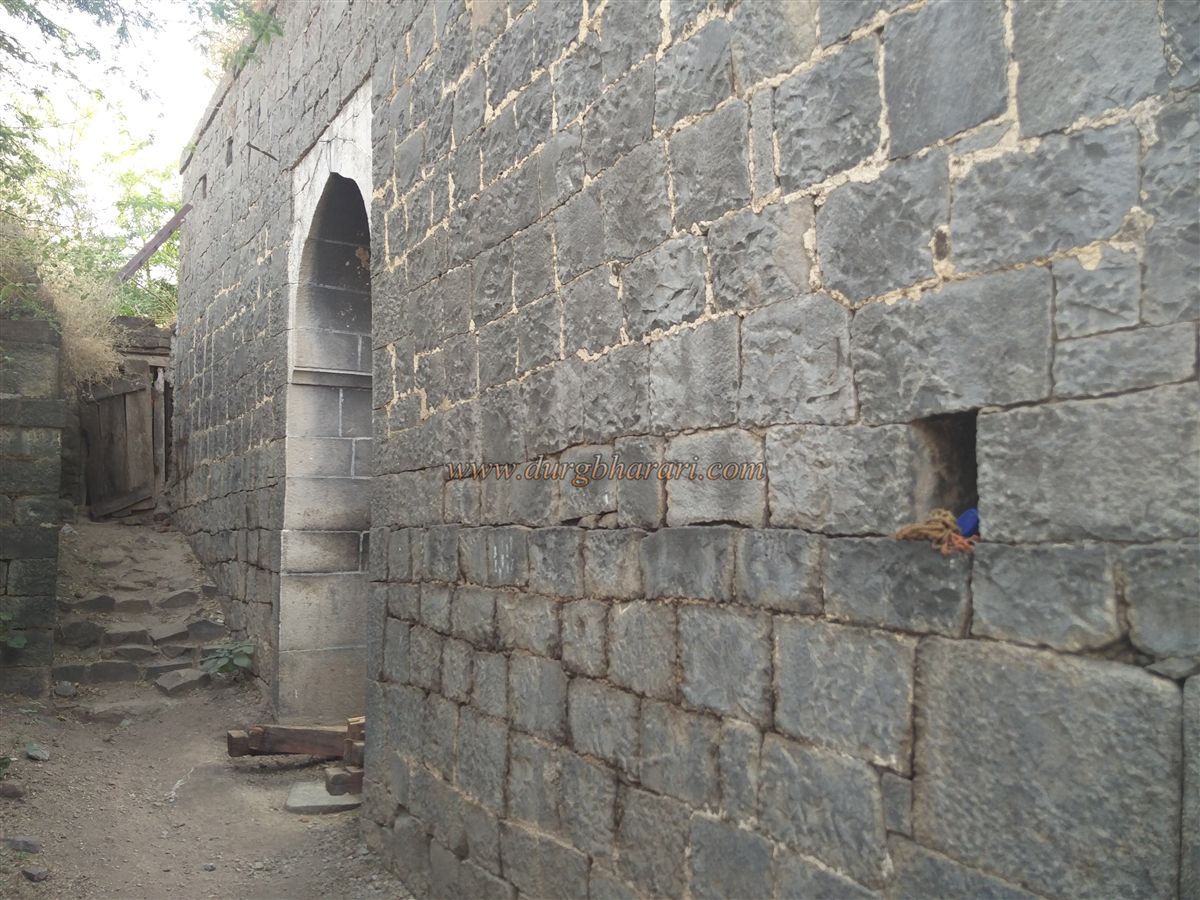
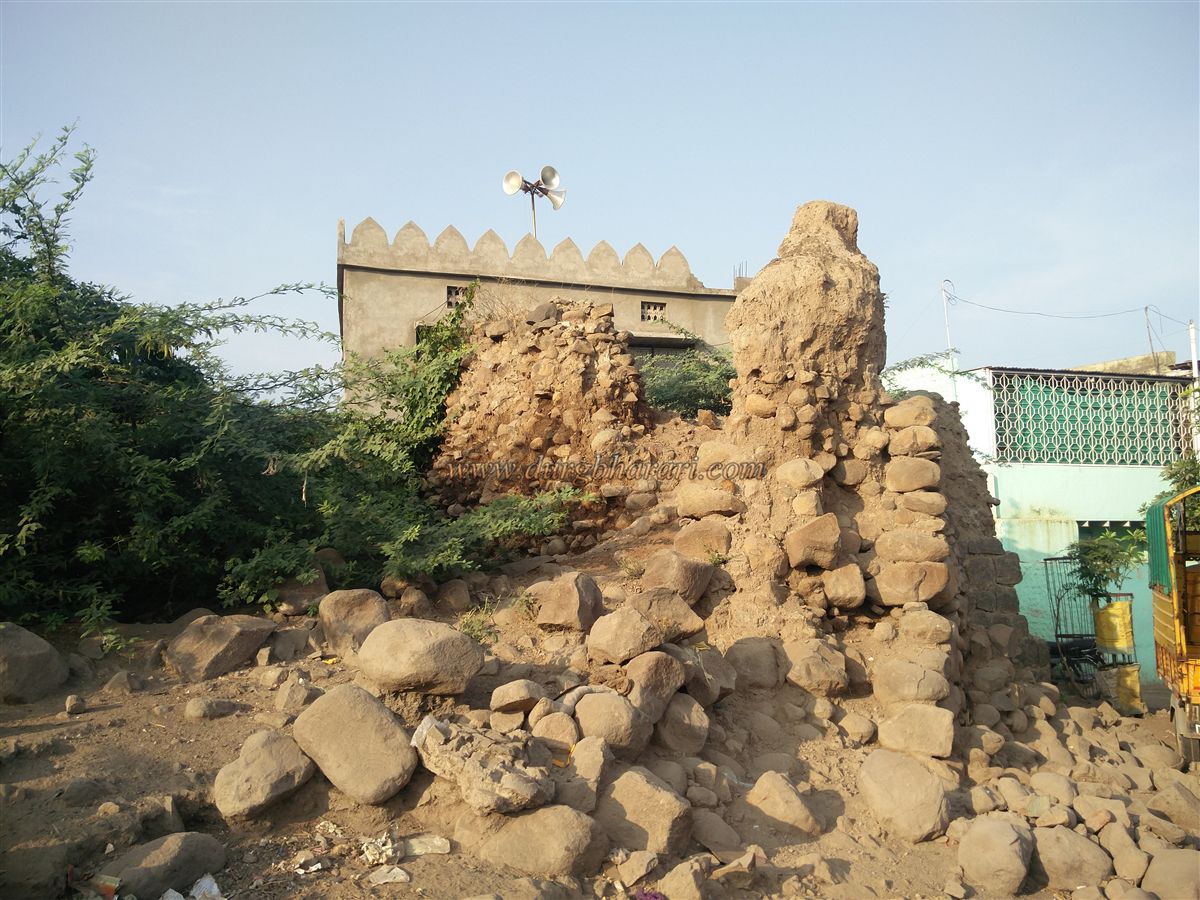
After viewing these features, one should proceed toward the main gate of the fort seen earlier. Through this gate, one directly reaches the citadel (Balekilla). The fort at Mohol is of the Nagardurg (urban fort) type, with a fortified perimeter around the entire village and a separate inner fortification with bastions and a citadel or mansion for prominent residents. Once upon a time, the outer fort wall of Mohol’s ground fort had a total of nine gates. Today, only the main gate on the southern side, through which one enters the village, and the adjacent collapsed walls can be seen.
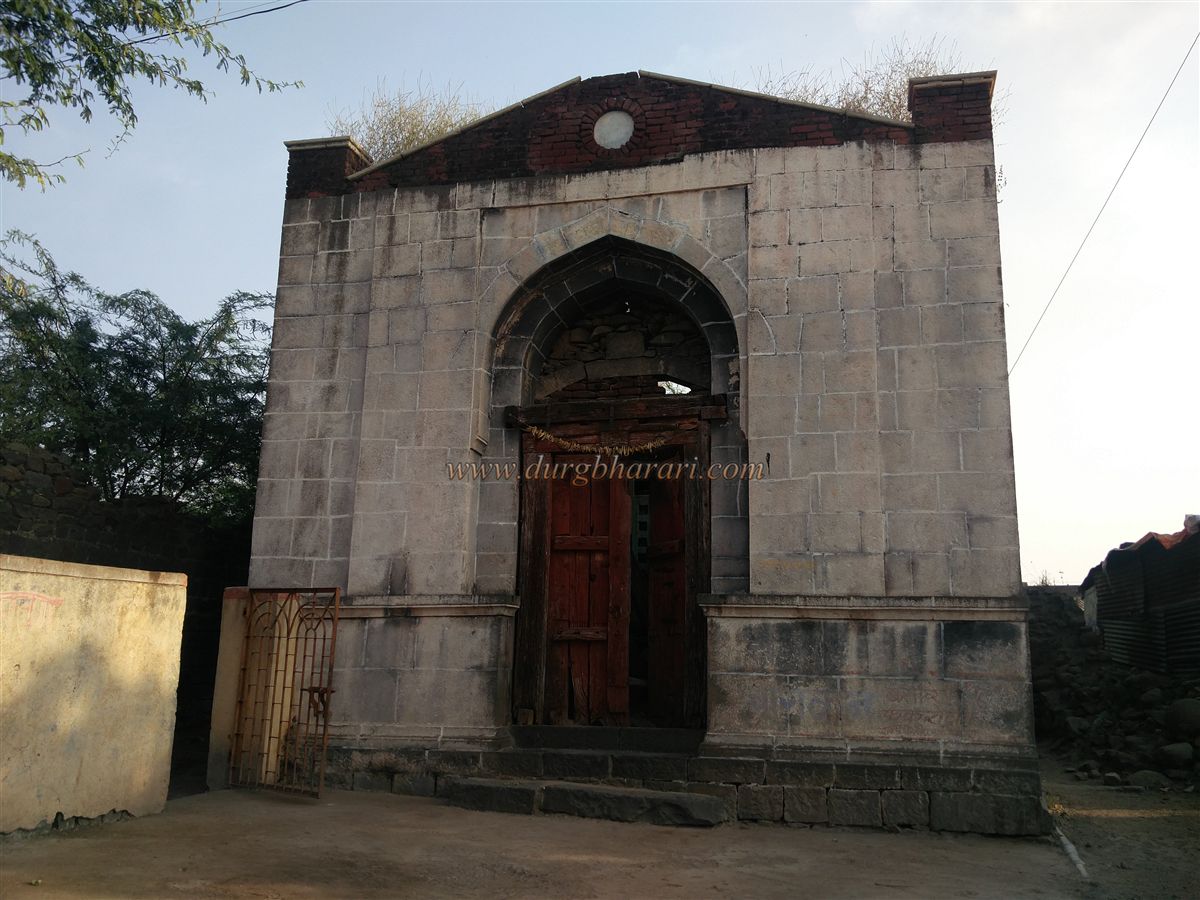
Of the citadel, three bastions and two sections of wall are still partially visible. Within the fortifications of the citadel is the Deshmukh family’s mansion. In front of the door is a domed chamber containing a sculpture, a hero stone, and a serpent carving. The citadel gate is built like a mansion entrance and remains in good condition, though the inner hall has recently collapsed. The entrance is L-shaped, and on the right side, just inside the second gate, there is a Kannada inscription carved on a stone slab at ground level.
The citadel originally had four bastions. Three of them are now in ruined condition, while the fourth bastion and its adjacent wall were demolished in 2016 by the municipal council because they were obstructing a public path. Apart from this, Mohol also has the 11th-century Baneshwar Shiva temple from the Chalukya period. Though in a dilapidated state, the temple’s sculptures are still worth seeing.
While the history of Mohol Fort is not well-documented, according to the local Deshmukh family, it was built during the reign of Rajaram Maharaj, and he is believed to have stayed here for a day while on his way to Jinji. However, there is no solid evidence to support this claim. Nevertheless, the ruins found in the village attest to the ancient nature of Mohol.
© Suresh Nimbalkar
GALLERY