MODHVE
TYPE : GADHI
DISTRICT : PUNE
HEIGHT : 0
GRADE : ERASY
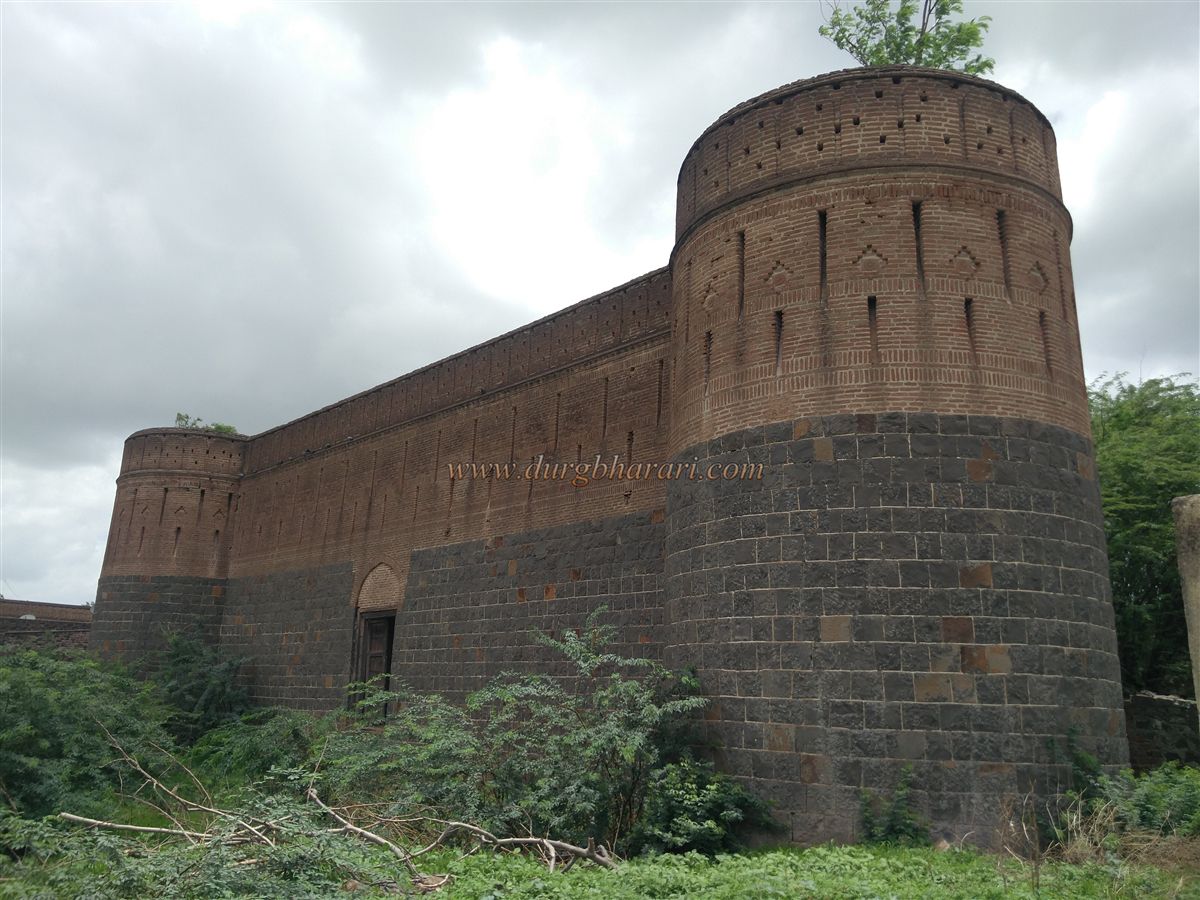
One of the Ashtavinayak temples is the Moraya Ganapati of Morgaon. Near this same Morgaon lies the village of Modhave, which houses two historical gadhis (fortified mansions). Modhave is located 65 km from Pune, and can be reached via the Pune–Saswad–Jejuri route. It is just 9 km from Morgaon. In the village of Modhave, two structures with ramparts and bastions like a fort can be seen. These are in fact the gadhi of Sardar Purandare and its replica, the gadhi of the More-Patil family. Judging from the similarity in their construction, both these gadhis, likely built between 1760 and 1770 during the Peshwa period, may have been constructed by the same group of craftsmen.
...
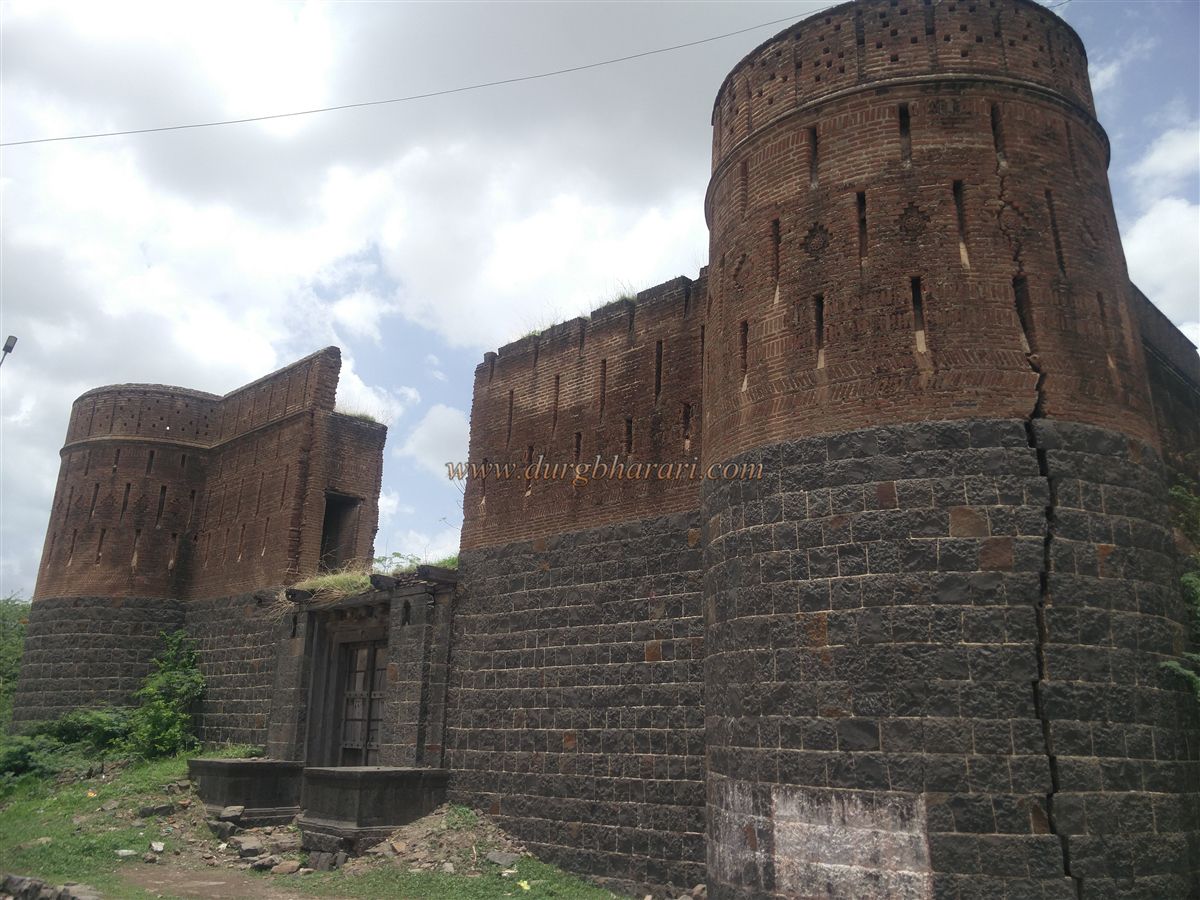
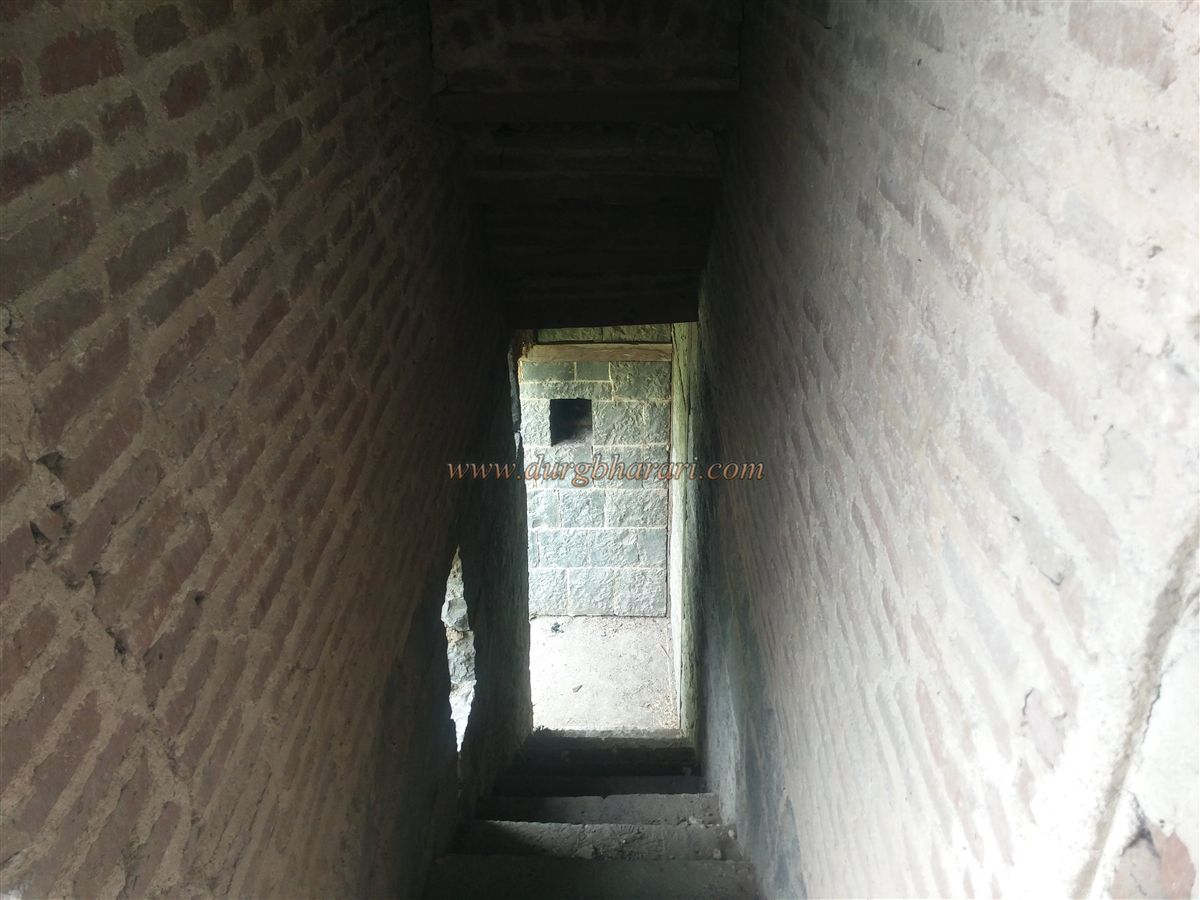
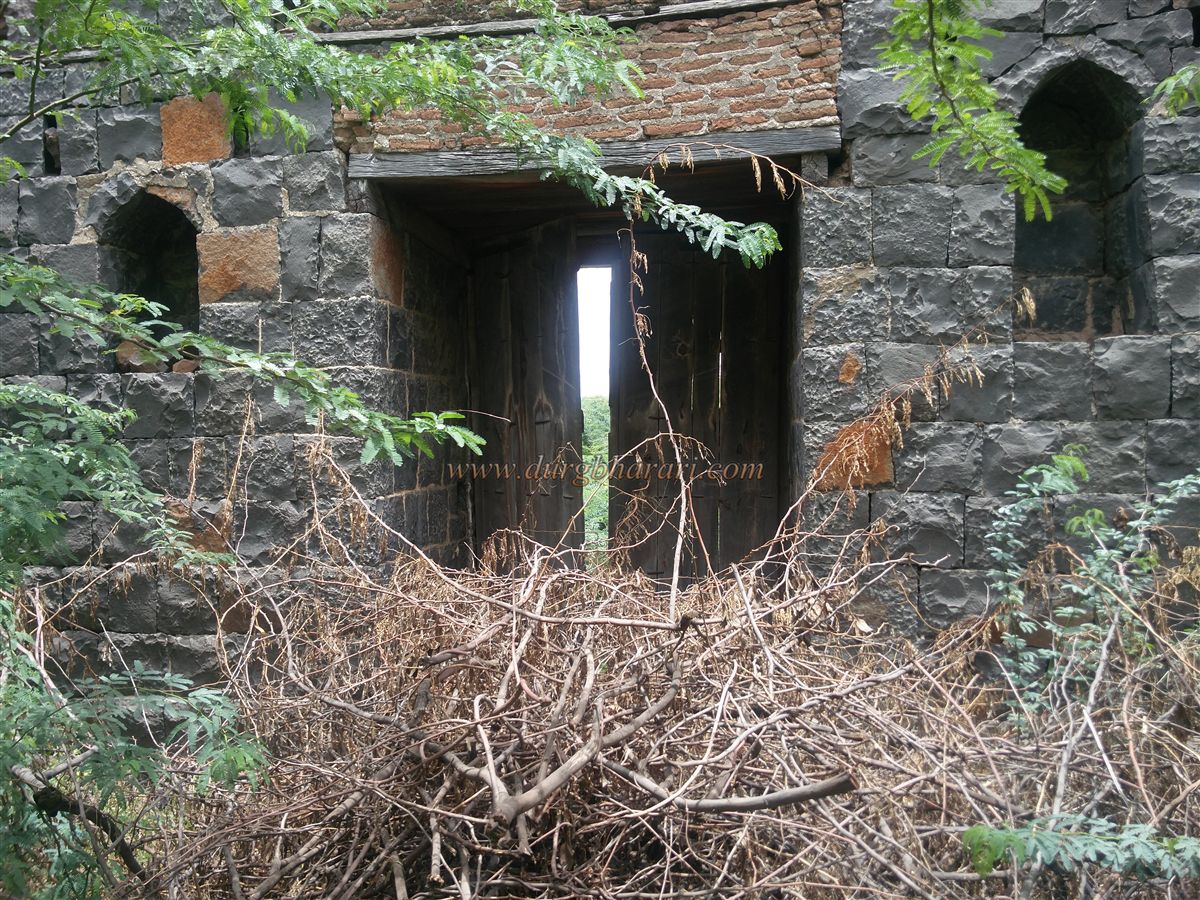
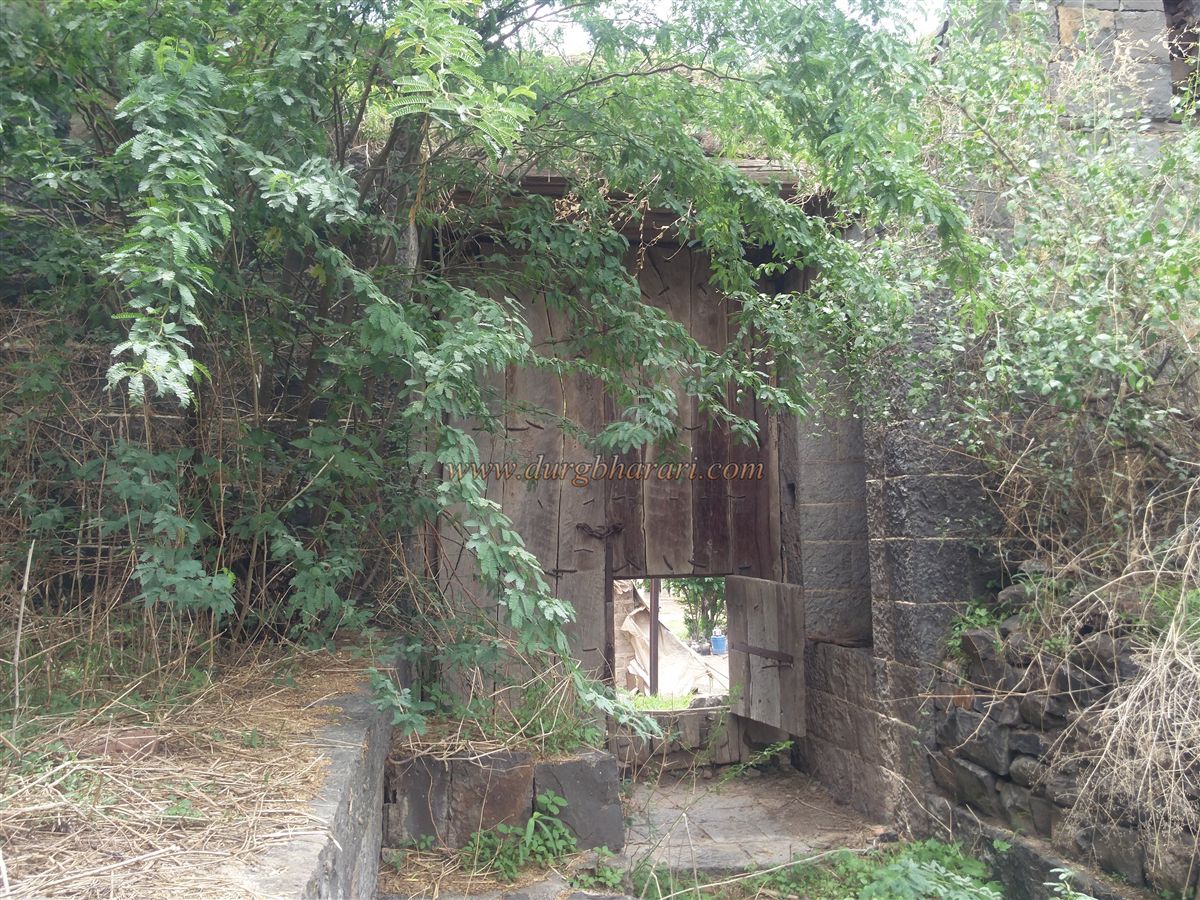
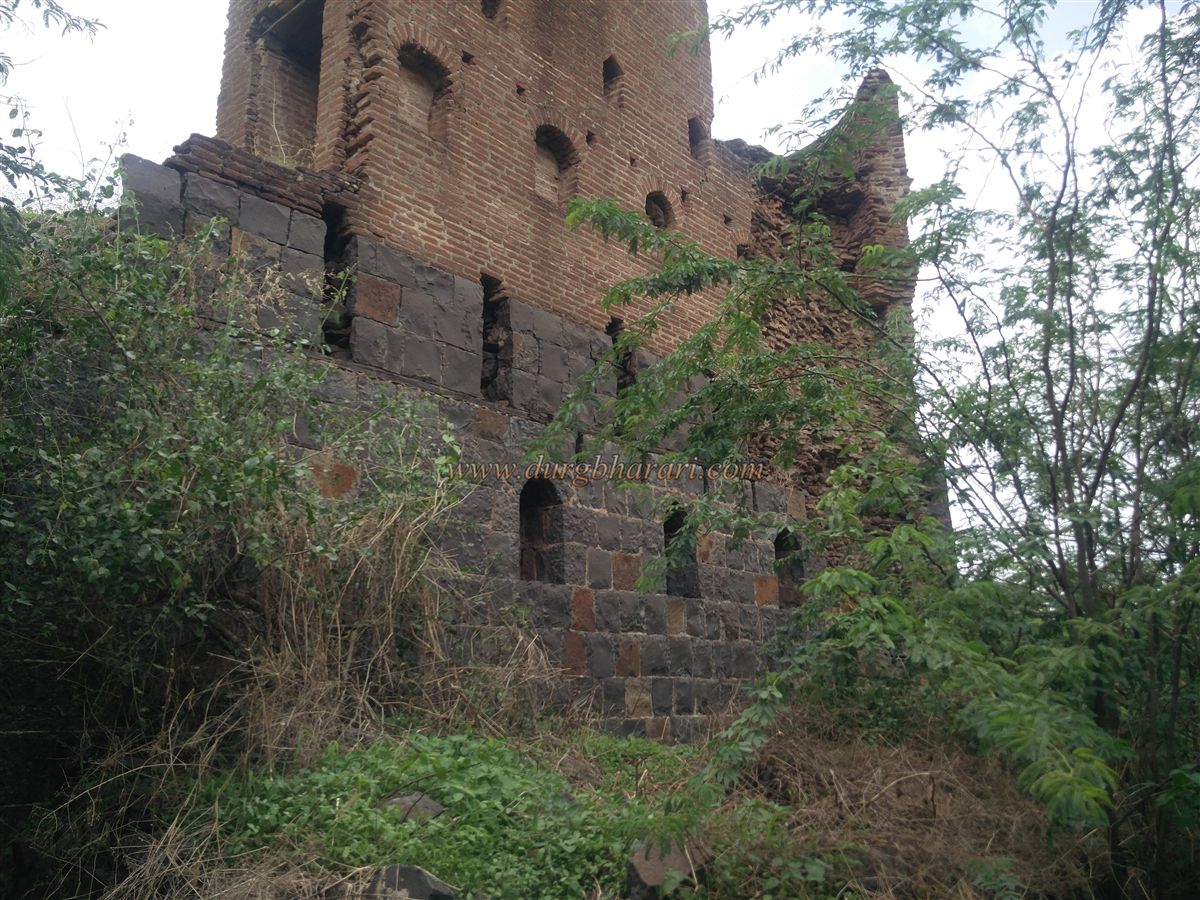
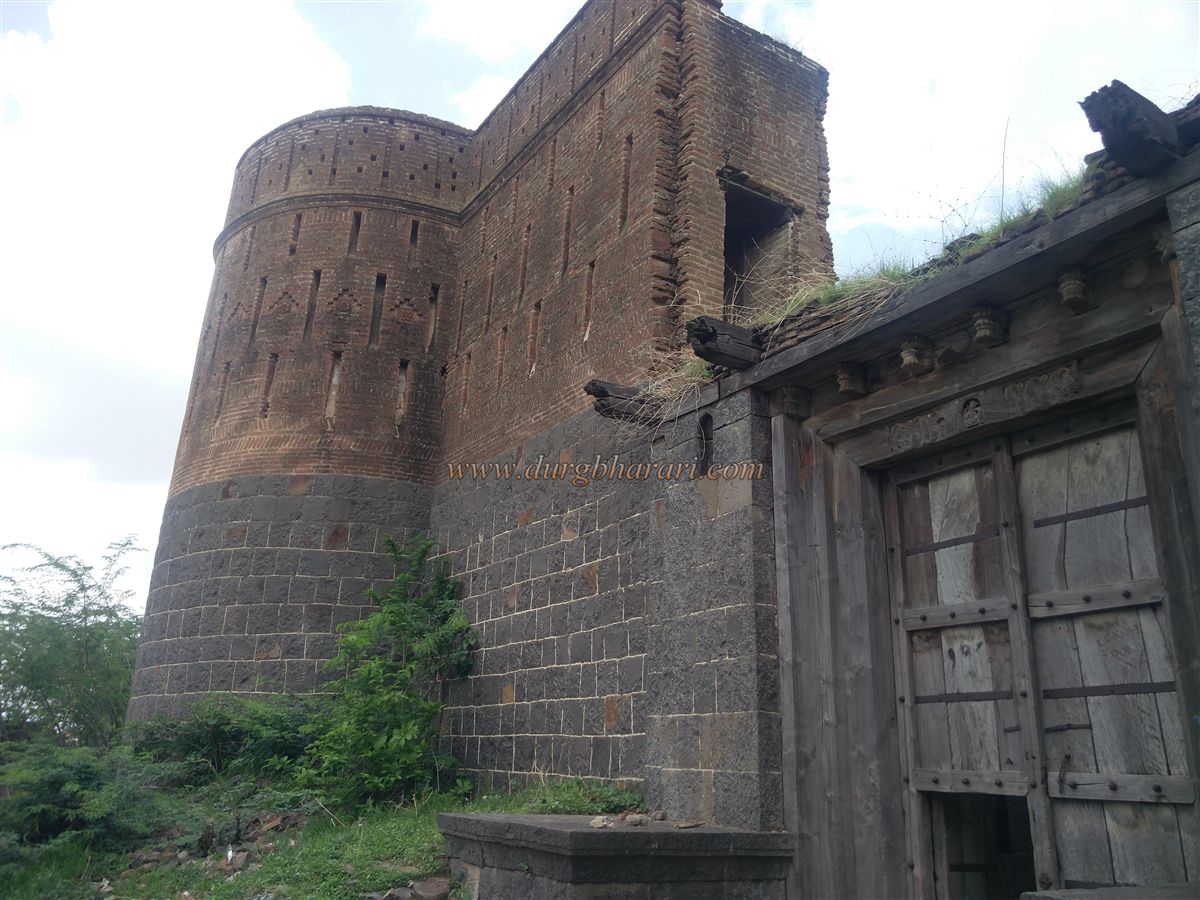
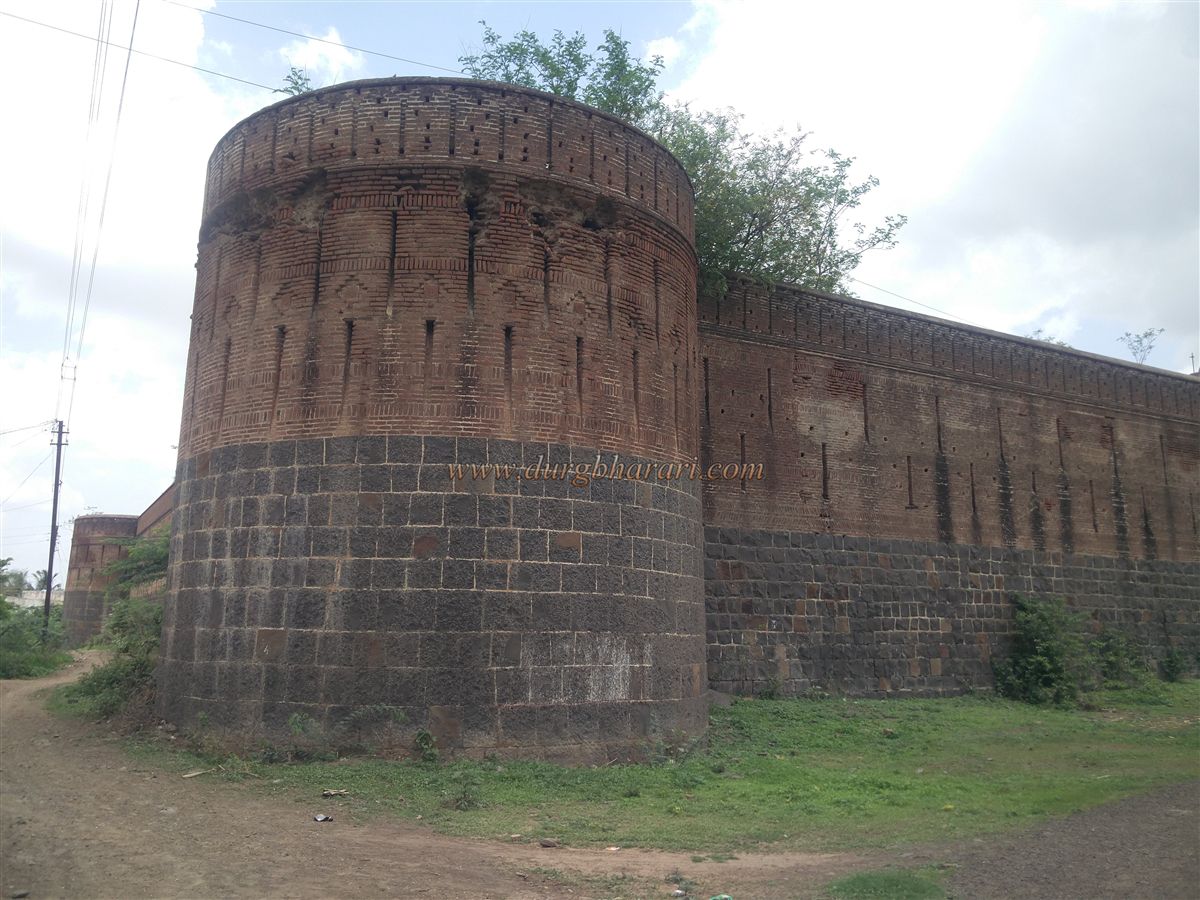
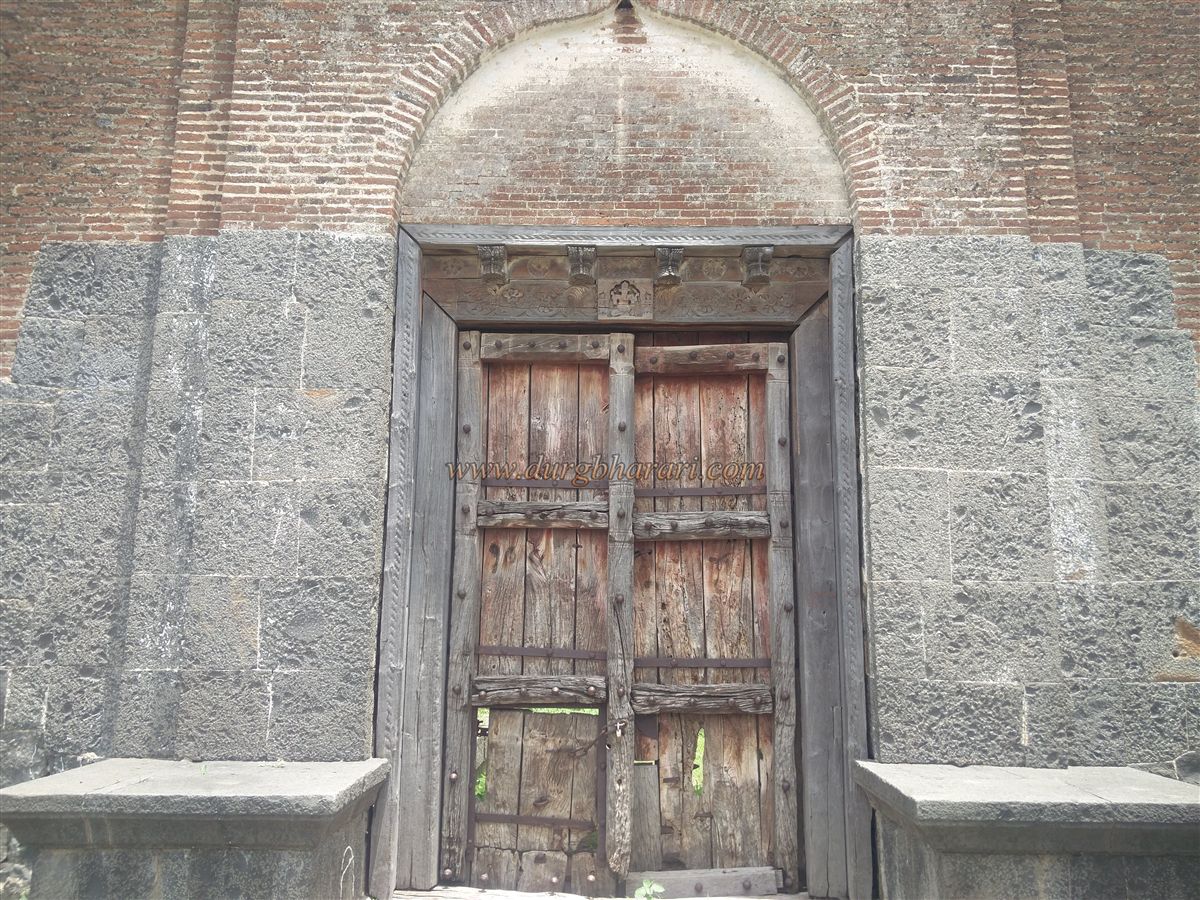
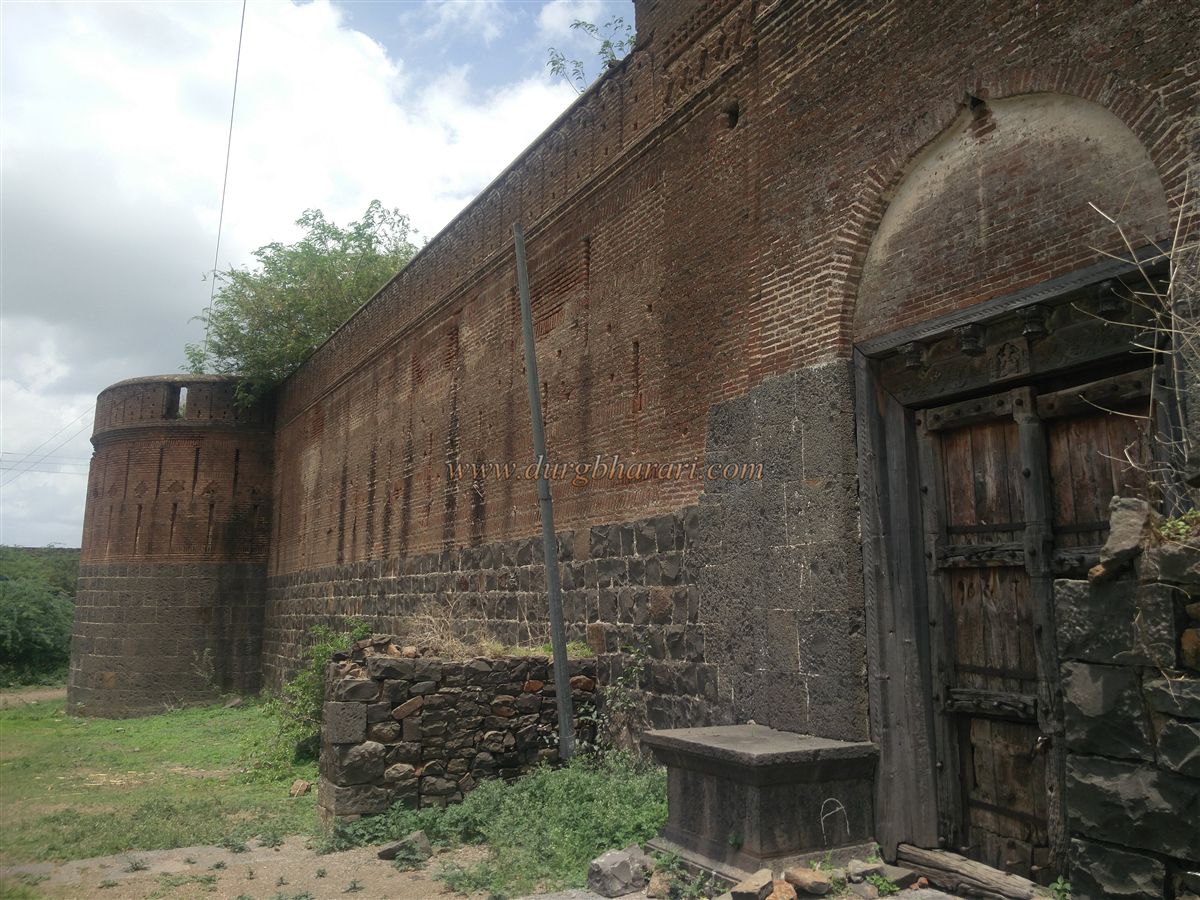
Among the two, the gadhi belonging to the Purandare family is still occupied and well maintained, as their descendants continue to reside there. In contrast, the More-Patil gadhi is in a ruined state and has collapsed significantly. Thorny babool trees have overgrown both inside and outside the structure. The More-Patil gadhi is divided into two parts and has six bastions. The lower structure is built using finely cut stone, while the upper construction is done in brick. Loopholes for musket fire are embedded throughout. Spread over about half an acre, the gadhi has two gates—the main gate facing north and a smaller one facing south. The main gate has a small side door (dindi Darwaja) and beautifully carved stone doorframes. Inside, a stairway leads to the ramparts from the entrance chamber (devdi). This first section was likely used for administrative functions.
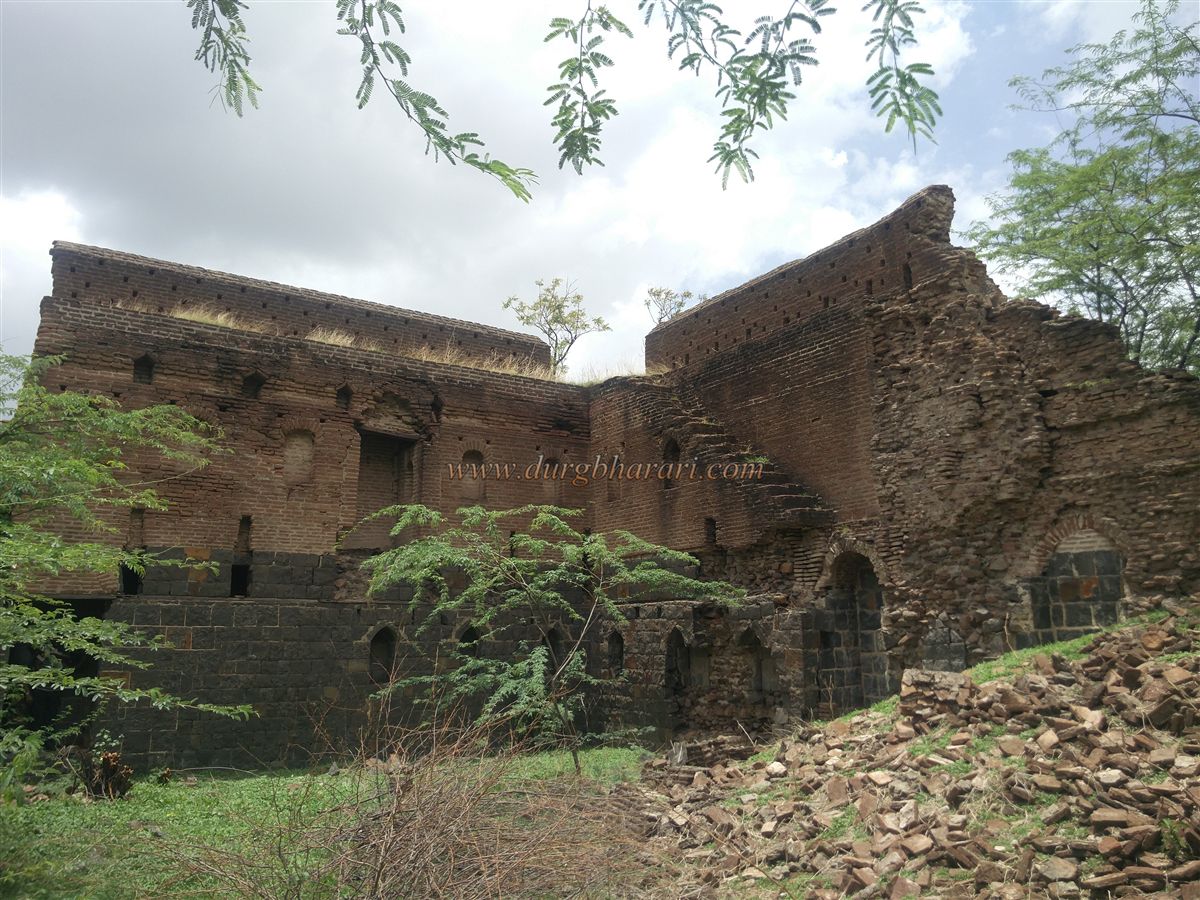
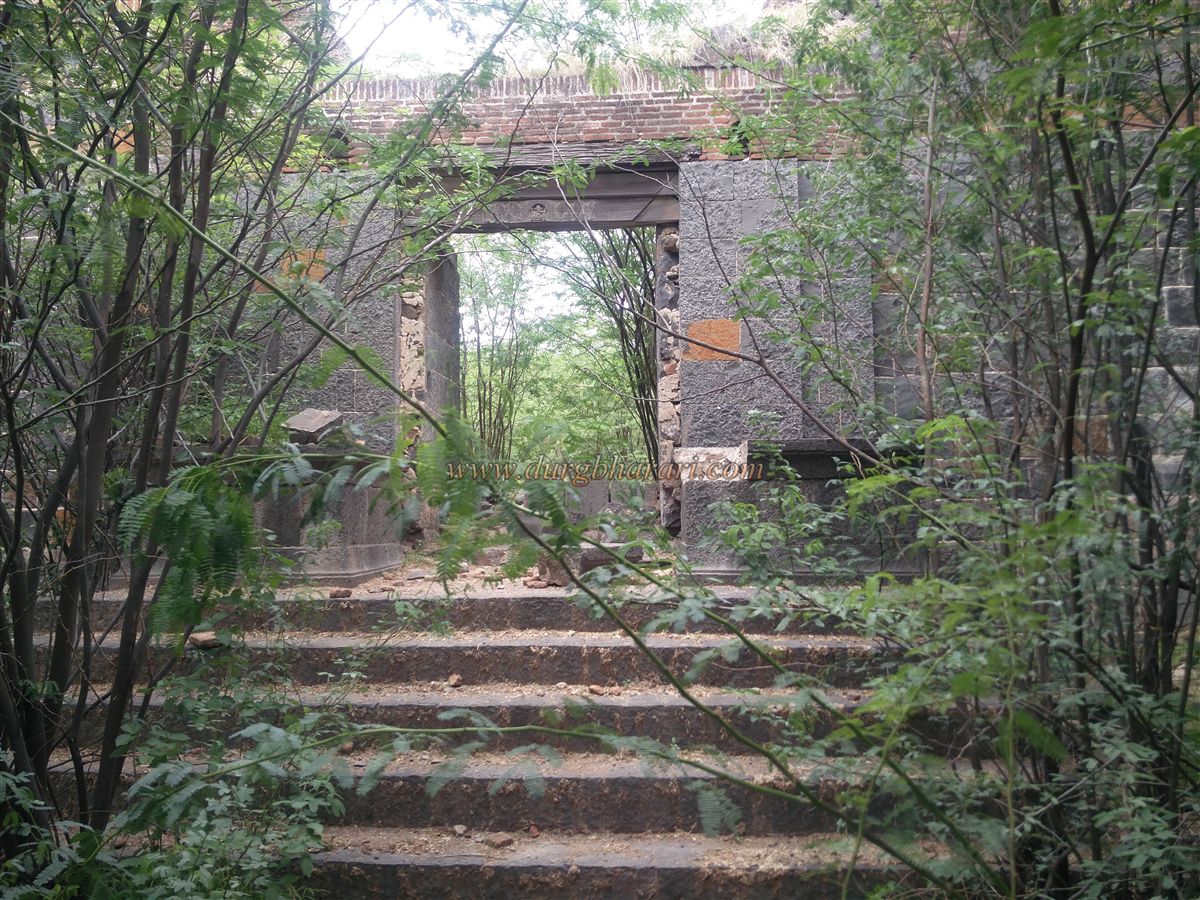
To enter the second section of the gadhi, there is another grand entrance similar to the first, with seven or eight steps leading up to it. This part was likely the residential area, featuring a small cistern (haud) and latrine pits in the rampart. Several niches are carved into the walls, and the inner mansion appears to have been three storeys tall based on visible staircases. Due to the overgrowth, only a brief exploration is possible.
A recent newspaper article reported a rare find in the More-Patil gadhi. While digging within the courtyard of the estate belonging to Bhagirathi Yashwant More-Patil, a stash of ancient Mughal-era coins was discovered. A copper pot weighing 5.5 kg was found, which contained 13.5 kg of silver coins—a total of 1,233 coins. These coins date to around 1774–1784, from the Peshwa period. The coins, each weighing approximately 11.24–11.32 grams, include nine minted under Nizam Ali (1761–1803), inscribed with Hijri-era dates and marked with the Persian letter “Noon (ن),” indicating minting at Daulatabad. One coin bore the name of Mughal Emperor Shah Alam II (1759–1806) from the Arcot mint near Chennai. Another coin, bearing the name of Emperor Alamgir II, was from the Bagalkot mint in Karnataka, inscribed in Persian as “Dar-ul-Khilafat Shahjahanabad Bagalkot.” According to senior historian Dr. Sadashiv Shivde, since the gadhi was constructed after 1740, these coins must have been buried sometime after 1784.
A short distance away lies the Purandare gadhi, which remains in good condition. This gadhi has four bastions, and like the More-Patil gadhi, its lower parts are made of cut stone and the upper sections of brick, complete with musket loopholes. The ramparts are approximately 25 feet high and 8–10 feet thick. The estate covers nearly three-fourths of an acre. The north-facing main entrance is still intact, and a more recent wall has been built in front of it. The gate has a smaller door and features finely carved stonework. Inside, there are watch chambers on both sides, one of which contains a stairway leading to the ramparts.
Within the gadhi stands a two-storey tiled building made with lime mortar. On either side of the central porch are rooms. Two small cannons lie rusting inside. Water was once supplied to the gadhi from a well in the Purandare fields using terracotta pipes. The well is surrounded by a 10-foot-high circular stone wall, and terracotta pipes were laid over arches to bring water to the mansion. These pipes can still be seen today, though they are broken. The water supply system is an early example of a siphon-based design using air pressure and elevation. Beside the gadhi, two Muslim graves and a lime mixing pit for construction are also found. Thus ends the tour of the second gadhi.
The Purandare family served as Subhedar of Purandar Fort until around 1700. After settling in Saswad and Supe, the family divided into two branches. When Rajaram Maharaj was under siege at Gingee Fort by Zulfikar Khan, Maratha leaders like Shankaraji Narayan, Ramchandrapant Amatya, Dhanaji Jadhav, and Santaji Ghorpade were defending him. After the siege was lifted, Rajaram Maharaj honoured these warriors. Among them was Tuko Tryambak Purandare, who served under Dhanaji Jadhav. Rajaram Maharaj awarded him inam grants for two villages. This grant bore the royal seal of Rajaram Maharaj and the signature of Pralhad Niraji.
From this document, it is known that during Rajaram’s reign, Tuko Purandare received Supe and Brahmani as his inam. Tuko himself travelled with Dhanaji Jadhav to Gingee to obtain this land grant from the king. Among their descendants, Ambaji Tryambak received Supe, while Tuko Tryambak received Modhave, where he settled and built the gadhi. After Chhatrapati Shahu escaped Mughal captivity, Ambaji Purandare nephew Malhar Tukdev joined the Shahu faction during the Khandesh campaign, helping to isolate Dhanaji Jadhav from Tarabai’s side. Eventually, Ambaji Pant became an important minister under the Peshwa.
© Suresh Nimbalkar
GALLERY