MIRAJ
TYPE : BHUIKOT
DISTRICT : SANGALI
HEIGHT : 0
GRADE : EASY
Miraj, located in Sangli district of southern Maharashtra, is an important city. It is a major railway junction connected to many cities across the country through both railway and highway networks. The Miraj Fort, located in this city, was once a strategically significant outpost in history. Many battles were fought in and around this fort, as recorded in historical documents. However, over time and due to growing urbanization, the fort has nearly lost its existence. Just as one searches for ashes in a heap, the remains of this fort must now be sought out in the “Killa” area of Miraj city.
According to old descriptions, the entire fort was surrounded by a deep moat, and the fortification included several bastions.
...
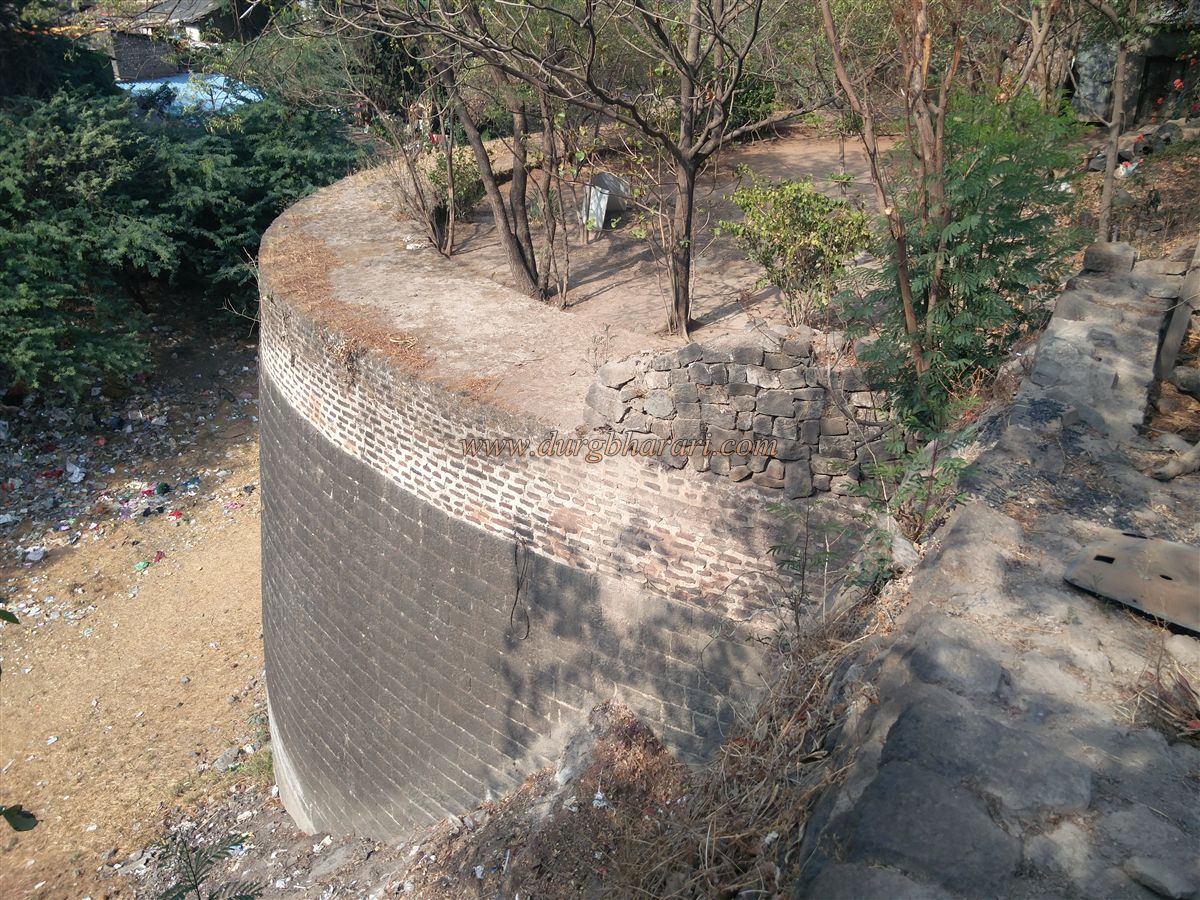
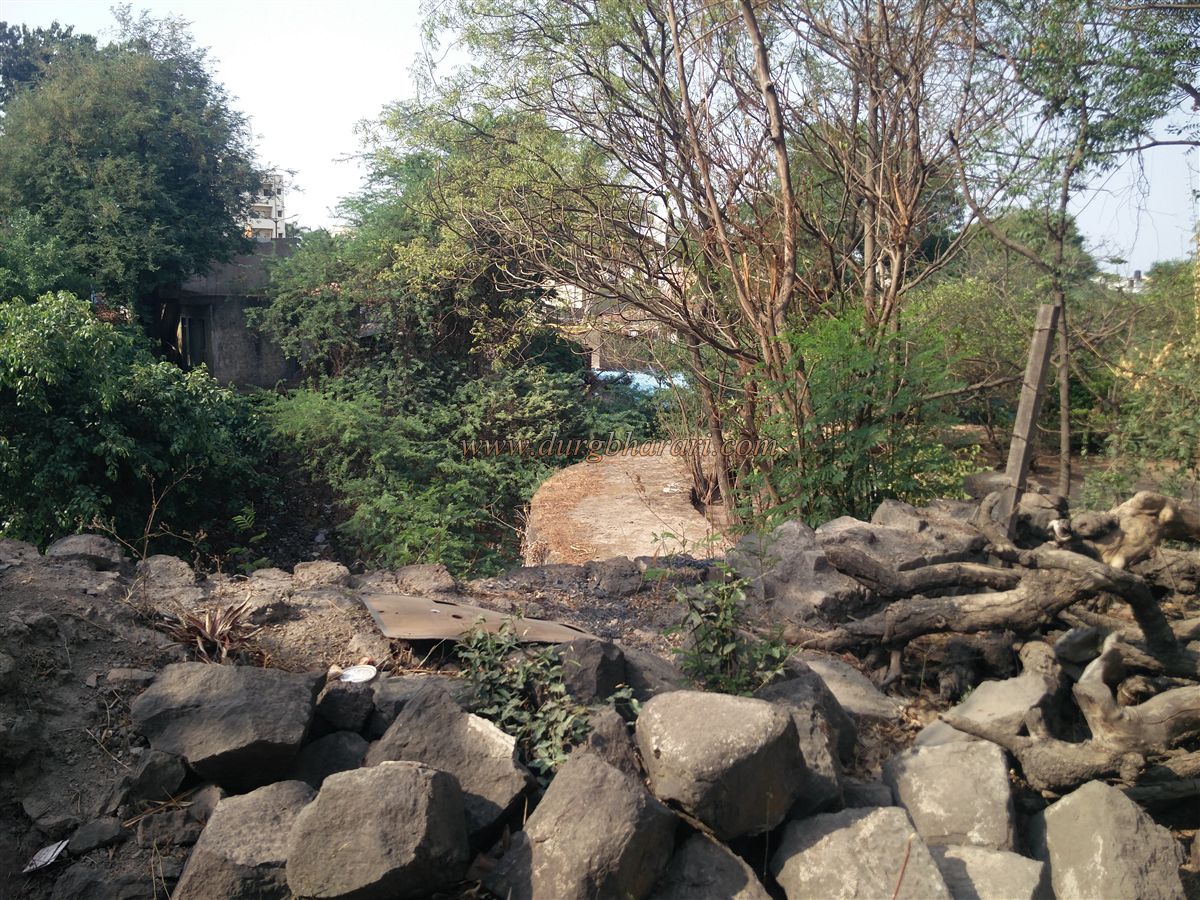
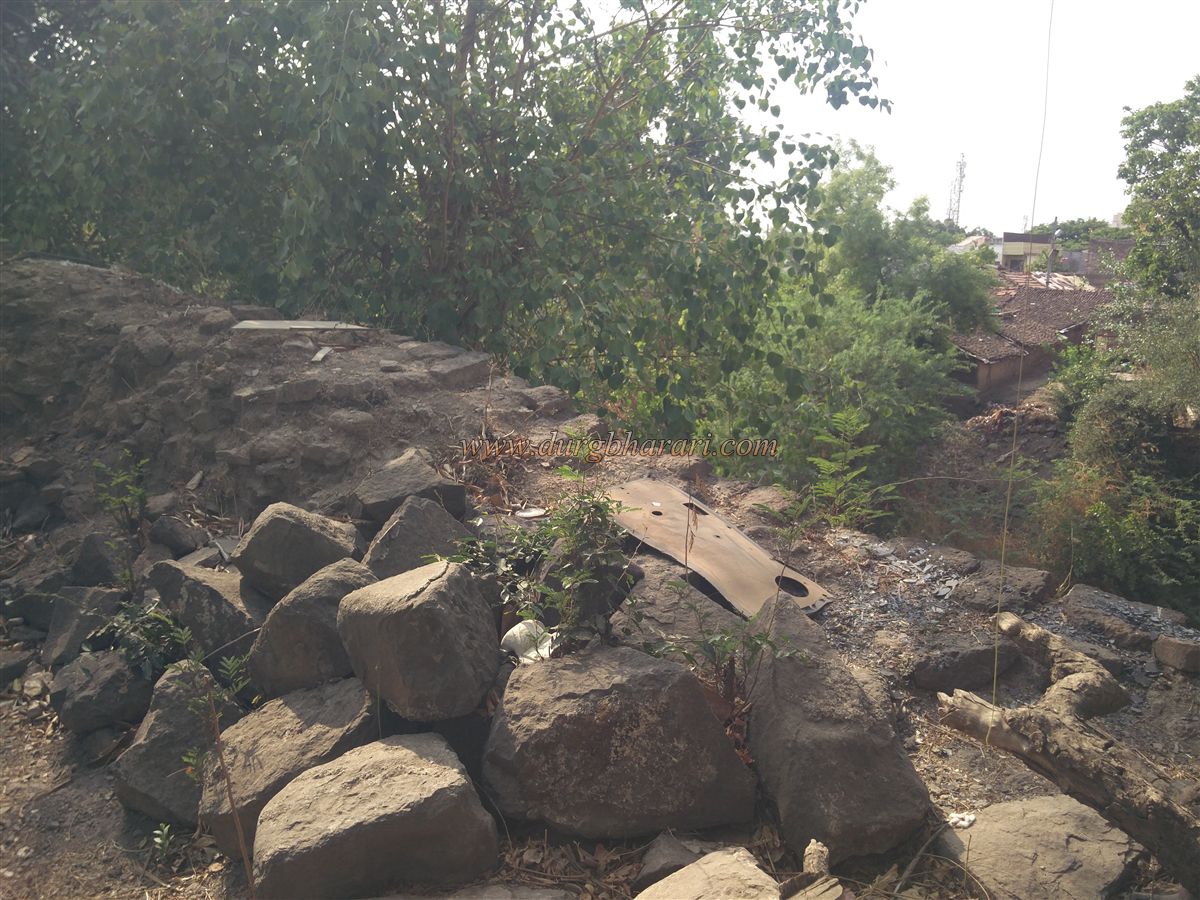
There were main entrances to the fort on both the northern and southern sides. The northern gate remained intact until a few years ago, but it was demolished by the municipal corporation during a road-widening project. Today, what is known as the “Killa” area in Miraj still displays remnants of this ground fort and its moat. The present remains of the Miraj Fort include only a single circular bastion, some fragments of the fort wall next to it, and the surrounding moat. These are the only physical remains that suggest that a ground fort once existed in Miraj.
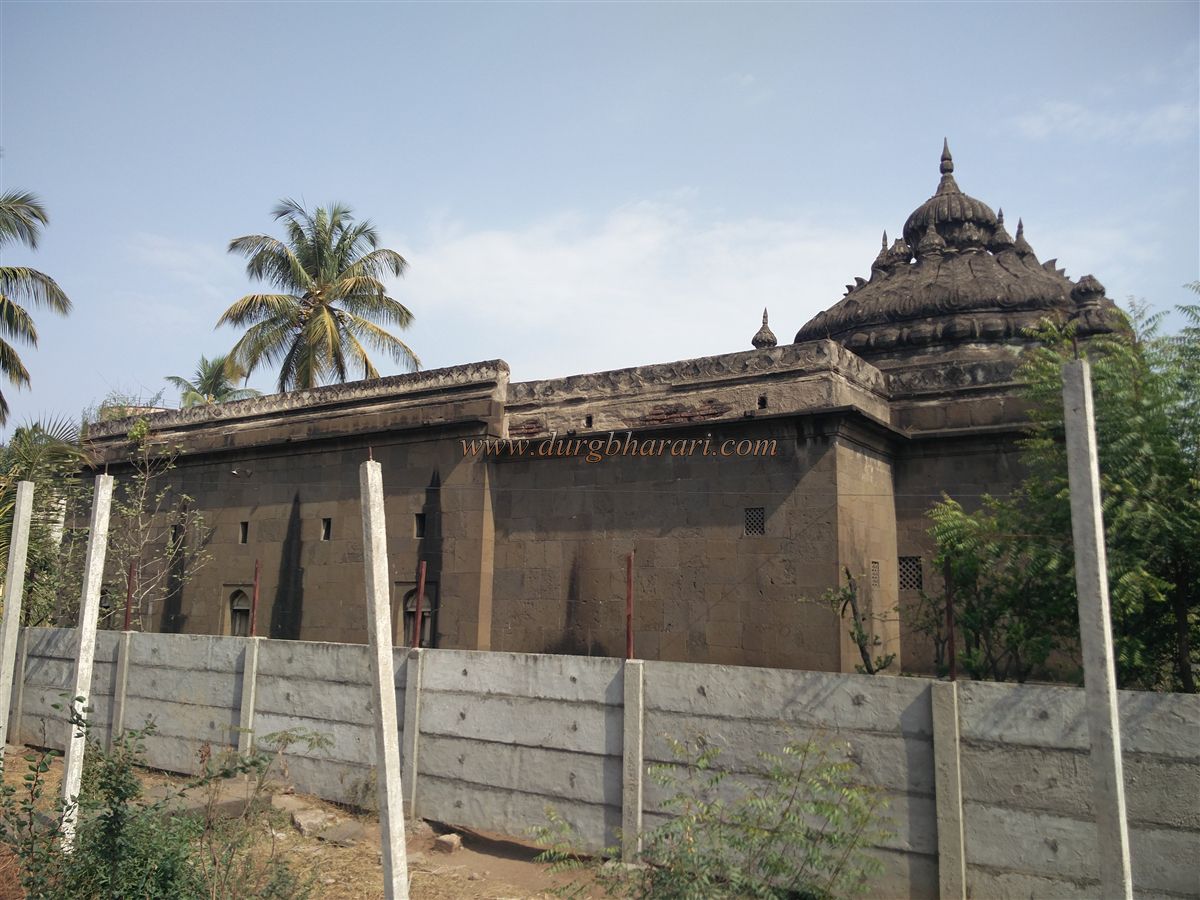
Apart from these, the Killa area still has two temples from the Peshwa era—the Shri Krishna temple and the Narasimha temple—built by the Patwardhan. Although the original builder of the Miraj Fort is not known, references to Miraj appear as early as the 10th century CE. The region of Karad, Miraj, and Konkan was under the control of Jatinga, a king of the Shilahara dynasty of Kolhapur, and his son Marsingh (1000–1075). However, according to a 1037 CE inscription found at Husur, the Chalukya king Jaisingh defeated Jatinga and took control of the Shilahara capital of Panhala.
In 1216 CE, Miraj came under the rule of the Yadav’s. In 1318 CE, the fort of Miraj became part of the Bahamani Sultanate. In 1347 CE, Sheikh Muhammad Junaidi of the nearby village of Ganagi raised an army and defeated Queen Durgavati of Miraj to capture the fort. Sheikh Muhammad renamed the town Mubarakabad. In 1490 CE, following the fall of the Bahamani Empire, Miraj came under the control of the Adilshahi dynasty. During the reign of Ibrahim Adil Shah, Ali Adil Shah was held in house arrest at Miraj.
In November 1659, after the killing of Afzal Khan, Shivaji Maharaj’s forces entered Adilshahi territory. Advancing from Wai, they conquered many regions in southern Maharashtra and reached the ground fort at Miraj. Due to resistance from the stationed army, Maharaj laid siege to the fort, but it did not fall. Meanwhile, news arrived that Adil Shah was sending a large army with Siddi Zohar. Upon hearing this, Shivaji Maharaj lifted the siege and moved toward Panhala Fort.
During the reign of Sambhaji Maharaj, Santaji Ghorpade and Dhanaji Jadhav kept their families safely inside the Miraj Fort. In 1687, following the defeat of Bijapur, Miraj fell into the hands of the Mughals. Later, on 3rd October 1739, Chhatrapati Shahu captured Miraj after laying siege to it for nearly two years.
In 1761, after Govindrao Patwardhan had successfully carried out significant military campaigns in Karnataka, Madhavrao Peshwa granted him the Miraj Fort and surrounding region as a jagir (land grant) worth 25 lakhs to support 8,000 cavalry troops. This grant was made jointly in the names of Govindrao, his nephew Parshurambhau, and Nilkanth Tryambak. After the death of Parashuram Patwardhan, the estate was divided among the family members in 1808, and Miraj was separated from Sangli and came under the control of Gangadharrao Patwardhan.
© Suresh Nimbalkar
GALLERY