MEHUNARAJA
TYPE : NAGARKOT
DISTRICT : BULDHANA
HEIGHT : 0
GRADE : EASY
In Vidarbha Buldhana district, within the Deulgaon Raja taluka, lies a small village named Mehuna Raja. This village, the birthplace of the revered saint-poet Chokhamela, once held significance under the vatan of Raja Lakhojirao Jadhav. The village still bears testimony to its rich historical legacy through two ruined gadhis (fortified residences) of the Jadhav and a prominently standing nagar Durg (town fort).
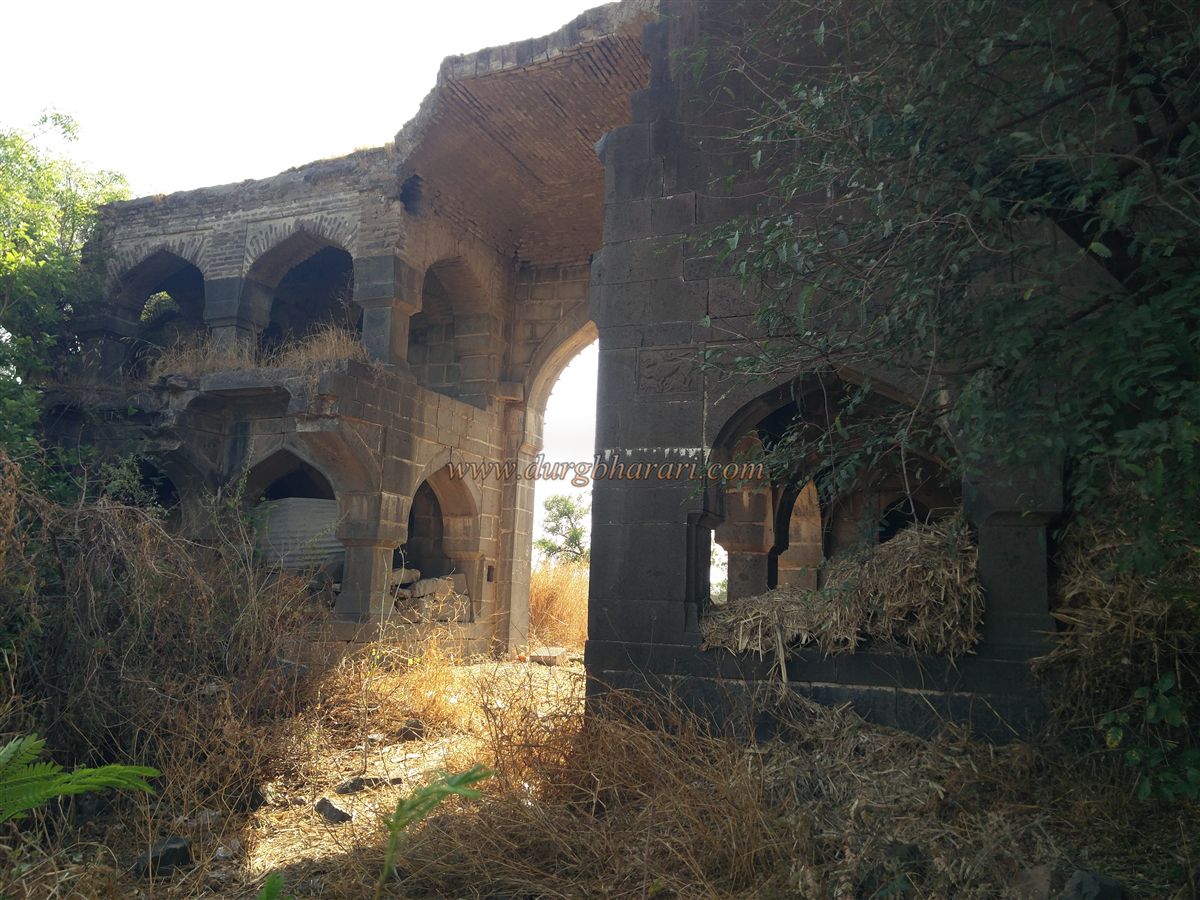
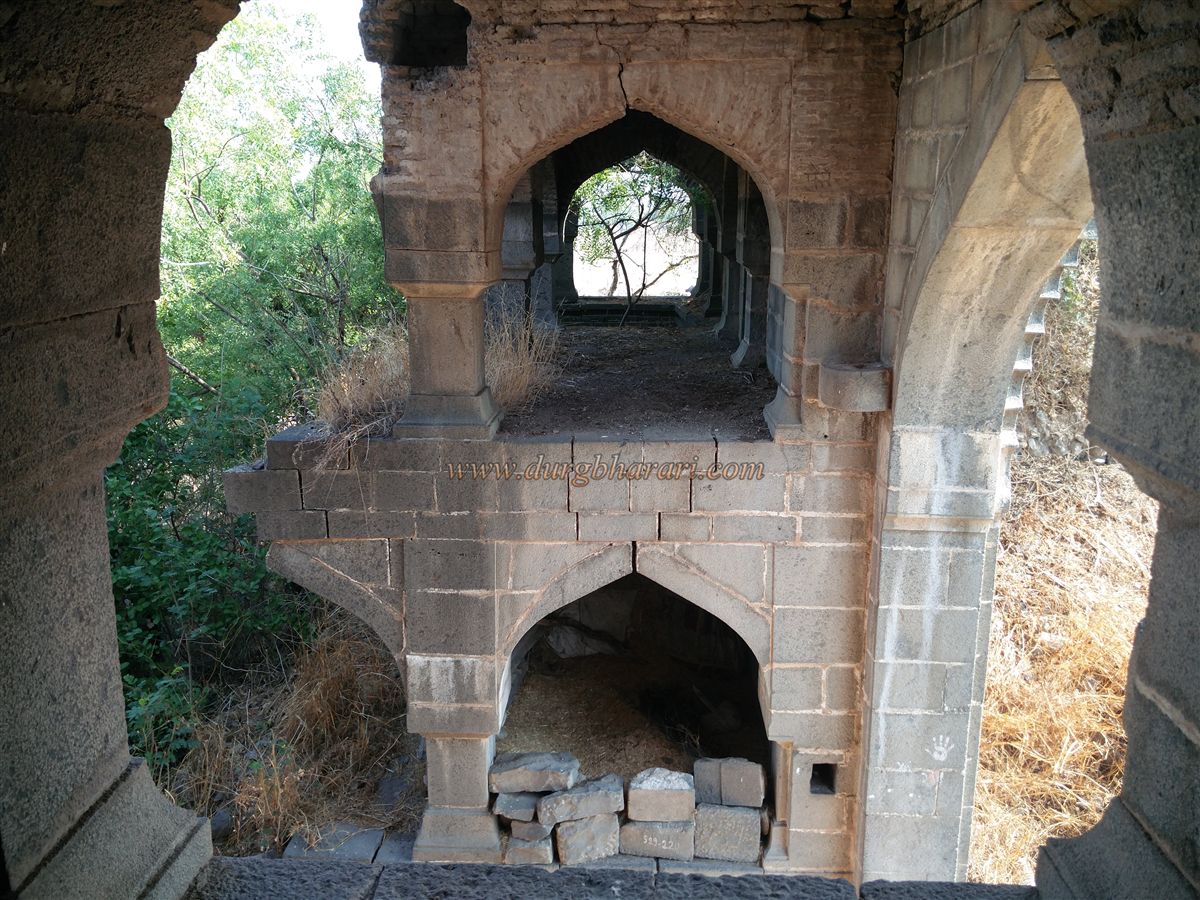
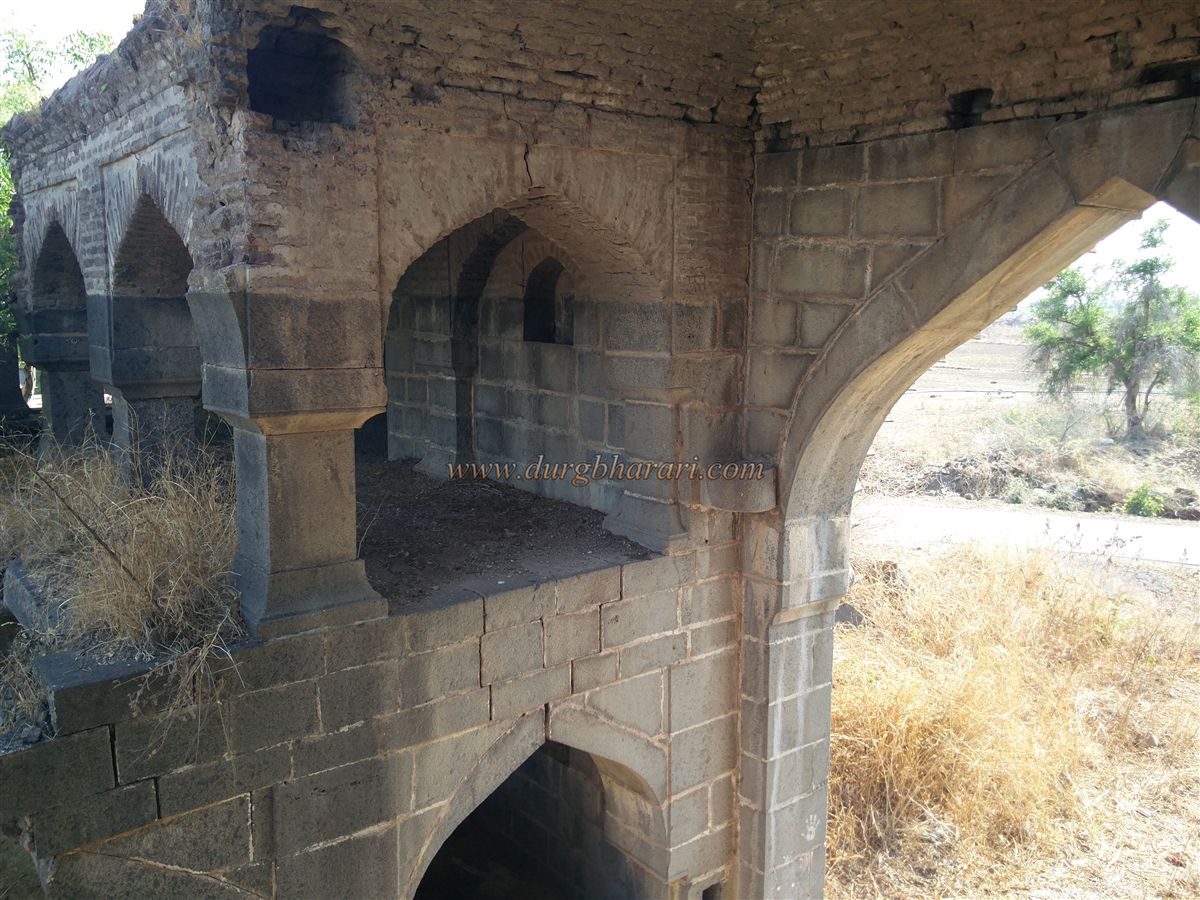
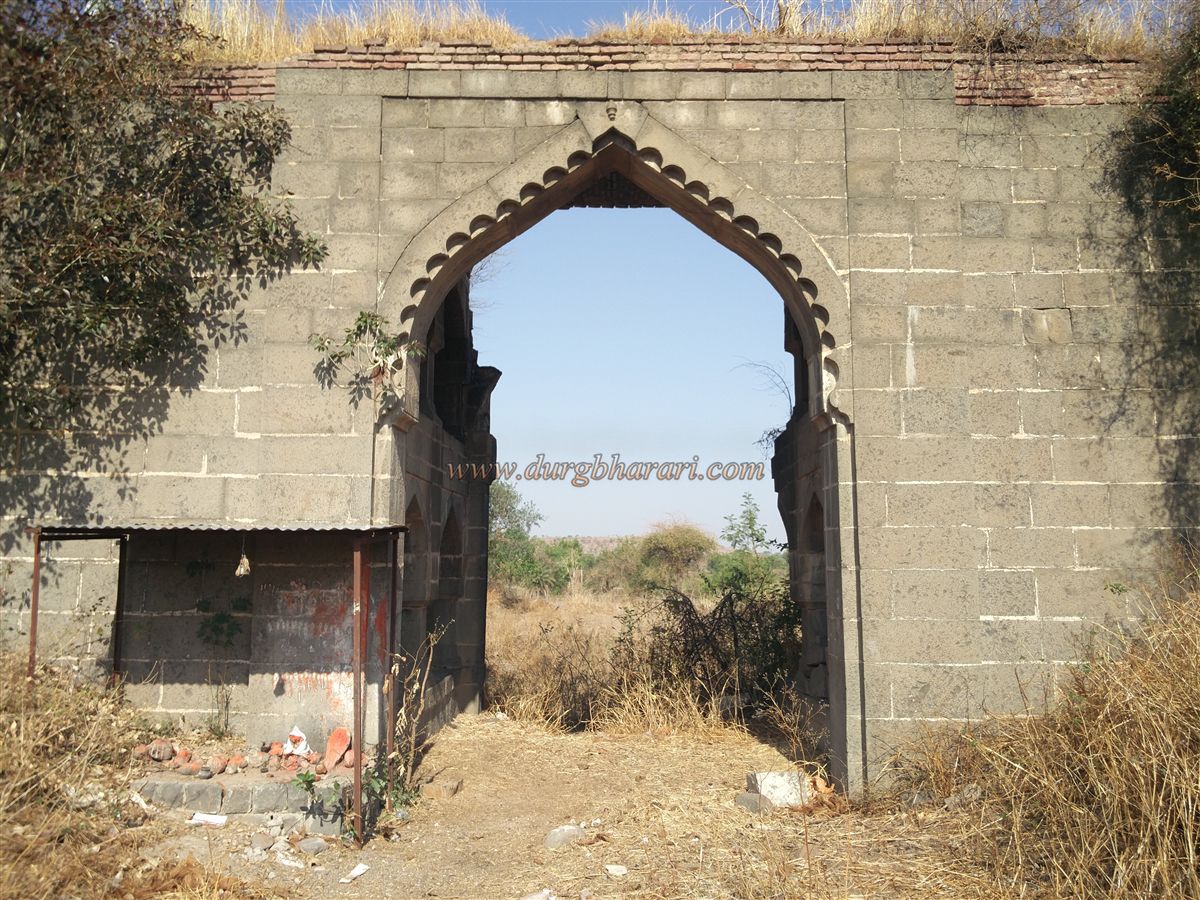
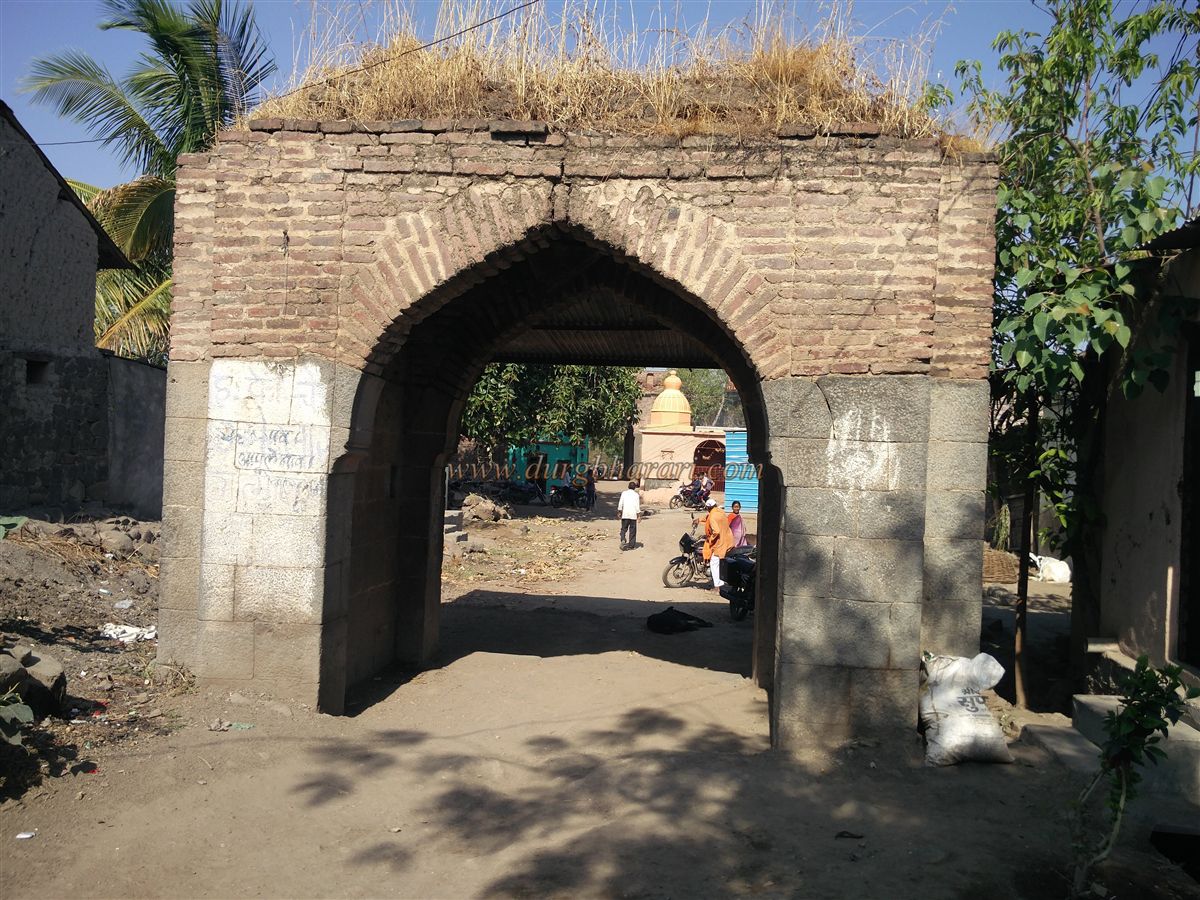
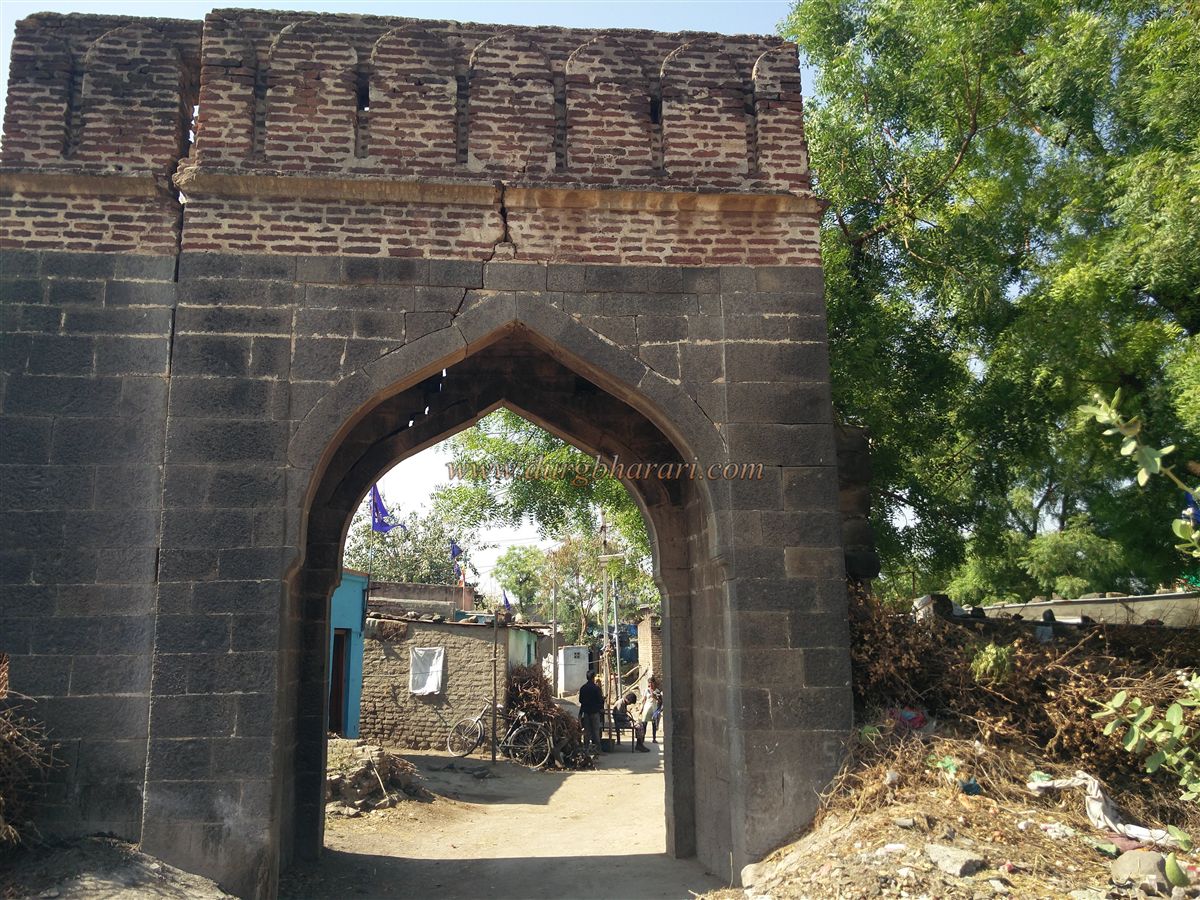
Mehuna Raja is located approximately 70 km from Buldhana city and just 15 km from the taluka headquarters, Deulgaon Raja. The village lies about 1.5 km off the main road. Before entering the village, on the left side of the access road, one notices a grand 20-foot-tall gateway. Built of dressed stone with lime mortar, the flanking bastions of this gateway are now largely collapsed. Inside, however, stands a beautiful double-storeyed arched structure.
...
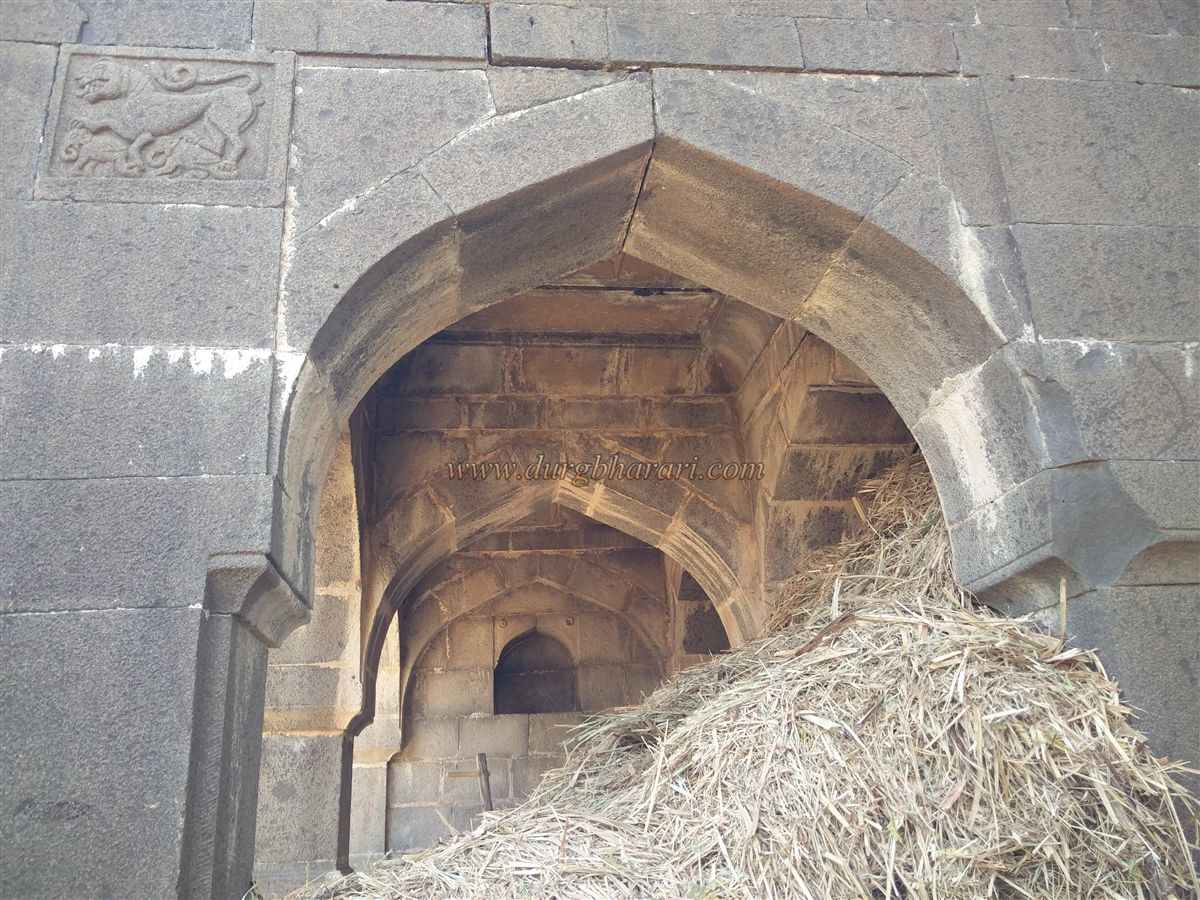
On its wall is carved a Sharabh—a mythical beast grasping two elephants in its claws—a unique and striking motif. Above the main archway is another arched entrance leading to the upper floor of the inner structure.
There are no visible remains within the fort area aside from traces of a ruined outer wall foundation spread across the land. This structure seems to be an incomplete or unfinished fortified mansion (gadhi). Within just five minutes' walk from this site, one enters the main settlement of Mehuna.
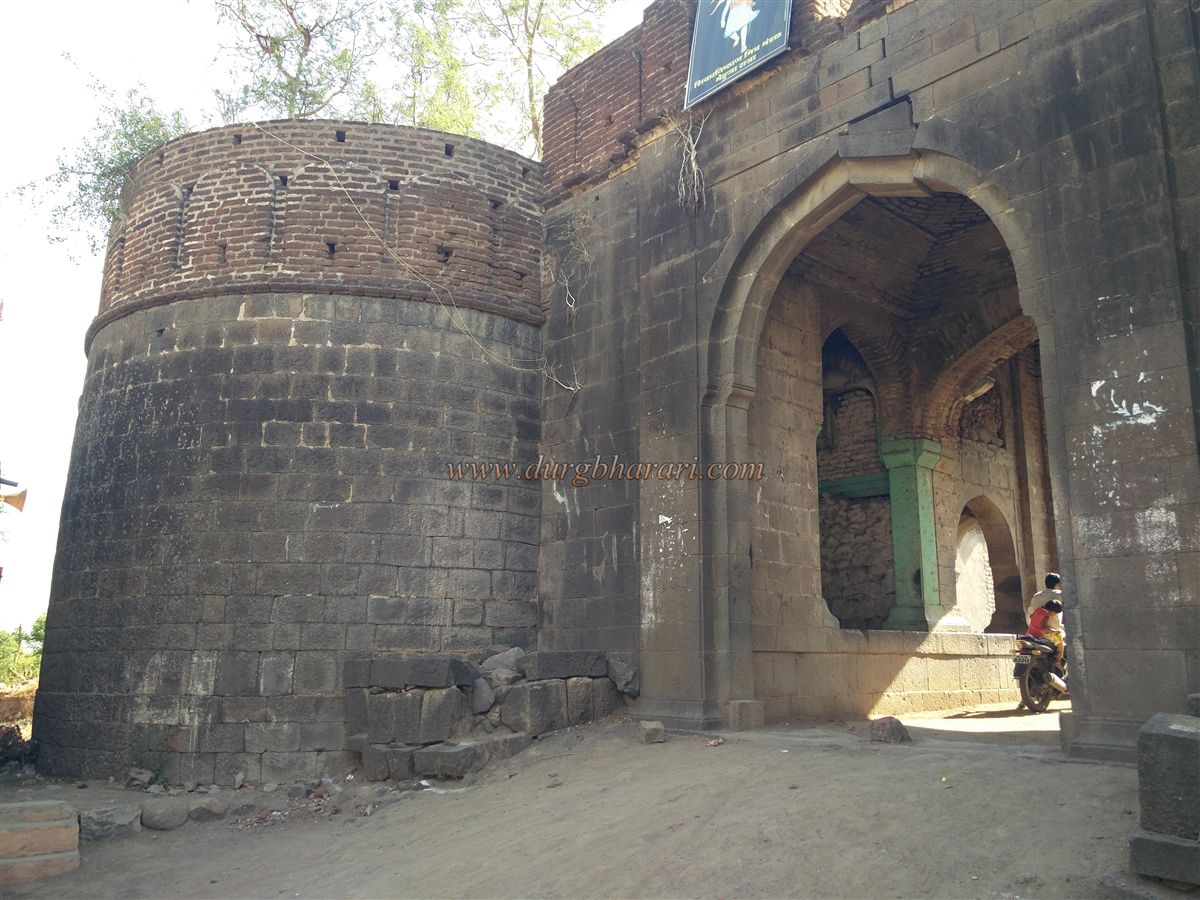
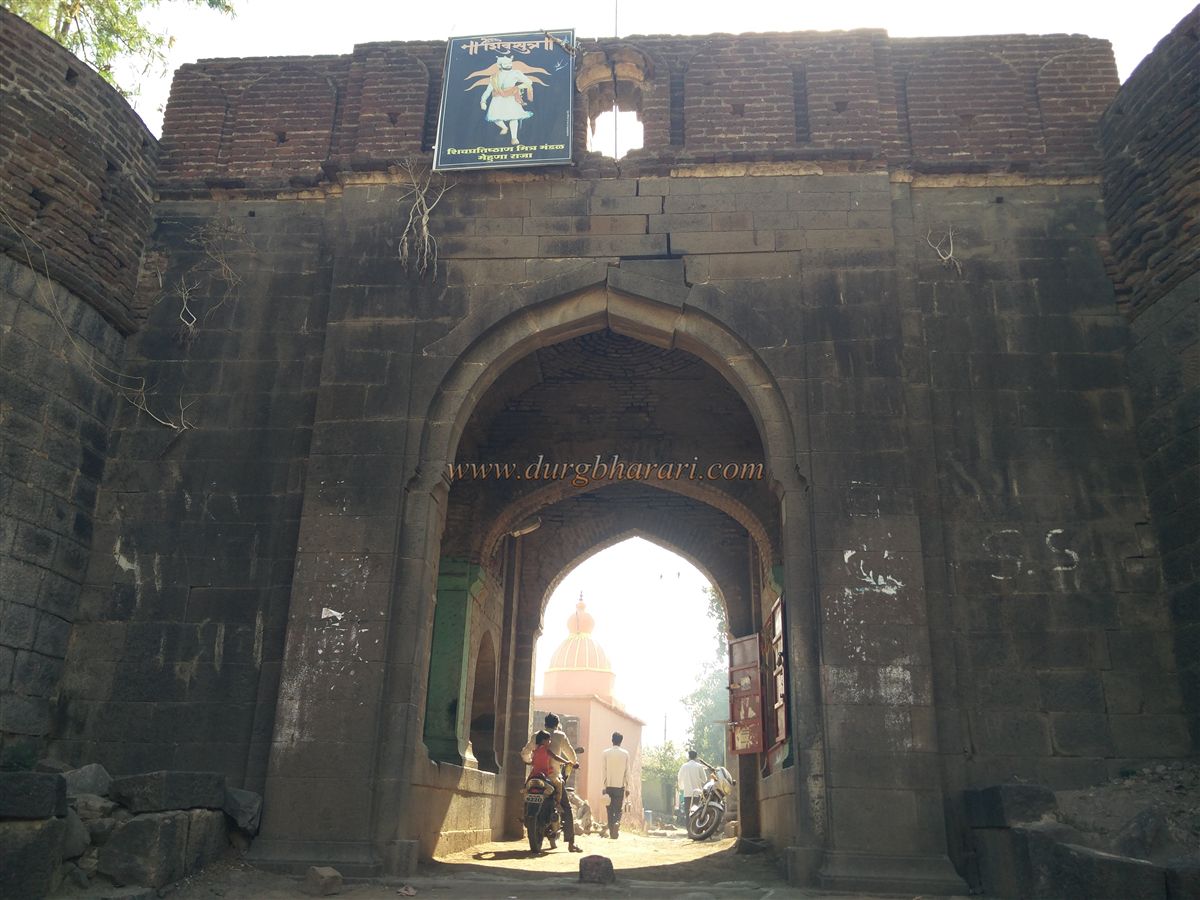
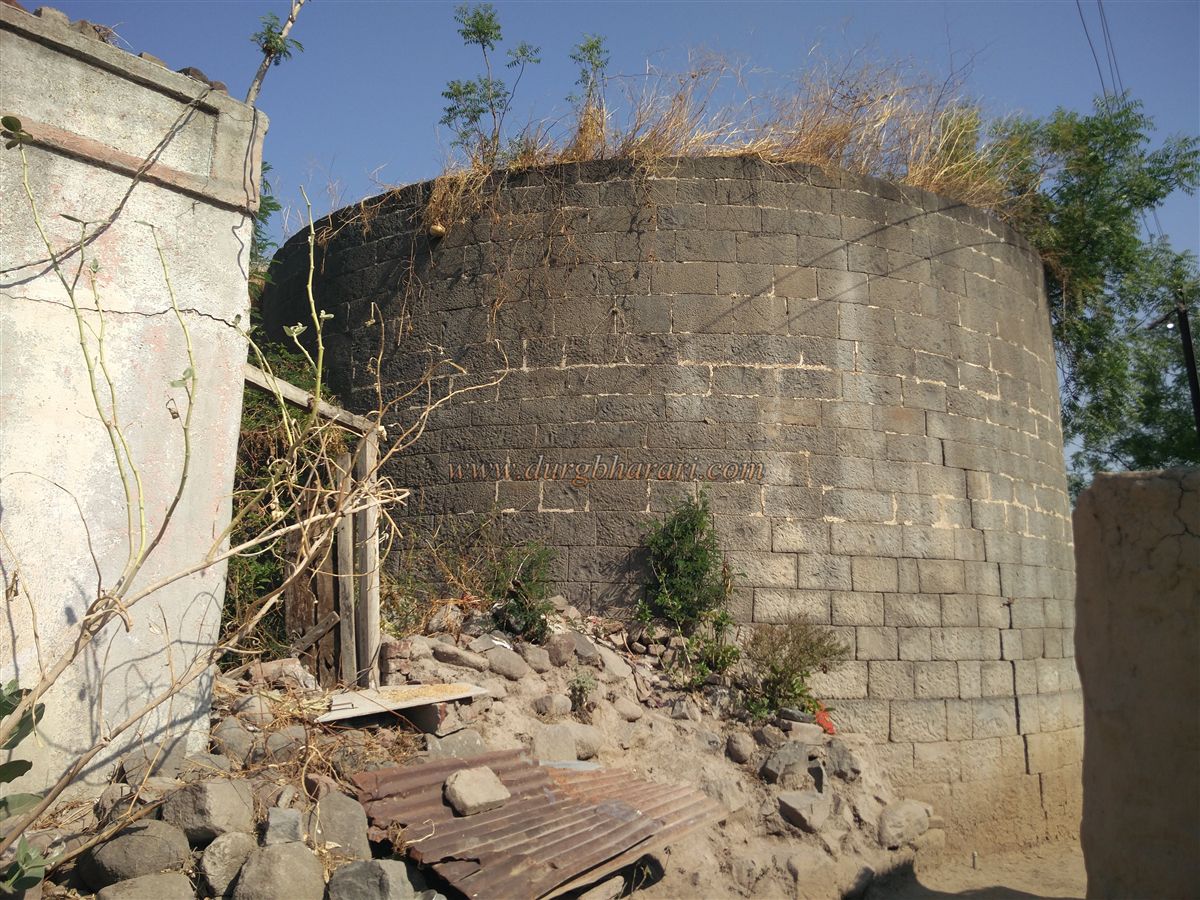
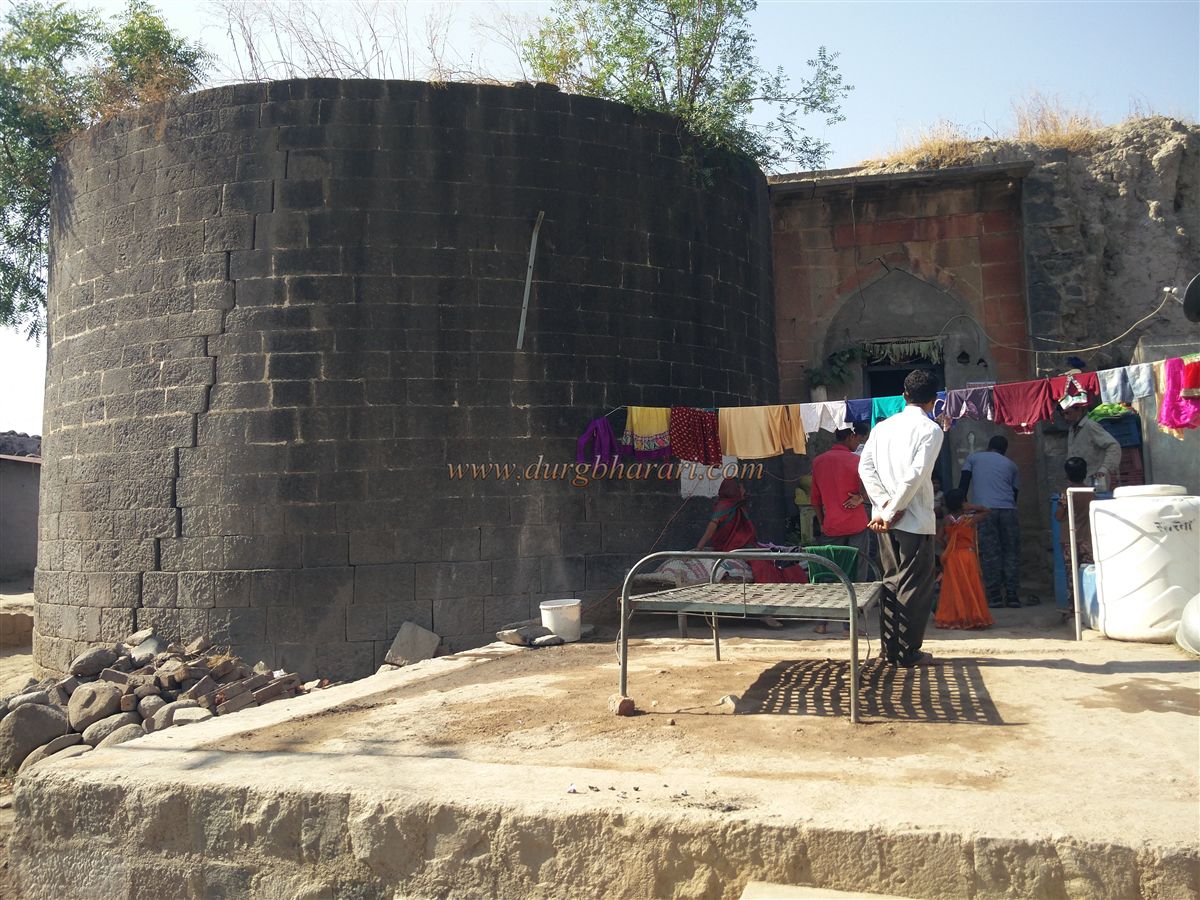
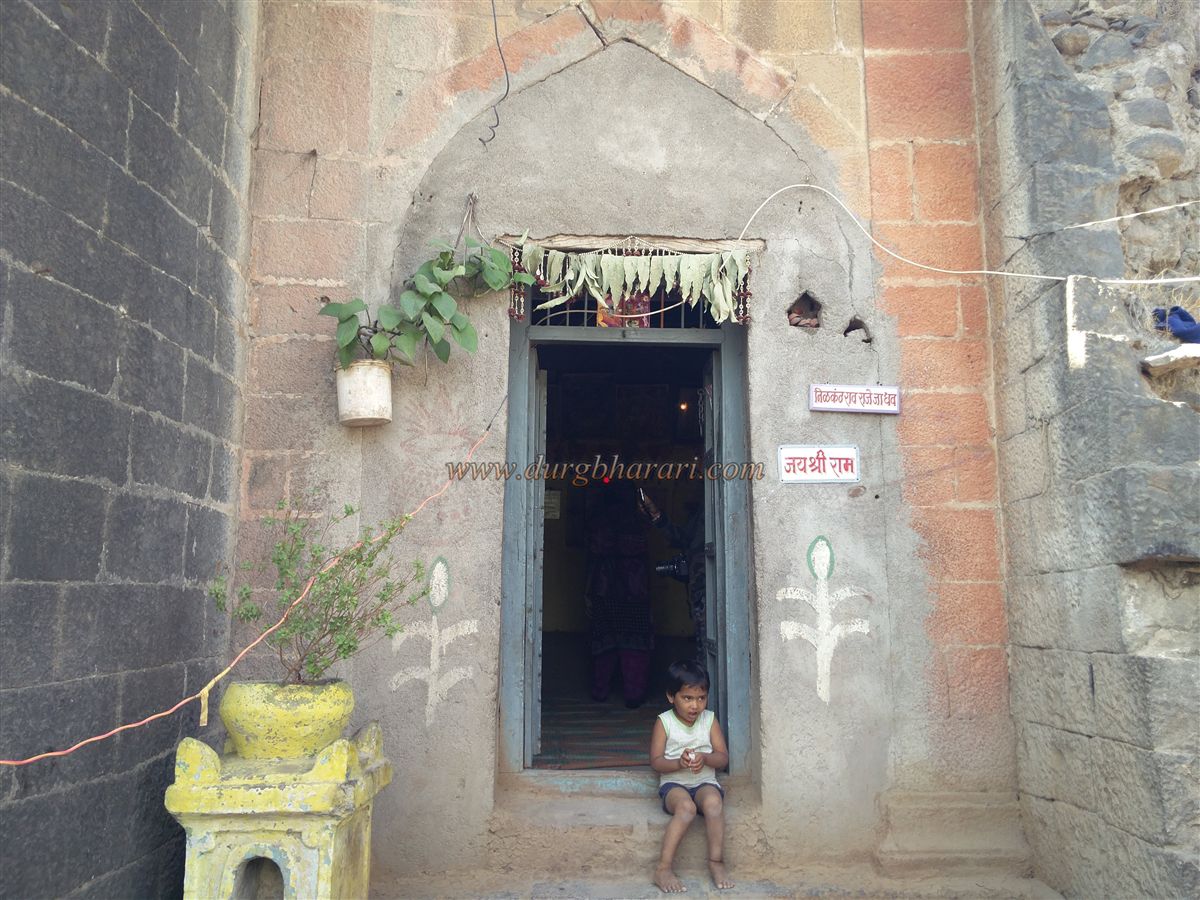
Once enclosed within fortified walls, the village’s perimeter fortifications are now almost entirely gone. Only two gates of the original fort remain—one facing west, through which vehicles can enter, and another facing north. The western gateway served as the main entrance and is constructed between two large bastions. Inside, there are devdis (gatekeeper porches) and a double-storeyed structure built above the arched entrance. A staircase allows access to both the upper floor and the tops of the bastions.
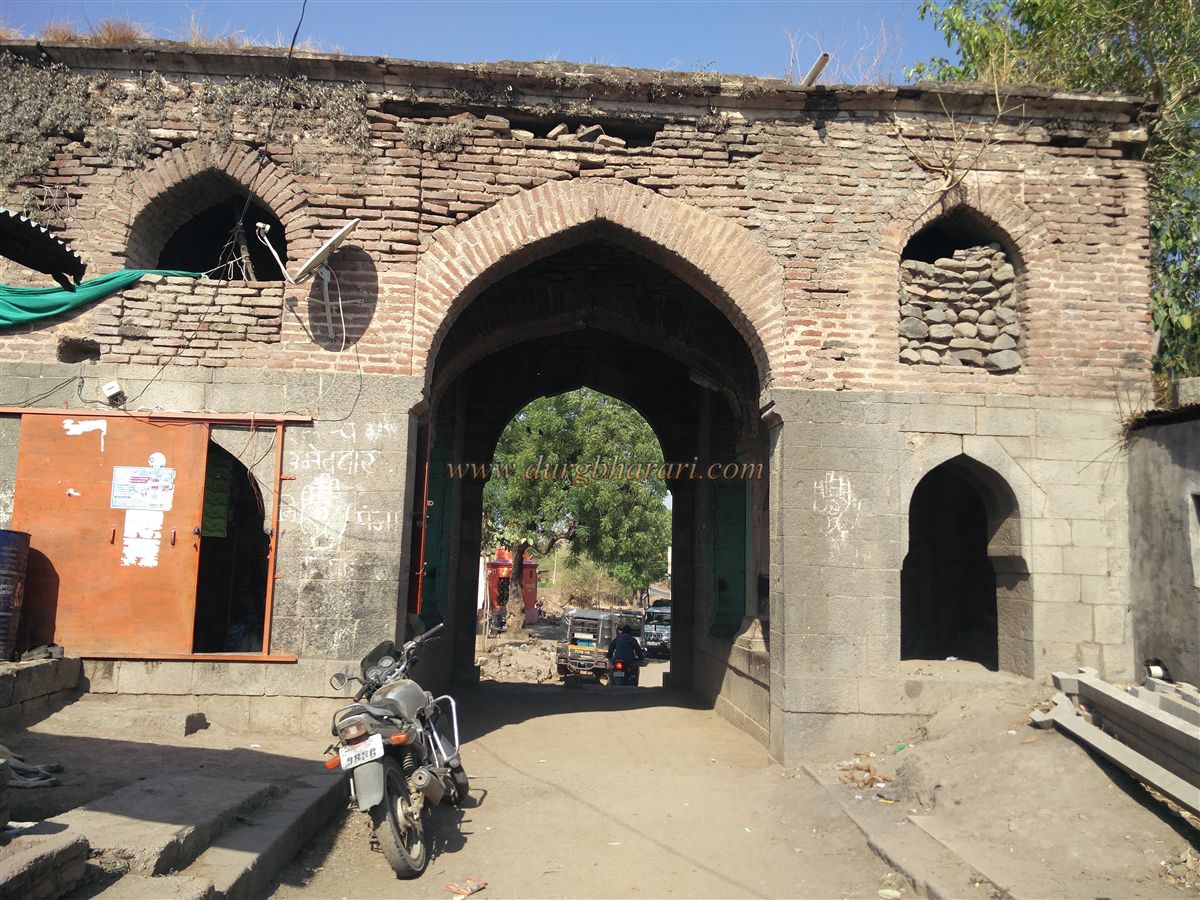
The gate and bastions are built in stone, while the parapet and upper parts are constructed with bricks. Jangya (loopholes) are provided in the parapets for rifle firing. A little ahead of this main entrance lies a smaller gate that once led into the private gadhi of the Jadhav family. This gadhi is now completely ruined, with only two gateways and one bastion still standing. The descendants of the Jadhav family still reside in houses within the gadhi premises. Circling around the bastion and heading north, one reaches the second surviving gate of the town’s fortifications in a few minutes.
A walk around the village reveals some sporadic remnants of the ancient fort walls, but a knowledgeable local guide is essential for spotting these. An hour is sufficient to explore the entire area.
The Jadhav family of Sindkhed in Buldhana district is among the ancient and prominent Maratha houses. During the Nizamshahi and Adilshahi periods, several Maratha families rose to prominence through their valour and competence—of which the Sindkhedkar Jadhav were key figures. In the 16th century, the Deshmukhi rights of Sindkhed were originally held by the Mule family. However, after an uprising led by Ravirao Dhone, the Mule family was massacred. Yamunabai, a pregnant woman from the Mule lineage, survived and fled to Daulatabad, where she was sheltered by Nizamshahi nobleman Lakhuji Jadhav.
At that time, the Sindkhed region had already come under Lakhuji Jadhav's control. He quelled Ravirav’s rebellion, and with no male heir left in the Mule family, the Deshmukhi of Sindkhed was granted to Lakhuji Jadhav in 1576. This marked the beginning of Sindkhed prosperity under the Jadhav. Jijabai, the mother of Chhatrapati Shivaji Maharaj, was Lakhuji Jadhav’s daughter.
On 25 July 1629, Lakhuji Jadhav, along with his sons Achaloji and Raghoji, and grandson Yashwantrao, were murdered by the Nizamshah at the Devgiri court. Their memorials can be seen at Sindkhed Raja.
The descendants of Lakhuji Jadhav's four sons expanded into various branches at their vatan lands, which include Sindkhed Raja, Deulgaon Raja, Adgaon Raja, Kingaon Raja, Mehuna Raja, Umrad, and Javalkhed. Among these, Mehuna Raja holds not just historical significance but is also revered in the Warkari tradition as the birthplace of Sant Chokhamela, a major saint-poet in the Bhakti movement.
© Suresh Nimbalkar
GALLERY