MEHKAR
TYPE : GADHI
DISTRICT : BULDHANA
HEIGHT : 0
GRADE : EASY
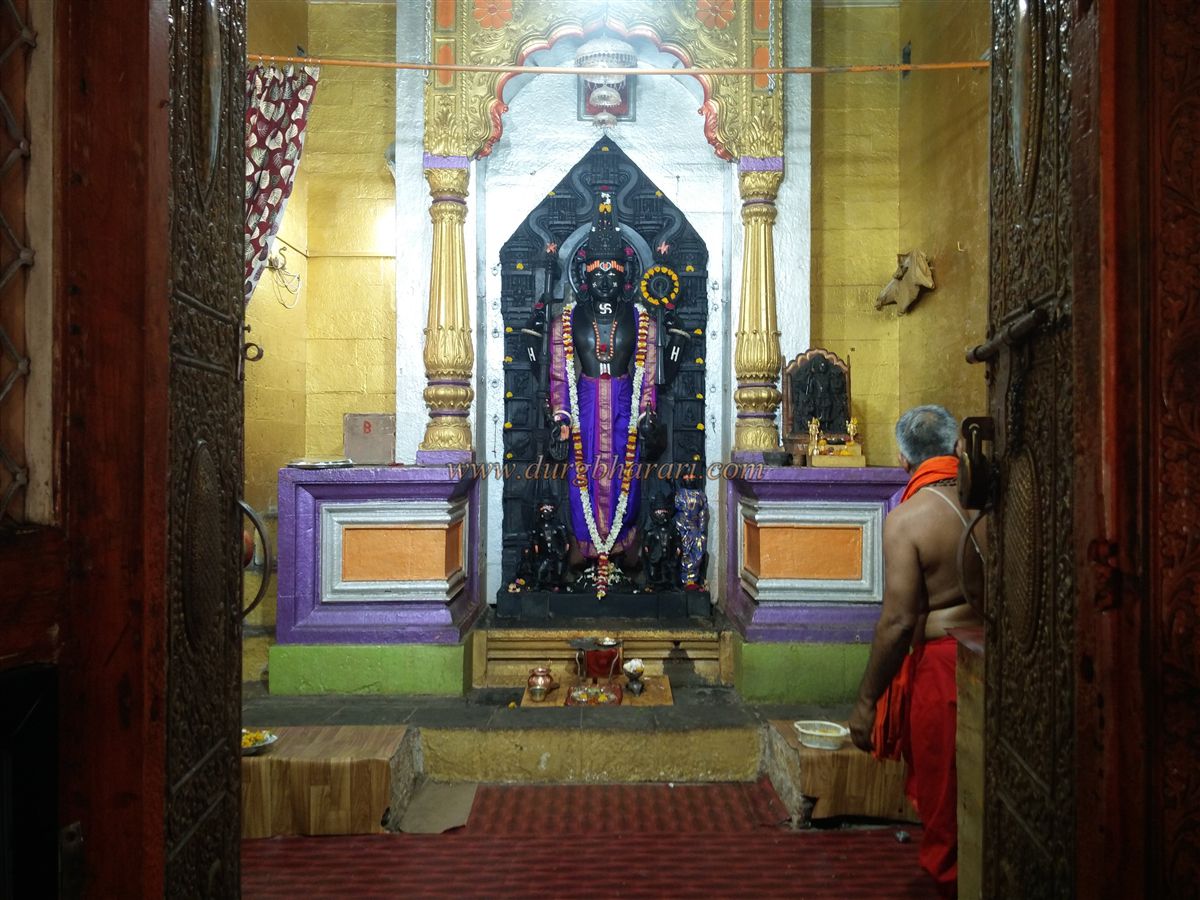
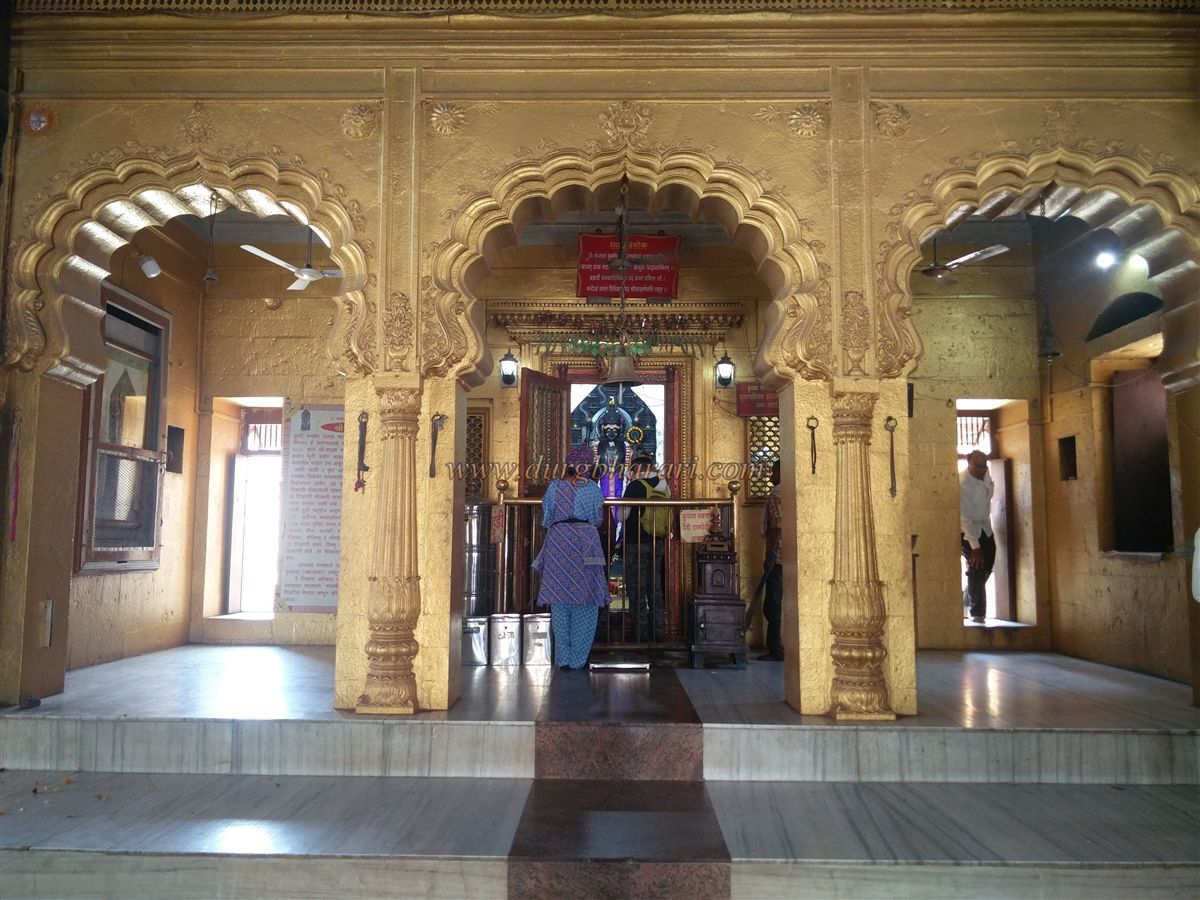
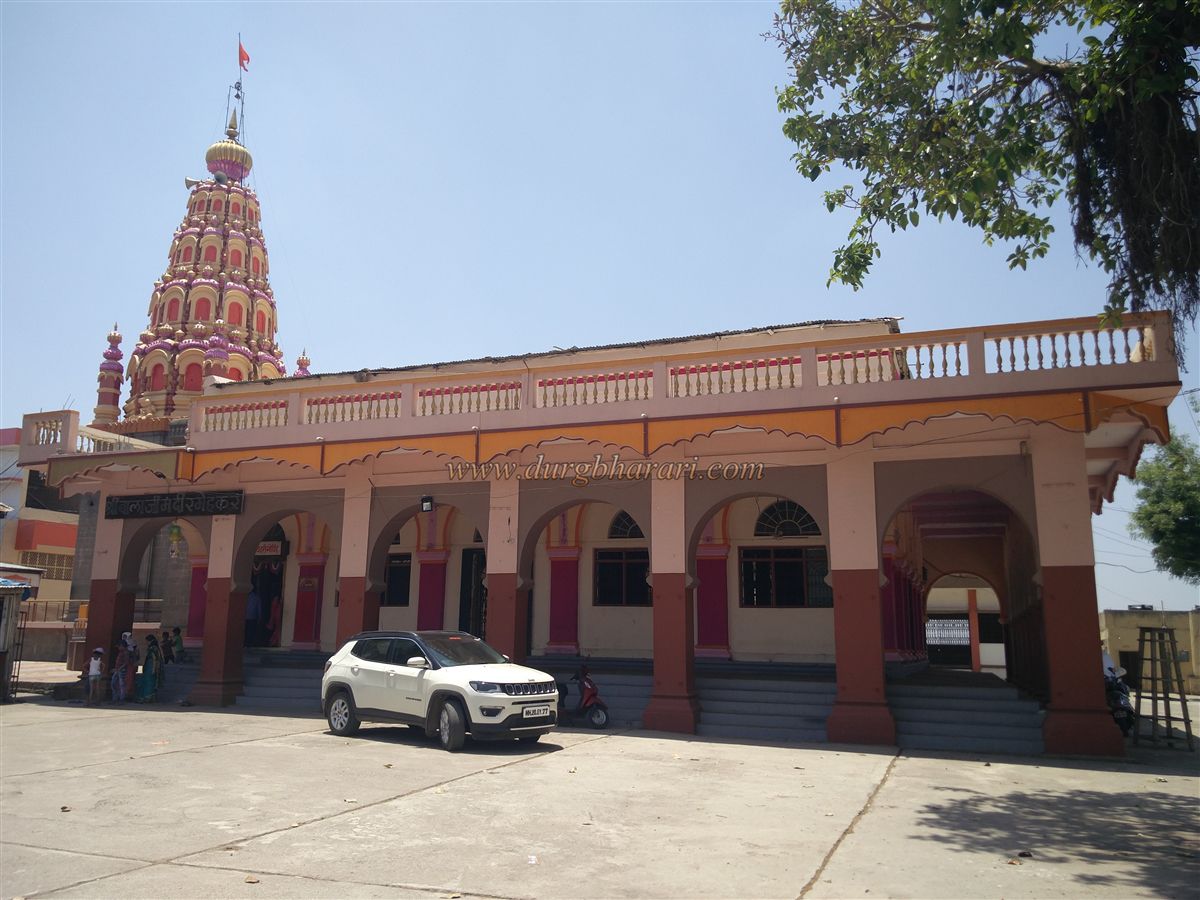
In the Buldhana district of Maharashtra lies the town of Mehkar, the administrative centre of the taluka, renowned across the state as a sacred pilgrimage site due to the grand idol of Sharangdhar Balaji—an incarnation of Lord Vishnu. This idol, believed to date back to the 11th century, stands an impressive 11 feet tall and 4 feet wide, making it possibly the largest stone Vishnu idol in all of India.
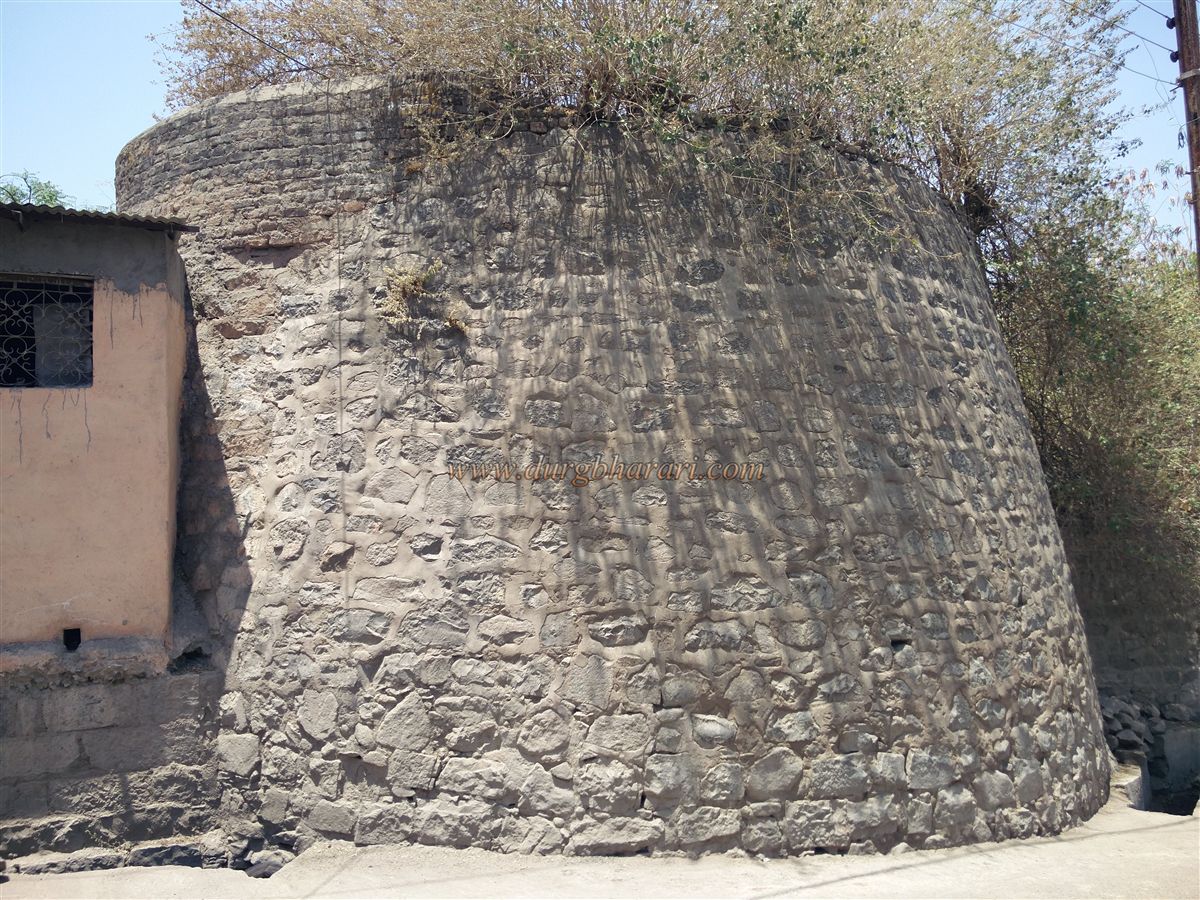
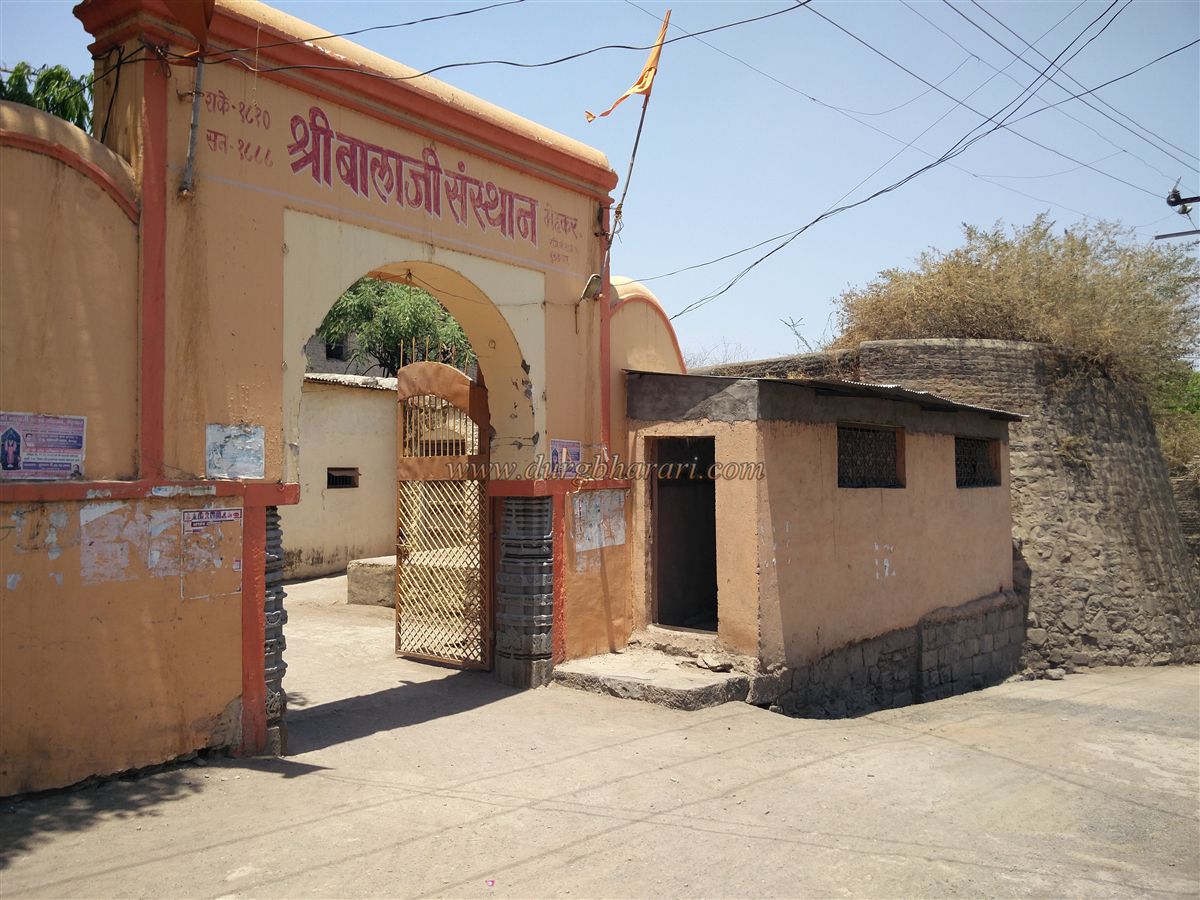
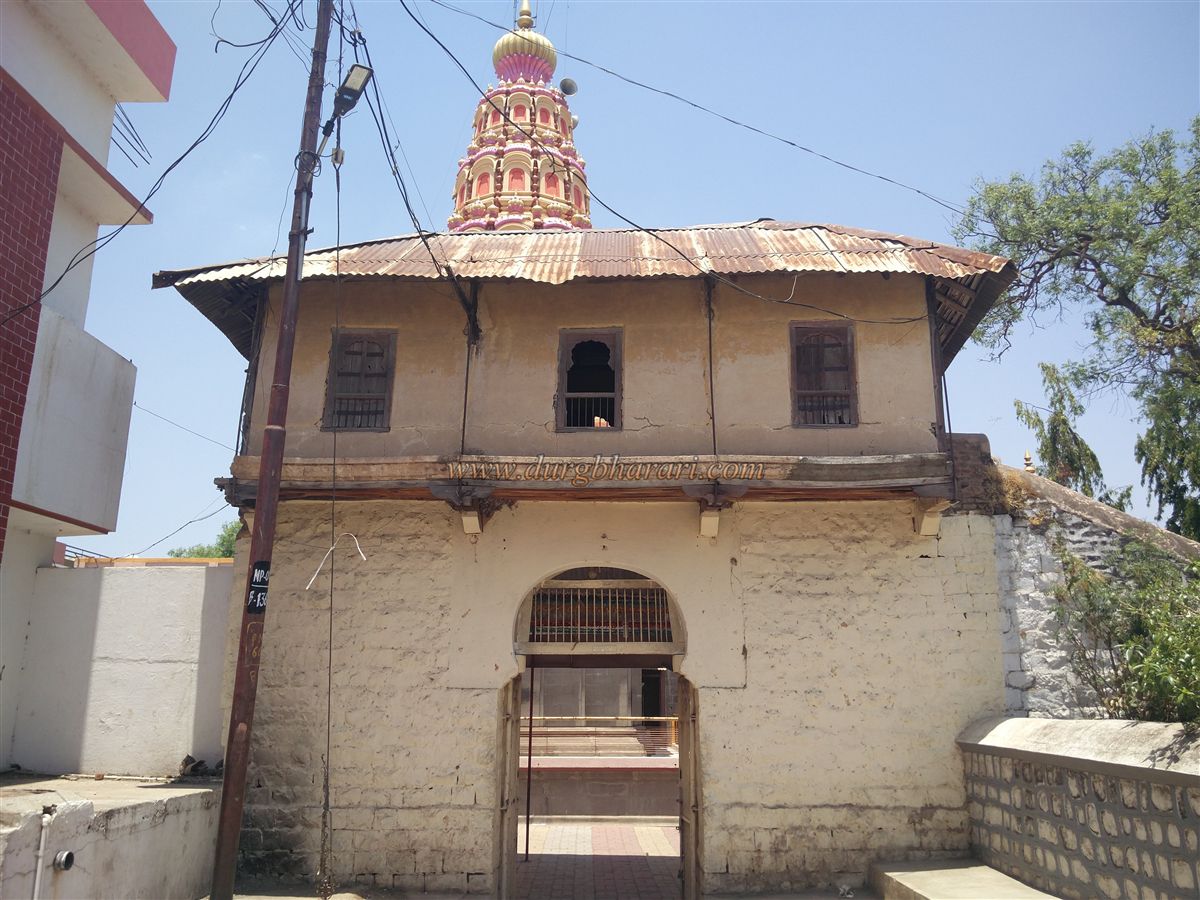
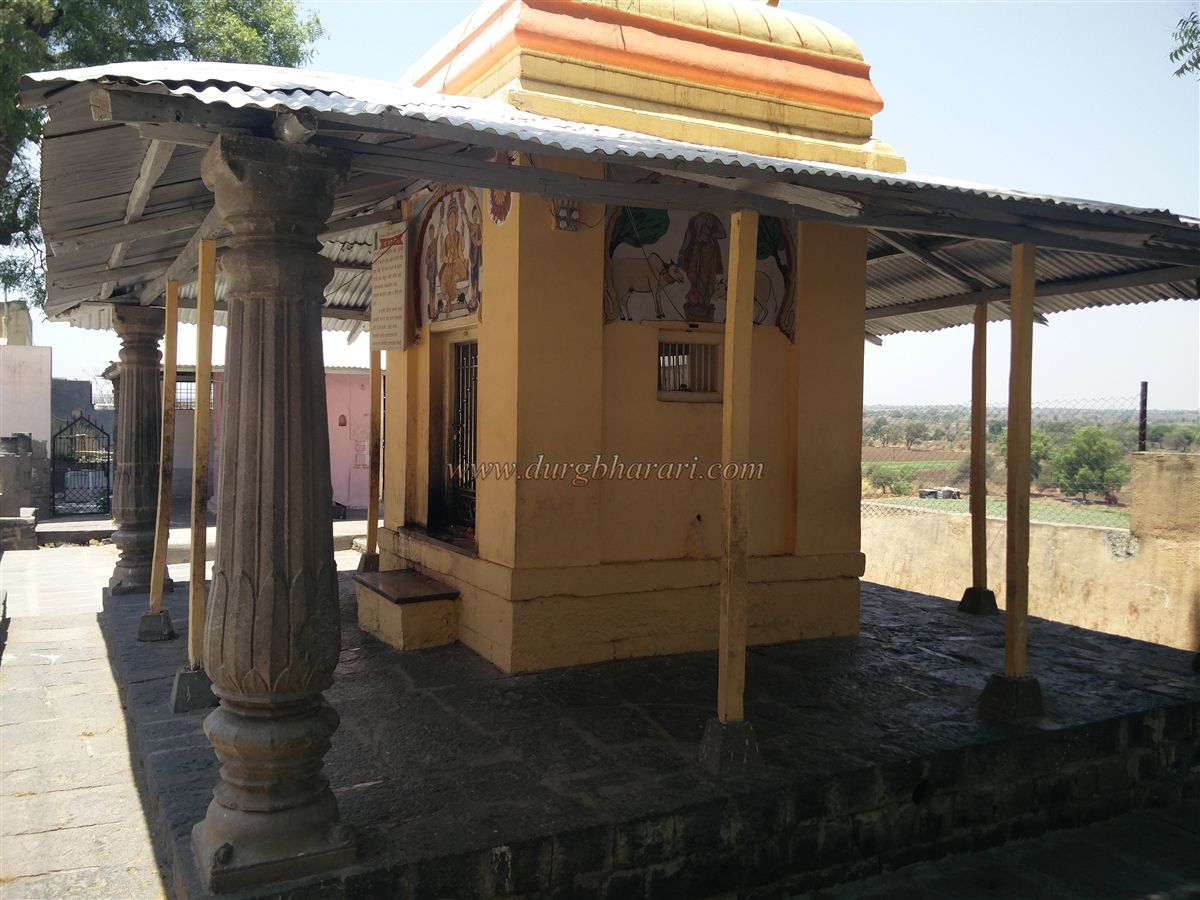
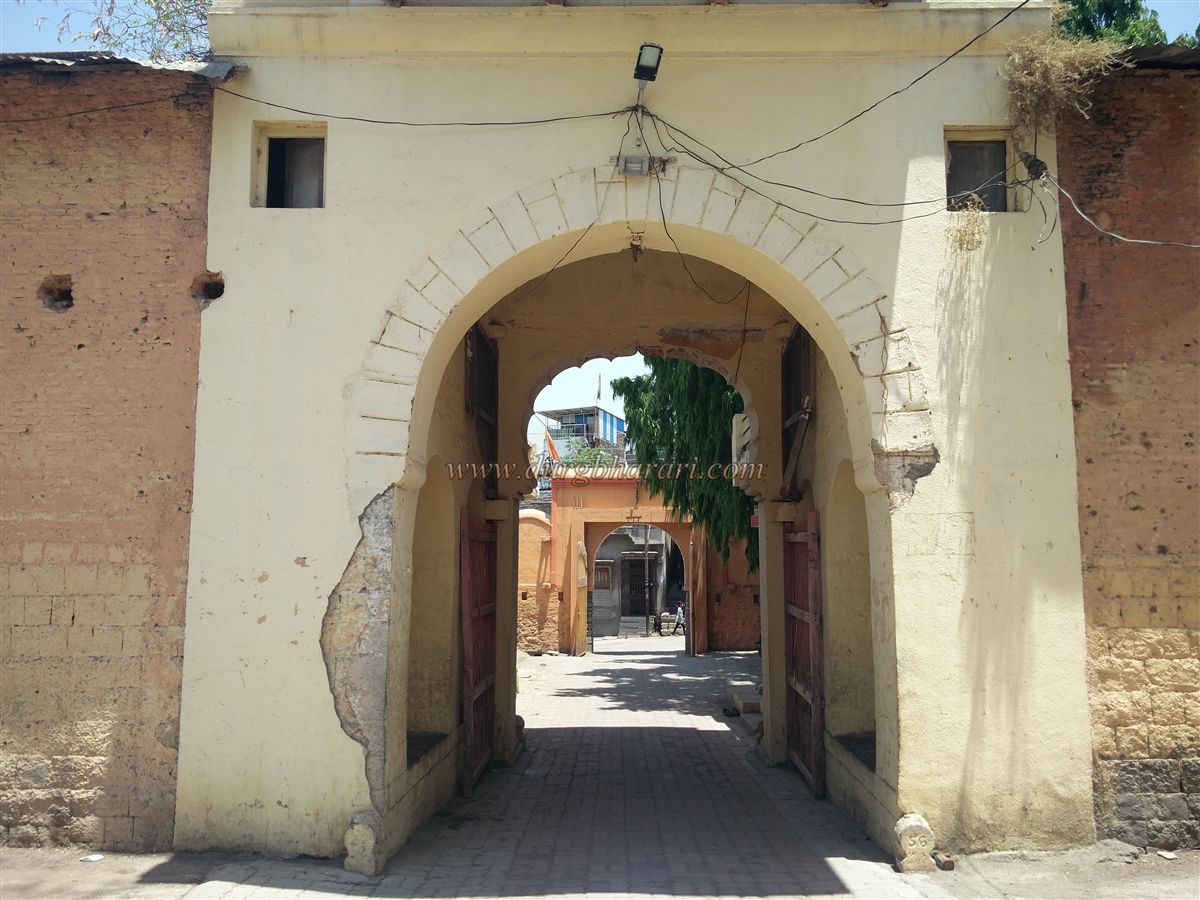
Though the town of Mehkar is historically mentioned in ancient texts and records, very few physical structures remain to testify to its historical legacy—apart from the magnificent Balaji idol. Within the temple precincts, a 10-foot-tall stone bastion (Buruj) and a small section of adjoining fortification can be seen. However, it is difficult to determine exactly which structure this bastion once belonged to. Given its layout and construction, it likely formed part of a fortified residence or a gadhi (a fortified mansion).
...
Interestingly, during excavations at the fort site in 1888, this monumental Balaji idol was discovered. Records mention that at the time, the British district officer, Temple, intended to ship the idol to London. However, faced with strong opposition from the local populace, he ultimately left the idol in Mehkar. It is believed, though, that other associated artefacts, such as the idol's ornaments and inscriptions engraved on copper plates, were taken to London.
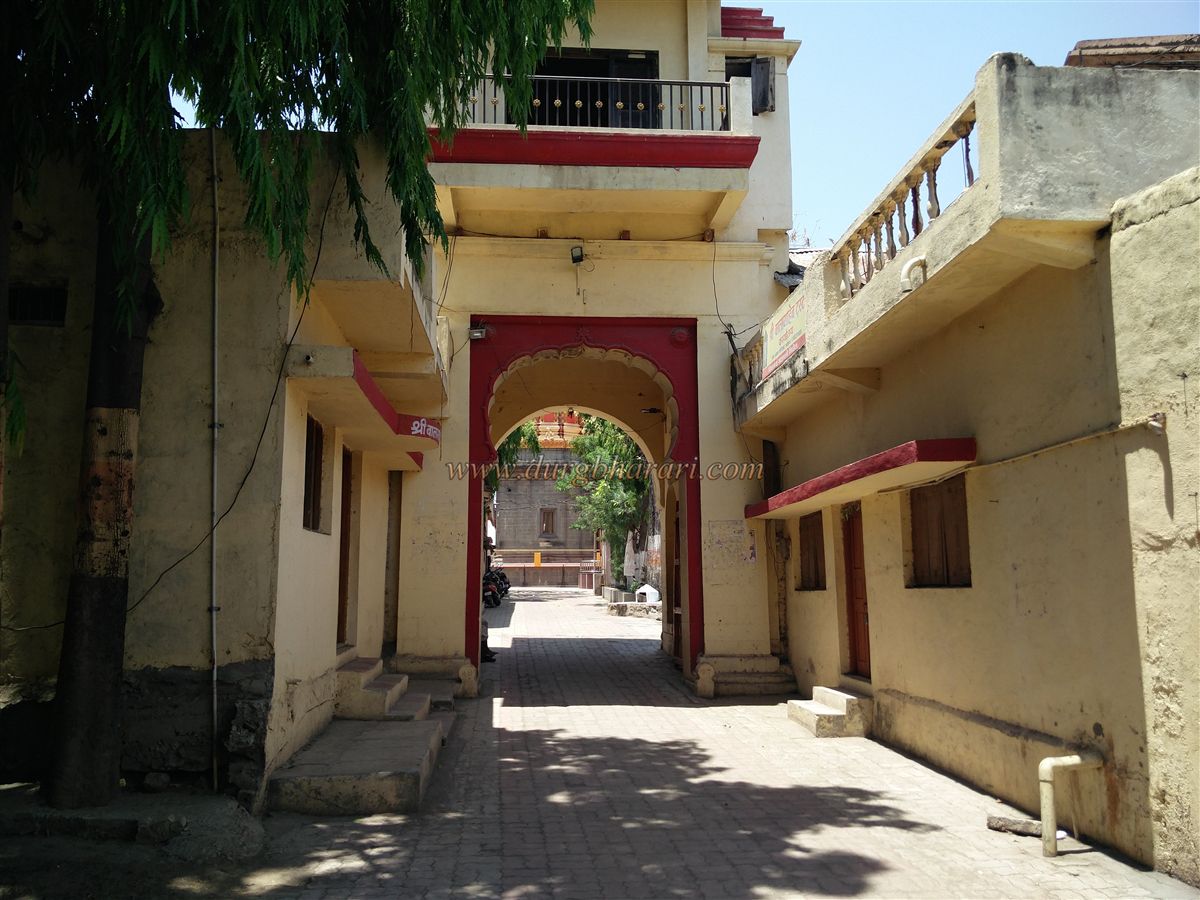
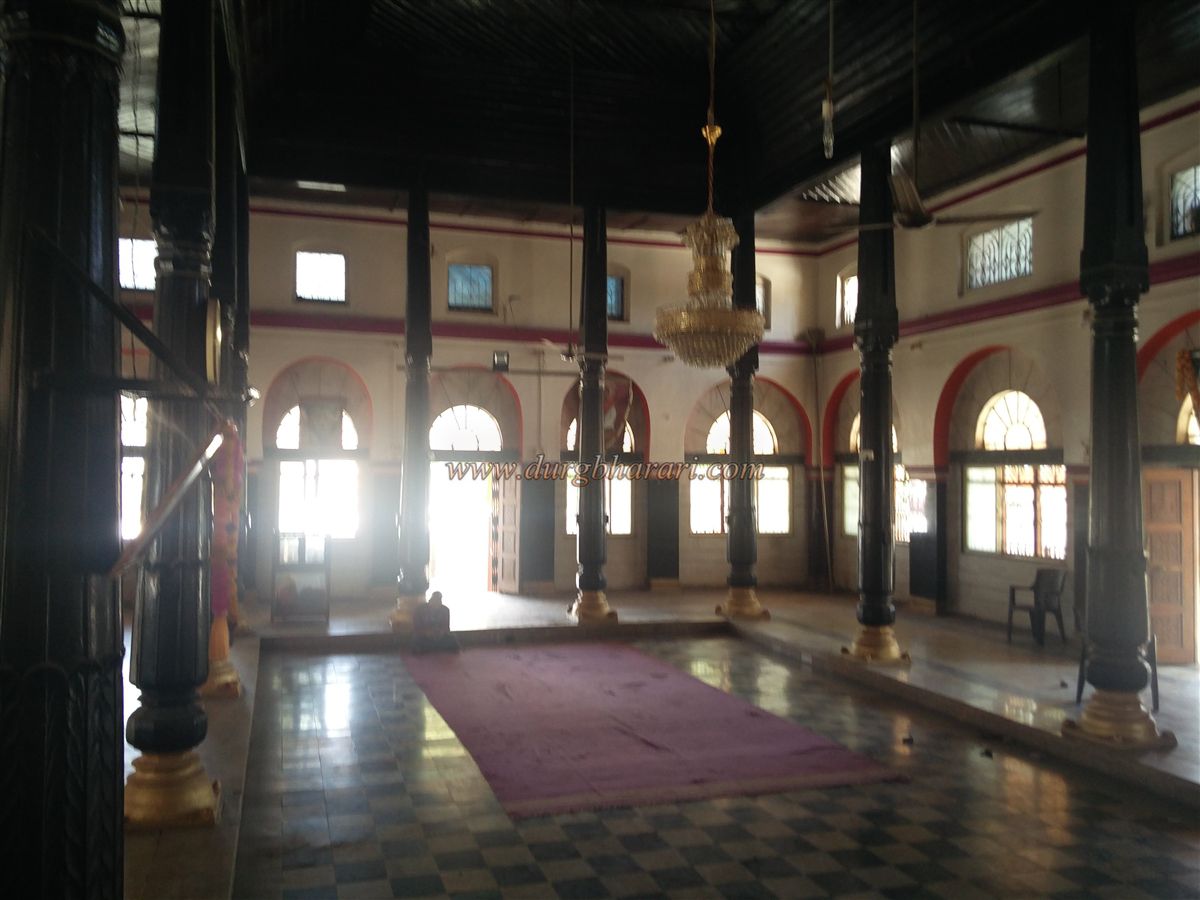
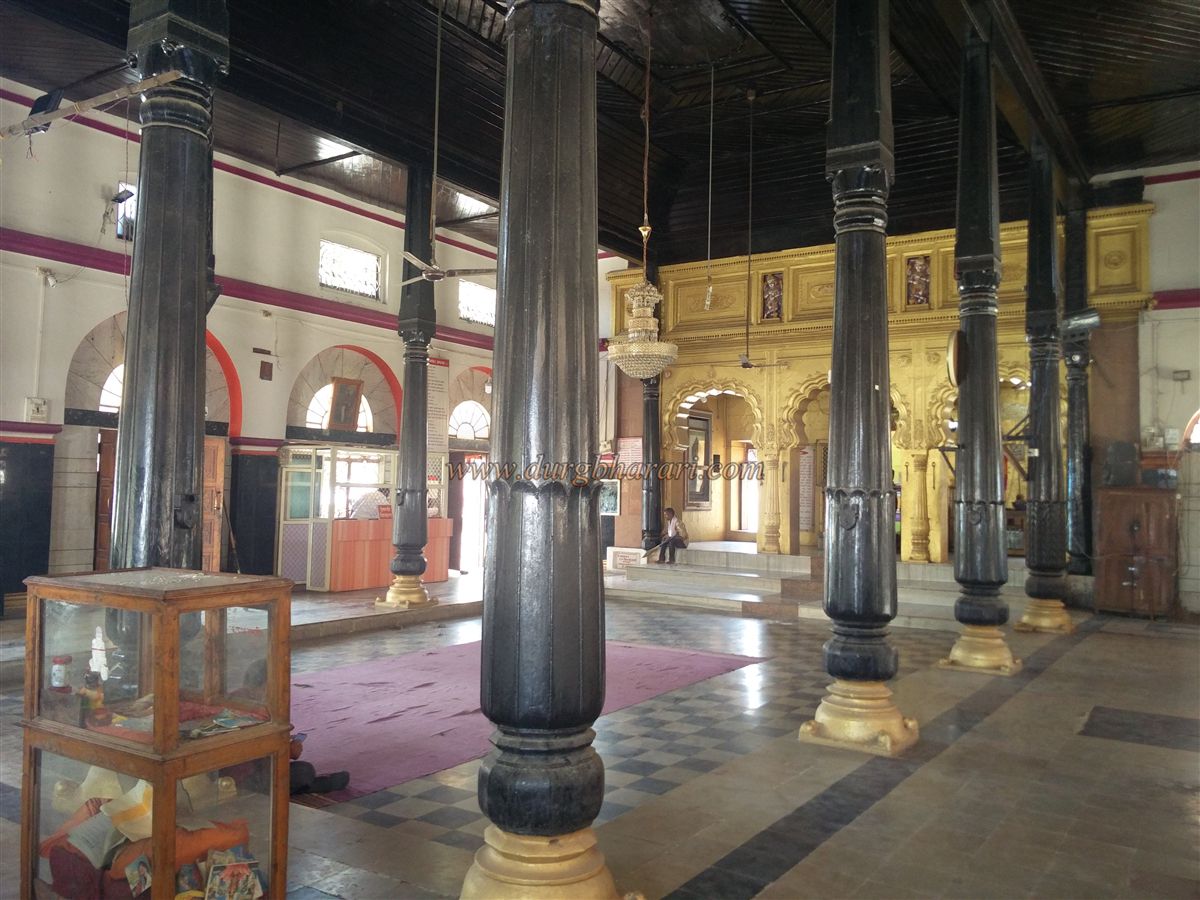
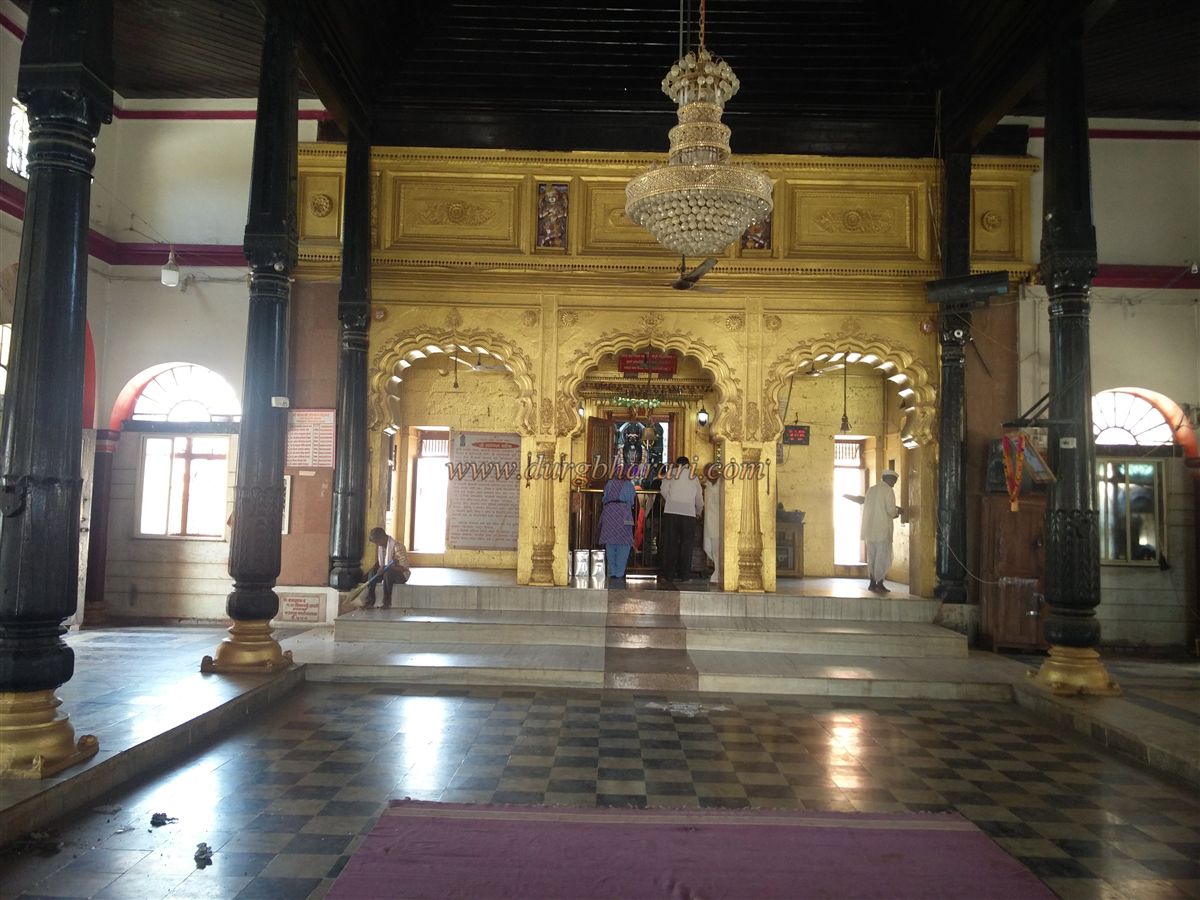
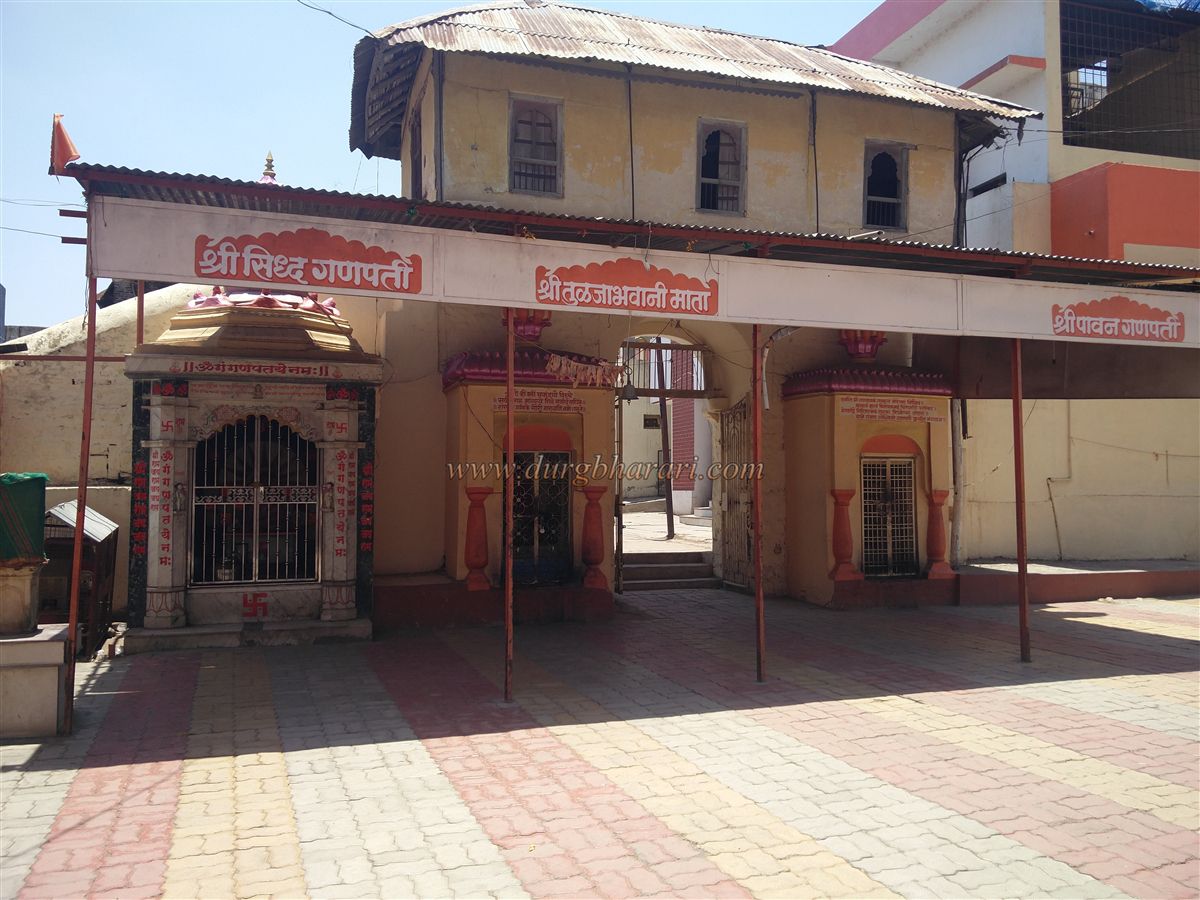
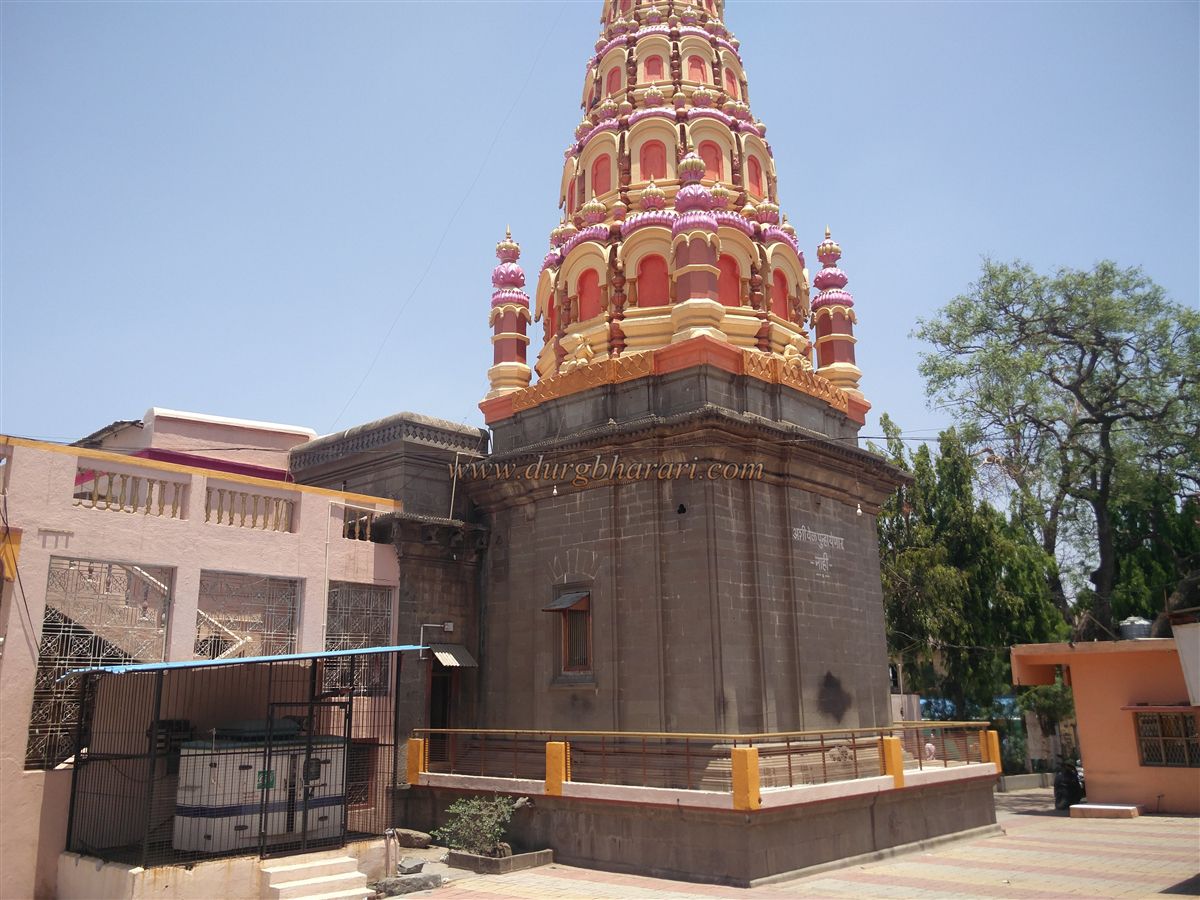
The present temple’s stone sanctum (Garbhagriha) and outer assembly hall (Sabhamandap) were constructed in 1892. Other shrines within the temple complex appear to have been added later.
Situated along the Ajanta hill ranges, Mehkar is more than just a religious site. It also holds spiritual significance due to its connection with the Mahanubhav sect. Chakradhar Swami, the revered founder of this sect, is believed to have resided here for a period. Lilacharitra, the earliest known prose work in Marathi, includes three episodes—62, 63, and 64—related to Mehkar.
Even older references exist. In the Ain-i-Akbari (the third book of the Akbarnama), Al-Biruni mentions that Mehkar existed 795 years before the Hijri era, which suggests its origins date back well before the Islamic calendar began. During medieval times, Mehkar was a thriving commercial hub and the headquarters of a sub-district (Subha), where tax revenue from surrounding villages was collected.
A reference from the Peshwa records confirms that on 22 March 1769, Madhavrao I, the senior Peshwa, stayed in Mehkar during the negotiations of a treaty with Janoji Bhosale. Before the formation of separate taluka for Lonar and Sindkhed Raja, these regions were also part of the Mehkar taluka.
Your visit to Mehkar, although aimed at exploring the remains of the old gadhi, may not have yielded much structural information. Yet, the experience of witnessing such a magnificent and rare idol of Lord Vishnu must have made the journey memorable. Geographically, Mehkar lies 70 km from Buldhana and 22 km from Lonar.
© Suresh Nimbalkar
GALLERY