MEDAD
TYPE : GADHI
DISTRICT : PUNE
HEIGHT : 0
GRADE : EASY
During the later period of Maratha rule, although the Peshwa held central power, several subordinate feudatory states had emerged under their dominance across Maharashtra. These feudatories constructed numerous Bhuikot forts (low-lying ground forts) and fortified mansions (gadhis) within their regions. Most of these Bhuikot wada were privately owned and served the dual purpose of revenue collection and self-defences. Since many of them were never involved in major military actions and British rule followed soon after, they find little mention in historical records. Today, most of these privately owned forts and mansions lie in ruins and are on the verge of being lost to history.
One such ruined fort is the Bhuikot of Medad. To witness the remnants of this once-significant structure, one should visit it before it vanishes completely.
...
The Medad Bhuikot is located in Baramati taluka on the Morgaon–Baramati road. The distance from Baramati to Medad is about 5 km, and from Pune to Medad, approximately 92 km.
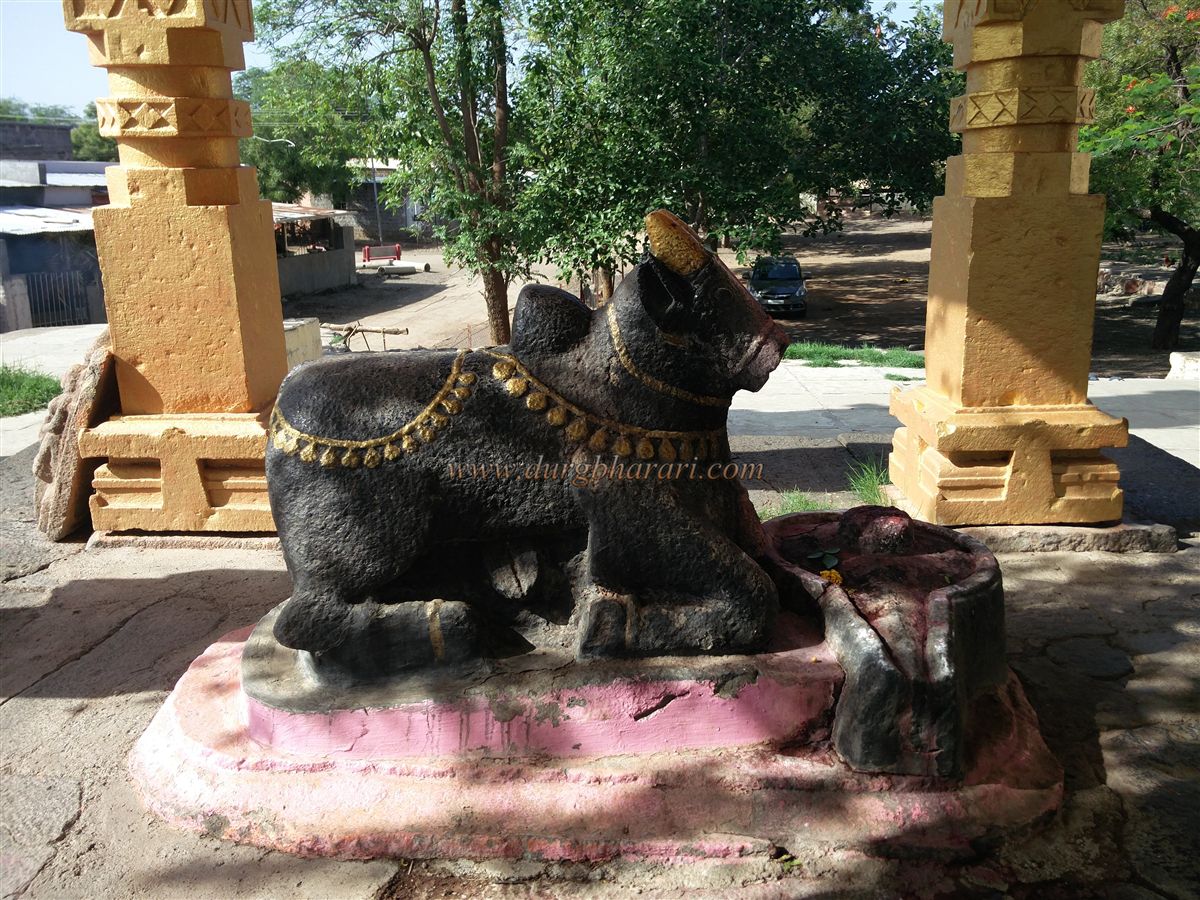
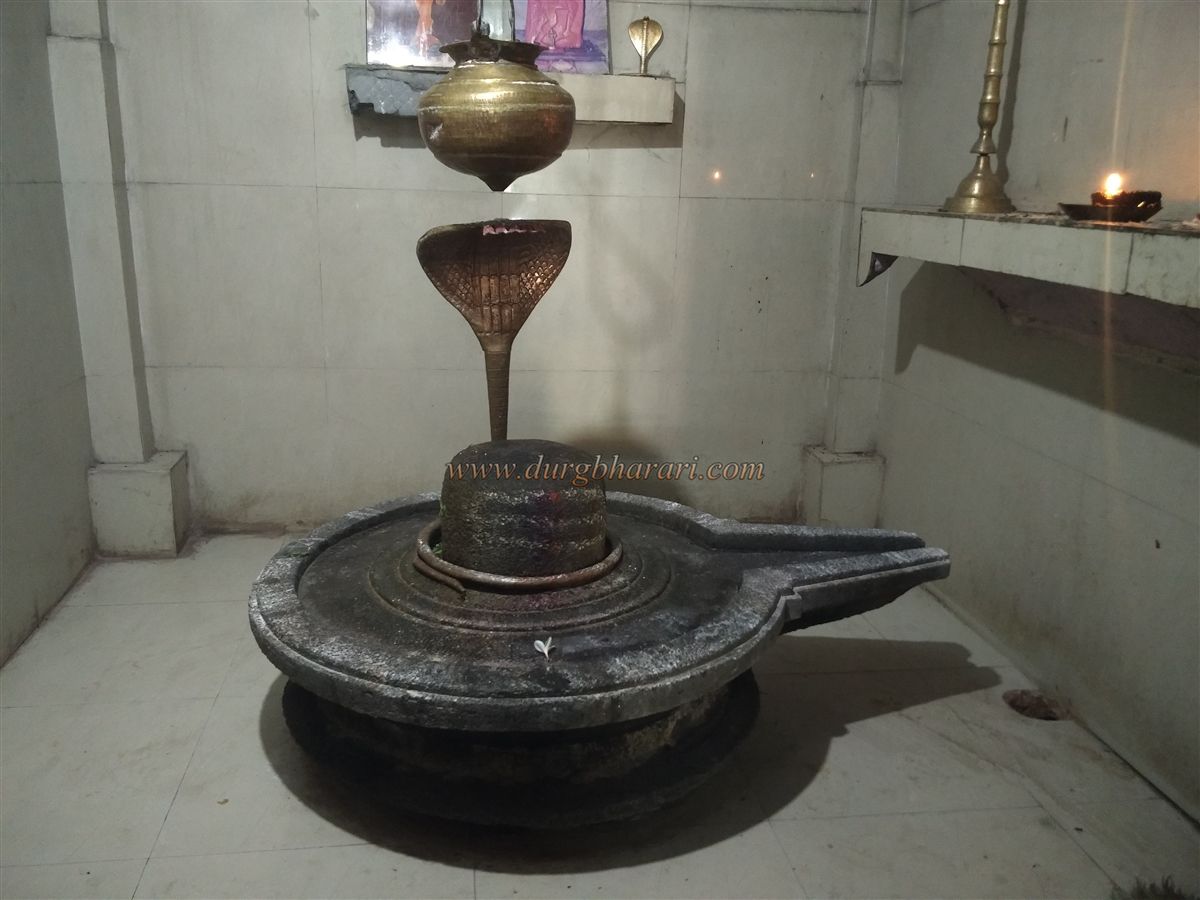
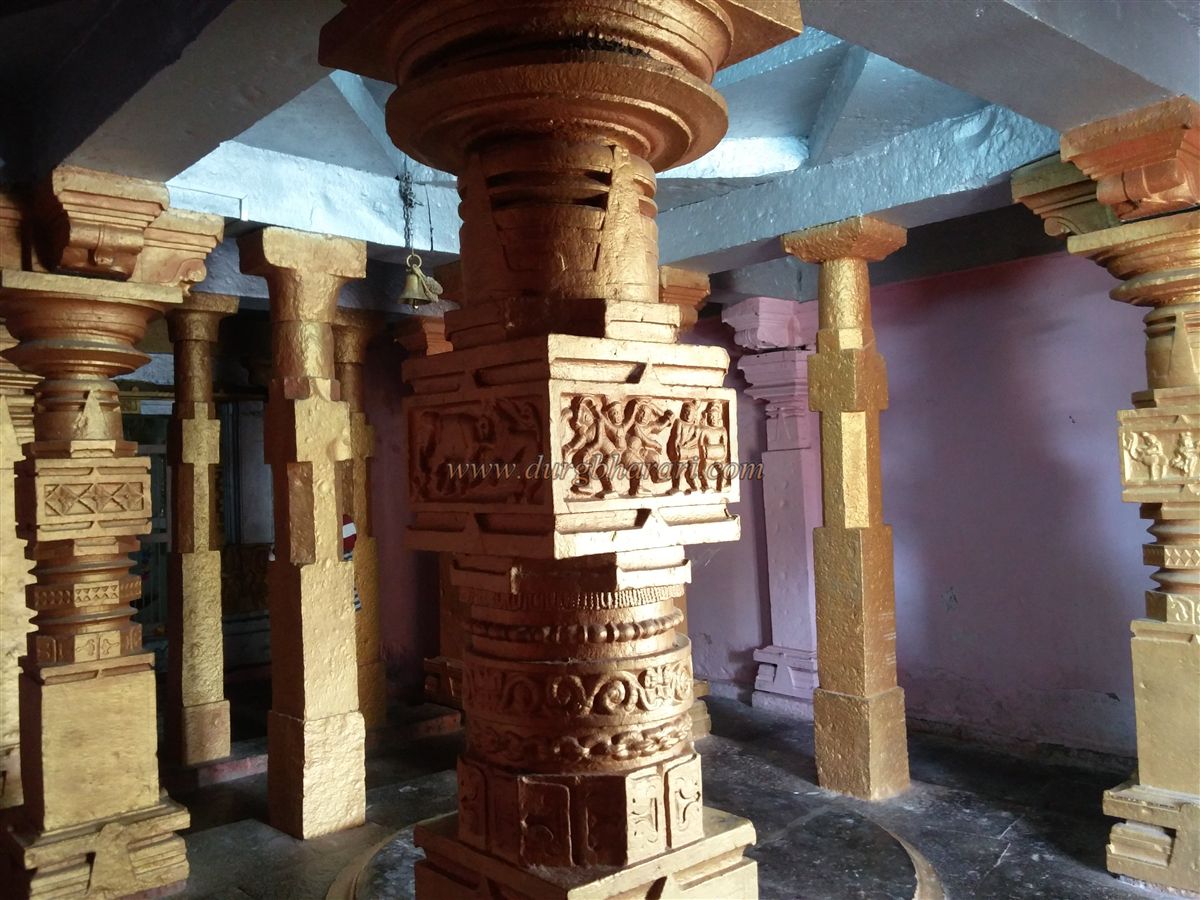
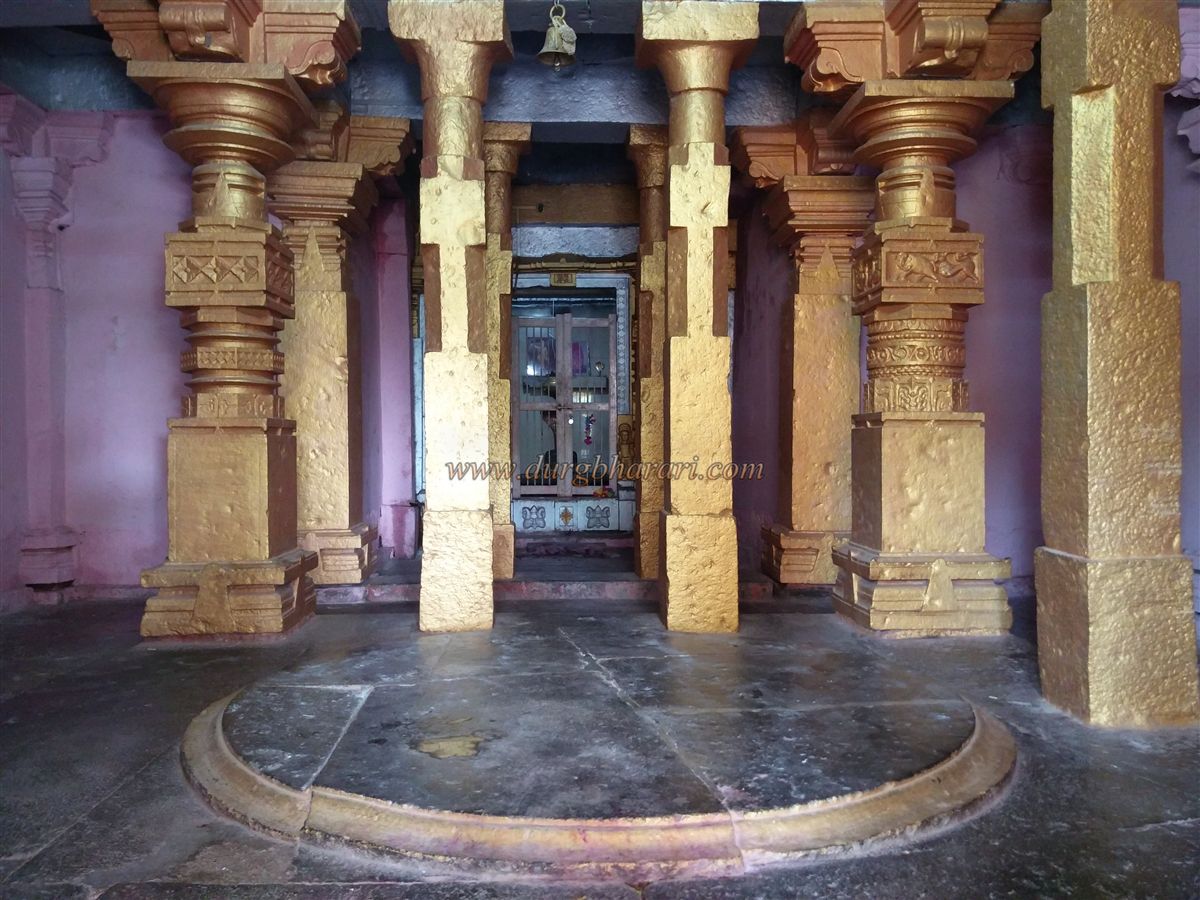
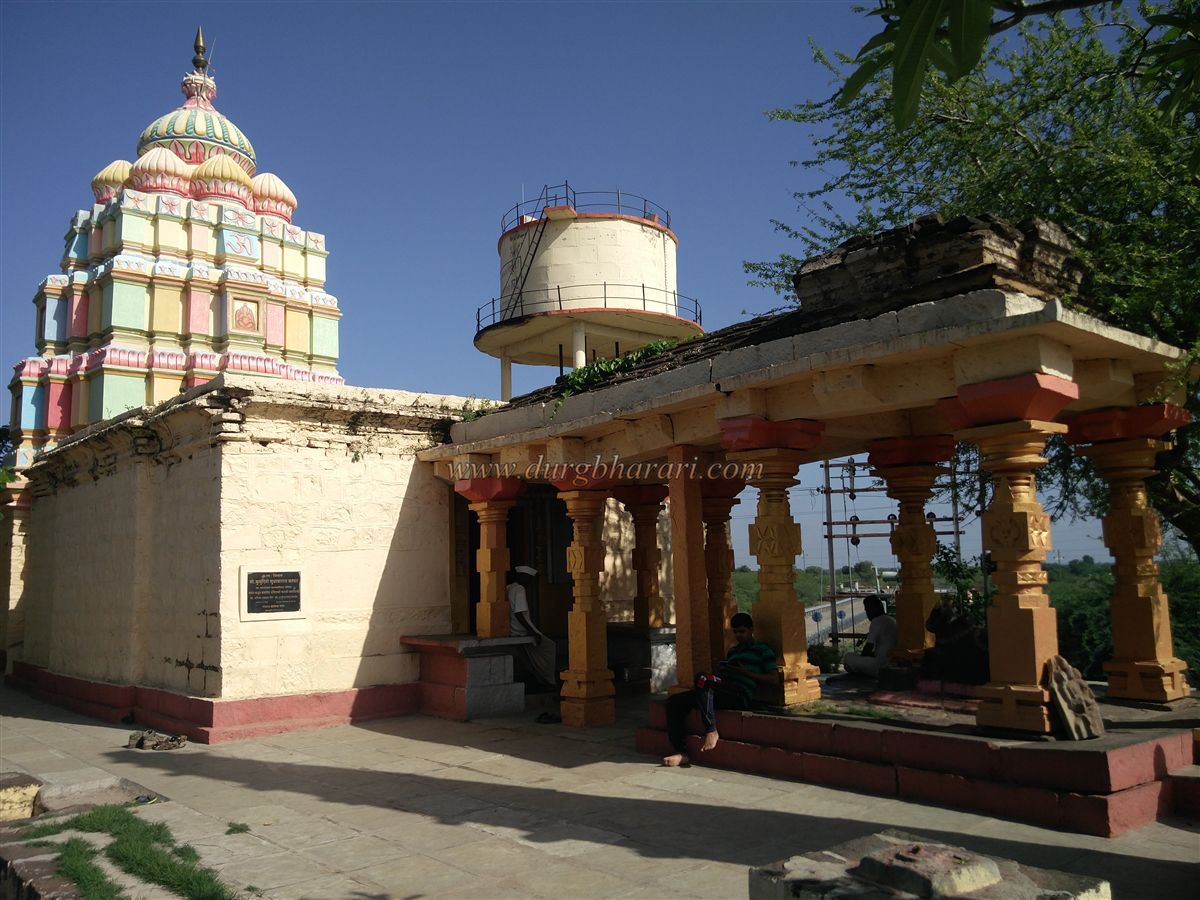
Before entering the fort, one is drawn to an eye-catching Yadav-era Shiva temple built on a raised platform outside the fort walls. Made entirely of stone, this temple is likely older than the fort itself. On the way from the temple toward the entrance gate, one can spot a circular stone wheel used for lime processing.
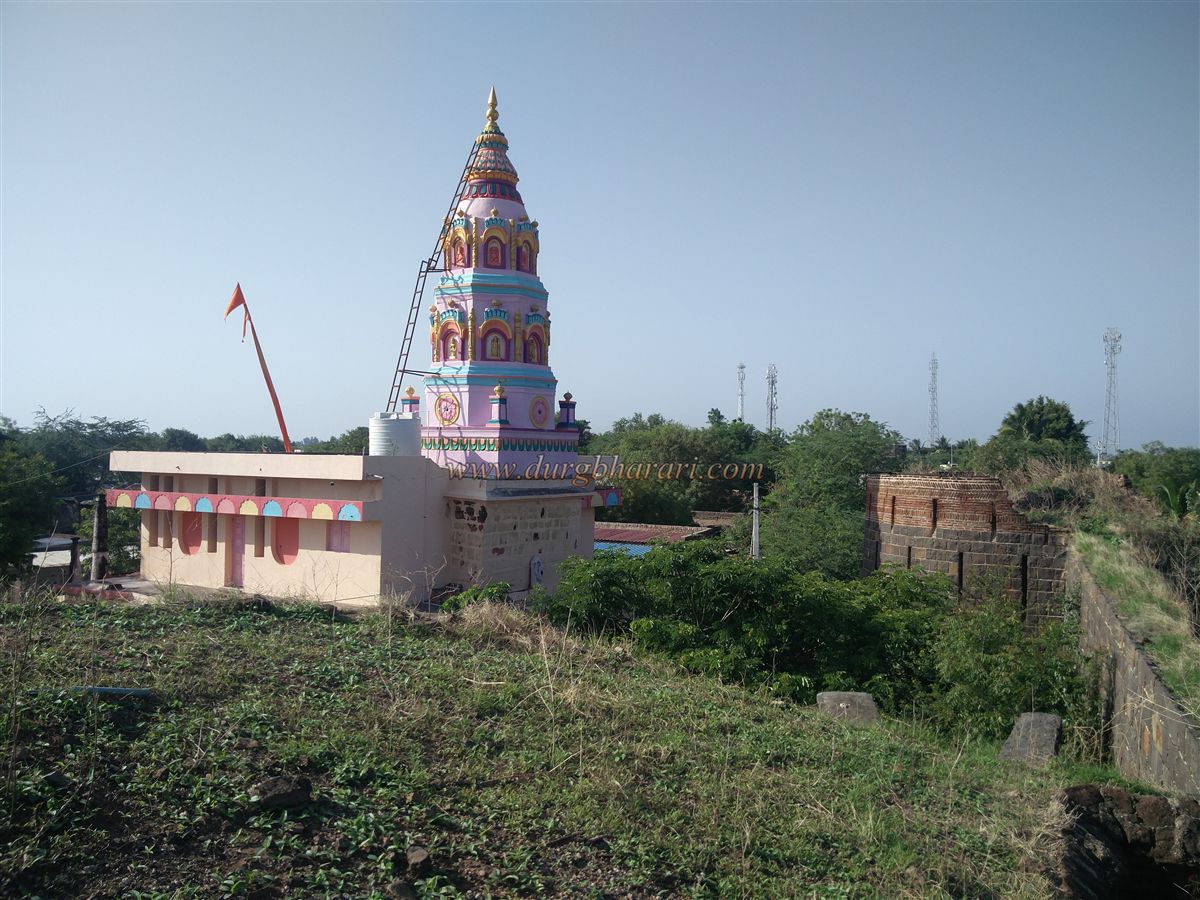
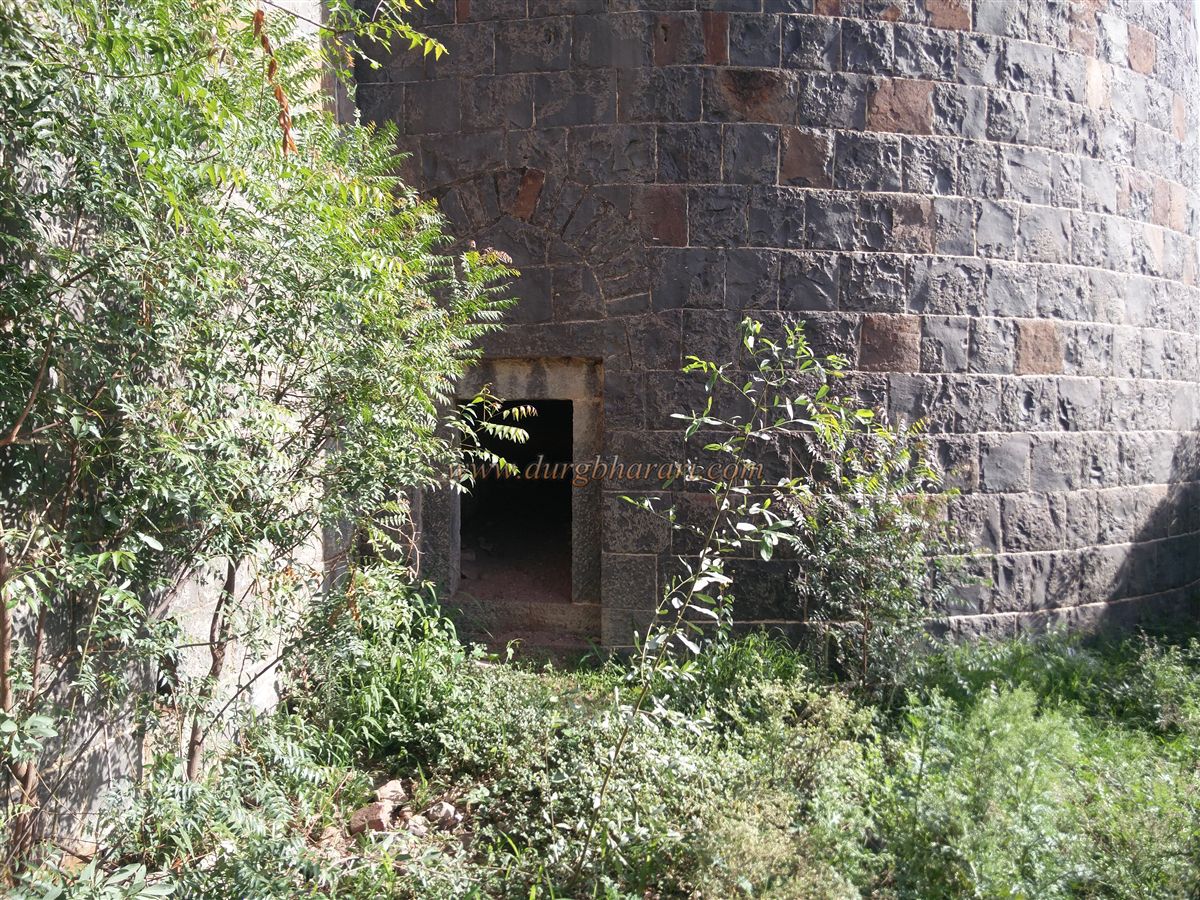
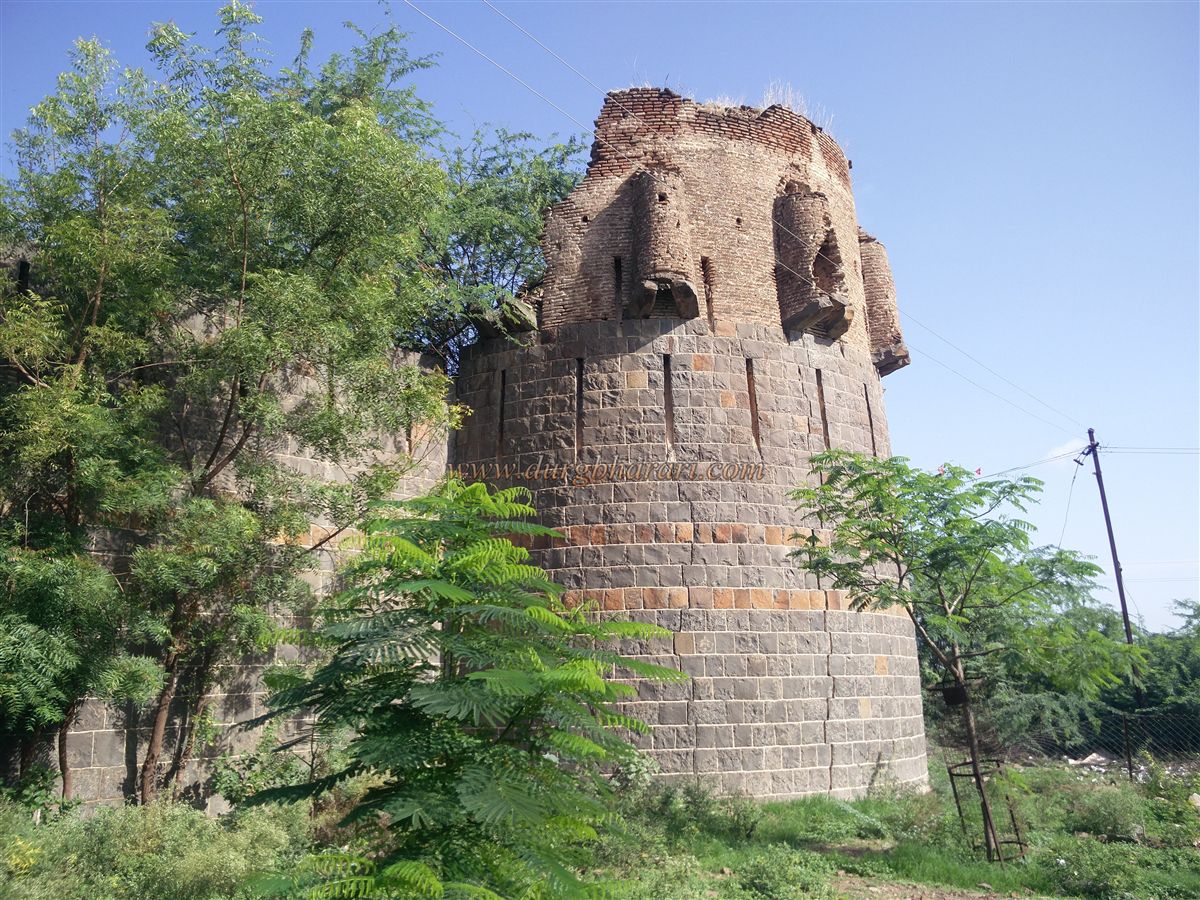
The fort is rectangular in shape, stretching east to west over an area of approximately 1.5 acres. It features four bastions at the corners, two along the middle of the longer walls, and two more near the entrance gate—making a total of eight bastions. These bastions were once two-storeyed, but only one of them retains its upper level today.
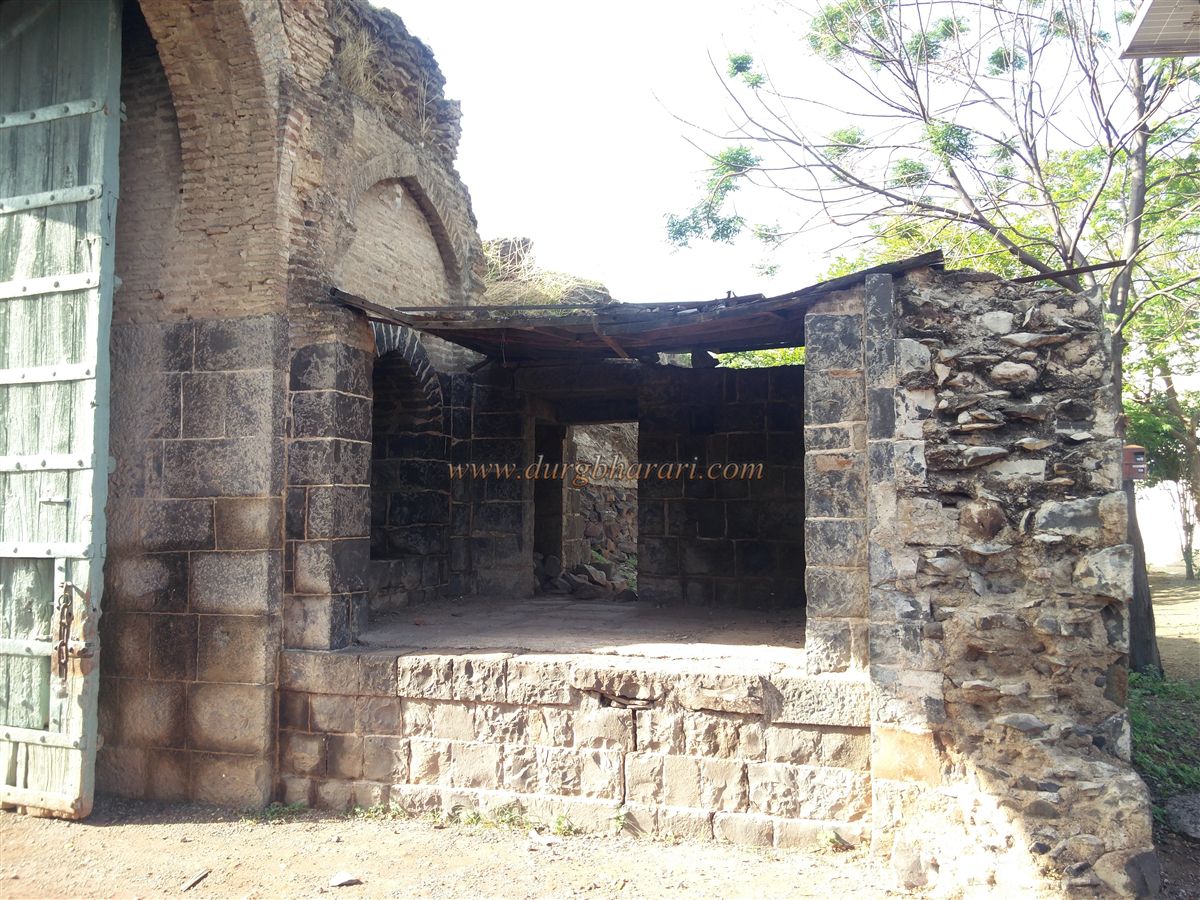
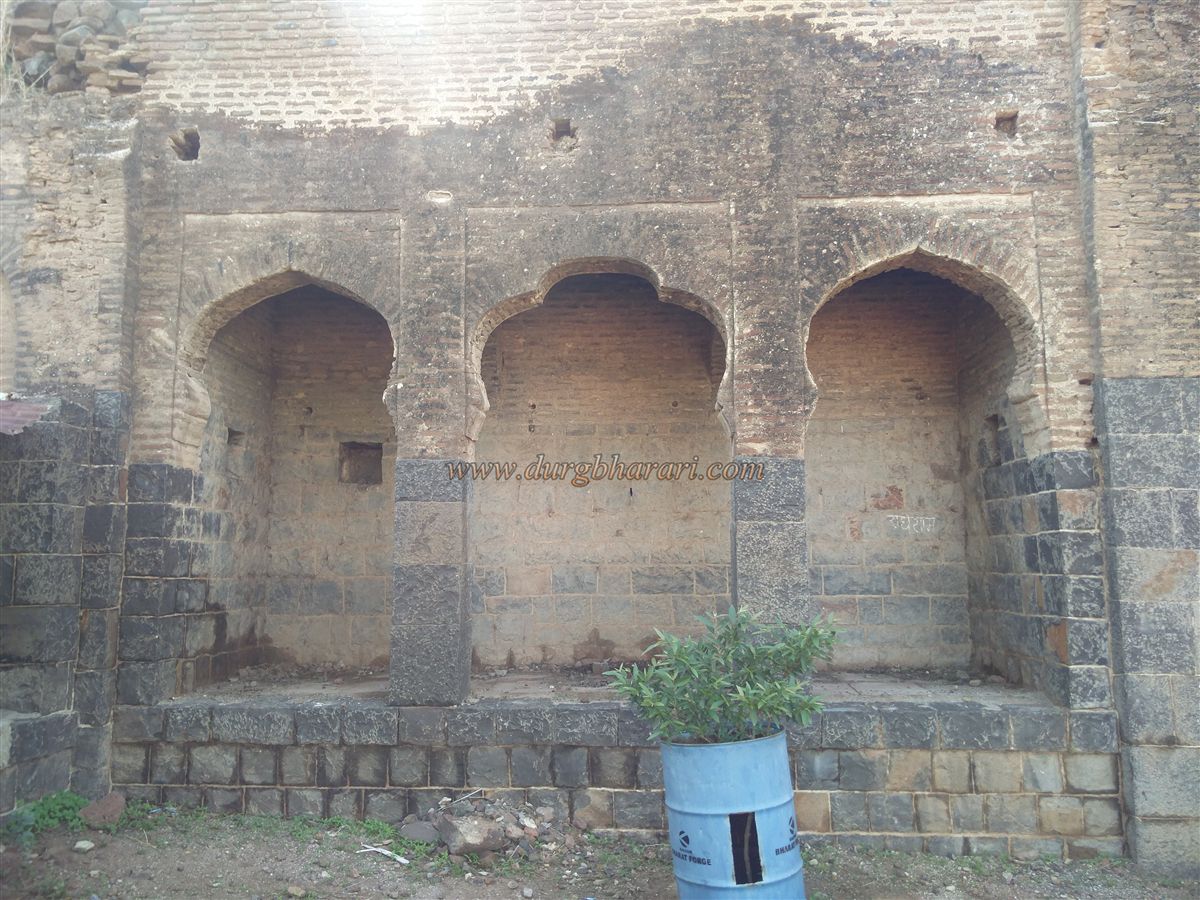
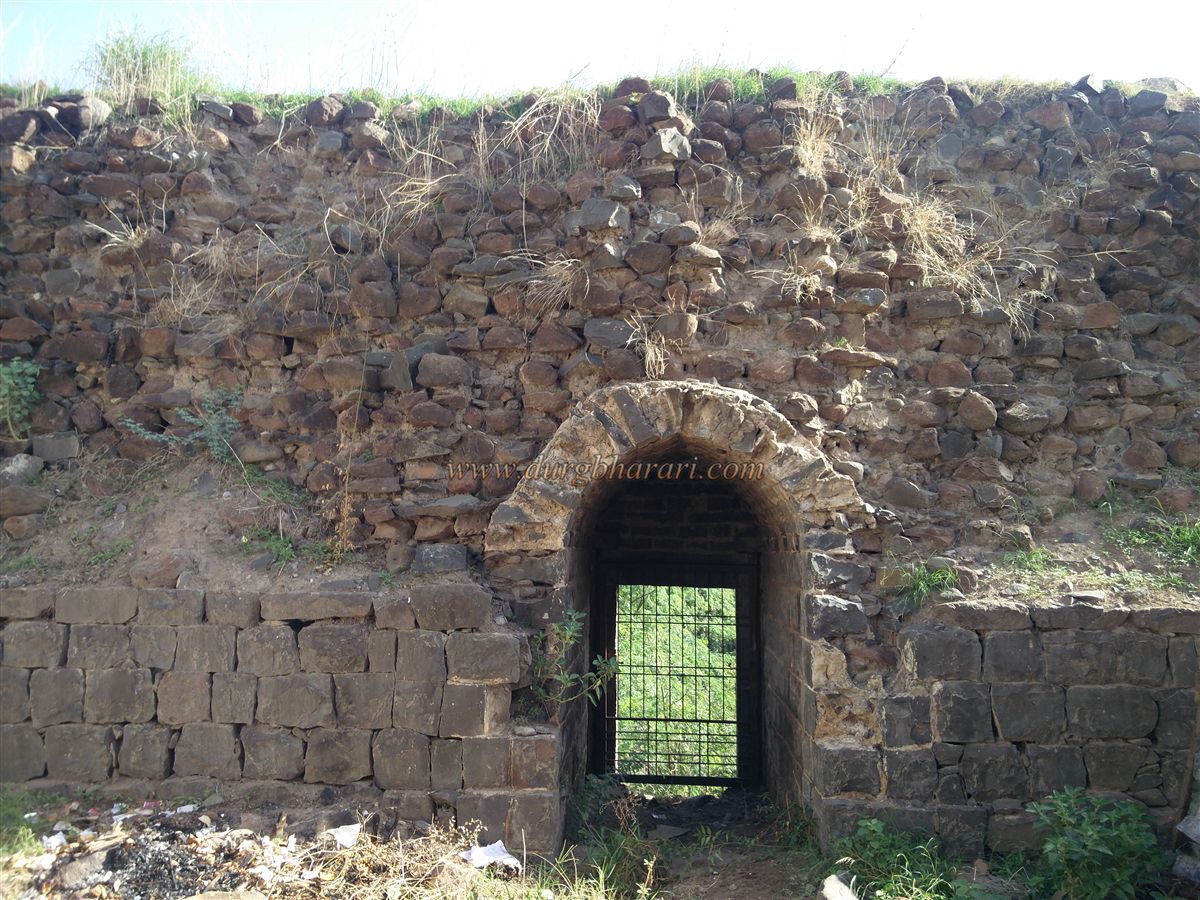
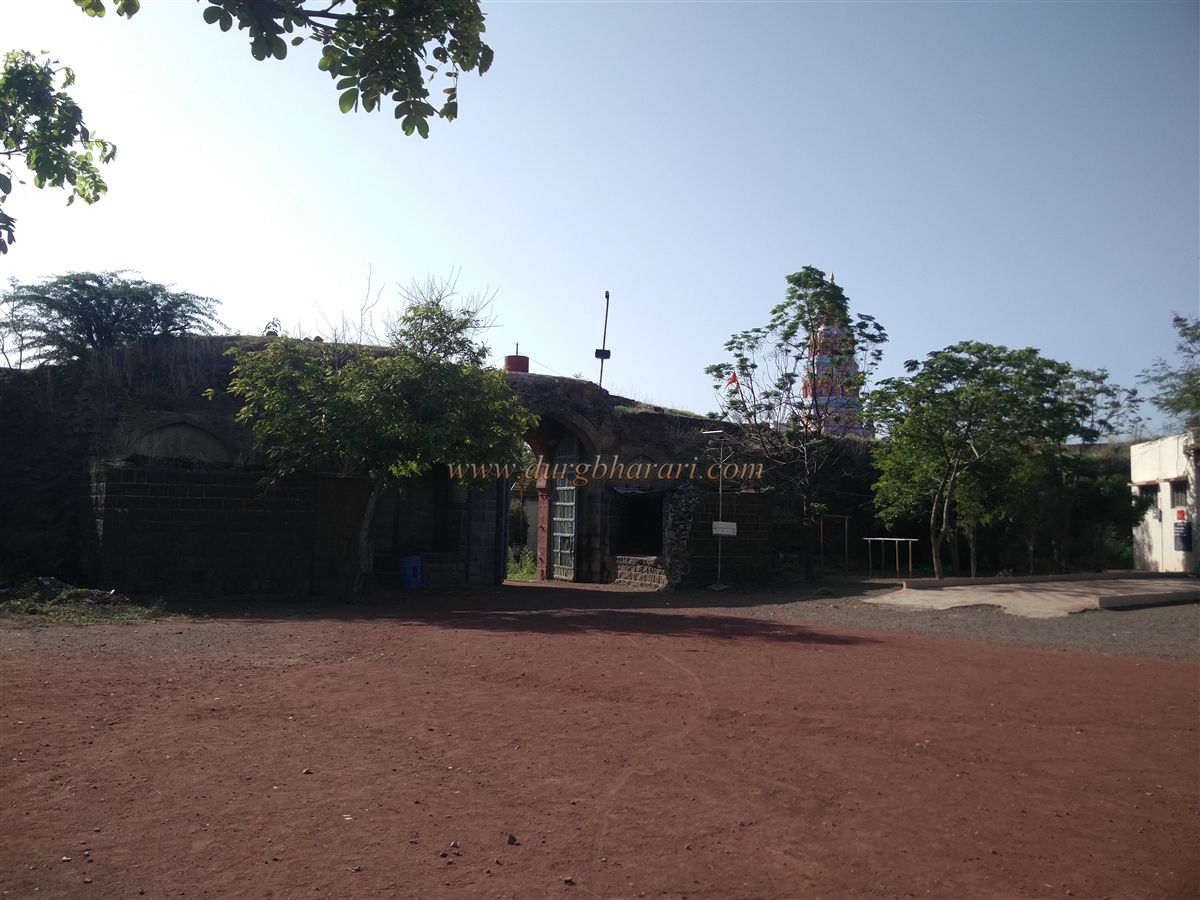
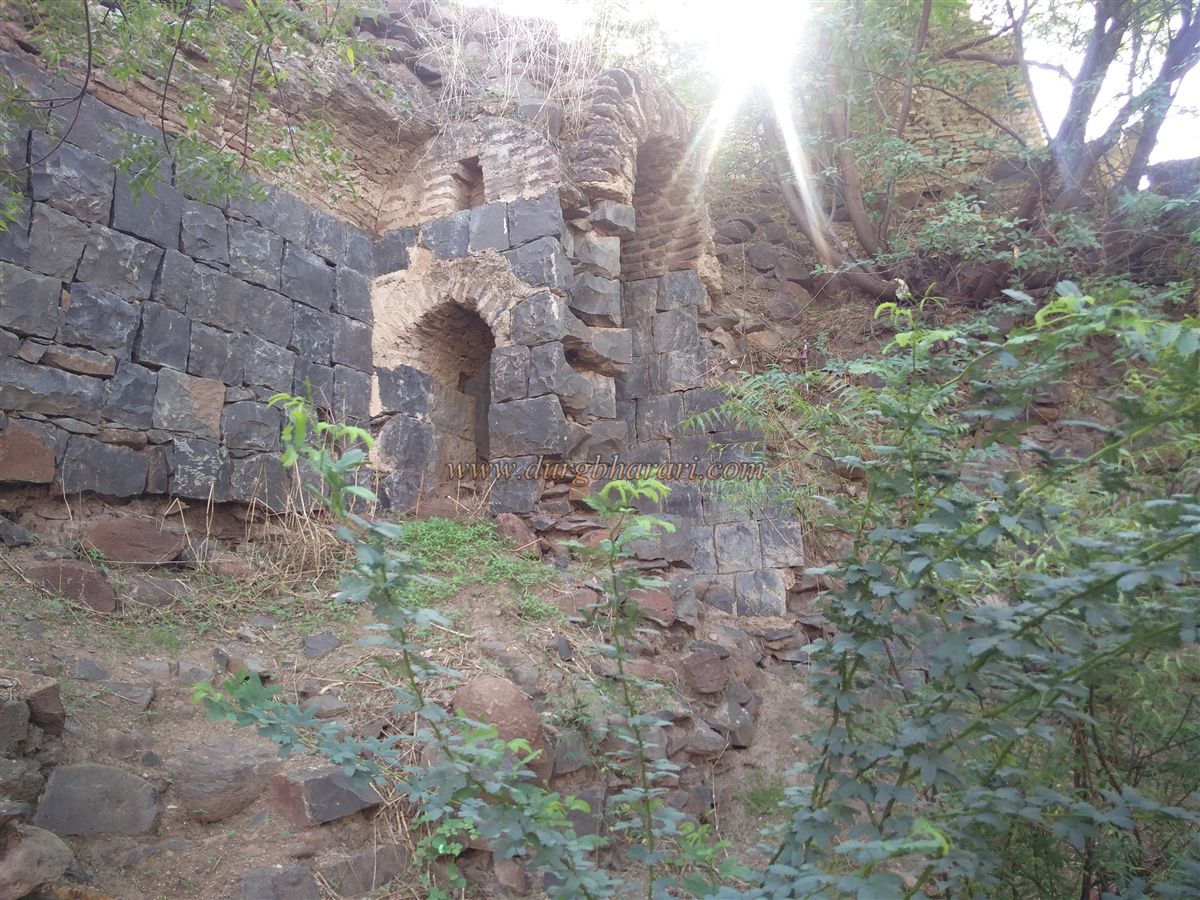
Entering the fort through the east-facing main gate, one sees devdis (arched porches or gateways) on either side just inside the walls. Near one of these devdis is a small underground passage built through the bastion wall—likely used for quick escapes or secret movements. The main wooden gates are still intact, and the gate also includes a smaller postern gate (dindi Darwaja).
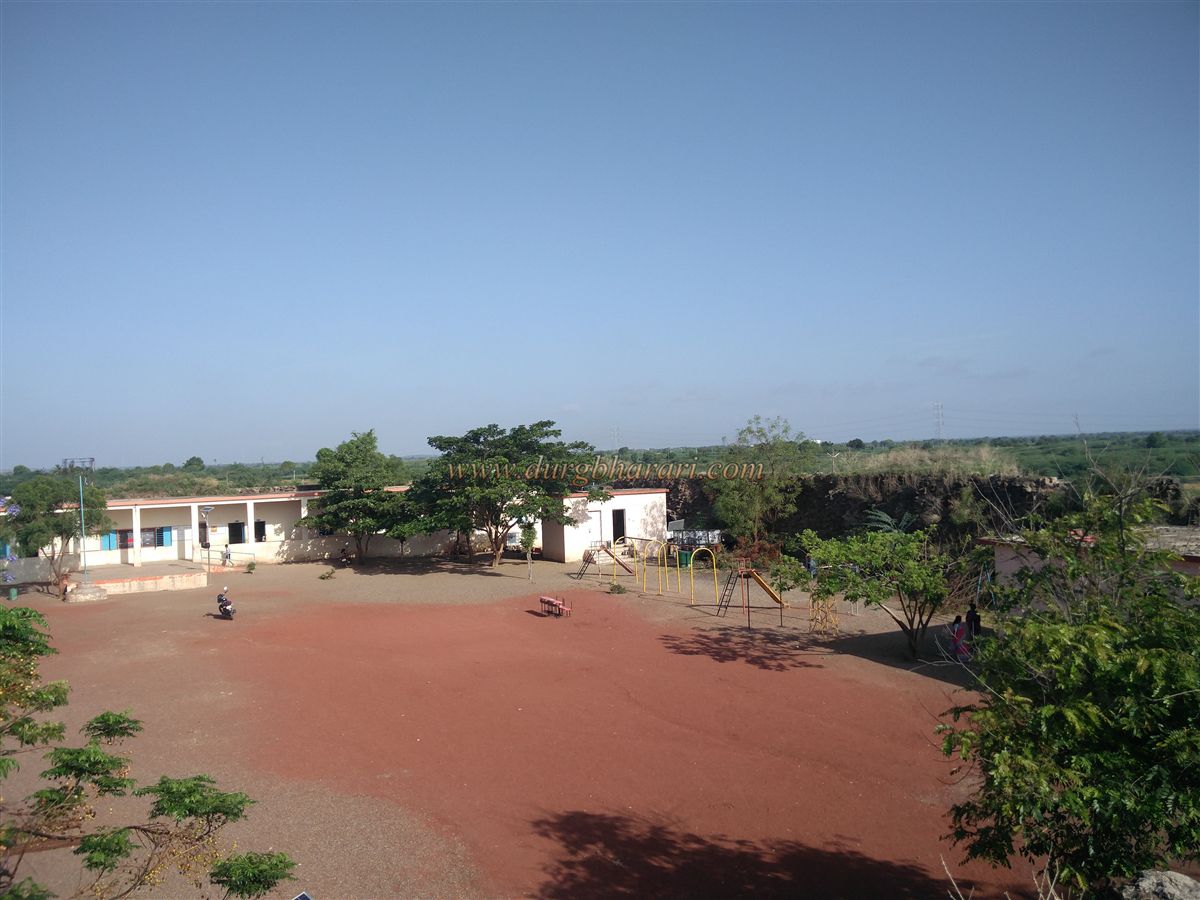
The entire fort is constructed from finely cut stone, while the parapets and upper portions are made using bricks. The walls and bastions have gun ports (jangya) designed for firing rifles or muskets. Inside the fort, the Gram Panchayat office and a school operate from the premises. Unfortunately, the internal structures have been razed completely, and the area is now converted into a playground.
Due to the collapse of the inner fortifications, it is not possible to walk along the parapets, but one can climb onto the portion above the main gate, from where the entire fort can be viewed. On the southern side of the fort, there is a small exit gate built into the wall.
One of the surviving bastions contains a basement chamber, which was likely used to store ammunition or as quarters for soldiers. No wells are visible inside the fort compound today, although it is probable that one existed and was later filled in during the creation of the playground. At one location, a circular stone-lined depression—likely a collapsed well—can still be seen, with signs of water seepage.
Aside from these features, no other remnants are visible inside the fort. Compact and concise, the Medad Bhuikot can be fully explored in about 15 minutes.
© Suresh Nimbalkar
GALLERY