MAZGAON
TYPE : COASTAL FORT
DISTRICT : MUMBAI
HEIGHT : 25 FEET
GRADE : EASY
When one thinks of forts in Mumbai, it might come as a surprise, but during the British era, there were once eleven forts in the city. These were built during different periods by the Portuguese and the British. On the western coast of Mumbai were forts like Worli, Mahim, Bandra, and Madh, while on the southern coastline stood a chain of forts including Kala Killa, Rewa Fort, and Sion Fort. Towards the east were Shivdi, Mazgaon, Dongri, Bombay Fort, and St. George Fort, all of which once protected the city. Among these, the Mazgaon and Dongri forts have been completely destroyed, while only a few remains of Bombay Fort and St. George Fort survive today.
Mazgaon Fort, the second-largest on the Mumbai Island after Bombay Fort, was located on a hill next to today's Dockyard Road railway station.
...
Back when Mumbai consisted of seven separate islands, this fort stood at a very strategic location. The fort had wells with live springs. Built by local rulers, it later came under Portuguese control and then was handed over to the British along with the rest of the Mumbai islands. The fort was eventually destroyed due to an attack by the Siddi.
In 1672 CE, Siddi Yakut khan of Janjira attacked Mumbai to drive the British out. In this assault, the Siddi captured the forts of Shivdi, Mazgaon, and Mahim. To launch an attack on Bombay Fort, cannons were placed atop Mazgaon Fort, but due to their limited range, the plan failed. However, the British were under severe siege. When an order came from Emperor Aurangzeb to lift the siege, the frustrated Siddi burned and destroyed the Mazgaon Fort. Even though the British had to pay a large sum of 4 lakh rupees, they had to accept defeat. After Aurangzeb’s mediation, these forts were returned to the British, but because of its large size, the British paid no further attention to Mazgaon Fort. In 1680, only minor repairs were made to the Shivdi Fort, while the Mazgaon Fort was completely neglected.
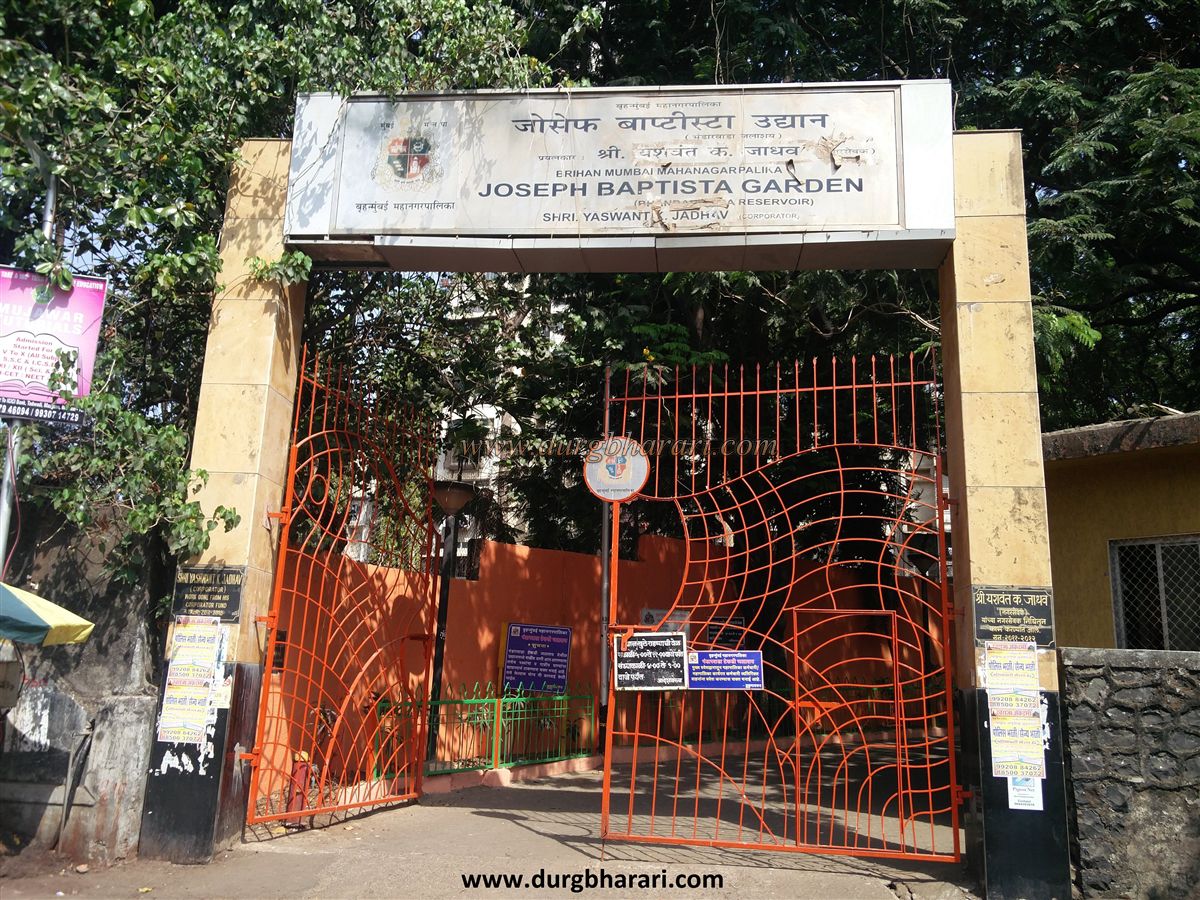
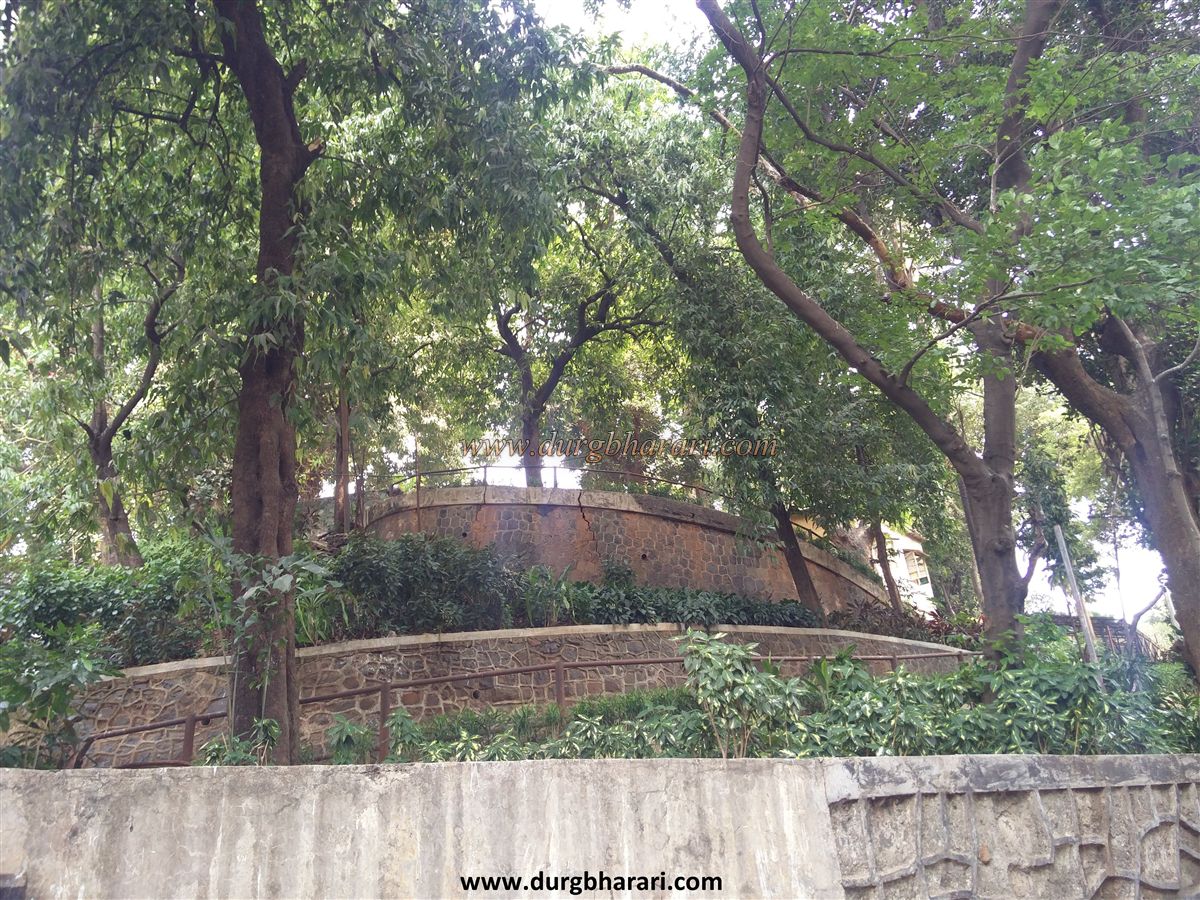
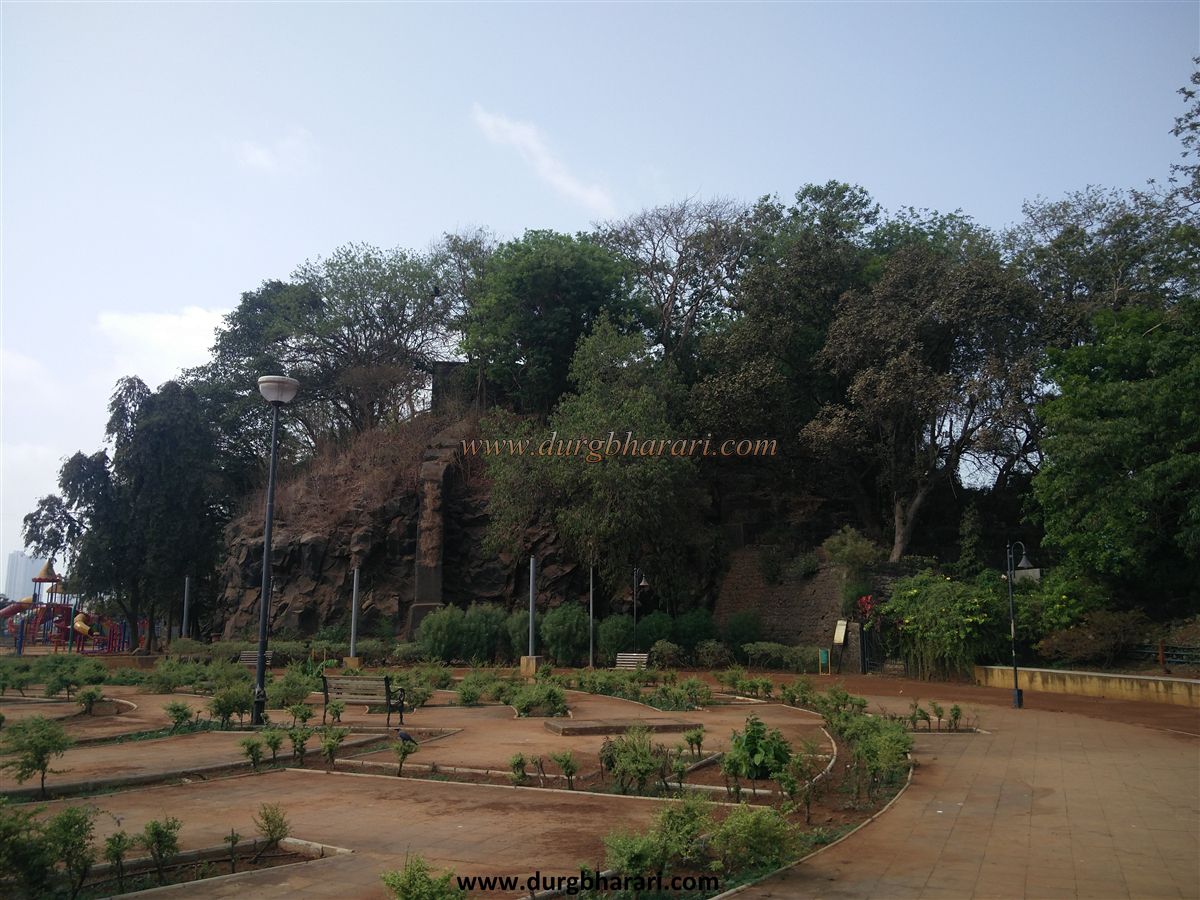
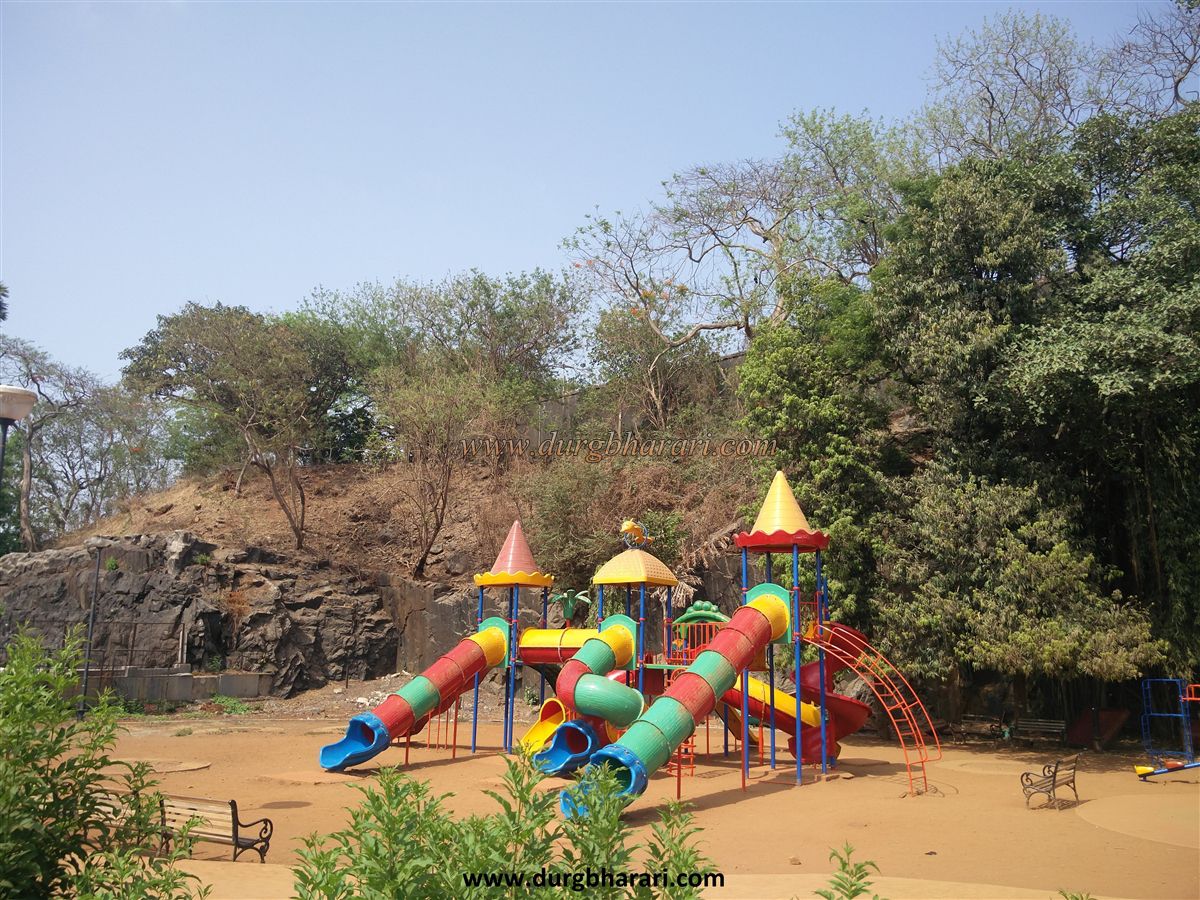
Fearing that if another attack happened, such a large fort might fall into enemy hands again, the British deliberately chose not to rebuild it. The fort was abandoned and left to ruin. After the fall of the Peshwa rule in 1818, the whole of India came under British control, and they no longer saw any strategic need for Mazgaon Fort. Between 1880 and 1884, the British constructed a water tank at the site, naming it after John Grant. During the expansion of the Harbour Railway line, much of the fort hill was destroyed. In the 19th century, a garden was created on the remaining hilltop. Today, there are no visible remains of the fort. In its place now lies a garden maintained by the Brihanmumbai Municipal Corporation. Judging by the size of the park, it can be confirmed that this was the largest fort on the island after Bombay Fort. From the fort, one could see as far south as Colaba, west to Worli, and north up to Shivdi.
© Suresh Nimbalkar
GALLERY