MAROLI KOT
TYPE : COASTAL FORT
DISTRICT : VALSAD
HEIGHT : 0
GRADE : EASY
The region of Konkan in Maharashtra is often divided into two parts due to the geographical location of Mumbai—North Konkan and South Konkan. The coastal belt stretching from Vasai to Daman is considered North Konkan, while the area from Alibaug to Karwar is known as South Konkan. Much of North Konkan was under Portuguese rule for a long time, and as a result, numerous small and large fortified outposts (fort-like structures) built by the Portuguese can still be found along this stretch of the coastline. Most of these forts are now in ruins, with only minor remnants surviving.
Located on the border of Daman, Maroli Fort is one such small structure of Portuguese origin. Though the region once formed part of the Maratha Swaraj, it was included in Gujarat during the linguistic reorganization of states. Since it was once a part of Swaraj, I have included this fort under the category of Forts of Maharashtra.
...
We were able to visit this fort thanks to information provided by our fort enthusiast friend, Shri Jagdish Dhanmeher. The nearest railway station to reach Maroli village is Bhilad, and the distance from Bhilad to Maroli is about 17 km. However, there is no direct transport from the railway station to Maroli, so the more convenient route is via Fansa, which is only 6 km from Maroli.
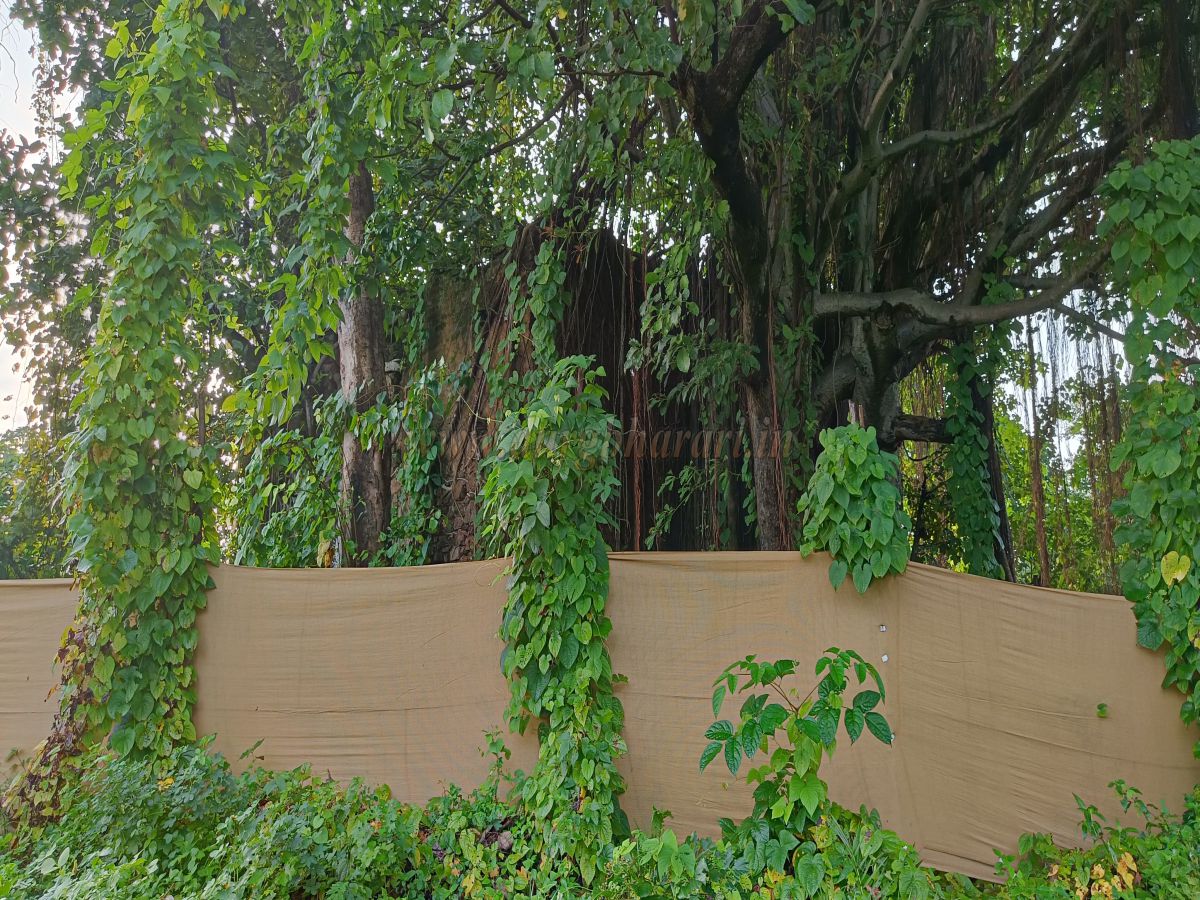
From Fansa village, while travelling along the Daman–Dahanu coastal highway, one crosses the Kalbhairav temple, after which a junction leads to Maroli village. If one continues straight without turning into the village, after about half a kilometre, a structure covered in bushes appears on the left side of the road—this is the fort.
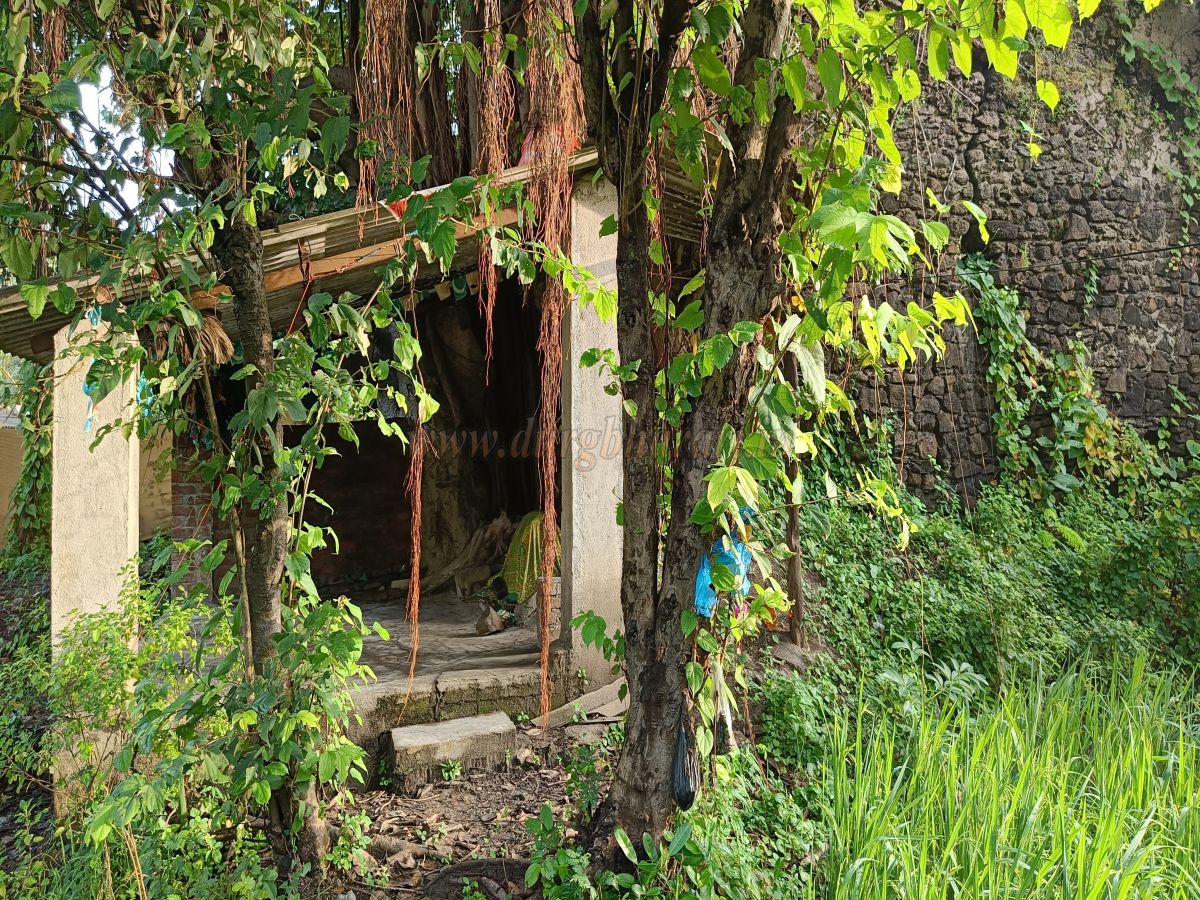
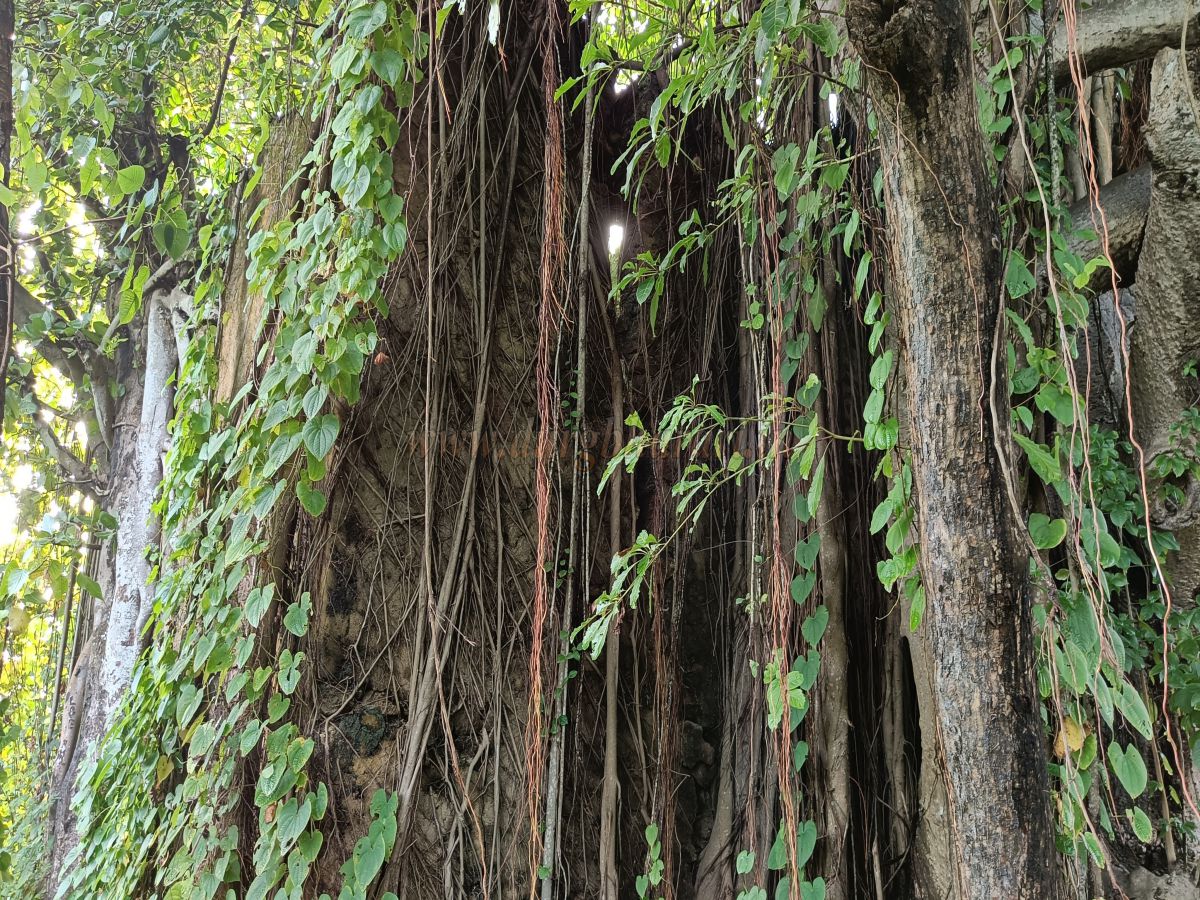
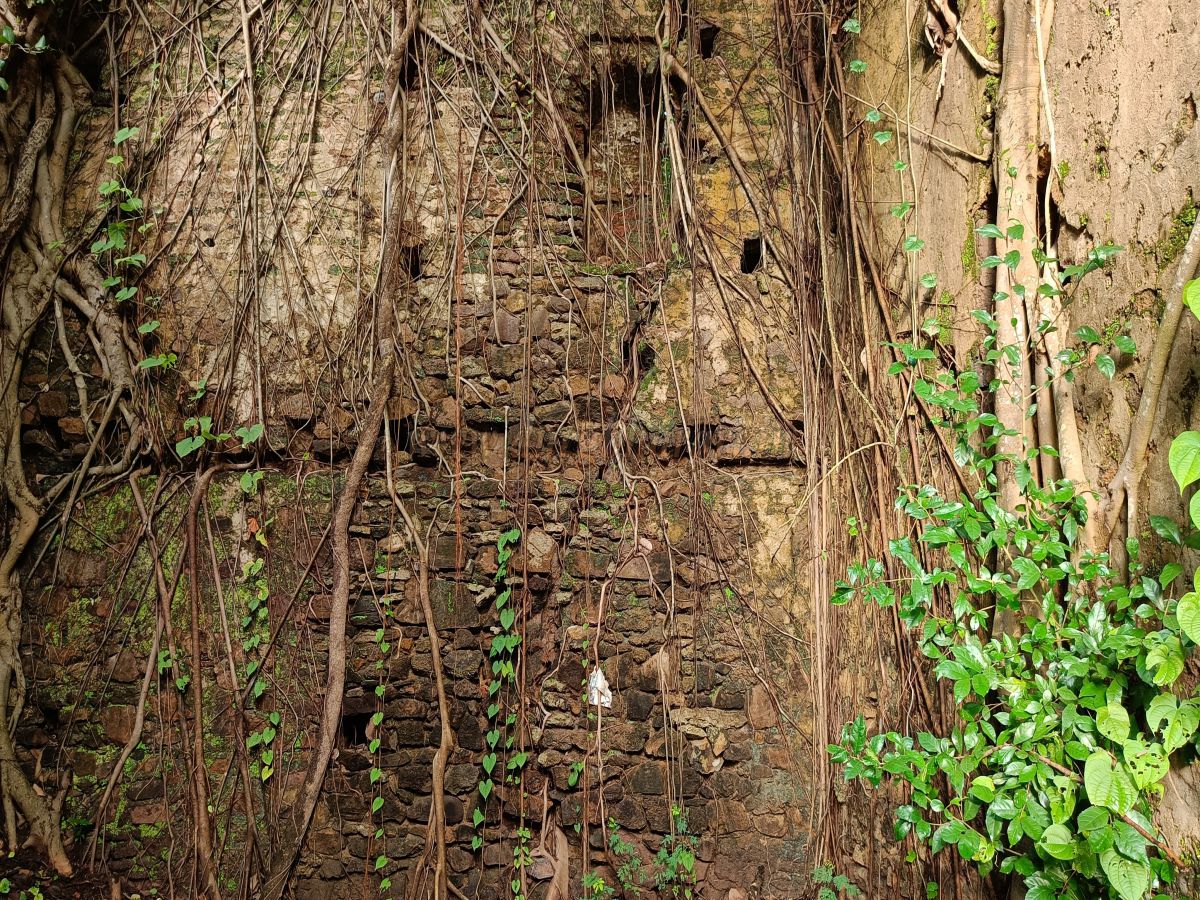
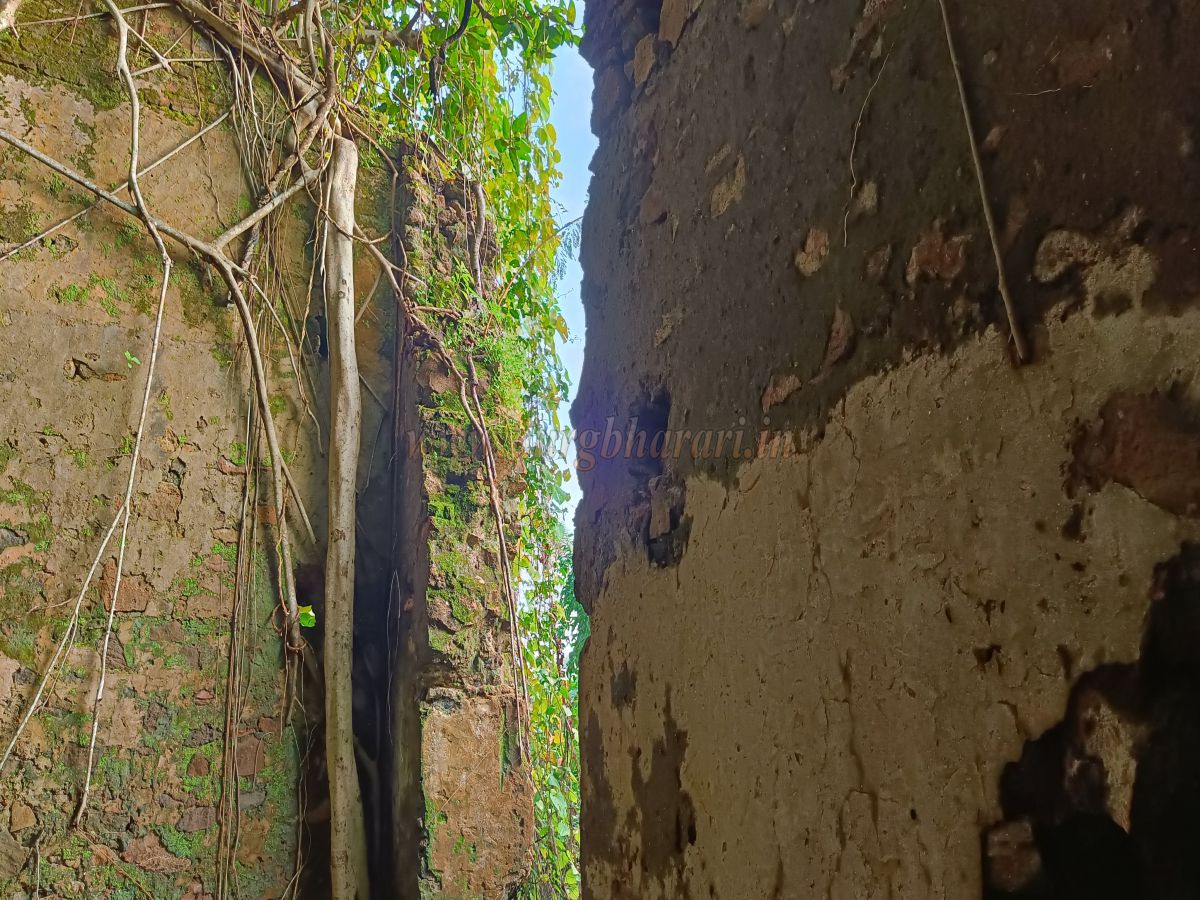
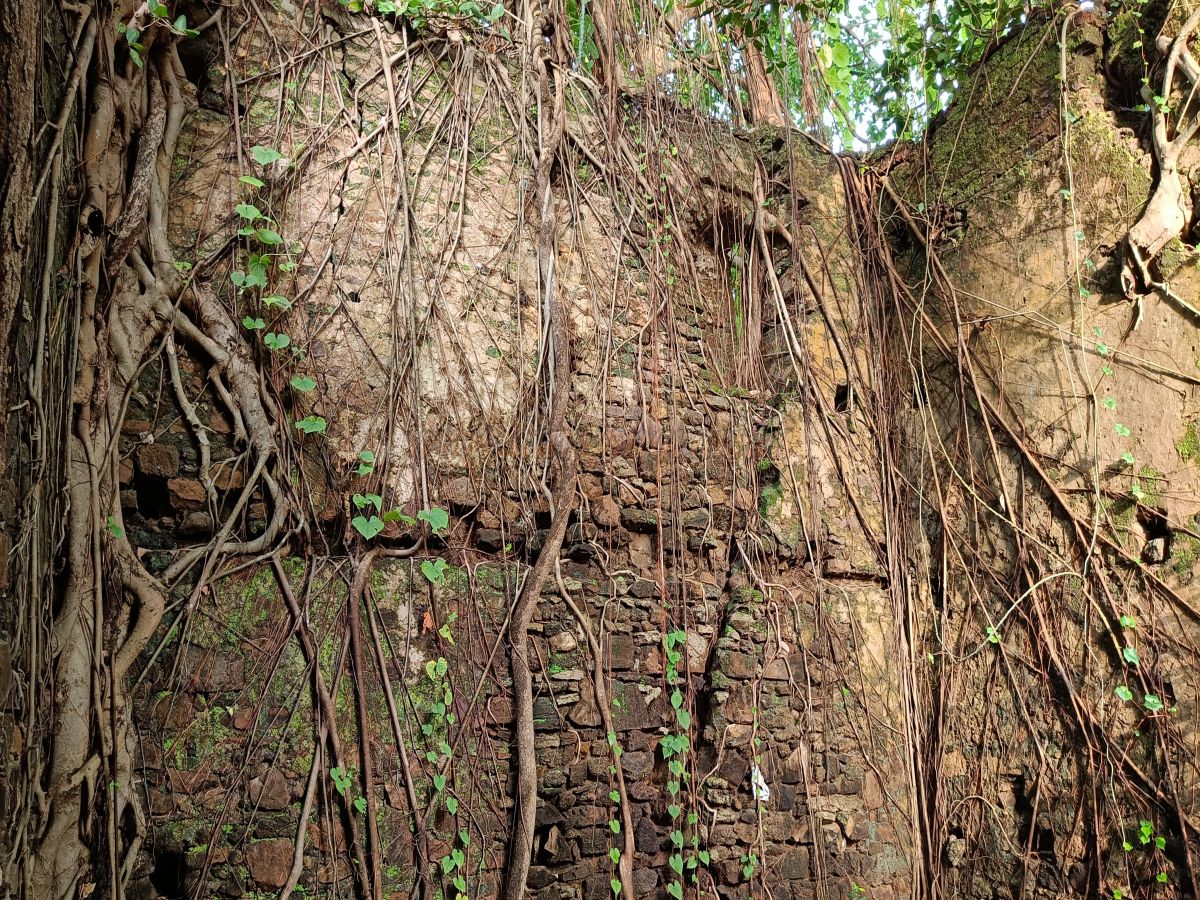
The structure is a two-storeyed building, measuring approximately 30 x 30 feet, and is the only surviving remnant of the fort. The lower portion is built using rough stone, while the upper floor has been constructed using bricks. The interior walls are coated with lime plaster, and grooves for wooden beams to support the upper floor can still be seen. The arch of the main door is completely collapsed, but a window is visible on the upper portion.
Adjacent to the building, a small grave has been recently constructed. The fort lacks any defensive features, so it is difficult to definitively state that it was a fort in the traditional sense. Judging by the lime plaster inside and its position facing the sea, it is likely that this structure served as a customs checkpoint or a watch post.
The current condition of the fort is extremely dilapidated, and ten minutes are sufficient to explore the site. Locals have no knowledge of the structure's history and refer to it simply as "Medi". This fort is now private property belonging to Talathi Gaya Bhai Patel, and permission must be obtained from him before visiting.
The Portuguese were a seafaring community, and most of their forts were built along the coastline to maintain direct maritime connections with Portugal. The fortifications between Vasai and Daman were built parallel to the sea. These watch-post-style forts, constructed mostly in the 16th century, served the purpose of protecting sea routes and supplying resources to larger forts in the region.
These small forts, equipped with watch towers and long-range cannons, allowed the Portuguese to dominate the maritime territory of North Konkan. During the 1739 campaign of Vasai, this region came under the control of the Marathas.
While visitors expecting a large fort may be disappointed, those interested in the geographical and historical significance of Portuguese watch posts along ancient sea trade routes should definitely visit this site.
© Suresh Nimbalkar
GALLERY