MARKANDA
TYPE : ANCIENT SHIV MANDIR
DISTRICT : GADCHIROLI
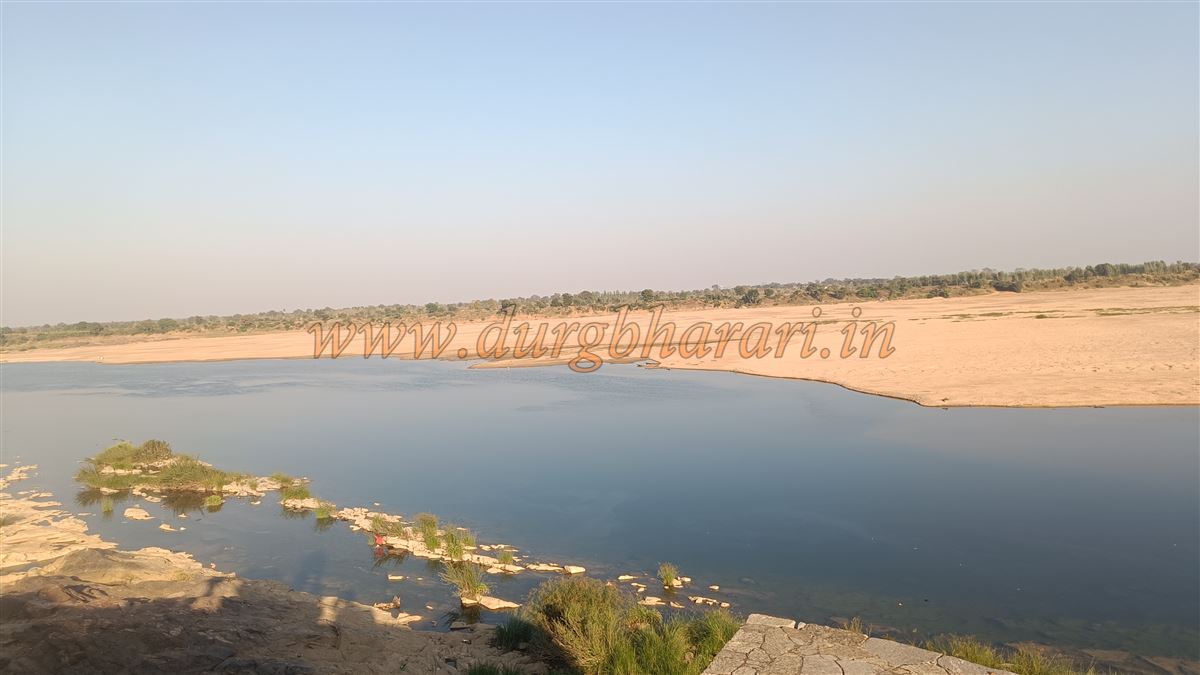
Markanda, known as the Khajuraho of Vidarbha, is located in Chamorshi taluka of Gadchiroli district in Vidarbha. This temple complex is dedicated to Lord Shiva. The name Markanda comes from the Shiva devotee, Sage Markandeya, though some scholars believe that the name is a corruption of “Mayurkhanda.” Rivers hold great significance in Indian culture, and a river flowing northwards is considered especially sacred. Many pilgrimage sites are found along such north-flowing rivers. Markanda is one such site. Near this village, the south-flowing Wainganga River takes a turn and flows northwards. The temples on its bank, built in exquisite architectural style, immediately captivate the mind.
...
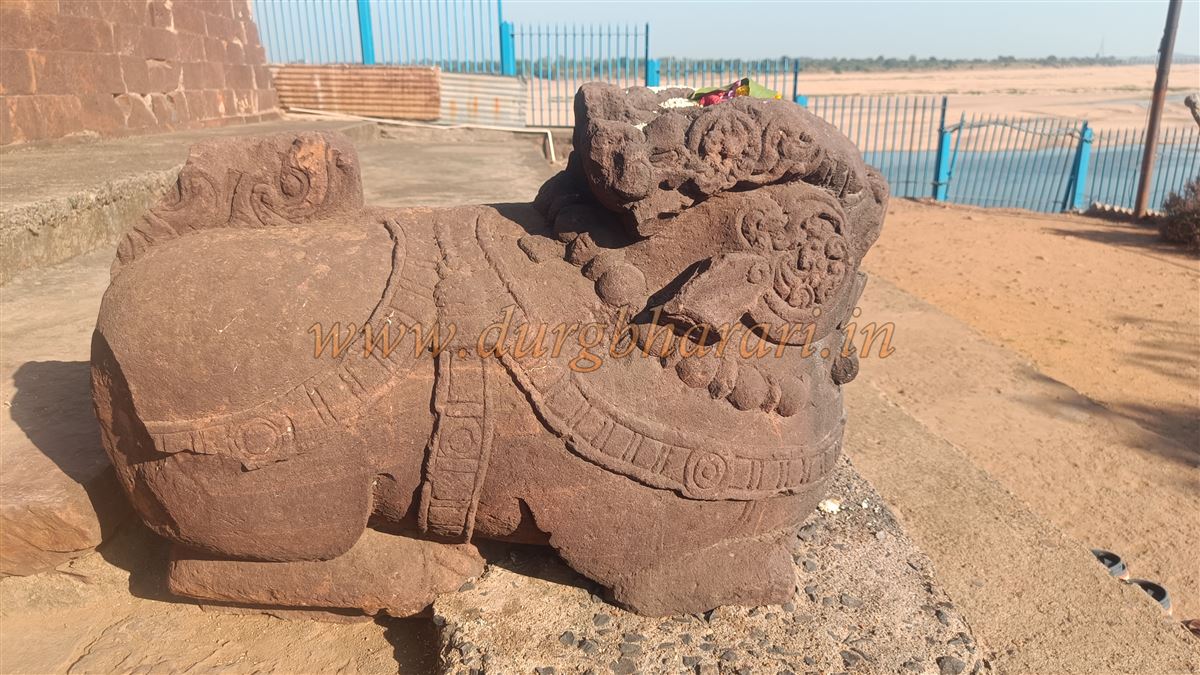
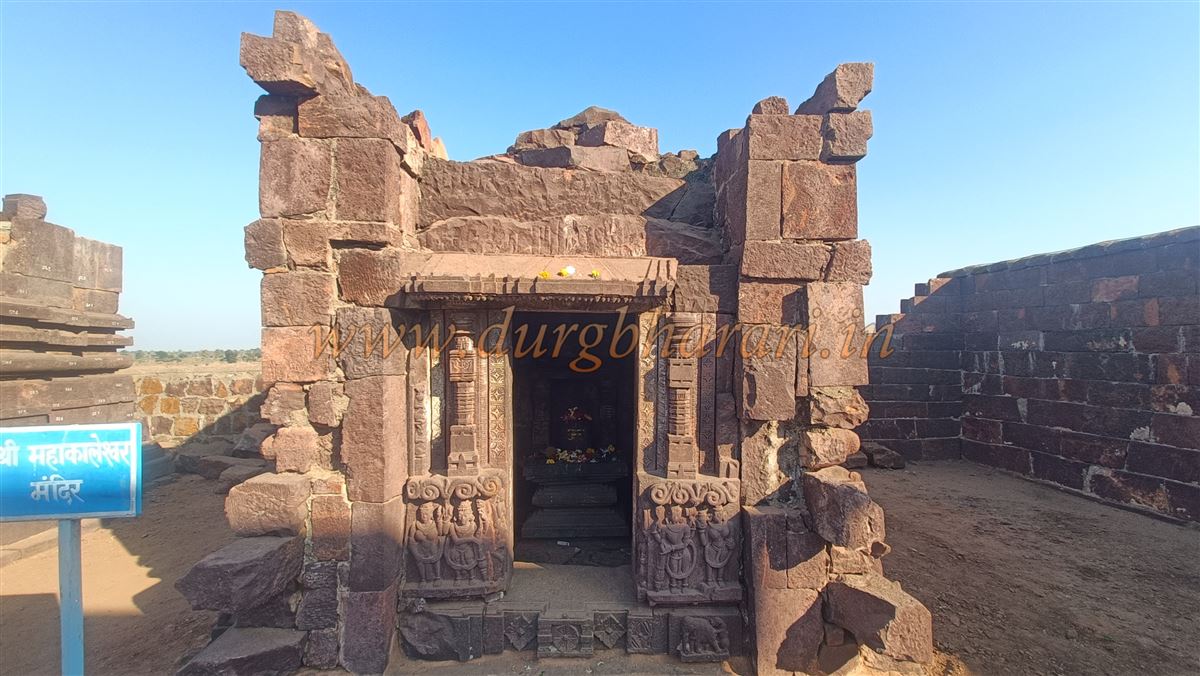
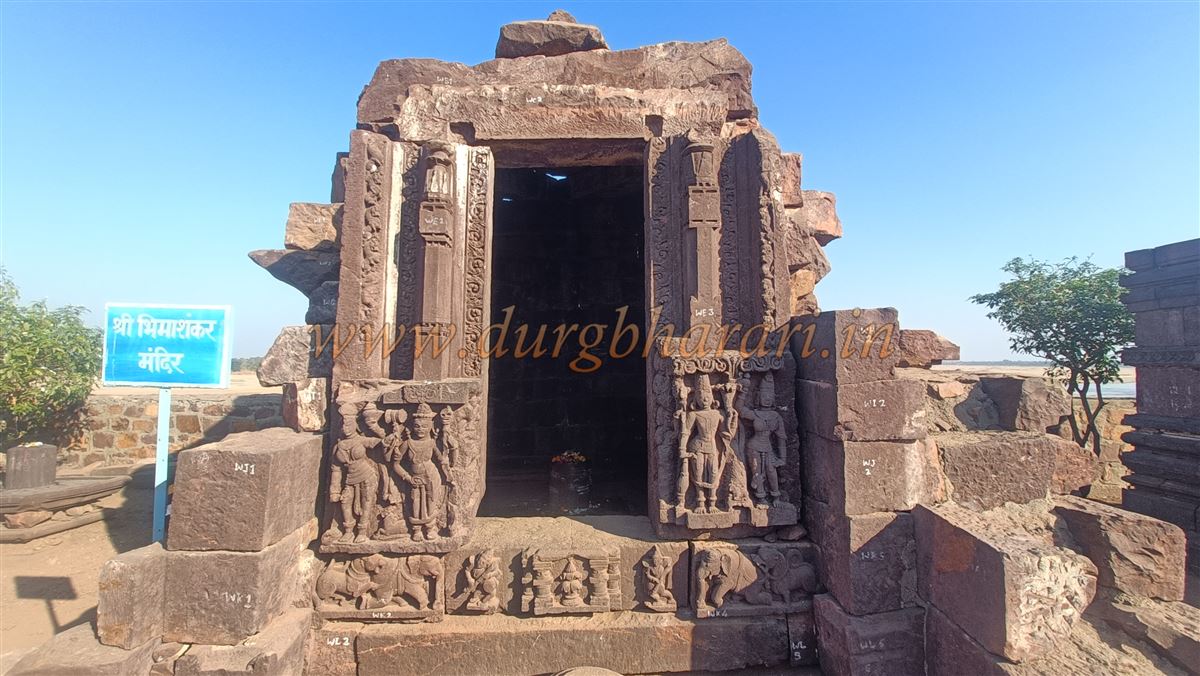
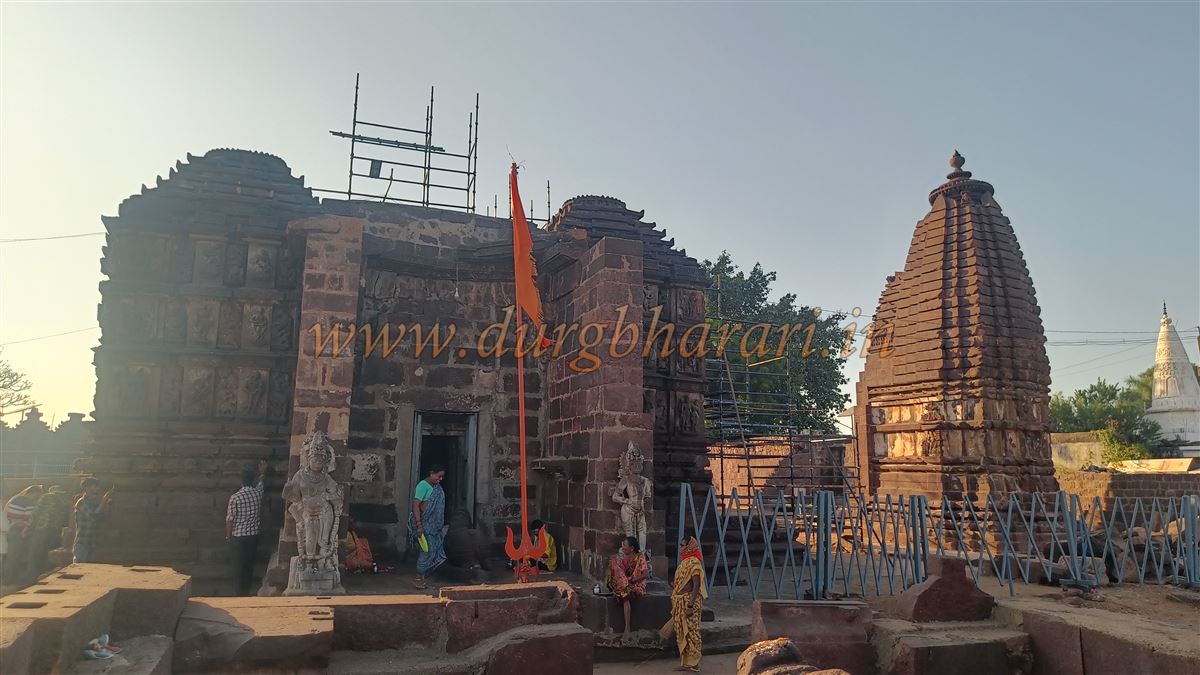
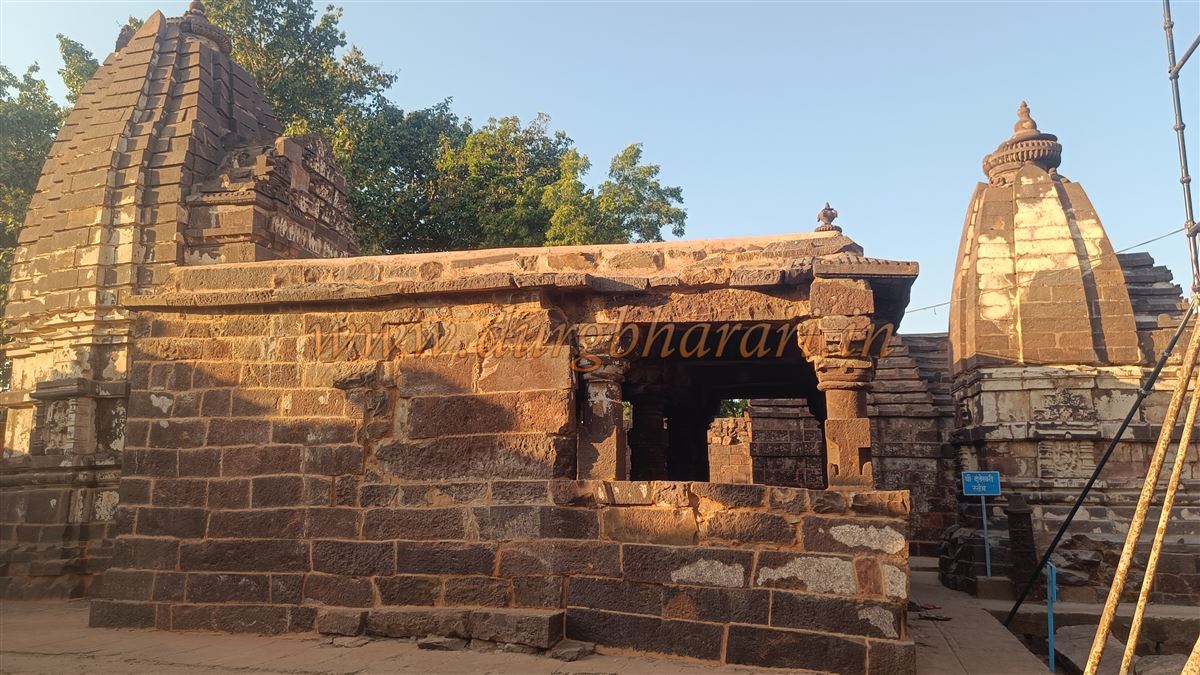
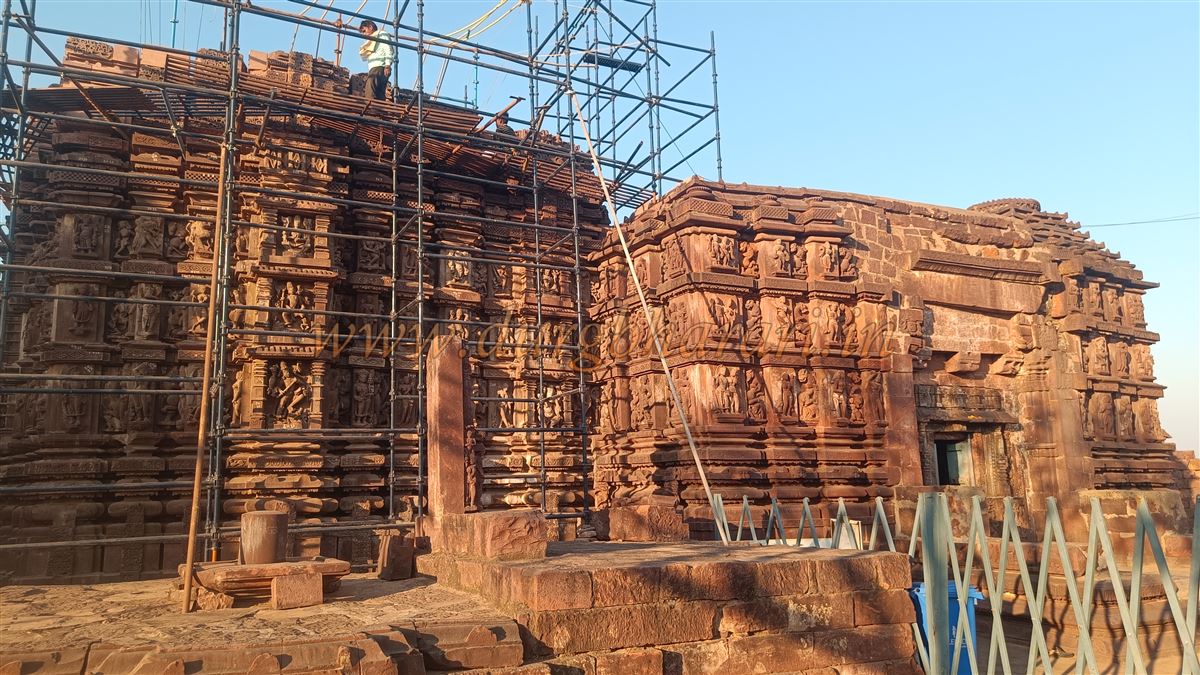
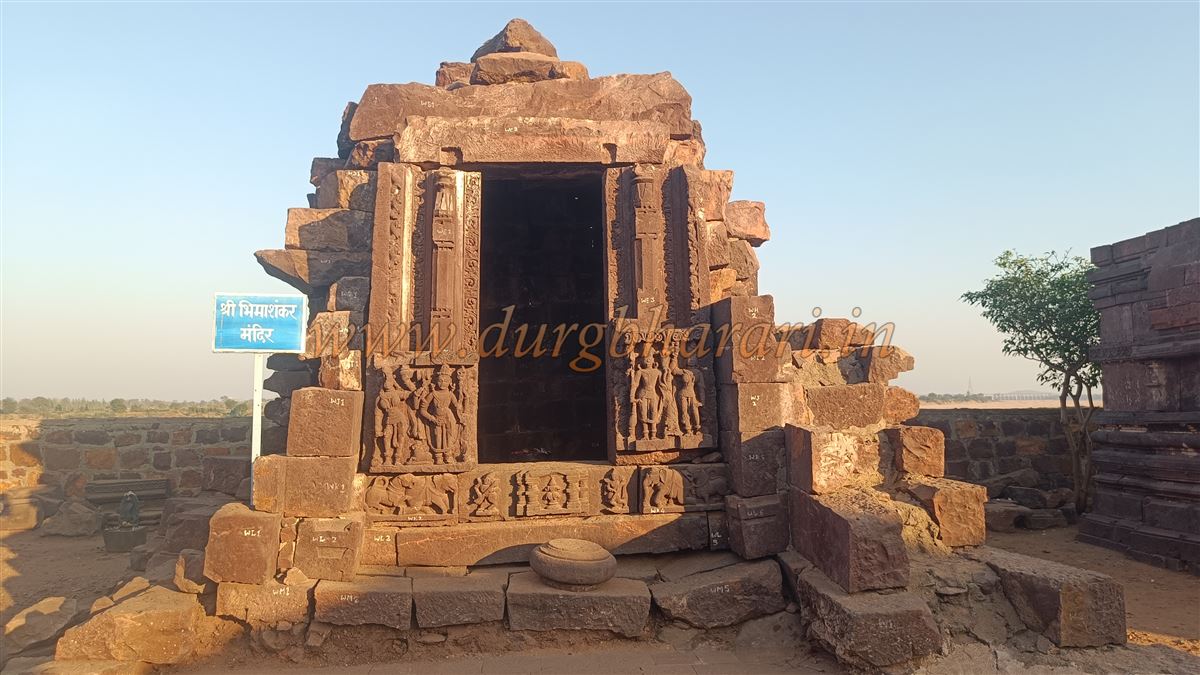
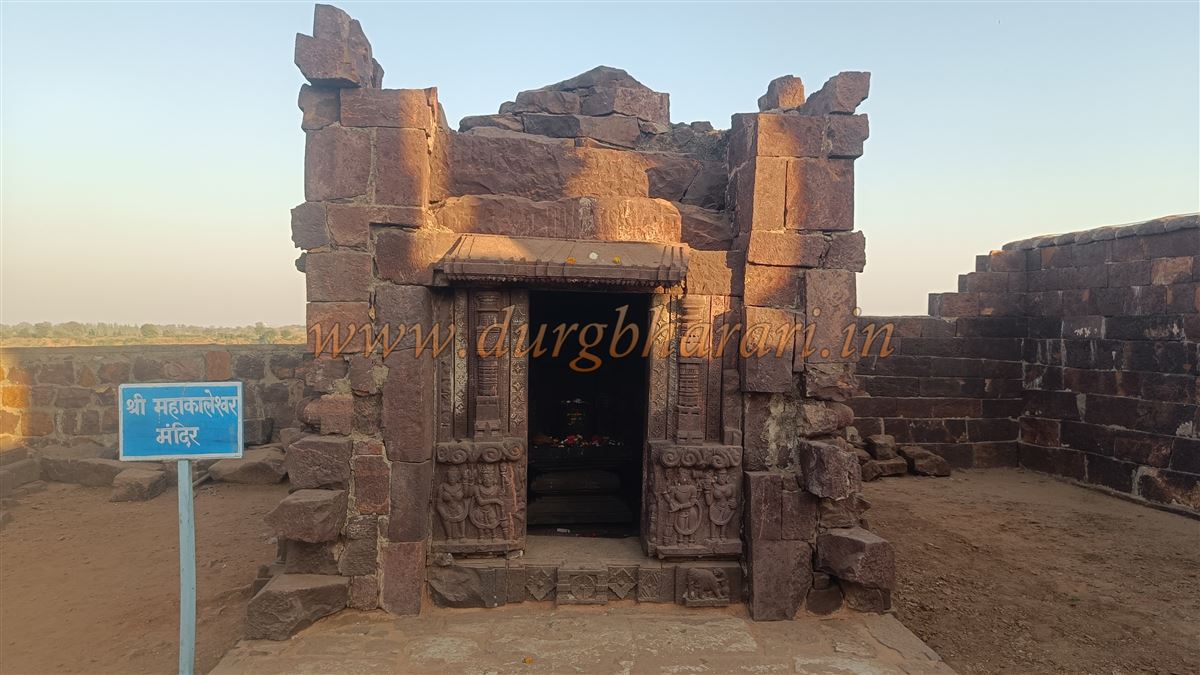
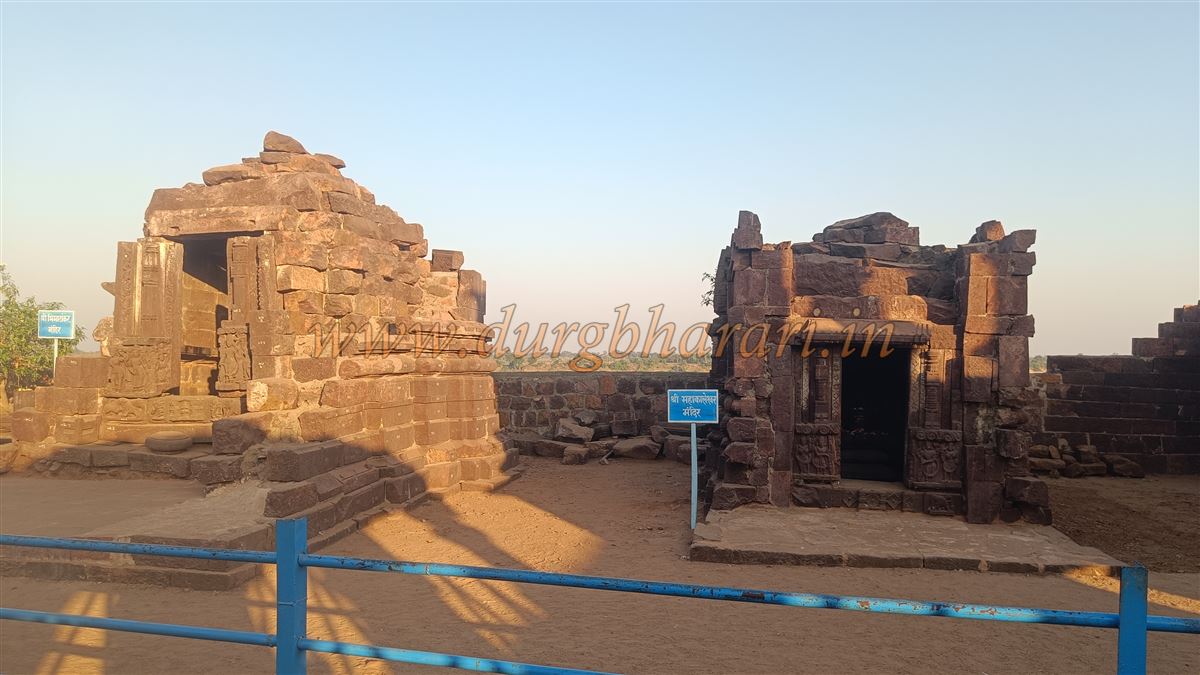
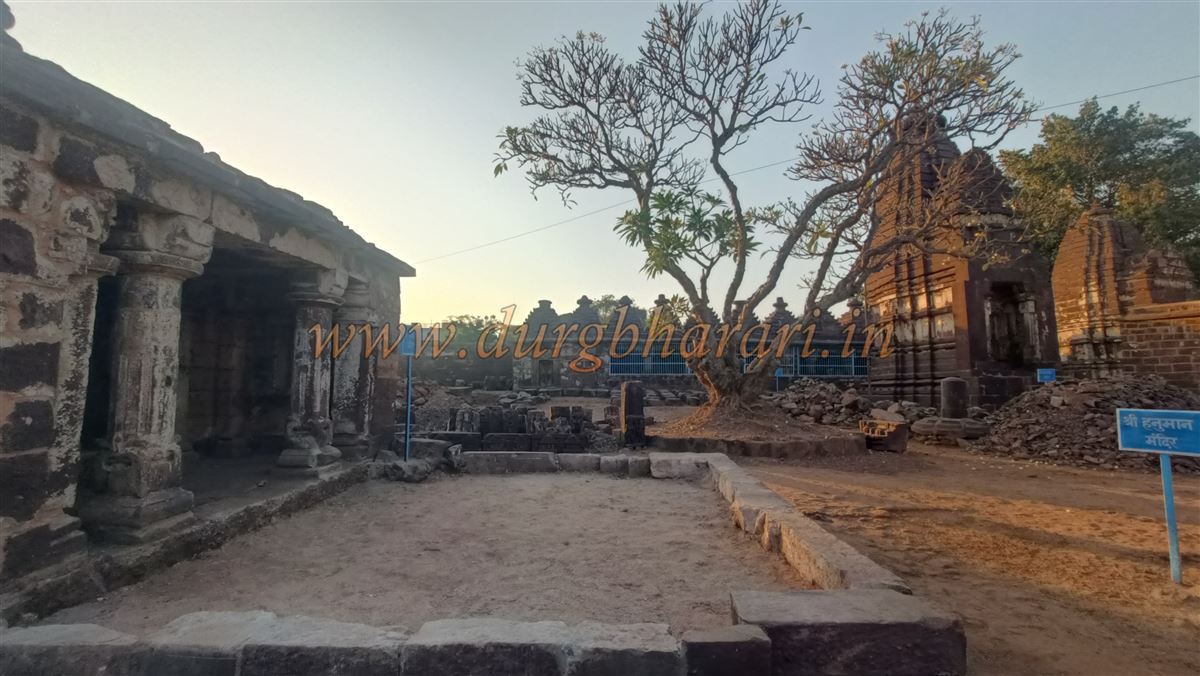
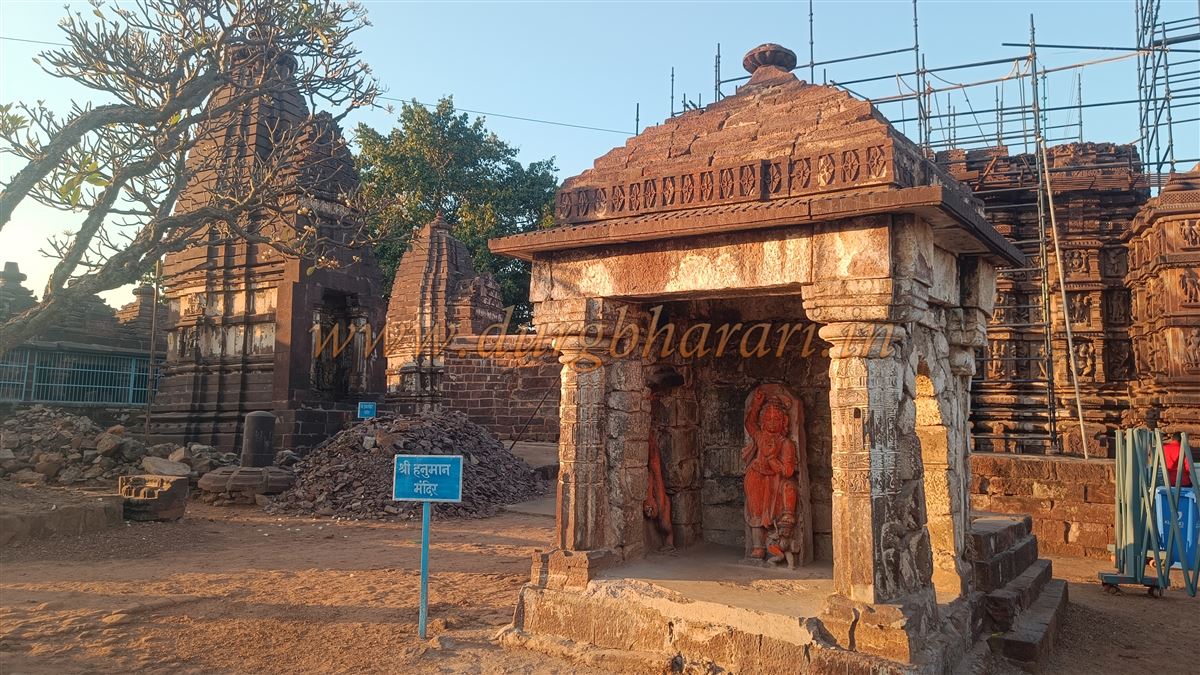
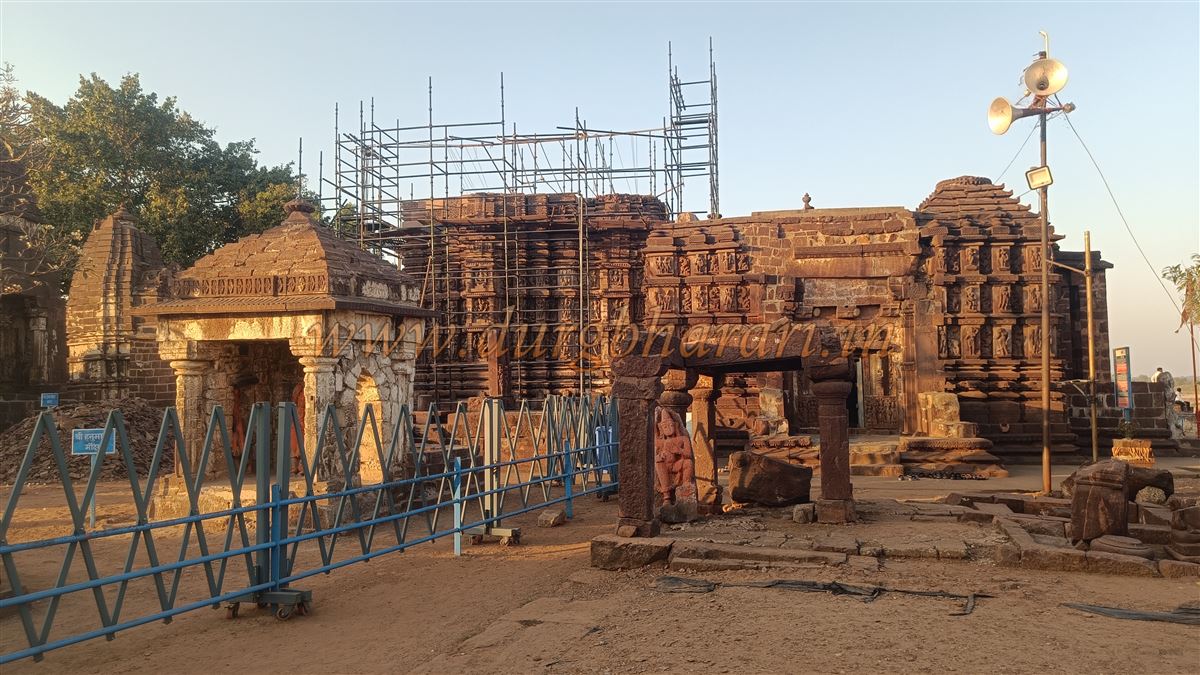
The temple complex at Markanda is laid out in a rectangular plan measuring 196 feet north–south and 168 feet east–west, surrounded by a 9-foot-high wall. Inside this enclosure are 18 temples. There are three entrances — one by the riverside, one in front, and one on the side. Among these temples, the shrines of Markandeya, Yamadharma, and Mahadev are outstanding examples of sculpture. Within the enclosure are temples dedicated to Markandeya Rishi, Nandikeshwar, Yamadharma, Bhruhundimuni, Mrityunjay, Vitthal-Rakhumai, Umashankar, Dashavatar, Shakti Devi, Hanuman, Ganesh, Shankar, Vishweshwar, Bhimeshwar, Vireshwar, and others. The largest and most beautifully carved temple is dedicated to Sage Markandeya and Lord Shiva. It has a plan consisting of an Ardhamandap, mandapa, antaral, and Garbhagriha. Looking at it, one feels as if gazing upon the temples of Khajuraho.
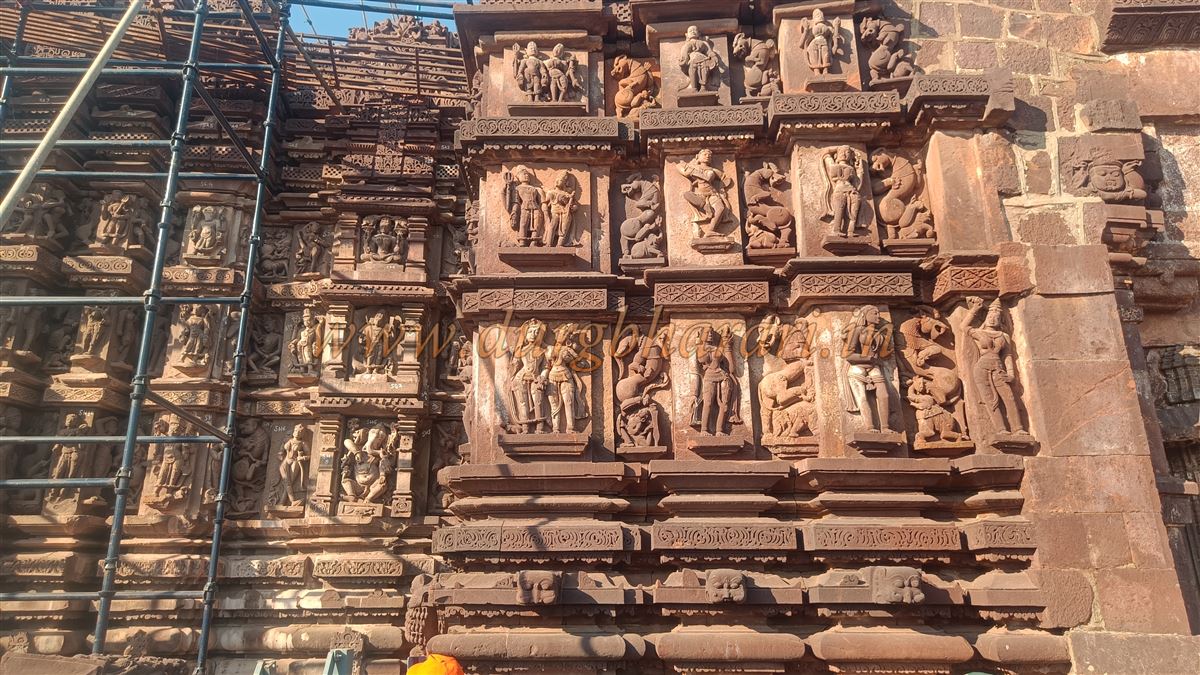
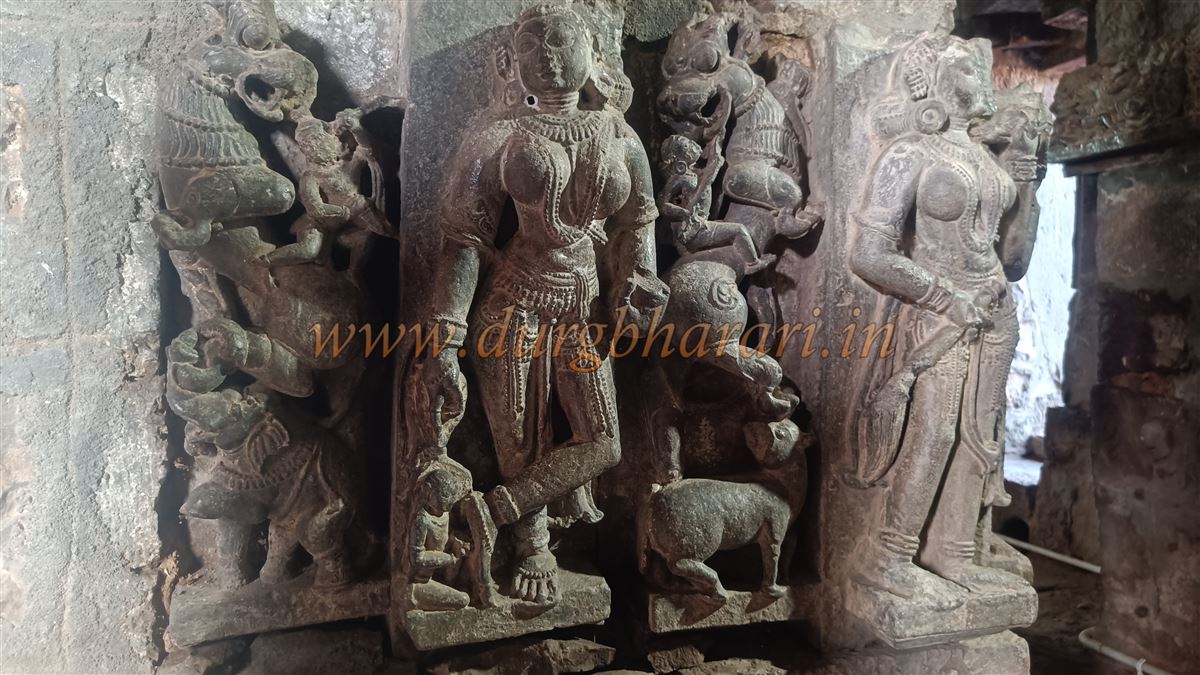
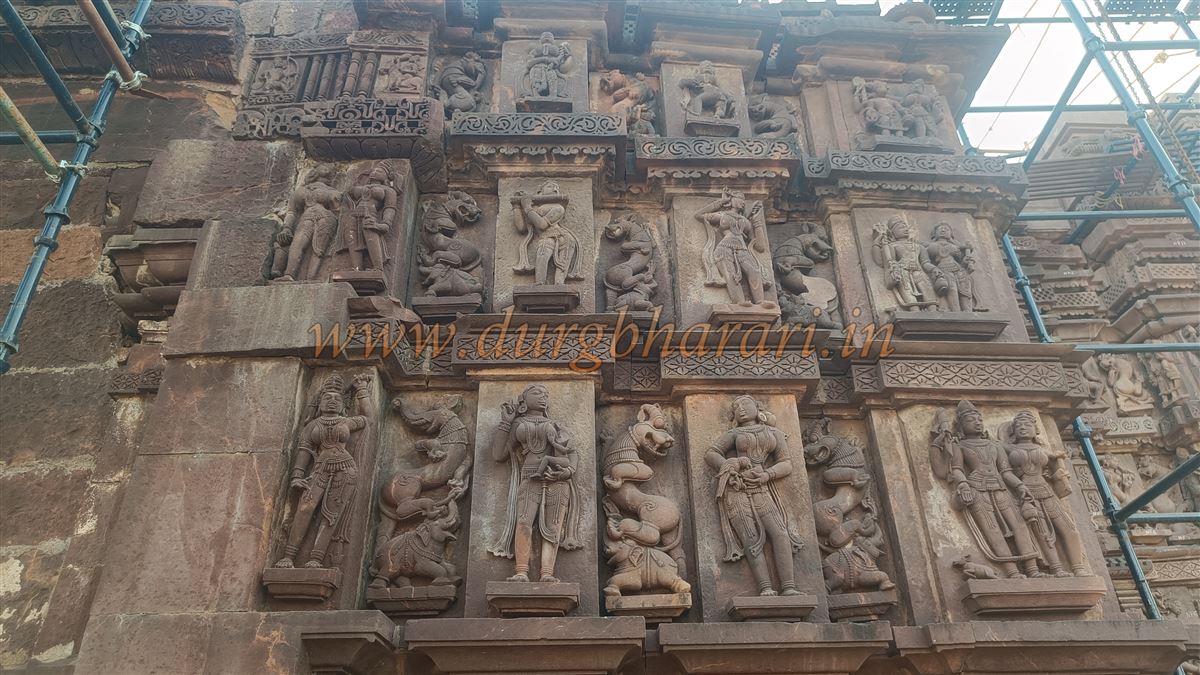
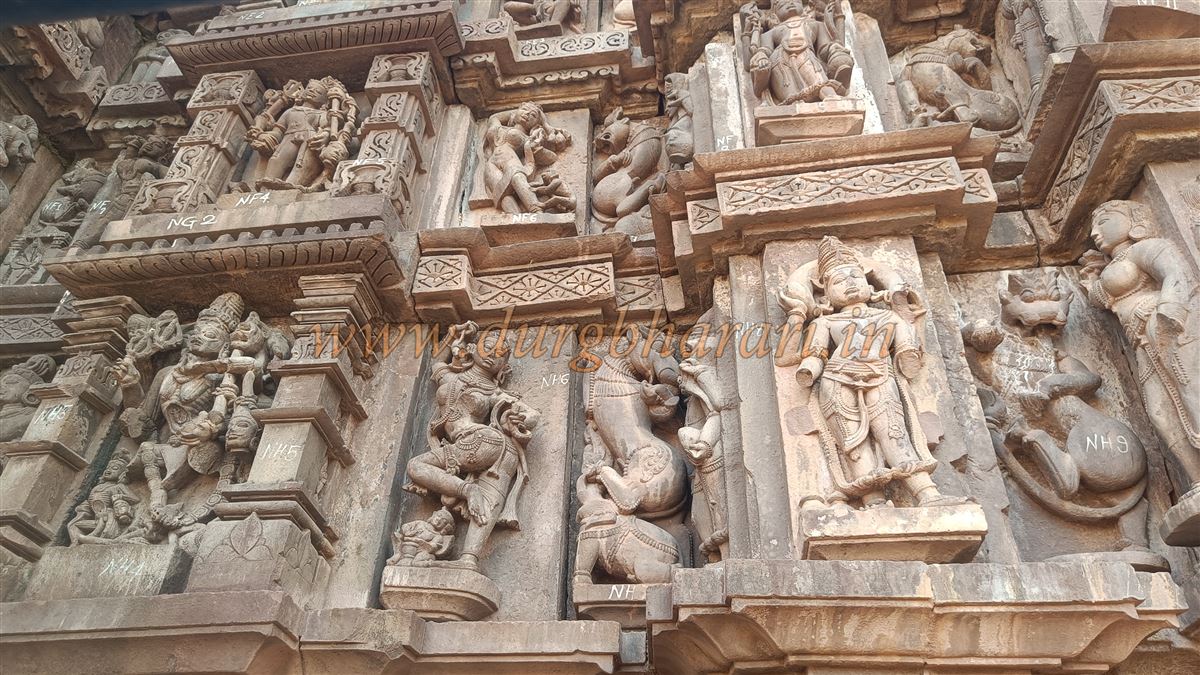
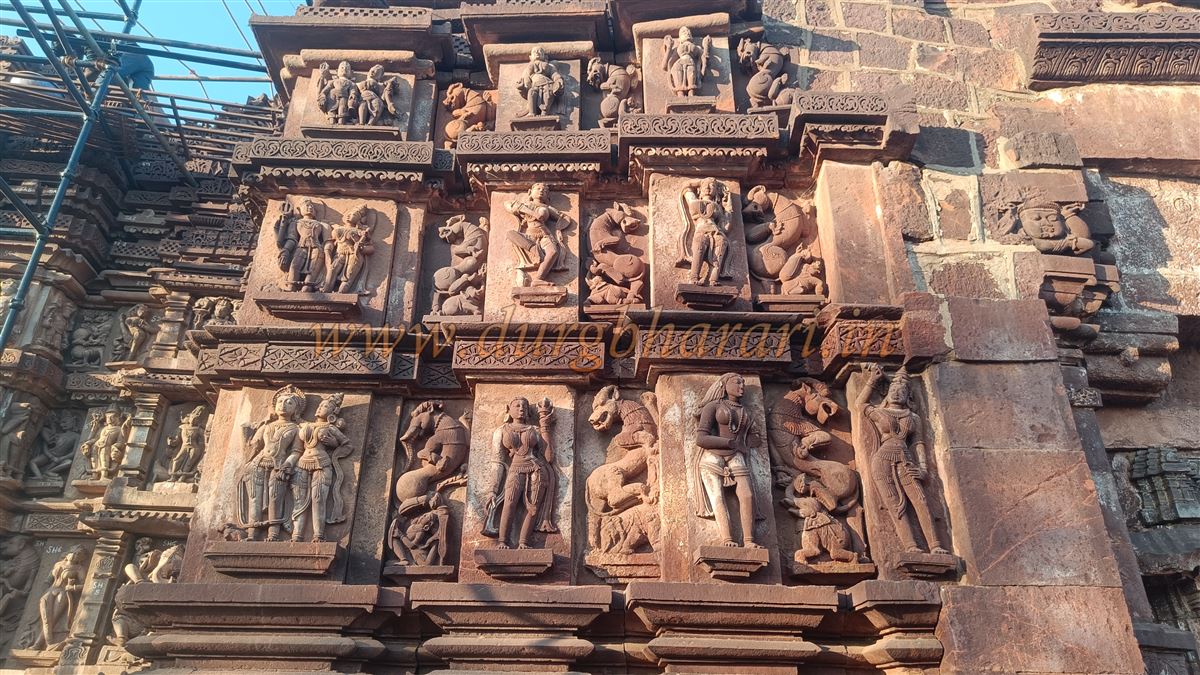
The temple walls are adorned with carvings of numerous deities and various Sursundari (heavenly maidens), which are rarely seen in such abundance and variety on other temples in Maharashtra. For example, one carving shows a parrot being fed grains from a pot by a maiden, while another shows a parrot trying to eat pearls from a necklace. One figure holds both a mongoose and a snake. Many maidens are shown gazing into mirrors while adorning themselves in different ways. The fine, intricate detailing is a hallmark of these temples. The sculptures depict the various shades and experiences of human life, with facial expressions carved vividly. Erotic sculptures (maithuna Shilpa) are another distinctive feature of the Markanda temples. Among all the sculptures, one statue of a maiden holding a mango twig is exceptionally beautiful and is believed to represent Amrapali. Her ornaments, garments, and even the leaves of the mango twig are rendered with striking clarity.
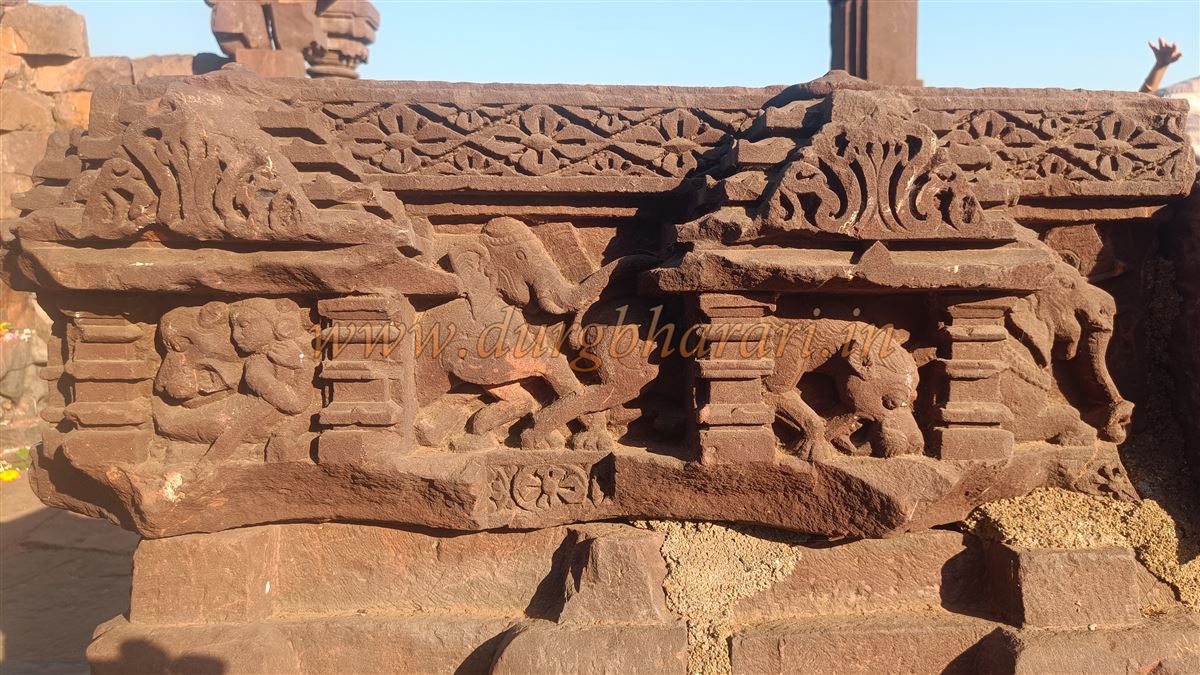
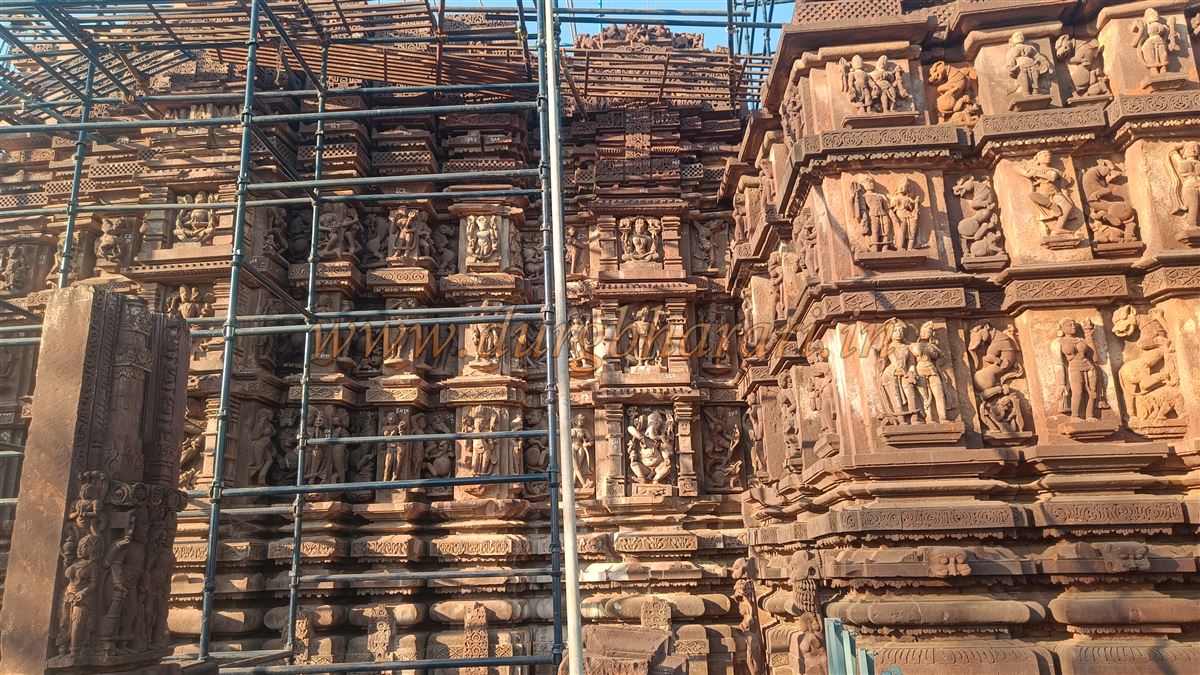
Unlike the Khajuraho temples, these temples do not have a jagati or platform. The base (adhishthana) is adorned with finely carved decorative bands. The outer wall from the base to the roof is called the mandovara in temple architecture. The sculpted section of the mandovara is called the Jangha, and the number of horizontal rows of sculptures determines its classification. The mandovara of Markanda temple has three horizontal rows of sculptures, making it a trijangha temple. Khajuraho temples also have this feature, which perhaps explains why Markanda reminds visitors of Khajuraho.
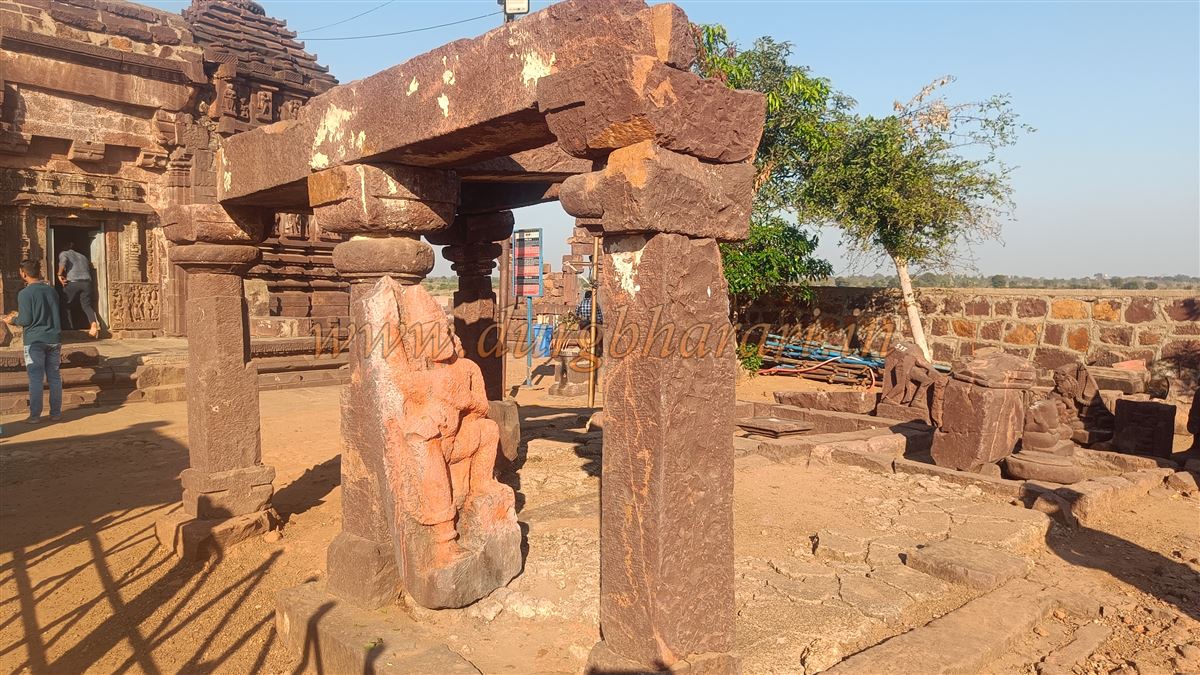
The mandovara here contains more than 400 sculpted figures of gods, goddesses, heroes, heroines, heavenly maidens, vyalas, Ashtadikpalas, principal deities, and scenes from the Ramayana and Mahabharata. It faces east, and directly in front stands a beautiful Nandi mandapa, from where one enters the temple. The mandapa also has doorways on its north and south sides. The central floor slab (rangashila) in the mandapa is slightly raised, with small steps leading up to it. Sadly, the original roof of the mandapa has collapsed, and much of the restoration has used lime plaster.
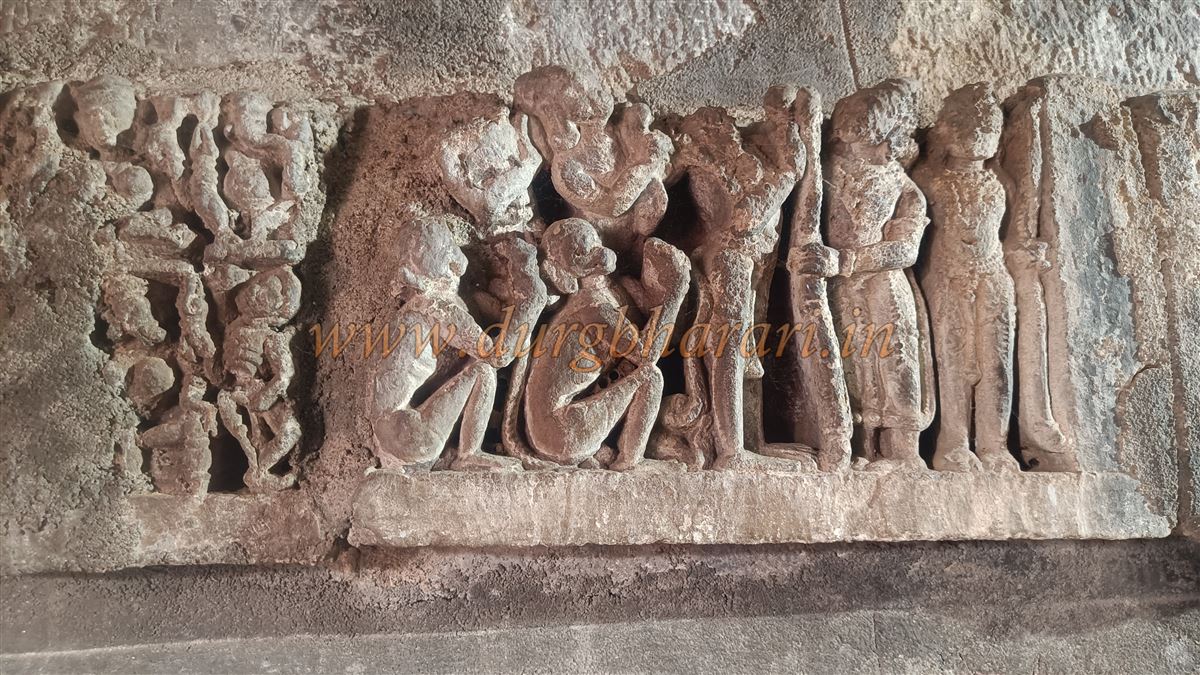
From the mandapa, one passes into the antaral, then descends a few steps into the Garbhagriha, where Markandeshwar is enshrined. The interior also houses many beautiful sculptures, some possibly placed there at a later date. The temple doorframes are especially striking. One of the rarest and most unique sculptures here is that of a four-legged, eight-armed form of Shiva known as Chatushpaad Sadashiv. All eight arms of the idol remain intact. The four legs symbolize the four stages or paths in Shaiva philosophy: Charyapada, Kriyapada, Yogapada, and Janapada. Similar idols exist in the Kandhar Mahadev temple at Khajuraho.
Another unique image combines four deities — Brahma, Vishnu, Shiva, and Surya — into one form known as “Brahmeshanjanardanaraka” or “Hariharapitamaharaka.” In this sculpture, Brahma (Pitamah), Shiva (Ishana), Vishnu (Janardan), and Surya (Ark) are represented together, with Surya’s seven-horse chariot, Vishnu’s conch and discus, Brahma’s ladle and rosary, and Shiva’s trident. The goddess Bhudevi and Surya’s attendants, Danda and Pingala, are also carved here.
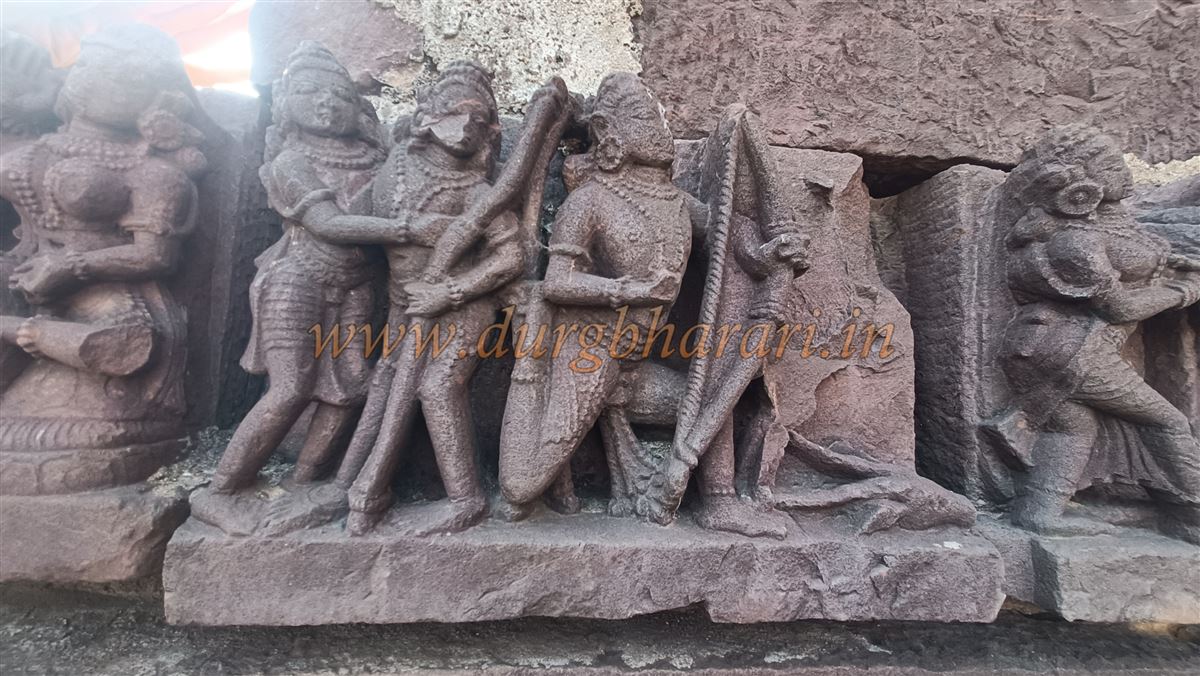
The temple walls also depict Ramayana scenes such as the golden deer, Ravana’s approach in disguise, his resuming his ten-headed form to abduct Sita, the battle between Ravana and Jatayu, Rama meeting the dying Jatayu, and the duel between Vali and Sugriva. From the Mahabharata, there are scenes like Bhima and Duryodhana’s mace duel and the breaking of Duryodhana’s thigh. Figures of Saraswati, Gajlakshmi, Narasimha, Kartikeya, Chamunda, Ganapati, Bhairav, Nataraja, and many Sursundari are also carved here.
Owing to its superb architecture, exquisite sculpture, and rich temple complex, senior scholar Dr. Deglurkar has called this site a “Chakravarti Devalaya” (emperor among temples). A grand fair is held here during Mahashivratri, attracting pilgrims from Chhattisgarh, Madhya Pradesh, and other parts of Vidarbha. At other times, the temples remain relatively quiet.
According to legend, the site is linked to Sage Markandeya, who, when told at age 16 about his birth and impending death, came to the Wainganga River with his parents’ blessing to perform penance for immortality. At the appointed time, Yama came to take him, placing a noose around his neck. Lord Shiva emerged from the Shivling and stopped Yama from taking his devotee, granting Markandeya eternal life and glory.
In 1873, Cunningham brought these temples to the attention of the wider world. He recorded that there were once 24 temples here. The Archaeological Survey of India’s reports mention that around 1777, lightning struck, causing severe damage to many temples. Around 1924–25, more temples collapsed. Today, 18 temples remain in noteworthy condition. Researcher G. B. Deglurkar of Pune believes that they date from the 11th century or slightly later. The temples were built between the 8th and 12th centuries by the Rashtrakut dynasty, whose capital was then at Ellichpur (present-day Achalpur). Built over a thousand years ago, these temples are a magnificent example of Indian sculpture and architecture. The wondrous glory of Maranda’s temples is something one must witness with one’s own eyes.
© Suresh Nimbalkar
GALLERY